Posted: March 6, 2019 | Author: Jeff Bowles | Filed under: Fiction, Humor, Inspirational, Nonfiction, Pep Talk, Writing | Tags: Criticism, Jeff Bowles, Jeff's Pep Talk, Writing, Writing to be Read |

The Big C(riticism)
By Jeff Bowles
The first Wednesday of every month, science fiction and horror writer Jeff Bowles offers advice to new and aspiring authors. Nobody ever said this writing thing would be easy. This is your pep talk.
I don’t think there’s a soul on earth who likes criticism. There’s just something about it that can cut to the bone. Human beings have such fragile egos anyway, those pesky little conscious seats of individuality that get bruised and battered when others make us feel small, less talented, less competent, perhaps even less valid as people. Some more than others, right? I’ve had writers tell me they never feel offended, angry, upset, or in any way discouraged after a round criticism. I don’t think I believe them. I mean, not at all? Even just a little? Really?
And of course, if you’re checking out this blog, odds are you’ve seen your share of creative criticism. It’s essential to the process, right? Every writer can benefit from it, from the newest of newbs to the most seasoned authors. And a change in attitude often occurs once a writer actually gets neck deep in a viable career. At that point, criticism has become just another part of the job, kind of less of a hassle than, say, making deadlines you have no hope of making or enduring long, drawn-out revision cycles.
But there’s another dimension to writers that’s so common it’s a cliché. Many of us suffer from mental illness. I know I do, and lots of my associates and acquaintances are in the same boat. Most of the time their personal stories boil down to a bit of depression here and there, but look, there’s something about a creative profession that requires long periods of solitude that seems to attract folks who are maybe a bit less emotionally equipped than the rest of humanity. Plus, you know, the ubiquitous link between genius and madness. Some of the greatest writers in history should have been in the nut house. Some of them were.
Now there’s a big difference between getting your feelings hurt over some bad comments from a crit group and losing your mind completely. We subject ourselves to the honest (and often brutal) opinions of our colleagues because we understand in the end criticism will make us better. Especially when we’re just starting out. If we can find a few people who really get what we’re all about and who consistently offer good feedback, we’re wise to consider them valuable resources. The fact remains, writers pour ourselves into our work. In many ways, stories and novels, articles and memoirs, they’re like our children. Sometimes it’s hard not to take criticism personally. And I don’t think there’s anything wrong in admitting it.
So as a writer who’s had one or two creative outbursts himself (sorry about that black eye, prof), here’s a few tips to soothe the wounded beast. Number one, and going back to the crit group thing, it really does help to know a few people who are on the same page as you creatively. It’s old advice, but it is enormously beneficial. Also, try not to work with writers who aren’t quite as skilled as you are. Likewise, learn to recognize when you’ve gotten in with folks who have a lot more ability and experience. Writers who punch in above your pay grade aren’t going to be able to help as much as you might expect, and you may even struggle trying to understand and disseminate their feedback.
Next tip: always keep a few pots on the fire. Okay, this new story didn’t work out for me, but at least I have that other one that shows way more potential. Dive into this process head first, if you can. Conceive, draft, and revise in cycles. Nothing blunts criticism like a sense of forward momentum. Keep an idea notebook handy. Never miss an opportunity to dream up something new and play with it a little. We’re still growing here. Got lots and lots of stories to tell in the future. Stagnation sucks. It crushes the life out of creativity. Avoid it if at all possible.
Tip number three: make sure to honor your private life. I mean that. Some people throw themselves into their work at such high velocity their relationships and daily routines suffer. You’ve got friends, right? Hang out with them, have some fun. While we’re at it, don’t neglect your romantic life, either. Seems like kind of a toss-off to some people, but look, you’re human. Biology is a factor, and it’s just a basic fact that people tend to be happier when they consistently engage this part of their personality. Family, hobbies, even other, more practical career goals, these can all serve as a refuge when your creative mind is battered and tired. Conversely, writing itself can act as a pretty powerful refuge from things like, oh, family, hobbies, career goals, romantic life, friends…
Fourth tip: don’t worry about developing a thick skin. Focus more on developing a keen critical mind. Say someone tears your latest to shreds. You can either A) get emotional about it, B) decide this loser doesn’t know what the hell he or she is talking about, or C) penetrate the matter a little more deeply, choose which criticisms are valid, discard everything else, move on to the next thing. Your lizard brain is your lizard brain. It’s a given. But your analytical mind, that you’ve got to hone. So get clinical if you can. Easier said than done? For some it really is. You’re not a robot. At least I don’t think you are. I mean, you haven’t blinked in several minutes. I’m watching you…
Do the best you can to stay neutral during and after a round of feedback. Or if not neutral, at least receptive and pragmatic. This is a process. Repeat it to yourself if it helps. This is a process. This is a process. And don’t forget to ask plenty of questions. Stay engaged. Again, criticism affects people differently. I imagine some will read this blog post and think, “I don’t see what the big deal is. This Jeff Bowles guy must be a total train wreck.”
To which I might reply, “Stop staring at my mangled caboose!”
…Ahem, yes. Anyhoo, there’s no accounting for temperament. Look, it’s always seemed to me writers just aren’t honest when it comes to these things. And why should we be? Nobody likes a hot head. No one’s particularly desperate to work with a soppy, spongy mess. But there’s always the case to be made for blowing off steam when necessary. Never let it jeopardize your work, your reputation, or your sense of professionalism, but don’t bottle it up, either. If you find the situation becomes chronic, do a little soul searching. What’s really bothering you here? Why does criticism seem to affect you so much? Self-analysis, some say, is the path to divinity. Not that divinity has anything to do with the life of a writer.
Speaking of which, and if all else fails, there’s still good old-fashioned counseling and therapy. It might sound dopey and overwrought to even remind you of it, but sometimes in life, it helps to get serious about ourselves and consider our own triggers and shortcomings. No shame in it, and never let people tell you there is. Mental health is extremely important, much more important than the modern world ever seems to recognize. And even simple depression can become dangerous if left unchecked.
And now to spoil the mood completely, some depressed writer jokes!
“Well doc, I guess it all started when they said my steampunk riff on The Notebook was even lousier than my 50 Shades of Grey fan fic written from the whip’s perspective.”
“Really? And how did that make you feel?”
“Like we should have used a safe word.”
Why did the anxiety-riddled writer cross the road? Are you crazy? I’m not going outside. That road is clearly a death trap.
[end of joke digression]
Ready to tackle another round of critiques? Well, in a perfect world, I guess you would be. Do what you need to do to combat discouragement and self-defeatism. One of the healthiest attitudes we can adopt as professional writers is the macro, career-long perspective and an abysmal memory. If the fates allow, you’re in this for the long haul, so just remember this or that little hiccup will mean nothing in the end. It’s a basic fact that we learn more from failure than success. So what are you waiting for? Get out there and fail as hard as you can!
Pep talk concluded. Feel better now, don’t you?
Jeff Bowles is a science fiction and horror writer from the mountains of Colorado. The best of his outrageous and imaginative short stories are collected in Godling and Other Paint Stories, Fear and Loathing in Las Cruces, and Brave New Multiverse. He has published work in magazines and anthologies like PodCastle, Tales from the Canyons of the Damned, the Threepenny Review, and Dark Moon Digest. Jeff earned his Master of Fine Arts degree in creative writing at Western State Colorado University. He currently lives in the high-altitude Pikes Peak region, where he dreams strange dreams and spends far too much time under the stars.
Check out Jeff Bowles Central on YouTube – Video Games – Music – Entertainment – So Much More!
Want to be sure not to miss any of Jeff’s Pep Talk segments? Subscribe to Writing to be Read for e-mail notifications whenever new content is posted or follow WtbR on WordPress.
Posted: February 25, 2019 | Author: kayelynnebooth | Filed under: Biographies, Biography, Books, Commentary, Creative Nonfiction, His Name Was Michael, Memoir, Nature writing, Nonfiction, Self-Help, Travel, Writing, Writing to be Read | Tags: Biography, Creative Nonfiction, Diaries, How-to books, Journalism, Memoir, Nature Guides, Nonfiction, Self-Help, Travel Books, Travel Memoir, Writing to be Read |

Our monthly theme for February on Writing to be Read was, you guessed it – nonfiction. So, what tipped you off? Was it the great interview I did with nature author Susan J. Tweit? Or maybe the nonfiction revues of How to become a Published Author and Letters of May? Or perhaps it was the “Chatting with the Pros” interview of nonfiction author Mark Shaw? Whatever it was that gave it away, I’m here to tell you that these few posts on nonfiction don’t even scratch the surface of what the genre of nonfiction encompasses.
There are many subgenres of nonfiction, just as there are many subgenres under each of the genres of fiction. When someone asks what type of book your fiction novel is, we are quick to catetgorize it as a paranormal mystery, a historical romance, or a science fiction thriller. For some reason, we don’t seem to think about nonfiction the same way we do fiction and when someone asks what type of book your memoir is, or your travel diary, or your self-help book, we tend to lump it in with all the rest in nonfiction. Why this is, I don’t know, but I find that it is the case, time and time again.
The fact is, not all nonfiction books are alike and there are many categories or subgenres that fall within the nonfiction realm. Mark Shaw writes biographies and creative nonfiction tales that are very different from the memoirs, illustrated travel books and nature guides of Susan J. Tweit. Other types of nonfiction that are hard to define are books like Mark Todd and Kym O’Connell Todd’s Wild West Ghosts, which chronicles their ghost hunting experiences and offers advice on how you can be a ghost hunter too. Or Hollywood Game Plan by Carole Kirshner, which is a how-to guide for anyone wanting to break into the screenwriting world. These books are all nonfiction, but they are all very different types of books.
According to wikipedia the genres of nonfiction are biographies, autobiographies, memoirs, commentaries, creative nonfiction, critiques, essays, owners manuals, journalism, personal narratives, reference books, self-help books, speeches, and text books. I would add to that spiritual texts, encyclopedias, documentaries, how-to books, cookbooks, diaries and anthologies such as the one found in Letters of May, which is a collection of writings and artwork illustrating the world of those afflicted with mental illness. I’m sure there are others, but as you can see the list is quite extensive.
Nonfiction books may or may not be aimed to entertain, but the primary purpose, no matter the type of nonfiction book, is to inform. This may account for the fact that my reviews of nonfiction books receive more views in general, than most of my fiction reviews. A fact that I found to be surprising when I uncovered it while looking over the data for this blog. My theory is that readers turn more quickly to books they may find useful than they do to those with entertainment as their sole purpose.

My reasons for interest in nonfiction and all it’s many forms stems from preparation for my journey to write my own memoir, telling the story of my son’s death and my life without him, His Name Was Michael. My bi-monthly blog series which will chronicle that writing process, “The Making of a Memoir“, came out with the first segment in February, too. It was a good month for it to come out, as it also fits in with the nonfiction theme. I hope you’ll join us again next month, when the theme will be science fiction and fantasy.
Be sure to join me next month when we will explore science fiction and fantasy, with guest author Kevin J. Anderson on “Chatting with the Pros” on March 18th, as well as a review of his Selected Stories: Science Fiction Volume 2, and Jordan Elizabeth’s Rogue Crystal.
Update: In Friday’s post I talked about the changes coming for Writing to be Read. One more change that I just recieved confirmation of, and I’m pleased to announce: Art Rosch will also be posting one movie review a month, on the forth Friday of the month, in “Art’s Visual Media Review”.
Like this post? Subscribe to Writing to be Read for e-mail notifications whenever new content is posted or follow WtbR on WordPress.
Posted: February 22, 2019 | Author: kayelynnebooth | Filed under: Blog Content, Book Review, Chatting with the Pros, Fiction, Film Review, Interview, Nonfiction, Paranormal, WordCrafter Press, Writing, Writing Contest | Tags: Book Reviews, Chatting with the Pros, Film Review, Jeff Bowles, WordCrafter, WordCrafter Press, Writing to be Read |

The entries are rolling in for the paranormal fiction contest and each one must be read. Stories good enough to recieve invitations to the anthology will also need to be edited. In order to accomodate a time budget for all this contest judging and anthology compilation activities in addition to my other life responsibilities, you can expect to see a few changes in the Friday Reviews.
One good change is we’ll be seeing more of Jeff Bowles. Last week he stepped in with a movie review of Glass that was brutally honest, but captivating. That review was so well recieved that he’s agreed to share a movie review with us on the third Monday of every month. His review of Glass was knowledgeable of the genre and written well enough to be mistakeing for one of the top critiques. If book reviews are hugs for authors, then Writing to be Read wants to hug the film industry, too. If you want to keep up on many of the latest movies, be sure to catch Jeff’s Movie Review (working title) each month.
I also plan to make two reviews each month instead of four, for books in the genre to go along with the monthly theme set by the genre the “Chatting with the Pros” guest author for the month. In February my guest author was nonfiction author Mark Shaw, so the February theme was nonfiction. My supporting author interview was with nature writer Susan J. Tweit and my supporting post was about my own nonfiction endeavor with the first post in my new bi-monthly series, “The Making of a Memoir“. My reviews were both of nonfiction books of different sub-genres: Mark Shaw’s How to Become a Published Author and a compilation of poetry artwork and writings about mental illness, the Letters of May anthology.

March’s theme will be science fiction and fantasy, and the “Chatting with the Pros” guest author will be national and international best selling author Kevin J. Anderson. He’s written more best sellers than there is room to list here and I’m thrilled to have him on Writing to be Read. My supporting post will be about my science fantasy series, Playground for the Gods. I’m still searching for a author for my supporting interview, but my reviews will be for Kevin J. Anderson’s Selected Stories and Jordan Elizabeth’s Rogue Crystal. If you want to be sure not to miss any of these great science fiction and fantasy segments, be sure to sign up to email or follow on WordPress to get notification of new content.

Before I wrap this up, let me just remind you all that there is still time to submit your short story to the WordCrafter paranormal fiction contest. The deadline is April 1, so don’t drag your feet on this one. The entry fee is $5 and the winner will recive a $25 Amazon gift card and a guaranteed place in the WordCrafter Press paranormal short fiction. Email your submissions to kayebooth (at) yahoo (dot) com and I’ll send you confirmation instructions for submitting your entry fee.
Your submission can be any genre, but your story does have to include a paranormal element, so get those stories in. Other entries may be included in the anthology by special invitation, and all anthology authors will recieve a small royalty share if the book makes any money. You can get the full submission guidelines here: https://kayelynnebooth.wordpress.com/2019/01/28/short-fiction-contest-paranormal-stories-sought/
I do hope you’ll all join me in the exciting changes ahead. I’m always interested in reader feedback, so leave a comment and let me know what you’d like to see on Writing to be Read.
Want to keep up to new content so you never miss a post? Subscribe to Writing to be Read for e-mail notifications whenever new content is posted or follow WtbR on WordPress.
Posted: February 18, 2019 | Author: kayelynnebooth | Filed under: Author Profile, Biographies, Books, Chatting with the Pros, Creative Nonfiction, Nonfiction, Writing, Writing to be Read | Tags: Biographies, Chatting with the Pros, Creative Nonfiction, Mark Shaw, Nonfiction, Writing to be Read |

In February, Writing to be Read is taking at look at nonfiction authors and their works. I’m pleased to say that my guest on Chatting with the Pros this month is nonfiction author Mark Shaw. Mark has been a traditionally published author for many years, following a successful career in journalism. He’s written biographies on sports greats, priests, accused criminals in high profile cases, as well as books about golf and pilots, and writing instruction. Today, he champions those for whom justice has not been served, his most recent book being Denial of Justice, which outlines the events surrounding the and deaths of J.F.K., Lee Harvey Oswald, Jack Ruby and Dorothy Kilgallen, which is a sequel to The Reporter Who Knew Too Much, which is Kilgallen’s story, and both books have been optioned for visual media and a script is currently being developed. Let’s welcome him and see what he has to say.

Kaye: Could you share a brief history of your author’s journey for those who are not familiar with you or your work? How did you get to where you are today?
Mark: It’s difficult for me to even believe that Denial of Justice was my 27th book. I never had any experience with writing, no classes, no workshops, etc. when I first wrote a book about Mike Tyson’s rape trial in 1992. What I fell in love with was the research, the writing process, and the chance to make people stop and think about important historical issues. That’s what keeps me going, looking for subjects now that deal with justice and injustice.
Kaye: In your books, you use your investigative reporting skills to dig deep and reveal little or unknown facts until you can tell the whole tale. Many of your books have brought some surprising details to the public eye. How do you choose the subjects for your books?
Mark: I like to say the book ideas come to me. Most of the time, I get an idea for a book at 3 a.m. and quickly write down a thought about it on some note cards I keep by my bed. All of my book titles have come that way as well. Writers need to keep their eyes open, many book ideas float right in front of us if we pay attention.
Kaye: After the story of Dorothy Kilgallen, The Reporter Who Knew Too Much, had a great reception and is now being prepared to be told through visual media. Was any of this a surprise to you, or did you think this story might be a best seller as you were writing it?
Mark: I had no idea Dorothy’s name was still magic, that a book about her would touch so many reader’s emotions and become a bestseller. I’ve heard from people around the world about the book, still do today, two-plus years after the book was published. It’s been amazing experience for sure.
Kaye: You recently released Denial of Justice, which digs even deeper into Dorothy’s story. How did you know there was more to be found regarding her story?
Mark: Those readers I mention sent me tips about new information about Dorothy’s life and times and her death and a file I kept just kept getting thicker until I realized there was a second book for those who read the first one and did not. Now I feel as if I have told the complete story about her although some new information still comes my way.
Kaye: As mentioned above, the Dorothy Kilgallen story in The Reporter Who Knew Too Much is going to be portrayed on the screen. Are there plans to include Denial of Justice to be portrayed visually or perhaps be included in the screen version already planned?
Mark: Both books were optioned for the big or little screen.
Kaye: How is that going so far?
Mark: There is no filming yet of The Reporter Who Knew Too Much. It is still in the development phase with a script being completed. I am quite excited about Dorothy’s story being on the big or small screen since if that happens, more and more people will know about this remarkable woman. I like to say a book is like a written megaphone to the world but a film or TV series reaches even more people.
Kaye: In addition to several books which revolve around J.F.K. and his circles, you’ve also written about sports icons such as Larry Bird, Jack Nicklaus, Pete Dye and Don Larson. You’ve told the tales of suffering and discrimination during the holocaust, and you’ve written the biography of a priest, books on golfing and a how-to book on writing. What motivates you to write the stories that you write?
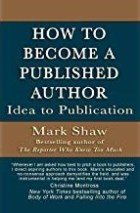 Mark: Again, the chance to make people stop and think, although some books have been more for entertainment purposes. Regardless, my books have a controversial slant to them, and that is important, something aspiring authors should seek to achieve. In my book about the publishing process that I use when aspiring authors hire me as a consultant, How to Become a Published Author: Idea to Publication, this is the type of practical advice I provide based on all of my
 experience.
Kaye: Have you ever written a book of fiction?
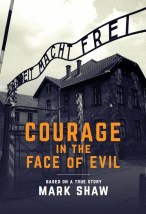 Mark: Yes, Courage in the Face of Evil is based on a true story, a Holocaust diary that is both disturbing and inspirational in nature, but I had to add certain elements that cause it to enter the world of fiction. I have also created a crime series called Vicker Punch: Lawyer on the Brink that is fiction, but based on my years as a criminal defense lawyer handling murder cases, and a book that is a sequel to a famous work of fiction.
Kaye: How do you see writing nonfiction differing from fiction in the publishing arena?
Mark: Fiction is much more fun, let the imagination loose without worrying about footnotes, etc. Just let it go and let the characters tell whatever the story is they want to tell. This said, for a first time author, getting fiction published these days is much more difficult that non-fiction since with fiction the star of the book is the author while with non-fiction the star of the book is the story.
Kaye: What is the biggest challenge in writing nonfiction for you?
Mark: How to tell the story once I have done all of my research.
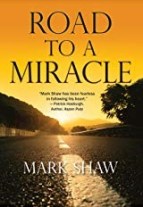 Kaye: Tell me a little about Road to a Miracle? The book is listed on Amazon for $57.73. I have to wonder what type of book rates a price like that?
 Mark: That’s nuts, and there are other editions of the book at a much less cost. The book is my road through the amazing life I have been blessed to live to the point of finding a daughter and two grandchildren I never knew existed a few years ago. Truly a miracle.
Kaye: I believe your stories are successful because they all hit emotional chords in your readers. How do you portray the emotional elements of your story so that they will touch your readers?
Mark: I tell writers I work with to be certain, whether fiction or non-fiction, to show the reader what’s happening, not tell them. That’s how the emotion comes through, how the reader connects with the story. Remember, a book is like a conversation with the reader but the author is not there so the emotion must be shown not told.
Kaye: In How to Become a Published Author, you talk about the importance of titles and subtitles. How do you come up with titles and subtitles for your books? How important are subtitles?
Mark: The book ideas come to me and the titles in the middle of the night when whatever spirit it is that is guiding my life, whispers in my ear. I quickly write down the idea on note cards I keep by my bed.
Many good books and movies have never seen the light of day due to bad titles. They need to be catchy, like TRWKTM, Denial of Justice, Miscarriage of Justice, The Poison Patriarch, etc. Don’t have too much experience with books based on true stories or fiction but Courage in the Face of Evil is striking as is Victor Punch: Lawyer on the Brink.
Re subtitles, not as important as titles but add to the description of the book. Again, I’m quite proud of the subtitles for my books. They certainly add to the allure of the story.
Kaye: Many of your books are collaborations. Is it difficult to write a book with someone else? Why collaborate? What are the pros and cons?
Mark: No, during the early part of my getting some footing as a writer, I had collaborations, but no more. This said, working with someone famous to tell their story is a good way to show writing skill and the ability to tell a good story. That’s key to establishing a reputation, as is writing biographies if a writer wants to enter the world of non-fiction.
Kaye: You were a criminal defense attorney and legal analyst for the news media covering the Mike Tyson, O.J. Simpson and Kobe Bryant cases, and you have a book about Tyson, Falsely Accused. Are there books about O.J. and Koby in the future? If not, what separates Tyson out from the others?
Mark: Injustice is the key word for the Tyson book since he did not get a fair trial. That thread has been woven through almost every book I’ve written in the last ten years or so, Miscarriage of Justice, Beneath the Mask of Holiness, Melvin Belli: King of the Courtroom, The Poison Patriarch, TRWKTM and now Denial of Justice, which relates actually to four people, JFK, Oswald, Jack Ruby and Dorothy Kilgallen. All were denied justice.
Kaye: What’s in the future for Mark Shaw?
Mark: Only the good Lord knows but I am truly the most blessed man on the face of the earth and for sure, I want to help as many writers as possible become published, to realize their publishing dreams.
I want to thank Mark for sharing with us today. He’s given us some insight into the world of a nonfiction author. You can learn more about Mark or his books at the links below.
You can catch the monthly segment “Chatting with the Pros” on the third Monday of every month in 2019, or you can be sure not to any of the great content on Writing to be Read by signing up by email or following on WordPress.
Posted: February 8, 2019 | Author: kayelynnebooth | Filed under: Book Review, Books, Nonfiction | Tags: Book Review, Letters of May, Mental Health, Mental Illness, Writing to be Read |

Letters of May is, to my knowledge, a unique collection of writings, poetry and artwork which offer glimpses of mental illness from an inner perspective. I can see how someone afflicted with any of the mental illnesses addressed within it’s pages might be grateful to find others who relate with them and the knowledge that they are not alone. These authors have vowed to fight against the stigma of mental illness and share of themselves openly.
For someone who is not afflicted, they offer opportunities to step into the authors shoes and see the world as they do. For the authors and others who are afflicted, dealing with their mental illness is a way of life, encountered on a daily basis. For me, they were a learning experience, identifying some things, but also exploring worlds foreign to my experiences.
These pages might be empowering to some, and enlightening to others. This collection was compiled with the intention of raising awareness of mental illness. Their message above all else: Those with mental health issues are more than their illness. They are still human beings and deserve to be treated with dignity and understanding. This book has much to offer all readers. I give Letters of May five quills.

Kaye Lynne Booth does honest book reviews on Writing to be Read in exchange for ARCs. Have a book you’d like reviewed? Contact Kaye at kayebooth(at)yahoo(dot)com.
Posted: February 4, 2019 | Author: kayelynnebooth | Filed under: Author Profile, Books, Interview, Memoir, Nature writing, Nonfiction, Teaching Writing, Uncategorized, Writing | Tags: Author Interview, Connections, Memoir, Nature Guides, Nature writing, Susan J. Tweit, Travel Books, Writing to be Read |

My guest today is an author, nature lover and plant ecologist. Her books include memoirs, beautifully illustrated travel books, nature guides, and even children’s books, but they all have strong ties with nature. Her books reveal connections with nature and life that have not been pondered or may have been overlooked in our everyday lives. Her books have won the ForeWord Book of the Year, the Colorado Book Award, and she is a five time recipient of Colorado Author’s League Award. With a background in science and plant ecology, she expertly weaves her natural environment into her writings, illustrating how all things interact and connect. Let me introduce creative nonfiction author, Susan J. Tweit.
Kaye: You are a female author who champions the natural environment. Do you identify most as a feminist, a naturalist or an environmentalist?
Susan: All of the above. I grew up in a family of naturalists and scientists; restoring everyday nature is my way of leaving the world a better place. And I work in two fields where women are still second-class citizens in so many ways: science and writing. So am a feminist just be participating in those fields as a woman.
Kaye: On your website you claim that you taught yourself to write after you realized that you enjoyed the stories told by the data more than you did doing the research. How does one teach oneself to write?
Susan: I don’t know how other people teach themselves to write creatively, but for me, as a scientist trained to eschew personal opinions and emotions, and to be extremely parsimonious with descriptive adverbs and adjectives, I found my writing voice in reading the works of writers whose works I admire. I read Ann Zwinger and Terry Tempest Williams, Barry Lopez and Kim Stafford, Brenda Peterson and Linda Hogan, Leslie Marmon Silko and Denise Chávez, Robert Pyle and Gary Paul Nabhan, Sharman Apt Russell and Barbara Kingsolver, and so many others.
As I read, I thought about the mechanics of how each writer told their stories (whether fiction or essays), how they introduced subjects and characters, where they got personal and where they stepped back, how they described landscape and culture, how they used words and language… I tried out techniques and styles until I found my own voice, which has continued to evolve through twelve books and hundreds of essays, articles, and columns for newspapers and magazines.
Kaye: Connections are a common theme in many of your works. Can you talk a little about those?
Susan: As a plant ecologist, I am fascinated by the relationships and interrelationships that form community, whether the human community, or what I call “the community of the land,” the interwoven communities of species—from tiny microbes to gigantic redwood trees—that make life on Earth possible. Who loves who, who eats who, who sleeps with or pollinates who, who can’t stand who… All of those relationships weave the fabric of Life with a capital L. Without them we would not exist, and we have so much to learn about the connections that are vital to this planet. I just collaborated with science illustrator Samantha Peters on “Natural Partners,” a feature for WILDFLOWER Magazine on plants and the animals they rely on. It’s up on the internet here: https://www.wildflower.org/magazine/fauna/natural-partners (The print version took the cover of the magazine, and it’s really gorgeous!)
Kaye: Writing seems to be a way of life for you, and your love for nature is woven into almost everything you do. You have a background as a plant biologist and most of your books offer a perspective on nature and the environment, and you call your books love letters “to the earth and its living web of lives”. If you could convey one message to your readers, what would it be?
Susan: Get outside and get to know nature nearby. Learn even a handful of your neighbors in the world of plants and animals and you’ll never be bored. Nature is vital to our health and wellbeing—it’s the best antidote to stress I know of, the closest source of inspiration and renewal, and it doesn’t require a prescription or training. And it’s free!
Kaye: Besides writing and ecological restoration projects, what are your favorite things to do?
Susan: I’m an outdoors person, so I love taking long walks in the arroyo near my home, hiking with friends, and setting out on long road trips to see this amazing continent. At home, I tend a small garden of native wildflowers and other plants chosen to provide habitat for songbirds and pollinators, cook elaborate dinners for family and friends, and read. I’m an omnivorous reader, which leads into your next questions…
Kaye: You’ve written three memoirs about your life experiences. What makes an experience worthy to become a memoir?
Susan: Memoir is a way of distilling what our own lives and experiences have to offer others. What makes an experience worthy of memoir is partly whether we can find a way of telling the story that is compelling to others (that is, to a wider audience than our close friends and family!). It might be that we lived through a critical part of history, or our personal journey is exceptional in some way, or simply that we figure out how to relate our very ordinary story in a way that offers some universal wisdom about being human. Both of my published memoirs—Walking Nature Home; and Barren, Wild, and Worthless: Living in the Chihuahuan Desert—taught me about how to tell a story, how show the way we grow and change over time, and how to pick and choose telling detail. Each one presented different challenges, and the memoir I am working on now is challenging me in new ways. Telling my personal story may be my greatest learning experience as a writer!
Kaye: Would you tell us about your Write & Retreat Workshops?
Susan: They are an immersion in writing, in learning place and story, and in the inner work that is the source of our creativity. Each one includes hands-on writing and workshop time, as well as time to retreat and nurture our inner selves. Each one is set in some extraordinary place chosen to inspire us, with time spend exploring that place. I don’t have any W&R workshops planned this year, but next year I may offer one set near Yellowstone National Park, that place of wildness and wonders.
Kaye: You are a member of Story Circle Network, Women Writing the Westand Colorado Author’s League. How are these organizations beneficial to you as a writer?
Susan: I am also a member of Wyoming Writers. Belonging to at least one professional writing organization is critical to writing: they offer education, resources, and, most importantly. community. Writing is an inherently solitary activity: pulling words from deep within, honing them into stories, and then offering the work of our hearts to the world is perilous. Finding a community of fellow sufferers… uh, writers, is essential to maintaining our sanity, growing in the craft, and getting published.
Kaye: What is the one thing in your writing career that is the most unusual or unique thing you’ve done so far?
Susan: Besides leaving behind a paycheck, benefits, and job security to chase words and stories? Hmm… It’s hard to choose just one. Kayaking with sea turtles in the Sea of Cortez off Baja California? Learning about how to blow up dams to restore a river and its salmon run? Dancing with a Native American community to celebrate the return of those salmon? Watching a grizzly bear mom teach her twin cubs how to dig and eat spring-beauty bulbs in a meadow in Yellowstone National Park? Walking alone through some of the wildest country in the Lower 48 states, carrying all I needed on my back to listen to myself? Tending my husband and the love of my life through his death from brain cancer and then figuring out how to write how to survive loss? Seeing monarch butterflies return to a restored patch of urban nature? I’ve been fortunate to experience miracles and wonders all along the way.
Kaye: What are you working on now? What can readers expect in the future from Susan J. Tweit?
Susan: I’m working on The Climate Victory Garden, a book about how gardens can help grow The Green New Deal and slow climate change. It’s another chapter in my life-long quest to leave this world in better shape than I found it by restoring nature nearby and our connection to the green and living world.
Many thanks to Susan for sharing with us today. You can learn more about Susan J.Tweit and her work by visiting the following links:
Amazon Author page: https://www.amazon.com/Susan-J.-Tweit/e/B000AQ53RY/ref=sr_ntt_srch_lnk_1?qid=1547778739&sr=1-1
Website: http://susanjtweit.com/
Join us next Monday, when I’ll begin a new bi-monthly blog series, “His Name Was Michael”, which will chronicle the stages of writing a memoir as I work through them for my own memoir of the same name, telling the story of my son’s death and my own grief process. This first post will talk about the prewriting stage for memoir.
Like this post? Subscribe to Writing to be Read for e-mail notifications whenever new content is posted or follow WtbR on WordPress.
Posted: February 1, 2019 | Author: kayelynnebooth | Filed under: Book Review, Books, Nonfiction, Publishing, Self-Publishing, Writing | Tags: Book Proposals, Book Review, How to Become a Published Author, independent publishing, Mark Shaw, Outlines, Publishing, Query letters, Self-Publishing, Writing to be Read |

How to Become a Published Author: Idea to Publication by Mark Shaw is filled with information useful to authors in all stages of the publishing process. Although it’s aimed at aspiring authors trying to break into publishing, as a published author with an M.F.A., it gave me ideas and techniques to consider, as well. Shaw deals with the publication of fiction and poetry, as well as nonfiction. He touches on self-publishing as well as getting a foot in the door with traditional publishers, and offers a wealth of good reference materials.
Mark Shaw is a best selling nonfiction author, yet unschooled in the craft. He made his way into the traditional publishing world through the oldest method known to authors: good writing. And he practices what he preaches. Every book I’ve ever read by Mark Shaw has been well written, drawing readers in as his stories unravel in masterfully crafted ways which keep readers entranced to the end and make them think long after putting the book down. How to Become a Published Author is no exception, with the valuable information contained within presented in a clear and concise format that is easy to reference.
In this book Shaw walks us through the process for getting your books published, step-by-step. Sharing from his own experiences in traversing the pathways to publishing, using his own books and books of others as examples to illustrate his message, providing useful reference materials and links. This book covers practicle steps to becoming published from outlining in the pre-writing stage, all the way through to query letters and book proposals for those who aspire to be traditionally published. It offers marketing tips and advice useful to all authors, since promotion is a role which now falls on the shoulders of authors in many cases of both traditionally and independently published authors.
Much of Shaw’s advise could have come straight out of my M.F.A. in Creative Writing program, but he also offered suggestions for nonfiction publishing that wasn’t emphasized, or wasn’t offered through my program. It was helpful in getting me focused as I prepare to write memoir.
In How to Become a Published Author, Mark Shaw speaks from experience, delivering well founded advice on how to get your book published for authors in every stage of their writing careers. I give it five quills.

Kaye Lynne Booth does honest book reviews on Writing to be Read in exchange for ARCs. Have a book you’d like reviewed? Contact Kaye at kayebooth(at)yahoo(dot)com.
Posted: December 21, 2018 | Author: kayelynnebooth | Filed under: Biography, Book Review, Books, Nonfiction | Tags: Book Review, Conspiracy, Denial of Justice, Dorothy Kilgallen, Jack Ruby, JFK conspiracy, Lee Harvey Oswald, Mark Shaw, The Reporter Who Knew Too Much, Writing to be Read |

I was given the privelage of reading Denial of Justice, by Mark Shaw, a probe into the mystery surrounding the death of journalist and media icon Dorothy Kilgallen. Shaw’s investigation started with The Reporter Who Knew Too Much, revealing the circumstances around the mysterious death of Dorothy Kilgallen, who was investigating the death of John F. Kennedy and the possibility of a cover up by those in high places, involving the assassination of Lee Harvey Oswald and the botched trial of his killer, Jack Ruby before her untimely death.
Shaw’s in-depth investigation of Kilgallen’s death following the release of that first book raises the possibility of a full blown cover-up which explodes in Denial of Justice, presenting facts revealing evidence that Kilgallen was murdered because of the evidence of conspiricy may not have been the only one whoshe had uncovered and was preparing to publish in her upcoming Random House book, and the cover-up surrounding it denying her the justice she was entitiled to. (You can see my review of The Reporter Who Knew Too Much here.)
While Denial of Justice recaps much of the information presented in The Reporter Who Knew Too Much concerning the Dorothy Kilgallen story, it goes into much more depth, laying bare the connections between her death and her investigations into the JFK and Oswald assassinations. Shaw presents strong evidence indicating that there was, indeed, a conspiracy revolving around the JFK assassination, and that Jack Ruby was used as a patsy in it’s orchestration, taking the fall in order to protect the powerful people behind it. It was a belief Kilgallen had been a major proponent of and didn’t hesitate to proclaim publicly in her newspaper column, The Voice of Broadway. Evidence indicates that Kilgallen held the evidence which would prove her conspiracy theory and reveal the powers behind it when she died. Shaw’s in-depth investigation uncovers facts that support this belief. In fact, he reveals a mountain of evidence that indicates Dorothy Kilgallen was murdered and point an accusing finger at the likely suspect. The cover-up of Dorothy Kilgallen’s murder is an extension of a much greater conspiracy, one that reaches all the way through time into the present day.Shaw’s straight forward journalistic approach to the telling of the facts makes the story unfold with smooth finness that keeps the pages turning. You may be shocked or surprised as he reveals evidence which indicates the powers operating in 1964 beyond the public eye and the hidden agendas they carried. Not one, but two lives wasted as tools to promote their unseen goals and a reporter who came too near to the truth may be pieces to puzzle that makes up what may be the biggest conspiracy in modern history. Shaw offers evidence which indicates who may have been behind it all, and the motivations for the taking of at least four deaths as sacrifice for keeping their secrets hidden.
Those who are supposed to be the guys aren’t always so good. Mark Shaw has expertly crafted the evidence into a story that changed my view of history and made me ponder what might have been, had events unfolded differently in 1964 and Dorothy Kilgallen lived to tell all that she knew. I give Denial of Justice five quills and kudos for a story well told.

Kaye Lynne Booth does honest book reviews on Writing to be Read in exchange for ARCs. Have a book you’d like reviewed? Contact Kaye at kayebooth(at)yahoo(dot)com.
Posted: November 2, 2018 | Author: kayelynnebooth | Filed under: Books, marketing, Nonfiction, Promotion, Writing, Writing Tips | Tags: Alinka Rudowska, book marketing, Book Promotion, Book Review, How I Sold 80000 Books, marketing |

How I Sold 80,000 Books: Book Marketing for Authors (Self Publishing Through Amazon and Other Retailers), by Alinka Rutkowska offers authors valuable marketing tips coming from the business end of writing. Coming from a marketing background, Rutkowska shares tips on the art of successful book marketing, which might be applied to increase book sales and push the author’s name up on the bestseller’s listings.
Although the advice in How I Sold 80,000 Books is aimed mostly toward nonfiction works, Rutkowska claims it can easily be applied to works of fiction, too. The book takes readers through the author’s step-by-step marketing system, which she uses to sell her own books. She shares her secrets for producing a quality product that sells, talks about the best outlets through which to offer your books, discusses how to put the best price on your books, and effective ways to promote your books. Although every step may not be applicable by every author, they are all good, solid book marketing advice.
The valuable book marketing advice contained within may be why this book was a Readers’ Favorite Book Award winner, and why every author should add How I Sold 80,000 Books to their must read list. I will use much of the advice received from this book and I give it five quills.

Kaye Lynne Booth does honest book reviews on Writing to be Read in exchange for ARCs. Have a book you’d like reviewed? Contact Kaye at kayebooth(at)yahoo(dot)com.
Posted: October 10, 2018 | Author: kayelynnebooth | Filed under: Author Profile, Books, Fiction, Interview, Memoir, Nonfiction, Science Fiction, Travel, Writing | Tags: Author Interview, Brenda Mohammed, Memoir, Science Fiction, Travel Memoir |

I have the pleasure of interviewing independent author Brenda Mohammed today. She is not only a multi-genre author, but a multi-award winning author, who seems to dabble in a bit of everything. She comes from a background in finance, but became an author when she wrote a memoir about her battle with ovarian cancer. Since then, she’s written several other memoirs, as well as a science fiction series, a horror novel and a crime novel, as well as a wonderful self-help book for aspiring authors. She has done so much, and made so many travels, and I’m thrilled to have her share all that with us here, on Writing to be Read. Please give a warm welcome to Brenda Mohammed.
Kaye: When did you know you wanted to be an author?
Brenda: I never planned to be an author. I was a successful Bank Manager for many years. After I retired from the Bank at an early age, I became an Insurance Professional. I loved working in Finance and helping many people achieve their financial goals. In 2005 I was stricken with ovarian cancer. My doctor in Trinidad told me that she could not help me, and no other doctor in Trinidad at that time was qualified to do so. I sought treatment in Miami and gained a new lease on life. In 2013 I wrote a book about my cancer ordeal and recovery, I am Cancer Free. That was my first book and I have never stopped writing after that. To date I have written nineteen books.
Kaye: You’ve written 6 memoirs, 2 children’s books, a science fiction series, a crime novel, and a nonfiction book on writing. What’s the secret to tackling so many different genres?
Brenda: There really is no secret to writing in multiple genres. I have always loved a challenge and constantly seek out new opportunities. I write whatever I feel passionate about.
Kaye: You have written books in multiple genres: science fiction, memoir, self-help, etc… What are some of the differences you run into in writing different genres?
Brenda: When I am writing science fiction I maintain my focus on science fiction, and similarly with the other genres. The secret is to stay focused on the plot or the subject to achieve the end result. However, the problem I faced was in promoting my books.
I discovered a way around that and made Facebook Author pages for each genre. I have seven Facebook author pages. I also joined several Facebook groups that specialise in genres in which I write, to promote my books.
Kaye: Which genre is your favorite to write in? Why?
Brenda: I really enjoyed writing my science fiction series because it took me to another world for a while. When I wrote it I found myself becoming the hero or heroine and doing impossible things.
Kaye: You won a Readers’ Favorite Award in the 2018 International Book Awards for both your YA science fiction series Zeeka Chronicles,and your memoir I Am Cancer Free. What, if anything do these two books have in common besides both being Reader’s Favorite Book Award recipients? What makes them award winning books?
Brenda: Strange. I think I just answered that question above. The books have nothing in common yet there is a common thread. One is a futuristic thriller and the other is a survival story. As I said above when writing science fiction. i.e. Zeeka Chronicles, I found myself becoming the hero or heroine. In I am Cancer Free I am the heroine.
Seriously though, I quote from Readers Favorite: “Contest entries are judged all year long and are given a rating score based on key literary elements. The judges simply read the book and score it based on its merits.”
Kaye: Those are not the only award winning books you’ve written. Two other memoirs, My Life as a Banker received a second place award in memoirs in the Metamorph Publishing’s Summer Indie Book Awards in 2016 and Your Time is Now received IHIBRP 5 Star Recommended Read Award Badge. What can you tell us about those two books?
Brenda: My Life as a Banker is a memoir about my life in Banking. Banking was my first love. I always wanted to work in a bank. I love serving and helping people and seeing them prosper. Banking gave me the opportunity to do so and especially when I climbed the ranks to Commercial Area Credit Manager and was able to help business people with startups and expansion. Banking allowed me to play my part in building the economy of my native country, Trinidad.
Your Time is Now is intended to help people understand their own lives and to realize that we are all here on earth for a purpose.
The reviews for both these books speak a lot for them.
Kaye: What is it like to receive notification that your book is the recipient of a prestigious award?
Brenda: I have won many awards before in both Banking and Insurance.in my home country
However, as this was an International Award it was a most joyous feeling to tell my friends and family that I won two prestigious awards with Readers Favorite International and will be attending the Awards Ceremony in Miami. In November.
Kaye: What’s something most readers would never guess about you?
Brenda: I dabble in art, poetry, and graphics in my spare time. Some of my art work hang on the walls of my home.
Kaye: What time of day do you prefer to do your writing? Why?
Brenda: I prefer to write in the still of the night. When everyone is asleep I find peace to think and write.
Kaye: What is the biggest challenge of being a writer?
Brenda: Only a few days ago I penned this poem about writing:
Writing takes me into a fantasy world.
Sometimes I find myself in a black hole.
I edit and fight to come out of it
But not before I get into a fit.
My books have gathered great reviews
Won awards and made the news.
Is it worth it, I sometimes ask?
Writing a book is a great task.
A writer’s life is a rather lonely one.
All day behind a computer is no fun.
An author must make the time
Read others’ books and go out and lime.
Do not sit at your computer all day.
Join the family in travel and play
Love of a family is life’s greatest gift
When you need to relax they give you a lift.
Kaye: Is there anything unique or unusual about your writing process?
Brenda: Before writing a story I write an outline of the entire plot in a couple of pages. I then use that to build my story. It sounds simple, but it is not.

Kaye: Your book on writing is titled How to Write for Success: Best Writing Advice I Received. Can you briefly share what the best writing advice you ever received really was? What is the main message of this book?
Brenda: The Best Writing Advice I Received was “Keep the Reader in mind when writing. In other words write for the reader and your books will sell.”
To answer the second part of the question I will quote one of the five-star reviews. The one from Readers Favorite is too long so I will share this one from an Amazon Reviewer:
“Having read a couple of Mohammed’s books, I knew I wouldn’t be disappointed in this self-help book, and I was not. The book covers not only the gamut on the art of writing, but the formulation of an idea for a book, to proofreading, and eventual marketing of his/her book. This is an excellent book for anyone who finds him/herself contemplating becoming a writer. With Mohammed’s book in hand, there should be little, if any, room for error. I highly recommend.”
Kaye: You like to travel. Do the places you travel end up in your books?
Brenda: Yes they do and they did. I wrote Travel Memoirs with Pictures: Exploring the world. It is an illustrated picture book filled with reflections of my travels around the world.

In this pictorial travel book of my priceless memories, I describe places visited and the wonderful times I and my family had in our tourist trips. The book is great to read while on a vacation or for some travel inspiration.
I want to thank Brenda Mohammed for joining us here today and sharing a little about her lovely books. You can learn more about Brenda and her books on Amazon at: http://Author.to/BCM786. I love how she turned her own life experiences into books to be shared by all.
Like this post? Subscribe to Writing to be Read for e-mail notifications whenever new content is posted or follow WtbR on WordPress.











February: Taking a look at nonfiction
Posted: February 25, 2019 | Author: kayelynnebooth | Filed under: Biographies, Biography, Books, Commentary, Creative Nonfiction, His Name Was Michael, Memoir, Nature writing, Nonfiction, Self-Help, Travel, Writing, Writing to be Read | Tags: Biography, Creative Nonfiction, Diaries, How-to books, Journalism, Memoir, Nature Guides, Nonfiction, Self-Help, Travel Books, Travel Memoir, Writing to be Read | Leave a commentOur monthly theme for February on Writing to be Read was, you guessed it – nonfiction. So, what tipped you off? Was it the great interview I did with nature author Susan J. Tweit? Or maybe the nonfiction revues of How to become a Published Author and Letters of May? Or perhaps it was the “Chatting with the Pros” interview of nonfiction author Mark Shaw? Whatever it was that gave it away, I’m here to tell you that these few posts on nonfiction don’t even scratch the surface of what the genre of nonfiction encompasses.
There are many subgenres of nonfiction, just as there are many subgenres under each of the genres of fiction. When someone asks what type of book your fiction novel is, we are quick to catetgorize it as a paranormal mystery, a historical romance, or a science fiction thriller. For some reason, we don’t seem to think about nonfiction the same way we do fiction and when someone asks what type of book your memoir is, or your travel diary, or your self-help book, we tend to lump it in with all the rest in nonfiction. Why this is, I don’t know, but I find that it is the case, time and time again.
The fact is, not all nonfiction books are alike and there are many categories or subgenres that fall within the nonfiction realm. Mark Shaw writes biographies and creative nonfiction tales that are very different from the memoirs, illustrated travel books and nature guides of Susan J. Tweit. Other types of nonfiction that are hard to define are books like Mark Todd and Kym O’Connell Todd’s Wild West Ghosts, which chronicles their ghost hunting experiences and offers advice on how you can be a ghost hunter too. Or Hollywood Game Plan by Carole Kirshner, which is a how-to guide for anyone wanting to break into the screenwriting world. These books are all nonfiction, but they are all very different types of books.
According to wikipedia the genres of nonfiction are biographies, autobiographies, memoirs, commentaries, creative nonfiction, critiques, essays, owners manuals, journalism, personal narratives, reference books, self-help books, speeches, and text books. I would add to that spiritual texts, encyclopedias, documentaries, how-to books, cookbooks, diaries and anthologies such as the one found in Letters of May, which is a collection of writings and artwork illustrating the world of those afflicted with mental illness. I’m sure there are others, but as you can see the list is quite extensive.
Nonfiction books may or may not be aimed to entertain, but the primary purpose, no matter the type of nonfiction book, is to inform. This may account for the fact that my reviews of nonfiction books receive more views in general, than most of my fiction reviews. A fact that I found to be surprising when I uncovered it while looking over the data for this blog. My theory is that readers turn more quickly to books they may find useful than they do to those with entertainment as their sole purpose.
My reasons for interest in nonfiction and all it’s many forms stems from preparation for my journey to write my own memoir, telling the story of my son’s death and my life without him, His Name Was Michael. My bi-monthly blog series which will chronicle that writing process, “The Making of a Memoir“, came out with the first segment in February, too. It was a good month for it to come out, as it also fits in with the nonfiction theme. I hope you’ll join us again next month, when the theme will be science fiction and fantasy.
Be sure to join me next month when we will explore science fiction and fantasy, with guest author Kevin J. Anderson on “Chatting with the Pros” on March 18th, as well as a review of his Selected Stories: Science Fiction Volume 2, and Jordan Elizabeth’s Rogue Crystal.
Update: In Friday’s post I talked about the changes coming for Writing to be Read. One more change that I just recieved confirmation of, and I’m pleased to announce: Art Rosch will also be posting one movie review a month, on the forth Friday of the month, in “Art’s Visual Media Review”.
Like this post? Subscribe to Writing to be Read for e-mail notifications whenever new content is posted or follow WtbR on WordPress.
Share this: