Second Anglo Boer War propaganda poetry – the British side of things
Posted: June 22, 2020 Filed under: Books, Commentary, Historical Inspiration, Opinion, Poetry | Tags: A Ghost and His Gold, Poetry, Robbie Cheadle, Rudyard Kipling, Second Anglo Boer War, South African History, Writing to be Read 44 Comments
In my post entitled Second Anglo Boer War propaganda Poetry – the Boer side of things, I gave a brief overview of the circumstances that led to the Boers declaring war on the British Empire for the second time.
The late 19th century saw a significant increase in imperialism in Britain, spurred on by the theories of social Darwinism which argued that the biological concepts of natural selection and survival of the fittest should be applied to sociology and politics. This imperialism provided an ideological foundation for warfare and colonisation in the name of the British Empire.
Journalism was used to disseminate these ideas to the British public and, in the years leading up to the Second Anglo Boer War, newspapers were characterised by extreme pro-war propaganda, which was strictly controlled by the British High Commission in South Africa, Sir Alfred Milner.
After a holiday to South Africa in early 1898, Rudyard Kipling became friendly with Cecil John Rhodes, a British mining magnate and politician in southern Africa, Leander Starr Jameson, the leader of the botched Jameson Raid which aimed to overthrow the Transvaal government in December 1895, and Sir Alfred Milner. Kipling cultivated these friendships and came to admire these men and their politics. Before and during the Second Anglo Boer War, Kipling wrote poetry in support of the British cause in the Boer War.
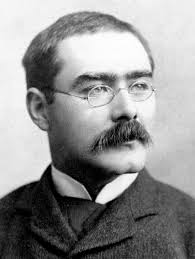
One of Kipling’s early propaganda poems was The Old Issue which is published in his The Five Nations book of poetry.
The Old Issue
OCTOBER 9, 1899
(Outbreak of Boer War)
By Rudyard Kipling
“HERE is nothing new nor aught unproven,” say the Trumpets,
“Many feet have worn it and the road is old indeed.
“It is the King—the King we schooled aforetime !”
(Trumpets in the marshes—in the eyot at Runnymede!)
“Here is neither haste, nor hate, nor anger,” peal the Trumpets,
“Pardon for his penitence or pity for his fall.
“It is the King!”—inexorable Trumpets—
(Trumpets round the scaffold at the dawning by Whitehall!)
. . . . .
“He hath veiled the Crown and hid the Sceptre,” warn the Trumpets,
“He hath changed the fashion of the lies that cloak his will.
“Hard die the Kings—ah hard—dooms hard!” declare the Trumpets,
Trumpets at the gang-plank where the brawling troop-decks fill!
Ancient and Unteachable, abide—abide the Trumpets!
Once again the Trumpets, for the shuddering ground-swell brings
Clamour over ocean of the harsh, pursuing Trumpets—
Trumpets of the Vanguard that have sworn no truce with Kings!
All we have of freedom, all we use or know—
This our fathers bought for us long and long ago.
Ancient Right unnoticed as the breath we draw—
Leave to live by no man’s leave, underneath the Law.
Lance and torch and tumult, steel and grey-goose wing
Wrenched it, inch and ell and all, slowly from the King.
Till our fathers ’stablished, after bloody years,
How our King is one with us, first among his peers.
So they bought us freedom—not at little cost
Wherefore must we watch the King, lest our gain be lost,
Over all things certain, this is sure indeed,
Suffer not the old King: for we know the breed.
Give no ear to bondsmen bidding us endure.
Whining “He is weak and far”; crying “Time shall cure.”,
(Time himself is witness, till the battle joins,
Deeper strikes the rottenness in the people’s loins.)
Give no heed to bondsmen masking war with peace.
Suffer not the old King here or overseas.
They that beg us barter—wait his yielding mood—
Pledge the years we hold in trust—pawn our brother’s blood—
Howso’ great their clamour, whatsoe’er their claim,
Suffer not the old King under any name!
Here is naught unproven—here is naught to learn.
It is written what shall fall if the King return.
He shall mark our goings, question whence we came,
Set his guards about us, as in Freedom’s name.
He shall take a tribute, toll of all our ware;
He shall change our gold for arms—arms we may not bear.
He shall break his judges if they cross his word;
He shall rule above the Law calling on the Lord.
He shall peep and mutter; and the night shall bring
Watchers ’neath our window, lest we mock the King—
Hate and all division; hosts of hurrying spies;
Money poured in secret, carrion breeding flies.
Strangers of his counsel, hirelings of his pay,
These shall deal our Justice: sell—deny—delay.
We shall drink dishonour, we shall eat abuse
For the Land we look to—for the Tongue we use.
We shall take our station, dirt beneath his feet,
While his hired captains jeer us in the street.
Cruel in the shadow, crafty in the sun,
Far beyond his borders shall his teachings run.
Sloven, sullen, savage, secret, uncontrolled,
Laying on a new land evil of the old—
Long-forgotten bondage, dwarfing heart and brain—
All our fathers died to loose he shall bind again.
Here is naught at venture, random nor untrue—
Swings the wheel full-circle, brims the cup anew.
Here is naught unproven, here is nothing hid:
Step for step and word for word—so the old Kings did!
Step by step, and word by word: who is ruled may read.
Suffer not the old Kings: for we know the breed—
All the right they promise—all the wrong they bring.
Stewards of the Judgment, suffer not this King!
Commentary
Kipling’s description of the Boers as “sloven”, “savage” and “evil” was insulting and most definitely part of the British government’s pre-war campaign to dehumanise the enemy in the eyes of the public. The lines “He shall take tribute, toll of all our ware, he shall change our gold for arms – arms we may not bear” are arrogant and indicated that Kipling believed the British had a legitimate claim to the gold of the Transvaal.
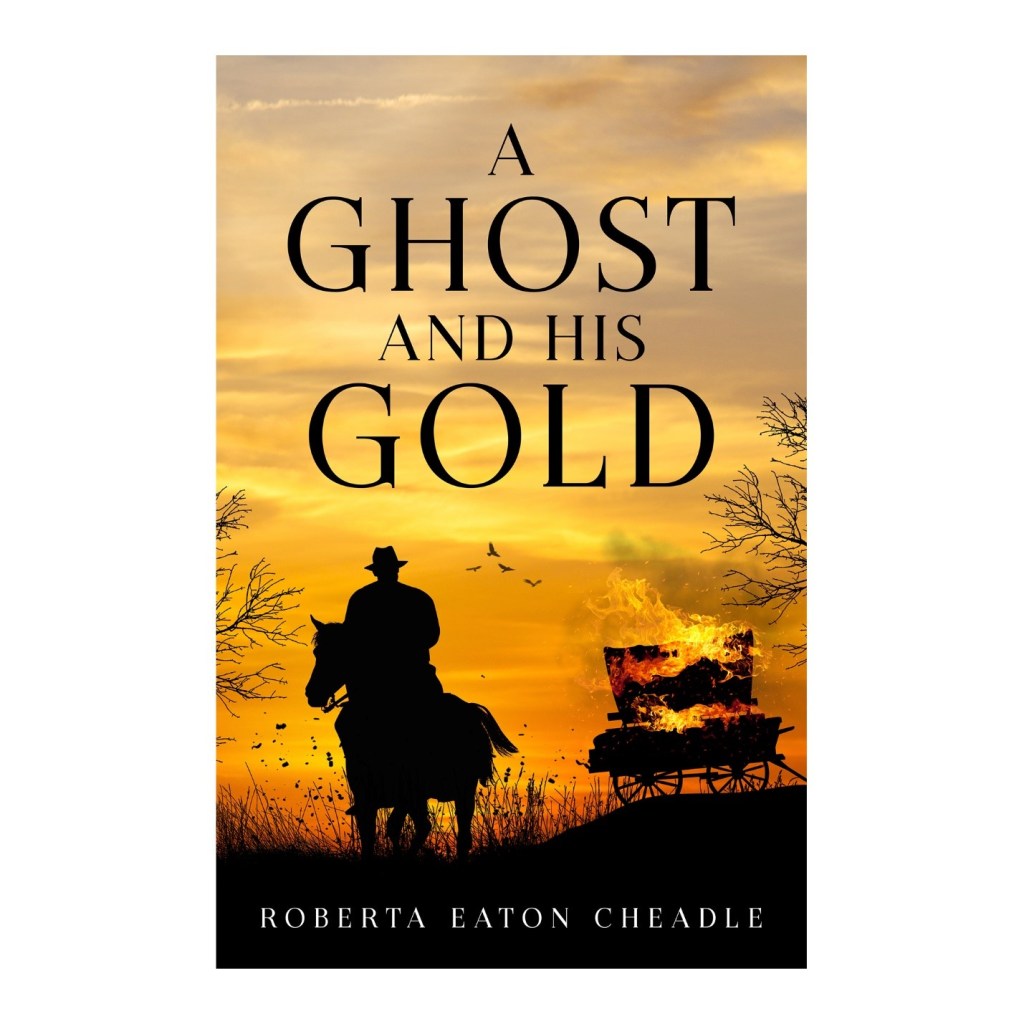
A Ghost and His Gold by Roberta Eaton Cheadle – Cover reveal
About Roberta Eaton Cheadle

I am an author who has recently branched into adult horror and supernatural writing and, in order to clearly differential my children’s books from my young adult and adult writing, these will be published under the name Roberta Eaton Cheadle. My first young adult supernatural novel, Through the Nethergate, has recently been published.
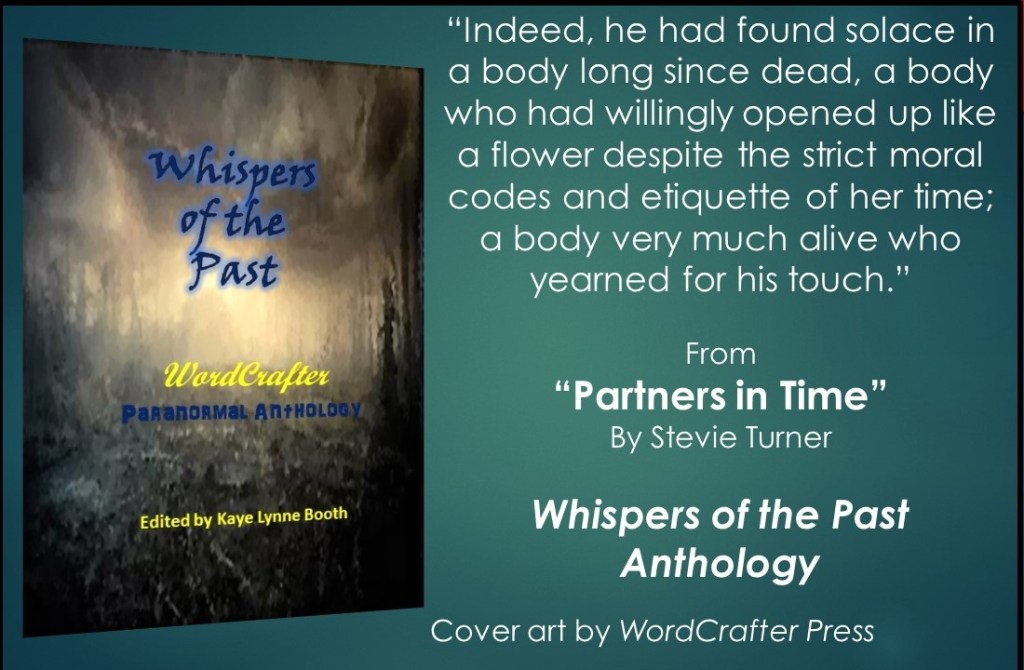
I also have two short paranormal stories in Whispers of the Past, a paranormal anthology edited by Kaye Lynne Booth.
Like this post? Let me know in the comments. You can be sure not to miss any of Writing to be Read’s great content by subscribe to e-mail or following on WordPress. If you found this content helpful or entertaining, please share.
Share this:

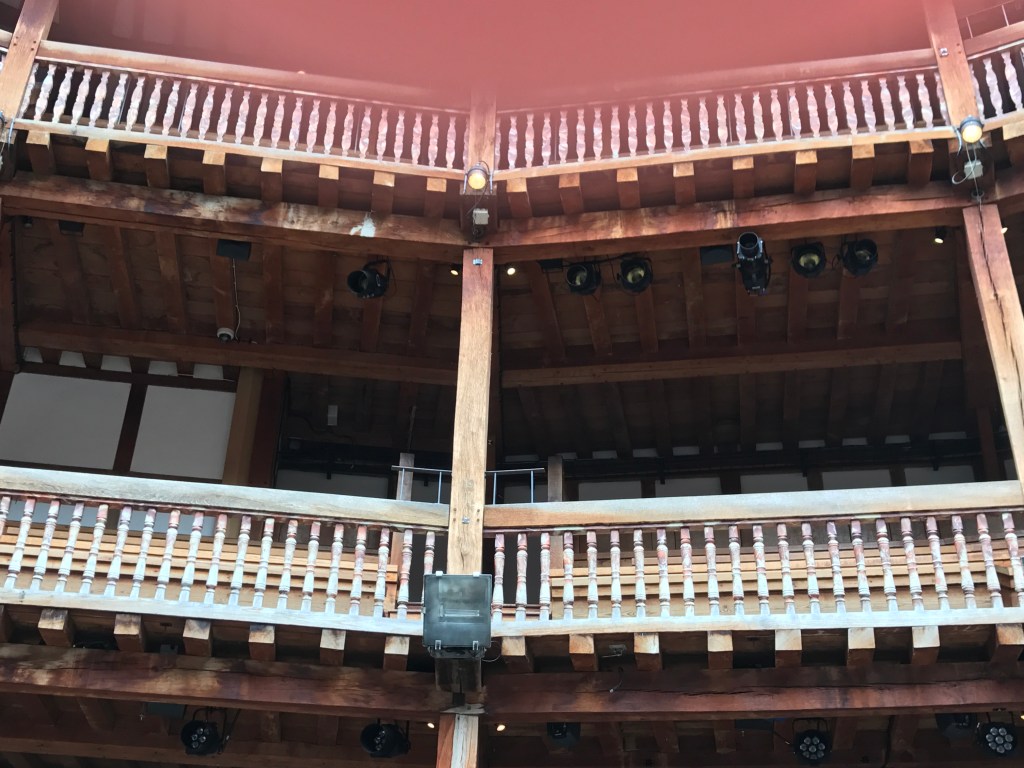
Is Shakespeare still relevant 400 hundred years after his death?
Posted: June 19, 2020 Filed under: Commentary, Historical Inspiration, Literary, Opinion, Theater, Writing | Tags: Classic Literature, Robbie Cheadle, William Shakespeare, Writing, Writing to be Read 34 Comments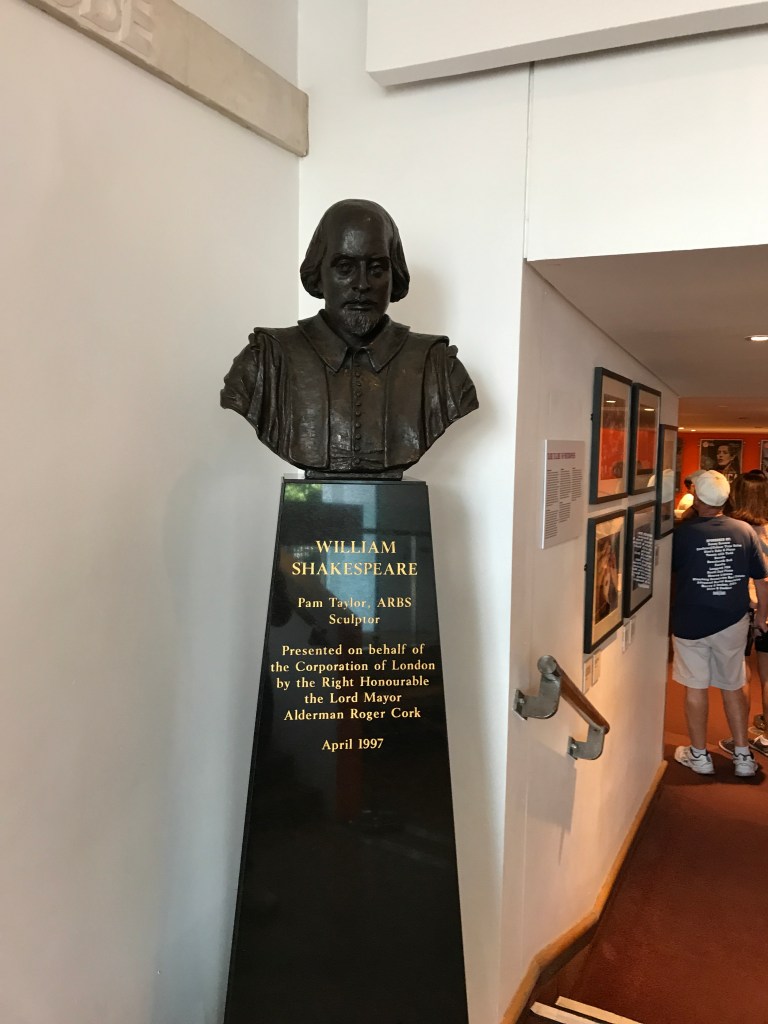
My son and I have different opinions on the relevancy of Shakespeare in our modern world. Greg thinks Shakespeare’s works have become irrelevant and would prefer to study more modern writers who have written about issues that have shaped our modern world.
He would rather study 1984 by George Orwell which is about totalitarianism, discrimination, tracking and other issues that, in his opinion, are still a concern today. He sees Fahrenheit 451 by Ray Bradbury as being relevant because he does not see people burning books in Western society.
I disagree with Greg on both counts but I am limiting this post to my thoughts about the relevancy of Shakespeare, who just happens to be one of my favourite authors.
These are the reasons that I think it is still worthwhile for students to study literature:
We quote Shakespeare all the time
Shakespeare invented over 1700 of our common words. He did this by changing nouns into verbs, changing verbs into adjectives, connecting words never before used together, adding prefixes and suffixes, and devising entirely original words.
Some of my favourite Shakespeare originated words are green-eyed, assassination, bloodstained, lustrous and obscene.
In addition to all the words Shakespeare invented, he also put words together in new ways to create phrases and idioms. Most people know the famous quotes which are commonly attributed to Shakespeare including:
- All the world ‘s a stage, and all the men and women merely players. They have their exits and their entrances; And one man in his time plays many parts;
- Some are born great, some achieve greatness, and some have greatness thrust upon them; and
- How sharper than a serpent’s tooth it is to have a thankless child!
Many people don’t realise, however, that many everyday sayings are attributable to Shakespeare such as be all and end all, catch a cold, heart of gold and to much of a good thing.

His works are universal and enduring as are his characters
Shakespeare’s plays portray timeless themes of human experience and interaction that have remained relevant since his death. They are also considered to be among the most expertly written and beautifully poetic works in the history of literature.
The outstanding features of Shakespeare’s play are as follows:
- Characterization: Shakespeare created very real and intense characters who deeply feel all of their emotions. This makes them alive and real to the reader and/or audience;
- Language: As detailed above, Shakespeare contributed a significant number of words, phrases and idioms to the English language. His usage of language was masterful and make his works enduring and memorable;
- Range of plays: Shakespeare wrote at least 37 plays and collaborated on several more. His plays comprised of comedies, histories, tragedies and sonnets. Nearly all of his work was of an extraordinary high quality of excellence which is one of the reasons his plays are still studied by students of literature;
- Shakespeare has had a massive influence on literary culture: In addition to the use by modern writers of his words, idioms and phases in their work, allusions to Shakespeare and his plays have influenced a number of well-known subsequent literary works including the following:
- Moby-Dick by Herman Melville (allusions to Macbeth/King Lear);
- The Daughter of Time by Josephine Tey (Richard III);
- The Dogs of War by Frederick Forsyth (Julius Caesar);
- Love in Idleness by Amanda Craig (A Midsummer Night’s Dream);
- The Talented Mr Ripley by Patricia Highsmith (Macbeth);
- Brave New World by Aldous Huxley (The Tempest);
- Cakes and Ale by W Somerset Maugham (Twelfth Night);
- The Black Price by Iris Murdoch (Hamlet);
- Wise Children by Angela Carter (The Taming of the Shrew et al); and
- A Thousand Acres by Jane Smiley (King Lear);
- Exciting plots: Shakespeare’s plots are exciting and are filled with romance, horror, bloodshed, family feuds, fairies, ghosts, witches and comedy.

What is your view? Do you think Shakespeare is still relevant? If not, what would you have preferred to study instead?
About Roberta Eaton Cheadle
I am an author who has recently branched into adult horror and supernatural writing and, in order to clearly differential my children’s books from my young adult and adult writing, these will be published under the name Roberta Eaton Cheadle. My first young adult supernatural novel, Through the Nethergate, has recently been published.
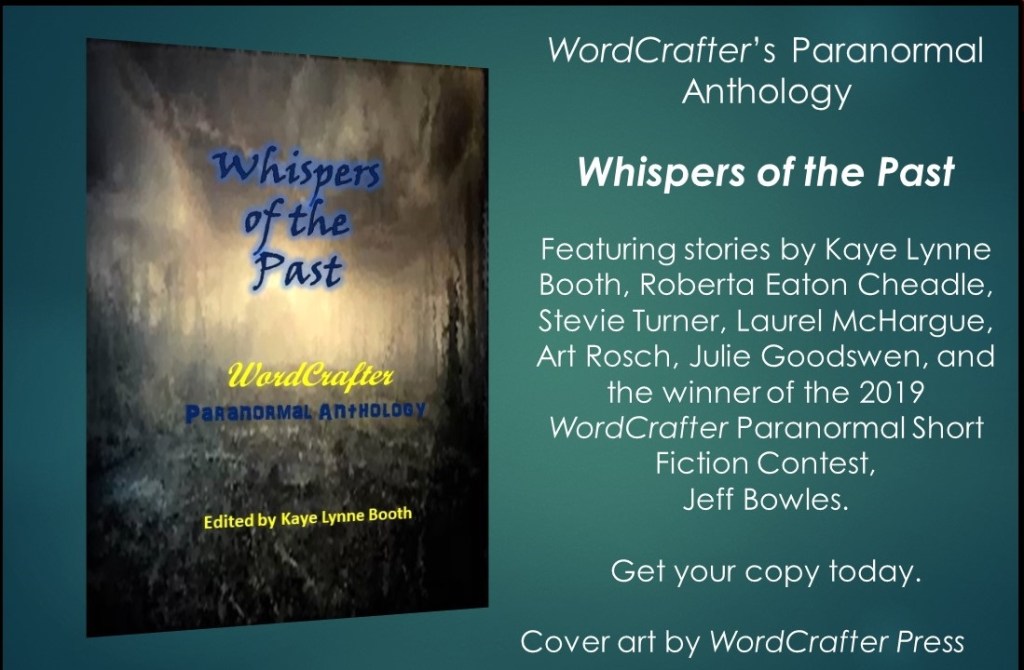
I also have two short paranormal stories in Whispers of the Past, a paranormal anthology edited by Kaye Lynne Booth.
Like this post? Let me know in the comments. You can be sure not to miss any of Writing to be Read’s great content by subscribe to e-mail or following on WordPress. If you found this content helpful or entertaining, please share.
Share this:

Craft and Practice with Jeff Bowles – To Self-Publish or not to Self-Publish
Posted: June 17, 2020 Filed under: Book Covers, Commentary, Craft and Practice, Opinion, Publishing, Self-Publishing, Writing | Tags: Craft and Practice, Jeff Bowles, Publishing, Self-Publishing, Writing, Writing to be Read 9 Comments
The third Wednesday of each month, writer Jeff Bowles offers practical tips for improving, sharpening, and selling your writing. Welcome to your monthly discussion on Craft and Practice.
To Self-Publish or not to Self-Publish
I guess I’m a bit of a dreamer when it comes down to it. Head in the clouds much of the time, projecting myself right out of reality because, well, I take more comfort in worlds inside my mind than the world as it really is. I’ve always been that way, and it’s helped me enormously as a creative individual. Has it helped me much in life? That’s a conversation for another time. Or, you know, maybe never.
For me, the dream was always the most important thing, because I understood dreams become reality with startling frequency. I mean, that’s essentially what storytelling is, right? Making something whole, tangible, expressive, from nothing at all. It’s something I have to believe in order to do what I do. If I didn’t think anything and everything was possible, how could I convince you?
I like self-publishing. It’s a good speed for me. I made great efforts to publish short fiction in the traditional form for more than ten years, and I wouldn’t change anything about that time. But then I went off to earn an MFA in Creative Writing, and it slowly dawned on me that recognition, fans, and even money will only get you so far. If you’re dedicated to your craft, you can do it penniless. In no way does it make or break your enjoyment of the act of writing. In fact, achieving something like the ever-ubiquitous yet disappointing “best-seller” status often throws unsuspecting authors into a rut, one that can be difficult to climb out of. With success so comes stress and an urgent need to produce. I’m not good with stress, suffer from some anxiety and other mental health issues, and I somehow knew about myself that if I wanted to put my books out, I’d have to do it in a manner congruent with my everyday tolerance levels.
So when it came time to publish my first novel, I did it myself. I got the most amazing help from a friend of mine to render a cover and some gorgeous chapter-to-chapter artwork, I set the date, released it through Amazon, and then plugged it as best I could, also knowing I’m not a natural salesman. The truth is I would’ve made far more money if I’d snagged a traditional publisher. The truth also happens to be that I don’t care all that much either way, because I’m still the writer guy doing his writer thing, albeit at a somewhat reduced level.
I like controlling the whole process from beginning to end. The product I end up with, for better or worse, is all on me. The people who’ve read my first novel have enjoyed it immensely. Living the kind of life that’s cool and confident and down for lower-case “success”, simply because I’m not sure the upper-case kind is actually all that much fun, well it works for me right now. Maybe a few years down the line I’ll really push for the traditional publishing route. I’m not sure. What price success?
Given the choice, most writers would opt for more sales over fewer. I don’t think I’ve used the word “duh” since I was thirteen years old, but duh. The point is, you can write as much or as little as you want, and you can shoot for the stars or just keep your work on the down-low, but the real question is what fuels you? What keeps you satisfied? Is it money in the bank or pure creative expression? A happy mix of both? What do you want? What do you want? WHAT DO YOU WANT?!
If you’re working on a book or have recently completed one, first of all, congratulate yourself. You’ve done something most people on the planet want to do but never seem to get around to doing. Secondly, ask yourself the question in capital letters up in that last paragraph there. It’s harder to find sponsorship than to put it out yourself. That’s true no matter what you do, so consider it numero uno. Are you willing to risk rejection aplenty and month after month of waiting for an agent to reach out and tell you your work is magnificent (or abhorrent)? Or do you want to produce your book on the fly and handle all the publicity yourself later on? Know that for the vast majority of self-publishers, a hundred lifetime sales is considered superb. That’s a slow lunchtime minute in February for one of the major houses.
Work the traditional route, you’re likely to feel under-the-gun and underappreciated by your publisher. DIY it, and you’ll probably feel like you’re grinding your gears, working your butt off just to make a few lousy sales. Release your work through an established house, and perhaps struggle to earn out your advance and start bringing in those royalties. Put it out yourself, and claim your dividends immediately, meager though they may be.
See? Plusses and minuses for both. Nice work if you can get it, but look, your best bet is to keep producing and put your work out however you can, whenever you can. That’s the shotgun method, and it works. I know what’s been right for me in the past several years, but I also claim the right to change my mind someday. In the grand scheme of things, it’s all benefit and no loss. Just keep doing your thing, and if you get the opportunity to publish your work in a major way, absolutely go for it. If you can’t, however, or you simply would rather not, don’t sweat it, because magnificent career legacies have been built on less. Just don’t sell yourself short, and whatever you do, remain true to your vision and your goals.
Now for a little practical advice. You knew it had to be buried in here somewhere, right? If you’re in the market for an agent, find yourself a good searchable database like AgentQuery.com, or if you’re so inclined, think about picking up the 2020 edition of the Guide to Literary Agents, which many writers throughout the years have found great success with. Your manuscript must be in tip-top shape before you send it to anyone. I know that seems like common sense, but you’d be surprised how often people mess this up. Tip-top means thoroughly revised, edited, and proofread. If you can make it any better, you’re not done with it. Remember to remain professional and courteous, even when you get shot down. Especially when you get shot down.
On the flip-side of the publishing coin, the final state of your book is just as important in self-release, perhaps more so, because you won’t get an assigned editor to walk you through the process. If you can afford one, hire the services of an independent editor, and if you’re not super artistic, hire someone to do the cover and book layout, too. A lot of people, like yours truly, release their stuff through Amazon and call it good, but this is by no means your only option. Vanity publishing, independent print-on-demand, and independent ebook distributors all exist, though do your homework, because some are more attractive than others. Vanity publishing, by the way, try to eschew it if you can. I like Amazon because it’s one-stop shopping, and their KDP publishing system is easy to use, but your mileage may vary, and you may have bigger plans for your work than I’ve had for mine.
Regardless of how you publish, just remember it’s incredibly important to put out the best work you can. You want words you can feel proud of. In the end, your writing legacy is completely in your hands. That’s it for this post, everybody. I’ve got an overdue book to edit, and you’ve got more awesome Writing to Be Read articles to peruse. See ya next time.

Check out Jeff Bowles Central on YouTube – Movies – Video Games – Music – So Much More!
Want to be sure not to miss any of Jeff’s “Craft and Practice” segments? Subscribe to Writing to be Read for e-mail notifications whenever new content is posted or follow WtbR on WordPress. If you found this useful or just entertaining, please share.
Share this:

Jeff’s Movie Reviews – Just Mercy
Posted: June 12, 2020 Filed under: Commentary, Jeff's Movie Reviews, Movie Review, Movies, Opinion | Tags: current events, Jeff's Movie Reviews, Just Mercy, Social Justice, Writing to be Read Leave a comment
Justice For All
by Jeff Bowles
Movie theaters across the country are closed due to Coronavirus concerns, so there aren’t many new major films coming out. June is typically the heart of the summer movie season, when all the major studios showcase their big releases for the year. Still, film buffs aren’t completely in the cold right now. Plenty of flicks that otherwise would’ve been released in theaters have come to on-demand services, and some true gems from the past year are getting a little well-earned, extended time in the spotlight.
One such film is perhaps one of the most relevant and urgently messaged home releases for this moment in history. I’m not referring to some pandemic movie that’s meant to invoke COVID fears, but rather a film that deals directly with issues surrounding the current international protests over the death of George Floyd. It’s an incredibly apt time to take a look at racism in the criminal justice system and in our society at large, and Just Mercy, directed and co-written by Destin Daniel Cretton, offers us an unflinching and impassioned portrayal of some truly chilling events.
Just Mercy is free to watch on streaming platforms everywhere for a limited time, and I highly suggest you do so. It’s an affecting film, one that forces viewers to confront the cold hard truth: as a nation, we have failed millions of our own citizens, placed them in handcuffs, incarcerated and criminalized them, often without the benefit of valid and Constitutionally guaranteed due process. As the film tells us in it’s closing moments, one in nine federal convictions has been overturned by the introduction of new evidence, sometimes years after an original crime was committed. That is a startling figure. Put bluntly, Just Mercy is about the wrongful imprisonment, dehumanization, and subjugation of black men and women, and I truly don’t mind admitting (in fact it’s a privilege to admit it) I was in tears by the end.
Jamie Foxx plays Walter McMillian, who, in 1987, was sentenced to die for the notorious murder of an 18-year-old girl, despite a preponderance of evidence proving his innocence and the fact that the only testimony against him came from a criminal with a motive to lie. The movie is really about the early career of world-renowned civil rights attorney Bryan Stevenson (Michael B. Jordan), who graduated Harvard Law and immediately moved to the deep south because, as he put it, “I’ve learned that each of us is more than the worst thing that we’ve ever done; that the opposite of poverty isn’t wealth, the opposite of poverty is justice.”

Michael B. Jordan and Jamie Foxx in Just Mercy
Jordan is terrific as Stevenson, passionately engaged in the portrayal of a young man who simply doesn’t have the word “quit” in his vocabulary. Jordan has begun to make quite a career for himself in this and other films that handle racism directly, though this might be his most grounded and honest role yet. It’s really Foxx who makes the biggest impact, though. Truly, this film offers one of the finest performances of his career. McMillian both chooses to believe and not believe in his right to fair and just treatment. It’s sort of the moral and spiritual undercurrent of the film. This system breaks people down in startling and terrible ways. Even when you’re innocent you feel guilty.
The plot is more or less similar to dozens of other criminal justice movies. A hotshot attorney takes on an impossible case, gathers evidence, faces obstacles and even risks his own life, all for the rights and freedom of his client. But it’s the raw emotionality that distinguishes Just Mercy. Look, we shouldn’t handle this stuff with kid gloves anymore. Either you believe the system targets minorities, or you don’t. A story like this has the capacity to change minds. At a time like this, that could be worth its weight in gold.
I’m a white American. I am not now nor have I ever been an individual who has experienced on a personal level the true horrors of racism. I’m not actually qualified to write a review for a movie like this, not as far as I’m concerned. But’s it’s important to me to listen at a time like this. To learn and to ask myself what I’d be prepared to do if it was my freedom, my life, on the line. Just Mercy is so powerful precisely because it pulls no punches. When a man dies on death row, you feel it. When a racist district attorney undermines and condescends to his African American colleague, it makes you angry.
Anger will only get us so far if we really want to change the world, but information, education, even in the form of a piece of entertainment, it’s incredibly important. And this a great film regardless. In my humble opinion—and by the way, opinions are everywhere right now, so I’m not intensely interested in sharing the full extent of mine—this issue has been politicized to an extreme and absurd level. Leave it to the politicians and pundits to make all the hay they want. With Just Mercy, audiences are asked to take an honest look at incredibly urgent matters and to do more than just think about them. This is a movie that wishes to provoke an emotional, intellectual, and societal response. And it may just do exactly that.
Jeff’s Movie Review’s gives Just Mercy a 9/10.
Check out Jeff Bowles Central on YouTube – Movies – Video Games – Music – So Much More!
You can keep up on what Jeff’s been watching and catch all of his great movie reviews the second Friday of each month on Writing to be Read. Subscribe to email or follow on WordPress today.
Share this:

Words to Live By – Love in the Time of COVID
Posted: June 3, 2020 Filed under: Commentary, Editorial, Opinion, Words to Live By, Writing | Tags: COVID, Creativity, Jeff Bowels, Words to Live By, Writing, Writing to be Read 5 Comments
The first Wednesday of every month, writer Jeff Bowles muses on life, creativity, and our collective destinies as makers of cool stuff. You’re a writer, but have you ever thought about how or why? Here are some words to live by.
Love in the Time of COVID
It goes without saying, few people living on the planet today have experienced any year quite like 2020. It’s almost a numerical thing, isn’t it? Or maybe just a numerological thing. Like we could see it coming a mile away, 2020, the year of perfect vision. Or of perfect integration of all the things we used to blindly ignore.
There’s a hell of a lot of old neurotic dead weight coming to the surface, both for individuals and for us as a collective. It brings to mind the basic processes involved in psychotherapy. Very often, the goal is to dredge up, edify, and to therefore let go of past hurts. Then we can move forward, better than before, ready to face the world again as new people. At least that’s the idea.
Is it possible that’s all this is? A chance by the cosmic forces that be to enlighten us through just a pinch, just a little skosh of what feels like outright torture? Have you been trapped in your house for three months straight? Were you used to being so homebound? Used to spending excessive amounts of time with the people you love? It strains the credulity of the value of being social creatures, doesn’t it? This is love in overdrive, folks. The rubber hits the road right about now.
Some people think love is a chosen thing, but I learned better long ago. Love is something given to you. You can’t help who you love. I’m not a father and I have no other dependents. I’ve been holed up with my wife, just the two of us, and it’s pushed us around here and there. I don’t mind admitting there’s been a few harmless spats, because I’m sure you can relate. It doesn’t mean there hasn’t been plenty of moments of fun and warmth between the pair of us. We’ve been watching old movies and chatting all day like we used to when we first started dating. That’s been wonderful. I’ve learned more about who my wife is now than I ever bothered to find out in the entirety of last year. People are constantly changing, and one of the secrets of a successful long-term relationship is to allow each other to grow up. Just a little bit. No one wants actual adults floating about. Heaven forbid.
We’re all such busy little bees, buzzing around, accomplish this task, fulfill this obligation, run this or that errand, put out this fire and then drag our attention to the next. When was the last time any of us had to sit down and face-to-face acknowledge all the people in our lives? In today’s modern society, not very often, not like this. Maybe you have no idea what I’m talking about. Or perhaps you know too well.

My wife and I have chosen productivity over boredom. I mean, for crying out loud, how many times can you watch all the Star Wars movies on Disney Plus? For starters, I’ve been working on final edits for my latest novel, so that’s kept me busy. She had this idea for a radio-style animated YouTube show featuring angels, demons, and a fictionalized fantasy world, and for my contribution to her concept, I wanted to play with my old monkey.
Sorry, I should qualify that. Years ago, I wrote a short story I liked very much about a detective robot and his hyper-intelligent gorilla companion. The robot was fun, but Gorilla Todd, as he’s known, is one of my all-time favorite personal creations. So he’s going to be a main character on this show, and I’ll also be writing some companion novels about him, ‘cause Hey, Mack, a gorilla’s gotta eat.
That’s the plan. My wife is the artist and craftsperson, so she’s been drawing up maps and concept images, while I’ve been plotting scripts and outlining in my head where I’d like to take some of these stories. It’s been fun being collaborative with her. Though we’ve been married ten years, and we’ve done and seen everything together, we’ve never actually been creative as a team before. It’s an opportunity we might have otherwise missed. So that’s a blessing right there. Love in the time of COVID, you know what I mean?
But doesn’t that just make me a busy little bee again? Am I avoiding the chaos that seems to be raging in all parts of the globe by choosing a large creative project that will likely take the two of us months to gain any ground on? Quite possibly. Love, you see, needs breathing room. It’s just like fire. Suck all the oxygen out of the room, and the damn thing goes out.
And I’m aware, of course, that there are many people right now who don’t have anyone. I’m aware, for instance, that lots of relationships are currently taking a nosedive. Situations you should’ve ended long ago are ending very abruptly, and then you’ve got no one to synchronize surgical masks with when you’re out buying dog food and driving past your favorite movie theater, staring with jealous resignation at its pristine, empty parking lot.
Be careful with your love right now, folks. That’s the message I hope to impart with this post. Protect it fiercely. And if you are the creative type, head in the direction of new horizons for you and your art. Trust me, a nice afternoon of writing after being glued to the news all morning can be a wonderful salve. And, ehem, let’s not forget to use our bodies. Love can help out there, too. I don’t need to go into detail. Suffice it to say, if you are locked away with your partner, neither of you needs to starve for affection.
Yes, you might be saying, but what about unrequited love or love that’s gone cold? What if you’re in a situation right now that’s broken your heart and made you feel small? I’ve been there, man. We all have. Certainly, you can find a trusted friend to whom you can divulge all your longing and pain. See what I mean about love not being something we should take for granted? It’s everything, permeates all walks of life, yet it can up and vanish on you like a flash storm.

The truth is creativity and love go hand in hand. Just like you couldn’t help falling for your one true immortal beloved, you can’t help falling for a creative project that excites and motivates you. That’s the ticket, quantifiably so. We’ve got to love something if it has any chance of growing up big and strong. Works for people, books, paintings, songs. Works for everything we do and make and choose to be in this life.
Like I said, I have no children, but if I did, I imagine I’d be having an extra challenging time right now. It’s no wonder so many people are ill-tempered, lashing out. Society has been thrashing around on issues of race and inequality, civil rights, gun rights, freedom of speech, freedom of the press, freedom of this, freedom of that, and we’ve been doing it for hundreds of years, so don’t get it twisted. What you’re seeing on the news is by no means some spring chicken phenomenon. It’s led many to pontificate, where’s the love? We’ve come to 2020, that year of perfect vision, and we are being asked to finally open our eyes and see.
To actually see. What a priceless and burdensome gift.
All you need is love, as John Lennon once sang. Don’t forget to kiss the ones who matter most, let them know how you really feel, because none of us is guaranteed one more tomorrow. We tend to neglect this very basic fact. We neglect a lot of things. But the truth is, we’re all in this together, and if you think you know what the future will be, better buckle up, brothers and sister, because the ride gets even bumpier from here.
I’ll have more words to live by next month, folks. Until then, how about a song?
Check out Jeff Bowles Central on YouTube – Movies – Video Games – Music – So Much More!
Want to be sure not to miss any of Jeff’s “Words to Live By” segments? Subscribe to Writing to be Read for e-mail notifications whenever new content is posted or follow WtbR on WordPress. If you found this useful or just entertaining, please share.
Share this:

Words to Live By – Fear, Creativity, and that Pesky Pandemic
Posted: April 1, 2020 Filed under: Commentary, Creativity, Opinion, Writing | Tags: Coping, Corona Virus, COVID 19, Creativity, Fear, Stay in Place, Words to Live By, Writing, Writing to be Read 6 CommentsThe first Wednesday of every month, writer Jeff Bowles muses on life, creativity, and our collective destinies as makers of cool stuff. You’re a writer, but have you ever thought about how or why? Here are some words to live by.
Fear, Creativity, and that Pesky Pandemic
It goes without saying the world has changed since I wrote the March edition of Words to Live By. Today is April Fools’ Day. Some joke, right? I woke up last night after turning in early. My phone said it was two minutes to midnight, and I thought, who’s going to be the fool tomorrow?
Fear is a funny thing. I think most people often get buried under the pressures, politics, and pleasures of everyday life and tend to ignore their fears, to in essence ignore their own shadow side. Well, lucky you, now none of us has a choice. I imagine these things as waves sweeping across the world. Maybe one moment you feel fine, completely on top of things, and the next you’re hit by crippling fear. Which is why toilet paper and ground beef are so scarce at the supermarket, why some people have parked themselves in front of the news one terrifying hour after another, why incredible boredom strikes and sometimes you can’t help but take it out on the poor sods stuck indoors with you.
Carl Jung, of course, believed in a great collective unconscious, an ocean of emotional and motivational currents that rage below the surface of our conscious minds, connecting us in the most primal sense to everyone else on the planet. It sort of takes the Eastern theological concept of oneness to a new place. Can we feel what others are feeling halfway across the globe? I have to admit, as someone who suffers from severe mental illness, I’ve spent much of the last few years in fear anyway. In some fashion, it makes this whole thing easier. But it also ratchets up the tension already winding away inside me. Because I know I’m not alone, I don’t mind admitting I’ve had a few freakout moments in the last couple weeks. I imagine I’ll have a few more before this whole thing is through. Anyway, what does “being through” even look like? Won’t COVID-19 be with us in some form or another for years to come? And what about the next pandemic, the next war, the next social upheaval? Folks who throw around the word apocalypse don’t seem to understand. Human history has seen the rise and fall of many such apocalypses, it’s just that no one living today has had the misfortune of witnessing one before.
They also didn’t have Twitter during the Bubonic Plague. Imagine if they had. Does our incredible electronic interconnectedness help or hurt us under these circumstances? General awareness, assuming you’re getting accurate information, has never been higher. But neither has the fear, the fear mongering, the spread of a wholly different, much deadlier virus that has been with humanity since the very beginning.

There are ways I’m learning to cope with my fear. Creativity is chief amongst them. If you’re reading this, you’re most likely a writer or some other type of awesome creative person. I’ve heard stories of folks rediscovering their artistic side while under the constraints of lockdown. That’s a magical thing. Think of everyone having heart-to-hearts, making love with each other for the first time (or maybe the first time in months or years), beginning new creative projects, getting their life and living situations in order, or simply parking their butts in front of Netflix for hours on end instead of working themselves half to death, which is the only thing many of us have come to know.
You want my advice for keeping those pesky quarantine blues at bay? Make something cool. Like real cool. Write if you feel like writing, edit something you cooked up last year, paint a portrait of your cat, engage in this new and burgeoning Age of Aquarius in the proper way. Go outside if you live nearby nature, put your bare feet on the ground and soak up some sun. I mean, it’s early April and it may snow or something, but would you rather feel alive or inert at a time like this?
Fear is not necessarily an evil. When it causes us to lose control and rush down to the store to buy an entire stockroom’s worth of frozen peas, okay fine, then maybe it’s gotten out of hand. But fear can also show us the flaws in our lives, the things we wish could be different. Maybe you didn’t know you absolutely loathed your job until you had to work from home and found out … hey, I’d rather just be at home. A situation like this can change people, will change people, and it’ll change them on a global scale. God forbid you or someone you love suffers health consequences because of Coronavirus, but assuming everything is okay in your world otherwise, you might see this little siesta as an opportunity for personal growth. Read a self-help book, take up meditation or yoga, investigate the mysteries of the universe, snuggle someone nice and warm in bed at night, and then wake up and do it all again.
The point is there’s a lot of win in this win/lose scenario. Especially if you’re the creative type. Nowhere in your official I Survived Coronavirus contract, decoder ring, and commemorative t-shirt did it say you had to engage with a shock and terror obsessed media every waking moment, with bathroom breaks, meal breaks, and shopping trips baked in for added texture. In fact, I’d say if you’re a creative person—and especially a writer—it’s your obligation to make something that reflects your mood and the moods of individuals and collectives all over the world. Maybe just journal your feelings at night. That could go a long way toward making you feel better on a day-to-day basis.
Creativity is catharsis. Always was and always will be. I believe in the power of creation even when the world is comparatively stable. This, in perfect harmony and truth, is the only proof you’ll ever need for the existence of salvation. Faith can be enormously powerful in times such as these, and I believe you can place a little of that faith in your own ability to cope simply by being a bit more creative.
Nobody knows when this rollercoaster ride will come to a halt, and most certainly, no one can see what things will look like afterward. Maybe this will be the hardest collective test we’ll have to face as a living global generation. Perhaps there will be harder. Regardless, it’s very true you may not have much control over what transpires now, then, or far in the future. But you can control your own ability to create, and that’s worth its weight in gold.
Stay safe and aware, everybody. Until next month.
Check out Jeff Bowles Central on YouTube – Movies – Video Games – Music – So Much More!
Want to be sure not to miss any of Jeff’s “Words to Live By” segments? Subscribe to Writing to be Read for e-mail notifications whenever new content is posted or follow WtbR on WordPress. If you found this useful or just entertaining, please share.
Share this:

Judging for the 2020 W.W.A. Spur Awards
Posted: March 30, 2020 Filed under: Book Review, Books, Commentary, Fiction, romance, Western, western romance, Writing, Writing Contest | Tags: Book Reviews, Spur Awards, Western, western fiction, Western genre, western romance, Western Writers of America, Writing to be Read, WWA, WWA Spur Awards 1 Comment
It was a great honor to be asked to be a judge for the Western Writers of America’s 2020 Spur Awards, but I had no idea what I was signing up for. I envisioned hours of luxurious reading in one of my favorite genres, while leisurely sipping wine and taking bubble baths, and once the event opened to entries last August, for a while, a new book came in the mail every day or two and it felt a little bit like Christmas.
I began reading the first entry right off, and kept steadily working my way through them. The inflow trickled off mid-September, although there were a few later entries that didn’t come until November and December. The stack of books were large, but I’ve always been an avid reader and I felt confident that I could manage it easily.
Then, as often happens, life got in the way. I lost two dogs within a month and a half of one another, and in November, had a death in the family, and for a time my life was turned upside down. My work schedule received adjustments and travel arrangements were made for the viewing and services, and writing and school were shoved lower on the list of priorities. Suddenly, everything was up in the air and all my leisurely reading time disappeared like a magician’s rabbit. Abracadabra. Poof!
During the last part of December, I started trying to get back on track and found some reading time to begin trying to catch up on the Spur entries. At this point, the stack of books I had left to read seemed immense, and I began to wonder if maybe I should be worried about getting all of them read in time. I admit, I had to cram at the end and read every night until my eyes wouldn’t stay open, but I managed to read every entry and send in my judging choices before the deadline.
It was harder than I thought it would be to be a Spurs judge. Not because I ended up playing catch-up on the reading, but because there were some many really excellent stories submitted to the western romance category, and I had to narrow it down to the top five. Making the choices as to which were best was really tough. The opportunity to read some of the best westerns of 2019 made it worth every struggle. It was great!
I took my role as a Spur judge seriously. While reading I noted things like how well-crafted the story was, how prominent the elements of western and romance were in the story, how historically accurate the story was, and how well the story captured and held my interest, to base my choices on. Now that the winners have been announced, I am able to provide you with brief reviews of the ones that were my own personal favorites. All of the books reviewed below I found to be well written and historically accurate to their time period, and each would receive a five quill rating in my regular book reviews. They were my top picks and they include the winner in the romance category and one of the finalists.
 Mollyfar, by Bonnie Hobbs: This is one of those stories that is just a fun read. It has strong western elements in a classic romance tale, but the unique and interesting characters are what carry the story.
Sometimes in the old west you had to grow up fast, and life wasn’t always kind, especially to members of the female persuasion. Molly finds herself on her own in the west at a young age, at a time when the choices for a girl on her own were very limited. She’s on her way to becoming a soiled dove for a life of squalor when she meets Wade and it’s love at first sight. Wade vows take care of Molly, so there will be no need for her to go down that road, but he is young and there are several obstacles preventing him from following through. Then Molly met Heeshe, the new amorphidite brothel owner and they saved each other, but there was always a place in her heart for Wade, if she could only admit it and let herself surrender to him.
 This New Day, by Harlan Hague: This book made Finalist. It has the strong western element of a true pioneer tale with a sweet romance that just feels right. The story line draws the reader in and doesn’t let go. It made me cry.
When Molly’s husband dies, there’s nothing left to go back to. They sold up all their worldly goods to make the trek across the mountains to Oregon, and she is determined to complete the journey with her two children. She meets hardship and heart ache along the way, and Micah, a mysterious rugged rider, who turns up just at the right moment to save her from Jeb, an unsavory member of their party, who has had his eye on Molly and grown tired of just watching. Soon Micah is riding with she and the children, and bedding down near their wagon at night, working his way into the children’s hearts, as well as her own, but she has to wonder where he goes when he rides off for days and then, reappears. She has doubts as to whether she is strong enough to make it at times, but soon finds she doesn’t want to make it without Micah.
 The Express Bride, by Kimberly Woodhouse: This story has western and romance elements that are prominent. Likable characters make you care, and a fun and playful story line makes you want to keep reading. Jaquelin (Jack) is a strong, gritty female protagonist, who you can’t help but like.
Since her father died, Jack has run the Pony Express station in his stead. And why shouldn’t she? Even if she had to mislead to corporation heads a little, implying that she was male by signing her letter Jack instead of Jacquelin, she knows the workings inside and out, and the riders all like her and look to her with respect. Then Elijah Johnson looking for a mystery woman from the past arrives, along with a U.S. Treasury agent, Mr. Crowell, enlisted to help uncover a suspected conterfeiting ring operating in the area. As she unravels the mystery surrounding her own past, she ponders who she is, and who she wants to be, and struggles with the nagging feeling that Elijah Johnson may hold the key to revealing the truth.
 The Outlaw’s Letter, by Angela Reines: A classic romance story with a strong western element and a hint of mystery. Good, solid story line that is everything a romance should be.
Harriette “Hetty” Osgood is just school teacher in Kiowa Wells, but when a dying man stumbles into her school house, she vows to deliver a letter to his brother, Grant Davis. Dressed as a boy for safer travel, she sets off on an adventure to find Davis, and crosses paths with Conover Boggs, who she sent to prison in the past, and would like nothing more than a chance to make her pay. Boggs catches up with her just as she catches up with Grant Davis, who has ridden with Boggs in the past. To save them both, they claim to be married to fool Boggs. They have little choice but to help one another, but Grant is on a quest to clear his name and leave his past behind him. Could they each be what the other is really looking for?
 A Slip on Golden Stairs, by Joanne Sundell: I actually reviewed this book before I was asked to be a judge. You can see my original review of this book here.
This paranormal western romance is really two romances, one in the present and one in the past, in one tragic searches for both love and riches. Sundell does an excellent job of weaving the past into the present in a tragic and heartfelt tale of lost love and possibilities.
 The Yeggman’s Apprentice, by C.K. Crigger: Winner of the western romance category. Great characters and a captivating plot that draws you in and keeps you reading. Light natural flowing romance within a western setting and a truly enjoyable read.
Wilke thinks her first solo job in Butte, Montana will be a piece of cake. Simply, lift the ledgers for the designated accounts from the bank safe for the client. What could be easier? But things quickly go awry when she finds there are two sets of ledgers and they don’t tally. Suddenly, she finds herself being pursued by the shady lawyers who hired her uncle, who will go as far as murder to cover their tracks. When Hixson rides her back to her hotel on his motorbike, they discover her uncle dead, Wilke finds herself on her own and in need of getting out of town with the falsified documents.
Hix agrees to help her, but gets more than he bargains for, when the shady lawyer’s henchman is waiting at the train station. Wilke isn’t sure she can trust Hix, there are several signs that he might have a shady past and could be an outlaw, but she doesn’t have much of a choice. Hix has reasons of his own for wanting to get out of Montana, but he finds that Wilke is full of surprises, as they try to evade the bad guys.
Like this post? Let me know in the comments. You can be sure not to miss any of Writing to be Read’s great content by subscribe to e-mail or following on WordPress. If you found this content helpful or entertaining, please share.
Share this:

Nightmare With Tracfone
Posted: March 27, 2020 Filed under: Commentary, Humor, Opinion | Tags: Art Rosch, Art's Visual Media Reviews, cell phones, Commentary, confrontation, customer service, daily life, frustration, Humor, Opinion, social observation, Writing to be Read 7 Comments
I am preparing a review of “Better Call Saul” but I’m not finished. Instead I will relate an experience that I had with a cell phone provider, I.E. Tracfone. Consider it a public service:
Nightmare With Tracfone
“God damn it!” I shouted into the cell phone. “I’m done with you, asshole, done done done! Go Fuck yourself, you motherfucker!” My wife stared at me in total shock. I hadn’t blown up like that in decades. If ever: in fact, I don’t remember the last time I lost my temper. Well, yes I do but that was fifty years ago and I was enraged with a particular girl. That’s a long time to go without blowing my cool. I did not, however, keep my head this week. Not after dealing with my cell phone carrier, i.e: Tracfone.. It may be that their service people are coached to present a hostile front to customers asking for refunds. After three days of agony dealing with Tracfone employees I ended the encounter screaming into my phone,
I can’t remember being as angry as I was now with this asshole fuck-turd Tracfone employee who was probably twenty six, living in a shitty condo somewhere in Reseda or Toluca Park. I don’t really assign blame to this hapless cubicle worker. I have compassion. I know I’m living a better life than he is. This essay is my revenge on Tracfone and a cautionary tale to anyone who has a mishap with a cell phone carrier.
I’ve used Tracfone for years without problems and the advantage of Tracfone is that they’re cheap. Like 90- days- with -unlimited -calls – for thirty – bucks cheap. I could keep going for months at ten bucks a month, and so I did, for seven years. Then I lost my phone. It was gone. No searching could retrieve it. The finder-app said it was on Third Street in Santa Rosa. I did a couple of drive-by searches. Alas, the phone was gone. I needed a new one. Everyone needs a cell phone. What if there’s an emergency in your 1998 Jeep Cherokee with the rattling fan belt? What if you can’t text your lover, your spouse, your kids, your granma? Phones possess dramatic intensity. This is the twenty first century! Phones are highly charged emotional extensions. They carry family, friendship, love, sex, money….all kinds of drama.
And I had lost mine. I needed a new one, quickly. I got on the Tracfone website and ordered a modest but decently cool phone costing $131.09. Then I waited. I expected delivery in no more than two days. Everything comes immediately these days. Drones drop your shit on your porch five minutes after you order. UPS robots open your back door and leave it on the couch by five o’clock. Things really move! But the phone didn’t arrive. And I waited yet another two days, still there was no phone. I needed a phone. Doesn’t everyone? Does life proceed without cell phones? Clearly it doesn’t. So, I tried again with Tracfone. I needed a phone, asap. I ordered a hundred dollar phone and asked Tracfone to expedite the shipping. I tried to order the drone service but Tracfone isn’t up to speed in that way. I did the next best thing: overnight shipping. I received that phone the next day. Where was the first phone? The one that costs $131.09. No one knew. I had never received a confirmation e-mail, a fact that should have raised a red flag. Of course, in this world we walk through a forest of red flags daily, so it meant nothing. Three weeks later there was a knock on the door, and a Fedex driver handed me a box. I accepted the box. I shouldn’t have. But I did, and therein lies this whole agonizing tale. It was, of course, the missing phone. I didn’t need a phone anymore. I took it down to the post office, paid fifteen bucks to ship it back to Tracfone. It was received by Tracfone in two days and I asked for a refund of $131.09. According to the phone agent, I should receive my refund within three to five work days.
I used the new phone for a while. Let’s give it a name. Call it Stylo 4. Then one morning I awoke to a seemingly normal day. It turned abnormal as soon as I tried to make a call with Stylo 4. I dialed a number and a neutral female voice said “Your device has been de-activated. If you wish to speak to Tracfone, please stay on the line.” So I held, and shortly had the Tracfone robot and went through three sets of identifications and options until I finally said that word, “Other”, which means that non of my problems were addressed by the previous robot. So I got another, more senior, robot. Again, after enduring the list of options, I uttered that loaded word, “Other”. I waited another ten minutes, then, finally, I got an agent.
Why has my phone been de-activated? The agent asked for the ID number or the EIMI identification code for the phone. I read it off the little red booklet, then I double checked the phone itself. The numbers matched.The Tracfone employee stated, quite simply, “That’s the phone that you returned to us.”
Huh? I’m holding this phone in my hand, I explained. I’m reading the EIMI number from this phone.
“We’re sorry, sir, but that’s the phone you returned to us.”
“No,” I said calmly, “it’s clearly not the phone I sent to you. I never opened the box on the other phone, the one you sent to me, the one that took three weeks to arrive, the one that cost $131.09 and is slated for refund directly into my bank account. I already had another phone, that I bought from you, Tracfone, for about a hundred bucks.”
“Would you please read the number again, sir.” I did so.
“Sir, that is the phone that you returned to us, according to the EIMI number.”
“There’s some mistake here. Can I speak to your supervisor?” Then I made a random hand movement, accidentally touched a number on the dial pad, and was disconnected. I had to start over again. I began with the first robot, then the senior robot, punching number after number. I asked for an agent, then a supervisor, and I arrived at the same deadlock at which I had arrived before. Tracfone is telling me that I returned the very phone upon which I was presently speaking.
“Does it occur to you that this is flagrantly impossible and that perhaps there’s been a mistake at your end?”
“Sir, your refund will be deposited in your account within thirty days.”
“Thirty days? I thought it was three to five days.”
“Your account has been marked and referred to our dispute department. Are you trying to obtain a free phone?”
I was shocked. “Of course not. Forget the refund for now, OK?. Please, just re-activate my phone number because I’m an elderly man suffering from Recalcitrant Plebny, Mono-Amine Insufficiency and a serious case of Portofino.”
Must I continue? I don’t want to. I spent nearly three days on the phone with Tracfone (the only number with which I could connect) and got nothing, no re-activation, a delayed refund and a black mark against my name. I think the black mark happened because after so many hours of going around and around I lost my temper and shouted “I’m sick of you assholes, I’m done I’m done, so Fuck You!”
Then I went to Walmart and purchased a Samsung A10e, a nice little phone. I’m signed up with Sprint and I’m paying $45 a month for the privilege of no longer dealing with the morons at Tracfone. I call them morons but I think that they’re just following company policy, to whit: Obfuscate, delay, confuse, deny, denigrate, de-activate.
That’s my cautionary Tracfone tale. Does any of this sound familiar? Is the world crazy? Of course it is.
For a further take on the basic humor and craziness of cell phones, go to my essay, “Total Cell Phone Ban” Click here: Complete Cell Phone Ban Coming Soon
A Midwesterner by birth, Arthur Rosch migrated to the West Coast just in time to be a hippie but discovered that he was more connected to the Beatnik generation. He hearkened back to an Old School world of jazz, poetry, painting and photography. In the Eighties he received Playboy Magazine’s Best Short Story Award for a comic view of a planet where there are six genders. The timing was not good. His life was falling apart as he struggled with addiction and depression. He experienced the reality of the streets for more than a decade. Putting himself back together was the defining experience of his life. It wasn’t easy. It did, however, nurture his literary soul. He has a passion for astronomy, photography, history, psychology and the weird puzzle of human experience. He is currently a certified Seniors Peer Counselor in Sonoma County, California. Come visit his blogs and photo sites. www.artrosch.com and http://bit.ly/2uyxZbv.
Want to be sure not to miss any of “Art’s Visual Media Reviews” segments? Subscribe to Writing to be Read for e-mail notifications whenever new content is posted or follow WtbR on WordPress. If you find it interesting or just entertaining, please share.
Share this:

Words to Live By – Sex, Love, Warfare, and Death
Posted: March 4, 2020 Filed under: Commentary, Editorial, Fiction, News Media, Nonfiction, Opinion, Words to Live By, Writing | Tags: News Media, Story telling, Words to Live By, Writing, Writing to be Read 1 CommentThe first Wednesday of every month, writer Jeff Bowles muses on life, creativity, and our collective destinies as makers of cool stuff. You’re a writer, but have you ever thought about how or why? Here are some words to live by.
Sex, Love, Warfare, and Death
People will fool you if you let them. Consumers especially. Consider the old marketing adage coined by Steve Jobs, “A lot of the time, people don’t know what they want until you show it to them.” Every single morning, especially with the elections coming up, I turn on the news to get a glimpse of my world. The media skews reality so badly it sometimes seems pathological, but hey, let’s face it, if I really wanted raw unbiased information, I wouldn’t get it from CNN, Fox News, or MSNBC.
Coronavirus is about to go pandemic. That’s scary, which means the news will deliver it to me at accelerated intervals. Donald Trump tweeted something nasty again—big surprise there—and I’ll hear about it at the top of the hour, every hour. A new celebrity sex scandal? I eat those up, because, well, I’m a human being and gossip about sex somehow makes me feel like an active participant. It really isn’t the media’s fault, of course. They only sell what I’m willing to buy. Whatever else it may have become in the modern era, the news business has always understood our psychology far better than we do.
No matter how old we get, how wizened, educated, experienced, or jaded, there are but a few key elements we demand like clockwork from our stories: sex, love, warfare, and death. The news is a storytelling racket, after all, no different from books, movies, or anything else worth binging till our eyes bleed. Broadcasting the truth (or something designed to look like a reasonable facsimile thereof) is supposed to carry with it an added degree of responsibility, but if you find yourself screaming at the anchorman for his disastrous manipulation of the facts, don’t blame his boss or parent company. We are who we are. Humans possess a higher mind, higher aspirations and beliefs, altruism, compassion, faith, family unity, a virtuous sense of community. But we have a lower mind, too, a famously inconvenient and uncompromising wilderness of dim subconscious junk, and any storyteller worth her salt knows to engage us there first and foremost.

Think about your favorite stories. Every single one of them, I’ll bet, contains some degree of sex, love, warfare, or death. Now, your all-time top ten may not include all four at once, and maybe one or two of those elements, more or less to the point, is dressed up to resemble something else entirely. But they are there. 50 Shades of Grey wasn’t a pop culture phenomenon because it was a good book, and War and Peace would’ve sold far fewer copies historically if Tolstoy had simply called it Peace. I know what you’re thinking. This is all pretty cynical, Jeff. Surely people aren’t so basic as that. Why yes we are, and don’t call me Shirley. Anyway, it’s not cynicism. It just might be helpful to know what you’re up against before you decide to tell your next story.
Here’s what you’re up against. You are a human being attempting to entertain, enlighten, provoke, or otherwise affect on an emotional level other human beings, a species of meat-bodied, highly intelligent yet conflicted primates with a long, glorious history of blood for blood, sex for pleasure, and a penchant for looking for love in all the wrong places. Just so you know I’m not biased, I also believe each of us has a soul and a sovereign and divine spiritual destiny. To my mind, we’re a perfectly perfected, haphazard merger of things both high and low. It’s just that sometimes higher things can seem lowly and lower things can get us really, really, really, awesomely freaking high. There’s no shame in it, at least there shouldn’t be. You’re a warm body and an isolate personality. You get lonely sometimes, have to eat, sleep, and contend with day-to-day living. I also happen to believe in God and the unified consciousness of all things. Good thing, too. It helps to remember my mantras while I’m stuck in traffic, barely suppressing the urge to hop out and punch the guy sexting his girlfriend in the Hyundai next to me.
Have you ever read a really boring novel and thought, there needs to be more conflict, more romance, just a touch more daring and danger? I have, I do, all the time, especially when I’m reading something written by a beginner. Novice writers often confuse circumstance for story. These things aren’t mathematical, you aren’t working an equation, and outlining your latest plot to within an inch of its life will only render the storytelling equivalent of procedural asphyxiation. If artificial intelligence ever takes over the world, it won’t be writing stories. Not good ones, anyway.
Because we’re not synthetic lifeforms, you may every so often encounter people with beating hearts, barely controlled primal urges, a whole host of neuroses (both subtle and extravagant), and oh yeah, a crippling sense of self-doubt and self-limitation, stemming from one very basic fact: we’re all going to die, and there’s not a single thing any of us can do about it.
We care about sex because the survival of our species depends on it. We care about love and tragedy because they tend to define our most guarded, significant moments. And when it comes to warfare, we’ve all gotten a taste. What’s the difference between arguing with your neighbor for playing his music too loud and desiring to invade a foreign country because you don’t like the way they’ve been eying your stuff? A matter of degree is no matter at all, as it turns out. The trouble with reality as we know it is that we as individuals are just so damn, well, individualized. Relating to others in empathetic and wholly loving terms sometimes requires feats of superhuman strength, especially because I’m so terribly separate from you, and you’re so terribly separate from me, and I have my own needs, desires, limitations, and personal wounds to contend with.

But that doesn’t mean we’re alone. We aren’t, not one of us. It also doesn’t mean the stories we tell, the stories we love, have to be manufactured to meet primal criteria and primal criteria alone. The warmth and splendor of our experience is only equal to the depths of despair and loneliness we may encounter. That’s just the way it is. Life is a roller-coaster ride, and truth be told, we wouldn’t have it any other way. As The Beatles put it, in the end, the love you take is equal to the love you make. How much love have you made recently? Was it worth writing about? If so, why the hell are you reading some stupid blog post? Jot it down. Hurry! Hurry! Before it disowns you and moves to upstate Antarctica!
Sometimes fiction writers neglect their own experience in favor of concocting synthetic lives, synthetic characters, synthetic prose. I imagine to some the old chestnut, write what you know, seems like a bad idea. It isn’t. You’ll have to trust me on this. Your experience is equally significant as mine, as hers, as his, which is to say, both significant and insignificant as dirt. But that’s okay. In fact, it’s the way things are supposed to be. In the course of any given lifetime, fortunes will change hands, lovers will dispose us or face our disposal, babies will cry, enemies and friends will be made, laughs will be had, tragedies endured, and at the end of it all, we’ll have to give the whole shebang back and pretend it was some kind of season finale to a sleeper hit show the network neglected to renew. It seems unfair, but immortality is reserved for vampires, Highlanders, homogenous national virtues, and other mythical beasts. It is precisely our temporal nature that enables the existence of storytelling in the first place. The people who remind us of our limits, who console us, make us feel understood, the ones who tempt us or frighten us or leave us hanging, we call them storytellers, and we honor their place in our lives.
Every single day is story unfolding, and every individual you encounter is a supreme co-author of yours. It is entirely possible to acknowledge these things about ourselves, these dark and dirty, foible-filled things, and to still enjoy the hell out of each waking moment. More than possible. Perhaps mandatory, because hating your life is just a way of saying you love it with all your heart. The real miracle, the fact that any of us are here at all, necessitates our uncompromising need to build the biggest, most luxurious sandcastles, and then to watch helplessly as the tide swallows them whole. This is the essence of storytelling. It’s the essence of life. All things must pass. All things must pass away. Just remember that the next time you sit down to write. You’d better entertain me, wow me, seduce me, or otherwise completely jack up my mood, because if you don’t, I’m putting your book down and turning on the news.
Oh look, Trump just tweeted about Coronavirus, Joe Biden, the Chinese economy, Russian election meddling, Nancy Pelosi, Roger Stone, his persecution at the hands of our political system, and he managed to use the term fake news a total of seven times. That’s got to be some kind of record. What a storyteller! Guess I’m watching CNN all morning again.
It’s in the bloodstream, you see, always was and always will be. And thank goodness for that. No need to make America great again, Mr. President. Or the rest of the human race, for that matter. We’re all pretty great already. I mean, we invented War and Peace and 50 Shades of Grey, and we haven’t even learned to conquer death yet. Bet there’s a good story in there somewhere. You should totally write it, dude, before someone else beats you to it.
Talk at you next month, everybody! Have a good one. 🙂
Check out Jeff Bowles Central on YouTube – Movies – Video Games – Music – So Much More!
Want to be sure not to miss any of Jeff’s “Words to Live By” segments? Subscribe to Writing to be Read for e-mail notifications whenever new content is posted or follow WtbR on WordPress. If you found this useful or just entertaining, please share.











“Mind Fields”: The Big Grief or Computer Wipeout
Posted: June 24, 2020 | Author: artrosch | Filed under: Commentary, Mind Fields, Opinion | Tags: Art Rosch, Arthur Rosch, backups, computercrash, computers, electronics, essay, Fantasy, Humor, Mind Fields, USB, Writing to be Read | 3 CommentsMind Fields
May 2020
“Enter Password”. Okay. I type in that which I remember as my password.
“Password Incorrect”. That’s what it says. Small wonder. I may have used a hundred different passwords this week, just to log into Google. I had a computer wipeout, a big one, and now my browsers have forgotten my cookies: they’ve forgotten my cakes, my donuts, and my fritters. I have to re-up the whole password thing.
“FORGOTTEN PASSWORD?” Click here. OK.…it says it will send a link to my email account.
R..uh R..oh. I need a password to get into my email account. I can’t recover my password until I recover the password to my email account. Is that a Catch-22? Yep, A classic!
I try guessing some of my go-to passwords, things that contained my year of birth. Sometimes I base a password on the Hebrew year. What year is this for Jews? It’s the twenty second of the month of Iyar, in the year 5780.
Yep. I think my password is Jew!5780. I’m a Jew. This is private humor, not chauvinism. Click. Wait a moment. Then: “Password Incorrect”. Passwords used to be simpler. That was before paranoia became normalnoia online.
Without the right password, I can’t do shit. I can’t even get into my email to collect my reset password. I’m screwed. The logical conclusion is that I need to invest in some password management software.
I buy Password Manager.
Enter Password, it says. I know, I’m supposed to invent one. My “master password” it’s called. When I click “enter Master Password” I am asked to fill out three pages of “Profile Information”. Remember when Profile was a bad word? Now you’ve got to have a profile.
I have a lot of folders on my outboard USB drives labeled “Bathwater”. I can’t name password list files as “Password List Files”. I call them “Bathwater1” or “Samurai9” “Let me see what I’ve got here. I’ve learned the hard way to date my entries into this file. I began this file eleven years ago and it’s gotten grotesque. Shit. Two hundred pages of passwords.
I have backup drives. I have USB devices containing mountains of data: tens of thousands of pictures, files of my writing work going back twenty years. I thought that getting a terabyte USB drive would give me space for a long time. Hah! How naïve! I’m looking right now at three USB drives containing ten terabytes of space. Yeah, available storage space, filling up fast.
If you’ve ever had a massive computer wipeout, I hope you’ve got a backup. The struggle you’re about to endure will drive you nuts! It is almost better not to have a backup. Almost.
My computer wouldn’t boot unless I did nutty things. Go into BIOS, re-arrange boot drives, that kind of stuff. This is a sure indication that my computer is a mess. The C: drive needs to be restored.
The backup software I use is called Acronis True Image. But today Acronis doesn’t see my backups. It isn’t True and it has no Image. I have other backups. I take no chances Maybe Windows can see the Windows Image Backup (that is, the WIB) that I made a few months ago. Oh, look! Windows sees it, there it is. The backup to the backup, thank god.
I’m a compulsive ‘backer-upper’. I back up everything to USB drives, discs, the Clouds, I back it up! In theory, I should be able to do a System Restore or recovery without much effort. I suspect that our entire universe is a backup!
I have six Acronis backups spread all across my drives. I found the most recent backup, clicked “Yes” on Acronis and then waited an hour and a half. I left my office for a while. When I returned I saw this message, which I now paraphrase: “Acronis worked its ass off to restore your backup but it couldn’t find ‘such and such’ a file and is unable to complete the restoration.”
It took me six hours of trial and error to reach this point. I wanted Acronis to work; mostly because it cost me seventy dollars when I bought it in 2011. Do I have an assumption? To whit: Windows products aren’t as good as outsourced software. The Windows defraggers, searchers, keepers, sleepers and beepers aren’t as good as software that costs a hundred bucks. Maybe I’m wrong; maybe Windows can get the job done. My “WIB” was waving at me. “Press OK and I’ll do it, FREE!” Windows 10 is waving at me and I’m too much of a snob to let it do its Thing.
I went to sleep without a functioning computer. I am seriously co-dependent with this machine. My sleep was interrupted by binges on chocolate bars. These candies shoved themselves into my mouth. They muted my frustration. In the morning I’ll punish their wrappers.
Here it is: another morning. I’m going to try my WIB, my Windows Image Backup. I think the folders are stored on USB drives “N”, “F” and “K”. I’m going into my files to do a search. “WIB BACKUP”. I enter the terms. Hoping, hoping. Not expecting anything. I’ve had so much failure this week that I’ve become apathetic. Jaded. But…..
Omigod. The search program sees my wib. My WIB! All right. Let’s see if this will do the job that Acronis failed to do. Let’s see.
“Do you want Windows Backup to restore your files?”
Hell yes! I’m desperate. I click “Restore Files” and watch as the dialogue window indicates that some mysterious work is being done. My WIB has been seen and has been pressed into service.
Fifteen minutes later: “Oh my fucking god!” It’s done. My computer has been restored with the humble Windows Image Back The Fuck Up from Windows Ten 64 bit Home Pro Edition and I am so thrilled and surprised. Why should I be surprised? It was that assumption, to whit: Windows software is no good. It’s got to be some hundred dollar hookah from which I puff.
Not so. Not so. Windows Ten took good care of me. If there’s a Windows Eleven or a Windows Twelve, I’ll be there, first in line to buy the damned software.
There’s no escape.
A Midwesterner by birth, Arthur Rosch migrated to the West Coast just in time to be a hippie but discovered that he was more connected to the Beatnik generation. He harkened back to an Old School world of jazz, poetry, painting and photography. In the Eighties he received Playboy Magazine’s Best Short Story Award for a comic view of a planet where there are six genders. The timing was not good. His life was falling apart as he struggled with addiction and depression. He experienced the reality of the streets for more than a decade. Putting himself back together was the defining experience of his life. It wasn’t easy. It did, however, nurture his literary soul. He has a passion for astronomy, photography, history, psychology and the weird puzzle of human experience. He is currently a certified Seniors Peer Counselor in Sonoma County, California. Come visit his blogs and photo sites. www.artrosch.com and http://bit.ly/2uyxZbv.
Want to be sure not to miss any of Art’s “Mind Fields” segments? Subscribe to Writing to be Read for e-mail notifications whenever new content is posted or follow WtbR on WordPress. If you find it interesting or just entertaining, please share.
Share this: