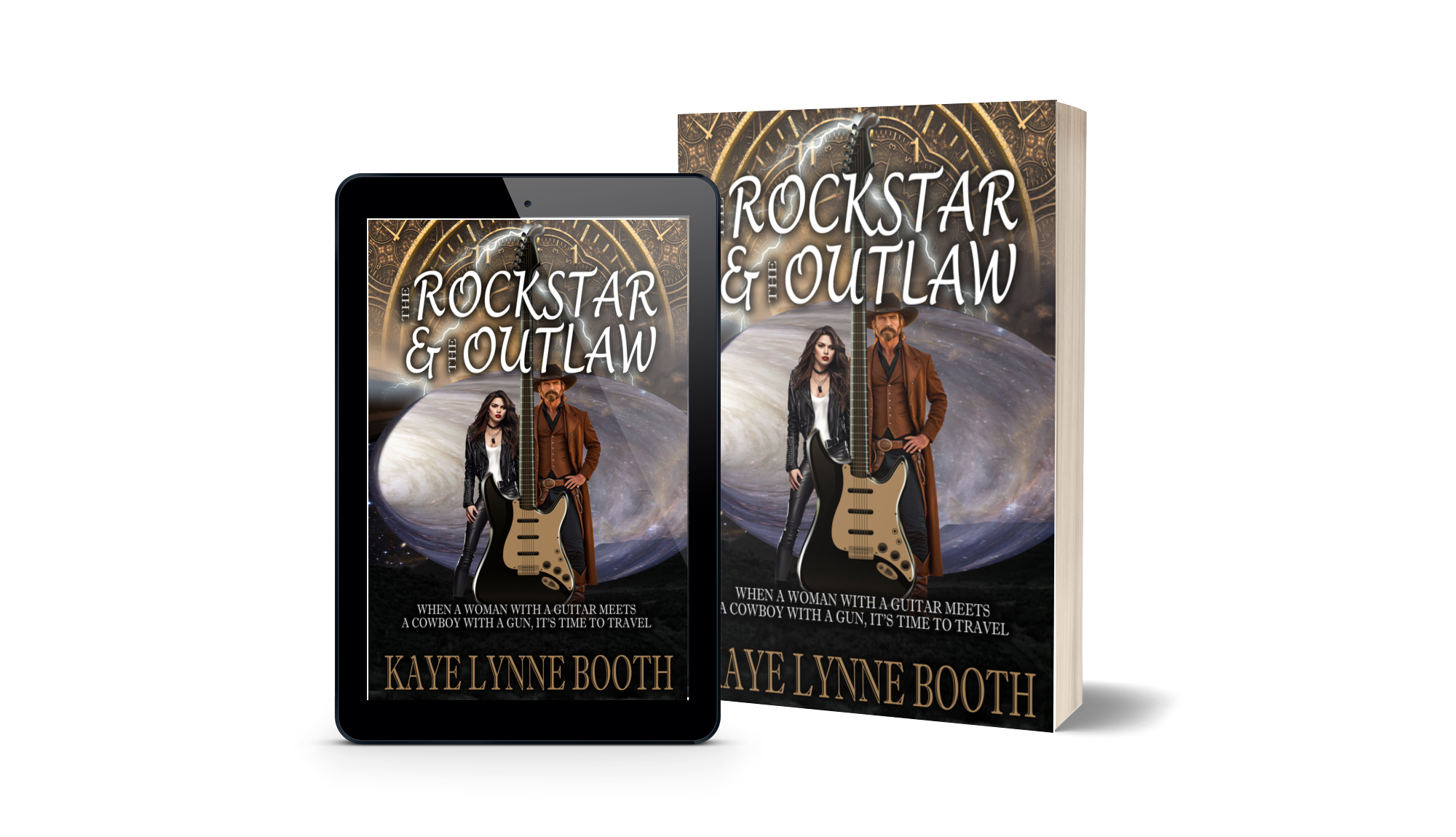
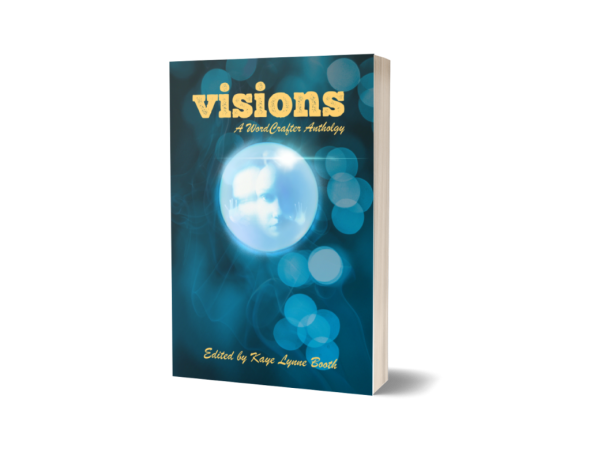
Deadline approaching for the 2022 WordCrafter Short Fiction Contest & a chance for inclusion in the Visions Anthology

Visions

Just a reminder:

The deadline to enter the 2022 WordCrafter Short Fiction Contest, May 31st. There’s still time to get your submission in for a chance to have your story included in the Visions anthology alongside other esteemed authors, but don’t delay. You can find the full submission guidelines and entry here.

The deadline is fast approaching and will be here before you know it. The winner will receive a $25 Amazon gift card in addition to being featured in the anthology, but you can’t win if you don’t enter. If you write fantasy, science fiction, horror or paranormal short fiction, I want to read your story!


Ask the Authors 2022 Book & Blog Series: Writing Life

Ask the Authors 2022

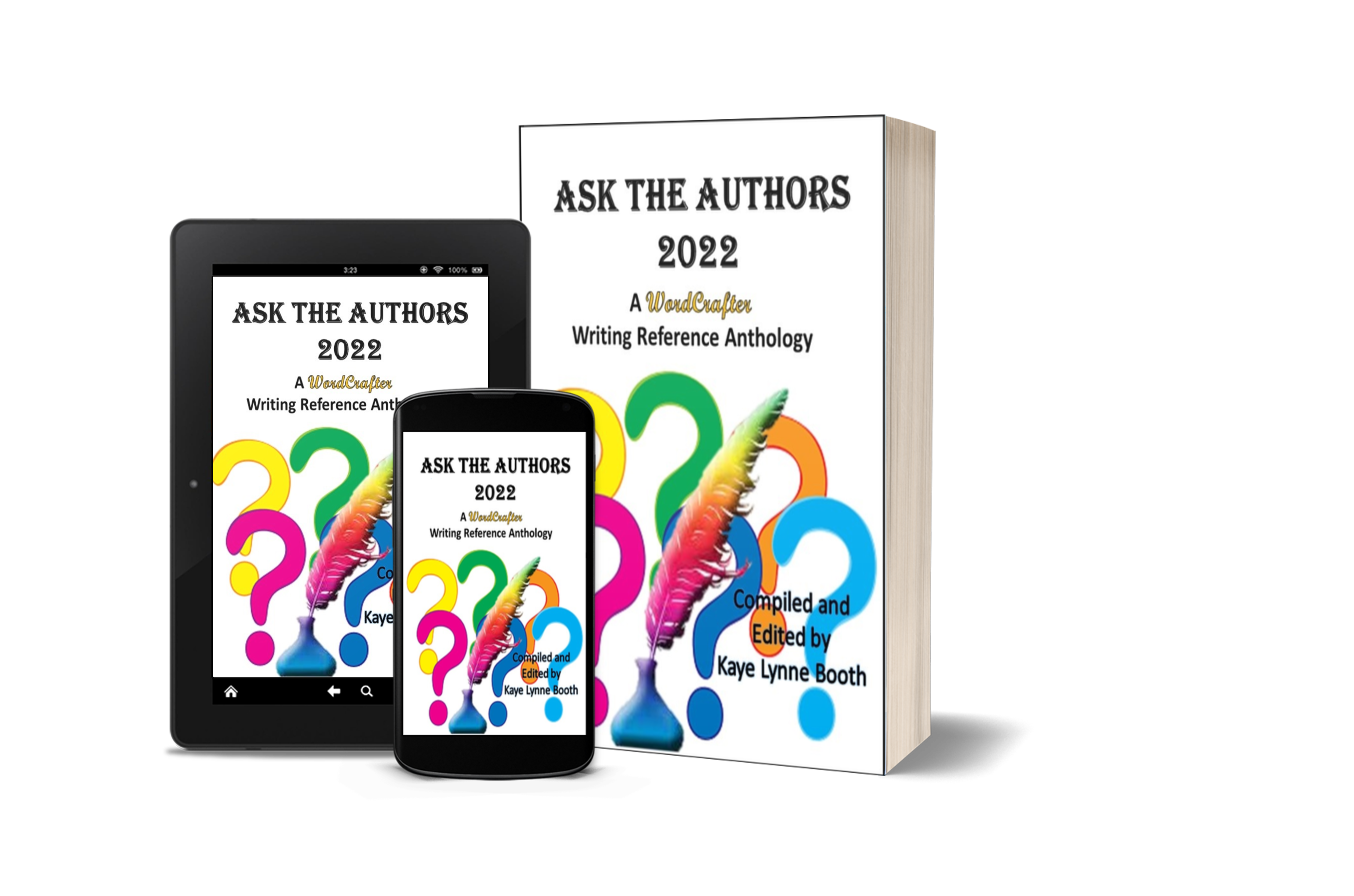
Welcome to Writing to be Read, where we’re celebrating the release of Ask the Authors 2022, the writing reference anthology that features essays by ten wonderful authors who have agreed to share their writing wisdom with us, along with an extensive Q & A, divided by topics. Contributing authors are myself – Kaye Lynne Booth, Bobby Nash, Roberta Eaton Cheadle, Chris Barili, L. Jagi Lamplighter Wright, Nancy Oswald, Mario Acevedo, Jeff Bowles, Mark Leslie Lefebvre, Paul Kane, and Kevin Killiany.

“Ask the Authors is an up-to-date and broad-based compendium of advice from today’s working writers, to help you with understanding your own writing career. Great information!”

—Kevin J. Anderson, New York Times bestselling author of Spine of the Dragon

Every Saturday, this blog series will introduce you to one contributing author and share a portion of the Q & A session. Today you will meet myself and Kevin Killiany and the Q & A topic is “Writing Life”. To gain access to all of the writing wisdom contained within the book, you can get it at the special price of 3.99, (regularly 4.99) from your favorite book distributor through the Books2Read universal book link (UBL) for the duration of the blog series: https://books2read.com/u/3LnK8e

Here is the schedule for this Saturday series:

Segment 1: You are here. Introductions for me, multi-genre author, Kaye Lynne Booth & media tie-in and science fiction author Kevin Killiany/Q & A on Writing Life

Segment 2: An introduction to award winning author & media tie-in writer, Bobby Nash/Q & A on Pre-writing Rituals.

Segment 3: An introduction to multi-genre author & poet, Roberta Eaton Cheadle/Q & A on Plot/Storyline.

Segment 4: An introduction to best selling horror author, Paul Kane/Q & A on Character Development.

Segment 5: An introduction to multi-genre author, Mario Acevedo/Q & A on Action, Pacing & Dialog

Segment 6: An introduction to award winning middle grade author Nancy Oswald/Q & A on Tone: Voice, Person, Tense, & POV

Segment 7: An introduction to multi-genre author Chris Barili/Q & A on Setting & Worldbuilding

Segment 8: An introduction to speculative and horror author Jeff Bowles/Q & A on Editing & Revision

Segment 9: An introduction to award winning author and publishing industry expert Mark Leslie Lefebvre/Q & A on Publishing

Segment 10: An introduction to Y.A. & middle grade author L. Jagi Lamplighter/Q & A on Book Marketing

*Note: The Q & As include answers from several authors on each question and they may run rather long, but they are packed full of useful information, so I hope you will stick with us until the end of the series.

I’ll start things off today by introducing myself.

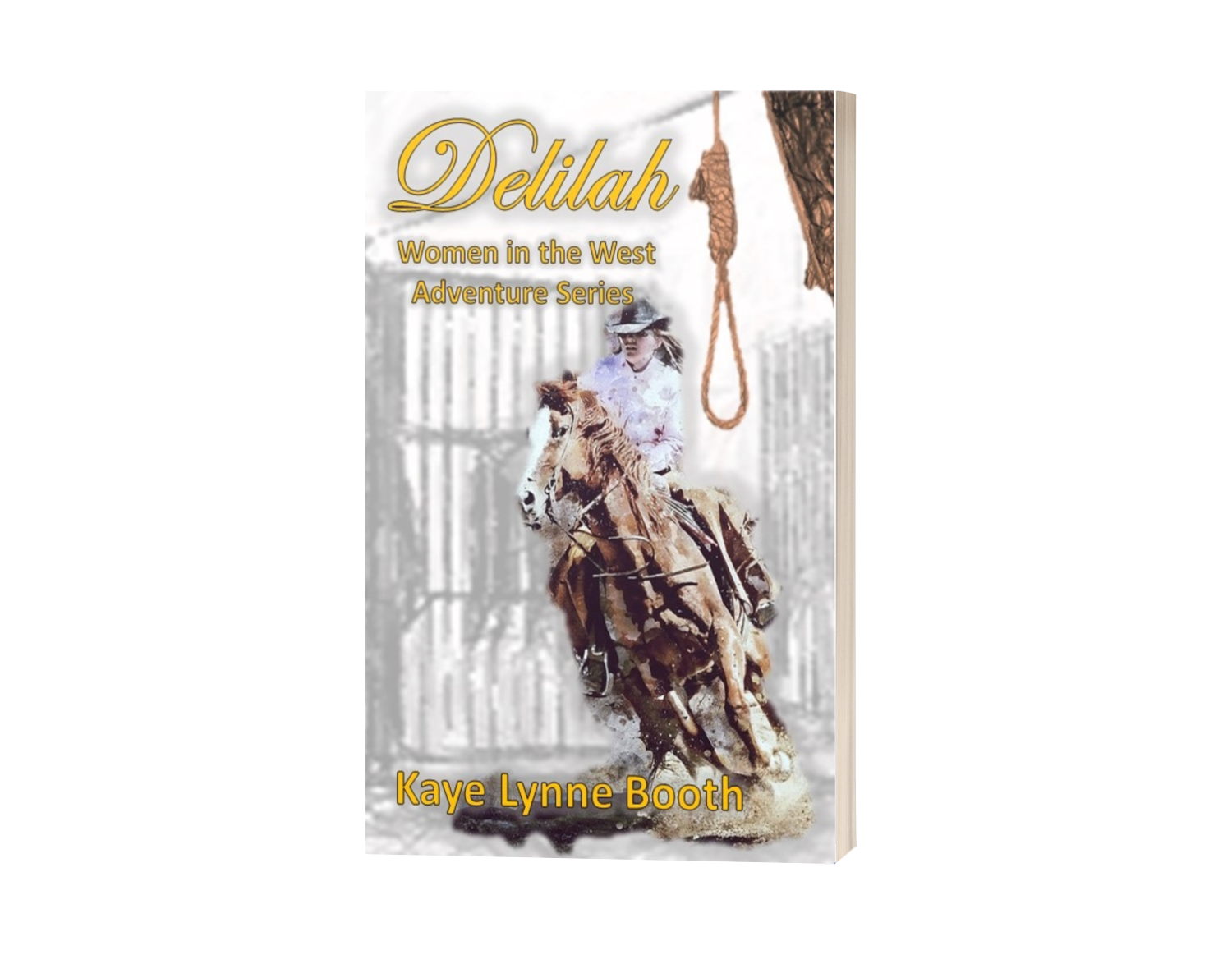
My name is Kaye Lynne Booth, and I live, work, and play in the mountains of Colorado. With a dual emphasis M.F.A. in Creative Writing, writing is more than a passion. It’s a way of life. I’m a multi-genre author, who finds inspiration from the nature around her, and her love of the old west, and other odd and quirky things which might surprise you. My first novel, Delilah, found a home with a small independent press, but I’ve published all of my other work independently.

For more than a decade, I’ve kept up my authors’ blog, Writing to be Read, where I post reflections on my own writing, author interviews and book reviews, along with writing tips and inspirational posts from fellow writers. In addition to creating my own imprint in WordCrafter Press, I offer quality author services, such as editing and social media book promotion, through WordCrafter Quality Writing & Author Services. When not writing or editing, I am bird watching, or hiking, or just soaking up some of that Colorado sunshine.

Oh yeah, and I am the editor and contributor to Ask the Authors 2022 and your blog series host, which means I’m the one asking the questions. And now that is out of the way, let’s move on to the Q & A and see what the contributing authors have to say about…

Writing Life

Please tell us your top 5 rules for writing success.

Mario Acevedo: I’ll give you one. From W Somerset Maugham: “There are three rules for writing a novel. Unfortunately, no one knows what they are.”

Paul Kane: I only really have three, and it boils down to the three P’s which I used to teach in my Creative Writing classes when I still did them. Patience, Persistence, Perspiration. Patience, because basically if you’re going to be a writer you need to be in it for the long haul. Some people are lucky, they get success really early on in their careers, but most have to work at it for a long time, winning little battles as they go.

This of course feeds into the second and third P’s, in that you’ll need to be prepared for knockbacks and rejections. You’re going to have to pick yourself up when you get a no, dust yourself off and get back on the horse. I’ve had countless rejections from publishers and editors in the past, but you just have to keep going, and remember that it’s all subjective. What one person hates another might love. Take on board any advice or feedback that makes sense to you, but don’t change anything you’ve written if it doesn’t because it’s your writing ultimately. Only you can write like you, with your background and experience and voice. If the advice you’re getting messes with that too much, then don’t do it.

And finally, Perspiration, because you’re not going to get anywhere unless you work for it. You should always strive to be better, even if you’ve been writing all your life. You’re never too long in the tooth to learn new things, to try new writing techniques or whatever, and the only way to be a good writer is to write, write and write. Oh, and to read a lot too.  

Chris Barili:

  • Write.
  • Keep writing.
  • Write more.
  • Write daily.
  • And write whenever you can.

Bobby Nash: I wish I had a list of rules to share here. I have never thought of it in those kinds of terms. Certainly, treating it like a job has been invaluable in keeping on track. Writing daily is probably good advice. Learn to market your work is also a good one.

Robbie Cheadle:

  • Write as much as possible given your personal circumstances.
  • Seize opportunities to participate in writing and poetry challenges.
  • Seize opportunities to participate in writing competitions and anthologies.
  • Take advice that is given to you by more experienced writers, and I mean really embrace it and incorporate it into your writing going forward.
  • Enjoy your writing.

Nancy Oswald: Sit down, write, rinse, and repeat.

Kevin Killiany: I don’t have 5 writing rules, but I do have one reading rule: read as much as your write; some weeks read more. And I highly recommend these guidelines to your reading:
A. Whenever possible read authors who will stretch your horizons. By that I mean authors who have histories, ethnicities, worldviews, cultures, gender identities, etc., different from your own. This is particularly important for white, cis-male, American writers such as myself, because we’ve been programmed from birth to see our culture as universal. [A codicil for writers who are of colors other than beige or whose identities otherwise differ from my own: read strong writers who share your identity or heritage in addition to (and maybe even before) seeking out others who could expand your perceptions.]
B. Do NOT “read like a writer” as some guides suggest, with a highlighter and notebook at your elbow and underlining “important” passages. Read like a reader. Enjoy the story, lose yourself, don’t think about the writing. If, and only if, six months later you find yourself being haunted by a passage you can’t forget (scene, setting, dialog, etc.) go back and deconstruct how the writer pulled that off. Look for how the writer prepared the reader for the scene, the structure of the scene itself, etc.—learn how the writer did it so you can give your readers the same experience.
C. Don’t read books you don’t like. If the story isn’t working for you—if the characters don’t work, the story doesn’t interest you, if the writing is dull—you are not going to learn anything. Time spent finishing a poorly written book is time wasted. [HOWEVER: If you hate the book because the writing is so powerful and evocative, it may well be worth reading. An example from my past: I hate The Bluest Eye. The hopelessness is so deep that every time I read it, I want to slit my wrists. But I’ve read it more than once because it is a master class in characterization and worldbuilding.]

Describe your personal writing space.

Mario Acevedo: Some writers claim their writing space as a sacred sanctuary that invites the Muse to drift in. My writing space is a sausage machine. I sit down on a schedule, flip a switch, and get to writing. The Muse is expected to clock in while wearing work clothes.

Paul Kane: We recently moved, so I have my pick of where to work at the moment. But I’m actually writing on my laptop on the couch, because it’s comfortable. I’ve done most of my work on there in the last few months and enjoyed it. For a while back there, whether it was to do with lockdown or whatever, I felt like I’d lost my writing mojo, but it’s slowly returning. Maybe I just got burned out as I did a lot of writing in the months after COVID hit big time – a crime novel and most of a collection called The Naked Eye for Encyclopocaplyse – and this change of scenery now has really boosted my fiction, as well as giving me the opportunity of working on a few new projects I hadn’t expected.

Chris Barili: Nothing special. Just a small home office on the first floor of my home. I also have a desk beside my bed (next to the fireplace) for those wake-up moments.

Bobby Nash: I have a very cluttered desk in an equally as cluttered office. I clean and straighten it on occasion, but the clutter always returns.

Nancy Oswald: Really? It’s my grown son’s old bedroom. No bed, but my mom’s sewing machine occupies one corner, my husband’s mom’s antique writing desk occupies another. There’s a dying plant, a small Navajo blanket, a horse painted on a plate, painted by my great grandmother is above the file cabinets, my son’s dusty karate belts on a hangar and several maps related to my research are on the wall next to that. The doors of the closet are also covered with maps—at the moment, these are insurance maps from 1896 Colorado Springs. There’s a chair with toppling books, book piles underneath the wrap around desk I purchased when I retired. You don’t even want to know what’s on top of the desk or what’s on the rest of the floor. Right now, it’s boxes and bags in various states of readiness for the marketing at crafts fairs I’m doing between now and Christmas. I’m looking forward to being able to walk in it again.

Kevin Killiany: Where I am now—wherever that is whenever ‘now’ happens.

Which of your books would you like to see turned into a movie? Who do you see playing the lead? Why?

Paul Kane: I’m lucky in that a few of my stories have been turned into TV episodes, short films and even a feature in 2021 called Sacrifice, starring Re-Animator’s Barbara Crampton. So that’s sort of happened for me anyway… There was talk a while back of turning my post-apocalyptic Robin Hood novels – gathered together in Hooded Man – into a movie, and we were hoping to interest someone like Michael Fassbender or Dominic West. But I’m not sure that’ll happen anyway now because the jumping off point is that 90% of the world’s population dies from a deadly disease. Of the books that haven’t been adapted yet, I’d love to see Before as an American Gods type TV streaming show for somewhere like Amazon, Netflix or Apple. I think the scope of that one, dealing as it does with past lives, is so massive it would be hard to fit it all into a movie. Arcana would make a great film, though, because of the mix of magic and crime; action and adventure. Leads for that one? I think someone like Charlie Hunnam and Emily Blunt as Callum and Ferne. The one people always ask me about is Sherlock Holmes and the Servants of Hell, which pitted Hellraiser’s Cenobites against the world’s greatest detective. That would be a rights nightmare film-wise, plus would take a budget in excess of most of the Marvel movies, so I wouldn’t hold your breath folks. That being said, never say never, and stranger things have happened.

Chris Barili: Guilty, with Frank Butcher played by either clint Eastwood or John Wayne (in their primes).

Bobby Nash: I think Evil Ways, Deadly Games!, or Suicide Bomb would make great movies. Snow and Sheriff Myers respective series would work better as a TV series, I think. As for who would play who, I don’t know. I try not to play that game because if it happens, I don’t want to be disappointed if the actor I had my heart set on is unavailable.

Robbie Cheadle: I think my Sir Chocolate stories would make a lovely TV series for small children. There could be a baking element to the show, where children learn how to make one of the recipes.

Nancy Oswald: I’d like to see the Ruby and Maude Adventures made into a movie. I’d like my donkey, Daisy, to play Maude. 

Kevin Killiany: I have a young adult science fiction series, Dirt and Stars, that I would love to see become a TV series. The stories are set in an alternate history where most of the gee-whiz predictions Golden Age sci-fi of the 30s and 40s made about America in the year 2000 came true—fusion rockets, giant space stations, colonies on the moon, etc.—but the US is fiercely isolationist, cut off from the rest of the world. With the 21st century came the Civil Rights movement and the growing realization that America cannot sustain its monopoly on space. The Dirt and Stars series is set in the 2020s and follows several young people (15-18) coming of age even as the world around them is reinventing itself. Down to Dirt introduces Mara, a spacer—born and raised on Tombaugh Station—who’s been conditioned from birth to believe dirt (Earth) is little more than a prison for the diseased, criminal, unstable, or otherwise unfit for life in space; Beth, Mara’s Earth-born cousin, who believes in the fundamental goodness of everyone and is horrified by Mara’s racist elitism; and Jael, Beth’s best friend, grimly determined to be the first Black person to break the Space Service’s color barrier. Life on Dirt continues their stories and introduces Lije, first generation Ukrainian American whose father is spearheading a legal battle to break America’s control of access to space; and Fatima, a spacer of exceptional intelligence struggling to overcome a social communication disorder that makes interacting with others difficult, confusing, and sometimes painful. Rise from Dirt follows all five of them, but focuses on Jael’s fight to qualify for the Space Service training program. Book four (a work in progress that has gone through a few working titles) will introduce two new high school age spacers—one on Brahe Station, the other on Luna—as they deal with the unimaginable addition of “earthers” to their world.

Who do you see playing the lead? Why?
Talented young actors that no one knows about. For every TV/movie star there are dozens of equally talented people who weren’t in the right place at the right time. I’d really like to play some small part in helping some of those young actors get their shot.

Is there anything unique or unusual about your writing process?

Paul Kane: Personally, I don’t think there is. I don’t have to sacrifice a chicken or something before I start or write upside down or anything; it’s all pretty normal stuff. I think that comes from my previous career as a journalist, just sitting at a desk getting the words down. I also had to do that for my BA and MA when I was writing essays, so all that was a good training ground for penning fiction too. It makes you disciplined about the craft. I am quite a superstitious person, so I suppose I do have little rituals I’ve developed over the years. I used to only be able to write novels on a laptop, and shorts on a desktop – when I still had one – but I’ve learned to adapt to circumstances. And I’m very reluctant to show my work to anyone too early, except perhaps my better half Marie (O’Regan), who’s also a writer and editor herself. Or to discuss my ideas with anyone other than her, unless it’s an editor or publisher I’m pitching to, so they’ll buy the work. 

Chris Barili: I outline a bit differently than most people. I outline just a third of the story at a time, which allows me to make changes early in the story line much more easily.

Bobby Nash: I don’t think so. I sit down and write. Sure, I sometimes go over story points, scenes, etc. in my head before I start typing, but nothing out of the ordinary.

Robbie Cheadle: I think all writers have an individual writing process. I always write my endings first so that I know the direction my story must take and where I am heading. The endings never change. I also outline the bones of my stories before I start. I do this in my head and rarely write much down. People ask me if I don’t forget my outlines, but I don’t. I have a very good memory which is why I rarely re-read books; I can nearly always remember the characters and plot of books I’ve read, even when I read them many years ago.

Nancy Oswald: Unfortunately, when I was working full time, my motto was to find any scrap of spare time and move forward on whatever the project was. This led to some bad habits, because even though I’m retired, I have never let go of the idea that I have to fit writing in around other things. I’ve never been able to schedule writing time and stick to it. However, my husband did buy me a “ships” hour glass, and sometimes when I’m stuck or reluctant to write, I tell myself I can do one hour. Once I start, it usually goes beyond that, and once I’m into a project, I find I don’t need the hourglass at all.

Kevin Killiany: My first time through college (in the early 70s) I was a theatre major—an aspiring actor with the acting skills of a stage techie. I saw many, many plays in college, repertory, dinner, and community theaters from light booths, sound boards, and prop tables. As a result, I see stories as narratives built from discrete scenes, and frequently storyboard on graph paper: scenes are circles, boxes, or triangles linked by arrows denoting possible paths. When brainstorming a scene, I always start with dialog, spoken words without attributions, because a play begins as dialog, the script providing only broad suggestions for blocking and business, and comes alive as the directors and actors become familiar with the characters and the reasons for the words.
Oh, and the scenes are never written in order. I write each part as it occurs to me.

What is the function of a story?

Mario Acevedo: To tell that story. Beyond that, to entertain, to educate, and if you’re like me, because you’re a constant day dreamer.

Paul Kane: I believe, first and foremost, that a story should entertain. You should get some enjoyment out of reading it, even if it’s a sad tale – in a sort of masochistic way, we think to ourselves at least that’s not happening to me.

It should be believable, and I don’t mean that it can’t be fantastical, just that the reader needs to believe in what you’re telling them. A lot of this comes from good description and characterization, because if you don’t believe in a sense of place or your characters then everything falls apart. If characters are just cardboard cutouts, you’re not going to care what happens to them or why.

So, the entertainment value first and foremost, because remember people are parting with their hard-earned cash to buy your story or book. If it can say something important as well, then all the better. I like to try and have a message or theme, like for example in my novel Before I was trying to say something I thought was important about the human condition. About what it means to be human, about life, love, the nature of good and evil, and everything in-between. Heady stuff. It doesn’t always have to, but if a story is educating and saying something you feel is worth saying, then all the better.

Bobby Nash: My first and foremost goal with my stories is to entertain. That’s what I’m here to do so that’s where I put my focus. I want the reader to enjoy the experience.

Robbie Cheadle: The function of my stories is to entertain while reminding readers of history and historical events. I believe strongly that we must remember our history and the terrible things that have affected humanity in the past so that we can make a good attempt to avoid reoccurrences.

Kevin Killiany: To entertain and through entertaining inspire thought.

What is your biggest writing challenge? Your biggest reward?

Paul Kane: The hardest thing I find, the hardest challenge, is to get started. Ideas come to me all the time, I write them down in little notebooks. In fact, I have different sized books for different things: small for just ideas, or snatches of dialogue; medium-sized for novellas and the like; and A4 ones for novels, because I work up chapter breakdowns and do research in those. For each novel I’ve written there’s an A4 notebook to go along with it. So, you have your idea and all your working out. No matter how prepared you are – and some people do more prep than others… I’m a big planner personally – just looking at that blank screen before you start is the most daunting thing in the world sometimes. It might not even be at the beginning of a project, either; just getting up every day and starting, even if you’re halfway through, can be hard. You have to force yourself to do it, push through those pain barriers – and if you look for distractions, you’ll find them, so try to keep focused on the task at hand. The flip side of that, of course, is when you’ve got your first draft done. You have a chunk of words you can play with, then refine and make better. That’s the most rewarding part for me, when you’ve done all that, or maybe even when the story’s finished – or as finished as it can be, because nothing’s ever truly done; you could fiddle with things forever. When you see it in print and people enjoy your work, that’s something truly special. 

Chris Barili: Self-confidence followed closely by Parkinson’s Disease. One hits me psychologically, the other physically

Bobby Nash: My biggest writing challenge is me. Sad, but true. I am my own worst enemy. Once I get out of my own way, push distractions aside, and actually sit down and get started, I’m okay. Getting started is a big hurdle.

Robbie Cheadle: My biggest writing challenge is finding a stretch of about 2 ½ hours undisturbed time to write. I can write for a shorter time, but I usually find it takes me about 30 to 40 minutes to get back into the mindset of the story so shorter writing periods are not very efficient for me. I usually write on weekend days from 6 am to 8.30 am. Sometimes I write for an hour in the afternoon during the week but that depends on work. I am supposed to work from 9am until 3pm but that rarely happens and if I don’t start writing by 4pm, the day is lost to me from a writing perspective. I don’t write in the evening as I am tired. I do sometimes edit later in the day though.

Jeff Bowles: For me the challenge is always the sheer amount of time and work required to bring a new book to market. At the moment, I’m favoring indie publishing, which means everything from editing to production is riding on my shoulders. It takes a lot of effort to bang a fresh manuscript into shape. Luckily, I’ve got a lot of support from family, friends, and other professionals, so it’s always worth it in the end. The reward, as always, is seeing your book in the hands of others. It never really gets old.

Nancy Oswald: Getting started on a new project. Biggest reward, well, of course, finishing. Beyond that, I love holding the first printed copy of a new book.

Kevin Killiany: My biggest challenge is stopping. I write 500-word postcards, and I would have a wonderful time extending my narrative, exploring my characters, expanding my world. My biggest reward is having stopped. Because then I have a story to give people.

What is the single most important story element? Why?

Paul Kane: Probably characters, like I say. If you don’t believe in those then there’s no point to the story in the first place. I’m a big one for character studies – actually I have to rein it in sometimes because I get carried away. I’ll include various details about a person’s life when I’m only writing a prologue sometimes and people just want to cut to the chase and get to the meat of a story. I had to chop a lot of that at the start of my PL Kane crime novels Her Husband’s Grave and The Family Lie. All interesting stuff, but not the right time or the place. One of my Controllers stories ‘Eye of the Beholder’ was basically a character study of a woman called Lucy, taking you through her life, and at the end you realise these god-like creatures have been manipulating events for their own satisfaction. In a case like that, it’s actually working to help tell the story. 

Chris Barili: Character. Without a dynamic, well-developed, and relatable character the story stops mattering.

Bobby Nash: I firmly believe that it all starts with characters, so that’s where I put my focus first. Telling a cohesive story is important.

Nancy Oswald: I think it’s character. As a reader, if I can’t latch onto or relate to a character, the reading is tedious.

Kevin Killiany: Character. People care about people.

Are you a plotter or a pantser (I believe ‘discovery writer’ is the trending term or as Dean Wesley Smith refers to it: “Writing into the Dark”)?

Mario Acevedo: I’m in between. I started as a panster and then after writing myself into a corner, I became a plotter. My plot outlines are brief chapter summaries—two-three sentences. I’ve learned however to keep the doors open for the Muse to suggest changes.

Chris Barili: Seriously addicted to outlining.

Bobby Nash: I’m somewhere in the middle. I have loose plots, but I leave open the possibility of the characters taking me to unexpected places, so sometimes the plot has to be adjusted. I’ve heard the term plantser used, but I don’t really like that term.

Robbie Cheadle: I am a plotter. I always have the ending of my stories in mind before I start, and I write towards that ending. As I write historical fiction, I usually follow the real path of the events that occurred heading in the direction of the ending. I often discover new and interesting information while I am researching for my stories, but that doesn’t ever knock me off my chosen storyline, it just adds to some of the ‘meat’ in the middle of the story.

Kevin Killiany: A bit of both. I work out what needs to happen when at the outset (storyboarding) but beyond that I usually don’t know how the narrative will get from point to point until I’m on the journey.

What is your best piece of advice for aspiring authors?

Mario Acevedo: Have faith in yourself. Keep learning and improving. Read a lot in every genre. You’ll be surprised how much blends from one category to another. And nothing happens until you sit down and write.

Paul Kane: Just to never give up. It always makes me sad when I see a talented writer walk away from the business or become so discouraged that they never send anything to editors, agents or publishers. It always makes me think ‘what great writing have we missed out on’? If Stephen King’s wife, Tabitha, hadn’t fished Carrie out of the bin, we’d have been missing out on all his excellent writing from that point onwards. No Shining, Salem’s LotNo Stand. Heartbreaking. So keep going, keep fighting, because you never know where it might all lead.

Chris Barili: Don’t quit your day job until writing IS your day job. Then, really don’t quit your day job.

Bobby Nash: Determine where you want your writing to take you and set attainable goals to help get you there. Not every writer has the same goal, so you have to decide what success looks like for you, so you know what to aim toward. Then, once you do that, work to achieve those goals. Also, don’t forget to celebrate when you attain the goals. That’s important too.

Robbie Cheadle: Keep writing as much as possible. Practice makes perfect. I can’t believe how much I have learned between the launch of my first Sir Chocolate book in August 2016 and now. It’s been an amazing journey.

Kevin Killiany: I submitted my first short story in 1967. I sold my first story in 2000. I would have sold one sooner, but I kept giving up. Don’t keep giving up. Just as a musician perfects their craft through practice, we perfect our writing through writing. Approach everything you write as something you are creating for your own satisfaction, no one outside your head matters. Then do your best, because it is through doing your best every time that your best will steadily improve.

_________________________________________________________________

Before we end this first segment, I’d also like to introduce you to contributing author, Kevin Killiany. Unfortunately, due to the pandemic we’ve all been experiencing, he was unable to submit an essay to the work, but I want to introduce him here, so you’ll know who he is when you see his responses throughout this series in the Q & A portions. He’s a multi- genre and media tie-in writer and a generally all around good guy.

Meet Kevin Killiany

Growing up in Florida, Kevin was fascinated with space—he witnessed every manned launch from Cape Canaveral in the 60s, and never fully recovered from the discovery there were no rainforests on Venus for him to explore. Forced to stay on Earth, he eventually became a teacher, working with students at all grade levels before moving on to community support services, where he was a crisis intervention counselor and case manager for mental health and family preservation programs.

Kevin wrote his first story in 1967 and, after only thirty-three years of writing and submitting, became an immediate success with his first sale in 2000. In the years since he has written fiction for both Star Trek and Doctor Who and written web content, campaign books, stories, novels for various role playing games. Down to Dirt, book one of his original YA science-fiction series Dirt and Stars, was published in 2016.

The “Ask the Authors 2022” blog series is a 10 week Saturday series, so be sure to drop by next Saturday for an introduction to contributing author, Bobby Nash and a Q & A on Pre-Writing Rituals. If you grab a copy of Ask the Authors 2022 writing reference anthology while this blog series runs, from now until July 9th, you can get it at the special send-off price of 3.99, from your favorite book distributor through the Books2Read UBL here: https://books2read.com/u/3LnK8e

Ask the Authors 2022

___________________________________________________________________________

Sign up for the Kaye Lynne Booth & WordCrafter Press Newsletter for and book event news for WordCrafter Press books, including the awesome releases of author Kaye Lynne Booth. Get a free digital copy of Kaye Lynne Booth’s paranormal mystery novella, Hidden Secrets, just for subscribing.


Wrapping Up the WordCrafter “Poetry Treasures 2: Relationships” Book Blog Tour

Poetry Treasures 2: Relationships Book Blog Tour

We’ve had a great tour for Poetry Treasures 2: Relationships, but now it’s time to bring the fun to a close. To wrap things up today, we have a guest post from contributing author and poet Leon Stevens.

____________________________________________________________________________

Why do I write poetry? Maybe poetry writes me.

I like the conciseness of a poem and how it can capture a moment, thought, emotion, experience, or an observation, like a painting. With descriptive colors, thoughtful hues, rhyming shades, and new perspectives, when inspiration comes—usually when I least expect it—I just need to put it into words.

People will often say that they don’t understand poetry. I try not to hide the meaning in the words, rather I want to use the poem as a way to describe the feelings I have at that time. Life is a struggle. Poetry doesn’t have to be.

I wrote the four “ego” poems out of a need to understand why people act in ways that seemed detrimental to positive interactions. Watching people posturing, jockeying for status, and exerting pressure for personal gain, left me shaking my head and rolling my eyes.

Ego. The mention of ego can set people on the defensive. Ego drives greed, fame, and power, but it can also drive ambition, innovation, and progress.

“You have an ego.” Is it an insult, a compliment, or a fact? We associate having an ego with a negative trait because usually, it’s somebody’s ego that gets in the way of healthy relationships, sabotages the progress of others, or projects a not-so-amiable image. But, if you have a strong sense of self and abilities, an ego can help propel you forward in your personal endeavors.

I suspect that many readers can relate to at least one of the poems. We know the one who always needs to be the center of attention, the person who is always right, the one who thrives on social status, and the person who constantly seeks affirmation. Often, they are the fragile ones, and we see the positives and for those reasons, we keep them within our grasp.

-Leon Stevens

_____________________________________________________________________________

Leon Stevens is an author, composer, guitarist, songwriter, and an artist, with a Bachelor of Music and Education. He published his first book of poetry, Lines by Leon: Poems, Prose, and Pictures in January 2020, followed by a book of original classical guitar compositions, Journeys, and a short story collection of science fiction/post-apocalyptic tales called The Knot at the End of the Rope and Other Short Stories. His newest publication is the novella, The View from Here, which is a continuation of one of his short stories. He is currently working on a new collection of poetry titled, A Wonder of Words.

_____________________________________________________________________________

Get your copy today: https://books2read.com/u/3kP8aK

That wraps things up for the WordCrafter Poetry Treasures 2: Relationships Book Blog Tour. Don’t forget to leave a comment, because you have to comment on each of the eight blog stops to be entered for a chance to win a free digital copy of this wonderful poetry anthology. It doesn’t have to be a long or even particularly smart; just enough to let me know you were there. If you missed any of the stops, I will post them here and I won’t do the drawing until tomorrow, so everyone will have plenty of time to visit this last stop and any that they have missed:
Day 1: Writing to be Read: Guest post by Lauren Scott

Day 2: ShiftNShake: Guest post and three readings by Robbie Cheadle

Day 3: The Showers of Blessings: Guest post by Lynda McKinney Lambert

Day 4: Bay Dreamer Writes: Guest post by Miriam Hurdle

Day 5: Zigler’s News: Guest post by M.J. Mallon & Review by Victoria Zigler

Day 6: This is My Truth Now: James Cudney interviews Kaye Lynne Booth

Day 7: Robbie’s Inspiration: Guest post by Colleen M. Chesebro

Day 8: Brings us right back here to Writing to be Read and the wonderful guest post by Leon Stevens. Thanks for following the tour and don’t forget to get your copy of Poetry Treasures 2: Relationships. 😉 Bye for now.

____________________________________________________________

Book your WordCrafter Book Blog Tour today!


Day 5 of the WordCrafter “Poetry Treasures 2: Relationships Book Blog Tour

Poetry Treasures 2: Relationships Book Blog Tour

For Day 5 of the WordCrafter Poetry Treasures 2: Relationships Book Blog Tour, we’re over at Zigler’s News with a delightful guest post from contributing author M.J. Mallon and a review of the anthology from Victoria Zigler. Join us in celebrating the release of this unique and delightful collection of poetry.

http://ziglernews.blogspot.com/2022/04/poetry-treasures-2-relationships.html


Welcome to the WordCrafter “Poetry Treasures 2: Relationships” Book Blog Tour!

Poetry Treasures 2: Relationships Book Blog Tour

In Celebration of National Poetry Month!

Relationships are golden and each of

 Arthur Rosch, Elizabeth Merry,

D Avery, Robbie Cheadle,

Harmony Kent, Lauren Scott,

JulesPaige, Leon Stevens,

Colleen M. Chesebro, Miriam Hurdle,

M J Mallon, and Lynda McKinney Lambert 

pay poetic tribute to their most intense

personal moments.

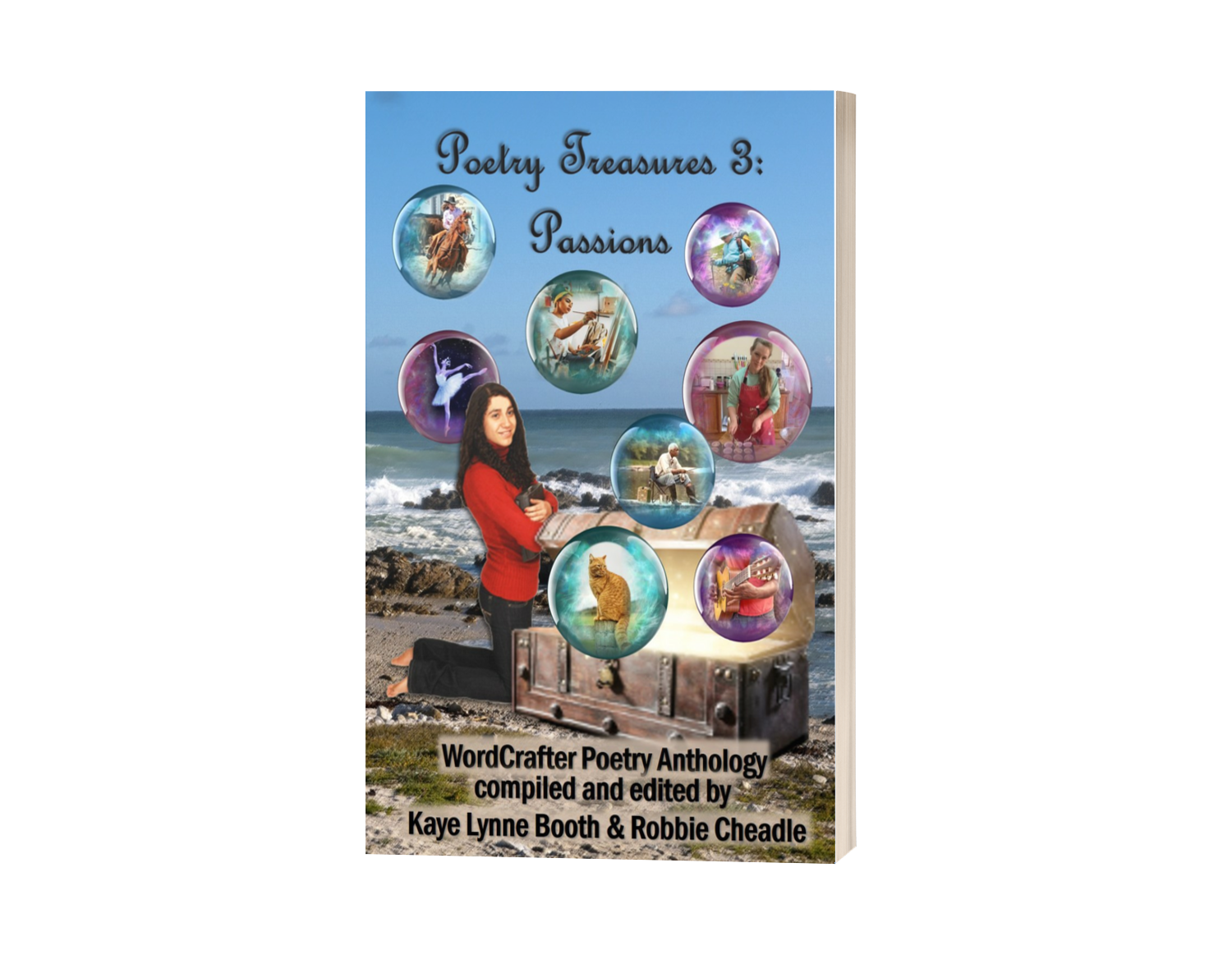
This is Day 1 of the WordCrafter Poetry Treasures 2: Relationships Book Blog Tour, and I want to tell you all, you are in for some real poetic treats this week. This wonderfully unique collection of poetry features works by Robbie Cheadle and her poetic guests from the 2021 “Treasuring Poetry” blog series right here on Writing to be Read, and it really is a treasure chest filled with poetic gems. We’ve got a fantastic eight day tour planned for you to learn more about this poetry anthology and I hope you will all join us through each tour stop.

Day 1: Opening Day here on Writing to be Read with a guest post from contributing author Lauren Scott.

Day 2: Finds us at the ShiftNShake blog with a guest post from blog series host, contributing author and editor Robbie Cheadle.
Day 3: The Showers of Blessings will host a guest post from contributing author Lynda McKinney Lambert.

Day 4: Bay Dreamer Writes will host a guest post from contributing author Miriam Hurdle.

Day 5: Zigler’s News will bring us a guest post from contributing author M.J. Mallon and a review by Victoria Zigler.

Day 6: The publisher, (that’s me), will be in the interview spotlight over at This is My Truth Now.

Day 7: Robbie’s Inspiration hosts with a guest post from contributing author Colleen M. Chesebro.

Day 8: Writing to be Read will wrap things up with a guest post from contributing author Leon Stevens.

Follow the tour and leave a comment at each stop to be entered

in a random drawing for a free digital copy of

***Poetry Treasures 2: Relationships***

That all being said, I’m going to turn this post over to a wonderful author and poet, Lauren Scott. Enjoy the tour. Don’t forget to leave your comments for your chance at a free digital copy of this wonderful collection of poetry gems.

___________________________________________________________________________

I am thrilled to announce the release of Poetry Treasures 2: Relationships, an anthology consisting of poetry from twelve authors. It is an honor to be among a group of amazing poets in this lovely collection that was compiled by Kaye Lynne Booth and Robbie Cheadle. Below is a little backstory of how Poetry Treasures 2: Relationships was born:

Kaye’s words:

In January of 2020, Robbie Cheadle introduced a new blog series on Writing to be Read called “Treasuring Poetry”, which quickly rose in popularity. Once a month, Robbie would feature one
author/poet in a formatted Q&A and review their latest book on a blog platform where favorite poems could be shared and discussed. Robbie had some wonderful guests who are both talented poets and authors, and Robbie was attracting quite a bit of blog traffic.


By the end of 2020, we had a list of 12 talented poets who we felt were gems, so in 2021 we created a poetry anthology and invited Robbie’s “Treasuring Poetry” guests from the previous year to add their own contributions. The result was the first volume of Poetry Treasures, which was well received. 2021 had an equally talented line-up of guests, so we decided to do it again.

In Poetry Treasures 2: A Treasure Chest of Relationships, we’ve found some new gems. From the “Treasuring Poetry” guests of 2021, we have contributions from some very talented poets who are treasures in and of themselves: Arthur Rosch, Elizabeth Merry, D. Avery, Harmony Kent, Lauren Scott, Jules Paige, Leon Stevens, Miriam Hurdle, M.J. Mallon, Lynda McKinney Lambert, and of course, Robbie Cheadle. But unlike the pirates of olden days, we won’t bury our treasures. We want to share them with the world. I hope that you will enjoy reading these poems as much I’ve enjoyed helping to put them altogether.

I have contributed four poems, and the first, “The Fine Points” was inspired by my 33-year marriage to my husband. He is literally my best friend. The love we have shared over the years survived tough times when life threw us curveballs out of our control, but that same love thrived in more joyful moments than I can name. From the beginning when we shared our vows, when cell phones and computers were unheard of, we delivered unconditional love to each other that harbored no expectations of us to change in any way. I can’t ask for anything more.

After a couple years of marriage, our daughter was born, then our son completed our family three years later. Fast forward many years and our children are well into their adulting years.

“2020 in Digital” speaks of the chaos that raged in 2020, but how our year was brightened by our daughter and son-in-law’s unconventional yet beautiful wedding. They had been engaged for two years, together for nine, then Covid entered into the equation. A big wedding wasn’t going to happen due to restrictions, and they didn’t want to wait. So, they chose to do the next best thing.

“Something Right” was inspired when my husband and I were close to becoming empty nesters. Our daughter who is mentioned above had been out of the house for three years. Our son was about to venture into the world, paving his own path. Exciting, joyful, yet bittersweet. They both live across the country, pursuing their dreams, and we couldn’t be prouder knowing they’re making it on their own. But there are just too many states in between us, so hopefully, we can minimize that number in the near future.

Lastly, the poem entitled, “The Roses” is about my parents who have left our physical world. They used to love working in the garden, taking special pride in their roses. We miss them so much. It’s very surreal losing both parents, the family’s foundation.

___________________________________________________________________________

Poetry Treasures 2: Relationships

If you’re a fan of poetry, I hope you’ll pick up a copy of this fabulous anthology that Kaye and Robbie worked hard in putting together. I’m sure there are poems within these pages that will resonate with you and touch your heart.

To purchase a copy:

Buy Link: https://books2read.com/u/3kP8aK

Thank you for reading!

Lauren ❤️

________________________________________________________________________________

Lauren Scott resides in California with her husband of over three decades and their lovable lab, Copper. Their adult daughter and son live on the east coast. Lauren began writing poetry as a teen, but life intercepted her university plans, so as an adult she took writing classes at the local community college. Apart from these classes, her studies of poetry originated from reading the works of many great poets. Her strong connections to family and friends provide writing inspiration, as well as her love of nature and the marvelous wild world surrounding her. Backpacking trips with her husband along the California coast and Sierra Nevada mountains have stirred thoughts to pen about love, loss, family, and the many possibilities waiting to materialize.

Lauren was published in the anthology, Indra’s Net (2017). Additionally, she has been published in Woman’s World Magazine and The San Francisco Chronicle. She has authored three books: two collections of poetry – New Day, New Dreams (2013), and Finding a Balance (2015), and her recent memoir, More than Coffee: Memories in Verse and Prose (2021).

Visit/contact Lauren:

Blog: baydreamerwrites.com

Shop: hittps://www.amazon.com/-/e/B08NCRH4MK

Email: baydreamer25@gmail.com

_________________________________________________________________________________

Book your WordCrafter Book Blog Tour today!


Ask the Authors 2022 is here!

Ask the Authors 2022

That’s right. The writing reference you’ve all been waiting for has arrived. Ten talented authors and industry experts have gathered together with me to share their writing tips and advice in essay and Q&A, creating a writing reference anthology like no other.

Where can you find publishing industry experts willing to share their secrets? 

Ask the Authors 2022 is the ultimate writer’s reference, with tips and advice on craft, publishing and marketing. Eleven experienced and successful authors share what works for them and offer their keys to success in traditional publishing, hybrid, and indie. You’ll learn industry wisdom from Mark Leslie Lefebvre, Kevin Killiany, L. Jagi Lamplighter, Bobby Nash, Paul Kane, Nancy Oswald, Chris Barili, Jeff Bowles, Roberta Eaton Cheadle, Mario Acevedo and Kaye Lynne Booth.

This book offers up-to-date and tried-and-true ways to improve your craft, explores current publishing and book marketing worlds. Take a peek inside and find out what works for you.

Praise for Ask the Authors 2022

“Ask the Authors is an up-to-date and broad-based compendium of advice from today’s working writers, to help you with understanding your own writing career. Great information!”
—Kevin J. Anderson, New York Times bestselling author of Spine of the Dragon

Ask the Authors 2022

Ask the Authors 2022 is available in both digital and print. You can get your copy from your favorite book retailer through the Books2Read universal book link (UBL) here: https://books2read.com/u/3LnK8e

______________________________________________________________________________

Sign up for the Kaye Lynne Booth & WordCrafter Press Newsletter for and book event news for WordCrafter Press books, including the awesome releases of author Kaye Lynne Booth. Get a free digital copy of Kaye Lynne Booth’s paranormal mystery novella, Hidden Secrets, just for subscribing.


Book Reviews – First Bite: A Limited Edition Vampire Romance Collection

I’m kind of hesitant about vampire stories. I’ve read a few that were crafted quite well, like those created by Anne Rice, which I loved and more than a few with twinkling vampires or other gimmicks which veered from traditional tropes, which turned my stomach just a little. But when I received a review invitation from Jordan Elizabeth for the new anthology in which she has a story featured, I didn’t think twice before saying yes.

The Creative Words anthology, First Bite is a varied collection of vampire romance stories: vampires romancing vampires, vampires romancing humans, vampires romancing hunters, or vice verse, etc…., which might be classified as vampire erotica. While I must admit that horny vampires don’t do a lot for me, but many of these stories were explicit and the erotic portions were tastefully done. But be aware that some of these stories bordered on sizzling.

Several of the stories featured are prequels, leading into the rest of the series, rather than complete stand-alone stories. This may be a clever marketing trick to entice readers into the series, but it may also be frustrating to a reader who is expecting a complete story arc in each offering.

I personally, find this tactic annoying, because just when the author has grabbed your attention and you are really getting into the story, they pull it all away and say, “If you want more, go buy my book.” Seems a little underhanded, doesn’t it? But, I know this is a marketing tactic authors are often using these days. You usually see it in newsletter magnets and freebies, although I’ve not seen it in an anthology before.

But… I loved the unique, (at least to me), story concept for “Vampire Occupation”, by Kat Parrish. Although it ends with “to be continued…”, it left me intrigued enough that I’d like to read more. Apparently the tactic works, annoying or not.

There were no prequels or “to be continueds…” from the author requesting the review, Jordan Elizabeth. I’ve reviewed many of her YA novels in the past, and always find them quite enjoyable, and her story, “October in Elmdale “, was no exception. I was drawn into this story immediately by her skillfully placed hook, and her full story arc kept me riveted to the end, where love blooms around a broken curse.

Also worth mention in this story collection is “Must Love Humans”, by Amada Aggie, a complete story where love is kindled over a bet on a game of billiards; “Immortally Yours”, by Lenore Danvers, a complete story in which the vampire plays the part of knight rescuing a damsel who doesn’t yet know she is in distress, and “Once Bitten”, by Kathleen Ryder, a complete story where lost love is reclaimed in spite of a dark secret.

Only a vampire can cherish you forever.

Hidden among average cities and quaint little towns, monsters hunt unsuspecting prey. Secret predators prowl in plain sight, watching. Waiting. The lost souls they consume never see the beast before it hits. If they did, they’d willingly give in to the intoxication of the vampire’s sex appeal.

Overall, First Bite: A Limited Edition Vampire Romance Collection is a captivating anthology of vampire romance stories for the adult reader. I give it four quills.

Buy Link: https://www.amazon.com/First-Bite-Limited-Vampire-Collection-ebook/dp/B09L356DG1

____________________________________________________________

Kaye Lynne Booth does honest book reviews on Writing to be Read in exchange for ARCs. Have a book you’d like reviewed? Contact Kaye at kayebooth(at)yahoo(dot)com.


Invitation: Multi-genre Newsletter Swap Group

I do things the hard way.

Always have. I can’t seem to help it. I follow my heart instead of my head. But, once I chose a path, I am determined and stick to it. And when it comes to authoring, I bypass the easy path and stick to the rougher roads, learning as I go.

For my first novel, I chose the western genre, which isn’t exactly the fast lane to bestseller-dom. I publish poetry and anthologies. Most folks in the publishing industry will tell you these are much harder to sell than novels. And I’m a multi-genre author, who writes one-offs instead of series. Again, harder to sell, harder to build a fan base, because readers of my westerns probably won’t be interested in my paranormal stuff, or my short fiction collection, which has time travel, vampire, satire and origin stories all wrapped up between the covers.

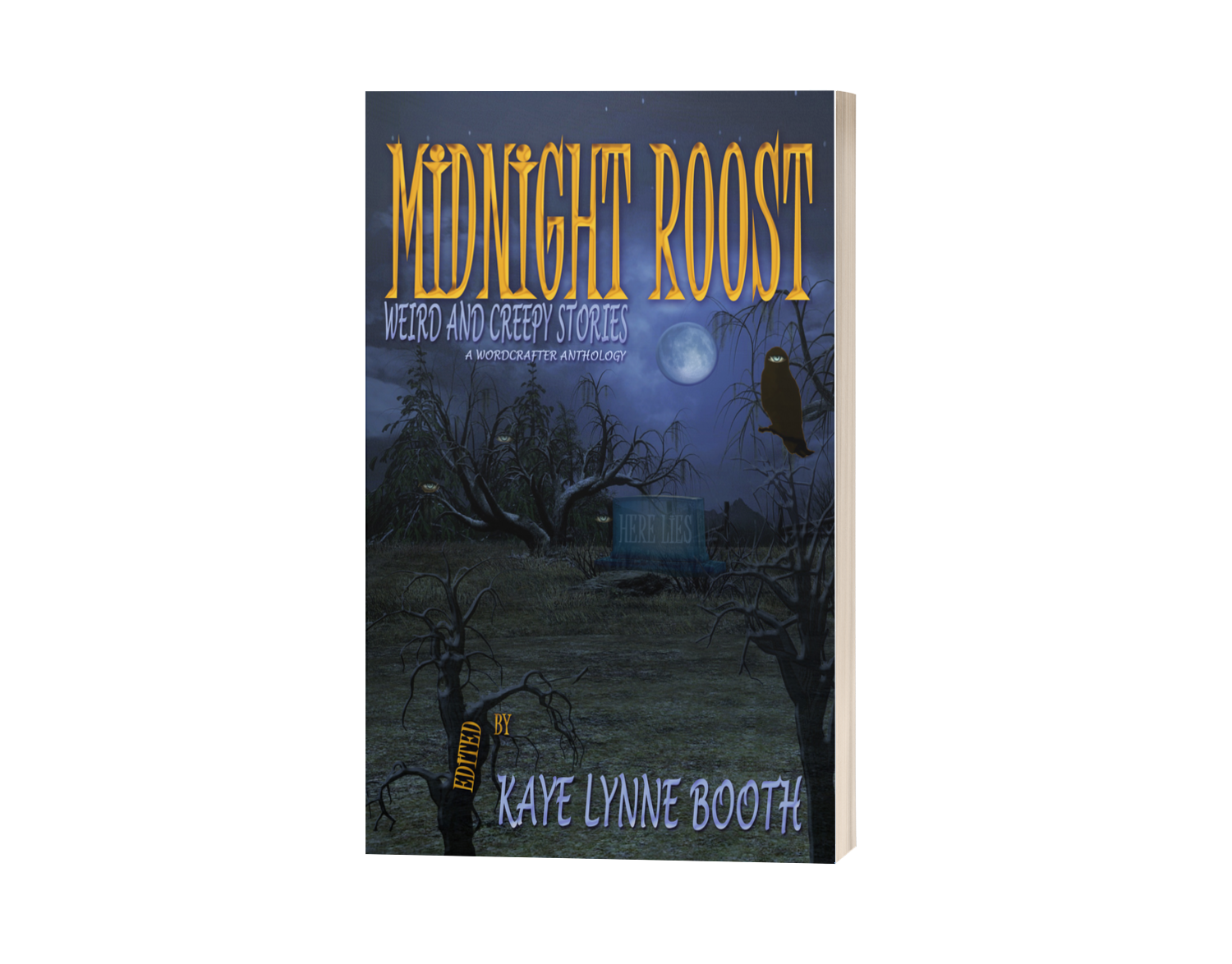
If you have been following this blog and reading my posts, or if you subscribe to my newsletter, you may know that in the coming year my planned releases include the poetry anthology we just released, a nonfiction writing reference anthology, two science fiction/fantasy/horror/paranormal anthologies, and a fantasy fairytale anthology, and the re-release of my original western novel as a series starter. And yeah. That’s a lot. And no, not one of them will be an easy sell.

So why don’t I chose an easier path?

Well, for one thing, I enjoy working with other authors and compiling, editing and publishing poetry and short fiction anthologies allow me to do that. Also, I do it because I love a challenge. I find ways around or create solutions to help me through them, determined to make it all work even though it may be a rougher road. In fact, I’m trying to create a solution to the multi-genre author promotion thing right now.

But I think most of all, I have to write the stories that my heart wants me to tell. I’ve never tried writing to market. I like to write stories which excite me, and I’m not sure that a story written to fit into a certain genre or category would do that. And while some multi-genre authors stick to genres which are similar or sub-genres, I do things the hard way, so my genres span across the literary expanse, making my reader audience more difficult to find.

Let me tell you, it’s not easy for multi-genre authors to find and engage with all of their various audiences for the reason stated above. A reader may love your fantasy novel, but they may not care a bit about reading or learning more about your new steampunk novel. I hear there are super fans out there who fall in love with the author and will read anything they write, but as for me, I haven’t found any yet. And I’m betting that’s true for many multi-genre authors. It can be a real puzzler, figuring out ways to extend your reach in all of the genres that you write in, but I may have come up with one way to make that happen.

Cross-promotion.

More authors add up to extended reach, so I’m proposing that we create a newsletter swap group, comprised of multi-genre authors and all cross-promote each other’s books in our newsletters. We can all share new releases, and since we won’t all be releasing at once. Since all swap group members will be multi-genre authors, our audiences will already expect to hear about a variety of books and genres, so we’ll have a better chance of reaching readers who will buy our books. Every group members reach will be extended by the reach of all participating authors, and we will all have something else to say in our newsletters besides “Buy my book!” And best of all- it’s free promotion

Join us in uniting our promotion efforts for more followers and higher book sales.

I know a couple of authors who are already interested in taking advantage of this cross-promotion opportunity. If you are a multi-genre author who puts out an email newsletter at least monthly and wants to extend your reach for your books, I want to hear from you! Contact me at kayebooth@yahoo.com and put “Newsletter Swap” in the subject line. Tell me you’d like to participate, which genres you write in and tell me about any releases you have scheduled. I look forward to hearing from you.

________________________________________________________________________

Kaye Lynne Booth lives, works, and plays in the mountains of Colorado. With a dual emphasis M.F.A. in Creative Writing, writing is more than a passion. It’s a way of life. She’s a multi-genre author, who finds inspiration from the nature around her, and her love of the old west, and other odd and quirky things which might surprise you.

She has short stories featured in the following anthologies: The Collapsar Directive (“If You’re Happy and You Know It”); Relationship Add Vice (“The Devil Made Her Do It”); Nightmareland (“The Haunting in Carol’s Woods”); Whispers of the Past (“The Woman in the Water”); and Spirits of the West (“Don’t Eat the Pickled Eggs”). Her western, Delilah, her paranormal mystery novella and her short story collection, Last Call, are all available in both digital and print editions.

In her spare time, she keeps up her author’s blog, Writing to be Read, where she posts reflections on her own writing, author interviews and book reviews, along with writing tips and inspirational posts from fellow writers. She’s also the founder of WordCrafter. In addition to creating her own imprint in WordCrafter Press, she offers quality author services, such as editing, social media & book promotion, and online writing courses through WordCrafter Quality Writing & Author Services. When not writing or editing, she is bird watching, or hiking, or just soaking up some of that Colorado sunshine.

_________________________________________________________________________

Sign up for the Kaye Lynne Booth & WordCrafter Press Newsletter for and book event news for WordCrafter Press books, including the awesome releases of author Kaye Lynne Booth. Get a free digital copy of Kaye Lynne Booth’s paranormal mystery novella, Hidden Secrets, just for subscribing.


Poetry Treasures 2: Available now!

Yes! It’s finally here.

If, like me, you thoroughly enjoy Robbie Cheadle’s “Treasuring Poetry” blog series and can’t wait for her posts to come out each month, then you’ll be as excited as I am to learn that Poetry Treasures 2: Relationships is available at your favorite book distributors now!

Relationships are golden and each of

 Arthur Rosch, Elizabeth Merry, D Avery, Robbie Cheadle, Harmony Kent, Lauren Scott, JulesPaige

Leon Stevens, Colleen M. Chesebro, Miriam Hurdle,

M J Mallon, and Lynda McKinney Lambert 

pay poetic tribute to their most intense

personal moments.

That’s right folks. Now you can get this wonderful collection of poetic gems by Robbie and her 2021 “Treasuring Poetry” guests all in one place. We’ll be doing a book blog tour April 25 – May 1 so you can learn more about the amazing treasures contained within, but you don’t have to wait.

Just click on the Books2Read Universal Book Link (ULB) to find your copy at your favorite book distributor now!: https://books2read.com/u/3kP8aK


Writer’s Corner: Five things you may not know about the publishing industry

Since the beginning of this century, the publishing industry has undergone many changes at a very rapid pace due to the rise of digital technology and ebooks and the resulting swell of independent authors which has reshaped the way the industry operates. Traditional publishing houses have had a difficult time in adapting to these changes, which are transforming the playing field from being favorable to publishers into one more fair to authors. Trad. publishers are slow to adapt and their numbers are dwindling as they hang on to traditional practices that make little sense in this day and age. Just in the past five years we’ve seen the big 5 become the big 4, and in 2021 they merged into the big 3.

Many authors struggle with the decision of whether to self-publish or try for a traditional publishing deal, which could turn into an endeavor spanning years and your book may still not be published. Traditional publishing offers status and esteem when you can get it, but the road to a traditional publishing deal has many pitfalls and often ends in wrong turns and dead ends. It’s not easy to land a trad. publishing deal and there are no guarantees. This is nothing new. It has never been easy, but I think it’s harder than it used to be

When you take a good hard look at today’s publishing industry, you may find a few things which surprise you. I know I did.

Did you know…

  • Advances offered by traditional publishing must be paid back before the author sees any of their royalties? That’s right. An advance is just that – payment of royalties in advance. And the royalty percentage offered by trad. publishers is considerably less than what indie authors receive, so it may take a very long time to pay out that advance, and if s book does not sell well, it may never pay out. Many self-published authors have opted for smaller royalty payments over the long haul, rather than one big chunk of money in the beginning that may never pay out any more than that initial advance payment.
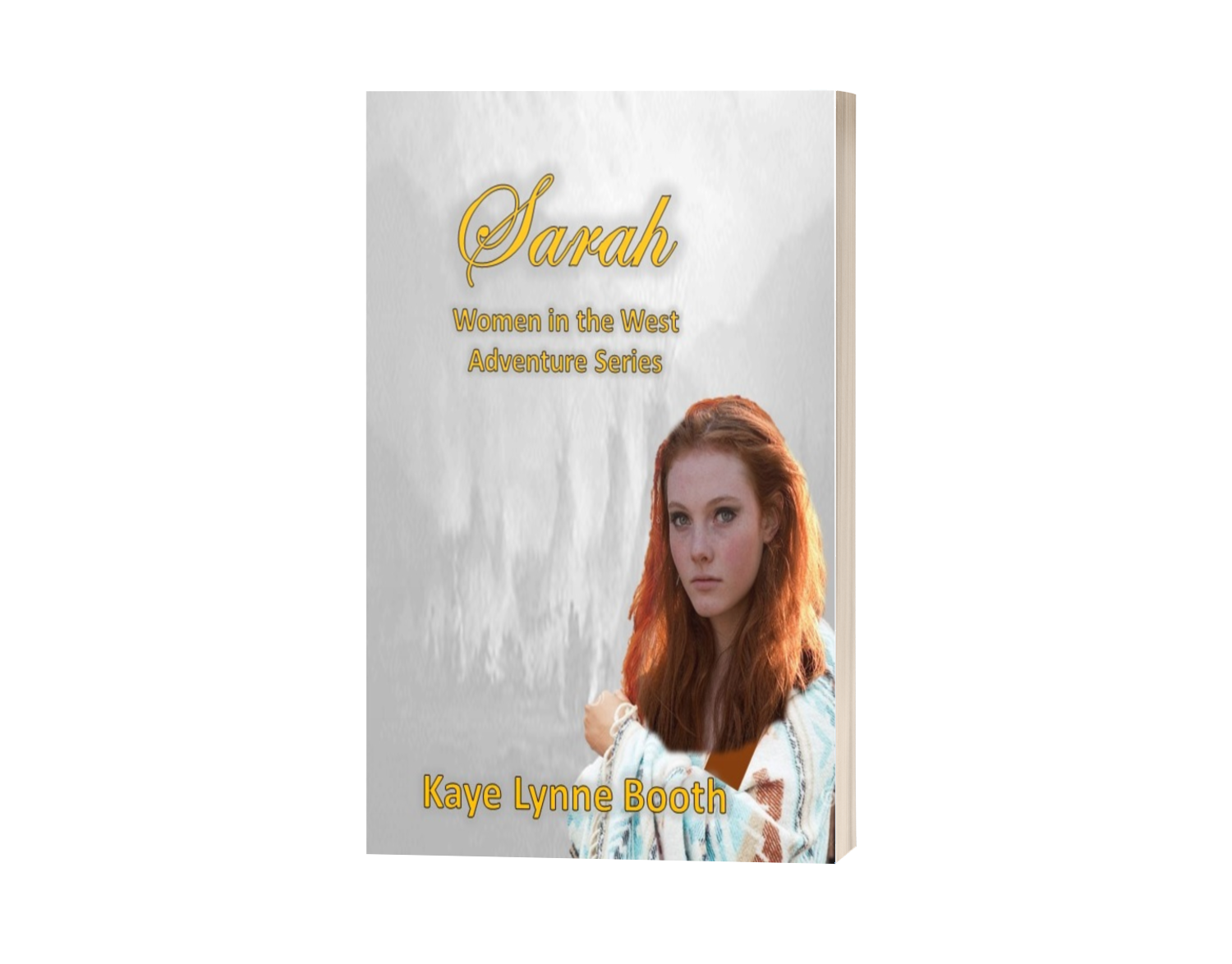
  • While a traditional publishing deal may still carry an advance with it, it seems the advance amounts have gotten smaller, as traditional publishers grow more unsure of your book’s ability to sell? While book publishers have always taken risks when signing a new author, with the rise of independent authors and publishers, there’s a lot more competition and publishers may be less confident of a book’s success, so they aren’t as willing as they once were to cough up the cash before the book has been proven. What’s more, they aren’t as willing to provide as much effort for promotion. In fact, trad. publishers today are looking at the reader platform, or fan base, that an author brings with them as well as their social media platforms, etc…, and they may expect authors to perform much of the marketing and promotion for their book. A small independent publisher which published my western novel, Delilah, but they did very little as far as marketing goes, and of course, there was no advance. I felt I could do better with it myself, which is why I chose not to renew my contract and will be re-publishing the book myself as part of the Women of the West adventure series.
  • Traditional publishing created a return policy for bookstores and retailers that allows them to return print books at the publishers expense, which still applies today, effectively preventing independent publishers and authors from having their print books carried in brick and mortar bookstores? While print-on-demand has revolutionized the publishing industry, making it no longer be necessary for authors to create large or small print runs and stockpile books I’m their basement or garage, it is still a challenge for independent authors to get their books into bookstores due to the ridiculous return policy trad. publishers created for bookstores. Today, bookstores have played by these rules for so long that they have no desire to change the rules even though they should. You can read about the options when you publish through Ingram Spark here. There may be a work around if you can find an independent local bookstore willing to take your books on consignment, but for the most part, indie authors are limited to selling their print books online because of an outdated policy that never made sense in the first place. I mean, what other industry allows to retailers to return unsold products after a number of years for a full refund, potentially devastating the maker when the charge blindsides them unexpectedly?
  • The time that you must wait for your book to go through the traditional publishing process could be two to three years or more from the time of signing, if you do manage to land a traditional publishing deal? Even after you have a contract, that doesn’t guarantee that your book will actually be published, and the publishing process is so long and tedious that your book could potentially be in limbo for years. Of course, that is not what happens most of the time, but it has happened. Children’s books take even longer to go through the publishing process. They can take up to five years or more. Imagine the disappointment of not being published after waiting years to get a trad. deal, and waiting even more years to go through the publishing process. This may be even more of a possibility with the instability of the traditional publishing industry today.
  • Traditional publishers often ask for rights they never intend to use, and if you give them to them, you can no longer do anything with them? Traditional publishing contracts are not traditionally author friendly, often asking authors to throw in many rights that are unnecessary for the author to give up. For example, many publishing contracts ask for audio rights, even when they have no intention of publishing your book on audio. If these rights are maintained by the author, they can be licensed separately or used to produce their own audiobook through one of the many audiobook platforms available to authors today, but if they are included on your contract, the publisher can sit on them and the author will make nothing from them. That’s money left on the table that the author can’t touch. It is very important that authors know what they are signing and don’t sign away rights that they don’t need to.

Authors today have choices which authors of the past did not. We no longer have to go through the submission-rejection-resubmission grind for months or years to find someone else who likes your writing and might want to publish it. Today we can publish our works ourselves because we like it, and hopefully find others who like it too and will become fans and loyal readers. There are many authors today who choose to try the best of both worlds in some sort of hybrid combination that fits their needs.

I can’t see trying to beat a dead horse, and for me, I think that is what traditional publishing would be. Although making money from my books is always a goal, as I pointed out above, there are no guarantees that I would ever find someone who wanted to publish my book and, even then, there are no guarantees that it would actually happen, or that it would sell. I want people to read my books and that will never happen unless they are published. That’s why, for me, independent publishing will be the course that I choose. Which course is right for you?

________________________________________________________________________

Kaye Lynne Booth lives, works, and plays in the mountains of Colorado. With a dual emphasis M.F.A. in Creative Writing, writing is more than a passion. It’s a way of life. She’s a multi-genre author, who finds inspiration from the nature around her, and her love of the old west, and other odd and quirky things which might surprise you.

She has short stories featured in the following anthologies: The Collapsar Directive (“If You’re Happy and You Know It”); Relationship Add Vice (“The Devil Made Her Do It”); Nightmareland (“The Haunting in Carol’s Woods”); Whispers of the Past (“The Woman in the Water”); and Spirits of the West (“Don’t Eat the Pickled Eggs”). Her western, Delilah, her paranormal mystery novella and her short story collection, Last Call, are all available in both digital and print editions.

In her spare time, she keeps up her author’s blog, Writing to be Read, where she posts reflections on her own writing, author interviews and book reviews, along with writing tips and inspirational posts from fellow writers. She’s also the founder of WordCrafter. In addition to creating her own imprint in WordCrafter Press, she offers quality author services, such as editing, social media & book promotion, and online writing courses through WordCrafter Quality Writing & Author Services. When not writing or editing, she is bird watching, or hiking, or just soaking up some of that Colorado sunshine.

______________________________________________________________________

Sign up for the Kaye Lynne Booth & WordCrafter Press Newsletter for and book event news for WordCrafter Press books, including the awesome releases of author Kaye Lynne Booth. Get a free digital copy of Kaye Lynne Booth’s paranormal mystery novella, Hidden Secrets, just for subscribing.