Past and Present come together to tell the story of “Escape from Witchwood Hollow”
Posted: February 5, 2016 Filed under: Book Review, Fiction, Uncategorized, Young Adult | Tags: Book Review, Books, Young Adult 3 Comments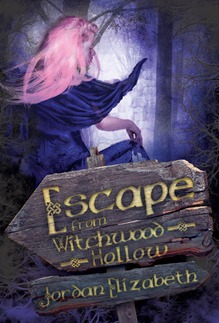
I can’t be sure of the accuracy of some of the historical details and there were a number of typos which were slightly distracting from the story. Other than that, I found Escape from Witchwood Hollow, by Jordan Elizabeth, to be a carefully crafted tale, which braids together multiple time periods with skill and talent. Escape from Witchwood Hollow is a highly entertaining YA novel, that will charm and captivate readers, both young and old.
The legend of Witchwood Hollow begins in the 1600’s, when an English noblewoman is run out of town, accused of being a witch, and she hides in the surrounding woods. To avoid detection, she places a spell on the hollow where she chooses to make her home. Those who enter the hollow, never return and the legend grows.
Jordan Elizabeth inter-weaves the story of the noblewoman with the stories of two other young women, Abertine from the 1800’s and Honoria, a young woman of modern times, into an intricate pattern that fits into the bigger legend in a way that makes her tale easy to follow and fascinating to unfold. Each young woman is connected with the legend, each in her own way, but it seems that Honoria holds the key. But, Honoria has her own ghosts to deal with, when she is left an orphan following the attacks on the World Trade Centers.
I give Escape from Witchwood Hollow four quills.

Share this:

it happened again
Posted: February 5, 2016 Filed under: Uncategorized Leave a commentSource: it happened again
Share this:

Weekly Writing Memo: Robin’s Guide to Critiquing
Posted: February 3, 2016 Filed under: Fiction, Stories, Weekly Writing Memo, Writing, Writing Tips | Tags: Critiques, Critiquing, Feedback, Fiction, Screenwriting, Weekly Writing Memo, Writing 3 Comments As Kaye mentioned in her blogpost “The 2016 Writing to Be Read,” I am Robin, I’m a writer, and I run the Author the World blog. I will be doing a “Weekly Writing Memo” on Wednesdays each week on Writing to Be Read that will consist of writing tips, tricks, and Q&As. So feel free to post questions in the comment section, tweet me, or e-mail me at: AuthorTheWorld (at) Gmail (dot) Com.
This week’s memo will deal with one of my specialties, critiquing. I spend a lot of time working as either a Beta or Alpha reader for people’s fiction and screenwriting, and honestly if I’m not writing myself it’s my next favorite thing to do.
Over the years between working with other writers and being in workshop settings, I’ve found that many people really struggle with giving critiques. When looking at a manuscript of any kind, it can be overwhelming to figure out where to start with feedback, to decide what is and isn’t important, and what is and isn’t helpful. So here is the way I approach feedback that seems to have the most success in helping other writers improve their work.
What Makes a Good Critique?
Before you can write a good critique, you have to know what one is. A good critique usually involves these five things:
- It’s detailed and says more than just “I liked it” or “I didn’t.”
- It’s objective, and minimizes the criticisms based on personal preference. (i.e., “I hate horror, so I don’t like this story.”)
- It doesn’t try to write the story for the author.
- It’s honest, but not mean.
- It’s about the writing, not the writer.
These are my goals I keep in mind when I do a critique. As long as every comment I make about the story connects to all of these things it’s a good note to make. With that in mind, here is how I go about giving a critique from first being asked, to the sending it back to the writer.
Ask What the Writer Expects.
In my experience, every writer has different expectations when they ask for a critique. Some really just want line edits. Others want you to tear their story apart. So the first thing I do whenever I offer to read for someone, is to ask how detailed they want me to be and what they are looking for.
Ask What Stage the Project is in.
I also ask what draft the project is in so I can get a feel for what stage the writing is at. A project in the first few drafts usually doesn’t need line edits yet because a lot will change along the way, so I focus on larger story issues (plot, character, tone, setting, etc). If it’s toward the final stage, then I will do line edits as well as larger issues.
This saves myself the trouble of marking things that may not be in the story later on, but also helps prevent shocking the writer. Early drafts will most likely have a lot of larger notes, as well as line notes if you do both at once, which can dismay a writer and overwhelm them.
Read Like it’s a Whodunit.
When reading for critiquing, you have to read like it’s a puzzle, not like it is entertainment. If you let yourself get sucked into the story, you stop paying attention to the faults. When I was little I used read those 2-minute Mystery books. The key to them is that you have to pay attention to every little detail and not get distracted.
I find that when I approach someone’s writing the same way, it helps me catch the little things—character mannerisms, minor plot details, foreshadowing, etc. Being able to catch these things early, lets me know what to expect in the story to come so I can make notes as to whether the story is meeting the expectations it is setting up or not.
The hardest part of critiquing, in my opinion, is staying in the critical mindset. It’s easy to get sucked into the characters, and the story, and to stop analyzing what is and isn’t working. By approaching the writing with the mindset that there is a puzzle to solve within it, it helps me keep analyzing it. At worst, if you feel yourself reading a lot and not analyzing, take a short break.
What to Mark?
The goal of an Alpha or Beta reader is to help the author see how an audience is reading the story, and to find issues the writer might be blind to. But how do you show this in comments? If you’re commenting on the line level, then of course you’re pointing out typos, grammar issues, and the like. If you’re commenting on content, then you have to put more thought into it.
Generally, I leave a comment when:
- I am confused by something in the text.
I write HOW I’m confused. Is it because the character said one thing but did another? Is it because there was no foreshadowing? Is it because the language is confusing? Etc. The key is to EXPLAIN what it is that leads to the confusion and not to simply write that you’re confused.
- I don’t believe something in the text.
I will write it’s unbelievable, but I will also write a line or two about WHY I don’t feel it is believable. Then I go an extra step and I tell the author HOW I think they could make me believe it. That way, if they want to stick with the idea, they know what it would take for me as a reader to believe. If I just think it isn’t ever believable, then I will offer 1 or 2 suggestions of similar things that I think would be believable not for the author to necessarily use, but to point them in the right direction.
- I have a question.
Whenever a question pops into my head, I will usually make a comment to let the author know that, as a reader, this is what I’m wondering at this moment. That way if the text is leading me in a direction the author may not want, they are aware of it. For example, if the text mentions a brother and builds up suspense around him, I may mention this, that way if the brother is not a character that comes back the author can minimize the attention on him so I, as a reader, don’t have that question pop up.
- I pause or feel bored.
Whenever you feel like stopping reading, ask yourself WHY. Are you bored? Is the passage slow? Is the character uninteresting? Has the plot not started? Etc. Then put a comment marking the passage and explaining WHY you are feeling that way. I also usually try to go back and pinpoint the moment the story stopped being interesting so I can mark it as well, and then I try to figure out which thread line (character, plot, setting, etc) it is that dropped out of the text so the writer knows what it is specifically that is missing. At the very least, though, always mark WHERE you feel bored and try to explain WHY.
- Something is missing.
A character is forgotten, a plotline is not finished, a setting is not described, etc. Whenever I feel like something is missing, I explain WHAT, I explain WHY it matters, and I pinpoint WHERE it first begins to be missing.
Ask Questions.
The other big thing to consider when commenting is how you are interpreting things vs. how the writer intended them. Whenever I think something I am commenting on could be something that is not what the writer intended, I make a note about that says something along the lines of:
“I’m interpreting this part this way, but I think you mean it this way. Here’s why I interpreted it the way I did and here’s what you should change if you mean it the other way.”
That way the author can see what and where there is a mix up.
Final Notes.
The key to all of the above is basically SPECIFICITY. Feedback is only helpful if you can be specific about what it is that you think is wrong. Ask yourself WHY do I feel this is wrong, HOW it is wrong, and WHERE it is wrong. Now sometimes you don’t know what is wrong or just can’t figure it out, but you do know something is wrong.
It’s perfectly valid to just leave that as a comment, but still try to give some specifics about what FEELS wrong. Tell them it feels slow, or boring (in kinder words if possible), but describe something so the author has an idea of where to look for the problem. At the very least, it’ll give them a specific passage to get a second opinion on.
The important thing to remember is that all feedback is opinion. Everyone can read the same story and come up with a different idea of what is wrong and how to fix it. So when you’re giving notes, try to keep things as objective as you can. If you know something you’re commenting on is just your preference, I always explicitly say that in the feedback and then explain WHY I prefer it that way. Then the author can decide if your preference is one they want to use or not.
Lastly, when you give feedback always expect that the writer may not use any of it. It seems like a defeatist thing to say, but writers (myself included) have their own idea of what works and what doesn’t and what they want in their story. Just know that in going through the process of analyzing the work and forcing yourself to think critically to explain how you feel about it, you are helping your own writing. Every time I give feedback, I feel like I can approach my own work more analytically, and like I am more prone to finding my own errors.
You won’t catch everything, no one can, but be honest, be specific, and remember it’s not about the writer it’s about the writing. Everything you comment should be about making the story better and helping the writer tell the story THEY want to tell, not what YOU think the story should be about. If you can keep that in mind your feedback will be helpful, it’s just up to the writer on whether they want to use it or not.
Share this:

The 2016 Writing to be Read
Posted: January 31, 2016 Filed under: Uncategorized 1 Comment
Well, it’s a new year and time for new beginnings. I know I promised you a new Writing to be Read was coming your way and I haven’t forgotten. No, indeed. But I gave up on re-designing the site myself. I’ve always been technically challenged and the digital world is no different for me, so I’ve recruited someone who knows more about it than I do, and I think she’s done a great job so far. I hope you agree.
My mystery tech is not really a mystery though. She’s my Western State cohort, a talented writer and skilled editor, Robin Conley, and she’s going to guest blog here as well as provide a few regular features, and perhaps share some reviews with Writing to be Read readers. Robin is an amazing woman who took the 365 challenge and wrote a flash fiction piece every day for a year. She is an alpha reader for much of my work and her suggestions do nothing but improve my stories. For that reason, one of the regular features she will offer is Weekly Writing Memo, offering tips on different writing issues that come up during the week. Robin also has her own blog, Author the World, and you can follow the link here, or in the blogroll, to check it out.
I want to thank those of you who have stuck in there, even when this blog seemed to be stagnant. 2016 promises to bring big changes for me, because I’m determined to make those changes happen, and I’ve already started the ball rolling.
I’ve stepped down from being the Southern Colorado Literature Examiner on Examiner.com. While I enjoyed the role, the pay per click column didn’t produce enough to justify the time it took away from paying gigs and my schooling. But because I did enjoy the role, I’ve decided to carry it over here, with book reviews, author profiles and coverage of Colorado literary events. In other words, I will provide the same great content I did as an Examiner, but I will do it here, with some added improvements to pep things up. For example, some of you may be familiar with my red quill logo. The reviews will now have a rating system, but we’re going to dispose of those boring little stars. Reviews on Writing to be Read will each receive from one to five quills. Also, I plan to make the posts here more personable and share what’s happening in my writing world.
For starters, I want to fill you in on what I’ve been up to, and you’ll see why I wasn’t finding time to pop in here, although I should have been. None of this is meant to excuse my absence, just explain it. As my regular followers know, I got my MFA in Creative Writing with an emphasis in genre fiction last summer, and this year I am seeking a second emphasis in screenwriting. The time is now approaching when I will need to make all that education pay off, so I can pay off all my student loans.
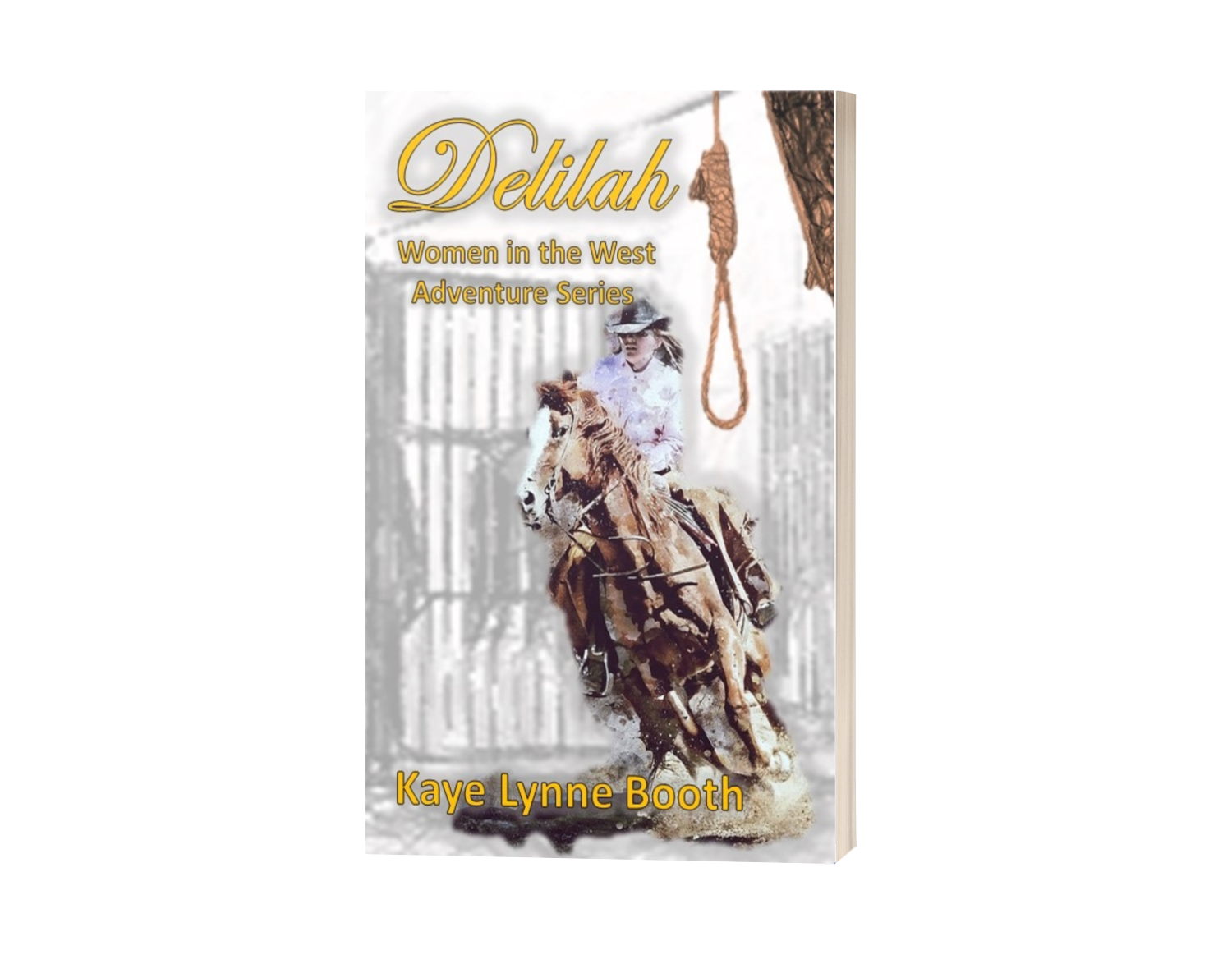
So, I have been busy revising and polishing a lot of the stories I’ve already written, and submitting them like crazy. One member of my writing group referred to me as a “submission machine”. I’ve got my children’s stories out there, as well as several shorts and a couple of flash fiction stories, and I’ve even dug out some of my better poetry and submitted to anthologies. In fact, I recently had one of my poems accepted to be included in the Manifest West Anthology, so I’m thinking that’s pretty cool. And of course, I’m on the lookout for a publisher for my thesis novel, The Great Primordial Battle, the first book in my epic science fantasy series, Playground for the Gods. And, my western novel, Delilah, is in the final stages of revision, so I will have it out there soon, too.
I also self-published a short science fiction story, Last Call, about time travel and new beginnings. It’s kind of an experiment, or maybe a learning experience is a better term. So far it’s taught me that I suck at marketing. But now, at least I know what skills I need to work on. It’s available on Amazon for .99. You can follow the link at the bottom of the page to get there if you’d like. On the positive side, it’s gotten two reviews which have given it a four star rating, so that’s a good thing, right?
So, with all that said, I’m going to turn the next post over to Robin and I hope you all will give her a warm welcome with lots of comments. Remember 2016 is going to be a great year for Writing to be Read, so don’t miss it. If you’re not already a subscriber, just click the “subscribe by email” button on the top right to get notifications of the latest posts. I’ll be glad to add you to the subscribers list. And if you enjoyed this post, or you are excited about the 2016 Writing to be Read, leave a comment and share how 2016 is going to be great for you!
Share this:

The “5820 Diaries”, by Chris Tucker brings the undead to Colorado
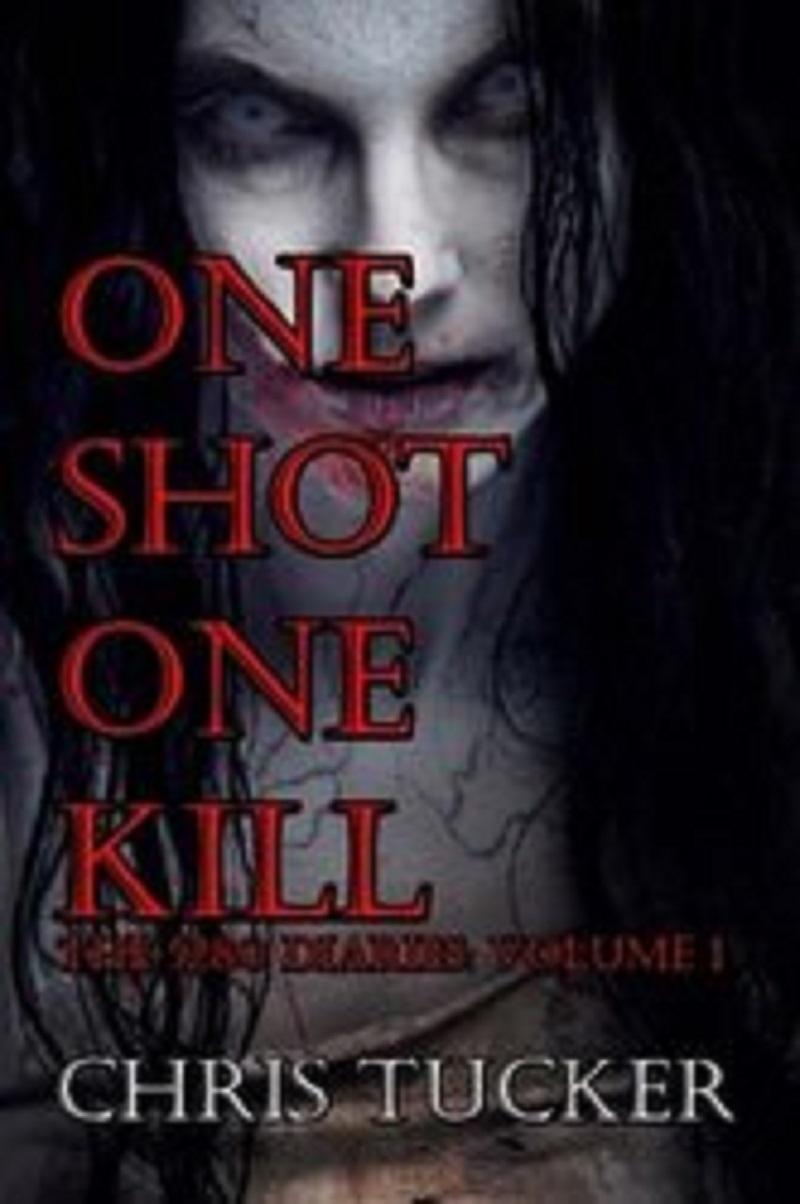
Posted: August 24, 2015 Filed under: Uncategorized 4 CommentsThe 5820 Diaries, by Chris Tucker, start out with classic zombie horror. In volume 1, One Shot One Kill, Payden Browning is just a young guy on a date with his girl when the streets of Denver are suddenly invaded by zombies. One minute he and Katie are enjoying a zombie crawl on Larimer Street, and the next, real zombies start taking chunks out of the participants, turning fake zombies and spectators into real zombies, as well.
In volume 2, Sanity’s Edge, a few short weeks after the zombie invasion, it seems world has been transformed into a barren landscape of walking dead. Payden Browning takes up with another survivor, looking for his daughter, but before they can find her, his new friend is bitten and… well… You know this can’t end well, right?
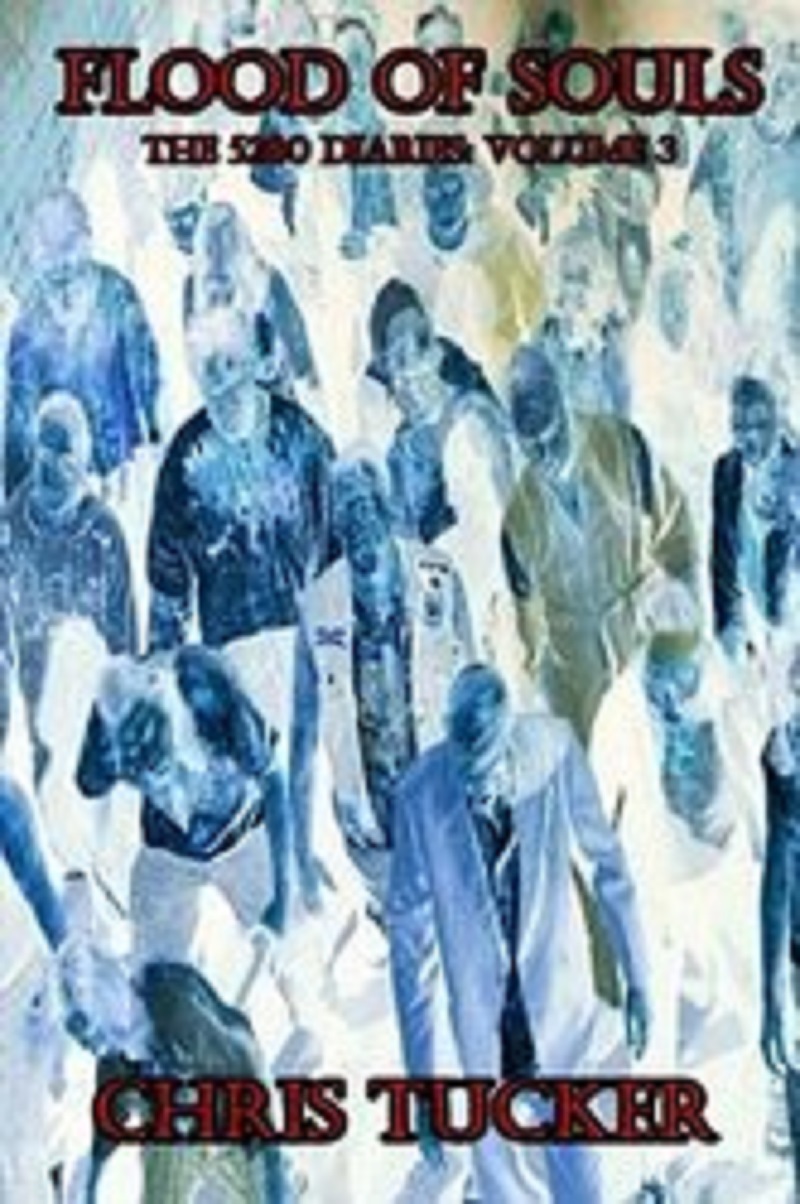
In volume 3, Flood of Souls, the zombies take on a new twist – speed, creating a bit more of a challenge than the slow-moving flesh eaters pose. There’s a new threat around every corner. Just trying to survive, himself, Payden Browning seems to have a knack for taking on responsibilities he didn’t ask for and forming attachments that force him to make some very difficult choices.
The post-zombie world is hard and cruel, changing survivors in unexpected ways and zombies aren’t the only threat to survival. Payden Browning learns this lesson first-hand in Volume 4, Infected, when he considers joining forces with a group of survivors that have taken refuge in a huge Costco warehouse. He finds himself once again taking responsibilities that he didn’t ask for, but can’t seem to walk away from, when he realizes all is not as it seems within the group. Payden believes that all hope for a return to something akin to normalcy is too much to hope for in this zombie infested world is beyond hope, until he meets a woman in the group who makes him believe that anything is possible.

Each volume of the 5280 Diaries tells a small piece of the story. Tucker threads the tale in each volume within the bigger story chronologically, weaving a tale that captivates readers and should thrill Colorado zombie fans. By locating his zombie-fest in Denver, he creates a world easily visualized, building a post-zombie world on familiar territory to many Coloradans.
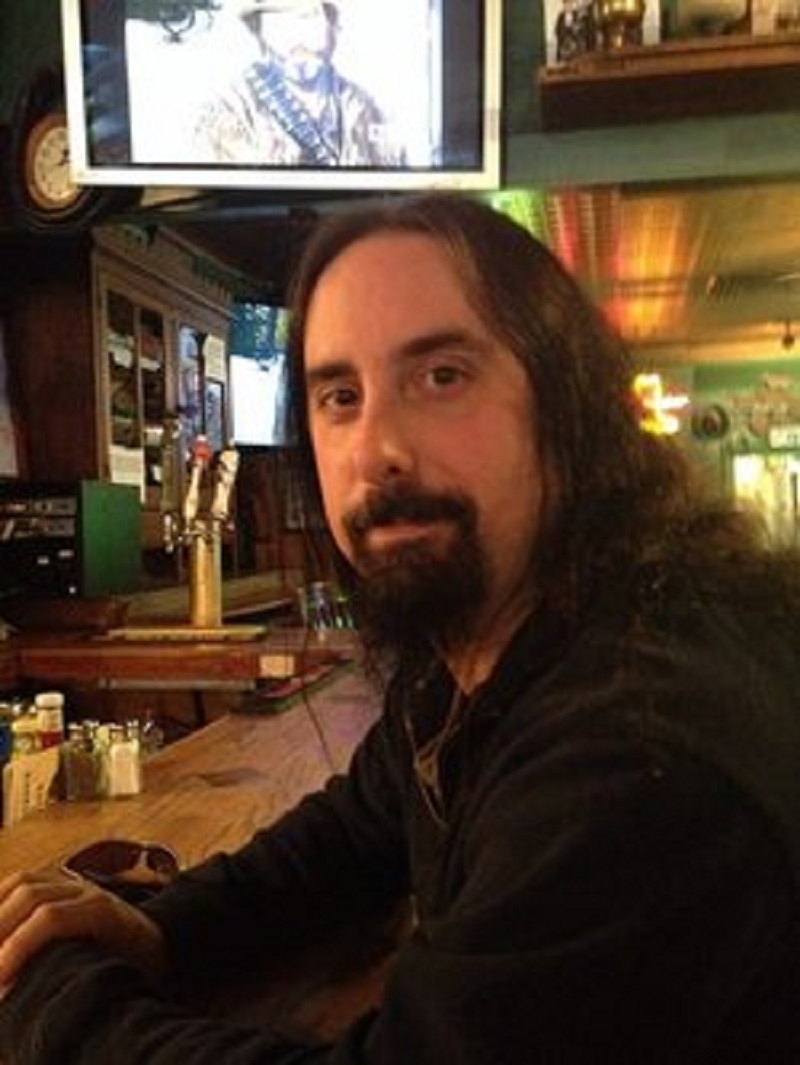
In addition to the 5280 Diaries, Chris Tucker is the author of a fast-paced action novel, Lost Voyage. I look forward to watching this new author evolve as develops his skills more with each story that springs forth from his creative imagination.
Share this:

A new “Writing to be Read” is coming
Posted: May 16, 2015 Filed under: Uncategorized Leave a comment
My latest graduate class through Western State Colorado University dealt with the business end of writing. You know, agents, editors, contracts and, due to a plethora of changes in the publishing industry, brought on by the rapid rise of digital media and the resulting increase in the popularity of the self-publishing realm, marketing. Writing is a business and you must treat it as one, whether you opt to go for a traditional publisher or to self-publish, or to go with some type of hybrid publishing house, (and they’re out there).
The rise in self-published authors, who do all of their own marketing, (and get to maintain copyright and control of title and cover, as well as content. All while claiming a bigger percentage in royalties than traditional publishing offers and requiring less time lapse before publication), has triggered a trend with traditional publishers to utilize the marketing power of their authors, as well. So regardless of which method of having their work published writers choose, they’re going to need to understand marketing strategies and techniques in order to sell their work.
Writers must have a way for readers to find them, and in the digital world we live in today, that means they need a strong writer’s platform, or following. To get that a writer needs a blog or website where that following can grow and a strong social media presence, because that is where you gain fans or readers.
What all this means, is that it is time for Writing to be Read to get a makeover. So for a while, if you pop in here, there won’t be much happening. If you’re a subscriber already, you will receive an e-mail notification when my next post comes up, and that will be the first post for the renewed Writing to be Read site. If you aren’t subscribed, I hope you will do so in anticipation of what’s to come on the renewed site. There are several promises in store.
The renewed Writing to be Read will still feature book reviews and author profiles from time to time, but it will also feature blog posts which update readers as how the tides are flowing in my writing processes as I revise two very different novels, (one western – Delilah, and one epic science fantasy – Playground for the Gods), and maintain my freelance career simultaneously. I’ll share with readers my trials and obstacles, as well as tidbits I learn along the way. So I hope you’ll join me in my writing journeys and benefit from whatever you find useful. Please be patient, knowing that I will be posting again soon and the renewed site is going to be great. Good things will come to those who wait. I won’t keep you waiting too much longer. Thank you for hanging in there with me, and my apologies for any inconvenience.
Share this:

Copyright Infringement: A Warning to all Authors
Posted: August 9, 2014 Filed under: Uncategorized Leave a commentRe-blogged on the advice of independent author, Tim Baker. Heed the warning. Authors beware.

I would like to share a letter sent to me by a fellow independent author, who wishes to remain anonymous, about a website claiming to be promoting independent authors, when in reality it appears that they are offering free downloads of the work of dozens of us.
If you are an author, independent or otherwise, I urge you to read this letter and investigate the site yourself. Find out if your work is posted there and take appropriate action to have it removed, or, at the very least, make sure you are willing to grant permission to the site owners to list your work.
Making money as an independent author is difficult enough without pirating sites giving our work away under false pretenses AND without our permission.
Please share, tweet or reblog this post in order to spread the word through the independent author community and, hopefully, put some pressure…
View original post 703 more words
Share this:

Author Tim Baker entertains readers with “Eyewitness Blues”
Posted: August 8, 2014 Filed under: Book Review, Fiction, Writing | Tags: Action, Creative Fiction, Eyewitness Blues, Thriller, Tim Baker 2 Comments What happens when an ordinary guy gets caught up in the extraordinary circumstances of a Rhode Island crime syndicate? When an opportunity that seems too good to be true falls into his lap, Martin discovers that it really is. Not being killed by a Rhode Island crime boss seems like a stroke of good fortune, until he realizes he’s being sucked into the illegal activities of his apparent savior. Martin thinks he’s found a way out, only to discover that he’s buried himself deeper and ticked off the big guy to boot.
Running from a Rhode Island crime boss beats being hung by your ankles from an eight-story balcony, but not by much. Martin is an ordinary guy who is down on his luck. Martin thinks he’s found a way out, only to discover that he’s buried himself deeper and ticked off the big guy to boot. On the run, he ends up in Flagler Beach, where Ike and the other unique residents of Flagler take matters into their own hands.
Martin just wants to get by and earn a living, but he falls in with the wrong guys and finds himself unwittingly embedded into the Rhode Island crime syndicate and the only obvious way out is a body bag. He believes he’s found another way out when he discovers evidence of a murder involving his boss. Martin thinks the witness protection program can save him, until he learns that the cops are in his boss’ pocket, requiring him to make a quick exit and landing him in Flagler Beach under the protection of Ike, a loveable ex-SEAL, whose heart is always in the right place. In Eyewitness Blues, that involves setting up the bad guys and blowing things up, two of Ike’s favorite pastimes.
The works of Florida author and talented story-teller, Tim Baker, is guaranteed to entertain, and Eyewitness Blues is no exception. This skilfully threaded plot keeps the action rolling with uniquely crafted characters that will keep the pages turning. This and other works by Tim Baker may be purchased at www.blindoggbooks.com.
Share this:

“Lucky Sevens” offers a rare look at Las Vegas life
Posted: August 7, 2014 Filed under: Book Review, Mystery, Writing | Tags: Cynthia Vespia, Las Vegas, Lucky Sevens, Murder Mystery 1 Comment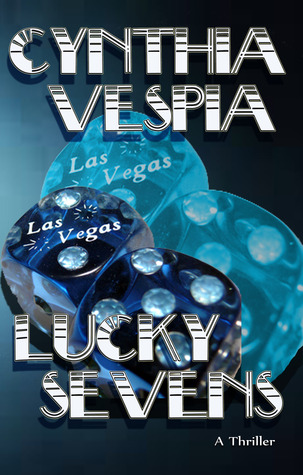
“Lucky Sevens” by Cynthia Vespia
As head of security for the recreated Saints and Sinners, it’s Luca “Lucky” Luchazi’s job to keep the brass and the clients alive when a series of mysterious accidents befall the casino, starting with the death of his friend and mentor, Charles Vega, the previous owner of Lucky Sevens. But Luca isn’t feeling so lucky anymore. The casino has changed hands, changed its name and changed everything, the woman he loves won’t speak to him, and if things don’t change, he’ll be out of a job, or maybe out of his life.
Many of us have visited Vegas and seen Sin City with the cast of neon to dazzle our view. Lucky Sevens, by Cynthia Vespia, tells the story from the inside view, the angle few of us ever see. It’s the story of those that make keep the cogs moving any way they can and try not to get caught up in the machinery. When it was Lucky Sevens, run by his friend and mentor, Charles Vega, it seemed like a pretty good place to be. Now, he’s not so sure. The new boss is connected and has big corporate money behind him, the mysterious deaths that have occurred in the hotel lately all seem to be connected and black magic seems to be in the air. It’s up to Lucky to uncover what is really going on, but the question is whether he can do it before his luck runs out.
Lucky Sevens is an entertaining read that offers a different perspective on the Vegas scene, showing that it isn’t all bright lights and cash flow. Everyone wants to come out with the winning hand, even behind the scenes where the stakes may be higher than anyone realizes. Take a walk through the Vegas underworld with Lucky Luchazi, but tread carefully. You never know who’s lurking around the next corner, who can be trusted or who’s going to come out on top.












Catching Up
Posted: May 10, 2014 | Author: kayelynnebooth | Filed under: Commentary, Uncategorized, Writing | Leave a commentAgain, it’s been awhile since I posted here, but when I catch you up on all that’s been keeping me away, hopefully I’ll be forgiven, or at least excused.
In February, I quit my day job to venture out into the world as a full-time freelance writer/editor. So far, it’s slow going, but it’s been keeping me busy.
Of course, I’m also still seeking my M.F.A,. in Creative Writing. Spring class just ended and now I’m preparing for my summer residency in Gunnison. I’ve got the tuition covered and the new laptop that I’ll need to take with me, but I still have to get there. So, I’m trying to raise money for travel expenses, (gas, food and lodging) through a fund-raising campaign. And you, my faithful readers can help, by making a small donation if you like. I get to keep the money raised, even if I don’t raise the entire amount of my goal, so even small donations are appreciated. If you’d like to help, the site is here: https://fundly.com/kaye-booth-a-writer-s-dream
I promise I’ll try to post here more often. I miss Writing to be Read. I think some of you might, too.
Share this: