The Final Weekly Writing Memo and a Writing Prompt
Posted: November 30, 2016 Filed under: Fiction, Screenwriting, Uncategorized, Weekly Writing Memo, Writing, Writing Tips | Tags: Inspiration, Weekly Writing Memo, Writing, writing prompt 7 CommentsIf you aren’t interested in my update, skip to the bottom for a writing prompt.
The Update
As any readers who have been checking in regularly have probably noticed, I’ve been a little behind on posting these Weekly Writing Memos for the last few months. Between picking up new jobs, constant traveling, and a big move to Los Angeles from Michigan, it’s just been a struggle to keep up. Starting in December I am also going to be embarking on a project involving studying the horror film genre, as well as some new work as a part-time assistant editor for a small publishing company.
With my increasingly complicated schedule, this is going to have to be my last Weekly Writing Memo post for a while. Instead, I’m going to be cutting back to monthly memos and the first post will be sometime in December. I’ll still be doing other guests posts now and then to fill in for Kaye when needed, and I’ll hopefully be posting more on my blog as well. If you have questions, or if just miss me dearly, feel free to contact me at my blog Author the World or on my AtW Facebook page. For my final Weekly Writing Memo, I thought I would go with a writing prompt to leave you all feeling inspired (hopefully).
Writing Prompt – The Breakfast Fight
You have a character in a restaurant. They’re eating breakfast. Start with the restaurant. What kind of place is it? What kind of tables does it have? What kind of waiters or waitresses? What kind of clientele?
Now go to your character. Who are they? What kind of mood are they in? They can start alone at the table but they can’t stay that way. Your character is about to get in an argument. Do they know it yet, or will it be a surprise?
Before the argument starts your character’s breakfast arrives. What are they eating? Is it actually breakfast time? How are they eating it?
Once everything’s in place—the breakfast, the characters—it’s time to start the fight. Have your character continue eating throughout the argument. Try to keep the characters from making the argument into a big scene for as long as possible.
When the fight ends, does your character take out his anger on anyone else? Does he snap at the waitress, or forget to leave her a tip? Does he finish his food or lose his appetite?
Where does your character go next? How will he resolve the conflict? See where the argument takes you from there. Where there’s a conflict, there’s often a story, so follow it. If you decide you don’t like the characters in the argument, try writing it from the waitress’s or another diner’s perspective. Explore the scene and the people in it, and see where the writing leads you.
Share this:

Weekly Writing Memo: Learning to Write
Posted: November 24, 2016 Filed under: Fiction, Screenwriting, Screenwriting, Uncategorized, Weekly Writing Memo, Writing, Writing Tips | Tags: Writing 5 Comments Everyone always wants to know the big secret for how to write. They want the shortcuts, and the formulas, and the rules, but while those things may give you the illusion of a solution, they’re not the real answer. Shortcuts, rules, and formulas for writing can be great and useful, but in the long run, they limit your abilities as a writer. Knowing the rules can be a good foundation, but personally, I believe that it can’t be all you know. While everyone has a different theory about the best way to learn to write, there are a few “tricks” that almost everyone agrees on.
Reading
It amazes me the number of writers, screenwriters or fiction writers, who loudly proclaim how little they read or how much they hate reading in general. Whatever your chosen medium, you should be reading it and absorbing it as much as possible. As a screenwriter, reading scripts can help you learn techniques for telling a story in script format, succinct characterization, how to establish setting and many other things. As a fiction writer, reading novels and short stories can help you learn much the same. The more you immerse yourself in what you want to create, the more natural it will be when you begin writing the material yourself. Everything you read, whether you realize it or not, is integrated into your pre-existing knowledge and expands the “tools” you have at your disposal for writing.
A great example of this that works for most people is something like grammar – if you read a lot, you will gradually pick up grammar rules and standards that you don’t even know you know. Think of every sentence you write. Do you specifically analyze the sentence structure and whether it is grammatically correct, or can you read it and know it “sounds” or “feels” right? Many people who have learned grammar through reading have this ability, where they can correct a grammatically incorrect sentence because the proper format has been ingrained in them through reading, but they can’t explain how the sentence was incorrect.
Learning story and writing works similarly in some ways. If you read enough of the medium you want to write, you will start to build up your ability to recognize what is standard, what is abnormal, and you may even start to recognize typical story structures and character archetypes. You’ll also be able to recognize when a writer does something unusual, and then you can begin to break it down and figure out what they did and why.
Analyzing
This next step is one that I think is critical in learning to write. While reading as much of your preferred medium is the first step, analyzing what you’re reading is the next. Forcing yourself to think critically about what you’re reading is how you can make it easier for yourself to recognize issues in your own work. Whenever you’re reading, ask yourself what is working for you and what isn’t. Then take things one step further and ask yourself why it isn’t working. If you can break down why something isn’t working, then when you encounter it in your own writing you’ll be able to fix it. Every piece of writing has good and bad to it, and learning to identify both in the works you read will help you figure out things you may want to emulate in your writing, as well as things you probably want to avoid.
Writing
The most obvious way to learn to write is by doing. So many writers constantly research how to write, or talk about writing, or dream about writing, but never actually get to the writing part. Writing takes practice, and the more you do it the more you’ll improve. Personally, I think the best way to improve is to constantly push yourself to try new styles and techniques of writing. When I was first starting out I embarked on a 365-day project to write a short story a day for a year. I did this because I wanted to really buckle down and explore my writing so I could improve. I know everyone doesn’t have the time to do something like that, but I do think the most valuable thing I learned from doing it was to try new styles of writing. By trying different styles, genres, techniques, and story structures, you become familiar with them and add them to your “toolbox” of abilities. If you understand how they work, then when you need them in a story you’ll easily be able to work them in. I also think it’s useful because just knowing about the various techniques broadens your abilities when you’re writing. It’s easier to figure out how to tell a story in the best way if you know 100 different methods than it is if you only know 2.
Mentors and Other Writers
Having a mentor can mean joining an MFA program, finding someone in the industry willing to advise you, or finding a workshop group or another writer to get advice from. The important aspect is to find other writers who you can share your work with and get feedback. Ultimately, I think writing stops progressing at a certain point without feedback, so you have to decide what you are looking for and where you can find it. Some people luck into a mentor and find the feedback and guidance that way, but others have to seek out that feedback in their own ways.
I’ve done workshops, worked with other writers, and been in an MFA program, and I think they all have their own benefits depending on what suits you personally. Workshop groups can be great because you get a huge variety of voices on a piece of writing and you can learn a lot about it. They can also be negative, however, because some workshops devolve into a hive mind and are no longer helpful. The problem is, you usually don’t know how helpful the group is until you get there, but the beauty is they usually don’t last long so you can always find another one if needed.
For some, an MFA program is a ridiculous waste of money and gets you nowhere, but I personally found it incredibly helpful because it fit what I was looking for. I did a low-residency MFA program at Western State Colorado University where I studied both genre fiction and screenwriting. I choose my MFA because the focus was on genre fiction rather than literary fiction (I already had a degree in literary fiction), and because the professors in the program were all people actively working in the industries they were teaching about. I also chose to continue studying writing in an MFA program because I wanted to learn as much about writing as I could, as quickly as possible, and an intensive 2-year program would give me that boost to help me write better and make connections.
Ultimately, whether you choose an MFA program, a workshop, or a mentor, it’s all about research and knowing yourself. What method do you learn best? Who are the teachers or writers you’ll be working with? What may the teach you? All that being said, the key to this is finding someone, somewhere, who you can connect with on your writing and learn from. If you have a mentor, or a writing group, or an MFA program that does this, that’s awesome, but the key is getting your work seen and getting a reaction. Writing is meant to be shared, and having a “safe” group to share it with before you go public can be pivotal in your writings’ success.
Final Notes
There are a lot of other tips and tricks you’ll see about how to perfect your writing and become a master, but ultimately they all boil down to these four things: Read what you want to write; Study it, analyze it, and tear it apart until you understand how the writing succeeds and how it doesn’t; Write as much as you can and practice, experiment, and repeat; and find someone to share your work with that you can trust, that you can learn from, and that you can get feedback from. It takes time, and a lot of work, but your writing will show that it’s worth it in the end.
Robin Conley offers great writing advice most Wednesdays and shares an occasional guest review on Writing to be Read. If you just can’t wait until next week to find out more, you can pop into her blog, Author the World, for more tips, or a weekly writing prompt.
Share this:

Weekly Writing Memo: Horror Inspiration
Posted: November 3, 2016 Filed under: Fiction, Screenwriting, Screenwriting, Stories, Thriller, Uncategorized, Weekly Writing Memo, Writing, Writing Tips, Young Adult | Tags: Books, characters, Fiction, horror, How To, Movies, Novel, Stories, Writing Leave a comment One question I hear asked a lot to writers is, “where do you find your stories?” This question is sort of silly to me because stories are everywhere around you if you look. Every item you come across in your day has a story for how it became what it is, and got where it is. If you ask enough questions, eventually you’ll find some interesting element that you can turn into a compelling story if you try. I could go on for a long time about ways to find a story, so instead I decide, in honor of Halloween, to narrow the focus this week and discuss where to find inspiration for horror stories in particular.
For me, I really think horror stories have to either start with the protagonist or the “monster.” By monster, I mean whatever villain is in your story, be it a literal monster, a ghost, a serial killer, a psychological monster, a location, etc. I say this because the core of most horror stories is the conflict between these two entities — the protagonist and the monster — and I think starting with one of them can be the easiest way to start a horror story. If you start with the monster, you can ask yourself who would it go after and find your protagonist. If you start with the protagonist, you can ask yourself what type of monster would they encounter and go from there. Immediately either one can give you your story, but where do you find the protagonist or the monster?
Protagonists
If you want to start your horror story by coming up with your protagonist and you have no ideas in mind, you can go several directions:
- Pick someone you know and turn them into a character by changing some of their traits to make them slightly different.
- Pick a stranger on the street and create a character from them based on what you can infer from their appearance and behavior.
- Pick a stereotype character and then do a free write or character sheet to turn them into something more and give them depth.
- Pick an occupation and then create a character that fills that job role.
There are a ton of other ways to come up with a character, but these are a few of my favorite simple ones. Once you have a character in mind you can find your monster by asking yourself where would this character go to find trouble? Does it find them, or do they seek it out by going somewhere they shouldn’t? Do they have a friend that takes them to a haunted forest? Do they live near a mental asylum where a killer can escape? Do they work in a hospital where people die every day and ghosts may linger? Do they go swimming or camping in a secluded area where monsters could lurk in the shadows?
Think about all the places your character may go on a daily or weekly basis and think about what kinds of monsters they could encounter there. If none of these places is suitable, then think about what kind of friends your character has, and what kind of trouble those characters could get the protagonist into. Do they have a reckless friend who likes going into abandoned buildings? A crazy friend who sees things? A friend who picks up shady drifters and brings them home? Once you have the monster your character would most likely meet, you can start creating the plot between the monster and the protagonist and find your story.
Monsters
As I said earlier, when I use the term “monster” I don’t necessarily mean a literal monster, but rather I mean any type of antagonist your character will come up against in the story. Monsters can be anywhere, and if you’re prone to writing horror it’s a good idea to keep a list somewhere of various monster ideas whenever you come up with one. A few places that I generally find monster ideas include:
- Reading about urban legends and mythical creatures. Those cheap tabloid papers have some great ones of these, as do those random lists of legends, myths, and creatures that are all over the internet. Pick one and make it your own, give it a setting, and see where it takes you.
- Phobias. These are a great source for monster inspiration because once you pick a phobia you can use it to build your monster. Think of phobia that you like, or look up a list and pick one, and then ask yourself if your character has that fear what kind of monster would trigger it? Do they have a fear of being alone? Then how about you forget them in the middle of the ocean after a deep sea diving expedition (Open Water). Do they have a fear of the dark, well how about a monster that only appears in the darkness and can make the lights go out (Lights Out, Darkness Falls)? Whatever phobia you choose, ask yourself where or how your character can be forced to face it, and what kind of monster could cause them to. Sometimes it’s even the monster that has the fear (Lights Out) and it can be used as part of how the protagonist defeats them, so you can also try to create a monster from that angle as well.
- True unsolved mysteries or famous oddities. These are a great source for horror because they’re true, unexplained, and usually, have just the right amount of creepiness to them that they can be twisted even further for the perfect horror story.
Any of the options above can work for finding a monster to create your horror story around, but they aren’t the only way. At the heart, the monster comes from the twisting of something that is somewhat normal to something threatening. Think about it. Cujo was a dog, a ghost is just a (dead) person, water is just water, etc, but all can be turned and twisted to become a monster. So if you can’t find some kind of monster from the ideas above, then try taking something random and asking how could it be dangerous? How could it be scary?
Once you have the “monster,” then ask yourself what kind of character would they either go after or accidentally encounter? Is the monster in a lake at a teen summer camp? Are they in a house that a nice young family has just moved into? Are they in a school where kids just want to go to prom? Once you know who your monster’s victims are, and where the monster hunts, then you have your story.
Share this:

Weekly Writing Memo: Three Ways to use Parentheticals in Screenwriting
Posted: October 27, 2016 Filed under: Fiction, Screenwriting, Screenwriting, Uncategorized, Weekly Writing Memo, Writing, Writing Tips | Tags: Writing 2 Comments A question I hear a lot from beginning screenwriters is “How do I use a parenthetical?” To begin, let’s go over what it is. A parenthetical in screenwriting is the writing that comes in parenthesis after a character’s dialogue tag. It looks like this:
CHARACTER NAME
(whisper)
Help me!
The parenthetical is always in lower case unless it’s a proper noun. It can be located between a character’s name and the dialogue, or between two sections of dialogue for the same character spoken without interruption, like this:
CHARACTER NAME
Hey!
(whisper)
Come here.
Now that you can identify what a parenthetical looks like, let’s discuss when to use them. There are three main ways to use parentheticals.
How to speak it?
The first and most common use for parentheticals is to tell the actor how a piece of dialogue is spoken. Is it whispered or yelled? Is it sarcastic or serious? Is the character joking or being mean? It can be really easy to think you need to put these parentheticals on everything to mark how it is said, but don’t. Most of the time it’ll be really obvious how the line is supposed to be said so you won’t need to put anything in parentheticals, but whenever you have a line that could be confused you should use one to clarify. For example, if a character is saying a like “Thanks for that.” It could be sarcastic, genuine, or emotionless. Whichever way it is said could change the story, so clarifying how it is said would be useful.
Who to speak it to?
Another way that parentheticals can be used is to clarify who the character is speaking the line of dialogue to if there is a group. Say four people are arguing and the speaker wants to say something to person one without using person one’s name, then you could put person one’s name in a parenthetical to clarify this.
You can also use a parenthetical here to show that a person is speaking the line to themselves. If the speaker is home alone and there is an entire scene where they’re speaking to themselves, then I would use the parenthetical on the first bit of dialogue to show that is the case and not use it after unless another character enters the scene.
What to do while speaking?
The third main use for a parenthetical is to show what action the character is doing simultaneously as they speak. For example, if the character is pointing at someone, or walking away while talking, then using a parenthetical to indicate this can be useful. A lot of this can be shown in action before or after the dialogue, but when it is important that the speech and action happen simultaneously, then show it in a parenthetical.
Final note.
In general, the rule for parentheticals is to use them as sparingly as possible. Parentheticals are basically like stage directions to the actors. Use too many and it can seem like you’re micromanaging. Your writing should be clear enough that anyone reading your script knows how things should be said, but whenever there is a doubt that it will be clear, use a parenthetical.
Robin Conley offers great writing advice most Wednesdays on Writing to be Read. If you just can’t wait until next week to find out more, you can pop into her blog, Author the World, for more tips, or a weekly writing prompt.
Share this:

Weekly Writing Memo: To Cliche, or not to Cliche
Posted: October 6, 2016 Filed under: Fiction, Science Fiction, Screenwriting, Screenwriting, Stories, Uncategorized, Weekly Writing Memo, Writing, Writing Tips | Tags: characters, Novel, Reviews, Stories Leave a comment A writing friend and I got in a heated discussion the other day as to whether clichés in writing can ever be a good thing. He is an adamant believer that clichés should be actively hunted down and eliminated from all dialogue, as well as most other areas of writing when possible. I, on the other hand, have a more lenient approach. I think clichés can be useful in specific circumstances, and sometimes they’re the best choice for the job. So when are clichés a good thing?
Avoiding Awkward
Sometimes if you can’t find a simple way to reword or rework a scene to avoid the cliché, then you can end up making the writing convoluted and awkward, which is worse than just using the cliché. A cliché can be invisible in the story and the audience may not even notice it, but awkward writing will interrupt the flow and stand out to an audience. It can also become obvious that you’re trying to avoid the cliché, and that can be distracting as well.
A really easy example is the phrase “that’s classified.” If you wanted to you could avoid it in a lot of ways, but there has to be a limit to how far you’ll go to avoid a cliché, and how much space you want to use to do so. If you try to avoid “that’s classified,” you could end up with something convoluted like, “I can’t tell you that because you are not qualified to access that information.” Just reading it makes me roll my eyes because it’s incredibly obvious I’m avoiding the cliché. In fact, it reads like a convoluted way of saying “that’s above your pay grade.” Which is another cliché.
The point is, avoiding the cliché in this case is turning out awkward, and it’s becoming obvious to the audience that it is what I’m doing. You don’t want your audience to stop and think about the writing when they’re enjoying the story – unless they stop to go “DAMN, that was good!” That is always acceptable! You want the audience involved, and in a situation like this it’s easier to throw in the cliché to get the message across and keep the story moving, rather than finding some roundabout way to avoid it.
Simplicity
Sometimes the decision for me to use the cliché comes down to one thing – simplicity. Sure, there are a lot of ways to word things that may let me avoid a cliché, but sometimes the cliché is the easiest, clearest way to get whatever message I want across to the audience. If I can use a cliché and it only takes 2 words instead of 20, then I better have some big motivation as to why those 20 words are needed. I’m a firm believer that every word has to count in a story, and as I said above, sometimes the cliché is just the simplest way to go. Will there be better ways to say things, probably, but does that mean you need to change your wording? No.
Cliches aren’t inherently bad. They can be overused, and they can be used at bad times, but sometimes they’re the best way to go for the sake of keeping the story moving forward. So always consider how complicated the route to avoid the cliché is. Ask yourself, if I avoid this cliché, will I slow the story down? Will it waste space on the page? Does the cliché add or take away anything from the scene? If the answers to these don’t give you a reason to take out the cliché, then I say go with the simplest method of keeping it in.
Character Culture
The biggest argument I think there is for keeping a cliché is that in some character cultures, clichés are ingrained in the system. By character cultures I mean communities like police officers, military personnel, doctors, politicians, etc. These kind of cultures that are part of large organizations have certain things that are ingrained in them.
For example, cliché language is often used by the higher ups in these organizations because clichés are something that a huge group of people will all understand in the same way. Clichés also become ingrained in these organizations because they relay on training being passed down, and the clichés carry through. For example, police officers and military personnel are more likely to use phrases that they have been trained to use. Military men use things like “need to know” because it’s an easy way for higher ups to dismiss lower level employees without actually giving them any information, and those lower level employees generally have to listen because they don’t outrank anyone.
In these sorts of settings, clichés can be used by the higher ups as a very easy way to create a separation between those of different ranks. Think of all the cliché phrases you can for military and even police personnel and think of their purpose: Need to know, that’s classified, that’s above your pay grade, etc. They all serve to protect information, and to put someone lower down in their place. In politics, there is a similar thing going on. The cliché phrases are more about delivering a message without delivering specifics. They say “I will bring change” or “I have the experience to do [blah]” and so on without every really specific what their plan is or how they are qualified.
Similarly, in medical fields clichés exist to keep information vague or to deliver a clear message without getting into specifics. In medical fields you sometimes don’t have time to lay out all the information because of the life and death situation, so abbreviated phrases are used to get a message across to everyone in the room quickly.
In general, these kids of systemized or structural cultures have clichés ingrained in them because they help create structure, they are universally understood, they deliver information and meaning without specifics as needed, and these cultures often have similar situations happen over and over again which can lead to certain sequences of events becoming cliché. The point is, you don’t need these characters to use clichés all the time, but having them in these instances is more acceptable because the clichés are part of the culture and the training almost everyone goes through in these professions, so they are almost expected by an audience.
When to Cut the Cliché?
Now clearly clichés should be cut whenever you can cut them in a way that doesn’t involve the things I’ve mentioned above, but sometimes it can be hard to decide. If there is an easy way to avoid the cliché, then always use it. If the cliché makes the scene cheesy or eye-roll worthy, then definitely cut it. If your entire plot hinges on a cliché, again, think about changing it. The important thing is that the clichés you do use don’t interrupt the flow or come off as lazy. Use them because they’re the best tool for the job (cliché!), and use them because they serve the story. Don’t use them because you’re too lazy to think of something else.
If you aren’t sure, then get a second opinion and see if your beta reader finds it distracting. Ultimately, like anything else in writing it all depends on the specific situation. Clichés exist for a reason, just use them wisely!
Share this:

Weekly Writing Memo: All About the Setup
Posted: September 28, 2016 Filed under: Fiction, Screenwriting, Screenwriting, Speculative Fiction, Stories, Thriller, Uncategorized, Weekly Writing Memo, Writing, Writing Tips | Tags: Fiction, Screenwriting, Writing, writing advice, Writing Process Leave a comment One of the most important elements of a story for it to work is for everything to be set up properly. Your plot, your characters, and your resolution all need to be set up in such a way that your audience can believe them. If the audience doesn’t believe it, or “buy in” as it’s often called, then they won’t enjoy your story and may not even continue it. So how do you properly set up everything in your story so it works?
What does your audience need to know?
Think about your plot, your characters, and your world before you start writing. What does your audience need to know about each of these in order for them to understand your story? If needed, make a list. Add to it anything that needs to happen in order for your plot to unfold, and decide in what order those things need to happen.
The things on this list are the things you need to set up in order for your audience to get into your story. Does your character have a mental problem? Then even if you don’t reveal it right away you need to show signs of it, foreshadowing what is to be revealed so when the reveal happens the audience believes it. Does your world involve superhuman mutants? Then again, this is something that needs to be set up in your story so your audience understands the world. Even if you don’t want to reveal the mutants, you need to reveal that there is the possibility of something supernatural going on. Think of all these sorts of elements that will be in your story before you get writing so you have a clear image in mind of what you need to do. You don’t have to make the elements obvious or spell it out blatantly, but do find ways to at least hint at these details so they don’t throw off your audience when they come into play later.
When do they need to know it?
The second part of setting up a story is know WHEN to reveal things. How much do you need to set up right away, and how much can you hold onto and reveal later? You don’t want all these details to come out in a list when you’re writing. They should come out in small doses as necessary. For example, your audience needs to know right away that your character has an enormous scar if it plays into how people react to him/her throughout the story. However, your audience doesn’t need to know right away how your character got the scar. In fact, the audience may never need to know how the character got the scar unless it plays an important part in the story for some reason.
The common mistake I see when people are setting up a story is mainly not mentioning something until it is needed to move the plot forward. For example, if your character needs to know complex mathematics, but your entire story she never once uses math, it’ll seem awfully convenient if the moment she needs it she busts out some calculus. Anything such as this that is key to moving the plot forward, or key to solving a problem, should be established in advance of when the character needs it. If it is something that is constant, then it should be established right from the beginning. If it’s something minor, then it just needs to be established a few scenes or so before it becomes relevant.
How can I show it?
So how do you show these minor things in your story without them coming off as listing or uninteresting? Something like the mathematics example would be boring if the character just said “I’m good at math.” Instead, you could simply have a short moment where your character does some impressive mental math for some reason, or even have something subtle like a math diploma on the wall someplace. These kinds of small details, or small moments, can be a way to establish important elements without taking too much story time.
For anything minor, the quicker you can establish it and move on, usually the better. Anything that is a key element of the story can be established by doing continual small touches throughout the story as it unfolds. For example, if you want to establish someone has anxiety about something, you can have them behave in increasingly anxious ways until their full anxiety is revealed.
Final Notes
Ultimately, there will be three stages of setting up your story. The first is the things you’ll know right off that you need to establish before you even begin writing. The second will be the things you discover as you are writing. When you come across these things in the second stage, it’s important to remember to not just throw them in when they come up. Take a moment to sit back and think about where that detail could naturally fit into the story. If you just put it in where you think of it, will it seem like something that conveniently pops up to solve the story conflict?
The final stage of setting up your story will come after you get feedback. Whoever you use as your beta reader should be able to tell you what doesn’t make sense, and you can use that as a sounding board for what in your story needs more setting up, and what you can do less on. No matter how obvious you think something is, people will always have different viewpoints so if you can find a subtle way to set it up a tad more, it’s probably a good idea to do so.
Robin Conley offers great writing advice most Wednesdays on Writing to be Read. If you just can’t wait until next week to find out more, you can pop into her blog, Author the World, for more tips, or a weekly writing prompt.
Share this:

Weekly Writing Memo: Know Your Theme
Posted: September 22, 2016 Filed under: Fiction, Screenwriting, Stories, Uncategorized, Weekly Writing Memo, Writing, Writing Tips | Tags: Fiction, Screenwriting, Writing, writing advice, Writing Process 2 Comments Every story, whether intentional or not, has a theme within it. A theme is not necessarily a moral or lesson, but rather it is what your story is about at its core. Finding the theme of your story can sometimes take some work, as can making the theme come through in your writing, but it’s not as hard as it might seem.
What is your theme?
To find your story’s theme, ask yourself what your story is about. Maybe you won’t be able to break it down into a neat answer, but as long as you can answer the question you have the first step to finding your theme.
For example, let’s say you’re writing Die Hard. Your story would be about a cop who travels to visit his wife out of town, and ends up having to stop a terrorist plot. So what is the theme of this story? Well, it can be broken down in a lot of ways if you think about what the general terms of the story are: good triumphing over evil (cop vs villains), one man against the world (John vs the terrorists), or even how greed can lead to your downfall (the terrorists refusing to give up even though they’re losing because they’re determined to get the money).
The key to figuring out your story’s theme is to think about the larger concepts and the plot of your story, then try to break them down into simple terms as shown above. These larger ideas are the core of your story, and they help tell your audience what type of story it is. If you’re doing this and you are having trouble deciding what the main theme from your options is, ask yourself which potential theme if removed would completely change the story. The one that can’t be removed, and the one that is the biggest overall concept of the story, is your main theme.
How to show your theme?
Showing your theme throughout your story should not be hard. In Die Hard the theme of good triumphing over evil happens consistently. John is determined to do what’s right and to stop the bad guys, and despite all the trouble and missteps that happen, he ultimately always comes through. Even when he loses, it’s just further motivation for him to come back at the bad guys with even more vehemence so he can win. So for your own story, think of what your theme is and how your main character can represent that theme in some way.
Other ways to show your theme is to use something called mirroring. This is when you show the theme through minor secondary characters throughout the story. Sticking with the Die Hard example, you can see some minor mirroring of the theme “one guy against the world” when you look at the local cop who is stuck outside the building and is trying to help John. This cop is fighting against all the others to get John help and is the lone voice in the crowd. By showing your theme through these small mirroring acts you are also adding another layer of plot to your story.
You don’t always have to have the minor characters experience the same outcome as your protagonist either. You can use minor characters to show what the other possible outcome of your theme could be for your protagonist. For example, if your theme is good triumphing over evil, you could have a minor character lose to the evil to show the consequences if your character fails.
Can you have multiple themes?
As is clear with the Die Hard example, there is always a potential for there to be multiple themes in your story. Of course there should be one main theme that is the core of your story, but there can also be some minor themes that help build up your story as well. Maybe good vs evil is your main theme, but then you have themes involving love or, like in Die Hard, greed. These kinds of minor themes can contribute to your plot, as well as help deepen your characters, and many of them will appear without you having to force them into the story. If you look at your subplots, you should be able to see some of the themes that are present in them and bring them out a bit more so they are stronger.
Final Note
In general, it’s a good idea to know what your theme is before you start your story so you can keep your writing consistent. Sometimes, however, the theme comes out and is discovered as you write the story. Alternatively, you can also start your story thinking the theme is one thing, but as you write you discover it is really something else. This is fine, and happens all the time, but if it happens this way make sure you go back once you’re finished writing and make sure everything is consistent throughout the story. The most important thing about the theme of your story is that you’re consistent, and the clearer the theme is in your mind when you start writing, the easier this will be to do.
Robin Conley offers great writing advice most Wednesdays on Writing to be Read. If you just can’t wait until next week to find out more, you can pop into her blog, Author the World, for more tips, or a weekly writing prompt.
Share this:

Weekly Writing Memo: What’s in a Name
Posted: September 14, 2016 Filed under: Screenwriting, Stories, Uncategorized, Weekly Writing Memo, Writing, Writing Tips | Tags: Creative Fiction, Fiction, Writing, Writing Process 4 Comments Through all my conversations with other writers, I’ve learned that there seems to be two camps of people when it comes to naming characters, places, and things in stories. One group thinks that the names don’t matter, while the other spends hours finding just the right meaning for each name in their world. Personally, I think it depends on the story, as well as whatever it is you are naming. I do believe main characters should have names that mean something, or at the very least, ‘fit’ the character’s story, but I don’t think everything in your story has to have deeper meaning. If you want to give the people, places, and things you name in your story special meaning, there are several ways you can go about it.
Origins
One of the main things I do look at when I am naming something is the origin of the name. What country is the name originally from? What language is it? Is it predominant in a specific religion, or culture? These kinds of details can help you pick names that have more history behind them to help with whatever you are naming. If you have a character that you want to have an Irish background, then a name with a touch of Irish history would be perfect. It doesn’t have to be a historical or cliché name, but it is an option. Another option is to research popular names in Ireland and pick one that way instead. You may end up with a name that isn’t classically Irish, but it will still have a connection to Ireland.
The point of this kind of research for the names you give in your stories is that it creates a built in history for what you are naming. Without telling the reader, you are hinting at where your character might come from and what their family connections are. Now of course people in real life are often given names with no connection to their roots, and you can use this in your story as well if you want, but by making a deliberate choice to either use the name or not you are making every element of your story count. So be deliberate, and if you decide to go against your characters origins, then make that part of the story as well even if it’s a minor part.
Preconceptions
Something else you can use to your advantage when naming a character, place, or thing in a novel are known preconceptions about the name you use. For example, if you use a name from a myth, many people will recognize it and have certain ideas about that character. Zeus is a mighty god with great power, who also happens to be a bit of a player, and a character named Zeus might be suspected of having some of those traits. There are all sorts of fables and legends out there from every different culture and time period, and even if you use one that doesn’t have meaning to the majority of the population it will still help deepen your character. The point is that it is another layer for a reader to find, and the ones that do will love the touch.
Beyond past myths, you can also use names from modern pop culture and such. Big names like Kanye or Justin are well known enough that they also have immediate pre-conceptions to them. Maybe in another 20 years they won’t have the same impact on your readers as pop culture changes, but for modern readers you can use names like those to paint a picture of who your character is. Big public names have personas around them, and if you’re writing a character with a similar attitude you can use those pre-existing ideas to help nudge your reader in a certain direction before they know anything else about your character.
Meanings
One of the final elements you can use when naming things in your stories is symbolism. There are all sorts of names and words that have deeper meaning beyond them besides the word itself. Most names have some alternate meaning to them when you research the original language they came from. These sorts of meanings can be used to speak to the type of person your character is going to be. If you have a surprisingly brave character, then choosing a name that secretly means bravery could be a subtle nod to readers who know that. These are the kind of details that won’t change anything in the story for the most part, but they can add another layer of meaning to your story. It can be especially useful when naming objects in fantasy worlds.
Final Notes
No matter your take on naming in stories, it’s important to consider what the minor details of naming can do for your story. The small touches can often give a story the extra boost to make it something special. As a reader, I know I enjoy the small details that I discover later on about a story, such as deeper meanings in names, and it only makes me enjoy the story more. If you do go the special naming route, however, I find it works best if you don’t go too obvious with the symbolism in the name. You want it to be a small touch, not a neon sign in your audience’s face. Ultimately, if you find a special name is something that will add to your story, then use it, if not, then don’t. It’s your story, so you have to decide what benefits it the most. Trust your instincts and you’ll be fine.
Share this:

Weekly Writing Memo: Networking
Posted: September 7, 2016 Filed under: Promotion, Screenwriting, Uncategorized, Weekly Writing Memo, Writing, Writing Tips | Tags: Fiction, promotion, Publishing, Screenwriting, Writing, writing advice, Writing Process 3 Comments Sorry I have been missing the last few weeks. As you might have seen on Author the World, I unexpectedly moved to Los Angeles and haven’t had a lot of time to do posts. This week’s post is all about networking. Networking is a major element of having a writing career, and it takes some practice to really learn the right and wrong ways to network.
The most important thing to remember when networking is that you shouldn’t be doing it to use people, and you shouldn’t be doing it to be selfish. Good networking is about being genuine. The best way to network is to approach each networking relationship you make with the attitude of how you can help each other, rather than focusing on how they can help you. The best kinds of networking relationships are mutually beneficial, and maintaining this kind of attitude helps these relationships stay healthy and fulfilling.
Building your Network
You can build your network literally anywhere, it’s all about meeting people and learning about them. If you know who people are, what they do, and what kinds of people they know, you can keep them in mind for later if something comes up they can help with. For writing, often times you can make networking connections in writing groups, classes, at conferences, or even in random places like coffee shops and hair salons. The important thing is to keep your eyes open for people you can help, and for people that may be able to help you. Remember, things need to go both ways, and sometimes the act of offering help to someone can lead to unexpected connections. Ultimately, all networking contacts break down into four different types that can each be beneficial in their own way.
The Introducer
The Introducer may not have any work for you, and may not be someone who is going to offer you advice, but they do know people you want to know and they will help you meet them. These kinds of contacts are always useful to maintain because they help broaden your network, and they can help introduce you to other parts of the writing world you may not be familiar with. One of the best way to meet new people is through a middle-man who can introduce you because it can cut out the awkward process of trying to force a meeting with a stranger. If you’re going to be the Introducer for someone else, remember to make sure you give each person’s name, and then try to share what they have in common or why you think they should talk so you can help jump start the conversation.
The Mentor
The mentor is someone who has been where you are and knows a lot about the business. They are the perfect sort of person who can offer you advice, and give you guidance that will make navigating the writing world easier. Maybe they won’t be able to get you a job, or introduce you to new people, but they will help you find answers to the random questions and issues you run into. Just make sure you don’t burden your mentor by asking too much of them, or wasting their time with easy questions that you could have found out anywhere. They may only have so much free time, so make sure to figure out how much help they are willing to give you and to stick within that range. If you are going to be a mentor, be clear up front what you are willing to do for the person you’re helping, but also try to remember what it was like when you were where they are.
The Helper
The Helper is someone who has an opportunity for you that could potentially help your career, whether it’s a job or an interview doesn’t matter, it’s someone that can put you in line for a job or a writing sale. These kinds of connections are incredibly valuable because they are what give your career a boost. The important thing to remember when meeting people who offer you these types of opportunities is to make the most of them, and to make sure you don’t misrepresent yourself to the person setting it up, because if you waste it or lie it could prevent the person from ever offering you another opportunity again.
The Teammate
In some ways, these are the most valuable networking connections you can make. The Teammate is someone who is going through the same stuff you are at the same time. They are someone you can bounce ideas off of, or trade writing with. They are on your side and you are mutually trying to help each other reach your goals. For writing, having people you can talk writing with is incredibly important, as is having people around who understand what you’re going through. If you are a teammate to someone, make sure the help isn’t going one way. If you find yourself asking too much and not doing anything in return, then try to find a balance.
Final Notes
Ultimately, networking is about broadening the connections you have in your industry, and maintaining those connections by trying to keep things mutually beneficial for all involved. Even if you can’t help someone the moment they help you, always try to keep them in mind and return the favor when you can. One of the most important elements of networking is that the people around you see that you are a part of the cycle of helping, and that you aren’t just a vacuum sucking up all the favors you can get without returning anything. People will quickly notice if you only ever seem to receive help, so the more you can be a part of the cycle the better.






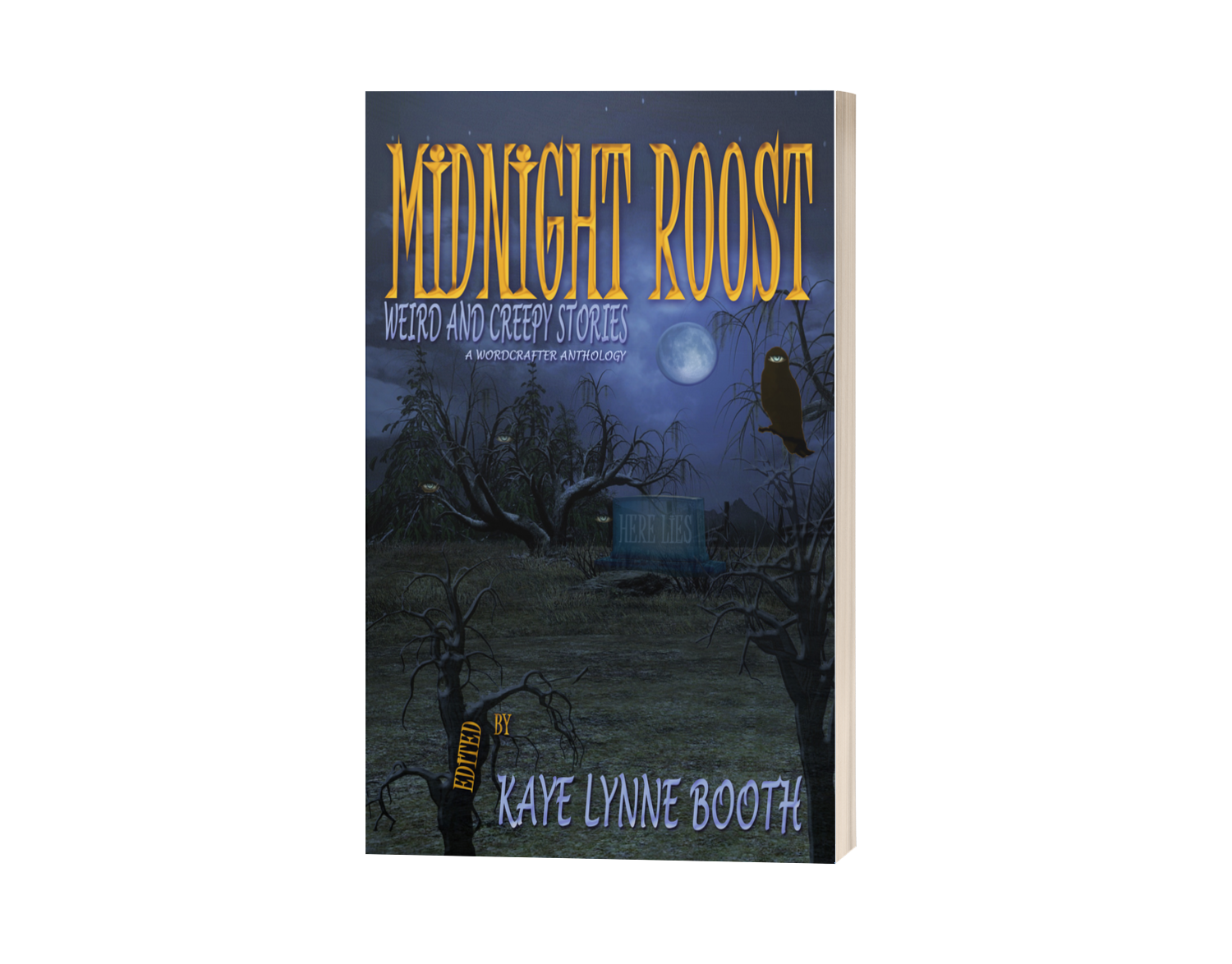
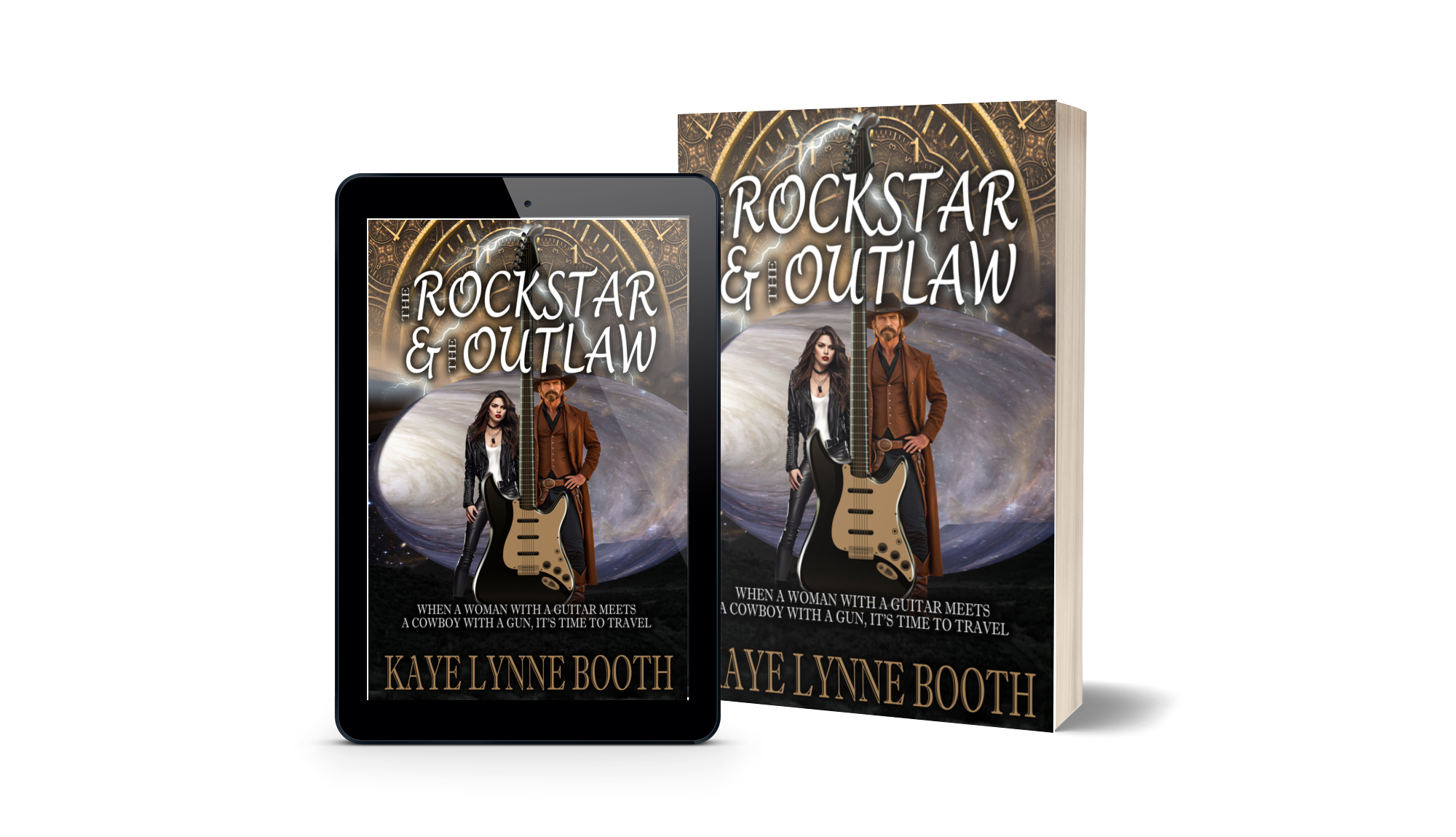

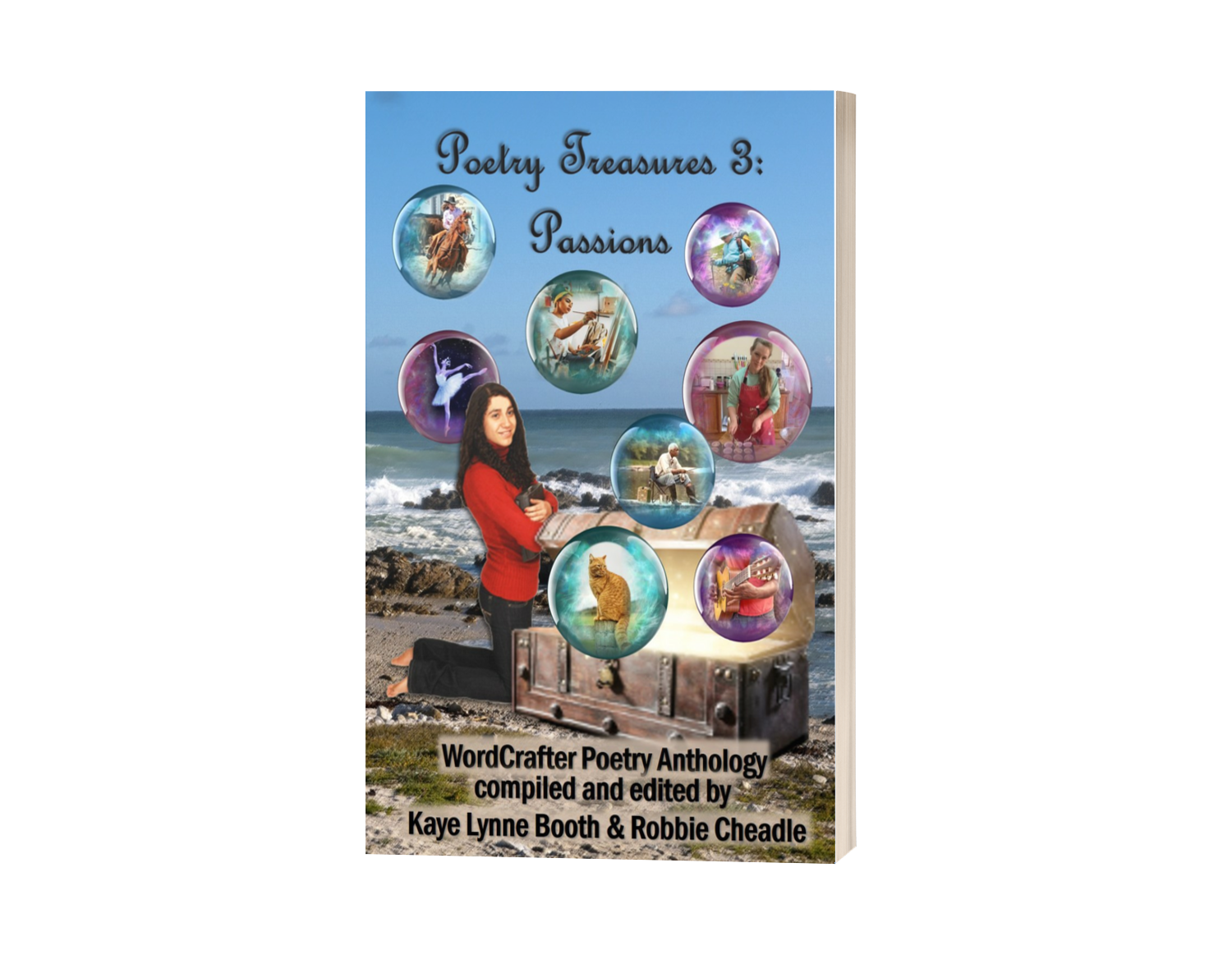
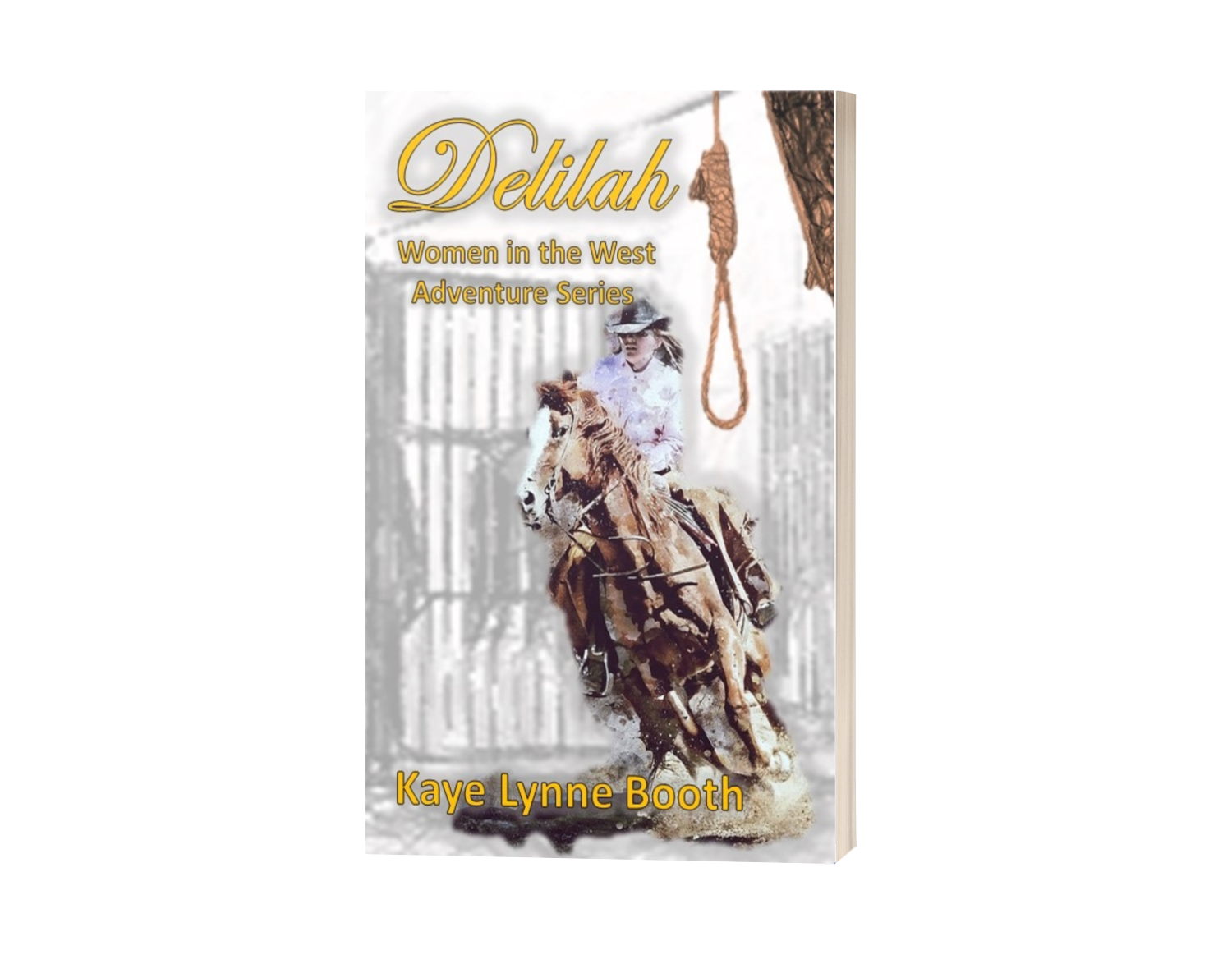




Looking Back Over 2016
Posted: December 26, 2016 | Author: kayelynnebooth | Filed under: Articles, Book Review, Books, Children's Books, Commentary, Fiction, Film Review, Horror, Movies, Nonfiction, Poetry, Promotion, Publishing, Screenwriting, Self-Publishing, Steampunk, Stories, Weekly Writing Memo, Western, Writing, Writing Event, Writing Tips, Young Adult | Tags: 2016, Book Reviews, Books, Fiction, marketing, Movies, Novel, Novels, Poetry, Review, Reviews, Writing, Writing to be Read | 4 CommentsThis will be the last reflective post of the year. Next Monday’s post will find us in 2017. For my writing career it has been a slow take off, but I’ve seen progress. In July, I completed my Master of Fine Arts degree in creative writing. With emphasis in both genre fiction and screenwriting, and two completed novels, Delilah and Playground for the Gods Book 1: In the Beginning, two full feature film scripts and one comedy series pilot script in hand, I eagerly jumped right in to get my feet wet in either the publishing and/or screenwriting industry. I began submitting my work to agents, publishers, and competitions like crazy. I received mostly rejections, as expected, and although I still haven’t found a home for either novels or scripts, I did manage to find a home for two poems and two short stories. Not too bad. While the poems, Aspen Tree and Yucca! Yucca! Yucca!, appeared in print, (in Colorado Life (Sept.-Oct. 2016) and Manifest West Anthology #5 – Serenity and Severity, respectively), my short story, I Had to Do It was published on Zetetic: A Record of Unusual Inquiry, and my not so short, short story, Hidden Secrets was published on Across the Margin.
2016 has been a pretty good year for Writing to be Read. The revamping of the blog site was completed in March, I’ve managed post things on a fairly regular basis, we were honored with guest posts by my friend Robin Conley, and my visits and page views have risen, with almost 2000 visitors and over 2,500 page views. Looking at this, makes me feel pretty good about the blog, as a whole. Another good change is the addition of screenwriting content, which I believe has drawn a larger audience by widening the scope of the content.
Many of my posts were reflections of my own writing experience. These included: Why Writing is a Labor of Love; Fear is a Writer’s Best Friend; I’ve Come A Long Way, Baby; Writing the Way That Works For You; Creating Story Equals Problem Solving; What’s A Nice Girl Like Me Doing Writing in a Genre Like This?; Acceptance or Rejection – Which Do You Prefer?; A Writer’s Life is No Bowel of Cherries; Write What You Know; Discouragement or Motivation?; What Ever Happened to Heather Hummingbird?; How You Can Help Build a Writer’s Platform; and Why Fiction is Better Than Fact.
Screenwriting content included this past year seemed to be popular. In addition to my Making of a Screenplay series and Writing Horror is Scary Business, Writing to be Read also featured Writing Comedy for Screen is a Risky Proposition, and a book review for Hollywood Game Plan, by Carole Kirshner, which I can’t recommend highly enough for anyone desiring to break into the screenwriting trade. Robin’s Weekly Writing Memo also included several writing tips that could be applied equally to literature or screenwriting.
Another project I’m particularly proud of is my ten part series on publishing, Pros and Cons of Traditional vs. Independent vs. Self-Publishing, which I just finished up last week. In this series I interviewed nine professionals from within the industry to get the low down on the three different publishing models. My interviews included self-published authors Jeff Bowels, Tim Baker and Art Rosch, traditionally published authors Stacia Deutsch (children’s books) and Mark Shaw (nonfiction), and independently published YA author Jordan Elizabeth. To balance things out a bit, I also interviewed children’s author Nancy Oswald, who has published with all three models, Clare Dugmore of Curiosity Quills Press and Caleb Seeling, owner and publisher at Conundrum Press.
I feel very fortunate to have had Robin Conley join us with her Weekly Writing Memo and her guest movie reviews. The useful writing tips in her Weekly Writing Memos covered a wide range of topics including critiquing, using feedback, ways to increase tension, Relatability or Likeability?, 3 Types of Plot, story research, what to write, making your audience care, world building, handling feedback, writing relationships, establishing tone, editing, word choice, How to Start Writing, endings, queries, Parts of a Scene, making emotional connections, the influence of setting, Building a Story, Inciting Your Story, movement and dialog, Writing Truth, time, Overcoming the Blank Page, Networking, character names, theme, set up, cliches, parentheticals in screenwriting, horror inspiration, and Learning to Write. Robin’s guest post movie reviews included Pride and Prejudice and Zombies, Batman vs. Superman, Miss Perigrin’s Home for Peculiar Children, and The Neon Demon.
I am thankful for Robin’s valuable content and am glad that she will still be contributing Memos on a monthly, rather than a weekly basis. Although I was sad to lose her weekly content, I am happy for her as she moves forward in her own writing career and I wish her well in her writing endeavors. For those of you who looked forward to her weekly posts, you can catch more of her content on her own blog, Author the World.
2016 was a great year for Writing to be Read, even if it was kind of rough for the author behind the blog. You readers helped to make it a good year and I thank you. Now it’s time to look ahead and see what’s in store for 2017 Writing to be Read. I mentioned some of the things I hope to achieve above: more posts pertaining to the screenwriting industry, and coverage of more events throughout the year are two of the goals I have set for my blog. I also plan to add some author, and hopefully, screenwriter profiles into the mix. I had good luck with author profiles during my Examiner days, and I think they will be well received here, as well.
I also hope to bring in some guests posts by various authors or bloggers, or maybe screenwriters, just to give you all a break from listening to me all the time. I believe Robin plans to continue with Monthly Writing Memos, which will be great, too.
I look forward to all the great books that I know are coming my way in 2017, too. The first reviews you have to look forward to are a short memoir, Banker Without Portfolio by Phillip Gbormittah, a YA paranormal romance, Don’t Wake Me Up by M.E.Rhines, a Rock Star romance, Bullet by Jade C. Jamison and a short story, How Smoke Got out of the Chimneys by DeAnna Knippling.
I hope all of you will join me here in the coming year. Follow me on WordPress, or subscribe to e-mail for notifications of new posts delivered to your inbox. Have a great 2017 and HAPPY WRITING!
Share this: