Day 5 of the WordCrafter “Midnight Garden” Book Blog Tour
Posted: October 11, 2024 Filed under: Anthology, Audio Excerpt, Blog Tour, Book Release, Books, Dark fiction, Giveaways, Guest Post, Short Fiction, Stories, WordCrafter Book Blog Tours | Tags: "My Balance", Abe MArgel, Antepenultimate, Midnight Anthology Series, Midnight Garden, Molly Ertel, WordCrafter Book Blog Tours, WordCrafter Press Leave a comment
Today we’re over at Kyrosmagica for Day 5 of the WordCrafter Midnight Garden Book Blog Tour with contributing authors Abe Margel and Molly Ertel share the inspirations for their stories “My Balance” and “Antepenultimate”. Join us and get a chance to win a free digital copy of Midnight Garden: Where Dark Tales Grow.
Share this:

Day 4 of the WordCrafter Midnight Garden” Book Blog Tour
Posted: October 10, 2024 Filed under: Anthology, Audio Excerpt, Blog Tour, Books, Dark fiction, Giveaways, Guest Post, Short Fiction, Stories, WordCrafter Book Blog Tours, WordCrafter Press | Tags: "The Blackest Ink", Midnight Garden, Paul Martz, WordCrafter Book Blog Tours, WordCrafter Press 13 CommentsWelcome to Day 5 of the WordCrafter Midnight Garden Book Blog Tour. Thanks for dropping by to help us send off this deliciously dark anthology, Midnight Garden: Where Dark Tales Grow. Today we have a guest post and a reading of “The Blackest Ink” from contributing author, Paul Martz, which I think you’ll enjoy.
Giveaway
Three lucky winners will receive a digital copy of Midnight Garden in a random drawing following the tour. All you have to do to enter is follow the tour and leave a comment at each stop that you visit.
If you miss a stop, you can go back and visit through the links in the schedule below. (Links won’t work until the stop goes live).
Schedule
Monday – October 7 – M.J. Mallon: Interview & Reading from “The Seagull Man” – Writing to be Read
Tuesday – October 8 – Danaeka Scrimshaw: Inspiration for “The Fae Game” & Denise Aparo: Reading from “Jack Moon & the Vanishing Book” – Roberta Writes
Wednesday – October 9 – Joseph Carrabis: Reading of “The Last Drop” & Inspiration for “Striders” – Paul Martz
Thursday – October 10 – Paul Martz: Reading & Inspiration for “The Blackest Ink” – Writing to be Read
Friday – October 11 – Molly Ertel: Inspiration for “Antipenultimate” & Abe Margel: Inspiration for “My Balance” – Kyrosmagica
Saturday – October 12 – Paul Kane: Inspiration for “Drip Feed” & Joseph Carrabis: Reading of “Grande Ture” – Undawnted
Sunday – October 13 – DL Mullan: Reading from “Kurst” & Ell Rodman: Inspiration for “The Drummer” – BookPlaces
Monday – October 14 – Joseph Carrabis: Reading of “The Exchange” & Inspiration for “The Tomb” – Writing to be Read
About Midnight Garden: Where Dark Tales Grow
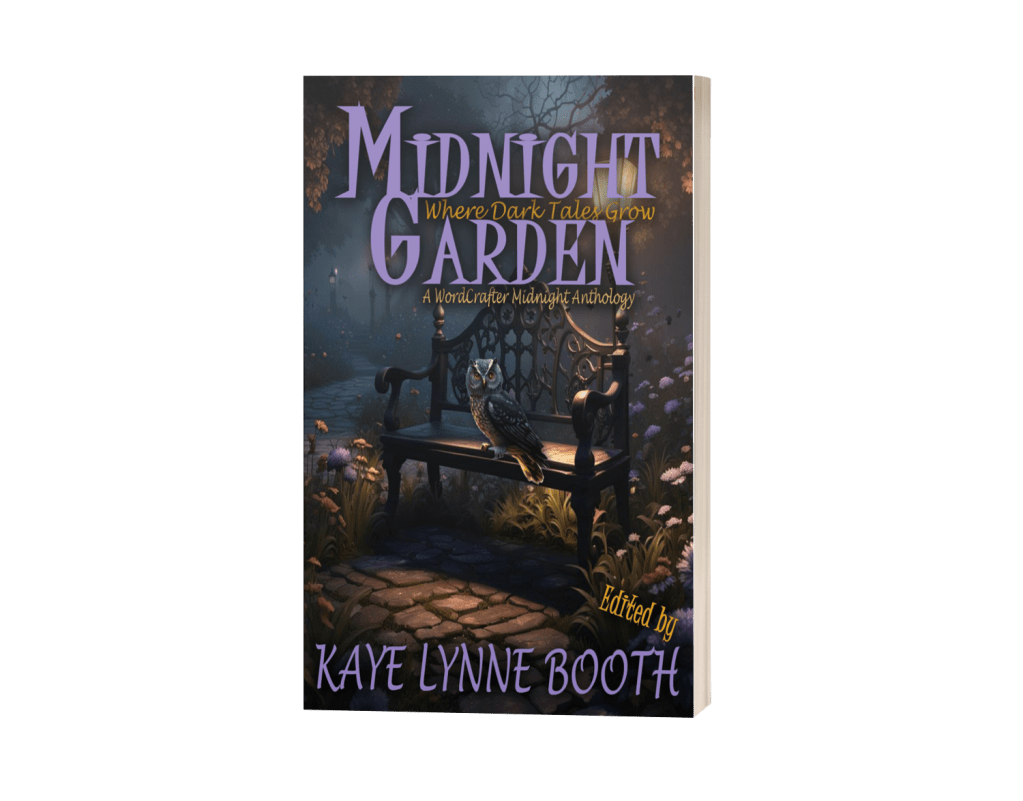
17 authors bring you 21 magnificent dark tales. Stories of magic, monsters and mayhem. Tales of murder and madness which will make your skin crawl. These are the tales that explore your darkest Midnight Garden… if you dare.
Purchase Link: https://books2read.com/MidnightGardenAnthology
Inspiration for “The Blackest Ink”, by Paul Martz
How to Mix “The Blackest Ink”
“The Blackest Ink” is a tale of unrequited love set in future Istanbul. Abdul is an apprentice to the master calligrapher Zolia, who has perfected a lettercraft so beautiful that it imbues inanimate objects with life. When Abdul awkwardly expresses his love for Zolia, she rebuffs him, and the story unfolds from there.
The story had its genesis in this MIT research article. Entirely by chance, researchers had discovered an exceptionally black material that absorbs 99.995% of all incoming light. The material was made from carbon nanotubes, which are atomic-scale tubes constructed from carbon atoms. The article resonated with me. I’d been fascinated with structures built from carbon atoms since a post-grad neighbor brought me a sample of graphene from his lab. I imagined carbon nanotubes as a kind of atomic siphon. I couldn’t help but wonder, where did the light go? If carbon nanotubes absorb light, what else might they absorb? Souls? Emotions? Reality?
And–if they were used as a pigment to make ink, how black would it be?
I was thrilled to learn that “The Blackest Ink” was a runner-up in Wordcrafter’s 2024 Short Fiction contest, and look forward to reading every dark tale that grows in Midnight Garden.
Reading Excerpt from “The Blackest Ink”, by Paul Martz
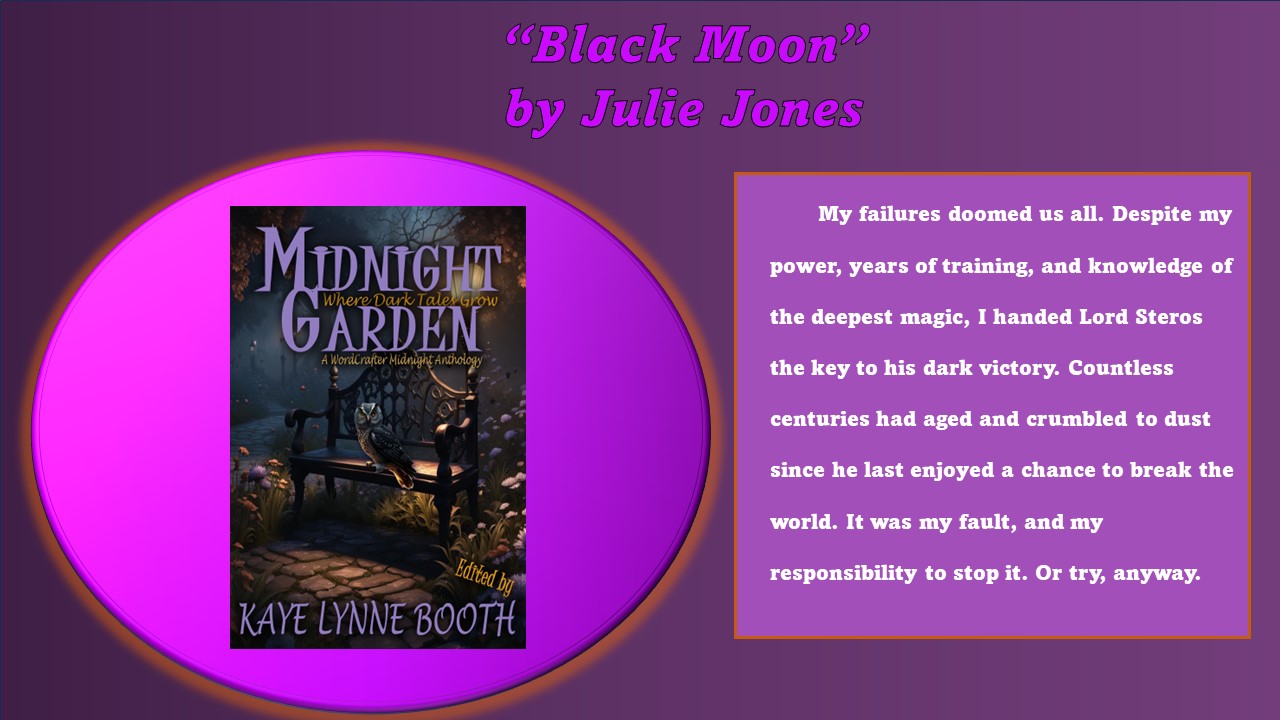
Excerpt From “Black Moon”, by Julie Jones
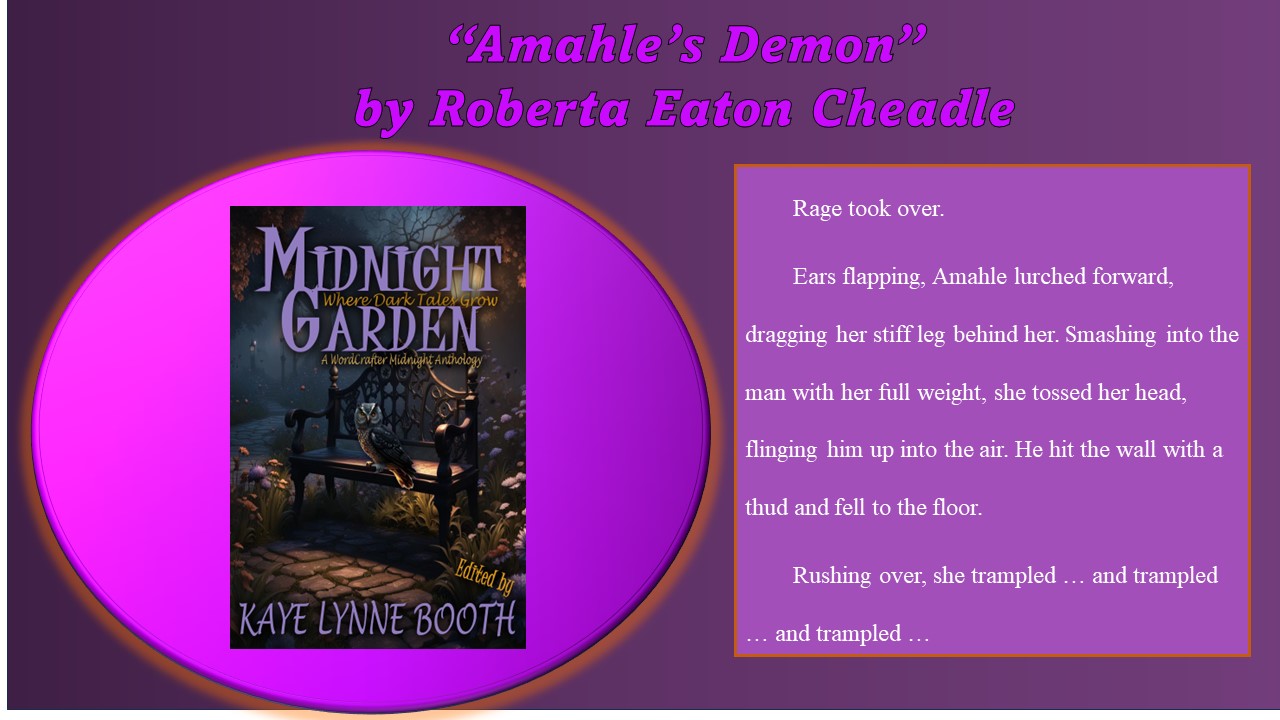
Excerpt From “Amahle’s Demon”, by Roberta Eaton Cheadle
_____________________________________
Book your WordCrafter Book Blog Tour today!
Share this:

Day 3 of the Wordcrafter “Midnight Garden” Book Blog Tour
Posted: October 9, 2024 Filed under: Anthology, Audio Excerpt, Blog Tour, Book Release, Books, Dark fiction, Giveaways, Guest Post, Short Fiction, Stories, WordCrafter Book Blog Tours, WordCrafter Press | Tags: Anthology, Dark fiction, Midnight Anthology Series, Midnight Garden, WordCrafter Book Blog Tours, WordCrafter Press 1 CommentToday we’re over at the Paul Martz blog site for Day 3 of the Midnight Garden Book Blog Tour with contributing author, Joseph Carrabis, sharing his inspiration for “Striders” and a reading of “The Last Drop”. Join us to get a small sampling of the deliciously dark stories featured in Midnight Garden: Where Dark Tales Grow and a chance to win a free digital copy.
Share this:

Day 2 of the WordCrafter “Midnight Garden” Book Blog Tour
Posted: October 8, 2024 Filed under: Anthology, Audio Excerpt, Blog Tour, Book Release, Books, Dark fiction, Giveaways, Guest Post, Short Fiction, Stories, WordCrafter Book Blog Tours, WordCrafter Press | Tags: "Jack Moon and the Vanishing Book, "The Fae Game, Danaeka Scrimshaw, Denise Aparo, Midnight Anthology Series, Midnight Garden, Roberta Writes, WordCrafter Book Blog Tours, WordCrafter Press Leave a commentIt’s Day 2 of the WordCrafter Midnight Garden Book Blog Tour and we’re over at Roberta Writes with contributing authors Danaeka Scrimshaw and Denise Aparo. Join us in the lauch for volume 2 of the Midnight Dark Fiction Anthology Series from WordCrafter Press, Midnight Garden: Where Dark Tales Grow with guest posts on inspiration and excerpt readings from their stories, and a giveaway where you could be the winner of a free digital copy.
Share this:

WtbR Monthly Story Challenge: September
Posted: September 16, 2024 Filed under: Paranormal, romance, Short Fiction, Stories, Writing, Writing Challenge | Tags: Myths and Legends, Paranormal, romance, Writing to be Read, WtbR Story Challenge Leave a comment
Last month’s prompt for a story with a legendary monster did not recieve any responses, so again, there is nothing to vote on. I will however post my entry below, in which my legendary monster is a shape shifter, and in this tale, he happens to be the good guy instead of the villian. I’d be happy to hear any feedback any of you have on it, even though you can’t vote. But first, let’s take a look at this month’s prompt to get those creative juices flowing.
This Month’s Prompt
This month, I want you all to write a ghost story where the ghost is the protagonist and is frustrated by the limitations of ghostlyness which keeps them from resolving a problem unfolding in the physical plane.
This prompt, by definition will be a parnormal story, but you can still cross it with any genre, so tell me the story that you want to tell.
The Rules
Remember, your story can be any genre, so you can get creative. Publish the results on your blog and send the link to me by the last day of the month. Be sure to label them with #WtbRStoryChallenge. Or, if you don’t have a blog, you can send the results directly to me at kayebooth@yahoo.com, and I will publish them or the links back to your blog the following month along with the writing prompt for the next month.
Stick to the rules and after 30 minutes of writing stop. You can finish the story if you like. I hope you do. But you need only submit that 30 minute piece for this challenge. I’ll be writing right along with you. I know the prompt ahead of time, but I won’t begin writing until it has posted. Be sure to have your entry to me by the last day of the month, so I can share them all for readers to vote on.
Another good thing about this not being a live event is you will have the opportunity to edit for grammar, spelling, and punctuation before submitting, and I do want it to be the best you’ve got, of course.
My Last Month’s Submission
Untitled Paranormal Romance
By Kaye Lynne Booth
When Elliot returns to camp, he finds Arabella missing and his sister sitting on the forest floor, he loses focus, almost shifting involuntarily. He quickly gets himself under control, although he can still feel the eagle, restless within him.
Where is she, Diedre? He says the words in his head, knowing his twin doesn’t need him to speak the words aloud. He scans the area as if the girl were somewhere in the clearing, and he might have just overlooked her. It was his job to return her safely to her father. She was his responsibility.
The wizard, Magnus, took her. His sister replies telepathically, as she shakes leaves, pine needles, and other forest debris from her long, blondish-brown hair, brushing through it with her fingers to get whatever won’t let go. He must have shielded himself before he waltzed in here to snatch her, because I couldn’t touch him, even after I let the cougar out.
“How long ago?” he asks aloud, too sharply. “Which way?”
“Long enough for me to return to my human form and catch my breath,” she says, pointing off to the right. “You’ll have no trouble tracking him. He left bloody prints in his wake.”
He cocks his head, giving her a puzzled look.
“From the girl,” she says. “He pulled her inside the shield with him. She grabbed hold of a stick from the fire as he grabbed her. She was doing her best to do some damage as he dragged her away. I think she fought him even harder than she fought you, when you announced that you intended to return her to her father.”
Without another word, he is off in the direction she indicated.
He follows the bloody tracks without stopping for two days, the eagle’s strength and spirit allowing him to endure without food or water, never tiring, through both day and night. It is up to him to get the girl back, no matter the cost. This night, the trail ends at the edge of a sheer cliff, plummeting down hundreds of feet until the land below is drenched in shadows, and darkness so thick that even the eagle’s eyes can’t cut through it. Bloody smears along the cliff face below, like those he has followed here, let him know his adversary climbed down the cliff face with the girl.
Elliot feels the eagle stir, excited, anxious to be loosed, expanding within him. A ragged seam splits the flesh along his spine as he spreads his arms to accept the eagle’s wings, rising into the air. Now, the wings are his, as he extends them, as long as his human form is tall, the wind catching them from below, carrying him off the cliff and out over the land. He descends downward faster than if he were falling, and the cliff face blurs in his vision as he flaps eagle’s wings, his wings, with long, hard strokes, applying his momentum upward. He glides in, lighting on top of a tall pine, affording him a view of the valley below and the entire face of the cliff, as the sun pokes its face over the horizon.
Perched more than a hundred feet above the valley floor, the eagle sees movement from a cave in the face of the cliff. Upon further inspection, he’s found what he seeks: the wizard and his captive prisoner.
Magnus stands at the edge of the cave, staring up into the sun, oblivious to his presence, while Arabella sits on a large rock only a stone’s throw away. She is covered in dirt and dark splotches hint at bruises beneath the filth. She must have fought him every inch of the way. If he tilts his eagle head just right, he can see the sun glinting off the shield surrounding the cave. He needs a distraction to get the wizard to drop the shield long enough for him to get the girl.
______________________________________
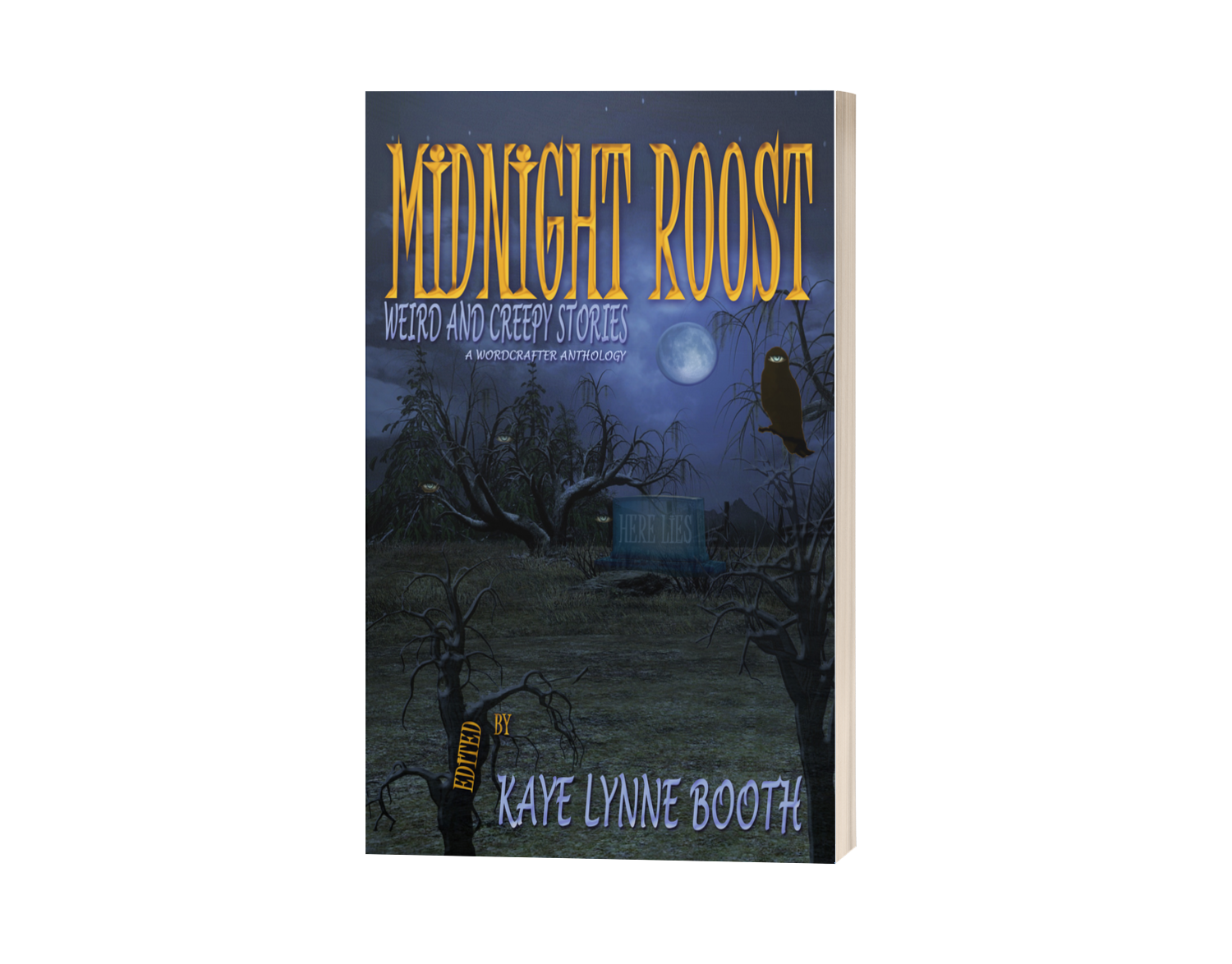
This post is sponsored by Midnight Roost: Weird and Creepy Stories and WordCrafter Press.

20 authors bring your nightmares to life in 23 stories of ghosts, paranormal phenomenon and the horror from the dark crevasses of their minds. Stories of stalkers, both human and supernatural, possession and occult rituals, alien visitations of the strange kind, and ghostly tales that will give you goosebumps. These are the tales that will make you fear the dark. Read them at the Midnight Roost… if you dare.
Purchase Link: https://books2read.com/MidnightRoost
Share this:

Day 4 of the WordCrafter “Tales From the Hanging Tree” Book Blog Tour
Posted: September 12, 2024 Filed under: Anthology, Blog Tour, Book Promotion, Book Release, Books, Dark fiction, Fiction, Giveaways, Guest Post, Short Fiction, Stories, WordCrafter Book Blog Tours | Tags: "The Hanging Men", Anthology, Dark fiction, Paul Kane, Tales from the Hanging Tree, WordCrafter Book Blog Tours 2 Comments
Today we’re all ‘hanging around’ over at Undawnted for Day 4 of the WordCrafter Tales of the Hanging Tree Book Blog Tour with a guest post by contributing author Paul Kane about his story, “The Hanging Men”. Join us. (Please leave any comments here on Writing to be Read, as Undawnted is not comment enabled.)
http://www.undawnted.com/2024/09/paul-kanes-hanging-men-from.html
Share this:

Day 3 of the WordCrafter “Tales From the Hanging Tree” Book Blog Tour
Posted: September 11, 2024 Filed under: Book Promotion, Book Release, Books, Dark fiction, Fiction, Giveaways, Guest Post, Short Fiction, Stories, WordCrafter Book Blog Tours Leave a commentToday we’re hanging around over at Carla Loves to Read for Day 3 of the WordCrafter Tales From the Hanging Tree Book Blog Tour with a guest post from C.R. Johansson about her story, “Therion’s Heart”. Won’t you join us?
Share this:

Writer’s Corner: Writing Short Fiction
Posted: September 2, 2024 Filed under: Anthology, Books, Short Fiction, Stories, WordCrafter, WordCrafter Press, Writer's Corner, Writing | Tags: Anthologies, Kaye Lynne Booth, Short Fiction, Writer's Corner, Writing Tips, Writing to be Read Leave a comment
WordCrafter Press runs an annual short fiction contest and publishes a resulting anthology. It began back in 2019, with a short fiction contest which resulted in the Whispers of the Past paranormal anthology. That anthology ended up with nine stories, by seven different authors for a total of 107 pages. Last year’s (2023) dark fiction anthology, Midnight Roost: Weird and Creepy Stories, was a combination of contest entries and submissions by invitation, included twenty-three stories, by twenty different authors for a total of 403 pages. So, the annual anthology has grown in both scope and quality over the years.
To date, WordCrafter Press has a paranormal and a multi-genre (fantasy, science fiction, paranormal,and horror) anthology trilogy, (which is made up of both contest entries and submissions by invitation), and I’m currently building a dark fiction triology, as well.


This year’s dark fiction anthology, Midnight Gardens, will be spectacular as Book 2 of the WordCrafter Midnight Anthology Series, partnering up with last year’s Midnight Roost.


Writing short fiction is different than writing novel length works in many ways. Although short stories still require most of the same story elements as longer tales do, writers of short fiction must deal with them in a condensed format. There is no room for wasted or unnecessary words.
Likenesses with Short and Long Fiction
Like longer fiction, many of the story elements are still required to make a good story. Both formats need:
- A good hook to draw the reader into the story: For longer fiction, this can be accomplished in the first few paragraphs, or maybe even the first page, but for short fiction, it must be accomplished quickly, within the first paragraph, or even with the first sentence.
- An inciting incident: The inciting incident occurs at the beginning of the story and usually involves the main character making a choice which propells him into the tale and gets things moving. This is usually what makes the reader care about the character and what will happen next, making them keep reading.
- Well developed and interesting characters: With short fiction, this can be tricky because you don’t have a lot of time in which to build character. I make my short fiction characters dynamic and colorful to make them stand out from the page and bring them to life for my readers quickly. No matter the length of the work, the author should always know way more about the character than they will ever use in the story. A character which is alive in the author’s mind first and foremost, making it easier to bring them to life for the reader. (I discuss several methods of character development in my “Writer’s Corner” post from September 2023, “Developing Characters with Depth”.)
- Meaningful dialog: In short fiction, every word must count, so there is no room for everyday chit-chat. Every piece of dialog must serve a purpose. It is possible to let the reader see every nuance of your characters through the dialog consisting of both outer and inner dialog, as well as subtext, or unspoken body language, which can be used to emphasize or contradict spoken dialog. (I talk more about the use of subtext in my April 2024 “Writer’s Corner” post, “Visceral Character Portrayal”.)
- Descriptive details: Use one or more senses to describe the setting and set the scene for readers, allowing them to experience the setting or location through the character’s eyes, ears, nose, mouth and skin.
- Conflict and tension: Conflict can be either internal or external, or ideally, both, but it must force the character to make a choice and take action. Tension is created by events which involve opposing forces within the character (internal), between the character and opposing characters or forces beyond the character’s control (external). Obstacles are often placed in the way of resolving the conflict, making it even harder and increasing the tension even more.
- A satisfying resolution: All conflicts should be resolved at the end of the story in a manner that will satisfy readers and not leave them feeling cheated. This can happen in any number of ways, but the conflicts that we’ve spent the last few pages building up to must be resolved in a manner that is logical and believable for the reader. Things don’t have to be all fixed, but we at least need an inkling that things have changed and are now headed in the right direction.
Differences with Short and Long Fiction
- The right point of view and tense for the story: Many longer tales are told in the third person, past tense, which serves them well. Because we want to move through a short story rather quickly, we may need the story to move along at a faster clip. Often, this can be accomplished in short fiction by using a first person, present tense, giving the tale an intensified sense of immediacy, making short fiction better suited to this approach than for longer fiction.
- Quick build up to climax or turning point in the story: This is what the reader has been waiting for, the climatic moment that will change everything from this point out. It could be an epiphany where the character realizes what must be done, or maybe he knew it all along and this is the moment when he decides to do it, but it should bring about some sort of resolution. In short fiction, you don’t have the luxury of a slow build, making it necessary to ratchet up the tension quickly and get to this point directly.
- Descriptive dialog tags: For longer fiction, I was taught to stick to basic dialog tags, such as “said”, “asked”, “replied”, and maybe, “cried”, and then, use descriptors to illustrate the mood and tone, and raise emotion in and connect with readers. However, I have found that more descriptive dialog tags such as “smirked”, or “bellowed” are quite acceptable and even preferable for setting the scene with a minimal amount of words. I’m also beginning to see the value in leaving out the dialog tags all together where it is clear who the speaker is, to help keep the word count down by cutting out unnecessary words.
My Tips for Writing Short Fiction
- Begin close to the end. The beginning of the story illustrates what was and the ending illustrates how things have changed or at least, the direction in which they are now headed. A trick used in screenwriting is to mirror the ending at the beginning, and then go back in time to show how we got to that point. So the first and last scenes act like bookends to your story. By mirroring your first and last paragraphs, this technique can also work well with short fiction, where there is limited space in which to tell your tale.
- Each character should get their own paragraph containing dialog and subtext to show how the dialog is being delivered and making it clear to readers who is saying and doing what. When you switch characters, you switch to a new paragraph, (but not to a new point of view).
- Include enough setting description to let readers get a visual image in their minds, but only include those details that will add to the story or help progress the plot, moving the story forward.
- Choose a single point of view and stick with it. In short fiction, there isn’t enough room to develop multiple characters, so put us into one character’s head and leave us there.
- From an editor’s perspective, (one who reads through and edits a lot of short fiction), please format your manuscript in standard manuscript format, with title and author name centered at the top of page, in a legible 12 pt. font, double spaced. And most importantly, follow submission guidelines!
Advantages of Anthologies
So, why do I go to all the trouble of reading through all these submissions, compiling and editing, formatting and publishing all these anthologies?
I’ll tell you. It takes a lot less time to write a short story than it does a novel, so publishing two or more per year allows me to get my name out there on more books each year. And it’s mutually beneficial to all contributors, as they are able to claim the book for their own author pages, so they are getting more books out there, too. It’s a win-win.
Plus, if all the contributors help with promotion, broadcasting to their readers about the book, you get the results of a much wider reach with your marketing, which means we sell more books. WordCrafter antholgies pay out with a royalty split, so the more books we sell, the more we all make. Again, win-win.
If you’d like to get a story into a WordCrafter anthology, watch for the call for submissions for next year’s contest in October, after the release of Midnight Garden on October 8. I’m putting it out early this year, (I usually do it right at the beginning of each year), and may be changing the submission deadline, so even if you have submitted to past contests, be sure to keep an eye out for the call. I will also be announcing the title for next year’ s anthology and cover reveal. (For now, I can tell you that it will be the third volume in the Midnight Anthology Trilogy, so it will be more dark fiction).
About Kaye Lynne Booth
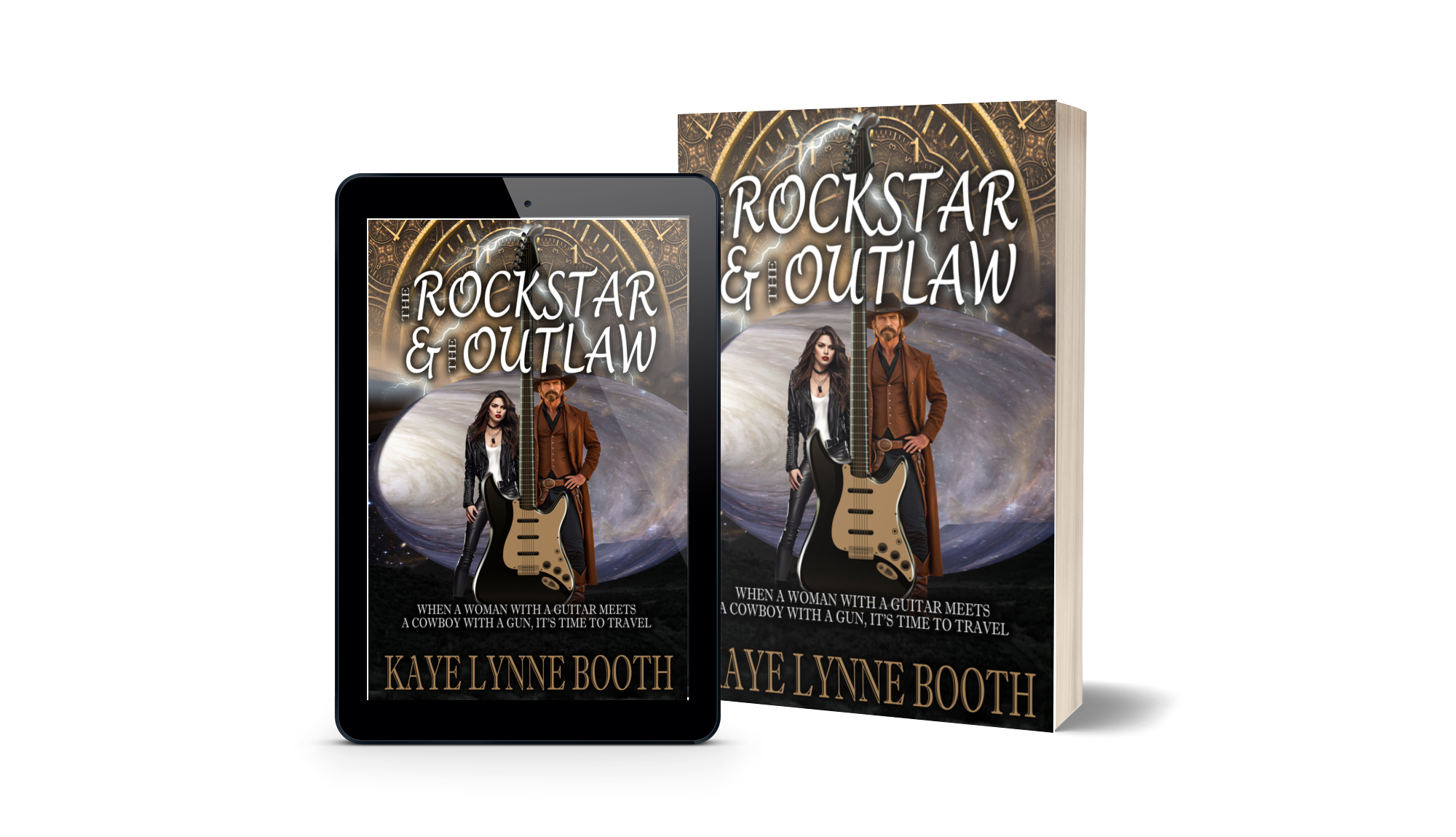
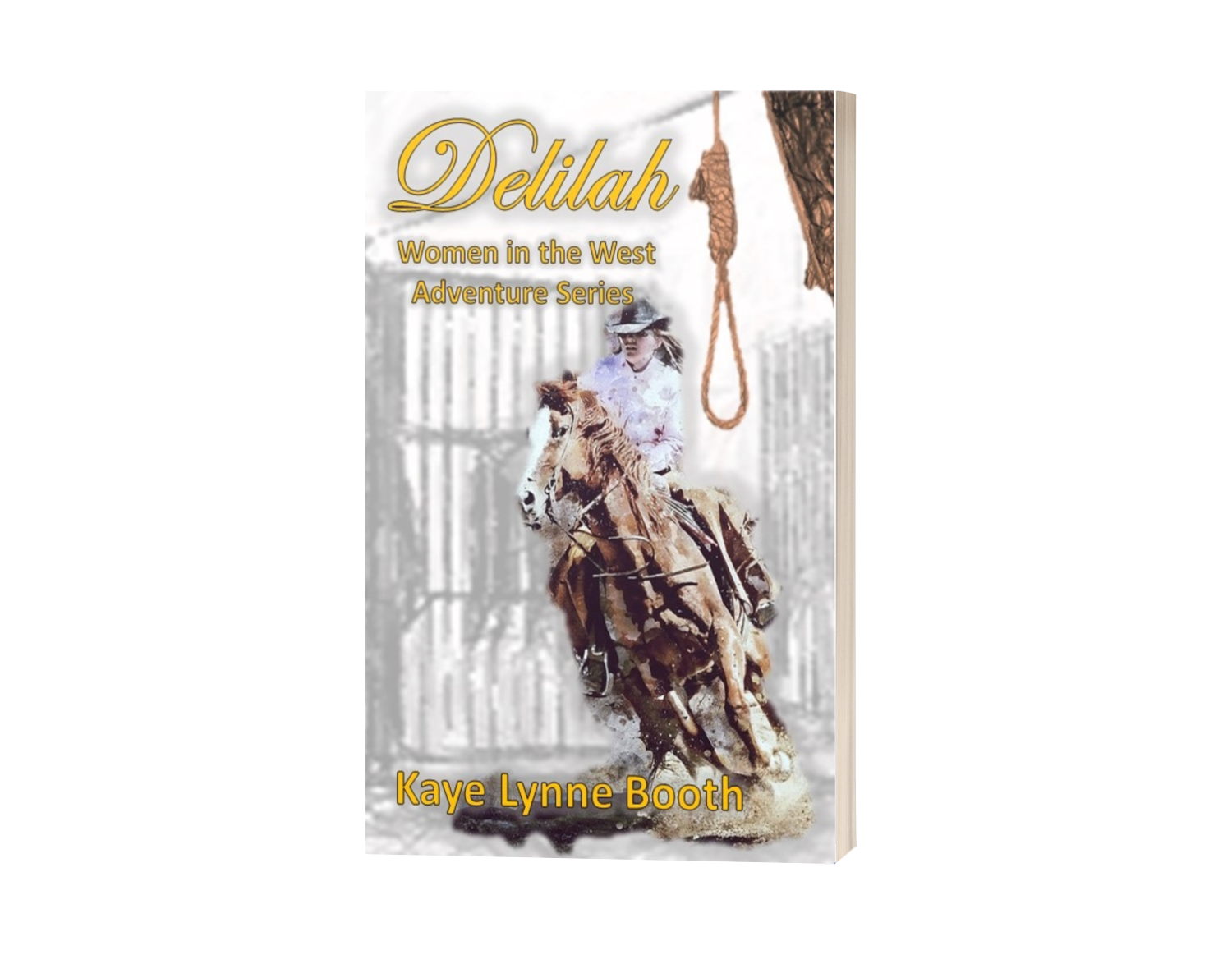
For Kaye Lynne Booth, writing is a passion. Kaye Lynne is an author with published short fiction and poetry, both online and in print, including her short story collection, Last Call and Other Short Fiction; and her paranormal mystery novella, Hidden Secrets; Books 1 & 2 of her Women in the West adventure series, Delilah and Sarah, and her Time-Travel Adventure novel, The Rock Star & The Outlaw. Kaye holds a dual M.F.A. degree in Creative Writing with emphasis in genre fiction and screenwriting, and an M.A. in publishing. Kaye Lynne is the founder of WordCrafter Quality Writing & Author Services and WordCrafter Press. She also maintains an authors’ blog and website, Writing to be Read, where she publishes content of interest in the literary world.

________________________________
Want to be sure not to miss any of Kaye’s “Writer’s Corner” segments? Subscribe to Writing to be Read for e-mail notifications whenever new content is posted or follow WtbR on WordPress. If you find it useful, interesting, or just entertaining, please share.
________________________________
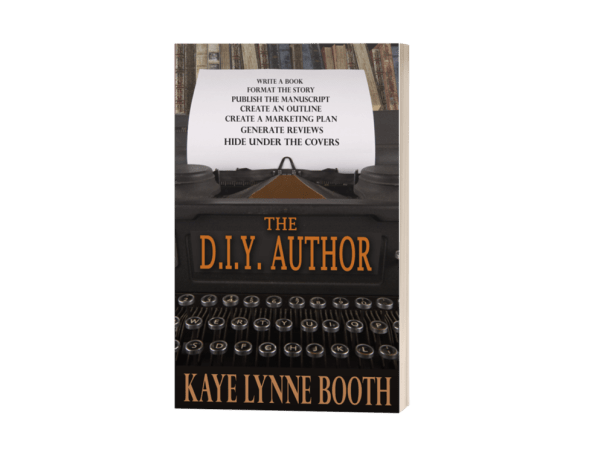
This post is sponsored by The D.I.Y. Author and WordCrafter Press.
Being an author today is more than just writing the book. Authors in this digital age have more opportunities than ever before. Whether you pursue independent or traditional publishing models, or a combination of the two, being an author involves not only writing, but often, the publishing and marketing of the book.
In this writer’s reference guide, multi-genre author and independent publisher, Kaye Lynne Booth shares her knowledge and experiences and the tools, books, references and sites to help you learn the business of being an author.
Topics Include:
Becoming Prolific
Writing Tools
Outlining
Making Quality a Priority
Publishing Models & Trends
Marketing Your Book
Book Covers & Blurbs
Book Events—In Person & Virtual
And more…
Purchase your copy today: https://books2read.com/The-DIY-Author
Share this:

WordCrafter News: September Release
Posted: August 26, 2024 Filed under: Anthology, Blog Tour, Book Release, Books, Dark fiction, Fiction, Short Fiction, Stories, WordCrafter Book Blog Tours, WordCrafter News, WordCrafter Press 2 Comments
Tales From the Hanging Tree: Imprints of Tragedy
To be released September 10. Join us for the book blog tour September 9-13 and help us launch this anthology right.
Seven authors bring you eight deliciously dark tales. Featuring the short fiction of Kaye Lynne Booth, Paul Kane, DL Mullan, C.R. Johansson, Joseph Carrabis, Sylva Fae, and Matt Usher.

If trees could talk…
An ephemeral tree with its roots buried in the fabric of time absorbs the memories and emotions of all hanging victims. Within these bindings, you’ll find their tragically dark tales of be bigotry and bias, curses and deception.
Warning: There are no happy endings.
Share this:

Chatting with New Blood: Sylva Fae
Posted: August 24, 2024 Filed under: Book Review, Books, Chatting with New Blood, Collection, Fairy Tales, Fiction, Flash Fiction, Interview, Review, Short Fiction, Stories | Tags: Book Review, Chatting with New Blood, Interview, No Fairytale, Sylva Fae, Writing to be Read 7 Comments
Today my guest is author Sylva Fea, whose debut book is a short fiction collection, rather than a novel. She got her start writing for children and has published several children’s books. Let me introduce her, and then we’ll go on to the interview, followed by my review of her short story collection, No Fairytale.
About Sylva Fae
Sylva Fae is a married mum of three from Lancashire, England. She grew up in a rambling old farmhouse with an artistic family and an adopted bunch of dysfunctional animals. Her earliest memories are of bedtime stories snuggled up close to Mum to see the pictures. It was a magical time, those last special moments before dozing off to sleep would feed dreams of faraway lands and mystical beings. She spent twenty plus years teaching literacy to adults with learning difficulties and disabilities but now lives in Cheshire, juggling being a mum, writing children’s stories and keeping up with the crazy antics of their naughty rabbits.

Sylva and her family own a small woodland and escape there at every possible opportunity. Adventures in their own enchanted woodland, hunting for fairies and stomping in puddles, originally inspired Sylva to write stories for her girls. Whether it’s sat at the campfire in her own woods, or pottering around the beautiful local countryside, Sylva now finds her story inspiration being out in nature.
Sylva published her first children’s book Rainbow Monsters, in 2017. She has since published seventeen other children’s picture books, two chapter books, four illustrated anthologies, and has several short stories published in other anthologies. Three of her books have won Best in Category for children’s books at the Chanticleer International Book Awards and she’s seven won Reader’s Choice Awards. In addition to writing her own, Sylva has ghost written several books, and is an editor and writer for Mom’s Favorite Reads magazine and Connections eMagazine.
Links
Amazon author.to/SylvaFae
Facebook https://www.facebook.com/SylvaFae
TikTok @sylvafae54
Instagram @sylvafae
Story App www.getbedtimestories.com/library/that-pesky-pixie
Interview
Kaye: I just released the first three books in my own children’s series, so I want to ask you to talk about being a children’s author briefly. How did being a children’s author come about for you? How did you handle illustrations? What were the challenges in writing for children?
Sylva: I started making up stories to entertain my children when we went on walks in our woods. Hunting for pixies and faeries hiding in the trees turned a boring walk into a woodland adventure, and it kept my girls amused. Later on, my middle daughter asked if I would write the stories down so she could read them herself, and then she demanded pictures to go with the stories. I obliged, of course, but I never intended to publish anything – these were just to entertain my children, and fun for me to create.
Sometime later, I joined Twitter (X) and my first follower was the amazing author, Lesley Hayes. She asked me to write a short story for her blog. I was daunted by the prospect, but gave it a go. Lesley convinced me to keep writing, she encouraged and supported me and gave me the confidence to publish my first children’s book. I discovered how much I loved writing stories and haven’t stopped since.
Kaye: You started your writing career with children’s books and then, moved on to short fiction for adults. How did that transition happen?
Sylva: Lesley Hayes encouraged me to join a group for indie authors (I now admin it) so I could learn from the more experienced authors. The group was putting together an anthology (You’re Not Alone) in aid of Macmillan Cancer Support, an although it wasn’t my genre, I wanted to get involved. I enjoyed the challenge of writing a short story, and submitted more stories to our group’s anthologies. A couple of years later, I joined up with some author friends to run an online magazine, Mom’s Favorite Reads, which ran a monthly flash fiction challenge. This gave me the opportunity to write flash stories – another new challenge to master! I now help author, Melanie P Smith with Connections eMagazine, and contribute 1000-word stories for the picture prompt challenge. The transition from children’s stories to adult shorts was quite easy because the word counts are similar and my brain is programmed to tell a whole story in a few words.
Kaye1; I’m curious. Why did you choose to use a pen name? And how did you choose the name to use?
Sylva: When my children were little, I wanted to safeguard them from the world of social media, and so set up accounts under a pseudonym, Sylva Fae. This meant I could have a public account and keep my real name account for just family and friends. My youngest daughter’s name is Sylva – I love the name – and it means ‘of the woodlands’. Fae is a term to cover all kinds of faerie folk, so Sylva Fae simply means woodland faerie. I like names with meanings, and this fit with how I started out, telling faerie stories to my girls in the woods.
Kaye: You’re just now releasing your first short fiction collection, No Fairytale. Tell us about these stories. Do they have a common theme? What inspirations can you share with us?
Sylva: The stories are very random, both in subject, and in length. They range from 200-word flash fiction stories, to 8k words. There are a few familiar themes that appear; I often use my woods as a setting, and characters are based on people I know. I guess the common theme is me, because every story contains a little of my real-life experiences.
Kaye: You are a wife and mother, and you write, too. Do you have any advice for juggling family and writing life?
Sylva: All of my stories are planned in my head before they ever make it onto paper. I play around with ideas, and think through how the characters would react to different scenarios, while I do mundane tasks, like washing up and vacuuming. A boring chore becomes an opportunity to plan a story. I tend to work out dialogue while walking, so walking to and from school to pick up my girls also becomes a multitasking opportunity. I try to give myself a little time to write each day. Some days I get the chance to work on my laptop for a few hours, but on other days, I grab five minutes here and there, typing on my phone. Writing every day keeps me sane, but family comes first, so multitasking is the only way I can do this.
Kaye: Some of your books have won awards. Can you talk about the award-winning books? Which award do you feel is the most prestigious?
Sylva: My books have won sixteen awards over the years. It’s hard to pick the most prestigious, so I’ll pick my favourite. My very first book, Rainbow Monsters won in the children’s story category in the Chanticleer International Book Awards. Winning this award gave me a huge amount of confidence to become a children’s author.
Kaye: You also write for Connections emagazine. Would you tell my readers a little about that? What type of content do they print? And what type of writing do you do for them?
Sylva: Connections is primarily a magazine for people who love to read books. It features author interviews, new book releases, short stories and poems, but it also contains general interest articles and interviews. As I mentioned before, I write short stories for the magazine, but I also contribute articles, interviews and source general interest content. The magazine is always free to download, so feel free to check it out: https://melaniepsmith.com/emagazine/
Kaye: Do you plan to stick with short fiction? Or do you envision a novel in your future? Do you already have future works planned out?
Sylva: Now my children have grown up, I keep meaning to leave the children’s genre and write for adults, but I still have a ridiculous number of works in progress that I want to finish before I leave picture books for good. I have a YA story ready for publishing, and two adult novels on the go. The new challenge of writing a full-length novel is a little daunting but I keep telling myself, to just take one chapter at a time, and each chapter is just the same as writing a short story. We shall see…
Kaye: Please tell my readers how they can find you online, if they’d like to learn more about you and your books. (Include links here.)
Sylva: You can find me on most social media by searching for Sylva Fae, but I am stuck in my ways, and mainly use Facebook for connecting with readers.
Amazon: author.to/SylvaFae
Facebook: https://www.facebook.com/SylvaFae
TikTok: @sylvafae54
Instagram: @sylvafae
About No Fairytale

This multi-genre collection of 36 tales is comprised of 18 short stories and 18 flash fiction stories. From crime in a quaint village to woodland horror. Go on a time-travelling mystery, or imagine the horror of encountering a real earworm. Discover magic and mayhem, mystery and adventure, and delight in tales of karma and vengeance. No Fairytale is an eclectic assortment of stories to entertain a wide audience.
My Review
I proofread a copy of No Fairytale, thus discovering both book and author. What follows is my honest review. All opinions stated here are my own.
No Fairytale is a collection of short stories by author Sylva Fae. Tales of magic and mystery with a hint of life lessons mixed in. With more than thirty short and flash fiction stories, this collection is a worthy read. Too many stories to review individually, but I’ll offer up here my favorites.
“The Magic Box of Apples” – A tale about the magic of kindness. This one touched my heart. Granny Apple has a magic box that is always filled with what she needs. But is it really magic? Peter Aspen learns the secret as this short tale unfolds.
“Hollin Hey” – I’m a bird lover, so it is only natural that I would fall in love with this story about an animal sanctuary and a recued crow. The touching ending makes it all worth it.
“No Fairytale” – The book’s namesake story is one of cheating and revenge. No Fairytale indeed! When this girl says it’s over, she means it.
“The Witch in the Woods” – A short ditty about a self-perpetrated deception. But this witch has good reason and good intention.
“Dwelling in the Shadows” – I love this story because of the somber tone and poetic language that could make one believe they have stepped into a fairytale. The story of a secret pact told so eloquently I had to read on to the end.
The collection, as a whole, is delightful; a mixture of short and flash fiction which has a little something for everyone. The characters in these stories are easy to relate to because we’ve all been there. Sylva Fae takes the ordinary and finds the magic in it. I give No Fairytale five quills.
______________________________________________________________
This segment of “Chatting with New Blood” is sponsored by WordCrafter Quality Writing & Author Services.
Whether it’s editing, publishing, or promotion that you need, WordCrafter Quality Writing & Author Services can help at a price you can afford.
Stop by and see what we have to offer today: https://writingtoberead.com/readings-for-writers/wordcrafter-quality-writing-author-services/