Pros and Cons of Traditional vs. Independent vs.Self-Publishing (Part 10): Conclusions
Posted: December 19, 2016 Filed under: Books, Commentary, Promotion, Publishing, Self-Publishing, Writing | Tags: Books, independent publishing, marketing, Opinion, promotion, Publishing, Self-Publishing, Traditional Publishing, Writing 7 Comments
This series on publishing has been a lot of fun to create, and I hope maybe there are some of you who have read all of parts 1-9. I started it because I found that while those in my academic career seemed to be in favor of traditional publishing, with many instructors providing information about self-publishing as an option only reluctantly, while authors all around me were getting their work out there by self-publishing their books.
As I looked into the topic more, I found that some folks used the terms independently published and self-published as if they were interchangeable, while independent publishers are really smaller independent publishing houses that are not among the “big five” traditional publishers. As stated in Part 2, for the purposes of this series that is how I will refer to and view independent publishers.
One of the reasons I enjoyed writing this publishing series was that I am fortunate to know many authors, from all three publishing models, and I was able to gather many different viewpoints, examining it from all sides. Overall, I was able to obtain a pretty healthy balance between the three models. I interviewed self-published authors Jeff Bowles, Tim Baker and Arthur Rosch. In the traditional publishing arena, I talked with children’s author, Stacia Deutsch and historical and biographical author, Mark Shaw. I was only able to interview one independently published author, YA author Jordan Elizabeth, but to even it out, I also interviewed two independent publishers, Curiosity Quills Press and Caleb Seeling, owner of Conundrum Press. And for a nice rounded point of view, I spoke with my friend and children’s author, Nancy Oswald, who has published under all three models.
Now is the time to look at the series as a whole and see what conclusions can be drawn. While I think all authors secretly long for a traditional publishing deal, because being picked up by a major publishing house is ingrained in us as a symbol of success, I see independent publishing houses as a feasible alternative to holding out for the big boys, which can take a long time and for some of us, may never pay off. In some instances, debut authors have a better chance of being picked up by a smaller independent press. With both these options identifying markets which would be a good fit for your work, preparing submissions, writing cover letters and queries, synopsis and outlines will take up a lot of time which might be better spent on writing stories. Once accepted by either a major or a smaller publishing house, the author may be expected to do a good portion of the marketing and promotion, as well, although services such as editing and illustration may be provided.
The upside to signing with a traditional publisher is that the major publishing houses pay out an advance on projected royalties, so major money can be seen in your near future. Independent houses may also pay out advances, but they won’t be nearly as big, and some do pay out a higher percentage of royalties. Of course, as Tim Baker pointed out in Part 2, the flip side to collecting a sizeable royalty is if your book flops. It would be a drag to have to pay it all back. Independent houses may also pay out advances, but they won’t be nearly as big, and some do pay out a higher percentage of royalties.
For self-published authors, there are no advances, but they keep a higher portion of their royalties than with traditional or independent publishing houses. Still, there is no big money now, and no guarantee that there ever will be. Authors may be waiting a long time for their writing to pay off.
As Stacia Deutsch mentioned in Part 4 of the series, traditional publishers provide professional editing and illustrators, to be sure your final product is of good quality. I believe this is true of independent publishing houses, as well, but you won’t find it available through the self-publishing process; one reason self-publishing carries with it such stigma. Gatekeepers insure the book you put out will be the absolute best it can be.
Despite the stigma surrounding self-published authors, due in part to a few self-publishers who like to take short cuts in lieu of putting out a quality product, there are some very good self-published authors out there. As Jordan Elizabeth pointed out in Part 6, self-publishing has a lot to offer. Self-published authors have a lot more control over their work than traditionally published authors, who do not chose their own cover art, and may not even get to keep their own title.
As Jeff Bowles pointed out in Part 1, another possible advantage to self-publishing is the ease and relative inexpense for today’s authors. You can publish a book with Amazon almost for free, and collect either 35% or 70% of your royalties, depending on the price you place on your book. I can attest to this as it is what I did with my short story, Last Call, and it didn’t cost me one cent. At least that way, if my story doesn’t rise to the top of the best sellers lists, (which it hasn’t), I really haven’t lost anything. The important thing to remember when self-publishing is that you need to put out a quality product. It is worth it to find a good editor, and for all of us starving writers out there, an editor can be employed for a minimal expense. I also suggest utilizing a good critique partner when funds are low, but be sure to have some type of editing done, by someone other than yourself, before publishing your book.
Although Amazon has made publishing extremely easy and inexpensive for authors, they have also monopolized the industry and are making it more difficult for independent publishers, as Caleb Seeling explained in Part 8. Learn more about the negative effects Amazon has had on the publishing industry in the Institute for Local Self Reliance’s report, which emphasizes, from a consumer standpoint, the need to buy local and battle monopolization. If readers heed this warning and buy their books from local independent, or chain, bookstores right down the block, the publishing industry may change yet again.
Amazon’s monopolization affects authors and reviewers as well, as is discussed in What Amazon’s New Review Policies Mean for “Writing to be Read”. As much as Amazon’s review policies effect the reviewer, they also effect the authors who are depending on those reviews to get their books sold.
Author Mark Shaw gave us a heads up about vanity, or subsidy publishers, charging unsuspecting authors exorbitant fees to publish their work as Mark Shaw warns in Part 5. They prey on authors who desire to get their work published so bad that they are willing to empty their coffers to do so. These publishers can get outrageously expensive for authors, so don’t be drawn in. The kicker is that even if you publish on Amazon or Create Space in order to fit your budget, you still may need to spend quite a bit of time and/or money on marketing as Art Rosch tells us in Part 3.
Independent publishing houses, also referred to as small or medium-sized presses, work along the same lines as traditional publishers, but they don’t publish as many books each year as the big five do. In addition, they tend to be more specific in what they are looking for, with most having very specialized niches that your book must fit into to be published. Although all independent publishers may not follow this practice, publisher Caleb Seeling says he actually seeks out authors whose work fits into his niche. In any case, authors should be familiar with submission guidelines of the publishing house they are submitting to, whether large or small. In her article, How to Smartly Evaluate a Small Publisher, Jane Friedman, of The Hot Sheet, (the publishing industry’s news letter for authors), offers some great tips on what to look for.
In Part 7, Nancy Oswald points out one of the big advantages to publishing with a small press is the more personal relationship between author and publisher. Whereas a traditional publishing house may not be able to put a name with a face, independent publishers work closely with their authors because they only have a few at any one time. Independent publishers may also have a shorter wait time for publication than traditional houses, which can be quite lengthy.
And then there are the new kids on the block, like Curiosity Quills Press, which are hybrid publishers, offering various combinations of traditional percs with self-publishing author responsibilities. These small independent presses may charge authors for some services, like subsidy publishing, but they also provide a certain amount of author copies at no cost, provide author support, and the services they do charge for are optional. You can find out more about this new model of publishing in my post, Hybrid Publishers: What are they all about?
After hearing from the experts, it seems no matter which model you choose to publish under, there is still a lot of non-writing activities required of authors, including marketing and promotion, resulting in the need for Today’s Authors to Wear Many Different Hats. Of course, you can also do as author Jeff Lyons suggests in his interview with Arwen Chandler, and hire a third party to handle such tasks, so we, as authors can get down to the business of writing. The only problem I see with this is that you must make money before you can spend money, paying someone else to do the tasks that don’t come as naturally as writing does.
Like this post? Subscribe to email to receive notifications to your inbox each time a new post is published. Or follow Writing to be Read on WordPress.
Share this:

Pros and Cons of Traditional vs. Independent vs. Self-Publishing (Part 9): Interview with Curiosity Quills Press
Posted: December 12, 2016 Filed under: Books, Fiction, Publishing, Self-Publishing, Writing | Tags: Curiosity Quills Press, Hybrid Publishing, independent publishing, Publishing, Writing 5 Comments
This series has looked at three models of publishing from every angle. We’ve heard from independent authors Jeff Bowels, Tim Baker and Art Rosch, and traditionally published authors Stacia Deutsch and Mark Shaw, independently published author Jordan Elizabeth, and an author who has published under all three models, Nancy Oswald. We’ve also heard from Caleb Seeling, the owner of the independent publishing house, Conundrum Press.
This week, we hear from a small independent hybrid publisher that specializes in genre fiction of the highest quality. I have been privileged to review two Curiosity Quills anthologies, Chronology and Under a Brass Moon. I have also reviewed several books by Curiosity Quills author Jordan Elizabeth, who we heard from in Part 7, and Keepers of the Forest by James McNally.
Founded in 2011 by Eugene Teplitsky and Alisa Gus, Curiosity Quills was created as a resource portal to help writers, such as themselves survive the publishing industry, and quickly morphed into a publishing press which today, has solidified it’s share in the market. They work with major retailers such as Amazon, Barnes & Noble and Audible, and publish six new titles every month. Curiosity Quills Press offers the some of the advantages of a traditional publisher and offers their authors a chance to participate in the publishing process.
Kaye: How did Curiosity Quills Press come about?
CQ: Back in early 2011, Alisa and Eugene were an aspiring author couple working on a little MG project called Gatecrashers. In an effort to build up our socials and gain a following prior to release, they created a blog called Curiosity Quills (which was nearly called Curiosity Kills… dodged a bullet there!). Throughout that year, many guest authors and industry pros were hosted on the CQ blog to share their stories, wisdom, and experiences with the world. Before they knew it, a sizeable community formed around the CQ blog – and A&E had the brilliant idea of being more hands on about helping the authors hanging out on the site. It wasn’t long before Michael Shean and Rod Kierkegaard, Jr. became the first published authors of Curiosity Quills Press. Unfortunately, this was also the death knell for Gatecrashers or any other further writing project for Alisa and Eugene – turns out running a traditional publishing house is a HUGE time-suck!
Kaye: What are the publishing goals of Curiosity Quills?
CQ: We have a number of goals at CQ, and these can be broken down into the following points:
- To bring the highest quality genre fiction to the masses, at affordable prices.
- To spotlight genre fiction that some traditional publishers might find too unconventional; instead of following genre trends and the mainstream in what is popular, we try to stay ahead of that, anticipating gaps in the market.
- To diversify genre fiction, by publishing stories featuring characters of all race, sexuality, gender identity, social standing etc. While we want to stay ahead of the mainstream, we also want to be inclusive and representative of the ever growing, expanding world we live in.
Kaye: What do you see as the advantages of independent publishing over traditional or self-publishing for today’s authors?
CQ: Independent publishing offers the best aspects of both traditional and self-publishing. On the one hand, we’re able to offer the highest standards of cover designers, editors, proofreaders etc. on par with any traditional press.
We also offer authors access to a wide rage of services, such as NetGalley and features on sale subscription sites like Book Bub. And, as with traditional publishers, we are always focusing our efforts to get our titles into chain bookstores, like Barnes & Noble, as well as selling the rights for our titles to audiobook publishers, and film companies.
But, unlike traditional publishers, we offer a closer, more family-like community for our authors, and try to involve them in the publishing process as much as possible, getting their input on cover design, marketing campaigns etc.
Because of our close-knit community, there are always over authors – at various stages in their careers – on hand to answer questions, help promote each other’s works, and collaborate with.
Kaye: How has the increasing trends in self-publishing affected the role of independent presses?
CQ: Authors want to be much more involved in the process, and on the whole, we’re more than happy to accommodate this. We view publishing as a partnership, where both the publisher and the author bring different things to the table.
As mentioned above, the close-knit community leads to a family of authors all striving together to make CQ the best it can be, which is something you don’t always find with self-published authors. While there is still a level of camaraderie there, all self-published authors are competing against each other, in ways authors of independent presses aren’t.
Kaye: What do you see as the future role of independent publishing houses within the changing publishing industry?
CQ: Independent publishing houses will continue to bring readers what they want, know and love, while also broadening their horizons and opening them up to a wealth of new stories that might get overlooked by the mainstream.
At the same time, independent publishing houses will strive to bring authors an experience they won’t get anywhere else in the publishing industry, with all the benefits of traditional and self-publishing, but less of the drawbacks.
I want to thank Clare Dugmore and Curiosity Quills for sharing with us here on Writing to be Read. I know they are busy people and I appreciate them taking the time to answer my interview questions. Next week I will follow up with conclusions on the series in Part 10 of Pros and Cons of Traditional vs. Independent vs. Self-Publishing.
Like this post? Subscribe to email and get notification to your inbox each time a new post is published.
Share this:

Pros. and Cons. of Traditional vs. Independent vs. Self Publishing (Part 8): Interview with Independent Publisher and owner of Conundrum Press, Caleb Seeling
Posted: December 5, 2016 Filed under: Publishing, Self-Publishing | Tags: Conundrum Press, Publishing, Writing 4 Comments
There is no question that the rise of digital publishing has changed the face of the publishing industry. How could it not? This week we hear from someone who has a good handle on the publishing industry and what those changes look like. The following is an interview with Caleb Seeling, the owner of Conundrum Press, a small independent publishing house which publishes poetry, literary fiction and creative non-fiction by authors in the Rocky Mountain region.
Kaye: What brought you to become a publisher?
Caleb: I have always been a reader and a writer, and during my grad and post-grad years, I became more involved with social engagement and cultural influence. So when the opportunity arose to enter the publishing industry as a senior acquisitions and developmental editor, I took it. As I learned how the industry worked, I hatched a vision for what my own press would look like–to run a literary publishing company as a social entrepreneur–had I the opportunity (and gumption) to start one. That opportunity came in 2009 when I joined the thousands of other editors in the unemployment lines when publishing companies laid off most of their low to mid-level staff. I decided to use the time to make my vision a reality, and I’ve been doing it ever since.
Kaye: As the owner of Conundrum Press, what are your publishing goals?
Caleb: To not only publish excellent literature from the Mountain West, but also to champion voices of minorities and disenfranchised people. We’ll do this through an evolving acquisitions strategy, promotion, philanthropy, and also education via Colophon Center.
Kaye: What do you see as the advantages of independent publishing over traditional or self-publishing for today’s authors?
Caleb: Well, for starters, the term “independent publishing” has been coopted by the self-publishing world. Conundrum Press is a small press, and like most small presses, we operate much the same way a so called “traditional” press does—we accept agented manuscripts, we have contractual terms and pay royalties (and advances on occasion), we have full editorial, design, production, marketing, and sales processes, we’re internationally distributed, etc. So the question is really about what are the advantages and disadvantages of choosing to publish with a small press, or a medium-sized press, over one of the big 5 and their subsidiaries, or over self-publishing. The advantages are that we are more passionate, more invested over a longer period of time, more focused, and more flexible than large companies. And while we don’t have the resources that large companies have to throw at their A-list authors, we do at least the same amount of promotion, and probably more, than they do for their lesser known authors. We also have more resources and expertise than most self-publishing authors do, and have the ability to get books into more markets and sales channels than they do.
Kaye: This series is using independent publishing to refer to small and medium presses and I have distinguished these from self-published endeavors for my readers. That said, you stated that small and medium presses operate along the same lines as the big traditional publishing houses. Do you think it is any harder or easier for an author to get picked up by on of these houses than it is with traditional publishing houses?
Caleb: I guess the answer is it depends. Small presses are kind of like literary magazines—you’ve got to know what their focus is, be familiar with what they publish before sending a query. Their lists are going to be comparatively small per season, so they have to pick and choose very carefully. I have a slush pile, but I haven’t really had a chance to go through it because I am actively looking for what and who I want to publish, and then I go after them. Other houses may have different acquisition strategies. Also, there are many more small presses than there are large houses, so the chances are in your favor for that reason. But standards vary across the board, as well as how much editorial work they’re willing to do to get a manuscript ready.
Kaye: How has the increasing trends in self-publishing affected the role of independent presses?
Caleb: It’s made small presses that much more valuable, given the fact we are filling in the enormous gap left by the mega-conglomeration of media companies and the incredible noise created by the advent of relatively inexpensive print-on-demand and design technology. But self-publishing, while really great on so many levels, has increased the level of clamor for attention in the marketplace to a pitch that makes it nearly impossible for anyone to be heard at all. And with the cost of advertising and publicity staying as high as it is, it has perpetuated our culture of celebrity, where the only ones who get heard are the ones who are already known, or who have tens of thousands of dollars to throw at promoting one book, much less a list of 10-100 per year.
Kaye: How has the rise of Amazon and digital publishing in general, affected the publishing industry?
Caleb: Amazon has not only contributed to the noise, but it has encouraged unrealistic expectations of authors regarding the ability to sell, and in their bid to control the publishing industry through their algorithms and price controls, it has been antagonistic to publishers and contributed to the downfall of American community of which local bookstores have always been a hub. They’ve made our job really difficult and they are extremely unfriendly to work with on the vendor/supply side. On the other hand…never before has there been the opportunity to have ALL of our books available anywhere to anyone who wants them. And there’s the rub. Can’t live with them, and, for now, we can’t live without them.
Kaye: What do you see as the future role of independent publishing houses within the changing publishing industry?
Caleb: The importance of small presses will only grow as the mega-media conglomerates continue to merge, which they will, and as the glut of media grows worse, which it will. As the noise and de-diversification of books and content gets worse, the need for risk-taking gate-keepers will also grow. Small presses meet this need, and more and more agents and authors are turning to them, taking the bold, long-term approach to publishing that small presses excel at. What we need now, however, is readers to become aware of the publisher’s mark on the spines of the books they read, and to deliberately choose to buy a book from an author they may not know published by a small press. The success of the buy local and small food movements are encouraging…deliberate consumer choices really do change the world. It’s happening with our food and environment…so let’s see it happen with our information and entertainment as well. Buy local. Read small. If you find a book on Amazon that you want, call your local bookstore and order it from them instead. Or buy directly from a local or regional small press. Our culture is a garden that needs to be tended—small presses, conscientious authors and agents, and partnering indie bookstores can bring the seeds to fruition, but we need readers to harvest what we’ve grown.
My thanks go out to Caleb for taking the time to offer his input here. His responses have been educational for me and I hope they have for other authors out there as well. Be sure catch next week’s interview, as well, when we will hear from another independent publishing house, Curiosity Quills Press.
Like this post? Subscribe to email for notifications to your inbox each time a new post is made.
Share this:

Pros and Cons of Traditional vs. Independent vs. Self-Publishing (Part 7): Interview with Children’s Author, Nancy Oswald
Posted: November 28, 2016 Filed under: Books, Children's Books, Fiction, Publishing, Self-Publishing | Tags: independent publishing, Nancy Oswald, Publishing, Self-Publishing, Traditional Publishing 7 Comments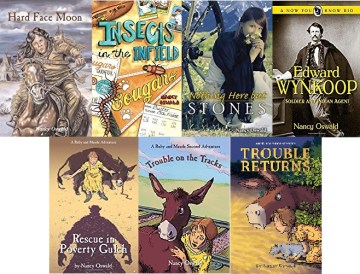
In this series, we’ve taken a look at the publishing industry, which today, isn’t played by the same rules as it was 30 years ago, when traditional or independent publishing houses were about the only options an aspiring writer had. The rise in digital and self-publishing has opened up new options for aspiring authors and changed some of the rules by which the game is now played. We’ve heard from self-published authors, Jeff Bowles, Tim Baker and Arthur Rosch, and traditionally published authors, Stacia Deutsch and Mark Shaw, as well as independently published author, Jordan Elizabeth.
In this week’s interview, we’ll hear from an author who has published work via all three publishing models, award winning children’s author, Nancy Oswald. She’s published traditionally with Holt, a big New York publisher, and a small independent publisher, Filter Press, LLC. In addition, her first book was published by Scholastic Canada, but she later rewrote it and self-published a Create Space version in 2013. Nancy’s Ruby and Maude Adventure series includes Rescue in Poverty Gulch, Trouble on the Tracks and her latest book, to be released this month, Trouble Returns. (Be sure and catch my review of Trouble Returns this Friday on Writing to be Read.) Her other publishing credits include Hard Face Moon, Edward Wynkoop: Soldier and Indian Agent, Nothing Here But Stones, and Insects in the Infield. And she has a very unusual story about how she broke into the publishing industry.
Kaye: When did you know you wanted to be an author?
Nancy: In my early teens, I thought writing children’s books would be really cool and I enjoyed writing—some poetry—but most of it school related. I didn’t get serious about publication until I was in my late twenties.
Kaye: Would you share your own publishing story with us?
Nancy: I wrote several books that I call my “cardboard cover” books for my stepson who was five when I married my husband. They were hand written and crudely illustrated and as you’ve probably guessed, had cardboard covers that were put together with rings that clipped through the pages and the cardboard and held the whole thing together. I did a couple of cardboard cover books for friends, too. But my stepson outgrew his “picture” books, so I started in on a chapter book. We lived in British Columbia at that time, so I mailed him the first chapter for Christmas and sent one chapter a month to him, finishing the book the next Christmas. This book was typed, yes on a typewriter, but still was a FAT cardboard cover book. After many many rewrites, this book became my first published novel for young readers. It had 35 rejections and was finally picked up by Scholastic Canada and five years later was reprinted by them. To this day, thanks to Scholastic’s book club program, it has outsold any of my other books.
Kaye: What do you see as pros and cons of self-publishing?
Nancy: In 2013, I self-published the above mentioned book. I’ve had the rights back since about 1996, so I rewrote the book, adding about 10,000 words and it ended up as a winner in the CIPA Evvy award competition. My likes: I really enjoyed having full control. I used Create Space and used their interior design service, but did the other parts myself. The Create Space team was accessible and helpful, and I had a really positive experience from beginning to end. A word of caution: you really need to have a clear idea of the design, font size, layout ahead of time. You have to be clear in communicating what you want. Negatives: Reviews were hard to get, ALL of the marketing is up to you, and if you don’t have a well-edited, professional looking copy, it will sink you
Share this:

Pros and Cons of Traditional vs. Independent vs. Self-Publishing (Part 5): Interview with Traditionally Published Author, Mark Shaw
Posted: November 14, 2016 Filed under: Books, Nonfiction, Opinion, Publishing, Self-Publishing, Writing | Tags: Mark Shaw, Publishing, Self-Publishing, Subsidy Publishing, Traditional Publishing 3 Comments

Those who remember traditional publishing prior to the digital age, recall an industry which was not easy to break into, but with persistence, it could pay off with large advances, and a contract from one of the “Big Five” publishing houses. Your publisher took care of the rest: editing and proofreading, cover and/or illustrations, publicity and marketing. In many ways, it is the same today, but one thing self-publishing and independent publishing have changed, is that they showed traditional publishers that authors were capable of doing their own promotion and marketing. Today’s authors, it seems, are now expected to carry the weight for these tasks no matter which model is chosen.
The rise of digital and self-publishing also brought about a rise in publishing scams, designed to take advantage of aspiring authors and empty their pocketbooks. In the 1990s, when I began writing, they called them vanity presses.An author would send in their work and receive a very favorable response, praising their work and offering to publish it for a fee. As the author moves through the publishing process, the fees keep adding up. Today they are called subsidy publishers. As with traditional publishers, subsidy publishers hold the rights to the book, although the author is paying them to publish it.
So far in the series we’ve heard from self-published authors, Jeff Bowles, Tim Baker and Art Rosch, and we’ve heard from traditionally published author Stacia Deutsch. Join me today to get more of the traditionally published POV in my interview with author Mark Shaw. Among his 25 published works are books I’ve had the pleasure of reviewing as The Southern Colorado Literature Examiner: The Mask of Holiness, a biography of Thomas Merton, and Stations Along the Way, a biography of former Hitler youth leader, Ursela Martens. In addition to being a traditionally published author, Mark is a literary consultant and entertainment attorney, so he knows of what he speaks.
Kaye: When did you know you wanted to be an author?
Mark: I’m a former criminal defense lawyer and I never considered being an author until I covered the Mike Tyson rape trial for CNN, ESPN, and USA Today. I believed Tyson was denied justice and so I wrote my first book, Down For the Count.
Kaye: Would you share your own publishing story with us?
Mark: I was able to find a literary agent to represent the Tyson book and he found a traditional publisher. I had enjoyed the writing process and the book sold well so I looked for new subjects to write about and within a few years I had published several traditionally published books. Looking for a theme to weave through new books, I landed on “justice denied” and the last four or five I have written including my latest “The Reporter Who Knew Too Much: The Mysterious Death of What’s My Line TV Star and Media Icon Dorothy Kilgallen,” are symbolic of the type of books I write. Sometimes I have to pinch myself that this book will be my 25th since I never had any formal training as a writer but I’m blessed that people have enjoyed the “stop and think” aspect of the books and continue to praise my body of work.
Kaye: What do you see as pros and cons of self-publishing?
Mark: As noted in my book about the publishing process, “How to Become a Published Author: Idea to Publication,” as long as it’s what we call “traditional self-publishing (no subsidy publisher) then okay, but the career of any writer who uses a subsidy publisher where they pay to have the book published (Dorrance, iUniverse, Trafford, AuthorHouse, XLibris, etc.) is doomed with many who have come to me for consulting telling horror stories of losing their life savings, their homes, etc. Subsidy Publishing is the absolute kiss of death and so many writers fall prey to subsidy publishers that promise the moon and end up with boxes of books in the basement they can never sell since libraries and most bookstores won’t touch them. This is unfortunate since aspiring authors can use a combination of Create Space and Ingram Spark to publish a book with very minimal cost and this traditional self-publishing method is a badge of honor and libraries and bookstores will be interested in purchasing and stocking the book.
Kaye: What do you see as the pros and cons of independent publishing?
Mark: There seems to be confusion as to what this term means but as long as it doesn’t include subsidy publishing, I’m all for it.
Kaye: What do you see as the pros and cons of traditional publishing?
Mark: I encourage writers to try the traditional publishing route by using query letters and book proposals and a good strategy for landing a literary agent or publisher and if that doesn’t work, then use traditional self-publishing. The advantages of traditional publishing include the publisher paying for all aspects of the publishing process, editing, layout, cover, etc. without the writer putting up a cent but most importantly traditional publishing includes distribution (my new book has Simon&Schuster distribution) which traditional self-publishing lacks since the author must do the distribution. One disadvantage these days for a first time author is that unlike ten years ago, many traditional publishers will not do much toward promotion and thus the author is expected to do the major part of the work.
Kaye: How much does the non-writing work, (marketing & promotion, illustrations & book covers, etc…), that you must do yourself vary between the different models?
Mark: You are talking about completely different subjects here. With marketing and promotion, regardless of the method of publishing, an author has to understand that he or she must be the guiding force behind book publicity. With illustrations and book covers, etc. traditional publishers will handle this task while the author of any traditional self-published book is responsible for handling these matters and there are several outstanding consultants who can help with this tasks. Again, writers should stay away from subsidy publishers many of whom produce inferior books that cause problems right away with the authors’ reputation.
Kaye: Do you recommend traditional publishing for today’s aspiring authors, and why or why not?
Mark: Absolutely but writers must proceed with a well-developed strategy such as the “10-Step Method” outlined in “How to Become a Published Author.” There are no shortcuts possible here and most writers don’t want to put in the hard work necessary to secure a literary agent so their chances of securing a publisher are optimized.
I want to thank Mark for sharing his thoughts with us. Also, I’m excited to be reviewing his latest book. Be sure and catch my review of The Reporter Who Knew Too Much on November 25, right here on Writing to be Read. To learn more about Mark Shaw or his books visit his website.
Don’t miss next Monday’s post and my interview with independently published YA author, Jordan Elizabeth, and get her thoughts on today’s publishing industry on Writing to be Read.
If you liked this post, subscribe to email and receive a notification each time a new post is made on Writing to be Read.
Share this:

Pros and Cons of Traditional vs. Independent vs. Self-Publishing (Part 4): Interview with Traditionally Published Children’s Author, Stacia Deutsch
Posted: November 7, 2016 Filed under: Books, Children's Books, Fiction, Opinion, Promotion, Publishing, Self-Publishing, Writing | Tags: independent publishing, Publishing, Self-Publishing, Stacia Deutsch, Traditional Publishing 3 Comments
So far, in this publishing series, we’ve heard from three self-published authors who say self-publishing is the way to go for today’s authors. In Part 1, we heard from my talented friend and cohort, Jeff Bowles. In Part 2, we heard from tale spinner, Tim Baker. And last week, in Part 3, we heard from storyteller and author, Arthur Rosch. This week, we’ll hear from the other side of the writing field, as I interview a traditionally published author.
Join me for today’s interview with Stacia Deutsch, who is the author of more than two hundred children’s books, both original and write for hire. I had the pleasure of first, being a cohort to and then, studying under this amazing children’s author, so vibrant and full of energy, and always smiling. She is the author of the eight book, award winning, chapter book series Blast to the Past. Her resume includes Nancy Drew and the Clue Crew,The Boxcar Children, and Mean Ghouls from Scholastic. Stacia has also written junior movie tie in novels for summer blockbuster films, including BATMAN, THE DARK KNIGHT and the New York Times Best Sellers: CLOUDY WITH A CHANCE OF MEATBALLS JR. and THE SMURFS.
Kaye: When did you know you wanted to be an author?
Kaye: What do you see as the pros and cons of traditional publishing?
Stacia: I love being with traditional houses and finding my books in the big box stores, or at the airport, or at Scholastic book fairs. There is no other way into those places. The issue is that you aren’t making every cent from your own book, but you have little outlay as well. My agent gets 15% of everything I sell.
Kaye: How much non-writing work, (marketing & promotion, illustrations & book covers, etc…), do you do yourself for your books?
Stacia: It’s a big deal for the author to do their own promotion and really necessary. You have to be devoted to your audience, and build a following to be successful. You need a budget. Do you want to travel, do a book tour? website? blog tour? Everything costs. So, regardless of how you get published, play how much money and time you are willing to put into it.
Kaye: Would you recommend your chosen path to publication, to emerging writers? Why or why not?
Stacia: I am an advocate for traditional publishing. I think agents and editors are gate keepers for quality. But if you have a good idea, that doesn’t fit what houses are looking for, go for it. Just be aware of what you’ll need to do to make it work.
Share this:

Pros and Cons of Traditional vs. Independent vs. Self-Publishing (Part 3): Interview with Self-Published Author Arthur Rosch
Posted: October 31, 2016 Filed under: Books, Fiction, Memoir, Opinion, Publishing, Self-Publishing, Writing | Tags: Art Rosch, Book, Books, Fiction, Novel, Novels, Publishing, sci-fi, Self-Publishing, Writing 3 Comments
Your at a dinner party, chatting with other guests when someone asks what you do. You say that you’re an author and everyone is adequately impressed. It’s not every day you meet a bonefide author. Then you mention that you are self-published, and suddenly they all have somewhere better to be.
Self-publishing carries with it a certain stigma. In part, it may be due to a certain number of poor quality self-published books that flooded the market with the rise in popularity of the self-publishing market. With the rise of digital media, almost over night, it was no longer necessary to seek out and captivate a traditional publisher, and anyone, whether they write well or not, could become an author. In the beginning, as it is with most rising trends, self-publishing was a rather expensive proposition, and many authors didn’t have a whole lot to invest, so they skimped by on costs by skipping things like professional editing. Some maybe had their mother or their aunt or their brother give it a once over, but none of them had a trained eye. Others didn’t even do that, believing that their writing was so good, it didn’t need to be edited, or perhaps they were just out to make a buck, and didn’t really care if they put out a quality book. But, for whatever reasons, a lot of less than good quality self-published books made their way out into the market, marring the reputation of the self-publishing industry.
Companies like Amazon and Smashwords put another bump in the industry when they offered authors yet another avenue for publication with the e-book. Digital publishing was cheaper and easier than publishing print copies. In fact, it is virtually free to publish digitally, freeing up funds to be used for things like editing in order to create a quality piece of literature. Of course, there will always be those who are just in it for the money and don’t really care if the book they put out there is good quality, as long as it makes them money. They’re the types that will take advantage of the savings of digital publication to line their own pockets and still won;t bother to pay an editor. They are the authors that wouldn’t survive in the digital publishing world, but hopefullly, there are less of them now.
Despite the stigma attached to self-publishing, there are many talented self-published authors out there, who care about creating and publishing a quality literary product. Today’s interview is with self-published author, Arthur Rosch, who puts whatever time and effort is required into his books, sometimes taking years to complete them. Art is a talented writer. His publishing credits include his travel memoir, The Road has Eyes: A Relationship, An RV, and a Wild Ride through Indian Country, his literary novel, Confessions of an Honest Man, and his epic science fiction novel, The Gods of the Gift. Art shares a positive outlook on self-publishing with previously interviewed self-published authors, Tim Baker and Jeff Bowles. Here, Art shares his thoughts on the publishing industry with his very generous answers, as he candidly relates his own publishing journey.
Kaye: Would you share your own publishing story with us?
Art: I’ve been reading for pleasure since I was five.years old I remember the day I learned to read. It came like a lightning bolt. Aha! So that’s how it works! I made the connection between letters and the sounds they represented. It was my third week in kindergarten. I hated school but I loved to read books. I started by reading historical novels. The other kids were reading “Dick And Jane Go To The Farm”.
When I was fifteen I fell madly in love with a girl. She wanted certain attributes in a boyfriend. One of those requirements was that said boyfriend should be a poet. So, I began to write poetry to please my girlfriend. She turned out to be far less faithful than the process of writing. I gave up on the girl and stuck with the writing. When I was twenty five I was seized by the ambition to write a novel. The project became a science fiction novel called THE GONGS OF SPACE. It was awful. It did, however, attract the interest of literary agent Scott Meredith. I signed a two year contract, and proceeded to write more novels. None of them sold. I had plenty of imagination but lacked some fundamental skills in the craft of writing.. I also needed more life experience.
I’m old enough to remember the “old” model of publishing. I had an entree into that world of agents, editors and publishers. A short story of mine won Playboy Magazine’s Best Story Of The Year Award. I had my fifteen minutes of fame. All the doors were open.
Playboy invited me (with an expense account) to their twenty fifth anniversary party.. I came away with a pocket full of business cards from important people in the publishing industry. Unfortunately, at that time I was dabbling in drugs. That dabble turned into a roaring addiction that derailed me for twenty years. I wrote during those decades. I wrote a lot. But I was like the Hubble Telescope before it was repaired. I couldn’t focus. I had a wonderful opportunity that I wasted by making a very bad choice. This kind of blunder is the stuff of life. I admit, I screwed up. I prefer to regard that interval in my life as “experience”. It was my Dark Night Of The Soul I had lost my family, my home, my possessions and my dignity. But I learned from my suffering.
What can a writer do without insight into the human condition? What decent writer is not also an observer and a psychologist?. My addiction years were loaded with with lessons. I sank to the bottom of the social order. I was on the streets, completely mired in the human experience. I learned from the streets. I learned hard. Then I had to put myself back together.
Addiction is one of the central pillars of my life narrative. I wanted to heal myself, so I went into a long therapy and read everything I could find about family dynamics, addiction and obsession.. Some writers need to spend an apprenticeship in the realm of compulsion, irrationality, bad choices and failure. By the time I was in my mid forties I had a thorough apprenticeship under my belt.
When I surfaced from that underworld, I started looking for an agent. A whole generation of agents had come and gone. The publishing world had changed. I was now (by my own evaluation) a fine writer with a distinctive voice. Agents weren’t interested in me. I wrote hundreds of query letters. I had three novels and a memoir that were ready for editing and representation. I got rejections again and again. How many times did I read the same phrases? “Not quite right for us”, “good luck with your writing career”, “though you write well, I couldn’t quite fall in love with this project.”
It’s likely that you’ve also read these phrases.. In 2001 I wrote to the Scott Meredith Agency in an attempt to re-kindle some kind of relationship. My letter was answered by the head editor. Meredith had passed away and the agency continued under a new owner. My novel, CONFESSIONS OF AN HONEST MAN was well under way. The editor loved the manuscript and offered to work with me. I was not a client of the agency. I was a side-project. The editor, B.N. Malzberg., charged no fee, and worked with me on his own time. The guidance he provided helped to make CONFESSIONS OF AN HONEST MAN into a mature and viable novel.
Still, no agents wanted to represent me. It was an odd situation. Malzberg didn’t have the authority to bring me on board. I don’t know why. I never will. I’m grateful to Mr. Malzberg for the help he gave me in bringing that wonderful novel to fruition.
Kaye: What are your thoughts on the self-publishing industry?
Art: I spend a lot of time writing my novels. Some of my books have been in process for thirty years. THE GODS OF THE GIFT, a sci fi epic, was begun in 1978 and wasn’t completed until 2012. Nowadays the book scene is so competitive that a writer needs to have an extensive body of work. Writers are forced to view their works as Product. The more product you have, the more you can sell. I have to learn to write more quickly. My travel memoir, THE ROAD HAS EYES, was finished in a year. Now I’m writing a crime novel. In a month I’ve racked up 20,000 words. I do all my own cover designs. I hire out the formatting. I mostly self-edit but that’s not really a good idea. It’s better to join a writing group and share your work with your peers. Better still, hire a good editor.
It’s useful to identify one’s “brand” with a genre. It’s also good to write series. The reading audience loves series. My crime novel will be a series based on the characters I’ve invented. I have a fantasy trilogy in the works. Book One is complete. Book Two, the sequel, is under way. I’m not known as a genre writer. With good reason. My portfolio consists of one memoir, one literary novel, three sci fi novels and a crime novel-in-progress. I also have nearly three hundred blog posts in the form of reviews, poems and essays. My “brand recognition” doesn’t stick. Fortunately I have relationships with magazines like Across The Margin and Exquisite Corpse. ATM has published a lot of my work. I’ve also published as a photographer with magazines like
Shutterbug and Popular Photography. I had a centerfold in CAT FANCY. Our beautiful cat, Agate, was shown without her clothes. Agate didn’t care. She never wears clothes. We don’t believe in dressing up animals to look like people.
Kaye: Why did you choose to self-publish your books?
Art: Four years ago I began to explore the self-publishing world. Getting a book published is easy. Marketing the book is another matter. I’m not a good marketer. I plunged into the crazy world of podcasts, webinars and the pitches of various book marketing gurus. I was trying to get a basic grip on marketing strategies. The problem is that the parameters for marketing change so fast that it’s impossible to know how to approach the world of self-promotion.. Also, I was broke. Marketing costs money. I spent $1500 on paid-for reviews and marketing “helpers”. These investments weren’t completely useless, but they didn’t do much to boost my sales.
I would estimate that at least $5000 is required for a marketing budget. That’s just for starters. If you’re lucky, and if you have some talent, your investment will begin to show returns fairly quickly. You’re going to need a knack for business promotion. Marketing a self published book requires patience. Patience. Patience. Just don’t give up. You’re going to encounter a lot of rejection and a lot of discouragement. It goes with the profession of writing.
Kaye: How much non-writing work, (marketing & promotion, illustrations & book covers, etc…), do you do yourself for your books?
Art: The first thing I do every day is drop a Tweet about one of my books. Twitter is free. Facebook is…well, not quite free. As the world’s population increases, so do the number of writers competing for a piece of the audience pie. I’ve learned, to my dismay, that you don’t have to be a good writer to be successful. You just have to be a good story teller. Many popular writers tell the same story over and over again. They hit on a formula that works, and they milk it. I don’t have it in me, to be a lazy writer. I pour my heart and soul into everything I do. My books enjoy modest sales. My platform is almost non–existent. It will take time to develop my platform until it’s something more than a few Popsicle sticks taped together.
Most of my “writing time” is actually study time. When I write, I write. But I spend three or four hours a day studying marketing. And I’ll admit I’m confused. The major advertising venues change their parameters suddenly and arbitrarily. Facebook had an advertising algorithm that was favorable to the writer. Then they changed the algorithm. The amount of pay changed downward. Same with Amazon, same with Google. It’s like writing in an earthquake. The ground shifts under our feet. But that’s life, isn’t it? The ground always shifts under our feet. The one thing you can count on is CHANGE.
Kaye: Would you recommend self-publishing to aspiring authors?
Art: Traditional publishing now resembles self-publishing so much that it’s difficult to pry them apart. If you sign a contract with a big house you’re still going to have to do your own marketing. If you’re a major name, that’s different. Steven King doesn’t do his own marketing. But Arthur Rosch will indeed have to market, whether he’s self published or under contract to Random House. So…why not self publish? Statistics reveal that self publishing is garnering an ever-increasing market share. There’s no longer a stigma attached to self publishing.
Don’t give up. Persist. Stay with what you love, and if you love writing, then, you must write. Right?
You can visit my book website at roschbooks.com. My e-books are $2.99. I signed up for the Amazon KDP promotion but I haven’t seen any benefit. Next step will be to publish real paperback books. I recommend self-publishing for the simple reason that many of us have no choice. It’s so difficult to hook an agent these days that you might as well fish for salmon in the local park’s swimming pool.
I want to thank Art for sharing his story with us. Be sure and check in next week on Writing to be Read, when I’ll talk with traditionally published children’s author, Stacia Deutsch and get her views on the publishing industry.
Did you like this post? Subscribe to email and be notified each time a new post is made here on Writing to be Read.










Looking Back Over 2016
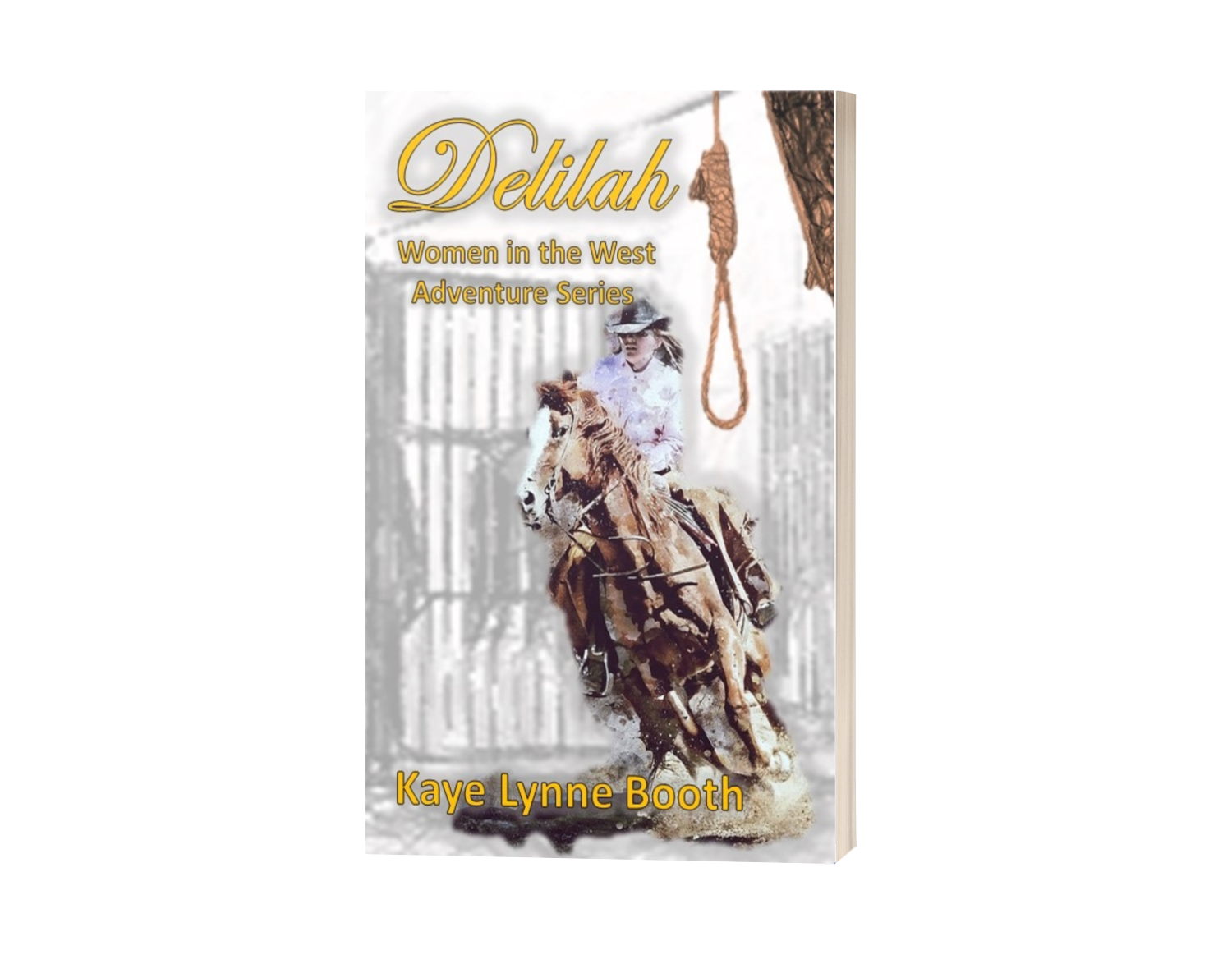
Posted: December 26, 2016 | Author: kayelynnebooth | Filed under: Articles, Book Review, Books, Children's Books, Commentary, Fiction, Film Review, Horror, Movies, Nonfiction, Poetry, Promotion, Publishing, Screenwriting, Self-Publishing, Steampunk, Stories, Weekly Writing Memo, Western, Writing, Writing Event, Writing Tips, Young Adult | Tags: 2016, Book Reviews, Books, Fiction, marketing, Movies, Novel, Novels, Poetry, Review, Reviews, Writing, Writing to be Read | 4 CommentsThis will be the last reflective post of the year. Next Monday’s post will find us in 2017. For my writing career it has been a slow take off, but I’ve seen progress. In July, I completed my Master of Fine Arts degree in creative writing. With emphasis in both genre fiction and screenwriting, and two completed novels, Delilah and Playground for the Gods Book 1: In the Beginning, two full feature film scripts and one comedy series pilot script in hand, I eagerly jumped right in to get my feet wet in either the publishing and/or screenwriting industry. I began submitting my work to agents, publishers, and competitions like crazy. I received mostly rejections, as expected, and although I still haven’t found a home for either novels or scripts, I did manage to find a home for two poems and two short stories. Not too bad. While the poems, Aspen Tree and Yucca! Yucca! Yucca!, appeared in print, (in Colorado Life (Sept.-Oct. 2016) and Manifest West Anthology #5 – Serenity and Severity, respectively), my short story, I Had to Do It was published on Zetetic: A Record of Unusual Inquiry, and my not so short, short story, Hidden Secrets was published on Across the Margin.
2016 has been a pretty good year for Writing to be Read. The revamping of the blog site was completed in March, I’ve managed post things on a fairly regular basis, we were honored with guest posts by my friend Robin Conley, and my visits and page views have risen, with almost 2000 visitors and over 2,500 page views. Looking at this, makes me feel pretty good about the blog, as a whole. Another good change is the addition of screenwriting content, which I believe has drawn a larger audience by widening the scope of the content.
Many of my posts were reflections of my own writing experience. These included: Why Writing is a Labor of Love; Fear is a Writer’s Best Friend; I’ve Come A Long Way, Baby; Writing the Way That Works For You; Creating Story Equals Problem Solving; What’s A Nice Girl Like Me Doing Writing in a Genre Like This?; Acceptance or Rejection – Which Do You Prefer?; A Writer’s Life is No Bowel of Cherries; Write What You Know; Discouragement or Motivation?; What Ever Happened to Heather Hummingbird?; How You Can Help Build a Writer’s Platform; and Why Fiction is Better Than Fact.
Screenwriting content included this past year seemed to be popular. In addition to my Making of a Screenplay series and Writing Horror is Scary Business, Writing to be Read also featured Writing Comedy for Screen is a Risky Proposition, and a book review for Hollywood Game Plan, by Carole Kirshner, which I can’t recommend highly enough for anyone desiring to break into the screenwriting trade. Robin’s Weekly Writing Memo also included several writing tips that could be applied equally to literature or screenwriting.
Another project I’m particularly proud of is my ten part series on publishing, Pros and Cons of Traditional vs. Independent vs. Self-Publishing, which I just finished up last week. In this series I interviewed nine professionals from within the industry to get the low down on the three different publishing models. My interviews included self-published authors Jeff Bowels, Tim Baker and Art Rosch, traditionally published authors Stacia Deutsch (children’s books) and Mark Shaw (nonfiction), and independently published YA author Jordan Elizabeth. To balance things out a bit, I also interviewed children’s author Nancy Oswald, who has published with all three models, Clare Dugmore of Curiosity Quills Press and Caleb Seeling, owner and publisher at Conundrum Press.
I feel very fortunate to have had Robin Conley join us with her Weekly Writing Memo and her guest movie reviews. The useful writing tips in her Weekly Writing Memos covered a wide range of topics including critiquing, using feedback, ways to increase tension, Relatability or Likeability?, 3 Types of Plot, story research, what to write, making your audience care, world building, handling feedback, writing relationships, establishing tone, editing, word choice, How to Start Writing, endings, queries, Parts of a Scene, making emotional connections, the influence of setting, Building a Story, Inciting Your Story, movement and dialog, Writing Truth, time, Overcoming the Blank Page, Networking, character names, theme, set up, cliches, parentheticals in screenwriting, horror inspiration, and Learning to Write. Robin’s guest post movie reviews included Pride and Prejudice and Zombies, Batman vs. Superman, Miss Perigrin’s Home for Peculiar Children, and The Neon Demon.
I am thankful for Robin’s valuable content and am glad that she will still be contributing Memos on a monthly, rather than a weekly basis. Although I was sad to lose her weekly content, I am happy for her as she moves forward in her own writing career and I wish her well in her writing endeavors. For those of you who looked forward to her weekly posts, you can catch more of her content on her own blog, Author the World.
2016 was a great year for Writing to be Read, even if it was kind of rough for the author behind the blog. You readers helped to make it a good year and I thank you. Now it’s time to look ahead and see what’s in store for 2017 Writing to be Read. I mentioned some of the things I hope to achieve above: more posts pertaining to the screenwriting industry, and coverage of more events throughout the year are two of the goals I have set for my blog. I also plan to add some author, and hopefully, screenwriter profiles into the mix. I had good luck with author profiles during my Examiner days, and I think they will be well received here, as well.
I also hope to bring in some guests posts by various authors or bloggers, or maybe screenwriters, just to give you all a break from listening to me all the time. I believe Robin plans to continue with Monthly Writing Memos, which will be great, too.
I look forward to all the great books that I know are coming my way in 2017, too. The first reviews you have to look forward to are a short memoir, Banker Without Portfolio by Phillip Gbormittah, a YA paranormal romance, Don’t Wake Me Up by M.E.Rhines, a Rock Star romance, Bullet by Jade C. Jamison and a short story, How Smoke Got out of the Chimneys by DeAnna Knippling.
I hope all of you will join me here in the coming year. Follow me on WordPress, or subscribe to e-mail for notifications of new posts delivered to your inbox. Have a great 2017 and HAPPY WRITING!
Share this: