WordCrafter News: Celebrate National Poetry Month with WordCrafter Press & Approaching Short Fiction Deadline
Posted: March 25, 2024 Filed under: Anthology, Book Release, Book Sales, Books, Dark fiction, Fiction, Poetry, Short Fiction, Stories, WordCrafter, WordCrafter News, WordCrafter Press, Writing | Tags: National Poetry Month, Poetry, Short Fiction Contest, Submission Deadline, WordCrafter 2024 Short Fiction Contest, WordCrafter News, WordCrafter Press 10 Comments
Celebrating National Poetry Month
WordCrafter is celebrating National Poetry Month with discounted poetry books and the release of Poetry Treasures 4: Natural World.
Discounted Poetry Books
All WordCrafter Press poetry collections and anthologies will be only $2.99 each through the month of April. This includes:
- Poetry Treasures – https://books2read.com/PoetryTreasures
- Poetry Treasures 2: Relationships – https://books2read.com/PT2-Relationships
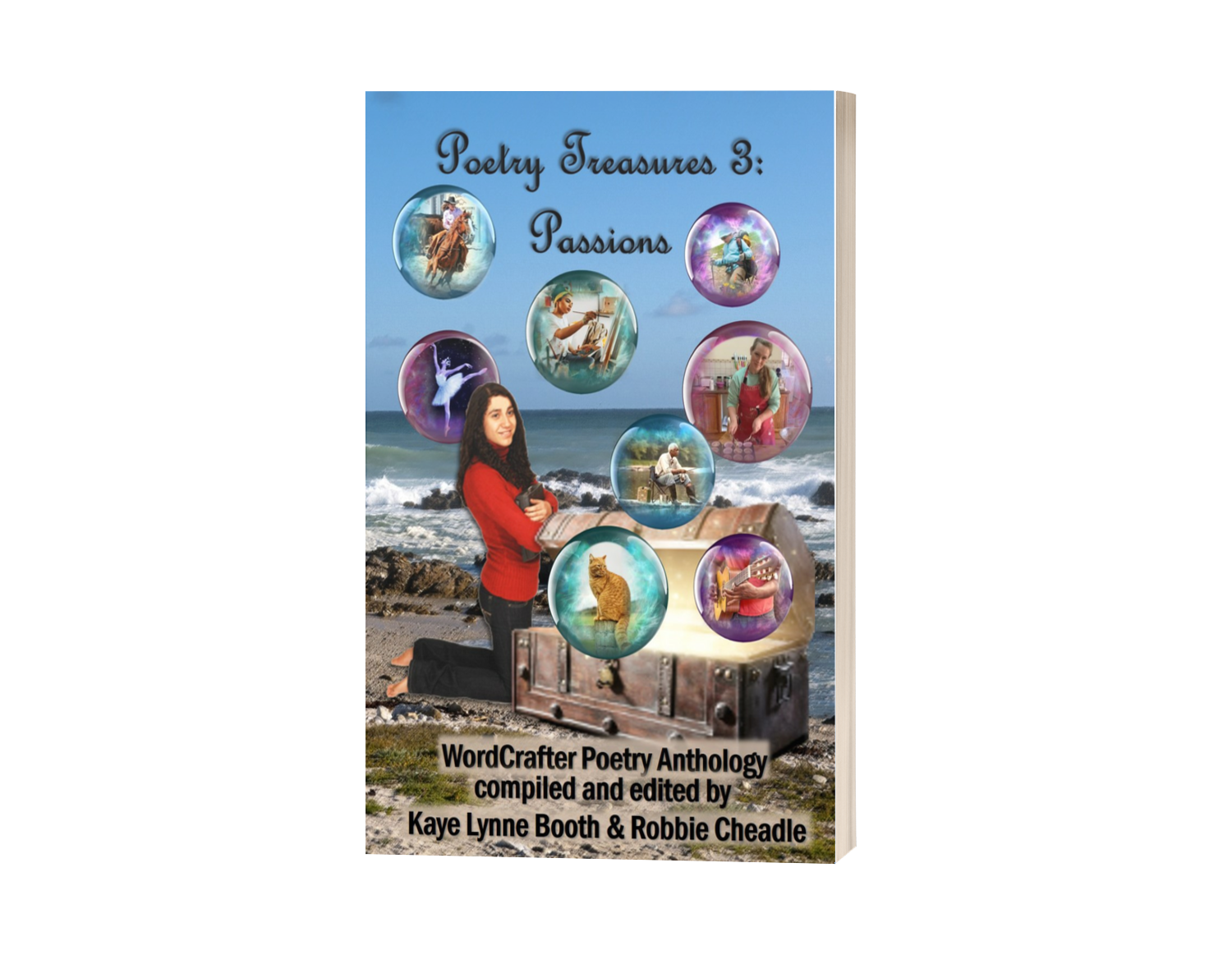
- Poetry Treasures 3: Passions – https://books2read.com/u/b5qnBR
- Behind Closed Doors, by Robbie Cheadle – https://books2read.com/BehindClosedDoorsCheadle
- Feral Tenderness, by Arthur Rosch – https://books2read.com/FeralTenderness
- Small Wonders, by Kaye Lynne Booth – https://books2read.com/SmallWonders
Poetry Treasures 4: The Natural World
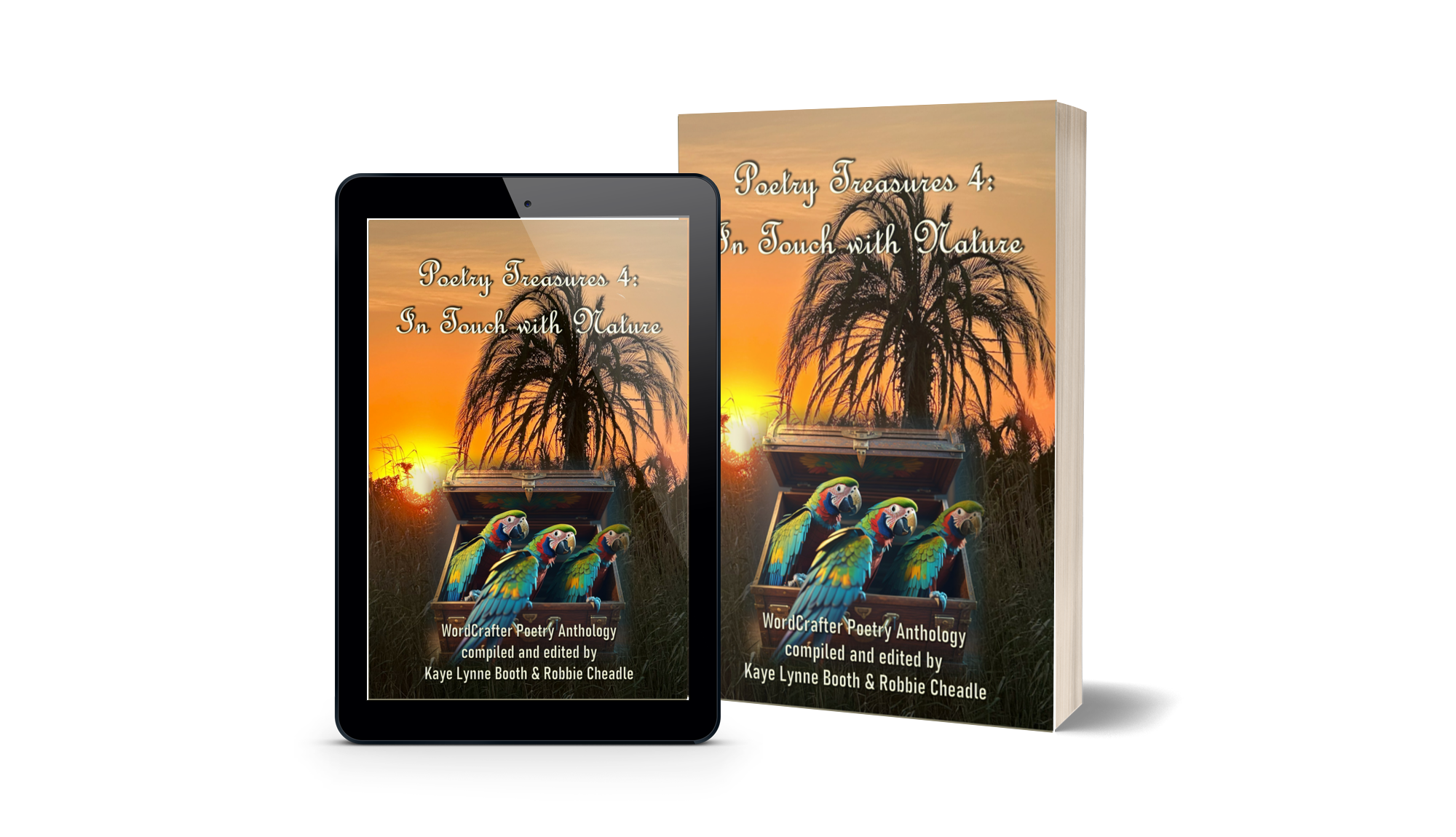
I’m pleased to announce that Poetry Treasures 4: Natural World will be released in April. Featuring the poetry of Andrew McDowell, Robbie Cheadle, Patricia Furstenberg, Marsha Meara, Luanne Castle, D.L. Finn, Emily Gmitter, Kaye Lynne Booth, Selma Martin, Meril D. Smith, Frank Prem, and Colleen Chesebro. We are shooting for April 8th for this one, but stay tuned, as I’ll be posting an updates with more information on its release.
Short Fiction Contest Deadline
Just a reminder: The deadline for the 2024 WordCrafter Short Fiction Contest is April 30. So get those dark fiction stories in before it is too late. It’s only $5 to enter. Winner guaranteed inclusion in the WordCrafter 2024 Short Fiction Anthology, as yet untitled. You can find submission guidelines and fee entry portal here: https://writingtoberead.com/2024/01/01/call-for-submissions/

Share this:

Book Review: Cashing Checks with Jim Morrison
Posted: March 15, 2024 Filed under: Book Review, Books, Collection, Poetry, Review | Tags: Book Review, Cashing Checks with Jim Morrison, Lindsay Martin-Bowen, Poetry, Poetry Collection, Writing to be Read 12 Comments
About the Book

“CASHING CHECKS with Jim Morrison offers a surreal cascade of archetypes from, among others, ancient Greece, the Bible, American Literature, and pop culture. Moving through it is the speaker’s companion spirit and guru, Jim Morrison-Lizard King, Narcissus/Adonis. Set in a world where, in Albert Einstein’s words, ‘reality is merely an illusion, ‘ Lindsey Martin-Bowen’s poems are alive with wit, evocative imagery, insight, and sometimes downright playfulness. Through heeding Morrison’s counsel to ‘go weirder, ‘ she’s made this collection reader-friendly.”-William Trowbridge, Missouri Poet Laureate, 2012-2016 Author, Call Me Fool (2022)
“In Lindsey Martin-Bowen’s CASHING CHECKS with Jim Morrison, I relish every word, compelled by the poet’s stories and singing voice. Fantasy and fact merge in these invocations of the seminal American rocker Morrison and of his spirit. Join me as a reader in exploring this exciting testament to the power of language to resurrect history and wonder.”-Denise Low, Kansas Poet Laureate, 2007-2009 Poetry Unbound Featured Poet
My Review
I was thrilled to receive a print copy of Cashing Checks with Jim Morrison, by Lindsay Martin-Bowen. The title alone, was enough to peak my interest, and lend anticipation as to what I could expect within its covers.
This collection of poems is all about hanging out, and philosphizing with the spirit of the late, great, Jim Morrison. I was amazed by the way the author captured the voice of Morrison in many of the poems, enough to let me believe briefly that maybe the author truly does converse with the dead musician. Included are poems that serve as social commentaries on life and love, on the state of the world today, and on possible futures; topics which every one of us can relate to.
So many of these poems struck a chord with me that it is impossible to pick one favorite. but I really loved the imagry in “Coming Back to Me”.
The dawn inhales and holds its breath, drawing
wisps of clouds up the foothills, where theyb hover.
Jim steps out of the mist, unsteady as some soldier
searching for his platoon on a surreal battlefield.
He wedges boot heels into fissures be3tween rock
ledges, ambles down to where gravel meets asphalt.
Then he steps onto the road leading to my Dutch
Colonel on a corner in this mountain college town,
where I chose to spend many of my remaining days,
watching parades of seasons pass in the hills’
keleidescope of colors revolving — in fall, scarlet,
gold, and bronze. In winter, cobalt blue and white.
Spring brings a rushed array — one week yellow,
the next red, then purple, and green never leaves
till late August, just before the aspen twitter
with orange and gold coins glittering in sunlight.
I don’t see a move to Kansas or any spot east, wonder
if Jim and I will land in Venice, his California beach.
He raises a hand and yells, ‘lo,’ his voice echoing
down the street, falling at my knees, now trembling.
When he heads my way, I smell his Jade East, see
his hazy body morph into solid physique, black
leather pants, jacket, and sandaled feet. He lifts his chin,
shakes his curls, then lowers his face and stares at me.
Still trembling, I remember our jaunts on a motorcycle
and a persnickety jeep — wonder if I’ll ever be free again
or if I’ll ride highways like some banshee for eternity.
And I also enjoyed the section of Tanka strings, always the sucker for syllabic poetry. Most have five Tankas, but “Jim Morrison and I Lose Our Way on a Moon Dog Night” isonly two, and short enough to share with you here.
The drive home’s always
this way — too long, when sudden
changes shakes us up.
After a few warm, sunny
days, cold winds hit us again.
Tonight, an odd haze
encircles the moon like white
light in an X-ray
outlining a frail hip bone
fallen into necrosis.
An unusual collection of poetry through which to view the world through different eyes; perhaps through the eyes of Jim Morrison. I thoroughly enjoyed Cashing Checks with Jim Morrison, and I give it five quills.
______________________________________
Kaye Lynne Booth does honest book reviews on Writing to be Read in exchange for ARCs. Have a book you’d like reviewed? You can request a review on the Book Review tab above.
Share this:

WordCrafter Books Are Discounted for the 2024 Smashwords Read an Ebook Week
Posted: March 3, 2024 Filed under: Book Sales, Books, Dark Fantasy, Dark fiction, Fairy Tales, Fantasy, Fiction, Ghost Stories, Historical Fiction, Humor, Mythology and Legend, Nonfiction, Paranormal, Poetry, Science Fiction, Short Fiction, Smashwords, Speculative Fiction, Stories, Western, Women in History, Women's Fiction, Women's Fiction and Poetry, WordCrafter Press, Writing Reference, Writing Resource, Writing Tips | Tags: 50% Off, Books, Smashwords 2024 Read an eBook Week, WordCrafter Press 2 Comments
When:
March 3 – 9, 2024
Where:
On Smashwords: https://www.smashwords.com/ebookweek
What:
All WordCrafter Press books
The Discount:
50% off!
Find all WordCrafter Press books on Smashwords:
https://www.smashwords.com/profile/view/Kaye_LynneBooth
Get all your favorite WordCrafter Press books today!
If there are WordCrafter Press books on your TBR list, now is the time to buy them. All WordCrafter Press Books are 50% off for the Smashwords 2024 Read an Ebook Week. That’s right. All titles in the WordCrafter Press catalog are on discounted 50% this week only on Smashwords.
Titles Included:
- Ask the Authors: Writing Reference Anthology, by Kaye Lynne Booth, et. al.
- Ask the Authors 2022: Writing Reference Anthology, by Kaye Lynne Booth, et. al.
- Behind Closed Doors: A Collection of Unusual Poems, by Robbie Cheadle
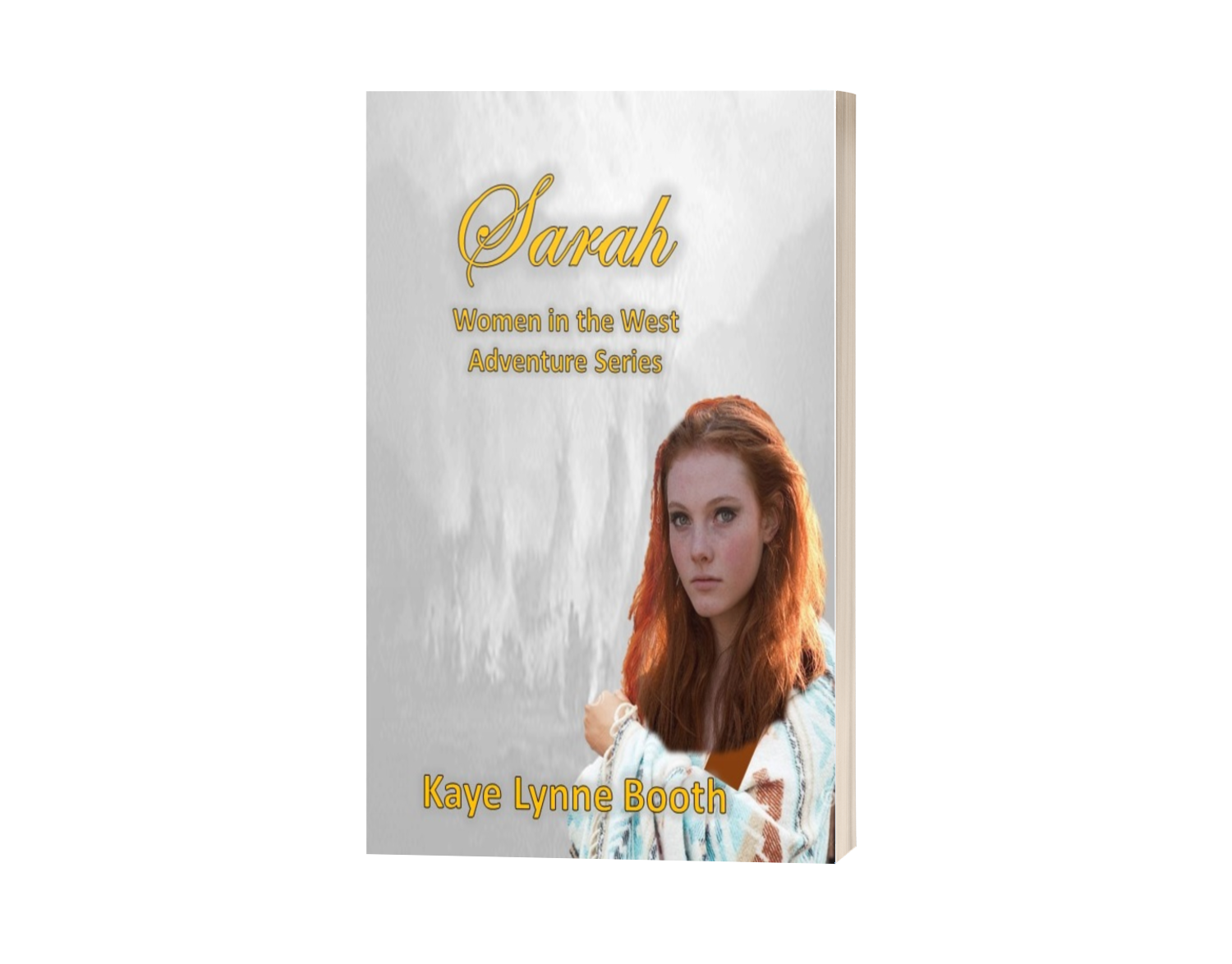
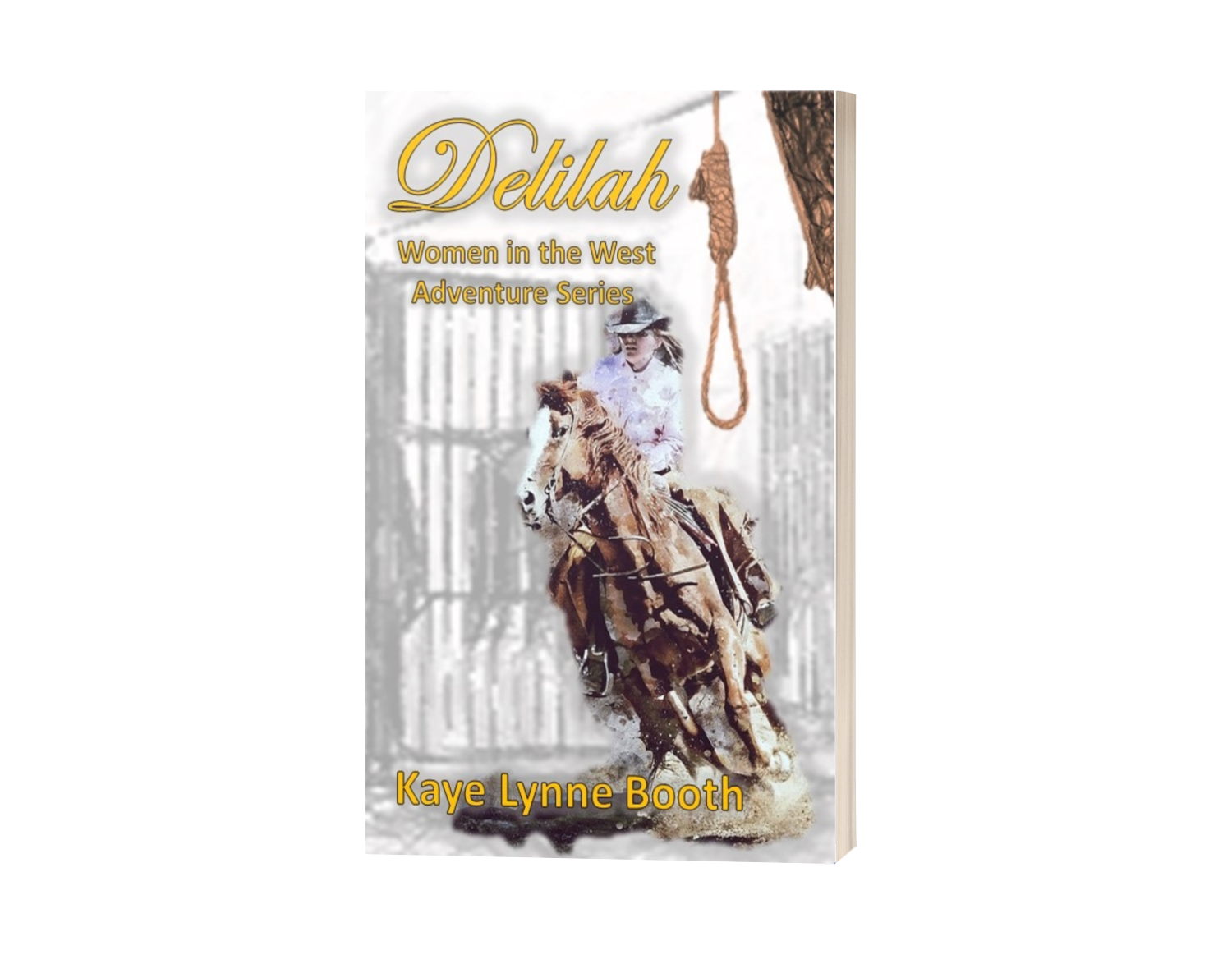
- Delilah: Book 1 of the Women in the West adventure series, by Kaye Lynne Booth
- Feral Tenderness: Poetry & Photography, by Arthur Rosch
- Hidden Secrets: Paranormal Mystery Novella, by Kaye Lynne Booth
- Last Call and Other Short Fiction: short story collection, by Kaye Lynne Booth
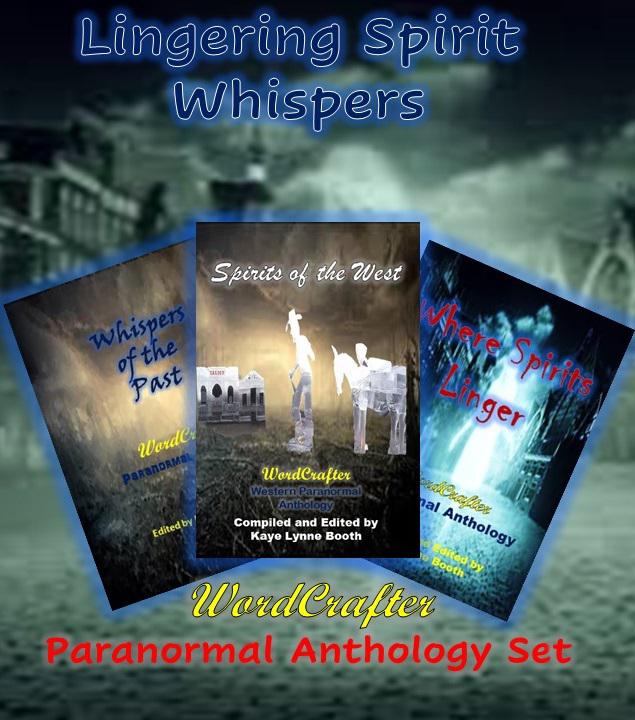
- Lingering Spirit Whispers: Paranormal Anthology bundle, by Kaye Lynne Booth, et. al.
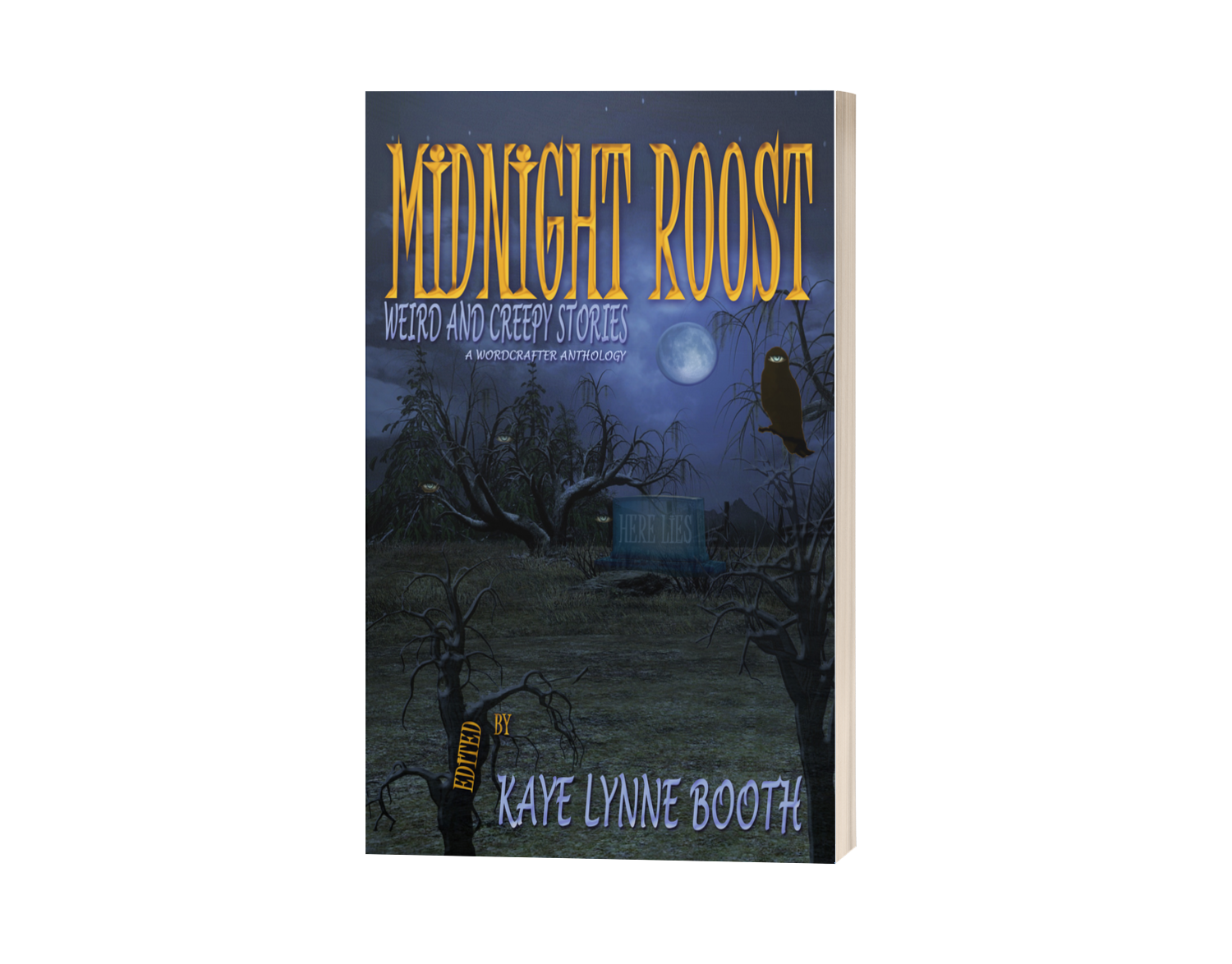
- Midnight Roost: Weird and Creepy Stories, by Kaye Lynne Booth, et. al.
- Once Upon an Ever After: Modern Fairy Tales & Folklore, by Kaye Lynne Booth, et. al.
- Poetry Treasures: Poetry Anthology, by Kaye Lynne Booth and Robbie Cheadle, et. al.
- Poetry Treasures 2: Relationships: Poetry Anthology, by Kaye Lynne Booth and Robbie Cheadle, et. al.
- Poetry Treasures 3: Passions: Poetry Anthology, by Kaye Lynne Booth and Robbie Cheadle, et. al.
- Raise the Tide: Daily Devotional, by James Richards
- Refracted Reflections: Twisted Tales of Duality & Deception, by Kaye Lynne Booth, et. al.
- Small Wonders: Reflective Poems, by Kaye Lynne Booth
- Spirits of the West: Western Paranormal Anthology, by Kaye Lynne Booth, et. al.
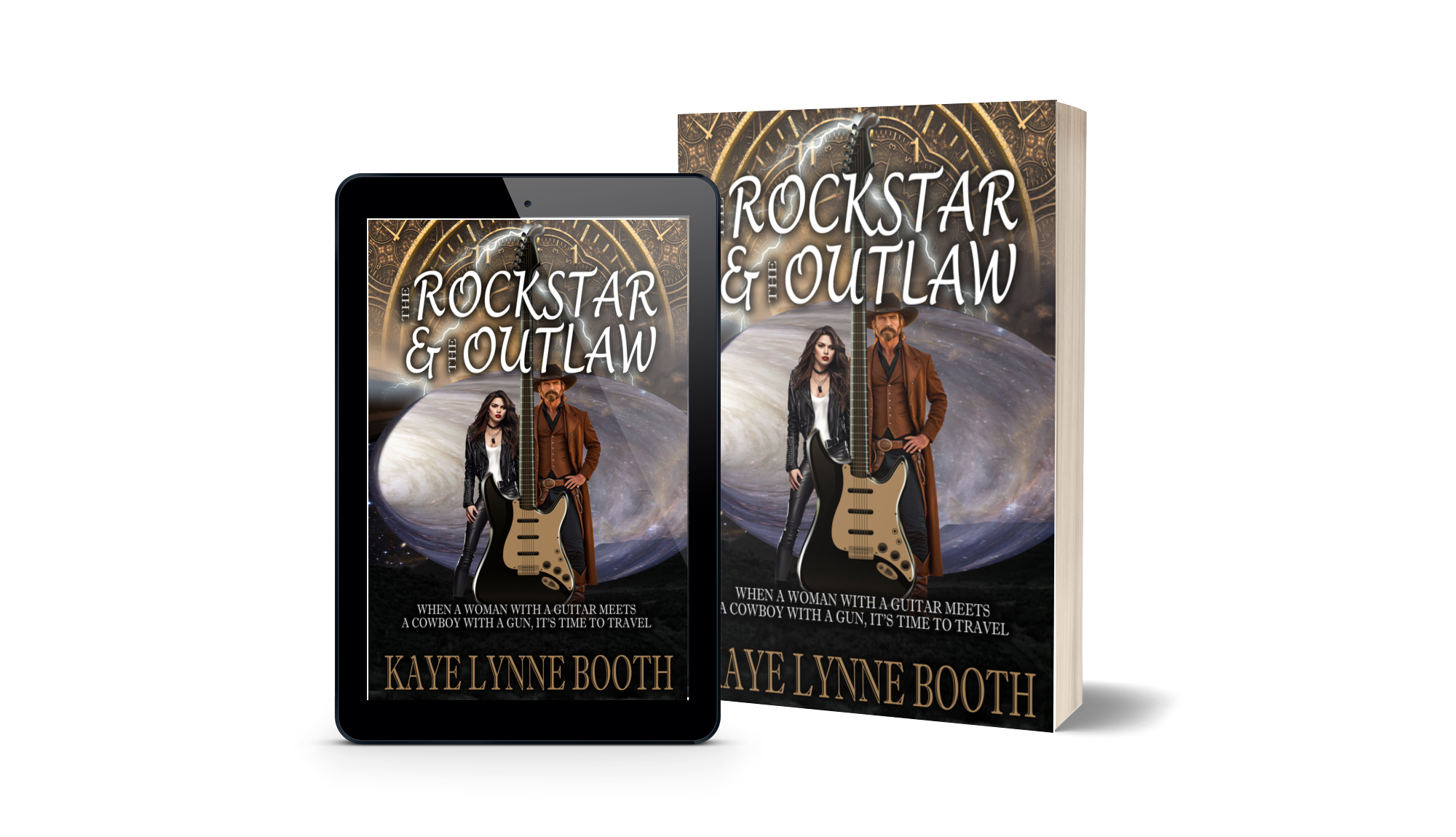
- The Rock Star & The Outlaw: Time Travel Adventure, by Kaye Lynne Booth
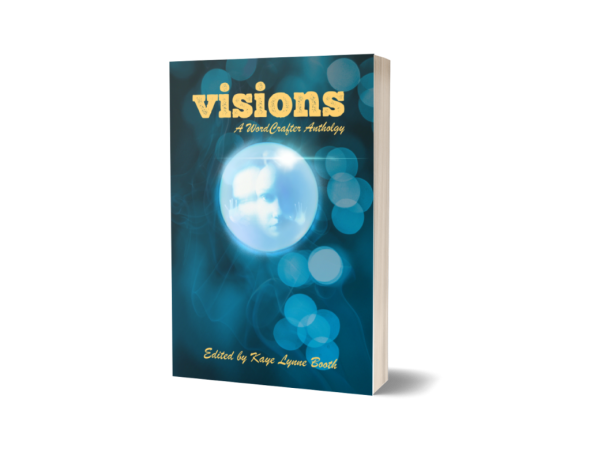
- Visions: Multi-genre Anthology, by Kaye Lynne Booth, et. al.
- Where Spirits Linger: Paranormal Anthology, by Kaye Lynne Booth, et. al.
- Whispers of the Past: Paranormal Anthology, by Kaye Lynne Booth, et. al.
Share this:

In Touch With Nature – The vulnerable life of male lions #wildlife #lions
Posted: February 28, 2024 Filed under: Animals, In Touch With Nature, Poetry, Wildlife | Tags: Animals, In Touch With Nature, Lions, Robbie Cheadle, South Africa, Wildlife, Writing to be Read 74 Comments
Lions live in groups called prides. Each pride is comprised of related lionesses and one or more adult male lions will also be present with the dominant male being the pride leader. Female lionesses are loyal to their pride and not to their family members, and this often means that they don’t keep related males in their pride.
Male lion cubs are frequent victims of snake bits, hunting hyenas, and male lions that aren’t their father or uncle. One in two male lion cubs will die in their first year of life. The greatest single cause of male lion mortality in the first year of life is infanticide by unrelated male lions.

At approximately three years of age, male lions are pushed out of their pride by their fathers. Alternatively, they may be forced to leave the pride when a new coalition of male lions takes over the pride. For a period of two or three years after leaving their prides, young male lions wander on their own, trying to avoid confrontation with older, stronger male lions. Frequently, single males find other males of a similar age and join them to form a coalition. Coalitions typically comprise of two to four male lions and are often made up of brothers or cousins although some include unrelated males. The main purpose for male lions forming coalitions is to compete with other male lions for mates.
When the males in a coalition reach four to five years of age, they will challenge other male coalitions for access to a pride of lionesses. When a new coalition takes over a pride, the new males seek out and kill the cubs of other males or drive them away. The purpose of the killing of cubs is to accelerate the return of the lionesses to a reproductive state thereby allowing the new males to raise their own cubs. The dominant male or pride leader generally gets first mating rights but lionesses do mate with other pride males. The lesser males usually get their opportunity when several females are in heat at the same time and if the dominant male losses interest while the lionesses are still in heat.


The dominant male is usually the largest, strongest male lion. Dominant males usually only retain that position for a few years and then they are challenged by a younger male or an outside coalition. During their time as pride leader, the male is responsible for defending the females and their cubs from predators such as hyenas.
When a battle for leadership takes place within an existing pride, the battle is usually fierce but not deadly. If an outside coalition challenges the leader, the battle will be to the death.
Brothers, a 99-sylable Double Ennead poem by Robbie Cheadle

Dry, yellow grass stretches
To the horizon
Just there, under a scrub tree, lie two brothers
Within slumbers embrace
They soak up the sun
***
The colour of ripe wheat
They blend with the bush
Male lions resting peacefully
Enjoying blissful dreams
Concerning fat buck
***
One starts gently stirring
Rolls over and sighs
His underbelly unintimidating
But then he yawns widely
Showing great long teeth
This poem is included in Lion Scream, Syllabic Poetry About Southern African Wildlife

Lion brothers walking on the road:
About Roberta Eaton Cheadle

Award-winning, bestselling author, Roberta Eaton Cheadle, is a South African writer and poet specialising in historical, paranormal, and horror novels and short stories. She is an avid reader in these genres and her writing has been influenced by famous authors including Bram Stoker, Edgar Allan Poe, Amor Towles, Stephen Crane, Enrich Maria Remarque, George Orwell, Stephen King, and Colleen McCullough.
Roberta has two published novels and has horror, paranormal, and fantasy short stories included in several anthologies. She is also a contributor to the Ask the Authors 2022 (WordCrafter Writing Reference series).
Roberta also has thirteen children’s books and two poetry books published under the name of Robbie Cheadle, and has poems and short stories featured in several anthologies under this name.
Roberta’s blog features discussions about classic books, book reviews, poetry, and photography. https://roberta-writes.com/.
Find Roberta Eaton Cheadle
Blog: https://wordpress.com/view/robertawrites235681907.wordpress.com
Twitter: https://twitter.com/RobertaEaton17
Facebook: https://www.facebook.com/robertawrites
Amazon: https://www.amazon.com/Roberta-Eaton-Cheadle/e/B08RSNJQZ5
_____________________________________________________________________________________________
Want to be sure not to miss any of Robbie’s “In Touch With Nature” segments? Subscribe to Writing to be Read for e-mail notifications whenever new content is posted or follow WtbR on WordPress. If you found it interesting or entertaining, please share.
Share this:

Treasuring Poetry – Poet and editor of MasticadoresUSA, Barbara Harris Leonhard, talks about poetry and a review #poetrycommunity #bookreview
Posted: February 21, 2024 Filed under: Books, Collection, Poetry, Treasuring Poetry | Tags: Barbara Harris Leonhard, Memoir, Poetry, Robbie Cheadle, Three-Penny Memories, Treasuring Poetry, Writing to be Read 23 Comments
A huge welcome to Barbara Harris Leonard, editor of MasticardoresUSA, and talented poet, to Treasuring Poetry.
What is your favourite style of poetry to read i.e. haiku, ballad, epic, freestyle, etc?
I’ve studied different poetic forms but generally read freestyle poetry, especially Anne Sexton, Sylvia Plath, Elizabeth Bishop, and so many more. I also enjoy the more formal classic poetry and other modern poets like Frost, Sandburg, and others. A favorite poet of mine is Emily Dickinson. I’ve written poems in the manner of Dickinson. Overall, however, the majority of poems I have read and written have been free verse.
What is your favourite poem in your favourite style to read?
The first poem that comes to mind is Elizabeth Bishop’s poem “The Fish”. Here it is from poets.org. The description is exquisite, and the story is powerful. She catches a prize fish, admires him, and finds that the fish has been caught five prior times. After examining his wounds—the old hooks and broken fish-lines scabbed over in his mouth—she releases the fish. The imagery throughout the poem is stunning. The old fish is embattled and exhausted, not even resisting the catch. He represents something ancient and universal. He is more than a fish; he is history (“beard of wisdom”) and war as she describes his “weaponlike” lower lip and cutting gills. “The Fish” is a poem written with the skill I strive to have as a poet.
1911 –1979
I caught a tremendous fish
and held him beside the boat
half out of water, with my hook
fast in a corner of his mouth.
He didn’t fight.
He hadn’t fought at all.
He hung a grunting weight,
battered and venerable
and homely. Here and there
his brown skin hung in strips
like ancient wallpaper,
and its pattern of darker brown
was like wallpaper:
shapes like full-blown roses
stained and lost through age.
He was speckled with barnacles,
fine rosettes of lime,
and infested
with tiny white sea-lice,
and underneath two or three
rags of green weed hung down.
While his gills were breathing in
the terrible oxygen
—the frightening gills,
fresh and crisp with blood,
that can cut so badly—
I thought of the coarse white flesh
packed in like feathers,
the big bones and the little bones,
the dramatic reds and blacks
of his shiny entrails,
and the pink swim-bladder
like a big peony.
I looked into his eyes
which were far larger than mine
but shallower, and yellowed,
the irises backed and packed
with tarnished tinfoil
seen through the lenses
of old scratched isinglass.
They shifted a little, but not
to return my stare.
—It was more like the tipping
of an object toward the light.
I admired his sullen face,
the mechanism of his jaw,
and then I saw
that from his lower lip
—if you could call it a lip—
grim, wet, and weaponlike,
hung five old pieces of fish-line,
or four and a wire leader
with the swivel still attached,
with all their five big hooks
grown firmly in his mouth.
A green line, frayed at the end
where he broke it, two heavier lines,
and a fine black thread
still crimped from the strain and snap
when it broke and he got away.
Like medals with their ribbons
frayed and wavering,
a five-haired beard of wisdom
trailing from his aching jaw.
I stared and stared
and victory filled up
the little rented boat,
from the pool of bilge
where oil had spread a rainbow
around the rusted engine
to the bailer rusted orange,
the sun-cracked thwarts,
the oarlocks on their strings,
the gunnels—until everything
was rainbow, rainbow, rainbow!
And I let the fish go.
Copyright © 2011 by Elizabeth Bishop. Reprinted from Poems with the permission of Farrar, Straus and Giroux.
What is your favourite style of poetry to write? Why?
I like free style poetry, mainly narrative and persona poems. Sometimes poetic forms feel restrictive because mastering the form becomes more important than the message of the poem. However, I feel practicing with forms enables a poet to mature in many ways. As I’m writing free style, I use many poetic devices, such as alliteration, slant rhyme, assonance, meter, and others. With free style, for me, some challenges include where to place the line breaks and group the imagery into stanzas. How the poem is organized can affect the meaning. I like the potential for ambiguity in free verse poems.
In “The Fish”, the last three lines are ambiguous. What does “rainbow” refer to? Epiphany? Was the fish a Rainbow trout? Maybe both interpretations apply. But the em dash is important. It interrupts the description of the fish to state an insight “—until everything”. The line break allows the reader to recall everything that was just said and speculate on more things. The repetition of “rainbow” three times insists there is insight. Pay attention. Rainbows are multi-colored, much like the fish. Rainbows presents diversity, inclusivity, and friendship. It’s no wonder she freed the fish.
the gunnels—until everything
was rainbow, rainbow, rainbow!
And I let the fish go.
Formal poetry can also have ambiguity and surprise. It’s just that I feel I have more freedom to play with the lines and stanzas in free verse poems.
What is your favourite of your own poems in your favourite style?
In my book Three-Penny Memories: A Poetic Memoir, my poems are free style. I have several favorites, but “Marie Kondo Cleans My Purse at Starbucks” received recognition from Spillwords Press. It won Publication of the Month in Jan/Feb 2022. In this poem, I am carrying the grief from Mom’s decline due to Alzheimer’s and her death. I am burdened by the memories. Marie Kondo, who is famous for her books on how to declutter your house, offers to help clean my purse (let go of that which no longer serves me). As this poem is about healing from loss, it is in the last section of my book, “Echo”.
Marie Kondo Cleans My Purse at Starbucks
Konmari sees me at Starbucks,
my purse spilling over at the counter.
“May I help?”
She gathers me up
like I’m antique lace
washed too many times.
Before she begins, she whispers,
“Hello, the House,
I am safe. May I enter?”
She pokes through my purse,
pulling out the deck of cards
Mom once carried in her own purse.
A heavy bag of Mom’s pennies
to redeem for cash.
Her checkbook.
The messy old calendar
that listed her appointments
alongside my own.
The quilt she made me,
now falling apart. A cookbook
compiled in her own hand.
Konmari extracts other artifacts,
laying them gently on lined up tables.
People gather. My eyes bleed.
The extra-large pair of panties
Mom made me wear to Sunday school.
The wash, still not done.
A half-used bottle of Diethylstilbestrol,
she was prescribed to prevent spotting
when I was in vitro.
The tricycle she rode
around town at age three
because her mother never watched her.
My cancer scares, scattered
on the bottom of the purse
like cookie crumbs.
The scabs inflicted
by her compression stockings
I failed to wash one last time.
The clump of tissue
I miscarried, swaddled
in an inner pocket.
Her hysterectomy scar.
My hysterectomy scar.
Entwined on a spool.
My t-shaped uterus,
clenching a half-used packet
of Puffs Plus.
A dogeared photo of Mom.
A mirror reflecting
who I want to be.
Konmari has me
hold each item
one last time, saying,
“Thank you, tiny soul,
for sharing your life. I am
grateful.”
She teaches me
how to fold joy
three times.
How to throw out
what I can
no longer carry.
One strategy I appreciate about poetry, whether is is formal or free style, is the use of metaphor. In Bishops’s poem “The Fish”, the fish represents our history and ancient wisdom. Like the fish, we have all fought off death physically or spiritually. We are warriors who build muscle and bear wounds from our life battles. The fish holds our stories, and Bishop is masterful as she extends the metaphor to a universal level.
In my poem, I used the purse as a metaphor of my soul. In the book, Mom’s purse appears in several poems because her purse held her memories: her driver’s license (identity), her checkbook (finances), her comb (beauty), photos (family) and so on. Because I had to become Mom’s brain and hold her business along with mine, the purse took on significance as a brain, or a place to hold her life alongside my own. Grief work, for me, was a process of emptying the purse of all the attachments that no longer served me. And who could help declutter better than Marie Kondo? And revealing your wounds can be embarrassing, so why not do that at Starbucks? This choice gives a dream-like quality to the poem. It is surreal to carry your mother’s tricycle in your purse! Imagine all the nightmares of suddenly appearing naked on the first day of school or other important places. All my baggage is laid out on tables for everyone to see as though viewing a dead body. It’s no wonder “my eyes bleed”.
How do you promote your poetry and poetry books?
Connections sell books, so I’ve increased my online presence (Twitter/X, Mastodon, Linked-in, Instagram, Facebook, Threads, etc). I advertise my publications on social media. My position as Editor for MasticadoresUSA enables me to promote writers and get exposure. I also do interviews and readings online as well as readings, author showcases, and open mics in my hometown, Columbia, Missouri, and now other places in Missouri. I’ve gifted books to libraries. This past summer, 2023, Three-Penny Memories: A Poetic Memoir was chosen among other books for the summer reading program at our local library. My book sells on Amazon and is distributed everywhere, but I have also put it in independent bookstores in my hometown and in St. Louis, Missouri. I continue to publish poems mainly. I’ve started an account on Medium and am republishing poems there when the copyrights revert back to me. I sponsor Zoom poetry meetups and Zoom poetry critique sessions for the Columbia Writers Guild, a Chapter of the Missouri Writers Guild (https://ccmwg.org/ ) and The Garden of Neuro Institute (https://gardenofneuro.com/). I’ve developed relationships with other poets and have reviewed their books. I publish the reviews on MasticadoresUSA, my blog extraordinarysunshineweaver.blog, and Medium.
Thank you, Barbara, for being a wonderful guest.
My review of Three-Penny Memories: A Poetic Memoir by Barbara Harris Leonhard
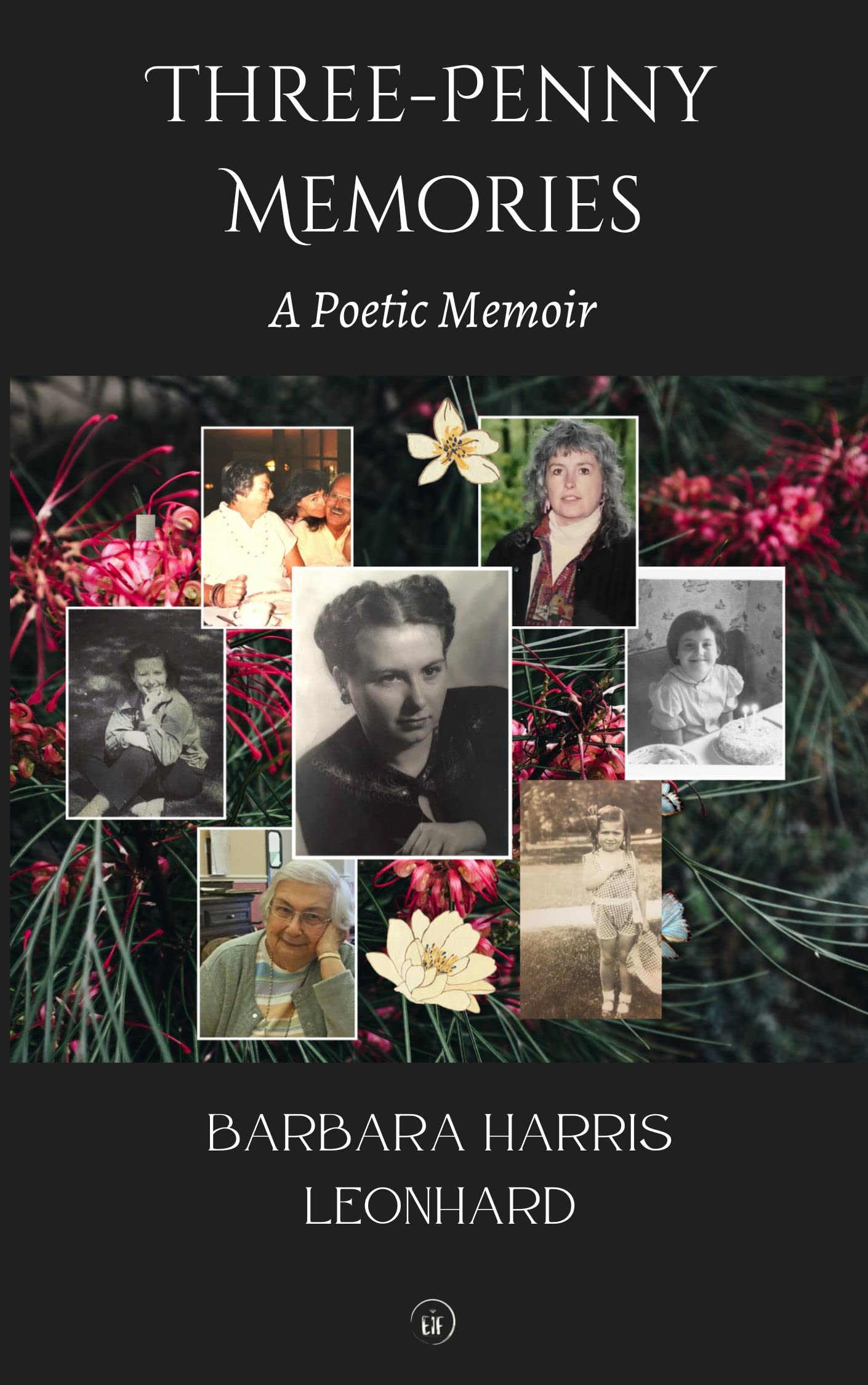
This collection of poems is a deep dive into the love between a mother and daughter. The collection takes the reader on a journey of the poet’s life and the development of the relationship with her mother. She covers her own life threatening illness and the subsequent incapacity and recovery process, as well as her later discovery of the poet’s inability to carry a child to term due to her mother’s ingestion of Diethylstilbestrol (DES) during her own pregnancy. How ironic that the poet’s mother took this drug to ensure the health of her own pregnancy and it resulted in childlessness for her own daughter. Life is full of bitter irony.
Throughout all the trials and tribulations of her life, the poet’s love for her mother burns like a flame, as does her mother’s love for her. And then came Alzheimer’s, the destroyer. The part of the book and the poet’s internal conflict and wrestle with her own feelings was close to my heart. Dementia and Alzheimer’s change people, turns them into someone you don’t know. Someone who doesn’t know you, someone who endlessly demands, complains, and makes bitter comments. In between, there are moments of normalcy and during those times, love returns in a rush, along with accompanying guilt for the conflicting emotions of the bad times.
This book captures the ebb and flow of human love and emotion exactly. It does not examine it, rather it describes and defines it.
A few stanzas from poems that stood out for me:
“One day says – out of nowhere –
shattering words out of her scattered mind
“You’re still childless? Don’t know why!
I dropped seven!”
From Mom’s DES Baby: The Hardest Pill to Swallow
“Mom, flat and detached
My fear. That she’s gone.
Now for good.”
From Fool’s Gold
“How will she manage
the mysterious passage?
This woman with no memories,
no way to find the path,
recall a friend, her mother,
recognise the welcoming
Angel of Death?”
From Departing from Gate 3
The collection is incredibly revealing and emotional, and exceptional read.
Purchase Three-Penny Memories: A Poetic Memoir by Barbara Harris Leonhard from Amazon US here: https://www.amazon.com/gp/product/B0BH99FS2T
About Barbara Harris Leonhard
I’m a retired Instructor of English as a Second Language. Although I have been writing since I was age 8, after retiring in 2017, I have had more time to devote to writing. My WordPress site is extraordinarysunshineweaver.blog. My work appears in online and print literary magazines, journals, and anthologies, and my poetry has won awards and recognition. My debut poetry collection, Three-Penny Memories: A Poetic Memoir (EIF (Experiments in Fiction, 2022), which is about my relationship with my mother, who suffered from Alzheimer’s, achieved best-seller status on Amazon. Also, on Spillwords, I was voted Author of the Month of October 2021, nominated Author of the Year for 2021, and recognized as a Spillwords Socialite of the Year in 2021. I enjoy bringing writers together and have been sponsoring open mics on Zoom. I live in the Midwest of the United States with my husband, Dierik, and our cat, Jasper. Dierik and I enjoy long drives to the wetlands to count the deer.
You can find out more about poet, Barbara Harris Leonhard, on her blog here: https://extraordinarysunshineweaver.blog/about/
About Robbie Cheadle
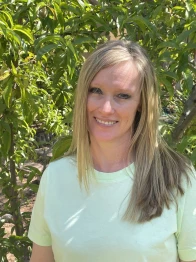
Award-winning, bestselling author, Robbie Cheadle, has published fourteen children’s books and two poetry books. Her work also features in several poetry and short story anthologies.
Robbie also has two novels published under the name of Roberta Eaton Cheadle and has horror, paranormal, and fantasy short stories featured in several anthologies under this name.
The eleven Sir Chocolate children’s picture books, co-authored by Robbie and Michael Cheadle, are written in sweet, short rhymes which are easy for young children to follow and are illustrated with pictures of delicious cakes and cake decorations. Each book also includes simple recipes or biscuit art directions which children can make under adult supervision.
Robbie and Michael Cheadle have recently launched a new series of children’s books called Southern African Safari Adventures. The first book, Neema the Misfit Giraffe is now available from Amazon.
Robbie’s blog includes recipes, fondant and cake artwork, poetry, and book reviews. https://robbiesinspiration.wordpress.com/
Share this:

Book Review: In the Shadow of Rainbows
Posted: January 12, 2024 Filed under: Book Review, Books, Collection, Poetry, Review | Tags: Book Review, In The Shadow of Rainbows, Poetry, Poetry Collection, Selma Martin, Writing to be Read 16 CommentsAbout the Book

In this dazzling debut poetry collection of over 60 carefully selected poems, author Selma Martin points the way to the beauty in the everyday, the shadow of the rainbow, and the silver lining at the edge of every cloud.
Favouring lyrical forms, and revelling in rhymes and musical language, the individual poems in this collection harmonise together in symphonic splendour to form an enlightening and delightful whole.
Purchase Link: https://www.amazon.com/Shadow-Rainbows-Collection-Songs-Presence-ebook/dp/B0CB5PLMB6/
My Review
I’m happy to be able to begin 2024 with the review of Selma Martin’s debut poetry collection, In The Shadow of Rainbows. Many of the poems in this special collection have a lyrical feel to them from the poet’s unique style, finding ways to celebrate life and the wonderful things found when you least expect them, lying hidden in the shadows. I received an ARC copy from the author in exchange for an honest review.
I see poems as personal reflections on love, life and nature. They express the unique way that each poet sees the world, and shares them, opening doors for others to view the world in a different way. Poetry can express some amazing things, and make its readers think of things in ways they’ve never before considered. Selma Martin has done just that, opening doors to reveal the hidden world which jumps out and surprises us from the shadows of rainbows.
I truly enjoyed reading through this collection, often going back and rereading poems which resonated with me personally. It is often amazing to view the world through someone else’s eyes, revealing what we might not otherwise see, and this journey offered in Martin’s collection is a truly wonderous one. This delightful collection of lilting, lyrical poetry offers special appreciation for life, love and the world around us.
As with most poetry reviews, the best way to describe the poet’s unique style and perspective is to share some of my favorite selections for my readers to judge for themselves. Because, after all, the poetry speaks for itself better than anything I could say to describe it.
(Martin’s form doesn’t transfer well on WordPress, so I hope I didn’t butcher them too badly.)
Slice of Life
Flanked between two warnings, I live you, planting the light hours with loving acts, for you, for us, for our menage,
and when I meet dusk, filled,
ready for our mingling at the table, where we swap slices of lived moments of the same day, hearts swell replete.
The Lore
Azure and unperturbed is the sky until a little
cloud perches high above me near sunset
I quit my book
glad Cloud stopped for me.
We stare at each other long, me, blanking out toils and troubles, Cloud turning orange and peach until she mauves herself,
Melding with Sky, and follows it.
When I can discern her no more I walk away from my tent-down to the small river that gurgles. I watch it gain speed, and as it snakes into the noble Pacific
I hear her babble me a goodbye.
A salacious wind blows warm air behind my ear but soon disowns me, a moth brushes on my temple and is gone much too soon.
Everyone’s on the move except me- I don’t mind, I have the chant of the river, the bustling of bugs,
puddles of moonlight, silhouetting the beauteous forms of things and best of all, and best of all the seven daughters of Atlas
clustered over me.
What else do I need?
For an Hour
when a colorless day let’s slip a rare irreproachable hour
take it and indulge it for a while sit with it, let it swallow you while
or paint it with shades alluring, dye each section with thoughts of hope
paint your steps from here to the seashore pigment the waves to humor the sun
taint the sun-no wait-don’t paint the sun we need Helios to stay as is
winnow the bulrush color-washed clouds that camouflage Mt. Fuji
and the hawk-just let the hawk be duly, a day will never beam
without bringing you recall
of the sea, laughing with you for an hour
A wonderful way to begin the new year with a lovely collection of poetry. I give In The Shadow of Rainbows five quills.
_________________________________________________
Kaye Lynne Booth does honest book reviews on Writing to be Read in exchange for ARCs. Have a book you’d like reviewed? You can request a review here.
Share this:

Book Reviews: Lines by Leon & The Inyan Beacon
Posted: December 30, 2023 Filed under: Book Review, Books, Creativity, Fiction, Flash Fiction, Poetry, Review, Short Fiction, Stories | Tags: Book Review, Dan Antion, Drawing, Flash Fiction, Leon Stevens, Lines by Leon, Poetry, Scieince Fiction, Short Fiction, Teagan Riordain Geneviene, The Inyan Beacon, Writing to be Read 6 Comments
About Lines By Leon
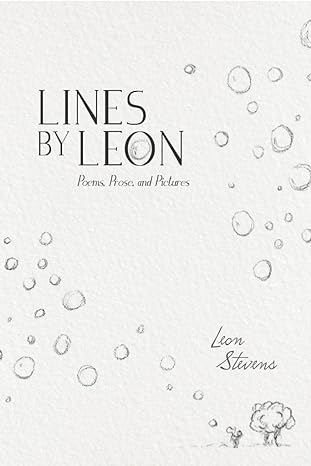
Lines by Leon is an eclectic mix of poetry, prose, and short stories that address the subjects of loss, struggle, human behavior, and environment in both humorous and thought-provoking ways. The author invites his readers to laugh, think, cry, and meditate on the wide variety of topics. Scattered throughout the book are sketches of various subjects, many that relate to the poems and stories they illustrate; others speak for themselves.
Purchase Link: https://www.amazon.com/Lines-Leon-Poems-Prose-Pictures-ebook/dp/B0BQCPP5WW
My Review of Lines By Leon
Lines by Leon, by Leon Stevens is an entertaining collection of creativity that showcases the authors talents in prose, poetr and drawing. The poems are lighthearted and positive, although I did feel a bit of sadness when reading “The Sock”. The drawings are well done, the sketches are amusing, and all offer the reader something to think about in a new or unique way.
It’s brief, but entertaining. One can’t help but smile. I give Lines by Leon four quills.

____________________________________________
About The Inyan Beacon
Part science fiction, part spaghetti Western, part speculative fiction, The Inyan Beacon is a short story set in the distant future. Earth’s moon, now called Maka, after a failed terraforming attempt, is the site of a lone stone tower. Tatanka (Tank) Cody, descendant of Buffalo Bill Cody, and his synth companion, Compass are determined to get inside the tower. Although they might not find what Tank is so sure will be there.
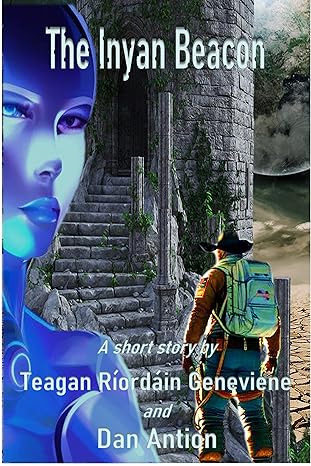
Purchase Link: https://www.amazon.com/Inyan-Beacon-Teagan-R%C3%ADord%C3%A1in-Geneviene-ebook/dp/B0C3Z7G2C6/
My Review of The Inyan Beacon
The Inyan Beacon, by Teagan Riordan Geneviene and Dan Antion, is a brief tale that feels like a small piece in a much bigger puzzle. Teagan jumps right into the story, but it takes a moment for the reader to orient. Once there, it is easy to emmerse oneself into the story, but before you know it the tale has come to its conclusion. I think I would have preferred to know what they were looking for a bit sooner to give me a better sense of purpose for the characters. I applaud Geneviene and Antion for providing this story with a beginning middle and end, making it a complete story; something many shorts fail to do.
It caught my interest, but was too short. I wasn’t ready to stop, and would have been willing to follow the characters through to the next adventure. I guess I wanted more. I give The Inyan Beacon four quills.
____________________________________________
Kaye Lynne Booth does honest book reviews on Writing to be Read in exchange for ARCs. Have a book you’d like reviewed? You can request a review here.
Share this:

WordCrafter Holiday Extravaganza Sale
Posted: December 12, 2023 Filed under: Anthology, Book Sales, Books, Collection, Dark Fantasy, Dark fiction, Fairy Tales, Fantasy, Fiction, Ghost Stories, Horror, Nonfiction, Paranormal, Photography, Poetry, Science Fiction, Short Fiction, Speculative Fiction, Stories, Western Paranormal, WordCrafter Press | Tags: 2023 Holiday Extravaganza, Book Sale, Books, Fantasy, Fiction, horror, Paranormal, Science Fiction, Speculative Fiction, Western Paranormal, WordCrafter Press Leave a comment
The WordCrafter Sale of the Year
Did you know that WordCrafter is having a Holiday Extravaganza Sale that includes every book in the entire WordCrafter Press backlist?
That’s right.
And books make great holiday gifts. Treat someone you know or treat yourself this holiday season.
December 1 – 22 every book in the WordCrafter Press back list is at a discounted price. Check it out.
Writing References

Ask The Authors – Only .99 cents
Ask The Authors 2022 – Only $2.99
Fantasy/Science Fiction/Paranormal/Horror Anthologies


Refracted Reflections:
Twisted Tales of Duality & Deception
Only $2.50

Visions – Only $2.99
Poetry Anthologies & Collections

Poetry Treasures – Only $2.99


Behind Closed Doors:
a collection of unusual poems
by Robbie Cheadle
Only $2.99

Books By Kaye Lynne Booth

Last Call
And Other Short Fiction
by Kaye Lynne Booth
Only .99 cents
Hidden Secrets
Paranormal Mystery Novella
by Kaye Lynne Booth
Only $1.99
Daily Devotionals

Paranormal Anthologies


Share this:

Mind Fields: The Nature Of Breath
Posted: December 8, 2023 Filed under: Mind Fields, Poetry | Tags: Arthur Rosch, Breath, Mind Fields, Poetry, Writing to be Read 3 Comments
The Nature of Breath
Oct 19, 2009
Your breath has a shape
unique
like a fingerprint
no two alike
in all the world.
Everything about you
is found in your breath
all your lives
and deaths,
all your thoughts.
Think of your body
as vanished,
only breath remains
it has an in stop
and an out stop
and contains so much more
than air.
If we could know one another
by our breaths
if we could see the human crowd
as a throng of breaths,
nothing else,
(hello jagged anxious breath
how are you
hello smooth relaxed breath
nice to see you)
the human race is
a breath collective
today some will arrive
today some will depart
lungs are merely homes
like hands fill gloves.
Everything sacred, every dark secret
lives in the breath
and when it leaves your body
for the last time
it is a system of information
like a letter full of you,
air mail, breath mail.
I would tell you more of this
if I knew any more
but this is as far as I’ve got
in learning the nature of breath.
_________________________________________

Arthur Rosch is a novelist, musician, photographer and poet. His works are funny, memorable and often compelling. One reviewer said “He’s wicked and feisty, but when he gets you by the guts, he never lets go.” Listeners to his music have compared him to Frank Zappa, Tom Waits, Randy Newman or Mose Allison. These comparisons are flattering but deceptive. Rosch is a stylist, a complete original. His material ranges from sly wit to gripping political commentary.
Arthur was born in the heart of Illinois and grew up in the western suburbs of St. Louis. In his teens he discovered his creative potential while hoping to please a girl. Though she left the scene, Arthur’s creativity stayed behind. In his early twenties he moved to San Francisco and took part in the thriving arts scene. His first literary sale was to Playboy Magazine. The piece went on to receive Playboy’s “Best Story of the Year” award. Arthur also has writing credits in Exquisite Corpse, Shutterbug, eDigital, and Cat Fancy Magazine. He has written five novels, a memoir and a large collection of poetry. His autobiographical novel, Confessions Of An Honest Man won the Honorable Mention award from Writer’s Digest in 2016.
More of his work can be found at www.artrosch.com
Photos at https://500px.com/p/artsdigiphoto?view=photos
___________________________________________________
Want to be sure not to miss any of Arthur’s “Mind Fields” segments? Subscribe to Writing to be Read for e-mail notifications whenever new content is posted or follow WtbR on WordPress. If you find it interesting or just entertaining, please share.










Mind Fields: Two Poems Addressing The World’s Violence
Posted: November 29, 2023 | Author: artrosch | Filed under: Commentary, Mind Fields, Poetry | Tags: Arthur Rosch, Isreal PalestineConflict, Mind Fields, Poetry, Psychotherapy, Response to Terrorism, Violence Prevention, Writing to be Read | 2 CommentsUntitiled
There is no excuse for the agony of the world.
There is no excuse for a single person to be starving.
No excuse for anyone to be without a safe home.
No excuse for children to be frightened of invisible menace.
No excuse, no excuse, no excuse.
Anyone who tells you this killing, this maiming,
this bombing is justified,
is revealing a criminal lack of imagination.
There is no excuse to be without a creative idea,
a new way to solve a problem,
no excuse, no excuse.
To be mired in the endless slavery
of historical cause and effect
is no excuse.
To be defending one’s self from oppression
is no excuse.
To be reacting to outside danger
is no excuse.
There is never an excuse
to use violence, not even to prevent greater violence.
Using violence always causes greater violence.
No excuse for the weakness of force,
no justification for violence.
We had to stop Hitler, we have to stop Bin Laden,
is that an excuse? No. Is that an explanation?
Perhaps. Must I live with this explanation?
Evidently.
Must I treat it as a rational solution to any brutality?
Never. There is no excuse.
What can I do about this insoluble problem?
I don’t know. Write poems?
Do you have any better ideas?
If you do, and it is not an excuse
for adding agony to the world,
please, please, tell me, tell everyone
right now.
Letter From The Afterlife Of A Terrorist Bomber
I thought I would be in Paradise
but I am in unspeakable hell.
The fire, the fire!
I thought it would only burn for a second,
but it keeps burning!
I thought I would lose consciousness
and wake up in heaven,
but I am stuck now for an eternity
in agony!
The screams of the innocent dying
are like poisoned darts,
lancing the exposed nerves of my inmost soul.
The tears of the bereaved in their hundreds and thousands
rain upon me like acid.
And the worst hell of all is my regret,
my infinite regret,
that I was so stupid, so gullible, so callous,
so easily swayed by insipid argument,
so readily moved to escape my living depression
by casting it upon others.
The fire, the fire! The rocket fuel
sears me for ten thousand years!
The screams and the grief that blame me, rightly,
crush me under a million tons of leaden metal and concrete!
Allah, Allah, I was not merciful, I was not compassionate,
and now when I call to you I see the grit of your robe
as you turn away from me.
I thought I would awake in Paradise.
What a dreadful dreadful mistake!
___________________________________________________
Arthur Rosch is a novelist, musician, photographer and poet. His works are funny, memorable and often compelling. One reviewer said “He’s wicked and feisty, but when he gets you by the guts, he never lets go.” Listeners to his music have compared him to Frank Zappa, Tom Waits, Randy Newman or Mose Allison. These comparisons are flattering but deceptive. Rosch is a stylist, a complete original. His material ranges from sly wit to gripping political commentary.
Arthur was born in the heart of Illinois and grew up in the western suburbs of St. Louis. In his teens he discovered his creative potential while hoping to please a girl. Though she left the scene, Arthur’s creativity stayed behind. In his early twenties he moved to San Francisco and took part in the thriving arts scene. His first literary sale was to Playboy Magazine. The piece went on to receive Playboy’s “Best Story of the Year” award. Arthur also has writing credits in Exquisite Corpse, Shutterbug, eDigital, and Cat Fancy Magazine. He has written five novels, a memoir and a large collection of poetry. His autobiographical novel, Confessions Of An Honest Man won the Honorable Mention award from Writer’s Digest in 2016.
More of his work can be found at www.artrosch.com
Photos at https://500px.com/p/artsdigiphoto?view=photos
__________________________________________________________________
Want to be sure not to miss any of Arthur’s “Mind Fields” segments? Subscribe to Writing to be Read for e-mail notifications whenever new content is posted or follow WtbR on WordPress. If you find it interesting or just entertaining, please share.
Share this: