Day 2 of the WordCrafter “Will Write for Wine” & “Stories I Stole from Lord Byron’s Bastard by Sara W. McBride – Blog Tour
Posted: June 28, 2022 Filed under: Uncategorized 2 CommentsDay 2 of the WordCrafter “Will Write For Wine ” & “Stories I Stole From Lord Byron’s Bastard” Book Blog Tour finds us over at “The Showers of Blessings” with a lovely guest post from author Sara W. McBride, on the inspiration behind her short story, “Stealing Georgione’s Mistress”. I hope you’ll join us to learn more about these fabulous books, and find out how to enter the giveaway for a free copy.


I’m delighted to welcome Sara W. McBride to my blog to introduce her two books.
Please enjoy this special post about the inspiration behind Stealing Giorgione’s Mistress.
If you would like to win a copy of one of these two books, please leave your comment and preference. Please click the Rafflecopter link and enter the giveaway. http://www.rafflecopter.com/rafl/display/d9280cae1/?
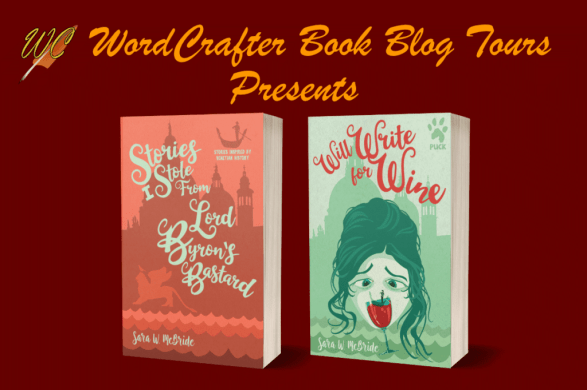
Stories I Stole from Lord Byron’sBastard is a collection inspired by Venetian history. The fictional character, Alexis Lynn, wrote these stories in the novel Will Write for Wine by Sara W. McBride, but they are fun stand-alone adventures to be enjoyed with an excellent glass of Italian wine.
What inspired the story, “Stealing Giorgione’s Mistress?”
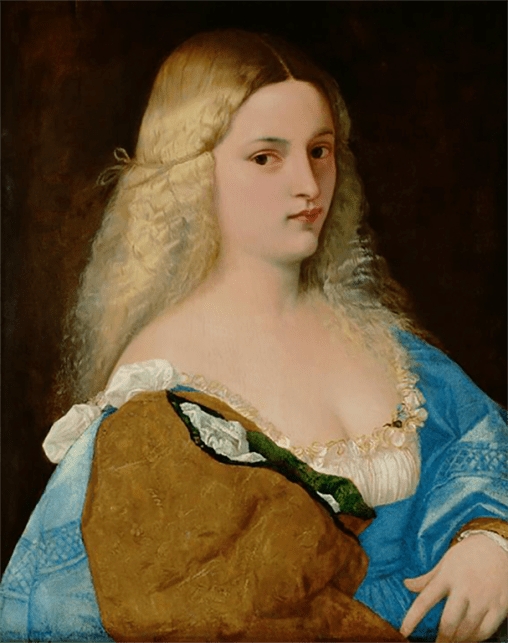
I’m that weird person who memorizes historical maps and paintings because it’s fun. Over a few years, I noticed the same model was used in both Giorgione’s paintings and…
View original post 1,193 more words
Share this:

Welcome to the WordCrafter “Will Write for Wine” & “Stories I Stole From Lord Byron’s Bastard” Book Blog Tour
Posted: June 27, 2022 Filed under: Beach Reads, Blog Tour, Book Promotion, Book Review, Books, Fiction, Giveaways, Guest Post, Historical Fiction, Historical Inspiration, Humor, Review, Romantic Comedy, Stories, WordCrafter Book Blog Tours, Writing Inspiration | Tags: Historical Fiction, Historical Romance, Humor, Novel, Sara W. McBride, Short Fiction, Stores I Stole From Lord Byron's Bastard, Will Write for Wine, WordCrafter Book Blog Tours 15 Comments
Stories I Stole from Lord Byron’s Bastard is a collection inspired by Venetian history. The fictional character, Alexis Lynn, wrote these stories in the novel Will Write for Wine by Sara W. McBride, but they are fun stand-alone adventures to be enjoyed with an excellent glass of Italian wine.
______________________________________________________________________
Welcome to the WordCrafter Will Write for Wine & Stories I Stole From Lord Byron’s Bastard Book Blog Tour. This is going to be a fun tour because we have two fabulous books to celebrate by a wonderful new author Sara W. McBride. Will Write for Wine is her debut novel about a writer, Alexis Lynn, and her funny and romantic escapades when she moves to Venice to start a new life. Stories I Stole From Lord Byron’s Bastard is the recently released short story collection and companion to the novel. Her fiction is well researched and presented with a witty flare which I find refreshing and I think you will too. I hope you’ll follow the tour and join us at each blog stop. You’ll find the schedule and links below.
Blog Tour Schedule
Monday, June 27 – Opening Day Post – Writing to be Read – Guest Post: Inspiration for the Devil’s Bridge” & Review of Stories I Stole From Lord Byron’s Bastard
Tuesday, June 28 – Showers of Blessings – Guest Post: Inspiration for “Stealing Georgione’s Mistress”
Wednesday June 29 – Carla Loves to Read – Guest Post: Inspiration for “The Masked Kiss”
Thursday, June 30 – Writing to be Read – Guest Post: Inspiration for “A Dowry for Safron” & Interview with Sara W. McBride
Friday, July 1 – Zigler’s News – Guest Post: Inspiration for “The Pregnant Man” & Review of Stories I Stole From Lord Byron’s Bastard
Saturday, July 2 – Annette Rochelle Aben– – Guest Post: Inspiration for “The Haunted Palazzo”
Sunday, July 3 – Roberta Writes – Guest Post: Inspiration for “The Secret Vault”
Monday, July 4 – Wrap-Up Post – Writing to be Read – Guest Post: Inspiration for Will Write for Wine & Review of Will Write for Wine
Give-Away
In addidtion, to the awesome guests posts, interview, and reviews at each tour stop, Sara is offerin a chance to win a digital copy of each book, Will Write For Wine & Stories I Stole From Lord Byron’s Bastard. Leave a comment and click on the link below to enter for a chance to win:
http://www.rafflecopter.com/rafl/display/d9280cae1/?
Introduction
I must begin by giving kudos to Sara W. McBride for the clever way that she has braided these seven short stories in this collection in with her debut novel, (and I’m told that she is currently working on a companion wine tasting journal). While both of these books stand alone easily, they really should be consumed together. In the novel, Will Write for Wine, we see the story of how Alexis Lynn comes to write these stories, but we don’t get to actually see the stories. For that, you must read Stories I Stole From Lord Byron’s Bastard, which offers not only the stories, but the true inspiration behind them. After reading her delightful novel, and seeing Alexis’ digging up the background for the stories and seeing Manu’s reaction to reading them, one can’t help but be curious about the actual stories and want to read the collection. It’s brilliant!
Now let me turn things over to the author, Sara W. McBride, so she can share her inspiration for the story.

https://www.puckpublishing.com
Inspiration for “Devil’s Bridge”
Guest Post by author Sara W. McBride
What inspired the story, “The Devil’s Bridge?”
The moment I saw the sign “Ponte del Diavolo,” I knew I had to write a story. At the edge of the bridge sits Palazzo Priuli, home to several Doge Priulis and is now an elegant hotel (www.hotelpriuli.com) in the Castello area of Venice. I had already been researching the tragic death of Antonio Foscarini, and then I discovered that the doge—Basically the president of Venice—who had him executed lived in the palazzo at the edge of Devil’s Bridge. It’s not often that history simply hands me a story, but there it was, burning bright in the Lancet windows of a 14th century palazzo. Here’s the real history behind the Devil-possessed Doge Priuli and his most famous victim:
Antonio Foscarini, executed on April 22, 1622, was a Venetian ambassador to London (1611-1615) and is rumored to have had an affair with King James’ Queen, Anne of Denmark. He returned to Venice during a “Spy War” with Spain and was suspected of betraying Venetian secrets to Spanish officials. Someone who knew about his affair with the Queen of England might have seeded this rumor. Upon his arrival in Venice in December 1615, he was arrested and held prisoner for three years under Doge Bembo, who uncovered the Bedmar plot which would have permitted Spanish mercenaries to march on Venice. In the midst of the crisis, Bembo died—or was possibly assassinated by the Spanish—and Doge Nicolo Donato reigned for a mere 35 days before he died. I believe he was assassinated by the Spanish, but have found no clear evidence for such a claim.
I’m considering writing a novel on the Venice/Spain Spy War of 1615-1622 because it’s super fascinating and an interesting statement on what fear does to a governing body.
Antonio Priuli (1548-1623) was elected doge in 1618 and released Foscarini in order to monitor him and his activities. Priuli was a brutal doge who arrested hundreds of innocent Venetians suspected of plotting against Venice. Was he possessed by the devil? Probably not, but how Devil’s Bridge earned its name is a mystery, so I took license and speculated that the devil enjoyed his residence at the bridge’s end.
On April 8, 1622, Foscarini, then a Senator of Venice, was arrested and accused by the Council of Ten—basically the governing body of Venice, particularly over state security matters—of meeting with ministers of foreign powers and communicating the most intimate secrets of the Venetian Republic. The evidence was weak and Foscarini denied all charges, yet he was still condemned to a public execution for high treason. Why? The answer will never be known, so I had fun speculating that perhaps a guest of his, under her own volition or persuaded by a demonically possessed doge, provided false evidence to seal his fate.
By the end of 1622, Doge Priuli showed signs of illness. In January, 1623, the same Council of Ten revoked Foscarini’s guilty verdict—Whoops, they were wrong—and reinstated the family’s honor with a posthumous exoneration. His bust and tomb can be found in the Church of San Stae in Venice. There’s more on Foscarini’s final resting place in “The Masked Kiss,” another story in this collection.
Doge Antonio Priuli died on August 12, 1623, but oddly, I am unable to locate his tomb. It’s usually pretty easy to find a doge’s tomb. I would have thought him to be buried in Santi Giovanni e Paolo (aka San Zanipolo), which houses tombs of 25 doges, but I haven’t found him there. The art and sculpture in this basilica-sized ediface is amazing! This behemoth church manages to hide on the North side of the Castello and is off the beaten tourist path, but you should definitely seek it out.
Two other Priuli doges, brothers Girolamo Priuli, 1486-1567, and Lorenzo Priuli, 1489-1559, are buried in San Salvador, but apparently there was no space remaining for their Priuli descendent, or perhaps the family just didn’t like Antonio.
Another source claims that the spy-hunting doge is buried alongside Marco Polo in the Church of San Lorenzo in the Castello district, but San Lorenzo has been closed for over a hundred years, only recently reopened, and I have not seen or read any evidence of the doge’s tomb being contained within. They couldn’t find Marco Polo either.
If you find the tomb of Venice’s 94th Doge, Antonio Priuli, please write to me at sara@puckpublishing.com. Otherwise, I’ll just have to assume he’s buried in the depths of the canal under Ponte del Diavolo.

Buy Link: https://www.amazon.com/Stories-Stole-Lord-Byrons-Bastard-ebook/dp/B0B27TS5GL
My Review
Stories I Stole From Lord Byron’s Bastard
Stories I Stole From Lord Byron’s Bastard is a short story collection by Sara W. McBride which will tickle your sense of adventure and discovery, and perhaps, your funny bone. A companion to her debut novel, Will Write for Wine, these stories bring Venetian history to life with a personal touch of humor, adding in the missing details which historical archives and family histories only elude to. Each story is accompanied with the history and inspiration behind it, and it’s fun to see how McBride crafted in characters to transform legend to story.
Included are tales of an unsuspecting hero who gets the girl, in “The Masked Kiss”; an apprentice who betrays his master in the name of love in “Stealing Giorgione’s Mistress”; a bridge occupied by a demon, in “The Devil’s Bridge”; a nun who chooses life on a plague island over marriage in “Lazzaretto Vecchio: A Dowry for Saffron”; a smuggling operation gone awry in “The Secret Vault”; and a delightful tale of a young artist forced to masquerade as a male in order to ply her trade in “A Gentleman’s Portrait by a Pregnant Man”. But, I’d have to say my favorite story in this collection is “The Haunted Palazzo”, because I’ve always been a sucker for a good ghost story, and the mysterious specter and wet windowsill are certainly prime food for ghostly fodder.
Stories I Stole From Lord Byron’s Bastard is a collection of short historically inspired stories which are light and entertaining reads. Fun and enjoyable. I give it five quills.

_____________________________________________________________________________________
Book your WordCrafter Book Blog Tour today!
Share this:

Ask the Authors 2022 contributor Kevin Killiany shares more writing expertise on Authorsphere with Dan Alatorre
Posted: June 25, 2022 Filed under: Ask the Authors, Fiction, Writing, Writing Life | Tags: Ask the Authors 2022, Authorsphere, Dan Alatorre, Kevin Killiany, WordCrafter Press 2 Comments
Hey! One of the contributing authors for Ask the Authors 2022, Kevin Killiany is sharing his expertise and discussing writing life with Dan Alatorre on the Authorsphere podcast. They even talk about me. Drop by and give a listen. You might learn something. I did.
Share this:

Ask the Authors 2022 Book & Blog Series: Editing & Revision
Posted: June 25, 2022 Filed under: Anthology, Ask the Authors, Book Promotion, Book Release, Books, Editing, Fiction, Interview, WordCrafter Press, Writing, Writing Reference, Writing Tips | Tags: Ask the Authors 2022, Bobby Nash, Chris Barili, Interview, Jeff Bowles, Kaye Lynne Booth, Kevin Killiany, L. Jagi LAmplighter, Mario Acevedo, Mark Leslie Lefebrve, Nancy Oswald, Paul Kane, Roberta Eaton Cheadle, WordCrafter Press, Writing, writing advice, Writing Reference, Writing Tips 7 Comments
Hello and welcome back to Segment 8 of the “Ask the Authors 2022” blog series. This week brings an introduction to speculative fiction and horror author, Jeff Bowles, who shares a his thoughts on editing in the anthology, “Contrary to Popular Editing Beliefs”, & a Q & A session on editing and revision.
If you missed any of the previous segments, you can find them here:
Segment 1: Introductions to Kaye Lynne Booth & Kevin Killiany/Writing Life Q & A session.
Segment 2: Introduction to Bobby Nash/Pre-Writing Rituals Q & A session.
Segment 3: Introduction for Roberta Eaton Cheadle/Plot & Storyline Q & A session.
Segment 4: Introduction for Paul Kane/Character Development Q & A.
Segment 5: Introduction for Mario Acevedo/Action, Pacing and Dialog Q & A.
Segment 6: Introduction to Nancy Oswald/Tone: Voice, Person, Tense and POV Q & A.
Segment 7: Introduction for Chris Barili/Setting & World Building Q & A.
And now let’s move right into this week’s segment.
Meet Jeff Bowles

Jeff Bowles is a science fiction and horror writer from the mountains of Colorado. The best of his outrageous and imaginative short stories are collected in Godling and Other Paint Stories, Fear and Loathing in Las Cruces, and Brave New Multiverse. He has published work in magazines and anthologies like PodCastle, Tales from the Canyons of the Damned, the Threepenny Review, Dark Moon Digest, Whispers of the Past, and Spirits of the West. His story, “A Peaceful Life I’ve Never Known” was the winning story in the 2019 WordCrafter Short Fiction Contest.
Jeff earned his Master of Fine Arts degree in creative writing at Western State Colorado University. He currently lives in the high-altitude Pikes Peak region, where he dreams strange dreams and spends far too much time under the stars. Jeff also has two novels published, God’s Body: Book One – The Fall, and Love/Madness/Demon.
On to the Q & A.
Editing and Revision
How do you feel about the editing process? Love it or loathe it?
Mario Acevedo: The editing process is what turns the rough clay into art. The second draft is when your story begins to shine.
Paul Kane: I really enjoy the editing process. I don’t find it half as much work as getting the words down in the first place. I know for a lot of people it’s the other way around, but I like having written, when I’ve got the chunk of words down and I’m going through, refining it, making it better with each edit or pass. It’s like a sculptor with a lump of stone, each time you chisel some of that away the sculpture starts to take shape. The more you work on it, the better the shape becomes. I like having that lump of stone to work with, I’m just not that mad on getting the stone and carrying it to the studio or workshop in the first place, if you see what I mean.
Bobby Nash: Editing is part of the job. A novel gets multiple edit passes. I do a self-edit while writing it, usually going over yesterday’s work before starting on today’s writing. Then, I give it another edit after I’m finished. Once I’m satisfied, it goes to the editor then back to me for adjustments, changes, discussions. There may be two edit passes here. Finally, there’s the galley edit, which is my chance to look the story over in the form it will be printed to make sure it looks good.
Robbie Cheadle: I enjoy editing and I find it easier than the initial writing process. Re-writing and amending to create a better story is rewarding and satisfying for me. I edit as I go along and at the end of each chapter. If something changes in the story that effects what I have already written, I go back and update it. I cannot leave a change undone and just move on like some writers do. It bothers me too much.
Nancy Oswald: I look at it as an opportunity to make your book better, but there are times I’ve loved it and other times, not so much.
What roles do alpha and beta readers, critique partners, proofreaders and professional editors play in your editing and revision process?
Mario Acevedo: All are necessary and have helped improve my stories. My critique partners are my beta readers.
Paul Kane: I don’t really use alpha or beta readers. It works for some people, but not for me. I find if I get too much feedback, especially if it’s conflicting, it just confuses me more than it helps. I prefer to trust my own judgment initially, or – if she has time – my wife Marie has a read before it goes off somewhere. The editor you’re working with, especially if it’s a bigger publisher, will have things they want you to change or cut or whatever, which is absolutely fine. That’s the process for me, and part of the job. I just prefer to not let anyone see it before then. I think maybe it’s bad luck or something, as I am quite superstitious.
Bobby Nash: I have used beta readers, but not often. I do have a small group of patrons that get stories early. Some offer feedback. I work with editors, proofreaders, and others to get the books as close to perfect as I can make them.
Robbie Cheadle: I am part of an on-line writing group which meets for 2 hours every second week. We all read excerpts from our stories and give each other advice and feedback. One of the members of this group, beta reads each chapter of my novels as I go along and gives me constructive criticism and feedback.
Once the book is complete and I’ve edited it to my satisfaction, I send it to my developmental editor who provides feedback on structure, plot holes, loose threads, unnatural dialogue, and other important elements of my writing and story.
Once I’ve updated the novel for her comments, I send it back to her for a final read and make any last changes.
I then send it to a proofreader who helps pick up spelling and punctuation errors which I correct before sending the book to my publisher who does a final read and edit.
How do you handle your editing: hire professional editors? Trade-off with other authors? Critique partners? Beta-readers? Self-edit? Have a publisher that handles those things?
Paul Kane: I self-edit until it’s time to send it off to my actual editor at whatever publisher I might be working with at the time. If she has time, Marie has a look through and does a pass, but more often than not it’s me who goes through and does the drafts. Then it might go through several more once the editor has come back to me with notes, then finally the proofing and final editing stages.
Bobby Nash: I have editors I work with on my creator-owned projects. For books I do for other publishers, they provide the editor I will work with on the book. Before it gets to them though, I have done a self-edit pass or two.
Nancy Oswald: All of the above at different times, but bottom line, I like to be involved in all phases.
What do you look for in an editor?
Paul Kane: As I say, I don’t send it to an editor I pay or anything. It goes to the editor at the publishers, and you don’t get a choice in that, seeing as their company is paying you for the story or book. Having said that, I’m very lucky to have worked with some of the best editors in the business and there’s been nothing that’s really had me tearing my hair out. So, I guess what I’m looking for with an editor is someone who’s easy to work with, and we can go back and forth on changes or edits that will hopefully make the whole thing better in the long run.
Bobby Nash: Editing is more than catching typos and grammar errors. A good editor asks questions about story, points out inconsistencies, and offers advice and solutions. It’s a partnership. The writer and editor have the same goal. We both want to put out the best book we can.
Robbie Cheadle: In a developmental editor, I looked for someone who could help me resolve issues with my story without changing my voice and writing style. I found a ‘good fit’ editor a few years ago when I was writing Through the Nethergate and used the same lady to assist me with A Ghost and His Gold. While the Bombs Fell was developmentally edited by a different person. I was very happy with her feedback, but she was not available to help me with my most recent two books.
Nancy Oswald: Editors need to “get” the book. They need to be attentive to details, but not insert themselves into the MS to the extent of it sounding different.
Have you ever received an edit where it was obvious the editor didn’t get what you were trying to do? How did you handle that?
Paul Kane: I’ve had edits where I’ve felt the need to explain certain things, or argue my case about a specific point, but that’s only really been a small part of the overall edit. I’ve never had an editor do a complete hatchet job on one of my books, and for that I’m truly grateful.
Bobby Nash: It happens. Did I not explain it well? If so, then a rewrite needs to happen. The writer and editor talk. You discuss and work it out. As I mentioned above, the editor and writer are partners. The editor is not my enemy. We both want the book to be the best it can be.
Robbie Cheadle: This has not happened to me. Both developmental editors I have worked with have helped me tremendously and so does my beta reader. I am very open to suggestions and comments to help me improve my writing and stories.
_________________________
That wraps up this week’s “Ask the Authors 2022” blog series. Be sure and drop by next Saturday, when we introduce author and industry expert Mark Leslie Lefebvre and share a Q & A session on Publishing. You won’t want to miss all the useful information in that one. See you there.

But first, just take a minute to grab your copy of this writing reference anthology which no author should be without from your favorite book distributor at the special send-off price of $3.99, using the Books2Read UBL: https://books2read.com/u/3LnK8e
_______________________
Join Kaye Lynne Booth & WordCrafter Press Readers’ Group for WordCrafter Press book & event news, including the awesome releases of author Kaye Lynne Booth. Get a free digital copy of her short story collection, Last Call and Other Short Fiction, as a sampling of her works just for joining.
Share this:

Once Upon an Ever After available for Digital Pre-Order Now
Posted: June 24, 2022 Filed under: Anthology, Books, Dark Fantasy, Fairy Tales, Fantasy, Fiction, Mythology and Legend, Stories, WordCrafter Press | Tags: Anthology, Fairy Tales, Fairytales, Once Upon an Ever After, Short Fiction, Short Stories, WordCrafter Press 8 Comments
I am pleased to announce that the first WordCrafter fantasy anthology, Once Upon an Ever After: Modern Fairy Tales & Folklore is scheduled for release on August 23, and is now available for digital pre-order through this Books2Read UBL: https://books2read.com/u/mKdWGV
Once Upon an Ever After: Modern Fairy Tales & Folklore
This unique and imaginative collection of eleven thought provoking fantasy stories will delight readers who enjoy stories of wishes gone awry.
What happens when…
A woman desires to carry on her family’s legacy, uncovering a long-buried curse?
A not so perfect witch casts a spell to defy age and preserve her relationship with her handsome shapeshifting familiar?
A time traveler longs to be the savior of knowledge lost?
An incompetent delivery boy becomes an unlikely savior of forgotten artifacts?
A magic mirror yearns for a different question?
A tiny story witch desires to share her stories with the world?
Spells are cast, unlikely alliances made, and wishes granted, sometimes with surprising outcomes. You’ll love this anthology of modern myths, lore, and fairy tales. Once you read these twisted tales, you’ll be sure to be careful what you wish for….
If you liked Gilded Glass, you’ll enjoy Once Upon an Ever After: Modern Myths & Fairy Tales, short stories with thought provoking themes, captivating characters and diverse cultures, from humorous to horrifying, from the legendary past to possible futures and back to the here and now.
Reserve your copy today! : https://books2read.com/u/mKdWGV
Share this:

June Book Reviews (Part One)
Posted: June 22, 2022 Filed under: Uncategorized 4 CommentsA great review for Poetry Treasures 2: Relationships! Check it out. 🙂

It looks like June is going to be another successful month of reading, so breaking my monthly reviews into two posts seemed like a good idea. I have a bunch of great reads for you to browse, and more on the way.
Below are reviews for this month’s 4 and 5-star reads including a sci-fi thriller, three poetry collections, a paranormal suspense novel, and a romance/action mash-up.
Click on the covers for Amazon global links.
*****
The Insurgent by Teri Polen
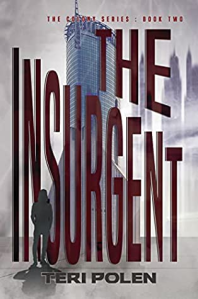
Ithoroughly enjoyed the first book in this series (Subject A36) and couldn’t wait to get into the second. It didn’t disappoint. Our hero, Asher, has surrendered to his bio-engineered personality (A36) and become a serious threat to his old team of insurgents. The insurgents are battling the Colony, a diabolical organization that harvests the genes of children (by killing them) so wealthy people can enhance their bodies.
The leader…
View original post 1,486 more words
Share this:

Writer’s Corner: 6 Reasons I chose to go wide with my books
Posted: June 20, 2022 Filed under: Books, Indie Publishing, Publishing, WordCrafter Press, Writer's Corner | Tags: independent publishing, Kaye Lynne Booth, Publishing, Wide vs. Exclusive, WordCrafter Press, Writer's Corner, Writing to be Read 10 Comments
I chose to go wide with WordCrafter Press books. Let me tell you why.
- Although many authors use KU to increase their income from their books, since page reads may be more of a metric than sales are, but the price may be too high. Going exclusive limits what you can do with your Intellectual Properties. So even though I’ve maintained my rights for a book, I can’t include that book in a story bundle or box set elsewhere, if it’s in KU. I can’t even sell the book direct from my own website. Likewise, audiobooks published with Audible must be exclusive for at least one year and can’t be published elsewhere, not even on my own website.
- An author wants to reach as many potential readers as possible, increasing the chances of their book being discovered, so to me, it just makes sense to place your books with as many different book distributors as possible. This can be done on each individual platform directly, but the process is very time consuming, so an aggregator like Draft2Digital or Smashwords, (which have merged into one company), can be helpful in getting your book offered on multiple platforms.
- There are some readers who just plain despise Amazon, feeling that they are a monopoly, pushing the smaller companies out, so they won’t buy from them. there are also folks who use readers other than Kindle. By publishing exclusive, authors are not reaching readers who can’t or won’t buy from Amazon or their partners.
- Brick and mortar bookstores and libraries hate Amazon. And why shouldn’t they? Amazon is their biggest competitor. So, chances are, that if your book is only available on Amazon, you won’t be able to get these entities to even consider making your book available to their customers. If they check you out and see that you are advertising “Available on Amazon”, you aren’t going to make it through the doors. (That’s why I use the Books2Read links offered through D2D, where you can set it up so potential readers can find you on their favorite book distribution platform. Amazon is in there, but so are the other platforms like Kobo, Barnes & Noble, Apple Books, and Scribd, where my books are available.) Even if you have your books on multiple book distribution and library platforms, you still must put in the work to get availability in physical locations, which are excellent opportunities for discovery and gaining new readers.
- It just doesn’t make sense to me to “put all my eggs in one basket”. By going exclusive with Amazon, I would be excluding a large portion of potential readers. Publishing with D2D places WordCrafter Press books with most of your favorite book distributors, including Barnes & Noble, Rakuten Kobo, Apple, Scribd, Amazon, Thalia, Indigo, Mondadori, and Vivlio, as well as Baker & Taylor, Overdrive and other library lists. Of course, being on the lists for libraries and bookstores don’t get your books into the brick and mortar establishments, you still have to work to build relationships with the real people who are found there, but without being on those lists, there isn’t any chance. And if I were to publish exclusive with Amazon those paths would be closed to me.
- As Derek Sivers – author, musician, entrepreneur and publisher – says on the May 16, 2022 episode of The Creative Penn podcast, “De-centralization is good. Amazon should not be the only bookstore.” And Sivers suggests that the way to work toward the goal of de-centralization is by training readers to look for your books in other places; other bookstores, libraries, or even direct from the author’s website.
Wide vs. exclusive is an ongoing decision among independent authors. Amazon has become the monster conglomerate that they are, because they are doing all kinds of things right. Most of us are not as anti-Amazon as Sivers, who instructs to send potential readers “anywhere but Amazon”. I can see the value in including Amazon in my wide distribution. Just as it doesn’t make sense to me to go exclusive, neither does it make sense to me to exclude the biggest bookseller on the block.
The fact is, even though I don’t like the pedestal Amazon has raised itself up on, and I don’t like the fact that their TOS isn’t always in the author’s favor, I can’t deny that shopping on Amazon is easy and convenient. Also, I read digital books on a Kindle device, and I hate learning how to set up and use new devices, so Amazon is where I get most of my digital content.
Now that I’ve told you my strategy, you tell me yours. Do you choose to have your books wide or exclusive? Why? Tell me your thoughts in the comments. Let’s make this more of a discussion.
______________________________________________________________________
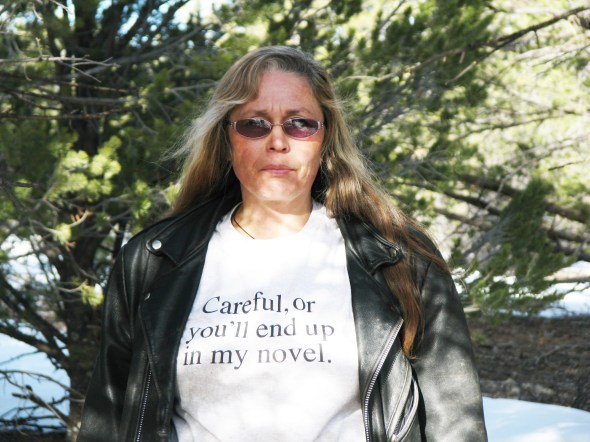
Kaye Lynne Booth lives, works, and plays in the mountains of Colorado. With a dual emphasis M.F.A. in Creative Writing and a M.A. in Publishing, writing is more than a passion. It’s a way of life. She’s a multi-genre author, who finds inspiration from the nature around her, and her love of the old west, and other odd and quirky things which might surprise you.
She has short stories featured in the following anthologies: The Collapsar Directive (“If You’re Happy and You Know It”); Relationship Add Vice (“The Devil Made Her Do It”); Nightmareland (“The Haunting in Carol’s Woods”); Whispers of the Past (“The Woman in the Water”); Spirits of the West (“Don’t Eat the Pickled Eggs”); and Where Spirits Linger (“The People Upstairs”). Her paranormal mystery novella, Hidden Secrets, and her short story collection, Last Call and Other Short Fiction, are both available in both digital and print editions at most of your favorite book distributors.
When not writing, she keeps up her author’s blog, Writing to be Read, where she posts reflections on her own writing, author interviews and book reviews, along with writing tips and inspirational posts from fellow writers. In addition to creating her own very small publishing house in WordCrafter Press, she offers quality author services, such as editing, social media & book promotion, and online writing courses through WordCrafter Quality Writing & Author Services. As well as serving as judge for the Western Writers of America and sitting on the editorial team for Western State Colorado University and WordFire Press for the Gilded Glass anthology and editing Weird Tales: The Best of the Early Years 1926-27, under Kevin J. Anderson & Jonathan Maberry.
In her spare time, she is bird watching, or gardening, or just soaking up some of that Colorado sunshine.
______________________________________________________________________________
Join Kaye Lynne Booth & WordCrafter Press Readers’ Group for WordCrafter Press book & event news, including the awesome releases of author Kaye Lynne Booth. Get a free digital copy of her short story collection, Last Call and Other Short Fiction, as a sampling of her works just for joining.
Share this:

Ask the Authors 2022 Book & Blog Series: Setting & World Building
Posted: June 18, 2022 Filed under: Anthology, Ask the Authors, Book Promotion, Book Release, Books, Fiction, Interview, Setting, WordCrafter Press, World Building, Writing, Writing Reference, Writing Tips | Tags: Ask the Authors 2022, Bobby Nash, Chris Barili, Jeff Bowles, Kaye Lynne Booth, Kevin Killiany, L. Jagi LAmplighter, Mario Acevedo, Mark Leslie Lefebrve, Nancy Oswald, Paul Kane, Roberta Eaton Cheadle, Setting, WordCrafter Press, World Building, Writing, writing advice, Writing Tips 7 CommentsWelcome back to the “Ask the Authors 2022” blog series. This is segment 7 of this Saturday series, which brings you a glimpse of the fantastic writing tips and advice featured in the Ask the Authors 2022 writing reference anthology, and today we introduce contributing author Chris Barili, who shares his thoughts and methods for character development in his own “Character Blueprint” in the anthology, and a Q & A session on setting & world building.
If you missed any of the previous segments, you can find them here:
Segment 1: Introductions for Kaye Lynne Booth & Kevin Killiany/Writing Life Q & A session
Segment 2: Introduction for Bobby Nash/Pre-writing Rituals Q & A session
Segment 3: Introduction for Roberta Eaton Cheadle/Plot & Storyline Q & A session
Segment 4: Introduction for Paul Kane/Character Development Q & A session
Segment 5: Introduction for Mario Acevedo/Action, Pacing & Dialog Q & A session
Segment 6: Introduction for Nancy Oswald & Tone: Voice, Tense, Person & POV Q & A session.
Let’s get started.
Meet Chris Barili
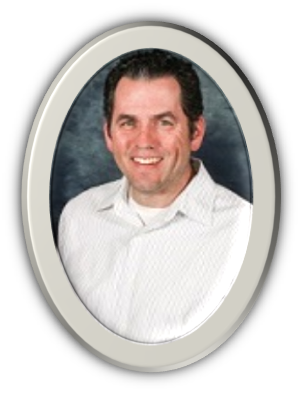
Chris Barili is a speculative fiction and romance author who was also my cohort in the M.F.A. in Creative Writing program at Western. He writes in a wide range of genres, including weird western (Hell’s Marshal series), and science fiction (Shadowblade) under his own name, and romance (Smothered) under the pen name B.T. Clearwater. Chris was a presenter and panel member for both the 2020 WordCrafter Stay in Place Virtual Writing Conference, and the 2021 WordCrafter New Beginnings Virtual Writing Conference.
Besides writing, Chris lifts weights, mountain bikes, practices martial arts and battles with Parkinson’s disease. Writing just may be his salvation. Chris also was a contributor to the original Ask the Authors writing reference project, back in 2018. When asked about a future where writing left him rich and famous, Chris said he would write more.
Now let’s see how our contributing authors responded in the Q & A.
Setting & World Building
What elements do you take into consideration when creating a new world?
Mario Acevedo: Time, place, setting, and the one many writers forget, mood.
Paul Kane: I’ve very rarely created entire worlds, but the ones I do write about – even in crime stories – I always view as just slightly to the left of ours. Alternate worlds that look very much like our own, but are just slightly different. I always make up locations, such as Norchester in The Gemini Factor, or Redmarket, Golden Sands and Green Acres in the PL Kane thrillers, simply because then you own those places and can do what you want with them. It’s much harder with real places like Nottingham or Sherwood, because someone might spot a mistake you made, even if you’ve done tons of research – for example we went on a private tour of Nottingham Castle just to make sure I could accurately describe things in Arrowhead. Nobody’s going to question something you do in a made-up place, that a street shouldn’t be in a certain spot or whatever. I like creating places anyway, though, because they very often feel like characters themselves. Norchester, for instance, is very much a character in The Gemini Factor. It even has two ‘faces’ as I say in the first chapter: the nice side that most people see, and a seedy underbelly that’s not very nice at all, full of drug-pushers and pimps. Or in this case, where a very unique serial killer operates.
Chris Barili: As many as the world requires. If I am sculpting an entirely new world, as I did in Shadow Blade, I consider everything from culture to economy, clothing to foods, and so on. Kevin J Anderson covers this really well in his book on world building, and I’ve been lucky enough to learn under him a bit.
Bobby Nash: Most of my stories take place in the real world so I start with the parts that are familiar. The basis for a town is the same in medieval time, modern day, and on another planet. Start with the familiar and build from there.
Nancy Oswald: Since I write historical fiction (mostly) the world has already been created, so the trick is to get to the heart of the historical period and let some of the actual history dictate parts of the story. For instance, the two fires in Cripple Creek in 1896.
Do places that you’ve traveled to ever end up in your books?
Mario Acevedo: Yes. Los Angeles, Hilton Head Island, Florida, St. Louis, Pacoima, New Mexico, Iraq. Haven’t been to outer space yet.
Paul Kane: It’s the same thing I talked about with characters, I put bits of places I know in stories. Unless they’re actual places like Nottingham, then I’ve made them up of various places I know. Redmarket is very much a mish-mash of Northern towns I know very well, Golden Sands is an amalgamation of various run-down seaside towns I’ve visited, mixed with dollops of other fictional towns like Broadchurch from the famous TV series. When I was writing about Glaive City in my comic book stories based around the gothic superhero Mortis-Man, I was very much thinking about cities from famous comic strips I read as a kid, and still read, which might resonate with readers. To give them a certain flavour of what the tales will be about, you see. So, I guess you could say I visited those places, only I did it through the medium of comic books and graphic novels.
Bobby Nash: Oh, yes. I often take photos while on a drive and have found locations that spark story ideas.
Robbie Cheadle: I do include places I have visited in my books. It is easier to describe a place and give a ring of authenticity if you have visited the setting from your story. I have also included places I have not visited and that required a lot of research of various crucial elements like climate, vegetation, and lifestyles.
Nancy Oswald: Yes. Visited the Sand Creek Massacre site, explored Cripple Creek, and the Jewish Colony is practically in my back yard.
What type of details do you add to help create a mental picture for your readers?
Paul Kane: I think the key is not to overdo it, just a splash here, a splash there. That builds up a picture in a reader’s mind, and very often they supply the rest from places they might know. If I say that Golden Sands has a Fish ‘n’ Chip shop, like I’ve just done in the novelette Corpsing, then I don’t need much of a description because chances are the reader will have been to a seaside chippy themselves at some point in their lives. All you need are broad strokes to paint that picture. Unless you’re doing something very specific with a place, making a certain point. If you’re going to have a character get thrown off a building, you need to describe how high it is in order for a reader to know they probably wouldn’t survive the fall. Things like that.
Chris Barili: Again, whatever the story needs. For example, in Hell’s Marshal, I opened in old wet Tombstone, right near the OK Corral, so a detailed description of the saloon in which the story opened was needed, but since many readers have at least seen a recreation of the corral itself, I was able to use fewer details.
Bobby Nash: I describe people and locations pretty well, I think. I try not to overdo it though. If I say a character walks into a bedroom, I don’t have to describe every item in it. The readers know what a bedroom looks like. They will fill in the details from their own experiences.
Robbie Cheadle: My writing style is descriptive, and I try to incorporate all of the senses into my stories.
Nancy Oswald: In my genre, this is a place where historical photos are invaluable, but I don’t see why historical photos or other photos couldn’t be helpful for fantasy and other types of world-building. They would just need to be tweaked appropriately.
Would you share a brief excerpt from one of your favorite setting descriptions? What is it about this setting description that you like?
I received several examples of setting description from contributing authors which made this section too lengthy, so if you want to see them, you’ll have to buy the book.
How do you choose the right sensory details for your story?
Paul Kane: It depends on what you’re trying to say, you have to pick and choose what’s important again – or what feels right. That’s something you only really develop over time, I think. Don’t feel like you have to throw everything in there: sight, sound, smell, touch, taste or whatever. It might be that less is more again, so you have to decide what it is you’re trying to say about a place or person. I don’t tend to put smell in there much, as I don’t have a sense of smell myself – so I’d only really be guessing. Obviously, if someone was near to a chemical plant, or a sewage works, I could probably hazard a guess that the smell is bad, but having never smelt that before, my description would be loose at best. Ask yourself what it is that’s important about a scene, because that should help you decide what to put in and leave out.
Bobby Nash: It’s all by feeling. Senses are important so I use them where I feel they work best.
Robbie Cheadle: I try to use all the sense in my writing. If the circumstances lend themselves to the incorporation of descriptions relating to smell, taste, or touch I try to bring them in. Descriptions involving sight and hearing work their way into my stories easier than the other sense.
Nancy Oswald: Try to stay character driven and historically accurate.
How do you communicate the rules of the world that you’ve created to your readers?
Paul Kane: The rules of most of my worlds tend to be the same as the one we’re living in, so it’s not that hard in most cases. If you’re writing something like a SF story, you’ll have to give the reader a sense of how that world works obviously, but it should be as the tale goes along – they’ll see through the telling of the story – rather than an info dump. So, in Arcana – which is a parallel universe – I had to show how the magic worked through the course of the story. I do have one bit near the beginning which is a flashback to a school classroom, but that was just to establish we’re not in this universe and that the history of it is different. The vast majority of what I set up in that novel comes through the telling of the story, that way it’s not too obtrusive. It’s not wise to have so many chunks of exposition or explanation too often or the reader will get bored.
Chris Barili: Through character actions words, and interaction with the world. Never by rote exposition.
Bobby Nash: I write the details, flesh things out with dialogue, stuff like that. I’m not a fan of the info dump, so I try to make that happen organically.
Robbie Cheadle: The Boers and the British soldiers in A Ghost and His Gold have their own codes of conduct, religious beliefs, and lifestyles. I bring these elements into my stories through descriptions and also through the use of thoughts and dialogue.
For real settings, do you explore the physical locations in which your stories are set?
Chris Barili: Usually just via the internet.
Bobby Nash: When I can, I do. That isn’t always possible though.
Robbie Cheadle: I explore the physical location when it has been possible for me to do so. Through the Nethergate is set in the English town of Bungay in Suffolk. I have visited Bungay twice as that is where my mother comes from. We have looked around the town and visited the churches, pubs, and the ruins of Bungay Castle.
A Ghost and His Gold is set in South Africa, and I have visited several of the places featured in the book including Irene, Pretoria, Mafeking, and Kimberley. It is easier for me to write about places I have visited, especially as I take lots of photographs.
Nancy Oswald: Yes, whenever possible.
Have you ever had a reader tell you that you missed the mark on a particular detail?
Bobby Nash: Sure. It happens. Sometimes they are right. Sometimes they aren’t. I’m happy that my story moved them enough to take time to let me know what they thought.
What techniques do you use to help readers visualize your world?
Paul Kane: I think it helps to see the world through a character’s eyes. A good device might be to take a ‘fish out of water’ character and throw them into this setting, so that you’re learning about the world as they do, as they go along. If you think about characters like Buck Rogers who gets flung into the future, or Stallone’s cop in Demolition Man, you get the picture. Hopefully then, if you’re giving the reader the right amount of information in the right way, they’re right there with the character seeing what they see.
Bobby Nash: Words and phrases. It’s my job to paint a picture with these words. The reader also helps by bringing his or her imagination into it as well.
Nancy Oswald: Always watch the verbs and passive voice.
Do you plan out your world or build as you go?
Paul Kane: It depends on the kind of world you’re building. If it’s a place that’s going to be a sprawling metropolis that you’re going to need to know inside out to tell your stories, it’s probably a good idea to know which bits are where. Is a new bit next to an old bit, are dangerous bits just a hop, skip and a jump from a nicer bit. I have a place called Graffitiland which is mentioned in my PL Kane books, and was the focus of the novelette of the same name. As you can imagine, this bit of wasteland is so-called because it’s covered in graffiti, so quite rough, but I also wanted it to be within spitting distance of some of the newer parts of the town I was writing about for plot purposes. I didn’t have any maps drawn out or anything, but just needed to jot down that this was the case – especially if I write about it again down the line. But if the whole story revolved around that sprawling city I was talking about, then you might want to start mapping bits out so you don’t contradict yourself.
Chris Barili: I start with an initial world-build, adding to it or changing things as the story progresses.
Bobby Nash: A little of both. When I created Sommersville, the county and town in several of my stories, I went in with a pretty well-established map, but I reveal important places, landmarks, etc. to the reader as needed in service of that particular story.
How do you keep track of the details of your world to avoid inconsistencies in the stories?
Mario Acevedo: Through rewrites and multiple drafts.
Paul Kane: By jotting down notes, essentially, or creating maps. Personally, I wouldn’t spend ages doing all this, because it’s enough to know roughly where things are for the purposes of my writing. But I do know other writers, especially if they’re writing Fantasy say, who spend a long time getting all these details right and recording them. It depends what kind of genre you’re working in.
Bobby Nash: I try to keep good notes.
Robbie Cheadle: I have a spreadsheet for my work-in-progress The Creeping Change as it involves a large number of characters. I write down the names and descriptions of certain supporting characters in my books, so I remember the details correctly.
___________________
That’s it for this week’s “Ask the Authors 2022” blog series. Drop by again next Saturday for an introduction to Jeff Bowles, whose essay contribution, , offers up a view on editing & revision, along with a Q & A segment on the same topic.
“Ask the Authors is an up-to-date and broad-based compendium of advice from today’s working writers, to help you with understanding your own writing career. Great information!”
—Kevin J. Anderson, New York Times bestselling author of Spine of the Dragon
Don’t forget, you can purchase a copy of this must have writing reference from your favorite book distributor at the special send-off price of $3.99 through the Books2Read UBL: https://books2read.com/u/3LnK8e
______________________
Join Kaye Lynne Booth & WordCrafter Press Readers’ Group for WordCrafter Press book & event news, including the awesome releases of author Kaye Lynne Booth. Get a free digital copy of her short story collection, Last Call and Other Short Fiction, as a sampling of her works just for joining.
Share this:

Finishing up the WordCrafter “Hope for the Tarnished” Book Blog Tour
Posted: June 17, 2022 Filed under: Uncategorized Leave a comment
Today we’re wrapping up the WordCrafter “Hope for the Tarnished” Book Blog Tour over at Zigler’s News, with a guest post by author Ann Chiappetta and a review by Victoria Zigler. Come on over and join us.
https://ziglernews.blogspot.com/2022/06/wordcrafters-book-blog-tour-for-hope.html
Share this:

Roberta Writes – WordCrafter “Hope for the Tarnished” book blog tour and guest post
Posted: June 16, 2022 Filed under: Uncategorized 1 CommentToday we’re over at “Roberta Writes” with a guest post from author Ann Chiappetta to celebrate her debut novel, “Hope for the Tarnished”. Join us there to learn more about this wonderful Y.A. novel.


Today, I am delighted to welcome poet, Ann Chiappetta, as part of her WordCrafter Hope for the Tarnished Book Blog Tour, with a guest post.
Here’s the tour schedule so you don’t have to miss any of the stops:
Day 1:Writing to be Read– Introduction and Review
Day 2:Patty’s World– Guest Post by Ann Chiappetta
Day 3:Writing to be Read– Interview with Ann Chiappetta
Day 4:Roberta Writes– Guest Post by Ann Chiappetta
Day 5: Zigler’s News – Guest Post by Ann Chiappetta and Review
Welcome Ann Chiappetta
Wow, this has been great. I am getting to know so many more people in the blogosphere, thanks to Kaye and the WordCrafter “Hope for the Tarnished” Book Blog Tour.
I am drawn to stories that include a great supporting character, and like it even more when that character is a dog, horse…
View original post 362 more words