Weekly Writing Memo: Writing Truth
Posted: August 3, 2016 Filed under: Screenwriting, Uncategorized, Weekly Writing Memo, Writing, Writing Tips | Tags: Books, Fiction, Screenwriting, Writing, Writing Process Leave a comment One of the things that is distinct about great writing is that it delivers a truth. This doesn’t mean the narrator or characters have to tell the truth, but it does mean that the writing has to be true to the story. Even if your characters or narrators are liars, their actions and their words have to be true to who they are. There are three main ways stories tell the truth:
Truth of Story
For a story to read realistic, it has to stay true to itself unless the writer has a very big reason to write it another way. However the events of your story happen, they have to be the true way they would happen and not forced for the writer’s preference. For example, in the Harry Potter novels, people had to die whether JK Rowling liked it or not. If she let everyone survive through all of the conflict within the novels she would be lying to her audience for the sake of a happy ending. In wars, people die, and without that death the story is a lie.
Whatever type of story you are writing, you have to stay true to the type of story. People die, couples break up, families are torn apart, and bad things happen. You can’t protect your characters and your audience by lying to them. If you do, the story will lose its depth and worth, and the audience will know it.
Truth of Character
Characters in stories have to stay true to who they are. If they behave out of character for the sake of progressing the plot, then the character will often lose the audience. The audience is not dumb and they know when the writer is manipulating a character for the sake of the plot. You can’t force your characters to go where you want them to. Every action has to be justified by your characters motivations. By staying true to your characters, you are strengthening your plot and your story, and your audience will buy into your story more.
Big Truths
Finally, every story has a big truth to it. In Harry Potter the truth was that people die, good has to make sacrifices to defeat evil, and that evil can be an alluring force that turns good people bad. I’m sure there are others, but these are some of the big truths and themes that the Harry Potter stories bring out in their telling. So what are your story’s truths? What is your story saying about the world? Whatever it is, make sure it is truth and not wishful thinking or a fairytale unless you are doing it deliberately.
A lot of children’s stories will have morals that aren’t always true, such as “good always triumphs.” These kinds of stories when given to adult audiences don’t work as well because adults generally know that they aren’t true for how the world works. By telling the truth about the world to your audience, you are creating a story with more depth. Of course, what is true for some is not true for all, but write the truth the best you can.
The purpose of all this is to say that you can’t lie to your audience. Your audience is buying into your story, and if you lie to them they will know and they will almost always be disappointed. You can have characters and narrators that lie, but you the writer cannot lie. Whatever you do, do it with purpose, and with truth, and if you do that, your story will be the better for it.
Robin Conley offers great writing advice most Wednesdays on Writing to be Read. If you just can’t wait until next week to find out more, you can pop into her blog, Author the World, for more tips, or a weekly writing prompt.
Share this:

Know Your Writing Process
Posted: August 1, 2016 Filed under: Books, Writing | Tags: Delilah, Fiction, Playground for the Gods, Writing, Writing Process Leave a comment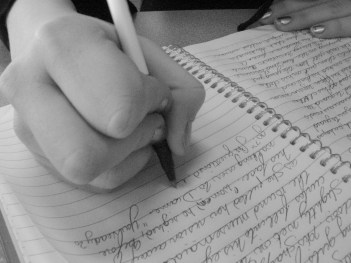
There is no one writing process that’s right. Writers all use different methods to get to the same point – a finished manuscript of a publishable quality. Some writers binge write. I had a professor who writes this way. She locks herself in a room and puts out a do not disturb sign, then writes until she’s given birth to the story. She claims she doesn’t stop to eat, sleep or shower, and when she comes out of the room, she may seem a little crazy, but with full manuscript in hand.
In one of my Facebook groups, members invite one another to join in writing sprints, where they start writing and keep going non-stop for a designated amount of time. The duration that I have seen is mostly about twenty minutes, but this varies depending on which member extends the invitation. This is kind of a nifty way to write, using the encouragement of others to keep you on track writing, but it’s not for me. I work on multiple projects concurrently and I can’t wait for a group sprint, or limit myself by one. As a graduate student, I had a professor who liked to give us timed free-writes, which was okay except that if I wasn’t finished when the time ran out, I didn’t want to stop. I wanted to finish expressing my complete thought or idea. Once I’m on a roll, I want to keep going. I can sprint when I have to, but I think I’m more of a long distance writer.
 In another of my Facebook groups, I saw a post where a writer outlined his very structured writing process. In his outline, he showed how he wrote chapters one through five and then sent them off to his alpha readers, then rewrote those chapters using their feedback before proceeding forward. My comment to him was that even though I liked his structured approach, I just can’t write that way.
Once I start writing, I listen to my characters, and keep writing until the story is told. I’m not as emphatic as my professor, I do take life breaks, but even then, the story is swimming around in my head while I tend to other tasks which life deems necessary. That’s what I mean when I say I’m a long distance writer. Once the idea takes hold, I jump in and just keep going until I’ve expended all of my creative energy. And I write fast. I once wrote the first draft for a thirty thousand word romance story in nine days. It wasn’t perfect. It was a first draft. But the story was all there, waiting for revisions.
But there are drawbacks to this method. Only when the first draft is complete, do I send it off to alpha readers. After receiving their feedback I revise the story, sometimes in its entirety. With Delilah, once I got the initial feedback from my alpha readers, I utilized said feedback to do revisions.
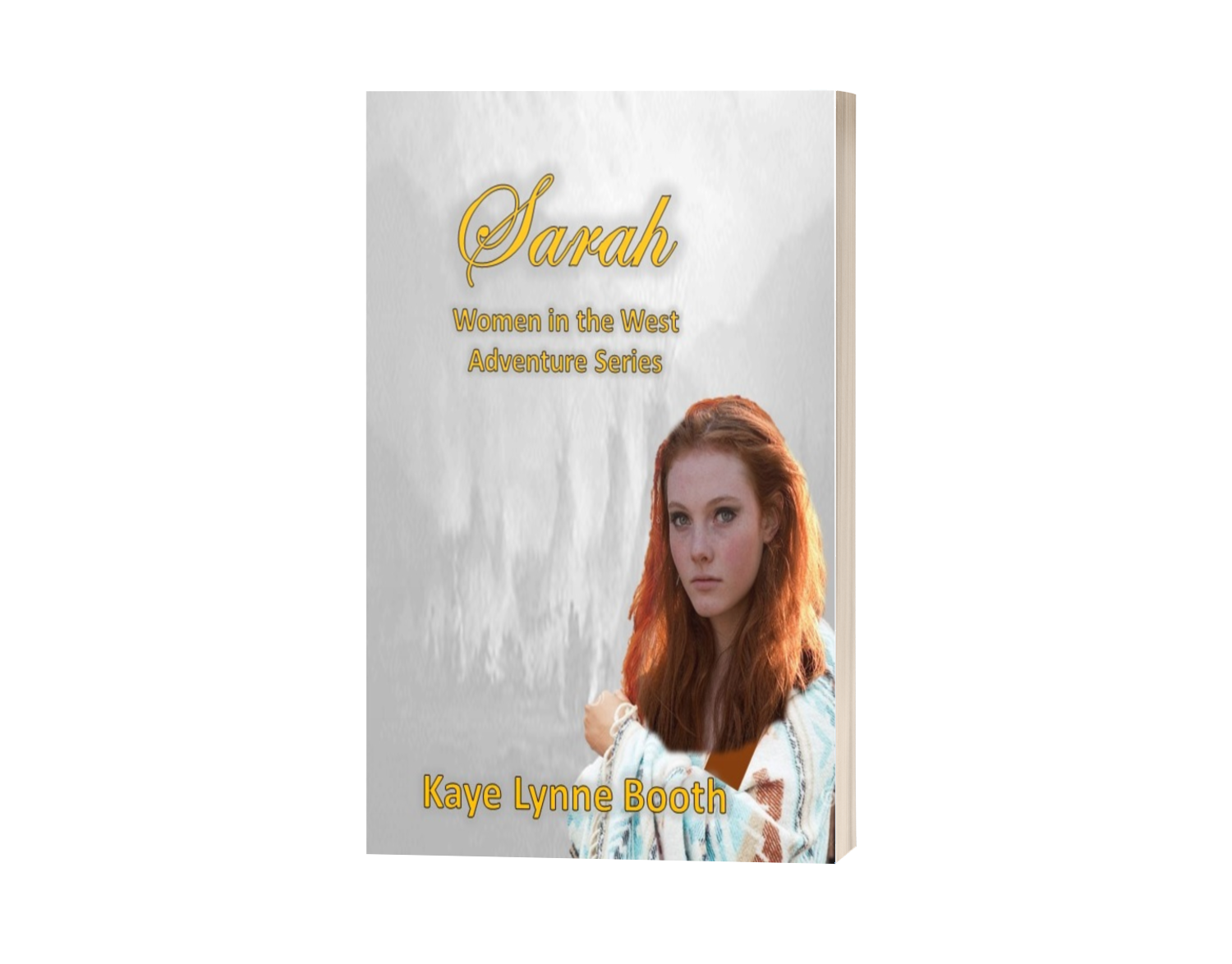
On the next read-through I decided that there just wasn’t enough at stake to make readers care whether Delilah would be successful in her quest. So, I went back and wrote in a teen girl, Sarah, and placed her in Delilah’s care at the beginning of the story. Then I rewrote the scenes that came after that, because everything changed once Sarah was in the picture, and we’re talking major revisions. But they added to Delilah’s quest for revenge, a quest to save Sarah, which raised the stakes, hopefully causing readers to want Delilah to succeed.
I’m also one of those writers who, despite all the warnings from my professors about editing as you write, does it anyway. I correct my typos and misspellings as I go, so after the first few chapters, where the story is set in motion, most of the revisions necessary were mostly minor tweaks, but they were required throughout the story. It necessitated going over it with my editor’s eye and reading it aloud.
Once the second draft was complete, I did a read-through before sending it off for feedback once more. About half-way through, I came to a part where the story was dragging for me. Now when your own writing drags for you, that’s not a good thing. Something needed to happen to keep my readers, (and myself), awake and interested. So, I rewrote the scene and had Delilah run into one of the outlaws she is seeking, resulting in a shoot-out that kills off a character that had previously had a big role later in the story. It solved the boredom problem for that scene, but required a rewrite of the rest of the story, because things could no longer go down that way I had originally written it.
 You can see the drawback to my writing process. Waiting until the first draft is finished can entail some major rewrites. Sending it off for feedback a small chunk at a time, and then revising bit by bit seems like it might be a better process to practice, but I can’t get my mind to shut down once the story starts flowing. It’s all got to come out. That’s just how I do it.
Delilah is an example of my normal writing process. I took that first excerpt and wrote. I’m not a plotter. I get an idea in my head and let the words fly to the page. But in my M.F.A. program, they tried to turn me into a plotter. For my thesis novel, Playground for the Gods: The Great Primordial Battle, I was required to make an outline before I started writing. In truth, I needed to take that approach with my thesis, because my original science fantasy idea is broad enough to encompass four novels, and in fact, my thesis turned into the first novel with plans for three other novels to follow. My original idea will become the third novel in the series. I needed two books worth of backstory to tell my tale. But that much information, that much plot, that much story needs to be outlined. You can’t just blunder along blindly writing whatever comes into your head, because what you write at this point must fit in, not only with this story, but with the other three in the series. There are a lot of writers, and many of my M.F.A. cohorts, who prefer to outline and plot before writing.
With my thesis novel, I did send chunks off for feedback instead of waiting for the whole story. There was just too much story to fill in and I needed to know it was all there and flowed smoothly. It’s a good thing I did, too, because I am still waiting on the feedback from my thesis advisor. Quite frankly, I’ve been considering pulling this one back out and doing some revising, even now.
 I know how my writing process works, but it’s not the only way, or maybe even the best way. It’s a way that works for me.
What is your writing process? Are you a sprinter? A long distance writer? A procrastinator, who puts the writing off until right before deadline and then crams to get it done? A plotter, who outlines and plots the whole story before ever putting down the first word?
Like this post? Subscribe to Writing to be Read for e-mail notifications whenever new content is posted.
Share this:

2016 Write the Rockies Conference Growing with Success
Posted: July 26, 2016 Filed under: Writing | Tags: Alan Wertes, Broughton Coburn, Creative Fiction, Fiction, J.D. Payne, J.S. Mayank, James Gunn, Michael Brody, Poetry, Publishing, Rebecca McEwen, Review, Robin Wayne Bailey, Russell Davis, Screenwriting, Western State Colorado University, Writing, Writing Conference, Writing the Rockies Confernce, Writing to be Read 1 Comment

When I attended my first Writing the Rockies Conference at Western State Colorado University, back in 2012, it was a three day event, with panels and workshops on genre fiction, screenwriting, and poetry. It had a couple of publishing workshops, too, but the poetry symposium was a major event. You could sign up for critiques and pitch sessions with small presses and agents, and they served delicious sack lunches made by Western State’s great kitchen staff. Every year since, the conference has gotten bigger, including more and more great events for authors, poets, screenwriters and publishers future.
The 2016 Writing the Rockies Conference has continued in that growth trend. Director of Western State’s M.F.A. in Creative Writing program and head organizer of the conference, David J. Rothman tells us that Writing the Rockies is now the most diverse of all college hosted writing conferences, boasting writing workshops, keynotes and panels, 3-day intensive workshops and critical seminars in five individual concentrations: genre fiction, screenwriting, creative nonfiction, publishing, in addition to their wonderful poetry symposium. It is now five day event, which takes advantage of inspirational surroundings of the beautiful Gunnison Valley, with one whole day for group hikes in the beautiful area surrounding near-by Crested Butte. Gone are the sack lunches of the past, but the food is still good, with Western’s kitchen staff providing both breakfast and lunch for conference attendees.
The conference is so packed full of wonderful writing events and opportunities that no one can do them all. Aspiring writers must pick and choose those events that will be most beneficial to them. I had the pleasure of attending events in all five concentrations, creating a well-rounded educational experience, from which I learned a lot.
I started off with the genre fiction panel, which featured three former presidents of the Science Fiction & Fantasy Writers of America – authors James Gunn, Robin Wayne Bailey and Russell Davis gave a grand overview of the history of SFWA and the science fiction genre. I was also privileged to attend the screenwriting panel, featuring screenwriters for both feature films and television – J.D. Payne, Alan Wartes and J.S. Mayank, where we discussed how to take notes on your screenplay or series, who to take notes from, and ways to politely disregard notes that are detrimental to the structure of your script.
Unfortunately, I was unable to attend Conference Keynote, by George Sibley, or the Poetry Keynote, by Julie Kane on Wednesday evening. If they were anywhere near the quality and usefulness of the four Keynotes I did hear, then I have truly missed out.

Fulcrum Press Editor Rebecca McEwen
Publishing Keynote Speaker
The Publishing Keynote was given by Fulcrum Press editor, Rebecca McEwen, who talked about the value of small presses and when you might want to consider submitting press that is not among the big five. According to McEwen, there are currently 30 small independent publishers in Colorado.

Author Robin Wayne Bailey
Genre Fiction Keynote Speaker
The Creative Nonfiction Keynote was delivered by author Broughton Coburn, who has created story from many of the events in his extraordinary life and turned them into bestselling books. His touching story of bringing an elderly Indian woman to America with him, brought smiles to all faces in the audience. He talked about finding common threads in your true-life story which can then be used to tie things together as you put the story on the page.
Author Broughton Coburn
Creative Nonfiction Keynote Speaker
Author Robin Wayne Bailey, gave an inspiring Genre Fiction Keynote on the importance of life experience in writing, and how moving writing can be, coming near to tears himself as he spoke of times past as he recounted parts of his own personal history for emphasis. And, there were chuckles from the audience throughout screenwriter J.D. Payne’s Screenwriting Keynote on the journey to becoming a screenwriter, ways to handle the criticism and rejection that are so very prominent in the Industry, and how to take notes, another big part of writing for television or film.

Screenwriter J.D. Payne
Screenwriting Keynote Speaker
I attended a genre fiction workshop and two screenwriting workshops, since these are my major concentrations. The first screenwriting workshop, led by screenwriter, Mary Beth Fielder, was on the transformational arc that every story and every major character needs to have. She talked about looking at the subtext to indicate what’s really going on in each scene, and how to use basic human needs to determine what your characters goals are.
The second screenwriting workshop, on creating conflict, was led by screenwriter J.S. Mayank, pointing out that in story we do the opposite of what we do in real life. In real life, we tend to avoid conflict, while in story we invite it. To provide examples of scenes with well-crafted conflict, video clips from several different movies were shown, some that made us laugh, others that made us want to cry.
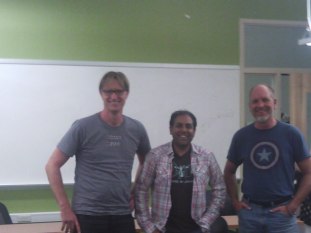
J.D. Payne, J. S. Mayank, and Alan Wartse
Screenwriting Panel at the
2016 Writing the Rockies Conference
The genre fiction workshop, on creating complex female characters, led by women’s fiction author Candace Nadon. She talked about the female stereotypes used in creating female characters, and ways to recognize and avoid them in your writing. Most of her advice for creating strong female characters, was in the form of what not to do, proving that there is a fine line to balance strength and feminity.
Screenwriter and co-organizer of the Crested Butte Film Festival, Michael Body was both educational and entertaining in his screening lecture. He used actual clips submitted to the festival for consideration. Two of the clips were humorous, but the other one was just plain bad, illustrating well the many reasons films do, or don’t get into film festivals. The bad one was so bad that the audience elected not to finish watching it.

Screenwriter Michael Brody
Co-Founder of The Crested Butte Film Festival
Along with everything else, the talent featured at the Writing the Rockies Conference also grows each year. In addition to the genre fiction and screenwriting names above, this year’s poetry symposium featured were renowned poets and critics, such as A.M. Juster, Jan Schreiber, John Talbot, Bruce Bennett, Christopher Norris, Emily Grosholz, Thomas Cable, Paul Edwards, Natalie Gerber, Niles Ritter, Frederick Turner, Richard Wakefield, and Robert Maranto.
Of the thirty publishers in Colorado today, at least seven were represented at the 2016 Writing the Rockies Conference: Conundrum Press Publisher, Caleb Seeling; Fulcrum Press editor, Rebecca McEwen; Slant News editor, Kyle Harvey; Dave Trendler, of VeloPress; Fred Ramey of Unbridled Books; Lithic Press Publisher, Danny Rosen; and Senior Acquisitions Editor of NavPress, David Zimmerman.
Creative Nonfiction is a new concentration which was added this year, featuring award-winning author, Kase Johnstun; essayist, Kelsey Bennett; and nature writer, Alissa Johnson. Genre fiction authors not mentioned above included Clay Reynolds; children’s author, Stacia Deutsch; and speculative fiction author, Michaela Roessner.
The 2016 Writing the Rockies Conference appeared to be a great success. It holds many opportunities for aspiring writers, and 2017 promises to have e1ven more, becoming larger and more prestigious than ever before. I anticipate 2017 conference attendees will have quite a treat in store.
Like this post? Subscribe to Writing to be Read for e-mail notifications whenever new content is posted.
Share this:

Weekly Writing Memo: Setting Writing Prompt
Posted: July 21, 2016 Filed under: Fiction, Screenwriting, Uncategorized, Weekly Writing Memo, Writing, Writing Tips | Tags: Creative Fiction, creative process, Fiction, Screenwriting, Writing, Writing Process 1 Comment[Sorry for the delay this week, there was a glitch in posting yesterday.]
 I’m off in Gunnison, Colorado this week for a writing conference at my old graduate school, Western State Colorado University. For me, a writing conference is a chance to talk writing and get inspired, so I thought I’d post a writing prompt this week to spread some of the inspiration.
Since I’m in a place that is known for its beautiful scenic views, I thought I’d go with a writing prompt that is all about starting with setting to find your story. Try to use the prompt to help visualize the setting, and see where it takes you for creating a story.
A Tree Grows in the Desert
A tree grows alone in the desert. What kind of tree is it? What does it look like?
Describe every detail you can think of. What do those details tell us about the tree?
How does it grow there?
Who discovers it? Someone has to come across it and be our narrator. So who? Why are they in the desert? How did they find the tree?
Who are they?
What does the tree mean to them? Do they interact with the tree somehow?
Is this all a dream?
Or a vision?
A miracle?
A mirage?
Don’t just have this character be at the tree, give them a reason, a purpose. Why are they there? Why is the tree there? How do the tree and the character impact each other? Where do they go once they part?
This prompt is about character and setting, since they are the two core parts of the prompt. It’s also about using mysterious elements to help draw the plot out. If there is a mystery element to be investigated, and a character to investigate it, then there is a plot in there somewhere. So explore the tree, develop the character who interacts with the tree, and see where the story takes you.
Next week I’ll be back with my usual post, but for now, happy writing! If you want to play with this prompt, you can try to set it in other unusual places if you want (the ocean, a grocery store, etc). The key is, that the tree is somewhere unusual, and the story comes from someone interacting and exploring the tree and why it is there. So explore, have fun, and get writing!
Robin Conley offers great writing advice most Wednesdays on Writing to be Read. If you just can’t wait until next week to find out more, you can pop into her blog, Author the World, for more tips, or a weekly writing prompt.
Share this:

Who is Robin Conley?
Posted: July 18, 2016 Filed under: Author Profile, Books, Fiction, Screenwriting, Stories, Writing, Writing Tips | Tags: Critiques, project 365, Robin Conley, Weekly Writing Memo, Writing, writing advice, Writing Tips 2 Comments
It occurred to me that although I introduced Robin Conley as my cohort in the M.F.A. program when she first began doing guest posts for Writing to be Read, I really didn’t give a lot of information about my friend and former cohort, who happens to be a very talented writer with a sharp eye for what does, or doesn’t, make a story work.
When she was introduced in my M.F.A. cohort at Western State of Colorado University, there was one amazing thing about her which stuck in my mind. She had challenged herself and her writing abilities by writing a short story a day for a year, and called it Project 365. Not only did she challenge herself, but she took it public. She got the idea as an undergraduate at Western Michigan University in 2010. Robin explains how Project 365 came about,
“ …we were reading a book of plays called 365 Plays/365 Days by Suzan-Lori Parks… her work inspired me to try something like it for myself to help me push myself to write every day, and to try new styles of writing. There weren’t any rules except that I had to write a complete story every day… as long or as short as necessary to tell the story, but the purpose… was trying something new. I played with genres, new characters, new styles (minimalism, surrealism, literary vs. genre, etc.) In order to keep myself on track, I started a twitter account (@Jminspirations) at the same time and a blog, and forced myself to post every story on the blog and then put a link on my twitter account.”
I found this to be amazing. Talk about inspirational. Wow!
At the time, that’s how I thought of her, the amazing girl who did the short story challenge. But over the past four years, I’ve gotten to know her better and she’s become a good friend to me, and in a way, she’s become my writing partner. We are working together in some of our writing endeavors, including her guest posts here. Through our Etsy store, Writing the World, we offer critiquing and proofreading services. Robin does guest posts for us, besides writing for her own blog. In addition to her own writing, she currently does writing for hire, volunteers as a script reader, and is teaching a couple of classes in screenwriting. (I think she may do some babysitting, too.) Besides being skilled at the craft, she’s smart and witty, and a she has a wonderful sense of humor.
I wanted my readers to know a little bit about Robin, so you’ll have a better idea of who you’re getting your weekly writing tips from. There’s no better way to tell you about her than to let her say it in her own words. The post runs a bit long, but Robin’s answers were so good, I couldn’t bring myself to cut much of them. I’m hoping after reading the following interview, you’ll be able to see a little bit of what I see in Robin, who I’ve come to know and consider a friend.
Kaye: We’ve already talked some about Project 365. How has that writing experience helped shape your writing career?
Robin: Project 365 was a strange part of my life that really pushed me to be a better writer. Every time I thought I wouldn’t be able to come up with a story idea, I somehow found one. It was stressful, and there were a lot of days where I wanted to do anything but write. Sticking with it taught me more about my writing than anything else I’ve done. By the final few months, I’d learned a lot about my process and my writing and I learned how to write no matter what else was going on.
So far, at least 2 of the stories have sprung into novels, and there are at least a dozen others that I also plan to turn into novels when I have the time. Many others I’ve revised and am working on sending out to publishers in hopes of finding a home for them. Of course, there are several that are just pretty crappy and probably won’t be used for anything other than as a “learn from my mistake” sort of thing, but that’s to be expected when doing so much in such a short time.
Kaye: What works have come out of the 365 stories?
Robin: One of my favorite stories that sprung from the 365 challenge is my Tour Guide that was part of my thesis novel, Labyrinth of the Dead, which I wrote for the MFA program. The world she is a part of was a pre-existing place I’d written about before, but the Tour Guide was a new character that I decided to play with while doing the challenge. She works in the underworld as a guide for the newly dead and leads them through the orientation process, so to speak.
Another story that came from the challenge has become a mystery novel, Indecision Killed the Cat. It’s about an anxiety-riddle woman who believes her troubled brother is missing, but no one believes her because of his past history of running off, and her irrational and unreliable way of thinking.
Kaye: In what way, if any has the challenge helped bring you to the point you’re at now?
Robin: Doing the challenge helped me grow more confident in my own writing. It let me explore genres and stories that I had been thinking about, but hadn’t tried writing in.
One of my main goals with the challenge was to help me focus. Before the challenge, I often found it hard to work on longer projects because I had so many ideas in my head and I felt overwhelmed by them or distracted… Now when I go to write I know exactly what I need to do in order to get started, where before I’d waste a lot of time. It really helped me be the writer I am today.
Kaye: What kinds of things influence your writing?
Robin: I’m influenced by everything. I love learning how things in the world work: people, jobs, cultures, nature… I love learning and I love watching how things are interconnected. When I write, it’s all about taking little details and connecting them in such a way that they tell a story. Every part of my life, every little thing I’ve interacted with every day, helps me tell stories.
Sometimes the smallest thing can inspire a story for me because it’s all about perspective. The way someone holds a beer bottle can be significant and inspiring. I know, it sounds silly and dramatic, but it’s true. It may inspire me because of the attitude, or the way the person is interacting with the bottle. Are they gesturing with it like it’s an extension of themselves? Or do they carry it like it’s nothing more than object? These kind of small details can make me start to wonder about a person, and before I know it, I’m no longer thinking about that person, I’m thinking about a character. Every character has a story, and I love finding out what it is. So once I have a glimmer, I have to delve deeper. Essentially, the answer to where stories come from for me, is simple: they come from curiosity. I want to know more, so I write until I find my answers.
Kaye: What’s your favorite genre to read? To write?
Robin: About 60% are books recommended to me by friends or family. I have several people who pretty much give me everything they read because they know I like to check out all types of stories as research for writing. If someone I know wanted to read it, I’m curious to see it for myself. My preferred genres are the classics, urban fantasy, horror, and anything involving zombies. In general, though, I’ll pick up any book that either has a character or plot that catches my attention, and I usually read several books at once. Right now I’m currently reading:
- David Copperfield by Charles Dickens
- The Brief Wondrous Life of Oscar Wao by Junot Díaz
- 21st Century Dead Edited by Christopher Golden
- House of Leaves by Mark Danielewski
- The Tools of Screenwriting by David Howard & Edward Mabley
In writing, I seem to lean toward telling stories that involve some form of fantasy, or something involving horror or supernatural elements. While these types of stories are my favorite, I end up writing in a wide variety of genres because what usually draws me to wanting to write a story is the character or a particular conflict. I like to follow the story and take it wherever it leads me instead of trying to focus too much on one genre or style.
Kaye: Like me, you hold a duel M.F.A. in Creative Writing, with emphasis in both genre fiction and screenwriting. What prompted you to spend the extra year to add that additional screenwriting emphasis?
Robin: I love telling stories, and I love absorbing stories in any form (movies, music, oral storytelling, plays, books, etc.) When I took my out of concentration course for the fiction program I decided to take Screenwriting because it would help me expand my ability to tell stories. The more mediums I am familiar with, the more options I have when I choose to tell a story. Plus, when I took the Screenwriting class I just really fell in love with the visual format and wanted to know more, so I decided to add the extra year in order to learn as much as I possibly could about screenwriting before I graduated.
Kaye: What is the biggest challenge for you when writing short fiction? Or when tackling a novel length work? • What is your biggest challenge when writing a screenplay? • Have you ever played with poetry?
Robin: Short Fiction – condensing the story. I love getting lost in characters and worlds, and finding a short story is often hard for me. I really have to force myself to focus on one small part of the story and make it matter, without getting lost in the bigger story.
Novels – I think I most struggle with the outlining and preparing to write stage. I hate the pre-writing stuff and always want to just get started, but I find that the pre-writing really helps me write faster and clearer so I force myself to do it.
Screenwriting – During my first drafts I really focus on the plot and getting that to work on the page first, which means my protagonist’s personality often gets lost even though I know it well. Future drafts are often all about bringing that personality out and fixing character stuff, which is a slow and tedious process for me.
Poetry – It was my first foray into writing. It was awful stuff that will hopefully never see the light of day again. These days I simply appreciate poetry and admire those who have the skill. It’s not my strong suit.
Kaye: Which is your favorite type of writing? Short fiction, genre fiction, or screenwriting?
Robin: I’m kind of torn on this these days, because I love the visual format of screenwriting, but I also adore getting lost in the world of a novel. I think for me, which is my favorite really depends on what story I’m working on at the given moment and which medium it seems to fit best.
Kaye: Is there anything unique or unusual about your writing process?
Robin: The main thing I can think of is that in my first draft I really focus on getting my plot down first and writing the motions of the story, while drawing character out comes second. I know my characters in advance before writing, but they don’t always come out on the page well in the first draft since I’m focused on plot. Doing it this way helps me write faster, and gets the plot all out on the page so I can look at it and see what is and isn’t working, because sometimes you can’t tell until it’s written.
I look at it as being similar to drawing. First you do a rough sketch to plan the drawing (outline), then maybe you do the structure of the drawing in black and white (plot), and then you go through and add color (character and finer details). Writing this way lets me really focus on my plots and make sure they are logically sound before I really delve into bringing out the character elements and some of the smaller details that help bring a story to life. The key, though, is knowing your characters really well first so they fit the plot.
Kaye: We’re offering some proofreading and critiquing through the Etsy store. What’s your worst pet peeve when reading or critiquing a book or story?
Robin: 1. When the author writes a character doing something for the sake of getting the plot to go where the author needs it to go, rather than staying true to the characters.
2. When critiquing and someone sends me something that is clearly a first draft and I can tell they haven’t read it over. It’s one thing if we’ve talked about sending the first draft for some specific reason, but it’s another to send something to someone asking for a critique when you haven’t even done a basic revision pass. You may only get one critique, so don’t waste it by sending something that is filled with mistakes you could catch on your own!
Kaye: What do you like to do when you’re not writing?
Robin: I have a lot of random hobbies and like learning new things, so what I’m up to is constantly changing. Lately I’ve been teaching myself to knit, and relearning some Spanish. In general, I love reading, movies, anything involving animals or nature, traveling, and photography.
That’s it, folks. I hope this interview has given you a better idea of who Robin Conley is, and instilled confidence when she offers writing advice. If you have questions for Robin, leave a comment to this post.
Robin Conley offers great writing advice most Wednesdays on Writing to be Read. If you just can’t wait until next week to find out more, you can pop into her blog, Author the World, for more tips, or a weekly writing prompt.
Share this:

Weekly Writing Memo: When to Include Movement with Dialogue
Posted: July 13, 2016 Filed under: Fiction, Uncategorized, Weekly Writing Memo, Writing, Writing Tips | Tags: Screenwriting, Writing, writing advice, Writing Process 1 Comment One thing I’ve noticed during my time reading and critique fiction, is that not everyone includes movement of characters, or actions, within the dialogue scenes. This is a pretty obvious thing, as not all scenes would call for it, but how do you know when you should or shouldn’t include movement with the dialogue?
Forward Momentum
One reason to include movement in dialogue is that it moves the story forward physically in a way that dialogue generally cannot. The exception to this is if you write like Shakespeare or other playwrights where they often imply or describe the movements in the speech. If a scene of dialogue goes on for a long while without any movement, it can make the reader feel like the story is standing still as two or more characters talk things out. Adding in the body movements can make the reader feel like the characters are actually doing something and that the story is still progressing forward, even if the characters are staying in one room.
Emphasis
Movement can also help emphasize certain words that are being said, as well as how they are being said, and can even be used to tell more about the character who is speaking. For example, if your character is trying to act tough but doesn’t feel very tough at all, you can give them strong words in the dialogue but have their body language be weak to show they’re not confident in the words. This can be a subtle way to show a lot about the character without telling.
Another example of this is if you want to emphasize a characters anger, you can have them throw something or slam something. Yes, these types of gestures can venture into cliché, but when done well they can also really highlight how a character is feeling and what they mean by their words.
Transition
Movement can also be used as a transition of subjects in dialogue. If you jump from one subject to another in dialogue without any sort of physical break on the page, the story can feel clunky or awkward, and sometimes throw the reader out of the story. Adding in the movement between a subject change can slow things down for the reader and make the transition smoother by helping the reader follow the speaker’s train of thought. An example:
“I want to go to the park,” Bobby said. He looked down the street as the milk truck drove by, then turned back to his brother. “Did mom go to grocery store yet? We should eat first.”
If you remove the dialogue tag and the action, the dialogue seems cluttered, rushed, and not necessarily cohesive: “I want to go to the park. Did mom go to the grocery store yet? We should eat first.” Written this way, the character seems almost like his has an attention disorder. By using movement, you can create a pause between the subject shifts if needed, or use the opportunity to help show the reader what is the cause of the subject shift as done above.
Exceptions
There are a few spots where movement should not be in dialogue, but really it should be judged on a scene-by-scene basis. If you are having an important conversation where the emphasis really needs to be on the words, then the focus should be the dialogue with movement only added in where an action is needed for the story.
If you have a long scene with a lot of movement and little dialogue, then keeping the dialogue sections movement free can help balance the chapter out. If you add more movements into a scenario such as this one, it can make the dialogue feel cluttered and buried in all the actions in the story.
Another exception is if you have a slower chapter and want to speed the dialogue up some, then you can take out the movement. A segment of dialogue with minimal movements or dialogue tags can really speed up a chapter because the reader can move through it quickly, focusing just on what is being said by the characters.
Final Thoughts
Ultimately, each instance of where to put movement within the dialogue should depend on the scene and the writer’s goal for the scene. If you understand what the effect of the actions and movements in dialogue are, then you can understand how to use them in the strongest way for your story. If you really want to understand it, take some of your favorite novels and look at the scenes with dialogue. See how the author handles them and try to figure out the effect it has on the story. Really, when working on any aspect of writing, seeing how it has been done and then experimenting with it yourself is the ultimate way to understand it.
Share this:

What’s a Nice Girl Like Me Doing Writing in a Genre Like This?
Posted: July 11, 2016 Filed under: Books, Fiction, Stories, Western, Writing | Tags: Delilah, I Had to Do It, Kaye Lynne Booth, Western, Writing 2 Comments
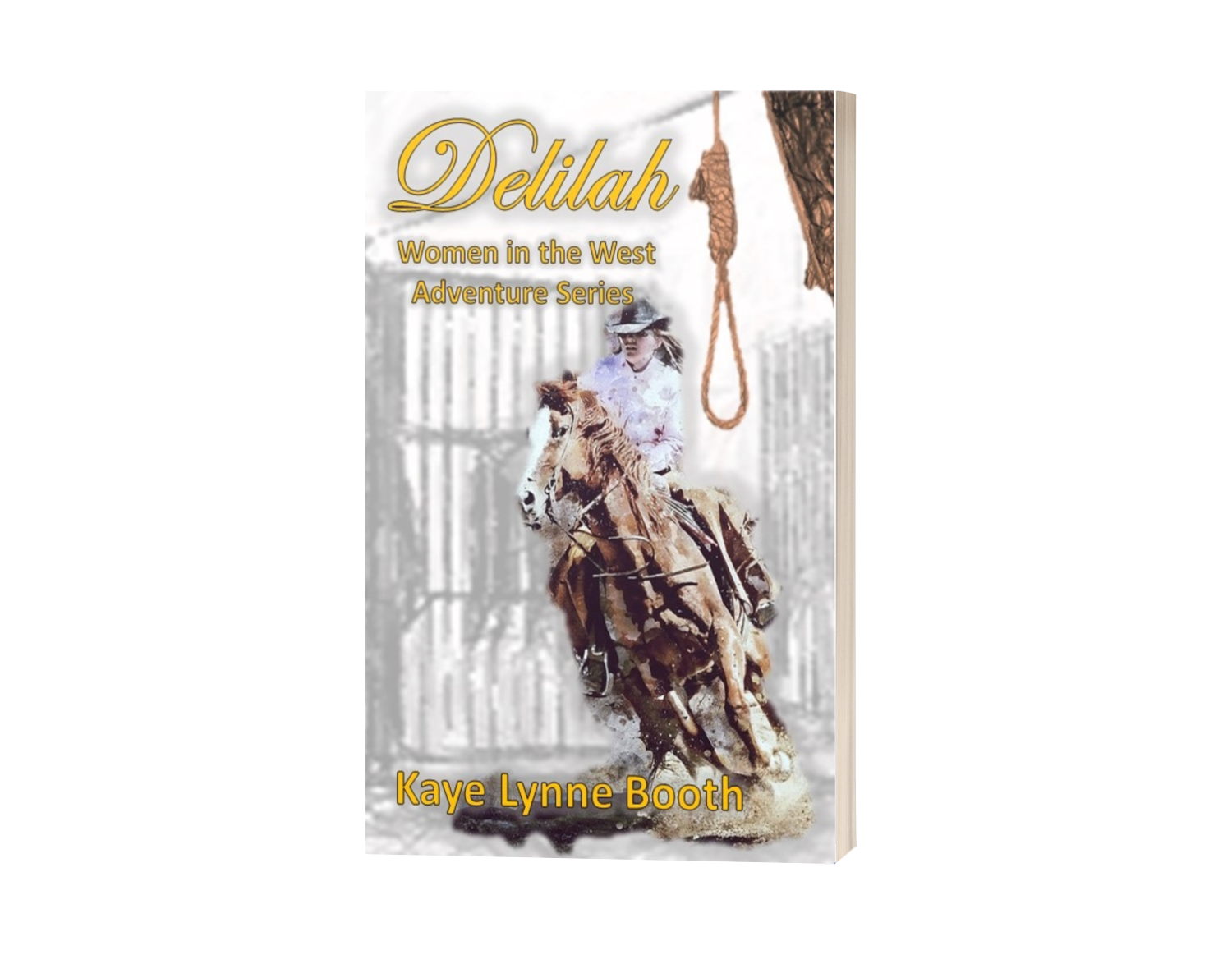
I recently sold I Had to Do It, a flash fiction story of the western flavor, to Zetetic: A Record of Unusual Inquiry. And of course, my regular readers know I’ve written a western novel, Delilah, as well, for which I’m diligently seeking a publisher at present. It might seem that I am leaning toward becoming a western writer, and I’ll admit, I do enjoy writing western.
But I’m an eclectic kind of gal by nature. My palate savors many cuisines, although I’m partial to Oriental and Latino foods. I listen to various genres of music, being heavy on the rock, but also enjoying metal, hip hop, country, pop, and even classical. I watch a wide range of movie genres, as well. On that same note, I read most of the genres, and seek opportunities to try genres that are new to me, but horror has always been my favorite. In fact, in 2012, when I began my M.F.A. in Creative Writing program at Western State Colorado University, western was one of the few genres which I hadn’t read.
In that first class, the first thing my instructor asked was, “In what genre do you usually write?” I considered the short stories I had written to date, many of which, I wasn’t sure what genre they fell into. The only experience I’d had with western was 850 words worth, I Had to Do It, and it hadn’t sold. But the idea was for us to write outside of our comfort zones, and western was the genre I was assigned for my first excerpt.
I’m not sure why I didn’t think I would like writing westerns. I’m a native of Colorado and proud of that, but I’ve never been a cowgirl per se. I enjoy western films. Clint Eastwood spaghetti westerns are the best, but Butch Cassidy and the Sundance Kid, and The Quick and the Dead are right up there, too. But as I said, I hadn’t really read much in the western genre. But then, I wrote the excerpt for Delilah. After that first semester, revising my excerpt according to the feedback from my instructor and my cohorts, I started thinking that I might not be too bad at writing in the western genre. Three years and several rewrites later, Delilah is a story I’m rather proud of. The rejections do sting a bit, but I’m confident that if I endeavor to persevere and keep submitting it, eventually it will land with the right publisher, and it will be accepted. And if not, well, there’s always independent publishing. Delilah is a good story, and it’s well written, and I want very much to be able to share it with the world. One way or another, I will get the book published.
And yes, there will probably be other westerns in my future. I seem to have a knack for it, at least, so I’ve been told. I already have an idea for a western romance, although romance is another genre I never thought I’d find myself writing. I guess we’ll see.
Like this post? Subscribe to Writing to be Read for e-mail notifications whenever new content is posted.
Share this:

“Simplified Writing 101” Makes Academic Writing Seem… Simple
Posted: July 8, 2016 Filed under: Book Review, Books, Nonfiction, Writing | Tags: Book Review, Erin Brown Conroy, Simplified Writing, Writing 2 Comments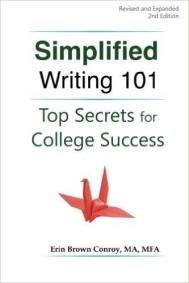
The guidelines set forth in Simplified Writing 101: Top Secrets for College Success, by Erin Brown Conroy, pave the way to good academic writing that will improve grades on college assignments. This book is not your usual writing tutorial. Most academic writing tutorials are dry and boring, just laying out the “rules” as law, and making readers struggle to get through the material. Brown Conroy’s relaxed writing style sets readers at ease, perhaps allowing for better retention of the information. It’s like an old friend or respected cohort sharing bits of wisdom, imparting knowledge in easy to understand language that won’t put readers off.
Simplified Writing 101 contains writing advice that can be expanded beyond Academia. Section 1 covers word choice. The list of words to avoid to make your writing clear and concise in the first three chapters aren’t just for academic writing, where one wants to sound professional, or at least knowledgeable. This list contains words that are vague or unnecessary, or that turn the readers off, pushing them away, causing them to reject the message without giving it a fair chance. It is based on sound writing principles, which can be equally applied to copywriting, where the aim is to persuade, or literary writing, where the goal is to enchant and entertain. They could even be applied to screenwriting, where, as in poetry, every word counts. Also in this section is a chapter on properly citing sources, making word choices and mastering a higher vocabulary found in well-written academic papers.
Section 2 covers structure and form, offering a closer look at well-crafted sentences. The chapters in this section cover fragments, run-on sentences, how to create rhythm by varying sentence length, and active vs. passive writing.
It also discusses the rhythm of your words and suggests that they should sing on the page. She uses an analogy with sports for those who are not musically inclined to ensure her point is understood, (using clear and concise writing, of course). Although I am not musical, nor am I a boxer, I easily understood the concept of varying sentence length and why it should be practiced. When Brown Conroy writes about active vs. passive writing, her suggestions are not limited to Academia. Active writing can be used in all types of writing to grab and hold readers’ attention.
Section 3 covers paragraphs. After learning how to create the building blocks, sentences, we’re ready to move on to the core foundation of your paper. The chapters in this section cover how to make your sentences work for you, how to keep your paragraphs focused, linear writing, how to lead your reader with well-structured sentences, how to achieve closure for each paragraph, and finishes up with connectives, transitions and connectors.
No tutorial on writing would be complete without instruction in punctuation, so that is what we find in Sections 4 and 5. Simplified Writing 101 gives the subject thorough coverage, including when and when not to use a comma, punctuating compound sentences and lists, misuse of exclamation points, how many spaces following end punctuation, use of quotations, how to use punctuation to control pacing in your writing, hyphens, en-dashes and em-dashes, semi-colons, and colons. A whole chapter is devoted to an inside look at how professors go about grading papers and the little mistakes, such as grammar and punctuation, which add up to a loss of points and bring down grades.
Grammar is found in Section 6, noting words that must go together, writing in the proper tense and correct person, and contractions. It also talks about commonly misused or mistaken words, and sticky pairs, or pairs of words that must be found together and using words that indicate tense. And Section 7 covers how to narrow your topic, creating your research question, create an outline, using your thesis statement into a blueprint for your paper. This section also includes a four step process to creating a first draft, found in Chapter 36 with multiple methods for planning, how to draft efficiently, revise for the best word arrangement, and edit for basic errors and mechanics.
Logically, Simplified Writing 101 provides sections on revision and completing the final product, to help students know what to do once that first draft is complete. In Section 8, Brown Conroy explores writing with style, the basics of good writing, and how to answer readers’ questions before they can ask them. Section 9 covers the creation of the final draft, including ways to avoid procrastination, doing as many rewrites as it takes, what to check and rewrite in academic papers, finding an editor or getting feedback, assignment submissions and email communications in Academia, and making professional connections.
A valuable reference, Simplified Writing 101 provides lists of different types of words, such as common connectives or conjunctive adverbs, and separates them into groups, depending on which type of writing they are appropriate for: academic use, mid-range academic use, or non-academic use. Each list is also separated into what job each group of words does, or what purpose they serve. There is also a list of common mistakes, the little things that drop down points and lower grades: use of brackets; dates; times; quotations and double quotations; use of slashes; proper capitalization; and rules of abbreviation, and a list of rules for writing numbers. These lists are nice because they provide an easy-to-use reference, in case memory fails us, which it is certain to do sometime during all of our writing careers, so they may come in very handy.
Simplified Writing 101 is the writing tutorial I wish I’d had as an undergraduate. As it was, I struggled through English classes, not really understanding, but Brown Conroy makes writing guidelines and rules crystal clear, and it all seems so simple. Use it as an introductory writing guide or keep it as a reference, but this tutorial is a must have for your personal library. It will see you through your academic career and beyond.
I give Simplified Writing 101 an A+, er, I mean, five quills. 
Simplified Writing 101: Secrets for College Success can be purchased in both hard copy and ebook.
Kaye Lynne Booth does honest book reviews on Writing to be Read, and she never charges for them. Have a book you’d like reviewed? Contact Kaye at kayebooth(at)yahoo(dot)com.
Share this:

Weekly Writing Memo: Building a Story
Posted: June 29, 2016 Filed under: Fiction, Screenwriting, Stories, Uncategorized, Weekly Writing Memo, Writing, Writing Tips | Tags: Creative Fiction, Fiction, Writing, writing advice, Writing Process Leave a comment Stories are essentially a million little pieces intertwined in such a way that they relay a picture from the writer’s head into the mind of the reader. Specifically, every scene, and every story, is made up of a series of arcs (character arcs, plot arcs, genre arcs, etc) that combine to tell the story on various levels. In order for the arcs to work, they have to be carefully constructed and woven together so that they support each other and so the story forms a cohesive whole.
One of the most important parts of building a story is the construction. Each of the various arcs within the story have to start and end at the correct place, and have to be balanced with the other elements. If any arc or element is out of place, the entire story can falter or fail completely. There are dozens or more elements and arcs within a story to consider, but the main arcs I’m going to focus on are character, plot, and genre. These three are generally the core of every story, and if they’re right, the other elements are more likely to be right.
Character
The general rule in any story is that every character has to have an arc of their own, not just in the story as a whole, but in every single scene of the story. At the start of every scene, each character present should have two or more goals. The first goal is their overarching goal, and the second is their immediate goal. For example, in a scene where a man wants to get his daughter an ice cream, his first goal could be a larger goal that carries on throughout the story of trying to make his daughter happy, while his second goal is one that is the focus of the scene such as simply trying to buy an ice cream cone.
These goals are what drive each scene forward, and are what drive the character’s every action. A goal can change in the middle of the scene, but no matter what a character has to have a goal. The character arcs in every scene are generally caused by how they succeed or fail at achieving their goal. In the ice cream example, the character’s arc could be something like:
On the scene level: the character starts out hopeful that he will be able to buy the ice cream, he hits a peak in line when he is about to achieve his goal, but then when he gets to the front and finds out that they are out of the ice cream his daughter wants his hope disappears and he is in a much worse position than he started.
On the story level, this would be a minor arc in his larger development. This would be the arc where the father goes from trying to find his daughter’s happiness in material things to maybe looking deeper to find something more that can truly make her happy. The scene won’t resolve the problem, but it would be the first step of the father solving the problem and help him head toward the path where he will find the solution.
As shown above, by looking at and understanding the goals you can find the character’s arc of emotional and mental development in every scene, and in the story as a whole.
Plot
Each goal itself should be a part of the plot, and should have some form of arc as well. Some goals, like the larger story goals, will be made up of a bunch of mini-arcs, while the minor goals will just have a minor arc of their own. The goals make up the plot because they are what drive the action and create conflict within the story. They’re what the character wants and is constantly stopped from getting one way or another.
For each goal, there should be an arc of how it develops and changes throughout each scene and the story. Goals in general will be made up of some mix of the basic format of: conception of goal, plan to achieve the goal, enacting the plan, and failure or success. The outcome either leads to a new goal, or a new plan to achieve the new goal. Each arc of the plot can lead to new plots and goals depending on whether the character is successful or not, and whether the success/failure of the goal leads to new problems or new goals.
For example, in the ice cream story, the dad doesn’t get the ice cream so it leads to a new goal and new problem for the plot. He either has to find somewhere else to get the ice cream his daughter desperately wants, or he has to find a new way to make her happy.
Genre
Many people don’t consider that there are genre arcs within stories, but in there are almost always some form of genre arcs that happen in genre stories. For example, most romance stories involve some form of meeting of the potential couple, a period of interactions between the couple culminating in some form of acknowledgement of feelings, the breaking point where they are thrown apart, and then the reunion. This varies, of course, depending on the different types of romance stories, but being aware of the genre arc and knowing how to use them can help you create a certain flow within your story that readers find natural. It can also help you make sure your plots are working well for the genre you are using.
Even if you don’t go with a typical genre arc for your story, you should consider how the genre evolves throughout your story. For example, in horror there should be a general increase in the horror as the story develops, culminating in the final climactic moment toward the end of your story. If you don’t have an arc of the horror elements as well as the character and plot elements, then the horror part of your story could fall flat. So always consider the genre you are writing in, and think of how that influences your plot and character.
Whatever you are writing, there are many levels of story you are telling and each element should really have an arc of its own, even if it’s a minor one. Some arcs may not be super important or even that interesting, but it’s how they fit in with the other larger and more important elements that matter. Each element should be supporting the larger story as a whole. If you find a part of your story that isn’t doing its part to support the story, remove it. You’re building something where every part needs to do its job, so make every element count.
Robin Conley offers great writing advice most Wednesdays on Writing to be Read. If you just can’t wait until next week to find out more, you can pop into her blog, Author the World, for more tips, or a weekly writing prompt.










The new “Point Break” fails to raise adrenaline levels
Posted: July 2, 2016 | Author: kayelynnebooth | Filed under: Commentary, Film Review, Writing | Tags: Film Review, Point Break, Review, Writing | Leave a commentI just watched the new Point Break, the one that came out last year, and I am sad to say, I was very disappointed. Maybe on the big screen, the special effects were impressive, but on video, they are obvious computer imaging. In the original, 1991 movie, when they jumped out of the plane and were free falling through the sky, viewers could feel the adrenaline rush, and when they were riding the waves, we almost felt wet. The graphics on the 2015 movie aren’t even convincing, and viewers don’t feel that same excitement when they swooped through a mountain canyon in wing-suits. A lot of it just didn’t look real, so there was no reason for the adrenaline to flow.
Perhaps if the title were changed, and the characters in the 2015 movie didn’t have the same names as the characters in the original 1991 Point Break, it could be judged upon its own merit. But as it stands, they’ve set the new movie up to be compared to the original, which I feel is a big mistake. The original movie was an action movie, in which an FBI agent infiltrates a group of surfers who are bank robbers, and it was fun to watch. The 2015 version has a completely different tone than the original movie, being more of an international crime suspense thriller with a lot of extreme sports thrown in.
The transition to the international plot did not work well. The Johnny Utah character, played by Luke Bracey, I conveniently involved in extreme sports, before becoming an FBI agent, so he doesn’t waste time learning to walk the walk in order to infiltrate the culture. He’s already a member of the club. They all know him. Then, just as conveniently, maybe even more so, he figures out where to look for the bad guys, goes straight there and the first group he encounters are the guys he’s looking for, and the Brohdi character, played by Edgar Ramirez, more convenient still, saves him from drowning after a surfing incident. Too many coincidences for me to buy in. Sorry.
And let me add here, though I’m reviewing this film based on the merit of the screenplay and story, that Bracey is no Keanu Reeves and Ramirez is no Patrick Swayze. In the original movie, it was clear early on that our bad guys were thrill seekers, adrenaline junkies, and viewers understood where they were coming from, what their motivation to take so many risks and live so dangerously was. I did not get that sense about these guys. And I didn’t really get a sense of how bad they were. The creators failed to create a villain I could love to hate.
(SPOILER ALERT – There may be spoilers from this point on.)
Patrick Swayze’s Bohdi character was such a villain. You knew he was a bad guy and he had to go down, but you could understand why Utah agrees to let him go out his own way, at the end, after winning their struggle in the water. Ramirez’s Bohdi is not. I didn’t get what made him tick, or what his motivations were. At the end of the 2015 movie, when Utah lets Bohdi go, I didn’t get it. There’s no struggle, no fight. Utah doesn’t even try and talk Bohdi out of it. Bohdi says, “You’ve got to let me go”, and Utah says, “Okay.” Maybe I don’t get it, because empathy with these characters is something I never felt through the whole movie. There was just no connection.
Also, the villains in the original Point Break were bank robbers, financing their surfing tour with their spoils. The villains it the 2015 movie appeared as modern day Robin Hoods, robbing from the rich and giving away all the spoils. It’s difficult to see them as bad guys because they have a cause.
The one interesting twist I felt the 2015 movie had was the girl, Samsara, who we at first believe is a love interest, but later we are surprised to learn she’s a part of the crew, after Utah shoots and kills her in the kiss of death moment. Of course, in the original, the girl is a love interest and the bad guys use her as leverage to get Johnny Utah’s cooperation, so I was expecting something similar here. I liked that twist, where there was not much else to be liked about this movie. As I mentioned above, I think this movie might have done alright as a standalone, but it doesn’t measure up to the original movie. I was not impressed with the recent Point Break movie, and I can only give it two quills.
Kaye Lynne Booth does honest book reviews on Writing to be Read, and she never charges for them. Have a book you’d like reviewed? Contact Kaye at kayebooth(at)yahoo(dot)com.
Share this: