Writer’s Corner – Five reasons it makes perfect sense to become an independent author
Posted: March 14, 2022 Filed under: Indie Publishing, Publishing, Self-Publishing, WordCrafter Press, Writer's Corner, Writing | Tags: elf-Publishing, independent publishing, Kaye Lynne Booth, Publishing, Writer's Corner, WritingtobeRead 2 Comments
Traditional publishing is fast becoming a dinosaur, being slow to adapt to the rapid technological changes which have arisen along side the rise of digital publishing within the industry. Independent authors and publishers have been flexible, creative and quick to adapt to digital technology which makes it possible for aspiring authors to test the waters without waiting around for years or even decades for traditional publishers to take notice and grace us with their attentions, while traditional publishers have been resistant to change, turning their noses up at self-published authors until their value as professional authors with the ability to produce books that sell by independent industry leaders like Hugh Howey, and been generally inflexible and unbending, continuing to follow publishing and marketing models which are no longer effective. The adaptions that they have made have been forced and have made the traditional publishing model even less appealing for authors.
- Better Royalties: Royalties on traditional publishing which the author receives are usually around 15% of sales, while independently published authors receive anywhere from 30-70%, depending upon which platforms they choose to publish on. And don’t forget that independently published authors who go wide rather than exclusive can always sell direct from their site and make even more.
- Negotiations: Traditional publishing contracts are awful and getting worse, according to Kristine Kathryn Rush, (https://kriswrites.com/2022/01/05/business-musings-contracts-traditional-publishing-the-year-in-review-4/). Deals may offer the author an advance, even this is not guaranteed anymore. And the ones that are offered are for lesser amounts than were previously offered in the past. Of course, traditional publishing deals have always been skewed in the publishers’ favor, and the book must earn back the advance before the author ever sees any additional royalties and an author whose book doesn’t sell well may never see any royalties past the initial advance. As Rusch points out, all things are negotiable and the publishing house no longer holds the reins. Smart independent authors manage their own Intellectual Property (IP), and they don’t EVER sign away all of their rights and leverage their writing to the author’s benefit.
- Decrease in Publisher Responsibilities: While in the past, traditional publishers were willing to invest in the marketing and advertising of books, it seems they have grown more reluctant to do so in today’s book market. Even if you do manage to land a traditional publishing deal today, you may still need to take on a large part, if not all, of the marketing tasks to sell your book. So while it is true that indie authors have to spend a large portion of their time on administrative and promotional tasks, publishing traditionally does not guarantee that this will not be necessary.
- Improved Product Availability: With the availability of ‘Print on Demand’ publishing, authors no longer need to make large expenditures on big print runs or make space to house vast numbers of book in their garage or basement, as was previously necessary with offset printing. Audiobooks are also becoming more affordable to produce with the rise of AI narration, which is now offered for free on Google Play Books. Lower prices and better availability of services for independent authors on a budget, make independent publishing an even better option than it has been in the past.
- Control: Independently publishing puts the author in control. Of course, with control comes responsibilities. I won’t deny that indie authors must wear many hats; author, publisher, self-editor, marketer, and maybe even cover designer, as well as “The Boss”. One lesson I’ve been learning recently, is that I can’t do it all, and I am having to wear “The Boss” hat more and delegate some of the other tasks to those better suited to do them, so that I can have time to put into my own writing. Marketing is a matter of trial and error a lot of time, and changing the cover or the blurb can make a big difference in how well a book sells. Independent authors are “The Boss” and when they see their book isn’t selling as well as they think it might, they have the ability to go in and change the cover or the blurb and see if they can’t turn things around, while if with traditional publishers, they may have their work cut out for them convincing their publisher to change something up to see if it sells better.
______________________________________________________________

Kaye Lynne Booth lives, works and plays in the mountains of Colorado. With a dual emphasis M.F.A. in Creative Writing, writing is more than a passion. It’s a way of life. She’s a multi-genre author, who finds inspiration from the nature around her, and her love of the old west, and other odd and quirky things which might surprise you. In her spare time, she keeps up her author’s blog, Writing to be Read, where she posts reflections on her own writing, author interviews and book reviews, along with writing tips and inspirational posts from fellow writers. She is also the founder of WordCrafter Quality Writing & Author Services, providing editing, social media copywriting & book promotion, and online writing courses. When not engaged in writing activities, she is bird watching, or hiking, or just soaking up some of that Colorado sunshine.
Like this post? Let me know in the comments. You can be sure not to miss any of Writing to be Read’s great content by subscribing to e-mail or following on WordPress. If you found this content helpful or entertaining, please share.
Share this:

Writer’s Corner – Five Podcasts Serious Indie Authors Won’t Want to Miss
Posted: March 7, 2022 Filed under: book marketing, Book Promotion, Branding, craft, Editing, marketing, Podcasts, Writing, Writing Tips | Tags: Book Promotion, Grammar Girl, Kaye Lynne Booth, Kevin J. Anderson, marketing, Podcasts, Publishing, Quick and Dirty Tps, Six Figure Authors, The Creative Penn, The Self Publishing Formula, Writer's Corner, Writing, Writing Excuses, Writing to be Read 5 CommentsIn my publishing courses at Western State Colorado University, my instructors and mentors, Kevin J. Anderson and Allyson Longuiera have introduced us to several useful podcasts for independent authors and/or publishers and I’d like to share them with you here.
Writing Excuses : https://writingexcuses.com/2021/03/07/16-10-paying-it-forward-with-kevin-j-anderson/
Hosts Dan Wells, Mary Robinette Kowal, Peng Shepard, and Howard Taylor offer up tips and writing advice, mainly on craft. This podcast provides short sessions, they claim 15 minutes, but the session for the link above is closer to 30. It’s an interview with Kevin J. Anderson about paying it forward, and it’s really good, so I tought you all might enjoy it. Kevin started out with traditional publishing way back when, but has now established his own independent press in WordFire Press, so he speaks to both sides of the industry, and this interview is proof that whether published traditionally or independently, authors are a good bunch. I’m proud to be counted amoung this tribe.
But the episodes really are brief, so take a little time and explore the site. They have many interesting topics of value to authors at all stages of their career. Here’s the main page link: https://writingexcuses.com/
Six Figure Authors: https://6figureauthors.com/
With hosts Lindsay Baroker, Joe Lallo and Andrea Pearson, this podcast offers publishing and marketing tips, more than craft advice, but as six figure authors, they are crushing it and they are willing to share their advice with their listeners. I enjoy binging back episodes on my lengthy commute to and from my day job. They have a Facebook group which listeners can join, where they can pose questions to the hosts or their guests to be answered on the podcast. Lots of valuable information for authors here, whether just starting out or if you’ve been at it for a while.
The Creative Penn: https://www.thecreativepenn.com/podcasts/
I love this podcast! Host Joanna Penn (with a double N), is an author/enterprenuer and a futurist. Her podcast is filled with interviews and discussion about industry trends and where things might be headed. She’s got a killer accent which makes her fun to listen to, too.
The Self Publishing Formula: https://selfpublishingformula.com/spf-podcast/
Host Mark Dawson is a best selling independent author provides interviews and master classes on self-publishing. He and his co-host, James Blatch both have accents that are heavier and more difficult for me to understand, but they do offer up some valuable information on the independent publishing world.
Quick and Dirty Tips: https://www.quickanddirtytips.com/grammar-girl
This is every writers go-to podcast for all of your grammer questions, with Grammar Girl, Mignon Fogarty, who discusses proper grammar and common grammar mistakes. A quick reference for all grammar questions you are unsure of during writing and editing processes.
_____________________________________________________
Like this post? Let me know in the comments. You can be sure not to miss any of Writing to be Read’s great content by subscribing to e-mail or following on WordPress. If you found this content helpful or entertaining, please share.
Share this:

Writer’s Corner: Researching down a rabbit hole
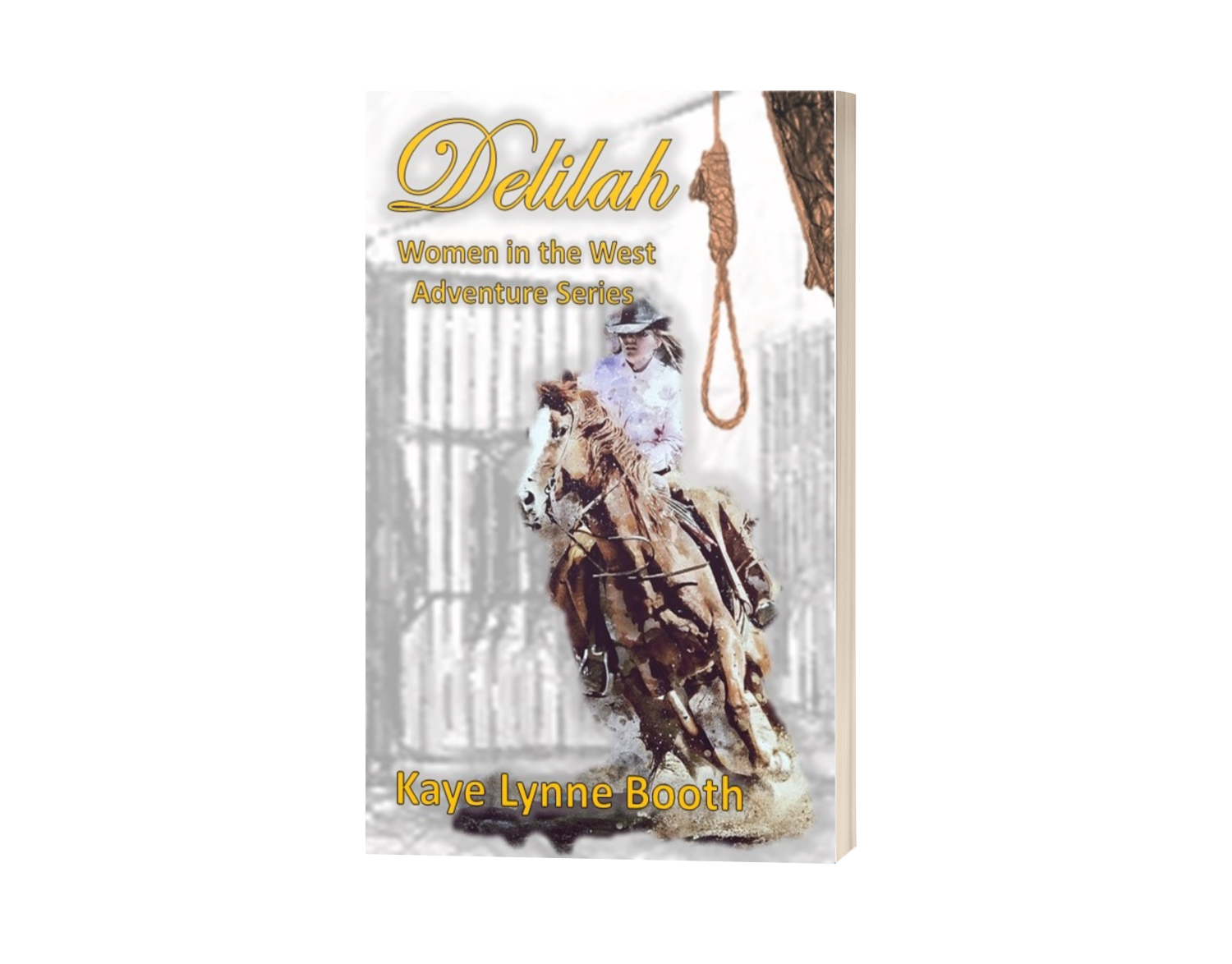
Posted: February 21, 2022 Filed under: Books, Western, Women's Fiction | Tags: Colorado History, Delilah, Doc Holliday, Glenwood Springs, LEadville, research, Writer's Corner, Writing to be Read 3 CommentsI just took a short trip to Glenwood Springs, Colorado; one of many that I have taken in search of the truth about Doc Holliday; a curiosity that began while doing research for Delilah back in 2016. At the time, I found evidence connecting Doc Holliday with the mining camp of Leadville, where that story ends up, and I used that in my story line to give it authenticity. I learned a lot about John Henry (Doc) Holliday, but I also found a lot of facts which are conflicting, and those conflicts have tickled at my brain ever since.
Many of the facts which are not to be disputed are John Henry Holliday’s birthplace and date: Griffin, Georgia on August 14, 1851. In addition it is known that he attended the Pennsylvania College of Dental Surgery, but before he could get his practice well established, he was diagnosed with consumption, what we know of today as tuberculosis, ruining a promising career when no one wanted to be treated by “a lunger”, so headed out west to be a gambler, which was considered a legitimate way to earn a living in those days, similar to that of a professional poker player today, as differentiated from a gambler.
But it wasn’t until the 1881 events in Tombstone Arizona and the “shoot-out at the O.K. Corral”, involving Doc Holliday and the infamous Earp brothers that his noteriaty grew into legendary proportions. months to seek relief from the reported health benefits of the natural mineral hot springs and vapor caves located there. In those days there were close to fifty hot springs running up and down the banks of the Grand River (now known as the Colorado River), as this was before Walter Devereaux purchased the townsite of Glenwood Springs and secured funding to build The Hotel Colorado and The Hot Springs Pool, as well as the city’s first power plant in 1892.
Glenwood Springs is where Doc died in 1887. It is there that he was supposedly buried, although there are claims that the hillside cemetary was flooded and several graves were washed out into the streets below and bodies scattered, so that no one really knew whose bodies were reburied where, leaving the exact location of Doc’s final resting place a bit of a mystery. A more recent addition to the cemetary is a sign suggesting that because he was destitute and could no longer hold a job as a dealer in one of the saloons, that he may have been buried further up the hillside in the pauper’s graveyard where many were buried with no headstone. I find this assertion to be highly unlikely, and assume this sign was made in an attempt to deter vandalism.

Sign at the bottom of the trailhead to the hillside Linwood Cemetary in Glenwood Springs, Colorado.
When talking to the locals, I learned that vandalism has been a problem for the cemetary and particularly for the grave of the infamous dentist, gambler and gunman, and the headstone which currently marks Holliday’s alleged gravesite in the Linwood Cemetary is the third headstone to mark the spot. The one prior to this one is displayed in Bullock’s Store, where the basement houses The Doc Holliday Museum with an interesting collection said to be connected to the man, as well as the only surviving pieces of the original building, which was destroyed in a fire in a 1945 fire. The building is in the loction where The Hotel Glenwood stood, Doc spent the last six months of his life, in a room on the third floor, destitute and dying of consumption. It is rumored that, broke and unable to work due to his failing health, and according to Bill Kight of the Glenwood Springs Historical Society, it is rumored that a friend, Walter Devereaux and his longtime companion, Mary Katherine Horony-Cummings, also known as Big Nose Kate, cared for him during his last days and were at his side when he died. (Glenwood Springs: The Official Insider’s Guide 2021-22, “Get to Know Doc Holliday”, by Bill Kight)


These are pictures of the older headstones that have since been removed from the Linwood Pioneer Cemetary. You can tell how old they are because of the grainy quality of the photos. The one on the right is now on display at Bullock’s Store. There was too much snow to make the trek up to the hillside cemetary on this trip, so I wasn’t able to get a picture of the current headstone.
A few doors down on the block from Bullock’s is Doc Holliday’s Saloon. I couldn’t find any evidence that there was any real connection to Doc here, but they serve good food and historical atmosphere make it a favorite of mine whenever I visit Glenwood Springs. It’s a great place to relax and enjoy a rib-eye sandwich and a game or two of billiards. Nobody said a research trip has to be all work and no play.

It seems a little bit ironic that Glenwood plays up the association with Doc and Leadville doesn’t, knowing that he spent much more time in Leadville than Glenwood Springs, where Doc visited in hopes of improving his health to make his last days a bit more comfortable. Another irony of this move was that the moisture of the waters and the steam, as well as the altitude, would have actually been detrimental to his failing health, which is why Doc did better in the desert atmosphere of Arizona, but he was forced to flee and seek sanctuary in Colorado, due to being wanted for murder after the Tombstone affair. (Gary L. Roberts, True West Magazine, “Doc Holliday’s Lost Colorado Years”, June 2013)

The story of Delilah takes place during the time when Doc would have been in Arizona, but Doc had visited Leadville prior to that and so he received a mention in my book, although he wasn’t present in the story. Delilah takes place in a very small time in Colorado’s vast history which I used bits and pieces of in my story, but there is much more history that the story didn’t cover, so don’t be surprised if Doc Holliday shows up in person in one of the books in the Women of the West Adventure Series, which Delilah may soon become a part of, now that I’ve spent all this time down a research rabbit hole.
Share this:

Writer’s Corner: The Craft of Short Fiction
Posted: October 18, 2021 Filed under: Fiction, Short Fiction, Stories, WordCrafter Press, Writer's Corner, Writing | Tags: Short Fiction, Short Stories, Writer's Corner, Writing, writing advice, Writing to be Read 5 Comments
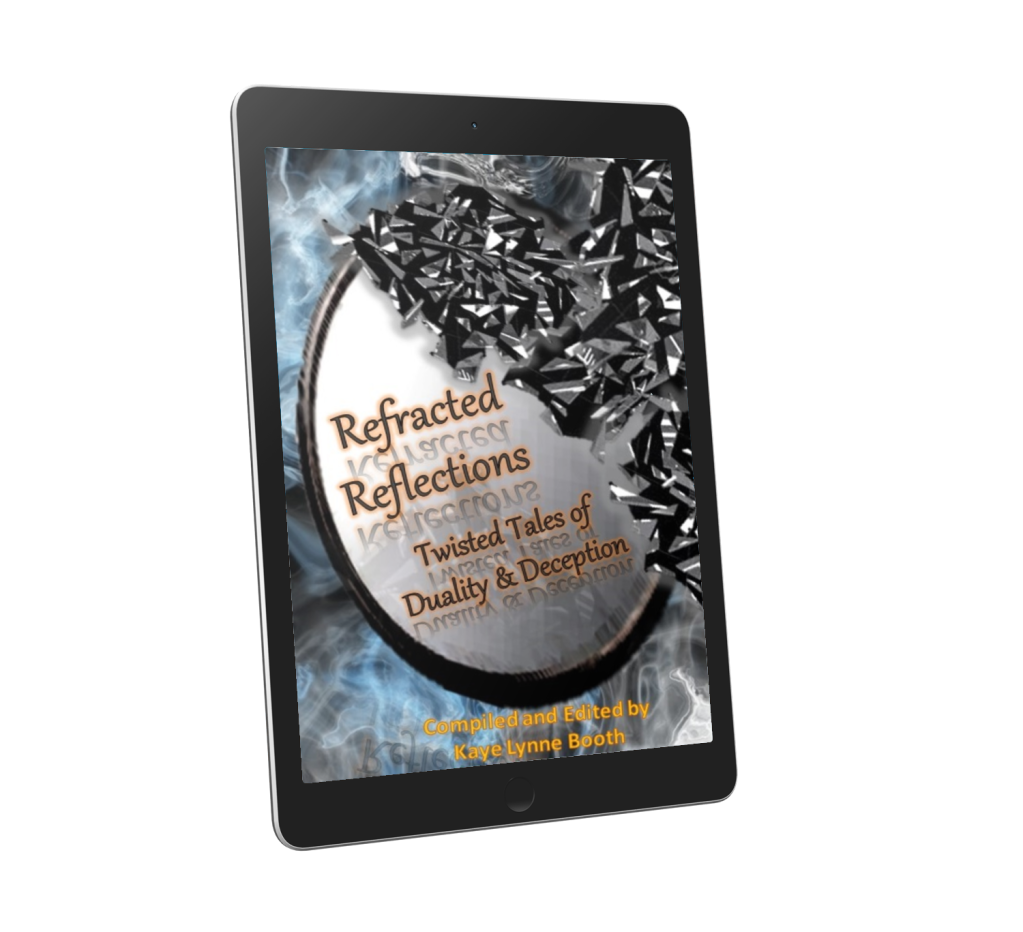
I’ve recently been working on two different anthologies for my classes, as well as planning two, or possibly three different anthologies, that I want to put out through WordCrafter Press next year, so it’s not surprising that I’ve been giving a lot of thought to the writing of short fiction. While writing short fiction presents many of the same challenges as writing book length fiction presents, such as avoiding passive voice, using the correct tense and the right POV, and avoiding repetitive language, it also seems to present challenges for the writer, which are more prominent and more noticable in a short story.
Below is a list of what I see as the top four challenges of writing short fiction. A short story in which these challenges are met and mastered can be a delight to read, but when the writer misses the mark or doesn’t tackle these challenges skillfully, the result can be a story that doesn’t feel complete, leaving readers feeling unsatisfied.
Top 4 Challenges in Short Fiction and How to Handle Them
- Abrupt ending: I can’t tell you how many stories I’ve read recently that start out wonderfully, promising a killer story all the way to the end and then drop the ball, leaving me wondering where the story went wrong. I think many times authors are at a loss as to how to wrap things up, and with short fiction, where word counts must be taken into consideration, they try to end too quickly, instead of taking a little more time to tie up the details of the story. – To avoid this, take the time you need to wrap things up in your story in a way that will be satisfying to the reader who has stuck with you this far. If you can’t give your story a satisfying ending within the required word count, perhaps it should become a longer work, because there is nothing more frustrating than to read an engaging story that you are really into, only to be disappointed at the end, so this is a biggie.
- Shallow, underdeveloped characters: In short fiction, you have a limited space in which to introduce your characters and make your reader care about what happens to them, so it is important to come out of the gate with a good strong voice that grabs the reader’s attention at the very beginning and continue with that all the way through. Making your characters interesting is something you need to do with fiction of any length, but with short fiction, you need a strong voice to bring character traits to the forefront in a succint way. Passive voice in a short story can result in a lack of interest in the reader, causing them to put the story down without taking time to get to know your characters or get into the story.
- Head hopping: This is always a problem when it occurs in any length work of fiction, because it tends to pull readers out of the story when they realize that the viewpoint they thought they were in, is really that of a different character. Short fiction isn’t really long enough to use multiple POVs, so it’s difficult to figure out how this even happens, but it does. The author needs to pay close attention to who the narrator is and be sure to not wander into the view point of a different character.
- Excessive wording: It’s important to realize that a short story is just that – short. Don’t waste space with unnecessary wording that isn’t needed. Write succintly. Say what you have to say in as few words as possible. While it’s important to paint a vivid visual image for the reader, don’t include details which are not relevant to the story in some way. World building, character development, and plot must all come together in a short amount of space, so choose your words carefully.
I love a well-written short story, and I read a lot of short fiction. When it’s done right, a short story can be every bit as engaging as a good novel. Don’t you think?
_____________________________________________________________________________________
Like this post? Let me know in the comments. You can be sure not to miss any of Writing to be Read’s great content by subscribing to e-mail or following on WordPress. If you found this content helpful or entertaining, please share.