Lindsey’s WRITING PRACTICE- Review: “Jigsaw Puzzling: Essays in a Time of Pestilence” by Denise Low
Posted: October 1, 2025 Filed under: Book Review, Books, Lindsey's Writing Practice, Nonfiction, Review | Tags: Book Reveiw, Denise Low, Jigsaw Puzzling, Lindsey Martin-Bowen, Lindsey's Writing Practice, Nonfiction, Problem Solving, Writing to be Read 4 Comments
By Lindsey Martin-Bowen
“I never underestimate the power of a single puzzle piece. It fits within a whole, like each moment of my unfolding life story.”
—Denise Low
Hey, Dear Readers, this month you’ve earned a break: No writing exercise. Instead, I’m posting an engaging book review by a well-known poet, professor, fiction and prose writer, and former Kansas Poet Laureate, Denise Low. Jigsaw Puzzling: Essays in a Time of Pestilence amazed me—and I had to share the experience with others. Please enjoy it!
Who’da thunk it? Such an accomplished, widely-published poet, fiction and scholarly writer, and esteemed university professor she is—yet she’s writing about and documenting info about jigsaw puzzles?
Yes!

This brilliant scholar, Denise Low, penned an insightful, in-depth, engaging and well-researched book that could suffice as a manual or textbook for the jig-sawing craft. Trapped indoors—sans travel and during the COVID-19 pandemic, she and her husband, visual artist, Thomas Pecore Weso, found fulfillment and experienced marvelous teamwork in assembling jigsaw puzzles, including those that emulate high art. (In fact, Chapter 4 , “The Great Masters in (Jigsaw) Pieces,” Lowe lists some of the painting reproductions transformed into jig-saw puzzles, among them, Vincent Van Gogh’s Sunflowers, Claude Monet’s Waterlilies, and Thomas Gainsborough’s The Blue Boy.)
Like me, Low views paintings as “more intimate than photographs.” She continues to explore this viewpoint by adding, “If [Van Gogh’s] Arles bedroom scene had been a photograph, historical documentation would give the image an aura of authenticity. The painted representation of the bedroom also has some value as documentation— what was a nineteenth century peasant room like, anyway?—and it also records his mode of painterly creation. The artist’s vivid palette and energetic, rough brushstrokes are unique to him. The puzzling apotheosis of Van Gogh, a person transformed into an artist god, overrode my experience of the original painting. (30)
Low also intertwines words from Margaret Drabble, who pointed out the integration of high art into jigsaw puzzles to Springbok Editions’ 1964 publication of Jackson Pollack’s Convergence, renowned as “the most difficult jigsaw puzzle in the world,” by a British Broadcasting Company radio show, hosted by Alan Dein. Drabble is also a jigsaw and Van Gogh admirer, Low points out, and quotes Drabble’s words about the two topics: From jigsaws, you learn about the brushstrokes of Van Gogh, the clouds of Constable, the reflections and shadows of Manet, the stripes of Tissot and Rousseau, the brickwork and tiles of the Dutch masters, the flesh tones of Titian, the undulating fabrics and limbs of Botticelli, the business of Botsch and Breughel. (31) (From Drabble’s The Pattern in the Carpet: A Personal History with Jigsaws. Boston:Houghton Mifflin, p. 250, (2009 ).
Nevertheless, Low does not limit her analysis (and resolutions) of jigsaws to historical (primarily European) paintings. She also analyzes a work by a master Indigenous artist, whose works (in jigsaw puzzles) she admits were “not as easy” to find. Fortunately, her husband, (a member of the Menominee Nation family) found (on the internet) the Lakota leader Red Cloud, (his family’s distant relative), in a jigsaw of the original painting of Red Cloud standing with a calvary officer in front of four teepees, for a reconciliation—rather than for a war.
Both Low and her husband relate strongly to Native American art. In fact, she equates the process of piecing together a “large, table-size picture piece-by-piece “as tantamount to “creating a sand painting” (33), a process wherein Native American tribes and Tibetan Monks create art by mixing various hues with the sand.
Further, Low doesn’t focus solely on painted artwork. She also analyzes engravings and illustrations, such as one of a cabinet of curiosities from Ferrante Imperato’s Deli’Historia Naturale (Naples 1599), poetry shards, mosaics, and various other topics for jigsaw puzzles—and offers histories for these varieties of subjects in jigsaws.
In the final chapters, she wraps up how the jigsawing during that frightening pandemic affected her priorities, psyche, and health. An unexpected result of immersion into Jigsaw Landria has been how colors burn into my retinas and become part of my inner life. In waking dreams, sections from Water Lilies would dance before my eyes, colors of blue-topaz, cotton-candy pink, and fern green. Other puzzles have had the had the same effect, with after images of colors entering inner sight, dreams, and early morning awakening. These colors interacted with what, a spirit body? An etheric double? An aura?
From those questions, Low analyzes the various theories on color and concludes that Color is one of our first considerations when we select a puzzle. . . we want something bright or soothing or compelling. A puzzle made of too many colors is chaotic and upsetting . . . . As COVID-19 lasts far beyond the year 2020, we look for more from Monet’s palette, the muted tones of a seascape as sunlight filters through mist, we are grateful for this respite from the grim chaos beyond our control. (93)
Indeed, Low’s brilliant insight applies to our current Zeitgeist in the U.S., too.
After teaching many years as a tenured writing and literature Professor at Haskell Indian Nations University in Lawrence, Kansas, Low now teaches at Baker University. With more than 30 poetry books published, she continues to work in her free-lance writing career.
About Lindsey Martin-Bowen
On Halloween 2023, redbat books released Lindsey Martin-Bowen’s 7th poetry collection, CASHING CHECKS with Jim Morrison. Her 4 th collection, Where Water Meets the Rock, was nominated for a Pulitzer; her 3rd, CROSSING KANSAS with Jim Morrison was a finalist in the QuillsEdge Press 2015-2016 Contest. In 2017, it won the Kansas Writers Assn award, “Looks Like a Million.” Writer’s Digest gave her “Vegetable Linguistics” an Honorable Mention in its 85th Annual (2017) Contest. Her Inside Virgil’s Garage (Chatter House Press 2013) was a runner-up in the 2015 Nelson Poetry Book Award. McClatchy Newspapers named her Standing on the Edge of the World (Woodley Press/Washburn University) was one of the Ten Top Poetry Books of 2008. It was nominated for a Pen Award.

_____________________________________
Did you know you can sponsor your favorite blog series or even a single post with an advertisement for your book? Stop by the WtbR Sponsor Page and let me advertise your book, or you can make a donation to Writing to be Read for as little as a cup of coffee, If you’d like to show your support for this author and WordCrafter Press.
________________________________
This post sponsored by WordCrafter Quality Writing & Author Services.

Whether it’s editing, publishing, or promotion that you need, WordCrafter Quality Writing & Author Services can help at a price you can afford.
Stop by and see what we have to offer today: https://writingtoberead.com/readings-for-writers/wordcrafter-quality-writing-author-services/
Share this:

Review in Practice: That Th!nk That You Do, volume 2
Posted: September 8, 2025 Filed under: Book Review, Books, Nonfiction, Relationships, Review in Practice, romance, The Human Condition | Tags: Joseph Carrabis, Kaye Lynne Booth, Nonfiction, Relationships, Review in Practice, Romanace, That Th!nk You Do vol. 2, The Human Condition, Writing to be Read 4 CommentsI volunteered to be a first reader for author Joseph Carrabis for his upcoming nonfiction book on romance and relationships, That Th!nk That You Do, vol. 2. I reviewed the first book of this title and you can read that here: https://writingtoberead.com/2023/05/15/review-in-practice-that-thnk-you-do/. While that first book deals with human thought processes and behaviors in general, volume 2 deals with romance and relationships, and the differences between the sexes. His premises are based on solid research and contemporary studies, and may be pretty accurate, unless you are weird, like me.
How age affects perspective, and my reviews.
In the section titled “Romancing Real Women”, Carrabis offers us two different versions of a passage from a hypothetical romance story. The first is what I would call romance adventure, where the dashing hero saves the damsel in distress, with a big, muscular male playing the part of hero. The second offers up a loving, playful, sensitive male character, who puts his heroine up on a pedestal. Then he asks which you think will catch a woman’s attention, and goes on to explain why they are both very age demographic:
“the former is designed to attract younger women more so than older women. Mature women will appreciate the former but the latter fantasy will stay with them.”
This is not surprising, as I would have guessed that the first would appeal to the younger, more hormonal group of females. And of course, as an older woman, I can see why the second version would stay with more mature women, who value stability in their lives.
I’ve never been one to go in for sappy, feel-good writing, which many romances are, and why I read so few of them and why I don’t write them. I can’t make myself do it, although I know I could if I wanted to. I even have outlines and beginnings for a few stored away with my trunk novels.
But I’m not heartless and I am female, so I do read romance occasionally. But, I don’t think I’m looking for a hero. In fact, I don’t think I ever was. I’m not a fan of Scarlet O’hara being swept off her feet by Rhett Butler, but if an author can keep it realistic, I can make it through the story and often, enjoy it.
But here’s the thing. After reading this, I had to wonder if the same factors Carrabis shows us might not also affect the way that I review a romance, especially since neither of the examples used appealed to me in a big way. Upon first thought, I would have said that it’s always been that way for me, but I had to wonder if my romance reviews have changed over the years without my noticing. And I don’t think it has.
When I was a judge for the Western Writers of America’s Spur Awards, back in 2018, they gave me the western romance category. Although I cringed when they gave me my category, I found that for me, as long as a tale carries a good, strong, storyline to hold my interest, I can tolerate the romance, even if it is a little sappy. And to be honest, I was mostly through that hormonal stage before I started doing my blog and/or book reviews, so perhaps this line of thinking doesn’t prove or disprove anything, but it is an interesting premise to explore.
If you’re interested, you can catch my western romance reviews of Spur contenders here: https://writingtoberead.com/2020/03/30/judging-for-the-2020-w-w-a-spur-awards/
Meeting His/Her Family
Carrabis emphasizes how much you can learn about your partner from meeting his/her family. Interactions within the family can be indications of how your partner may prefer to communicate their needs and desires, as well as their attitudes toward others, giving you an idea of what type of life-partner they might be. And it does make sense.
Thinking back to when I met my second husband’s family, I think I should have run like hell. If I had, it would have saved a lot of greed later, because the dysfunctional traits and behavior never went away and came back repeatedly to bite me in the butt. But if I had, I also wouldn’t have spent most of my adult life with a man that I truly love, and frankly, I can’t imagine what life without him would have been like, so I’m glad that I didn’t.
Other Interesting Points Made
Another interesting claim Carrabis makes, is the importance of voice in relationships, from harmonic voices tending to form a closer bond, to holding on to the partner whose voice you enjoy hearing, and the benefits of a partner who sings. Also, I loved the chapter titled, “Men Get Stupid Over Sex”, which talks about the different types of risk which sex poses for men vs. women, and men’s willingness to risk more. I would guess that the risks may seem greater for men in recent times because, as Carrabis points out, only in recent times, have men been forced to take responsibility for their actions and their offspring
Summary
A life-long student of the human condition, Carrabis shares some astute insights into the human condition and differences between the sexes based on solid research and personal observations. He offers these up with a pinch of humor, making reading this book feel like chatting with an old friend. I was able to relate his premises to relationships in my own life, and in many cases, they were spot on, with interesting ideas on some different ways to approach the search for a soulmate.

Buy direct from the author: https://josephcarrabis.com/books/#TTYDv2
Share this:

Book Review: Shocking Celebrity Murders
Posted: August 22, 2025 Filed under: Book Review, Books, Crime, Nonfiction, Review | Tags: Book Reveiw, Jack Smith, Nonfiction, Shocking Celebrity Murders, True Crime, Writing to be Read 2 Comments
About Shocking Celebrity Murders
Hollywood has long fascinated the masses. Not just with blockbuster films, but also by way of the Hollywood lifestyle. The lives of the rich and famous stars who strut down Sunset Boulevard hold us mesmerized. One can’t help but wonder about what being a celebrity must really be like. And the same goes for Hollywood tragedy. When tragedy occurs, people can’t help but find themselves drawn to the spectacle. Cases of celebrities being murdered in particular are bound to get attention.
Some of the cases mentioned in this book are rather clear-cut instances of murder, while others still remain a complete mystery to this very day. It was quite obvious for example, who the culprits were in the deaths of aspiring actresses Rebecca Schaeffer and Dominque Dunne, since the killers of these two aspiring actresses, readily admitted to doing the killing. These tragic instances have shown that even the rich and famous are just as vulnerable as the rest of us. Then again, for Hollywood screenwriter Gary Devore, there was no such luck. In fact, when the celebrated writer was found with his hands cut off, no one seemed to have a clue as to what had happened to him.

Here in this book, we will highlight some of the most infamous Hollywood murders, along with a few that you might not have heard much about, including:
- George Reeves
- Bruce Lee
- Desmond Taylor
- Selena
- Lana Clarkson
- Kristi Johnson
- Bob Crane
- And many more!
Read on your favorite devices such as Kindle, iPhone, iPad, Android cellular phone, tablet, laptop, or computer with Amazon’s free reading Kindle App.
Purchase Link: https://www.amazon.com/Shocking-Celebrity-Murders-Brutally-Hollywood-ebook/dp/B09L58HY76/
My Review of Shocking Celebrity Murders
I purchased a digital copy of Shocking Celebrity Murders, by Jack Smith via a KindofBook Deal. All opinions stated here are my own.
Shocking Celebrity Murders, by Jack Smith gives us the bare bones facts about the deaths of some of Hollywood’s most famous. Even the most gruesome of murders are reported with known facts and no added supposition or gory details.
Included are the deaths of Hogan’s Heros’ star Bob Crane; Saturday Night Live’s Phil Hartman; the original Superman, George Reeves; Martial artist and rising star, Bruce Lee; actress Natalie Woods; Musician Marvin Gaye; con-artist and with of Robert Blake, Bonnie Lee Blakely; and even the gruesome murder of Sharon Tate by members of the Mason ‘family’, along with several others whom I’d not heard of.
Smith covers the spectrum well, but I was surprised that certain deaths were not included, such as Marilyn Monroe, Janice Joplin, John Belushi, or even Elvis. They certainly qualify, since he includes unsolved cases, suspected suicides, and disappearances where the fate of the victim was never resolved. Because of this, I don’t believe the subtitle of the book- “True Crime Cases of Famous People Who Were Brutally Killed”- is misleading. While the author has done an excellent job of presenting the known facts, those facts often only lead to questions and speculation. While all the deaths included were tragic, I don’t consider all of them to be brutal, and not all were murders.
An interesting read. I give Shocking Celebrity Murders four quills.

About Kaye Lynne Booth

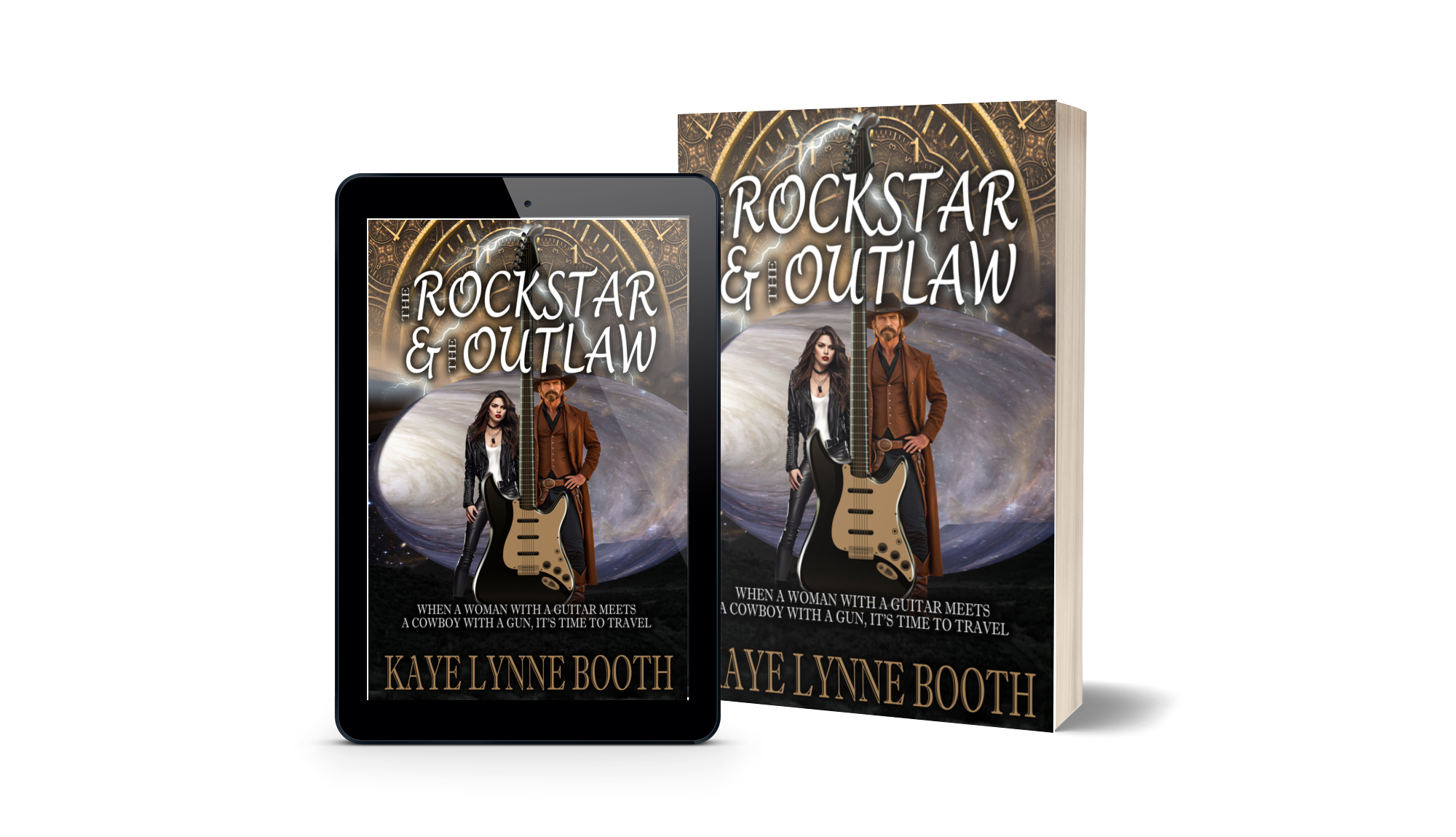
For Kaye Lynne Booth, writing is a passion. Kaye Lynne is an author with published short fiction and poetry, both online and in print, including her short story collection, Last Call and Other Short Fiction; and her paranormal mystery novella, Hidden Secrets; Books 1 & 2 of her Women in the West adventure series, Delilah and Sarah, and her Time-Travel Adventure novel, The Rock Star & The Outlaw,as well as her poetry collection, Small Wonders and The D.I.Y. Author writing resource.
Kaye holds a dual M.F.A. degree in Creative Writing with emphasis in genre fiction and screenwriting, and an M.A. in publishing. Kaye Lynne is the founder of WordCrafter Quality Writing & Author Services and WordCrafter Press. She also maintains an authors’ blog and website, Writing to be Read, where she publishes content of interest in the literary world.
____________________________________
Kaye Lynne Booth does honest book reviews on Writing to be Read in exchange for ARCs. Have a book you’d like reviewed? You can request a review on the Book Review tab above.
Share this:

Review in Practice: Booking the Library
Posted: February 17, 2025 Filed under: Book Promotion, Review in Practice, Story Telling Methods, Writing | Tags: Booking the Library, Jessica Brawner, Nonfiction, Review in Practice, Writing to be Read 10 CommentsI was fortunate to receive a digital copy of Booking the Library, by Jessica Brawner in the 2024 Novel Writing Story Bundle, curated by Kevin J. Anderson, in which my book. The D.I.Y. Author was featured. All opinions stated here are my own.
Many of the old school authors swear that in person promotion is the way to go to sell books, and it is certainly the way to get your book on library shelves. In 2022, I wrote a “Review in Practice” about Mark Leslie Lefebvre’s An Author’s Guide to Working with Libraries and Bookstores, which covers how to build relationships with librarians as a way to help get your books on the shelves of local libraries and brick and mortar bookstores. Part of his advice included volunteering to do readings or presentations as a way to get your foot in the door and create a mutually beneficial relationship with librarians. Libraries do buy books, so it’s good advice, but for me, it has been something I’m still striving for.
Booking the Library takes us beyond that relationship by pointing readers toward actually getting paid to do readings and performances in libraries, which I had never really thought about doing before. It contains a lot of great tips and pointers for getting you, or perhaps your story telling group, bookings in libraries and other venues. Although this type of in person event is far beyond my means at the moment, there were many tidbits that I stowed away for a time when I am able to do so, because the idea of doing this type of appearance sounds like a lot of fun. I can only imagine being able to read my stories in front of an audience.
Although Booking the Library is aimed at performers from all walks of life, much of what is suggested applies to authors and storytellers as well. Jessica Brawner shares the basics, how to find libraries and how to pitch them, booking and planning tours, mailing lists, documents and tools needed, promoting events, getting paid and financial tips, and more. Since I’d never thought of booking for pay, this book was very enlightening.
About Booking the Library
Explore the world of library touring and program booking with “Booking the Library (Second Edition).” Tailored for musicians, storytellers, puppeteers, authors, speakers, and all ‘living wage’ entertainers, this guide is your key to unlocking fresh markets, cultivating a dedicated fan base, and revolutionizing your livelihood.
Dive into a treasure trove of practical tools to elevate your booking game, including sample phone scripts, contracts, and emails. Uncover the secrets of swiftly accessing library contact information, discover best practices that set you apart, and explore creating your ideal program description. “Booking the Library” isn’t just a guide; it’s your compass for navigating the complex world of library programs, filled with invaluable tips and practical advice to ensure your journey is not only successful but also leaves you happy, healthy, and sane as you passionately pursue your craft. Elevate your entertainment business with the wisdom within these pages and let your talent shine on new stages.

Purchase Link: https://www.amazon.com/Booking-Library-Comprehensive-Performances-Entertainers/dp/0999062956/
________________________________
About Kaye Lynne Booth
For Kaye Lynne Booth, writing is a passion. Kaye Lynne is an author with published short fiction and poetry, both online and in print, including her short story collection, Last Call and Other Short Fiction; and her paranormal mystery novella, Hidden Secrets; Books 1 & 2 of her Women in the West adventure series, Delilah and Sarah, and her Time-Travel Adventure novel, The Rock Star & The Outlaw, her the first three books in her kid’s book series, My Backyard Friends, her poetry collection, Small Wonders, and her writer’s resource, The D.I.Y. Author. Kaye holds a dual M.F.A. degree in Creative Writing with emphasis in genre fiction and screenwriting, and an M.A. in publishing. Kaye Lynne is the founder of WordCrafter Quality Writing & Author Services and WordCrafter Press. She also maintains an authors’ blog and website, Writing to be Read, where she publishes content of interest in the literary world.
_________________________________
Did you know you can sponsor your favorite blog series or even a single post with an advertisement for your book? Stop by the WtbR Sponsor Page and let me advertise your book, or you can make a donation to Writing to be Read for as little as a cup of coffee, If you’d like to show your support for this author and WordCrafter Press.
____________________________________
This post is sponsored by The D.I.Y. Author and WordCrafter Press.
Being an author today is more than just writing the book. Authors in this digital age have more opportunities than ever before. Whether you pursue independent or traditional publishing models, or a combination of the two, being an author involves not only writing, but often, the publishing and marketing of the book.
In this writer’s reference guide, multi-genre author and independent publisher, Kaye Lynne Booth shares her knowledge and experiences and the tools, books, references and sites to help you learn the business of being an author.
Topics Include:
Becoming Prolific
Writing Tools
Outlining
Making Quality a Priority
Publishing Models & Trends
Marketing Your Book
Book Covers & Blurbs
Book Events—In Person & Virtual
And More…
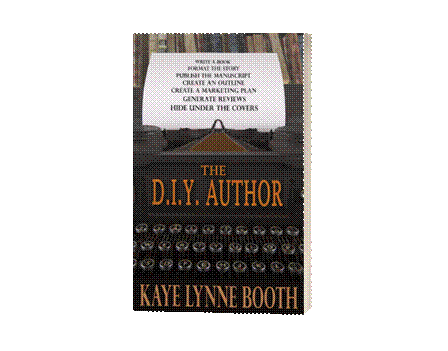
Purchase your copy today: https://books2read.com/The-DIY-Author
Share this:

Review in Practice: How to Market a Book
Posted: May 20, 2024 Filed under: book marketing, Book Promotion, Books, Nonfiction, Review, Review in Practice, Writing Resource | Tags: How to Market a Book, Nonfiction, Review in Practice, Ricardo Fayette, Writing Reference, Writing to be Read 6 CommentsAbout the Book
Writing a book is hard. Marketing it can be even harder.
Marketing a book in 2023 can seem like a full-time job, what with the crazy number of things authors seem to be expected to do: social media, blog tours, advertising, price promotions, mailing lists, giveaways, you name it.
But here’s a little secret: you don’t need to do all those things to successfully set your book on the path to success. What you need is a solid plan to find the one or two tactics that will work, and start to drive sales… in a minimum amount of time. And that’s exactly what you’ll find in this book.
Instead of drowning you in information or inundating you with hundreds of different tactics and strategies that eventually prove fruitless, this book will guide you through a step-by-step framework to find the ones that actually work for you and your book, so that you can start marketing more efficiently.
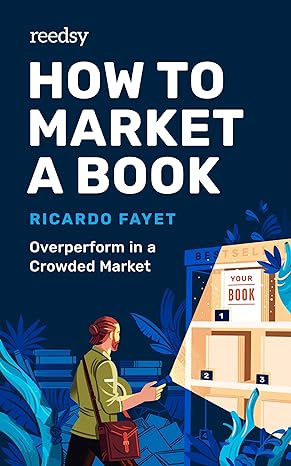
In particular, you’ll learn:
✔️ How to change your mindset and sell more books with less effort.;
✔️ How to write books that guarantee a lasting, profitable career;
✔️ How to get Amazon’s Kindle Store to market your book for you;
✔️ How to get thousands of readers into your mailing list before you even release the book;
✔️ How to propel your book to the top of the charts at launch; and
✔️ How to automate your marketing so that you can spend less time marketing and more time writing,
After helping over 150,000 authors crack the marketing code through a popular weekly newsletter, Reedsy’s Co-founder Ricardo Fayet is sharing everything he’s learned over the past few years in this beginner-friendly, jargon-free guide to book marketing.
Purchase Link: https://www.amazon.com/How-Market-Book-Overperform-Marketing-ebook/dp/B08TZJQ1FB
___________________________________________
Today’s author needs to be able to do all stages of the publishing process in order to run their author business, but one person cannot do it all. It can be overwhelming, even for the D.I.Y. author. (That’s me. 😉 ). I share my experience and knowledge about doing my marketing and promotions myself in my book, The D.I.Y. Author, which will be released on June 4th, 2024. But learning to run an author business doesn’t end when you publish a book, and although I just wrote a book about building and growing your author business, I still have much to learn on this never ending road to success. That’s why I took advantage of the free ebook by Reedsy‘s Ricardo Fayette, How to Market Your Book: Overperform in a Crowded Market. Fayette knows a lot more than I do on the subject of book marketing, so I refer my readers to his book in my book.
I don’t do paid advertising, and that is what a good portion of this book is about.
“But couldn’t I reach a larger audience with paid advertising?” Absolutely.
Someday, I hope to be able to expand into the paid advertising arena, so I read through those sections, and I must say, Ricardo Fayette explains things in such a way that even someone like me, who gets headaches when thinking analytics, can understand, and he is very thorough. He lays out the differences between Amazon Ads, Facebook Ads, and BookBub Ads, weighing the pros and cons of each. And man, did I learn a lot, particularly about BookBub Ads. He really gave me a lot to think about. Hopefully, I will be able to include what I’ve learned about paid advertising from this book in the revised edition of The D.I.Y. Author by putting it into practice at a future date.
Fayette also talks about the importance of a mailing list and how to set up a newsletter with a reader magnet, reminding me of another area where my efforts have been lacking. He compares several email servers and offers the basics of a good newsletter. I set out two years ago to find a new email server because I wasn’t happy with MailChimp. But things got busy and life happened, and my quest for an email server got laid to the side. I opted to stick with what I knew, not wanting to take the time to learn a new server system, let alone the time it takes to research them first. This book offers a list with some I wasn’t familiar with which are geared more toward authors. This peaked my curiosity, as it sounded like it might be just what I’m looking for. I haven’t sent out a newsletter in over six months, and my readers have probably forgotten me. This might be the motivation that I need to get a newsletter up and running, and keep it running.
He shares tips for working the Amazon system, as well as some of the other retailers, for those who publish wide. He even talks about selling direct from your website, and how to make each of these methods work for you. He covers keywords, backcover copy and book covers.
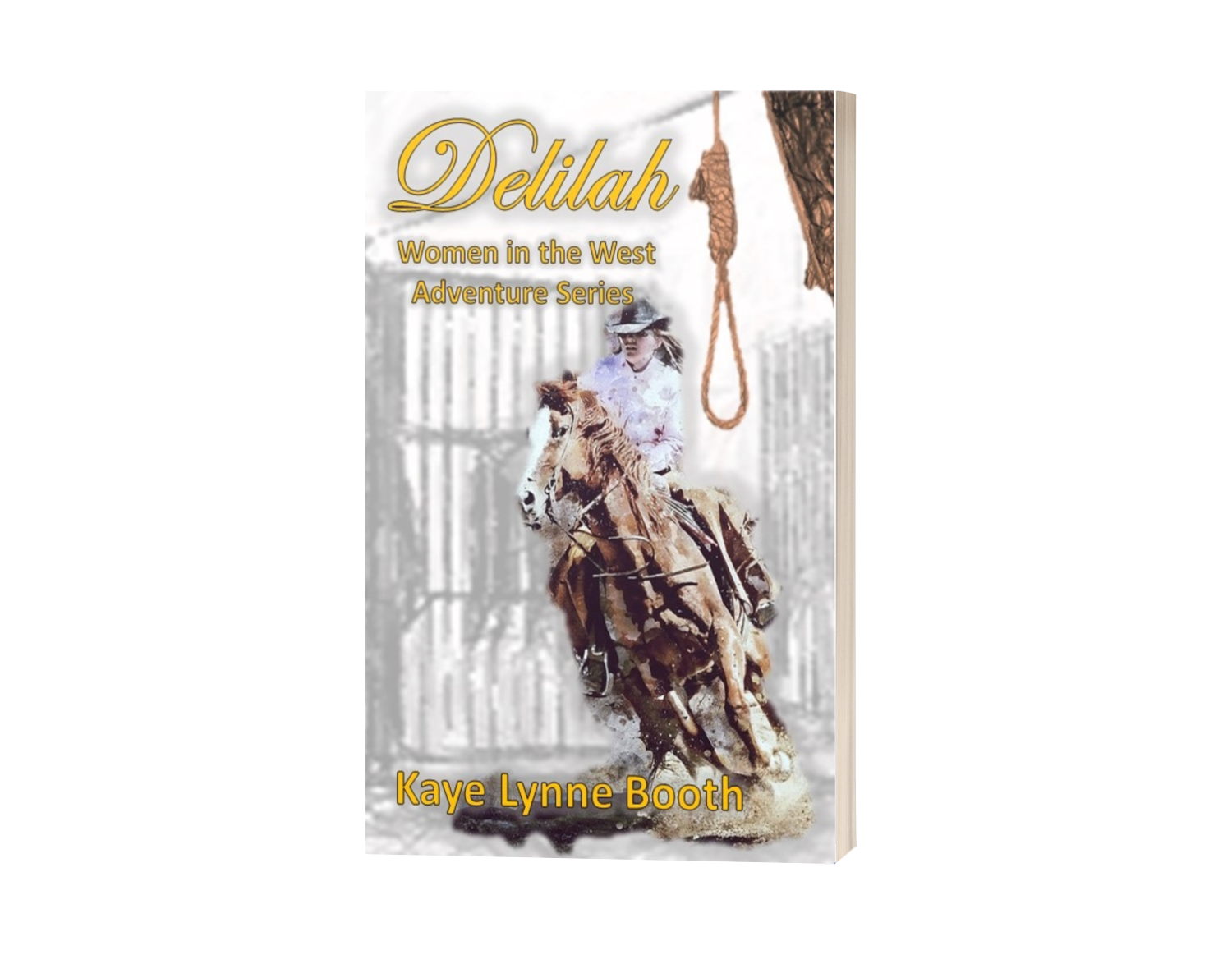
On the subject of book covers, I have to disagree with him as he insists you must outsource your book cover with an expensive professional cover designer. I do outsource many of my book covers because I’d rather put my time into my writing, but although I am a writer and not a book designer, I posess the design knowledge and most of the skills to create a good book cover. I designed the covers for my Women in the West Adventure Series and I’m quite happy with them. I wasn’t happy with the cover I did for The Rock Star & The Outlaw, so I outsourced it to someone who had more skill than I did, and changed the cover three months after publication. So, while I’m not saying you shouldn’t outsource your book covers, I don’t think that it is an absolute necessity. While Fayette is adament on this point, reminding us of it repeatedly throughout the book, I guess we’ll just have to agree to disagree on this one.
This is one of the most comprehensive books on book marketing that I’ve come across, and one I will be referring back to many times in the future as I grow and expand my author business. A great value from a free book.
_________________________________________________
About Author Kaye Lynne Booth
For Kaye Lynne Booth, writing is a passion. Kaye Lynne is an author with published short fiction and poetry, both online and in print, including her short story collection, Last Call and Other Short Fiction; and her paranormal mystery novella, Hidden Secrets; Books 1 & 2 of her Women in the West adventure series, Delilah and Sarah, and her Time-Travel Adventure novel, The Rock Star & The Outlaw. Kaye holds a dual M.F.A. degree in Creative Writing with emphasis in genre fiction and screenwriting, and an M.A. in publishing. Kaye Lynne is the founder of WordCrafter Quality Writing & Author Services and WordCrafter Press. She also maintains an authors’ blog and website, Writing to be Read, where she publishes content of interest in the literary world.

_______________________________________________
Want exclusive content? Join Kaye Lynne Booth & WordCrafter Press Readers’ Group for WordCrafter Press book & event news, including the awesome releases of author Kaye Lynne Booth. She won’t flood your inbox, she NEVER sells her list, and you might get a freebie occasionally. Get a free digital copy of her short story collection, Last Call and Other Short Fiction, just for joining.
Share this:

Writer’s Corner: Why I changed my Twitter(X) handle
Posted: February 12, 2024 Filed under: Book Promotion, Books, Branding, Nonfiction, Social Media Promotion, Writer's Corner, Writing | Tags: Book Promotion, Kaye Lynne Booth, Nonfiction, Social Media Promotion, The D.I. Y. Author, WordCrafter Press, Writing 7 Comments
Branding is Important
I recently changed my Twitter handle, or X handle, or whatever it is we call it now. I can’t say that I like all the new changes to the platform, but honestly, although I’ve been on Twitter since 2010 as @GodsAngel1, I’ve not used it a lot, so many of the changes may have slipped my notice. Back in 2022, when I graduated, my cohorts pointed out that my Twitter handle was different than all my author social media call names, which either associated me as an author, or as a publisher with WordCrafter Press. I said that I had been @GodsAngel1 for so long that to change, well, no one would be able to find me.
But the thought of changing my Twitter handle never left me, and I knew they were right. @GodsAngel1 was a personal handle used when Twitter first came out, and you were limited to so few characters, that I couldn’t post a tweet with what I wanted to say. It didn’t really fit in with my author and publisher branding. Since 2022, I’ve been using Twitter, now known as X, more, and the idea of changing my handle kept popping into my head when using the platform. I don’t know why I kept dragging my feet on the issue, but I did until recently when a friend of mine wanted to help me out with promotions, and ask me if I could change my handle to something less personal, more professional. I decided that I couldn’t fight it any more, especially when I knew how important consistant branding is, so I gave in and changed it.
Making the Change
First, I had to figure out how to change my Twitter handle, but with some solid guidance from one of my cohorts, I found the proper channel in the app. I erased my previous handle and entered WordCrafterPress, and ws informed it was too long, as was AuthorKayeLynneBooth. So, I tried just putting in WordCrafter, and was informed that name was already in use by someone else. So much for branding.
Then, it occured to me that with the new nonfiction book on the process of becoming an independently published author, and doing it all yourself will add a new deminsion to my branding, and I could use this change to strengthen that connection, as the D.I.Y. Author. That’s what I am, and it’s what the book is about: becoming a D.I.Y. author as inexpensively as possible and still get results. So, you can now reach me on Twitter, or X, using my new handle @DIY_Author.
I hope you’ll look me up, like and follow because I need all the peeps I can get. Or does that have a new name, too? What are followers on X called? And when we post is it still a tweet? I can’t keep up with all the changes, and I’m still learning the ropes, so to speak, so please be patient with me.
Coming in 2024

How to work through the stages of the writing process on your own. The D.I.Y. Author shares the expertise I’ve spent years to acquire in one volume that will save new and aspiring authors both time and money, and inexpensive, but successful strategies for marketing and promotion.
___________________________________
For Kaye Lynne Booth, writing is a passion. Kaye Lynne is an author with published short fiction and poetry, both online and in print, including her short story collection, Last Call and Other Short Fiction; and her paranormal mystery novella, Hidden Secrets; Book 1 of her Women in the West adventure series, Delilah, and her Time-Travel Adventure novel, The Rock Star & The Outlaw. Kaye holds a dual M.F.A. degree in Creative Writing with emphasis in genre fiction and screenwriting, and an M.A. in publishing. Kaye Lynne is the founder of WordCrafter Quality Writing & Author Services and WordCrafter Press. She also maintains an authors’ blog and website, Writing to be Read, where she publishes content of interest in the literary world.
___________________________________________
Want exclusive content? Join Kaye Lynne Booth & WordCrafter Press Readers’ Group for WordCrafter Press book & event news, including the awesome releases of author Kaye Lynne Booth. She won’t flood your inbox, she NEVER sells her list, and you might get a freebie occasionally. Get a free digital copy of her short story collection, Last Call and Other Short Fiction, just for joining.
Share this:

Review in Practice: Get Your Book Selling on Kickstarter
Posted: November 13, 2023 Filed under: Book Review, Books, Kickstarter, Nonfiction, Review in Practice, Writing | Tags: Get Your Book Selling With Kickstarter, Kickstarter, Monica Leonelle, Nonfiction, Russel Nohelty, Writer's Corner, Writing to be Read 4 CommentsWith $300,000 in fundraising across 20+ Kickstarter projects, Russell Nohelty knows a thing or two about running publishing campaigns for novels, nonfiction, anthologies, comics, audio dramas, and more. He tested his system with 70+ authors with great results, and is now generously sharing everything he knows about the platform for authors with an audience of zero as well as those with a fanbase.

In this book you’ll find:
- Why using crowdfunding is an important avenue for authors and how authors are currently using it
- Choosing the right project for Kickstarter and designing your campaign
- Budgeting your campaign for profitability (and why it’s critical for your success!)
- The types of messages you should send to your audience vs. cold traffic
- Delivering your rewards for your Kickstarter project
- Keeping momentum going after Kickstarter
Hailed as one of the most comprehensive books on Kickstarter for Publishing projects, this book is a must-have if you’re Kickstarter-curious or planning your campaign.
Purchase Link: https://www.amazon.com/Your-Book-Selling-Kickstarter-Profitability-ebook/dp/B09TQ4G5S6
_______________________________________________
I’m not a big name author, and when I first started hearing talk of using Kickstarter to sell books in 2022, I scoffed, thinking it was just another way to beg for money in an official capacity. Then Bryan Sanderson came along and ran a campaign that funded and made $4 million on the opening day, making authors everywhere sit up and take notice. You can find out more about how Sanderson’s campaign helped to pave the way for authors in this article by Dean Wesley Smith: https://deanwesleysmith.com/brandon-sanderson-kickstarter/.
Even after watching Sanderson’s success, I was skeptical. Just because it worked for him, he’s a big name author, and that doesn’t mean it will work for me. Then Kevin J. Anderson took his publishing students through a campaign set-up step-by-step, showing us how to do one properly, with his Dragon Business campaign. When his campaign funded on the first day, and by the end had raised $42,000, I decided this was a method of direct selling that I wanted to employ.
Getting Your Book Selling With Kickstarter, by Russell P. Nohelty and Monica Leonelle is a helpful book if you are thinking about using Kickstarter as a method of direct selling for your author business. This book helped me to decide on my projects, figure out my budget for the campaigns, choose my rewards, and set my funding goals. As a successful campaigner, Nohelty offers ideas for rewards, backer perks, stretch goals and add-ons, taking into consideration ease of production, ease of delivery, storage and tracking, and appeal to your audience. He offers advice on how to set reward tiers, adding digital items to physical ones to add value and build excitement in your backers. Plus so much more. He shares his proven system for running a successful Kickstarter campaign.
To date, I have done two campaigns for my own books, and I have two more planned for 2024. I’m practicing a business model similar to that of author Joanna Penn, although I don’t have my own store yet. Her model is to offer books direhctly first, through Kickstarter, and then through her own store on her site. Eventually, she makes her books available through distributors, but authors gets to keep more of their royalties when they sell direct, so going the direct route first makes sense. (You can learn more about Joanna Penn’s business model in her interview with Mark Leslie Lefabvre on the Stark Reflections podcast, episode #327: https://starkreflections.ca/2023/10/10/episode-writing-the-shadow-with-joanna-penn/
I’m an unknown author with a small independent press, so I needed to start small. My first campaign for Delilah and the Women in the West adventure series offered mostly digital rewards. The only physical item offered was the signed print copy of the book. For my top tier, I offered my backers a chance to name a character in book two, which I thought was pretty cool. At least two backers thought it was pretty cool, too.
Nohelty mentions steps in preparation for a campaign which hadn’t crossed my mind, such as promoting through my email list, which is a great idea. He suggests breaking down email lists so you can reach out to the readers in your target audience specifically. This is important, because once you send out all of your intensive promotions for your Kickstarter campaign, people may be tired of hearing from you. You don’t want folks to get annoyed and unsubcribe because you’ve been annoying in your promotions. The idea is to tailor your promotions to different specific lists, so no one is totally bombarded. Nohelty also suggests reposting all of your email content on social media, as well. Also, probably a good idea if strategically placed. But, I have to tell you-one of the really cool thing about Kickstarter is the built in email list, which keeps the lines open and goes out to all of the backers of the campaign, even long after the campaign has ended, so you have an open line of communication with all of your Kickstarter fans.
Emailings are something that I haven’t worked a whole lot with. That may change as my own mailing list grows. My marketing has always gone through this blog, Writing to be Read, which I then broadcast across my social media channels. This works fairly well, but I realized that I wasn’t targeting my specific audiences in this way. This made me realize that Nohelty’s email marketing might be more effective for more specific targeting. As I prepare for my third Kickstarter campaign, for Sarah, Book 2 in the Women in the West Adventure series, I may look closer at ways in which I might utilize email marketing to my advantage. I’m still a little hesitant though, as Nohelty recommends send frequent emails, (more than one a day). That really seems a bit much to me, but Nohelty stands behind his system.
I set the goal at $500 for both campaigns, because I felt it was a reasonable reach for little old me, who is not a bestselling, or even a known author. Nohelty backs up the advice given on the Six Figure Authors podcast, episode #048 (https://www.youtube.com/watch?v=5SvQ5hJ1i0Q). They recommended that you set a goal that is reachable and still brings in enough to cover your expenses and see the project through. A good point made in the podcast was that if you set your goal too high and you don’t fund, then you walk away with nothing, so a lower goal may be better than no money at all. They also pointed out that once your campaign funds, anything else you bring in above and beyond that is just icing on the cake. Kevin J. Anderson’s goal for his Dragon Business Kickstarter campaign was $10,000, because that is a reasonable goal for a bestselling author to shoot for, but he brought in $42,000. Nohelty recommends consideration for the size of your mailing list when setting funding goals.I think $500 is a reasonable goal since my email list is still pretty short and I’m an unknown author.
When I ran my second campaign for The Rock Star & The Outlaw offered more physical rewards because I hadn’t finished writing the book at the time that I set it up, and I didn’t realize there would be potential for a second book. (Yes, the ending surprised me, too.) So, for the top tier on this one, I offered a goodie bag with the WordCrafter logo with a poster and a signed print copy of the book, as well as the early digital copy which all backers above the $5 received.
Nohelty recommends using more digital rewards, because they are easy and cost you less to fulfill. The physical rewards surely made the cost of the second campaign higher. And if you do offer physical rewards, be sure you figure the shipping costs in to the cost of fulfillment. Since I set the same goal for both campaigns, I didn’t make as much from the second one. Definitely something to think about.
He also offers advice on setting your tier levels. He recommends $1, $10, $25, $50, and $250 tiers. I’ve backed a few campaigns now, and from what I’ve seen, each one handles setting the tier levels differently. Mine each had three tier levels, the first two being $5 and $25. For my first campaign, the top tier was $50. For my second campaign, I raised the top tier to $75, because it was mostly physical rewards which would need to be delivered via snail mail.
Another good piece of advice Nohelty offers involves offering merchandise for rewards. Physical items require you to calculate shipping into the overall cost for the fulfillment of each reward. Print books can be shipped media mail, which is less expensive, but as soon as you add any type of merchandise, that is no longer an option. So, when deciding on rewards, add-ons, stretch and flash goals, the cost of shipping must be figured in so you don’t overextend yourself and cut deeply into your profits.
Nohelty explains early bird perks-setting rewards to be available only to early backers with a point at which it is no longer available. I haven’t done this yet, but this strategy appeals to me and has me thinking about what I could offer as incentive to jump into the campaign on Day 1. This idea might be helpful, since I am an unknown author and my campaigns so far haven’t funded until near the end. It looks like Nohelty offers perks for backers and perks for Week 1 backers, so if you back on Day 1, you would receive both rewards, which is pretty cool. In fact, Nohelty offers different perks every week, which means that you can get extras if you back his campaign at any point. He suggests a perk for backing in the first 48 hours, and a perk a week for the duration of the campaign.
Stretch goals are offered when you hit a certain level of funding to keep the money climbing, and I’ve seen the bigger authors use them. They are usually added after funding, and since my campaigns didn’t fund until near the end, there wasn’t really a chance for me to use them. The second campaign funded three days before the end of the campaign, so I offered a stretch goal reward if we reached an additional $100, bringing our total to total $600. We didn’t make it, and thus ended my brief experience with stretch goals.
Flash goals were something I had heard of, but didn’t really understand what they are. According to Nohelty, they are perks given to ‘recharge momentum’ on the campaign. They are brief opportunities, i.e. “Anyone who backs the campaign in the next twenty-four hours gets a bonus.” They are designed to intice those following your campaign into taking the plunge and becoming a backer, thus keeping your totals rising toward your goal, or if fortune is with you, past it and even higher.
I have to say, Russel Nohelty’s Get Your Book Selling on Kickstarter has been extremely helpful as I look forward to future campaigns. In addition to that discussed above, he offers advice on how to set-up your Kickstarter and appeal to your audience, some of the challenges you might run into, how to keep your campaign’s momentum going, and more.
Other resources
WMG Publishing offers a free course from Dean Wesley Smith, Kickstarter Best Practices for Fiction Writers here: https://wmg-publishing-workshops-and-lectures.teachable.com/courses/
_____________________________________________________

For Kaye Lynne Booth, writing is a passion. Kaye Lynne is an author with published short fiction and poetry, both online and in print, including her short story collection, Last Call and Other Short Fiction; and her paranormal mystery novella, Hidden Secrets; Book 1 of her Women in the West adventure series, Delilah, and her Time-Travel Adventure novel, The Rock Star & The Outlaw. Kaye holds a dual M.F.A. degree in Creative Writing with emphasis in genre fiction and screenwriting, and an M.A. in publishing. Kaye Lynne is the founder of WordCrafter Quality Writing & Author Services and WordCrafter Press. She also maintains an authors’ blog and website, Writing to be Read, where she publishes content of interest in the literary world.
_________________________________________________________
Want exclusive content? Join Kaye Lynne Booth & WordCrafter Press Readers’ Group for WordCrafter Press book & event news, including the awesome releases of author Kaye Lynne Booth. She won’t flood your inbox, she NEVER sells her list, and you might get a freebie occasionally. Get a free digital copy of her short story collection, Last Call and Other Short Fiction, just for joining.
Share this:

Review in Practice: Million Dollar Outlines
Posted: August 14, 2023 Filed under: Book Review, Books, Nonfiction, Outlining, Plot, Review, Review in Practice, Writing | Tags: David Farland, Million Dollar Outlines, Nonfiction, Plotting, Review in Practice, Writing, Writing to be Read Leave a comment
Outline your novel for success, taught by a master writer and instructor.
Bestselling author David Farland taught dozens of writers who went on to staggering literary success, including such #1 New York Times Bestsellers as Brandon Mull (Fablehaven), Brandon Sanderson (Wheel of Time), James Dashner (The Maze Runner) and Stephenie Mayer (Twilight).
Dave was an award-winning, international best-selling author with over 50 novels in print, and a tireless mentor and instructor of new writers. His book Million Dollar Outlines is a seminal work teaching authors how to create a blueprint for a novel that can lead to bestseller success.
In this book, Dave teaches how to analyze an audience and outline a novel to appeal to a wide readership. The secrets found in his unconventional approach will help you understand why so many of his authors went on to prominence.
David Farland was hailed as “The wizard of storytelling” and one of the best writing instructors in the field for many years. Dave passed away in January 2022, but WordFire Press is pleased to bring this vital resource back to a wider readership.
Purchase Link: https://www.amazon.com/Million-Dollar-Outlines-Writing-ebook/
What I love about books on the craft of writing, is that they get my mind working as I automatically try to apply the techniques I’m reading about to my current W.I.P., and it often takes my writing in new directions which I hadn’t imagined before. Million Dollar Outlines, by David Farland did this for me with, not one, but two books which I am currently working on. As all my Delilah Kickstarter campaign backers know, I am actively working on the research and outline for Sarah, Book 2 in my Women in the West adventure series, and this is the book I intended to try out Farlands methods with, but I found some of his advice needed to be applied to a story which I’m just finishing up.
By reading through the elements that Farland believed should go into your outline, I discovered some things that I knew my western time-travel romance adventure novel, The Rock Star & The Outlaw needed, but had neglected to consider as I flew through the writing during NaNoWriMo last year. If you were with me then, you will know that I had a partial working outline, which changed as events in my story veered from the path I had prepared, but mostly my fingers just flew over the keys at every opportunity, and I adjusted my outline accordingly, so there was little time to think about the purpose that each scene or chapter served besides moving my story from point A to point B. (Which is why, this year, I plan to be better prepared and I’m currently working on the outline for Sarah, so that I have a fully developed outline when November roles around.) So as I read this very informative book, which is packed chock full of useful writing advice, I saw places where the Rock Star story is lacking, and even though I’m well past the outlining stage with this book, I went back and did the checks to be sure my story was hitting all the proper beats, and it wasn’t. That’s why took the time for a developmental edit and do the revisions, and now, it is.
Of course, I also used this book to improve my outlining technique with Sarah, which was my original lol intent, keeping in mind that Million Dollar Outlines is a book aimed at outlining to increase productivity. In order to do that, Farland begins by asking, and answering, questions such as ” Why do we read or crave stories?”, or “What is a story and how does it work?”. Then he has you take a look at the shape of your story.
With Sarah, I already knew that the shape of her story would be similar to that of Delilah, because they are both in the same series. Delilah was my first novel and a huge experiment where I tried many different methods and styles, but my method of creating a partial outline and revising as I go seems to have stuck with me with The Rock Star & The Outlaw, so I had planned to stick with it on Sarah.
According to Farland’s theory, that will no doubt make Sarah linear in style with numerous obstacles and hurtles to overcome along the way, because like Delilah, Sarah will embark on a hero’s journey as an unwilling traveler turned heroine. I use this method because it offers me some direction to get the story started, but also allows flexibility because my stories rarely end up going where I start out thinking they are headed.
Next, Farland has us look at the potential for a best selling story and how to analyze your audience to better create stories that readers will like. This is not something which I would normally think about when outlining, but it is something that every author should think about if the end goal is to sell what we write, and what better time to think about this step, than during the outlining process?
Farland also talks about the elements of story, such as setting, characters, conflict and treatment. Normally, I write out a scene out starting with the character interaction which moves the story forward, then I go back and fill in the descriptions to bring the setting to life, so his suggestion to develop the settings in the outlining process, would be a very different approach for me. By outlining in this way, I can see the potential to have most of the pieces to my story in place in my outline where I could almost pluck them from the outline and place them into the story, like pieces to a jigsaw puzzle.
Regarding characters, had a good start with Sarah because her character was at least partially developed in Delilah. In addition, I had a pretty good idea of who my supporting characters were going to be, and their parts in the story because they are either historical characters, which I took certain liberties with. So, all I had to do with them was to develop them more, giving each a physical description and a part in the book. In addition to Sarah, members of her Ute Indian family also made brief appearances in Delilah, so they just needed to be fleshed out a bit. And then there are the two characters who two of my supporters in the Delilah Kickstarter campaign got the privilege of naming which needed to be fully developed.
Once I knew who my characters were and the role that each would play, I had a basic outline of events written out, because you can’t know what role a character will play until you figure out what they do in the story. But this is my list of main/supporting characters.
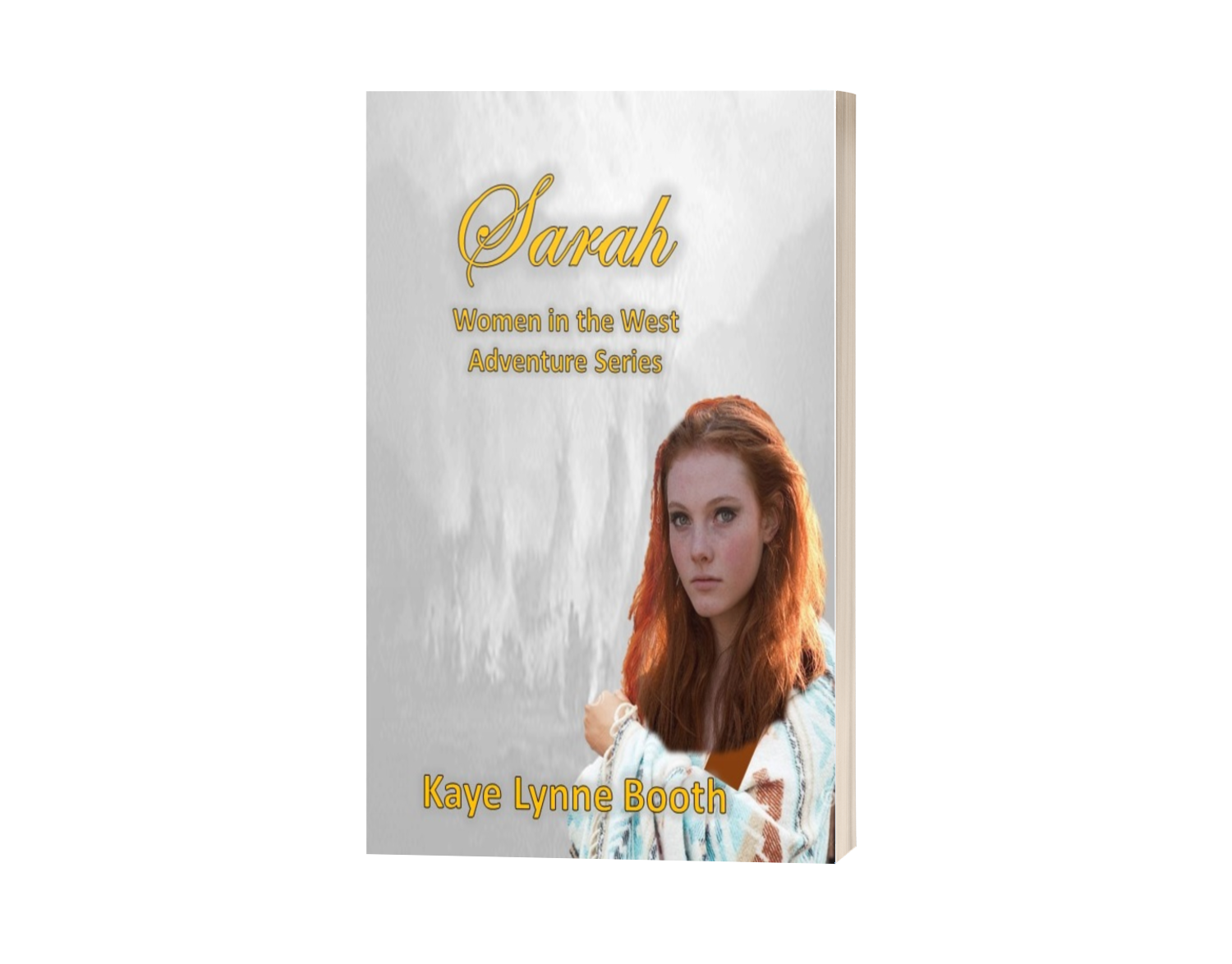
- Sarah – protagonist – red hair and freckles – 17 – raised in bordello, traveled with Delilah until she was abducted and sold to the Utes, who treated her well & she was happy with. She strives for self-reliance and learns healing from the old Ute woman, Flies like a Heron, becoming a valuable member of the tribe.
- Three Hawks – love interest – Sarah’s Ute husband- kind to Sarah, but brave warrior- son on tribal elder, will one day be chief.- traded many horses for Sarah and fights to keep her.
- Flies Like a Heron – healer & mentor – kind old woman & wife of Ute shaman, Raven Wings – teaches Sarah healing ways
- Owoz Crebo – Antagonist – lone Sioux warrior who visits Ute camp guised as a friend, but steals away with Sarah in the night – an outcast of his own tribe – old & scarred
- Lillian Alura Bennett – Temptress – red haired Irish Woman who runs boarding house/ bordello in Glenwood Springs – was orphaned and became a ‘crib girl’, then worked her up until she made a spot for herself in one of the better houses, the bought out the madame – kind offers Sarah a room in exchange for her domestic services.
- Kate Elder – mentor – historical character – independent prostitute, on her own since young, companion to Henry ‘Doc’ Holliday – came to Glenwood Springs in his last days & cared for him, kind of ‘the woman behind the man’s – kind, helps Sarah, takes care of Doc
This is my list of settings which will need to developed. I’ve done a lot of research on the history of Glenwood Springs, but the rest must come from within my own head, but a few back woods excursions may be in order to get a feel for the terrain.
- Ute camp – already partially developed from Delilah.
- Cliffs where Indian battle takes place
- Mountains between Telluride and Glenwood Springs
- Glenwood Springs, 1887 – a. Glenwood Hotel/ Docs room & Fictional boarding house
Farland goes on to offer up plotting tools, which can be used in the construction of your story to hit the emotional beats that will grasp your readers and won’t let go. He suggests tools such as timebombs, dilemmas, crucibles, reversals, revelations, twists, motivations, mystery, romance, varying emotions, gads, braiding conflicts, varying conflicts, identity conflicts, centering, doubling, haunting, tripling, stacking, growth, duality, the third alternative, the rule of threes, spectacles, adding a thematic line, placing your world in jeopardy, or creating an epic. I’ve used a few of these, such as the rule of threes, twists, revalations, and reversals, but others were new to me. I bet you see a few tools in the list above which could use some explanation. I know there were for me.
We all know what a twist is, when the story suddenly takes off in an unexpected direction, or a revelation, where your characters reveal something about themselves which bears on their actions in the story. The Rule of Threes says that you should call something that you want readers to notice three different times throughout the story, if you want it to stick in your readers head. I’ve used that one in every story that I’ve written. Doubling, tripling and haunting are all methods of doing just that. Some, like placing the world in jeopardy, may work better for certain genres more than others, but it is always a good way to raise the stakes in the story. I used this one in my science fantasy series, still in progress, Playground for the Gods, which centers on a group of beings who destroyed their own planet and come to Earth to make their new home, but some members threaten to repeat their peoples mistakes and destroy Earth as well. This particular tale is also an epic, so there’s another plotting tool used to create story.
Then, Farland goes on to discuss the plotting process, talking about what makes a good beginning, middle and end and incorporating it all into your outline. I’m busy working right now, incorporating some of Dave Farlands suggestions into my outline for Sarah.
I have a more detailed outline right now for Sarah than I ever had for any story, and it still looks like it will be too short. I’ll have to go back and see what other plotting tools I may I want to ascertain that book 2 in my Women in the West series will be even better than book 1.
Will it be a million dollar outline? Not in the sense in which Farland was using it. He used his outlines to sell his stories to publishers and producers. For Sarah, I am both author and producer, but maybe the story will sell enough copies to make a million. I’ll just have to wait and see. I hope you’ll stick around until Sarah comes out in 2024 to see the end results, too.
____________________________________

For Kaye Lynne Booth, writing is a passion. Kaye Lynne is an author with published short fiction and poetry, both online and in print, including her short story collection, Last Call and Other Short Fiction; and her paranormal mystery novella, Hidden Secrets; and book 1 of her Women in the West adventure series, Delilah. Kaye holds a dual M.F.A. degree in Creative Writing with emphasis in genre fiction and screenwriting, and an M.A. in publishing. Kaye Lynne is the founder of WordCrafter Quality Writing & Author Services and WordCrafter Press. She also maintains an authors’ blog and website, Writing to be Read, where she publishes content of interest in the literary world.
____________________________________________
Want exclusive content? Join Kaye Lynne Booth & WordCrafter Press Readers’ Group for WordCrafter Press book & event news, including the awesome releases of author Kaye Lynne Booth. She won’t flood your inbox, she NEVER sells her list, and you might get a freebie occasionally. Get a free digital copy of her short story collection, Last Call and Other Short Fiction, just for joining.
Share this:

Review in Practice: Million Dollar Productivity
Posted: July 10, 2023 Filed under: Book Review, Books, Nonfiction, Review, Review in Practice, Writing, writing advice, Writing Business, Writing Tips | Tags: Book Review, Kaye Lynne Booth, Kevin J. Anderson, Million Dollar Productivity, Nonfiction, Review in Practice, Writing, writing advice, Writing Tips, Writing to be Read 10 Comments
I have to tell you, Kevin J. Anderson is the most prolific writer I know, but there are others. I met many of these incredibly productive authors through my studies under Kevin J. Anderson. I think they all hang out together. And honestly, when I first began to see what KJA does, putting out at least five novels a year, plus co-authoring books and screenplays adapted from his books, run WordFire Press, orchestrate his SuperStars Seminars every February and his classes at Western Colorado State University, and go to numerous Cons and writing seminars throughout each year, all I could say was, “Wow!”
Million Dollar Productivity, by Kevin J. Anderson is the book where he reveals all the tips and tricks which make him into the most prolific writer I know. So, when I received a digital copy of Million Dollar Productivity, for the 9th Stretch goal met in KJA’s Dragon Business Kickstarter Campaign last January, I had to give it a read. (I had already read the companion reward book for this stretch goal, On Being a Dictator. You can read my review here.) As I had suspected, I already knew and practiced many of the tips given in this book. After all, I studied under the author. But there were others that I either didn’t know about or hadn’t tried.
One of the ones I think have been most helpful to me was to set goals and stick to them. In class, we were required to create business plans and set goals for the coming year. I began to employ this strategy in the fall of 2021, a year in which I had published two anthologies, one poetry and one short fiction, and nothing else. When I am listening to people in the business who are telling me that you need to have a large inventory of IP (intellectual propeties), be prolific enough to put out several books each year, and have multiple streams of income to make a sustainable living from your writing, and looking at the couple of books per year that I was putting out, I knew I was going to have to do better, and I planned accordingly. I found that making a plan and setting some goals which keeps me moving in a forward progression.
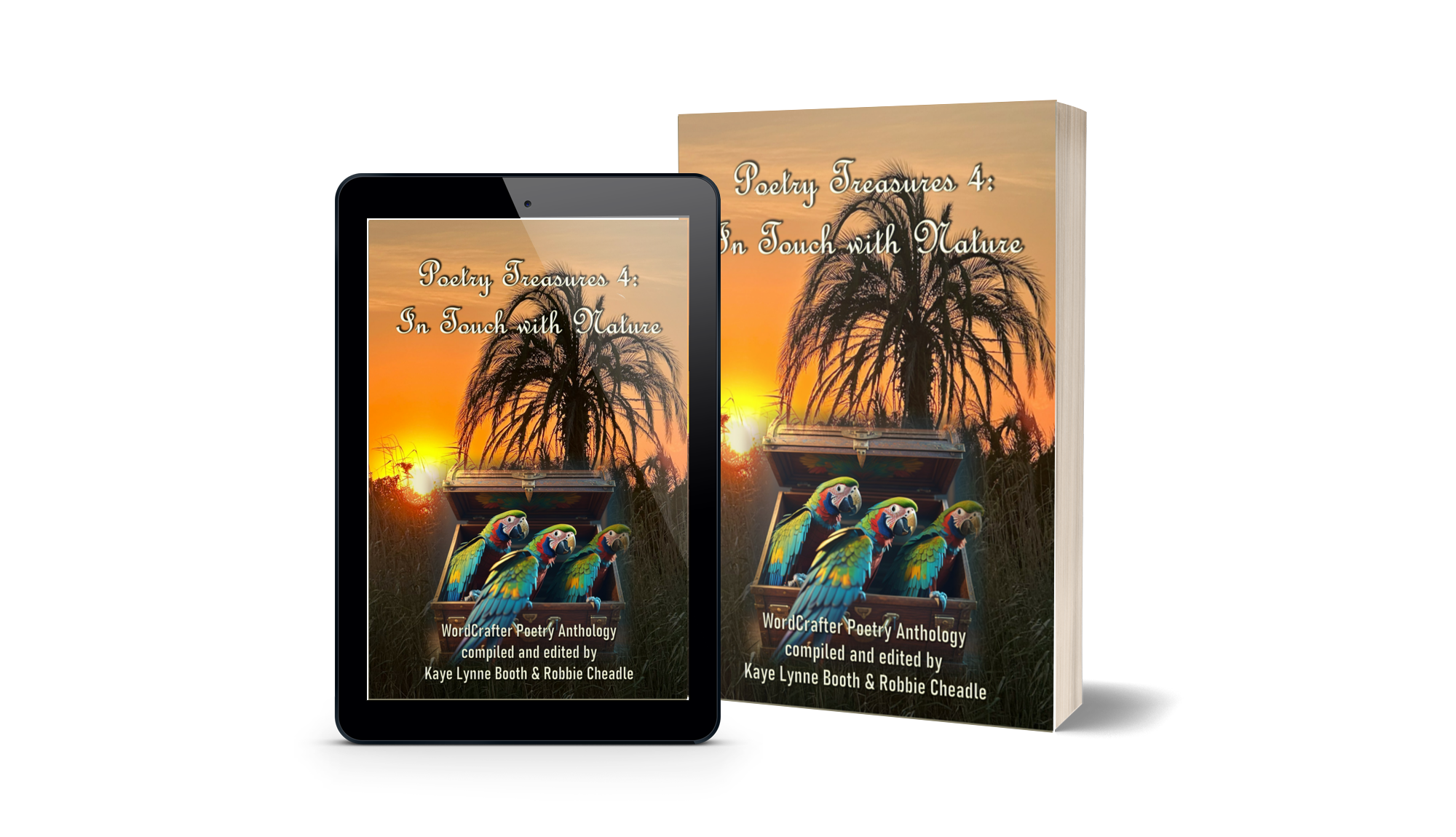
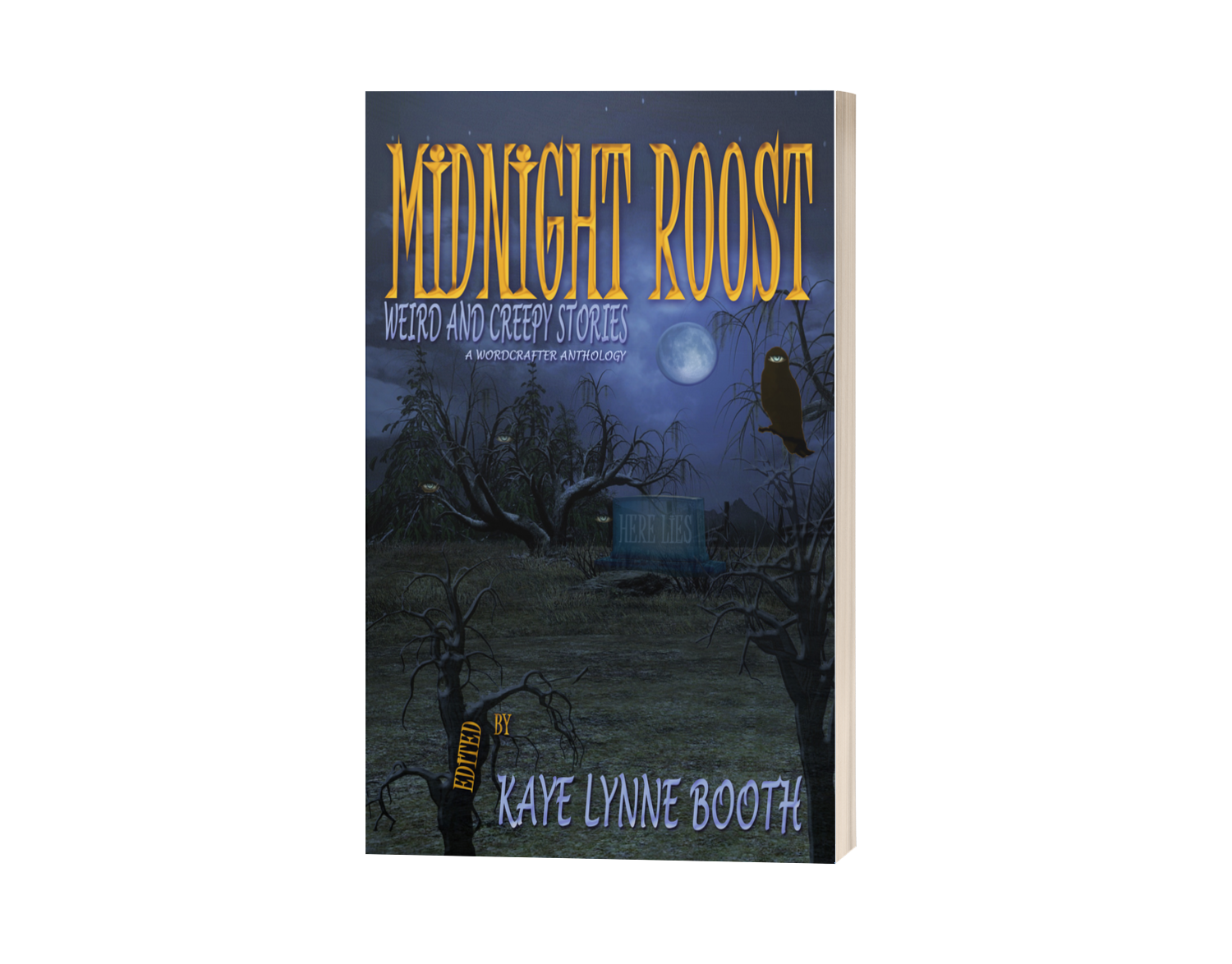
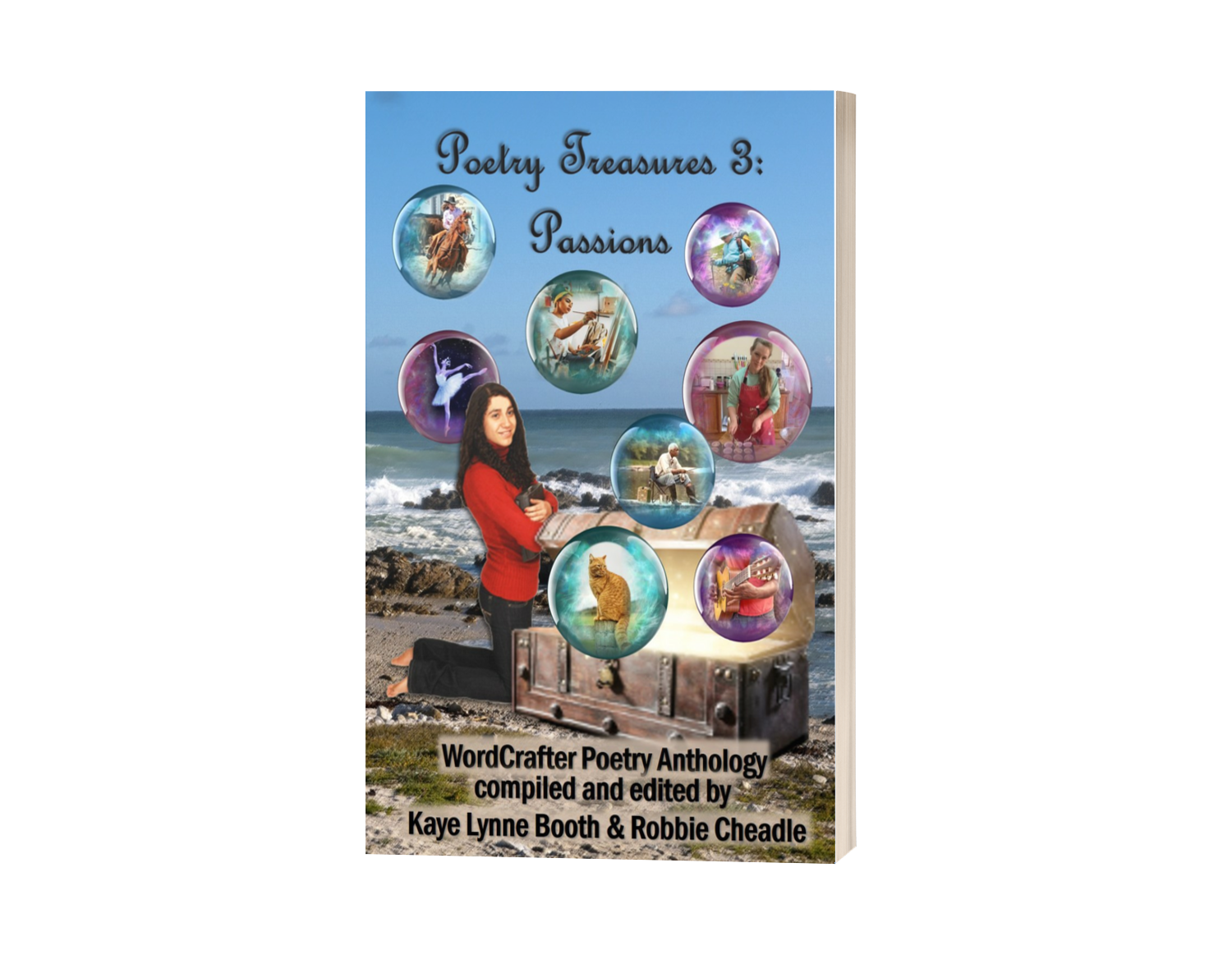
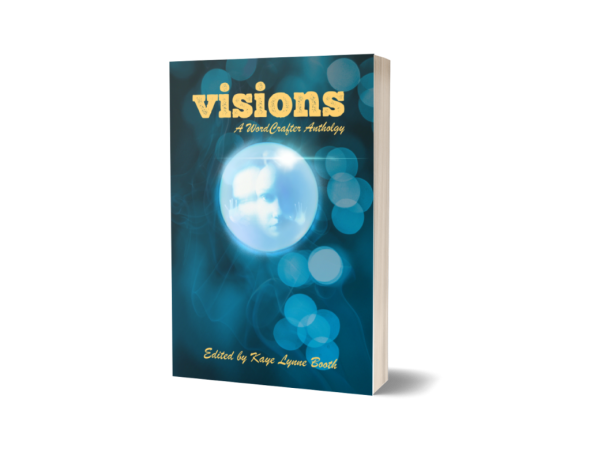
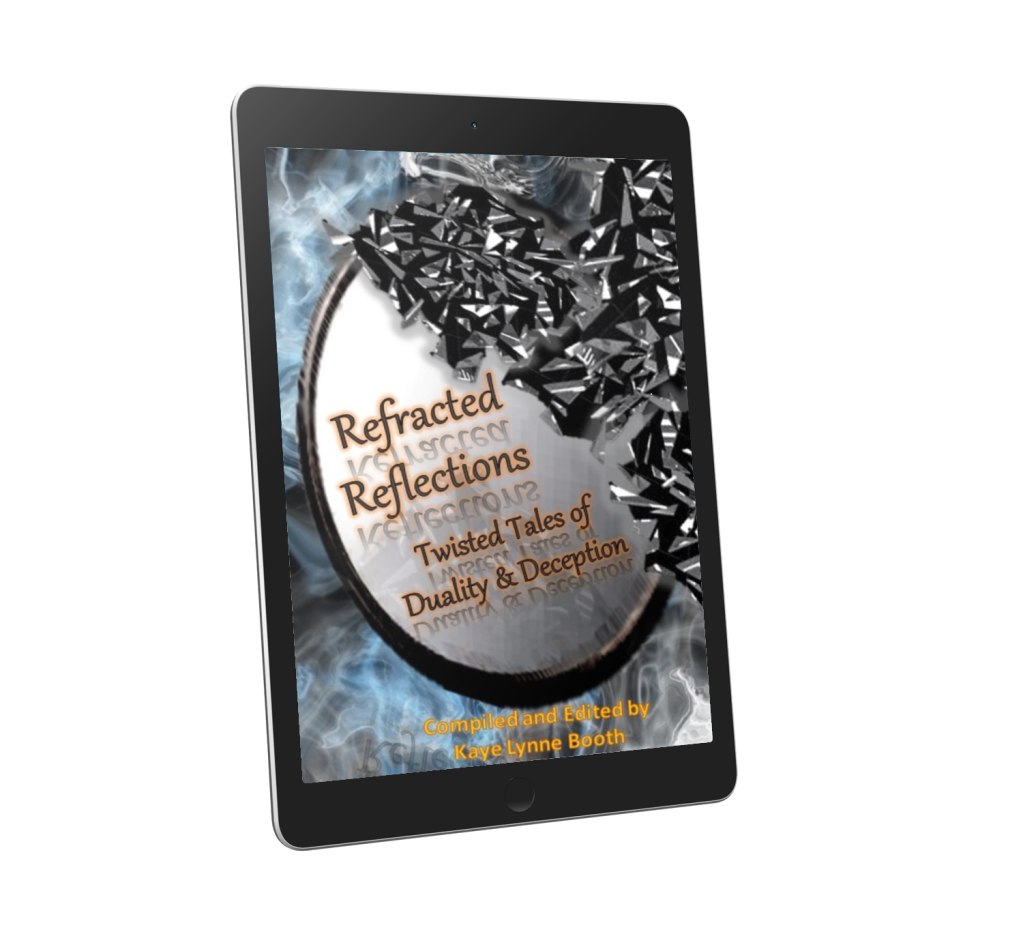
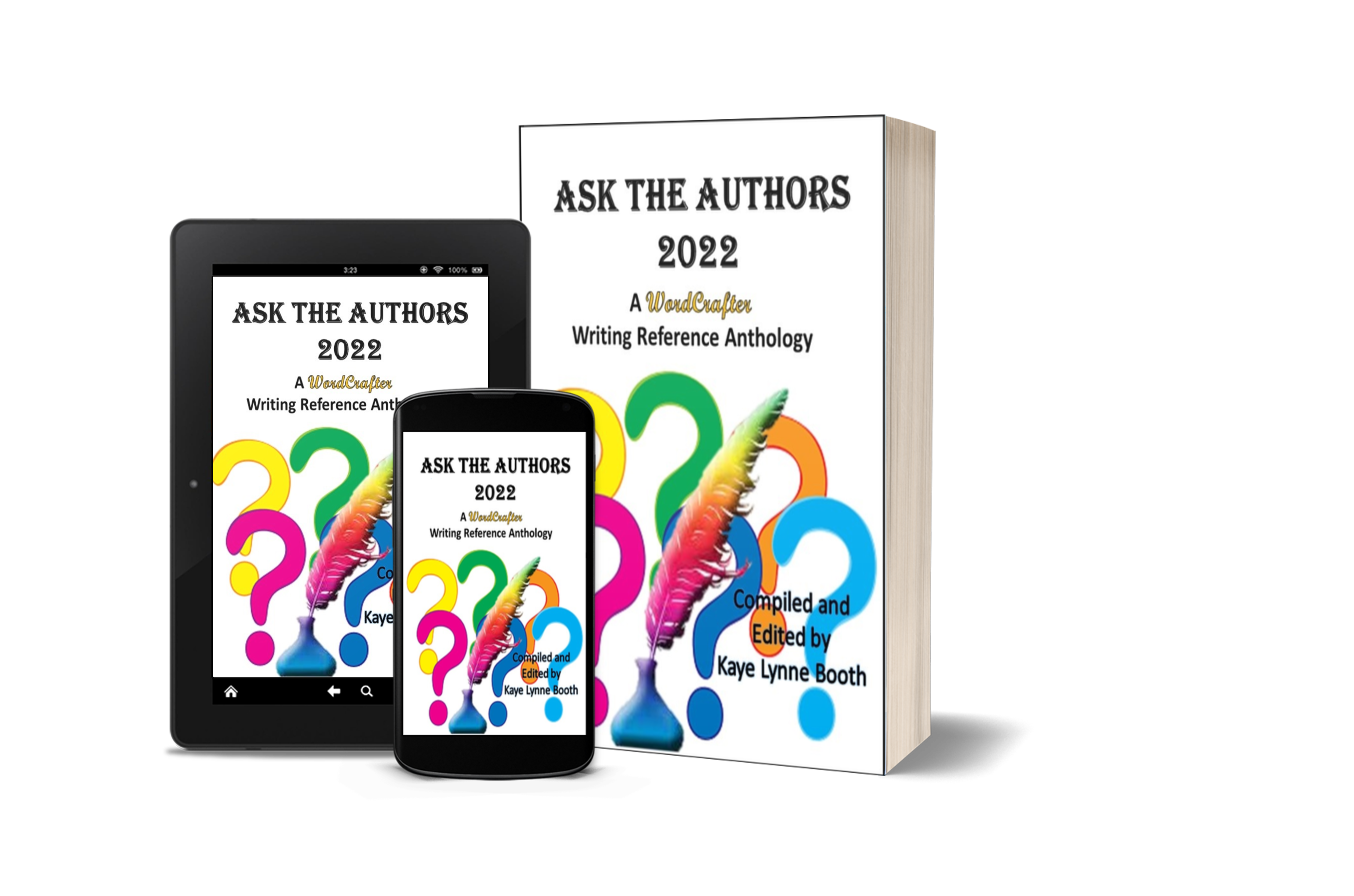
As a result, in 2022, I published five anthologies: Ask the Authors 2022, Poetry Treasures 2: Relationships, Once Upon an Ever After, Refracted Reflections, and Visions. Anthologies probably aren’t as helpful as novels would be, but it was a start. In 2023, I will publish two anthologies, Poetry Treasures 3: Passions and Midnight Roost, plus two books of my own, Delilah and The Rock Star & the Outlaw, and of course, my debut poetry collection, Small Wonders. And I’ve already begun to plan out the books I intend to publish in the coming year. You have to admit, four to five books per year is an improvement on the one or two per year that I was producing previously, so that one suggestion, which is offered in this book, helped to make me a more prolific publisher.
Working on different projects at the same time is another tip which I have found helpful, although this is something that I have done for several years, but it is included in Million Dollar Productivity, and it is an effective strategy for getting a lot accomplished. I’m not talking about multi-tasking, but more like time-sharing – you work on your latest manuscript for a time, but when you seem to tire of it, you set it down and go work on the editing for the anthology you’re working on, and when you get tired of that, answer a few emails and then back to writing, for instance. Of course, KJA suggests an approach that is a little less haphazard, but it’s good advice none-the-less. He also points out other modes of writing, which can be used in various places.
Letting the first draft be bad and edit, goes hand-in-hand with knowing the difference between writing and editing, tips which most writers have heard many times in their writing careers, but that doesn’t make them any less true. These are both tips that I will have to work at incorporating into my writer’s toolbox. I am notorious for editing as I go, which takes extra time, but turns out a top quality draft with little editing required.
This book is filled with lots of writing tips and advice for busy authors who want to increase their productivity. These are the strategies that worked for the author, Kevin J. Anderson, and they could work for me or you. Whether you’re a full time author or one who writes on the side while working at some other job for your livlihood, this book will have something helpful for you. It’s one of those books I will have to go back and visit time and again.
_________________________________________________________________
For Kaye Lynne Booth, writing is a passion. Kaye Lynne is an author with published short fiction and poetry, both online and in print, including her short story collection, Last Call and Other Short Fiction; and her paranormal mystery novella, Hidden Secrets; and book 1 of her Women in the West adventure series, Delilah. Kaye holds a dual M.F.A. degree in Creative Writing with emphasis in genre fiction and screenwriting, and an M.A. in publishing. Kaye Lynne is the founder of WordCrafter Quality Writing & Author Services and WordCrafter Press. She also maintains an authors’ blog and website, Writing to be Read, where she publishes content of interest in the literary world.
____________________________________________________________________
Want exclusive content? Join Kaye Lynne Booth & WordCrafter Press Readers’ Group for WordCrafter Press book & event news, including the awesome releases of author Kaye Lynne Booth. She won’t flood your inbox, she NEVER sells her list, and you might get a freebie occasionally. Get a free digital copy of her short story collection, Last Call and Other Short Fiction, just for joining.
Share this:

Review in Practice: That Th!nk You Do
Posted: May 15, 2023 Filed under: Book Review, Books, Nonfiction, Review, Review in Practice | Tags: Human Brain, Joseph Carrabis, Nonfiction, Review in Practice, That Th!nk You Do, The Human Condition, Writing to be Read 8 Comments
If you ever wonder about how to think like an expert, the difference between your inner critic and the actor within, your ability to be heard, the value of being a musician, how to protect yourself from liars or how to overcome fears, you will find answers in this book.
Through each chapter there is a magic wand taking you into an area of life that you may have experienced yourself or it will be something new to consider. There is synthesis between the known and unknown, the seen and unseen, the mental and the physical, the desires of the heart and the aspirations of the spirit; and the overall theme of we are all just trying to make it from one day to the next with joy, peace, and happiness.
Joseph gives his own insights throughout the pages of what he believes are the backbone of our life experiences – both the great and the not so great. He leaves it up to the reader to discern what is true for them. You will find yourself wanting to explore more of each of his analysis of life’s nuggets, many of which we create ourselves through questions, desires for specific outcomes and the need to be heard.
Purchase Link: https://www.amazon.com/That-Th-You-Do-Healthy/dp/0984140379/
It happened that I read this innovative book at just the time in my life when I really needed it. My job of eight years had just come to an abrupt end, and I was trying to figure out how I was going to carry on and where I would go from here. It felt as if my life was over, as if I were balancing precariously on a ledge, on the verge of toppling over, with no where to go but down. Okay. I know that seems a bit melodramatic, but that’s what it felt like.
That Th!nk You Do, by Joseph Carribis takes a look at human thought processes, explanations for why we do what we do, and techniques for dealing with life’s challenges. I have to admit that this book offered several ‘Aha!’ moments for me. Carribis offers unique insight into human behavior, and compassionate advice for handling the curve balls life throws at you. He is not a professional health expert, but an intelligent guy with some good ideas, which may or may not work for you, but probably worth a try.
This book showed me new ways to chase away self-doubt, overcome fear and worry about what the future holds, and set some goals for myself to work towards. Of course, I’ve been working toward taking my writing business full time as means of making my living for many years, but facing the fact that now I was at a point where I needed to make it all work was really scary. If I couldn’t, I didn’t know what I would. If I didn’t find a way to pay my bills and fast, I knew I would topple from that ledge and it would be all down hill from there.
Everybody has those times when they let self-doubt creep in, or allow their own fears to bring about inaction. It happens to all of us. That Th!nk You Do holds some insightful solutions which just might help. If nothin g else, it made me look at the situation a bit differently. Joseph Carribis may not be a professional, but he offers some great insights and suggestions that can benefit us all.
______________________________________________________________

For Kaye Lynne Booth, writing is a passion. Kaye Lynne is an author with published short fiction and poetry, both online and in print, including her short story collection, Last Call and Other Short Fiction; and her paranormal mystery novella, Hidden Secrets. Kaye holds a dual M.F.A. degree in Creative Writing with emphasis in genre fiction and screenwriting, and an M.A. in publishing. Kaye Lynne is the founder of WordCrafter Quality Writing & Author Services and WordCrafter Press. She also maintains an authors’ blog and website, Writing to be Read, where she publishes content of interest in the literary world.
______________________________________________________________________
Want exclusive content? Join Kaye Lynne Booth & WordCrafter Press Readers’ Group for WordCrafter Press book & event news, including the awesome releases of author Kaye Lynne Booth. She won’t flood your inbox, she NEVER sells her list, and you might get a freebie occasionally. Get a free digital copy of her short story collection, Last Call and Other Short Fiction, just for joining.