Treasuring Poetry Special Remembrance Month Edition: Poet, Frank Prem, discusses his war poetry #poetrycommunity #warpoetry #TreasuringPoetry
Posted: November 15, 2023 Filed under: Book Review, Books, Collection, Interview, Poetry, Review | Tags: Book Review, Frank Prem, From Volyn to Kherson, Interview, Poetry, Poetry Collection, Review, Robbie Cheadle, Treasuring Poetry, War, War Poetry, Writing to be Read 51 CommentsToday, I am delighted to welcome prolific and masterful poet, Frank Prem, back to Treasuring Poetry. Frank writes incredibly relatable poetry that covers a wide variety of topics relevant to modern life including the bush fires that raged in Australia a few years ago, Devil in the Wind, working as a psychiatric nurse in an institution, The New Asylum: A Memoir of Psychiatry, as well as collections about war. I have read Frank’s beautiful and moving collections about World War 1, Sheep on the Somme, and the war in the Ukraine, From Volyn to Kherson: Interpretations of the War in Ukraine. Frank also writes romantic poetry, interpretive modern poetry and verse books for children. In the nicest way, nothing is safe from Frank’s poetic pen.

Tell us a bit about your war poetry collections
I developed an interest in the First World War many years ago and was particularly interested in the stories of Australian soldiers and their seeming need to volunteer to fight half a world away on the basis of loyalty to the British Empire and the Mother Country that was England, but also on the basis of a kind of chivalric principle. A moral fever that swept the nation.
I came across books that were written in the more modern historical style of telling stories to illustrate events – using the example of an identified soldier, from an identified town, with family details and background, then tracing their movements into the war and its various theatres and actions.
I found I was able to understand these individuals a little better and to empathise with them and their loved ones a little more than I otherwise could.
I also found myself interested in using images for my own poetic inspiration and that led me to the images held by Australia’s War Memorial. There was one image in particular that started me looking at pictures taken during the war. The image was of a white cross in a field of muddy and bloody craters. The cross marked the grave of Captain Ivor Margetts, much loved and respected by the men he led in battle. By the following day the cross and the grave were gone. They’d been blown to hell by the shelling.

I was tremendously moved by this, and as I searched for a version of that particular image online, I encountered many more, each with a poignant story to tell and many were destined to feature in my book Sheep On The Somme (https://www.amazon.com.au/Sheep-Somme-World-Picture-Poetry/dp/1925963144 ).
More recently, I found myself watching the sabre rattling over the Ukraine that was being perpetrated by Russia and was reminded very clearly of reading I’d done long ago about the beginnings of the Spanish Civil War back in the late 1930s and of the rise of Right-Wing Fascism in Europe during that same period of the 1930s. I was struck by the similarities and the ways in which those events and movements evolved into what became World War II. It was – and remains – quite concerning to see these way events continue to unfold.
As the news and pictures of Russia’s military build-up on the Ukraine border kept emerging, along with the seeming inability on the part of Ukraine to do anything to stop it, I watched events more and more closely.
When Ukraine’s borders were finally breached, there were more photographers and journalists on the spot than has ever been the case previously in a conflict. We were flooded with formal and informal news and masses of un-curated and un-censored images.
During the first nine weeks of the conflict I became engrossed in reading the news and studying the images. And – of course – I began to write.
I produced 3 volumes of poetry interpreting the Ukraine war – two of them will not be released because they used images taken by journalists in the field and I don’t have rights to use those images. The volumes (Bullets Into The Starichi Sky and I Call The Hole The War) sit on my private bookshelf here in my writing studio.
The third volume – From Volyn to Kherson – is a collection of poems in which I have attempted to use such talent for empathy as I possess to interpret the news stories I was reading in a way that enabled any of my own readers to get a sense of what the invasion and the conflict was like as an experience for the everyday people of Ukraine. What if it happened here, in my town? What would it be like to have seventy kilometres of armoured assault vehicles coming to surround and destroy my home town? Or yours?
I like readers to know where the inspiration for these writings has come from and so each individual poem is referenced and has a link to the online sources that I relied on in my writing. After nine weeks I was a little burnt out and had to stop writing, but I follow events over there diligently and worry about what I see happening in the wider world and which still so resembles the events of the 1930s.
What draws you to writing about wars?
I’ve encroached a little on this question with my answer above, I think, but I’ll try to elaborate a little more.
In my professional life I was a psychiatric nurse. Back (so many years ago) when I was a student nurse one of the areas of interaction with patients that was taught and stressed was empathy.
As I understood it, empathy was the ability to walk in another person’s shoes. To see things from the perspective of the other person, but not to necessarily sympathise, or accept, merely to understand in order to be able to reflect that understanding back to the patient.
The patients that came my way in psychiatry were invariably involved in and generally overwhelmed by personal chaos. This might have been due to illness, or it might have been due their life being in a mess they could not resolve. They might have been psychotic, depressed, suicidal, or experiencing any number of out-of-control situations.
That tool of empathy has stayed with me, I think, and now reveals itself in my writing. The experience of chaos by a person finds itself being reflected back in my writings.
I think it is in this way that I am attracted to attempt to unravel what a person may be feeling or experiencing in a war zone. Similarly, I find myself writing a lot about the human toll of natural disasters that come close to me or to my little place in the world.
I have always tried to develop my understanding of these things by writing my way through them. To help myself and any subsequent reader to understand by feeling what is happening through my words.
Tell us a bit about how you use photographs and newspaper articles to assist with writing your war poems
With newspaper articles, I try to extract the meat of the story. That part of the article that is the actual purpose – the reason that it is a story in the first place.
Often enough, there is human interest in the genesis of the article. I then allow the information to assemble itself in a way that I can present it to a reader. For example
What is grandmother doing in the kitchen? Is she cooking Sunday lunch? No. She is cooking Molotov cocktails for others to throw at invading vehicles. And . . . wouldn’t you or I, each do the same if this was happening in our back yard?
With an image, I anticipate that it will have a story to tell. I try not to impose myself and my own current thoughts or fears or desires on it, but to allow the story to be whatever comes.
For example, a golden paper daisy with a bright glow might well have a story to tell that reflects light, and the sun. But equally, it might be a harbinger – a prophet of some kind that draws attention to itself in order to be heard. I don’t know in advance what the story will be, but I try to keep myself out of its road and not to shape the narrative too much.
I have come to know, also, that each image will have a different story to tell to each viewer, so to the extent that I can, I try to facilitate a receptive space for that to occur through what I end up writing. I’ll give an example of how I find a story in a tiny image taken during wartime over a hundred years ago.

The image above is the view from inside a German army dugout in World War I – around 1916. It is from within this space that a small group of individuals fought their war.
When I look at this image, I notice a few things and I feel a few things. In no particular order:
- From pitch darkness up into light. A very small doorway.
- Claustrophobia.
- Fear.
- The smell of habitation. Bodily odours – where would the latrine have been?
- The knowledge of death and destruction and battle rage just outside
- Movement of the ground as shells fall outside. Perhaps close.
- Maybe the sound of enemy troops approaching the bunker to destroy it.
- What of family. Has this soldier (have I) written them a note to say goodbye?
I don’t have a personal experience of war, but I know what fear feels like. I know claustrophobia and the smells of my own body . . . and so on. I can draw on these to understand a little of what the soldier in the dugout might have felt.
The willingness to engage with these elements that come from the image allow me to engage my empathy and to allow a story – which the image itself contains – to be told.
What is your own favourite war poem?
I think that my personal favourite of my own written war poems is one that hasn’t featured in a book to date, but was written to be read for a spoken-word poetry slam 2 years ago. The criteria were that it needed to be 2 minutes reading time or less and to include the term ‘full circle’.
The poem told stories in word pictures and referenced images, without actually including them, if that makes sense. I have since recorded it for my YouTube channel and included there the images that the poem references, spanning both World War I and the current Ukraine war.
The link to the poem on YouTube is here: https://www.youtube.com/watch?v=JI3vRaTg0tI .
The text of the poem is below:
THE TRUTH OF TIME
(AS TOLD BY THE PICTURES)
picture 1
a group
of soldiers
are hanging out
of the doors
and windows
of a moving train
leaving Egypt
heading
to the western front
ready
for a stoush
a bit
of a barney
it’s time
to come to grips
with the enemy
and they’re cherry ripe
for a
blue
picture 2
dimitriy
is holding olga –
tightly –
on the platform
a blue train
is nearly ready to leave
she’ll go
to poland
across the border
dimitriy
will join his friends
in the territorials
a week
to practice
how to hold a rifle
and to learn
first aid
then away
he must forget
to be an accountant
he’s
a front-line fighter
now
picture 3
a heap of rubble –
bricks
and half-bricks
timber and concrete
and dust –
lies as a mound
among mounds
it is
a streetscape
an avenue
of homes
destroyed by artillery
a soldier –
rifle
slung over a shoulder –
picks his way
toward camera
there is nothing left
that might hold
use
or meaning
picture 4
the village near kyiv
is a series
of mounds
rubble
that was homes
and houses
a month or so
ago
a woman
is sifting
searching
for something –
anything –
that might
have a use
it’s all been destroyed
by missiles
and artillery
she hasn’t found
a lot
that will be helpful
~
pictures
pictures
they won’t
let me sleep
in the night
they shout at me
that we have come
full circle
and the ukraine
is in 1916 all over again
Who is your favourite war poet?
I can’t honestly say I have a favourite war poet, but I have read with a deep sense of connection stories such as All Quiet on the Western Front by Erich Maria Remarque with its empathy for the soldiers of the day. Here is the Wikipedia link: https://en.wikipedia.org/wiki/All_Quiet_on_the_Western_Front .
What is your favourite war poem?
I’m aware of many of the great poet writers of the First World War, such as Owen, Sassoon, Brook and Graves, among others, but for my response to this question I have to refer you and readers to a song that I first encountered back when I was a teenager (50 years, who would ever have thought . . .).
The song was performed by a wonderful English Folk ensemble called Steeleye Span, and the song is called Fighting For Strangers. Here is the YouTube link: https://www.youtube.com/watch?v=JI3vRaTg0tI
YouTube Links
In addition to the links given above, I would welcome viewers, new followers (if any so desire) comments and feedback on my YouTube Channel, where there a re a number of video readings from my war poetry collections (and natural disasters and psychiatry and others). Click on the link below to be taken along to the Playlists available on the Channel.
https://www.youtube.com/@frankprempoetandauthor726/playlists
Robbie and readers, thanks so much for having me along to chat for November’s Treasuring Poetry post.
My review of From Volyn to Kherson: Interpretations of the War in Ukraine

This book is a ‘hard’ read. It exposes the realities of war; the filth, the noise, the fear, and the destruction and death. No civilian wants war, it is something that is imposed on individuals because of factors outside of the man on the street’s control. Civilians, however, bear the brunt of war as the women lose their husbands and sons. The entire population generally loses its collectively homes, food stability, economic stability, access to sanitation, food, and healthcare. Many countries and populations never recover from wars and their populations become unwanted refugees. The sympathy of the unaffected world shrinks rapidly when wars and the resultant refugees impacts on their economies, making the slices of the economic pie for their own populations smaller.
The war in Ukraine hit me especially hard when I read about the Russian soldiers who froze to death in their tanks. Although the Russians were the instigators and aggressors in this war, many of those young men are the same ages as my own two sons, and their dreadful fate couldn’t fail to stir compassion. Young men frequently have a glamorous and inaccurate picture of war when they enlist or are called up. The realities of war quickly displace these notions but it is already too late.
A few stirring stanzas from this collection of freestyle poems:
From fallen (quietly weeping)
“here it is safe
safe enough
to shed
a tear”
From the metro (is also home)
“let the fear
fall away
for a moment while
the anthem
sounds”
From vasylkiv (is fighting on)
This footnote made me shiver: “People used to think about new car or iphone, but nobody was thinking about peace. Now, we are dreaming of it. When old people used to wish each other peace, we didn’t understand what they meant. Now we do.”
and finally, from in okhtyrka (the tsentral’ne)
“they are preparing
the cemetery now
in okhtyrka
adriy
and his platoon
are gone
vacuum bombed
air taken
out
of them
and then
they died”
This is a beautiful and emotion book of poems that will change the way you view war forever.
You can find out more about Frank Prem here:

You can find out more about Frank Prem on his website here: https://frankprem.com/
and on his wordpress blog here: https://frankprem.wordpress.com/blog/
On amazon US here: https://www.amazon.com/stores/Frank-Prem/author/B07L61HNZ4
About Robbie Cheadle
Award-winning, bestselling author, Robbie Cheadle, has published fourteen children’s books and two poetry books. Her work also features in several poetry and short story anthologies.
Robbie also has two novels published under the name of Roberta Eaton Cheadle and has horror, paranormal, and fantasy short stories featured in several anthologies under this name.
The eleven Sir Chocolate children’s picture books, co-authored by Robbie and Michael Cheadle, are written in sweet, short rhymes which are easy for young children to follow and are illustrated with pictures of delicious cakes and cake decorations. Each book also includes simple recipes or biscuit art directions which children can make under adult supervision.
Robbie and Michael Cheadle have recently launched a new series of children’s books called Southern African Safari Adventures. The first book, Neema the Misfit Giraffe is now available from Amazon.
Robbie’s blog includes recipes, fondant and cake artwork, poetry, and book reviews. https://robbiesinspiration.wordpress.com/
You can find example of Robbie Cheadle’s artwork in her art gallery here: https://www.robbiecheadle.co.za/art-gallery/
Share this:

Review in Practice: Get Your Book Selling on Kickstarter
Posted: November 13, 2023 Filed under: Book Review, Books, Kickstarter, Nonfiction, Review in Practice, Writing | Tags: Get Your Book Selling With Kickstarter, Kickstarter, Monica Leonelle, Nonfiction, Russel Nohelty, Writer's Corner, Writing to be Read 4 CommentsWith $300,000 in fundraising across 20+ Kickstarter projects, Russell Nohelty knows a thing or two about running publishing campaigns for novels, nonfiction, anthologies, comics, audio dramas, and more. He tested his system with 70+ authors with great results, and is now generously sharing everything he knows about the platform for authors with an audience of zero as well as those with a fanbase.

In this book you’ll find:
- Why using crowdfunding is an important avenue for authors and how authors are currently using it
- Choosing the right project for Kickstarter and designing your campaign
- Budgeting your campaign for profitability (and why it’s critical for your success!)
- The types of messages you should send to your audience vs. cold traffic
- Delivering your rewards for your Kickstarter project
- Keeping momentum going after Kickstarter
Hailed as one of the most comprehensive books on Kickstarter for Publishing projects, this book is a must-have if you’re Kickstarter-curious or planning your campaign.
Purchase Link: https://www.amazon.com/Your-Book-Selling-Kickstarter-Profitability-ebook/dp/B09TQ4G5S6
_______________________________________________
I’m not a big name author, and when I first started hearing talk of using Kickstarter to sell books in 2022, I scoffed, thinking it was just another way to beg for money in an official capacity. Then Bryan Sanderson came along and ran a campaign that funded and made $4 million on the opening day, making authors everywhere sit up and take notice. You can find out more about how Sanderson’s campaign helped to pave the way for authors in this article by Dean Wesley Smith: https://deanwesleysmith.com/brandon-sanderson-kickstarter/.
Even after watching Sanderson’s success, I was skeptical. Just because it worked for him, he’s a big name author, and that doesn’t mean it will work for me. Then Kevin J. Anderson took his publishing students through a campaign set-up step-by-step, showing us how to do one properly, with his Dragon Business campaign. When his campaign funded on the first day, and by the end had raised $42,000, I decided this was a method of direct selling that I wanted to employ.
Getting Your Book Selling With Kickstarter, by Russell P. Nohelty and Monica Leonelle is a helpful book if you are thinking about using Kickstarter as a method of direct selling for your author business. This book helped me to decide on my projects, figure out my budget for the campaigns, choose my rewards, and set my funding goals. As a successful campaigner, Nohelty offers ideas for rewards, backer perks, stretch goals and add-ons, taking into consideration ease of production, ease of delivery, storage and tracking, and appeal to your audience. He offers advice on how to set reward tiers, adding digital items to physical ones to add value and build excitement in your backers. Plus so much more. He shares his proven system for running a successful Kickstarter campaign.
To date, I have done two campaigns for my own books, and I have two more planned for 2024. I’m practicing a business model similar to that of author Joanna Penn, although I don’t have my own store yet. Her model is to offer books direhctly first, through Kickstarter, and then through her own store on her site. Eventually, she makes her books available through distributors, but authors gets to keep more of their royalties when they sell direct, so going the direct route first makes sense. (You can learn more about Joanna Penn’s business model in her interview with Mark Leslie Lefabvre on the Stark Reflections podcast, episode #327: https://starkreflections.ca/2023/10/10/episode-writing-the-shadow-with-joanna-penn/
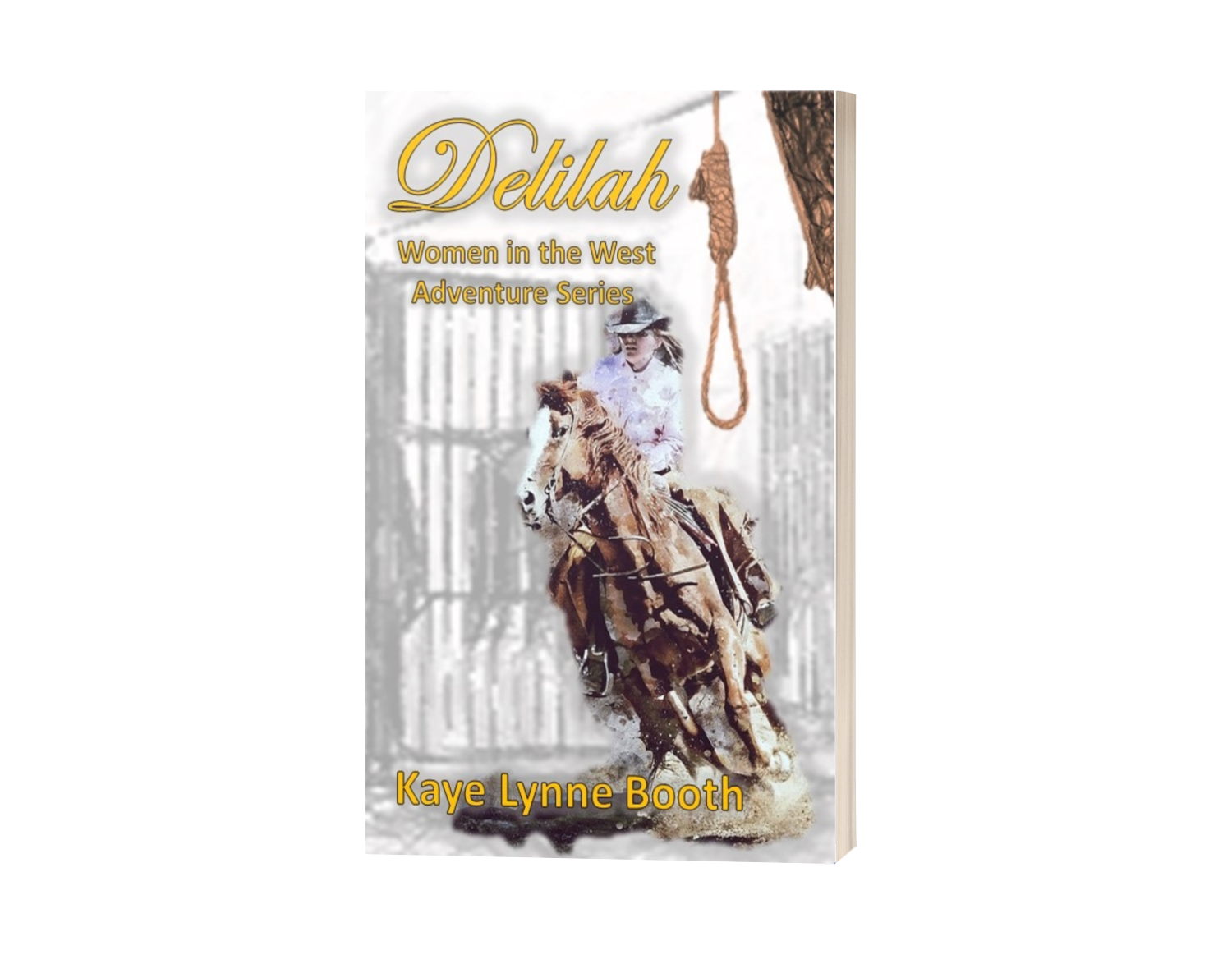
I’m an unknown author with a small independent press, so I needed to start small. My first campaign for Delilah and the Women in the West adventure series offered mostly digital rewards. The only physical item offered was the signed print copy of the book. For my top tier, I offered my backers a chance to name a character in book two, which I thought was pretty cool. At least two backers thought it was pretty cool, too.
Nohelty mentions steps in preparation for a campaign which hadn’t crossed my mind, such as promoting through my email list, which is a great idea. He suggests breaking down email lists so you can reach out to the readers in your target audience specifically. This is important, because once you send out all of your intensive promotions for your Kickstarter campaign, people may be tired of hearing from you. You don’t want folks to get annoyed and unsubcribe because you’ve been annoying in your promotions. The idea is to tailor your promotions to different specific lists, so no one is totally bombarded. Nohelty also suggests reposting all of your email content on social media, as well. Also, probably a good idea if strategically placed. But, I have to tell you-one of the really cool thing about Kickstarter is the built in email list, which keeps the lines open and goes out to all of the backers of the campaign, even long after the campaign has ended, so you have an open line of communication with all of your Kickstarter fans.
Emailings are something that I haven’t worked a whole lot with. That may change as my own mailing list grows. My marketing has always gone through this blog, Writing to be Read, which I then broadcast across my social media channels. This works fairly well, but I realized that I wasn’t targeting my specific audiences in this way. This made me realize that Nohelty’s email marketing might be more effective for more specific targeting. As I prepare for my third Kickstarter campaign, for Sarah, Book 2 in the Women in the West Adventure series, I may look closer at ways in which I might utilize email marketing to my advantage. I’m still a little hesitant though, as Nohelty recommends send frequent emails, (more than one a day). That really seems a bit much to me, but Nohelty stands behind his system.
I set the goal at $500 for both campaigns, because I felt it was a reasonable reach for little old me, who is not a bestselling, or even a known author. Nohelty backs up the advice given on the Six Figure Authors podcast, episode #048 (https://www.youtube.com/watch?v=5SvQ5hJ1i0Q). They recommended that you set a goal that is reachable and still brings in enough to cover your expenses and see the project through. A good point made in the podcast was that if you set your goal too high and you don’t fund, then you walk away with nothing, so a lower goal may be better than no money at all. They also pointed out that once your campaign funds, anything else you bring in above and beyond that is just icing on the cake. Kevin J. Anderson’s goal for his Dragon Business Kickstarter campaign was $10,000, because that is a reasonable goal for a bestselling author to shoot for, but he brought in $42,000. Nohelty recommends consideration for the size of your mailing list when setting funding goals.I think $500 is a reasonable goal since my email list is still pretty short and I’m an unknown author.
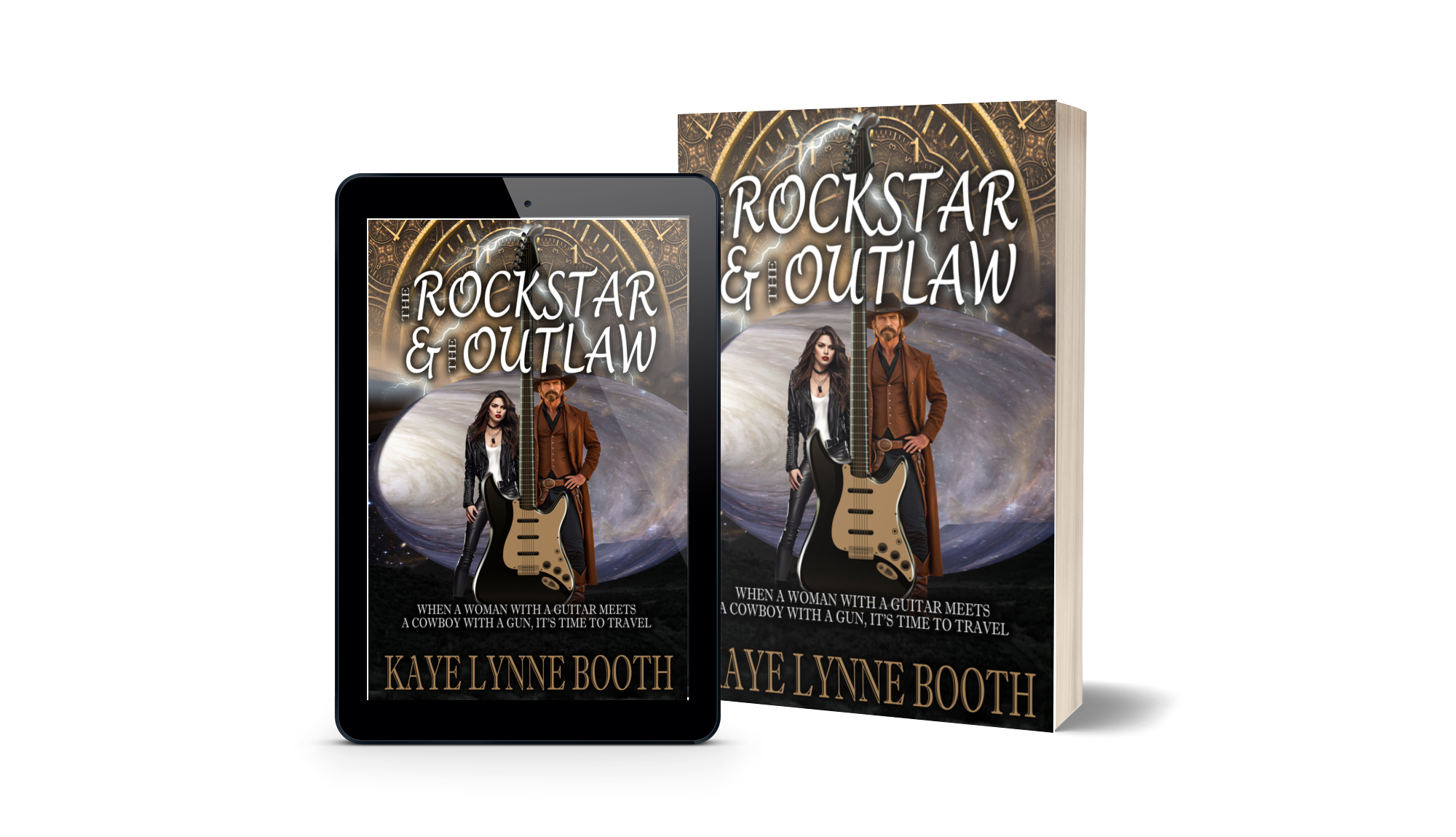
When I ran my second campaign for The Rock Star & The Outlaw offered more physical rewards because I hadn’t finished writing the book at the time that I set it up, and I didn’t realize there would be potential for a second book. (Yes, the ending surprised me, too.) So, for the top tier on this one, I offered a goodie bag with the WordCrafter logo with a poster and a signed print copy of the book, as well as the early digital copy which all backers above the $5 received.
Nohelty recommends using more digital rewards, because they are easy and cost you less to fulfill. The physical rewards surely made the cost of the second campaign higher. And if you do offer physical rewards, be sure you figure the shipping costs in to the cost of fulfillment. Since I set the same goal for both campaigns, I didn’t make as much from the second one. Definitely something to think about.
He also offers advice on setting your tier levels. He recommends $1, $10, $25, $50, and $250 tiers. I’ve backed a few campaigns now, and from what I’ve seen, each one handles setting the tier levels differently. Mine each had three tier levels, the first two being $5 and $25. For my first campaign, the top tier was $50. For my second campaign, I raised the top tier to $75, because it was mostly physical rewards which would need to be delivered via snail mail.
Another good piece of advice Nohelty offers involves offering merchandise for rewards. Physical items require you to calculate shipping into the overall cost for the fulfillment of each reward. Print books can be shipped media mail, which is less expensive, but as soon as you add any type of merchandise, that is no longer an option. So, when deciding on rewards, add-ons, stretch and flash goals, the cost of shipping must be figured in so you don’t overextend yourself and cut deeply into your profits.
Nohelty explains early bird perks-setting rewards to be available only to early backers with a point at which it is no longer available. I haven’t done this yet, but this strategy appeals to me and has me thinking about what I could offer as incentive to jump into the campaign on Day 1. This idea might be helpful, since I am an unknown author and my campaigns so far haven’t funded until near the end. It looks like Nohelty offers perks for backers and perks for Week 1 backers, so if you back on Day 1, you would receive both rewards, which is pretty cool. In fact, Nohelty offers different perks every week, which means that you can get extras if you back his campaign at any point. He suggests a perk for backing in the first 48 hours, and a perk a week for the duration of the campaign.
Stretch goals are offered when you hit a certain level of funding to keep the money climbing, and I’ve seen the bigger authors use them. They are usually added after funding, and since my campaigns didn’t fund until near the end, there wasn’t really a chance for me to use them. The second campaign funded three days before the end of the campaign, so I offered a stretch goal reward if we reached an additional $100, bringing our total to total $600. We didn’t make it, and thus ended my brief experience with stretch goals.
Flash goals were something I had heard of, but didn’t really understand what they are. According to Nohelty, they are perks given to ‘recharge momentum’ on the campaign. They are brief opportunities, i.e. “Anyone who backs the campaign in the next twenty-four hours gets a bonus.” They are designed to intice those following your campaign into taking the plunge and becoming a backer, thus keeping your totals rising toward your goal, or if fortune is with you, past it and even higher.
I have to say, Russel Nohelty’s Get Your Book Selling on Kickstarter has been extremely helpful as I look forward to future campaigns. In addition to that discussed above, he offers advice on how to set-up your Kickstarter and appeal to your audience, some of the challenges you might run into, how to keep your campaign’s momentum going, and more.
Other resources
WMG Publishing offers a free course from Dean Wesley Smith, Kickstarter Best Practices for Fiction Writers here: https://wmg-publishing-workshops-and-lectures.teachable.com/courses/
_____________________________________________________

For Kaye Lynne Booth, writing is a passion. Kaye Lynne is an author with published short fiction and poetry, both online and in print, including her short story collection, Last Call and Other Short Fiction; and her paranormal mystery novella, Hidden Secrets; Book 1 of her Women in the West adventure series, Delilah, and her Time-Travel Adventure novel, The Rock Star & The Outlaw. Kaye holds a dual M.F.A. degree in Creative Writing with emphasis in genre fiction and screenwriting, and an M.A. in publishing. Kaye Lynne is the founder of WordCrafter Quality Writing & Author Services and WordCrafter Press. She also maintains an authors’ blog and website, Writing to be Read, where she publishes content of interest in the literary world.
_________________________________________________________
Want exclusive content? Join Kaye Lynne Booth & WordCrafter Press Readers’ Group for WordCrafter Press book & event news, including the awesome releases of author Kaye Lynne Booth. She won’t flood your inbox, she NEVER sells her list, and you might get a freebie occasionally. Get a free digital copy of her short story collection, Last Call and Other Short Fiction, just for joining.
Share this:

Book Review: The Shaman
Posted: November 11, 2023 Filed under: Book Review, Books, Fantasy, Fiction, Magical Realism, Review, Self-Discovery, Speculative Fiction | Tags: Book Review, Joseph Carrabis, Magical Realism, The Shaman, Writing to be Read 3 Comments
About the Book

Gio Fortuna, a boy spurned by his parents for being “slow,” is raised by his grandfather in the ways of the Practice, a rich esoteric discipline drawing upon mystic traditions passed down over thousands of years from a multitude of cultures. Written in five parts chronicling Gio’s life, The Shaman sees Fortuna embark on a journey from initiate to adept, young boy to old man, as he navigates a network of teachers, each with their own unique lessons and challenges. Steeped in wisdom applicable to all, The Shaman is an inspiring story that proposes a unique path to self-discovery and growth unlike anything written before.
Purchase Link: https://www.amazon.com/Shaman-Joseph-Carrabis/dp/B0CJ43GCDH/
My Review
I received an ARC copy of this book from the author in exchange for an honest review.
The Shaman, by Joseph Carrabis is an adventure into the human coondition and beyond. I’ve learned more about myself from this book than I ever have from any work of fiction. A journey into the magical worlds of world cultures, this tale uses magical realism to guide us through an amazing adventure. As always, Carrabis is a master at lining his fiction with valuable lessons for all of us.
The magic of shamans lies within Gio Fortuna and Shaman is the story of his journey to discover the magic within himself, learn to use it, and teach others who are eagar to learn. But as he learns, others don’t understand, and they fear him for what he does. Feeling outcast and trying to find his place in life, Gio is on an amazing life-long journey of self-discovery. He learns something new with every interaction, whether they be teacher or student. For Gio, the incredible is ordinary, although most everyone else is left in awe.
Carrabis skillfully crafts his tale into life lessons learned by his character, Gio. As Gio ventures through life on a soul searching journey, each lesson is portrayed in a way which leaves them open to interpretation, for the reader to attach their own meanings. If you read this book, you will, too, without even realizinng that you’re doing it. I read chapters over repeatedly in order to grasp the meanings that were waiting there for me, although sometimes differing from their meanings for Gio.
I have always been interested in the mystical, but it hasn’t come naturally to me. I’ve never truly been able to meditate, and often fallen asleep during my attempts at it. Gio shows me what I need to do, but I need to learn to do it: lower – center – relax -breathe. The lessons which Gio learns and teaches are within the grasp of us all, and the author kindly lists them at the back of the book, where they can be referred to easily. As for the rest, we must each seek out our own path in our own way.
A spiritual oddesy in human nature, with so many lessons inside. I give The Shaman five quills.
______________________________________________
Kaye Lynne Booth does honest book reviews on Writing to be Read in exchange for ARCs. Have a book you’d like reviewed? You can request a review here.
Share this:

Book Review: The Funny Business
Posted: November 10, 2023 Filed under: Book Review, Books, Fantasy, Fiction, Humor, Review, Short Fiction, Stories | Tags: Book Reviews, Fantasy, Humor, Kevin J. Anderson, Short Fiction, Short Stories, The Funny Business, Writing to be Read 2 Comments
About the Book
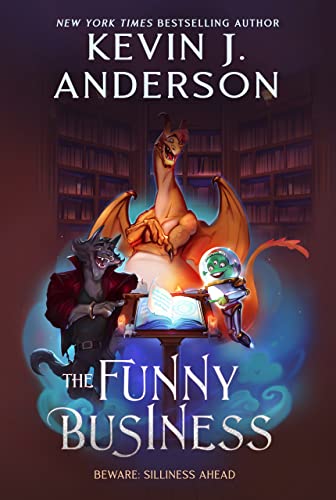
Sometimes you just want to be silly.
#1 Bestselling author Kevin J. Anderson is known for his grand science fiction sagas, his epic fantasies, his fast-paced adventures, or his steampunk Clockwork chronicles.
But Kevin J. Anderson also has a lighter side. You’ll laugh so hard, brains will come out your nose.
What happens when—
A wimpy, henpecked man finds an enchanted loincloth that turns him into a real jungle Ape Man?
A stranded alien uses his advanced technology to fool audiences as a stage magician?
A frustrated monster-movie actor uses a gypsy witch’s special makeup to turn into a real werewolf when the cameras start to roll?
A group of heavy-metal fans finds a spell on the internet to raise their favorite dead rock star from the grave for a final encore?
A vampire, just minding his own business, wakes from his coffin to find he’s being stalked through his own castle by an over-enthusiastic vampire hunter?
A futuristic law firm uses time travel as a legal loophole to win their client’s case?
Dan Shamble, Zombie P.I. takes on the Boogeyman for a client, or is hired out to save a sacrificial Aztec Christmas turkey?
These twenty stories cover a range of slapstick, subtle, short-short, and groaner humor. The Funny Business also includes for the very first time the scripts of the hilarious comic miniseries Grumpy Old Monsters, never before published.
Beware—silliness ahead. Open the book, and prepare to snicker!
Purchase Link: https://www.amazon.com/Funny-Business-Kevin-J-Anderson-ebook/dp/B0C2QLRKML
My Review
The Funny Business, by Kevin J. Anderson is a collection of 20 totally silly stories, which entertain and elicit chuckles, including a few that he wrote with wife, Rebecca Moesta or other co-authors.
With so many stories, I’m not going to talk about them all. But I will mention those which particularly stuck out for me.
- “Frog Kiss” is a classic fairytale turned upside down and a lesson in appreciating what life offers.
- “Special Makeup” is werewolf story that proves you should be careful what you wish for.
- “Bump in the Night” is a short Dan Shamble, Zombie P.I. adventure, when Dan is hired by the Boogyman to protect him from his overbearing aunts. Dan Shamble as always, is good for a few laughs.
- “Paradox & Greenblatt, Attorneys at Law” are legal beagles specializing in time-travel dilemmas. By the time the case is through Paradox’s defense tactics may leave your head tied in ridiculous knots of possibilities and probabilities.
- “Eighty Letters, Plus One” (with Sarah A. Hoyt), tells the tale of a misguided inspector with his priorities terribly twisted. The final letter offers a final ironic twist to this tale.
- “The Sacrifice” brings us a village virgin awaiting the dragon to come for his ritual sacrifice, harboring a secret that may put the joke on the dragon.
- “Technomagic” is a story about what happens when an alien being is stranded on Earth for twenty-seven years. The report he gives upon rescue may surprise you.
- “Dark Carbucle” ( with Janis Ian), is a story of a rock stars personal hell.
- “Cold Dead Turkey” is another Dan Shamble, Zombie P.I. story. Always a favorite for me. I love the antics of Dan and the antics of the unnatural quarter. In this one, an Aztec mummy hires him to track down his stolen wish turkey. ( I told you many of these tales were just plain silly… but really fun.)
- “Loincloth” (with Rebecca Moesta), is the story of a timid little man who uses Tarzan’s loincloth to bring out the beast in him.
Of course, there are many more, including a comic strip script for “Grumpy Old Monsters” (with Rebecca Moesta), which is a different kind of reading, but funny just the same.
Twenty stories that will tickle your funny bone, I give The Funny Business five quills.

_________________
Kaye Lynne Booth does honest book reviews on Writing to be Read in exchange for ARCs. Have a book you’d like reviewed? You can request a review here.
Share this:

Book Review: Three Years of Her Life
Posted: November 4, 2023 Filed under: Anthology, Book Review, Books, Fiction, Historical Fiction, Historical Romance, Review | Tags: Book Review, C.E. Robinson, Historical Fiction, Historical Romance, Three Years of Her Life, Writing to be Read 6 CommentsAbout the Book
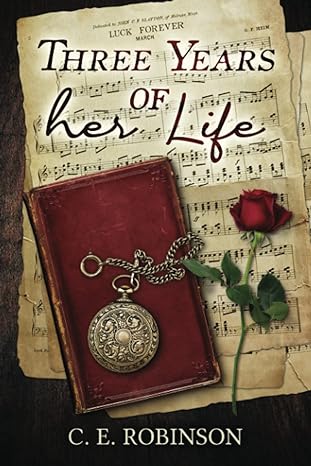
This debut novel is an indelible portrait of family love, trust, commitment, and unrelenting prejudice. A stirring tale that rides the line between historical fiction and romance., inspired by a famous musician’s hidden secret in Germany.
Three Years of Her Life, set in New England and Central Europe, is similar in concern and significant issues to bestselling America epic books of the Great Depression, The Great War and the U.S. South. People and places focused, the novel’s heartwarming and heart wrenching themes mark history in unsettled times.
My Review
The first thing that struck me about Three Years of Her Life, by C.E.Robinson, was the gorgeous cover. I was fortunate to have a print copy gifted to me by the author, which is always a treat. Most of the historical romance I read are westerns, but when well written, I have a taste for it at times. As her debut novel, C.E. Robinson has done a smashing job with this one. This novel was engaging, never losing my interest and I enjoyed every turn of the page. I found myself creating extra opportunities to read this print edition.
A romance set in the 1960s, ventures deeper into the past as Elizabeth and Erik delve into the hidden secrets of Elizabeth’s grandfather, to unravel a mystery dating back to Nazi Germany. What they uncover could unravel her whole family as old predjudices simmer just below the surface, and sometimes boil over into the public eye. Then the past reaches out to touch them both, when Erik is detained in East Germany as they raise the Berlin Wall, and Elizabeth, pregnant with their first child, journeys to West Germany to somehow bring him home. A tale of true love of the purest kind, as Elizabeth does what she must to keep the man she loves.
Mystery, intrigue and danger. Three Years of Her Life has all that and more. This historical romance is thoroughly engaging. I give it five quills.
______________________________________________
Kaye Lynne Booth does honest book reviews on Writing to be Read in exchange for ARCs. Have a book you’d like reviewed? You can request a review here.
Share this:

WordCrafter News: Giveaway Winners, A Halloween Book Event, NaNoWriMo and a New Blog Series
Posted: October 30, 2023 Filed under: Anthology, Blog Tour, Book Event, Books, Dark Fantasy, Dark Humor, Fiction, Ghost Stories, Giveaways, Horror, NaNoWriMo, Paranormal, Science Fiction, Short Fiction, Speculative Fiction, Stories, WordCrafter Book Blog Tours, WordCrafter News, WordCrafter Press | Tags: Black Cauldron Book Event, Giveaway Winners, Midnight Roost, NaNoWriMo, Sarah, WordCrafter Book Blog Tours, WordCrafter News, WordCrafter Press 8 Comments
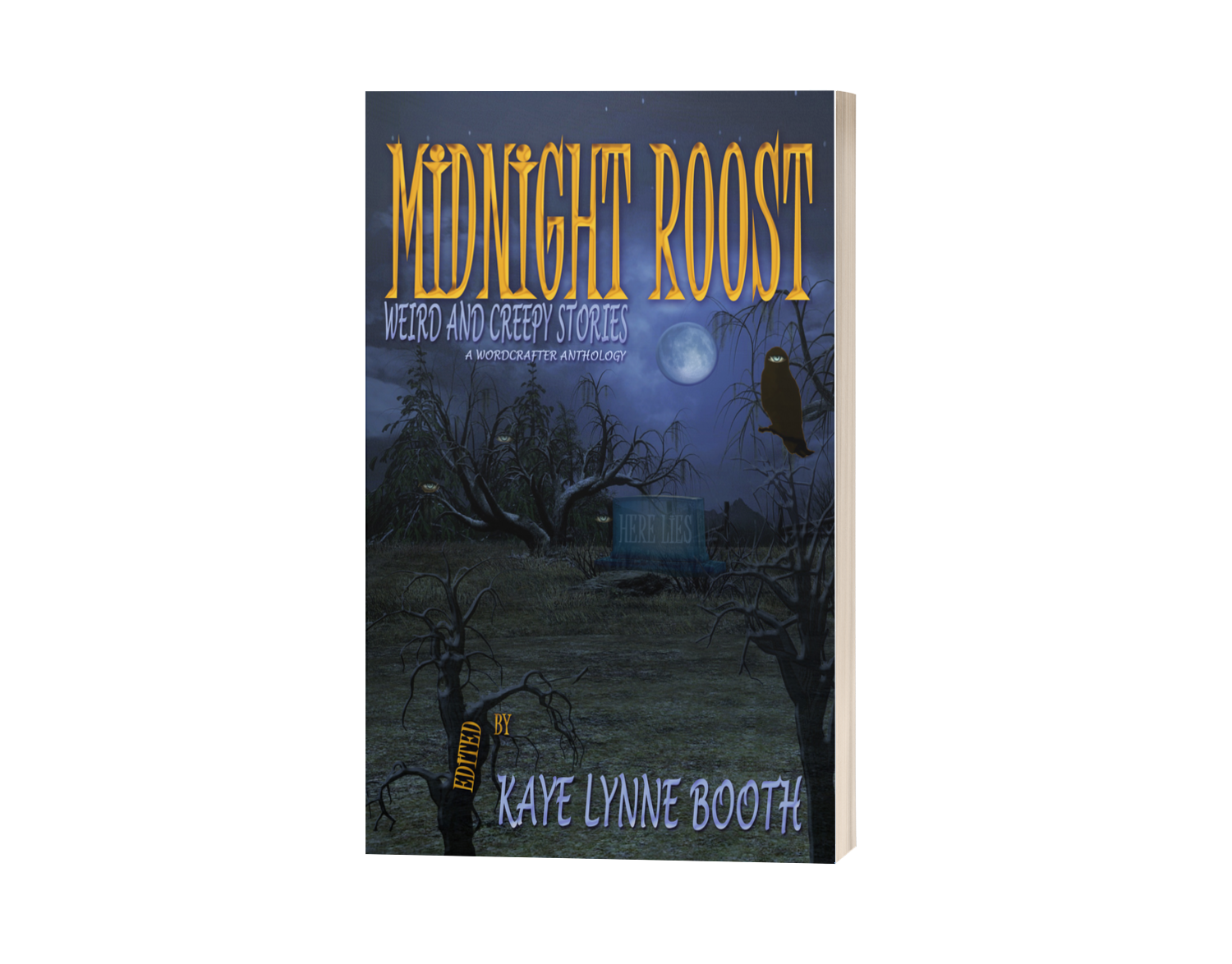
Wrapping up the WordCrafter Midnight Roost Book Blog Tour
We had a great tour for Midnight Roost and many of you visited one or more tour stops and commented, for a chance to win a free digital copy of Midnight Roost. We were giving away three copies for this tour, and all that’s left to do now is to give you the winners. So, without further ado…
(Drumroll please.)
And the winners are…
- BeetleyPete
- Vera Day
- Lauren Scott
If your name appears on the above list, please contact me at KLBWordCrafter@gmail.com to claim your free digital copy of Midnight Roost: Weird and Creepy Stories.
In Case You Missed the Tour
Midnight Roost is a truly creepy anthology from 20 talented authors that you won’t want to miss. But, if you missed the tour, you can still get a copy here: https://books2read.com/u/318L0l
About Midnight Roost

20 authors bring your nightmares to life in 23 stories of ghosts, paranormal phenomenon, and the horror from the dark crevasses of their minds. Stories of stalkers, both human and supernatural, possession and occult rituals, alien visitations of the strange kind, and ghostly tales that will give you goosebumps. These are the tales that will make you fear the dark. Read them at the Midnight Roost… if you dare.
Halloween Book Event

Tomorrow is Halloween. My favorite holiday. To celebrate, WordCrafter is cohosting the author takeover during Sonoran Dawn’s Black Cauldron All Hallow’s Eve Book Event all Halloween day. Join us for promos, games, and giveaways, Halloween music and a whole lot more. Sign up and join in at the link below.
https://www.facebook.com/events/876710947358939/
Author takeover spots are available. If interested in promoting your books, artwork, or other creative projects, contact me at KLBWordCrafter@gmail.com and put Author Takeover in the subject line.
November NaNoWriMo
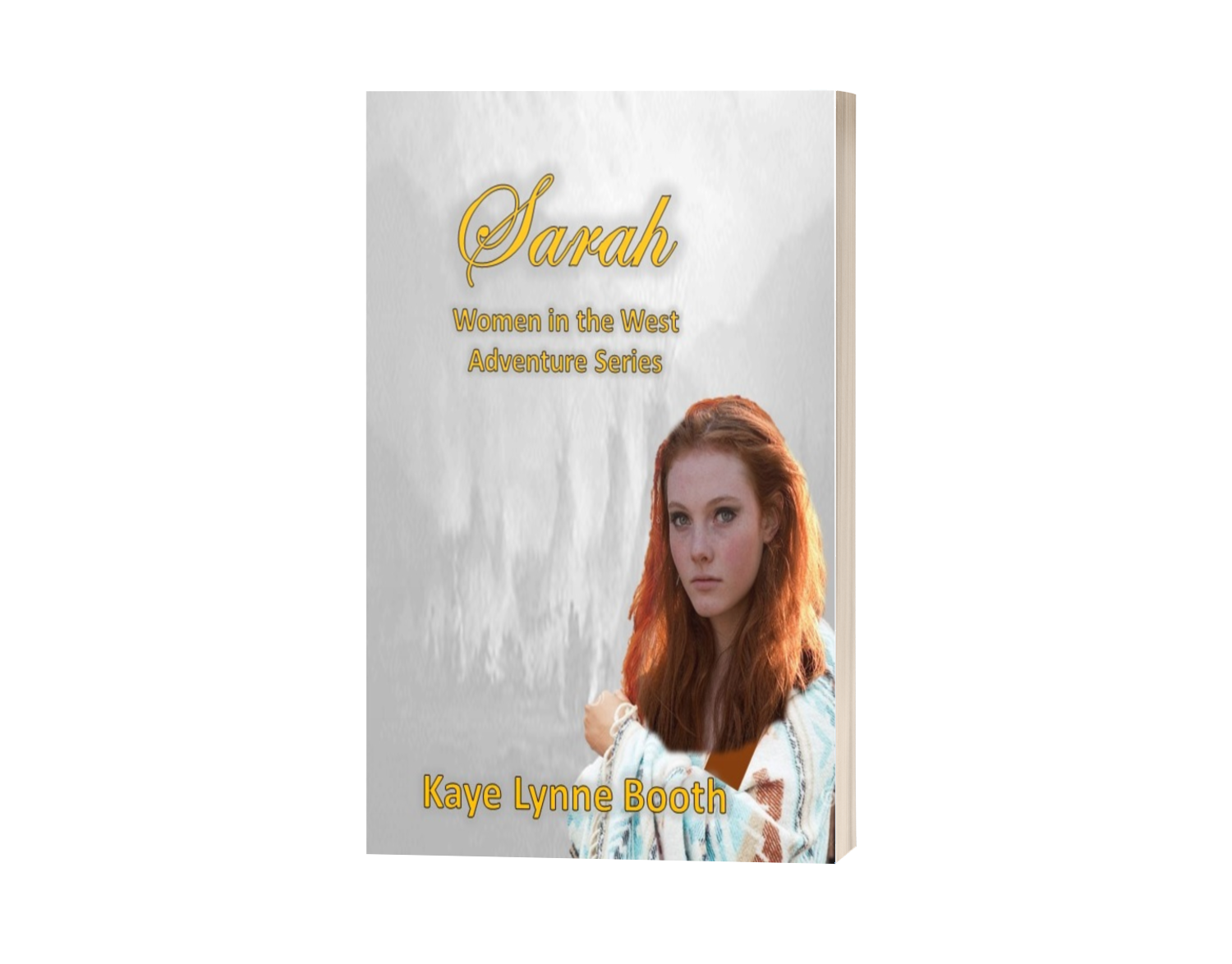
I’m so excited about participating in National Novel Writing Month this year because I’m itching to delve into Sarah. I’m still not prolific enough to think I’ll write the whole novel in a month, but I know from last year, with The Rock Star & The Outlaw, that participating in NaNoWriMo can offer one heck of a start.
For those who don’t know, Sarah is book 2 in the Women in the West Adventure series. Last January I ran a Kickstarter campaign for book 1, Delilah. I plan to run another Kickstarter campaign for Sarah this coming January, so it is time to write the book. In preparation, I’ve done my research and have a working outline ready. I’ve already had a lot of fun fleshing out the two supporting characters that backers got to name from Delilah’s campaign, Lillian Alura Bennett, and Owoz Crebo. One historical female character which will make an appearance in Sarah, which is a trademark of the series, is Kate Elder, a.k.a. Big Nose Kate, Doc Holiday’s infamous companion. So, I have everything I need at the starting gate, and I’m just waiting for the starting gate to open on November 1st.
New Blog Series Starting in November

I’m so pleased to be able to make this particular announcement. The first Wednesday in November, Jeff Bowles will be returning to the blog with a new blog series about pop culture, “Pop with Jeff Bowles”. He’ll be talking about the many areas of pop culture: comics and comic hero movies, video games, television, music, and more. Drop by Writing to be Read the first Wednesday of each month and check it out.
Note: Also in November and December, you may notice some extra reviews coming out on Saturdays as I try and get in all of my 2023 reads, so I can start fresh in 2024. For requested reviews, I like to post in a timely manner, and I don’t want to wait into the new year to post, as I’ve probably already passed their release date due to my back log. So, if you have requested a review and sent me an ARC copy this year, be watching, because they all should be coming up.
____________________________________________
Want exclusive content? Join Kaye Lynne Booth & WordCrafter Press Readers’ Group for WordCrafter Press book & event news, including the awesome releases of author Kaye Lynne Booth. She won’t flood your inbox, she NEVER sells her list, and you might get a freebie occasionally. Get a free digital copy of her short story collection, Last Call and Other Short Fiction, just for joining.
Share this:

Book Review: The Hedge Witch & The Musical Poet
Posted: October 28, 2023 Filed under: Book Review, Books, Fairy Tales, Fantasy, Flash Fiction, Poetry, Review | Tags: Book Review, Flash Fiction, M J Mallon, Poetry, The Hedge Witch & The Musical Poet, Writing to be Read 6 CommentsAbout the Book

The Hedge Witch & The Musical Poet is a collection of poetry and flash fiction celebrating the beautiful vulnerability of the forest kingdom. It begins with the poetic tale of the kind-hearted Hedge Witch, Fern, who discovers an injured stranger in desperate need of her woodland spells and magic.
The sweet pairing learn from each other and through Fern’s guidance, Devin embraces the power of magic to leave behind his troubled past to become The Musical Poet.
Purchase Link: https://www.amazon.com/Hedge-Witch-Musical-Poet-Fiction-ebook/dp/B0B56G2GHT/
My Review
The Hedge Witch & The Musical Poet, by M J Mallon is a lovely poetic collection which forms a lyrical tale of a man found in the forest and transformed, with the help of the Hedge Witch, into the poet the forest needs him to be. This enchanting tale unravels through a combination of flash fiction and poetry which explores magical realms and celebrates the forest. The playful, happy tone makes this tale the perfect short read for a palate cleanser after a more serious story where the fate of the world is at stake, or following a deep dive into the human psyche. It’s also a light story which can be consumed within a half hour or so, if you’ve got some time to kill. I used it as both, since I read it twice.
Delightfully entertaining, I give The Hedge Witch & The Musical Poet five quills.
________________________________________________________________
Kaye Lynne Booth does honest book reviews on Writing to be Read in exchange for ARCs. Have a book you’d like reviewed? You can request a review here.
Share this:

Book Review: Snowman Shivers & Prospero’s Ghost
Posted: October 27, 2023 Filed under: Book Review, Books, Dark Humor, Fiction, Ghost Stories, Humor, Short Fiction, Stories | Tags: Book Review, Dark Humor, Free Books, Kimberly Footit, Mark Leslie, Prospero's Ghost, Short Fiction, Snowman Shivers, Writing to be Read 4 CommentsAbout Snowman Shivers
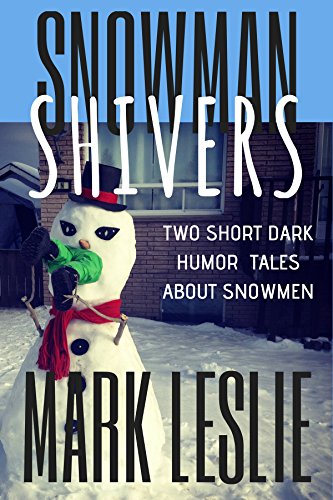
You might never build another snowman again!
If you ever cast an uncomfortable glance over your shoulder when passing the silent snowy sentinels that stand looking at you as you pass on the icy sidewalk, if you’ve ever questioned what might really happen if the old silk hat placed on Frosty the Snowman’s head was truly magic, then these two dark humor snowman tales by Mark Leslie are for you.
Amazon Purchase Link: https://www.amazon.com/Snowman-Shivers-Humor-Tales-Snowmen-ebook/dp/B006KF67GK/
My Review
Did you ever wonder what really happens when snowmen really come to life. Snowman Shivers, by Mark Leslie offers two darkly humorous that may send shivers up your spine, or at least evoke a few chuckles, and I guaruntee you will never think about snowmen in the same way.
About Prospero’s Ghost
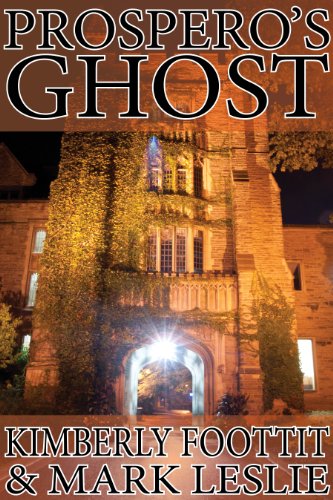
Decades after his death, renowned Shakespearean scholar Dr. Marshall Emerson returns from the grave to seek vengeance on those who dared disturb his fitful sleep.
Emerson, whose specialty was the bard’s The Tempest and was nicknamed “Professor Prospero” could never be spotted walking the grounds of McMaster University without the precious 1861 folio edition of Shakespeare’s works clutched in his hands.
When McMaster University library and bookstore staff begin producing replica versions of his original text on a newly acquired Espresso Book Machine, Emerson’s ghost returns, intent to put a stop to this “desecration” of his beloved text.
Amazon Purchase Link: https://www.amazon.com/Prosperos-Ghost-Cautionary-Short-Story-ebook/dp/B008BC28NQ/
My Review
I said it before, and I will say it again. I’m just a sucker for a good ghost story. Prospero’s Ghost, by Kimberly Footit & Mark Leslie is delightful short story of haunting porportions. It seems a love of literature A tale of a haunted campus library that can be read in one sitting, this story is for ghost lovers everywhere.
Get Them Free
You can find both of these books in the “FREE Reads” on Mark Leslie’s Books2Read author page here: https://books2read.com/markleslie. (You can find them both on Amazon, too, but Prospero’s Ghost is .99 cents, instead of free.)
_________________________________________________
Kaye Lynne Booth does honest book reviews on Writing to be Read in exchange for ARCs. Have a book you’d like reviewed? You can request a review here.
Share this:

Meet the authors of “Midnight Roost”: Today, Joseph Carrabis
Posted: October 23, 2023 Filed under: Anthology, Book Release, Books, Dark Fantasy, Fairy Tales, Fiction, Ghost Stories, Horror, Paranormal, Science Fiction, Short Fiction, Speculative Fiction, Stories, WordCrafter Press | Tags: "Binky", Antholoy, Dark fiction, horror, Joseph Carrabis, Midnight Roost, WordCrafter Press Leave a comment
Purchase Link: https://books2read.com/MidnightRoost
Share this:

Final Stop on the Wordcrafter “Midnight Roost” Book Blog Tour
Posted: October 23, 2023 Filed under: Anthology, Audio Excerpt, Blog Tour, Book Promotion, Book Release, Books, Dark Fantasy, Dark Humor, Fiction, Ghost Stories, Giveaways, Horror, Paranormal, Science Fiction, Short Fiction, Speculative Fiction, Stories, WordCrafter Book Blog Tours, WordCrafter Press | Tags: Anthology, C.R. Johansson, Dark fiction, Denise Aparo, Kaye Lynne Booth, Midnight Roost, Rebecca M. Senese, Robert Kostanczuk, WordCrafter Book Blog Tours, WordCrafter Press, Zack Ellafy 9 Comments
It’s the final stop on the WordCrafter Midnight Roost Book Blog Tour and today we’re going to wrap things up with a reading by contributing author Denise Aparo from her haunting story, “The Pines”,and some excerpts from stories from authors who weren’t able to participate in the tour. So, kick back and enjoy the reading and peruse the excerpts, meet the authors and join in the discussion by leaving a comment and earn a chance at a free digital copy of Midnight Roost.
Meet Author Denise Aparo
Denise Aparo is a new WordCrafter Press author, so I’m just getting to know a little ab out her, too. Her story, “The Pines” wasn’t the winning story in the short fiction contest, but I still felt that its dark parnormal feel would fit into the anthology. Now that the book is compiled and I can see the finished product, I think I made the right decision. It is a perfect addition to the Midnight Roost collection. Listen to the reading below and see if you don’t agree.
Reading from “The Pines”
About Denise Aparo
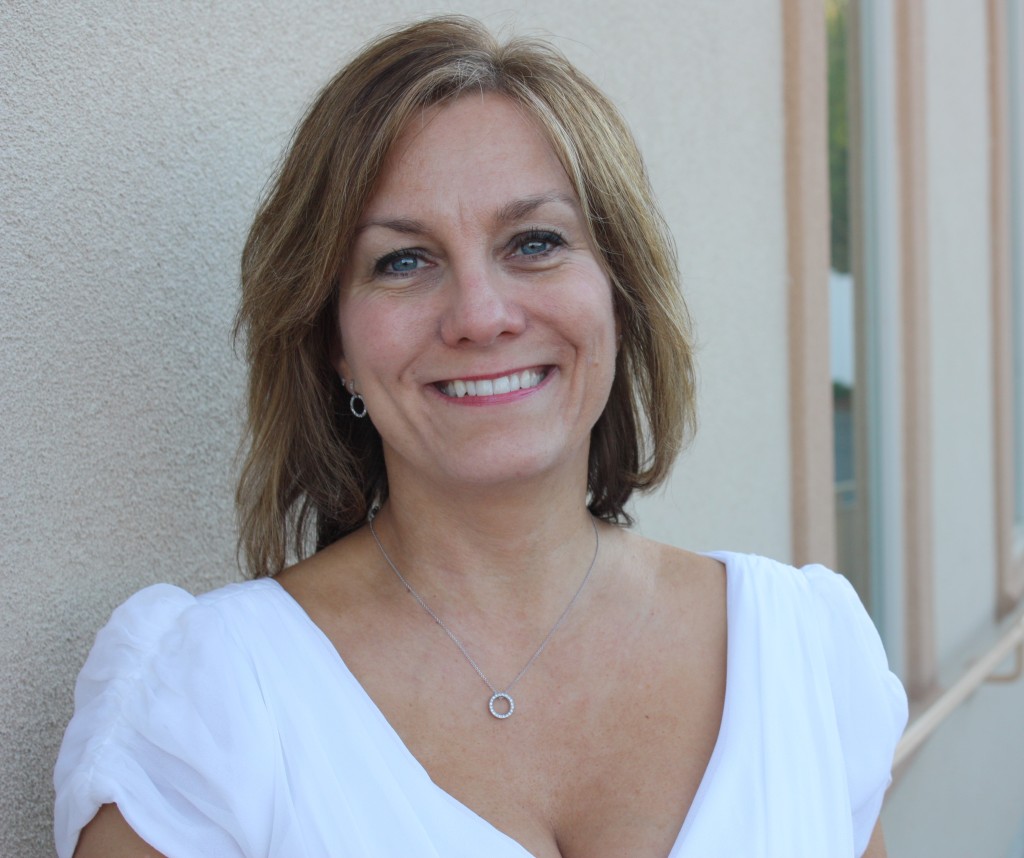
Denise Aparo is a New England native, born and raised in the clockmaking city of Bristol, Connecticut. She lives with her husband, Joe, and they have five grandchildren. She is also a freelance writer who spends her time working on her novel and writing short stories. She also spends her time gardening, crafting, and crocheting.
Denise likes to write Paranormal Fiction, genre of Historical Fantasy. She recently completed her first novel, Crossbows. She has a Masters of Arts in English and a Fine Arts/Creative Writing with concentration in Fiction from Southern New Hampshire University (SNHU) and a member of Sigma Tau Delta, International English Honor Society, and The National Society of Leadership and Success, Sigma Alpha Pi, with SNHU.
She is a member of the Connecticut Authors and Publishers Association (CAPA) and the author of a new WordPress writing blog, The Write Voice, The Write Voice | The write voice at the write time, a blog that boasts, “Like multiple genres, there are many cultures – each with an individual voice.” Denise is a new addition to the WordCrafter Press authors.
____________________________________________________
Excerpt from “Melina” by Kaye Lynne Booth

Excerpt from “She Shed Galleria” by C.R. Johansson

Excerpt from “House on the Plains” by Zack Ellafy

Excerpt from “Take Two” by Rebecca M. Senese

Excerpt from “A Visitor Comes to the Window” by Robert Kostanczuk

That wraps up today’s stop, and the whole tour. I hope you enjoyed meeting Denise and the excerpts from the other stories. Be sure to visit any stops you missed through the links in the schedule below for more chances to win a free digital copy of Midnight Roost. I will announce the winners in next Monday’s “WordCrafter News” post, here on “Writing to be Read”
Giveaway
A chance to win a free digital copy of Midnight Roost at every stop. Just leave a comment to show your support for the tour, the anthology, and all of the fantastic authors.
Tour Schedule
Monday – October 16 – Opening Day –Isabele Grey (Interview & Reading) & Joseph Carrabis (Reading) – Writing to be Read
Tuesday – October 17 – M J Mallon (Reading) & Christa Planko (Interview & Guest Post)– Undawnted
Wednesday – October 18 – Chris Barili (Guest Post) & Paul Kane (Guest Post) – Patty’s Worlds
Thursday – October 19 – Julie Jones (Reading) & Keith Hoskins (Guest Post) – Robbie’s Inspiration
Friday – October 20 – Michaele Jordan (Reading) & Mario Acevedo (Guest Post) – Writing to be Read
Saturday – October 21 – Patty Fletcher (Guest Post) & DL Mullen (Guest Post & Video) – Roberta Writes
Sunday – October 22 – Sonia Pipkin (Guest Post) & Roberta Eaton Cheadle (Reading) – Kyrosmagica Publishing
Monday – October 23 – Closing Post –Denise Aparo (Reading) & excerpts from other stories – Writing to be Read
About Midnight Roost: Weird and Creepy Stories
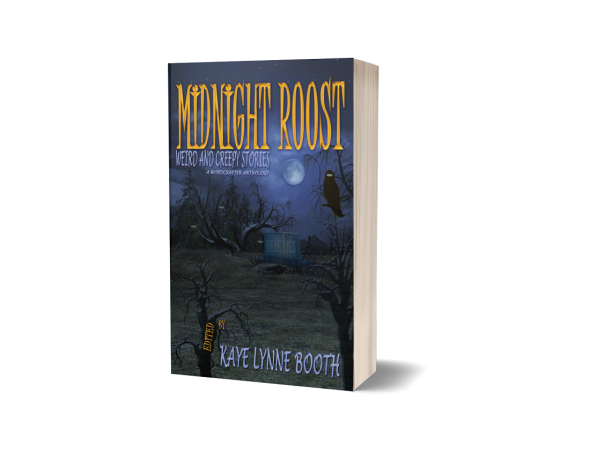
20 authors bring your nightmares to life in 23 stories of ghosts, paranormal phenomenon, and the horror from the dark crevasses of their minds. Stories of stalkers, both human and supernatural, possession and occult rituals, alien visitations of the strange kind, and ghostly tales that will give you goosebumps. These are the tales that will make you fear the dark. Read them at the Midnight Roost… if you dare.
Purchase Link: https://books2read.com/u/318L0l
________________________________________________
Book your WordCrafter Book Blog Tour today!