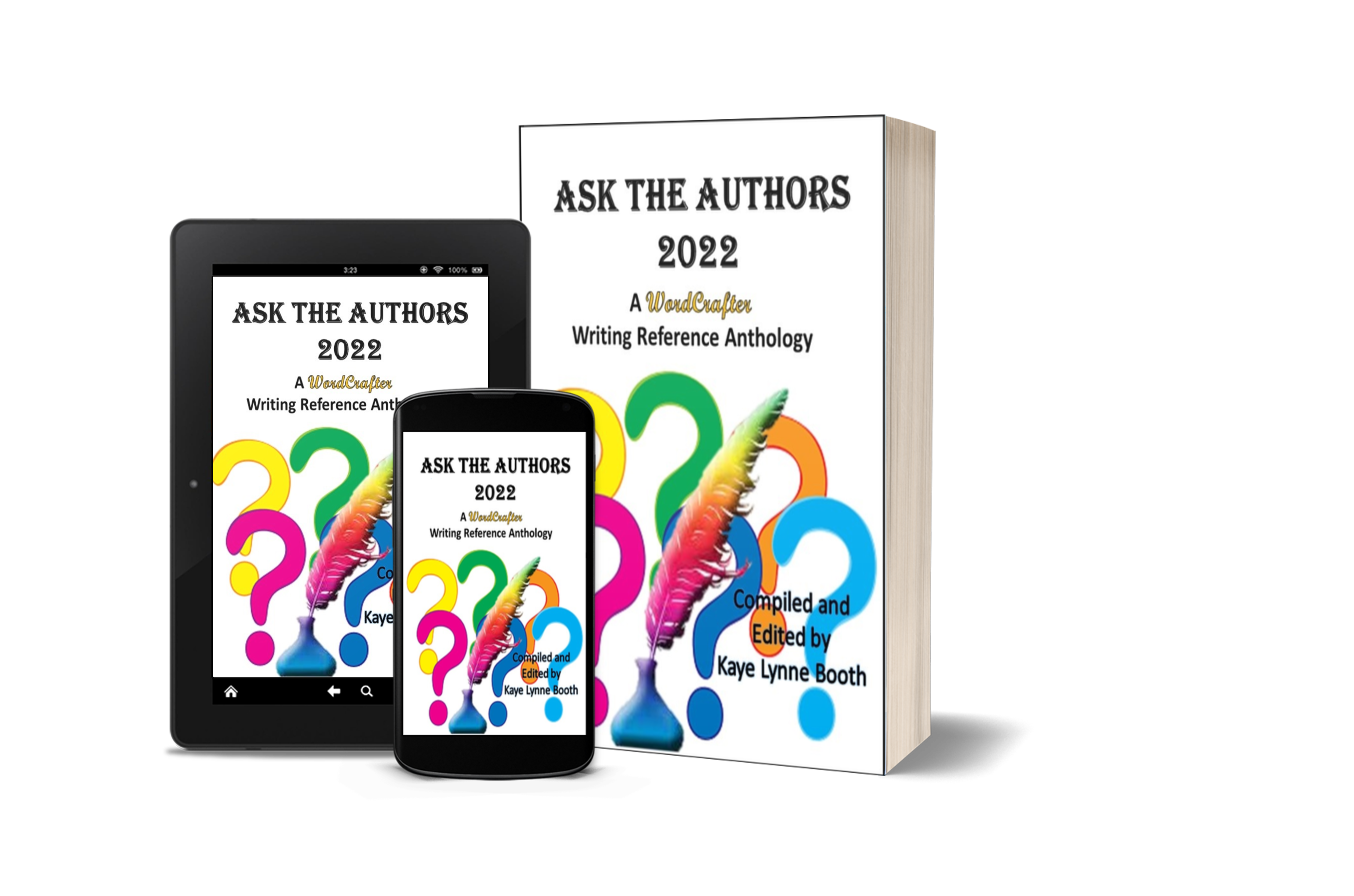
I chose to go wide with WordCrafter Press books. Let me tell you why.
Although many authors use KU to increase their income from their books, since page reads may be more of a metric than sales are, but the price may be too high. Going exclusive limits what you can do with your Intellectual Properties. So even though I’ve maintained my rights for a book, I can’t include that book in a story bundle or box set elsewhere, if it’s in KU. I can’t even sell the book direct from my own website. Likewise, audiobooks published with Audible must be exclusive for at least one year and can’t be published elsewhere, not even on my own website.
An author wants to reach as many potential readers as possible, increasing the chances of their book being discovered, so to me, it just makes sense to place your books with as many different book distributors as possible. This can be done on each individual platform directly, but the process is very time consuming, so an aggregator like Draft2Digital or Smashwords, (which have merged into one company), can be helpful in getting your book offered on multiple platforms.
There are some readers who just plain despise Amazon, feeling that they are a monopoly, pushing the smaller companies out, so they won’t buy from them. there are also folks who use readers other than Kindle. By publishing exclusive, authors are not reaching readers who can’t or won’t buy from Amazon or their partners.
Brick and mortar bookstores and libraries hate Amazon. And why shouldn’t they? Amazon is their biggest competitor. So, chances are, that if your book is only available on Amazon, you won’t be able to get these entities to even consider making your book available to their customers. If they check you out and see that you are advertising “Available on Amazon”, you aren’t going to make it through the doors. (That’s why I use the Books2Read links offered through D2D, where you can set it up so potential readers can find you on their favorite book distribution platform. Amazon is in there, but so are the other platforms like Kobo, Barnes & Noble, Apple Books, and Scribd, where my books are available.) Even if you have your books on multiple book distribution and library platforms, you still must put in the work to get availability in physical locations, which are excellent opportunities for discovery and gaining new readers.
It just doesn’t make sense to me to “put all my eggs in one basket”. By going exclusive with Amazon, I would be excluding a large portion of potential readers. Publishing with D2D places WordCrafter Press books with most of your favorite book distributors, including Barnes & Noble, Rakuten Kobo, Apple, Scribd, Amazon, Thalia, Indigo, Mondadori, and Vivlio, as well as Baker & Taylor, Overdrive and other library lists. Of course, being on the lists for libraries and bookstores don’t get your books into the brick and mortar establishments, you still have to work to build relationships with the real people who are found there, but without being on those lists, there isn’t any chance. And if I were to publish exclusive with Amazon those paths would be closed to me.
As Derek Sivers – author, musician, entrepreneur and publisher – says on the May 16, 2022 episode of The Creative Penn podcast, “De-centralization is good. Amazon should not be the only bookstore.” And Sivers suggests that the way to work toward the goal of de-centralization is by training readers to look for your books in other places; other bookstores, libraries, or even direct from the author’s website.
Wide vs. exclusive is an ongoing decision among independent authors. Amazon has become the monster conglomerate that they are, because they are doing all kinds of things right. Most of us are not as anti-Amazon as Sivers, who instructs to send potential readers “anywhere but Amazon”. I can see the value in including Amazon in my wide distribution. Just as it doesn’t make sense to me to go exclusive, neither does it make sense to me to exclude the biggest bookseller on the block.
The fact is, even though I don’t like the pedestal Amazon has raised itself up on, and I don’t like the fact that their TOS isn’t always in the author’s favor, I can’t deny that shopping on Amazon is easy and convenient. Also, I read digital books on a Kindle device, and I hate learning how to set up and use new devices, so Amazon is where I get most of my digital content.
Now that I’ve told you my strategy, you tell me yours. Do you choose to have your books wide or exclusive? Why? Tell me your thoughts in the comments. Let’s make this more of a discussion.
Kaye Lynne Booth lives, works, and plays in the mountains of Colorado. With a dual emphasis M.F.A. in Creative Writing and a M.A. in Publishing, writing is more than a passion. It’s a way of life. She’s a multi-genre author, who finds inspiration from the nature around her, and her love of the old west, and other odd and quirky things which might surprise you.
She has short stories featured in the following anthologies: The Collapsar Directive (“If You’re Happy and You Know It”); Relationship Add Vice (“The Devil Made Her Do It”); Nightmareland (“The Haunting in Carol’s Woods”); Whispers of the Past (“The Woman in the Water”); Spirits of the West (“Don’t Eat the Pickled Eggs”); and Where Spirits Linger (“The People Upstairs”). Her paranormal mystery novella, Hidden Secrets, and her short story collection, Last Call and Other Short Fiction, are both available in both digital and print editions at most of your favorite book distributors.
When not writing, she keeps up her author’s blog, Writing to be Read, where she posts reflections on her own writing, author interviews and book reviews, along with writing tips and inspirational posts from fellow writers. In addition to creating her own very small publishing house in WordCrafter Press, she offers quality author services, such as editing, social media & book promotion, and online writing courses through WordCrafter Quality Writing & Author Services. As well as serving as judge for the Western Writers of America and sitting on the editorial team for Western State Colorado University and WordFire Press for the Gilded Glass anthology and editing Weird Tales: The Best of the Early Years 1926-27, under Kevin J. Anderson & Jonathan Maberry.
In her spare time, she is bird watching, or gardening, or just soaking up some of that Colorado sunshine.
Join Kaye Lynne Booth & WordCrafter Press Readers’ Group for WordCrafter Press book & event news, including the awesome releases of author Kaye Lynne Booth. Get a free digital copy of her short story collection, Last Call and Other Short Fiction, as a sampling of her works just for joining.
I just finished up the spring semester at Western State Colorado University. We completed our class project, the Gilded Glass anthology, and.my solo project, Weird Tales: The Best of the Early Years 1926-27, which was quite the learning experience, but also a lot of fun. I’m looking forward to the summer residency, where we will finish up our degrees and do a massive book launch party for the Gilded Glass anthology, and for each of our solo projects at the end of July.
Here is the release schedule for our cohort. Some of them are already out there. I’ve included the pre-order links in case you are interested in purchasing new renditions of any of these classic works. I think we all had fun bringing them back to life. And check out those fantastic covers!
Today, I was listening to the last podcast episode of the Six Figure Authors podcast, and they were discussing their future plans now that the podcast is ending, (much to my dismay), and it made me start thinking about where I want to go with my writing career now that we’re wrapping things up and this chapter of my life is coming to an end. At the end of this summer, I will once again be on my own in my writing career. I hadn’t thought about it before, but summer’s end brings with it not only the book release event and graduation, but also the loss of access to my mentors Kevin J. Anderson and Allyson Languierra and the support and advice of my wonderful cohorts, and I have no idea what 2023 will bring. I need a plan.
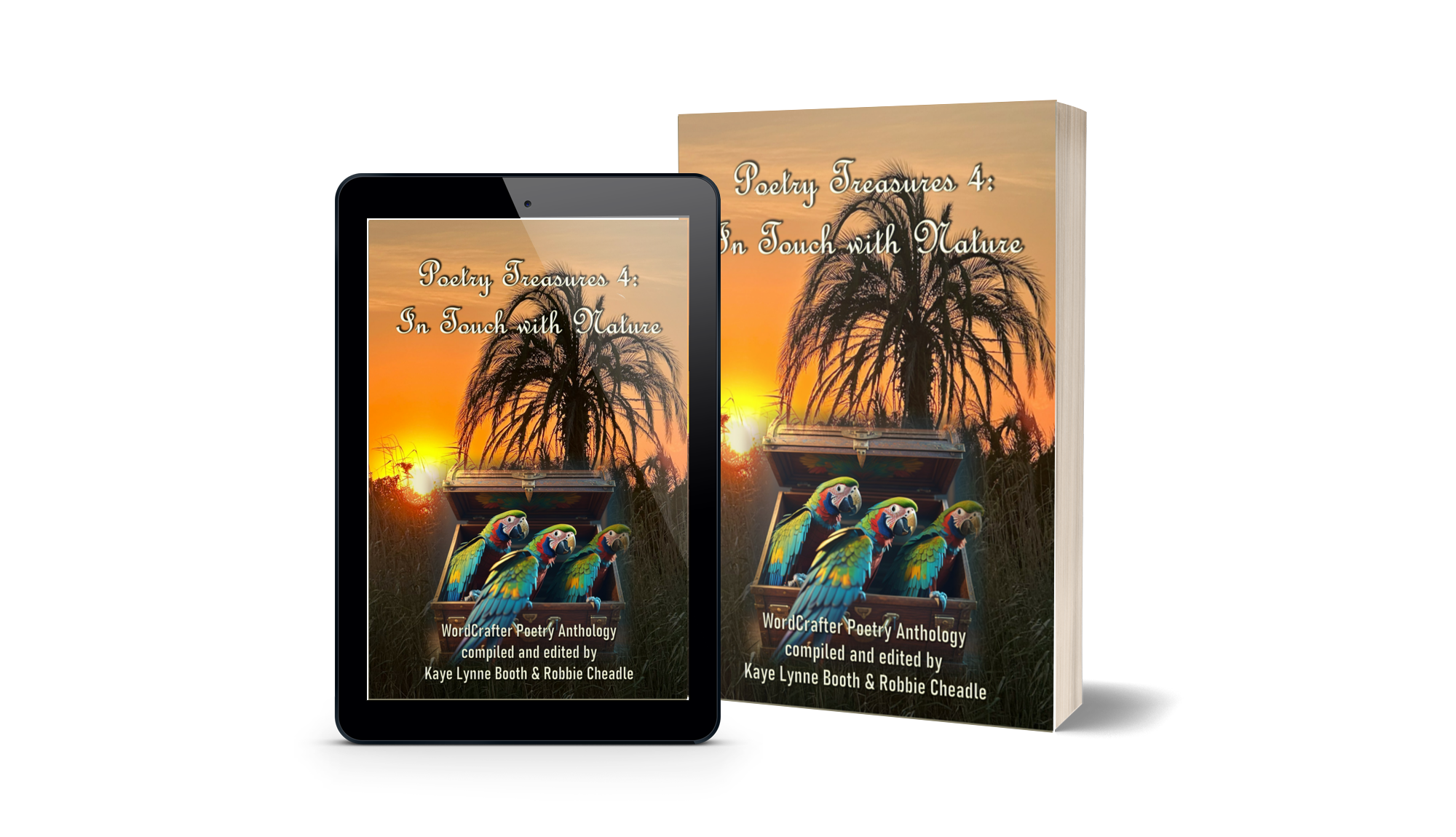
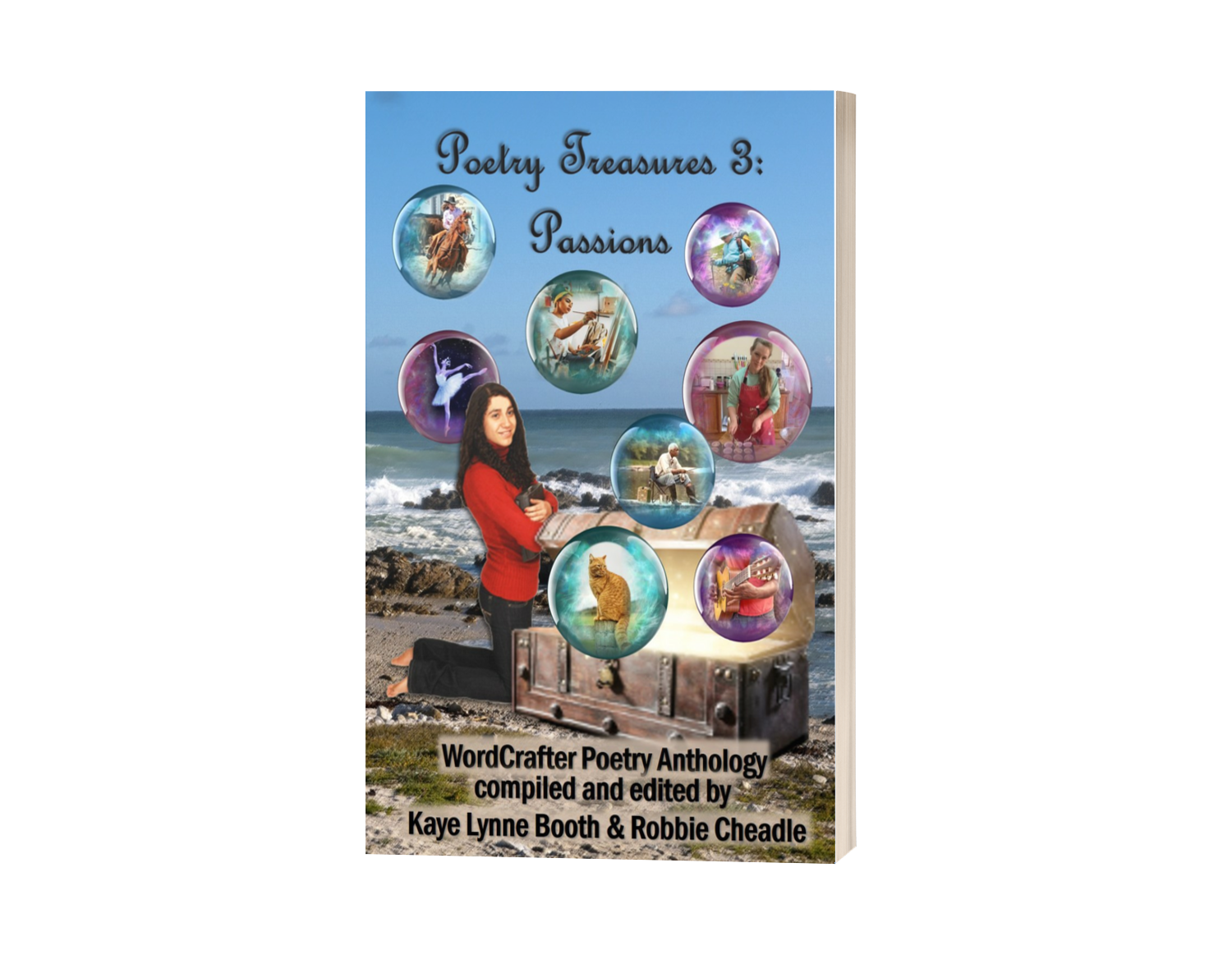
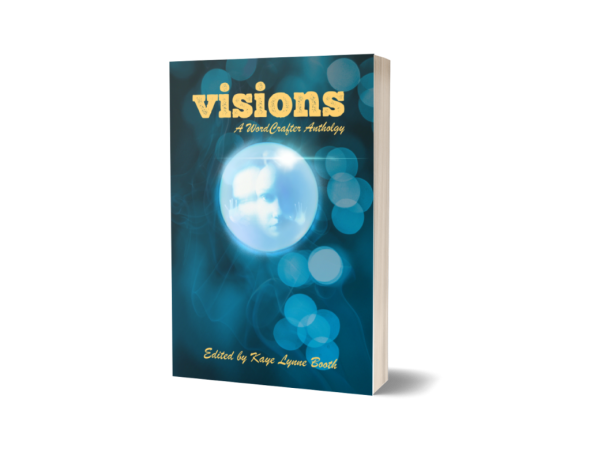
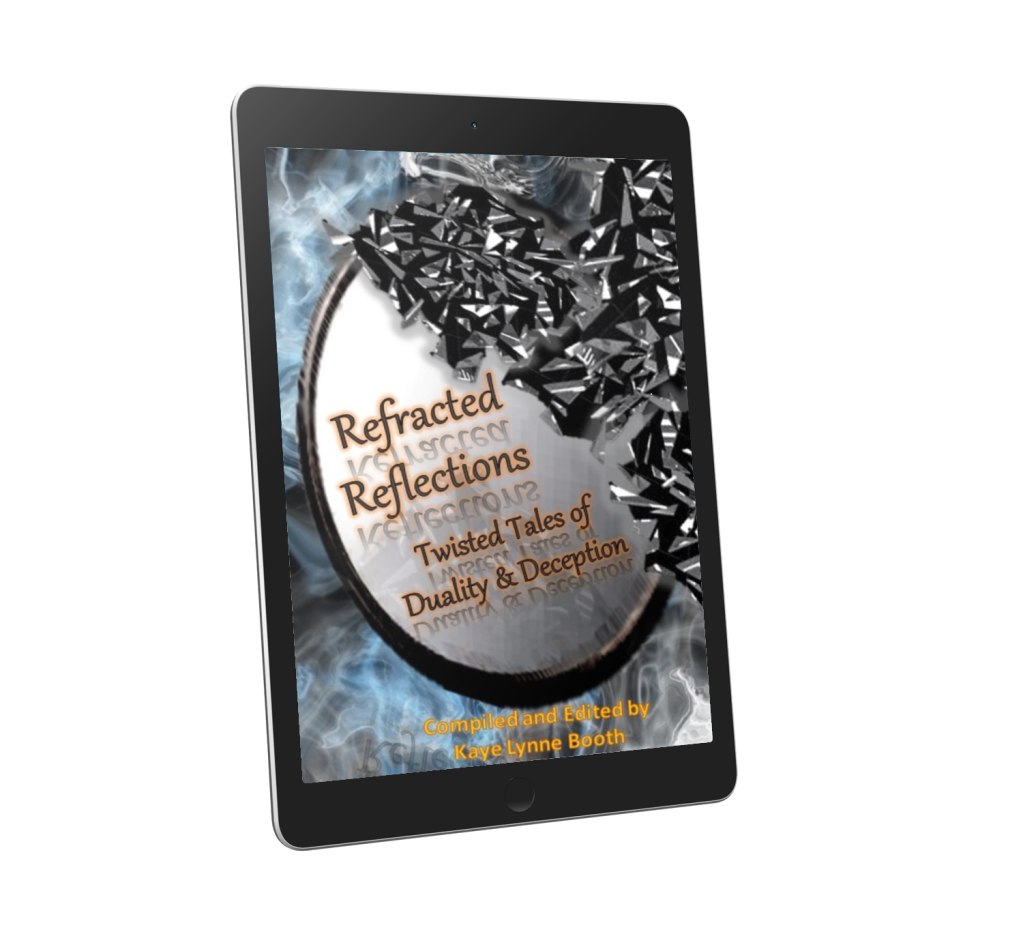
This year, I’m set, with the release of the Poetry Treasures 2: Relationships poetry anthology this last semester, the launch of Ask the Authors 2022 writing reference anthology currently under way, and three short fiction anthologies planned for later in the year: Once Upon an Ever After: Modern Fairy Tales & Folklore an (August); Refracted Reflections: Twisted Tales of Duality & Deception (September); and Visions (October). (Hmmm… It seems this is the year of anthologies for me.) But, I need a plan for what comes after that.
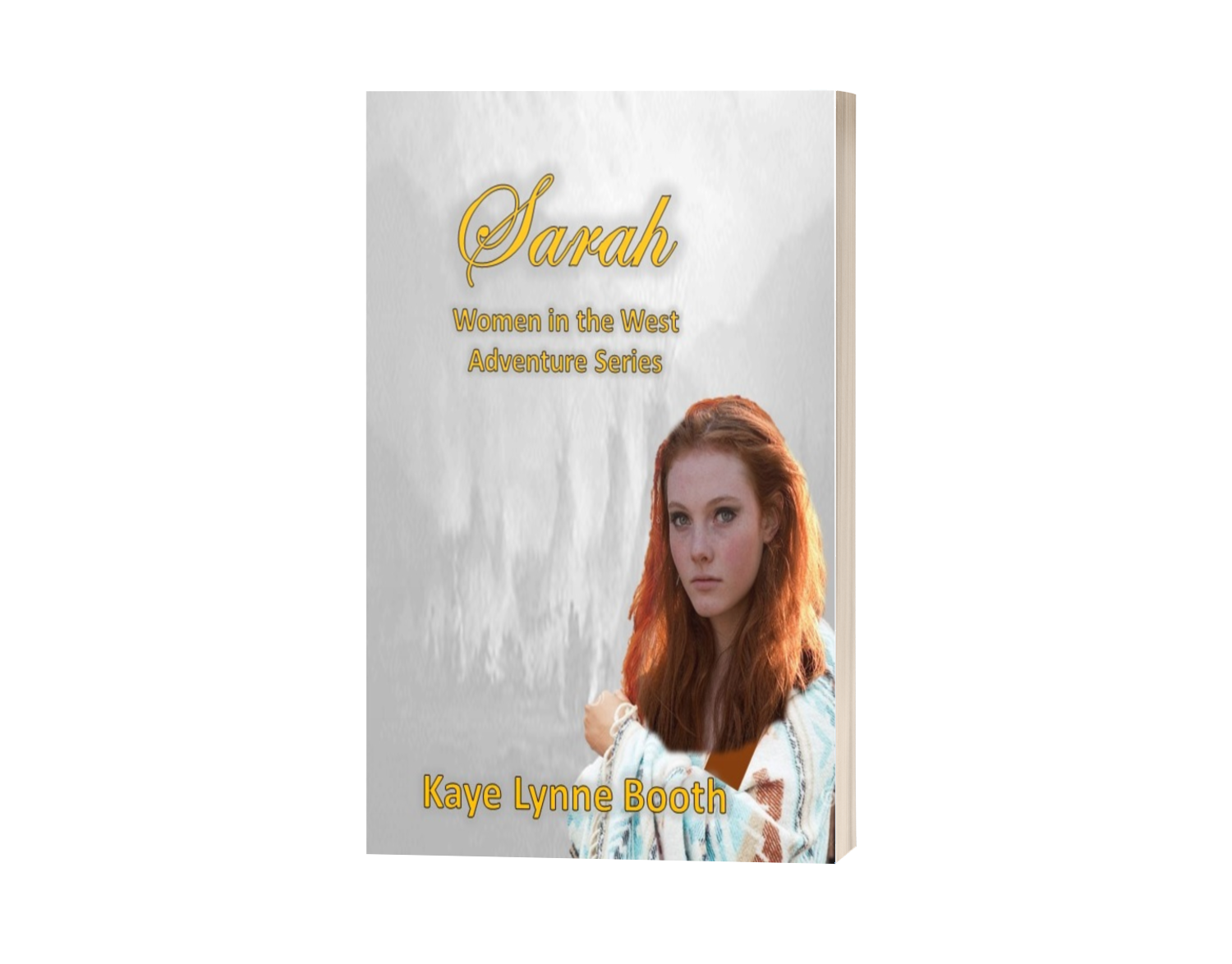
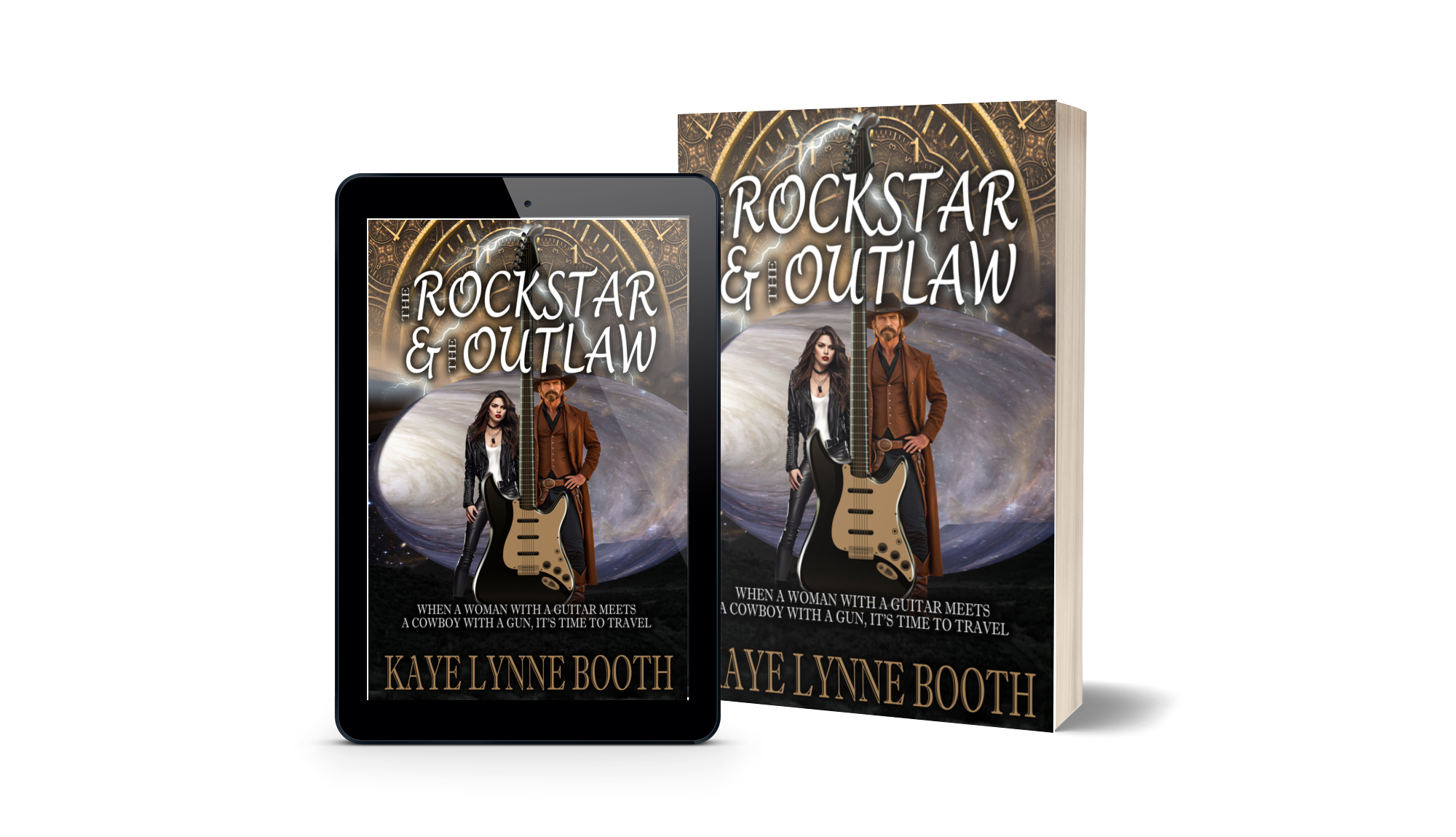
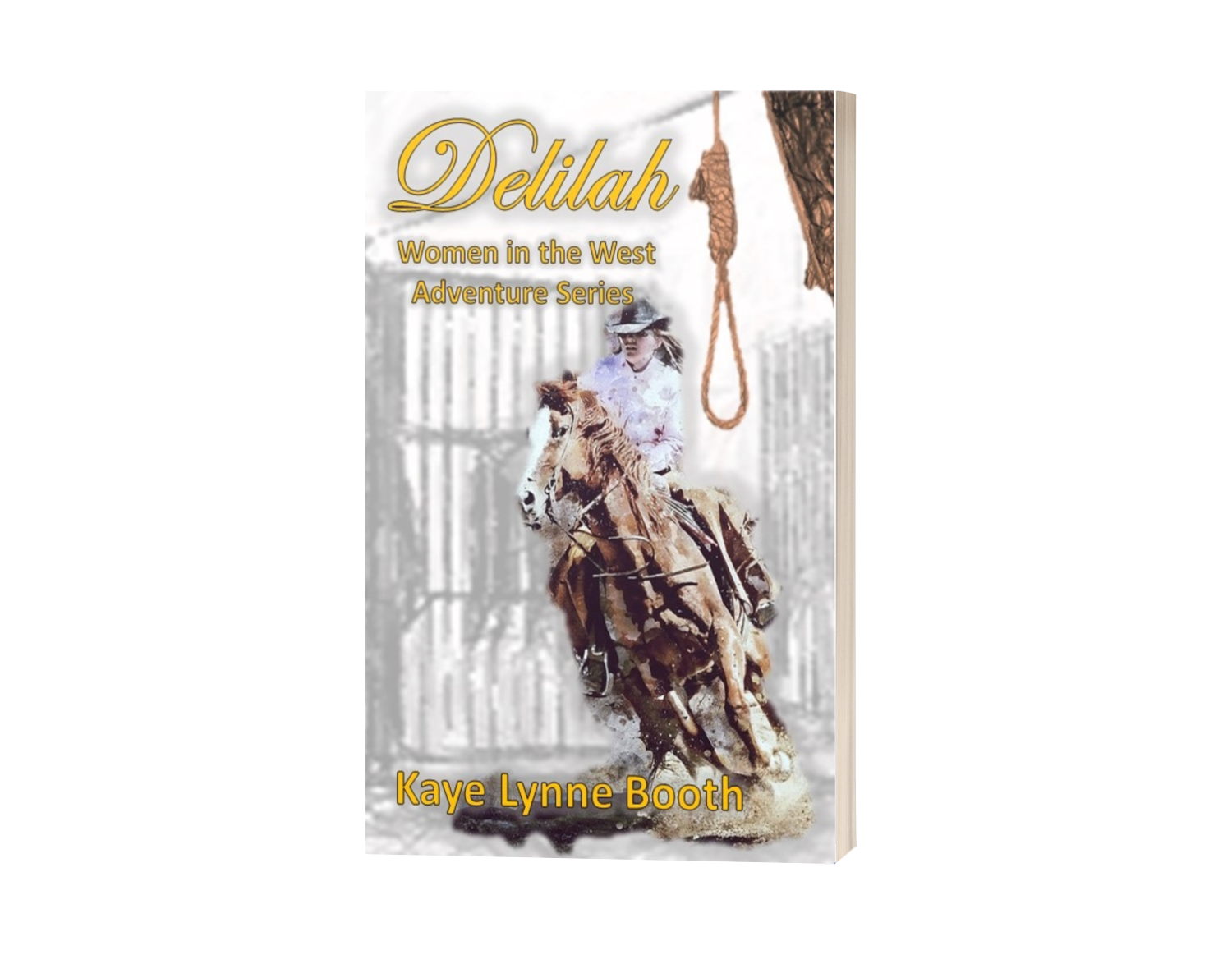
Hmmm… I’m revising Delilah to be a part of the Women in the West series with hopes of getting that out by the end of the year, but I keep adding ideas for the series, so I may wait to release until I have at least one more of the books ready to go, so that might be in the plan for next year, although it was originally a part of the plan for 2022. Also, I’ve been thinking a lot about my Playground of the Gods science fantasy series, and the first book is actually with a beta reader right now. But I’ve also been tossing the idea trying it as a serialization around. If anyone has experience on serialization, I’d love to hear your thoughts. Either way, those stories will be a part of the 2023 plan. In addition, I’ve been thinking on a time-travel romance adventure story that I started in 2021, “The Outlaw & the Rockstar”, and those characters have been teasing my brain, so I’ll probably add that to the 2023 agenda. That will give me between 2 and 5 releases of my own books for the year, which isn’t too bad if I can pull it off. Of course, I’ll also want to do an annual poetry anthology and the annual writing contest and anthology, so I can add two more book projects to the agenda.
I don’t think I will be lacking for projects once I’ve bade academia good-bye. In fact, I’m tired just thinking about the whirlwind schedule I just outlined. But you know, I think it will be worth it, if it can enable me to move my writing career to a full time level. The first thing you need to do if you want to sell books, is to write books, so I’m sitting pretty good on that plane. I’m working to revive my monthly newsletter, which I believe will be one of my most valuable marketing tools, and organizing a multi-genre newsletter swap group to help spread the word on releases. I’ve got good lists for possible reviewers built for all the anthologies planned for 2022, which will work for the annual anthologies, but will have to be created for my own books, and this blog is a book marketing tool, too. It’s a place where readers can come to learn about my latest projects, and my readership is growing, so I think I’m on the right track there.
Well…, would you look at that? Why was I worried? I have a plan…, and I think it’s a good one.
Kaye Lynne Booth lives, works, and plays in the mountains of Colorado. With a dual emphasis M.F.A. in Creative Writing, writing is more than a passion. It’s a way of life. She’s a multi-genre author, who finds inspiration from the nature around her, and her love of the old west, and other odd and quirky things which might surprise you. She has short stories featured in the following anthologies: The Collapsar Directive (“If You’re Happy and You Know It”); Relationship Add Vice (“The Devil Made Her Do It”); Nightmareland (“The Haunting in Carol’s Woods”); Whispers of the Past (“The Woman in the Water”); Spirits of the West (“Don’t Eat the Pickled Eggs”); and Where Spirits Linger (“The People Upstairs”). Her paranormal mystery novella, Hidden Secrets, and her short story collection, Last Call, are both available in both digital and print editions.
In her spare time, she keeps up her author’s blog, Writing to be Read, where she posts reflections on her own writing, author interviews and book reviews, along with writing tips and inspirational posts from fellow writers. In addition to creating her own imprint in WordCrafter Press, she offers quality author services, such as editing, social media & book promotion, and online writing courses through WordCrafter Quality Writing & Author Services. When not writing or editing, she is bird watching, or hiking, or just soaking up some of that Colorado sunshine.
Sign up for the Kaye Lynne Booth & WordCrafter Press Newsletter for and book event news for WordCrafter Press books, including the awesome releases of author Kaye Lynne Booth. Get a free digital copy of Kaye Lynne Booth’s paranormal mystery novella, Hidden Secrets, just for subscribing.
Traditional publishing is fast becoming a dinosaur, being slow to adapt to the rapid technological changes which have arisen along side the rise of digital publishing within the industry. Independent authors and publishers have been flexible, creative and quick to adapt to digital technology which makes it possible for aspiring authors to test the waters without waiting around for years or even decades for traditional publishers to take notice and grace us with their attentions, while traditional publishers have been resistant to change, turning their noses up at self-published authors until their value as professional authors with the ability to produce books that sell by independent industry leaders like Hugh Howey, and been generally inflexible and unbending, continuing to follow publishing and marketing models which are no longer effective. The adaptions that they have made have been forced and have made the traditional publishing model even less appealing for authors.
Better Royalties: Royalties on traditional publishing which the author receives are usually around 15% of sales, while independently published authors receive anywhere from 30-70%, depending upon which platforms they choose to publish on. And don’t forget that independently published authors who go wide rather than exclusive can always sell direct from their site and make even more.
Negotiations: Traditional publishing contracts are awful and getting worse, according to Kristine Kathryn Rush, (https://kriswrites.com/2022/01/05/business-musings-contracts-traditional-publishing-the-year-in-review-4/). Deals may offer the author an advance, even this is not guaranteed anymore. And the ones that are offered are for lesser amounts than were previously offered in the past. Of course, traditional publishing deals have always been skewed in the publishers’ favor, and the book must earn back the advance before the author ever sees any additional royalties and an author whose book doesn’t sell well may never see any royalties past the initial advance. As Rusch points out, all things are negotiable and the publishing house no longer holds the reins. Smart independent authors manage their own Intellectual Property (IP), and they don’t EVER sign away all of their rights and leverage their writing to the author’s benefit.
Decrease in Publisher Responsibilities: While in the past, traditional publishers were willing to invest in the marketing and advertising of books, it seems they have grown more reluctant to do so in today’s book market. Even if you do manage to land a traditional publishing deal today, you may still need to take on a large part, if not all, of the marketing tasks to sell your book. So while it is true that indie authors have to spend a large portion of their time on administrative and promotional tasks, publishing traditionally does not guarantee that this will not be necessary.
Improved Product Availability: With the availability of ‘Print on Demand’ publishing, authors no longer need to make large expenditures on big print runs or make space to house vast numbers of book in their garage or basement, as was previously necessary with offset printing. Audiobooks are also becoming more affordable to produce with the rise of AI narration, which is now offered for free on Google Play Books. Lower prices and better availability of services for independent authors on a budget, make independent publishing an even better option than it has been in the past.
Control: Independently publishing puts the author in control. Of course, with control comes responsibilities. I won’t deny that indie authors must wear many hats; author, publisher, self-editor, marketer, and maybe even cover designer, as well as “The Boss”. One lesson I’ve been learning recently, is that I can’t do it all, and I am having to wear “The Boss” hat more and delegate some of the other tasks to those better suited to do them, so that I can have time to put into my own writing. Marketing is a matter of trial and error a lot of time, and changing the cover or the blurb can make a big difference in how well a book sells. Independent authors are “The Boss” and when they see their book isn’t selling as well as they think it might, they have the ability to go in and change the cover or the blurb and see if they can’t turn things around, while if with traditional publishers, they may have their work cut out for them convincing their publisher to change something up to see if it sells better.
Kaye Lynne Booth lives, works and plays in the mountains of Colorado. With a dual emphasis M.F.A. in Creative Writing, writing is more than a passion. It’s a way of life. She’s a multi-genre author, who finds inspiration from the nature around her, and her love of the old west, and other odd and quirky things which might surprise you. In her spare time, she keeps up her author’s blog, Writing to be Read, where she posts reflections on her own writing, author interviews and book reviews, along with writing tips and inspirational posts from fellow writers. She is also the founder of WordCrafter Quality Writing & Author Services, providing editing, social media copywriting & book promotion, and online writing courses. When not engaged in writing activities, she is bird watching, or hiking, or just soaking up some of that Colorado sunshine.
Like this post? Let me know in the comments. You can be sure not to miss any of Writing to be Read’s great content by subscribing to e-mail or following on WordPress. If you found this content helpful or entertaining, please share.
Short fiction doesn’t sell well. – That’s what I keep hearing. Anthologies are hard sells. So why would you even write short fiction, if it is so difficult to sell?
What many authors need to realize, is that while an anthology may be harder to sell than a novel, when you have work featured in an anthology, it is a project involving many authors, each with their own following which they bring to the table, creating a much bigger marketing network than you would have for a novel. Being a part of an anthology expands your marketing reach exponentially by the number of authors involved, which could actually make the marketing and promotion of the anthology easier and allow marketing to a much larger audience.
For the past few months I’ve been exploring short fiction and short fiction markets from the other side of things, as I worked to compile two separate anthologies. My solo project for my masters in publishing is The Best of Weird Tales 1926-27, which meant reading twenty-four issues of Weird Tales and selecting what I felt were the best stories to represent the publication, then compiling them into a single collection. It had to be a careful selection process, because much of what was socially acceptable in 1926 & 27, is far from acceptable in 2021.
The other project required for my degree involves being on the editorial team for the Mirror, Mirror anthology. You may have seen the call for submissions posted here on writing to be Read back in July. And there’s a chance that you even submitted to it, since we had over 600 submissions. That’s a lot of short stories to read. But I learned some valuable lessons from the experience:
It pays to get your submission in early. The early submissions get fresh eyes and open mind. But those submitted closer to the deadline, are seen by eyes that are tired by minds that have read so-o-o many stories, many of which are similar in theme or concept, if you wrote to the submission guidelines.
Follow the submission guidelines. This experience drove home to me how important this one really is. Going into this, my instructor and mentor, Kevin J. Anderson drilled in the importance of following the submission guidelines and took great care to make them clear in the call for submissions. It called for proper manuscript formatting, something every author should be familiar with, but just in case, he also included a link to a site that defined and explained what proper manuscript formatting is, and still we got manuscripts that were not formatted properly. Toward the end, I know improperly formatted manuscripts got set aside without a full read, because it hurt my tired old eyes too much, so this is really an important one, but many authors just didn’t get it. Publishers don’t want to work with authors who cannot follow simple instructions and format their manuscript properly or follow the guidelines, because this hints that they might be a pain to work with.
Only submit a story that fits what the call is looking for. I was surprised how many stories we got that didn’t have a mirror in them at all; not even a compact for the character to check their make-up. Who sends a story without mirrors to an anthology titled Mirror, Mirror that requests a mirror be central to the story. I’m told that last year someone submitted Christmas cards for the call for submissions for Unmasked, last year’s anthology, which may evoke a chuckle when you hear it, but for editors overwhelmed with submissions, reading through a story that doesn’t even come close to meeting the guidelines or match the theme, it feels like a big waste of time. Editors have feelings, too. Be kind and only submit stories that meet the theme and guidelines, instead of trying to cram your story into a frame that doesn’t really match.
In today’s market, busy editors are looking for something that is close to being publishable as is, so be sure your manuscript is polished. I feel like I shouldn’t have to state this one, but with as many seemingly unedited submissions, I guess it needs to be said. I was expecting it toward the end, when authors were rushing to meet the deadline, but even early on there were manuscripts that were riddled with misspellings and typos. Many of these may have been good stories, some even written to guidelines, but they were passed by because they would have required too much editing to ready them for publication. It would have required more time than my class of student editors would be able to give. So, I strongly urge having another set of eyes give a critical look over all stories prior to submission. Turning in a clean manuscript will strengthen the chances of your submission being accepted, or at least read clear through for a fair evaluation.
Choosing favorites is much harder than I thought it would be. We were cautioned that last year’s anthology received over 500 submissions, with more than 100 received in the last week of submissions. Mirror, Mirror received over 600 and so many of them were truly excellent stories that choosing the few that we had the budget for was really difficult, especially since not everyone had the same favorites. In the end, we ended up with a heck of a selection of stories for this anthology. I think it will be great!
Although all of my personal favorites couldn’t be included, I did find a way to make 2022 a great year for anthologies at WordCrafter Press, with two by invitation only anthologies in addition to the annual short fiction contest and anthology. I gave you a sneak preview for the submission call for the annual anthology, which will be titled Visions, here. The official call for submissions will be posted in January, so stay tuned.
Like this post? Let me know in the comments. You can be sure not to miss any of Writing to be Read’s great content by subscribing to e-mail or following on WordPress. If you found this content helpful or entertaining, please share.
Some beginning writers may have delusions of overnight success, but any seasoned writer will tell you that it usually doesn’t happen that way. There are instances where it has, of course, but in most cases, launching a career in writing requires time, money and a lot of hard work to be successful. Writers who have realistic expectations may start out writing part time and get a solid book marketing plan under them, through trial and error and lots of A/B testing to figure out what works and what doesn’t, before trying to take their writing career to a full-time level.
I’ve been working to get my writing career off the ground for over a decade, but I’m a D.I.Y. girl and most things that I try to do, I started out doing things backward. I started my writing career right here, on Writing to be Read in 2009. At the time, I had no idea what I wanted to write, but write I did. In 2012, when I didn’t have the huge following I had hoped for and undertaking a book length work seemed an insermountable hurdle, I decided I needed some help, so I enrolled in the graduate program at Western State Colorado University and by 2016, I had my M.F.A. in Creative Writing with a dual emphasis in genre fiction and screenwriting.
The Six Figure Authors Podcastoffers the general advice for aspiring writers to pick a genre you’ve had some success with and stick with it until you are firmly established. Then if you feel the need to cross genres, you can probably venture into a new territory without risking everything. Because that’s what you’re doing when you cross over to a genre other than the one in which you already have established a fan base.
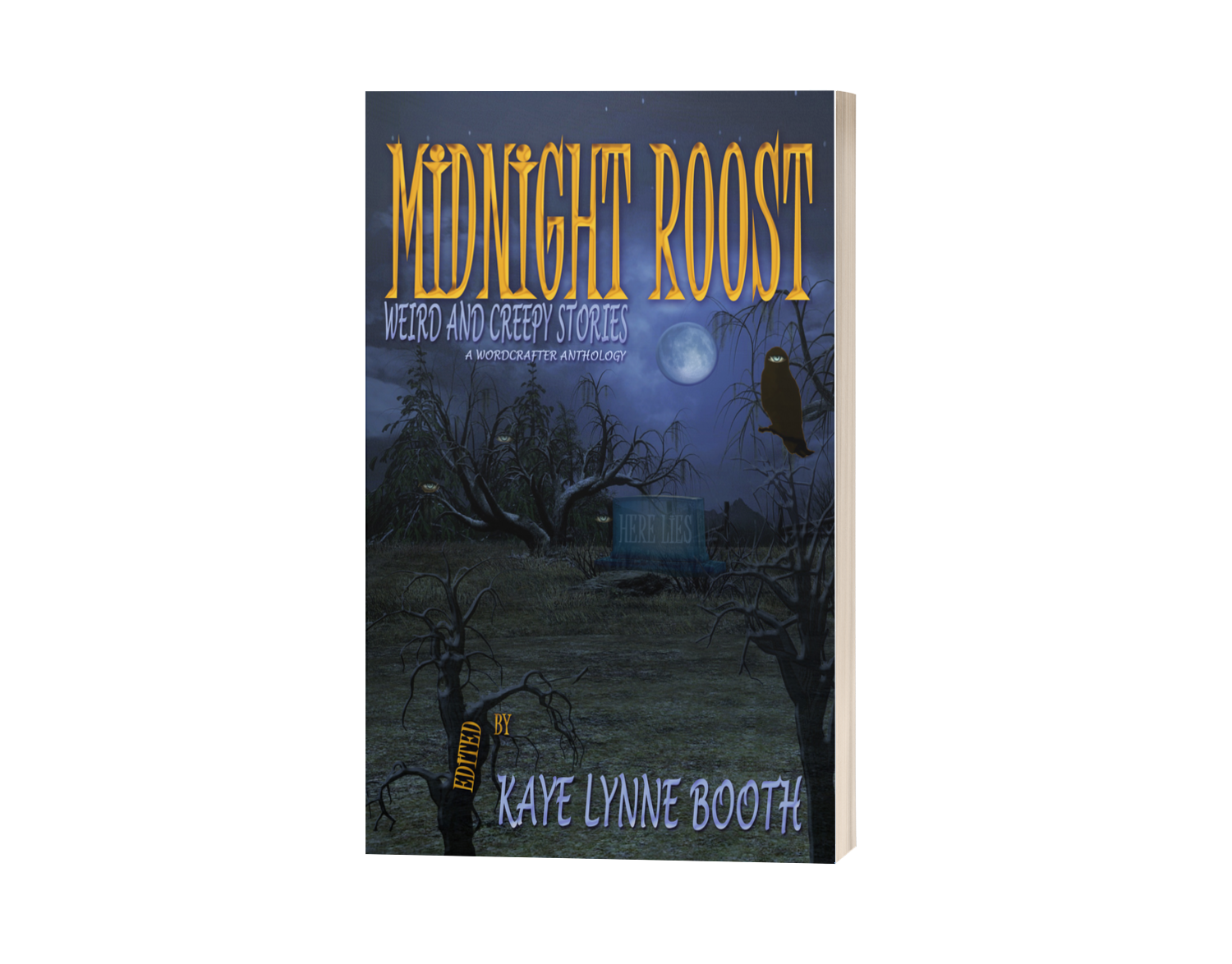
But here I am. To date, I have published a Western, Delilah; a collection of short stories, Last Call and Other Short Fiction, which is a mish-mash of genres: time-travel, vampire, origins, satire, etc…; and a paranormal mystery novella, Hidden Secrets. I also have published a number of short stories. My flash fiction horror story, “The Haunting of Carol’s Woods”, is featured in Dan Alatorre’s Nightmareland, and my futuristic science fiction story, “If You’re Happy and You Know It”, and my crime fiction love story, “The Devil Made Her Do It”, are each featured in The Collapsar Directive and Relationship Add Vice anthologies respectively, both published by Zombie Pirate Publishing, as well as a paranormal story in each of the three WordCrafter paranormal anthologies, Whispers of the Past, Spirits of the West, and our newest release, Where Spirits Linger. I even have published a nonfiction author’s reference, Ask the Authors, which arose from a blog series I ran right here on Writing to be Read.
I am ecclectic in my tastes, including music and reading, and thus the stories that percolate in my brain are also rather ecclectic. I don’t listen or read in any one genre. Why would I think up stories in only one? I don’t think I could write to market and be successful. And I’ve tried the writer for hire thing, too, but didn’t care for it. No one is saying you can’t be successful as a multi-genre author, but what all of this means is that my books are more difficult to market, because my target audience are splintered into multiple reader groups, so I have to be more creative in reaching an audience who will actually read what I write. And I have to research and know what I’m doing, because book marketing and advertising can get expensive, especially if you do all the A/B testing and stuff that you they say we need to do. Since it’s not feasible for me to stick with only one genre, I think figuring out how to attract readers for each of the genres that I write from a wider audience will be my biggest challenge.
I’m an author who listens to my characters and let’s the story unfold naturally. (I’m not really a pantser, although at one time I thought that I was. Now I find that I need to have a general idea of where my story is going and how it gets there, and a basic outline does that for me.) But the stories don’t all unfold in a single genre, and so I’ve become a multi-genre author, although that probably isn’t the fastest way to build a full-time writing career.
Readers here, followers of this blog, are the fan base that I have built over twelve years of blogging and I appreciate your support, in whatever fashion you choose to demonstrate it. I’m not sure what genre any of you read, or if any of you actually read my books, but you pop over and read my posts, regardless of the subject matter, and occasionally, some of you even comment. I really do appreciate that.
As you can see, I’m the kind of gal who decides what I want to do and plunges ahead, learning as I go. I’ve reached a point in my life where I not only want to write full-time, but I need to be a full-time writer. My love for the written word can be seen in everything I do. In addition to this blog, I’ve reported on local writing communities, attended and participated in writing fairs and conferences, hosted online writing events, created my own small press, and gone into student debt in order to become an expert on my craft. For me, writing truly is a passion and I need to do this as a career for my own mental health and well-being. In order to do that, I need to make some changes.
But, I write for the love of writing. It’s the reason that I put so much energy into this blog. I write to be read, and I’ve not monetized my blog, although I have recently had inquiries for advertising. I’ll need to research more before I make a decision on that front, but I don’t really want to monetize Writing to be Read. I like what I’ve built this site into, with the help of my wonderful Writing to be Read team members: Robbie Cheadle, Art Rosch and Jeff Bowles. I’m afraid if I monetize it, it will become something different, and perhaps unintended. I don’t want that.
That’s why I’m only making one small addition on this site and leaving the rest as is, to develop naturally into what it will become. I’m developing a plan that I can follow to transition into a full-time writer and continue this very slow launch of a writing career. I’ll keep you apprised of other upcoming changes, but for now, the only change here is a new “Buy me a tasty beverage” button in the sites top right-hand corner, where you can make a donation if you should choose to show your support for Writing to be Read in this manner.
If you do make a donation, know that it will be greatly appreciated. I’m glad that you enjoy the content here or find it helpful. Thank you all for being my readers.
Kaye Lynne Booth lives, works, and plays in the mountains of Colorado. With a dual emphasis M.F.A. in Creative Writing, writing is more than a passion. It’s a way of life. She’s a multi-genre author, who finds inspiration from the nature around her, and her love of the old west, and other odd and quirky things which might surprise you. She has short stories featured in the following anthologies: The Collapsar Directive (“If You’re Happy and You Know It”); Relationship Add Vice (“The Devil Made Her Do It”); Nightmareland (“The Haunting in Carol’s Woods”); Whispers of the Past (“The Woman in the Water”); and Spirits of the West (“Don’t Eat the Pickled Eggs”). Her western, Delilah, her paranormal mystery novella and her short story collection, Last Call, are all available in both digital and print editions.
On her authors’ blog, Writing to be Read, she posts reflections on her own writing, author interviews and book reviews, along with writing tips and inspirational posts from fellow writers. She’s also the founder of WordCrafter. In addition to creating her own imprint in WordCrafter Press, she offers quality author services, such as editing, social media & book promotion, and online writing courses through WordCrafter Quality Writing & Author Services. When not writing or editing, she is bird watching, or hiking, or just soaking up some of that Colorado sunshine.
Like this post? Let me know in the comments. You can be sure not to miss any of Writing to be Read’s great content by subscribing to e-mail or following on WordPress. If you found this content helpful or entertaining, please share.
I’ve recently been working on two different anthologies for my classes, as well as planning two, or possibly three different anthologies, that I want to put out through WordCrafter Press next year, so it’s not surprising that I’ve been giving a lot of thought to the writing of short fiction. While writing short fiction presents many of the same challenges as writing book length fiction presents, such as avoiding passive voice, using the correct tense and the right POV, and avoiding repetitive language, it also seems to present challenges for the writer, which are more prominent and more noticable in a short story.
Below is a list of what I see as the top four challenges of writing short fiction. A short story in which these challenges are met and mastered can be a delight to read, but when the writer misses the mark or doesn’t tackle these challenges skillfully, the result can be a story that doesn’t feel complete, leaving readers feeling unsatisfied.
Top 4 Challenges in Short Fiction and How to Handle Them
Abrupt ending: I can’t tell you how many stories I’ve read recently that start out wonderfully, promising a killer story all the way to the end and then drop the ball, leaving me wondering where the story went wrong. I think many times authors are at a loss as to how to wrap things up, and with short fiction, where word counts must be taken into consideration, they try to end too quickly, instead of taking a little more time to tie up the details of the story. – To avoid this, take the time you need to wrap things up in your story in a way that will be satisfying to the reader who has stuck with you this far. If you can’t give your story a satisfying ending within the required word count, perhaps it should become a longer work, because there is nothing more frustrating than to read an engaging story that you are really into, only to be disappointed at the end, so this is a biggie.
Shallow, underdeveloped characters: In short fiction, you have a limited space in which to introduce your characters and make your reader care about what happens to them, so it is important to come out of the gate with a good strong voice that grabs the reader’s attention at the very beginning and continue with that all the way through. Making your characters interesting is something you need to do with fiction of any length, but with short fiction, you need a strong voice to bring character traits to the forefront in a succint way. Passive voice in a short story can result in a lack of interest in the reader, causing them to put the story down without taking time to get to know your characters or get into the story.
Head hopping: This is always a problem when it occurs in any length work of fiction, because it tends to pull readers out of the story when they realize that the viewpoint they thought they were in, is really that of a different character. Short fiction isn’t really long enough to use multiple POVs, so it’s difficult to figure out how this even happens, but it does. The author needs to pay close attention to who the narrator is and be sure to not wander into the view point of a different character.
Excessive wording: It’s important to realize that a short story is just that – short. Don’t waste space with unnecessary wording that isn’t needed. Write succintly. Say what you have to say in as few words as possible. While it’s important to paint a vivid visual image for the reader, don’t include details which are not relevant to the story in some way. World building, character development, and plot must all come together in a short amount of space, so choose your words carefully.
I love a well-written short story, and I read a lot of short fiction. When it’s done right, a short story can be every bit as engaging as a good novel. Don’t you think?
Like this post? Let me know in the comments. You can be sure not to miss any of Writing to be Read’s great content by subscribing to e-mail or following on WordPress. If you found this content helpful or entertaining, please share.