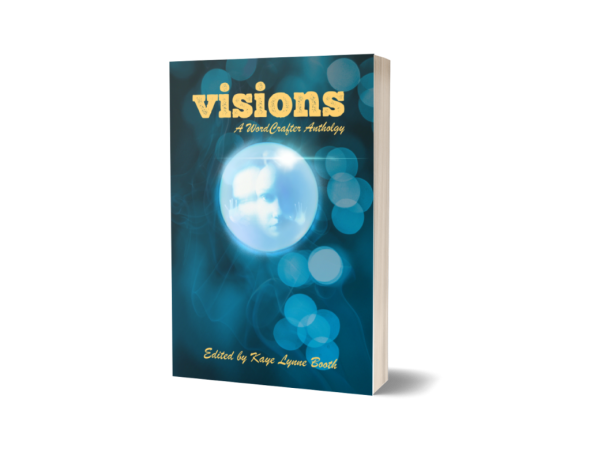
Welcome to the opening day of the WordCrafter Tales From the Hanging Tree Book Blog Tour. We have a great tour planned, with guest posts and readings from contributing authors, and a great giveaway where you could win a free digital copy of this dark fiction anthology.
Tour Schedule
Monday Sept. 9 – Writing to be Read – Reading Excerpt by Joseph Carrabis & Guest Sylva Fae
Friday Sept. 13 – Writing to be Read– Reading Excerpt by DL Mullan & Guest Matt Usher
The Giveaway
Follow the tour and leave a comment at each stop you visit to let us know you were there and earn an entry in the giveaway for a free digital copy of Tales From the Hanging Tree.
About Tales From the Hanging Tree
There exists a tree that is timeless, spanning across all dimensions, which absorbs every life as those who are hanged as they die… and it remembers every one. The stories within are a select few of the Tales From the Hanging Tree.
Tales from the Hanging Tree is a wonderfully dark, themed anthology which revolves around an ephemeral and timeless hanging tree that absorbs the memories of all hanging victims. This WordCrafter Press anthology was created by invitation only and includes stories from authors Kaye Lynne Booth, Paul Kane, DL Mullan, C.R. Johansson, Joseph Carrabis, Sylva Fae, and Matt Usher.
Reading from “Mercy”, by Joseph Carrabis
About Joseph Carrabis
Joseph Carrabis told stories to anyone who would listen starting in childhood, wrote his first stories in grade school, and started getting paid for his writing in 1978. He’s been everything from a long-haul trucker to a Chief Research Scientist and holds patents covering mathematics, anthropology, neuroscience, and linguistics. After patenting a technology which he created in his basement and creating an international company, he retired from corporate life and now he spends his time writing fiction based on his experiences. His work appears regularly in several anthologies and his own published novels. You can learn more about him at https://josephcarrabis.com.
Inspiration for “The Devil’s Mark” by Sylva Fae
I am an author from Lancashire, England, and my maiden name was Jan Southworth – both of these facts are quite relevant to finding inspiration for the story.
Salmesbury Hall, a beautiful stately home in Lancashire, in the north of England, was originally built for the Southworth family, (one of the oldest families in the country) who resided there between 1325 and 1678. The house has a chequered past, which includes religious persecution, betrayal, witchcraft and murder. From being a young child, I was fascinated to read the history of my ancestors, the lords and ladies, saints and witches, but in particular about the women accused of witchcraft.
Jane Southworth was one of three women tried for maleficium, causing harm by witchcraft, in the Lancashire Witch Trials of 1612. The family was split at the Reformation, with one half staying Roman Catholic and the other half, including Jane and her husband, converting to the Protestant Church. There were strong disagreements, and when Jane’s husband was disinherited, her father-in-law spread rumours of her being a witch. Later, Jane and two others, were accused of witchcraft by a child named Grace Sowerbutts. Grace gave evidence at trial of witnessing the women shapeshifting into dogs, meeting with demonic creatures in the woods at night and murdering and eating a child. The accused women beseeched Grace to tell of who had coached her, and when cross-examined, it came out that she had been told what to say by Sir Christopher Southworth, a Jesuit priest. Thankfully, the evidence was thrown out and the women were acquitted, but sadly this was not always the case.
The themes of innocent women being accused of witchcraft, merely because they were deemed different or troublesome, seemed the perfect basis for the Hanging Tree anthology story. My story is purely fictional, but uses research taken from real trials and the ridiculous reasons some of these women were accused of witchcraft. I also like to see justice served, but you’ll have to read the story to find out how this happens in The Devil’s Mark.
About Sylva Fae
Sylva Fae is a married mum of three from Lancashire, England. She grew up in a rambling old farmhouse with an artistic family and an adopted bunch of dysfunctional animals. Her earliest memories are of bedtime stories snuggled up close to Mum to see the pictures. It was a magical time, those last special moments before dozing off to sleep would feed dreams of faraway lands and mystical beings. She spent twenty plus years teaching literacy to adults with learning difficulties and disabilities and now lives in Cheshire, juggling being a mum, writing children’s stories and keeping up with the crazy antics of their naughty rabbits.
Sylva and her family own a small woodland and escape there at every possible opportunity. Adventures in their own enchanted woodland, hunting for fairies and stomping in puddles, originally inspired Sylva to write stories for her girls. Whether it’s sat at the campfire in her own woods, or pottering around the beautiful local countryside, Sylva now finds her story inspiration being out in nature.
Sylva published her first children’s book Rainbow Monsters, in 2017. She has since published seventeen other children’s picture books, three chapter books, five illustrated anthologies, and has several short stories published in other anthologies. Three of her books have won Best in Category for children’s books at the Chanticleer International Book Awards and she’s won ten Reader’s Choice Awards. In addition to writing her own, Sylva has ghost written several books, and is an editor and writer for Connections eMagazine.
That wraps up today’s stop on the WordCrafter Tales From the Hanging Tree Book Blog Tour. Follow the tour through links in the schedule above and leave a comment for a chance to win a free digital copy of the book. Tomorrow we’ll be over at Roberta Writes, where I will be Robbie Cheadle’s guest. So be sure to join us there, where I’ll share my inspiration for this dark anthology.
There exists a tree that is timeless, spanning across all dimensions, which absorbs every life as those who are hanged as they die… and it remembers every one. The stories within are a select few of the Tales From the Hanging Tree.
Stories by Kaye Lynne Booth, Paul Kane, DL Mullan, C.R. Johannson, Joseph Carrabis, Sylva Fae, and Matt Usher.
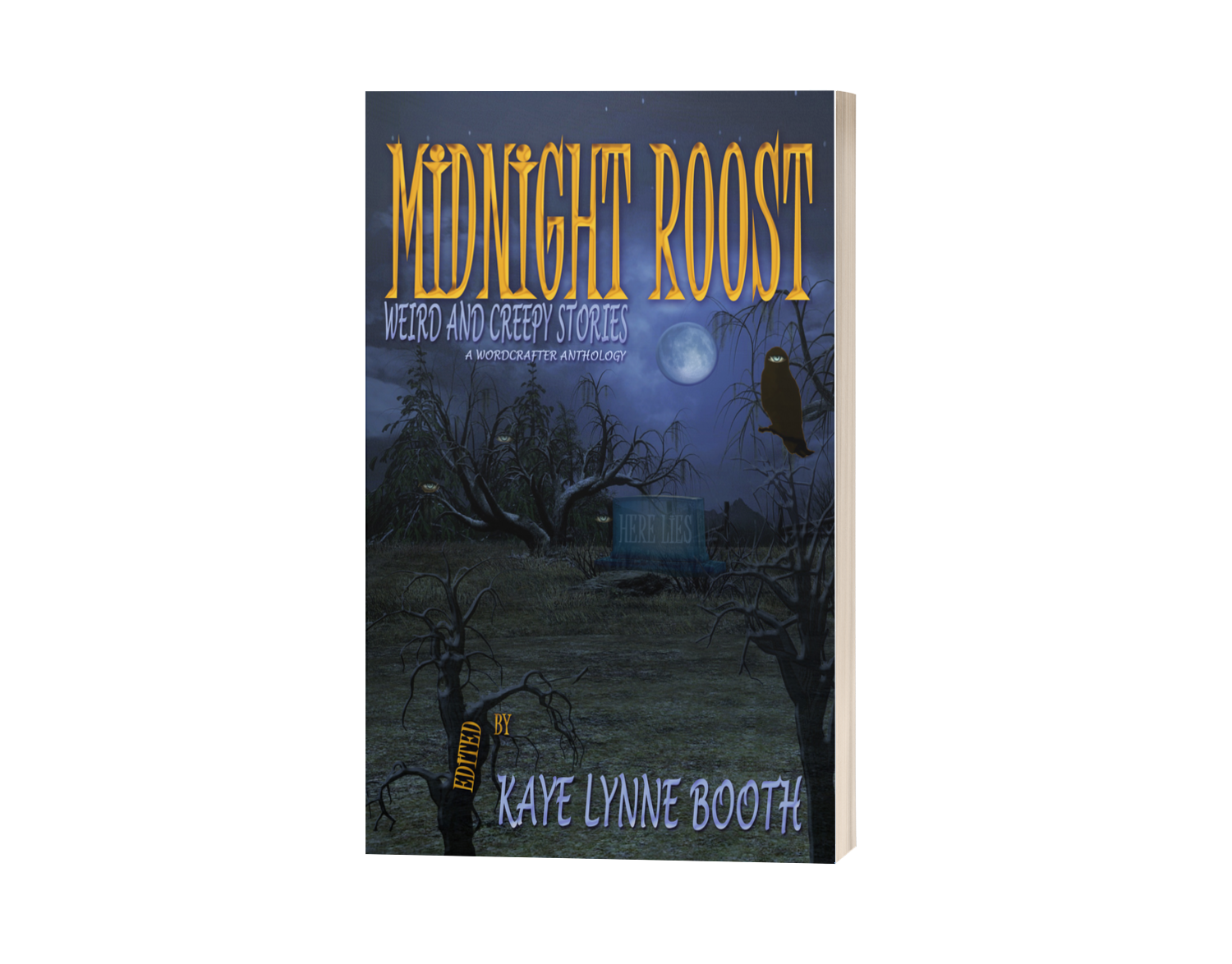
WordCrafter Press runs an annual short fiction contest and publishes a resulting anthology. It began back in 2019, with a short fiction contest which resulted in the Whispers of the Past paranormal anthology. That anthology ended up with nine stories, by seven different authors for a total of 107 pages. Last year’s (2023) dark fiction anthology, Midnight Roost: Weird and Creepy Stories, was a combination of contest entries and submissions by invitation, included twenty-three stories, by twenty different authors for a total of 403 pages. So, the annual anthology has grown in both scope and quality over the years.
To date, WordCrafter Press has a paranormal and a multi-genre (fantasy, science fiction, paranormal,and horror) anthology trilogy, (which is made up of both contest entries and submissions by invitation), and I’m currently building a dark fiction triology, as well.
This year’s dark fiction anthology, Midnight Gardens, will be spectacular as Book 2 of the WordCrafter Midnight Anthology Series, partnering up with last year’s Midnight Roost.
Midnight Roost: https://books2read.com/MidnightRoostMidnight Garden: Coming in October 2024Books 1 & 2 of the WordCrafter Midnight Dark Fiction Anthology Trilogy
Writing short fiction is different than writing novel length works in many ways. Although short stories still require most of the same story elements as longer tales do, writers of short fiction must deal with them in a condensed format. There is no room for wasted or unnecessary words.
Likenesses with Short and Long Fiction
Like longer fiction, many of the story elements are still required to make a good story. Both formats need:
A good hook to draw the reader into the story: For longer fiction, this can be accomplished in the first few paragraphs, or maybe even the first page, but for short fiction, it must be accomplished quickly, within the first paragraph, or even with the first sentence.
An inciting incident: The inciting incident occurs at the beginning of the story and usually involves the main character making a choice which propells him into the tale and gets things moving. This is usually what makes the reader care about the character and what will happen next, making them keep reading.
Well developed and interesting characters: With short fiction, this can be tricky because you don’t have a lot of time in which to build character. I make my short fiction characters dynamic and colorful to make them stand out from the page and bring them to life for my readers quickly. No matter the length of the work, the author should always know way more about the character than they will ever use in the story. A character which is alive in the author’s mind first and foremost, making it easier to bring them to life for the reader. (I discuss several methods of character development in my “Writer’s Corner” post from September 2023, “Developing Characters with Depth”.)
Meaningful dialog: In short fiction, every word must count, so there is no room for everyday chit-chat. Every piece of dialog must serve a purpose. It is possible to let the reader see every nuance of your characters through the dialog consisting of both outer and inner dialog, as well as subtext, or unspoken body language, which can be used to emphasize or contradict spoken dialog. (I talk more about the use of subtext in my April 2024 “Writer’s Corner” post, “Visceral Character Portrayal”.)
Descriptive details: Use one or more senses to describe the setting and set the scene for readers, allowing them to experience the setting or location through the character’s eyes, ears, nose, mouth and skin.
Conflict and tension: Conflict can be either internal or external, or ideally, both, but it must force the character to make a choice and take action. Tension is created by events which involve opposing forces within the character (internal), between the character and opposing characters or forces beyond the character’s control (external). Obstacles are often placed in the way of resolving the conflict, making it even harder and increasing the tension even more.
A satisfying resolution: All conflicts should be resolved at the end of the story in a manner that will satisfy readers and not leave them feeling cheated. This can happen in any number of ways, but the conflicts that we’ve spent the last few pages building up to must be resolved in a manner that is logical and believable for the reader. Things don’t have to be all fixed, but we at least need an inkling that things have changed and are now headed in the right direction.
Differences with Short and Long Fiction
The right point of view and tense for the story: Many longer tales are told in the third person, past tense, which serves them well. Because we want to move through a short story rather quickly, we may need the story to move along at a faster clip. Often, this can be accomplished in short fiction by using a first person, present tense, giving the tale an intensified sense of immediacy, making short fiction better suited to this approach than for longer fiction.
Quick build up to climax or turning point in the story: This is what the reader has been waiting for, the climatic moment that will change everything from this point out. It could be an epiphany where the character realizes what must be done, or maybe he knew it all along and this is the moment when he decides to do it, but it should bring about some sort of resolution. In short fiction, you don’t have the luxury of a slow build, making it necessary to ratchet up the tension quickly and get to this point directly.
Descriptive dialog tags: For longer fiction, I was taught to stick to basic dialog tags, such as “said”, “asked”, “replied”, and maybe, “cried”, and then, use descriptors to illustrate the mood and tone, and raise emotion in and connect with readers. However, I have found that more descriptive dialog tags such as “smirked”, or “bellowed” are quite acceptable and even preferable for setting the scene with a minimal amount of words. I’m also beginning to see the value in leaving out the dialog tags all together where it is clear who the speaker is, to help keep the word count down by cutting out unnecessary words.
My Tips for Writing Short Fiction
Begin close to the end. The beginning of the story illustrates what was and the ending illustrates how things have changed or at least, the direction in which they are now headed. A trick used in screenwriting is to mirror the ending at the beginning, and then go back in time to show how we got to that point. So the first and last scenes act like bookends to your story. By mirroring your first and last paragraphs, this technique can also work well with short fiction, where there is limited space in which to tell your tale.
Each character should get their own paragraph containing dialog and subtext to show how the dialog is being delivered and making it clear to readers who is saying and doing what. When you switch characters, you switch to a new paragraph, (but not to a new point of view).
Include enough setting description to let readers get a visual image in their minds, but only include those details that will add to the story or help progress the plot, moving the story forward.
Choose a single point of view and stick with it. In short fiction, there isn’t enough room to develop multiple characters, so put us into one character’s head and leave us there.
From an editor’s perspective, (one who reads through and edits a lot of short fiction), please format your manuscript in standard manuscript format, with title and author name centered at the top of page, in a legible 12 pt. font, double spaced. And most importantly, follow submission guidelines!
Advantages of Anthologies
So, why do I go to all the trouble of reading through all these submissions, compiling and editing, formatting and publishing all these anthologies?
I’ll tell you. It takes a lot less time to write a short story than it does a novel, so publishing two or more per year allows me to get my name out there on more books each year. And it’s mutually beneficial to all contributors, as they are able to claim the book for their own author pages, so they are getting more books out there, too. It’s a win-win.
Plus, if all the contributors help with promotion, broadcasting to their readers about the book, you get the results of a much wider reach with your marketing, which means we sell more books. WordCrafter antholgies pay out with a royalty split, so the more books we sell, the more we all make. Again, win-win.
If you’d like to get a story into a WordCrafter anthology, watch for the call for submissions for next year’s contest in October, after the release of Midnight Garden on October 8. I’m putting it out early this year, (I usually do it right at the beginning of each year), and may be changing the submission deadline, so even if you have submitted to past contests, be sure to keep an eye out for the call. I will also be announcing the title for next year’ s anthology and cover reveal. (For now, I can tell you that it will be the third volume in the Midnight Anthology Trilogy, so it will be more dark fiction).
About Kaye Lynne Booth
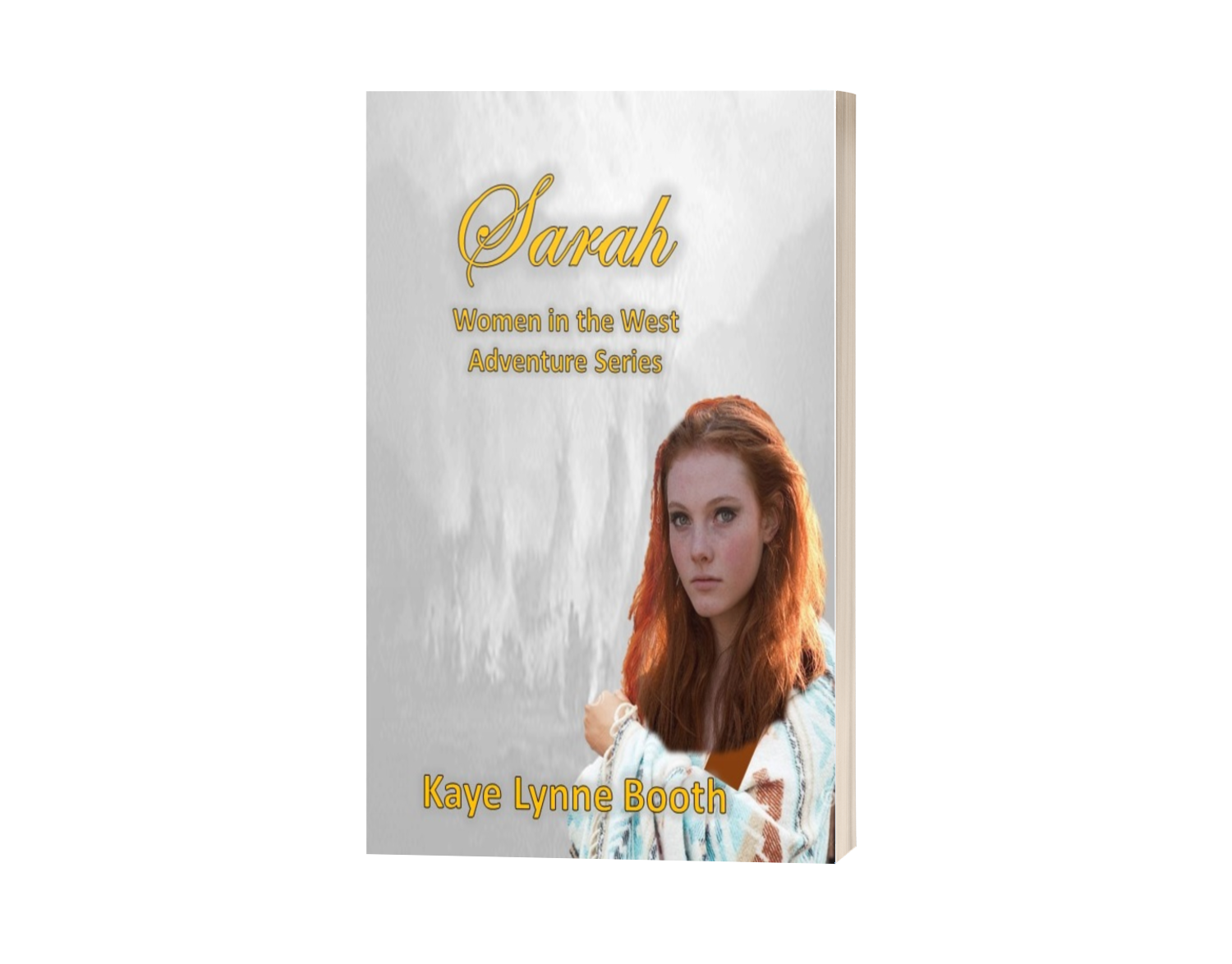
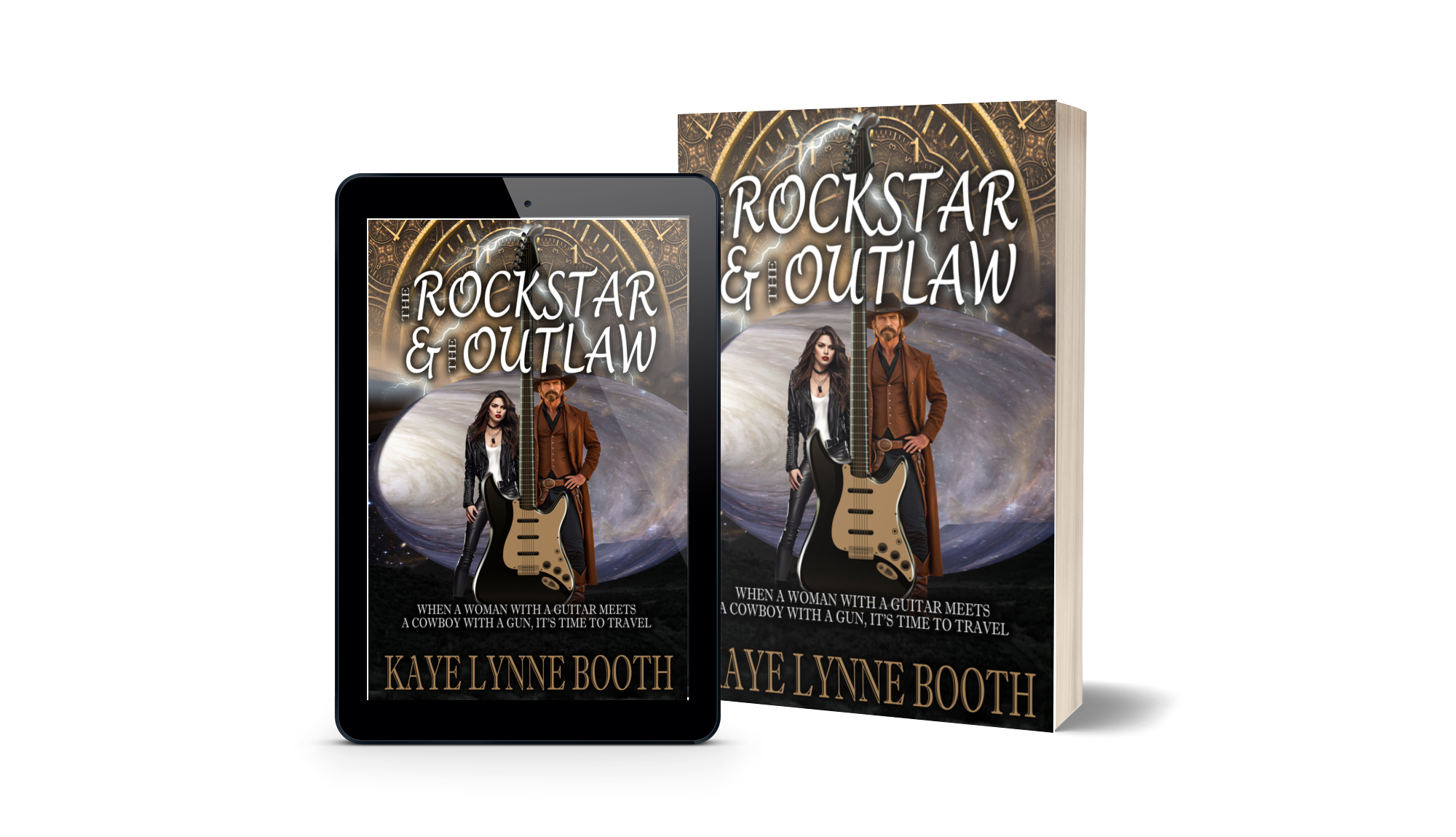
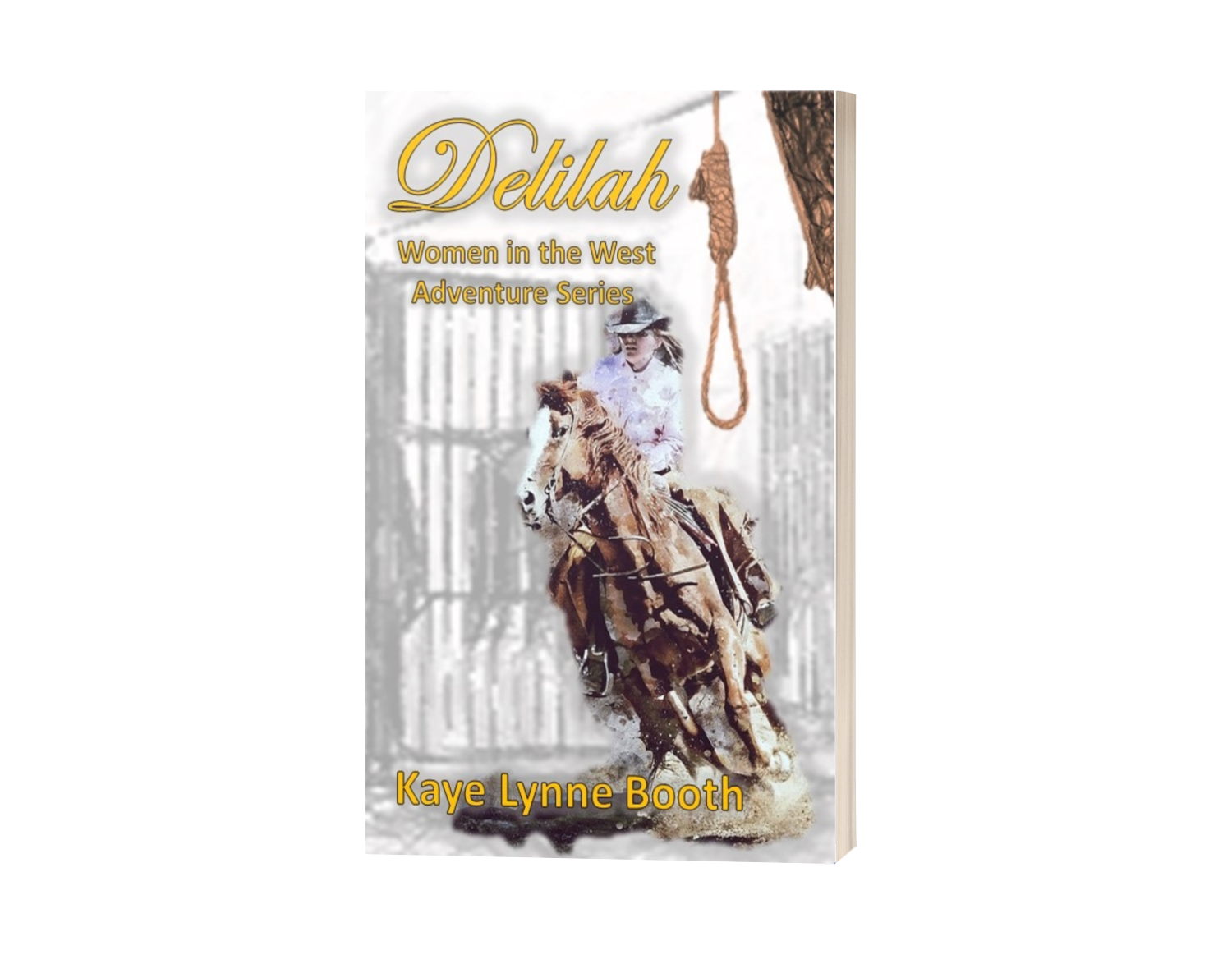
For Kaye Lynne Booth, writing is a passion. Kaye Lynne is an author with published short fiction and poetry, both online and in print, including her short story collection, Last Call and Other Short Fiction; and her paranormal mystery novella, Hidden Secrets; Books 1 & 2 of her Women in the West adventure series, Delilah and Sarah, and her Time-Travel Adventure novel, The Rock Star & The Outlaw. Kaye holds a dual M.F.A. degree in Creative Writing with emphasis in genre fiction and screenwriting, and an M.A. in publishing. Kaye Lynne is the founder of WordCrafter Quality Writing & Author Services and WordCrafter Press. She also maintains an authors’ blog and website, Writing to be Read, where she publishes content of interest in the literary world.
________________________________
Want to be sure not to miss any of Kaye’s “Writer’s Corner” segments? Subscribe to Writing to be Read for e-mail notifications whenever new content is posted or follow WtbR on WordPress. If you find it useful, interesting, or just entertaining, please share.
________________________________
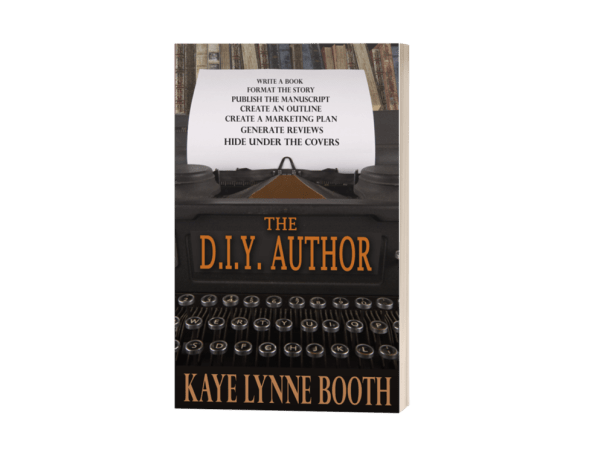
This post is sponsored by The D.I.Y. Author and WordCrafter Press.
Being an author today is more than just writing the book. Authors in this digital age have more opportunities than ever before. Whether you pursue independent or traditional publishing models, or a combination of the two, being an author involves not only writing, but often, the publishing and marketing of the book.
In this writer’s reference guide, multi-genre author and independent publisher, Kaye Lynne Booth shares her knowledge and experiences and the tools, books, references and sites to help you learn the business of being an author.
To be released September 10. Join us for the book blog tour September 9-13 and help us launch this anthology right.
Seven authors bring you eight deliciously dark tales. Featuring the short fiction of Kaye Lynne Booth, Paul Kane, DL Mullan, C.R. Johansson, Joseph Carrabis, Sylva Fae, and Matt Usher.
If trees could talk…
An ephemeral tree with its roots buried in the fabric of time absorbs the memories and emotions of all hanging victims. Within these bindings, you’ll find their tragically dark tales of be bigotry and bias, curses and deception.
I am pleased to announce that the 2024 WordCrafter Dark Fiction Anthology will be released in October under the title Midnight Garden: Where Dark Tales Grow, and bearing the fantastic cover above, designed by Sonoran Dawn Studios. Midnight Garden will be joined by last year’s anthology, Midnight Roost: Weird & Creepy Stories, and next year’s anthology, Midnight Oil: Stories to Fuel Your Nightmares, to make up the Midnight Anthology Series from WordCrafter Press.
Midnight Garden features 21 fabulously dark stories – the works of seventeen talented authors, including Paul Kane, El Rodman, DL Mullan, Joseph Carrabis, Robbie Cheadle, Denise Aparo, Jon Shannon, Paul Martz, Zack Elafy, Robb T. White, Abe Margel, Julie Jones, Molly Ertel, Peter McKay, Kaye Lynne Booth, Daneka Scrimshaw, and the winning story in the 2024 WordCrafter Short Fiction Contest, “The Seagull Man”, by M.J. Mallon
___________________________
This post is sponsored by Midnight Roost: Weird and Creepy Stories, book 1 in the Midnight Anthology Series from WordCrafter Press.
The anthologies on WordCrafter‘s Summer Reading List are still discounted with some great summer prices through August 31. Fill your summer reading list with outstanding short fiction anthologies from WordCrafter Press for under $5 each. Add these titles to your digital library.
“Alone we can do so little. Together we can do so much.” – Helen Keller
I love collaborations.
They offer me the opportunity to meet and work with many wonderful authors. Collaborations are mutually beneficial to all participants involved, and there are many types of collaborations to choose from.
Co-Authors
There are different ways to handle this type of collaboration.
Some co-authors handle different character’s POV, like Mark Leslie did with his co-author, Julie Strauss with his Canadian Werewolf series book, Lover’s Moon. Mark wrote the chapters that were in the POV of the protagonist, Michael Andrews, while Julie wrote the chapters which were in girlfriend, Gail’s POV. They also narrated the audiobook in the same matter, which worked quite well.
Other co-authors just alternate chapters, or even sections of the book, passing it back and forth, each author beginning writing where the other author left off. I’m sure they begin with some type of outline, so everyone has a general idea of where the story is going.
I’ve never co-written a book in this manner, but I think it would be fun to get several authors together and improvise a story without an outline, with unexpected twists and turns galore, so none of the authors know where the story is going ahead of time. My most recent collaboration of this nature was an author/illustrator collaboration, with my children’s book series, My Backyard Friends. In this type of collaboration, I wrote the stories and Robbie Cheadle did the illustrations. The ways that you can collaborate on a book are endless.
Anthologies
I publish one or more anthologies each year, and they really are a lot of fun, in spite of all the hard work that goes into them. Anthologies are great because they multiply the promotional power of each book and offer extra editing power. They also offer opportunities to work with several talented authors, who also happen to be some pretty cool people.
During the editing process, after I’ve gone over each story, the authors have revised them and they’ve been compiled and edited as a whole, I send the manuscript out to all the authors to get a second, and even a third set of eyes on every story. I have them go over their own story, as well as the story of one or two others, instead of tying up their time editing the whole thing, because we all know authors are busy people.
Anthologies multiply promotional power, too. Each contributing author brings their own fan base with them, increasing the number of potential readers for the work as a whole. How many more readers will see a book promoted by twenty different authors than one promoted by a single author? The reach of the book is increased expotentially.
Blogs and Other Publications
That’s right. I collaborate with my wonderful blog team members, because each one brings something different to the table to help Writing to be Read offer some really great content which I couldn’t produce on my own, making it something of interest which draws traffic and brings in readers. Each one of them brings their own following with them, and over time, some of their readers have become fans of my works as well. Without my team, there would be no “Mind Fields”, “Undawntech”, “Growing Bookworms”, “In Touch with Nature” or “Treasuring Poetry” series, which currently make up the blog’s content.
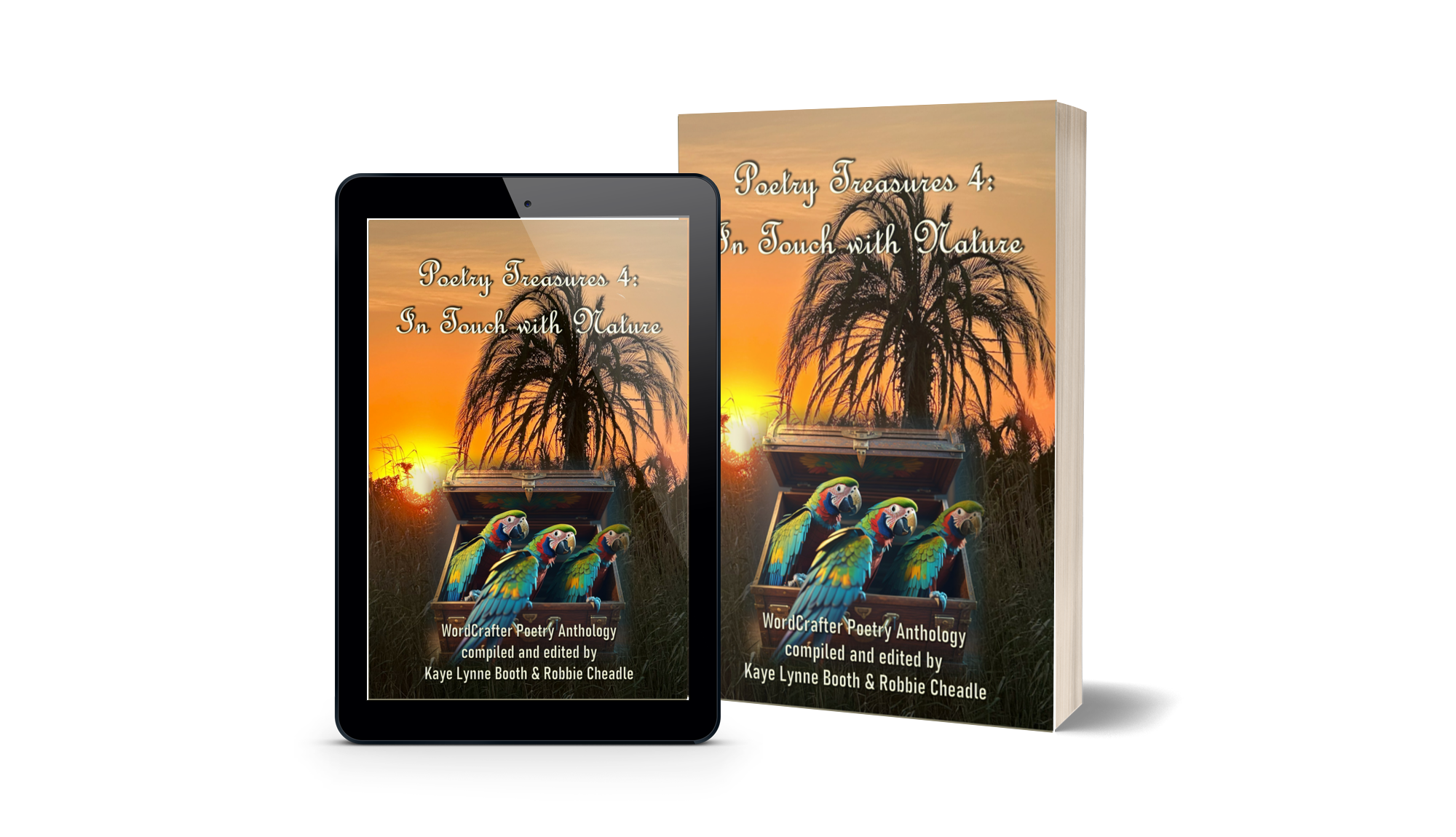
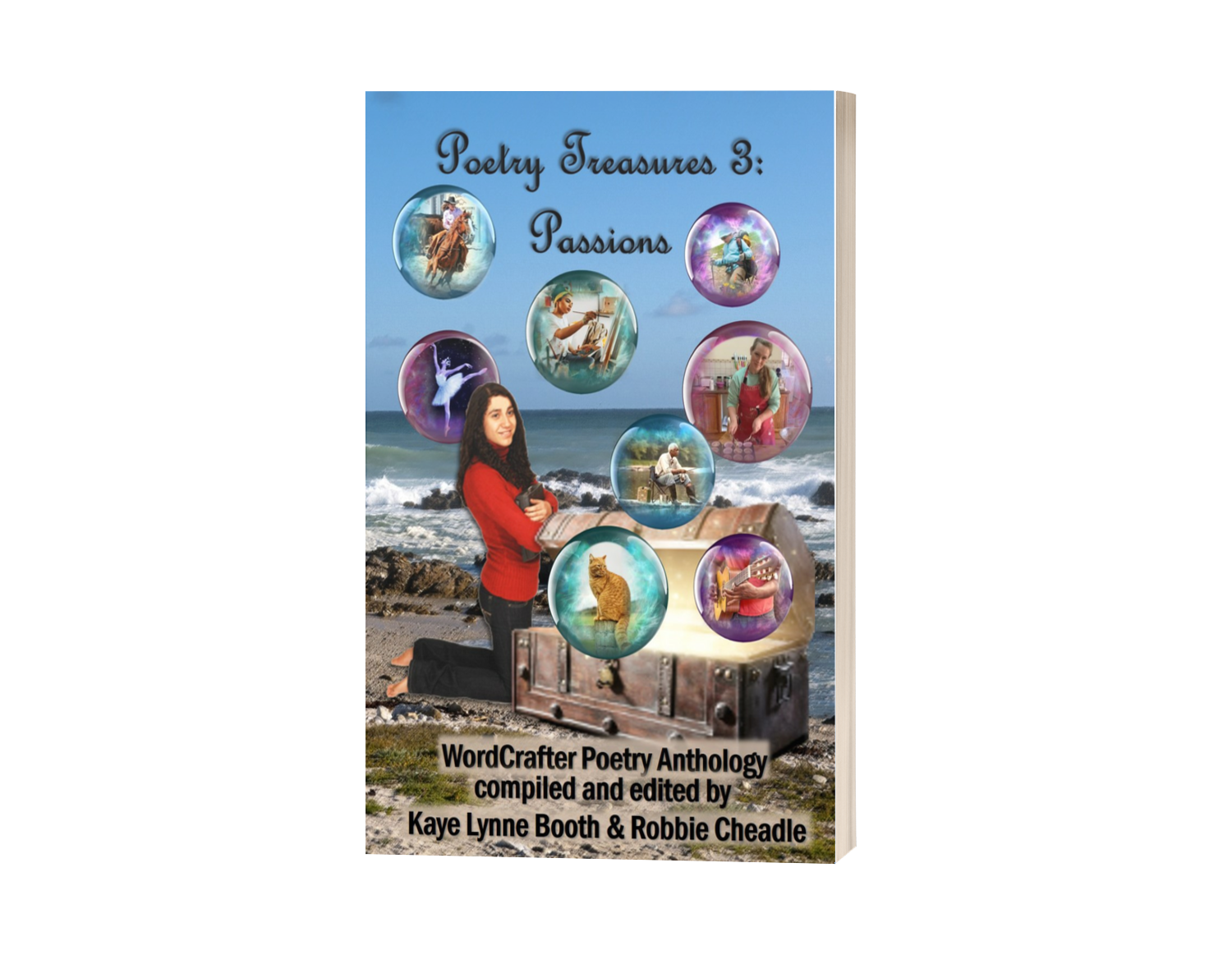
“Treasuring Poetry” offers antoher collaboration opportunity in the annual themed poetry anthology in the Poetry Treasures series, which Robbie and I co-edit, working with the poets who have been guests on the blog series from the previous year. 2025 will be our fifth year for the anthology. Through this endeavor, I’ve been privaleged to work with so many talented and creative poets.
Other Types of Collaboration
Online magazines, ezines and other publications, podcasts or online talk shows or other interviews, or even online courses are collaborative and mutually beneficial to all collaborators. I’m sure there are others, but these are the ones that come to my mind.
Some types of collaboration benefit many, such as participation in writing events, either online or in person. As a graduate student and intern, I participated in a large public book signing with multiple authors, and WordCrafter hosted and organized two online virtual writing conferences, in 2020 and 2021. It was a lot of work, but it was an opportunity to work with many talented writers when setting up workshops and panel discussions, as well as promotional efforts. It also offered attendees opportunities to learn and make connections.
I’m thinking about doing another conference in 2025, and would welcome feedback from anyone who would be interested, either in attending, (I promise, tickets would be affordable), or collaborating on the program end.
About Kaye Lynne Booth
For Kaye Lynne Booth, writing is a passion. Kaye Lynne is an author with published short fiction and poetry, both online and in print, including her short story collection, Last Call and Other Short Fiction; and her paranormal mystery novella, Hidden Secrets; Books 1 & 2 of her Women in the West adventure series, Delilah and Sarah, and her Time-Travel Adventure novel, The Rock Star & The Outlaw. Kaye holds a dual M.F.A. degree in Creative Writing with emphasis in genre fiction and screenwriting, and an M.A. in publishing. Kaye Lynne is the founder of WordCrafter Quality Writing & Author Services and WordCrafter Press. She also maintains an authors’ blog and website, Writing to be Read, where she publishes content of interest in the literary world.
____________________
This post is sponsored by The D.I.Y. Author and WordCrafter Press.
Being an author today is more than just writing the book. Authors in this digital age have more opportunities than ever before. Whether you pursue independent or traditional publishing models, or a combination of the two, being an author involves not only writing, but often, the publishing and marketing of the book.
In this writer’s reference guide, multi-genre author and independent publisher, Kaye Lynne Booth shares her knowledge and experiences and the tools, books, references and sites to help you learn the business of being an author.
This is the second month for this story challenge and the going is slow. We were all supposed to vote on last months submissions, but I only had one, so there is not much to vote on. I will publish the submission here, along with the beginning of my own. It’s not really voting, but I would like to hear your thoughts on the stories posted. Would you read more if were offered? What works for you? What doesn’t?
I’d also like to hear from you if you think this idea could be fun and would like to participate at some point in the future. I need to know if there is enough interest to continue this blog series.
This Month’s Prompt
A woman walks into a bar, that isn’t a bar, and it changes her life forever.
Remember, your story can be any genre, so you can get creative. Publish the results on your blog and send the link to me by the last day of the month. Be sure to label them with #WtbRStoryChallenge. Or, if you don’t have a blog, you can send the results directly to me at kayebooth@yahoo.com, and I will publish them or the links back to your blog the following month along with the writing prompt for the next month.
Stick to the rules and after 30 minutes of writing stop. I’ll be writing right along with you. I know the prompt ahead of time, but I won’t begin writing until it has posted. Be sure to have your entry to me by the last day of the month, so I can share them all for readers to vote on.
Another good thing about this not being a live event is you will have the opportunity to edit for grammar, spelling, and punctuation before submitting, and I do want it to be the best you’ve got, of course.
June Submissions
Prompt: Write a story based on a local or popular legend.
_________________________________
Thanks to Sylva Fae for submitting this month, so I have something to post besides my own story.
The Wizard of Alderley Edge
by Sylva Fae
“What’s up with you, Paul? You’ve been moping around since you got here, and you haven’t even drunk your tea.”
“I’m skint, Granddad. Molly’s nagging me to book a holiday, I’ve just bought a new car and I’ve still got my student loan to pay off.”
“Pah! You youngsters don’t know how privileged you are. I thought you were getting paid well at that fancy new job of yours – you can’t be skint.”
“How would you know, Granddad? You’ve always been rich…”
“Not always, Paul. When I was a young man, I struggled to even put food on the table.”
“Seriously? You live in the biggest house in Macclesfield? Come on, Granddad, what’s the family secret to getting obscenely rich?” Paul laughed; his grandparents were one of the richest families around, owning several businesses and properties.
“You wouldn’t believe me if I told you,” Granddad replied.
“Go on, try me. Seriously, I’ll take any advice you can give me.”
“It’s not that sort of story but if you want to know, it all started with a legend…”
“A legend? Seriously, Granddad?”
“Do you wanna hear this story, or what?” Granddad grumbled.
Paul nodded, and settled back to drink his tea.
“This is the legend of the sleeping king, and not just any old king, King Arthur, no less. Several places claim to be the final resting place of King Arthur and his loyal knights, but I know he lies somewhere beneath the rocks of Alderley Edge.” Granddad took a moment to sip his tea, then continued.
“A long time ago, a farmer set off along the Ridge Road, taking his white mare to market, in Macclesfield town. He frequently made the journey through the woods and knew every twisty path, rock face and shortcut. As he approached Thieves Hole, the mare stopped in the centre of the crossroads and refused to budge. The farmer, wary of local superstitions of this being the crossing into the Otherworld, urged his mare on, but was suddenly startled by an old man appearing between the trees. A long emerald cloak covered all but his wizened face and long grey beard, and he leaned heavily on a twisted staff, as he slowly made his way down the bank to the farmer.
“Where are you going with that mare?” the old man shouted after him. “I would like to buy it.”
The farmer looked at the old man and pondered, it would save him a walk if he sold the mare here, but he’d likely get a better price at the market. “Thank you, Sir, but I’ll try my luck in the market. I need to get the best price possible.”
“Heed my warning! Nobody in town will buy your mare. I will be waiting here for your return.” The old man slammed his staff down onto the rock, as if marking the spot they would meet.
The farmer finally reached the market, but wherever he went, although people admired the mare, nobody was interested in buying her. She was a fine mare too, worth far more than he was willing to take for her. Strangely, everyone he approached turned away, with the same disinterested dismissal when he tried to sell her. Perplexed, and with the old man’s warning still rumbling round his mind, he set off back across the Edge to home, leading the white mare.
_________________________________
This is my submission, and will also be my second story for the by invitation only anthology, Tales From the Hanging Tree, which will be released in September.
The Legend of Cottonwood Hallow
by Kaye Lynne Booth
[1865]
Running Fox is walking along the tree line near the riverbank, searching for the [plants] White Cloud needed to initiate him as a brave in the ceremony tonight. He hears yelling at the stage stop up ahead, but he pays it no mind. Today is an important day for him and he doesn’t have time to worry about what the white man’s troubles are. Little Dove will be there tonight, watching as he becomes a man. She is the prettiest girl he has ever known, and he plans to mate with her when he is old enough to take a squaw. He kneels down to pluck up some [plants] from the muddy bank of the river, but quickly looks up at the sound of horse’s hooves approaching fast.
“Ho, there!” a big burly man in a leather coat exclaims as he dismounts from his horse, pointing a rifle right at him. “You there, Indian! What are you doing?”
Running Fox looks up at him wide eyed. He does not speak the white man’s tongue and cannot understand his words, but he understands the rifle pointed his way. His heart beats like a war drum in his chest as three other men come riding up from behind the man with the rifle, and spread out, blocking his escape from all directions. “No, tsapea,” (Let go!) he cries as the big burly man steps forward, grabbing by the arm and jerking him to his feet.
“This the one, Charlie?” the white man asks.
A small, mousy man wearing a striped shirt and spectacles comes up behind him and squints, examining Running Fox’s features. “Well, I don’t know,” the little man says, speaking barely above a whisper. “It was an Indian, but they all sort of look alike.”
“Is this the one who robbed the stage stop, Charlie?” the big man says, shaking the arm of Running Fox to emphasize his words.
The young boy tries to pull away, repeating the words, “Tsapea!”. But the man tightens his grip, holding him hard enough to hurt.
A little man wearing a white apron and visor partially covering his balding head stutters, stumbling over his words. “Well now, uh, Zeek, I’m not sure. Th-the fella who did the robbing s-s-seemed older,” the little man says, wiping sweat from his brow. “I mean, uh, this f-f-feller seems a mite young to be r-robbing anybody. I mean… he’s just a k-kid, really.”
“One Injun’s as good as another, I say,” says a gray-haired man sporting a beard and mustache. He flashes a toothless smile and smacks his lips together as Running Fox continues to struggle, trying to pull away from the meaty grip of the big man. “Ain’t a damn one of ‘em worth a sow’s ear, if you ask me?”
“Nobody did, old man,” says the burly man, still holding the rifle in his other hand. “Was the fella did the robbin’ even an Injun, Charlie?”
“Well, now… It was d-dark, you know? I… uh… I didn’t get a very g-good look. C-c-could have been, b-but I a-ain’t too sure. S-s-seemed bigger, b-but I w-was s-scared. He had a g-g-gun on me and all. I… uh… I guess it c-c-could b-be hi—”
“Oh, fer Christ sakes, Charlie,” says another man, stepping out from the shadow of the big cottonwood tree before the man called Zeek can reply.
Running Fox can’t make out his features in the afternoon son, dappled by the shadow of the tree, but he can see the glint in his eye, and it wasn’t friendly.
The man holds a piece of rope in one hand, which he holds up in front of him as he says, “You better be sure. You wouldn’t want us to hang the wrong man, would you? You’re in charge of the stage stop. If this ain’t him, I guess you’re the one to take the responsibility. Ain’t that right, boys?”
The others mumble to the affirmative, some nodding their heads as Running Fox renewed his struggles against the grip of the gruff, burly man at the sight. “Tsapea!” he said, pulling his arm away with all his might. He doesn’t understand all the men say, but he understands the meaning of that rope. His heart races and a sweat breaks out on his forehead, running down his face. He doesn’t know the why of it, but he’s pretty sure that these men intend to hang him. “Tsapea! Tsapea!”
The burly man tightens his grip and jerks back on his arm. “Settle down now,” he says. “You think you can get away?” Then he turns his attention back to Charlie, but he doesn’t loosen his grip. “Well, Charlie? We need to know. This him, or not? I can’t hold onto this ‘un forever. He’s a wildcat.”
Charlie stares at Running Fox with frightened eyes. Then, he gives a nod of his head and casts his eyes to the ground. “Y-yes. I r-reckon th-that’s him,” he says softly.
“What’s that, Charlie?” says the man with the rope. “Speak up so we can hear.”
“Th-that’s him,” Charlie says, louder this time, but without looking up.
“All right then,” the dark man says, throwing a rope over the lowest branch of the big tree. “Let’s get this done. I haven’t had any lunch yet.”
The grey-haired old man leads a horse toward him, parting the circle of men. The noose slides down over his head. The burly man lets go of him momentarily, but places both hands around Running Fox’s waist and hoists him up into the saddle, as if he were a small child.
Everything is happening too fast. Running Fox doesn’t it even have time to protest. His heart races faster in his chest than it ever has before, faster even than when he’s run for long distances. His breathing quickens as the panic rises within him. They are going to hang him, and he doesn’t even know why. Little Dove will not see him become a brave, because he will never be one. Tears squeeze from the corner of his eyes at this thought, even though he tries to fight them back. He will never see his mother again, will never make his father proud. It isn’t fair. eHis life I just beginning. Running Fox is determined to never leave this spot until he has revenge. Nothing good will ever come from this place. Just before they slap the horse’s rump, sending it charging out from under him, he issues a vow that binds his soul to the cottonwood with his last breath. “Nitea ianna.” (Curse this place).