Anthology Release, Winner Announcement and Pre-Call for Short Fiction Submissions
Posted: September 27, 2021 Filed under: Anthology, Book Promotion, Books, Fiction, Ghost Stories, Paranormal, Speculative Fiction, Writing Contest | Tags: Anthology, Christa Planko, Enid Holden, Fantasy, Ghost Stories, horror, Kaye Lynne Booth, Roberta Eaton Cheadle, S.L. Kretschmer, Science Fiction, Stevie Turner, Visions, Where Spirits Linger, WordCrafter Press, Writing Contest 5 Comments
Last week saw the release of the 2021 WordCrafter paranormal anthology, Where Spirits Linger. I was pleased with he stories that are featured in this anthology. I had worked with three of the contributing authors in past anthologies, but two were new to me, including the winner of the 2021 Short Fiction Contest, Christa Planko, who sent in a wonderfully eerie piece of flash fiction, “Olde-Tyme Village”, which gives me goosebumps.
For the release, we ran a book blog tour and giveaway, which I feel was a success, resulting in a few more book sales. The winner of the WordCrafter “Where Spirits Linger” Book Blog Tour giveaway was Cindy Georgakas, who commented on Miriam Hurdle’s blog stop The Many Showers of Blessings. Cindy, if you will contact me at KLBWordCrafter@gmail.com to let me know your format preference, (epub, mobi, or pdf), I’ll be pleased to send you your free digital copy of Where Spirits Linger. Congratulations!
If you didn’t win this time, I hope you’ll drop in on our next WordCrafter Book Blog Tour. For now, you can purchase your copy of this original anthology here:
https://www.amazon.com/Where-Spirits-Linger-Lynne-Booth-ebook/dp/B09GNZJVJ5
I want your Visions
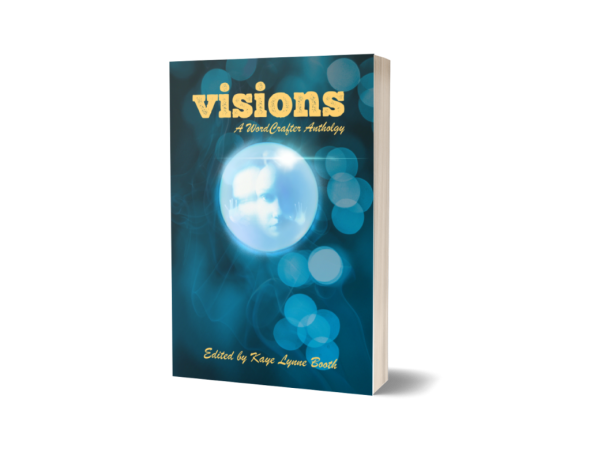
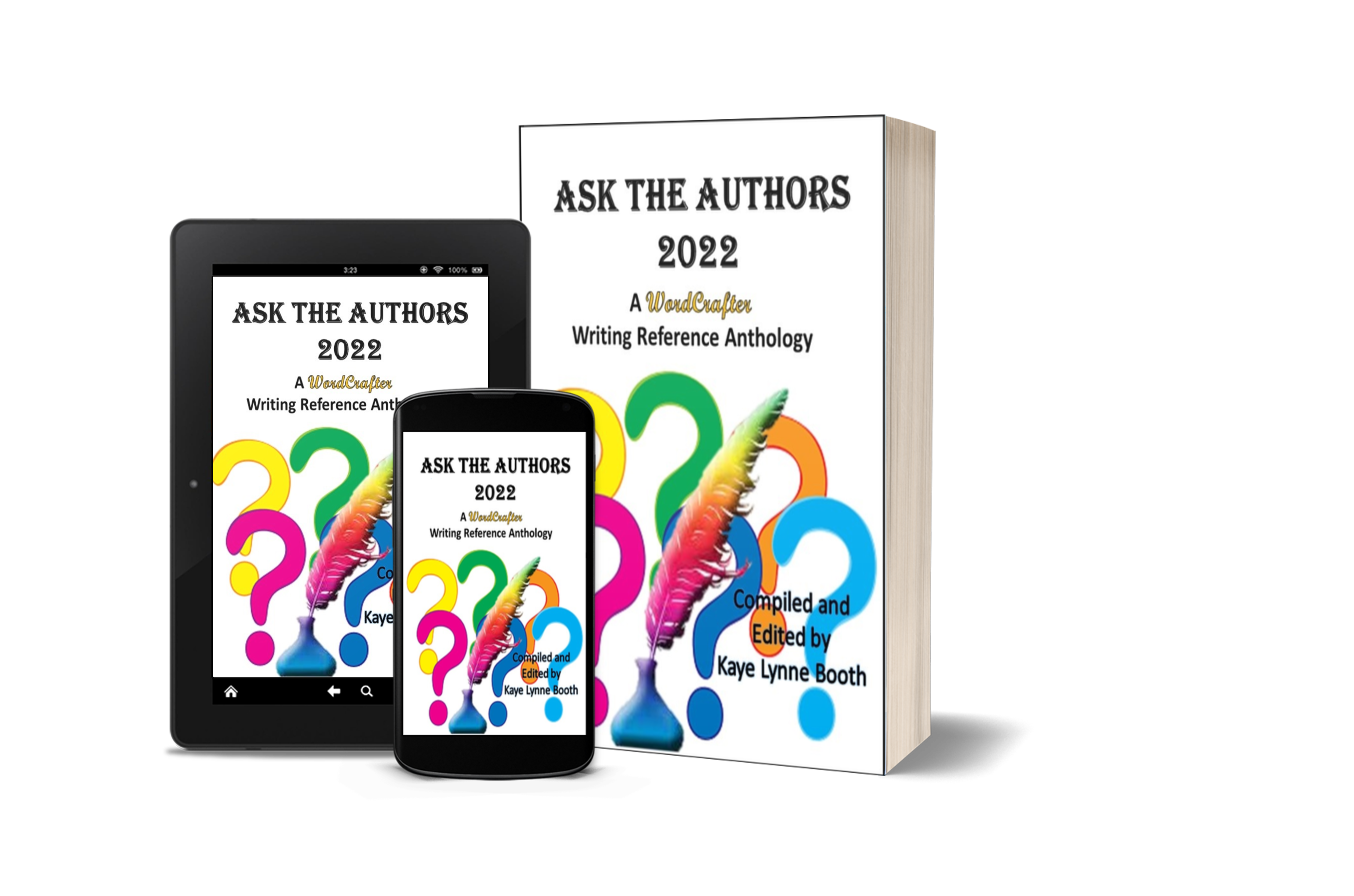
Now that Where Spirits Linger has been released, it’s time to gear up for next year’s contest. There were only six contributing authors in this year’s anthology, but next year I’m hoping to be able to include more, so I am planning to broaden the scope of the theme for 2022. In the past, WordCrafter anthologies have had paranormal themes because I’m a sucker for a good ghost story, but for 2022, I plan to broaden that out to include the fantasy, science fiction and horror genres. For Visions, your story can still have a ghost if you like, but it won’t be required. I’m announcing this ahead of time because I want you to have time to limber up your fingers and your minds, and send me your very best stories. What I’m looking for in the 2022 WordCrafter anthology are thought provoking stories that will stay with readers long after they close the book.
WordCrafter will be open for submissions beginning on January 1 through the submission deadline of May 31, 2022. The winner will receive a $25.00 Amazon gift card and their story will be featured in Visions. All finalists will also receive an invitation to be included in the anthology, which offers a small royalty share for your story contribution. My submission guidelines are pretty simple, but they are different from last year, so be sure to read and follow them carefully. Submit your story with a cover letter to KLBWordCrafter@gmail.com with “Submission: [Your Title] in the subject line and pay the $5 entry fee in the PayPal box on the submissions page, which will go up January 1st, 2022, when submissions open.

Visions: Submission Guidelines
Submission Dates: January 1st, 2022 to May 31st, 2022
Genres: Paranormal, Fantasy, Science Fiction, Horror
Word Count: up to 10,000 words
Rights: First Anthology Rights and audio rights as part of the anthology; rights revert to author one month after publication; publisher retains non-exclusive right to include in the anthology as a whole.
Multiple Submissions: Yes
Simultaneous Submissions: No
Submit: MS Word doc or RTF file
If you don’t know what standard manuscript format is, review, for example, https://www.shunn.net/format/classic/
__________________________________________________________________________________________
Like this post? Let me know in the comments. You can be sure not to miss any of Writing to be Read’s great content by subscribing to e-mail or following on WordPress. If you found this content helpful or entertaining, please share.
Share this:

Day 6 of the WordCrafter “Where Spirits Linger” Book Blog Tour
Posted: September 25, 2021 Filed under: Blog Tour, Book Promotion, Books, Ghost Stories, Giveaways, Paranormal, Stories, WordCrafter Book Blog Tours, WordCrafter Press | Tags: Christa Planko, Enid Holden, Ghost Stories, Kaye Lynne Booth, Paranormal, Roberta Eaton Cheadle, S.L. Kretschmer, Short Fiction, Short Stories, Stevie Turner, Where Spirits Linger, WordCrafter Book Blog Tours, WordCrafter Press 2 Comments
To wrap-up the WordCrafter Where Spirits Linger Book Blog Tour, we have a guest post by contributing author, S.L. Kretschmer about the inspiration behind her story, “The Final Portrait”. I hope you all have enjoyed following this tour with us. Don’t forget to leave a comment. Every comment at each stop earns an entry into a random drawing for a free digital copy of Where Spirits Linger.
Guest post by S.L. Kretschmer, author of The Final Portrait
The Final Portrait evolved from prompts I received in round 1 of the 2020 NYC Midnight Short Story Competition – Ghost story, a monument, deodorant. My mind immediately flew to the Western Front of World War I and the Thiepval Memorial to the Missing of the Somme in Northern France. I was fortunate to have visited the memorial in 2011, boarding a bus in the French town of Lille, and travelling south towards the battlefields. Little could prepare me for the emotion I felt on the trip. The scars across the landscape, now lush and green, could be easily identified, and it was not difficult to imagine the horrific scenes of trench warfare.

I began to research World War I paintings and came across a particularly moving one by the Irish artist William Orpen. Orpen was an official World War I Artist, and his depiction of a soldier, bloodied and lying in an alien landscape, devoid of nature and pitted with craters and pools of fetid water, was confronting. Orpen struggled with the brutality and grisly sights he documented for those back home and claimed to have been struck by a phantom force while painting in an abandoned field.

These nuggets of information were gelling into a thought. What would those painted in death have thought of the depiction? Of family and friends who might recognize their loved one? Of who they were, compared to how they are remembered in this final rendering? The Final Portrait.


S. L. Kretschmer is a born and bred South Australian, recently embracing both a tree change and becoming an empty nester in the beautiful wine region of the Barossa Valley. She has a BA in Creative Writing, and Graduate Certificate in Museum Studies. Her stories have been featured in the anthologies A Flash of Brilliance and Tales from the Upper Room, and have also been published by Haunted Waters Press, Two Sisters Publishing, 101 Words, Beyond Words Literary Magazine, Bluing the Blade and inScribe Literary Journal.
___________________________________________________________________________________________________
Buy Link: https://www.amazon.com/Where-Spirits-Linger-Lynne-Booth-ebook/dp/B09GNZJVJ5
_________________________________________________________________________________________________
Thanks for joining us today! And if you missed any of the blog stops along the way, you can find them at the links below. Drop by and catch the ones you missed, and leave a comment to let us know you were there and get a chance for the free didgital copy of Where Spirits Linger.
Sept. 20 – Intro./Enid’s promo – Writing to be Read/Review – Undawnted
Sept. 21 – Guest Post – Roberta Eaton Cheadle/Review – The Showers of Blessings
Sept. 22 – Guest Post – Kaye Lynne Booth – Patty’s World
Sept. 23 – Interview with Christa – Roberta Writes
Sept. 24 – Guest Post – Stevie Turner/ Review – Zigler’s News
https://ziglernews.blogspot.com/2021/09/where-spirits-linger-wordcrafter-book.html
________________________________________________________________________________________________
Book your WordCrafter Book Blog Tour today!
Share this:

Day 5 of the WordCrafter “Where Spirits Linger” Book Blog Tour
Posted: September 24, 2021 Filed under: book marketing, Book Promotion, Book Review, Books, Giveaways, Guest Post, Paranormal, WordCrafter Book Blog Tours | Tags: Book Review, Christa Planko, Enid Holden, Kaye Lynne Booth, Paranormal, Roberta Eaton Cheadle, S.L. Kretschmer, Short Fiction, Short Stories, Stevie Turner, Where Spirits Linger, WordCrafter Book Blog Tours Leave a comment
For Day 5 of the WordCrafter Where Spirits Linger Book Blog Tour brings us a guest post by contributing author, Stevie Turner about her story, “David’s Revenge”, on Zigler’s News and a review by Victoria Zigler. Please join us to learn more about this author and her story. Leave a comment and earn a chance to win a free digital copy of Where Spirits Linger.
https://ziglernews.blogspot.com/2021/09/where-spirits-linger-wordcrafter-book.html
_____________________________________________________________________________________________
Book your WordCrafter Book Blog Tour today!
Share this:

Welcome to the WordCrafter “Where Spirits Linger” Book Blog Tour
Posted: September 20, 2021 Filed under: Blog Tour, Book Promotion, Books, Ghost Stories, Paranormal, Stories, WordCrafter Book Blog Tours, WordCrafter Press | Tags: Christa Planko, Enid Holden, Ghost Stories, Kaye Lynne Booth, Paranormal, Roberta Eaton Cheadle, S.L. Kretschmer, Short Fiction, Short Stories, Stevie Turner, Where Spirits Linger, WordCrafter Book Blog Tours 20 CommentsExciting news! The 2021 WordCrafter Paranormal Anthology, Where Spirits Linger, was released today! And we’re launching a six-day blog tour to send this delightfully eerie anthology off to a great start. Each blog tour stop will feature a guest post by one of the authors about their story, and there will also be an interview of Christa Planko, author of the winning story in the 2021 WordCrafter Short Fiction Contest, “Olde-Tyme Village”. So, I hope you will stay with us and follow the tour this week to learn more about this wonderful anthology and its featured stories. Many thanks to the wonderful bloggers who have graciously agreed to host for this tour.
This is Day 1 of the WordCrafter Where Spirits Linger Book Blog Tour, so let me tell you just a little about the stories featured in this anthology and their authors. Since I published this wonderful anthology, I can’t really offer a review, but you can find a review by D.L. Mullen on her blog, Undawnted, here: http://www.undawnted.com/2021/09/wordcrafter-blog-tour-where-spirits.html
The winning story in the 2021 WordCrafter Paranormal Short Fiction Contest was Christa Planko with her story of ghostly encounters, “Olde-Tyme Village”. Robbie Cheadle will be interviewing Christa about her winning story on Thursday on her blog, Roberta Writes.

In Roberta Eaton Cheadle’s story, “Listen to Instructions”, a greedy man misses the message a ghost is trying to convey. You can find out more about this story in Roberta’s guest post tomorrow on, The Showers of Blessings, along with a review by Miriam Hurdle.
In my story, “The People Upstairs”, when a young girl inherits her housekeeper and long time friend’s house, she finds out that her friend may not have been crazy after all, when strange things start happening to her. You will find my guest post about the inspiration behind this story on Patty Fletcher’s Patty’s World on Wednesday.
Stevie Turner’s spirit gets his takes out his revenge from the ethereal regions in “David’s Revenge”. Her guest post will be featured on Friday on Zigler’s News along with a review by Victoria Zigler.
And on Saturday, we will finish off the tour right here, on Writing to be Read with a guest post by S.L. Kretschmer about her story, “The Final Portrait”, in which her character releases a spirit with a phantom image.
Unfortunately, Enid Holden was not able to participate in the tour and tell you about her story, “The Chosen Few”. But, I can tell you that it is a delightful paranormal charactered by some very colorful spirits whose co-existance with their home’s living inhabitants will surprise and delight you. This light and humorous story is sure to evoke a chuckle or two. I will include the excerpt from her story here.

I’m pleased with the selection of stories we eneded up with in Where Spirits Linger. We have some great contributing authors and some wonderful short stories. I hope you will stay with us and follow the tour to each blog stop to learn more about the stories within to picque your interest. Of course, I hope you buy the book, but each comment you make along the way earns an entry into a random drawing for a free digital copy of Where Spirits Linger, so you could be our next lucky winner!
You can purchase your copy of Where Spirits Linger here:
Print: https://www.amazon.com/Where-Spirits-Linger-Lynne-Booth/dp/B09DFDDB1Q
Ebook: https://www.amazon.com/dp/B09GNZJVJ5
____________________________________________________________________________________________________________
Book your WordCrafter Book Blog Tour today!
Share this:

Dark Origins – Peter Pan, Lost Boys who are murdered and mermaids who are Sirens.
Posted: August 25, 2021 Filed under: Classics, Dark Fantasy, Dark Origins, Pirate Fantasy, Stories, Writing | Tags: Dark Origins, Folklore, Peter Pan, Roberta Eaton Cheadle, Writing to be Read 42 Comments
Most of us know the Disney version of Peter Pan featuring Captain Hook, Mr Smee, Wendy, John, Michael, and the Lost Boys. Oh, and Tinkerbell, of course.
I am not sure how many people have read the original play called Peter Pan or the boy who wouldn’t grow up, written by J.M. Barrie in 1904, but it is a far cry from the innocent tale presented by Walt Disney.
We know from the Disney film that Peter Pan doesn’t want to grow up, but no mention is made of the extreme lengths Peter Pan is prepared to go to fight it.
Consider this extract: “The boys on the island vary, of course, in numbers, according as they get killed and so on; and when they seem to be growing up, which is against the rules, Peter thins them out; but at this time there were six of them, counting the twins as two.“
To put it bluntly, Peter Pan kills the lost boys to keep them from aging. While the film presents the view that Peter Pan is seeking eternal youth, he is, in fact, obsessed with death. This characteristic is believed to come from J.M. Barrie’s own childhood experience of losing his brother, David.
According to an article in The Herald, six-year old Jamie Barrie was hugely impacted by the death of his older brother, David, at the age of fourteen. David was said to have died the day before his birthday when he was accidently knocked over by a friend while skating, and fractured his skull on the ice. The article speculates that the ‘friend’ was in fact, young Jamie and that he was rejected by his mother as a result of the accident. You can read more about it here: https://www.heraldscotland.com/default_content/12469608.tragedy-behind-neverland-jm-barrie-cause-brothers-death/
And then there are the mermaids…
In the original Peter Pan story, the mermaids who inhabit Neverland all live in the lagoon. They enjoy the company of Peter Pan but are malevolent to everyone else. The are extraordinarily beautiful and have amazing singing voices, but they are vain and unfriendly.
The mermaids spend their days playing in the rock pools and ocean around Marooners’ Rock and they retire to their coral cave homes beneath the waves at night and during high tide.
The mermaids change when the moon is out and transform into darker creatures. They utter and wail strange calls in the moonlight. Captain Hook is terrified of the mermaids, calling them the ‘loreleis’ and saying that the lagoon is the most treacherous place in Neverland. A lorelei is a siren of Germanic legend whose singing lures Rhine River boatmen to destruction on a reef.

If you are interested in the true story behind Peter Pan and the life of J.M. Barrie, you can read more here: https://www.refinery29.com/en-us/2014/12/78880/peter-pan-jm-barrie-true-story
About Roberta Eaton Cheadle

Roberta Eaton Cheadle is a South African writer and poet specialising in historical, paranormal, and horror novels and short stories. She is an avid reader in these genres and her writing has been influenced by famous authors including Bram Stoker, Edgar Allan Poe, Amor Towles, Stephen Crane, Enrich Maria Remarque, George Orwell, Stephen King, and Colleen McCullough.
Roberta has short stories and poems in several anthologies and has 2 published novels, Through the Nethergate, a historical supernatural fantasy, and A Ghost and His Gold, a historical paranormal novel set in South Africa.
Roberta has 9 children’s books published under the name Robbie Cheadle.
Roberta was educated at the University of South Africa where she achieved a Bachelor of Accounting Science in 1996 and a Honours Bachelor of Accounting Science in 1997. She was admitted as a member of The South African Institute of Chartered Accountants in 2000.
Roberta has worked in corporate finance from 2001 until the present date and has written 7 publications relating to investing in Africa. She has won several awards over her 20-year career in the category of Transactional Support Services.
Find Roberta Eaton Cheadle
Blog: https://wordpress.com/view/robertawrites235681907.wordpress.com
Twitter: https://twitter.com/RobertaEaton17
Facebook: https://www.facebook.com/robertawrites
Amazon: https://www.amazon.com/Roberta-Eaton-Cheadle/e/B08RSNJQZ5
_____________________________________________________________________________________________
Want to be sure not to miss any of Robbie’s “Dark Origins” segments? Subscribe to Writing to be Read for e-mail notifications whenever new content is posted or follow WtbR on WordPress. If you found it interesting or entertaining, please share.
Share this:

Dark Origins – Bluebeard
Posted: July 28, 2021 Filed under: Dark Origins, Fairy Tales | Tags: Bluebeard, Dark Origins, Roberta Eaton Cheadle, Writing to be Read 48 CommentsThe fairytale of Bluebeard was the most scary one I can recall hearing or reading as a child. This story is featured in Grimm’s Fairy Tale Classics.
It this version of the story, Bluebeard’s bride is a teenage peasant girl named Josephine. She has been raised by her brothers who are woodworkers. In this version, Bluebeard, a wealthy widower with a blue beard, choses Josephine as his wife because she is beautiful, naïve and desires to marry a prince. The character design for Bluebeard strongly resembles that of the English King, Henry VIII, who had six wives, two of whom he beheaded. After the wedding, Bluebeard gives Josephine a key ring with all the keys to all the doors of his castle. He tells her that she must never use the golden key to open one of the doors.
Of course, Josephine’s curiosity gets the better of her and one day when Bluebeard leaves the castle on business, she opens the forbidden door. Behind the door she discovers the blood splattered remains of the former wives of Bluebeard, all of whom he’s murdered. Josephine is saved by her brothers before she can suffer the same fate as Bluebeards previous wives.

There are two possible sources for the story of Bluebeard.
The first theory is that the story of Bluebeard was based on the life of 15th-century convicted Breton serial killer, Gilles de Rais.
Gilles de Rais was a knight and lord from Brittany, Anjou and Poitou. From 1427 to 1435, he was a commander of the French army and fought alongside Joan of Arc against the English and their Burgundian allies during the Hundred Years’ War.
In 1434 or 1435, Gilles retired from military life and became a spendthrift, staging extravagant theatrical productions of his own composition. In June 1435 his family persuaded King Charles VII to proclaim a royal edit preventing him from selling his property and from entering into contracts with any French subject.
In 1438, Gilles became involved in alchemy and demon summoning.
According to his confession at his trial in October 1440, de Rais said he committed his first child assaults in 1432 and 1433. The first murders occurred at de Rais’ castle in Champtocé-sur-Loire. Murders of an unknown number of children took place after de Rais moved to Machecoul. de Rais was believed to have sexually assaulted the children before killing them. The bodies were burned in the fireplace in de Rais’ room. The number of de Rais’ victims is believed to be between 100 and 200 children aged between 6 to 18 years old and predominately male.
He was executed by hanging and burning on Wednesday, 26 October 1440 along with his two accomplices, Poitou and Henriet.

Another possible source for the story of Bluebeard is early Breton king, Conomor the Accursed, who was notorious for his cruelty. According to the biography of St Gildas, a 6th century British monk, Tréphine married Conomor after he threatened to invade her father’s lands and kill his people.
While Conomor was away, Tréphine found a secret room containing relics of his deceased wives. She prayed for their souls and their ghosts appeared and warned her that Conomor will kill her if she becomes pregnant due to a prophecy that states he will be killed by his own son.
According to legend, Tréphine fled when she discovered she was pregnant and gave birth to her son, Trémeur, in the forest. She hides her son but Conomor finds her and beheads her. St Gildas restores her to life and she and her son live lives of saintly retirement until Tréphine dies. After her death, Conomor finds Trémeur and kills him.
Both Tréphine and Trémeur are deemed saints in Brittany and there are many churches dedicated to them.

Based on these two stories, I was quite right to be scared of Bluebeard when I was a child.
About Roberta Eaton Cheadle
Roberta Eaton Cheadle is a South African writer and poet specialising in historical, paranormal, and horror novels and short stories. She is an avid reader in these genres and her writing has been influenced by famous authors including Bram Stoker, Edgar Allan Poe, Amor Towles, Stephen Crane, Enrich Maria Remarque, George Orwell, Stephen King, and Colleen McCullough.
Roberta has short stories and poems in several anthologies and has 2 published novels, Through the Nethergate, a historical supernatural fantasy, and A Ghost and His Gold, a historical paranormal novel set in South Africa.
Roberta has 9 children’s books published under the name Robbie Cheadle.
Roberta was educated at the University of South Africa where she achieved a Bachelor of Accounting Science in 1996 and a Honours Bachelor of Accounting Science in 1997. She was admitted as a member of The South African Institute of Chartered Accountants in 2000.
Roberta has worked in corporate finance from 2001 until the present date and has written 7 publications relating to investing in Africa. She has won several awards over her 20-year career in the category of Transactional Support Services.
Find Roberta Eaton Cheadle
Blog: https://wordpress.com/view/robertawrites235681907.wordpress.com
Twitter: https://twitter.com/RobertaEaton17
Facebook: https://www.facebook.com/robertawrites
Amazon: https://www.amazon.com/Roberta-Eaton-Cheadle/e/B08RSNJQZ5
_____________________________________________________________________________________________
Want to be sure not to miss any of Robbie’s “Dark Origins” segments? Subscribe to Writing to be Read for e-mail notifications whenever new content is posted or follow WtbR on WordPress. If you found it interesting or entertaining, please share.
Share this:

Dark Origins – Here We Go Round the Mulberry Bush
Posted: June 30, 2021 Filed under: Dark Origins, Nursery Rhymes, Nursery Rhymes | Tags: Dark Origins, Here We Go Round the Mulberry Bush, Nursery Rhymes, Roberta Eaton Cheadle, Writing to be Read 79 Comments
Do you know the nursery rhyme Here We Go Round the Mulberry Bush?
I remember it from when I was a girl. The girls used to hold hands and dance in a circle singing the lyrics and doing the actions.
These are the first two stanzas of the most modern version:
Here we go round the mulberry bush,
The mulberry bush,
The mulberry bush.
Here we go round the mulberry bush
On a cold and frosty morning.
This is the way we wash our face,
Wash our face,
Wash our face.
This is the way we wash our face
On a cold and frosty morning.
The rhyme was first recorded by James Orchard Halliwell, an English Shakespearean scholar, antiquarian, and a collection of English nursery rhymes and fairy tales, as an English children’s game in the mid-nineteenth century.
The song and associated game are traditional in England and different versions are found in Scandinavia and the Netherlands.
R.S. Duncan, a prison governor at HM Prison Wakefield in Wakefield, West Yorkshire, England suggested that the nursery rhyme was about female Victorian prisoners exercising in the yard at Wakefield. A mulberry tree grew in the yard and women inmates would dance around the tree with their children and sing the song. The tree died in May 2019.
About the Victorian prison system
The Victorian prison system was created by men for men. Accommodation for women was usually an after thought and the penal system designed for them as generally a modified version of the men’s prison.
Women convicts were considered to need saving twice, firstly from their criminality and secondly from their deviance from expected female behaviour.
To this end, instead of being subjected to hard labour, women progressed through several disciplinary stages intended to put them on the path to reform. The stages were separate confinement for four months (men had to endure nine months of separate confinement), associated labour and, finally, a transfer to a female-only institution.
Prison authorities had to deal with pregnant and postpartum women. Lying-in wards and nurseries had to be created and the regulations relating to exercise, communication, and dietary provision had to be modified for such women.

Another possible interpretation of the rhyme is that it references Britain’s struggle to produce silk. Silkworms eat mulberry leaves and during the eighteenth and nineteenth centuries, Britain tried to emulate the success of the Chinese silk production industry. Britain’s cold winters with frost proved to be to harsh for the mulberry trees to thrive and this hampered the development of a successful silk production industry.
The lyrics: “Here we go round the mulberry bush / On a cold and frosty morning” are thought to be a joke about the difficulties experienced by the industry.
About Roberta Eaton Cheadle
I am a South African writer specialising in historical, paranormal and horror novels and short stories. I am an avid reader in these genres and my writing has been influenced by famous authors including Bram Stoker, the Bronte sisters, Amor Towles, Stephen Crane, Enrich Maria Remarque, George Orwell, Stephen King, and Colleen McCullough.
I was educated at the University of South Africa where I achieved a Bachelor of Accounting Science in 1996 and a Honours Bachelor of Accounting Science in 1997. I was admitted as a member of The South African Institute of Chartered Accountants in 2000.
I have worked in corporate finance from 2001 until the present date and have written seven publications relating to investing in Africa. I have won several awards over my twenty year career in the category of Transactional Support Services.
I have been published a number of anthologies and have two published YA books, While the Bombs Fell and Through the Nethergate. I have recently published my first adult novel called A Ghost and His Gold which is partly set in South Africa during the Second Anglo Boer War.
Find Roberta Eaton Cheadle
Blog: https://wordpress.com/view/robertawrites235681907.wordpress.com
Twitter: https://twitter.com/RobertaEaton17
Facebook: https://www.facebook.com/robertawrites
Amazon: https://www.amazon.com/Roberta-Eaton-Cheadle/e/B08RSNJQZ5
_____________________________________________________________________________________________
Want to be sure not to miss any of Robbie’s “Dark Origins” segments? Subscribe to Writing to be Read for e-mail notifications whenever new content is posted or follow WtbR on WordPress. If you found it interesting or entertaining, please share.
Share this:

Dark Origins: The Sleeper, a poem by Edgar Allan Poe and my reading
Posted: May 26, 2021 Filed under: Dark Origins, Poetry | Tags: Dark Origins, Edgar Allen Poe, Poetry, Roberta Eaton Cheadle, The Sleeper, Writing to be Read 25 Comments
The Sleeper, a poem by Edgar Allan Poe takes as it subject a beautiful woman in death.
     At midnight in the month of June,
     I stand beneath the mystic moon.
     An opiate vapour, dewy, dim,
     Exhales from out her golden rim,
     And, softly dripping, drop by drop,
     Upon the quiet mountain top.
     Steals drowsily and musically
     Into the universal valley.
     The rosemary nods upon the grave;
     The lily lolls upon the wave;
     Wrapping the fog about its breast,
     The ruin moulders into rest;
     Looking like Lethe, see! the lake
     A conscious slumber seems to take,
     And would not, for the world, awake.
     All Beauty sleeps!—and lo! where lies
     (Her easement open to the skies)
     Irene, with her Destinies!
The speaker in the poem begins by describing the cemetery at midnight in the month of June. He observes the moon and notes the flowers that grow about the grave. At the end of the movement, he introduces the beautiful woman whom has died and whose grave is being prepared ready for her internment.
     Oh, lady bright! can it be right—
     This window open to the night?
     The wanton airs, from the tree-top,
     Laughingly through the lattice drop—
     The bodiless airs, a wizard rout,
     Flit through thy chamber in and out,
     And wave the curtain canopy
     So fitfully—so fearfully—
     Above the closed and fringed lid
     ‘Neath which thy slumb’ring soul lies hid,
     That o’er the floor and down the wall,
     Like ghosts the shadows rise and fall!
     Oh, lady dear, hast thou no fear?
     Why and what art thou dreaming here?
     Sure thou art come p’er far-off seas,
     A wonder to these garden trees!
     Strange is thy pallor! strange thy dress!
     Strange, above all, thy length of tress,
     And this all solemn silentness!
Irene is still lying on the bier in her room. The speaker can see her corpse through the window and watches the moving shadows on the wall and floor as the curtain of the canopy are blown about by the wind. The watcher is struck by her pallor, her strange dress, and her unusually long hair.
     The lady sleeps! Oh, may her sleep,
     Which is enduring, so be deep!
     Heaven have her in its sacred keep!
     This chamber changed for one more holy,
     This bed for one more melancholy,
     I pray to God that she may lie
     Forever with unopened eye,
     While the dim sheeted ghosts go by!

     My love, she sleeps! Oh, may her sleep,
     As it is lasting, so be deep!
     Soft may the worms about her creep!
     Far in the forest, dim and old,
     For her may some tall vault unfold—
     Some vault that oft hath flung its black
     And winged pannels fluttering back,
     Triumphant, o’er the crested palls,
     Of her grand family funerals—
     Some sepulchre, remote, alone,
     Against whose portal she hath thrown,
     In childhood, many an idle stone—
     Some tomb from out whose sounding door
     She ne’er shall force an echo more,
     Thrilling to think, poor child of sin!
     It was the dead who groaned within.
The speaker refers to Irene as being asleep and wishes for her sleep to be deep and for her not to be disturbed by on-going life such as children playing and throwing stones at the family sepulcher. The speaker calls Irene a “child of sin” but that holds no special significance. She is human and, therefore, is a child of sin.
Why did Poe write about women?
Throughout his life, virtually every woman Poe loved and who loved him died young.
His mother died before he was three years old and he was taken into the home of John Allan, a Richmond merchant who was presumed to have been his godfather. His foster mother died when he was in his late teens.
In 1835, when he was 27 years old, Poe married his cousin, Virginia Clemm, who was only 13. In 1842, Virginia became ill with tuberculosis and she died on the 30th of January 1847 at the age of 24.
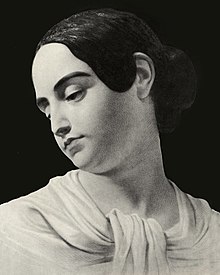
Why did Poe almost always write about women who died? It may have been because all the important women in his life died or he might have done it anyway. No-one will ever know.
Excerpt from Edgar Allan Poe’s letter to George W. Eveleth, Fordham, New York ,January 4, 1848 about his wife.
“Six years ago, a wife, whom I loved as no man ever loved before, ruptured a blood-vessel in singing. Her life was despaired of. I took leave of her forever & underwent all the agonies of her death. She recovered partially and I again hoped. At the end of a year the vessel broke again—I went through precisely the same scene. Again in about a year afterward. Then again—again—again & even once again at varying intervals. Each time I felt all the agonies of her death—and at each accession of the disorder I loved her more dearly & clung to her life with more desperate pertinacity. But I am constitutionally sensitive—nervous in a very unusual degree. I became insane, with long intervals of horrible sanity. During these fits of absolute unconsciousness I drank, God only knows how often or how much. As a matter of course, my enemies referred the insanity to the drink rather than the drink to the insanity. I had indeed, nearly abandoned all hope of a permanent cure when I found one in the death of my wife. This I can & do endure as becomes a man—it was the horrible never-ending oscillation between hope & despair which I could no longer have endured without the total loss of reason. In the death of what was my life, then, I receive a new but—oh God! How melancholy an existence.”
You can read more extracts of letters about Virginia Clemm Poe here: https://www.nps.gov/people/poe-virginiapoe.htm
My reading of The Sleeper by Edgar Allan Poe
About Roberta Eaton Cheadle
I am a South African writer specialising in historical, paranormal and horror novels and short stories. I am an avid reader in these genres and my writing has been influenced by famous authors including Bram Stoker, the Bronte sisters, Amor Towles, Stephen Crane, Enrich Maria Remarque, George Orwell, Stephen King, and Colleen McCullough.
I was educated at the University of South Africa where I achieved a Bachelor of Accounting Science in 1996 and a Honours Bachelor of Accounting Science in 1997. I was admitted as a member of The South African Institute of Chartered Accountants in 2000.
I have worked in corporate finance from 2001 until the present date and have written seven publications relating to investing in Africa. I have won several awards over my twenty year career in the category of Transactional Support Services.
I have been published a number of anthologies and have two published YA books, While the Bombs Fell and Through the Nethergate. I have recently published my first adult novel called A Ghost and His Gold which is partly set in South Africa during the Second Anglo Boer War.
Find Roberta Eaton Cheadle
Blog: https://wordpress.com/view/robertawrites235681907.wordpress.com
Twitter: https://twitter.com/RobertaEaton17
Facebook: https://www.facebook.com/robertawrites
Amazon: https://www.amazon.com/Roberta-Eaton-Cheadle/e/B08RSNJQZ5
_____________________________________________________________________________________________
Want to be sure not to miss any of Robbie’s “Dark Origins” segments? Subscribe to Writing to be Read for e-mail notifications whenever new content is posted or follow WtbR on WordPress. If you found it interesting or entertaining, please share.
Share this:

Winners of the WordCrafter A Ghost and His Gold Blog Tour giveaway
Posted: May 3, 2021 Filed under: Blog Tour, Books, Giveaways, Historical Fiction, Paranormal, WordCrafter Book Blog Tours | Tags: A Ghost and His Gold, Giveaway, Paranormal Historical, Roberta Eaton Cheadle, WordCrafter Book Blog Tours 6 Comments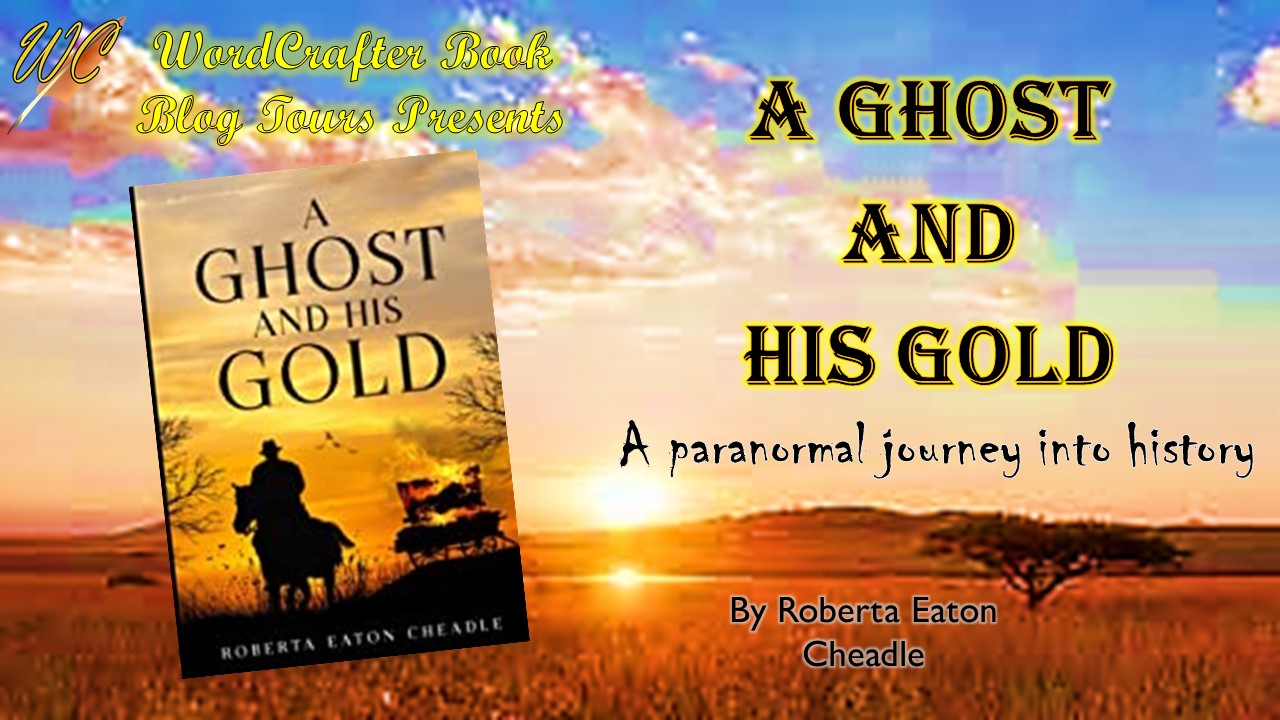
Thank you to everyone who supported the WordCrafter A Ghost and His Gold Blog tour which ran from Monday, 20 April to Friday, 24 April 2021.
If you missed any of the posts, you can find all of them listed in this post: https://writingtoberead.com/2021/04/24/day-4-wraps-up-the-2021-wordcrafter-a-ghost-and-his-gold-book-blog-tour/
The winners of the $10 Amazon gift vouchers are as follows:
Day 1 – Elizabeth Gauffreau
Day 2 – Annette Rochelle Aben
Day 3 – Staci Troili
Day 4 – Marsha Ingrao
Day 5 – Craig Boyack
The winners of the two paperback copies of A Ghost and His Gold are as follows:
Darlene Foster
Miriam Hurdle
The winners will have received a message from Roberta Eaton Cheadle to arrange for delivery of their prize.
Book your WordCrafter Book Blog Tour today!
Share this:

Dark Origins – The Legend of Sleepy Hollow
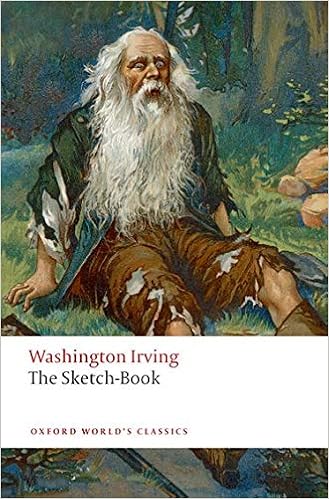
Posted: April 28, 2021 Filed under: Dark Fantasy, Dark Origins, Fairy Tales, Nursery Rhymes | Tags: Dark Fantasy, Dark Origins, Fairy Tales, Nursery Rhymes, Roberta Eaton Cheadle, Writing to be Read 34 CommentsThe Legend of Sleepy Hollow is a gothic story by American author, Washington Irving, and is included in a collection of 34 essays and short stories entitled The Sketch Book of Geoffrey Crayon, Gent.
The plot

The story is set in 1790 in the countryside around the Dutch settlement of Tarry Town, New York. Sleepy Hollow is a secluded glen which is famous for its ghosts and haunting atmosphere.
Ichabod Crane moves to Sleepy Hollow to be the schoolmaster of the village. As was customary at the time, Ichabod earns practically no money, but is provided with lodgings and food on a rotational basis by the local farmers who are also the fathers of the boys he teachers. This arrangement, and the singing lessons he gives on the side, keeps him employed and also gives him numerous opportunities to listen to the many tales about ghosts, haunted spots and twilight superstitions shared by the farmers wives.
Ichabod is most fascinated by the story of the ghost of the Headless Horseman who is believed to be a Hessian soldier who lost his head when he was hit by a cannon ball during the Revolutionary War. The ghost has been seen riding near the church where he is believed to have been buried.
Katrina Van Tassel is one of Ichabod’s students and the beautiful daughter of one of the most successful of the farmers in the area. Ichabod comes to believe himself in love with her. He sets out to woo her but crosses swords with one of the other men in the village, Brom Van Brunt or Brom Bones. In order to scare off Ichabod, Brom resorts to trying to prank him.
One evening, Ichabod is travelling home late after a party at Katrina’s home. He is confronted by a rider with no head on his shoulders. The head is sitting on the saddle in front of the shadowy man. Ichabod tries to run away and ends up near the church. Ichabod makes a dash for the bridge where the ghost is said to disappear and not follow, but when he looks back, the Horseman throws his detached head at him. It knocks Ichabod off his horse.
Ichabod disappeared leaving nothing behind but hoof prints and a smashed pumpkin. He is never heard from again in Sleepy Hollow.
Origins of the story
Although one of America’s most famous tales and one the resurfaces every Halloween, Irving did not invent the idea of a headless rider. Tales of headless riders existed in Europe during the Middle Ages, including stories by the Grimm Brothers and the Dutch and Irish legend of the “Dullahan” or “Gan Ceann”, a Grim Reaper-like rider who carries his head.
One theory is that Irving’s headless horseman is derived from Sir Walter Scott’s ballad, The Chase, which is a translation of the German author Burger’s The Wild Huntsman.
Another popular theory is that Irving was inspired by the story of the actual Hessian soldier who was decapitated by a cannon ball during the Battle of White Plains around Halloween 1776.
As a teenager, Irving moved with his family to the Tarry Town area due to an outbreak of yellow fever in New York City. The character of Ichabod Crane may have been inspired by Jesse Merwin, a teacher from upstate New York and who was a mutual friend of Irving and Martin van Burden, America’s eighth president. An alternative theory is that Ichabod was based on Samuel Youngs, a lieutenant from Tarry Town and a friend of the Van Tassel family.

The name Ichabod Crane belonged to a real army officer, Colonel Ichabod B. Crane who served at Fort Pike during the British-American war of 1812. Irving was also stationed at Fort Pike but there is no evidence that he knew Colonel Crane.

Katrina Van Tassel is also believed to be loosely inspired by Eleanor Van Tassel Brush and, possibly, another woman Irving knew.
About Roberta Eaton Cheadle
I am a South African writer specialising in historical, paranormal and horror novels and short stories. I am an avid reader in these genres and my writing has been influenced by famous authors including Bram Stoker, the Bronte sisters, Amor Towles, Stephen Crane, Enrich Maria Remarque, George Orwell, Stephen King, and Colleen McCullough.
I was educated at the University of South Africa where I achieved a Bachelor of Accounting Science in 1996 and a Honours Bachelor of Accounting Science in 1997. I was admitted as a member of The South African Institute of Chartered Accountants in 2000.
I have worked in corporate finance from 2001 until the present date and have written seven publications relating to investing in Africa. I have won several awards over my twenty year career in the category of Transactional Support Services.
I have been published a number of anthologies and have two published YA books, While the Bombs Fell and Through the Nethergate. I have recently published my first adult novel called A Ghost and His Gold which is partly set in South Africa during the Second Anglo Boer War.
Find Roberta Eaton Cheadle
Blog: https://wordpress.com/view/robertawrites235681907.wordpress.com
Twitter: https://twitter.com/RobertaEaton17
Facebook: https://www.facebook.com/robertawrites
Amazon: https://www.amazon.com/Roberta-Eaton-Cheadle/e/B08RSNJQZ5
_____________________________________________________________________________________________
Want to be sure not to miss any of Robbie’s “Dark Origins” segments? Subscribe to Writing to be Read for e-mail notifications whenever new content is posted or follow WtbR on WordPress. If you found it interesting or entertaining, please share.