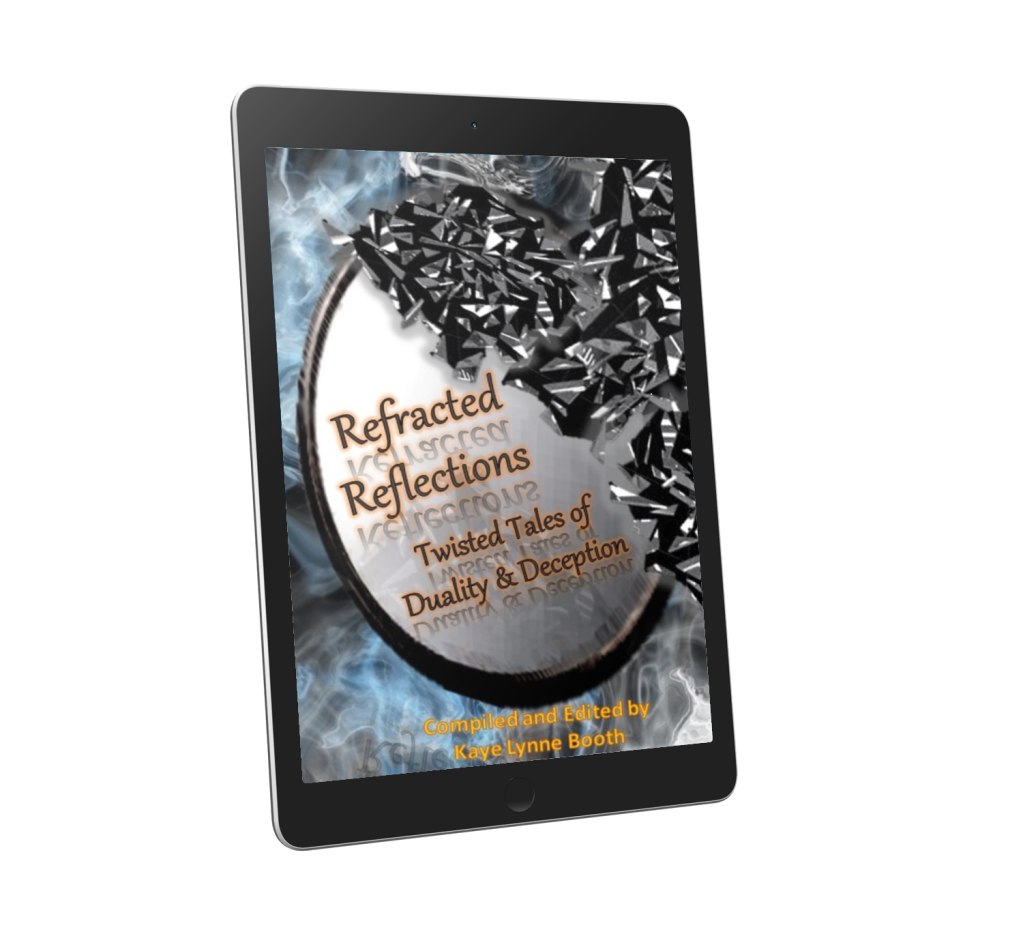
Today is the start of a new poetry appreciation series here on Writing to be Read where I will be introducing you to a number of wonderful poets in our blogging community, discussing well known poets and their poetry and reviewing poetry books. I hope you will participate in the discussions and enjoy meeting and greeting the poets, both new and known to you, and discovering new books of poetry.
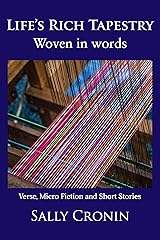
My first guest is accomplished poet and writer, Sally Cronin, of Smorgasbord Blog Magazine blog. Sally has recently published a new book of poetry, 99-word flash fiction and short stories called, Life’s Rich Tapestry: Woven in words which I have reviewed below. Before we get there, however, Sally is going to share her thoughts about her favourite poem, The Law of the Jungle by Rudyard Kipling.
Over to Sally
What is your favourite poem?
That is an extremely tough question and had me stumped for a couple of days as I wanted to revisit the poems that I have loved since childhood to make sure that this really would qualify as my favourite poem.
The Law of the Jungle by Rudyard Kipling
(From The Jungle Book)
Now this is the Law of the Jungle — as old and as true as the sky; And the Wolf that shall keep it may prosper, but the Wolf that shall break it must die. As the creeper that girdles the tree-trunk the Law runneth forward and back — For the strength of the Pack is the Wolf, and the strength of the Wolf is the Pack.
Wash daily from nose-tip to tail-tip; drink deeply, but never too deep;
And remember the night is for hunting, and forget not the day is for sleep.
The Jackal may follow the Tiger, but, Cub, when thy whiskers are grown,
Remember the Wolf is a Hunter — go forth and get food of thine own.
Keep peace with Lords of the Jungle — the Tiger, the Panther, and Bear.
And trouble not Hathi the Silent, and mock not the Boar in his lair.
When Pack meets with Pack in the Jungle, and neither will go from the trail,
Lie down till the leaders have spoken — it may be fair words shall prevail.
When ye fight with a Wolf of the Pack, ye must fight him alone and afar,
Lest others take part in the quarrel, and the Pack be diminished by war.
The Lair of the Wolf is his refuge, and where he has made him his home,
Not even the Head Wolf may enter, not even the Council may come.
The Lair of the Wolf is his refuge, but where he has digged it too plain,
The Council shall send him a message, and so he shall change it again.
If ye kill before midnight, be silent, and wake not the woods with your bay,
Lest ye frighten the deer from the crop, and your brothers go empty away.
Ye may kill for yourselves, and your mates, and your cubs as they need, and ye can;
But kill not for pleasure of killing, and seven times never kill Man!
If ye plunder his Kill from a weaker, devour not all in thy pride;
Pack-Right is the right of the meanest; so leave him the head and the hide.
The Kill of the Pack is the meat of the Pack. Ye must eat where it lies;
And no one may carry away of that meat to his lair, or he dies.
The Kill of the Wolf is the meat of the Wolf. He may do what he will;
But, till he has given permission, the Pack may not eat of that Kill.
Cub-Right is the right of the Yearling. From all of his Pack he may claim
Full-gorge when the killer has eaten; and none may refuse him the same.
Lair-Right is the right of the Mother. From all of her year she may claim
One haunch of each kill for her litter, and none may deny her the same.
Cave-Right is the right of the Father — to hunt by himself for his own:
He is freed of all calls to the Pack; he is judged by the Council alone.
Because of his age and his cunning, because of his gripe and his paw,
In all that the Law leaveth open, the word of your Head Wolf is Law.
Now these are the Laws of the Jungle, and many and mighty are they; But the head and the hoof of the Law and the haunch and the hump is — Obey!
Robbie: This is a wonderful choice of poem, Sally. I also love it. Interestingly enough my favourite poem is also by Rudyard Kipling and I will share it later in this series.
What is your interpretation of this poem?
This is about living in harmony within a society whether it is a wolf pack or amongst a human pack. Having social etiquette and respect for others is essential if all are to avoid conflicts, get enough to eat, be accepted and to thrive. There is a natural order to things and if you learn that when you are young, when you leave your pack you are well equipped to survive on your own with the skills to begin your own pack. And whilst is sounds draconian, those rules are there to protect the young as well as teach them manners. It applies to both wolf cubs and man cubs….
Robbie: A wonderful interpretation of this poem and of life in general. I have similar thoughts on how societies can best achieve success and one of my favourite key words in this regard is the need for discipline.
What emotions does the poem invoke in you?
When I first read the Jungle Book I was too young to really appreciate the undertones in the story about life, survival and the human and animal parallels. But I loved the book and this poem was rich in both words and intent, and when I was ten or eleven and read for the second time, I could see how this philosophy of life in the pack, related to life in a family. It made me feel secure to think of my father as the Head Wolf, and it also made me very protective of my other family members including my younger brother, who probably did not appreciate all the attention I lavished on him as I would like to believe! It also brings back memories of our time with Sam [Robbie: Sam is a lovely dog who was part of Sally and David’s family for many years before he passed. He has his own book called Sam, A Shaggy Dog Story] as our own small pack and how interestingly he adopted his own social rules of etiquette that run parallel to those in the poem. For example he considered us his alpha male and female and he would not start his own dinner until we were eating our own. He was very protective of any young family members who visited and also the elderly, sticking close to them. If he spotted something that he considered might be dangerous to us, he would always put himself between us and the threat. Whenever I saw him exhibiting these kinds of behaviour it always bought this poem back to me and made me so proud.
Robbie: Isn’t it wonderful the powerful emotions and associations a poem can invoke in a reader. Sam was a wonderful dog. You can read my review of Sam, A Shaggy Dog Story here: Goodreads review
If you could choose to write like any well-known poet, who would it be?
That is another tough question Robbie as there are many poets who have stirred my emotions and also my imagination. And whilst I would love to be able to write like Rudyard Kipling both in prose and verse, I am always drawn to the young and sometimes short lived war poets. They conveyed the reality of war, stripping it bare of glory but telling a story in a few short lines. Their legacy is that we never forget those who died, even if we might not always learn the lessons we need to from their passing.
Rupert Brooke for me is one of the finest examples of these poets, and if I could convey the depth of emotion, intent and storytelling in my poetry, I would be very happy indeed. Whilst The Soldier is the most often quoted poem, certainly at military funerals, it is one of his peacetime poems that always resonates with me especially as I get older and celebrate married life.
Kindliness by Rupert Brooke
When love has changed to kindliness —
Oh, love, our hungry lips, that press
So tight that Time’s an old god’s dream
Nodding in heaven, and whisper stuff
Seven million years were not enough
To think on after, make it seem
Less than the breath of children playing,
A blasphemy scarce worth the saying,
A sorry jest, “When love has grown
To kindliness — to kindliness!” . . .
And yet — the best that either’s known
Will change, and wither, and be less,
At last, than comfort, or its own
Remembrance. And when some caress
Tendered in habit (once a flame
All heaven sang out to) wakes the shame
Unworded, in the steady eyes
We’ll have, — THAT day, what shall we do?
Being so noble, kill the two
Who’ve reached their second-best? Being wise,
Break cleanly off, and get away.
Follow down other windier skies
New lures, alone? Or shall we stay,
Since this is all we’ve known, content
In the lean twilight of such day,
And not remember, not lament?
That time when all is over, and
Hand never flinches, brushing hand;
And blood lies quiet, for all you’re near;
And it’s but spoken words we hear,
Where trumpets sang; when the mere skies
Are stranger and nobler than your eyes;
And flesh is flesh, was flame before;
And infinite hungers leap no more
In the chance swaying of your dress;
And love has changed to kindliness.
Robbie: An amazing poem, Sally, thank you for sharing it with us. The war poets certainly know how to highlight the best and worst life has to offer.
Thank you so much for inviting me over today to share my love of poetry and thank you for your wonderful reviews for my work which keep me motivated.
Robbie: Thank you for your contribution to Treasuring Poetry, Sally. Your thoughts and input are greatly appreciated.
Life’s Rich Tapestry: Woven in words by Sally Cronin
What Amazon says
Life’s Rich Tapestry is a collection of verse, microfiction and short stories that explore many aspects of our human nature and the wonders of the natural world. Reflections on our earliest beginnings and what is yet to come, with characters as diverse as a French speaking elephant and a cyborg warrior.
Finding the right number of syllables for a Haiku, Tanka, Etheree or Cinquain focuses the mind; as does 99 word microfiction, bringing a different level of intensity to storytelling. You will find stories about the past, the present and the future told in 17 syllables to 2,000 words, all celebrating life.
This book is also recognition of the value to a writer, of being part of a generous and inspiring blogging community, where writing challenges encourage us to explore new styles and genres.
My review
This new book sees author, Sally Cronin, delving into new genres in the form of a variety of styles of poetry and 99-word flash fiction pieces. It also includes a number of her delightful short stories, although those differ from others that I have read by this author as many of them feature an animal as the main character.
The poetry is beautiful and is split into sections, namely, Seasons of the year; All things human; Fairies and other folk; The natural world; Remembrance, Celebrating pets and Random thoughts. The poems included in the sections entitled Season of the year and The natural world largely feature the natural environment, including the various seasons and the different creatures that inhabit it, and makes use of all the senses to wrap the reader in the specific joys and pleasures of the flowers, the light, celebrations, birds and and other natural phenomena including drought, snow and frost.
The poetry sections entitled All things human, Remembrance and Random thoughts as well as some of the flash fiction and short stories utilize the writer’s amazing ability to invoke great emotion from her readers towards her characters and their circumstances and situations, while being easy to relate to and highly believable.
The poems and stories that feature pets and animals showcase the authors love of the animal world and convey the special relationships that frequently develop between people and their pets.
I appreciate the undertone of happiness that is generally present in this authors books and stories. It is a wonderful thing to be able to read a book that makes you feel great emotion and still come out on the other end with the impression that life is a wonderful and great journey. This is definitely a skill that Ms Cronin has and uses to its best advantage in all her books, poems and stories.
I have been a storyteller most of my life (my mother called them fibs!). Poetry, song lyrics and short stories were left behind when work and life intruded, but that all changed in 1996. My first book Size Matters was a health and weight loss book based on my own experiences of losing 70kilo. I have written another twelve books since then on health and also fiction, including four collections of short stories. My latest book is a collection of verse, micro fiction and speculative short stories titled Life’s Rich Tapestry: Woven in Words
I am an indie author and proud to be one. My greatest pleasure comes from those readers who enjoy my take on health, characters and twisted endings… and of course come back for more.
As a writer I know how important it is to have help in marketing books.. as important as my own promotion is, I believe it is important to support others. I offer a number of FREE promotional opportunities on my blog and linked to my social media. If you are an author who would like to be promoted to a new audience of dedicated readers, please contact me via my blog. All it will cost you is a few minutes of your time. Look forward to hearing from you.
Want to be sure not to miss any of Robbie’s “Treasuring Poetry” segments? Subscribe to Writing to be Read for e-mail notifications whenever new content is posted or follow WtbR on WordPress. If you found it interesting or entertaining, please share.
In the Southern hemisphere, January is the time of year when our children start a new school year. This year, my youngest son is starting secondary (high) school which means, new environment, new friends, new teachers – just about new everything. He is anxious about it and I keep reminding him that the groundwork for this transition to high school has been laid over many years of nursery, pre-prep and prep school and he is well equipped to deal with the changes.
Sitting with him over the past few weeks of his holiday (and mine) and ensuring he reads [and understands] his first high school English set work book and his first Afrikaans (second language) reader, I was reminded of when I taught both my boys to read when they were six years old. In South Africa, children only start reading when they are seven, but my boys were keen to read and I saw no reason why I, with two degrees and the equivalent of a masters, couldn’t teach them something so common place. Ha! It proved to be significantly harder than I expected and I take my hat off to pre-prep teachers who teach children to read so effortlessly. For me it was a slog. Of course, it didn’t help that I forgot to start by teaching Gregory the alphabet. I am not sure how I thought he would read words before he could recognise his letters, but somehow, it slipped with me. Despite my only teaching Greg the alphabet after I taught him his first two hundred sight words, he still learned to read quickly and is now an accomplished reader. I can no longer say he is a prolific reader as, at seventeen years old, he is not that keen on reading at the moment. Hopefully it will change down the line when the allure of being the same as everyone else wears off.
Anyhow, these memories led me to thinking how important knowing the alphabet and learning the sounds is for children as they travel the path towards literacy.
My boys and I had a lot of fun learning the alphabet. Michael, aged three, got to sit in on Greg’s (aged six) lessons, and Greg (aged nine) got to help Michael (aged six), when he started his reading journey. One of our favourite past times, when Greg was learning, was singing the alphabet song:
Greg, Michael and I also used our time in the car to learn the alphabet. We played a game called “I spy” and we would each chose an item that started with a certain letter and the others would have to guess what it was. This game was a lot of fun and we played it for a number of years. The boys used to ask for it when we traveled. Now they ask for audio books and we listened to an awful lot of Eva Ibbotson books when we toured Scotland in August 2019.
The third fun activity we played to learn the alphabet was to bake an item that started with a certain letter. It had to be an exact sound match so, we couldn’t for example, make gingerbread for the letter “g”. This game and tasting session was very popular and sometimes we invited friends over to join in the fun. I specifically remember making jelly cakes [have you ever heard of those – if not you will find the recipe in Sir Chocolate and the Condensed Milk River story and cookbook.
Multicoloured jelly cupcakes
The nice thing about baking with children is that it is also a wonderful opportunity to teach them maths concepts like grams and kilograms and millilitres and litres. They also learn to weigh and measure and realise the importance of being exact. I even taught mine about ounces and pints as some of my cook books use English measures.
Do you know any fun games to teach children the alphabet? Let me know in the comments.
About Robbie Cheadle
Hello, my name is Robbie, short for Roberta. I am an author with six published children’s picture books in the Sir Chocolate books series for children aged 2 to 9 years old (co-authored with my son, Michael Cheadle), one published middle grade book in the Silly Willy series and one published preteen/young adult fictionalised biography about my mother’s life as a young girl growing up in an English town in Suffolk during World War II called While the Bombs Fell (co-authored with my mother, Elsie Hancy Eaton). All of my children’s book are written under Robbie Cheadle and are published by TSL Publications.
I have recently branched into adult and young adult horror and supernatural writing and, in order to clearly differential my children’s books from my adult writing, I plan to publish these books under Roberta Eaton Cheadle. My first supernatural book published in that name, Through the Nethergate, is now available.
I have participated in a number of anthologies:
Two short stories in #1 Amazon bestselling anthology, Dark Visions, a collection of horror stories edited by Dan Alatorre;
Three short stories in Death Among Us, an anthology of murder mystery stories, edited by Stephen Bentley;
Three short stories in #1 Amazon bestselling anthology, Nightmareland, a collection of horror stories edited by Dan Alatorre; and
Two short stories in Whispers of the Past, an anthology of paranormal stories, edited by Kaye Lynne Booth.
I also have a book of poetry called Open a new door, with fellow South African poet, Kim Blades.
Want to be sure not to miss any of Robbie’s “Growing Bookworms” segments? Subscribe to Writing to be Read for e-mail notifications whenever new content is posted or follow WtbR on WordPress. If you found it interesting or entertaining, please share.
Wow! It’s hard to believe that 2020 will be celebrating 10 years of Writing to be Read!
We have a promising line-up shaping up and I think it will be an exciting year ahead. I’ll share some of that line-up with you, but first, let’s take a brief look at how Writing to be Read has gotten to where it is today in celebration of those first nine years. (For long time followers who have been with me a while, I may have said some of this before because I reflect on the evolution of my endeavors often, but bear with me because there are some really great changes coming.)
When I started Writing to be Read, back in 2010, I didn’t know what I wanted to do with the blog, but I knew I wanted to write and I wanted somebody to read what I wrote. I was not yet a published author, and I didn’t really know what I was doing, but I was determined to do it. I’d written for three years as the “Southern Colorado Literature Examiner” for Examiner.com, and I knew how to get review books and find authors willing to be interviewed, so that’s what I did.
Yet, I was still kind of bungling my way through. Kind of like how Laurel and Hardy always seem to make a mess of things, but in the end they manage to set things right. Of course I learned a lot along the way, and made adjustments to my blogging strategy, striving to come up with content that would bring readers to the site, because I wanted people to read my blog. After all, isn’t that what all we authors want in the end? For our writing to be read?
After I graduated from the M.F.A. program at Western State Colorado University in 2016, things began to pick up. While I learned to write book length works at Western, it also showed me the value of community in writing, which is often a solitary endeavor. We are all embarked upon our own personal author’s journey. Our joys and sorrows may be of a nature that only another author would be able to comprehend. With the growing number of indie authors out there, is important that we support and help one another along the way. Not only was I sitting on the perfect platform to promote my own books and writing, but Writing to be Read is a tool that can be used to grow community among my fellow authors.
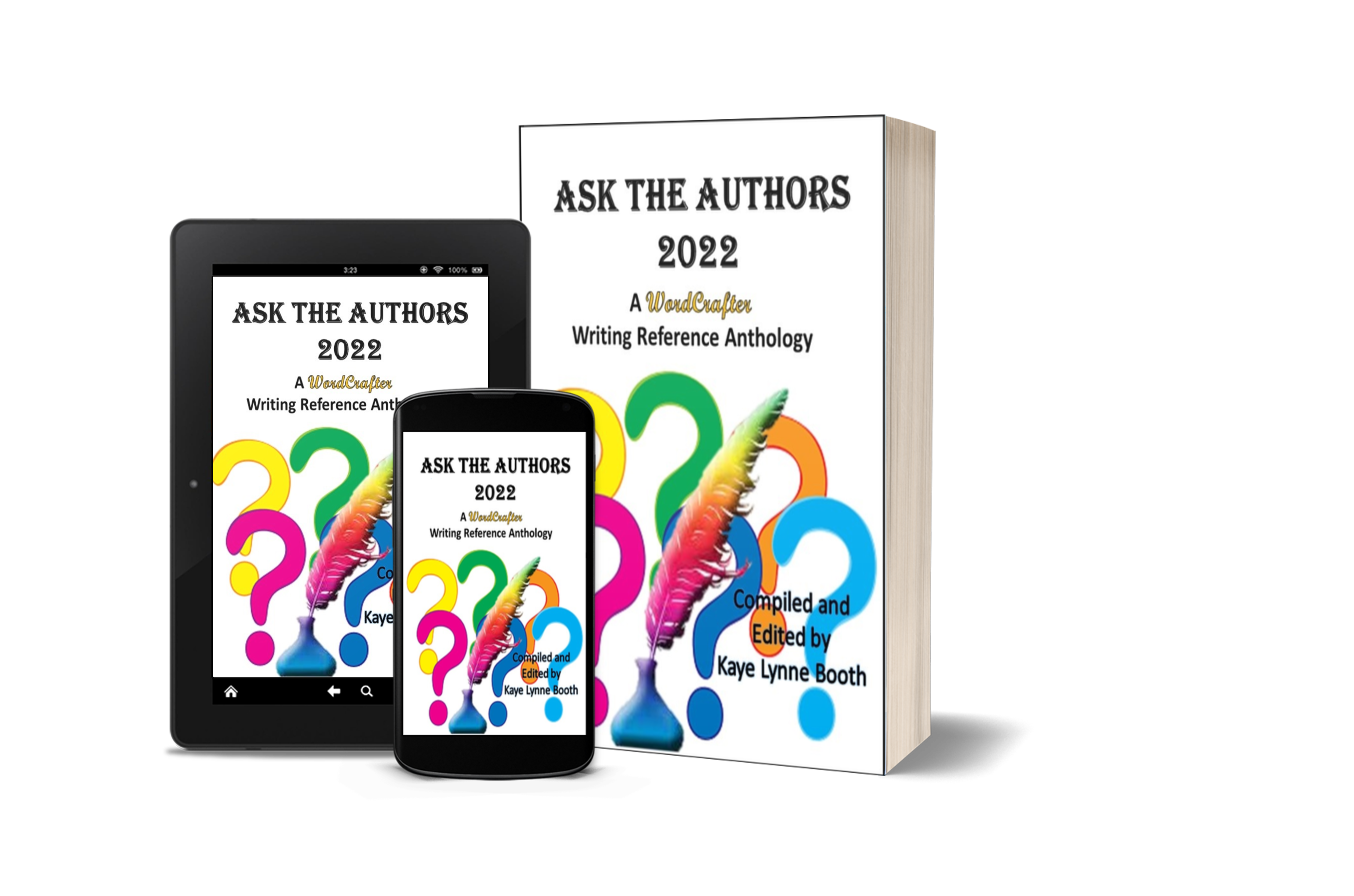
The first blog series I created, was “Ask the Authors”, which I ran in two rounds in 2017, with the help of several great authors, who were willing to donate their time for twelve weeks for each segment. It was a successful series in which I interviewed participating authors on many aspects of writing, with the idea that we learn from those who have gone before us. Most of those authors’ words will be appearing in a book of the same name as the series, which I had hoped to publish this year through WordCrafter Press, but has now been pushed back into the coming year. (Before the release of Ask the Authors, the content must be removed from the web, so be aware that the series content will soon be removed from the blog.)
Over the past year, Writing to be Read is approaching 10,000, and many visitors have become WtbR followers. I think there are several contributing factors that account for this, starting with the Motivational Strips Certificate of Honor, which I received in April and which is now displayed proudly in the sidebar below the WordCrafter logo, for contributions made in the global online writing communities through social media. It is still a labor of love, with the payoff coming with views and engagement, rather than monetary profit.
In 2019, I ran the monthly “Chatting with the Pros” series, featuring bestselling and award winning authors, in coincidence with monthly genre themes, which has been very popular. I had some wonderful authors, who graciously agreed to be interviewed for this series. The top two interviews, with award winning Christian fiction author Angela Hunt and with bestselling romance author Maya Rodale, brought over 100 views each, with the interview with the very prolific science fiction and fantasy author Kevin J. Anderson coming in a close third. Other great interviews that this series brought were with thriller novelist John Nichol, horror authors Paul Kane and Jeffrey J. Mariotte, women’s fiction author Barbara Chapaitis, young adult fiction author Carol Riggs, crime fiction author Jenifer Ruff, mystery author Gilly Macmillon, western author Scott Harris, and nonfiction author Mark Shaw.
Also aligned with the monthly genre themes were supporting interviews with less known, but talented authors. I am pleased to find the top viewed supporting interview to be with accomplished author and scholar Shiju Pallithazheth, who has dedicated himself to the support of achievement in quality writing and is the founder of the Motivational Strips social media group. The second and third top supporting interviews were with horror author Roberta Eaton Cheadle and with nature author Susan J. Tweit.
I also reviewed many top notch books over the year’s course. Book reviews don’t tend to bring in as many views as interviews do, but the views they do bring in add up when counted. The top review for 2019, was Simplified Writing 101, making this the top review every year since I posted it, back in 2016 with over 300 total views. That’s a lot of views for a book review.
The second most viewed book review was a review from 2018, Dan Alatorre’s Night Visions horror anthology, and the third was Jordan Elizabeth’s Cogling, from 2016. That’s the nice thing about book reviews – they’re all evergreen. The top reviews actually posted in 2019 were for God’s Body, by Jeff Bowles; Selected Stories: Science Fiction Volume 2, by Kevin J. Anderson, and Through the Nethergate, by Roberta Eaton Cheadle.
Also, the addition of team members and their blog series added variety to the blog and provided more consistent publication of content on a regular basis. Writing to be Read wouldn’t be where it is today without their content. Robin Conley is a team member who is no longer with WtbR, but her evergreen “Writing Memos” make her posts receive the most views each year because they offer good, solid writing tips on the basics of writing.
The active team member with the most views in 2019 is Robbie Cheadle with her “Growing Bookworms” blog series on children’s literature and the promotion of reading. Robbie joined us at the beginning of 2019 and she’s had over 1000 views of her posts over the course of the year. Her most popular post was “Developing imagination and creativity through reading”. (For the full 2019 active contributor line-up, see my Thanksgiving post.)
Arthur’s Visual Media Reviews
Jeff’s Movie Reviews
The Writing to be Read following has grown with each passing year, as has the daily average for views, and 2019 has been the best year yet. Now we are at a time when we must look ahead to the coming year and find ways to make WtbR even better. I’ve been working on the 2020 blog schedule and I’d like to share anticipated changes with you here.
For 2020, we are going to continue with the monthly genre themes and the “Chatting with the Pros” blog series. Obviously you can’t cover all the genres in twelve months, so next year we’ll cover some that we missed, as well as giving some we did some more in depth coverage. The tentative theme schedule includes creative nonfiction, romance, western, fantasy, comic books and superheroes, speculative fiction, science fiction, young adult fiction, mystery/suspense thriller, horror/dark fiction/paranormal, action adventure, and children’s fiction. Let me know in the comments what genres you think I am missing, or if you know of an author of one of the genres covered who would be interested in giving me an interview. Writing to be Read wants to create content that its readers want, so I want to hear from you.
There will be a few changes with the Writing to be Read team, including four great new blog series! I am sad to say that Jordan Elizabeth will no longer be with the team, and her “Writing for a Y.A. Audience” blog series will be discontinued. However, the other team members have jumped right in to fill all holes in the scheduling as we moved series around and made changes.
For 2020, Art Rosch’s “The Many Faces of Poetry” will be discontinued, but it will be replaced the last Wednesday of each month with Art’s new series, “Mind Fields”. Art is always full of surprises and the segments for this new series may be on just about any topic, but they are guaranteed to be interesting and entertaining. Art actually posted a preview segment back in November to give us a little sample, with a journey into the realms beyond death in “Hitler’s Afterlife“. You may love it or hate it, but you’re sure to get a chuckle. “Arthur’s Visual Media Reviews” will continue to be on the last Friday of each month.
Jeff Bowles will continue his “Jeff’s Movie Reviews” the third Friday of each month, but “Jeff’s Pep Talk” will not appear in 2020. Instead, Jeff will offer a new series, “Words to Live By” on the first Wednesday of every month. Jeff will also fill the series slot on the third Wednesday of each month that was left open by Jordan’s departure with a new series, “Write Me Better”, which will offer writing challenges to rewrite the classics. I’m really excited about this new series because it offers the potential for reader interaction. I can’t wait to see what each of you comes up with when stepping up to Jeff’s challenges to rewrite the classics with your own style and flair. It should be a lot of fun. I may even have to try my hand at this one.
Robbie Cheadle will continue her “Growing Bookworms” series on the second Wednesday of each month and she will also offer a new poetry series on the last Saturday of each month, “Treasuring Poetry”. I was particularly pleased with the idea for this series because it offers a way to keep poetry alive on Writing to be Read. Poetry is like painting with words to create something that is beautiful for its structure and form, beyond simple meaning, and I’ve always felt it was important to have poetry included here in some way. When I first started Writing to be Read, before it was on this site, I ended each post I made with a poem. Although I have had a few poems published, my knowledge of verse is minimal. Robbie, however is quite involved in poetry communities on social media and she has the poetic know how to carry this new blog series.
As you can see, we have some really exciting new blog series for the coming year, as well as some old favorites. My guest authors and reviews are beginning to shape up, too, with some great authors and great books. I’m still searching for more though, so if you’d like to be interviewed or have a book you’d like reviewed in the coming year, please email me at kayebooth@yahoo.com. I’d love to hear from you and include you in my 2020 line-up.
On a final note, I’ve been considering switching to a paid site to eliminate some of the advertising and open up the options of what I can do with the blog. As you all know, Writing to be Read is a labor of love and the profit I get from it is in watching my following grow and engaging with my readers. So, my question to all of you now is, if I went to a paid site, would you be willing to make a donation to help cover the cost, or are you happy with the site the way it is? Please let me know what you think in the comments.
Like this post? Let me know in the comments. You can be sure not to miss any of Writing to be Read’s great content by subscribe to e-mail or following on WordPress. If you found it helpful, please share.
It was two nights before Christmas, a cold and cloudy day
When the Roundy Twins thought of a new idea for play
Into Sir Chocolate’s Chocolatier, the naught pair snuck
And found his sweet decorating tools; for them a bit of luck
They spent the long winter’s evening, having a lot of fun
And admired their handiwork, when they were quite done
They had painted the town with Sir Chocolate’s edible-paint
The tubes were all empty, they had painted without restraint
Pictures and graffiti adorned every house in town’s walls
They’d been to the local market and sprayed all the stalls
And the stage in the park, was full of paint and a mess
The twins were shocked at how it looked, I must confess
They felt some remorse, the annual play was on Christmas Eve
They’d painted all the props, not one did they miss and leave
Now that they had finished, they knew they’d been bad
The concert would be ruined, and their friends would be sad.
Bright and early the next day, Sir Chocolate heard a knock
He was hoping to sleep late, but could not the loud sound block
Mr Christmas Pudding and Miss Christmas Cracker were at his door
They were really upset, their tears made puddles on the floor
They’d been preparing for months, for this Christmas event
The invitations to the townspeople had already been sent
“We’ll have to cancel the show and it is such a shame”
“We can’t carry on now; without props it won’t be the same!”
A short while later, Constable Licorice joined them for tea
Everyone helping clean up, was the only plan he could see
He and Sir Chocolate walked about town, looking for clues
It didn’t do them any good, only wore out their shoes
Of the irresponsible trouble makers, no trace could they find
When discovered, they’d get a piece of Constable Licorice’s mind
Signs asking for information, were put up all around the town
Passersby read them with interest, then shook their heads with a frown
The towns people rallied round, and worked extremely hard
The culprits, once caught, from the concert would be barred
It took all day, and everyone was feeling really tired
There was so much to do, some extra help had been hired
Sir Chocolate was amazed at how the mess disappeared
The stage and props looked fine when the paint had been cleared
The town’s people sat down to enjoy a picnic on the grass
And to their great cleaning effort, they all raised a glass
Mr Christmas Pudding and his friends all the concert tickets sold
Miss Christmas Cracker performed and was a sight to behold
At the end of the play, the crowd gave a standing ovation
Which the performers on stage, received with great elation
The next day, Sir Chocolate was awoken early once again
Mrs Roundy had come to visit and her boys behavior explain
She had seen them mopping around, looking most upset
Their naughty and destructive actions, they both did regret
Constable Licorice and the boys had a long conversation
Sweeping the street clean of snow, became their obligation
In this way they made amends for their naughty silliness
They knew the results of their actions, had been quite serious
Each promised they’d never write graffiti on walls again
This was one form of art from which they’d always abstain
They spread the news to their younger siblings and friends
They felt it was the least they could do, to try and make amends
By Robbie and Michael Cheadle
About Robbie Cheadle
Hello, my name is Robbie, short for Roberta. I am an author with six published children’s picture books in the Sir Chocolate books series for children aged 2 to 9 years old (co-authored with my son, Michael Cheadle), one published middle grade book in the Silly Willy series and one published preteen/young adult fictionalised biography about my mother’s life as a young girl growing up in an English town in Suffolk during World War II called While the Bombs Fell (co-authored with my mother, Elsie Hancy Eaton). All of my children’s book are written under Robbie Cheadle and are published by TSL Publications.
I have recently branched into adult and young adult horror and supernatural writing and, in order to clearly differential my children’s books from my adult writing, I plan to publish these books under Roberta Eaton Cheadle. My first supernatural book published in that name, Through the Nethergate, is now available.
I have participated in a number of anthologies:
Two short stories in #1 Amazon bestselling anthology, Dark Visions, a collection of horror stories edited by Dan Alatorre;
Three short stories in Death Among Us, an anthology of murder mystery stories, edited by Stephen Bentley;
Three short stories in #1 Amazon bestselling anthology, Nightmareland, a collection of horror stories edited by Dan Alatorre; and
Two short stories in Whispers of the Past, an anthology of paranormal stories, edited by Kaye Lynne Booth.
I also have a book of poetry called Open a new door, with fellow South African poet, Kim Blades.
Want to be sure not to miss any of Robbie’s “Growing Bookworms” segments? Subscribe to Writing to be Read for e-mail notifications whenever new content is posted or follow WtbR on WordPress.
I have read a lot of children’s books. Some I read to myself as a girl and others I read to my sons, nephews and nieces and the children who attended our local Sunday school, over the past sixteen years. Many of the books I have read over the past six teen years are contemporary fiction which is defined as a fictional book (events, settings, characters etc. described are not real) set in contemporary times (modern times).
A few examples of popular contemporary fiction book series for children I can think of are Horrid Henry written by Francesca Simon and illustrated by Tony Ross, Winnie the Witch written by Valerie Thomas and illustrated by Korky Paul and the Percy Jackson, Kane Chronicles and Heroes of Olympus series written by Rick Riordan. All of these books share the common characteristic that they are set in our modern world and the main characters have access to television, email, cell phones and the internet.
Two common traits I have noticed with contemporary fiction books for children are that these books tend to be far more plot driven than classic children’s books and that there is often, but not always, a theme of disregard and even disrespect for authority figures.
The books I have mentioned above are the ones that I think deal with this growing concept of disrespect towards authority figures by youthful characters in books in an acceptable manner. Horrid Henry, for example, is a naughty pre-teen boy. His brother is his complete anti-thesis and many of the stories revolve around the tension and conflict between the two boys. In these stories, however, the parents always come out on top and Henry is always disciplined and made to toe the line.
Books that are more plot driven can be more appropriate for modern children than classic books which focus more on characterisation such as Little Women by Louise May Alcott and What Katy Did. Our children are used to the fast pace of television and computer games so if we want a book of compete with these other choices, it needs to keep their attention. Modern children also have shorter concentration spans due to modern electronic devices and do not want to read long flowery descriptions. I think the same can be said for many modern adult readers too. Short stories and novellas have become more popular due to time constraints and more available choices when it comes to relaxation. Many modern readers do not want to trawl through the lengthily descriptions included in books like Great Expectations by Charles Dickens and The Scarlet Letter by Nathaniel Hawthorne.
Given everything I have said above, are classic books worthwhile for modern children, or even books written post World War II like Enid Blyton’s books?
Let us look at the definition of a classic book: “The classic that keeps on being read is the book whose situations and themes remain relevant over time—that miracle of interpretive openness that makes us feel as though certain stories, poems, and plays are written with us in mind.”
I group classic books in my mind into fairy tales and other classic books. Fairy tales spark the imagination and this is an important aspect of children’s development. In addition, fairy tales help children confront and overcome their fears, which are featured in these enduring stories and also, provide a lot of social messages about how to behave in order to achieve a good life outcome. Fairy tales also introduce children to the idea that life has pitfalls and things don’t always go the way you hope and want them to. They teach children to be resilient and enduring.
Classic books feature humans experiencing life and all it has to offer. The often contain thought-provoking socio-ethical situations such as I am David, which depicts the life of a boy on the run from a concentration camp. Classic books introduce children to history in an interesting and understandable way such as the Little House series of books which depict the pioneer life of Laura Ingalls Wilder and her family. As with fairy tales, classic books contain messages the teach children about perseverance to overcome injustice such as the Count of Monte Cristo. Classic books are also a challenge which stimulate the mind, which can only be a good thing.
What are your thoughts and experiences with contemporary and classic books for children?
About Robbie Cheadle
Hello, my name is Robbie, short for Roberta. I am an author with six published children’s picture books in the Sir Chocolate books series for children aged 2 to 9 years old (co-authored with my son, Michael Cheadle), one published middle grade book in the Silly Willy series and one published preteen/young adult fictionalised biography about my mother’s life as a young girl growing up in an English town in Suffolk during World War II called While the Bombs Fell (co-authored with my mother, Elsie Hancy Eaton). All of my children’s book are written under Robbie Cheadle and are published by TSL Publications.
I have recently branched into adult and young adult horror and supernatural writing and, in order to clearly differential my children’s books from my adult writing, I plan to publish these books under Roberta Eaton Cheadle. My first supernatural book published in that name, Through the Nethergate, is now available.
I have participated in a number of anthologies:
Two short stories in #1 Amazon bestselling anthology, Dark Visions, a collection of horror stories edited by Dan Alatorre;
Three short stories in Death Among Us, an anthology of murder mystery stories, edited by Stephen Bentley;
Three short stories in #1 Amazon bestselling anthology, Nightmareland, a collection of horror stories edited by Dan Alatorre; and
Two short stories in Whispers of the Past, an anthology of paranormal stories, edited by Kaye Lynne Booth.
I also have a book of poetry called Open a new door, with fellow South African poet, Kim Blades.
Want to be sure not to miss any of Robbie’s “Growing Bookworms” segments? Subscribe to Writing to be Read for e-mail notifications whenever new content is posted or follow WtbR on WordPress.
Today my guest is an author who I’ve gotten to know well, because she is a member of the Writing to be Read team, where she writes a monthly blog segment on children’s literature that’s proven to be very popular, “Growing Bookworms”. By day she walks in the world of fondant and children’s fiction, but when darkness falls she transforms into an emerging horror author. But this author doesn’t just emerge, she explodes onto the scene with this month’s release of her first novel length horror tale, Through the Nethergate. In addition, this month she also has a short story appearing in Dan Alatorre’s Nightmarland anthology, and another coming out in the WordCrafter paranormal anthology, Whispers of the Past. I’m really excited to be able to interview her about her experiences with horror, so please help me welcome author Roberta Eaton Cheadle.
Kaye: You started out writing children’s stories with your son, but you’ve recently leaped into the horror realm, which is kind of at the opposite extreme of the spectrum. Was that a hard transition for you?
Roberta: It wasn’t a hard transition for me at all. I have always loved supernatural, horror and dark psychological thrillers so I think this genre comes naturally to me. More recently I have been reading and re-reading a lot of dystopian fiction such as Fahrenheit 451 by Ray Bradbury and The Long Walk by Richard Bachman (aka Stephen King).
I can remember reading my Mom’s copy of Stephen King’s The Shining behind the couch in the lounge when I was ten years old. After that book, I worked my way through the rest of her Stephen King collection and several other adult horror books too.
Kaye: Can you name one thing you have to think about when writing horror that you might not ever think about when writing for children, (or any other genre, maybe)?
Roberta: When writing from the point of view of the victim, I need to imagine their fear and describe this in a way that brings out the same emotion in the reader. When writing from the point of view of the party who sees a ghost or discovers a body, I need to imagine their shock and horror at what they are seeing. To describe the tumultuous feelings that would bubble up inside them at seeing something truly frightening or gruesome.
I would never attempt to scare children or invoke feelings of fear and anxiety in them. My Sir Chocolate books series is my attempt to draw children into a happy and safe world of complete fantasy where good always wins and any less likable characters are drawn into the circle of friendship and become part of the team.
Kaye: When making the move into adult fiction, why did you choose to write horror? What draws you to the genre?
Roberta: As mentioned above, I have always liked supernatural horror. I was drawn to it from a young age even though it scared me half to death when I read both The Shining and Salem’s Lot by Stephen King.
I have also always gravitated towards psychologically disturbing books that make me think such as Roald Dahl’s short stories for adults. I have never forgotten Lamb to the Slaughter about a pregnant woman who kills her husband after discovering he is having an affair. She saved her own skin, and that of her unborn baby, by making the murder weapon disappear in the most innovative way imaginable.
The idea of writing about ghosts came to me while I was writing While the Bombs Fell, a fictional biography about my mom’s life, growing up in the small English town of Bungay, Suffok, during WWII. My extensive research while writing this book led me to discover the history of one of the oldest inns in the town which is purported to be haunted by over twenty ghosts. The little bit of information that is available about each of these ghosts intrigued me, and I decided to write a selection of short stories, each featuring the circumstances leading up to, and the death of, a specific ghost.
As I went along with Through the Nethergate, Margaret injected herself into this story and it took on a whole new direction with her having the power to reincarnate the ghosts.
Kaye: What is the biggest challenge for you in writing horror?
Roberta: I think like many other new writers, my biggest developmental area has been learning to show instead of tell in my stories. I believe I have improved a huge amount in this area. As I came from a non-fiction writing background, I have also had to learn to write more descriptively and really reach into myself and find the whirlpool of emotion my characters are feeling in any given circumstance. These emotions must be shown and not told which takes me back to my first point.
Kaye: Your latest release is a work of horror, Through the Nethergate. Where did your inspiration for this story come from?
Roberta: As mentioned above, my original idea was to write a selection of short stories, each featuring the death of one ghost.
As I went along the idea for Margaret with her power to reincarnate ghosts and experience their deaths and pain came along. Margaret has recently lost her parents which gives her heightened sensitivity to the world around her.
At the same time, the idea of having one ghostly master to rule over the others popped into my head and this evolved into the ghostly black dog, or Black Shuck, which is an ancient myth in Suffolk and its surrounds. Legend in Bungay has it that Hugh Bigod, a most evil descendant of the original Normandy invaders and the man who erected Bungay Castle during the 12th century, still haunts the castle in the form of the black dog. The inn around which Through the Nethergate is centred, shares a wall in its cellar with Bungay Castle.
There are four other descendants of the Bigod family who are also alleged to haunt the town in their ghostly carriage drawn by fire breathing horses.
Initially, the reader will believe that Hugh Bigod is the villain of the book, but this is not the case. There is a far greater evil force at work who covets Margaret’s power and who makes Hugh Bigod look quite pathetic and ridiculous in his small attempts at evil.
Kaye: Can you tell me a little about Through the Nethergate?
Roberta:Through the Nethergate is intended to demonstrate to the reader how evil has always existed in our world and how evil forces manipulate human inventions and greed for power and wealth to their own ends. Evil has always existed, and it always will, but there is the counterbalancing force of goodness and the kindness and empathy that exists in an equal number of people. This is a book about faith and my belief that goodness and faith always prevail.
Kaye: If Through the Nethergate were made into a film, who do you see playing the lead as Margaret? Who do you see playing your villain, Hugh Bigod?
This is a tough question for me as I don’t watch movies or television. I will have to base it on my previous experience of movies.
I would choose Drew Barrymore to play Margaret in a similar manner to her portrayal of Charlie (Charlene) in the movie version of Firestarter by Stephen King. She would need to be a few years older, however, as Margaret is sixteen in my book. The mixture of innocence, toughness and a strong will to survive are the qualities in Charlie’s character portrayal that underpin my selection.
For Hugh Bigod I would choose Richard Chamberlain in a mixture of his portrayals of Father Ralph de Bricassart in The Thorn Birds and Captain John Blackthorne in Shogun. In both series he portrays someone who is able to separate himself from the anguish of the people around him and ruthlessly pursue his own ends and survival.
Kaye: The setting for Through the Nethergate is an ancient inn with quite the history. How much historical research went into it?
Roberta: I do a massive amount of research for my books with partial or total historical settings.
Each ghostly character in Through the Nethergate came from a different historical era and I had to do meticulous research into what people wore, drank and ate during those particular time periods, as well as how they traveled and the political agendas and attitudes towards servants, masters, females and religious figures that prevailed at the time of their stories and deaths.
For example, Katharine is a reluctant Benedictine nun who comes from a wealthy background and is forced into Bungay Priory during the 14th century. She is in love with William and conspires to escape her dreary life by running away with him. James Wilson was a Benedictine monk who was the cellarer at Glastonbury Abbey during the 15th century when Richard Whiting, the last Abbot of Glastonbury Abbey, presided. James originates from Bungay where his father was the local blacksmith. Peggy and her husband and child are survivors of the great fire that destroyed much of Bungay in the 17th century. The book also includes other historical figures such as John Collins, the famous Chartist from Birmingham, Countess Elizabeth Báthory de Ecsed, a Hungarian Countess and one of Europe’s most prolific serial killers, as well as Tom Hardy, a highwayman who rode with the infamous Dick Turpin and Amelia Dyer, Britain’s most famous female serial killer.
When featuring real people, I must research their stories in as much detail as possible to ensure I get the facts correct. I usually check between five and ten sources, depending on the amount of information available.
Kaye: You also do a lot of short dark fiction, and have stories included in several dark anthologies. In fact, you have two stories “Last of the Lavendar” and “Missed Signs” coming out this month in the WordCrafter paranormal anthology, Whispers of the Past, and “The Siren Witch”, “A Death Without Honour” and “The Path to Atonement” are featured in Dan Alatorre’s Nightmareland horror anthology, also released this month. Do you prefer writing short dark fiction or novel length horror? Why?
Whispers of the Past Paranormal Anthology
Nightmareland Horror Anthology
Roberta: I like writing both kinds of story.
Short stories are fun to write, but they are restrictive because of their length of 1 500 to 3 000 words. It can be tough to get all the necessary background and detail into a short story in a clear and concise way. I had to cut quite a lot out of “A Death Without Honour” to get the length and sharpness right. Dan Alatorre was great at helping me with that. Sometimes I struggle to get the ending wound up in a concise and exciting way with short stories, as I did with “Last of the Lavendar”, the ending of which you helped me improve greatly. I like writing for anthologies because I learn so much. I also get a lot of guidance from the experienced editors and also from reading the stories included in the anthologies by other authors. They really are a wonderful learning and growing experience for me.
I have written two novellas now, While the Bombs Fell, and my recently completed A Ghost and his Gold which is about the Second Anglo Boer War fought between the “Boers” [farmers] and the British Empire in the early 19th century. I love the length of novellas because it allows for more detail and depth than a short story, but is still fairly short and concise. I think that modern readers prefer shorter stories due to their busy lifestyles.
Through the Nethergate is my first full length novel and I enjoyed writing it and “seeing” how my imagination could take off and extend to a much longer story.
I am currently 40 000 words into a dystopian novel which will be part of a trilogy about a future world dealing with drastic climate change and the fourth industrial revolution. Trilogies are popular and this idea came along so I thought I would jump right in. I love to experiment and learn about new things.
Kaye: What is your biggest fear? What scares you?
Roberta: Real life scares me. The prospect of climate change wreaking devastation on our planet, overpopulation, poverty and criminality which are changing the way society operates as well as the Fourth Industrial Revolution which will forever change the nature of the working world, these things scare me far more than “monsters under my bed.”
Dystopian novels like 1984 by George Orwell and The Long Walk by Richard Bachman (aka Stephen King) really disturb me, but I can’t help reading them. It is better to be informed than not. Even H.G. Wells gives great insights into the nature of society and how it could evolve in his books The Time Machine and War of the Worlds, which are really frightening.
Kaye: What is the scariest story that you’ve ever read and why do you think it is the scariest?
Roberta: I think 1894 by George Orwell is the scariest dystopian novel I have read. Living in the world he describes is so awful I think people would be better off dead.
The Shining is the scariest supernatural horror book I have ever read. The ghosts in the Overlook Hotel that become visible and can harm Danny and his family are most frightening. The invasion of his father’s mind in order to bend him to the will of the evil in the hotel was terrifying. Stephen King has a way of describing things in such a visual way, you feel as if you are living them with the character in the book.
Kaye: What is the scariest story that you’ve ever written?
Roberta: My short story about Amelia Dyer called “Justice is Served” in the murder mystery anthology, Death Among Us, is quite scary as it is based on a real serial killer who murdered babies.
From a purely fiction point of view, I think “The Path to Atonement” in the forthcoming Nightmareland anthology is quite eerie and chilling. “Missed Signs” from the forthcoming Whispers of the Past is frightening because it is within the realms of probability.
Kaye: What methods do you use to create suspense and make a story scary?
Roberta: I use a slow build up to the deaths as a tool to create suspense as well as a lot of visual descriptions and emotional language. Dialogue and onomatopoeia are good ways of conveying literary “sound effects” and tension in a story.
Kaye: Who is your favorite villain or monster from a horror story or film? Why?
Roberta: My favourite villain is Dracula. I loved his sly intelligence and sneaky ways of manipulating his victims and also the heroes of the book.
Kaye: Is there more dark fiction in store for the future readers of Roberta Eaton Cheadle? What are you working on now?
Roberta: I have recently finished the first draft of A Ghost and his Gold and sent that off to my developmental editor. I am hoping to have it available on Amazon in March/April 2020.
I am also working on book 1 of my dystopian trilogy about a world where drastic measures are required to address climate change and the unemployment caused by the Fourth Industrial Revolution. The first book is called Russian Roulette Anyone? And will probably be available in October 2020. I also hope to participate in more anthologies next year as I really enjoy those.
I want to thank Roberta for sharing with us today. I too have been a fan of dark fiction since a young age, and at one time delved into all works Stephen King. I read The Shining while babysitting one night when I was 15. I was totally immersed in the story and couldn’t put the book down, but I had to call and wake up my mother to talk to me about three a.m. because the story scared me silly. I finished the book before the sun came up though. Although I grew up reading the masters like Stephen King, Dean Koontz, Anne Rice, John Saul, and Peter Straub, doing so set a high bar for the writing of horror.
Roberta gets cudos though for having the nerve to do what I’ve not found the courage to do, the nerve to immerse herself in a world of fear and terror in order to write a novel of dark fiction. You can learn more about Roberta and her books by visiting her on her Amazon Author page or on her Facebook page. You can also learn about her children’s books and her creativity with fondant at Robbie’s Inspirations. And don’t forget to catch her “Growing Bookworms” blog segment on the second Wednesday of every month right here on Writing to be Read.
Kaye Lynne Booth does honest book reviews on Writing to be Read in exchange for ARCs. Have a book you’d like reviewed? Contact Kaye at kayebooth(at)yahoo(dot)com.
Through the Nethergate, by Roberta Eaton Cheadle, is a captivating journey in the here and now that reaches through the barriers of time to bring legend to life, and it’s a very scary legend. This is a tale of horror, but not all spirits are evil, and many of Cheadle’s ghosts make up the cast of characters. Cheadle brings the characters in this story life masterfully, even the ghostly ones, whose backstories are woven into the legend’s tapestry to become part of the whole while still standing on their own individually.
When Margaret comes to live with her grandfather in a haunted old inn that has been in their family for centuries, she discovers that she has the uncanny ability to bring spirits back and make them more real and substantial. But, she doesn’t possess the ability to release them from the tethers that bind them to this plane. As she meets each of the inn’s ethereal occupants and learns their stories, she finds they are all held by an entity of local legend, Hugh Bigod, who prefers to appear in the form of a huge black demon dog. Hugh Bigod was a truly evil man and his spirit is just as nasty. When he feels the spirits pulling away from him, as Margaret’s presence breathes new substance into them, he blames her and vows to stop them by putting an end to her.
Through the Nethergate is a brilliant production of the stories within the story, and an excellent example of god vs. evil dark fantasy. Filled with plenty of suspense and clever story twists. I give it five quills.
Kaye Lynne Booth does honest book reviews on Writing to be Read in exchange for ARCs. Have a book you’d like reviewed? Contact Kaye at kayebooth(at)yahoo(dot)com.
When I was a young girl, I loved to read and so I did. I read and I read, until there were no children’s books left in the children’s section of the library for me to read. South Africa during the 1980’s was a conservative place to live, so the librarians did not allow children to go into the adult section of the library, never mind take out books for it.
Fortunately for me, my mom was a big reader herself. Her taste ran to classic literature, horror / supernatural books and the odd sexy book too. The temptation of her collection was to great for me and I resorted to reading her books behind the couch in the lounge. By the end of my tenth year I had read, possibly without full understanding but with enough for me to enjoy the stories, The Shining, The Stand and Salem’s Lot by Stephen King, Princess Daisy by Judith Krantz, Lace by Shirley Conran and the Lord of the Rings by J.R.R. Tolkien. By the time I was thirteen, I had added all of my mom’s Charles Dicken’s books and her collection of books by Winston Churchill to my list. I read these ones with a dictionary and looked up words I didn’t know, some of which I have never forgotten.
When I had my own children, I didn’t want them to have to lie about the books they read. My motto was “If they can read it, I will let them read it,” I do not believe in sheltering children from life, death and everything in between, within reason. I do not have the same view about visual products like television or video games. The reason I see these differently is that I believe a child can only visualise the things he/she reads to the extent of their personal experience. A visual depiction puts the picture into the child’s mind and that content will be outside of their experience and could be very frightening.
Greg quickly evolved into a big reader and I had trouble feeding his book appetite. He read all the books I read as a child, including the sad and unusual ones like I am David by Anne Holm, Struwwelpeter by HeinrichHoffmann and Fattipuffs and Thinifers by Andre Maurois. Some books I offered to him, but he didn’t fancy their themes such as The Diary of Anne Frank and Helter Skelter: The True Story of the Manson Murders. I had read both of these when I was twelve, but Greg has never read them and probably never will.
Other moms from his school were shocked that I didn’t restrict his reading, but my son had the freedom to choose while their children did not. Some of their sons read books behind their mothers back so they could not discuss their content with their children and demystify it. Greg has grown into a balanced and intelligent young man with strong views on personal freedom. He always support the human rights of the “underdog” and I think he will turn out okay.
These are my thoughts, but what do other people think about this. I did some research on the internet and this is what I found:
Children need to know that all circumstances in life can’t have a happy ending. Sometimes people and animals we love die and our sense of loss is profound;
Many sad and scary stories for children come from folklore. Folk stories are good for children as they gain cultural awareness and learn about life among different peoples of the world;
Know your audience, if your child is highly sensitive or prone to nightmares, or simply doesn’t want to read the book [like my son, Greg], don’t force them. Respect their views;
We live in a scary world and our children need to be prepared and also learn how to deal with emotions like fear, anger, frustration and jealousy. Scary and sad books help them learn how other people deal with these emotions;
Scary stories can get children interested in, and exhilarated by, reading; and
There are life lessons to be learned in scary and sad books such as don’t take sweets from strangers.
As October is Halloween month and I love scary books of all kinds, I read a review a few to include in this post.
Dragon Kingdom & the Wishing Stone by StacieEirich – Goodreads review
About Robbie Cheadle
Hello, my name is Robbie, short for Roberta. I am an author with six published children’s picture books in the Sir Chocolate books series for children aged 2 to 9 years old (co-authored with my son, Michael Cheadle), one published middle grade book in the Silly Willy series and one published preteen/young adult fictionalised biography about my mother’s life as a young girl growing up in an English town in Suffolk during World War II called While the Bombs Fell (co-authored with my mother, Elsie Hancy Eaton). All of my children’s book are written under Robbie Cheadle and are published by TSL Publications.
I have recently branched into adult and young adult horror and supernatural writing and, in order to clearly differential my children’s books from my adult writing, I plan to publish these books under Roberta Eaton Cheadle. My first supernatural book published in that name, Through the Nethergate, is now available.
I have two short stories in the horror/supernatural genre included in Dark Visions, a collection of 34 short stories by 27 different authors and edited by award winning author, Dan Alatorre. I also have three short stories in Death Among Us, a collection of short murder mystery stories by 10 different authors and edited by Stephen Bentley. These short stories are all published under Robbie Cheadle.
I have recently published a book of poetry called Open a new door, with fellow South African poet, Kim Blades.
***Just a note here, since Robbie is so modest. She has five stories of dark fiction coming out in anthologies this month. “The Siren Witch”, “A Death Without Honour”, and “The Path to Atonement” will appear in Dan Alatorre’s Nightmareland horror anthology, and “Missed Signs” and “The Last of the Lavender” will be featured in the WordCrafter paranormal anthology, Whispers in the Dark.
Want to be sure not to miss any of Robbie’s “Growing Bookworms” segments? Subscribe to Writing to be Read for e-mail notifications whenever new content is posted or follow WtbR on WordPress.
The idea that children’s picture books should contain a strong moral or message seems to be very popular among authors of books for young people. This notion probably emanates from parents and caregivers who are of the view that books are a tool for instructing their young, especially in our modern world of so many more risks to the welfare our children than ever before.
This idea does, however, always bring to my mind the lyrics of the song, A British Nanny sung by David Tomlinson, from the original movie of Mary Poppins:
“A British nanny must be a general!
The future empire lies within her hands
And so the person that we need to mold the breed
Is a nanny who can give commands!
Mr Banks: Are you getting this Winifred?
Mrs Banks: Oh yes dear, every word
A British bank is run with precision
A British home requires nothing less!
Tradition, discipline, and rules must be the tools
Without them – disorder!
Catastrophe!
Anarchy – In short you have a ghastly mess!”
This is an amusing song and you can listen to it here:
The idea of a story or picture book containing a message is not a bad one. It is very much about how the message is presented in the story that will decide whether the book appeals to children or not. After all, children’s writers want to write books that children want to read again and again, not books that their parents think they should read.
My own children have taught me that children run a mile when they think that a book contains an overt moral or message. With this in mind, how then can a parent or caregiver select a book that both teaches and entertains?
Firstly, what the reader will takeaway from the story should be considered. It is not necessary to write out a moral at the end of a tale in the manner of Aesop’s Fables, the message can be subtle, for example, a polluted river that poisons a river or lake and results in all the fish and water creatures dying and the resolution of that predicament by cleaning up the river and preventing future contamination of the water. Children will understand the message without it being spelled out for them.
Some other tips for choosing books that will entertain as well as teach children are as follows:
Make sure that the book is character driven with memorable characters that make the reader care about them. For example in Heidi by Johanna Spyri, the author makes the reader really care about Heidi, Clara and even Grandfather as he changes from a grumpy old man into a tender caregiver. I can remember crying when Heidi goes away from Grandfather to live with Clara in the city;
The language and voice of the story should be suitable for a child and should be interesting and fun. The idea of family members all helping each other and their parents is strongly conveyed in Enid Blyton’s Faraway Tree series of books through the expectations of the parents and the behavior of, and awareness of their family dynamics by, the children;
Showing and not telling is another essential ingredient to a good children’s story. I think Roald Dahl is a master and demonstrating exactly where unkind and selfish behavior gets you in life, think of the fate of the two aunts in James and the Giant Peach or the Twits from the book of the same name.
What do you think about children’s books that contain messages? Should they be subtle or overt? Let me know in the comments.
About Robbie Cheadle
Hello, my name is Robbie, short for Roberta. I am an author with six published children’s picture books in the Sir Chocolate books series for children aged 2 to 9 years old (co-authored with my son, Michael Cheadle), one published middle grade book in the Silly Willy series and one published preteen/young adult fictionalised biography about my mother’s life as a young girl growing up in an English town in Suffolk during World War II called While the Bombs Fell (co-authored with my mother, Elsie Hancy Eaton). All of my children’s book are written under Robbie Cheadle and are published by TSL Publications.
I have recently branched into adult and young adult horror and supernatural writing and, in order to clearly differential my children’s books from my adult writing, I plan to publish these books under Roberta Eaton Cheadle. My first supernatural book published in that name, Through the Nethergate, is now available.
I have two short stories in the horror/supernatural genre included in Dark Visions, a collection of 34 short stories by 27 different authors and edited by award winning author, Dan Alatorre. I also have three short stories in Death Among Us, a collection of short murder mystery stories by 10 different authors and edited by Stephen Bentley. These short stories are all published under Robbie Cheadle.
I have recently published a book of poetry called Open a new door, with fellow South African poet, Kim Blades.
Want to be sure not to miss any of Robbie’s Growing Bookworms segments? Subscribe to Writing to be Read for e-mail notifications whenever new content is posted or follow WtbR on WordPress.
I love listening to audio books. There is no better way, in my experience, to appreciate a good book than listening to it being read aloud by a skilled reader. I listen to approximately four audio books in a six week period, many of which are classic books.
My love of listening to stories started when I was a little girl, although audio books were few and far between then. I remember listening repeatedly to a cassette with four stories about a family’s adventures in the wild west of America which I was given as a birthday present. My father also bought me a couple of LP’s, including Disney’s Alice in Wonderland and Sleeping Beauty, and I listened to these often.
During our music appreciation lessons at school, our teacher played us the audio books of Peter and the Wolf, a symphonic fairy tale for children, which comprises of a narrator telling a story while an orchestra illustrates it. The intention of this composition is to introduce children to the individual instruments of the orchestra and it did its job well for me, as listening to this story is one of my remembered highlights of my childhood and I have never forgotten the names of the various instruments and the sounds they made. If you are interested in listening to this brilliant story, you can find it here:
I also remember listening to the Sparky books at school. This series comprises of Sparky’s magic piano, Sparky’s magic echo, Sparky’s magic baton and Sparky and the talking train. The magic of these stories is still readily available to me if I sit and conjure up my memories of listening to them as a child. The audio versions of these stories made a huge impact on me as I don’t remember any story that I read myself as vividly.
When my boys were small I searched for, and purchased, all of the Sparky stories and Peter and the wolf as audio books for them. We used to listen to them in the car when we traveled, together with an array of nursery rhyme CD’s. My boys grew to love music and both of them learned to play instruments. Michael still plays the drums and intends to learn the guitar as well.
Audio books are a wonderful way of teaching children to appreciate literature and also grammar. They enable children to learn and understand complex language above their own reading levels and illustrate the benefits in story telling of punctuation, enunciation and emphasis.
Audio books make literature more accessible to children who struggle with reading, giving them an opportunity to enjoy the text without struggle to decipher difficult text. It teaches children new words and phrases, thereby expanding their vocabularies. In addition, in a modern world of shortening concentration spans in children due to television and computer games, audio books teach children to sit and listen.
I used audio books extensively as a tool to help Michael learn to enjoy books and develop a love of reading. When Michael was four years old, I discovered Naxos Audio Books and I bought a significant number of these for Michael. We listened to non-fiction books, including Famous Heroes of the American West, The Vikings and Great Scientists and Their Discoveries, fairy tales, including Grimms’ Fairy Tales and fiction, including The Adventures of Tom Sawyer, New Treasure Seekers, The Phoenix and the Carpet, Five Children and It, The Children of the New Forest and The Coral Island. Amazingly, Michael loved The Children of the New Forest and The Coral Island and listened to them repeatedly during his bouts of illness.
I received Michael’s school report for the first half of the year recently and the teacher remarked on his excellent vocabulary and above average comprehension skills. I attribute his strength in these areas to all the audio books we listened to and all the reading aloud I did to him and his brother.
Did your children listen to audio books? If yes, did you experience these benefits? Let me know in the comments.
About Robbie Cheadle
Hello, my name is Robbie, short for Roberta. I am an author with six published children’s picture books in the Sir Chocolate books series for children aged 2 to 9 years old (co-authored with my son, Michael Cheadle), one published middle grade book in the Silly Willy series and one published preteen/young adult fictionalised biography about my mother’s life as a young girl growing up in an English town in Suffolk during World War II called While the Bombs Fell (co-authored with my mother, Elsie Hancy Eaton). All of my children’s book are written under Robbie Cheadle and are published by TSL Publications.
I have recently branched into adult horror and supernatural writing and, in order to clearly differential my children’s books from my adult writing, I plan to publish these books under Roberta Eaton Cheadle. I have two short stories in the horror/supernatural genre included in Dark Visions, a collection of 34 short stories by 27 different authors and edited by award winning author, Dan Alatorre and three short stories included in Death Among Us, an anthology of murder mystery stories edited by award winning author, Stephen Bentley. These short stories are published under Robbie Cheadle.
I have recently published a book of poetry called Open a new door, with fellow South African poet, Kim Blades.
Want to be sure not to miss any of Robbie’s Growing Bookworms segments? Subscribe to Writing to be Read for e-mail notifications whenever new content is posted or follow WtbR on WordPress.





 The first blog series I created, was “Ask the Authors”, which I ran in two rounds in 2017, with the help of several great authors, who were willing to donate their time for twelve weeks for each segment. It was a successful series in which I interviewed participating authors on many aspects of writing, with the idea that we learn from those who have gone before us. Most of those authors’ words will be appearing in a book of the same name as the series, which I had hoped to publish this year through WordCrafter Press, but has now been pushed back into the coming year. (Before the release of Ask the Authors, the content must be removed from the web, so be aware that the series content will soon be removed from the blog.)
 In 2019, I ran the monthly “Chatting with the Pros” series, featuring bestselling and award winning authors, in coincidence with monthly genre themes, which has been very popular. I had some wonderful authors, who graciously agreed to be interviewed for this series. The top two interviews, with award winning Christian fiction author Angela Hunt and with bestselling romance author Maya Rodale, brought over 100 views each, with the interview with the very prolific science fiction and fantasy author Kevin J. Anderson coming in a close third. Other great interviews that this series brought were with thriller novelist John Nichol, horror authors Paul Kane and Jeffrey J. Mariotte, women’s fiction author Barbara Chapaitis, young adult fiction author Carol Riggs, crime fiction author Jenifer Ruff, mystery author Gilly Macmillon, western author Scott Harris, and nonfiction author Mark Shaw.


 For 2020, Art Rosch’s “The Many Faces of Poetry” will be discontinued, but it will be replaced the last Wednesday of each month with Art’s new series, “Mind Fields”. Art is always full of surprises and the segments for this new series may be on just about any topic, but they are guaranteed to be interesting and entertaining. Art actually posted a preview segment back in November to give us a little sample, with a journey into the realms beyond death in “Hitler’s Afterlife“. You may love it or hate it, but you’re sure to get a chuckle. “Arthur’s Visual Media Reviews” will continue to be on the last Friday of each month.
 Jeff Bowles will continue his “Jeff’s Movie
  Reviews” the third Friday of each month, but “Jeff’s Pep Talk” will not appear in 2020. Instead, Jeff will offer a new series, “Words to Live By” on the first Wednesday of every month. Jeff will also fill the series slot on the third Wednesday of each month that was left open by Jordan’s departure with a new series, “Write Me Better”, which will offer writing challenges to rewrite the classics. I’m really excited about this new series because it offers the potential for reader interaction. I can’t wait to see what each of you comes up with when stepping up to Jeff’s challenges to rewrite the classics with your own style and flair. It should be a lot of fun. I may even have to try my hand at this one.
 Robbie Cheadle will continue her “Growing Bookworms” series on the second Wednesday of each month and she will also offer a new poetry series on the last Saturday of each month, “Treasuring Poetry”. I was particularly pleased with the idea for this series because it offers a way to keep poetry alive on Writing to be Read. Poetry is like painting with words to create something that is beautiful for its structure and form, beyond simple meaning, and I’ve always felt it was important to have poetry included here in some way. When I first started Writing to be Read, before it was on this site, I ended each post I made with a poem. Although I have had a few poems published, my knowledge of verse is minimal. Robbie, however is quite involved in poetry communities on social media and she has the poetic know how to carry this new blog series.

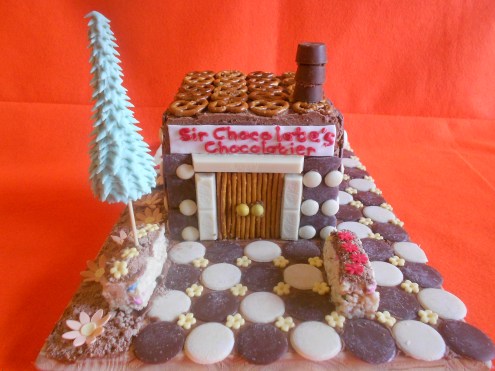
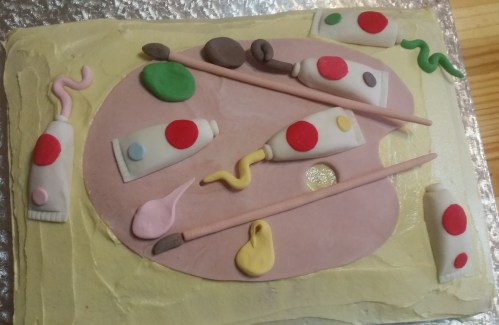
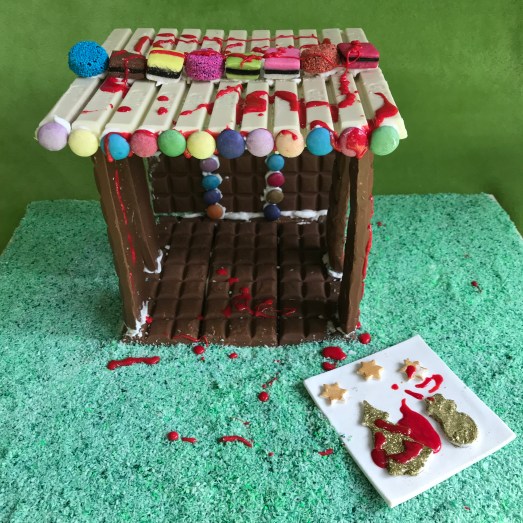
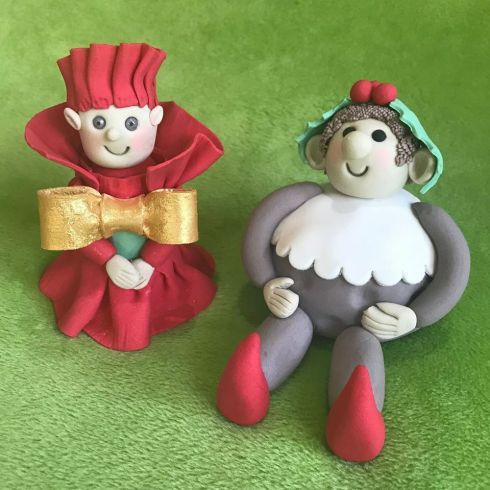
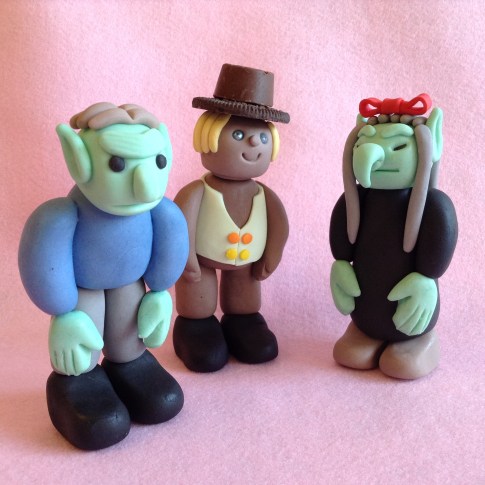
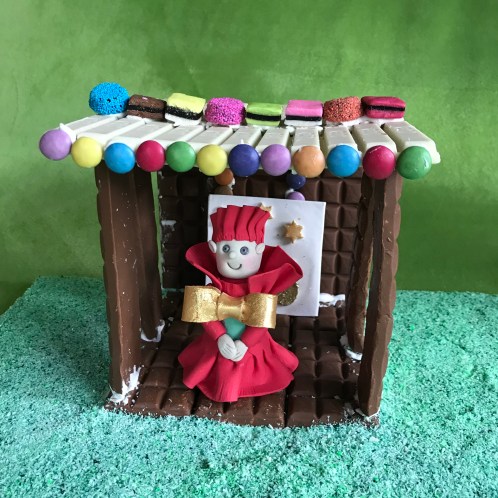
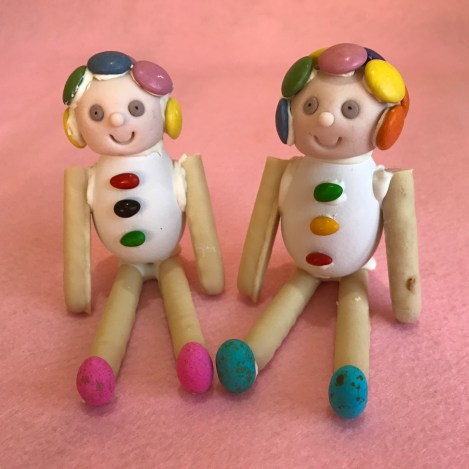
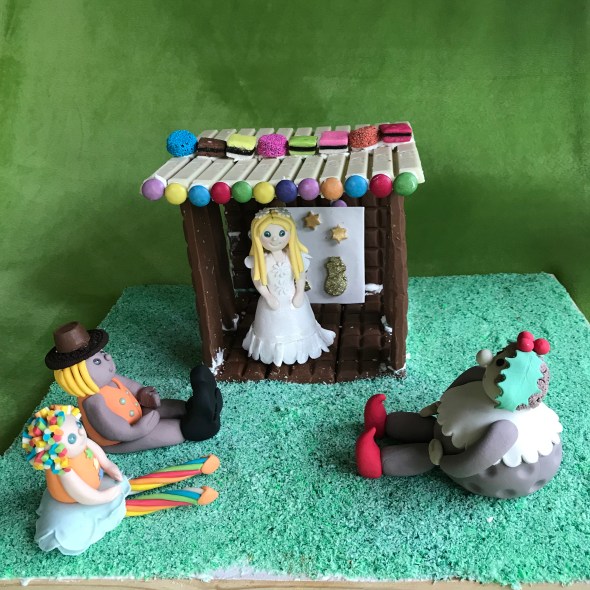


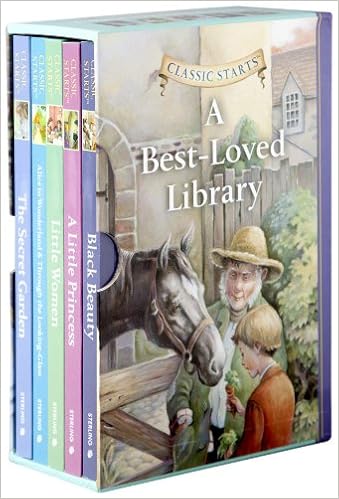

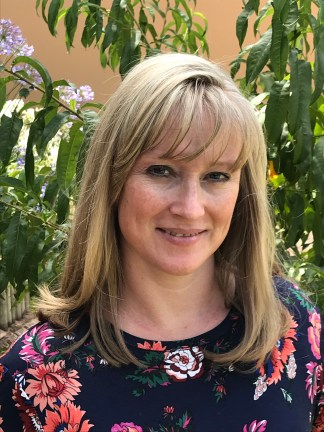
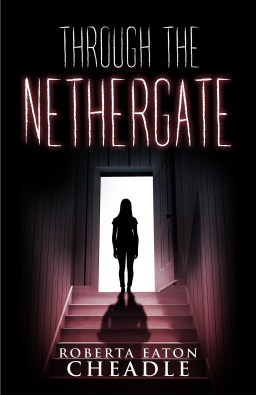 Roberta: As mentioned above, my original idea was to write a selection of short stories, each featuring the death of one ghost.