Weekly Writing Memo: It’s Your Story
Posted: April 6, 2016 Filed under: Fiction, Opinion, Uncategorized, Weekly Writing Memo, Writing, Writing Tips | Tags: Creative Fiction, Fiction, Writing, Writing Process 2 CommentsIf you spend enough time writing, and receiving feedback on that writing, eventually you will run into feedback on your work that you disagree with. As I said in my piece on receiving feedback, there’s nothing wrong with that and it’s to be ex pected. So how do you deal with feedback you don’t agree with, especially when it comes from someone you respect and admire, and someone you know knows their stuff?
Do you ignore it outright? Do you argue? Do you grit your teeth and make the change because they’re an expert? What do you do?
- Treat every piece of feedback as if it were true.
This is the hardest thing to do as a writer because it involves looking at your work as if it were someone else’s, and focusing on what might be bad about it. Writing is a personal thing. We get attached to our creations, and as friend recently put it, it’s like being in a relationship. You’re so close to it that it can be hard to step back and see all that’s really wrong within it until someone else points it out. Even then, our instinct can be to defend it to the very end because it’s personal, and we’re emotionally invested in it.
If you really want to improve, however, you have to consider everything as possible in your work, even being wrong. To do this, you have to force yourself to put aside any emotional reaction the feedback may cause and focus on the question the feedback is asking. Try to think of it as being honest with yourself. If the feedback is right, then being able to accept it will let you fix it and make your writing better. If you are stubborn and insist you’re right and nothing needs to be changed without thinking about it, then you’re risking having a story that will not be as good as it could be.
So the first step when getting feedback you don’t agree with, whatever it is, is to tell yourself it is right. Even if you later decide it’s wrong, tell yourself it is right and force yourself to look at your work as if it is.
- Try to prove the feedback right.
Once you’ve forced yourself to think that the feedback is right, the next step is to try and prove it right. Look at it like looking at a scavenger hunt within your own work. If you spend at least five minutes analyzing things and trying to find elements that prove the feedback right, you may surprise yourself with what you see. Even if it seems like a stretch, force yourself to consider it.
For example, if someone says your character is flat or boring, then look at that character critically. Find all the traits you’ve shown about that character. Have you shown them, or told them? Find all the dialogue for that character. Do they say everything plainly, or do they have personality? If you covered up the name, would you know who is speaking? Look at as much about the character as you can, and see if you’ve been too subtle with your efforts, or if you’ve missed a key character element.
If by the time you’re done analyzing, you’re convinced the feedback is wrong, then maybe it is. But only settle on that after you’ve given an honest effort to try to prove it right. Is there anything you can do better or add to the story, without adding needless things, to help anyone who thinks the character is boring change their mind? If you find anything while you’re analyzing that may be what made the critic feel the way they did, then try to fix it so other readers don’t get the same reaction.
The point is, if you treat the feedback like it is right, and then analyze your story trying to prove it is right, you’ll be more likely to maybe see what the person giving feedback is talking about. If after all the analyzing you still can’t prove the feedback right, then maybe the feedback is wrong or focused on the wrong thing.
- Trust yourself.
Ultimately, people are not perfect, and every writer and reader has a different idea of how things work, and what is good or bad. The most important thing to remember is that it is your story, and while I strongly, strongly encourage considering every piece of feedback and thinking critically about each piece of advice, sometimes you have to simply thank the feedback giver for their time and ignore part of their feedback.
Breaking down a story and being able to explain exactly how it works and why is not an easy thing, and sometimes as writers we do things instinctively based on years of reading and watching and taking in stories. Sometimes, you get a piece of feedback that you know is wrong but you don’t have the tools to prove it wrong.
At this point, if you’ve given the feedback an honest chance and just don’t agree, it’s time to trust yourself. It is your story, and unless the person telling you to change it is your boss who won’t pay the bill if you don’t change it, then listen to yourself. As one of my former professors used to say, “At the end of the day your name is what’s on the page, so you get the final say.”
If you’re really concerned because the person giving the feedback is more experienced, or more knowledgeable, and you aren’t confident in ignoring the note, then your alternative is to make the change and see what happens. Try it out. Does it improve the story? Or does it ruin something you were going for? Even if you do this, however, you still have to trust yourself enough to look at the change and decide if it is improving or hindering your story.
Whatever you decide, it’s your story, so trust yourself. You are the one telling it. No one knows it better than you, and no one can make a decision for you. So think critically, try to be honest, and trust yourself. And remember, even if you go through the process of trying to prove the feedback right, and end up deciding the feedback is wrong, it is never a waste of time. Just the act of forcing yourself to analyze and think critically about your writing will help you be a better writer overall. After a while, you’ll find it far easier to analyze each piece of feedback, you’ll get faster at doing it, and you’ll be better equipped to defend your work because you’ll be used to breaking it down in a critical way.
Share this:

“Whispering Death” is an Action Packed Thriller of fair quality
Posted: April 1, 2016 Filed under: Book Review, Fiction | Tags: Action/Adventure, Book Review, Chris Tucker, Creative Fiction, Fiction, Whispering Death Leave a comment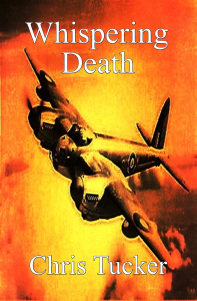
If you took the wild ride of Lost Voyage and loved it, then you’ll be happy to join in on the antics of NESA operatives, Sean Mercer and Pat Vigil, as they uncover a plot and race to stop an egotistical madman, who happens to be the kingpin of a huge pharmaceutical company, from unleashing a new drug resistant strain of TB on the world, for his own materialistic profit in Whispering Death, by California author, Chris Tucker.
While their boyish antics are entertaining, Sean Mercer and Pat Vigil are characters we’d like to know more about. For instance, how can they always be joking, even in the face of death? And how can they be so confident that they will always come out unscathed? It almost seems as if they are secret super heroes, carrying out almost super-human feats, and we just haven’t been let in on the secret.
This story has a good plot line, but execution of the story is lacking. It should be an action-packed thriller, which keeps readers on the edges of their seats and anxious to turn pages, but without continuous POV, we don’t stay with any one character long enough to feel the tension that we know should be there.
I give Whispering Death 2 Quills: 
Share this:

Weekly Writing Memo: Do’s and Don’ts of World Building
Posted: March 30, 2016 Filed under: Fiction, Uncategorized, Weekly Writing Memo, Writing, Writing Tips | Tags: Creative Fiction, Fiction, Writing, Writing Process 1 Comment World building is something I hear writers spend a lot of time anxiously freaking out about. All the tips on Where to Start a Story and How to Make Your Audience Care won’t help you get writing if you’re stuck in the preliminary stages of world building, so I thought I’d do a post on the basic do’s and don’ts of developing the world for your story.
When I talk about world building, I don’t just mean fantasy worlds or futuristic science fiction stuff. World building encompasses every story ever written, even ones based on true stories. Whenever you write you are building the world for your audience, so that those whose world view is different can “buy in” and believe the world is real. So every story involves showing the world it takes place in, the ones based on the real world just take a little less set-up because it’s easier for people to accept and figure out.
- DO establish “normal”
Every story has a baseline for what is normal in it. Establishing this just means you are saying to your audience that this is the world the story takes place in, and everything from this point forward will be based on that. To decide what needs to be established in this way, think of what is different in your world than the world we live in.
Do you have monsters that kill people? Do your characters have strong emotional/societal differences? Like in Invention of Lying where they can’t tell a lie, or in horror movies where the monster is supernatural, these things have to be established early on to orient the audience in the world of the story.
You don’t need to show us everything, but do show us what is important for understanding your plot, characters, and anything necessary for the story to work. It’s about small details, and consistency. So first decide what needs to be established, and then look for the easiest, and shortest, way to establish it, preferably in a way that helps move the story forward.
- DON’T over explain
It’s easy to get wrapped up in describing the details of a world because it can be fun to write. If you spend too much time laying out the world, however, it’ll start to feel like a history book of facts rather than a story. The key is to find a balance.
How much information does your audience need to know in order to understand the story? How much do they need in order to get a feel for the world? If you tell the audience just enough to get oriented in how the world works, without going too far past that, they will know what they need for the story and not feel like they’re bogged down by unnecessary details. Ask yourself with every detail, whether it is pertinent to the story, and how the story would be different without it.
- DO find one specific thing
The rule I use whenever I’m world building is to give one specific detail about anything that may be different from our modern world. So if I invent a new corporation, or a new style of car, I give one specific detail about it that tells the audience what this thing is, and how it fits in my world. This gives the audience something to latch onto for visualization, and something to define this “new” thing by.
As a side note, I also use this for minor characters and such in stories. I give them at least one specific detail about them that stands out, be it physical, personality, or history. It helps personalize each character, and make them their own.
- DON’T spend more time world building than writing
I’ve heard more than a few stories about writers who spend years building the world of their story. They think they need maps, and history, and every species planned out, and religions, and etc. While this kind of thing is a version of storytelling in itself, if you aren’t actually ever getting to write the story, you aren’t writing.
The key, as mentioned above, is to figure out what is important to the story and plan those things without going off on any side tangents. If you really feel you need to develop more of the world in order to deepen your story or to solidify the world for yourself, that’s fine, but set limits. Tell yourself you can plan out 3 or 4 main things that are the core of that subject (religion, politics, geography, etc), then force yourself to move on. If it’s not the core of your story, then you don’t really need more than that to get writing.
- DO remember to touch on the big things
Even though I say don’t get sidetracked by things that aren’t necessary to your story, there are several big things that should be touched upon if you are creating a new world. These things are things that are a part of every society, and even if your story works without them, it’ll be more realistic if you have some mention (even minor) of them.
The big 5, I think, are: politics, religion, culture (fashion, music, art, etc), transportation, and commerce (agriculture, industry, production, markets, etc). There are more, but these are the ones that no matter where your character is, there will always be touches of them present somewhere.
They don’t require an in depth expository segment on them, they just require the small details being integrated throughout your story wherever there is an easy opportunity for them. Your character passes people in a hall, we’ll see touches of their culture in clothes and appearance, and maybe even faith in jewelry or tattoos and such. The passing details can tell us a lot.
- DON’T compare
Don’t go the easy route and say anything that can be summed up as “unlike the world you know, this world works like this.” If you’re creating your world, our world probably doesn’t exist in it. Now, if you’re writing a character who is from “our” world and goes to another, then of course this doesn’t apply. If, however, you’re writing your completely original world, then it doesn’t make sense for your narrator to talk about a world they shouldn’t even know about.
You can use things from the known world in your world, that’s done all the time, just don’t point them out as being from our world. Your narrator is the one telling the story, so stay true to how they’d describe things. If their world doesn’t have bicycles, don’t describe something that looks like a spoked circle as being “like a bicycle wheel.” You have to stay true to the narrator.
Final Notes:
All of this kind of sums up to one major point. Do only as much planning as necessary to develop the basis of your world, and try to avoid overindulging in the development stage. A lot of the world building can happen as you work.
Personally, I develop what is necessary for the plot first, then start writing. While I write, I keep a Word document with new details I add. If I name a gadget or a city as I go, I write it on the Word document so I don’t forget what it’s named. It’s something I keep open as I write so I can reference and update it as needed. As with the post on researching, the thing to remember is that all roads should lead to writing and telling the story, so try to world build with that in mind.
Share this:

Weekly Writing Memo: 3 Ways to Make Your Audience Care
Posted: March 23, 2016 Filed under: Fiction, Uncategorized, Weekly Writing Memo, Writing, Writing Tips | Tags: Creative Fiction, Fiction, Writing 2 CommentsIn last week’s memo, we answered the question “What do I write?” This week we’re going to talk about making your audience care about your story. If your audience isn’t invested in the story, if they a ren’t interested in it, then they aren’t going to want to stick with it through to the end. Lack of investment is what makes people walk out of theaters mid-screening and give up on books before they get to the end of the story.
So how do you get your audience invested? How do you make people care?
As with everything else to do with writing, there isn’t a guide to follow or a cheat sheet to guarantee your audience will care, but there are several steps you can take to give your story the best odds.
- Make your characters rounded and “real.”
It’s hard for people to get invested in characters that are flat or stereotypes. The more rounded your character, the more depth that they have, the more they will feel like real people. Without characters that are more than just a stereotype or shell to carry out the plot, it’ll be incredibly hard to get an audience invested in the story.
Even in real life it’s hard to get invested in people we don’t know, or people who are theoretical to us. We often think of people as the role they fill in our lives—the barista who makes your coffee, the cop who gave you a ticket, the taxi driver, the security guard. It isn’t until we learn something about them that is personal—a habit, their family, their hobbies, etc—that those people become something more to us than their jobs. Friends and family mean more to us because we have a wealth of experiences with them, and knowledge about them as people, that give them meaning to us. Characters in stories need to create these same feelings
Without the depth to your characters, the audience will never be able to think of them as more than functions. There are a lot of ways to create deep characters, and it’s different for every story. My past blog posts on Making Likable Characters and 5 Tips for Establishing Characters are good places to start. Essentially, it comes down to making your characters real.
Give them more backstory than what pertains to the plot. It doesn’t all have to be explained, but do hint at it and let glimmers shine through to show that there’s more going on beneath the surface. Give your characters habits, and families, and favorites/dislikes. Give them personality, and let it shine in their narration, their dialogue, and their actions. The more “real” you can make your character, the more depth you can give them, the easier it will be for people to get invested in them enough to want to stick around through the entire story.
- Create a plot that matters.
Having a character with depth is only the first part. If the character doesn’t have a conflict that is interesting, something that matters, then even if the character is well done, the story itself may not be interesting. The plot of your story has to have something major at stake for your protagonist, and the story should have different levels of plot to create more depth (Read 3 Types of Plot for more info on plot levels).
The plot of the story has to have something at stake for the protagonist that anyone in those shoes would see as life altering. This can be anything from their life being at risk to their one chance at finding true love. If you show that it is something pivotal for your protagonist, then your audience will look at it with the same mindset.
You want your audience to care about what is happening in the story, so the protagonist has to care about it and SHOW that they care. They can’t just say “well if I don’t get this job I’ll have nothing.” You have to show how not getting that job will ruin their life—show their financial situation, show their potential future without the job, show them starving and spending their last dollar. If you make the audience understand the consequences of the protagonist failing to succeed in the story, then you will make the audience understand why the conflict of the plot is so important to the protagonist. You’ll make the plot matter, and get your audience invested.
- Ask questions that your audience wants answered.
Every scene of your writing should create a question that your audience is wondering. Where is the protagonist going? Who died? Who’s the murderer? What is going to happen next? These questions are what keep your audience invested and curious to keep reading because they want the answers. The only time your audience should have all the answers, or close to, is at the end of the story, and that is only true if the story is not a series of some sort.
Every scene of your story should, at the very least, lead your audience to ask themselves “what will happen next?” If not, then the scene is not driving the story forward. Scenes that do not drive the story forward have no purpose in the story and will most likely feel boring, slow, and will often be places where the audience stops paying attention. They lose their investment in the story because they have no reason to keep reading.
You can create more “questions” in the story by making sure your scenes don’t give all the answers to the plot, by adding conflict, and by letting your characters and the plot be exposed gradually rather than in bulks of exposition.
For example, instead of doing a chunk of dialogue or exposition about who your protagonist is, let your audience figure it out as the story develops. Give them doses, enough to keep them curious about the character, but don’t spell it all out for the audience. That keeps the audience asking “who is this character?” If you can keep your audience asking questions, you’ll most likely keep them reading to find the answers.
Final Notes:
The one thing to keep in mind about all of the tips above is that they are all useful in moderation. You can tell us too much about a character, make a plot too complicated, or create too many questions for your audience. You want to give your audience enough to keep them interested and entertained, enough for them to understand the story, but not so much that they are overwhelmed, bored, or confused.
Some great popular examples of too much of something are Lost and Game of Thrones. When Lost was on, many people complained because it constantly created questions for the audience without giving enough answers. Similarly, in Game of Thrones many complain because there are too many characters and audiences had trouble getting into the story.
Now, both of those franchises are highly successful so clearly people can get past those things, but both show the dangers of too much of something. Both of those series, however, also use all of the things I listed above to keep audiences invested. They have deep characters with backstory beyond the events of the core plot that the audience sees. They keep the audience asking questions and wanting answers, and their plots have huge things at stake for the characters.
You’ll never be able to keep everyone invested all of the time, but if you strive for balance, and create deep, meaningful characters and plot, then you should be able to keep your audience invested in the story.
Share this:

Full Circle Comes Half-Way
Posted: March 19, 2016 Filed under: Book Review, Fiction | Tags: Action, Book, Book Review, Fiction, Flagler Beach, Full Circle, Tim Baker 2 Comments Tim Baker’s latest novel, Full Circle, is a story about how our choices affect others, sometimes others we don’t even know, in unexpected ways. What does one do when your boss thinks you owe him a favor and asks you to commit murder? Mark Sullivan is faced with the choice and what he does sets in motion surprising events, while his boss, Joe Moretti’s choices set other events in motion, involving other people, and all these paths cross in some very entertaining ways.
As in all of Baker’s books several seemingly unrelated characters weave their way through the intricate details of plot with delightfully entertaining antics. A recovering alcoholic, a single mother trying to make ends meet, a self-centered contractor, an over-protective father, and a homeless woman, who seem to have little in common, find their karmic paths crossing in unexpected ways, but it all comes together when they come Full Circle.
In Living the Dream, a plumber’s apprentice with a moral code ends up crossing paths with a crooked contractor who’s unfaithful to his wife, and the endearing residents of Flagler Beach. In No Good Deed, a homeless guy and a gangster’s girlfriend cross paths with the plumber’s apprentice, who has straightened out his life and is now a groundskeeper trying to live the straight and narrow, some big time mobsters and a two-bit con-man, along with our old friends from Flagler Beach and surrounding areas. It’s one of the things I admire about Baker’s works.
I think the difference with Full Circle may be that the karmic element is the theme of the story, and it feels like the characters are forced to fit the mold on this one. I must admit, I was a little disappointed by it. Tim Baker is a talented author, with the ability to bust out this kind of story with skill and finesse, but it feels off in this book. It’s nothing I can put my finger on, but it didn’t grab my attention from the starting line, like Baker’s other books have. As a result, I found it harder to invest myself in the story and care about the characters.
Don’t get me wrong. Full Circle is a good story, a delightful tale, actually. It will make you smile, and make you sit on the edge of your seat at times. It will draw chuckles in all the right places. Although the execution is a little off, it’s not enough to make me put the book down. I still wanted to keep reading to see what happens next. I give Full Circle three quills.

You can find Full Circle and other books by Tim Baker on his website, Blindogg Books.
Share this:

Weekly Writing Memo: What Do I Write?
Posted: March 16, 2016 Filed under: Fiction, Uncategorized, Weekly Writing Memo, Writing, Writing Tips | Tags: Books, Creative Fiction, Fiction, Writing, Writing Process 3 Comments I think the writing questions I hear the most are questions about where to get ideas, and what ideas are good ones. People constantly want the secret formula for the next bestseller, or confirmation before they start writing that the idea they’re working on is great. The problem is, there is no magical way to tell before something is written.
Of course, there are ways you can help improve an idea before writing, but there isn’t a secret guide to a guaranteed selling idea. That being said, there are some tips to help you decide whether the idea you have is one you want to pursue.
What do I write?
Ideas are everywhere. Look at friends and family, look at the news or celebrity magazines, and find what interests you. I always advise writing something that truly gets you involved and not just something that you think will sell. The more you love the story, the better the writing will be, and the audience will be able to feel your enthusiasm for it. So find a story involving something you love, or something that fascinates you.
Once you have a topic, the next step is to figure out your character and your plot. Those things are blog posts of their own, so I’ve posted a few links to previous ones I’ve written on the subjects below for more in-depth information. In general, though, you need to understand who your character is and how they would behave, and you need to know what kind of trouble they are going to get into that will disrupt their world.
Beginning a Story: What’s in a Beginning?; Tips for Finding Your Story’s Beginning
Plot: 3 Types of Plot; 5 Ways to Increase Tension in Story
Character: 5 Tips for Establishing Character; Relatability or Likability
Is my idea good enough? Interesting enough? Sellable? The next big hit?
Maybe you already have an idea, but you’re not sure it’s interesting or sellable. You can always ask a few people and get a second opinion, but in general until the story is written there is no way to say one way or another. A great idea can be presented in a poor way and make people think it won’t work, but then you write it and it does. A bad idea can be made to sound wonderful, but then it can fall apart in the writing.
The only way to find out if your idea works, is to write and see how it turns out. That being said, you can help increase the chances that your idea works by doing your homework up front. Outline, develop your characters, develop your setting, and learn as much as you can about writing as possible. No matter how good of a writer you are, there is always more to learn.
Has it been done before?
Beyond the concern of whether a story idea is interesting, the other concern I often hear is whether the idea has been done before. It’s easy to look at your story concept and think of everything similar that has been done. You’ll start to feel inadequate, or like a mimic, or that your story doesn’t measure up. This is a valid concern because you don’t want a story that is too similar to an existing one, but all stories have elements that overlap with other stories. There is nothing wrong with being inspired by another story, or having something similar with another story, but the key is to have something to distinguish your story from the existing one.
For example, an easy reference of distinguishing traits is to look at the movies White House Down and Olympus Has Fallen. The two movies came out around the same time and had incredibly similar plots, but what distinguishes them from each other, besides actors, is tone. White House Down isn’t a comedy, but it does come off as a bit more lighthearted and comedic at times. Olympus Has Fallen, on the other hand, is more of a serious action movie in the vein of the original Die Hard. Now if the movies had been written one after the other, whichever was written second would have had to do even more to distinguish itself from the original, but because they came out at the same time they get away with being so similar.
The important thing is to remember that as long as you’ve taken steps to separate your idea from whatever existing idea you’re looking at, then you should be fine. Focus on making it your own, on writing it the best you can, and embrace your story, and always have something that makes your story your own unique, be it style, viewpoint, character, or plot.
Final Notes:
The easiest way to truly learn to understand stories, and to know what is and isn’t sellable, is to consumer stories that are selling. Read, watch movies, listen to podcasts, check magazines, and take in stories in all of their forms. One of the easiest ways to learn about writing and telling a story is to see how it’s been done for centuries and think critically about them.
You need to take in stories wherever you can, and always take note of what you like, what you didn’t, and WHY. The more you study existing works and learn how the storytelling is executed, the more techniques and tools, so to speak, you’ll have at your disposal for your own writing. So study, explore, and embrace your idea. In the end, once you get it out you can always verify with someone else whether the idea is too similar to something that exists or if it’s any good, then tweak as needed, but until it’s on paper, no one will ever be able to say for sure. So go write, stop procrastinating with worry and self-doubt, and maybe you’ll surprise yourself.
Share this:

Weekly Writing Memo: Researching for Story
Posted: March 9, 2016 Filed under: Fiction, Uncategorized, Weekly Writing Memo, Writing, Writing Tips | Tags: Books, Creative Fiction, Fiction, Writing 3 CommentsIn last week’s memo we talked about the 3 Types  of Plot, and this week we’re going to discuss researching. When is the perfect time to research for your story? How much research do you do? When do you start writing? The answers won’t be the same for everyone or every story, but there is some general advice you can use as a guide.
Before You Write:
The kind of research you need to do before you write is anything that connects to the core of your story, and the kind of stuff you can’t write the story without knowing. For example, if you’re story is going to be about a detective solving a crime, then you need to understand the basics of how a detective would go about doing that. The key part of that statement is that you only need to know the BASICS so you can get started writing.
I’m not advocating writing about things you don’t understand or winging it. All I’m saying is to get started writing, you just need a general understanding of how the process works. The finer details won’t really affect the writing of the overall first story draft, so they’re they kind of thing you can come back and add later.
It’s better to get the writing done, and then see what you need to add and research more after, rather than become so absorbed in the researching that you waste time studying things you don’t need to know for the story. You can go back and do more later and will if you want your story to be accurate, but the pre-writing research is about getting a general sense of things, and finding out any vital details for your story so you can write. The rest can come later once you’ve written.
During the Writing:
When I’m in the process of writing, I try to keep the researching to a minimum. It’s easy to let yourself get sidetracked with little pockets of research, and one quick detail can rapidly turn into exploring new information for hours.
My general rule is if I can find it with a 5 minute or less Google search, I will look it up and immediately go back to writing. For example, if I need to know what a specific tool a character is using to do a job, I will do a quick search. If it is not important, is going to take longer than 5 minutes, or is just something I think I may want to research to add later, then I make a note and don’t stop.
I keep a word document for every project I’m working on that is basically a list of things to fix, research, revise, or keep track of. If I come up with something I want to add to the story later that I need to research, I add it to the list. That way I don’t forget it, know where I want to add it, and can come back to it later. Some things end up not being important to the story once I finish, so it works out nicely to have them on the list instead of stopping every time a topic comes up.
The only other research I do when I’m writing is if I discover there is something vital to the story that I didn’t realize I needed, and I can’t go on without it. Then I stop, research for a few hours if needed, and try to get back to writing. The key is, you want to minimize disruptions while writing, and only break away to research when you HAVE to, or when it’s minimal and won’t stop your progress. The point of writing, is to write.
After the Writing:
After a story is finished you should have a better idea of what you need to research further, and that is when it’s time to delve back into research for a short period. Go back and do all the research on the list you made while writing, and then go back and do some more in depth research of the topic. I usually will read a book, or several, by an expert, I’ll browse resources online or in the library, and even read a few books or watch a few movies in similar genres or on similar subjects depending on what I’m writing.
After the writing works as a convenient time to do this because you should generally take a break before revising, so if you use that break to research, when you go back to revise you can add what you learned in the revision process and save yourself time. A lot of the “after writing” research is about learning the nuances and small details that make the writing more realistic, and make it “pop” as some like to say.
For example, when I initially researched for my mystery novel, I studied the process of investigating a missing person, I learned what the laws were for reporting an adult missing, what the general process a detective would go through to investigate, and what the family’s process would be emotionally and legally. That was all I needed to do the first draft of my novel because those were the things that affected the overall plot of the story, and behavior of the characters.
After that first draft, I did some further research on forensics of investigating a crime, as well as police lingo, further missing person research, and read a few accounts of personal experiences with missing persons. All of this helped me tweak the more specific details of my writing to make it more accurate and realistic, but none of it really affected the overall plot.
Final Notes:
The thing to remember is that pre-writing research is about learning enough to get started, not developing the entire world or learning all you can about a subject. It’s about giving yourself a solid basic understanding of the subject so you can write, like taking a 101 class in college.
The during-writing research is about finding out only what you absolutely need to know to get back to writing, and not interrupting the process. It should really be minimal, non-existent if possible. The post-writing research is about specificity and going in-depth.
When you find yourself focusing more on the research than the writing you need to ask yourself how much you really need to know to get started. Are you just researching because you enjoy it or because the story needs it before you can write? Are you lacking confidence in the story and wasting time researching to delay the writing?
While research is fun and engaging, the important thing is to remember that the more time you spend researching, the less time you’re spending writing. If you’re going to be a writer, you have to let yourself write.
Share this:

Weekly Writing Memo: 3 Types of Plot
Posted: March 2, 2016 Filed under: Fiction, Stories, Uncategorized, Weekly Writing Memo, Writing, Writing Tips | Tags: Books, Creative Fiction, Fiction, Writing 4 CommentsIn previous posts we’ve talked about minor issues such as 5 ways to Increase Tension, as well as whether your characters need to be Likable or Relatable. In this post we’r e going to focus on a larger concept of story—the three types of plot. Every story should really have multiple levels of plot going on, and in general there are three types of plot that should be in most stories for them to have depth, and enough content to be fulfilling.
- The Grand Plot
The Grand Plot is the larger plot that is the overarching conflict of the story. This can be anything, really, as long as it is grand enough to run the length of the story. In a series, it can be the larger plot that spans the series, or in a single movie or novel, it’s the larger plot that is the focus of that one story.
For example, if you look at The Hunger Games, the Grand Plot in the first book is whether Katniss Everdeen will survive the games. As a series, however, the Grand Plot is about the fall of the Capital and President Snow.
Essentially the Grand Plot has to be something that has enough conflict to sustain the entire film or novel. It can be made up of a bunch of smaller conflicts, such as Katniss having smaller battles to face during the games (other players, poison berries, beasts, etc), but it essentially boils down to one thing (in The Hunger Games, it is survival).
When choosing a Grand Plot for your story, ask yourself what kinds of problems your protagonist could run into while pursuing a solution to that plot. If you can only think of one or two, then it is probably not a good Grand Plot. Returning to The Hunger Games example, Katniss has to face Capital politics, she has to face her urge to sacrifice herself for Peeta, she faces other tributes, and dangerous wildlife, and more. Those are all minor conflicts that arise during her pursuit of the Grand Plot, so there is plenty of conflict. If, however, The Hunger Games was just about Katniss being locked in a room and having to survive with no external factors, there probably wouldn’t be enough conflict to sustain a story and there would need to be a different Grand Plot. The Grand Plot has to be a big enough goal for there to be an entire story (novel or film) written about it.
- The Personal Plot
While the Grand Plot is something that is the overarching plot for a larger story, the personal plot is a plotline that may or may not last the entire main story. It is something that has meaning for the protagonist in some way, and is often the motivator for the protagonist to pursue the Grand Plot.
For example, if you look at the first Die Hard movie. The Grand Plot is that Bruce Willis has to stop the terrorists who are holding his wife’s office building hostage. The Personal Plot, however is what motivates Bruce Willis to take action beyond his sense of justice—his desire to protect his wife. The movie Taken with Liam Neeson has a similar plot makeup. The Grand Plot of the movie is really taking down this trafficking ring, however the Personal Plot is Liam saving his daughter.
The Personal Plot usually links up with the Grand Plot in some way, and in general, once the protagonist pursues the Personal Plot, they end up going a step further and achieving the Grand Plot. For example, as a series, the Grand Plot in The Hunger Games is the destruction of President Snow and the Capital. The Personal Plot for the series is Katniss surviving and protecting those she cares about. On a smaller scale, in the first book the Grand Plot is Katniss surviving the games, while her Personal Plot is still protecting those she loves (Peeta and Prim).
The key to writing the Personal Plot is that it has to be the thing that makes your protagonist want to act. It is what makes the goal personal for your protagonist, and it is the thing that keeps them from giving up because they have a personal investment in succeeding. If Katniss didn’t want to protect those she loved, she could have just given up and died in the games, instead she HAD to survive in order to make sure Peeta made it.
The Grand Plot and the Personal Plot will most likely overlap, but the Grand Plot is always at least one step bigger than the Personal Plot. Like in Die Hard, saving his wife is the first step for Bruce, while saving everyone else is the next. In The Hunger Games, saving herself and those she loves is the first step for Katniss, and taking down the Capital and President Snow in order to save their society as whole is the next. By doing one thing (saving the one they love), the protagonist is spiraled into doing the bigger thing (saving everyone) because they realize that only saving the one they love is not enough.
- Secondary Plot
Secondary Plot are the little plot arcs that pop up while the protagonist is pursuing the Grand Plot. For example, in John Wick when the assassin chick is hired to kill him, she is a secondary plot—a small problem along the way to him achieving his goal. Often times these Secondary Plots involve a problem of a secondary character. In The Hunger Games, the Secondary Plot often comes from Peeta. When he is injured and ill during the games, Katniss having to figure out a way to help him is a Secondary Plot.
There can be many, many layers of Secondary Plot within a story, and it all depends on how many characters there are and how long it takes the protagonist to complete the Grand Plot. The simpler your Grand Plot is, the more Secondary Plot you will probably need. For example, The Lord of the Rings has a pretty simple Grand Plot—deliver the ring to Mordor and destroy it. Much of the rest of the story is all Secondary Plot that arises through the secondary characters.
For example, conflicts with people trying to steal the ring from Frodo, such as Boromir or Gollum, are all Secondary Plot. These Secondary Plots often are roadblocks for the protagonist on the way to solving the Grand Plot, because they force the protagonist to stop and solve another problem before they can continue on their journey to solving the big problem. Often times these Secondary Plots serve as learning moments for the protagonist so that they can learn what they need in order to succeed at the Grand Plot. When Boromir tries to steal the ring, Frodo learns that he has to go out on his own and cannot rely on the safety of the group to help him achieve his mission.
These kinds of moments are minor, but they are the things that continue to propel the protagonist into action and renew their vigor to achieve the Grand Plot. They can be anything from minor stepping stones on the road to the Grand Plot, to major side arcs for the story—such as Aragorn becoming King in Lord of the Rings.
When figuring out the Grand Plot for a story, always ask yourself: What kind of problems your protagonist will run into along the way? How will secondary and tertiary characters be effected? What will they need from the protagonist? What does your protagonist need to learn in order to succeed at the Grand Plot? Once you know these answers, you know what kinds of Secondary Plots to add to your story that will seem natural, as well as have purpose.
Final Notes:
The different layers of plot have different purpose, but they are all important in story. The Grand Plot is the big problem to be solved, so to speak. The Personal Plot is what motivates your protagonist to solve the big problem, and the Secondary Plot is the little conflicts that your protagonist has to overcome along the way and learn from. Without all three elements, your story can feel like it is light on depth and conflict.
The important thing is that all of the plot elements should tie together in some way and influence each other. Don’t have a random side plot where your character stops their big goal and goes to save a cat or something. Everything should be connected and serve a purpose, so whenever you have your character do something, make sure you have the larger plot in mind and can answer the question “what is the purpose of this?”
Later this week I’ll be doing a post on my blog (Author the World) about plotting specifically in Horror stories, so if you’re interested make sure to stop by and check it out.
Share this:

Weekly Writing Memo: Relatability or Likability?
Posted: February 24, 2016 Filed under: Fiction, Uncategorized, Weekly Writing Memo, Writing, Writing Tips | Tags: Creative Fiction, Fiction, Writing 3 Comments Everyone has a different idea of what is crucial for a story to succeed. Some people declare that the protagonist has to be likable, while others say that the protagonist just has to be relatable. Many people think a protagonist has to be likable because why else would an audience care about the story, but there are a lot of unlikable protagonist out there who have successful stories (American History X, The Social Network, Wolf of Wall Street). Because of this, many people believe that a protagonist doesn’t have to be likable, they just have to have something about them that an audience can relate to. Even that seems like a stretch, however, because there isn’t any way to guarantee that you will give your protagonist a relatable trait.
Personally, I think there is a third option, and that is to simply focus on making your protagonist understandable. If your audience can understand where you protagonist is coming from, and why they do what they will do, then whether they like the protagonist or not, and whether they relate or not, they will be able to follow the story and understand it.
If the audience can understand your character and their decisions, then they can connect with the story and enjoy it as if they are going on a journey with the character. Yes, likability and relatability help the audience connect more, but when you have a character that doesn’t allow for those things your story can still work as long as the character is understandable.
So how do you do these things? How do you make a character understandable, likable, and relatable? All audiences aren’t the same, but there are several general ways to accomplish these three things.
Understandable Characters:
- Define the character.
I don’t mean write a definition of them, but I do mean show the audience who they are. Give the character a defining moment where their true personality comes out. Are they the person who runs when they see trouble, or do they jump to help without a thought for their own safety? The first step to making a character understandable is to show the audience who they are.
- Explain why.
Why is your character the way they are? If that isn’t pertinent to the story, or maybe you can’t find an interesting way to show it, then tell us why the character does what they do. Find a way to show these things and it is another step in making the character believable, and understandable for the audience. At the very least, you as the writer should always know why the character does what they do so you can use it as motivation for your character’s behavior.
- Justify.
Whenever your character is doing something that is abnormal, justify it. Don’t just write it and pretend the audience won’t notice. Instead, find a way to explain why they are doing it. In screenwriting there is a term called “Hang a Lantern on it” which means to call attention to the thing that is not normal or when something is cliché. If the audience is going to stop and question it, then have the character stop and question it and justify why it is happening that way. This is a method for cutting off the doubt before the audience can experience it, and it helps with making the plot and character understandable.
Likable Characters:
This is a more generic category, but there are several different characters traits that consistently make for likable and interesting protagonists.
- A good person, or trying to be.
A character who is a good person is generally likable. They’re kind, do nice things, and aren’t selfish. That being said, they can’t be self-righteous about it. If the character isn’t necessarily a good person, but is trying to be, that also makes them likable.
- Extremely talented or gifted people.
People in general like talented people. Even if they’re jerks, people respect talent and are drawn to it. So a talented character can be very likable. If they’re too much a jerk it can eventually override the likability factor, but for the most part, characters with extreme skills are likable.
- Funny characters.
People like funny people. It’s as simple as that. Of course there are humorous people that aren’t likable, but as protagonists they make for characters you want to follow to see what funny thing they’ll do next. It also helps that the audience doesn’t have to interact with the character directly, so any mean humor is not directed at the audience and is simply something the audience can enjoy from the outside. A lot of times these funny characters that are jerks are likable because they are saying the mean things a lot of people think, but never say out loud.
Relatable Characters:
- Make them do something mundane.
There are all sorts of mundane things that everyone does – brush their teeth, drive a car, go to work, watch TV, eat, etc. They’re the kinds of things that are just a fact of life, and making your character have to do them is a simple way to give the audience something to connect to. The only problem is, it isn’t generally interesting unless it is an extraordinary character who is forced to do the ordinary thing – such as a superhero doing laundry.
- Give them a bad habit.
Everyone has bad habits, and there are some habits that are more popular than others that are an easy way to give a character something relatable (nail biting). If you give your character a bad habit, it’s a flaw that the audience can connect to, and it is something that humanizes them.
- Give them family.
Everyone has some form of family, and almost everyone can relate to an embarrassing family moment. A mother who is over affectionate, a father who yells at the TV, a brother who tells his friends embarrassing things about you, etc. If you give your protagonist a family that they have to interact with, it not only creates a deeper character, but it also creates something that an audience can maybe relate to.
Final Notes:
Whether you decide likability, relatability, or being understandable is the most important thing, there are a lot of ways to achieve your goal. Decide what you think is important to a story, and what you find most appealing about the stories you read or watch, and go with that. Whichever you decide, the key is paying attention to the little details. Remember the how, and the why, and the everyday things that your character does, and make sure they are given careful attention when being written so that they are used to make your character better.
For more information on creating better characters, check out my blog on Author the World titled “5 Tips for Establishing Character”.
You can also check out last week’s Memo where we discussed “5 Ways to Increase Tension in Story“, as this connects to the discussion of what makes a story interesting.










How You Can Help to Build a Writer’s Platform
Posted: March 3, 2016 | Author: kayelynnebooth | Filed under: Commentary, Promotion | Tags: Book Review, Children's Books, Creative Fiction, F, Fiction, promotion, Southern Colorado Literature Examiner, Western State College, Writing, Writing Process | 1 CommentPainting by Mitch Barrett, Poetry by Kaye Lynne Booth
Everything I’ve ever done in life, I’ve done my own way, usually depending on myself and no one else. One thing anyone who knows me can tell you is I’m persistent. When I set out to achieve something, I don’t stop until I do. It has been no different with writing. But I’m discovering that I need a little help with this endeavor.
I had an unpleasant experience with a student teacher in the English department as an undergrad, so just when I was beginning to learn that I liked writing and maybe English should be my major, I was soured on the whole idea by the feeling that the field was too subjective for me, and I chose to major in psychology instead.
But after I’d been out of college for a few years, I discovered not only that I had a love for the written word, but also that I had some talent for it. I started out writing poetry, which I’ve since learned, is not my strong suit, but even there, I don’t do too bad. I sold my first poem to Dusk & Dawn Magazine in 1996 for $5. Problem was, that didn’t even cover all the postage I had spent submitting, and I couldn’t afford to play the starving artist. I had a family to help support. There were others to consider. So, writing went onto a back burner, just simmering for about twelve years.
Then, I discovered the Internet and rediscovered my abilities for writing as new opportunities presented themselves. The rise of the Web actually changed the entire publishing industry over time, opening up all kinds of new opportunities for writers, including, but not limited to, self-publishing, marketing via social media, vanity presses, and content mills. As blogs and websites grew in number, more content was needed than ever before. Problem was, I’m technologically challenged. Slowly, over time, I have learned to use social media to my advantage a little, and I’ve learned to use many of the writing sites and content mills to make minimal amounts of money.
One of the coolest things happened in my writing endeavors didn’t involve any money at all. I had one of my poems featured in a painting by artist Mitch Barrett and displayed and sold at the Kaleidoscope Gallery in Battlesea Park, London. (There’s a lengthy story behind how this came about, which I may relate in a future blog post. Anyone who knows me is surely tired of hearing it.
As a freelancer, I became the Southern Colorado Literature Examiner for Examiner.com, which didn’t really pay, but offered opportunity to meet other writers, get free books for review and obtain credits for my portfolio. I also cranked out articles for other content mills which did pay, at least a little, which added to my skill set, diversifying my writing talents, and I was published in Freeman, which was a bit more profitable.
I thought I was quite fortunate when I was able to obtain a publisher for one of my children’s stories. After seven wasted years, it turned out I was not so fortunate, since my book still wasn’t published. But we learn from experience.
Still struggling to launch my writing career, I discovered the low residency MFA program for Creative Writing offered by Western State and I applied. Maybe I couldn’t do it on my own, but I would learn what I needed to know, one way or another. And I have learned a lot. I’ve learned about my own writing process. When I started at Western, I’d never even thought about it. I’m not even sure I was aware I had a process, but I did and still do. Now I’m just more aware of it. I learned how to craft my words to be pleasing to the ear. I learned how to read aloud in front of an audience, and I’ve learned that I do it well.
Last summer, I completed my emphasis in genre fiction and read from my thesis novel, Playground for the Gods: Book 1: The Great Primordial Battle. I’ve learned how to treat my writing as a business, at least in theory, although I’m still trying to get it off the ground. And I’ve learned how advances and royalties work, and that you have to sell a lot of books before you will ever receive royalties.
And I learned that screenwriting is where the big money is. When I took genre screenwriting for my out of concentration class, I also learned that it was fun, it came pretty easy to me and I was fairly good at it. So, instead of graduating, I stayed in school for another year to get a second emphasis in screenwriting. What I’m learning this year, is that there’s a lot of competition on screenwriting and it’s tough to get a break. You practically have to live in L.A. to get anywhere. Yet, I am determined to make all the money I now owe for my schooling pay off. I haven’t given up yet, and I don’t intend to now.
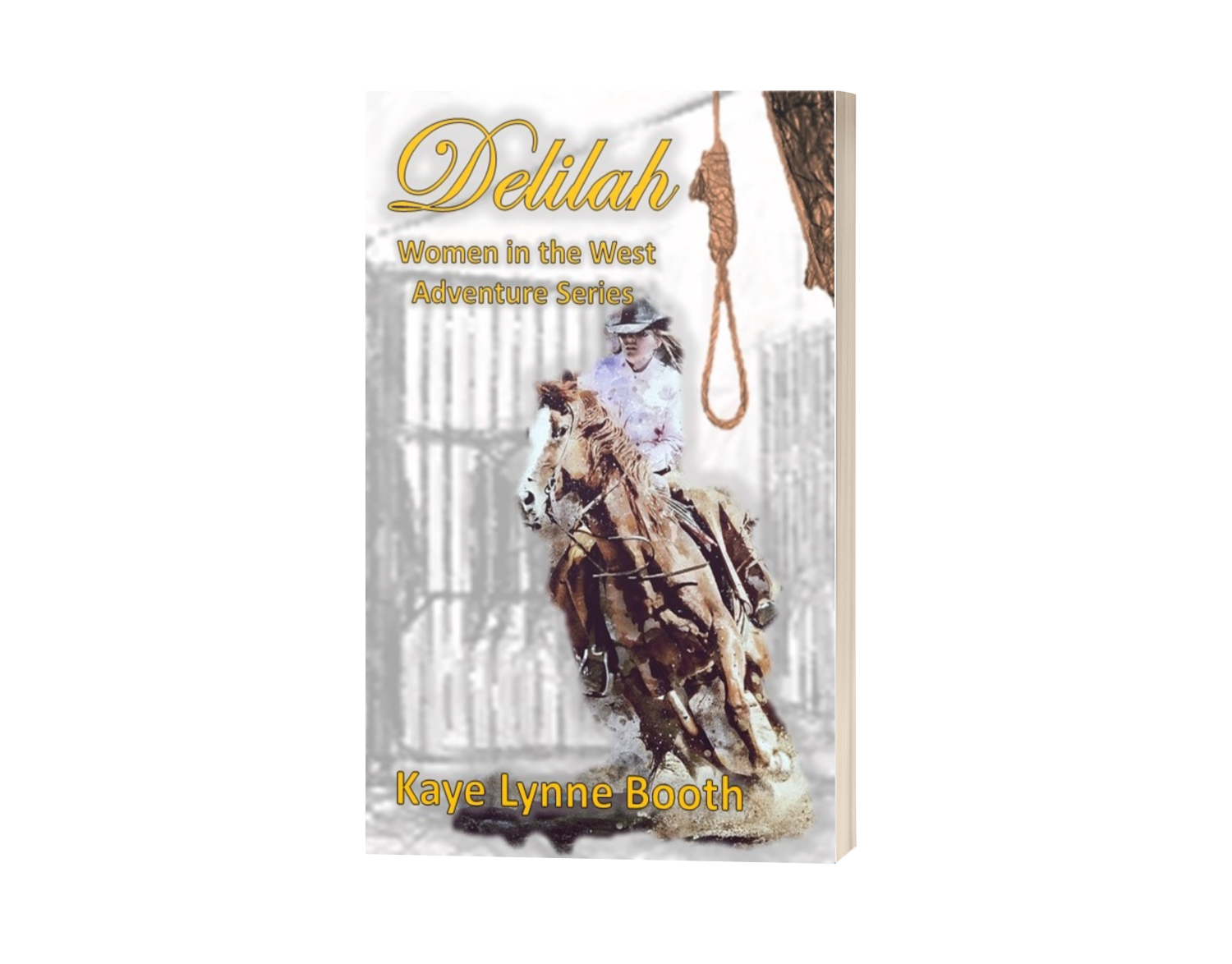
I’m currently shopping my thesis novel and two of my children’s stories, five short stories, and various poems. I’m also very close to finishing my western novel, Delilah. At Western, thanks to my instructor, Russell Davis drawing us out of our comfort zones, (and maintaining as much discomfort for us as possible), I discovered that I enjoy writing in the western genre, and although it is not one of the bestselling markets, I do it well. And I’m working hard, through this blog and social media, to build a writer’s platform and gain a following to make myself look more appealing to agents and publishers.
Here’s where you, my readers come in, because you can help. Without my readers, my writing just sits there on the page, not doing much of anything. You are my writer’s platform. You are my following.
Many people don’t realize that liking a link on Facebook, while cool, doesn’t really help the author grow their platform unless they actually read the post and subscribe by email. What does help, is if you’ll take the time to read the post here, on my Writing to be Read site, and subscribe to the blog. That’s what shows how large my reader following is, and it does my heart good to watch as it grows.
You can also like the post below it, with all the “share” buttons, but you must have a WordPress account. If you don’t have one, you can sign up for one, but then, of course, you will have a blog to maintain, so be sure you know what you’re getting into. I’m guessing that many people just like the link on Facebook to show their support, but they don’t actually click on the link and read the post. But, if you leave a comment, I’ll be able to tell that you read it, and if you subscribe, it will show you liked what you read. You’ll make my day.
If you’d like to show even more support, you can buy my short science fiction story, Last Call. If you like it, write a review on Amazon. And, you can follow me on Facebook, Twitter, LinkedIn, or Pintrest. Help an old writer get a break.
Your support is always appreciated. Thank you for being a reader of my work. After all, for me, it’s not really about money. It’s about Writing to be Read.
Share this: