Meet the authors of Midnight Roost: Today, Me! Kaye Lynne Booth
Posted: October 19, 2023 Filed under: Anthology, Book Release, Books, Dark Fantasy, Dark Humor, Fiction, Horror, Short Fiction, Stories | Tags: "Melina", Anthology, Dark fiction, Dark Humor, Kaye Lynne Booth, Mermaids, Midnight Roost, WordCrafter Press Leave a comment
Purchase Link: https://books2read.com/u/318L0l
Share this:

Day 3 of the WordCrafter “Midnight Roost” Book Blog Tour on Patty’s Worlds
Posted: October 19, 2023 Filed under: Anthology, Blog Tour, Book Promotion, Book Release, Books, Dark Fantasy, Dark Humor, Fiction, Ghost Stories, Giveaways, Guest Post, Horror, Paranormal, Science Fiction, Short Fiction, Speculative Fiction, Stories, WordCrafter Book Blog Tours, WordCrafter Press | Tags: "Shaken", "The White Lady", Anthology, Chris Barili, Dark fiction, Ghost Stories, Midnight Roost, Paranormal, Paul Kane, WordCrafter Book Blog Tours Leave a comment
For Day 3 of the WordCrafter Midnight Roost Book Blog Tour we’re over at Patty’s Worlds where contributing authors Chris Barili and Paul Kane share the inspirations for their stories, “Shaken” and “The White Lady” respectively.
Share this:

Welcome to the WordCrafter “Midnight Roost” Book Blog Tour
Posted: October 16, 2023 Filed under: Anthology, Audio Excerpt, Author Interview, Blog Tour, Book Promotion, Book Release, Books, Dark Fantasy, Giveaways, Paranormal, Short Fiction, Stories, WordCrafter Book Blog Tours | Tags: Anthology, Dark fiction, Ghost Stories, horror, Isabel Grey, Kaye Lynne Booth, Midnight Roost, Paranormal, Short Fiction, WordCrafter Press 9 CommentsWelcome to the WordCrafter Midnight Roost Book Blog Tour! We’ve got a great tour planned for an outstanding anthology Midnight Roost: Weird and Creepy Stories. Below, you will find the tour schedule and information about how you can get chances to win a free digital copy of Midnight Roost. The great thing about this tour is that you will get to meet, not one, but two contributing authors at each stop and learn about their stories.
Today, I’ll tell you a little about this weird and creepy anthology and then we’ll meet the author of the winning story in the 2023 WordCrafter Short Fiction Contest, Isabel Grey, and learn more about her story, “Red Door House”. Get ready to dig into a probing interview with Ms. Grey and she also shares a reading of her story.
About Midnight Roost

20 authors bring your nightmares to life in 23 stories of ghosts, paranormal phenomenon, and the horror from the dark crevasses of their minds. Stories of stalkers, both human and supernatural, possession and occult rituals, alien visitations of the strange kind, and ghostly tales that will give you goosebumps. These are the tales that will make you fear the dark. Read them at the Midnight Roost… if you dare.
Purchase Link: https://books2read.com/u/318L0l
Book Trailer for Midnight Roost
Tour Schedule
Monday – October 16 – Opening Day –Isabele Grey (Interview & Reading) & Joseph Carrabis (Reading) – Writing to be Read
Tuesday – October 17 – M J Mallon (Reading) & Christa Planko (Interview & Guest Post)– Undawnted
Wednesday – October 18 – Chris Barili (Guest Post) & Paul Kane (Guest Post) – Patty’s Worlds
Thursday – October 19 – Julie Jones (Reading) & Keith Hoskins (Guest Post) – Robbie’s Inspiration
Friday – October 20 – Michaele Jordan (Reading) & Mario Acevedo (Guest Post) – Writing to be Read
Saturday – October 21 – Patty Fletcher (Guest Post) & DL Mullen (Guest Post & Video) – Roberta Writes
Sunday – October 22 – Sonia Pipkin (Guest Post) & Roberta Eaton Cheadle (Reading) – Kyrosmagica Publishing
Monday – October 23 – Closing Post –Denise Aparo (Reading) & excerpts from other stories – Writing to be Read
Giveaway
A chance to win a free digital copy of Midnight Roost at every stop.
Just leave a comment to show your support for the tour, the anthology, and all of the fantastic authors.
Meet Author Isabel Grey
I’m delighted to bring you this interview with a budding young author, Isabel Grey. Her occult horror story, “Red Door House” was the winning story in the 2023 WordCrafter Short Fiction Contest, and I am so pleased to be able to introduce you to her here. She was previously unknown to me, so I learned some cool things about her, too. And I have to say that I am proud to have not one, but two of her stories featured in Midnight Roost. Her other story is “Rabbits Can’t See Pink Firework”, offering a rabbit’s eye view of human nature during a disastrous gender reveal party.
Kaye: I always like to start by learning something about the author’s writing journey, so can you tell us about yours?
Isabel: I was an avid reader from a young age, mostly choosing fiction but eventually finding a love for poetry. I’m currently receiving my second MFA in Poetry after I completed my first in Genre Fiction at Western Colorado University. I’m an emerging writer who primarily focuses on fiction and verse though I do dabble in essays.
Kaye: What’s something most readers would never guess about you?
Isabel: When I tell people I write horror, they always seem surprised. Someone told me I don’t look like a horror writer, though I’m still not entirely sure what she meant by it.
Kaye: What prompted you to enter the 2023 WordCrafter Short Fiction Contest?
Isabel: WCU had an advertisement in their newsletter for the contest. I happened to be in my Short Forms course at the same time and had a few pieces I was happy with. I figured, why not?
Kaye: You entered two stories to WordCrafter Press: “Rabbits Can’t See Pink Firework” and “Red Door House”. Only one can win, and I’ll ask you about the one that won, “Red Door House” a little further into the interview. But for now, can you share a little about the story that didn’t win, “Rabbits Can’t See Pink Fireworks”? What inspired you to write that story?
Isabel: I explore gender identity in my writing, “Rabbits” being a prime example. There was a horrible wildfire in California as a result of festivities at a gender reveal party not long before I wrote this, so the story is something of a response to that tragedy. I chose to write from a rabbit’s perspective to speculate the concept of a gender reveal party and gender roles in general.
Kaye: Were you surprised to learn that “Red Door House” won the contest?
Isabel: Yes! This was the first fiction contest I ever entered so it was a delightful surprise to hear the news.
Kaye: Can you share a little bit with our readers about the winning story?
Isabel: “Red Door House” is a supernatural horror about a brother and sister in a small town where a cult is carrying out insidious acts for a sentient house. There is mystery, dark magic, and dreamlike sequences that make the reader question what is going on under the surface of Staiwhile town’s suburban veneer until the final and unnatural third act.
Kaye: What inspired you to write “Red Door House?”
Isabel: “Red Door House” was very loosely inspired by a several-decades-old cold case I fell upon randomly during my studies. Of course, I took many liberties and added fantastical elements to make “Red Door House” its own story.
Kaye: Which author, dead or alive, would you love to have lunch with?
Isabel: There are so many, but for the purpose of this interview, I will say Shirley Jackson. She is my main inspiration for horror, especially when making the mundane macabre. A trope I’m obsessed with is that of the haunted house. Using the house as a symbol of the psyche is something I return to again and again, both in my writing and reading. I would love to talk houses and witchcraft with Jackson, perhaps at a meal to match her famous dinner parties.
Kaye: What is the biggest challenge of being a writer for you so far?
Isabel: Making time for writing. I’m a full-time student with a part-time job, and if it weren’t for the fact that much of my school assignments had to do with my writing, I would have a far more difficult attempt at time management. It’s been reassuring knowing I can juggle so many things, which is always the case in life as a writer, but budgeting the hours I can snatch for my writing is something I’m still working on.
Kaye: Do you also write longer, book length fiction? Which do you find easier? Why?
Isabel: Right now, I’m querying my first novel, a Gothic historical set in 1927 California. I find novel writing easier than writing short stories because there is far more space for suspense and build-up in a longer-length book. With a short story, there is much precision that doesn’t come as naturally to me. Part of the trouble is that I tend to read more novels than short stories, something I’m making a conscious effort to change.
Kaye: What is your favorite genre to write in? Why?
Isabel: Horror, usually in historical settings. In the new movie, A Haunting in Venice, Tina Fey’s character, Ariadne Oliver says “Scary stories make the world less scary.” The world at large has always scared me and a way that I cope with that is by trying to scare it back with my writing.
Kaye: What is the one thing in your writing career that is the most unusual or unique thing you’ve done so far?
Isabel: I bought a roll of several thousand Zoltar cards that served as “research” for a short story. I don’t regret it only because I used them to decoupage a piece of furniture later on.
Kaye: What goals do you set for yourself in your writing?
Isabel: Find representation for my novel and continue working on my second which I started earlier this year. I returned to poetry writing after taking a break while studying fiction. Recently, I’ve published a few poems in smaller presses and would like to continue to have material for a poetry collection.
Kaye: I always like to make interview posts informative. What is the best piece of writing advice you ever received?
Isabel: The fabulous writer, who was also one of my professors in grad school, Fran Wilde, told me “First drafts are allowed to suck.” While studying fiction, I realized my process for writing worked best by “running through the graveyard at night”, in other words, getting down the story as quickly as possible without tripping up on my technical imagination early in the process. The first draft of anything is scary, and it’s important to allow your creative imagination to flow when you start something new.
Also, never stop reading.
Reading from “Red Door House” by Isabel Grey
About Isabel Grey

Isabel Grey is a Colorado resident. She is currently receiving her MFA at Western Colorado University in Genre Fiction and Poetry. Her work has been published in Ample Remains, The Gay & Lesbian Review, and The Chamber Magazine. Grey writes fiction, poetry, and essays. You can find her on Instagram- @greyauthor222.
Isabel is a new addition to the WordCrafter Press authors. Her story, “Red Door House” was the winning story in the 2023 WordCrafter Short Fiction contest.
____________________________________________________________
Meet Author Joseph Carrabis
Joseph is a contributor by invitation, which is to say, he was not a contestant in the short fiction contest, but received an invitation to submit from me. He submitted three stories, and I accepted all three because they were outstanding, and I am pleased to have his writing featured in this year’s anthology. So Joseph has contributed three stories featured in Midnight Roost: Weird and Creepy Stories, and they are weird and creepy indeed. “Blood Magic”, a dark fairytale in which a young girl’s foolishness brings down a witch’s curse upon her betrothed and the price to make things right is high. “Binky”, a social commentary on birth defects and lingering spirits. And “The Beach”, which will speak for itself in the reading below.
Inspiration for “The Beach”
The Beach is based on actual beach I discovered my first time through college. Pretty much everything in the story is based on what really happened…except killing. The killing is specific to the story. Aside from that, riding my bike, discovering the cove, seeing the mansions, even returning after successes in business (although just to see if the beach still existed, not to develop the property) are all based on actual events from my life.
Reading from “The Beach “
About Joseph Carrabis
Joseph Carrabis told stories to anyone who would listen starting in childhood, wrote his first stories in grade school, and started getting paid for his writing in 1978. He’s been everything from a long-haul trucker to a Chief Research Scientist and holds patents covering mathematics, anthropology, neuroscience, and linguistics. After patenting a technology which he created in his basement and creating an international company, he retired from corporate life and now he spends his time writing fiction based on his experiences. His work appears regularly in several anthologies and his own published novels.
Joseph’s story, “Maryanne”, is featured in the 2022 Visions anthology from WordCrafter Press.
You can learn more about him at https://josephcarrabis.com.


That wraps up the first stop on the WordCrafter Midnight Roost Book Blog Tour. I hope you enjoyed learning about Isabel Grey and her winning story. I hope you’ll join us tomorrow on Undawnted, where DL Mullan interviews contributing author, Christa Planko and we’ll learn about the inspiration for her story, “The Easterville Glass Ghost”. And we’ll meet author M J Mallon with a reading from her story, “The Cull”.
___________________________________________________
Book your WordCrafter Book Blog Tour today!
Share this:

Meet the contributing authors of Midnight Roost: Today, Christa Planko
Posted: October 15, 2023 Filed under: Anthology, Books, Dark Fantasy, Dark Humor, Fiction, Ghost Stories, Horror, Paranormal, Short Fiction, Speculative Fiction, Stories, WordCrafter Press | Tags: Anthology, Christa Planko, Dark fiction, Ghost Stories, Midnight Roost, Paranormal, The Easterville Glass Ghost, WordCrafer Press 3 CommentsPre-order now: https://books2read.com/u/318L0l
Share this:

Join us for a Midnight Roost
Posted: October 10, 2023 Filed under: Anthology, Blog Tour, Book Promotion, Book Release, Books, Dark Fantasy, Dark Humor, Fairy Tales, Fiction, Horror, Mythology and Legend, Science Fiction, Speculative Fiction, Stories, WordCrafter Press | Tags: Anthology, Book Release, C.R. Johansson, Chris Barili, Christa Planko, Dark fiction, Denise Aparo, DL Mullan, Isabel Grey, Joseph Carrabis, Julie Jones, Kaye Lynne Booth, Keith J. Hoskins, M J Mallon, Michaele Jordan, Midnight Roost, Patty Fletcher, Paul Kane, Rebecca M. Senese, Robert Kostanczuk, Roberta Eaton Cheadle, Sonia Pipkin, WordCrafter Press, Writing to be Read, Zack Ellafy 10 CommentsIt’s coming! Midnight Roost: Weird and Creepy Stories to be released October 17, 2023 and is available for pre-order now!
About the Midnight Roost
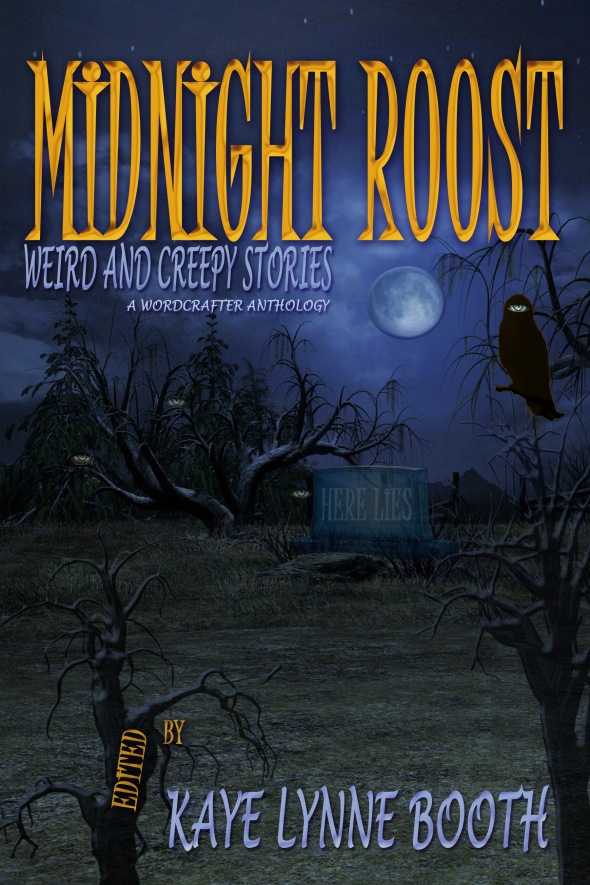
20 authors bring your nightmares to life in 23 stories of ghosts, paranormal phenomenon, and the horror from the dark crevasses of their minds. Stories of stalkers, both human and supernatural, possession and occult rituals, alien visitations of the strange kind, and ghostly tales that will give you goosebumps. These are the tales that will make you fear the dark. Read them at the Midnight Roost… if you dare.
Preorder Link: https://books2read.com/u/318L0l
The Contributing Authors
- Zack Ellafy – “House on the Plains”
- Chris Barili – “Shaken”
- Joseph Carrabis – “The Beach”, “Blood Magic”, and “Binky”
- DL Mullan – “Mangled”
- Christa Planko – “The Easterville Glass Ghost”
- Paul Kane – “The White Lady”
- Sonia Pipkin – “Once Upon a Time”
- C.R. Johansson – “She Shed Galleria”
- Roberta Eaton Cheadle – “The Behemoth”
- Patty Fletcher – “Casualties of War”
- Keith J. Hoskins – “Teddy”
- Denise Aparo – “The Pines”
- Julie Jones – “Night of Terror”
- Isabel Grey – “Rabbits Can’t See Pink Firework” and “Red Door House” (Winning story in 2023 WordCrafter Short Fiction Contest
- Rebecca M. Senese – “Take Two”
- Mario Acevedo – “Immediate Intervention”
- Kaye Lynne Booth – “Melina”
- Michaele Jordan – “Afterward”
- Robert Kostanczuk – “A Visitor Comes to the Window”
- M J Mallon – “The Cull”
Upcoming Book Blog Tour
To celebrate the release of this wonderfully weird and creepy anthology, join us for the WordCrafter Midnight Roost Book Blog Tour October 16-23, starting right here on Writing to be Read. Meet the contributing authors, find out about the inspirations behind the stories, read excerpts, meet the characters, listen to readings from the stories, and get chances to win a free digital copy of Midnight Roost at each stop.
____________________________________________
Want exclusive content? Join Kaye Lynne Booth & WordCrafter Press Readers’ Group for WordCrafter Press book & event news, including the awesome releases of author Kaye Lynne Booth. She won’t flood your inbox, she NEVER sells her list, and you might get a freebie occasionally. Get a free digital copy of her short story collection, Last Call and Other Short Fiction, just for joining.
Share this:

“Chatting with the Pros”: Interview with bestselling horror author Jeffrey J. Mariotte
Posted: October 21, 2019 Filed under: Author Profile, Books, Dark Fantasy, Fiction, Horror, Interview, Paranormal, Thriller, Writing | Tags: Chatting with the Pros, Cold Black Hearts, Dark fiction, horror, Jeffrey J. Mariotte, Writing to be Read 3 Comments
My author guest today on “Chatting with the Pros” may just have books in his blood. Before he was an author he managed a bookstore. He’s gone on to work in both marketing and publishing, and become a bestselling, multiple award-winning author with leanings toward dark fiction. He’s got great insight into writing on the dark side which he’s willing to share with us today, so let’s welcome Jeffrey J. Mariotte now.

Kaye: When did you know you wanted to be an author?
Jeff: I started writing stories when I was very young, probably 7 or 8. They were terrible, of course, and utterly derivative, mostly of the Hardy Boys novels that were my primary reading material at the time. I kept at it all through school, and by the time I got to college I knew I wanted to make my money writing something–I just didn’t know precisely what. I went in as an advertising major and did some copywriting, but graduated with a degree in Radio/TV/Film, a minor in English, a literary award, and a published article. Three years later, I got a job at a bookstore, and eventually became a manager (and later, opened a store of my own). It was while managing a store that I met a lot of authors and publishing professionals and found out the realities of publishing, and sold my first short story. So I guess the short answer to the question is: always, and the long answer is: I always wanted to write, but I didn’t know I could do it professionally until much, much later.
Kaye: What draws you to dark fiction? Why not romance, or mystery, or western?
Jeff: The truth is, I have written in two of those genres, and others besides. I’ve written both mysteries and westerns (along with science fiction, fantasy, straight fiction, and more), and intend to continue. In fact, the next couple of books I’m planning are both westerns. But yes, I am drawn to the dark side, and often when I work in those other genres I bring in elements of horror or dark suspense. I’ve never really analyzed it, but I suppose it’s a combination of a longstanding interest in horror and the supernatural, and an awareness of the darker, more unpleasant aspects of human nature.
 Kaye: Cold Black Hearts is one of several recent releases through Wordfire Press. With more than 70 novels under your belt, what lead you to join the Wordfire family?
Jeff: I’ve known Kevin J. Anderson and Rebecca Moesta for what seems like forever–this goes back to meeting authors through my bookstore work. They’re two of the greatest people on the planet. They’re supremely talented, super nice, and scrupulously honest. When I saw the books they were putting out, I knew I wanted to be part of their line, and to work with friends rather than strangers.
Kaye: My review of Cold Black Hearts posted this month, but for those who didn’t catch it, would you like to tell me a little about it?
Jeff: It’s a supernatural thriller about a police detective who loses her hearing in an explosion, but gains something else in its place–a heightened sense of empathy. That quickly becomes a burden in a crowded metropolitan area, where people’s emotions press in on her from every side. When she’s offered a job in a remote part of New Mexico, working to free an accused killer from prison, she takes it. But it turns out that she’s just stepped from the frying pan into the fire, because there are strange, spooky things going on.
Kaye: You don’t advertise your books as horror, but as dark thrillers. In your mind, what is the distinction?
 Jeff: Actually, that’s WordFire‘s tag, not mine. I think of Cold Black Hearts and some of my other books as supernatural thrillers, because they combine traditional thriller elements–law enforcement, espionage, etc.–with supernatural elements. The first book of mine they published, Empty Rooms, was a straight, non-supernatural mystery/thriller, and it was very dark indeed, so I guess the phrase came from that.
Kaye: You also write comic books and graphic novels, short fiction and nonfiction. Which is your favorite type of writing? Why?
Jeff: The novel is my favorite, because it gives me more room to tell a complete story–to really dig into the characters’ psyches and explore their worlds. I love it all; I’ve even recently done some very short, 3-page comics for HyperEpics.com, which is a blast. But if I had to only pick one, it’d be novels.
Kaye: Which author, dead or alive, would you love to have lunch with? Why?
Jeff: As a bookseller for decades, and someone who’s worked in publishing–in addition to 20 years as a professional novelist–I’ve been lucky enough to meet and spend time with most of my favorite authors. I’ve visited with Ray Bradbury, Harlan Ellison, David Morrell, Clive Barker, Don Winslow, and James Lee Burke (among others) at their homes, hung out with Wallace Stegner, Stephen King, Sue Grafton, Joe R. Lansdale, and Neil Gaiman, had meals with Robert B. Parker, James Ellroy, Jonathan Maberry, and Joan D. Vinge… Plus, every day I get to have a meal with my favorite author, Marsheila Rockwell (who is, coincidentally, also my wife and frequent writing partner, and a magnificent fiction writer and poet on her own). My point is, while it’s cool to have lunch with an author, it’s not exactly something I haven’t had a chance to do.
That said, I’d love to have a meal with the recently departed William Goldman, who’s a longtime favorite for his novels and his screenplays, and who’s the author I’ve most wanted to meet, but never had a chance to. He’s done it all, and exceedingly well, and I wish I could have benefited from his insights in person.
Kaye: What’s the most fun part of writing a novel? What’s the least fun part?
Jeff: The most fun part is finishing it, and seeing it become a real-live book. The rest of it is hard work. The research, the working out of the plot, the discovery of who the characters are, the actual chore of sitting down and turning out page after page after page… it’s a grind. Not to say that it’s not fun, but it’s work, too. The least fun part is probably when, in the editing/revising process, I realize that I have to cut lines or scenes that I really loved writing.
Kaye: What is the one thing in your writing career that is the most unusual or unique thing you’ve done so far?
Jeff: There’ve been several, but if I have to pick one, I guess it’d be that time I went to the set of CSI: Miami to hand-deliver copies of the first-ever CSI: Miami graphic novel (which I wrote) to cast members, all while being filmed for Access Hollywood. Which promptly cut me out of all the footage–but they showed the book, and that’s what counts!
Kaye: Which of your books would you most like to see turned into a film? Who would you like to play the lead?
Jeff: There are several I think would be great for film or TV, but for the purposes of this interview, let’s say Cold Black Hearts, with Jessica Chastain.
Kaye: Imagine a future where you no longer write. What would you do?
Jeff: Catch up on reading and TV shows, I guess. Bake more. But also, since 1980, every dollar I’ve made has come from the business of writing/editing/publishing/ book selling/ etc. — from the written word, and the process of getting it out of the brain and into a reader’s hands. So if I wasn’t writing, I’m sure I’d still be doing something in that realm.

Kaye: What’s in the future for Jeffrey J. Mariotte? What should readers look forward to?
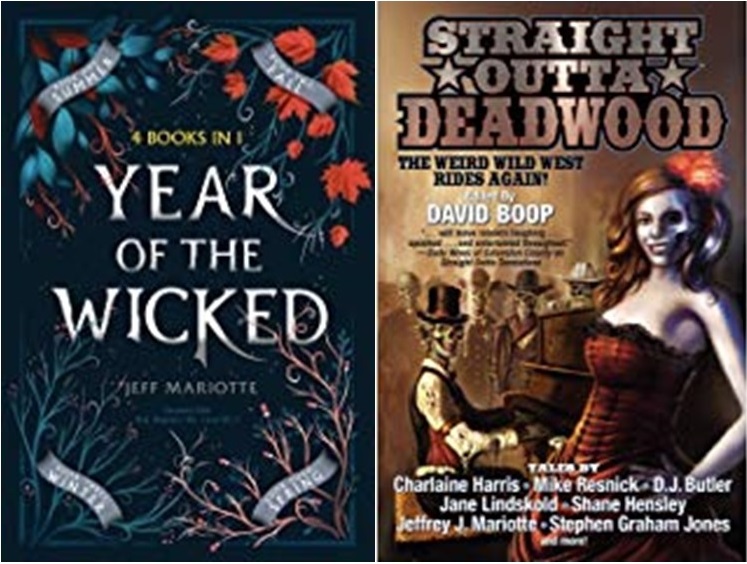 Jeff:The newest release is to be a weird western short story in an anthology called Straight Outta Deadwood, published on October 1. The book is edited by David Boop and has stories by a bunch of pals, including Charlaine Harris, Steve Rasnic Tem, Shane Lacy Hensley, and the wonderful Marsheila Rockwell, so everyone who likes westerns with a side of spooky should check it out. After that, there are some comics projects in the works. Novel-wise, I have a thriller on submission, and I’m working on a new book (or will be back to it, as soon as I get this sent off)! So stay tuned.
Like this post? Let me know in the comments. You can be sure not to miss any of Writing to be Read’s great content by subscribe to e-mail or following on WordPress.
Share this:

“Through the Nethergate”: A supernatural journey through time
Posted: October 11, 2019 Filed under: Book Review, Books, Dark Fantasy, Fiction, Horror | Tags: Book Review, Dark fiction, Ghosts, horror, Robbie Cheadle, Roberta Eaton Cheadle, Spirits, Through the Nethergate, Writing to be Read 13 Comments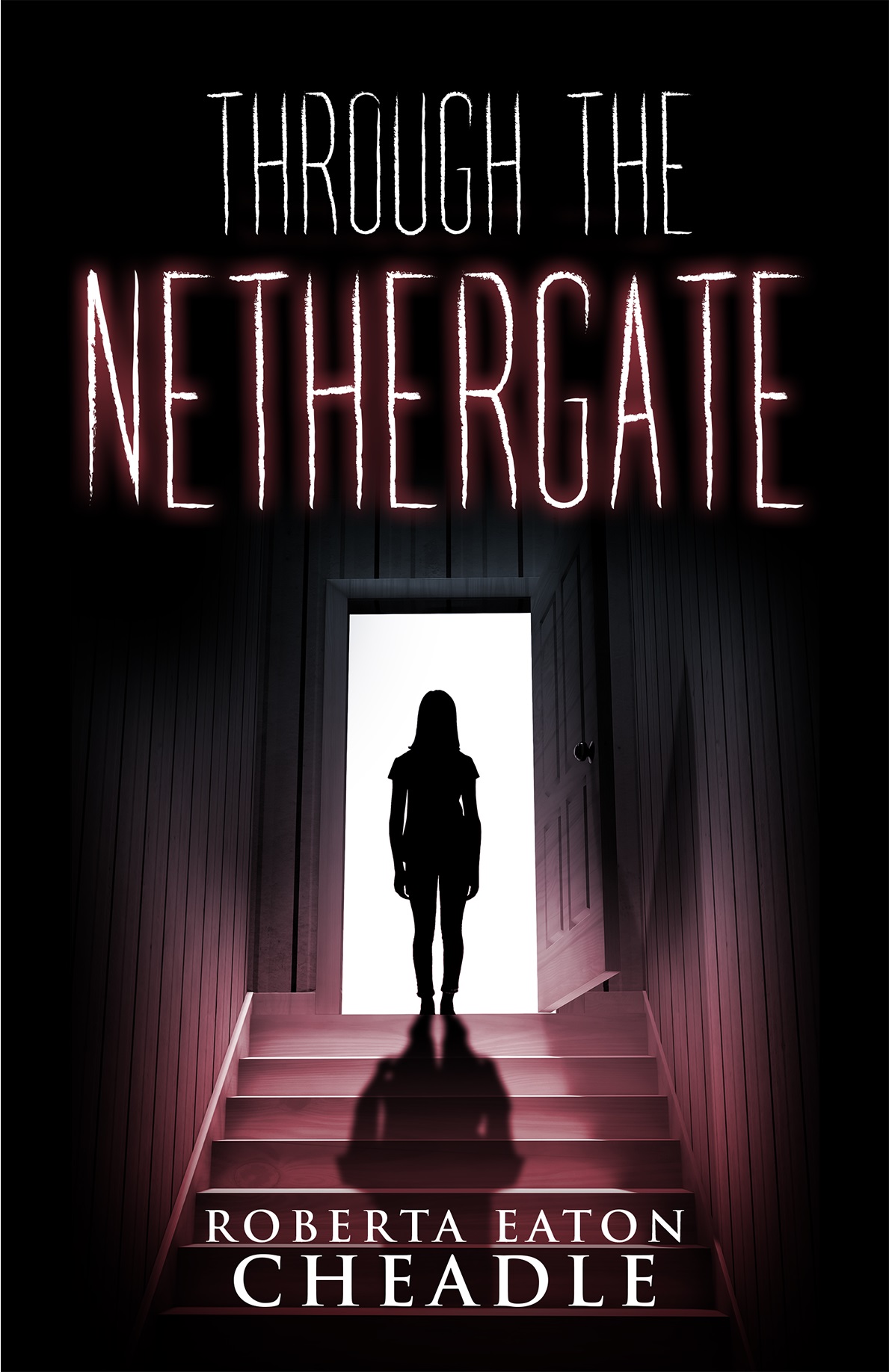
Through the Nethergate, by Roberta Eaton Cheadle, is a captivating journey in the here and now that reaches through the barriers of time to bring legend to life, and it’s a very scary legend. This is a tale of horror, but not all spirits are evil, and many of Cheadle’s ghosts make up the cast of characters. Cheadle brings the characters in this story life masterfully, even the ghostly ones, whose backstories are woven into the legend’s tapestry to become part of the whole while still standing on their own individually.
When Margaret comes to live with her grandfather in a haunted old inn that has been in their family for centuries, she discovers that she has the uncanny ability to bring spirits back and make them more real and substantial. But, she doesn’t possess the ability to release them from the tethers that bind them to this plane. As she meets each of the inn’s ethereal occupants and learns their stories, she finds they are all held by an entity of local legend, Hugh Bigod, who prefers to appear in the form of a huge black demon dog. Hugh Bigod was a truly evil man and his spirit is just as nasty. When he feels the spirits pulling away from him, as Margaret’s presence breathes new substance into them, he blames her and vows to stop them by putting an end to her.
Through the Nethergate is a brilliant production of the stories within the story, and an excellent example of god vs. evil dark fantasy. Filled with plenty of suspense and clever story twists. I give it five quills.

Kaye Lynne Booth does honest book reviews on Writing to be Read in exchange for ARCs. Have a book you’d like reviewed? Contact Kaye at kayebooth(at)yahoo(dot)com.
Share this:

“Chatting with the Pros”: Interview with award winning horror author Paul Kane
Posted: October 7, 2019 Filed under: Books, Chatting with the Pros, Dark Fantasy, Fiction, Horror, Interview, Writing | Tags: Arcana, Author Interview, Chatting with the Pros, Dark fiction, horror, Paul Kane, Writing to be Read 5 Comments
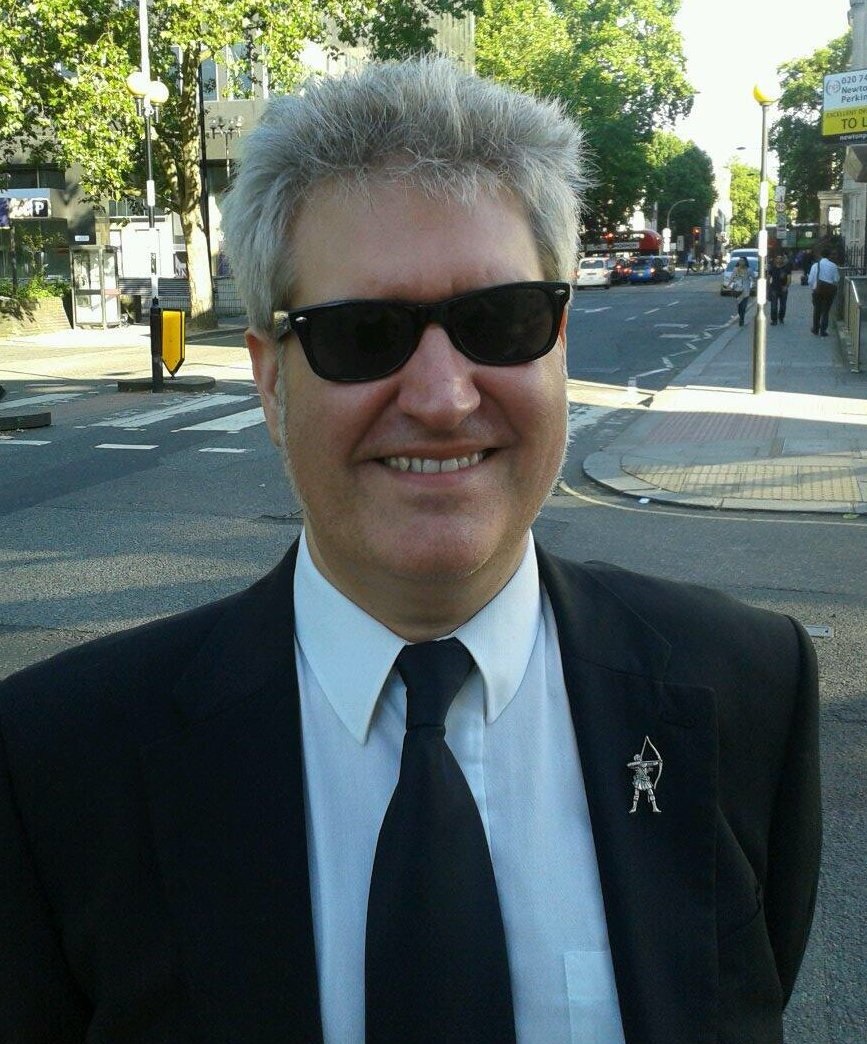
This month as we explore the darkness of horror and dark fiction, we have a special treat. This month I have for you, not one, but two “Chatting with the Pros” author guests, which is why this segment is posting on the first Monday rather than the usual third Monday spot.
For today, I have the pleasure of interviewing an award winning, bestselling author of over ninety books, who is also the expert on Clive Barker’s Hellraiser films and his own work has been optioned and adapted for the big and small screen, including for US network prime time television. A former British Fantasy Society Special Publications Editor, he is currently serving as co-chair for the UK chapter of The Horror Writers Association. I’m really excited to present all he has to share. Please help me welcome him now.
Kaye: You began writing comics as a boy. Are there aspects of those comic book characters that can still be seen in your writing today?
Paul: I just drew them first, copying the kinds of comics my dad used to buy me – but it was definitely a way of sorting out in my head how story worked. Later on, I’d write dialogue and action for them as well, so that they looked more like proper comic books, and I’d show them to friends and family. It wasn’t until years later that I learned how to write actual comic scripts, but even then I sketched out the panels beforehand so I could work out what needed to go on the page and where. As for characters, I think that was certainly where I started to create and build characters – as well as making up stories for my toys and acting them out like little films. By my teens, though, I was writing prose and emulating the kinds of books I’d read as well, so I think that was when I learned how to flesh out and develop characters. I still love writing in a comic book style, yes, which is something I did for a story of mine called ‘The Return of Mortis-Man’ in the collection Death. I had such fun writing that, creating my very own horror superhero, and I’m planning on doing a couple more featuring that character.
Kaye: What do you think is the single most important element in a horror story?
Paul: That’s a tough one. I think the single most important element in any story, for any genre, is to tell the best tale you can. That’s your responsibility as a writer – and I take it very seriously. Make sure the characters are there first and people will care about them, because if you don’t do that nobody will bat an eyelid if something horrible happens to them. Make sure the journey they’re on is credible, even if things are happening to those people that are totally out there. For example, in the latest short horror novel I wrote for PS Publishing – The Storm, out in 2020 – I had to make sure the bunch of characters were living and breathing, had their own problems and histories, so that when monsters attack you’re right there with them in the thick of it. You care if someone gets injured or loses a loved one. You have to totally understand their motivations for doing what they do and acting the way they act. If you don’t have that then bad things are simply happening to cardboard cut-outs you couldn’t care less about.
Kaye: What was the most fun interview you’ve ever done? Why?
Paul: You mean an interview I’ve conducted with someone myself? We once interviewed George A. Romero for a magazine and went back to his hotel room, where he regaled us with stories about making the Living Dead movies and his career in general, whilst drinking copious amounts of rum. That was a surreal afternoon, a kind of ‘pinch me’ moment. In terms of live interviews, probably Clive Barker on stage at FantasyCon 2006 – which I did in front of an audience of about 600. That was nerve-wracking, but Clive – lovely as he always is – really put me at my ease and we had a whale of a time. I did a smaller, more intimate interview with he and Simon Bamford – Butterball from the Hellraiser movies and Ohnaka from Nightbreed – later on that day and that was such fun! There were about 30 or 40 people in the room for that and we were able to chat a bit more freely about their careers. In terms of myself being interviewed, then probably my times on Nicholas Vince’s Chattering show. We did one at Christmas once and the guests were me, the Soska sisters, Barbie Wilde, Ashley Thorpe, and Tim Dry. That was a terrific experience, very funny. It’s still online somewhere if you want to track it down.
Kaye: What is your biggest challenge in writing dark works of horror?
Paul: Biggest challenge? Probably nothing to do with the actual writing of dark fiction, but rather getting published in the first place and building a good reputation over the years. It takes a lot of time and effort, but is totally worth it. I was lucky enough to discover the small presses back in the ’90s, who were willing to take chances with who and what they published, and that got me a foot in the door. Organisations like The British Fantasy Society and the Horror Writers Association were also vital in terms of meeting creative people who are into the same things, are on the same page, so to speak. I’ve made so many good friends going to events organised by places like that, and been given so much good advice. I even met my wife, Marie O’Regan – a very talented writer and editor herself – at an FCon in 2003! And now we’re paying it forward, of course, by organising a StokerCon for next year with Guests such as Grady Hendrix, Gillian Redfearn, Kim Newman and Mick Garris – so people can do the same. You can find out all about that one at https://stokercon-uk.com
Kaye: Is there anything unique or unusual about your writing process?
Paul: I’m not really sure, because it’s not something I tend to talk about that much with other writers. I try to work office hours, which comes from my background in journalism I think, but that’s not always possible if I’m on multiple deadlines. Summer 2018, for instance, I was writing a novel in the daytime and then editing an anthology in the evenings, which got pretty gruelling. It’s a weird kind of process, because I go into this fugue state and then come out of it having written 1000 words or whatever, not really quite understanding how I did it. When I’m writing prose I try to do 1000 words before lunch, then a couple more afterwards, to make about 3000 in total. Over this last summer, though, I was managing 4000 words a day, which was taking its toll a bit, but I got my novel done in time.
Kaye: What’s your favorite time of day to write? Why?
Paul: Probably in the afternoon, because I’ll know I’ve got some words under my belt – hopefully – in the morning, so I have that fallback. And by then I’ll have built up a head of steam and it should just be a matter of continuing on in that vein. Sometimes things crop up, like I might have to write a review or something, and that throws you out of what you were doing for a little while – but at the same time is nice and stops you getting into a rut.
Kaye: How do you get into your villain’s head deep enough to transform the words on the page into a visual image for the reader?
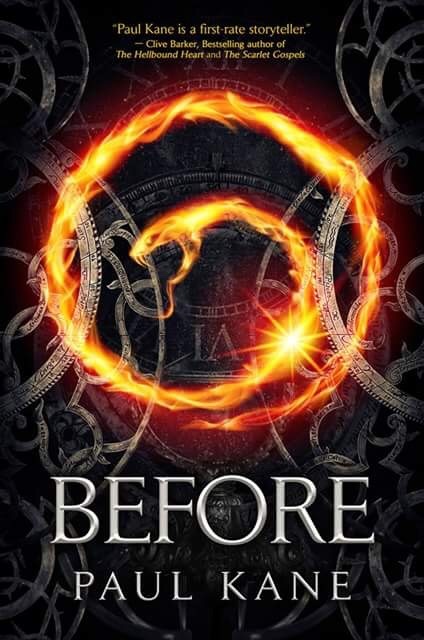 Paul: I love writing villains personally, because it gives you a chance to do and say things you wouldn’t ordinarily be able to in life – unless you were an actual villain, of course! A lot of villains I’ve written don’t care what people think, so they can be brutally honest, which is somewhat liberating. The flip side of that is, if they’re doing really terrible things to folks you have to distance yourself for the sake of your sanity. My character Lucas Peck in Before was a nasty piece of work and I found myself wincing at some of the stuff he did, but it was also for the good of the story and you found out why he was the way he was by the end of the novel – rightly or wrongly. The Infinity was the opposite: he was all about the language and just whispering in people’s ears. Messing with them essentially, and that was fun to write.
Kaye: What are your secrets for creating intricate, detailed story lines?
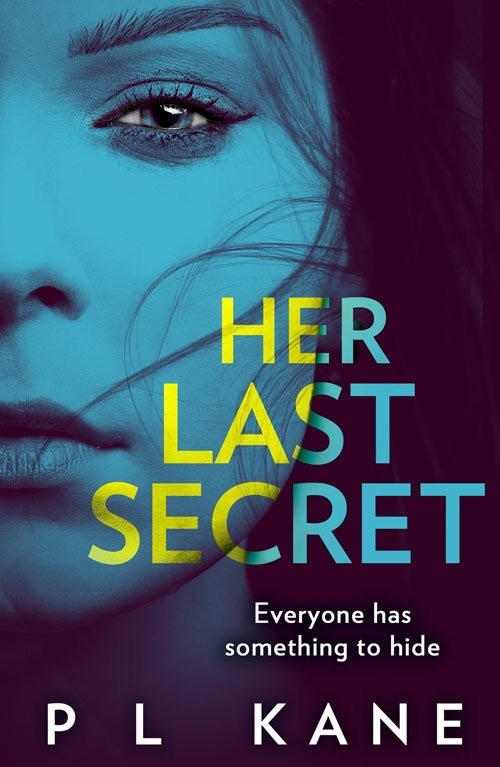 Paul: I plan. A lot. Always have done, I’ve always kept notes on stories and novels, done my research and outlines. Now, that doesn’t mean you have to stick rigidly to those plans and if something comes up that sends the story in a different direction which makes it better, you go with it. But it does means you have a kind of safety net, a rough map to follow. I don’t think I’d be able to even start writing without that, it would send me loopy. I’m plotting and researching quite a bit at the moment for the crime novels I’m writing as PL Kane for HQ Digital/HarperCollins. They’re not something you can just wing, so I do months of prep before even writing one word. You’ll see what I mean when you read the first one, Her Last Secret, which comes out in January 2020 and has just gone up for pre-order (po.st/herlastsecret)
Kaye: What techniques do you use to build or maintain suspense?
Paul: I’m never really sure whether a suspense scene has worked or not until I read it back, and even then I’m not 100% certain. I try to work through a scene like that as if I was in there with the characters, like a chase scene I just wrote in which my main protagonist was trying to hide from the bad guy. Will they catch them? If they hide, will it be a good hiding place? That kind of thing. But you also can’t lose sight of the fact you’re in charge of what these people are doing and can direct matters for maximum suspense. There was something Hitchcock once said I think, and I’m paraphrasing here and might get it wrong… But he said if you show a character finding a ticking bomb under the table they’re sitting at, there’s not as much suspense as showing the audience there’s a bomb and the main character has no idea. So, you might show the stalker getting closer and the victim not knowing a thing about it – or they might even know the person, but not be aware of their tendencies. If the reader or audience know they’re evil but the victim doesn’t, that makes for some great suspense.
 Kaye: You are an expert on the Hellraiser films, by Clive Barker, and their themes, and in fact you wrote a book on them, The Hellraiser Films and Their Legacy. Can you tell me something about Pinhead that the average fan may not know?
Paul: I’m not sure there’s much left that fans don’t know. Clive told me once on the phone that Pinhead came to him in a dream, I’m not sure how widely known that is. I mean, there were lots of different factors that went into the making of that character… Pinhead in the original novella The Hellbound Heart is described as being quite effeminate, which was something we brought back when I adapted it into an audio drama for Bafflegab (https://shop.bafflegab.co.uk/album/the-hellbound-heart). Then when the film was made you had people like effects genius Bob Keen coming up with a certain look, and Doug Bradley’s performance. But, yes, he came to Clive to begin with in a dream. It’s like Clive’s been telling me for years, “Write your dreams, Paul. Write your dreams.”
Kaye: Which of your books would you most like to see become a film? Why?
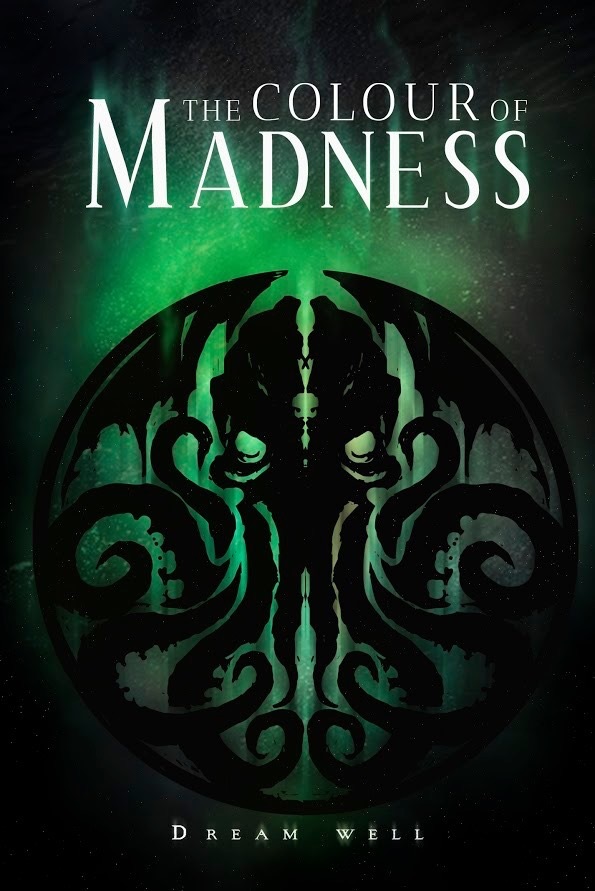 Paul: Well, one of my stories – a novelette called ‘Men of the Cloth’ – has actually just been turned into a movie called The Colour of Madness by Loose Canon/Hydra Films, directed by Andy Collier and Toor Mian, and starring Barbara Crampton from Re-Animator – so all that’s rather exciting! It’s a Lovecraftian, folk horror deal and should appeal hugely to horror fans.
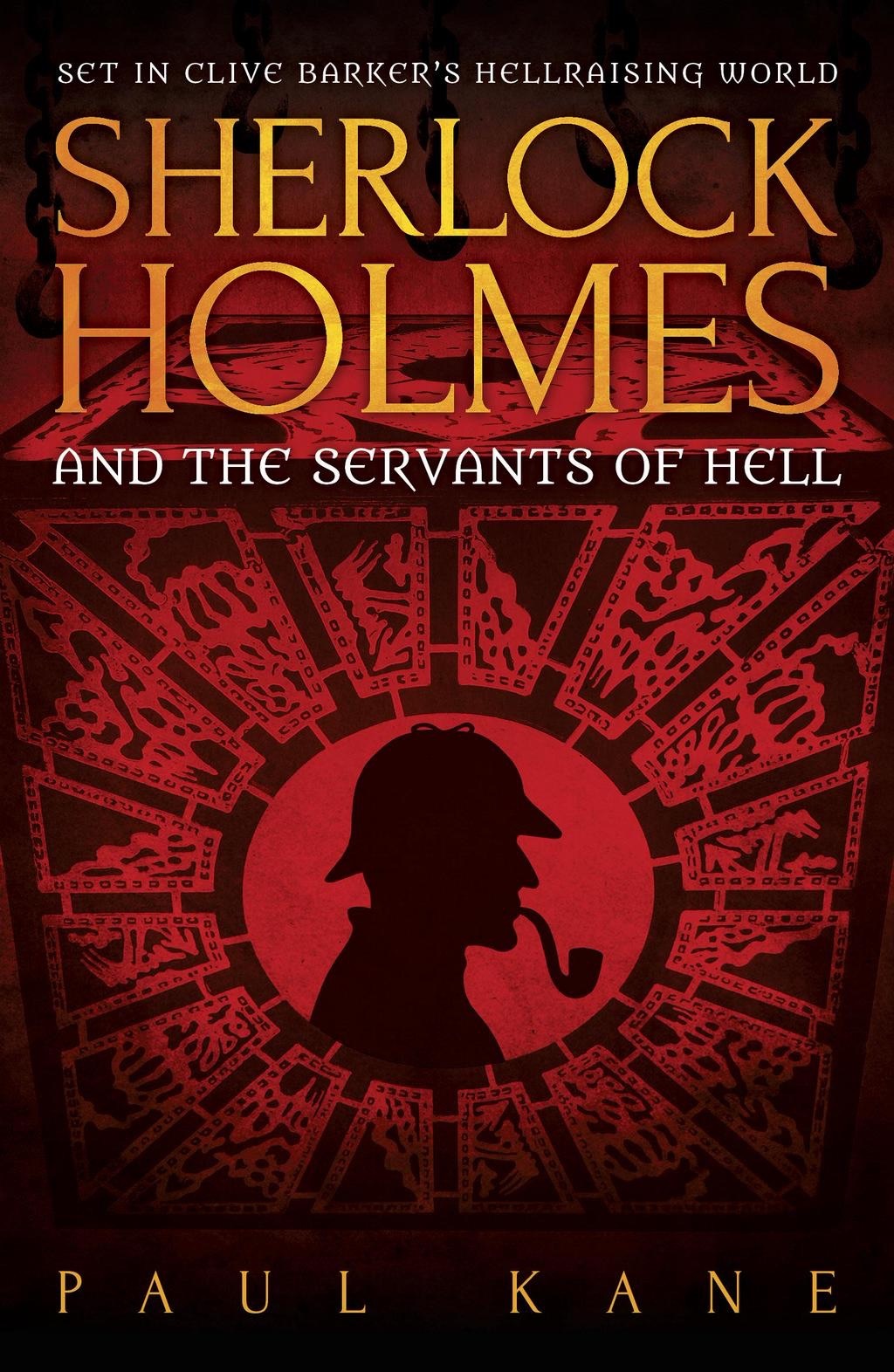
My Hooded Man post-apocalyptic novels for Rebellion/Abaddon were almost filmed a couple of times, and I would still love to see those made because they’re quite close to my heart – I only live about twenty minutes away from Sherwood Forest, and was taken there every bank holiday when I was a kid. I also think Before would make a cracking TV show along the lines of American Gods, because its scope is so massive. It’s part road movie adventure, part historical drama, part horror, all about past lives. People often tell me they’d like to see my Hellraiser novel Sherlock Holmes and the Servants of Hell turned into a movie, but the rights for that would be a nightmare. Plus the budget would be astronomical!
Kaye: You’re a pretty prolific writer. In the first half of 2019, you published The Controllers, The Dead, Exit Wounds and White Shadows, as well as a Robin of Sherwood novel, The Red Lord. Can you tell me about these latest releases?
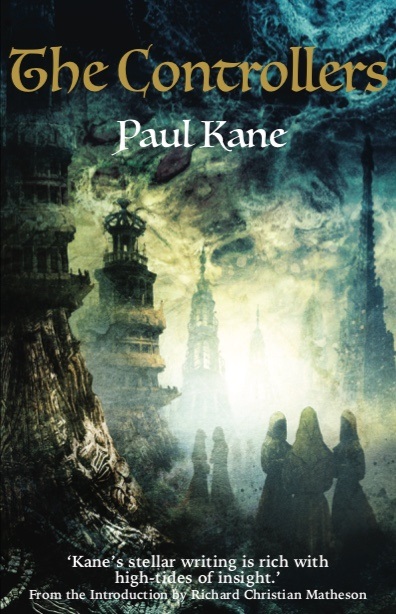 Paul: Absolutely! The Controllers was published by Luna Press, and gathers together all of my stories featuring those characters from the whole of my career, and includes a couple of new ones – not to mention scans of handwritten tales, a gallery where artists offer their interpretations of The Controllers and an introduction by Richard Christian Matheson.
 The Dead is my third mini-collection for the Black Shuck Shadows series, and gathers together three interlinking zombie stories, the first of which was adapted for TV back in 2008 as New Year’s Day by Lionsgate and shown on primetime US TV as an episode of the show Fear Itself.
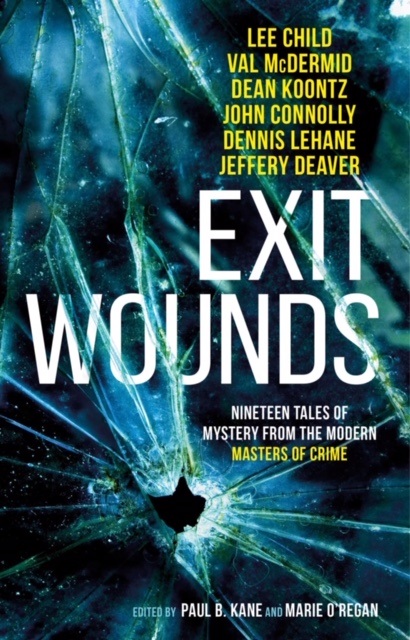 Exit Wounds is a mass market crime anthology from Titan edited by myself and Marie and features the cream of the crop: names such as Dean Koontz, Val McDermid, Dennis Lehane, Mark Billingham, John Connolly, Alex Gray… the list goes on. It was recently given a starred review in Publishers Weekly and even favourably reviewed in The Times, so we were incredibly happy about that.
 White Shadows is a collection of my dark YA fiction as PB Kane, including the short novel The Rainbow Man and the prequel to that, ‘The Rainbow Coat’. Published by Things in the Well, this was designed to be read by the young and the young at heart alike. The Red Lord is a prose adaptation of my own audio drama for Spiteful Puppet/ITV, which allowed me to expand on a few ideas I had to leave out of the original. I’ve been a fan of the RoS series since it aired, and indeed it inspired so much of my own Hooded Man saga, so it’s a bit of a dream come true this one. That sold out of its print run incredibly quickly, but is still available as an ebook.
Kaye: You also released Arcana through Wordfire Press this year. It has an interesting alternative world where magic is real, but forbidden. Can you talk a little about that book?
 Paul: I loved writing Arcana, which one reviewer quite aptly described as ‘Harry Potter vs The Sweeney’. It’s set in an alternate universe where the witch hunts of old never died out and real magic exists. The people who practise this are hunted and imprisoned, tortured, then, more often than not, horribly executed. The division of the police that do this are called Magick Enforcement Officers, or M-Forcers, and we follow one young recruit Callum McGuire as he begins to realise something is terribly wrong with this regime; that the people who are being hunted aren’t what the government say they are. It’s all tied in with a prophecy one magic group – Arcana – have about a hero who will save them all. I was delighted with the way this one was received, and the audio of it has actually just been released on Audible so go and check that out.
Kaye: Describe yourself in three words.
Paul: Hard-working. Loyal. Curious.
Kaye: What’s next for Paul Kane? What do your readers have to look forward to in the future?
Paul: As I say, I’ve signed with HQ/Harper who are bringing out three thrillers under the PL Kane name, starting in January 2020. I’ve just finished the first draft of the second one which will be out a bit later that same year. Marie and I are running StokerCon UK as mentioned, so that’s taking up a lot of time as well at the moment.
There are a few collections coming out in the near future: a Body Horror one from Black Shuck called Traumas; a collection of my ‘Order of the Shadows’ tales called Darkness and Shadows from Shadowridge, introduced by MR ‘The Girl With All The Gifts’ Carey; and a more general one that gathers together my fiction from the last few years called Tempting Fate. Then there’s The Storm from PS, introduced by Rio Youers – a proper ‘creature feature’ of a novel – and I’ve just signed on the dotted line for a post-apocalyptic novella from Silver Shamrock Press.
The Colour of Madness should also be out next year, plus The Torturer – a short horror film I wrote, directed by Joe Manco, starring Paul T. Taylor who was Pinhead in Hellraiser Judgment and Lawrence Varnado from Sin City 2 – and a supernatural drama called Presence, directed by Dave Morgan of DLM Media. Then there’s more comics work, hopefully a theatre production… Plenty to keep me busy and hopefully readers and audiences entertained.
I want to thank Paul for sharing with us today. It has been a pleasure to get a glimpse into Kane and his books on his Shadow Writer website, or visit his Amazon Author page.
As I mentioned at the start of this post, this was a bonus “Chatting with the Pros”, because we have a second author guest who I will interview in the regular “Chatting with the Pros” spot on the third Monday, October 21st. My second CwtP author guest will be bestselling horror and dark fiction author Jeffrey J. Mariotte. You will also find a double review featuring Paul Kane’s Arcana and Jeffrey. J. Mariotte’s Cold Black Hearts. I do hope you all will join me as we explore the darkness together.
Like this post? Let me know in the comments. You can be sure not to miss any of Writing to be Read’s great content by subscribe to e-mail or following on WordPress.
Share this:

“Arcana” & “Cold Black Hearts”: Two different flavors of horror
Posted: October 4, 2019 Filed under: Alternate Worlds, Book Review, Books, Dark Fantasy, Fantasy, Fiction, Hooks, Horror, Post-Apocalyptic, Writing | Tags: Alternate World, Arcana, Book Reviews, Cold Black Hearts, Dark Fantasy, Dark fiction, Hooks, horror, Jeffrey J. Mariotte, Paranormal, Paul Kane, Story beginnings, Writing to be Read 3 Comments


I recently had the pleasure of reviewing two horror novels written by this month’s author guests; Arcana, by Paul Kane and Cold Black Hearts, by Jeffrey J. Mariotte. I found it interesting that these two authors chose one or two lines that were so similar to begin these very different horror stories. Both beginnings are designed to grab the reader and reel them in, and in both stories, it worked. The hook was instantly set.
Kane begins Arcana with,
“They were all going to die.
But it was for the cause, and they were not only glad to do it – they felt compelled to do it.”
Mariotte starts Cold Black Hearts like this;
“They were dead, all of them dead, and so was she.”
Both authors bring us into the story in the middle of the action at the point of impending death. We don’t know what is happening yet, but we know the speaker in each case is about to die. How does anyone walk away from that without reading more?
Both Arcana and Cold Black Hearts are horrific stories of evil and death, but they each present horror stories of distinctive and different flavors. Although each presents the battle of good versus evil, the resulting stories are very different, yet each has the ability to captivate their audience and satisfy whatever it is inside of us that makes horror such an appealing genre to us.
Arcana, by Paul Kane takes place in an alternate universe with a future where magick is very real and has survived through the Arcana culture, despite repeated efforts to exterminate them from the planet. It’s a world where torture is still used to extract confessions from those suspected of using the the ancient arts, and Callum McGuire is an orphan who bears a hatred for the magick communities responsible for the terrorist attack that left him alone, to be raised in an orphanage with a brutal matron. As a young M-forcer, dedicated to stopping Arcana after a recent series of terrorist attacks carried out by the group. The viciousness and brutality against Arcana is broadly directed, and as Callum watches innocent children fall prey to it, his own morality tells him that something isn’t right. When he guesses that his friend and neighbor is secretly Arcana, he is swept into the Arcana culture as he tries to protect her from being apprehended by his fellow M-forcers. This tale is cleverly crafted to let the story unfold in a series of discoveries which lead Callum to think that things are not the way he’d been lead to believe, even as more terrorist attacks take place, and his friends in Aracana try to convince him that he is the savior of their prophecy. Savior or destroyer? The power is in Callum’s hands and only he can decide.
Arcana takes readers on a hero’s journey beyond death and back in a world where anything is possible. That, my friends, can be a very scary journey. I give it five quills.
In Cold Black Hearts, by Jeffrey J. Mariotte, evil stirs the ancient legends into reality. When Annie O’Brian is caught in a bust gone bad and the resulting explosion, she loses both her hearing and her job, but she gains an uncanny sense of empathy for the people around her. So, there’s nothing to stop her from taking a job investigating a four year old murder where the original investigation was botched, and working to free the convicted man, even though he gives her the creeps and is probably guilty of numerous crimes, if not this one. Her investigation uncovers not only the evidence needed to free Johnny Ortega from prison, but also evidence that there is something much more sinister going on in Hildalgo County than a simple cover-up, but when Annie manages to put all the pieces together and tries to stop the return of an ancient demon, it could cost her her life, or worse.
Filled with sacrifice and betrayal, Cold Black Hearts will chill you to the core of your soul. Lots of unexpected twists and turns to this story. I give it four quills.

Kaye Lynne Booth does honest book reviews on Writing to be Read in exchange for ARCs. Have a book you’d like reviewed? Contact Kaye at kayebooth(at)yahoo(dot)com.
Share this:

Bone Wires is full of chills and thrills
Posted: October 5, 2012 Filed under: Book Review, Fiction, Full Moon Bites | Tags: Bone Wires, Book Review, Dark fiction, Michael Shean, mystery, sci-fi Leave a comment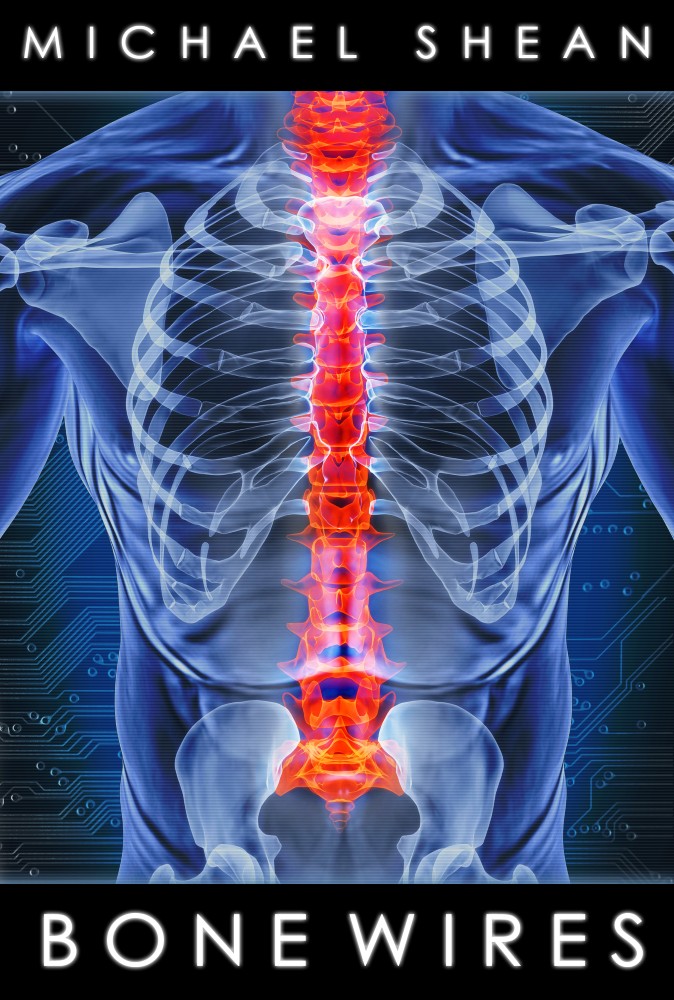 In Bone Wires, Michael Shean creates a techno-world of the future, where cars are equipped with autodrive, dance floors are suspended from the ceiling, and soft drinks have self-chilling mechanism. Shean grabs your attention immediately, and pulls readers into the high-tech world of 2076, where police departments belong to the private sector, making concerns of profits and losses, and public relations often take priority over justice.
Detective Dan Gray wants it all: the promotion, the money, the prestige, the girl and he knows how to play the game to get it. Suddenly, it appears that he has just gotten all of it, at what price?
His new girlfriend, Angie, is connected to a case involving some grissly murders, that is supposed to be closed, but just doesn’t want to stay that way; the same case that propelled him into his new promotion.
He has a hunch things aren’t what they seem, but he doesn’t know who to trust. Everyone seems to have their own agenda: a vice cop that wants to use his girlfriend as a snitch, a coroner and an officer from the evidence room that want to fry the vice cop, a fellow homicide cop that is suddenly looking out for his best interests, a police agency that’s more concerned about profit margins than it is about people and seems content to sweep his case under the rug, and a girlfriend who may have something to hide. Finding the truth may threaten his job and his girl.
Shean has good, clear character development and a main plot, with enough sub-plotting to create tension and keep readers interest. The pacing keeps readers moving right along. Although there are a few typos, the story carries its weight well enough that the distraction caused is minor, if at all. The descriptive language is at times exquisite, as in the following example, found on page 201, (Kindle version):
“By the time he piled himself into the car, he was barely able
to focus. And so he didn’t try. Instead he sat there, sprawled
in the driver’s seat, staring out at the empty street for what felt
like hours as his thoughts warred with one another. Finally out
of the mental carnage came the victor, a sharp thought, a thought
that glowed and smoked as if it were a blade pulled out of a torturer’s
coals.”
Shean has shown himself to be a talented writer, with Bone Wires. A must read for those who enjoy science fiction, mystery, and dark fiction. There is even a bit of the romance element thrown in. Bone Wires is available at Amazon (Kindle), Amazon (print), Barnes & Noble, and Books A Million.




















