Adversity makes the story
Posted: August 13, 2021 Filed under: Character Development, Conflict, Fiction, Writing, Writing Tips | Tags: Adversity, Character Development, Conflict, Emotion, Writing, Writing to be Read 9 Comments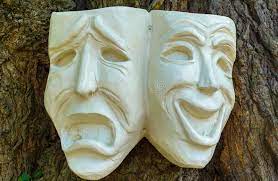
When Donald Trump ran for election the first time, in 2016, he was heard saying that he got his start when he borrowed a half million dollars from his father to start a business. He went on to say that he created a successful business and paid back that loan in something like six months. He was very proud of this feat and used it as an example of what good business sense he has, which he claimed qualified him to run the country. My response to his claim was to think to myself, ‘Yeah, if someone loaned me a half million dollars, I bet I could create a successful business, too.’
Everything I have ever done in my life, I have done on my own. There has never been anyone who would extend me a loan, or support me in my efforts. I’ve had a lot of failures, like the landscaping business I tried to start and got taken to the cleaners by my very first customer, leaving me in debt on the endeavor, but I picked myself up and tried again. Now, I have created a small independent press and I offer author services through WordCrafter. It’s small and I do it all online, out of my home. To me, that is more of an achivement than former President Trump’s multi-million dollar corporation, because I didn’t have any help in getting where I am today. I struggled to overcome all obstacle that stood in my way, and I built my business a little at a time, without loans or other help from anyone. To me there is no real story in what Trump did, but the road to success for me has been paved with obstacles and setbacks to overcome. He may be a lot richer than I am, but my story is ever so much more interesting.
Several years ago, one of the nurses that I worked with came up to me and told me how happy she was to learn that I had continued writing after my son died. She said that it meant that I was healing. The truth was, after Mike died, I had to write. I had so much grief boiling inside me that my only recourse was to write and let it all flow out. After Mike died, writing was what helped me keep my sanity. I wrote poetry. I wrote stories about Mike. I wrote and delivered his eulogy. More than likely none of it will ever be published, but the stuff I wrote during that time was powerful. If I read it now, it still brings tears to my eyes.
The negative emotions- grief, sadness, hate, anger – are all powerful emotions and to write a story that stirs those emotions is to draw your reader into the story and make them care. The positive emotions like love or triumph are powerful, as well, but they are made more powerful if the character has to struggle to achieve them. If the character is happy when the story begins, and remains happy throughout, then it’s really no big deal when he is happy at the end. But, if the character has longed for happiness, struggled to overcome the obstacles that prevent him from being happy, and the reader has been right there feeling his frustration and sorrow along the way, then the reader will be elated when, at the end, the character accomplishes his goal and achieves the ever sought after happiness. The negative emotions are what makes the positive ones that much stronger. In life, happiness is fleeting, easily forgotten as we move on to the next goal, but the negative emotions are always there, just below the surface, waiting to be called forth. They don’t go away. I miss my son now just as much as I did the day he died, and all I have to do is think about him for the tears to start to flow, even eleven years later. The negative emotions don’t fade away, like the positive seem to.
Adversity creates conflict, and conflict is why we keep reading. We have to see how the character is going to overcome whatever obstacles are placed in his way. We must read on to find out who wins the battle, to learn if our character will be triumphant, or if he will be ruined for life. Adversity, or conflict, is the key to writing a good story. Going through the characters struggles with them makes their revenge sweeter, their triumphs more elating, and their love so much stronger. Adversity is what makes us care about the characters.
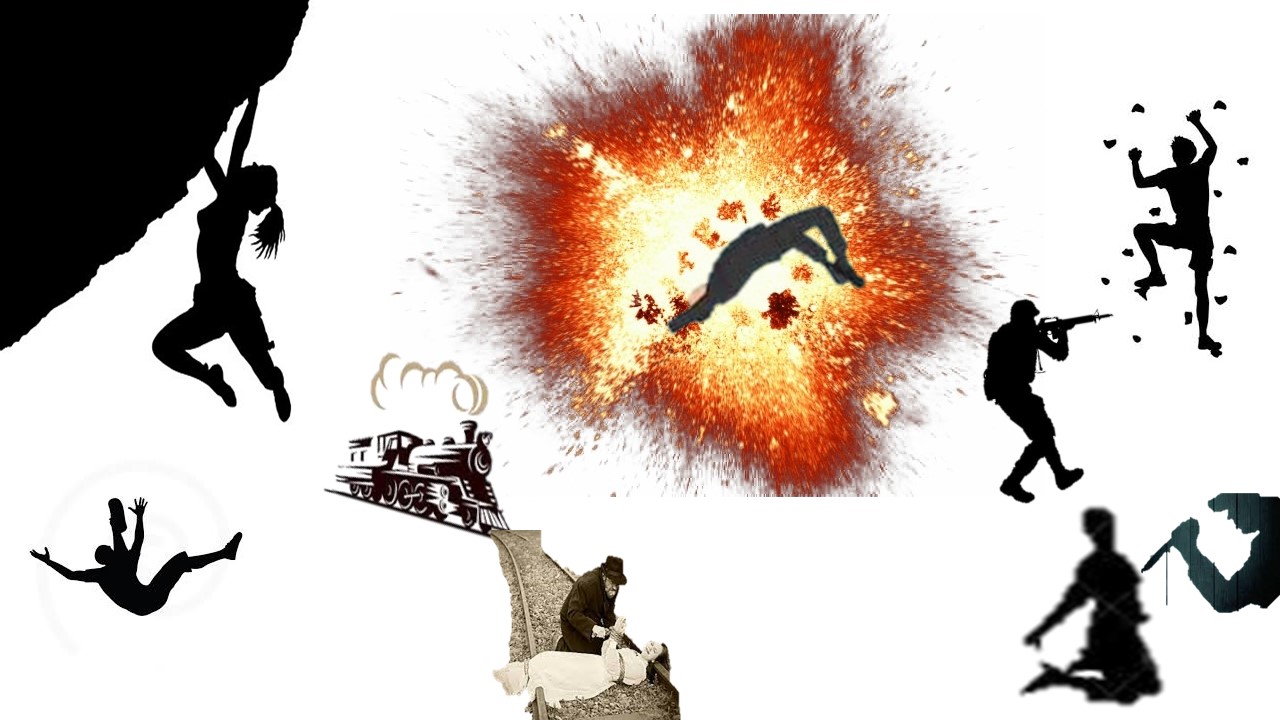
So, make things hard for your characters no matter what genre you write. Beat them up, make them walk over hot coals, climb mountains, jump out of airplanes, or dive to the ocean’s depths to get the girl, find the treasure, win the race, or achieve self-discoveries. And just when they are at the lowest point they have ever been at, and it seems that there is no way to come out ahead, throw a burning building in their path, raise the stakes, throw in a ticking time bomb. Don’t make it easy for them. If a good looking guy walks into the bar and sweeps the girl off her feet without even blinking and there is no one to object, no one will care if they live happily ever after or not. When the reader is aware of the price that has been paid to achieve the goal, then your readers will care so much more. Give your characters conflict and adversity. They’ll thank you for it later, and so will your readers.
___________________________________________________________________________________________________________________________
Like this post? Let me know in the comments. You can be sure not to miss any of Writing to be Read’s great content by subscribing to e-mail or following on WordPress. If you found this content helpful or entertaining, please share.
Share this:

Paid Writing Opportunity – Call for Short Fiction Submissions
Posted: July 30, 2021 Filed under: Anthology, Books, Dark Fantasy, Fairy Tales, Fantasy, Fiction, Humor, Science Fantasy, Science Fiction, Speculative Fiction, Stories, Writing | Tags: Anthology, Call for submissions, Fairytales, Mirror Mirror, Myths, Short Fiction, Short Stories, Writing to be Read 8 Comments
I recently embarked on the journey toward yet another degree – an M.A. in Publishing at Western State Colorado University – and I am studying under the prolific bestselling author and founder of WordFire Press, (and inductee into the Colorado Authors Hall of Fame), Kevin J. Anderson. For one of the publishing projects that must be completed for graduation is a cohort produced anthology. This will be the third year that the publishing cohort at Western has been headed by Kevin, and the third anthology that they have published.
Each of the previous year’s cohorts have produced an outstanding anthologies featuring stories by reputable author names, as well as new discoveries. You can see my review of Unmasked, last year’s anthology, here. The first year, Monsters, Movies & Mayhem received the Colorado Book Award. Both of these exceptional anthologies are available from amazon, your favorite bookstore, or buy direct at wordfirepress.com/gpcw.


This year’s cohort worked hard to develop the theme and guidelines over the past two weeks, and I’m really excited about this anthology. One of the cool things about this opportunity for writers is that it pays per word, if your story is chosen. Since I am a part of the publishing team, I’m not eligible to submit, but all of my readers are. I strongly encourage you to check out the guidelines below, get the gears turning and crank out an original story to submit for this year’s anthology. Feel free to share with anyone who might be interested.
Tips for getting your story accepted: Read the submission guidelines and follow them.
___________________________________________________________________________________________________________________________
MIRROR, MIRROR:
Modern Myths
Executive Editor: Kevin J. Anderson
When you’re alone with your reflection, are you prepared for what you see?
A prince in disguise? A monster revealed? An alien race?
Mirrors can be truth-tellers, wish-granters, face-concealers, illusion-makers, even monster-summoners. Maybe the mirror shows an evil twin, or an echo of the life that should have been. Or a portal to another world.
What happens when it shatters?
Once upon a time, no one knew the phrase “Once upon a time.” You’ve read the classic stories. Now write the lore you’ve always wanted to read. Explore this creative challenge from your own unique perspective informed by your roots, culture, and background. We want original fables, folklore, and fairy tales for an eclectic anthology showcasing a new dawn of an old artform.
Imagine a canon of diverse characters for today’s readers to love and loathe. Gaze into the mirror, whether literally or figuratively—classic or genre-bending, grim or whimsical, as long as it is new and fresh.
We are looking for original short stories (prose poems will also be considered) to include a mix of fantasy, science fiction, horror, magical, and romance elements. Must be appropriate for a “PG-13” audience. Please, no copyrighted characters. Previously unpublished stories only. Women, BIPOCs, LGBTQIA+, neurodiverse individuals, and other minorities are strongly encouraged to submit.
Length: up to 5000 words (firm limit)
Rate: 6¢/word on acceptance.
Rights: First Anthology Rights and audio rights as part of the anthology; rights revert to author one month after publication; publisher retains non-exclusive right to include in the anthology as a whole.
Due: We are open to submissions from August 30 through October 15, 2021.
Submit: A Microsoft Word or RTF file in standard manuscript format to
https://wordfirewestern.moksha.io/publication/2/3/submit
If you don’t know what standard manuscript format is, review, for example, https://www.shunn.net/format/classic/
One submission per person, please. NO SIMULTANEOUS SUBMISSIONS.
Edited by Kevin J. Anderson with an editorial team provided by Western Colorado University Graduate Program in Creative Writing, Publishing MA students. Anthology made possible by a generous contribution from Draft2Digital.
_____________________________________________________________________________________________________
Like this post? Let me know in the comments. You can be sure not to miss any of Writing to be Read’s great content by subscribing to e-mail or following on WordPress. If you found this content helpful or entertaining, please share.
Share this:

Capturing Enlightenment: A brief tale of humor
Posted: July 26, 2021 Filed under: Fiction, Humor, Stories | Tags: Capturing Enlightment, Kaye Lynne Booth, Short Stories, Writing to be Read 2 Comments
Buddy and Holly came bouncing up to Egbert, ready with any number of humorous things to say to tease him. Teasing Egbert was one of their favorite pass times. Buddy liked to say that Egbert wasn’t one of the brightest bulbs in the batch, and Holly usually commented on the squirrelly round glasses that magnified his eyes and made them appear to be popping out of his head, or the way that he stuttered when he talked. When they ran out of jibs on those subjects, they could always make fun of his name, telling him that his mother must not like him at all to give him a name like that; obviously, she didn’t love him or she would have given him a better name than Egbert, uh! Usually long before they got that far the tears were running down Egbert’s face. Sometimes he started tearing up as soon as he saw them coming.
That wasn’t the case today. Today, Egbert was actually happy to see them. He had something wonderful to show them and it was so special that once they saw it, they wouldn’t make fun of him anymore. “Hi Buddy! Hi Holly!” he said, heading over to meet them with a huge grin on his face.
“What are you so happy about, Egg Head?” Buddy asked.
“Yeah. You look ridiculous. That grin is almost bigger than your face. Close your mouth, so I can see you.” Holly said with a giggle.
“Wait until you see what I found!” Egbert said. “You guys aren’t going to believe this.”
“Oh, right,” Holly replied. “What could you possibly have that would even interest us?”
Egbert grinned even bigger as he looked from Buddy to Holly, and back to Buddy again. He was absolutely beaming with excitement.
Holly looked over at Buddy uneasily. When he glanced back at her, the uncertainty showed in his eyes.
Finally, Buddy broke the silence. “Well, are you just going to stand there with that silly grin on your face or are you going to show us whatever it is that you found?”
Egbert came out of his reverie. “What? Oh, yes of course. Just wait until you see!” He turned, running back toward his house, leaving the two of them standing there in puzzlement.
They looked at one another. “What do you think has him so excited?” Holly asked through the side of her mouth in a hushed voice, but Egbert could still hear her.
“Probably some old seashell from the beach or something,” Buddy replied.
“I don’t think so. He wouldn’t show us something like that anyway because he knows we’d just take it from him if it was cool or smash it if it wasn’t.” Holly said. “Besides, don’t you think it’s weird that he hasn’t stuttered at all?”
Before Buddy could answer, Egbert came racing around the side of the house with a jar which glowed from within.
“A firefly?” Holly said in disbelief. “We’re supposed to be impressed by a firefly?”
Egbert shook his head. “It’s not a firefly.”
“Then what is it?” Buddy asked. “It sure looks like a firefly to me.”
“Does it look like a firefly?” Egbert said, holding the jar up higher, so that they could see better. They squinted as the light coming from the jar seemed to get brighter, much too bright to be produced by a little firefly. Finally, they turned away, unable to look directly at it.
“Actually, that doesn’t look like any firefly I ever saw.” Buddy admitted.
“I told you, it’s not a firefly,” Egbert said.
“So, what is it? What did you find?” Holly asked. Egbert now had their full attention.
Egbert beamed and grinned once more. “I found enlightenment! I was playing down at the beach, when I saw it sitting, half buried in the sand. I scooped it up and carried it home and put it in this baggie for safe keeping.”
Buddy was skeptical. “Enlightenment? How do you know that’s what it is?”
“Because I can feel it.” Egbert replied. “I know things now that I didn’t know before.”
“Like what?” asked Holly.
“Like I know that you guys aren’t really bad people. You only do all of those mean things to me because you don’t feel very good about yourselves.” Egbert replied.
Buddy and Holly looked at each other nervously. Then they looked back at Egbert.
“It’s okay. Don’t be afraid,” Egbert said. “I also know now that all the things that I dreamed about doing to get back at you came from petty feelings. I want you guys to be my friends, just like I always wanted, only now I know that I don’t have to change who I am to do that.”
Buddy shuffled from foot to foot nervously. Usually ready with a smart comeback to anything, it seemed he suddenly had nothing to say.
Holly eyed Egbert distrustfully. “What do you mean?”
“Here,” Egbert said, holding the bag up closer to them. “If you just feel it, you’ll understand everything.”
“That’s okay,” said Buddy, backing into Holly.
“What are you afraid of?” Egbert asked.
“I-it’s nothing.” Holly said, stumbling over her own feet to get out of Buddy’s path. “I-it’s just that, well…, w-what if you’re wrong?”
Suddenly, Buddy found his voice. “Yeah, that might not even be enlightenment at all. Even if it is, how do we know that that is something that we would want to have any part of?” He spoke bravely, but he kept backing away.
“Doesn’t everyone want enlightenment?” Egbert asked, truly puzzled by their strange behavior.
“I’m not sure that I d-do.” Holly said, stammering the words. “L-look at y-you. L-look at the ch-changes that it has m-made in you already. And l-look at m-me, too. I d-don’t know w-why I’m st-st-stuttering all of a s-sudden!” Tears streamed down Holly’s face. She turned, rushing out of the yard and down the street.
“Hey wait, Holly!” Egbert called after her. “I know a good speech therapist. I’ll give you her card.”
“I uh, I think I should go and see if she’s okay.” Buddy said, running out of the yard, as well.

As he watched him go, Egbert got another grin on his face, this one however, had a sly cast to it. “Tsk. Tsk.” he said, shaking his head. “My speech therapy finally paid off. I really thought that they would be more impressed.” He opened the jar and lay it down in the grass where two small winged beetles crawled out and seperated from one another before flying away into the night. “Imagine getting so upset over two little glowbugs.” Egbert chuckled to himself all the way back into his house.
___________________________________________________________________________________________________________________________
Like this post? Let me know in the comments. You can be sure not to miss any of Writing to be Read’s great content by subscribing to e-mail or following on WordPress. If you found this content helpful or entertaining, please share.
Share this:

“Jaguar”: A thought provoking psychological thriller
Posted: July 19, 2021 Filed under: Book Review, Books, Fiction, Psychological Thriller | Tags: Bill Ransom, Book Review, Dreams, Jaguar, Psycological Thriller, Writing to be Read 2 Comments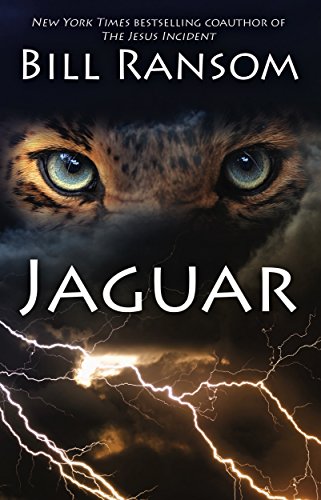
Dreams: A journey into the unconscious mind.
For Eddie Reyes and his friend Maryellen, dreams are much more than that. Dreams are an avenue for learning. Dreams are a means of breaking through to parallel worlds and making connections with their friends, Africa Lee and Rafferty. Dreams are a way to control people and a weapon which causes madness. To those who don’t know, it sounds like a cool superpower, but it’s one that carries a heavy price.
For Eddie, it’s the only way to hunt down the Jaguar to save their friends and the rest of the Roam from the persecution of the jaguar priests. But the Jaguar has reached Maryellen’s father through his dreams in this world and he’s intent on keeping she and Eddie apart at all costs.
Can Maryellen and Eddie escape her father and the other traps set on this side by the Jaguar long enough to hunt the him down in his own dreams before he destroys the Roam, and both worlds in the bargain?
My Review
Although Bill Ransom’s Jaguar unfolds the story slowly and it takes a little while to put the puzzle pieces together to form an idea of how the characters are connected and how they fit within the full picture of the story, it is just odd enough to keep your curiosity raised and keep you reading long enough to see it all come together. And by then, you’re hooked. You have to keep reading to find out how it all turns out. You can’t put it down. And it’s a good thing, because if you don’t read through to the end, you will miss the big reveal that changes the game and raises the stake even higher for Eddie.
A well-crafted psychological thriller that will keep you riveted to your seat. I give Jaguar four quills.

Buy Link: https://www.amazon.com/Jaguar-Bill-Ransom-ebook/dp/B0054SLB88
_______________________________________________________________________________________
Kaye Lynne Booth does honest book reviews on Writing to be Read in exchange for ARCs. Have a book you’d like reviewed? Contact Kaye at kayebooth(at)yahoo(dot)com.
Share this:

Announcing the winner of the 2021 WordCrafter Short Fiction Contest
Posted: June 16, 2021 Filed under: Fiction, Ghost Stories, Paranormal, Stories, Writing Contest | Tags: 2021 WordCrafter Short Fiction Contest, Where Spirits Linger, Winner, WordCrafter Press, Writing to be Read 6 Comments
The winner of this contest was supposed to be announced by the end of May, but as I explained in my last post of the month, all contest submissions were asked to make some revisions and I couldn’t determine a winner until that was done, so I’d have the revised stories to choose from. However now, that has happened. I have all the stories back with revisions and the time has come to reveal the winner.
And the winner is…
I’m happy to announce that the winner of this year’s contest is Christa Planko for her story “Olde-Tyme Village“. The winning story will be featured in this year’s paranormal anthology, Where Spirits Linger and Christa will receive a $25 Amazon gift card.
Share this:

When I Was You: A thriller that will keep you guessing
Posted: June 7, 2021 Filed under: Book Review, Books, Fiction, Mystery, Suspense, Thriller | Tags: Book Review, Mnka Kent, mystery, Suspense, Thriller, When I Was You, Writing to be Read 1 Comment
When I Was You, is a well-crafted thriller by Minka Kent that will keep readers guessing to the very end. This story has all the twists and turns of a good thriller, and just when you think you know what is going on, the plot doubles back for you to realize how wrong you were. I’m not sure how to review this book without giving away spoilers, because it does keep you guessing.
Brienne Dougray was attacked and robbed, putting a jolt in her self-confidence, making her feel afraid and vulnerable. To make matters worse, all of her friends have turned their backs on her and she has no idea why. It seems the only one she can rely on is Niall, a busy oncologist who is her tennant, whom she is developing feelings for. She begins to feel as if her life is not really her own when she learns there is another woman who is living her identity and Niall may not be the man she thought he was. These odd occurances have her doubting her sanity and she has to wonder if she really knows who she is. To solve the mystery of what is really going, is the only way to figure out who she really is and get her true life back.
Suspense and mystery keeps the pages turning in this well-crafted thriller. I give When I Was You five quills.

Buy Link: https://www.amazon.com/When-Was-You-Minka-Kent-ebook/dp/B07PCR7SYF
_______________________________________________________________________________________________________
Kaye Lynne Booth does honest book reviews on Writing to be Read in exchange for ARCs. Have a book you’d like reviewed? Contact Kaye at kayebooth(at)yahoo(dot)com.
Share this:

And The Winner Is….
Posted: May 31, 2021 Filed under: Fiction, Paranormal, Stories, WordCrafter Press, Writing Contest | Tags: Paranormal, Short Fiction, Short Stories, Where Spirits Linger, WordCrafter Paranormal Short Fiction Contest, WordCrafter Press, Writing Contest 3 CommentsFor the 2021 WordCrafter Short Fiction Contest – You’ll have to wait and see
One of my biggest pet peeves is being fully immersed in a short story, only to have it end abruptly, like a slap in the face, leaving me scratching my head and saying, “Is that it?”. I am sure you know what I mean if you’re an avid reader, as most authors are. I think this is a problem found mostly in short fiction. Maybe the author cuts it short in order to meet a word count limit, or maybe they just aren’t sure how to wrap things up, so they jump right to ‘THE END’. No matter what the reason, the result is disappointment on the part of the reader, so it is worth the extra effort on the authors’ part, to take the time and effort to come up with the perfect ending for every story they write.
That’s why I’m postponing announcing the winner of the WordCrafter 2021 Short Fiction Contest, which I had planned to do before the end of May. I only had three entries for the contest this year. Each entry offered an excellent paranormal tale meeting the submission guidelines, but at the end of each one I found myself feeling disappointed, as if there should have been more to the story.
So, I’ve requested each author to revisit their endings and resubmit their stories before I make a decision on the winner. I’ve already received one story back with revisions and I’m waiting on the other two. When all three revised stories have been received, I’ll decide and announce the winner. These stories were all well written and I anticipate them being even better with the author revisions, so the decision won’t be easy.
Accepting Submissions: I want your ghost stories!
However, three submissions do not an anthology make, so I’m calling out for more submissions to fill the pages of Where Spirits Linger. Doesn’t every author have a ghost story hidden away somewhere? Contest guidelines asked for a paranormal tale with place being central element in the story. These new submissions won’t be eligible for the contest, so they will no entry fee attached. If you have a story that fits the theme, send it to me at kayebooth@yahoo.com, for a chance to have it included in the WordCrafter Press 2021 anthology, Where Spirits Linger.
_____________________________________________________________________________________________________________
For the WordCrafter “Poetry Treasures” Book Blog Contest – That one I can tell you.

For the Poetry Treasures Book Blog Tour, which ran May 24 – 30, we did a giveaway and three readers who followed the tour and commented will receive a free digital copy (.mobi, .epub, or .pdf) of Poetry Treasures! The three lucky winners are: Jules, Jill Weatherbolt, and Priscilla Bettis. If you are a winner, please contact me at KLBWordCrafter@gmail.com and tell me which format you prefer to receive your copy. (If you have already purchased a copy of Poetry Treasures, you may choose another WordCrafter Press book instead.)
Poetry Treasures had a great seven day tour with a guest post about the poetic inspiration behind a poem by a different contributing poet at each bIog stop. The anthology and the tour were amazing collaborative efforts among nine poet/authors and myself to create a unique and moving collection of poetry. Also many thanks to Miriam Hurdle, Ritu Bhathal and Teagan Geneviene for hosting tour stops to support the poets and the tour. Without their participation, this tour would not have been possible.
If you missed this wonderful tour or maybe only missed a few of the stops, you can visit them at the links below:
Day 1 – Writing to be Read – Guest post by Jude Kirya Italaki
https://writingtoberead.com/2021/05/24/welcome-to-the-wordcrafters-poetry-treasures-book-blog-tour/
Day 2 – Robbie’s Inspiration – Guest post by Victoria Zigler
Day 3 – But I smile anyway – Guest post by Goeff Le Pard
https://butismileanyway.com/2021/05/26/poetry-treasures-blogtour-featuring-geofflepard-bakeandwrite/
Day 4 – Teagan’s Books – Guest post by Frank Prem, plus a review by Teagan Genevienne
Day 5 – Zigler’s News – Guest post by Kevin Morris, plus a review by Victoria Zigler
http://ziglernews.blogspot.com/2021/05/day-5-of-wordcrafter-poetry-treasures.html
Day 6 – Roberta Writes – Guest post by Annette Rochelle Aben
Day 7 – The Showers of Blessings – Guest post by Colleen M. Chesebro
https://theshowersofblessings.com/2021/05/29/poetry-treasure-blog-tour-featuring-colleen-chesebro/
________________________________________________________________________________________________________
Like this post? Let me know in the comments. You can be sure not to miss any of Writing to be Read’s great content by subscribing to e-mail or following on WordPress. If you found this content helpful or entertaining, please share.
Share this:

Craft and Practice with Jeff Bowles – Narrators of a Different Color
Posted: May 19, 2021 Filed under: Character Development, Craft and Practice, Dialogue, Fiction, Point of View, Story Telling Methods, Tense, Voice, Writing | Tags: Craft and Practice, Dialogue, Jeff Bowles, narration, Point of View, writing advice, Writing Tips, Writing to be Read Leave a comment
Each month, writer Jeff Bowles offers practical tips for improving, sharpening, and selling your writing. Welcome to your monthly discussion on Craft and Practice.
There’s an entire school of thought behind the use of standard third-person perspective in narrative fiction. Often enough, beginning writers are encouraged to see it as their go-to, which isn’t horrible advice. Let’s do a quick POV lesson, in case your memory is hazy.
First-person: I walked to the lake.
Second-person: You walked to the lake.
Third-Person: He walked to the lake.
Conventional wisdom says most readers stomach lucky number three best. I think that might be a load of hogwash, but let’s assume it’s 100% correct. What would be the benefit of writing fiction—or creative nonfiction, for that matter—from a quote, unquote “nontraditional” perspective? Your own edification, right? And maybe something else.
Third-person is the norm because it provides helpful breathing room between us and our readers. It’s easy to tell a story this way, natural. We’re used to it, having read it a million times before. By the same token, I have noticed it’s become increasingly more common for storytellers to dabble in other modes. First or second-person, past or present tense, limited omniscience or full-blown mind-of-God territory. First-person present tense, by the way, is notoriously apt to cause chaos.
“I write on the blog post for a bit, and then I check my email. It occurs to me I’ve never met a sultan of Saudi Arabia, so it’s possible these diet pills are phony. Oh well. I chuck them in the trash and head outside to clear my mind. It smells like a forest fire out here. Hey, what gives?”
This is stream of consciousness stuff, easy to write but difficult and unwieldy to beat into proper shape. All the verbiage points to me, me, me, now, now, now. It can get same-same after a while, difficult to chew through. Not always, but often enough.

I’ll give you the benefit of the doubt and assume your new forest fire/phony diet pill story is perfectly well written, thank you very much. You did the job, tale told effectively, end of discussion. In that case, one crucial question comes to mind. Is your narrator any fun to read?
What do you mean, what do I mean? What’s a fun narrator supposed to sound like? Well, I guess they can be any of the following: idiosyncratic, faulty, confident, psychotic, mentally sound, likable, unlikable, funny, unfunny, jaded, naïve, a super focal lens, an individual with something to say, a personality worth delving into.
Maybe you’ve never considered it this way, but in my humble estimation, narration of this kind is a blank check. Most things worth achieving sound unlikely at first. Think of it like speed dating. You known instantly upon sitting across from someone whether or not you’d enjoy their company. Is your speed-dater worth engaging in conversation? Are they fun to listen to?
Gut check time. How well do you write dialogue? I only ask because I’ve realized throughout the years not everyone is as keen on it as I am. Sharp and amusing with zero fat left to trim, that’s my favorite kind. But what’s yours? Informative but not dull? Wacky and a bit irredeemable? More importantly, do you think you could extend a few lines of it to encompass an entire story? I’m willing to bet you can.
The simple truth is most writers create bland characters by default. Not you, of course. Perish the thought. Mentors and teachers might encourage us to pre-fill character sheets or go to public places and write down snatches of conversation we hear. I’m not saying that’s bad advice, but I can confidently tell you it’s more efficient and effective to let characters tell us who they are rather than to impose our sizable wills upon them. Don’t bloat yourself up with too much preparation. On the fly, hit the page and let your creations speak to you. A little honest individuality is enough to distinguish your work from the work of others, and that’s a good thing.
Rule makers have tried to enter this arena, but I don’t think they’ve done a great job setting any concrete prescriptive measures. Is addressing your reader directly breaking the fourth wall? No, not really. If you think about it, first-person narration divorced from context is unnatural anyway. It was much more common in centuries past for authors to speak to their readers through narration. As we discussed earlier, stability is easy to achieve by providing a little breathing room. This is a blank check, remember? Anything and everything is achievable, provided you’ve got the skills to stick the landing. That’s the thing about experts. If they tell you something can be done, they’re most certainly right. If they tell you it can’t, they’re most certainly wrong.
Style remains essential in this domain. My final advice is this: If you’re currently working on something you’ve written in first-person, try playing with your style a little, write it like you’d write some nice extended dialogue, just as far as you’re comfortable, nothing too crazy—unless you like crazy. You might just surprise yourself. Scratch that. Your narrator might surprise you.
Don’t be stiff or formal. Get into the nitty gritty and pour a serious helping of personality gravy on those otherwise boring and bland mashed ‘taters.
On that note…
See you next time, everyone. Have an awesome May, will you?
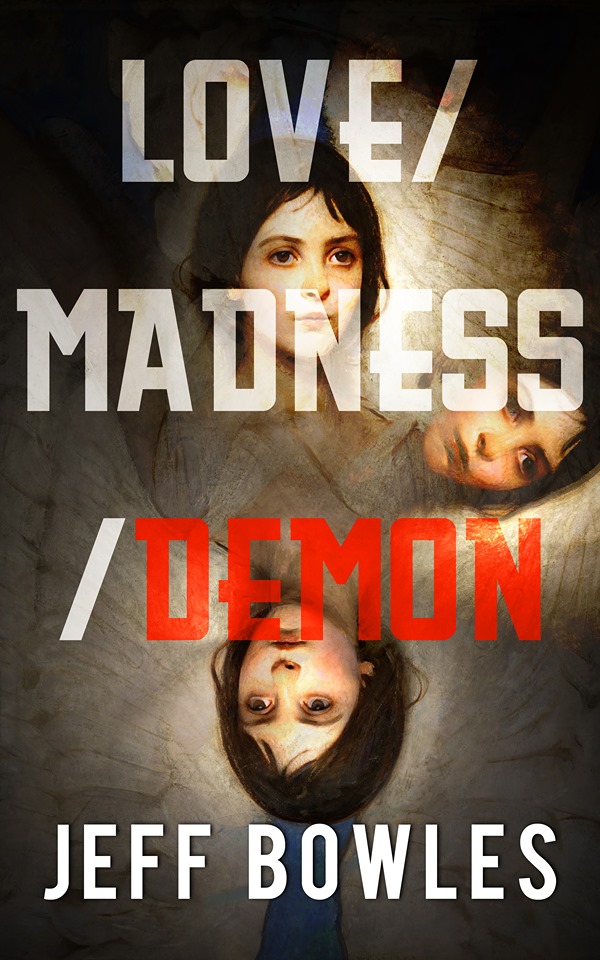
Jeff Bowles is a science fiction and horror writer from the mountains of Colorado. The best of his outrageous and imaginative work can be found in God’s Body: Book One – The Fall, Godling and Other Paint Stories, Fear and Loathing in Las Cruces, and Brave New Multiverse. He has published work in magazines and anthologies like PodCastle, Tales from the Canyons of the Damned, the Threepenny Review, and Dark Moon Digest. Jeff earned his Master of Fine Arts degree in creative writing at Western State Colorado University. He currently lives in the high-altitude Pikes Peak region, where he dreams strange dreams and spends far too much time under the stars. Jeff’s new novel, Love/Madness/Demon, is available on Amazon now!
Check out Jeff Bowles Central on YouTube – Movies – Video Games – Music – So Much More!
Want to be sure not to miss any of Craft and Practice with Jeff Bowles segments? Subscribe to Writing to be Read for e-mail notifications whenever new content is posted or follow WtbR on WordPress
Share this:

Growing bookworms: The importance of historical fiction for kids
Posted: May 12, 2021 Filed under: Books, Children's Books, Fiction, Growing Bookworms, Historical Fiction, Reading | Tags: #Reading #Childrensfiction, Growing Bookworms, Historical Fiction, Reading, Robbie Cheadle, Writing to be Read 55 Comments
When I was in high school, history was an unpopular subject. It was so unpopular, in fact, that when the time came for the Grade 9’s to chose their subjects for Grade’s 10 to 12, the school paired history with typing, home economics and business economics so that the girls who chose this less academic combination were compelled to take history. This was how I ended up in a history class with mainly girls who hated the subject. I loved history and I took it through choice. My other subjects were maths, accountancy, and science. In South Africa, English and Afrikaans were compulsory subjects at the time.
I never really understood why my peers didn’t like history as it was a subject always loved. I’ve said it here before, however, that I was a very wide reader from a very young age and I read a lot of books set in the past. Among my favourite books by a South African author, were the collections of short stories by Herman Charles Bosman. This is what Wikipedia has to say about Herman Charles Bosman:
Herman Charles Bosman (5 February 1905 – 14 October 1951) is widely regarded as South Africa’s greatest short-story writer. He studied the works of Edgar Allan Poe and Mark Twain and developed a style emphasizing the use of satire. His English-language works utilize primarily Afrikaner characters and highlight the many contradictions in Afrikaner society during the first half of the twentieth century.
On reflection, I realised that I have acquired a love of history because all the books I had read allowed me to include the facts and dates I learned into the fascinating backdrop I had acquired of life at the time. I could visualise the homes, lives, and loves of the Afrikaner people I learned about during the sections on the Great Trek and the Boers wars though my reading of Charles Bosman’s works. I also read books by South African Boer War veteran, Deneys Reitz.
My learning of international history including the French Revolution, the Industrial Revolution (including the Luddite uprisings), and the Tudor period were coloured by my reading of certain books, in particular, A Tale of Two Cities by Charles Dickens, and Shirley and Jane Eyre by Charlotte Bronte. I found it easy to remember my history because I entwined it with my understanding of life at the times as presented by these great novels.
I was delighted when I discovered that history is a popular subject at the college for boys my sons both attend. Gregory chose to take history to matric (along with IT, maths, advanced maths and science which shows that its mixes well with any subject combination) and Michael looks set to follow in his footsteps.
I am bowled over by their history curriculum and the amazing why they learn about the past through source documents, cartoons, and many other interactive and interesting modes compared to my school days of rote learning. My sons are also taught history from the perspective of how historical events have influenced the present which makes this subject a lot more useful. It helps them to see how people’s actions and reactions have set the path for the future and resulted in both the good and bad in society we see today.
I believe it is vital for kids to understand history in an expansive and wide context so that they can value the freedoms and benefits their forefathers fought and die to leave as their legacy. For example, what young girl would not value her vote if she knew about the suffering and hardships of the suffragettes who paved the way for the achievement of this equality for women.
I wonder how many British children know that compulsory education for children aged 5 to 14 years was only introduced in 1918. How many American children know that compulsory education laws were only passed by 1900 and then only in 32 states, with the other states following by 1930. 1930! That’s less than 100 years ago.
Modern children are so fortunate to have an education and the opportunities for self improvement that come with it. It isn’t equal for all yet, but there are lots of people who believe passionately in educating children and who work really hard to implement change and improvements in education.
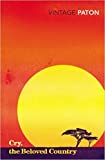
Understanding and learning about real people in a historical context makes their passions, sufferings and beliefs so much more compelling. It is difficult to hold on to prejudice if you’ve read novels like I am David by Anne Holm, The Diary of a Young Girl by Anne Frank, and Cry the Beloved Country by Alan Patton.


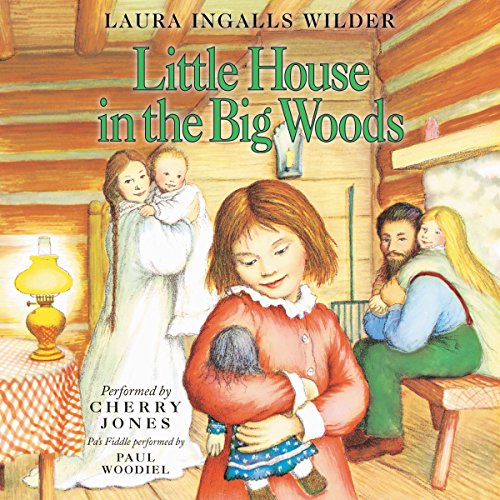
Historical books also teach children interesting information about how people survived in the past. I’ve always remembered the chapter from Little House in the Big Woods by Laura Ingalls Wilder when Pa cleaned his gun and made bullets. There is also a chapter about how Ma made butter and coloured it yellow. Little House on the Prairie has a scene when Ma is helping Pa build their new log cabin and a log falls on her foot. The difficulties and dangers of life on the frontier were illustrated; there was no help to be had for an injury or if the family fell ill.
I learned a lot about the limitations of medical knowledge in the mid to late 1800s through my reading of the What Katy Did series by Susan Coolidge. I will never forget Katy falling out of the swing or Amy contracting, and nearly dying from, Roman fever. Such scenes induce great feelings of empathy and compassion in the reader.

It is for all these compelling reasons that I wrote While the Bombs Fell, a fictionalised biography of my mom’s life as a young girl growing up in a small English town during World War II. I wanted to capture and preserve her memories of life for ordinary people living through this extraordinary time so that others, children in particular, could read it and remember how life was during that time.
What are your thoughts about historical fiction for both children and adults? Do you see value in learning about history in through a good story?
About Robbie Cheadle

Robbie Cheadle is a children’s author and poet.
The Sir Chocolate children’s picture books, co-authored by Robbie and Michael Cheadle, are written in sweet, short rhymes which are easy for young children to follow and are illustrated with pictures of delicious cakes and cake decorations. Each book also includes simple recipes or biscuit art directions which children can make under adult supervision.
Robbie has also published books for older children which incorporate recipes that are relevant to the storylines.
Robbie writes a monthly series for https://writingtoberead.com called Growing Bookworms. This series discusses different topics relating to the benefits of reading to children.
Robbie has a blog, https://robbiesinspiration.wordpress.com/ where she shares book reviews, recipes, author interviews, and poetry.
Find Robbie Cheadle
Blog: https://www.robbiecheadle.co.za/
Blog: robbiesinspiration.wordpress.com
Twitter: BakeandWrite
Instagram: Robbie Cheadle – Instagram
Facebook: Sir Chocolate Books
Want to be sure not to miss any of Robbie’s “Growing Bookworms” segments? Subscribe to Writing to be Read for e-mail notifications whenever new content is posted or follow WtbR on WordPress.




















Book Review: Mudflap – A character concept many of us can identify with
Posted: August 9, 2021 | Author: kayelynnebooth | Filed under: Book Review, Books, Fiction, satire | Tags: Book Review, Jay Alden Bailey, Mudflap, satire, Social Commentary, Writing to be Read | 4 CommentsIn Mudflap, by Jay Alden Bailey the character’s name isn’t really Mudflap, but that is the name he identifies with because life always seems to be throwing him under the bus. We’ve all been there, so the character concept is easy to identify with. Every time Mudflap gets up, life knocks him back down again. But he just keeps getting back up again, even starting over from step one when necessary. This story makes a suttle social commentary as Mudflap’s tale unravels that readers with a keen eye will be sure to pick up on.
Sharing in the life and experiences of Mudflap makes one appreciate the circumstances in one’s own life more. If you need cheering up or are just looking for a chuckle, this story is for you. I give Mudflap four quills.
__________________________________________________________________________________________________________________________
Kaye Lynne Booth does honest book reviews on Writing to be Read in exchange for ARCs. Have a book you’d like reviewed? Contact Kaye at kayebooth(at)yahoo(dot)com.
Share this: