Roberta Eaton Cheadle, is a South African writer and poet specialising in historical, paranormal, and horror novels and short stories. She is an avid reader in these genres and her writing has been influenced by famous authors including Bram Stoker, Edgar Allan Poe, Amor Towles, Stephen Crane, Enrich Maria Remarque, George Orwell, Stephen King, and Colleen McCullough.
Roberta has two published novels and a collection of short stories and has horror, paranormal, and fantasy short stories included in several anthologies. She is also a contributor to the Ask the Authors 2022 (WordCrafter Writing Reference series).
Roberta is also the author and illustrator of seventeen children’s books, illustrator to a further three children’s books, and the author and illustrator of four poetry books published under the name of Robbie Cheadle, and has poems and short stories featured in several anthologies under this name.
Roberta’s blog features discussions about classic books, book reviews, poetry, and photography. https://roberta-writes.com/.
Like this post? Are you a fan of this blog series? Did you know you can sponsor your favorite blog series or even a single post with an advertisement for your book? Stop by the WtbR Sponsor Page and let me advertise your book, or you can make a donation to Writing to be Read for as little as a cup of coffee, If you’d like to show your support for this author and WordCrafter Press.
__________________________________________
This segment of “In Touch with Nature” is sponsored by the Midnight Anthology Series and WordCrafter Press.
Midnight Roost: Weird and Creepy Stories: 20 authors bring your nightmares to life in 23 stories of ghosts, paranormal phenomenon and the horror from the dark crevasses of their minds. Stories of stalkers, both human and supernatural, possession and occult rituals, alien visitations of the strange kind, and ghostly tales that will give you goosebumps. These are the tales that will make you fear the dark. Read them at the Midnight Roost… if you dare. https://www.amazon.com/Midnight-Roost-Kaye-Lynne-Booth-ebook/dp/B0CL6FPLVJ
Midnight Garden: Where Dark Tales Grow: 17 authors bring you 21 magnificent dark tales. Stories of magic, monsters and mayhem. Tales of murder and madness which will make your skin crawl. These are the tales that explore your darkest fears. Read them in the Midnight Garden… if you dare. https://www.amazon.com/Midnight-Garden-Where-Tales-Anthology-ebook/dp/B0DJNDQJD3
Midnight Oil: Stories to Fuel Your Nightmares: 14 authors bring you 16 dark tales that explore your deepest fears. These are the stories which nightmares are made of. Tales of monsters, mayhem, and madness which will make you shiver in the dark. Read them while you burn the Midnight Oil… if you dare. https://books2read.com/Midnight-Oil
For many years I have been a birdwatcher, mostly due to the fact that there are so many different kinds of beautiful and fascinating birds that visit my yard and make the surrounding forest their home. But one thing about my flighty little friends is that many are skittish and don’t willingly do photo ops. But, every once in a while, the perfect opportunity arises and I get a really good picture. The rest of the time, the photos I get may be barely passable, if at all.
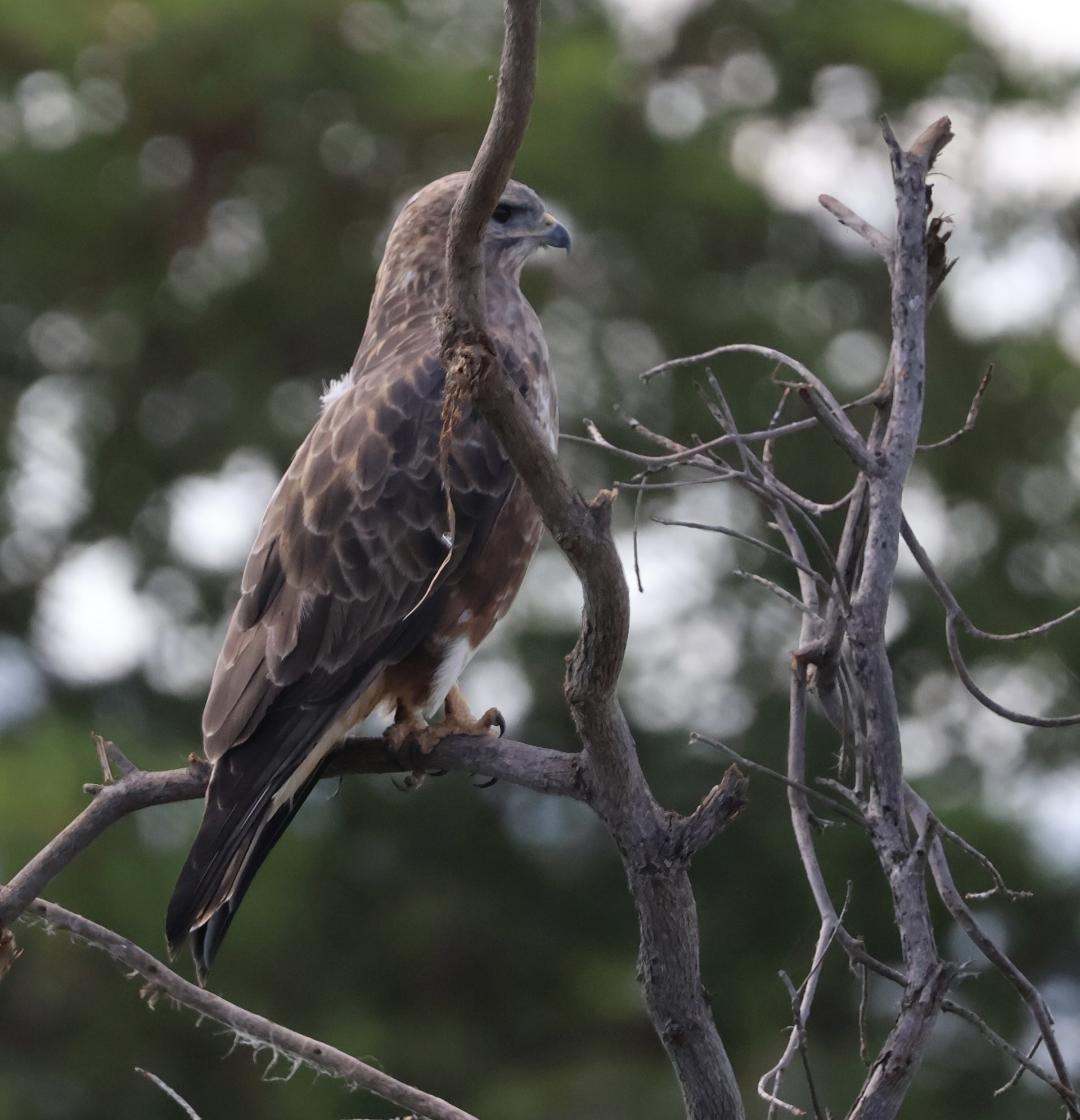
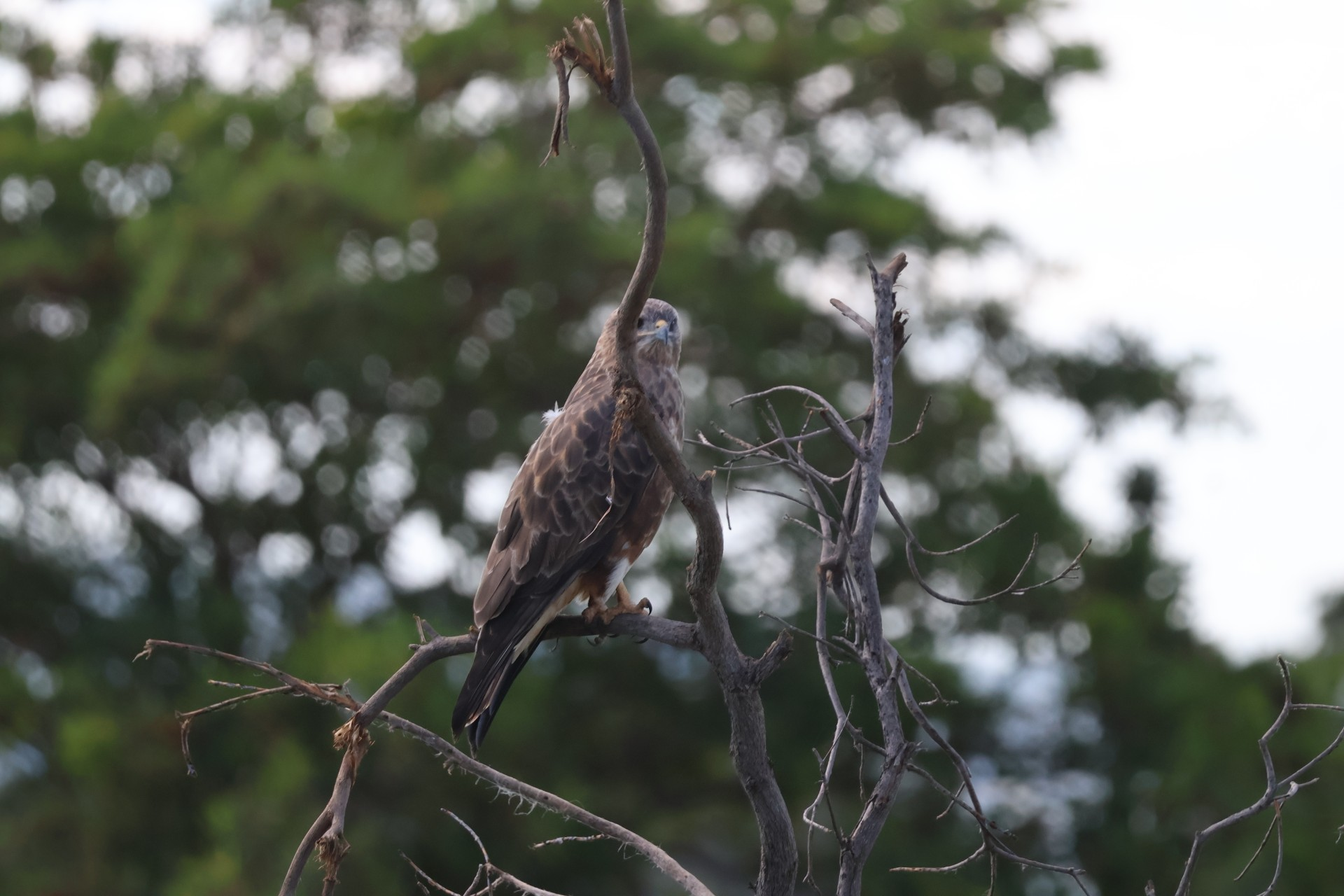
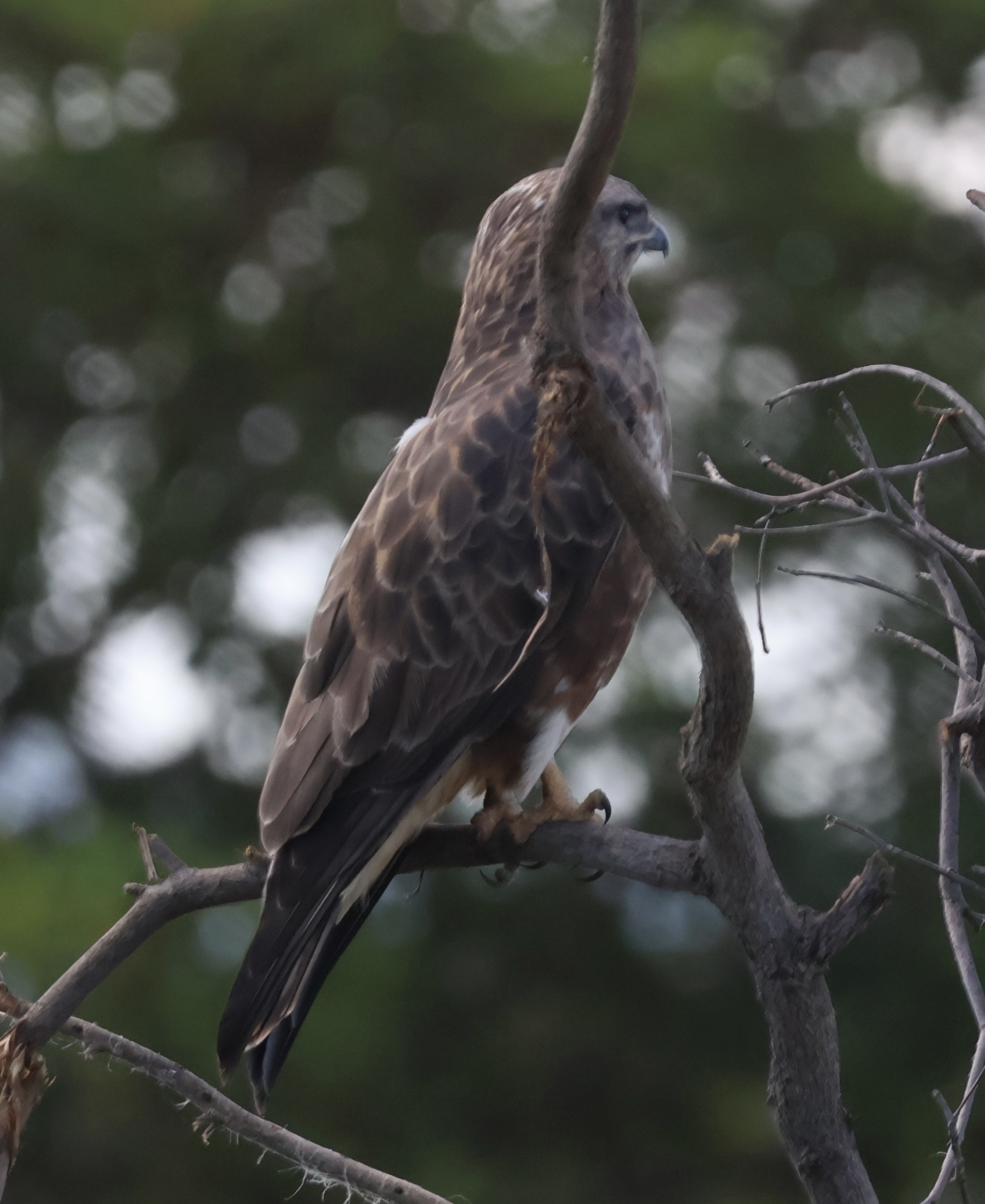
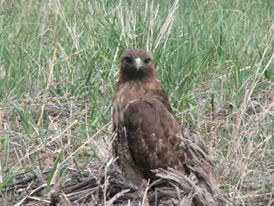
The good ones, like the one above of a red-tailed hawk, each have a story behind them, or at least the birds featured in them do. The story behind the photo above is a sad one. The only reason I was able to get close enough to get that photo was that the hawk had run into some power lines and electrocuted itself, disabling it from taking flight. I took several photos while waiting for the rescue workers from a local bird sanctuary to arrive. Unfortunately, they were unable to save him. He was a beautiful and majestic bird.
The young flicker in the photo below was another rescue that I made one spring day. The baby bird somehow ended up in my water garden pool, which is only has a small amount of water in the winter. In the photo, you can see its wet feathers, which were preventing him from flying back out, so it huddles by the drainpipe, cold, wet and afraid. I donned a pair of gloves and removed him gently, setting him on the ground to dry.
Young Flicker perched on a drainpipe
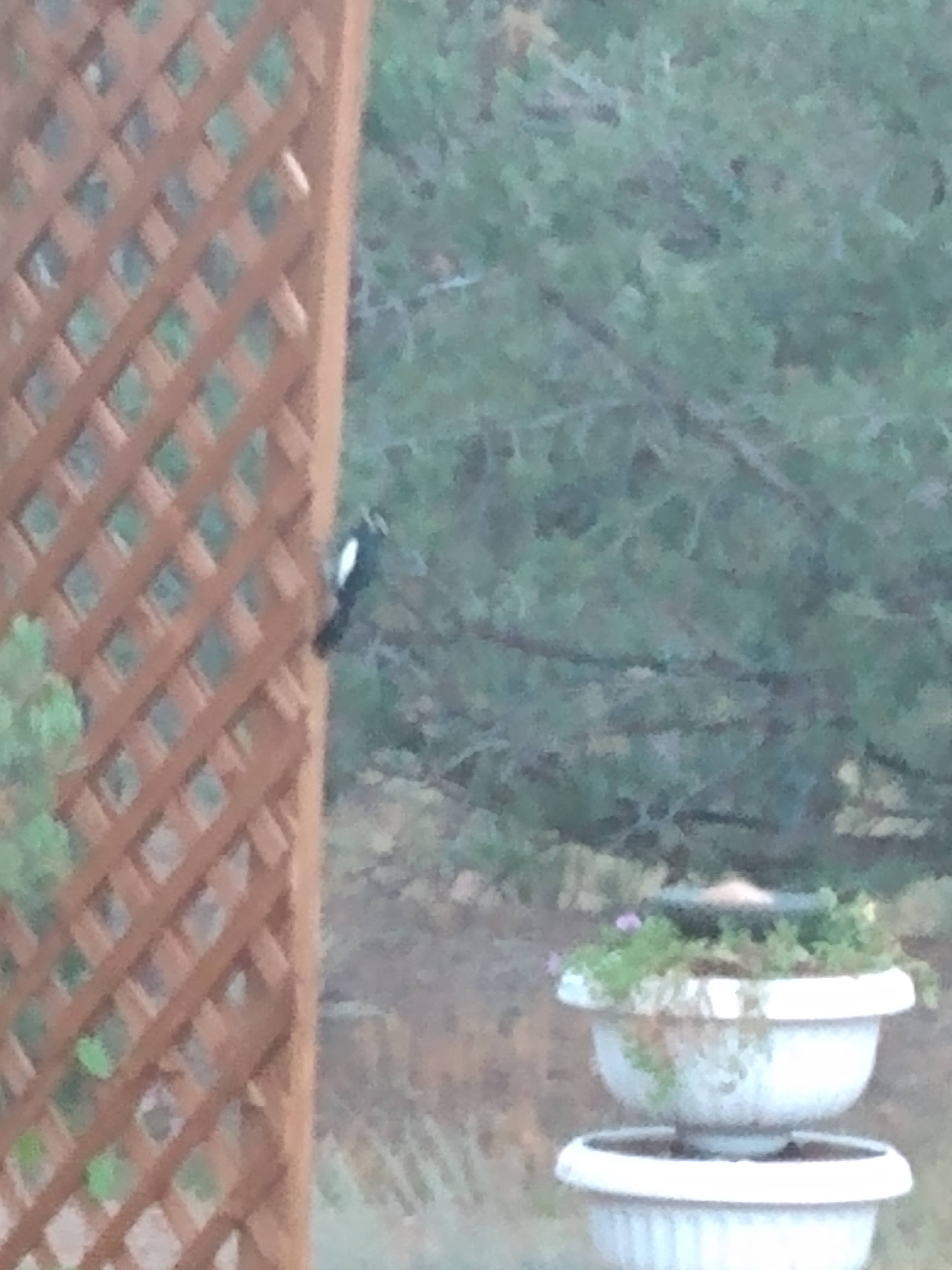
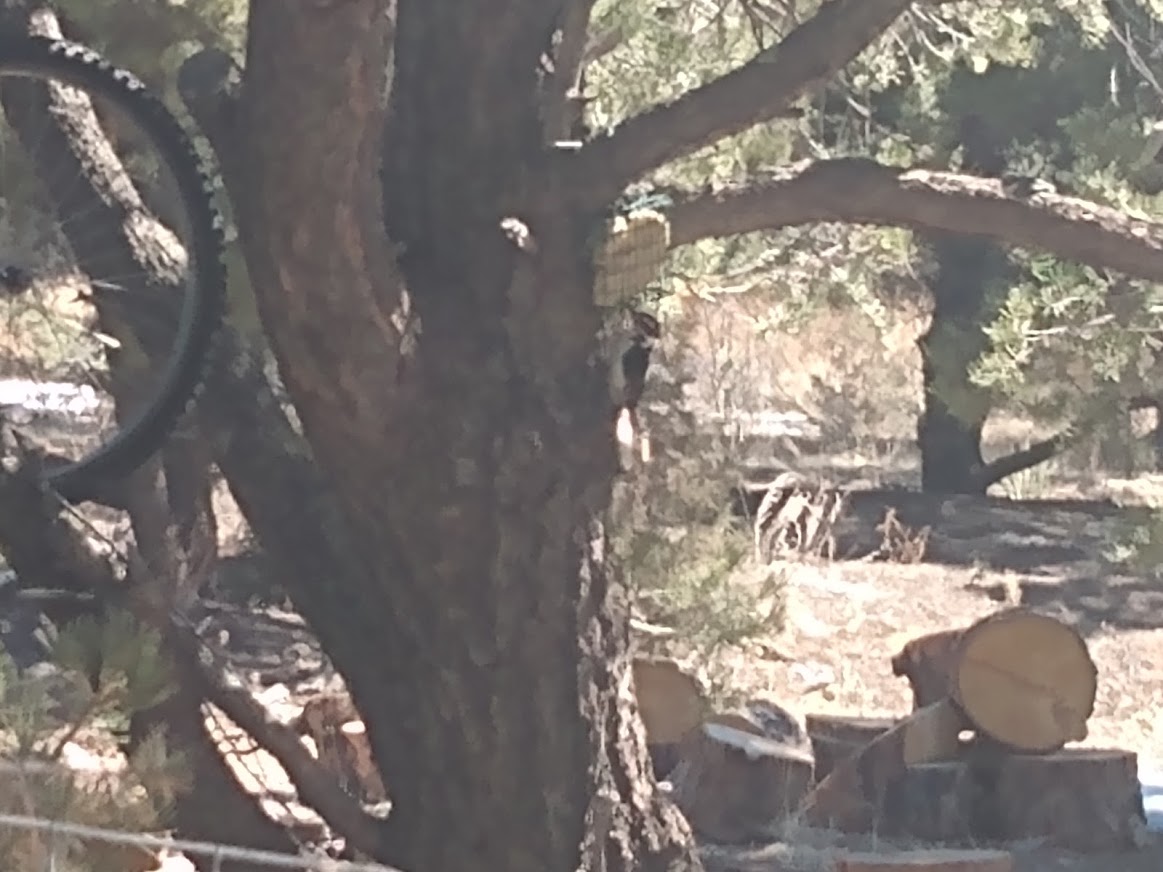
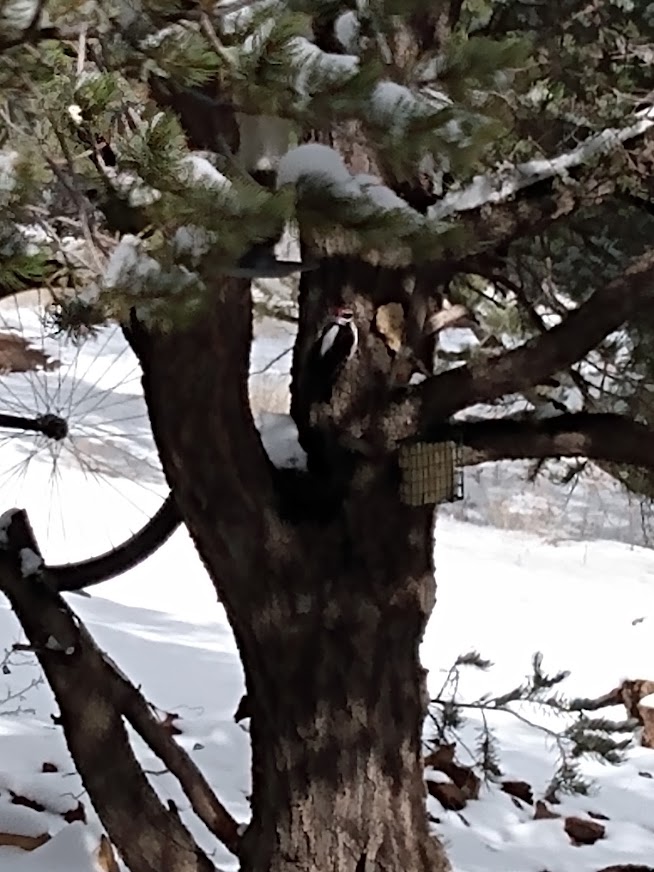
Not all my photo opportunities result from rescues and not all result in good photos. Flickers are in the woodpecker/sap sucker family of birds. Other birds in that family visit my mountain home, such as the downy woodpeckers, shown in the photos below. These guys just stop by from time to time for a bite to eat from my suet cakes. The one on my trellis must have been during mating season as he was flying from spot to spot on the trellis making strange clicking sounds to attract a mate.
Then we have my resident ravens, who are very camera shy, but I manage to snap one every once in a while. The ravens are characters. They fly by and yell at you, “Caw! Caw!” and I’m just crazy enough to caw back at them. They watch the activity around my yard, often fly by real low to tease the dog, and steal things that you leave lying about, especially if it is shiny. One watches from the trees when I walk the dog, and wait until we are right below, then screams out a caw and flies away, thinking it a pretty good joke he played.
They are social birds. They frequently gather in large groups in neighboring horse fields, sometimes with their crow cousins, and jump up and down, cawing and acting silly. I call these little bird parties Raven Raves. Ravens mate for life, and at first, I had four resident birds, but a neighbor kid shot one down with a bb gun one summer. Those ravens flew madly, cawing and cawing for days afterward. They were in mourning. 😦
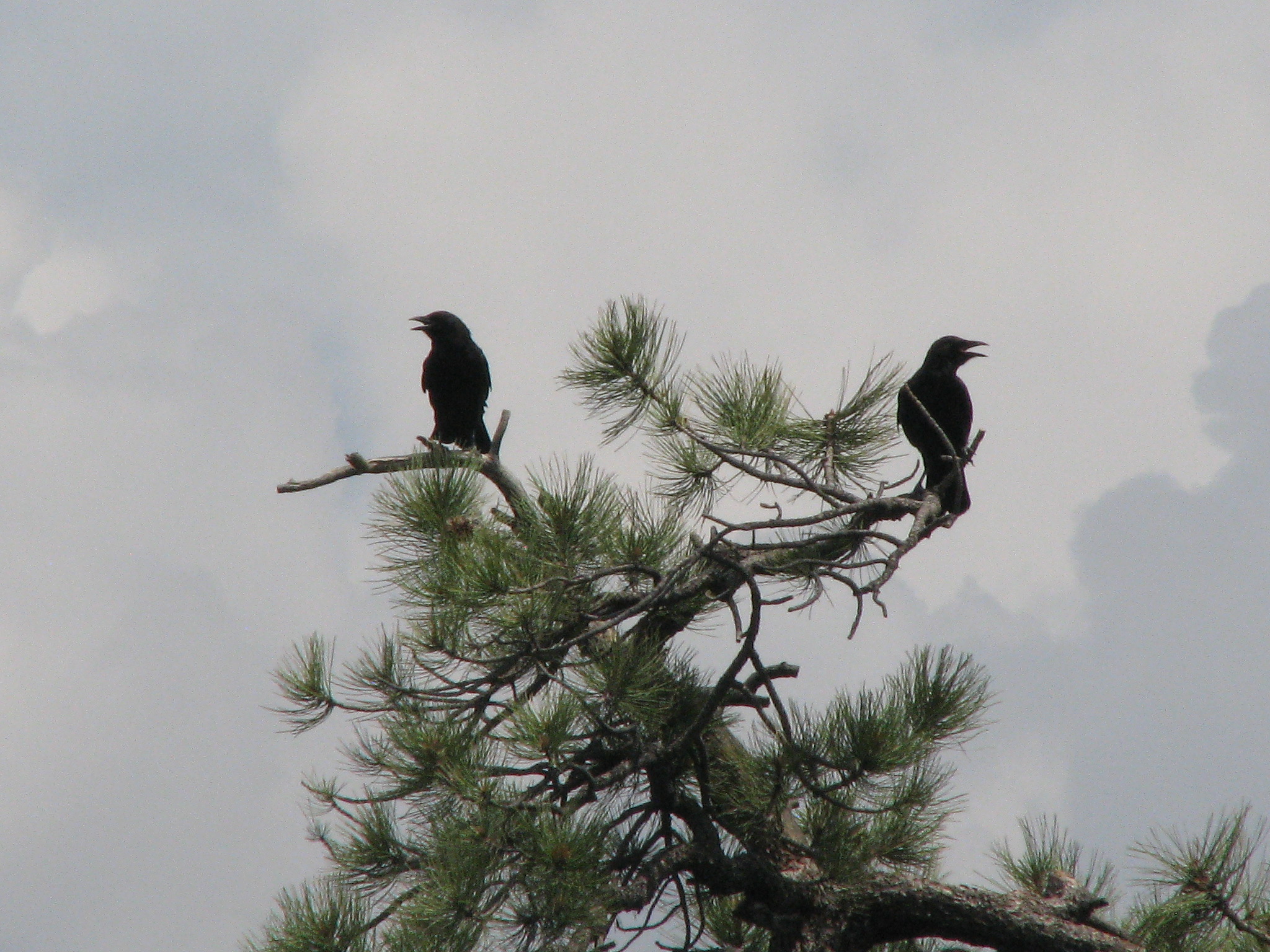
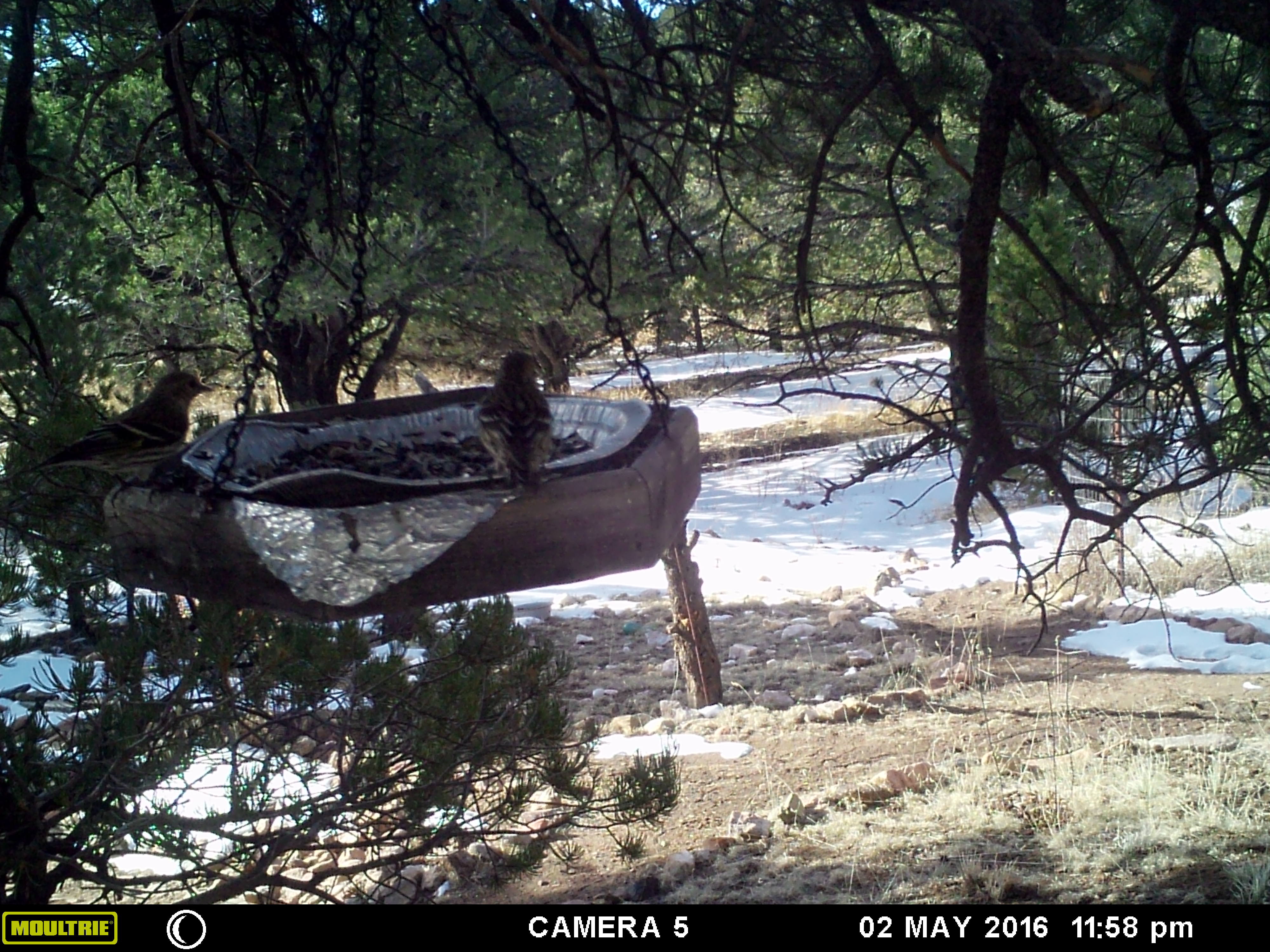
Most of the photos I get of the ravens are in flight, and they appear as small specks of black against a sky of blue and white. They don’t sit still often when they know you are watching. But I did get one nice photo of a pair perched in my tree, and a carefully placed game camera near my feeders caught a single raven swooping in to steal a bite.
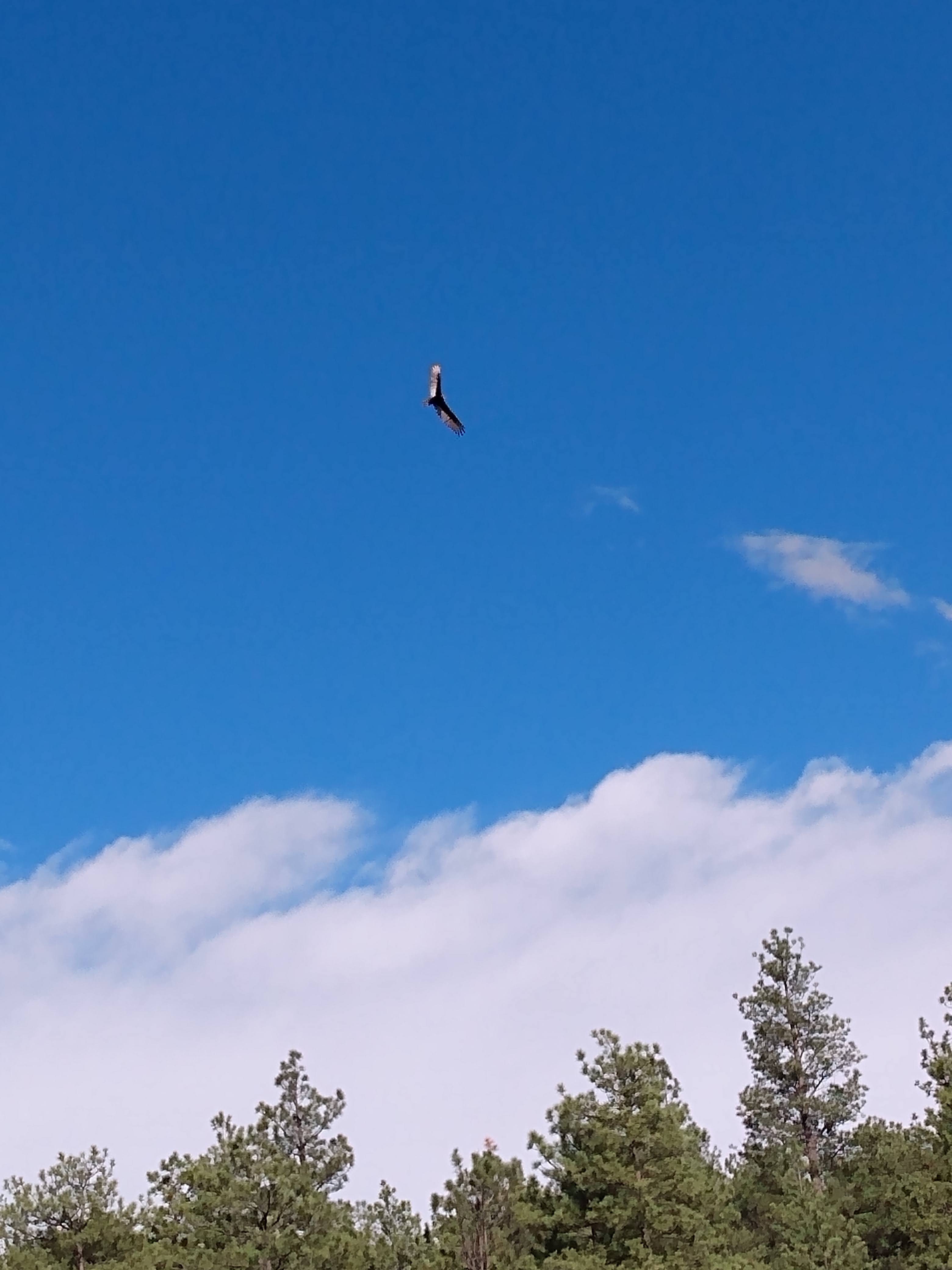
Another bird rarely caught on camera except in flight are turkey vultures. As carrion eaters, turkey vultures have gotten kind of a bad rep. Their role in nature isn’t pretty, and neither are they, with their bald red heads, which actually serves a purpose of cleanliness for the birds. Just think how bad they would be if their bloody meals stuck to the feathers on their heads. They are commonly seen riding the wind currents on blustery days. I am not a fan of wind, but they truly enjoy the weather that makes me want to stay inside.
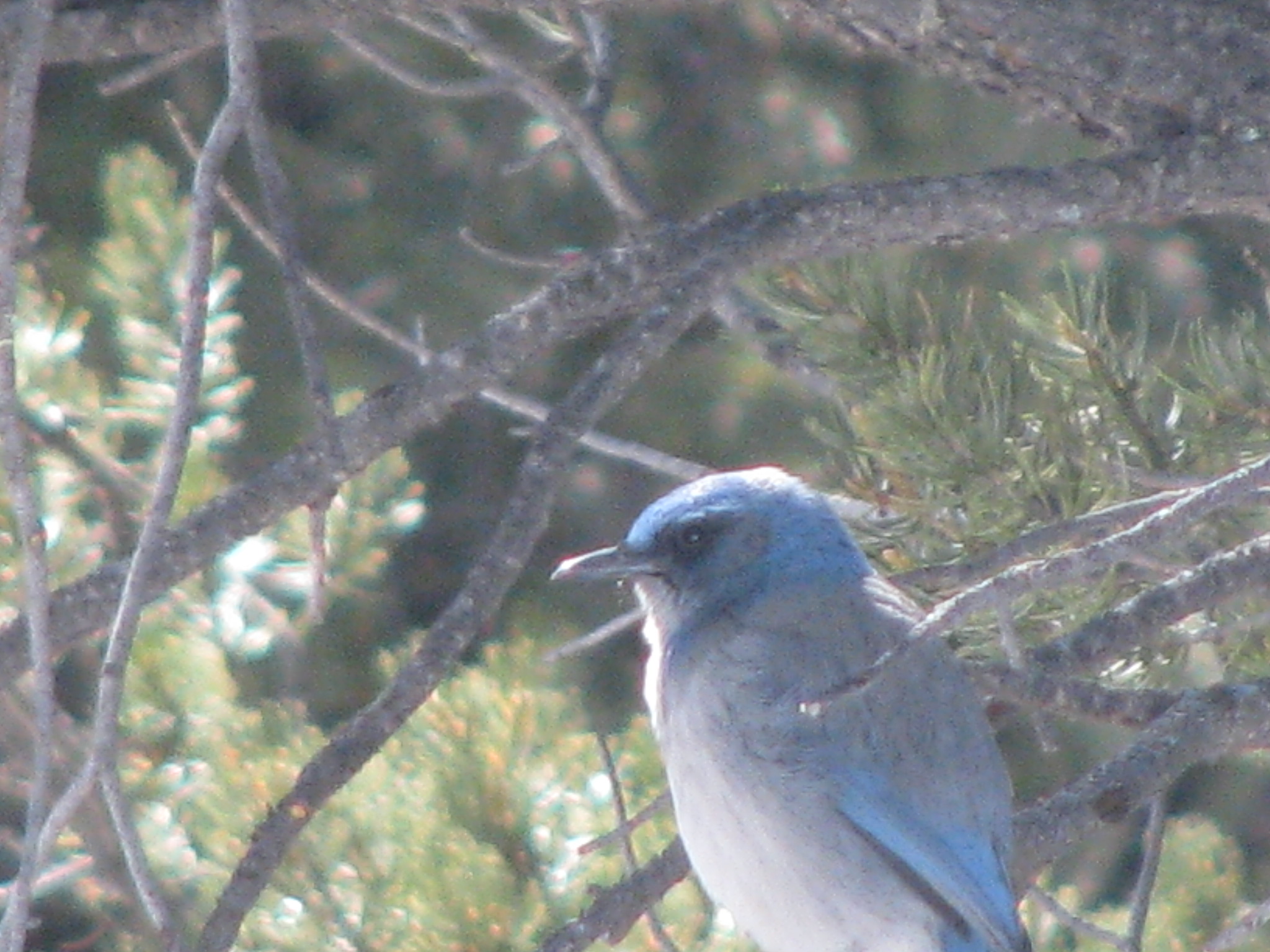
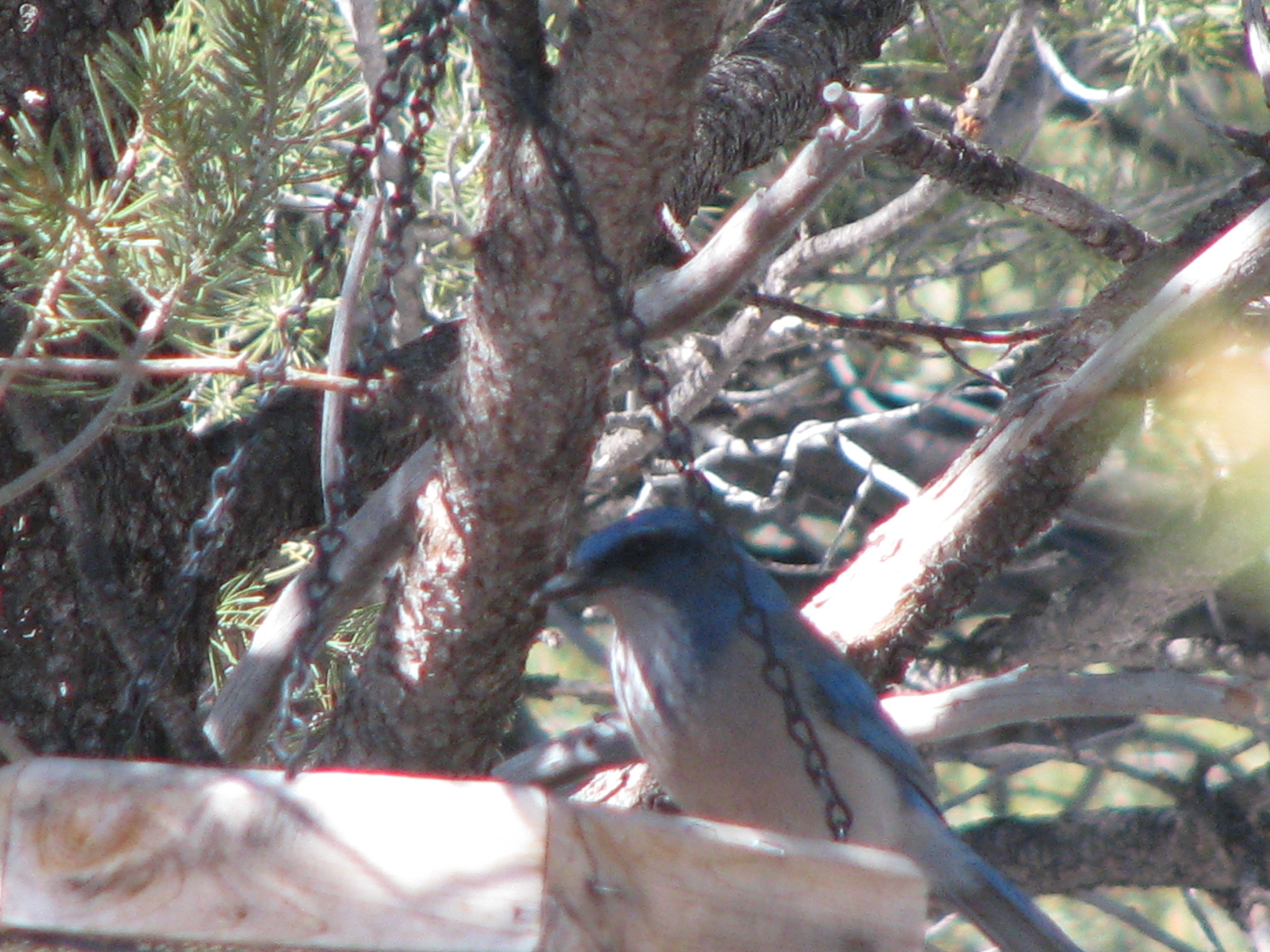
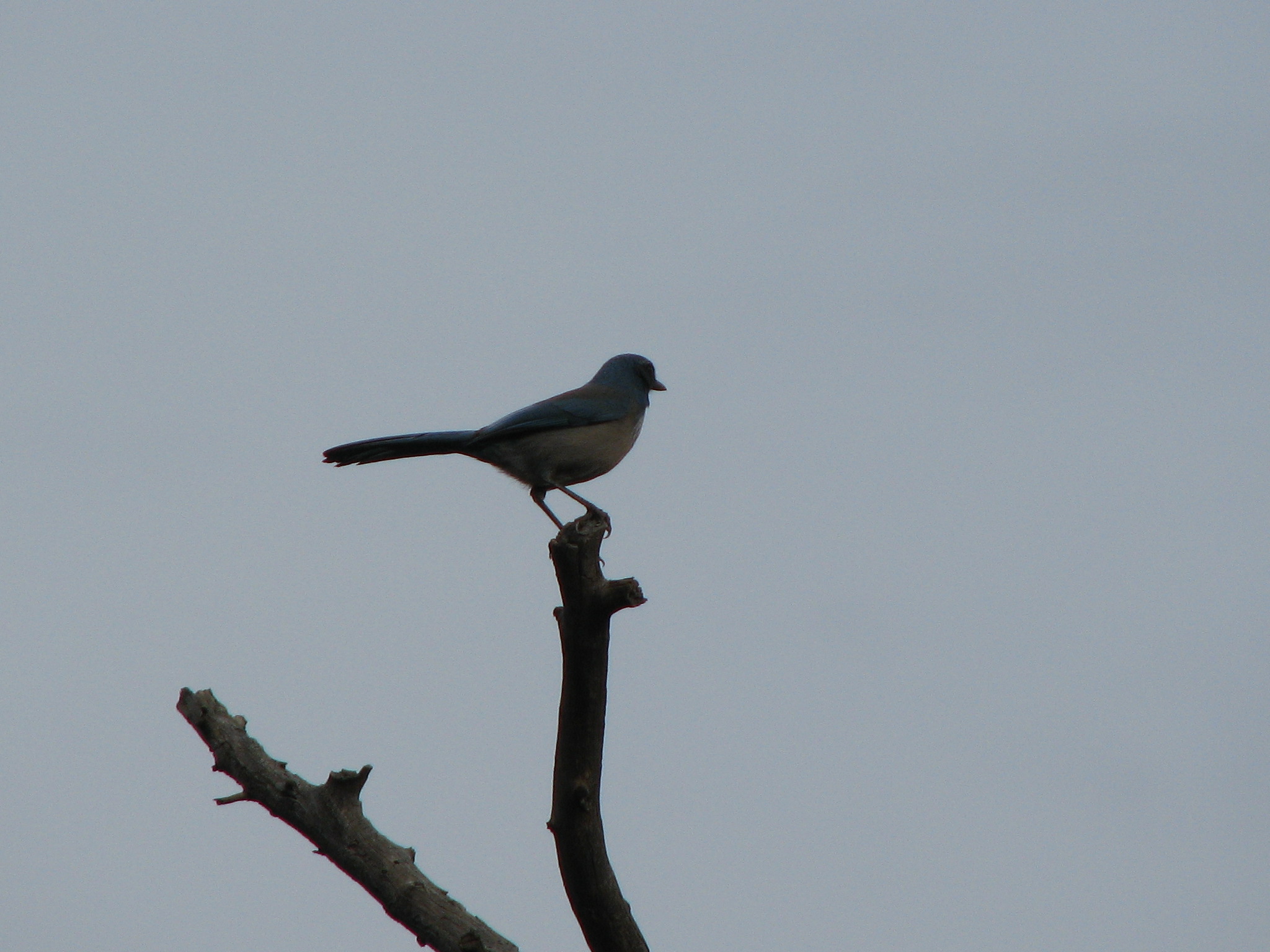
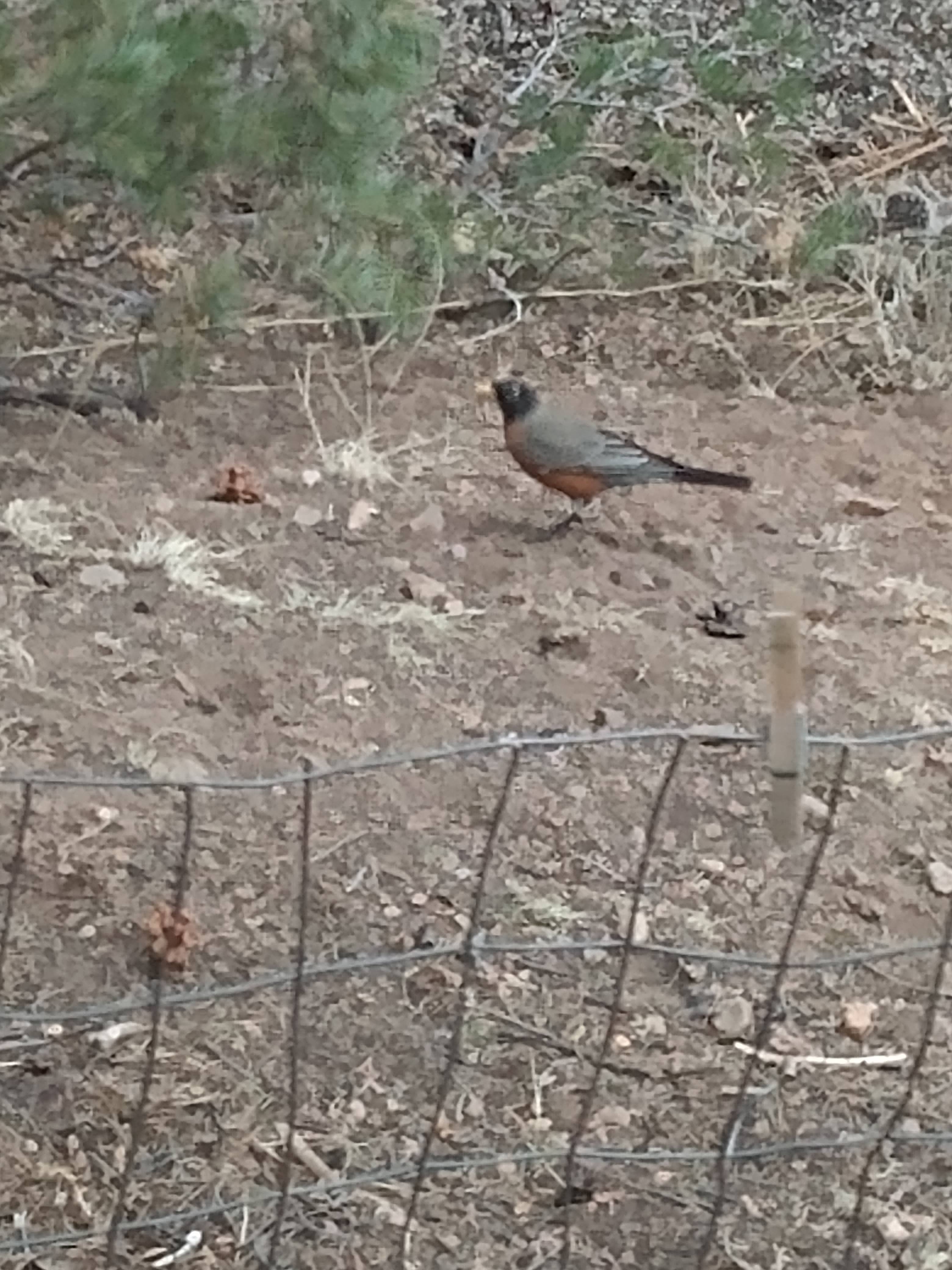
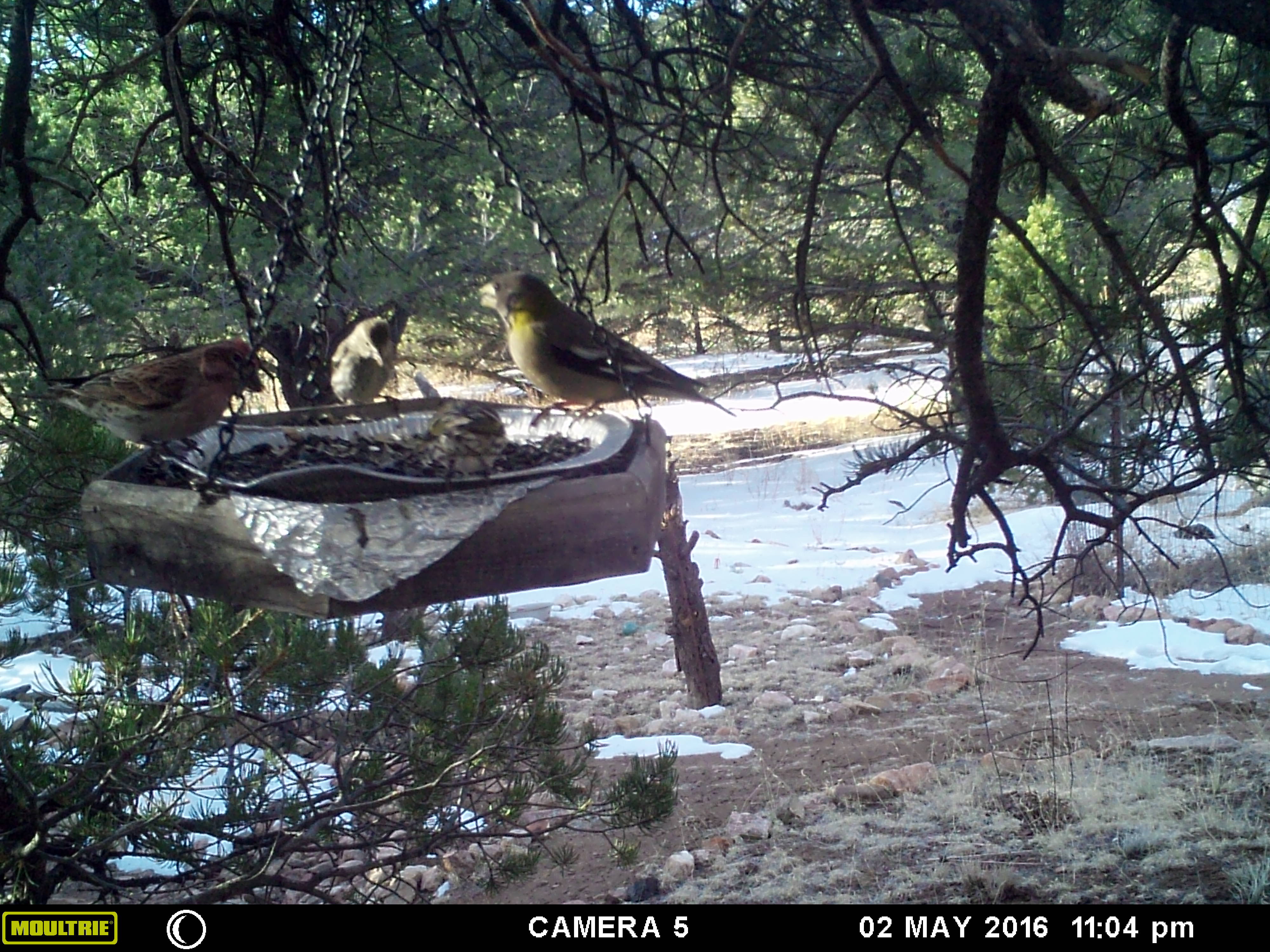
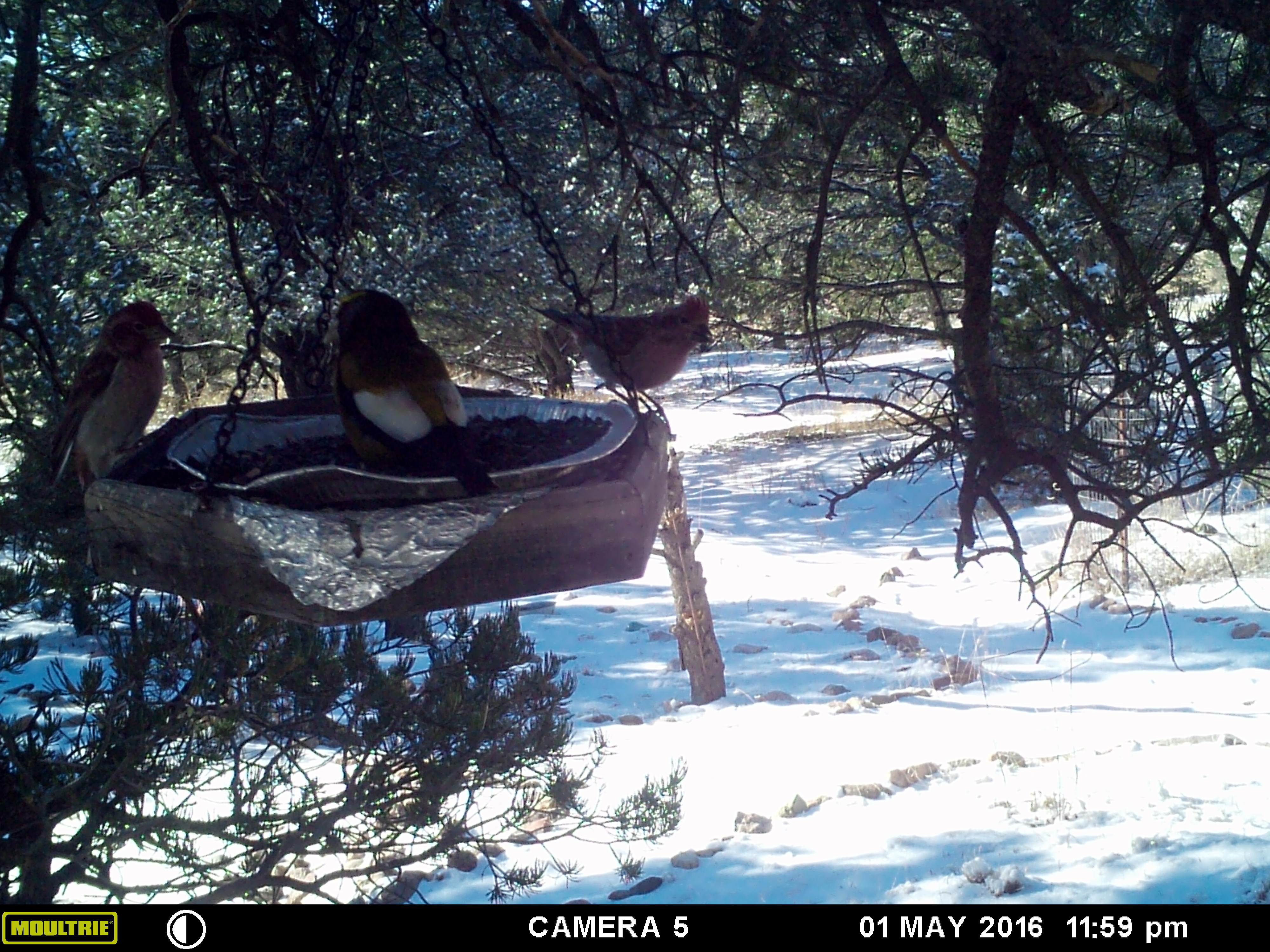
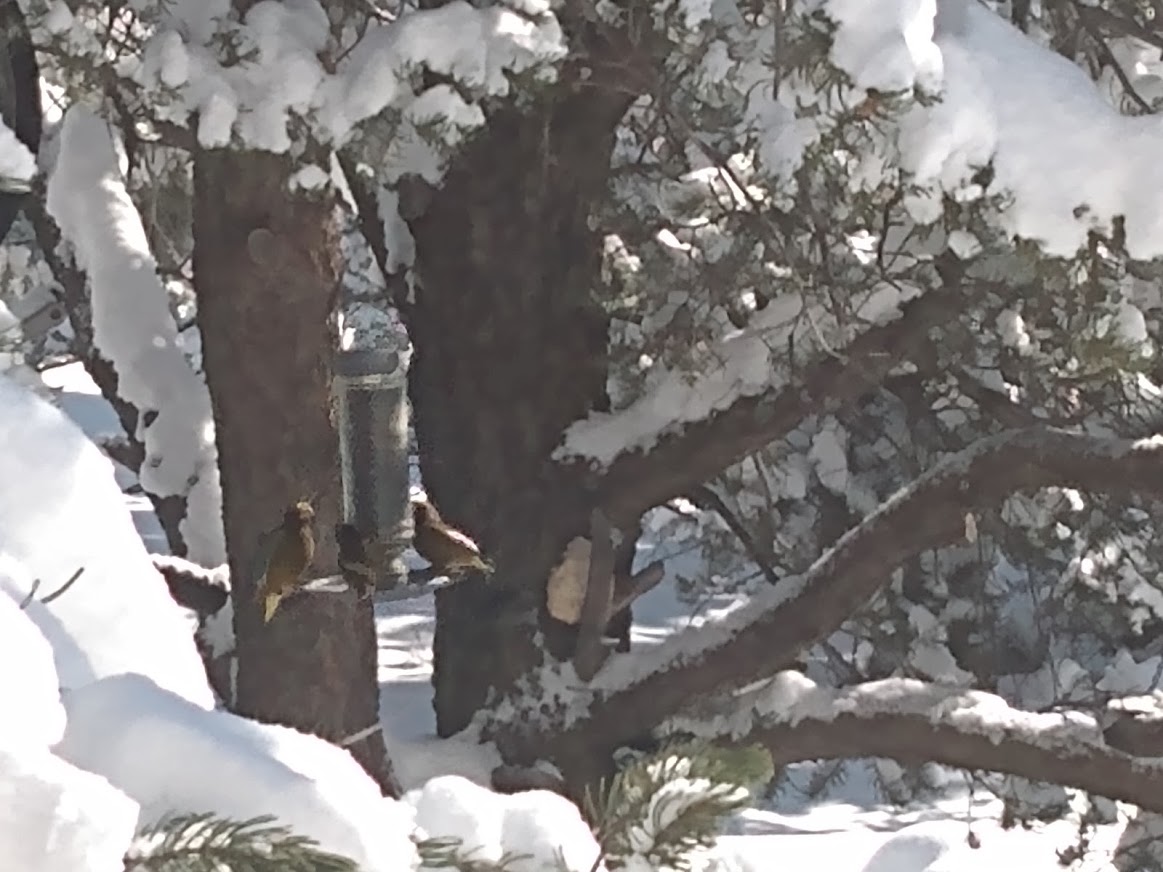
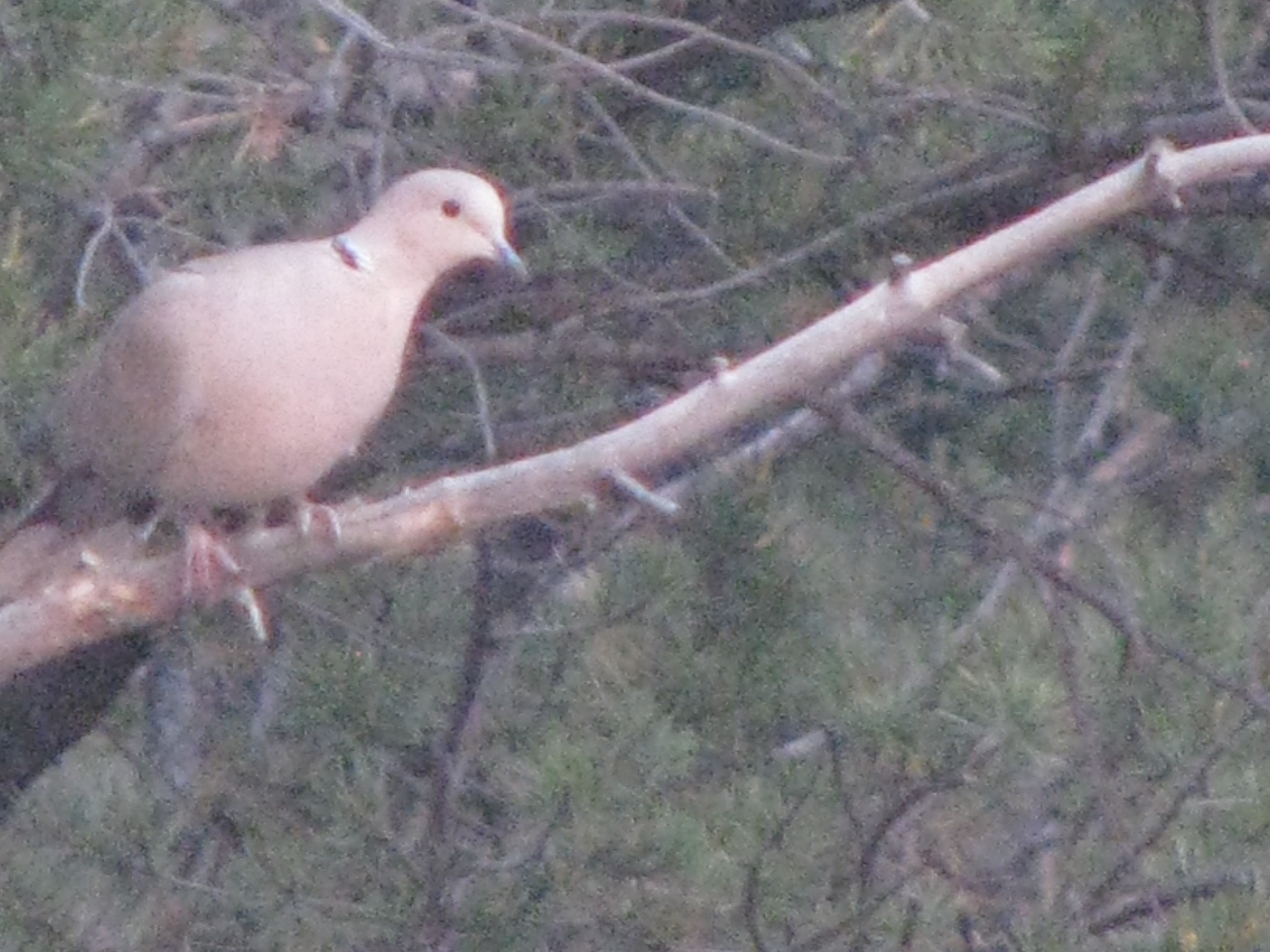
Other resident avians include juncos, chickadees, nuthatches and blue jays, which are her year round, and robins make their appearance each spring. Visiting birds include evening grossbeaks, colorful western tanagers, rock doves, and western bluebirds.
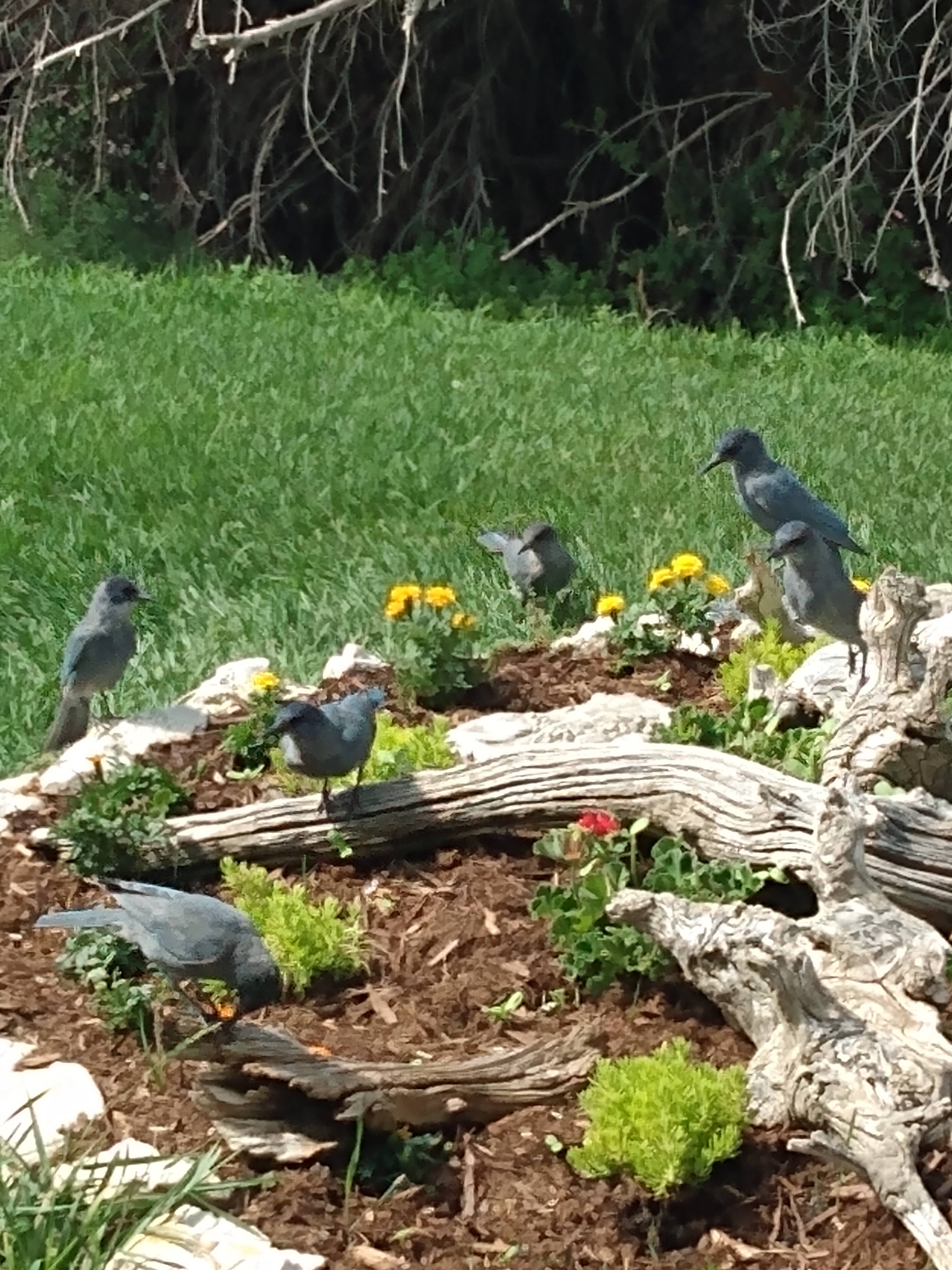
The blue jays are the neighborhood bullies. They fly in in flocks and take over the trees, chasing the littler birds such as juncos and chickadees away while they devour all the food I put out. They are a noisy bunch. That’s for sure.
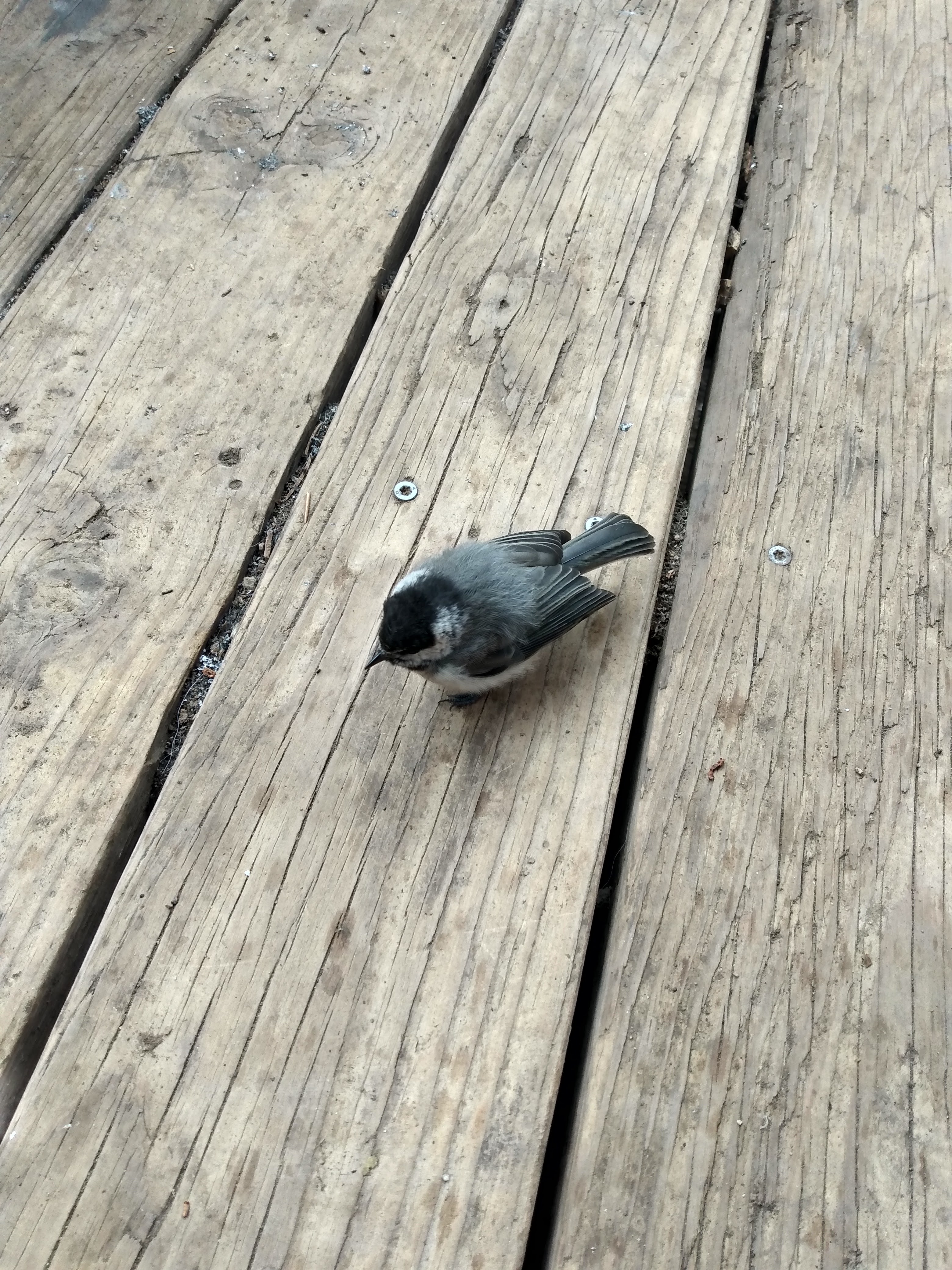
The chickadees are what I call my little forest bandits, with their little black masks around their eyes. They are bold little birds, as the picture of the chickadee on the deck shows. That little guy was about an inch away from my foot. I have had them land on my hand and one summer, I sat and read in a sombrero with birdseed in the brim and the chickadees came and landed on the hat. They are real characters, and the inspiration for my children’s book, Charlie Chickadee Gets a New Home.
Nuthatches are my little acrobats, able to go down the tree trunk headfirst or even navigate branches completely upside down. Their black and white coloring reminds me of formal dinnerware. They are so cute. They are the inspiration for the character Nicholas Nuthatch in the above-mentioned book.
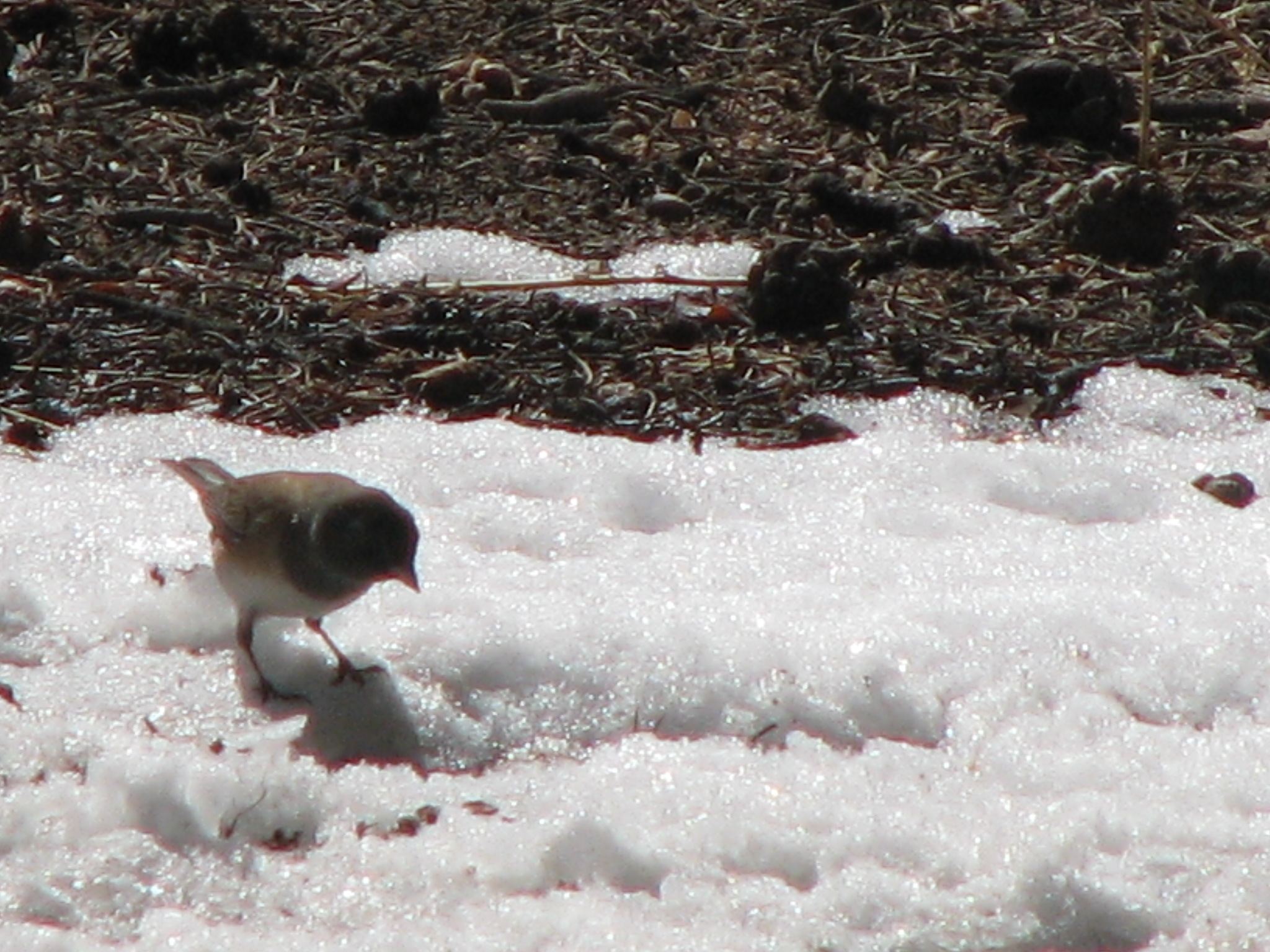
Juncos are mostly winter birds, although I see one or two occasionally in the summer. In the winter they flock in, feeding mostly on the ground rather than hitting the feeders in the trees, although they certainly are able.
I feel like I have raised several generations of robins. I watch the babies grow up each spring, then I see them return and have their own brood the following spring. I know because I get to know their markings.
But my favorite seasonal residents are the hummingbirds that stop by on their tract up from South America. These tiny birds are really amazing when you think about the massive distances they travel. I have two different kinds of hummingbirds that visit my mountain home. First arrivals in the spring are the rufus hummingbirds. Then, mid-summer we see the Allen’s come in, which are louder and more aggressive than the rufus, and the skies around my home become an ariel warzone as the Allen’s guard all the feeders. Apparently, they don’t like to share, but their arial antics never cease to amaze me. And of course, they are the inspiration for my children’s book, Heather Hummingbird Makes a New Friend.
Hummingbirds mate twice a year, so I get to welcome in two sets of new generation youngsters, and twice a year I get to enjoy their amazing courting dance as the males dive and swoop in their arial courting dance. They build their nests of grass and bark, and they are very well camouflaged. In fact, even with hummingbirds by the dozens every year, I’ve only once been able to spot a nest.
One fall we had a really early snow which caught us all by surprise, including the hummingbirds, which were huddled on snow cover branches, stuck and unable to fly in the storm. I placed a feeder under my porch so they could get to nourishment in a sheltered area and boy was it a big hit, as you can see in the video below.
Then there are the birds which just drop by occasionally to say hi and partake in the seed and suet cuisine at my bird sanctuary. Frequent visitors include Rock Doves, Bluebirds (which are much smaller than Blue Jays), Western Tanagers, and Sparrows.
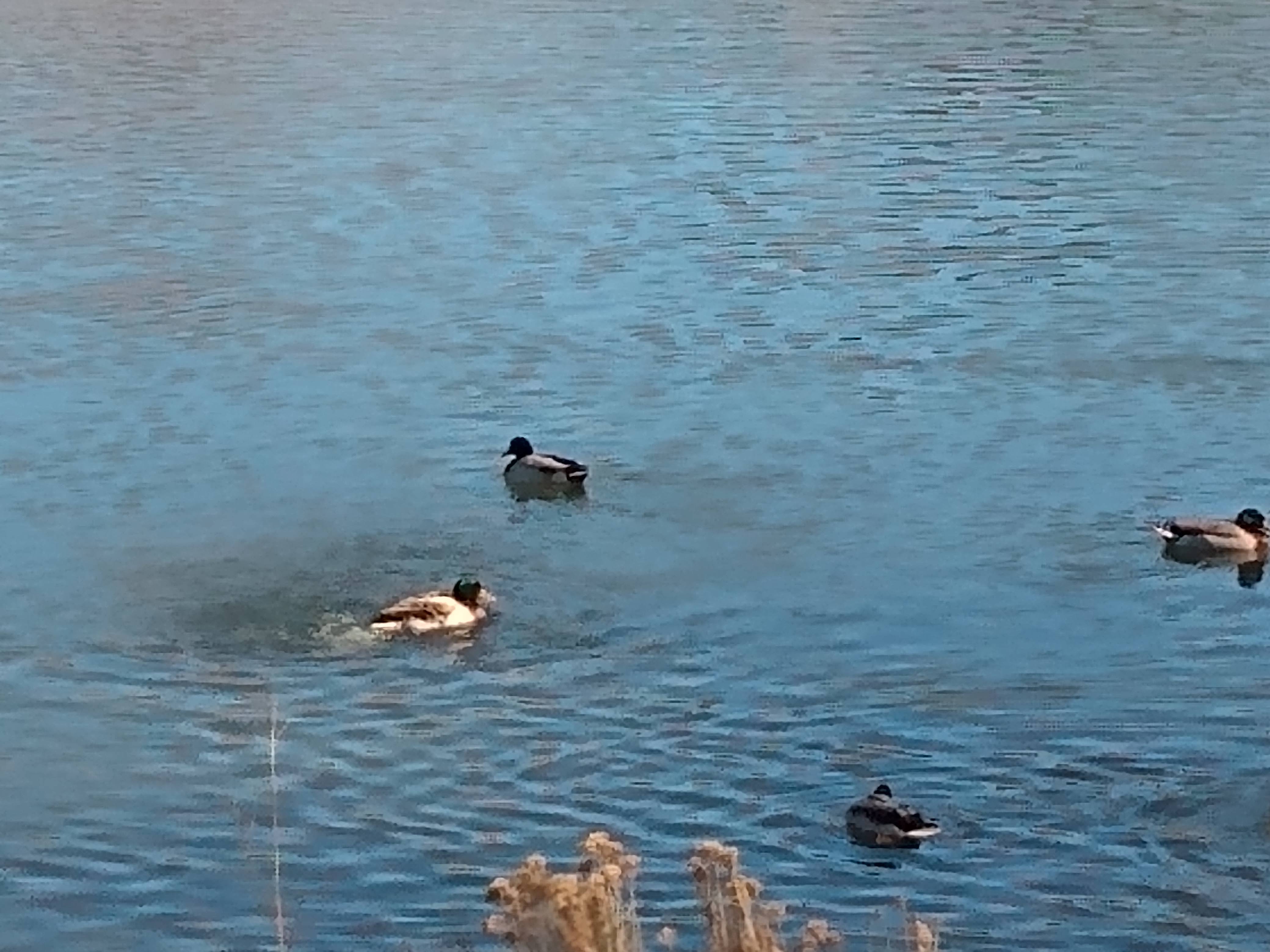
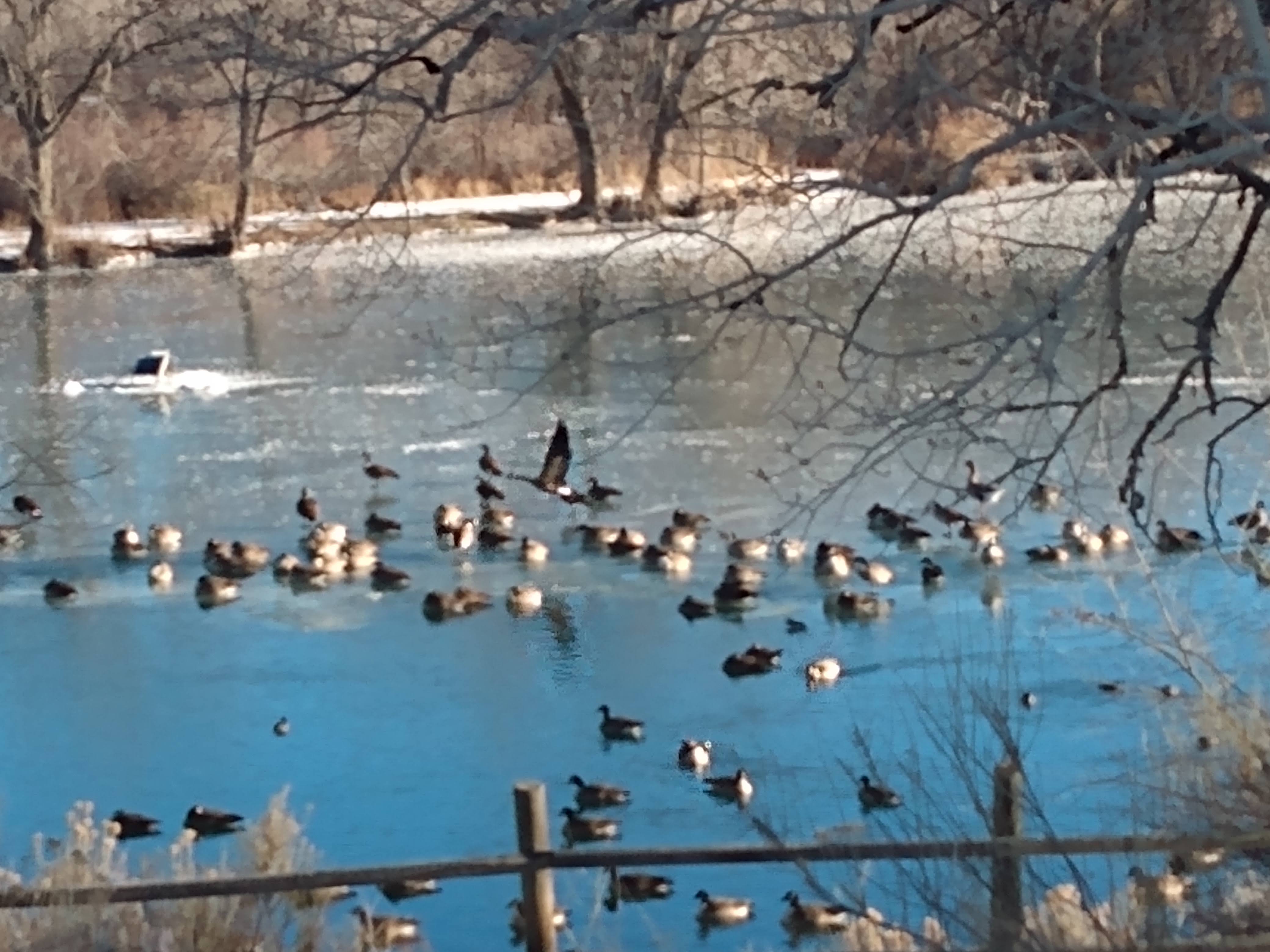
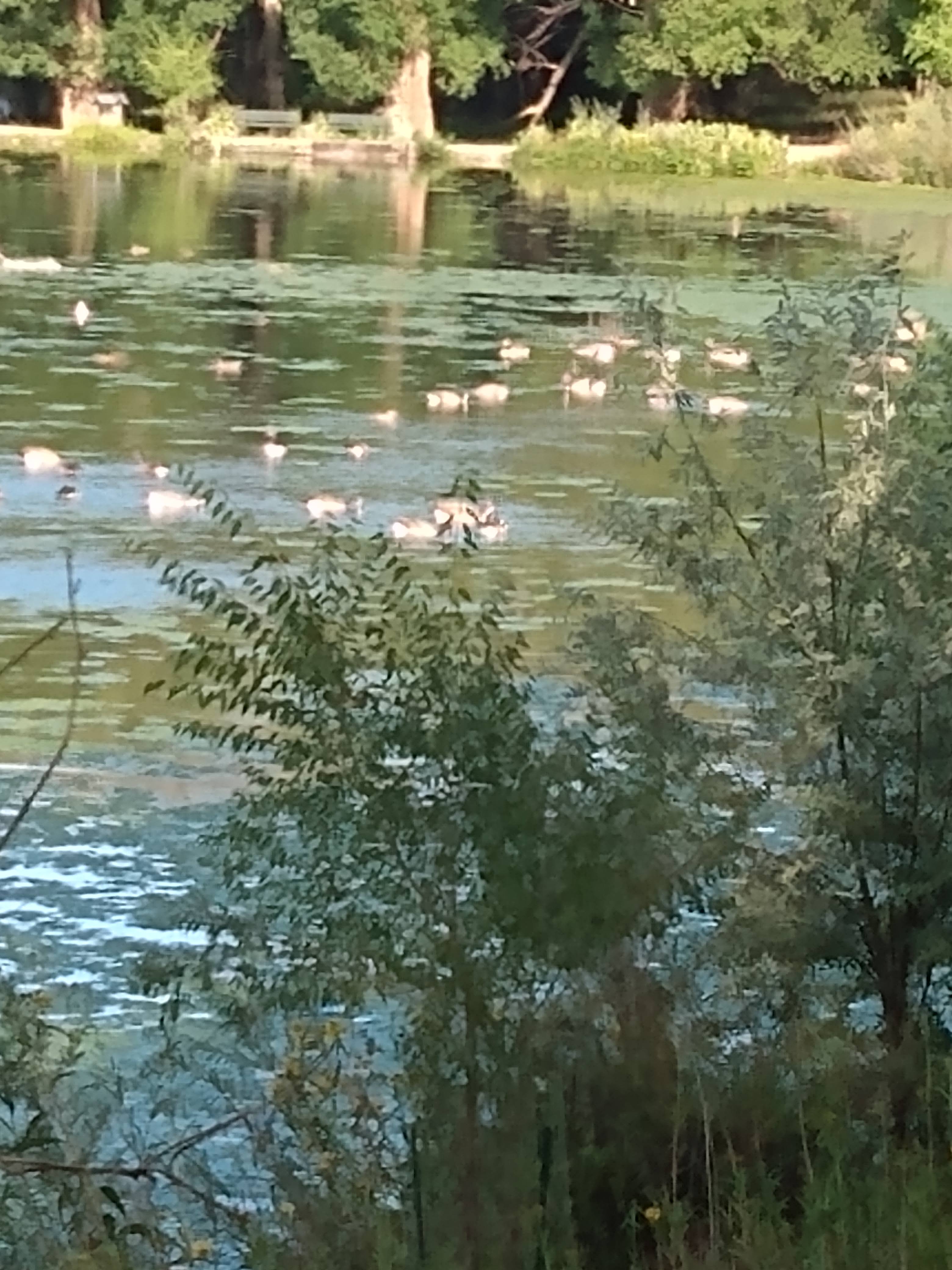
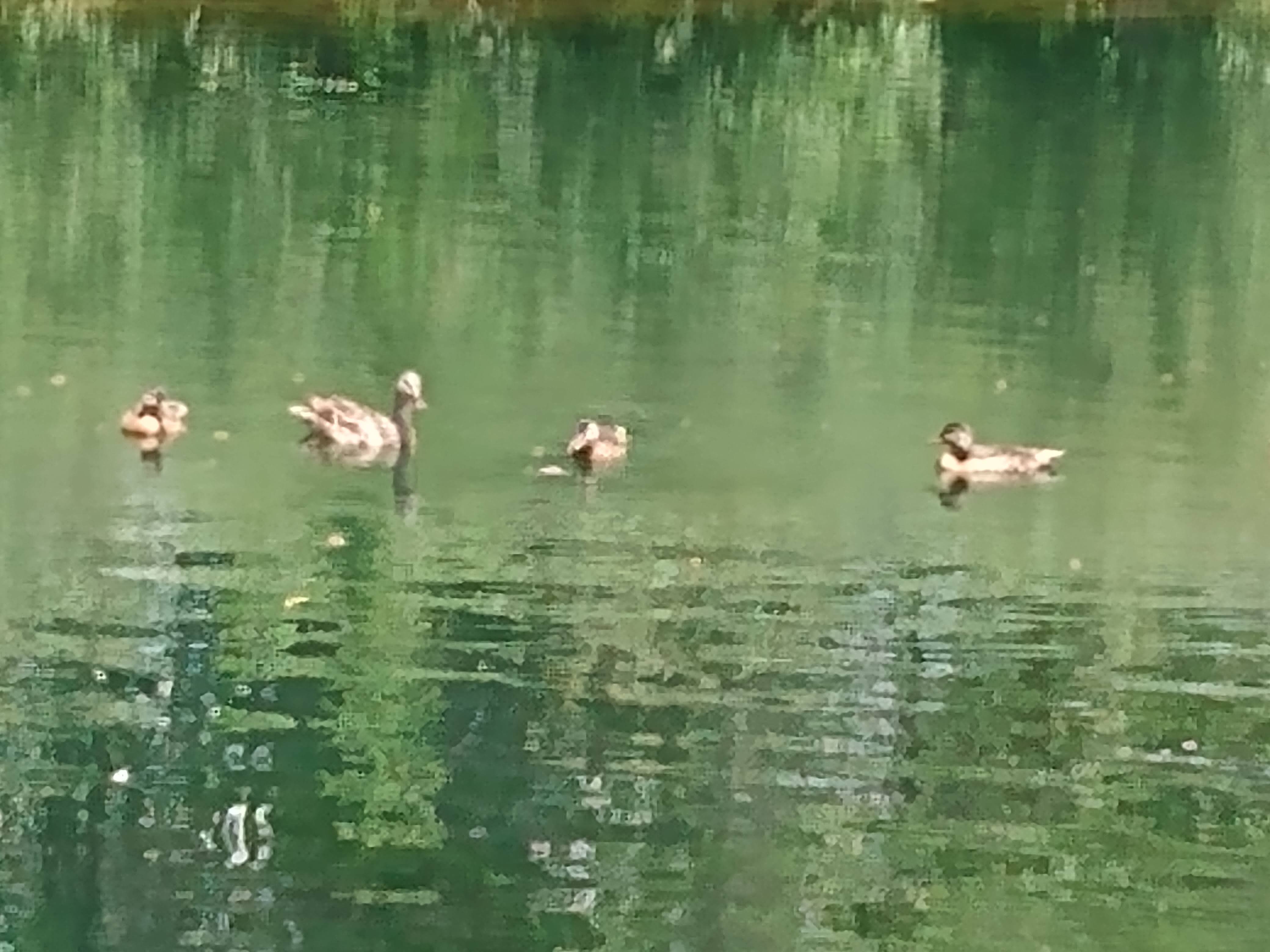
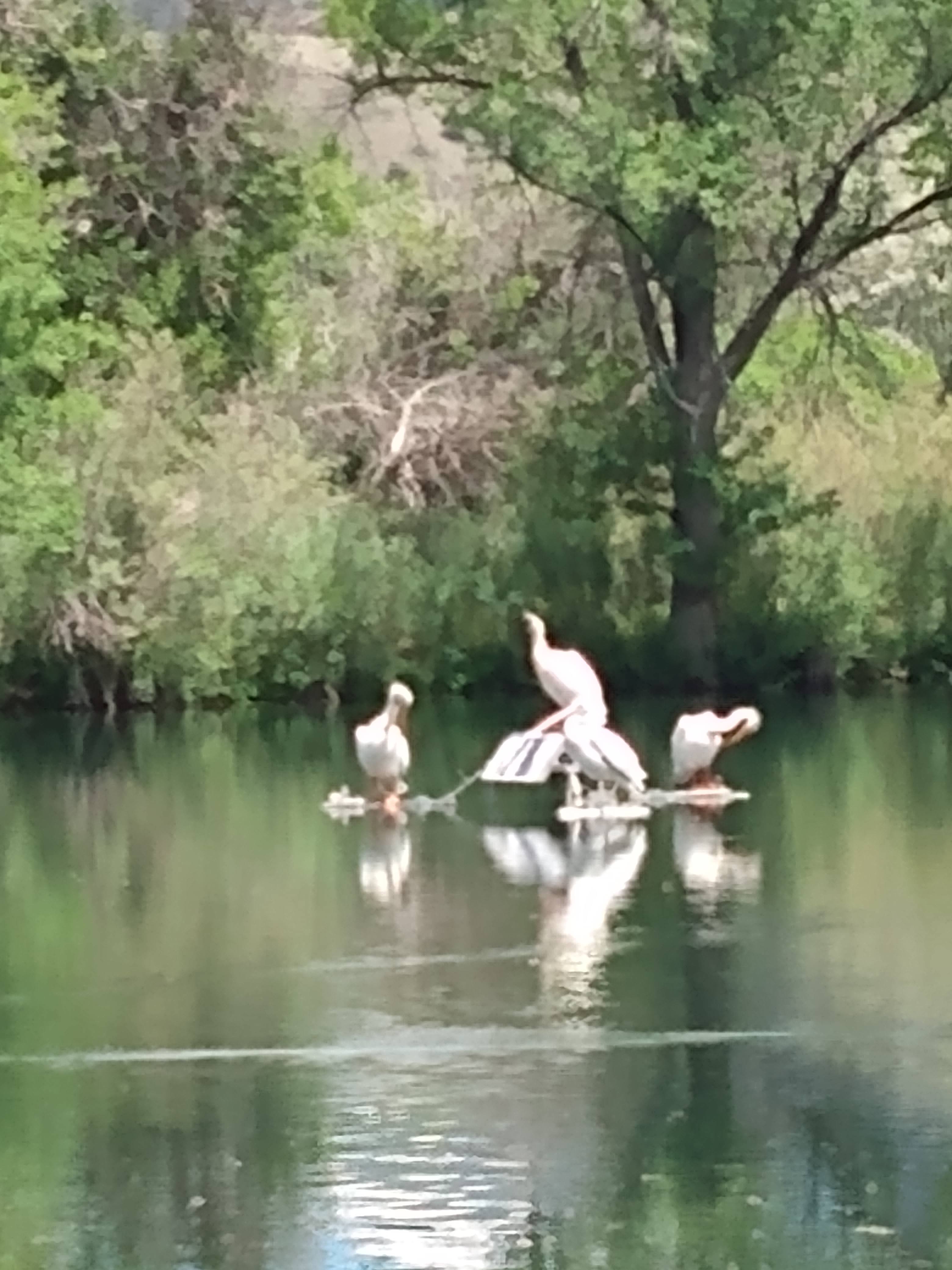
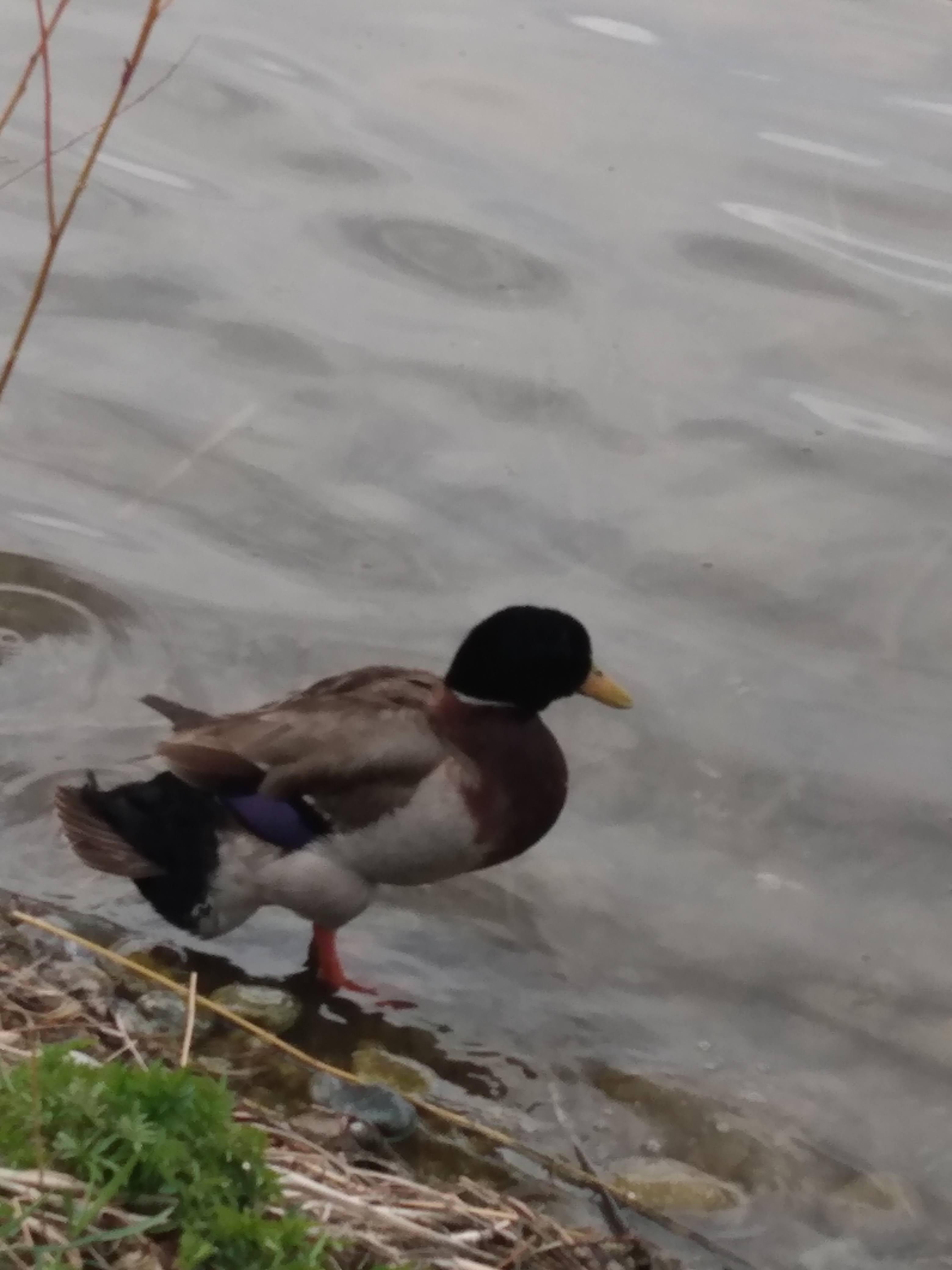
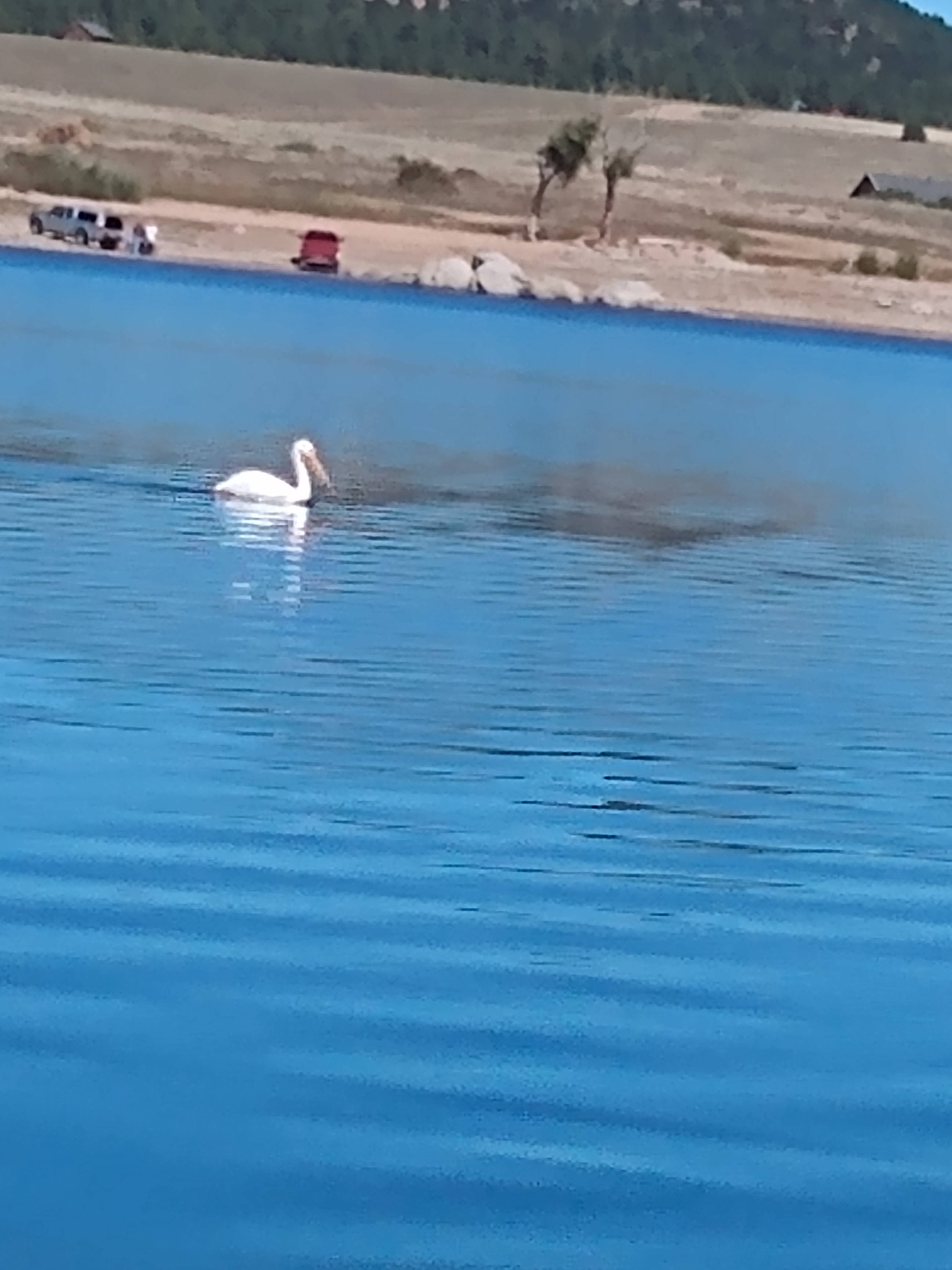
Although they do not appear in my yard, the waterfowl in the area is pretty amazing, too. Below, are photos from my many trips to nearby Lake DeWeese, Canon City’s Centennial Park, or Salida’s Sand Lake.
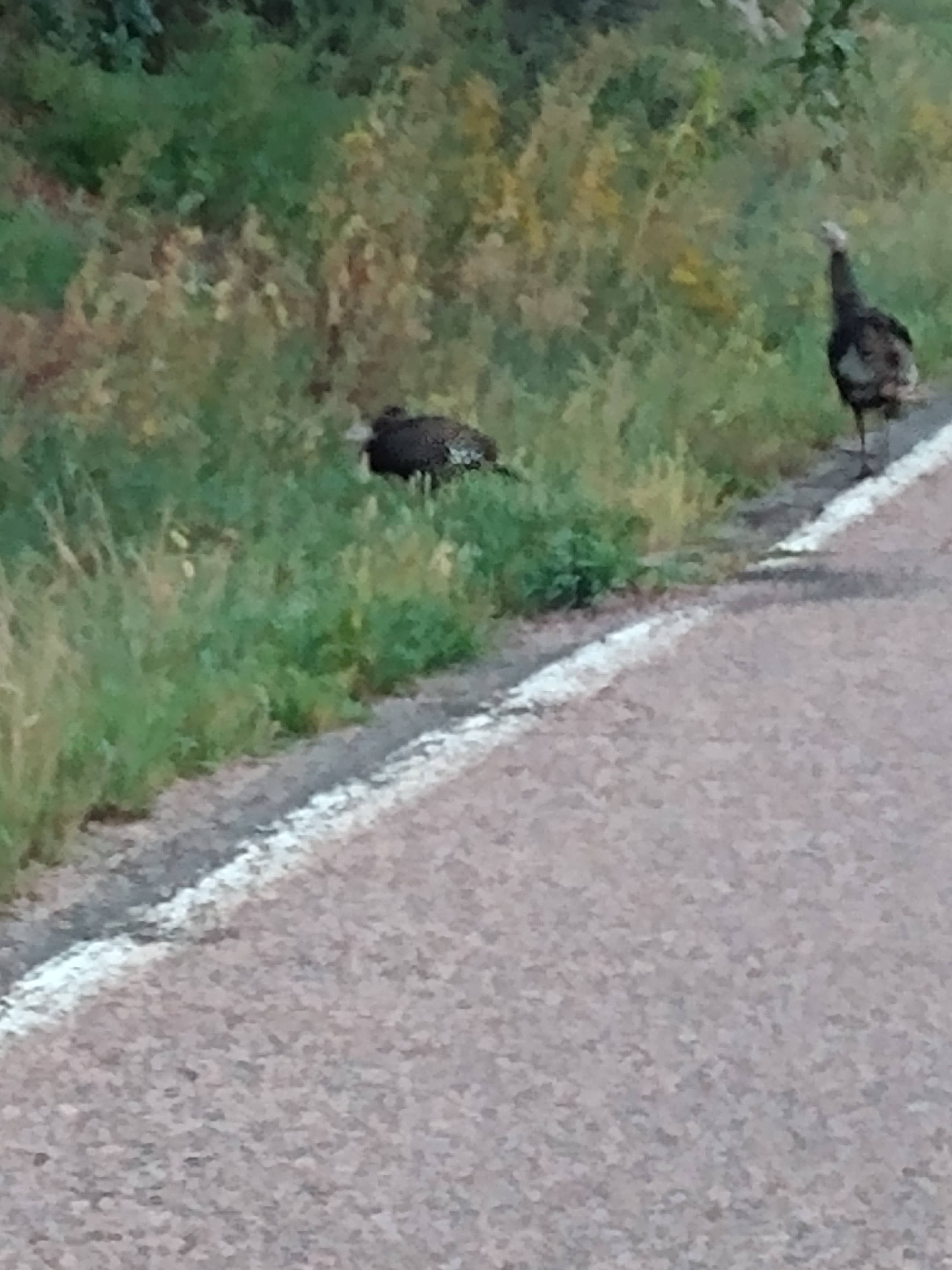
I also see wild turkeys in the area, and they have wondered onto my property on occasion. They travel in flocks and roost in the treetops.
Two Wild Turkeys at the side of the road
That’s what I have to share for this month. Are any of you at there birdwatchers? Tell me about the birds in your area.
Until next time…
About Kaye Lynne Booth
For Kaye Lynne Booth, writing is a passion. Kaye Lynne is an author with published short fiction and poetry, both online and in print, including her short story collection, Last Call and Other Short Fiction; and her paranormal mystery novella, Hidden Secrets; Books 1 & 2 of her Women in the West adventure series, Delilah and Sarah, and book 1 in her Time-Travel Adventure series, The Rock Star & The Outlaw, as well as her poetry collection, Small Wonders and The D.I.Y. Author writing resource.
Kaye holds a dual M.F.A. degree in Creative Writing with emphasis in genre fiction and screenwriting, and an M.A. in publishing. Kaye Lynne is the founder of WordCrafter Quality Writing & Author Services and WordCrafter Press, where she edits and publishes two short fiction anthologies and one poetry anthology every year amidst her many writing projects. She also maintains an authors’ blog and website, Writing to be Read, where she publishes content of interest in the literary world.
_______________________________
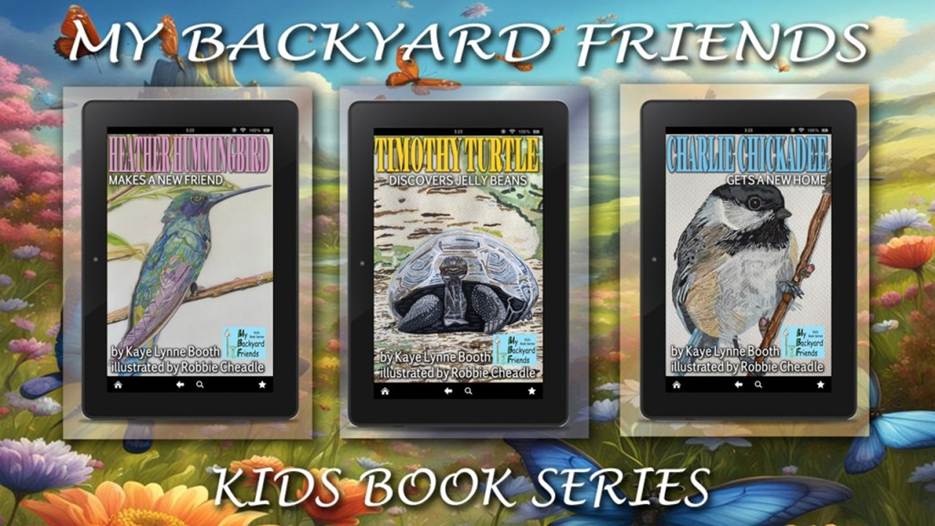
This post is sponsored by the My Backyard Friends Kid’s Book Series and WordCrafter Press.
The My Backyard Friends kid’s book series is inspired by the birds and animals that visit the author Kaye Lynne Booth’s mountain home. Beautiful illustrations by children’s author, poet, and illustrator, Robbie Cheadle, bring the unique voices of the animal characters to life.
I saw Dan Antion’s post on No Facilities for this week’s CWWC Challenge, and since I live and play on dirt roads, this challenge is right up my alley, so to speak, I thought I’d join in on this one.
Here’s this week’s challenge: Dirt roads or dirt pathways or trails [Bonus if Red is Included]
And here are some of the dirt roads along my way and some things found on them:
En route to Cripple Creek, ColoradoBarrel cactus getting ready to bloom on property where I live. Blooms will be red when they open. (Don’t know if that counts)Dirt road transportation: electric bikeMcCoy Gulch cutoff, Cotopaxi, ColoradoDirt path around Sands Lake, Salida, ColoradoWild flowers add color. These are black-eyed susans.Heavy duty transportation on rough and rocky dirt roads. ATV above Hillside, Colorado.Me and my Jeep JK near Cripple Creek, Colorado.Old cabin above Hillside, Colorado.
For my final In Touch With Nature post of 2024, which happens to fall on Christmas Day, I am taking you 17 hours of flying time away from South Africa to Nagano in Japan (yes, the same place where the 1998 Olympic Winter Games were held).
Nagano is a very beautiful place and it is home to the Japanese Macaque or snow monkeys.
According to Wikipedia, snow monkeys are a terrestrial Old World monkey (primates in the family Cercopithecidae) species that is native to Japan. They live in areas where snow covers the ground for a significant part of the year. Snow monkeys are the only species of monkeys found in Japan and they are one of the big reasons I wanted to go to Japan when the opportunity arose (TC was offered a lead reviewer position in Tokyo for two weeks and I was expensive luggage – haha!).
We visited a wild snow monkey park in Jigokudani Yaen-koen (altitude 850 metres), located in the Valley of Yokoyu River in the northern part of Nagano. This is the only place in the world where monkeys bathe in hot springs.
These are pictures of Jigokudani Yaen-koen:
Snow monkeys have brownish grey fur, pink to red faces, and short, stumpy tails. The males weigh about 11.3 kg (25 lb) and the females weigh about 8.4 kg (19 lb). They generally move on all fours.
Snow monkeys are omnivorous and eat a variety of foods including approximately 213 species of plants, insects, bark, and soil. During the winters with heavy snowfall, the monkeys rely heavily on bark (the same as elephants during the Southern African winter which is quite interesting).
These are some of my photographs of the snow monkeys in the thermal spring:
Gallery photo caption: These are all snow monkey pictures I took with my iphone.
These are a few of the pictures I took with my camera. They are better, I think.
If you are interested in using any of my snow monkey or Mount Fuji photographs, they are available for free download from Unsplash here: https://unsplash.com/@r_cheadle
Two YouTube shorts of the snow monkeys:
Kaye and I wish you happy holidays and if you celebrate Christmas, may it be very merry.
A few pictures of the tree lights in Japan.
Picture caption: Tokyo tree lights street scene (I really like this picture)Picture caption: Tokyo tree lights street scene
About Roberta Eaton Cheadle
Roberta Eaton Cheadle, is a South African writer and poet specialising in historical, paranormal, and horror novels and short stories. She is an avid reader in these genres and her writing has been influenced by famous authors including Bram Stoker, Edgar Allan Poe, Amor Towles, Stephen Crane, Enrich Maria Remarque, George Orwell, Stephen King, and Colleen McCullough.
Roberta has two published novels and a collection of short stories and has horror, paranormal, and fantasy short stories included in several anthologies. She is also a contributor to the Ask the Authors 2022 (WordCrafter Writing Reference series).
Roberta is also the author and illustrator of sixteen children’s books, illustrator to a further three children’s books, and the author and illustrator of three poetry books published under the name of Robbie Cheadle, and has poems and short stories featured in several anthologies under this name.
Roberta’s blog features discussions about classic books, book reviews, poetry, and photography. https://roberta-writes.com/.
Like this post? Are you a fan of this blog series? Did you know you can sponsor your favorite blog series or even a single post with an advertisement for your book? Stop by the WtbR Sponsor Page and let me advertise your book, or you can make a donation to Writing to be Read for as little as a cup of coffee, If you’d like to show your support for this author and WordCrafter Press.
__________________________________________
This segment of “In Touch with Nature” is sponsored by the Midnight Anthology Series and WordCrafter Press.
Midnight Roost: Weird and Creepy Stories: 20 authors bring your nightmares to life in 23 stories of ghosts, paranormal phenomenon and the horror from the dark crevasses of their minds. Stories of stalkers, both human and supernatural, possession and occult rituals, alien visitations of the strange kind, and ghostly tales that will give you goosebumps. These are the tales that will make you fear the dark. Read them at the Midnight Roost… if you dare. https://www.amazon.com/Midnight-Roost-Kaye-Lynne-Booth-ebook/dp/B0CL6FPLVJ
Midnight Garden: Where Dark Tales Grow: 17 authors bring you 21 magnificent dark tales. Stories of magic, monsters and mayhem. Tales of murder and madness which will make your skin crawl. These are the tales that explore your darkest fears. Read them in the Midnight Garden… if you dare. https://www.amazon.com/Midnight-Garden-Where-Tales-Anthology-ebook/dp/B0DJNDQJD3
For Kaye Lynne Booth, writing is a passion. Kaye Lynne is an author with published short fiction and poetry, both online and in print, including her short story collection, Last Call and Other Short Fiction; and her paranormal mystery novella, Hidden Secrets; Books 1 & 2 of her Women in the West adventure series, Delilah and Sarah, and her Time-Travel Adventure novel, The Rock Star & The Outlaw. Kaye holds a dual M.F.A. degree in Creative Writing with emphasis in genre fiction and screenwriting, and an M.A. in publishing. Kaye Lynne is the founder of WordCrafter Quality Writing & Author Services and WordCrafter Press. She also maintains an authors’ blog and website, Writing to be Read, where she publishes content of interest in the literary world.
_________________________________________
This post sponsored by WordCrafter Quality Writing & Author Services.
Whether it’s editing, publishing, or promotion that you need, WordCrafter Quality Writing & Author Services can help at a price you can afford.
I’ve been going through my Cripple Creek photos because I wanted to make my own “Thursday Doors” post. Inspired by all the doors featured on Dan Antion’s No Facilities blog site.
Far from being a ghost town, as many of the mining communities in Colorado have become today, the town of Cripple Creek is teaming with live bodies of both locals and tourists. Cripple Creek is a historic mining town and they’ve kept much of the original buildings and architecture. Today, Cripple Creek is one several places in Colorado where gambling is legal, and new buildings are also required to follow the historic motif.
The Doors of Maggie’s Place ResturauntCorner Doors, Palace HotelFront Doors of Outlaws & Lawmen Jail MuseumCellblock door – Outlaws & Lawmen Jail MuseumDoor to solitary cell (right) – when closed the cell is pitch black & very scaryOuthouse on display at Cripple Creek District MuseumOld Phone Booth on display at Cripple Creek District MuseumOffice Door on display at Cripple Creek District Museum
Fun & Interesting Facts About Cripple Creek, Colorado
It’s said that Cripple Creek got its name when a miner’s horse was crippled walking through a stream when it was a big cattle ranching community, before gold was discovered in 1890 by a man named Bob Womack.
It has also been said that Bob Womack and his family named it after Cripple Creek, Virginia, near their hometown in Kentucky, but I think the first explanation is more colorful.
Cripple Creek was the destination of Colorado’s last big gold rush spurred in 1891.
In 1894, the small mining town of Cripple Creek boasted a population of 6,000 residents and had over 150 active mines, producing over three million dollars. They had four newspapers, five churches, and more than 300 prostitutes.
The population of Cripple Creek reached 10,000 in 1896. In April of that year, fire spread through the town built of wooden structures, not once but twice. The first fire ravaged the towns main business district on April 25th, in spite of the town’s heroic efforts to stop the blaze and about a quarter of the homes and businesses of the town were lost. Just as they began to rebuild and try to recover, on April 29th, a second fire swept through the town. With firefighting resources exhausted by the first fire, firefighters resorting to blasting buildings with dynamite in an attempt to halt the spread of the blaze, flattening most of the business district and half of the homes. For this reason, They rebuilt the town, but new businesses were banned from building with wood so brick was used, which wouldn’t burn as easily as wood, even replacing the wooden boardwalks with brick sidewalks which are there to this day.
At it’s height the Teller County mining district as a whole had a population of between 30,000 and 50,000 residents, and over 500 active mines, which had already produced over $77 million dollars in gold ore.
The Old Homestead House was a high-end brothel, run by the infamous Madam, Pearl DeVere. Clients went through a rigorous application process, including scrutinization of their finances. If a applicant didn’t have at a million dollars in the bank, they weren’t granted an appointment. Clients were granted entry by appointment only, and the girls were paid well for their services. Prostitution wasn’t a legal occupation, but the law had to look the other way or the town would have forfeited the ample money paid in taxes and fees by the soiled doves and bordello proprieters.
Cripple Creek is one of the few boomtowns of the 1800s to continue productive mining operations today. The Cripple Creek & Victor Mine is now run by is now run by Newmont and continues to produce generous amounts of over 100,000 of gold and silver each year, employing 500 employees.
Cripple Creek is in one of three historical districts in Colorado where gambling has been legal since 1989. Today they have over twelve casinos which generate money which provides revenue to preserve important historic buildings.
Celebrating National Poetry Month with a Great Price
During the month of April, all poetry volumes on the WordCrafter Press backlist are on sale for only $2.99 each. That’s right. Any poetry volume on the WordCrafter Press backlist can be purchased for this great low price all month long. So, check out the list below and add these great poetic volumes to your library of poetry today.
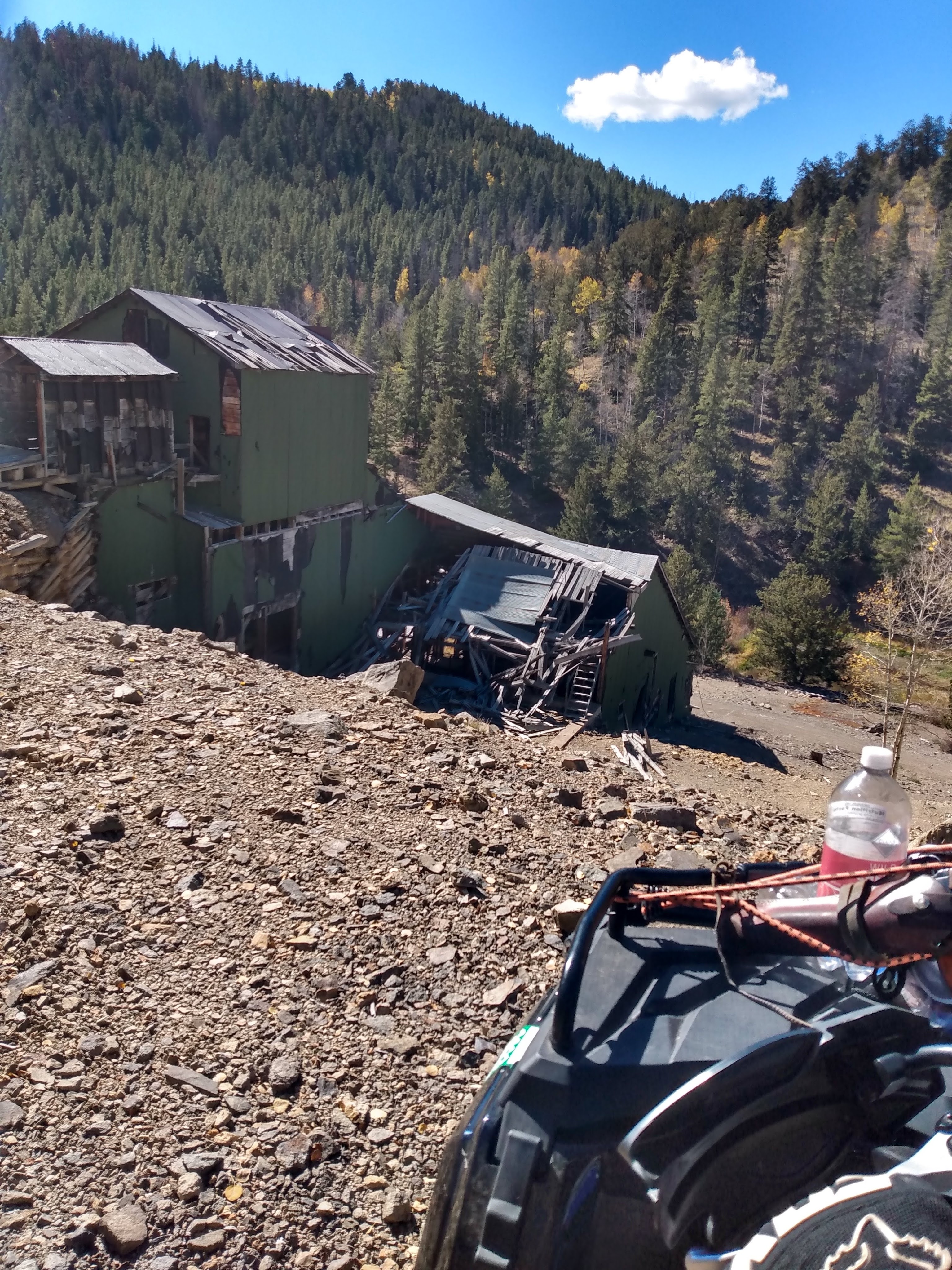
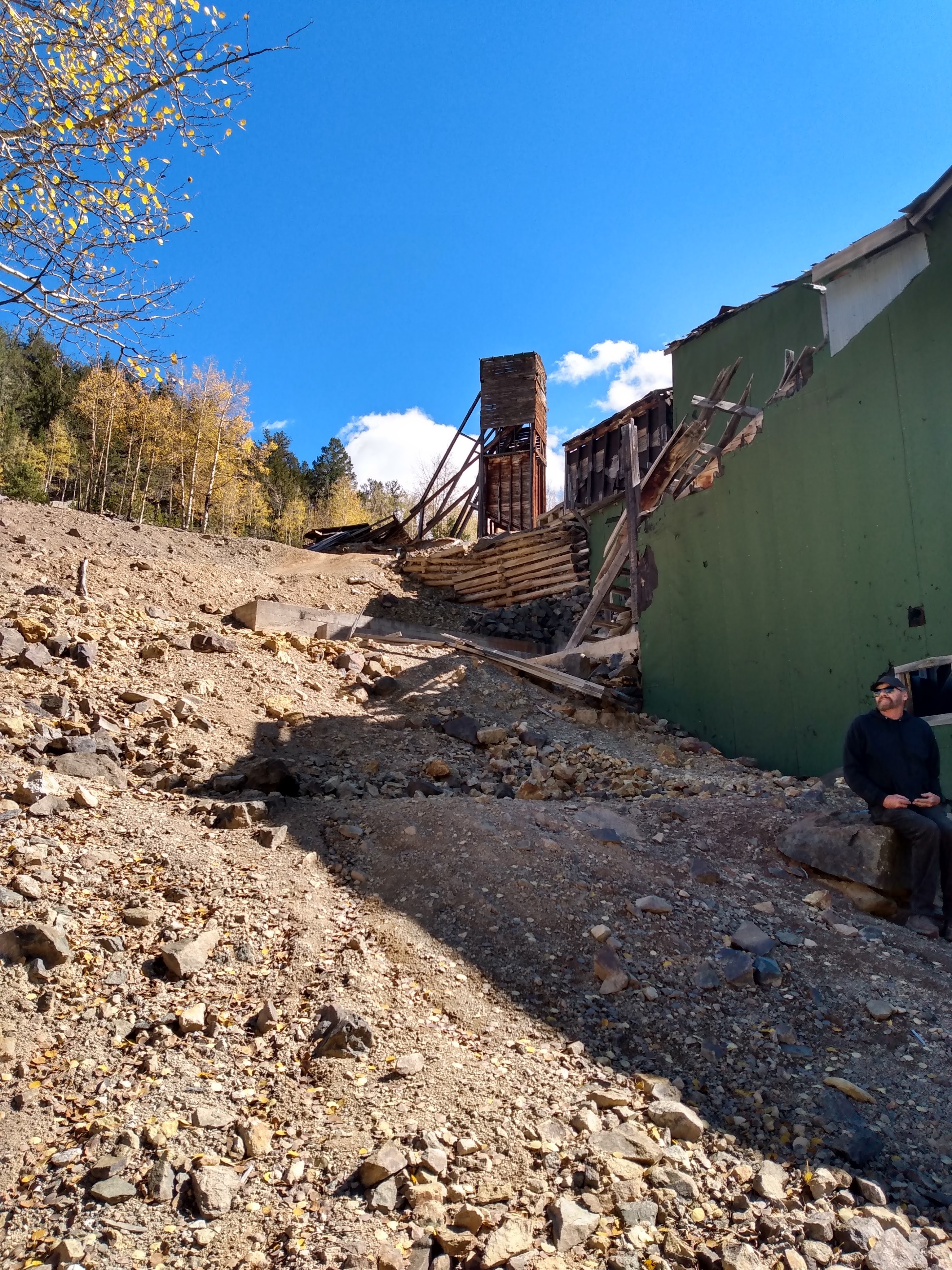
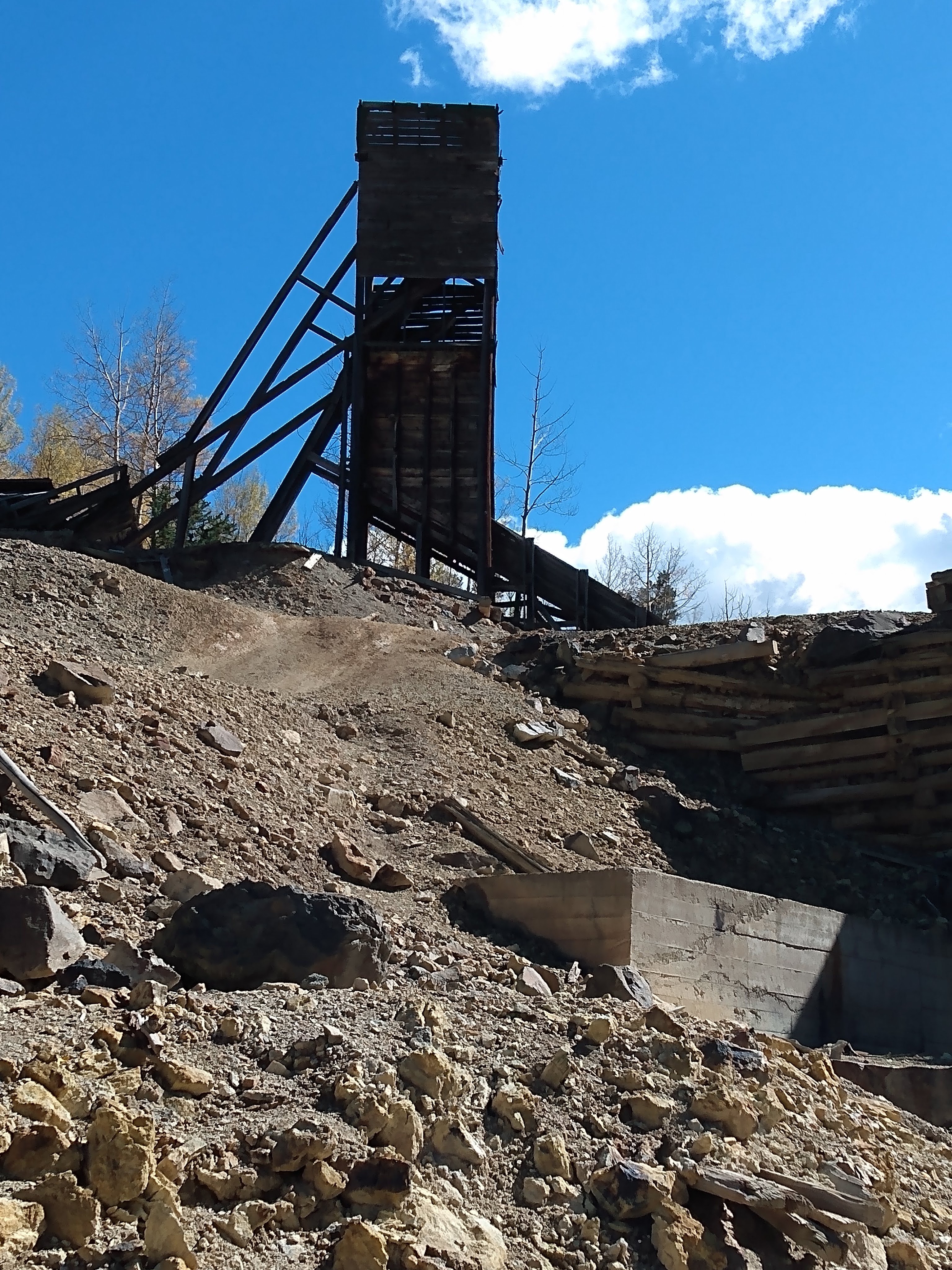
Bonanza, Colorado is an old silver mining town, settled in 1880, which I have visited for many years. Originally, purported to have over 100 buildings, including 36 saloons and 7 dancehalls. It also boasted a post office, a drugstore, a hardware store, a town hall, a schoolhouse, a furniture store and two hotels. As the silver mines were played out the population dropped, but the town got a second wind when the Rawley mine was discovered in the 1920’s and they carried the ore out to the mill in Shirley by cabletram. The town was virtually abandoned after ore production fell off in the 1930s.
Bonanza Today
Now, just a small number of year round residents, (17 in 2020 according to wikipedia), some of the old mining buildings are still standing beyond the township. Although the town is kind of cool, these mining structures, which can be found beyond the town up a four-wheel-drive road, are what has always interested me more than the town itself.
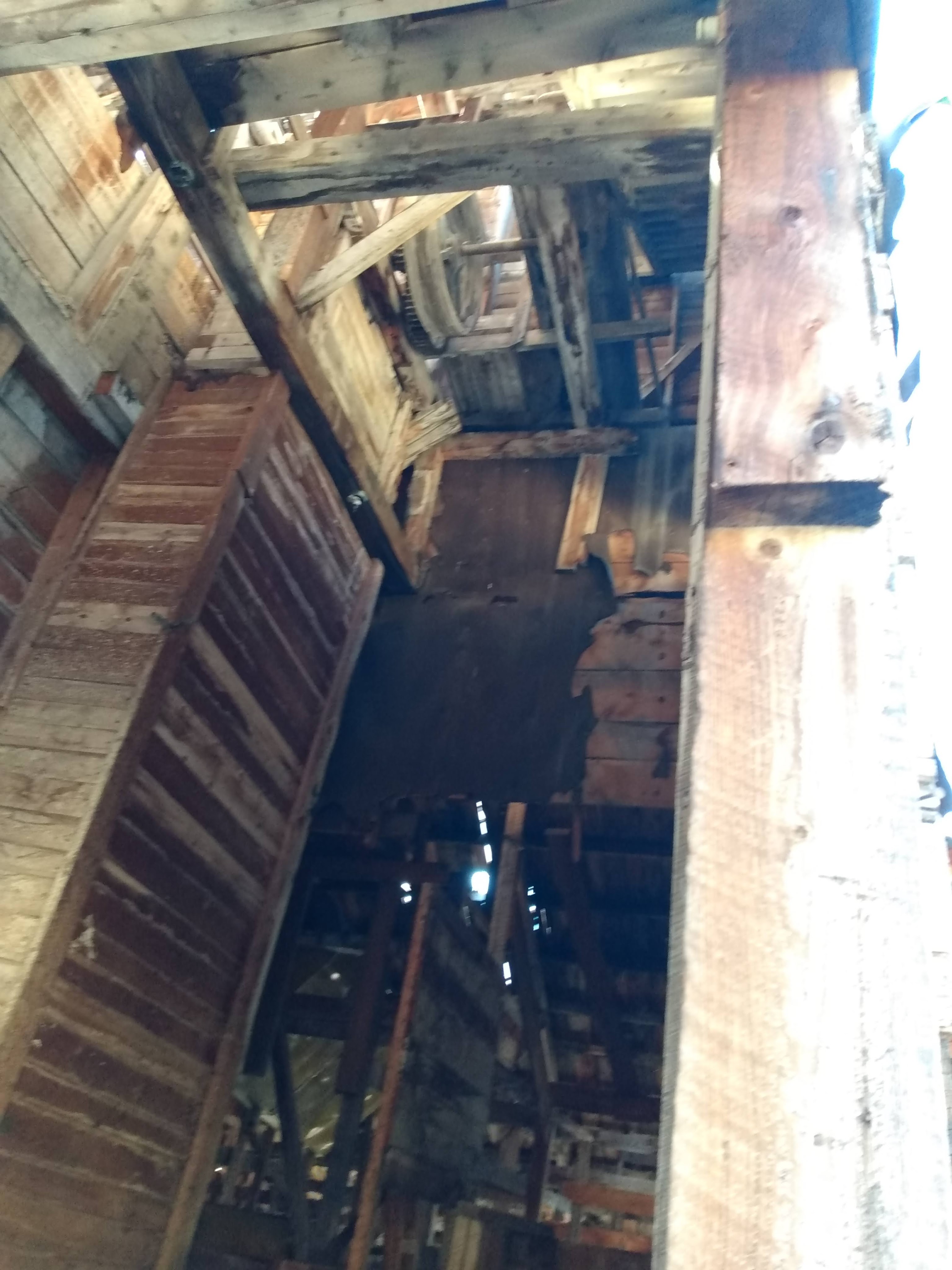
The old ore stamping mill, seen in the photos above, is now crumbling down in disrepair, but in years past I explored the interior with my children. Most of the staircases were intact when I first explored the remains of Bonanza, and at one time, I climbed all the way to the top of the mill, but today only two short stairways are even passable. The equipment that was to large and too heavy to be carried off by scavengers and vandalls, such as the large stamps used to crush the rock so they could seperate the ore, and the engine which ran the pulley system that brought the ore up from the mine remained thirty years ago, but today even these items have been hauled out by those determined enough to collect the scrap metal fee from them.
Exchequerville
Above Bonanza there exists an old cabin, which is the only remians of the townsite of Exchequer, or Exchechequerville. On the hill above is an old cemetary, which caught my interest, so I’ve visited there two or three times. I’ve always wondered what the story was about this little mining town. Whenever I’ve visited, I’ve felt like there was a story there, and it has made me curious. I found very little information about this strange place with one building and a cemetary to attest that it ever existed at all.
All I did find was a tidbit to make an interesting aside, probably of more interest to female authors. According to a site called Haunted at Timberline, Exchequer fame is attributed to three female authors wrote books using Bonanza and Exchequer as their setting. Anne Ellis wrote a sereis of letters chronicaling the pioneer life of she and her family, much of which took place around Exchequer, and the collection is housed in the University of colorado Boulder Libraries. Her book, titiled “The Life of an Ordinary Woman”, is a part of a triad of famous books written by female authors during the gold and silver rushes in the mid-to-late 1800s, including Father Struck it Rich, by Evalyn Walsh McLean and Tomboy Bride, by Harriette Fish Backus. Ellis, her mother and her two brothers are all buried in the cemetary above the old townsite.
Site Seeing
At an elevation of 9, 470 feet, Bonanza is a favortite spot to visit for fall colors, as well. With several four-wheel-drive trails which venture into the hills above, including the Ottis Mears Toll Road, there is plenty of trees and open space for picnicking, hiking, riding, camping, or however else you choose to enjoy the great Colorado outdoors.