Writer’s Corner: Collaborations for Writers
Posted: August 5, 2024 Filed under: Anthology, Blog Content, Books, Collaboration, WordCrafter | Tags: Anthologies, Blogs, Co-Authors, Collaborations, interviews, Magazines, Podcasts, Writer's Corner, Writing Events, Writing to be Read 3 Comments
/
“Alone we can do so little. Together we can do so much.” – Helen Keller
I love collaborations.
They offer me the opportunity to meet and work with many wonderful authors. Collaborations are mutually beneficial to all participants involved, and there are many types of collaborations to choose from.
Co-Authors
There are different ways to handle this type of collaboration.
Some co-authors handle different character’s POV, like Mark Leslie did with his co-author, Julie Strauss with his Canadian Werewolf series book, Lover’s Moon. Mark wrote the chapters that were in the POV of the protagonist, Michael Andrews, while Julie wrote the chapters which were in girlfriend, Gail’s POV. They also narrated the audiobook in the same matter, which worked quite well.
Other co-authors just alternate chapters, or even sections of the book, passing it back and forth, each author beginning writing where the other author left off. I’m sure they begin with some type of outline, so everyone has a general idea of where the story is going.
I’ve never co-written a book in this manner, but I think it would be fun to get several authors together and improvise a story without an outline, with unexpected twists and turns galore, so none of the authors know where the story is going ahead of time. My most recent collaboration of this nature was an author/illustrator collaboration, with my children’s book series, My Backyard Friends. In this type of collaboration, I wrote the stories and Robbie Cheadle did the illustrations. The ways that you can collaborate on a book are endless.
Anthologies
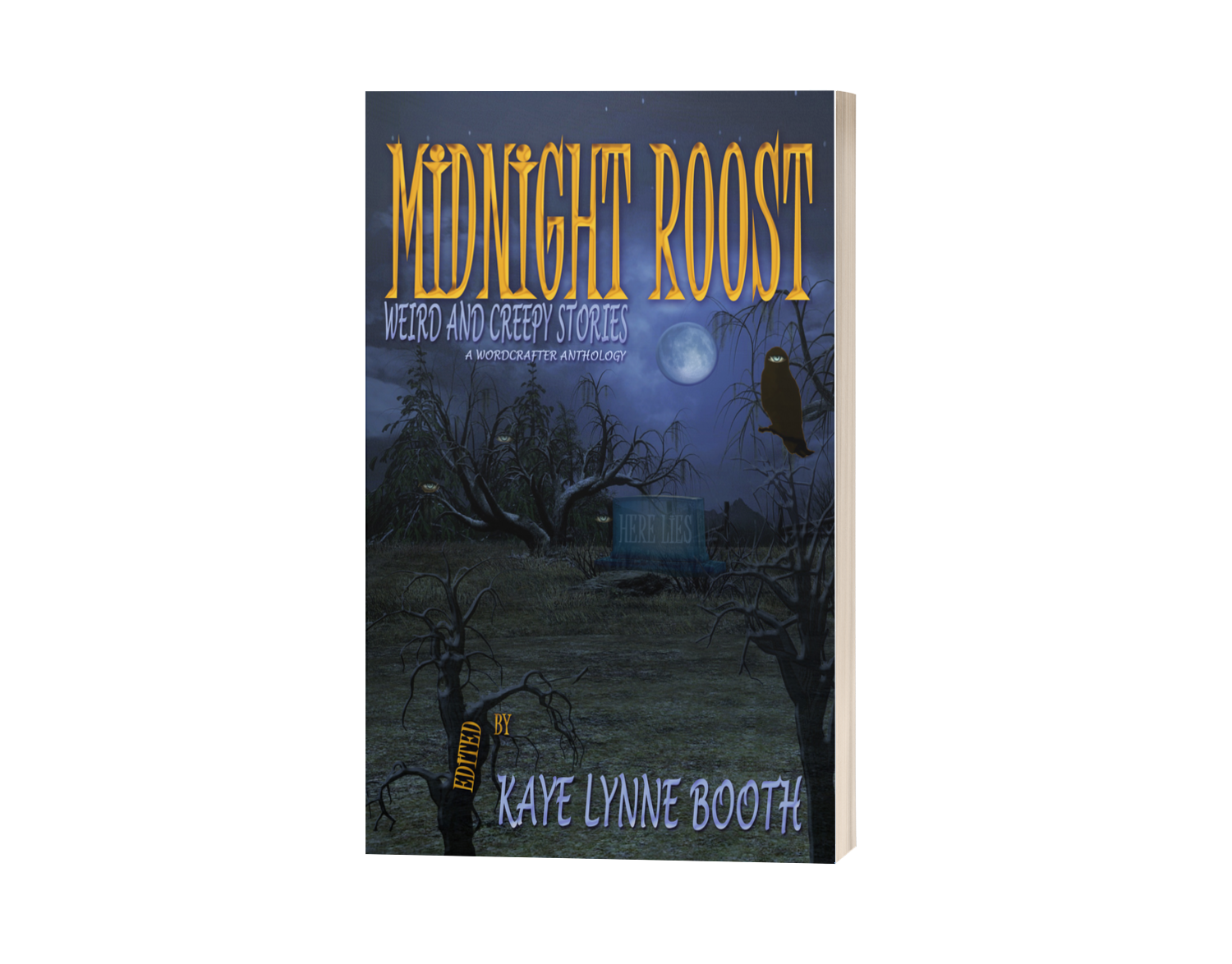
I publish one or more anthologies each year, and they really are a lot of fun, in spite of all the hard work that goes into them. Anthologies are great because they multiply the promotional power of each book and offer extra editing power. They also offer opportunities to work with several talented authors, who also happen to be some pretty cool people.
During the editing process, after I’ve gone over each story, the authors have revised them and they’ve been compiled and edited as a whole, I send the manuscript out to all the authors to get a second, and even a third set of eyes on every story. I have them go over their own story, as well as the story of one or two others, instead of tying up their time editing the whole thing, because we all know authors are busy people.
Anthologies multiply promotional power, too. Each contributing author brings their own fan base with them, increasing the number of potential readers for the work as a whole. How many more readers will see a book promoted by twenty different authors than one promoted by a single author? The reach of the book is increased expotentially.
Blogs and Other Publications
That’s right. I collaborate with my wonderful blog team members, because each one brings something different to the table to help Writing to be Read offer some really great content which I couldn’t produce on my own, making it something of interest which draws traffic and brings in readers. Each one of them brings their own following with them, and over time, some of their readers have become fans of my works as well. Without my team, there would be no “Mind Fields”, “Undawntech”, “Growing Bookworms”, “In Touch with Nature” or “Treasuring Poetry” series, which currently make up the blog’s content.
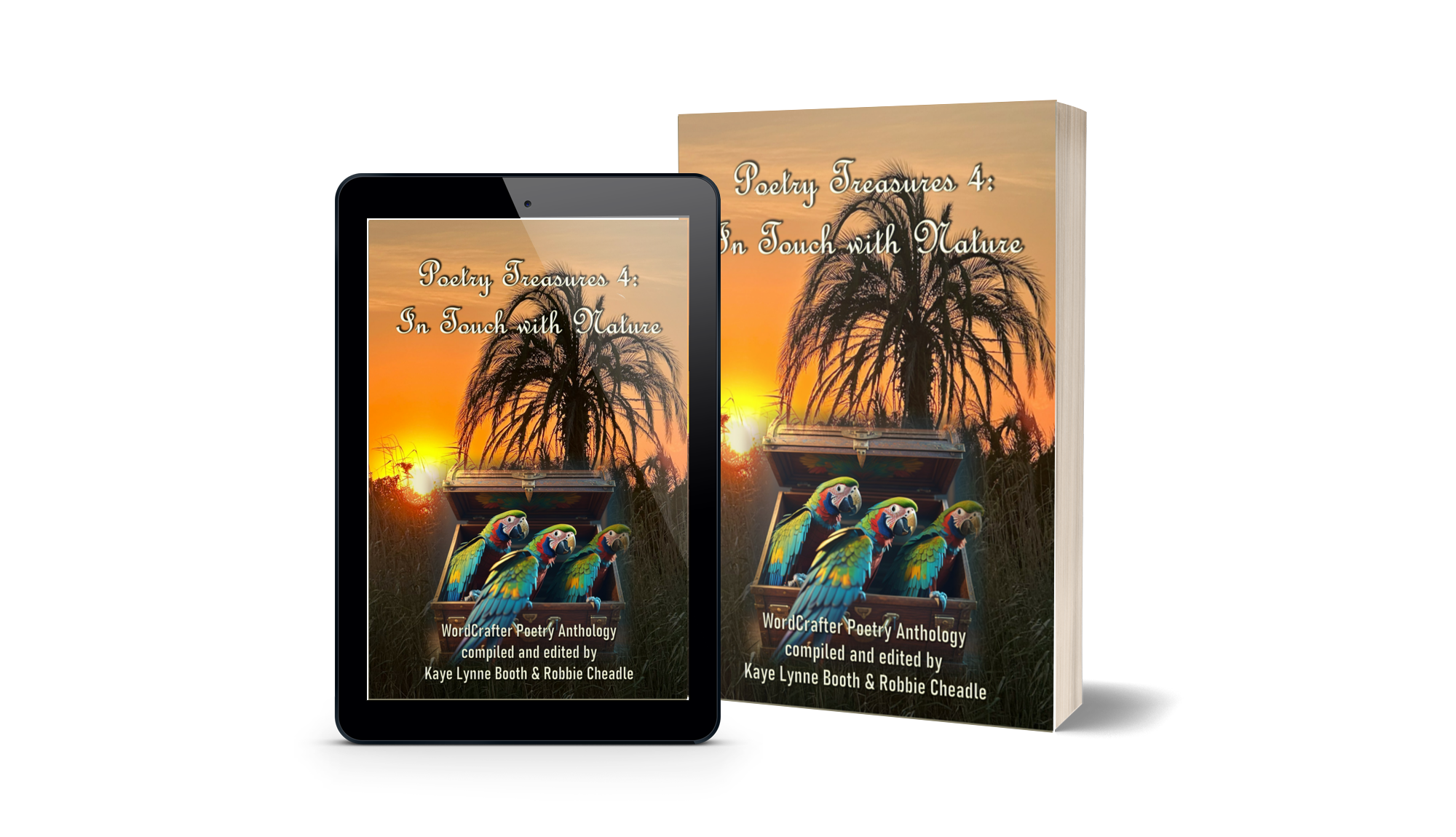
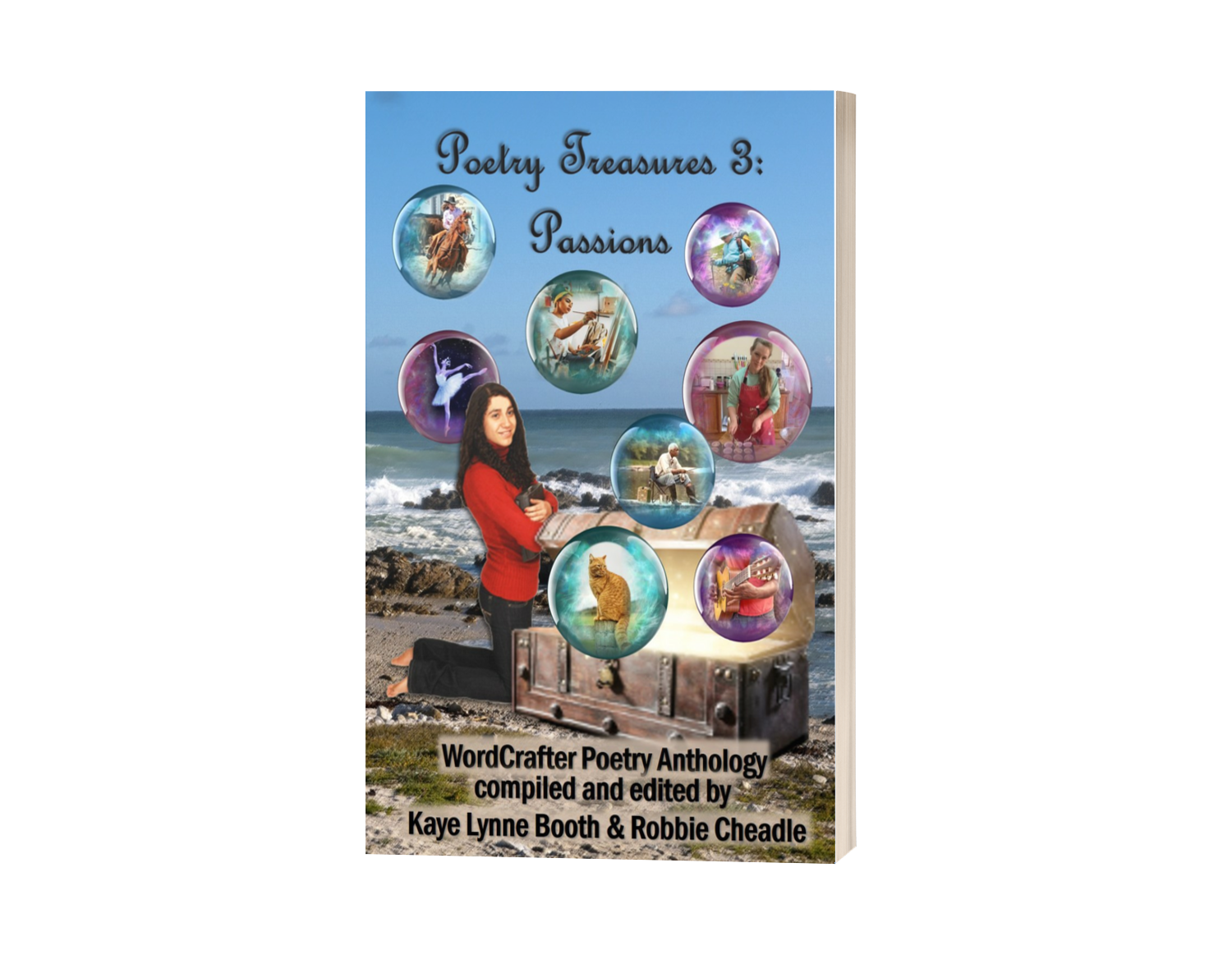
“Treasuring Poetry” offers antoher collaboration opportunity in the annual themed poetry anthology in the Poetry Treasures series, which Robbie and I co-edit, working with the poets who have been guests on the blog series from the previous year. 2025 will be our fifth year for the anthology. Through this endeavor, I’ve been privaleged to work with so many talented and creative poets.
Other Types of Collaboration
Online magazines, ezines and other publications, podcasts or online talk shows or other interviews, or even online courses are collaborative and mutually beneficial to all collaborators. I’m sure there are others, but these are the ones that come to my mind.
Some types of collaboration benefit many, such as participation in writing events, either online or in person. As a graduate student and intern, I participated in a large public book signing with multiple authors, and WordCrafter hosted and organized two online virtual writing conferences, in 2020 and 2021. It was a lot of work, but it was an opportunity to work with many talented writers when setting up workshops and panel discussions, as well as promotional efforts. It also offered attendees opportunities to learn and make connections.
I’m thinking about doing another conference in 2025, and would welcome feedback from anyone who would be interested, either in attending, (I promise, tickets would be affordable), or collaborating on the program end.
About Kaye Lynne Booth

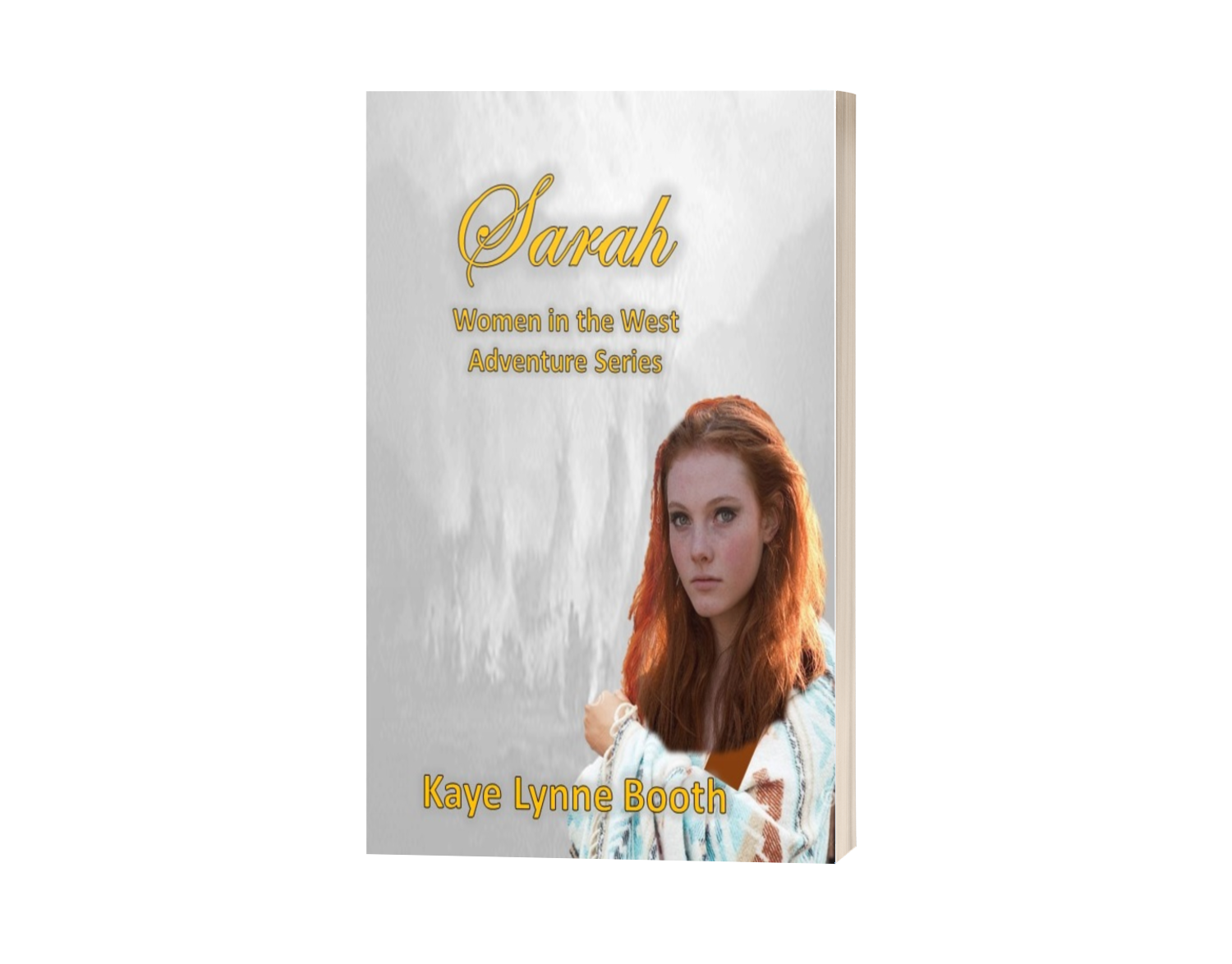
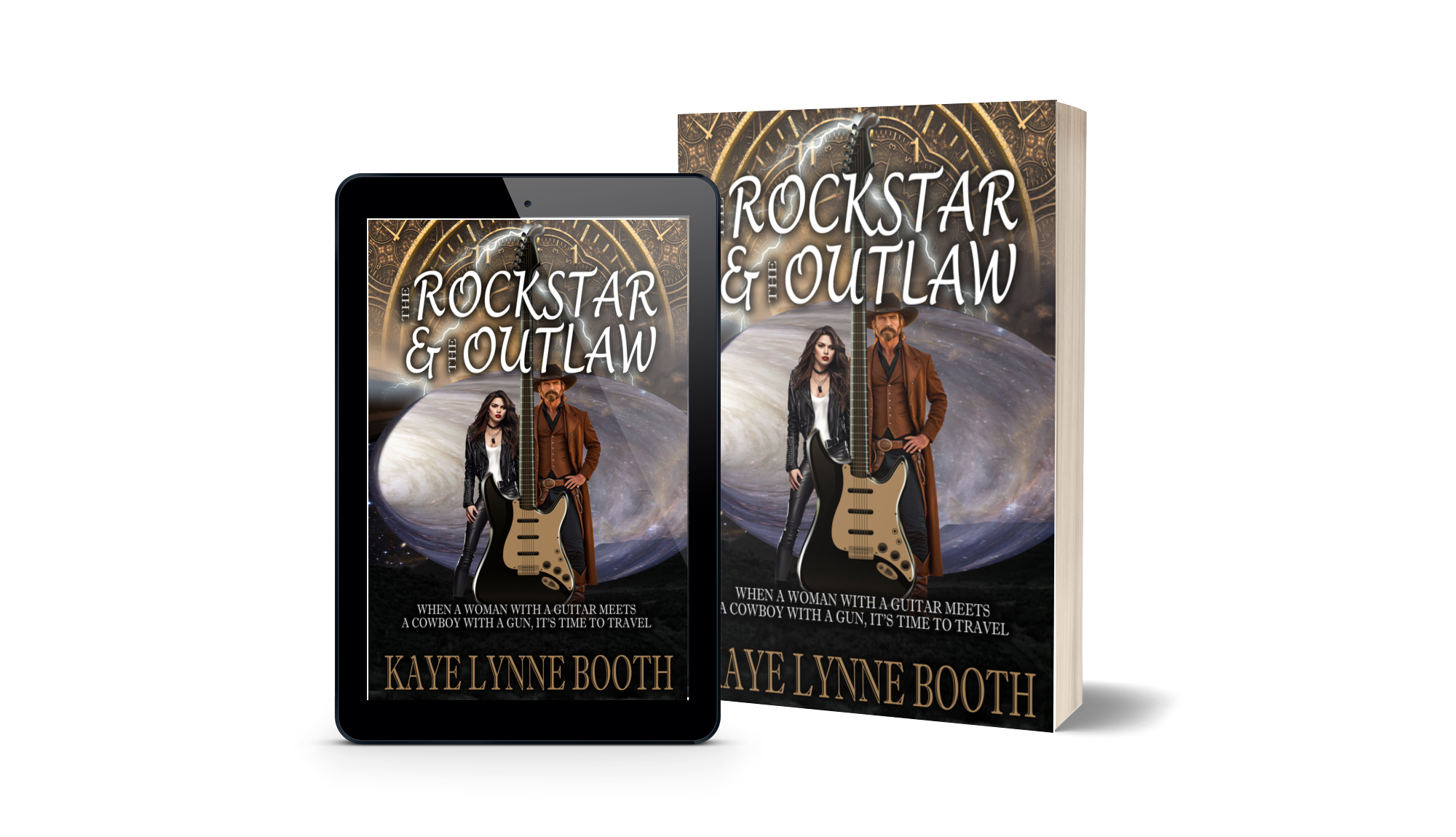
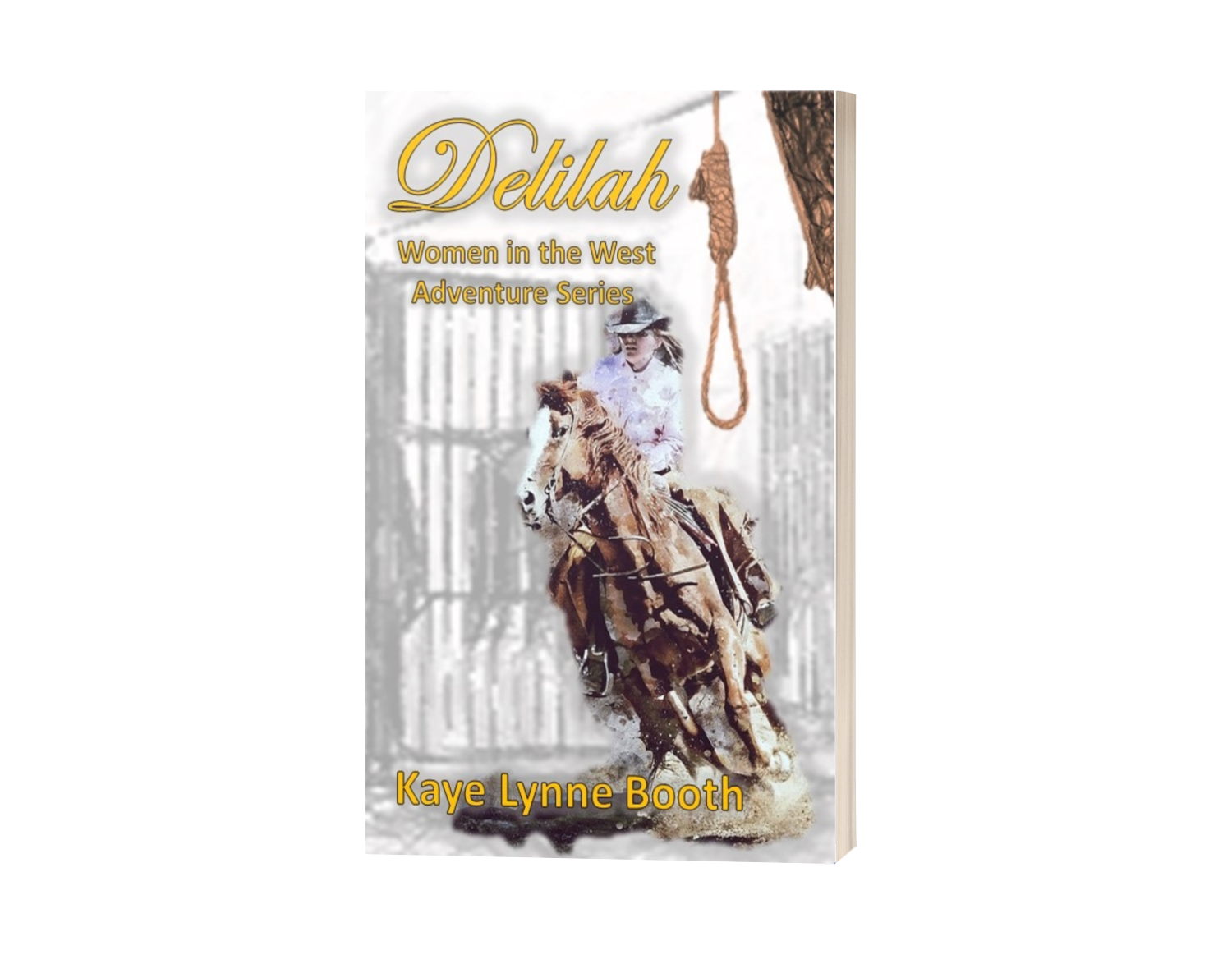
For Kaye Lynne Booth, writing is a passion. Kaye Lynne is an author with published short fiction and poetry, both online and in print, including her short story collection, Last Call and Other Short Fiction; and her paranormal mystery novella, Hidden Secrets; Books 1 & 2 of her Women in the West adventure series, Delilah and Sarah, and her Time-Travel Adventure novel, The Rock Star & The Outlaw. Kaye holds a dual M.F.A. degree in Creative Writing with emphasis in genre fiction and screenwriting, and an M.A. in publishing. Kaye Lynne is the founder of WordCrafter Quality Writing & Author Services and WordCrafter Press. She also maintains an authors’ blog and website, Writing to be Read, where she publishes content of interest in the literary world.
____________________
This post is sponsored by The D.I.Y. Author and WordCrafter Press.
Being an author today is more than just writing the book. Authors in this digital age have more opportunities than ever before. Whether you pursue independent or traditional publishing models, or a combination of the two, being an author involves not only writing, but often, the publishing and marketing of the book.
In this writer’s reference guide, multi-genre author and independent publisher, Kaye Lynne Booth shares her knowledge and experiences and the tools, books, references and sites to help you learn the business of being an author.
Topics Include:
Becoming Prolific
Writing Tools
Outlining
Making Quality a Priority
Publishing Models & Trends
Marketing Your Book
Book Covers & Blurbs
Book Events—In Person & Virtual
And more…

Purchase your copy today: https://books2read.com/The-DIY-Author