Growing Bookworms – Teaching children about charity
Posted: December 8, 2021 Filed under: Books, Children's Books, Education, Inspirational | Tags: Charity, Giving, Growing Bookworms, Parenting, Robbie Cheadle, Teaching, Writing to be Read 51 Comments
Christmas is just around the corner and many people are gearing up for holidays, family gatherings, presents, and lots of delicious food. Of course, not everyone is in this privileged position and there are millions of people who will not have any of these things.
I thought December would be a good time to write about teaching children about charity.
People who care about earth and the people and animals we share it with want to raise generous children who understand the importance of charity and giving back to society. It is a good idea to raise the concept of charity with our children early on and this can be done in a way that doesn’t scare them or make them fearful.
From a young age, I told my children that while there are many children whose families are wealthier than we are and who have more than we do, there are millions of children who have far less. We discussed children that have lost their parents and who are living in orphanages or as foster children. We spoke about schools that give children a hot meal at lunch time and I explained that for some of those children it is the only meal they get in a 24-hour period.
I tried to involve my boys in my own charity activities which included making up packs of groceries for needy pensioners, donating books to underprivileged schools, and giving used clothing to various charities.
When children are part of activities that help others who are less fortunate than they are, it gives them a sense of perspective about their own good fortune to have a nice home, food to eat, and schooling. As they get older, they will also learn to appreciate a loving and supportive family. Being generous helps children learn to appreciate what they have and be more grateful. It makes them feel useful and fosters empathy.
My children have both grown into caring and empathetic young men who see a need and are willing to put their own money and time behind helping other people.
Quote from Michael: “Children need to learn about charity because people have to work together to create a good environment.”
Every Christmas, my sons and I undertake 10 hours of community service each. Michael is auto-immune so we do their hours from the safety of our own home and, as Michael and I like to bake, our activities often involve these activities.
Last year we, the boys and I, made 150 goodie bags for the elderly residence of a local old age home. My nephews helped with this activity and the four boys baked and iced 80 gingerbread boys. I made 70 slices of shortbread and each bag contained a baked good, some chocolates, and a Christmas joke.


This year, we baked two beer-box cakes for a Christmas party for an underprivileged school. We had fun adding the sprinkles.

We are also making 150 Christmas crackers filled with three delicious chocolates for the old age home. So far we have made 40.

These are all fun activities to do with children, you can invite the kids in the neighbourhood or your nephews and nieces, and they bring a lot of joy to the recipients.
Another way of teaching children about giving and generosity is through reading to them.
I will never forget the scene from Little Women when Marmee asks her four daughters if they will give their Christmas breakfast away to a poor family:
“‘Merry Christmas, little daughters! I’m glad you began at once, and hope you will keep on. But I want to say one word before we sit down. Not far away from here lies a poor woman with a little newborn baby. Six children are huddled into one bed to keep from freezing, for they have no fire. There is nothing to eat over there; and the oldest boy came to tell me they were suffering hunger and cold. My girls, will you give them your breakfast as a Christmas present?’
They were all unusually hungry, having waited nearly an hour, and for a minute no one spoke; only a minute, for Jo exclaimed impetuously,—
‘I’m so glad you came before we began!’
‘May I go and help carry the things to the poor little children?’ asked Beth, eagerly.
‘I shall take the cream and the muffins,’ added Amy, heroically giving up the articles she most liked.”
This is just one of many wonderful books that teach children about sharing, giving and the real meaning of Christmas.
Another, one of my personal favourites, is How the Grinch Stole Christmas by Dr Seuss.
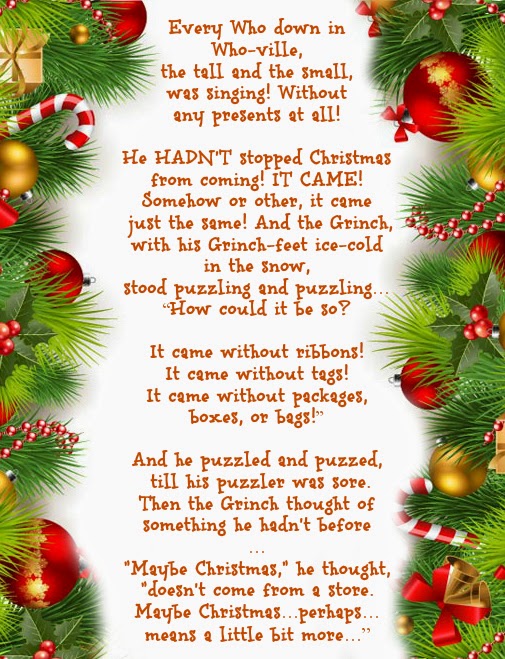
I must admit that every time I read that quote I get goosebumps.
This is the last Growing Bookworms post for 2021. If you celebrate, I wish you and your families a wonderful Christmas and all the best for the New Year. If you don’t celebrate Christmas, have a happy holiday period.
About Robbie Cheadle

Robbie Cheadle is a South African children’s author and poet with 9 children’s books and 2 poetry books.
The 7 Sir Chocolate children’s picture books, co-authored by Robbie and Michael Cheadle, are written in sweet, short rhymes which are easy for young children to follow and are illustrated with pictures of delicious cakes and cake decorations. Each book also includes simple recipes or biscuit art directions which children can make under adult supervision.
Robbie has also published 2 books for older children which incorporate recipes that are relevant to the storylines.
Robbie has 2 adult novels in the paranormal historical and supernatural fantasy genres published under the name Roberta Eaton Cheadle. She also has short stories in the horror and paranormal genre and poems included in several anthologies.
Robbie writes a monthly series for https://writingtoberead.com called Growing Bookworms. This series discusses different topics relating to the benefits of reading to children.
Robbie has a blog, https://robbiesinspiration.wordpress.com/ where she shares book reviews, recipes, author interviews, and poetry.
Find Robbie Cheadle
Blog: https://www.robbiecheadle.co.za/
Blog: robbiesinspiration.wordpress.com
Twitter: BakeandWrite
Instagram: Robbie Cheadle – Instagram
Facebook: Sir Chocolate Books
______________________________________________________________________________________________
Want to be sure not to miss any of Robbie’s “Growing Bookworms” segments? Subscribe to Writing to be Read for e-mail notifications whenever new content is posted or follow WtbR on WordPress. If you found it interesting or entertaining, please share.
Share this:

Growing bookworms – The importance of day dreaming
Posted: November 10, 2021 Filed under: Creativity, Growing Bookworms, Inspirational, Parenting | Tags: Children, Creativity, Daydreaming, Growing Bookworms, Imagination, Parenting, Writing to be Read 67 CommentsWhen I was a little girl, I loved to day dream. I was one of those kids the teacher is always calling back from dream world. The recall to reality was always a little negative in my recollection. “Stop daydreaming, and concentrate on your maths/history/geography – fill in the blank.”
As I’ve grown older, I’ve realised the benefits of day dreaming and mental downtime. When my children were younger, I used to use the driving time into the office every day to day dream. It was a time for me to let my mind wander and relax. I discovered that poems would often pop into my head, more or less fully formed during this time. The inspiration would be something I saw on the way to work. For example, my poem “The Beggar’s Child” was inspired by a mother and baby I used to see standing on the curb everyday. I looked at that little boy, strapped to his mother’s back in the traditional African way, and wondered what he thought of the cars driving past and the indifference of the drivers to his plight.
About a year before the first lockdown, I started listening to audiobooks in the car, instead of day dreaming. I quickly discovered that my poetic output dropped dramatically with my new routine. That led to my having to make a choice between using my time in the car to listen to classic books or to day dream and produce poetry. I chose audio books.
The idea that the lack of day dreaming time was limiting my creativity stayed with me and I was most interested to learn that that day dreaming is considered to be good for children. Yes, you read correctly, day dreaming is beneficial for children and for adults.
Day dreams teach children to be calm and peaceful and to develop empathy and better emotional learning for consolidation of their learning experiences.

According to many psychologists, zoning out in your own internal world is good and helps you to plan for the future, generate ideas, regulate emotion, and spur creativity.
I have always felt that day dreaming, which I’ve always termed watching the clouds, is an essential part of the inventive process. The mind must wander and explore in order to be able to make the great leaps of logic and imagination required to invent something completely new. It pleases me greatly that recent research supports my view that day dreaming is an essential part of mental processing, reasoning, and learning.
These are some of the identified benefits of day dreaming:
- Enhanced critical thinking and intelligence – One of the main regions of the brain utilised when we day dream is the region associated with complex problem solving. Critical thinking capabilities are essential for successful learning;
- Motivation or achievement of ‘dreams’ – Living our dreams through day dreaming is an enabler of achieving our personal goals and objectives.
- Increased confidence – Imagining ourselves playing different roles in life and achieving certain objectives, like passing examinations, gives us more confidence when the real situation presents itself.
- Increased insight – The light bulb moments we have are often a result of our processing and organising information differently during day dreaming sessions.
- Increased ability to cope – Imagining ourselves in a different situation when our real one is emotionally draining or difficult, gives us an increased mental ability to cope with our reality.
- Better mental agility – Day dreaming enables us to smoothly shift mental gears in the face of unexpected situations or unanticipated events.
- Increased creativity – Day dreaming provides for increased creativity as our mind finds ways of entertaining us free from outside stimulation.
- Increased concentration – Mental downtime gives our brains time to process information and enables it to develop and concentrate better during periods of focus.
I must admit, that I have always innately know the above and I encouraged my children to day dream. Sadly, most kids fill all their free time with visual media like television and computers and I wonder what that will mean for innovation and progression in the future.
About Robbie Cheadle
Robbie Cheadle is a South African children’s author and poet with 9 children’s books and 2 poetry books.
The 7 Sir Chocolate children’s picture books, co-authored by Robbie and Michael Cheadle, are written in sweet, short rhymes which are easy for young children to follow and are illustrated with pictures of delicious cakes and cake decorations. Each book also includes simple recipes or biscuit art directions which children can make under adult supervision.
Robbie has also published 2 books for older children which incorporate recipes that are relevant to the storylines.
Robbie has 2 adult novels in the paranormal historical and supernatural fantasy genres published under the name Roberta Eaton Cheadle. She also has short stories in the horror and paranormal genre and poems included in several anthologies.
Robbie writes a monthly series for https://writingtoberead.com called Growing Bookworms. This series discusses different topics relating to the benefits of reading to children.
Robbie has a blog, https://robbiesinspiration.wordpress.com/ where she shares book reviews, recipes, author interviews, and poetry.
Find Robbie Cheadle
Blog: https://www.robbiecheadle.co.za/
Blog: robbiesinspiration.wordpress.com
Twitter: BakeandWrite
Instagram: Robbie Cheadle – Instagram
Facebook: Sir Chocolate Books
______________________________________________________________________________________________
Want to be sure not to miss any of Robbie’s “Growing Bookworms” segments? Subscribe to Writing to be Read for e-mail notifications whenever new content is posted or follow WtbR on WordPress. If you found it interesting or entertaining, please share.
Share this:

Growing Bookworms – The importance of teachers
Posted: October 13, 2021 Filed under: Education, Growing Bookworms, Parenting | Tags: Education, Growing Bookworms, Robbie Cheadle, Teachers, Writing to be Read 85 CommentsThe schools in South Africa are racing towards the end of a year fraught with lockdowns, illness and death. My sons have been on-line for long periods twice this year and many of the students have suffered the losses of friends, parents, grandparents, and other important people in their lives. Seeing how happy my sons are to be back at school and watching them forge ahead with their school work as their teachers valiantly try to reteach material and principles that were taught on-line and which the boys have failed to grasp properly, makes me feel more appreciative of their teachers than ever.
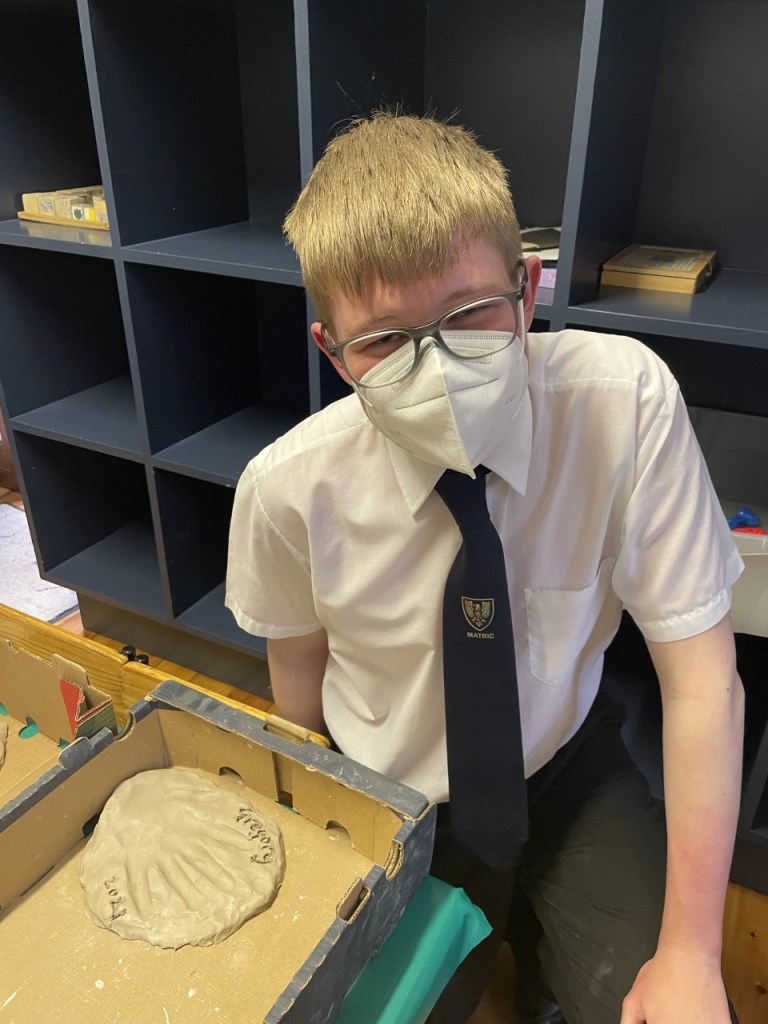
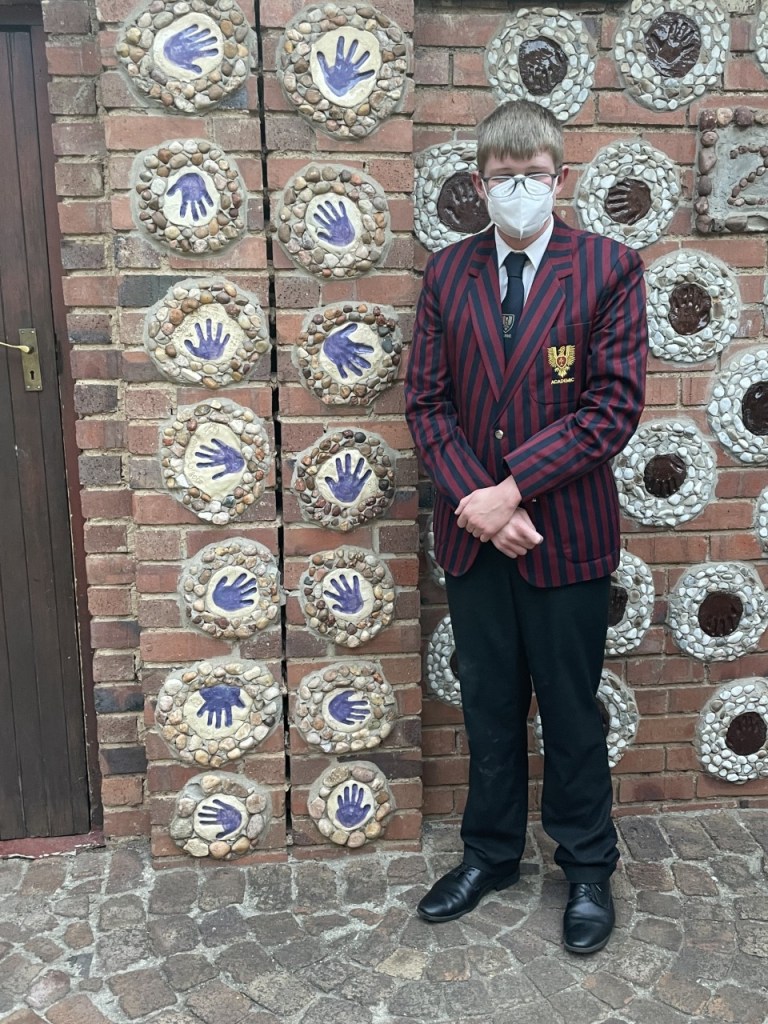
Gregory finishes school today. It is his last day of a 14-year journey and it is all rather emotional for the boys and teachers. His preliminary examinations went very well and he achieved an average of 92% for all 7 of this subjects including AP maths. This is partly due to hard work on Gregory’s part, but a lot of credit must go to his excellent teachers who really went all out to help the boys achieve the best they could. Greg attended on-line and in personal tutorials and extra sessions to prepare for his exams and some of them were over weekends during his teachers personal time.
As part of his leaving experience, he was invited back to his old nursery school, which forms part of his current school campus, and his old pre-preparatory school. How lovely it was to walk those corridors again and see the small desks and sinks, the art rooms and to find Greg’s handprint from when he was a 5-year old boy.
I believe that teachers are one of the most important professional groups in our society. They give children purpose, help prepare them to be successful citizens of our world, and help to inspire them to achieve and succeed both at school and in life.
A teacher imparts knowledge, good values, traditions and helps youngsters recognise modern challenges and overcome them.
The role of teachers is often underplayed and misunderstood with parents and others thinking they get lots of free time in the afternoons and during school holidays. This believe is certainly unfounded as every teacher I’ve ever known works a full day and more. They all teach extra murals and many offer extra tuition for students that struggle. Many of the teachers at my sons school are also involved in a community education programme and teach children from less privileged schools and backgrounds during part of their afternoons. Teachers also do a lot of marking and lesson preparation and that takes up a lot of their evenings and holidays. In summary, teaching is not a part-time job.
One of the toughest parts of teaching is teaching children from all sorts of homes and backgrounds about using their imaginations, creativity and challenging them to develop consistency, good work ethics, empathy and emotional intelligence.
I have met a number of wonderful teachers in the blogosphere and I appreciate them all for the wonderful teachers they are. Once a teacher, always a teacher, it’s not really something you stop doing as it is a part of your nature and behaviour patterns.
I am going to end this post by sharing a YouTube video about a special teacher, Jennie Fitzkee, who is a great champion of reading out loud and appeared recently on the Kelly Clarkson show. Bravo to Jennie for helping share the word about the importance of reading and thank you to Kelly Clarkson for raising the reading banner so high.
Here is link to the video: https://www.facebook.com/KellyClarksonShow/videos/1119312005268883
About Robbie Cheadle
Robbie Cheadle is a South African children’s author and poet with 9 children’s books and 2 poetry books.
The 7 Sir Chocolate children’s picture books, co-authored by Robbie and Michael Cheadle, are written in sweet, short rhymes which are easy for young children to follow and are illustrated with pictures of delicious cakes and cake decorations. Each book also includes simple recipes or biscuit art directions which children can make under adult supervision.
Robbie has also published 2 books for older children which incorporate recipes that are relevant to the storylines.
Robbie has 2 adult novels in the paranormal historical and supernatural fantasy genres published under the name Roberta Eaton Cheadle. She also has short stories in the horror and paranormal genre and poems included in several anthologies.
Robbie writes a monthly series for https://writingtoberead.com called Growing Bookworms. This series discusses different topics relating to the benefits of reading to children.
Robbie has a blog, https://robbiesinspiration.wordpress.com/ where she shares book reviews, recipes, author interviews, and poetry.
Find Robbie Cheadle
Blog: https://www.robbiecheadle.co.za/
Blog: robbiesinspiration.wordpress.com
Twitter: BakeandWrite
Instagram: Robbie Cheadle – Instagram
Facebook: Sir Chocolate Books
______________________________________________________________________________________________
Want to be sure not to miss any of Robbie’s “Growing Bookworms” segments? Subscribe to Writing to be Read for e-mail notifications whenever new content is posted or follow WtbR on WordPress. If you found it interesting or entertaining, please share.
Share this:

Growing Bookworms – Is your child overly pressured?
Posted: September 8, 2021 Filed under: Growing Bookworms, Parenting | Tags: Growing Bookworms, Parenting, Robbie Cheadle, Social Pressure, Writing to be Read 47 Comments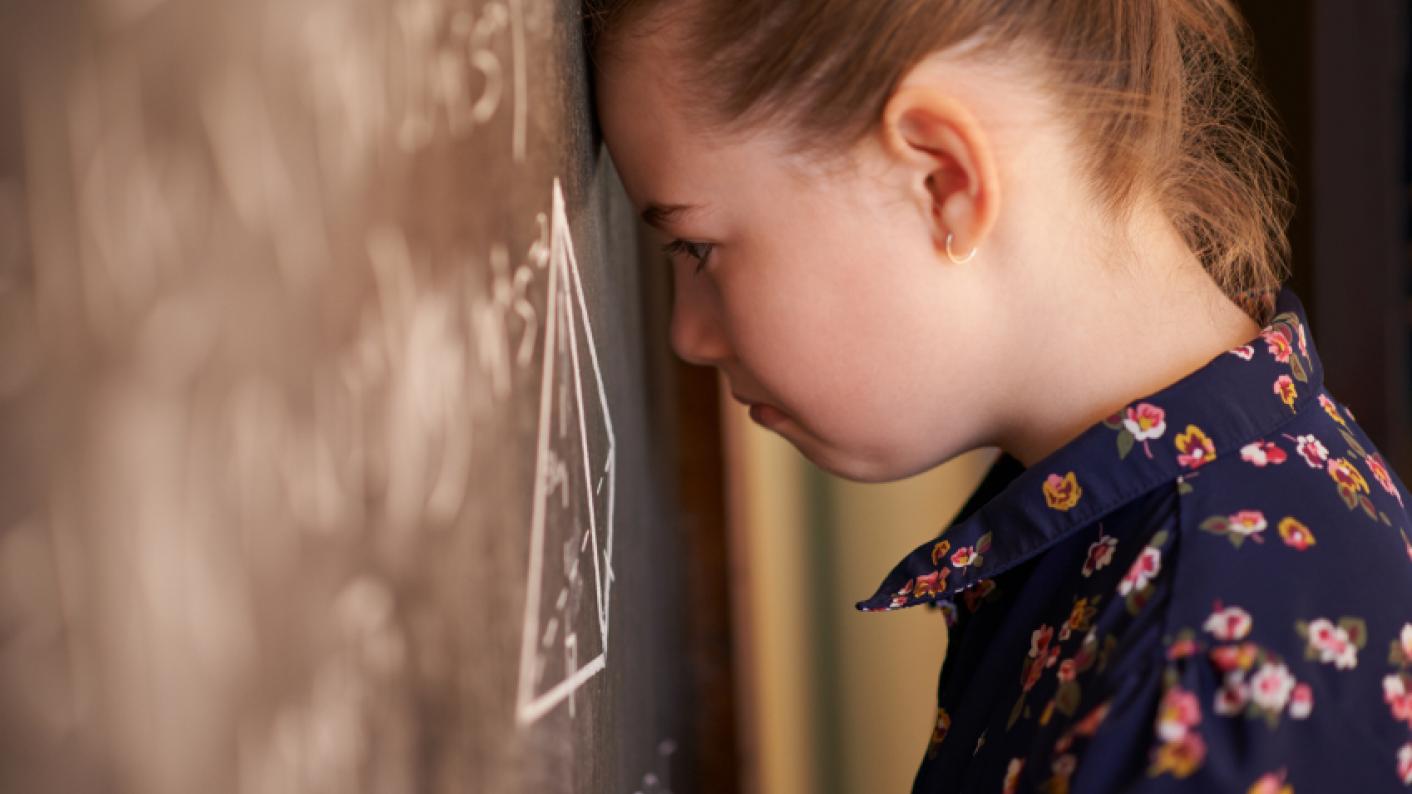
In the Southern hemisphere, the children are heading into the final stretch of the school year and most of them will have examinations looming at the end of a busy term filled with classes, homework, assignments, concerts, music, and sport.
In the Northern hemisphere, the children are all facing a new school year with new teacher and class structures. Some will be starting at a new school and will need to make a new set of friends.
For all children, wherever they live, life is stressful. Many children are pressured by parents to perform well at school and achieve. Some are also pressured to continuously practice and excel at sport, music and other extra curricular activities. Many children are driven by their own desire to succeed and do well. Scholarships, gaining acceptance into good universities, and getting a good job at the end of it all, is a common aim.
With our world so much faster and many jobs under threat of becoming redundant due to new technology and robotics, as well as a far bigger world population resulting in more competition for fewer jobs, our children are under far more pressure to achieve then we were. Most modern children are also far more aware of trends in the global job market than we were. This all leads to a lot of anxiety, stress, and pressure for youngsters.
While some pressure on kids to perform is a good thing, many children are under to much pressure and don’t have time to “be kids” anymore. To much pressure can impact kids negatively in many areas of their lives. Some of these areas are as follows:
- Higher rates of mental illness – stress, anxiety, and pressure wear children down and lead to mental health problems like depression, obsessive compulsive disorder, and other eating disorders;
- Higher risks of injuries – children who are pressured to perform on the sports field may ‘push through’ pain and other warnings signs of injury, possibly causing long-term damage to their bodies;
- Increased risk of cheating – In circumstances where achievement of high marks becomes all consuming and is expected by parents, the desire to achieve at all costs can lead to unethical behaviour like cheating on tests and examinations;
- Poor sportsmanship – kids who are pressured to always perform well don’t appreciate the benefits of learning to lose with good grace and understand that no-one can shine all the time. Everyone has bad days and difficulties with some or other subject or area of a subject; and
- Sleep deprivation – Kids who are under constant pressure to perform are include to stay up late cramming for tests and suffer from lack of sleep. This can lead to poor health and bad sleeping habits.
From a parent or guardian perspective, these are five signs you are putting to much pressure on your child:
- Criticizing your child for things s/he got wrong and not highlighting the things done well;
- Being overly involved in your child’s studying, practice schedules, and choices of sports and other extramural activities;
- Forcing your child to study and/or practice thereby not allowing him/her to learn consequences of lack of discipline and not studying or practicing;
- Telling your child that an exam or sports game is a once in a lifetime opportunity;
- Comparing your child unfavourably to other children or a sibling;
- Losing your temper with your child or becoming obviously frustrated by lack of understanding or poor performance by your child.
Do you think children are very pressured in our modern world? Let me know in the comments.
About Robbie Cheadle
Robbie Cheadle is a South African children’s author and poet with 9 children’s books and 2 poetry books.
The 7 Sir Chocolate children’s picture books, co-authored by Robbie and Michael Cheadle, are written in sweet, short rhymes which are easy for young children to follow and are illustrated with pictures of delicious cakes and cake decorations. Each book also includes simple recipes or biscuit art directions which children can make under adult supervision.
Robbie has also published 2 books for older children which incorporate recipes that are relevant to the storylines.
Robbie has 2 adult novels in the paranormal historical and supernatural fantasy genres published under the name Roberta Eaton Cheadle. She also has short stories in the horror and paranormal genre and poems included in several anthologies.
Robbie writes a monthly series for https://writingtoberead.com called Growing Bookworms. This series discusses different topics relating to the benefits of reading to children.
Robbie has a blog, https://robbiesinspiration.wordpress.com/ where she shares book reviews, recipes, author interviews, and poetry.
Find Robbie Cheadle
Blog: https://www.robbiecheadle.co.za/
Blog: robbiesinspiration.wordpress.com
Twitter: BakeandWrite
Instagram: Robbie Cheadle – Instagram
Facebook: Sir Chocolate Books
_____________________________________________________________________________________________________________________
Want to be sure not to miss any of Robbie’s “Growing Bookworms” segments? Subscribe to Writing to be Read for e-mail notifications whenever new content is posted or follow WtbR on WordPress.
Share this:

Growing Bookworms – Are there benefits to repetitive reading?
Posted: August 11, 2021 Filed under: Books, Growing Bookworms, Literacy, Reading | Tags: Growing Bookworms, Reading, Robbie Cheadle, teaching reading, Writing to be Read 48 Comments“As adults, we know that you might read a complex book and, if you read it again, it allows you to absorb all the different elements over time. It’s true for children too. Not only do children love having the familiarity of their favourite books but the repetition is so valuable.”
DR ELIZABETH WESTRUPP
When my boys were young, they liked to have the same book read to them over and over again. With Greg it was the Farmyard Tales about Poppy and Sam and their dog called Rusty.
Greg was about two and a half years old when he went through this repetitive reading stage. Every afternoon when I got home from work, he would ask me to read Farmyard Tales to him. It was fortunate for me as I was pregnant at the time and busy working on a big transaction; Greg’s love of these books enabled me to rest a lot more than I would have been able to if he’d wanted to play outside.
You can find out more about Poppy and Sam here:
Michael went into this book reading stage later. He was about five years old when he decided he loved The Enchanted Wood series by Enid Blyton. I read this book to him so many times I learned sections of it off by heart. Michael also loved the Famous Five series also by Enid Blyton. Thankfully, I was smart enough to get the audio books of the whole series and so I didn’t have to read these to him repetitively. He liked Five go off in a caravan the best and his listening to this story nearly drove me mad eventually.

Back to today’s question: Is repetitive reading good for children?
According to a number of child psychologists repetitive reading does have some important benefits, in particular, children take longer to encode information that older children and adults and they forget faster. Repetitive reading helps young children to remember patterns, new and unusual words, and connect key concepts in the story. In other words, repetition helps develop better comprehension.
Repetitive reading also helps children learn to see things from a different perspective and undergo a different learning experience if you add some new nuances into your reading of the same story. It also helps make reading a story for the 20th time more fun.
Two other benefits of repetitive reading are as follows:
1. Children develop language fluency through repetition. It also helps them to learn sequencing and understanding the two concepts of timing and placing in a story;
2. Repetitive reading also helps develop confidence when a child knows the story and is able to remember what happens next. It also enables the child to re-tell the story to peers or a younger sibling.
Some books that are fun to read over and over again to children are the Dr Seuss books. I always find those books a lot of fun to read, even though I have read them many times, including to my own younger siblings.
I’m going to end off with a great quote from Dr Seuss:
“The more that you read, the more things you will know. The more that you learn, the more places you’ll go.” ― Dr. Seuss, I Can Read With My Eyes Shut!
About Robbie Cheadle
Robbie Cheadle is a South African children’s author and poet with 9 children’s books and 2 poetry books.
The 7 Sir Chocolate children’s picture books, co-authored by Robbie and Michael Cheadle, are written in sweet, short rhymes which are easy for young children to follow and are illustrated with pictures of delicious cakes and cake decorations. Each book also includes simple recipes or biscuit art directions which children can make under adult supervision.
Robbie has also published 2 books for older children which incorporate recipes that are relevant to the storylines.
Robbie has 2 adult novels in the paranormal historical and supernatural fantasy genres published under the name Roberta Eaton Cheadle. She also has short stories in the horror and paranormal genre and poems included in several anthologies.
Robbie writes a monthly series for https://writingtoberead.com called Growing Bookworms. This series discusses different topics relating to the benefits of reading to children.
Robbie has a blog, https://robbiesinspiration.wordpress.com/ where she shares book reviews, recipes, author interviews, and poetry.
Find Robbie Cheadle
Blog: https://www.robbiecheadle.co.za/
Blog: robbiesinspiration.wordpress.com
Twitter: BakeandWrite
Instagram: Robbie Cheadle – Instagram
Facebook: Sir Chocolate Books
_____________________________________________________________________________________________________________________
Want to be sure not to miss any of Robbie’s “Growing Bookworms” segments? Subscribe to Writing to be Read for e-mail notifications whenever new content is posted or follow WtbR on WordPress.
Share this:

Growing Bookworms: Handwriting skills for children, Part 2
Posted: July 14, 2021 Filed under: Education, Growing Bookworms, Literacy, Reading, Teaching Writing, Writing, Writing Tips | Tags: Growing Bookworms, Handwriting, Robbie Cheadle, Teaching Writing, Writing to be Read 61 Comments
Last month, I discussed the reasons why handwriting is still important for both children and adults. You can read that post here: https://writingtoberead.com/2021/06/09/raising-bookworms-handwriting-skills-for-children-part-1/
Today, I am going to focus on strategies to improve handwriting.
The age of the child determines the best strategies for improving handwriting.
For a beginner writer in the early grades, the following strategies are useful to help children practice their handwriting and gain confidence with writing:
Make handwriting fun
There are a few ways you can make practicing handwriting more fun. You can give your child a fun or special pencil to use to practice writing. A stripped one or a pencil covered in flowers or cars. You can also play simple games that involve writing like hangman, word puzzles and anagrams.
I started writing the Sir Chocolate series of books with Michael to help him improve his handwriting. He used to write out the stories as we made them up. He tried very hard to write nicely in these little books we created.
Develop fine motor skills
Developing your child’s fine motor skills by drawing and painting, playing with play dough, cutting, threading, sand play, lego and building blocks are all great ways of encouraging children to manipulate small objects.


Correct pencil grip
Make sure your child is holding the pencil in a pincer grip and also using both hands to control the paper.
Here is a fun video song to help children with the correct pencil grip:
The correct equipment
Some children struggle to hold a regular pencil and do better with a shorter, smaller, or kid-sized pencil. Give your child an eraser so that s/he is confident and not afraid of making mistakes.
Use writing everywhere
You can practice handwriting in lots of fun places. You can write in the sand on the beach or on a foggy window or mirror. You can write in chalk on the driveway and you can even write on fondant with an edible ink pen.
About Robbie Cheadle
Robbie Cheadle is a South African children’s author and poet with 9 children’s books and 1 poetry book.
The 7 Sir Chocolate children’s picture books, co-authored by Robbie and Michael Cheadle, are written in sweet, short rhymes which are easy for young children to follow and are illustrated with pictures of delicious cakes and cake decorations. Each book also includes simple recipes or biscuit art directions which children can make under adult supervision.
Robbie has also published 2 books for older children which incorporate recipes that are relevant to the storylines.
Robbie has 2 adult novels in the paranormal historical and supernatural fantasy genres published under the name Roberta Eaton Cheadle. She also has short stories in the horror and paranormal genre and poems included in several anthologies.
Robbie writes a monthly series for https://writingtoberead.com called Growing Bookworms. This series discusses different topics relating to the benefits of reading to children.
Robbie has a blog, https://robbiesinspiration.wordpress.com/ where she shares book reviews, recipes, author interviews, and poetry.
Find Robbie Cheadle
Blog: https://www.robbiecheadle.co.za/
Blog: robbiesinspiration.wordpress.com
Twitter: BakeandWrite
Instagram: Robbie Cheadle – Instagram
Facebook: Sir Chocolate Books
_____________________________________________________________________________________________________________________
Want to be sure not to miss any of Robbie’s “Growing Bookworms” segments? Subscribe to Writing to be Read for e-mail notifications whenever new content is posted or follow WtbR on WordPress.
Share this:

Growing Bookworms: Handwriting skills for children, Part 1
Posted: June 9, 2021 Filed under: Growing Bookworms, Parenting, Writing | Tags: Growing Bookworms, Handwriting, Handwriting vs. typing, Robbie Cheadle, Writing to be Read 106 CommentsWhy handwriting is still important
As technology becomes increasingly important in our modern lives, writing by hand with a pen has become less common. Writing on a computer is easy and allows us to move text about, delete and add text, and save sections in a separate place for future use. We are also able to access our writing from a number of devices. I access my email and blogs from all three of my laptops, both of my iphones, and my ipad. This all makes writing so much simpler, so why do our education systems still focus on handwriting? Why not let the children use laptops and ipads to write?
Cognitive benefits
Writing notes by hand improves language skills. Writing by hand takes longer than typing and forces the writer to slow down their thought process and consider the words more. When you write by hand you spend more time thinking about the structure of the writing, the spelling of words, and they way you are using them.
Writing information down also aids our memory. I knew this without consulting the research confirming that writing creates unique pathways in the brain causing people who take notes by hand to remember the content better than those who type up their notes. Like me, my oldest son, Gregory, came to this realisation on his own and writes copious and detailed notes. His effort and dedication reflects in his academic results.
Creative writing benefits
A lot of writers still use notebooks to record and flesh out their ideas by hand. When we write longhand our ideas flow better and we are less distracted by the need to keep editing our work as we go along. When we write by hand we follow the flow of the idea and leave the editing until later.
I write most of my poetry by hand, but I do type up my prose so I know the above is true. I just can’t stop myself from continuously editing.
My son, Michael, writes by hand. He has a book in which he writes down his thoughts and ideas when the spirit moves him. When it comes to school assignments, he writes his stories on a laptop and I am always amazed at how many more mistakes and errors he makes when using a laptop than when writing by hand.
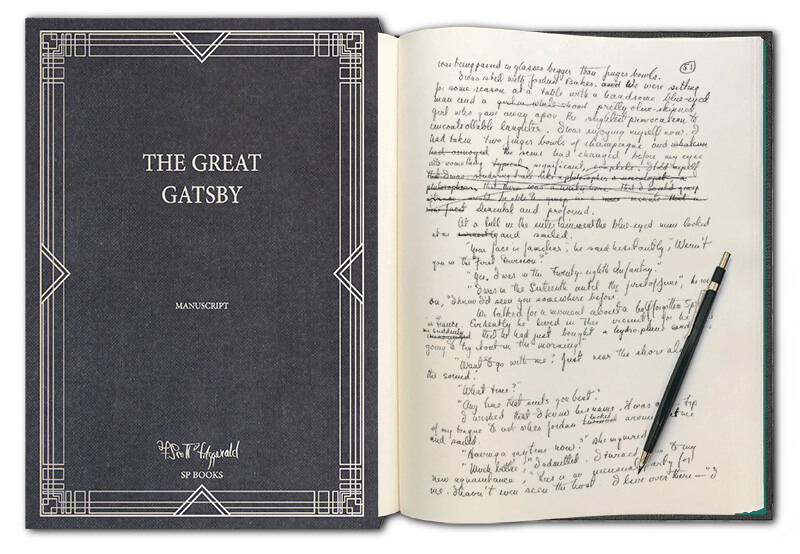
Picture credit: https://www.spbooks.com/67-the-great-gatsby-9791095457428.html
Handwriting is less restrictive
This point links to the one above about writing by hand freeing our minds and creative processes from the need to edit. I don’t write my prose by hand but I do record my frameworks and basic ideas by hand. I like to use mind maps which set out my story process. I have noticed that Michael does the same when plotting.
Again, I must emphasis that using and electronic devise to brainstorm is fraught with distractions. These are our own fault as we have our social media, email, and other notifications coming through on our devices. Every time I get an email or notification from Facebook, it pops up on my screen and my eyes automatically go to the pop up and read it.
Handwriting is part of our identity and our culture
Our handwriting is unique to us and forms a part of our identity. Even people like me whose writing is difficult for others to read, still put our personal stamp on handwritten work (my writing is difficult to read because I cannot resist adding curls and whirls all over the place; my writing is a work of art).
Writing is also an important part of our culture and our development as a species, it is the foundation of our learning and progress.
If you are interested in learning a bit more about the role of handwriting in our lives and culture, Rebecca Budd has a lovely podcast entitled The Trio on Letter Writing which discusses this topic in detail.
Quotes about writing
I think of my drawing style like handwriting: it’s a mix of whatever handwriting you’re born with, plus bits and pieces you’ve pilfered from other people around you. – Roz Chast
Poets don’t draw. They unravel their handwriting and then tie it up again, but differently. – Jean Cocteau
Somehow I started introducing writing into my drawings, and after a time, the language took over and I started getting very involved with the handwriting and then the look of the handwriting. – Patti Smith
About Robbie Cheadle
Robbie Cheadle is a children’s author and poet.
The Sir Chocolate children’s picture books, co-authored by Robbie and Michael Cheadle, are written in sweet, short rhymes which are easy for young children to follow and are illustrated with pictures of delicious cakes and cake decorations. Each book also includes simple recipes or biscuit art directions which children can make under adult supervision.
Robbie has also published books for older children which incorporate recipes that are relevant to the storylines.
Robbie writes a monthly series for https://writingtoberead.com called Growing Bookworms. This series discusses different topics relating to the benefits of reading to children.
Robbie has a blog, https://robbiesinspiration.wordpress.com/ where she shares book reviews, recipes, author interviews, and poetry.
Find Robbie Cheadle
Blog: https://www.robbiecheadle.co.za/
Blog: robbiesinspiration.wordpress.com
Twitter: BakeandWrite
Instagram: Robbie Cheadle – Instagram
Facebook: Sir Chocolate Books
_____________________________________________________________________________________________________________________
Want to be sure not to miss any of Robbie’s “Growing Bookworms” segments? Subscribe to Writing to be Read for e-mail notifications whenever new content is posted or follow WtbR on WordPress.
Share this:

Growing bookworms: The importance of historical fiction for kids
Posted: May 12, 2021 Filed under: Books, Children's Books, Fiction, Growing Bookworms, Historical Fiction, Reading | Tags: #Reading #Childrensfiction, Growing Bookworms, Historical Fiction, Reading, Robbie Cheadle, Writing to be Read 55 CommentsWhen I was in high school, history was an unpopular subject. It was so unpopular, in fact, that when the time came for the Grade 9’s to chose their subjects for Grade’s 10 to 12, the school paired history with typing, home economics and business economics so that the girls who chose this less academic combination were compelled to take history. This was how I ended up in a history class with mainly girls who hated the subject. I loved history and I took it through choice. My other subjects were maths, accountancy, and science. In South Africa, English and Afrikaans were compulsory subjects at the time.
I never really understood why my peers didn’t like history as it was a subject always loved. I’ve said it here before, however, that I was a very wide reader from a very young age and I read a lot of books set in the past. Among my favourite books by a South African author, were the collections of short stories by Herman Charles Bosman. This is what Wikipedia has to say about Herman Charles Bosman:
Herman Charles Bosman (5 February 1905 – 14 October 1951) is widely regarded as South Africa’s greatest short-story writer. He studied the works of Edgar Allan Poe and Mark Twain and developed a style emphasizing the use of satire. His English-language works utilize primarily Afrikaner characters and highlight the many contradictions in Afrikaner society during the first half of the twentieth century.
On reflection, I realised that I have acquired a love of history because all the books I had read allowed me to include the facts and dates I learned into the fascinating backdrop I had acquired of life at the time. I could visualise the homes, lives, and loves of the Afrikaner people I learned about during the sections on the Great Trek and the Boers wars though my reading of Charles Bosman’s works. I also read books by South African Boer War veteran, Deneys Reitz.
My learning of international history including the French Revolution, the Industrial Revolution (including the Luddite uprisings), and the Tudor period were coloured by my reading of certain books, in particular, A Tale of Two Cities by Charles Dickens, and Shirley and Jane Eyre by Charlotte Bronte. I found it easy to remember my history because I entwined it with my understanding of life at the times as presented by these great novels.
I was delighted when I discovered that history is a popular subject at the college for boys my sons both attend. Gregory chose to take history to matric (along with IT, maths, advanced maths and science which shows that its mixes well with any subject combination) and Michael looks set to follow in his footsteps.
I am bowled over by their history curriculum and the amazing why they learn about the past through source documents, cartoons, and many other interactive and interesting modes compared to my school days of rote learning. My sons are also taught history from the perspective of how historical events have influenced the present which makes this subject a lot more useful. It helps them to see how people’s actions and reactions have set the path for the future and resulted in both the good and bad in society we see today.
I believe it is vital for kids to understand history in an expansive and wide context so that they can value the freedoms and benefits their forefathers fought and die to leave as their legacy. For example, what young girl would not value her vote if she knew about the suffering and hardships of the suffragettes who paved the way for the achievement of this equality for women.
I wonder how many British children know that compulsory education for children aged 5 to 14 years was only introduced in 1918. How many American children know that compulsory education laws were only passed by 1900 and then only in 32 states, with the other states following by 1930. 1930! That’s less than 100 years ago.
Modern children are so fortunate to have an education and the opportunities for self improvement that come with it. It isn’t equal for all yet, but there are lots of people who believe passionately in educating children and who work really hard to implement change and improvements in education.
Understanding and learning about real people in a historical context makes their passions, sufferings and beliefs so much more compelling. It is difficult to hold on to prejudice if you’ve read novels like I am David by Anne Holm, The Diary of a Young Girl by Anne Frank, and Cry the Beloved Country by Alan Patton.


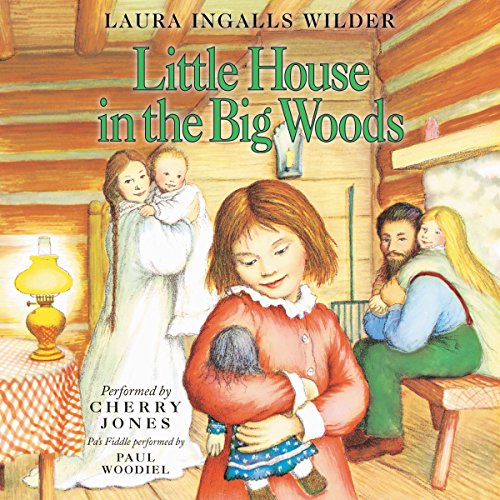
Historical books also teach children interesting information about how people survived in the past. I’ve always remembered the chapter from Little House in the Big Woods by Laura Ingalls Wilder when Pa cleaned his gun and made bullets. There is also a chapter about how Ma made butter and coloured it yellow. Little House on the Prairie has a scene when Ma is helping Pa build their new log cabin and a log falls on her foot. The difficulties and dangers of life on the frontier were illustrated; there was no help to be had for an injury or if the family fell ill.
I learned a lot about the limitations of medical knowledge in the mid to late 1800s through my reading of the What Katy Did series by Susan Coolidge. I will never forget Katy falling out of the swing or Amy contracting, and nearly dying from, Roman fever. Such scenes induce great feelings of empathy and compassion in the reader.

It is for all these compelling reasons that I wrote While the Bombs Fell, a fictionalised biography of my mom’s life as a young girl growing up in a small English town during World War II. I wanted to capture and preserve her memories of life for ordinary people living through this extraordinary time so that others, children in particular, could read it and remember how life was during that time.
What are your thoughts about historical fiction for both children and adults? Do you see value in learning about history in through a good story?
About Robbie Cheadle
Robbie Cheadle is a children’s author and poet.
The Sir Chocolate children’s picture books, co-authored by Robbie and Michael Cheadle, are written in sweet, short rhymes which are easy for young children to follow and are illustrated with pictures of delicious cakes and cake decorations. Each book also includes simple recipes or biscuit art directions which children can make under adult supervision.
Robbie has also published books for older children which incorporate recipes that are relevant to the storylines.
Robbie writes a monthly series for https://writingtoberead.com called Growing Bookworms. This series discusses different topics relating to the benefits of reading to children.
Robbie has a blog, https://robbiesinspiration.wordpress.com/ where she shares book reviews, recipes, author interviews, and poetry.
Find Robbie Cheadle
Blog: https://www.robbiecheadle.co.za/
Blog: robbiesinspiration.wordpress.com
Twitter: BakeandWrite
Instagram: Robbie Cheadle – Instagram
Facebook: Sir Chocolate Books
Want to be sure not to miss any of Robbie’s “Growing Bookworms” segments? Subscribe to Writing to be Read for e-mail notifications whenever new content is posted or follow WtbR on WordPress.
Share this:

Growing Bookworms – Digital versus print books for children
Posted: April 14, 2021 Filed under: Books, Children's Books, Literacy, Reading | Tags: Books, digital vs print, Growing Bookworms, Literacy, Reading, Robbie Cheadle, teaching reading, Wriiting to be Read 50 CommentsI have been giving some thought lately to book marketing, especially the marketing of books aimed at children. While selling more books is obviously of interest to me as a writer of children’s books, I am also interested in the most advantageous ways of imparting information to, and developing a love of learning and reading in young children. This duel interest led me to an investigation of electronic books and the pros and cons of children reading using an electronic platform like a computer or an app on a tablet.
I wanted to know, firstly, if children were interested in reading ebooks.
The answer to that first question was a resounding yes, children are definitely interested in reading ebooks. Modern children are surrounded by technology and it is becoming more and more central to their lives. Lately, not only do children use cell phones and tablets to communicate with each other, and as a source of entertainment and research for school projects, they are using it to do their school lessons and virtually visit with relatives and friends.
Since the advent of the pandemic, many children are seeing their parents working on-line at home and using Zoom to engage with their colleagues instead of face-to-face meetings, so it is hardly surprising that children are interested in ebooks. It is a natural progression.
Ebooks for children are also easily accessible, cheap, have a narrator who reads the story, and have interactive features such as animated pictures, music, sound effects, and links on the screen that connect to games or additional information about the story or pictures. I must admit, I have noticed this link feature in non-fiction books I have read recently and I also like it. I can click on the link and find out more about the source of a picture or listen to a YouTube video about a specific aspect of the book.
My second investigation looked at the pros and cons of ebooks for children.
The pros
- children learn early literacy skills from good quality ebooks that include relevant interactive features such as a dictionary, words that are highlighted when the narrator reads them, and games and pictures that help explain the story;
- children interact longer with their parents when reading an ebook together;
- children can read an ebook over and over again on their own which improves literacy and fluency;
- children can read an ebook independently which may encourage them to read more often; and
- ebooks are cheap and accessible.
The cons
- parents often feel they should reduce their children’s screen time and have a resistance to ebooks;
- parents think their children can have the book read to them by the narrator and spend less time reading to [and bonding with] their children;
- parents get distracted by the interactive features and end up focusing on them instead of the story itself;
- children learn less about the story from an ebook, in particular they do not remember the order of events as well as they do when reading a paper book; and
- the interactive features in an ebook may be distracting to the child.
My overarching takeaway from the above which is a summary of all the articles I read on this subject is that, as with paper books, children benefit the most from ebooks when they read them with a parent or caregiver who spends time taking to the child about the story. This is exactly the same benefit that a child receives from reading a paper book with a parent.
The general view is that parents either take the view that their input is not required for ebooks due to the narrator who reads the story to the child, or the parents get distracted away from the detail of the story by the interactive features and so the wrong information dominates the parent/child engagement.
In homes where the parents do not spend time reading with/to their children, it is believed that ebooks can play a bigger role in assisting children to learn to read as it provides a way of achieving the reading of a story without parental input.
I’ve always read to both my boys. I read with Gregory until he was 6 1/2 years old and wanted to read on his own and I read with Michael every day until he was 12. Some evenings I still read with Michael [his book] and we often sit and read our own books together. It is still a pleasant time and reading separate books at the same time means I don’t have to suffer through Rick Riordan books all year round.
If you are interested in finding free digital children’s books for primary students, you can find three recommended websites here: https://learningattheprimarypond.com/blog/3-websites-with-free-digital-childrens-books-for-primary-students/

I have not attempted to download any of the free ebooks from Oxford Owl but these are the book series I used to teach my sons to read. I had the paper copies.
What are your thoughts on ebooks for children? Have you tried them? Let me know in the comments.

If you have spare Easter eggs you can learn how to make a fun Easter chick here: https://www.youtube.com/watch?v=Bod4B029_xw
OR you can download the instructions here: https://robbiesinspiration.wordpress.com/how-to-make-baby-chick-using-an-easter-egg/
About Robbie Cheadle
Robbie Cheadle has published nine books for children and one poetry book. She has branched into writing for adults and young adults and, in order to clearly separate her children’s books from her adult books, is writing for older readers under the name Roberta Eaton Cheadle.
Robbie Cheadle’s Sir Chocolate children’s picture books are written in sweet, short rhymes which are easy for young children to follow and are illustrated with pictures of delicious cakes and cake decorations. Each book also includes simple recipes or biscuit art directions which children can make under adult supervision. Her books for older children also incorporate recipes that are relevant to the storylines.
Roberta Eaton Cheadle’s supernatural stories combine fabulous paranormal elements with fascinating historical facts.
Children’s picture books – available as a square book and an A5 book (co-authored with Michael Cheadle):
Sir Chocolate and the strawberry cream story and cookbook
Sir Chocolate and the baby cookie monster story and cookbook
Sir Chocolate and the sugar dough bees story and cookbook
Sir Chocolate and the Condensed Milk River story and cookbook
Sir Chocolate and the Sugar Crystal Caves story and cookbook
Sir Chocolate and the Fondant Five story and cookbook
Sir Chocolate and the Ice Cream Rainbow Fairies story and cookbook
Middle school books:
Silly Willy Goes to Cape Town (includes five fun party cake ideas)
While the Bombs Fell (co-authored with Elsie Hancy Eaton)
Poetry book:
Open a new door (co-authored with Kim Blades)
Supernatural fantasy YA novel:
Through the Nethergate
Horror Anthologies (edited by Dan Alatorre):
Spellbound
Nightmareland
Dark Visions
Paranormal Anthologies (edited by Kaye Lynne Booth):
Spirits of the West
Whispers of the Past
Murder mystery Anthology (edited by Stephen Bentley)
Death Among Us
Find Robbie Cheadle
Blog: https://bakeandwrite.co.za/
Blog: robbiesinspiration.wordpress.com
Twitter: BakeandWrite
Instagram: Robbie Cheadle – Instagram
Facebook: Sir Chocolate Books
Want to be sure not to miss any of Robbie’s “Growing Bookworms” segments? Subscribe to Writing to be Read for e-mail notifications whenever new content is posted or follow WtbR on WordPress.
Share this:

Growing Bookworms – “Why must I read when the world is electronic and I prefer computer games to books?”
Posted: March 10, 2021 Filed under: Growing Bookworms, Literacy, Reading, Story Telling Methods, Visual Media | Tags: Graphic Novels, Growing Bookworms, Literacy, Reading, reading education, Video Games, Visual Media, Writing to be Read 85 Comments
Children need to learn to read and write. This is an undebatable fact. Well, it’s undebatable from a parents point of view, it is very debatable from a teenagers point of view. I have had a number of conversations with children, including my younger son, about the necessity of reading.
“Why do I need to read when I can watch a movie?”
“Why must I read when the world is electronic and I prefer computer games to books?”
The simple answer, is that despite our moving to a more visual and electronic platform, everything in our modern lives is still underpinned by the written word. It is merely it’s shape and form that has changed.
Every movie and most television shows are based on screenplays which are written by writers, or even groups of writers. Many movies and television series are adapted from books. If there were no books, our choices of visual media would be much more limited. Screenplays would be written, but without creativity and a knowledge of writing, a screenplay could not exist. In my experience, the range of creative writing and English literacy skills our children learn is far more expansive than what I learned at school. Their curriculum now includes visual literacy and film study as well as the traditional grammar, poetry, comprehension and creative writing I studied. These are changes that accommodate our changing times.
As for computer games, I soon realised that the computer games my children play are not the Pacman or Donkey Kong style games from my childhood, but are sophisticated stories with themes and plots. My sons have learned all about Greek and Norse mythology from computer games, as well as how to plan a war or battle with supply lines and build an entire society form a little creature that whistles to a race that can fly to the moon. When they were younger, they learned about farming. They planted crops, water and feed them and eventually harvested them.
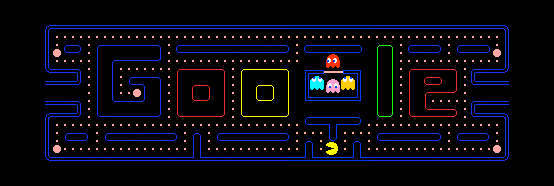
The knowledge and skills they have gained from computer games are not inferior or worthless. The games of strategy have taught them useful survival and planning techniques. The most interesting thing for me about their games is that they require reading. There are pop up notifications continuously as the game progresses. The characters also speak and interact and their thoughts and plans are often set out in words exactly like subtitles. I have also discovered that my children Google information about their games and look up how to do things. This also requires reading.
I point this out to them. If you couldn’t read, you wouldn’t be able to play this game. If people didn’t write, there would be no script for the game you are playing. Because our lives are more visual now does not mean that these skills are not longer necessary. There are vital to engage in this virtual world. In this context, my sons understand the importance of reading. I have linked it to their world.
We no longer write letters, but we spend all day long on email. Writing an email requires good communication skills or you will not achieve the desired outcome.
We no longer draft lengthily reports but precise power point presentations with succinct bullet points. If you have prepared such presentations you will know that their preparation requires more thought and careful word choice than the long and wordy documents we produced in the past. Preparing a good presentation requires an ability to summarise and pick pertinent points out of a larger feedback document.
Even those of us who work mainly with figures – the number crunches of the world – have to be able to write and communicate effectively. A complex spreadsheet and lines of figures must be reduced to a written interpretive document and then to a concise bulleted presentation. They are meaningless without interpretation and communication to others.
As a parent of two teenage boys I have learned to put my personal prejudices [or literary snobbery] aside when it comes to learning to read. There is nothing wrong with graphic novels. In fact, a lot of our adult humour and political sarcasm is shared through cartoons and memes. This makes visual literacy essential – Ha! The teachers are right after all.
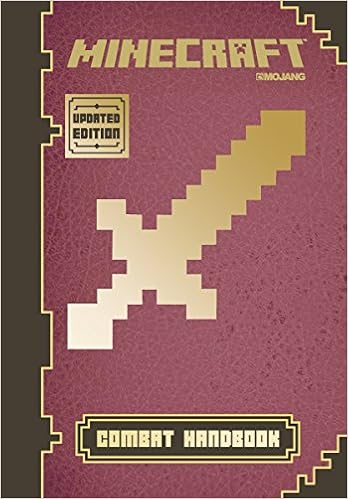
I have decided that if my sons see little benefit to reading Around the World in 80 Days by Jules Verne or The Time Machine by H.G. Wells and prefer to read five volumes of the Minecraft Combat Handbook, that is actually okay.
And having achieved this peace of mind, I even celebrated it with a cake!

About Robbie Cheadle
Robbie Cheadle has published nine books for children and one poetry book. She has branched into writing for adults and young adults and, in order to clearly separate her children’s books from her adult books, is writing for older readers under the name Roberta Eaton Cheadle.
Robbie Cheadle’s Sir Chocolate children’s picture books are written in sweet, short rhymes which are easy for young children to follow and are illustrated with pictures of delicious cakes and cake decorations. Each book also includes simple recipes or biscuit art directions which children can make under adult supervision. Her books for older children also incorporate recipes that are relevant to the storylines.
Roberta Eaton Cheadle’s supernatural stories combine fabulous paranormal elements with fascinating historical facts.
Children’s picture books – available as a square book and an A5 book (co-authored with Michael Cheadle):
Sir Chocolate and the strawberry cream story and cookbook
Sir Chocolate and the baby cookie monster story and cookbook
Sir Chocolate and the sugar dough bees story and cookbook
Sir Chocolate and the Condensed Milk River story and cookbook
Sir Chocolate and the Sugar Crystal Caves story and cookbook
Sir Chocolate and the Fondant Five story and cookbook
Sir Chocolate and the Ice Cream Rainbow Fairies story and cookbook
Middle school books:
Silly Willy Goes to Cape Town (includes five fun party cake ideas)
While the Bombs Fell (co-authored with Elsie Hancy Eaton)
Poetry book:
Open a new door (co-authored with Kim Blades)
Supernatural fantasy YA novel:
Through the Nethergate
Horror Anthologies (edited by Dan Alatorre):
Spellbound
Nightmareland
Dark Visions
Paranormal Anthologies (edited by Kaye Lynne Booth):
Spirits of the West
Whispers of the Past
Murder mystery Anthology (edited by Stephen Bentley)
Death Among Us
Find Robbie Cheadle
Blog: https://bakeandwrite.co.za/
Blog: robbiesinspiration.wordpress.com
Twitter: BakeandWrite
Instagram: Robbie Cheadle – Instagram
Facebook: Sir Chocolate Books
____________________________________________________________________________________________________________
Want to be sure not to miss any of Robbie’s “Growing Bookworms” segments? Subscribe to Writing to be Read for e-mail notifications whenever new content is posted or follow WtbR on WordPress. If you found it interesting or entertaining, please share.