Let’s Be Truly Informed Voters: An Alternative to the Current System
Posted: November 2, 2012 Filed under: Opinion | Tags: Election Campaigns, Opinion, Voting 4 Comments I’ve had it with the mudslinging. It seems to me that election campaigns have turned into great big mudslinging contests. Campaigns are no longer based on what a candidate stands for, but rather on defacing the opponents, and this, my friends, are what we are to base our votes on. In today’s society, most people are not truly informed. They don’t go down and dig through public records to learn how the candidates voted on the issues in the past. Instead, they rely on the media to inform them and base their voting choices on information gained there. At least half of this information isn’t even true, or has been twisted by the opposing party to show the candidate in unfavorable light, but most of us aren’t going to run down to the courthouse or even do a Google search to check the facts. I don’t think our votes should be based on where a candidate keeps his money, who he sleeps with, the color of his skin, his/her gender, or if he was busted for drunk driving as a teen. Our votes should be based on a candidate’s true opinions on the issues, but even when they air a commercial that expresses a candidate’s beliefs instead of trying to smear the other guy we can’t believe it, because politicians all say what they think we want to hear, regardless of how they really feel.
I propose that we change the whole campaign system, where the only thing they are allowed to hand out, mail out or otherwise advertise is their previous voting records, which is what we, as informed voters, should be basing on voting choices on. Do away with the expensive campaign trail for all candidates, since they are a huge waste of money anyway and just provide the facts, with each party supplying the voting records for their own candidates only, in order to truly inform the public. The best we can hope for is to reasonably predict how they will vote on future issues by how they have voted on issues in the past, and overhauling the whole campaign system is the only way I see for that to happen.
Share this:

The Craft is What it is All About
Posted: October 14, 2012 Filed under: Fiction, Writing | Tags: craft, Fiction, Novel, School, Stories, Writing 3 Comments Before I decided to seek my MFA in Creative Writing, I hadn’t really thought much about the craft of writing. I would simply take an idea or character, or a situation and start writing, not thinking much about why I put this sentence here or that one there. Of course, I thought about word choices, but I usually just knew that I needed a different word, not thinking about why the one I had wasn’t right, or why this one was better. I never thought about why one story seemed to read smoothly, while another just didn’t seem to flow right at all. I didn’t think about things like pacing, focus, or what archetypes I was using. I didn’t question why a character did what they did. I just wrote what felt natural to me. Even though I knew how to manipulate these elements in my writing, I wasn’t able to articulate them. I didn’t think about the how and why of what I did. Most of the time I just sat back and watched as my story unfolded. In a graduate program, however, that is what you do. You dissect writing, pick it apart and examine the various elements to discover how and why they work, or don’t work.
When I started classes last summer, I was asked if my stories were character driven or plot driven. The honest answer would have been that I didn’t know, because I hadn’t really thought about it. But everyone else seemed to know what drove their writing, so rather than clue them in to the fact that I was a self-taught writer, I said that my writing was plot driven.
Looking back over stories that I have written in the past, understanding now how to look at my work critically, I found that it depends on the story. I have a YA mystery that isn’t a mystery yet, (but it will be), which began with the characters of two young girls; a sci-fi piece that started with the idea of a situation from a Writer’s Digest prompt, and developed from there; a short story that began with the idea of a naked woman walking into a waterfall; and the western I’m working on started with my female protagonist seeing something that looked like a body in the scrub brush. The ideas for my children’s series started with the birds and forest creatures that visited my yard and became my characters and they are definitely character driven. What I’ve learned from my courses is that my stories can be either plot or character driven, or both.
In class, we’re looking at what good dialog is; how pacing affects the story; character development; plot lines and sub-plot lines; how to move the story forward; the differences in POV; past and present tense; and how to use visual, auditory and kinetic details to enhance a story. What I found fascinating is that much of this stuff was already going on with my writing. I just didn’t realize it, because I never looked at it that way before. Now that I am conscious of the elements in a story and I’m learning how to better manipulate them to achieve a desired effect, my writing is stronger and more focused. Writing consciously means being aware of what you are doing with your story. I’ve always known what I wanted to do with my stories, but now I know how to do it. Now the elements don’t just fall into place wherever they want. Now they go where I put them and stay there, unless I move them. Now I am aware if my pace is too slow, I can see where my character is inconsistent, I understand when more detail is needed and I know what and where to put it. Okay, not always, but I am getting better at these things. I’m looking at my writing differently. I see my story in terms of craft now and I think that is a good thing, because I want my writing to be good. I want people to want to read it, and most people want to read a well-crafted story.
Share this:

Bone Wires is full of chills and thrills
Posted: October 5, 2012 Filed under: Book Review, Fiction, Full Moon Bites | Tags: Bone Wires, Book Review, Dark fiction, Michael Shean, mystery, sci-fi Leave a comment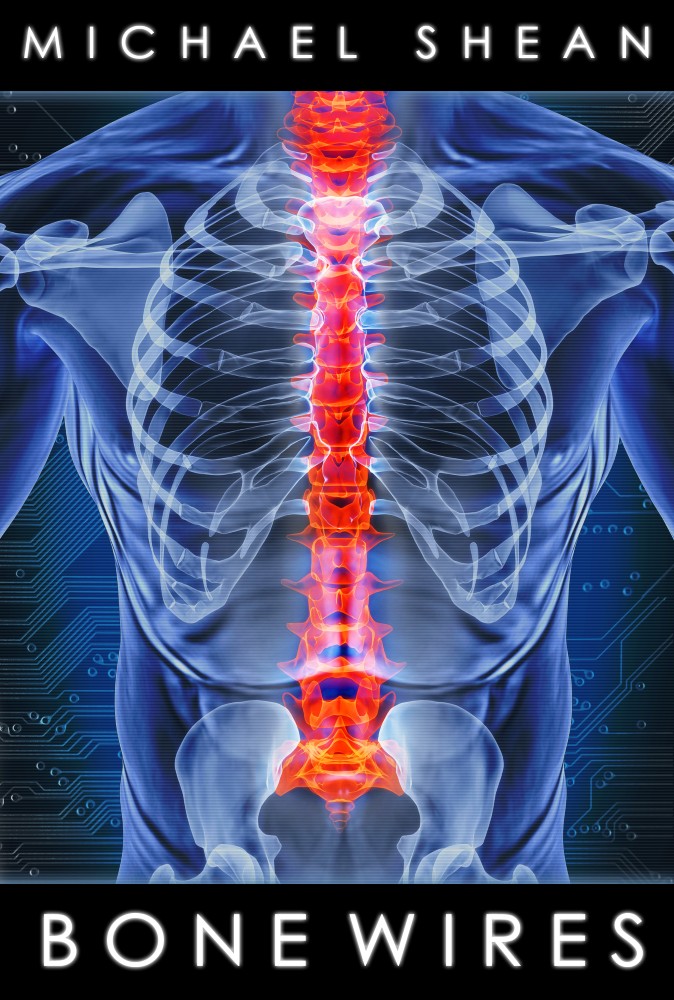 In Bone Wires, Michael Shean creates a techno-world of the future, where cars are equipped with autodrive, dance floors are suspended from the ceiling, and soft drinks have self-chilling mechanism. Shean grabs your attention immediately, and pulls readers into the high-tech world of 2076, where police departments belong to the private sector, making concerns of profits and losses, and public relations often take priority over justice.
Detective Dan Gray wants it all: the promotion, the money, the prestige, the girl and he knows how to play the game to get it. Suddenly, it appears that he has just gotten all of it, at what price?
His new girlfriend, Angie, is connected to a case involving some grissly murders, that is supposed to be closed, but just doesn’t want to stay that way; the same case that propelled him into his new promotion.
He has a hunch things aren’t what they seem, but he doesn’t know who to trust. Everyone seems to have their own agenda: a vice cop that wants to use his girlfriend as a snitch, a coroner and an officer from the evidence room that want to fry the vice cop, a fellow homicide cop that is suddenly looking out for his best interests, a police agency that’s more concerned about profit margins than it is about people and seems content to sweep his case under the rug, and a girlfriend who may have something to hide. Finding the truth may threaten his job and his girl.
Shean has good, clear character development and a main plot, with enough sub-plotting to create tension and keep readers interest. The pacing keeps readers moving right along. Although there are a few typos, the story carries its weight well enough that the distraction caused is minor, if at all. The descriptive language is at times exquisite, as in the following example, found on page 201, (Kindle version):
“By the time he piled himself into the car, he was barely able
to focus. And so he didn’t try. Instead he sat there, sprawled
in the driver’s seat, staring out at the empty street for what felt
like hours as his thoughts warred with one another. Finally out
of the mental carnage came the victor, a sharp thought, a thought
that glowed and smoked as if it were a blade pulled out of a torturer’s
coals.”
Shean has shown himself to be a talented writer, with Bone Wires. A must read for those who enjoy science fiction, mystery, and dark fiction. There is even a bit of the romance element thrown in. Bone Wires is available at Amazon (Kindle), Amazon (print), Barnes & Noble, and Books A Million.
Share this:

Writing to be Read: Honest Book Reviews
Posted: October 1, 2012 Filed under: Book Review, Writing | Tags: Book Reviews, Southern Colorado Literature Examiner, Writing to be Read Leave a comment I recently read several articles that discussed the value of reviews in today’s market place. These articles questioned the reliability of reviews, in a time when there are people being paid to write positive reviews and the difficulty in knowing which reviews to believe in a market saturated with positive reviews. I do book reviews here, on Writing to be Read, as well as on my Southern Colorado Literature Examiner page, so as a reviewer, I looked at my own work to determine the validity of their arguments.
According to Richard Brody in his article in The New Yorker, How to be a Critic, “Critics don’t need to be nice (programmatic niceness is itself another sort of self-falsification and self-punishment, and is at least as sanctimonious as self-justifying meanness), but they do need to know where they stand.” I see an obligation of the reviewer to the readers, to portray the books reviewed as honestly as possible. I feel a certain responsibility in knowing that someone may or may not chose to read a certain book, based on my opinion of it. Readers that concur with the opinions offered in my reviews are more likely to visit my sites again. However, I think that honest, unbiased opinions may also generate repeat readers, even if they don’t agree with the opinions expressed in my reviews.
I am not one of those reviewers that is paid to write positive reviews. Five star reviews that are bought and paid for cheat the reader, setting them up to be disappointed by a book that was not all it was portrayed to be. I don’t receive monetary compensation for my reviews, although I do receive ARC copies from the authors, which in no way influence my opinions of their book. According to David Streitfeld, in his New York Times article, The Best Book Reviews Money Can Buy, part of the problem is that readers have no way to know if the review that they are reading is a paid review. In a market that is over-saturated with the rise of self-publishing and digital media, anyone can pay to have a five star review written for their book.
On the other hand, I do feel an obligation to the author, who has put his or her all into the work, to portray it in as positive a light as I can possibly shine on it and still be honest. As Brody puts it, “It takes months or years to make a film or write a book, a few hours or a few days to dash off a review…” As a reviewer, I hold in my hands the power to dash dreams with an unkind word or a negative opinion. It is a matter not to be taken lightly. Daryl Campbell explains it well in his the Millions essay, Is This Book Bad or Is It Just Me? Anatomy of Book Reviews,
“The decision to like or not like a book is where every book review
begins. This is what gives the genre its underlying suspense …
but also its frustrating sense of chaos, because no matter how
technically sound or philosophically sophisticated or beautiful
a book might be, something minor or tangential can turn off a
reviewer so much that he or she decides the book is not good.”
While in the Salon article, The Case for Positive Book Reviews, Laura Miller claims the necessity of more positive reviews,
“Everyone who has ever been disappointed by a book praised
in the press is prone to embracing the too-nice position; as a rule,
only authors worry that reviews are too mean… All too often,
people relish negative reviews with a free-floating glee that leaves
the reviewer, however justified, feeling a bit dirty afterward.”
I am compelled to be honest about my thoughts on a book, never shirking from expressing what I did not like about it, as well as what I did. Likewise, I try to relate things that I found to be likable about a book that did not appeal to me, even if they were few. Seldom have I picked up a book that I could not find something positive to say. It is a fine line that must be walked in order to achieve a balance between the positive and negative aspects, making the book review a literary work, in itself. Campbell goes as far as to claim that, “book reviewing is a genre with its own conventions, just as every murder mystery must start with a body, and every epic fantasy must feature elvish words with too many apostrophes.”
The idea of book reviews being a genre of their own lends credibility to my craft. Of course, book reviews are not the only thing I write, but I do pride myself just as much in them, as in anything else I write, and I put just as much thought and effort into them. Not only do I truly read every book that I review, I actually take notes to keep my thoughts about them in order, and I work hard to word my reviews so that are not too harsh, nor do they turn out to be gushing fountains of worthless praise.
Share this:

“Kavachi’s Rise”: a very different vision of the vampyre
Posted: September 29, 2012 Filed under: Book Review, Full Moon Bites, Horror | Tags: horror, Mike Kearby, The Devouring: Kavachi's Rise, vampyres 2 Comments Title: Kavachi’s Rise
Series: The Devouring #1
Author: Mike Kearby
Genre: Damnation Books
Publisher: Horror, Thriller
Paperback/Ebook
Words: 56,000
Damnation Books * B&N * Amazon
The hunt is on and Thomas Morehart and his sister, Kara are in a race against time to revert to the forms of their primordial species – vicious predators that have the ability to shape shift into human form and live among us. They survive off of human blood and are called vampyre, although they are not counted among the undead. The government is discontinuing the covert operation that rescued them from extermination in Nazi Germany and has sheltered and protected them for years. Now, those of their kind have been targeted for extermination once more, and the only thing that can save them is to rediscover the predators that they once were.
In The Devouring: Kavachi’s Rise, by Mike Kearby, presents a novel interpretation of the vampyre legends offer something to ponder. Even though they could have been developed more, Kearby cleverly turns characters that might be viewed as evil monsters, into protagonists that can be empathized with. The plot for Kavachi’s Rise successfully takes readers on a journey into a world where monsters dwell among us and are controlled by our own government. The only question now is, will the vampyre become predator or prey?
Share this:

The Power of Constructive Criticism
Posted: September 1, 2012 Filed under: Writing | Tags: Critiques, Novel, School, Writing 3 Comments Being in the classroom setting amongst other writers, some very accomplished, at first made me feel quite insignificant. It made me wonder what I was doing there, or if I really belonged in a group with such talented people. I have always felt that my work was good enough for publication, but sitting in the midst of others, many of whom have already been published, and who all seemed so knowledgeable about the business of writing was a little bit intimidating. Suddenly, I found myself questioning the value of my writing, although I had never doubted my abilities before. There was nothing to do, except jump right in and hope for the best.
The assignments were challenging and that is how I approached them. My first assignment was to write an excerpt from a Western novel. Those that follow me know that short stories have been my forte in the past. I had never written an excerpt from a novel, because I have not yet written a novel. However, I had written a short story that was in the Western genre, which hadn’t turned out too bad, so I was confident that I could pull it off. In fact, I turned out a piece that I was pleased with, but turning it in to be critiqued by my writing peers made me more than a little nervous.
The challenge for me in this assignment was that I only had nine days in which to write it. I saw flashbacks of my horrible NaNoWriMo failure of two years ago. I didn’t have to produce a completed novel within that time frame, but I did have to form some idea of where the story was going. I had to have at least a vague idea of what the plot might be, and how it might turn out.
The piece I turned in received mostly positive responses from my writing peers, and the instructor’s feedback was encouraging, as well. It is amazing what constructive criticism can do to boost your sense of confidence. My fears of inadequacy were unfounded and my confidence regained. I used to do the critique thing online, but I got nervous about having my work out there where it could so easily be stolen, copyrights be damned, that I stopped posting on those sites. I had forgotten how much feedback can motivate you. Even criticism of your work can be motivating, when you can look at the suggestions of others and play with them to see what works. Having a set of peers, whether in the classroom, in a critique group or via online feedback can be quite valuable in keeping you focused and on track, providing motivation and other points of view, as well as in providing a sharper awareness and improving editing skills. When my schooling is completed, I think I will think seriously about finding a critique group.
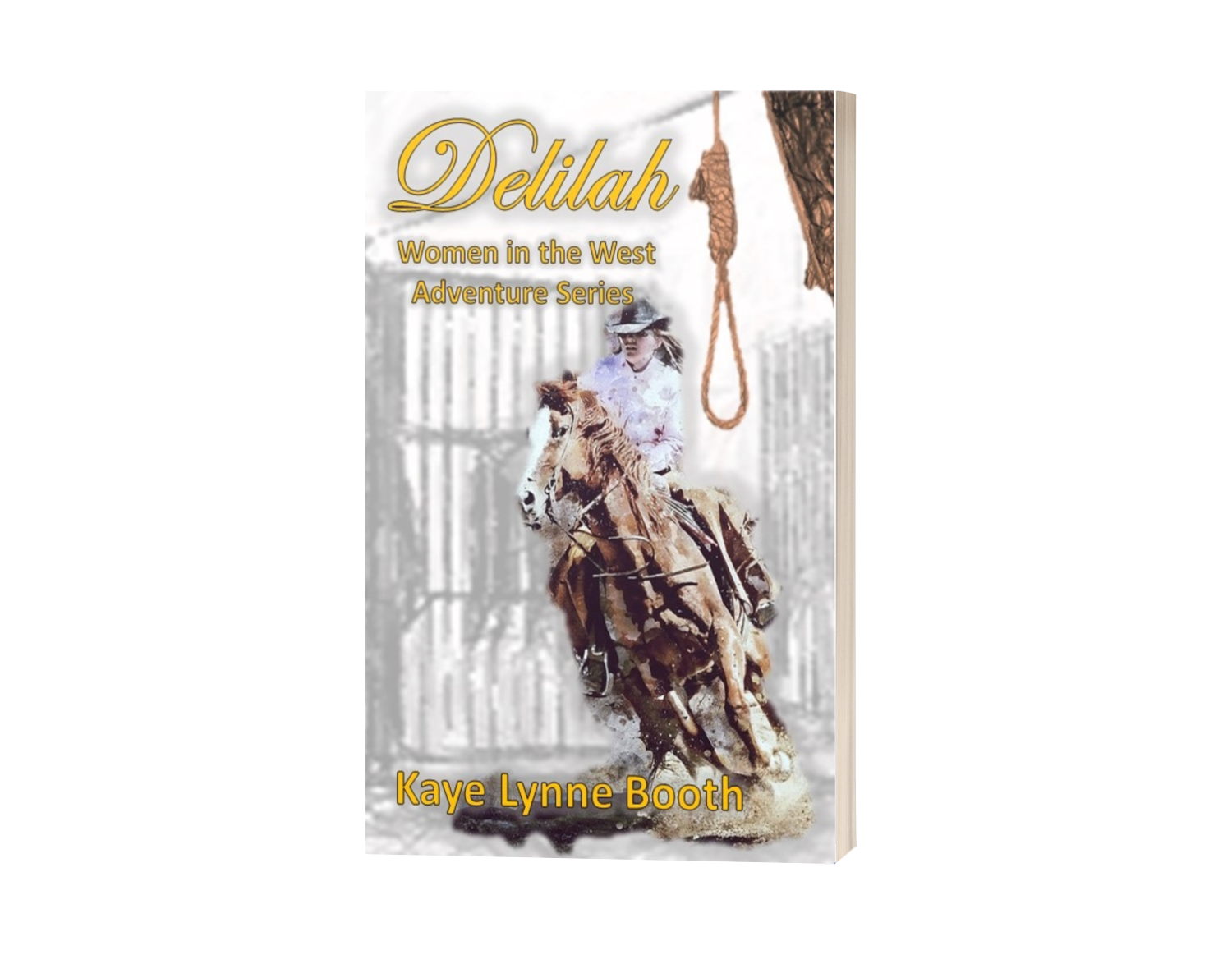
Since, the summer semester ended, I have continued working to develop Delilah into more than just an excerpt. The eleven pages that I originally turned in have grown to twenty-five. Considering the small amounts of time that busy life has allowed me lately for writing, I think that I have made good progress and I am pleased with my content, as well. The challenge that I have set for myself now, is to turn this material into a full-fledged novel. I still have a long way to go, but the work shows promise, and I am hopeful for the results of my labor. I’ll let you know how it turns out.
Share this:

The Power of Words
Posted: August 12, 2012 Filed under: Stories, Writing | Tags: Stories, Words, Writers, Writing Leave a comment Recently, I was told, “it’s all about the story”. If you believe that – and I do – that makes the writer’s job a very important one. It is the job of the writer to get the story out. More importantly, it is the writer’s job to tell the story the way that it wants to be told, and that is no small task. Without the right words, we don’t stand a chance.
English teachers and editors can tell you the rules. They can make sure that you have proper sentence structure and syntax; that your grammar and punctuation are correct in every way. But, writers know that the real trick is in knowing when the rules apply, and when it might be better to overlook them.
Writers are challenged with word choices every day, and it is a challenge to have to select just the right words. Writers must choose words that will state what we want to say in a clear or concise manner, while at the same time drawing readers in and compelling them to read on. Above and beyond that though, we are charged with the task of putting words to page that will stir emotion within readers – touching, inspiring, shocking, or tantalizing.
We are challenged to not only find the words, but also to put them in an order that will set the right tone and pace, and present a clear picture for the reader. The words we choose portray our characters and settings in a manner that allows readers to form a mental picture of what we are describing, thus bringing the reader into the story with us. Our words and the way we put them to the page also set the tone and mood, intensifying reader experience. The point is, that as writers we make choices every day that affect the shape of the story, as well as the outcome, and a gazillion events that occur as the plot unfolds. Without words, there is no story, and the writers are the ones that choose the words.
It is all about the story and often, stories just don’t care about the rules. For instance, to write realistic dialog that will be believable for the reader, you may not always have complete sentences. When we talk, we do not always use complete sentences, and dialog that is written in complete sentences may come out sounding very stiff and formal. Unless your characters are members of nobility during the seventeenth century, the dialog may not seem natural. Your dialog needs to fit your character.
I recently discovered what it’s like to have one of my characters speak to me, something I had heard of, but didn’t really understand. Now I do, and let me tell you, my character, a woman of the old west, did not speak in complete sentences. In fact, she did not even pronounce some of her words properly. Because her background and upbringing, that is the way she talks, and to portray her on the page in any other way, would be dishonest to my readers, and disrespectful of my character’s essence.
In addition to choosing the right words for our characters, we must choose words that our readers will comprehend and relate to; words that are right for the setting of the story; words that express the true character of our characters. We must sequence them so that the story moves at a pace that is fast enough to keep the reader’s attention, but not so fast that we leave them behind.
It is obvious that words are powerful. As it happens, words are the tools of the writer’s trade. Words are what gives us power. Just as the way a ruler welds his power determines whether he is loved or despised by his people, the way we weld ours determines whether we are good writers or bad, and whether anyone actually wants to read our writing. So, choose your words carefully and weld your power wisely.
Share this:

Inside the Writing Process: Listening to Your Characters
Posted: August 5, 2012 Filed under: Fiction, Writing | Tags: characters, plot flaws, Story, Writing Leave a comment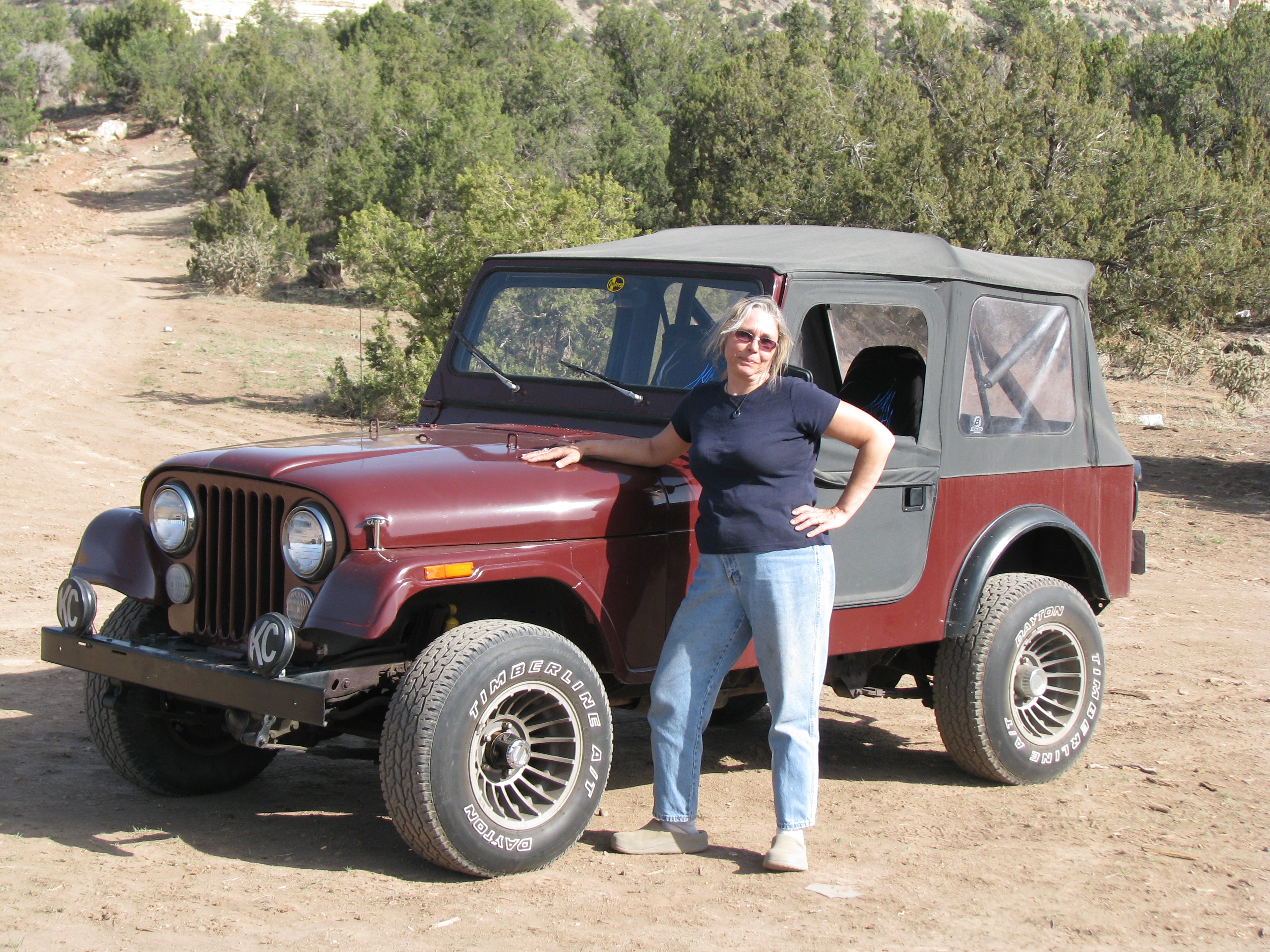 Rest and relaxation: that was the agenda for the day. After two intense weeks of me attending classes, while Greg sat in a dorm without even one working cable hook-up, and then a five-day work week, while we simultaneously tried to catch up on everything that had fallen behind while we were gone, we were due for some recreational activities. We were heading up the old stage road that runs on the north side of the Arkansas, from just east of Howard, all the way to Wellsville. We had chosen this route because a portion of this road is four-wheel drive, and we wanted to give our Jeep a little workout.
So, here we are, bumping along a particularly rocky patch, and I find myself thinking about the area terrain and how it might be worked into the western story that I began for class three weeks ago. It occurs to me that one of the changes that I made to the story last night is going to cause me a major plot flaw. Where an act of nature is my protagonist’s saving grace, it seems that, were it real, it would also cause her horse to kill her. I’m trying to work it out in my head, but I just can’t find any way around it. If lightning strikes, the horse is going to get scared and take off, dragging my character, Delilah, along by the noose around her neck, which happens to be attached to his saddle horn, and she will be helpless to stop it. I hardly notice the roughness of the terrain, as I am bumped and jostled, my thoughts overshadowing the external world.
The scene I’m trying to hash out follows the brutal beating and rape of my protagonist. After reading my first draft, my instructor felt a hesitation in my writing of this scene, and he was right. I was hesitant to write this scene. I knew that it was risky, and I might turn some readers off with it, but I felt that it is a crucial part of the story, which sets up everything that follows, so I had chosen to try to write it anyway. “If you are going to write it, don’t do it half-way,” he said, meaning that I should depict the horrendousness of the scene fully and not let my own hesitation show through in my writing. I thought about and decided that this scene really is integral to my story, so I must hurdle my own hesitancy, and write the scene, so my readers can buy into it.
My current dilemma is that I’ve chosen to scrap the scene that follows and start over, so I have to figure out a way for Delilah to survive the horrendous scene and go on, without the handsome stranger riding in to save her, (after all, it is a western, not a romance), because I wrote him out when I scrapped it, so he no longer exists. From out of nowhere, I hear a voice, “Why do I have ta be so damn passive?”
It startles me out of my thoughts about the book. I look around to see where the voice had come from, but we are still rocking and bouncing along, and even if we weren’t, there’s not a soul for miles along this little used trail. Greg didn’t appear to have heard anything unusual, and I wasn’t about to say anything. After living with me for thirty years, he knows I’m a little crazy, but I don’t see the need to remind him of this.
“Do ya really think I’m just gonna lie down and take it? Yer instructor told you that I was too passive, and yer peers agreed, so why won’t ya listen to ‘em?” The voice piped up again. It is a distinctly female voice, and now I recognize it. It is the voice of Delilah.
Another one of my instructors had talked about letting your characters speak to you, because they’re the only ones that know what is supposed to happen in the story. You see, it’s not really your story. She said that it’s their story, and if you listen, the characters will tell you what is supposed to happen next, because they know, even when you don’t. I had never created a character that was real enough to talk to me, so I don’t think I really got it at the time. Now, here is Delilah, talking in my head, telling me how to fix what’s not right in my story! I can really hear her, even if my husband doesn’t. Now, I get it!
“Okay.” I say in my head, (again, no need to alarm my poor husband). “But what can you do? Your hands are tied behind your back, and the noose is around your neck. Can you really do anything but be passive at this point?”
“What if my hands weren’t tied?” she asks.
“But, your hands are tied,” I say.
“What if they weren’t?” she counters.
I sigh. “Okay. If your hands weren’t tied, you might be able to save yourself, assuming the impact of the fall doesn’t knock you out cold.” I had assumed that it would, but perhaps Delilah is tougher than I had, at first, believed.
“So I’ll ask ya again. Why are ya making me so damn passive?”
“Well you certainly aren’t passive when it comes to giving me advice on the story,” I reply, with more than a little indignity. “But if your hands weren’t tied, you wouldn’t be in this situation in the first place. You are only passive because you have no choice, given the situation.”
“Exactly!” she says. “So, allow me to change the situation.”
By now, my mind is shifting gears. If her hands were freed somehow, at the end of the scene, she might still be dragged by her horse, but she might be able to prevent him strangling her to death. “So, you’re saying that your character wouldn’t just lie there passively? That you would be working to free yourself, even as he is beating you?”
“Now yer using yer head,” she says and, I swear, I felt her wink at me. Then, she was gone. Her exit left a vacuum of space where my mind had been focused. She had only come and stayed long enough to get me back on track, so the story could go where it was supposed to.
“Where do you want to stop?” Greg asked, bringing me back to the rocky trail of reality.
I smile. When we do stop, I will have my pen and paper ready, because now I know what happens in my story. My character told me. Now, all I have to do is write it down.
Share this:

Reflections on a young writing career by an old lady
Posted: August 3, 2012 Filed under: Writing | Tags: Heather Hummingbird, Intimacy, Southern Colorado Literature Examiner, Western State College, Writing 2 Comments
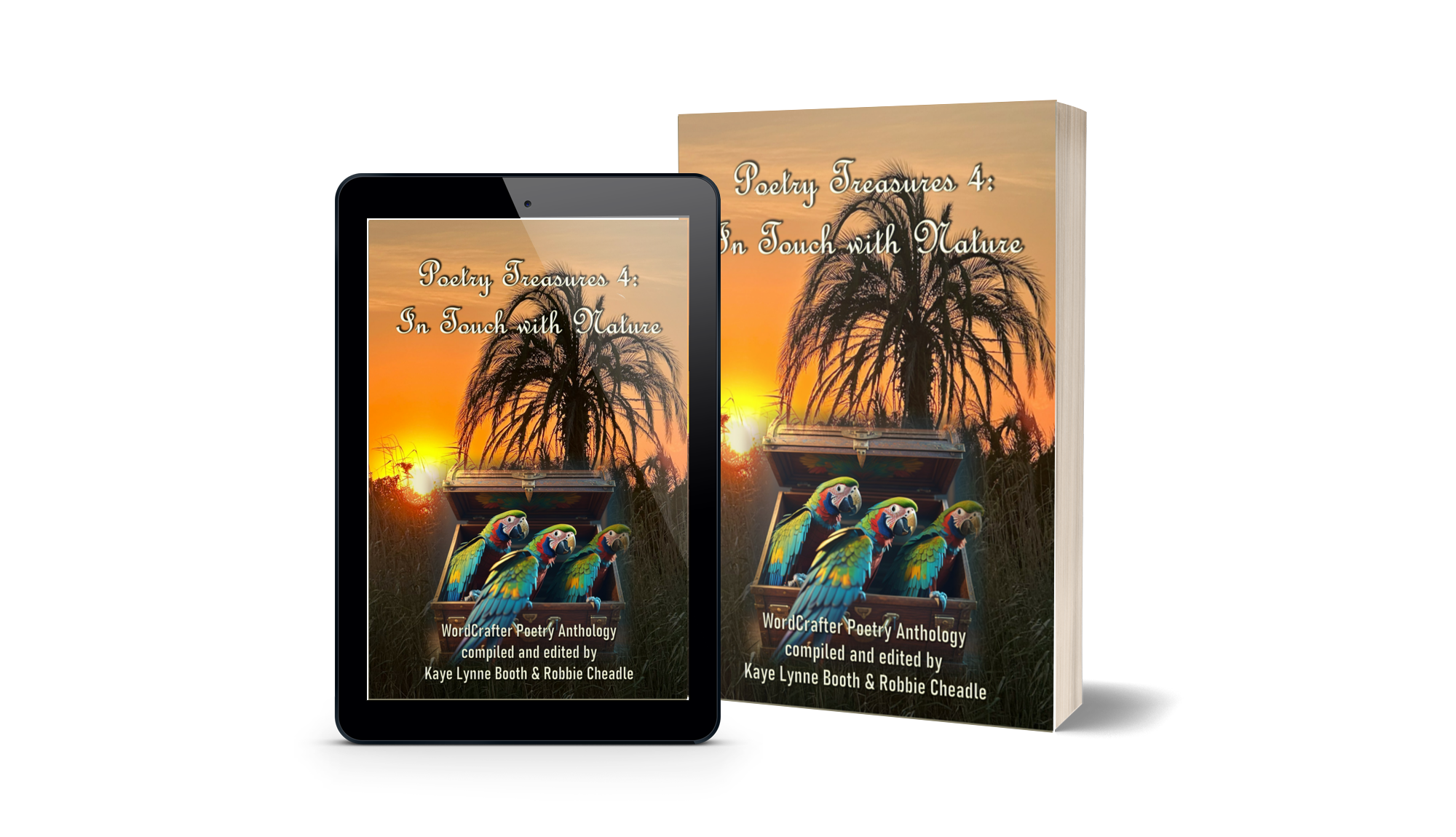
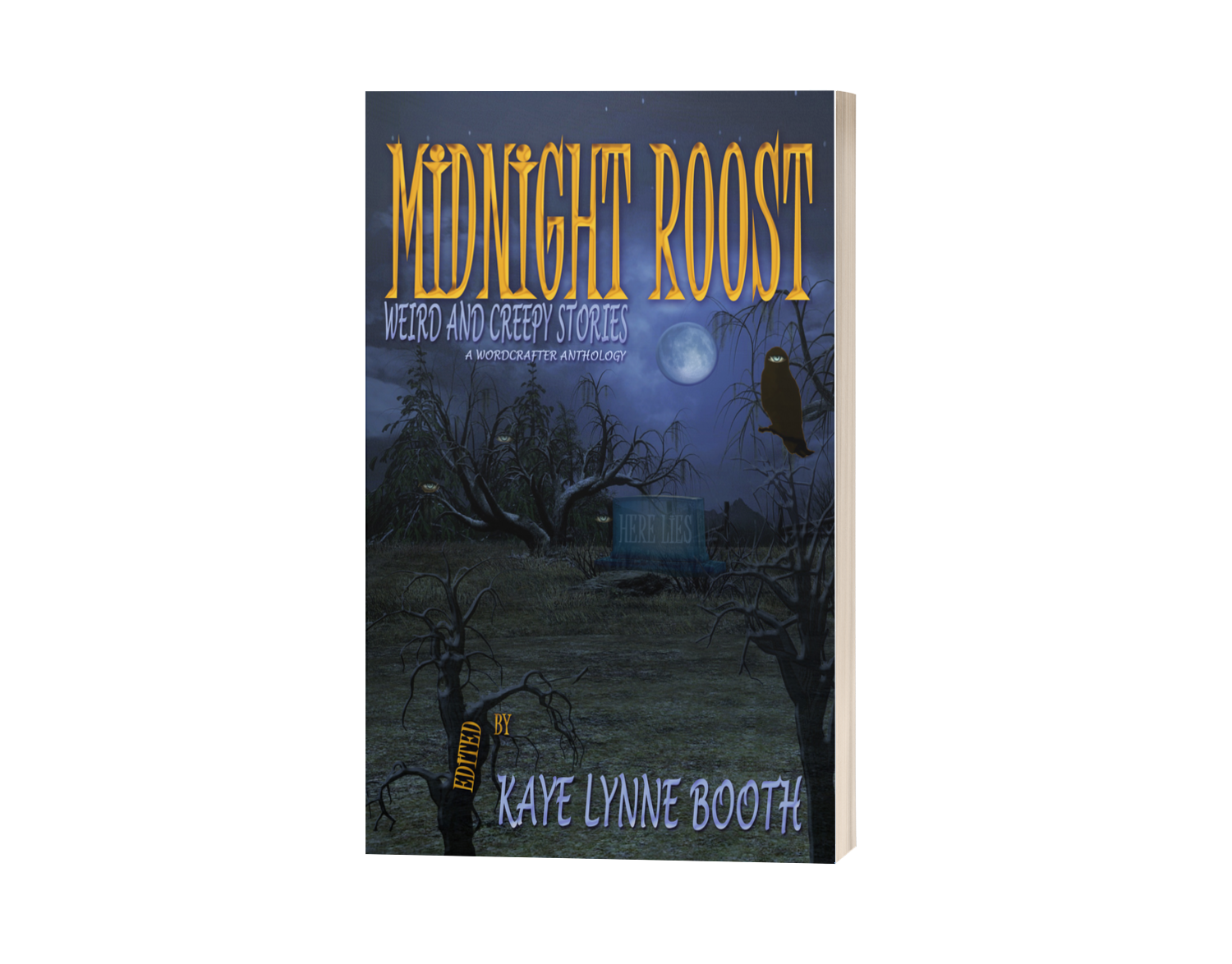
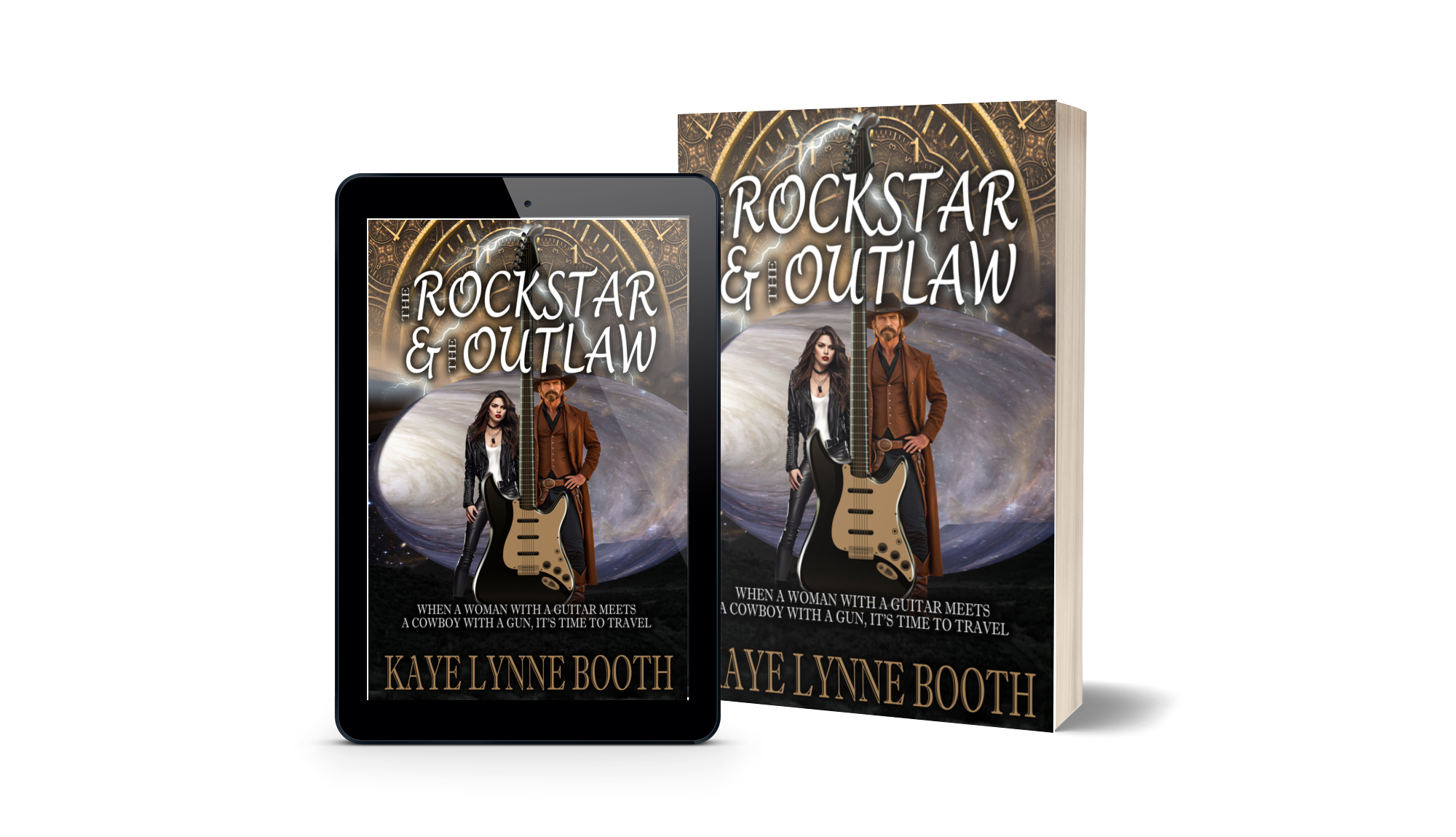
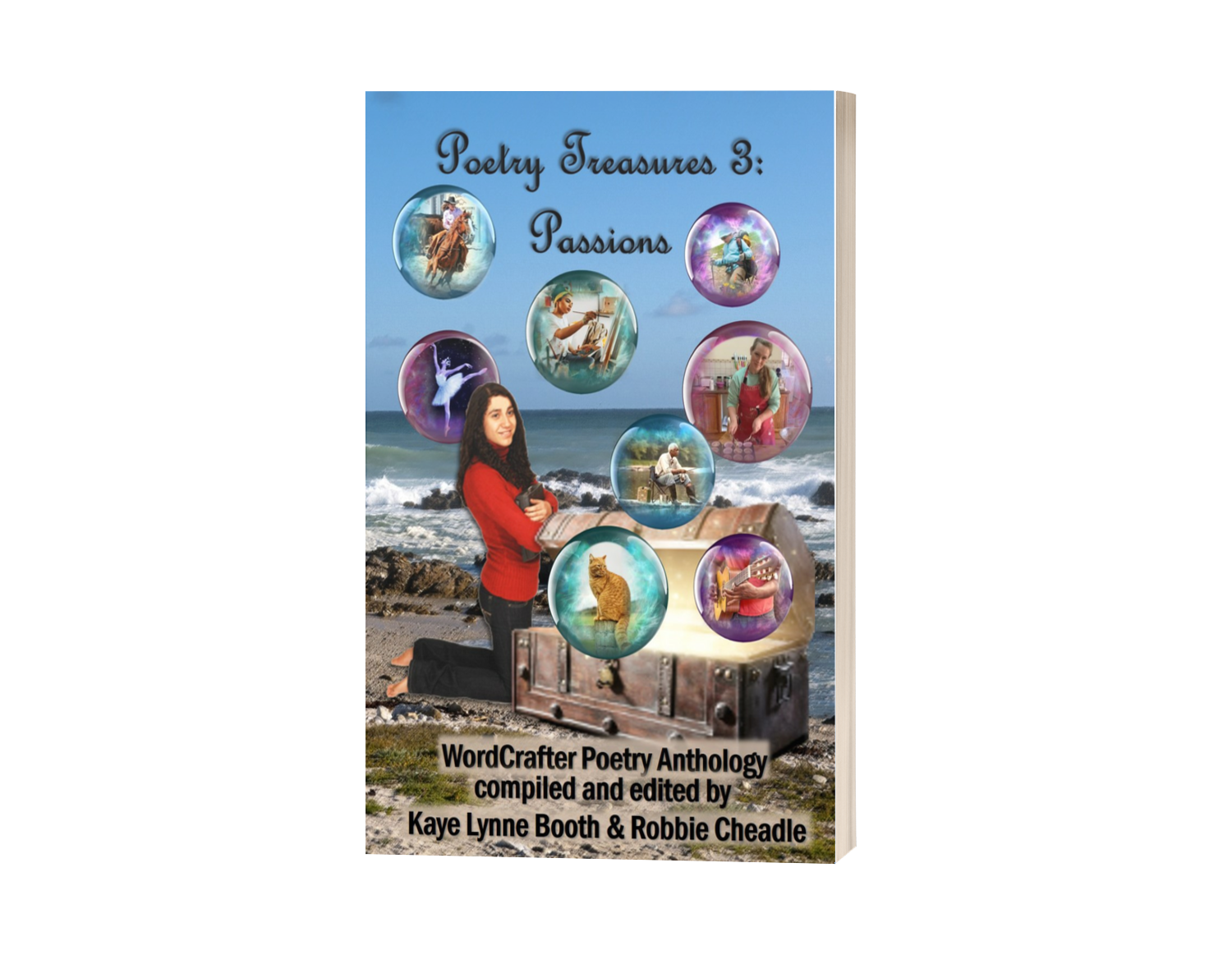
Poetry by Kaye Lynne Booth
My regular readers know that I just spent the last two weeks taking the first classes toward earning my MFA in Creative Writing at Western State Colorado University, in Gunnison. It was an intense two weeks. The first week and a half I put in time in the classroom, making my brain explore uncharted territory in order to learn about my own writing style and process, as well as reinforcing and renewing my knowledge of writing basics, such as dialog punctuation, story structure, plot and character. When not in class, I spent my time actually writing and reading the writing of my peers for critique the following day. The last three days, I attended the 2012 Writing the Rockies conference, as a part of my college credits. How cool is that? The intense pace didn’t really bother me until after I had returned home and gone back to work, but let me assure you that it did catch up to me. I have been exhausted all week, twice actually falling asleep with my laptop in my lap. I was that tired.
While considering whether or not to enroll in Western’s MFA program, there were many things to consider. Could I fit a two week residency in Gunnison each summer into my already bustling schedule? Could I commit the time that it would require to get my master’s degree and still fulfillment my obligations to my family as I have for the past thirty years? And what, exactly, did I hope to accomplish through seeking this degree? Did I think I would be magically transformed into a professional writer once I have that degree in my hand?
I had to do some sincere soul searching to find the answers to all my concerns. While I will surely have to do some rearrangement of my schedule to accommodate residency classes each summer, and I will have to forfeit certain activities that I enjoy in order to study and practice my craft and complete assignments, to me it will be worth it. My hope is that I will come away from this experience with credentials that will demonstrate that I’m not just someone who dabbles as a writer, but a serious author with at least one published book. I don’t expect this to happen through a magical transformation, but through hard work and lots of practice. In the end, it came down to one thing: I want to be a writer more than anything else in the world, so it would be worth whatever sacrifices I had to make to achieve that status. It is how I want to make my living, and I have played around enough at it. It is time to get serious and do what I aspire to do.
Now, with the first classes finished, I have to look at whether my expectations have been met, what I’ve already had to sacrifice, and whether it was worth it. In order to analyze all of this, I also need to examine what I actually learned, and evaluate its value to determine if the payoff is what I had expected. To that end, I thought I might share my thoughts and insights with you, my readers.
By looking at my current resume, you will see that I’ve already taken many steps toward my goal. I have written as the Southern Colorado Literature Examiner for the past three years, as well as keeping up this blog, Writing to be Read, for about five. In addition, I wrote gardening how-to articles for Demand Studios for over a year and a half, had two short stories published in Static Motion, an online publication, and a poem published in Dusk and Dawn magazine, where I made my first $5.00 as a writer, back in 1996. Another of my poems was featured by artist Mitch Barrett, in one of his paintings, Intimacy, which was displayed and sold at Kaleidoscope Gallery, in Batter Sea Park, London. My first children’s book, Heather Hummingbird Makes a New Friend, is scheduled to be released in October of 2012, by 4RV Publishing, as well. So, you see, I have a little bit of a head start on this writing thing, although none of it has paid enough for me to give up my day job.
So, did I come away with from these first classes with anything of value? I believe I did. For one thing, I gained insight into myself as a writer, aspects that I had never examined closely before. For instance, I discovered that I am a closet binge writer. I knew that I wasn’t much for planning, which is probably why I have not been able to make it beyond the short story format. Novels require planning and you have to truly know your characters to make your readers believe in them. Binge writers take an idea and run with it, and that is what I do a lot of the time. It seems that when I try to plan out what I’m going to write, it comes out flat and lifeless, as if the work were forced. So, this is one area that I definitely have to work on. That’s one thing that I learned.
I also learned many basic concepts that are sure to improve my writing style. In fact, they already have. Our assignment to write a novel excerpt in the western genre produced the beginnings of a story narrative, the likes of which, I did not realize that I was capable of. The class might be over, but my work to develop this story is only beginning. Two paragraphs in a genre we had never before written in lead to an epiphany about a YA story that I had written four or five years ago, which was missing something that I couldn’t put my finger on, so I had never done anything with it. The challenge to write in a new genre prompted me to try my hand at mystery, and it suddenly dawned on me that this story should have been a mystery to begin with. That’s what had been missing! The resulting two paragraphs featured the characters from the YA novel and read well enough to convince me it could work.
I gained knowledge about the writing business, as well. Some of the writing activities that I had engaged in, such as publishing with online sites that don’t pay, were cheating both myself and my profession. While I was glad just to have the writing credit, I could be setting myself up to have my work stolen, because it is out there where anyone can grab it. It may have been a mistake, but as a self-taught writer, I launched my writing career the only way that I knew how. I also learned that you really do need an agent, all the professional writers that we heard during class and conference agreed. The agent handles all the legalities of contract, which most writers are not qualified to do, unless prolific in contract law. The how of finding an agent promises to be revealed at a later date. And, I learned the differences between the large publishing houses and the smaller presses, and when to try for each.
In some ways, I had been doing the right things. I have always parked my butt in the chair and wrote, (a theme that had been reiterated over and over again during my brief educational introduction to the world of writing), blocking out the world around me for the sake of putting words to page. I found that although my dialog may set off alarms with spell check, it rings true and encourages reader “buy in”. I discovered that I had ability in areas that were previously untried for me, warranting continued exploration.
Above all, I learned how much I really don’t know. I look forward to exploring and discovering all that I still have left to learn, through Western’s MFA program. I can’t wait for my online classes to begin this fall. I think the payoff will be more than worth it.
To learn more about my work, visit my website at Kaye’s Literary Corner











Writing to be Read expands its horizons
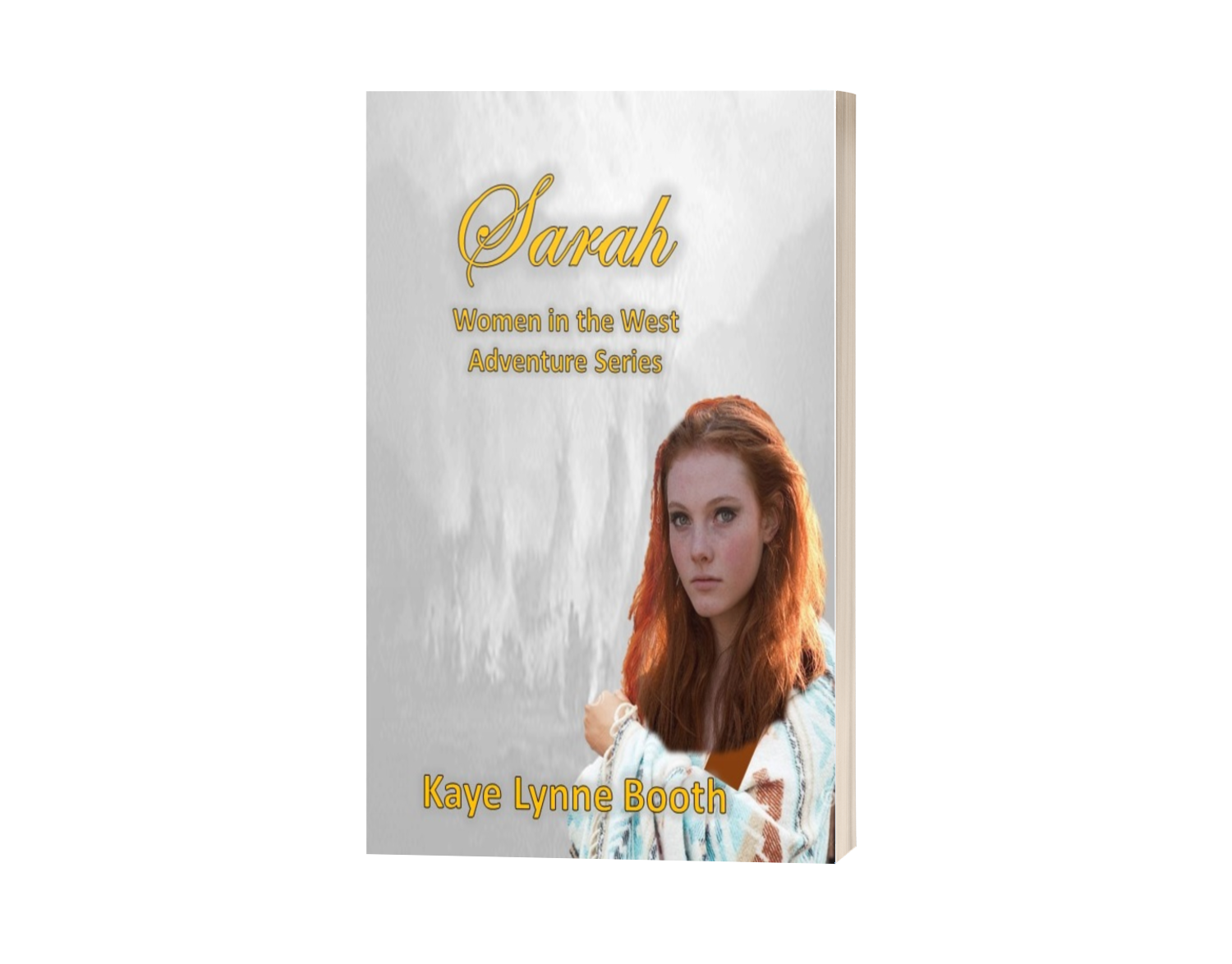
Posted: September 20, 2012 | Author: kayelynnebooth | Filed under: Book Review, Commentary, Promotion, Writing | 2 CommentsTo begin, I have accepted three tours, so Writing to be Read fans can look forward to reviews of The Devouring: Kavachis Rise, by Mike Kearby, (September 29), Bone Wires, by Michael Shean, (October 5), Chasing the Trickster, by April Grey, (November 18). I think this new direction for Writing to be Read will be a good fit. What matters most is that my readers like it, so I hope you will all stop by on the tour dates and check it out. Please leave comments to let me know what you think of the FMB format on Writing to be Read.
Share this: