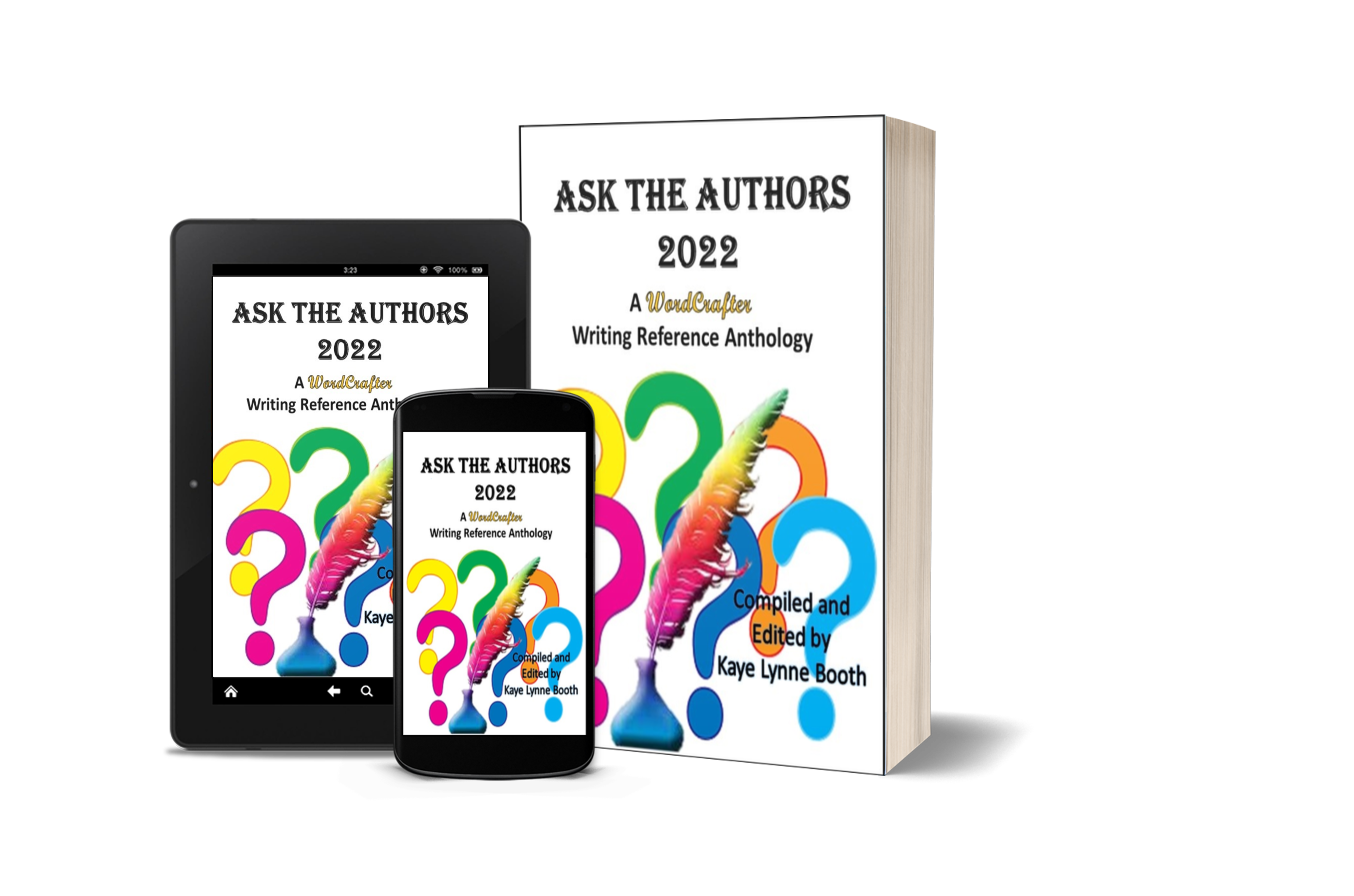
Welcome to the WordCrafter “Haunted Halloween Holiday” Book Blog Tour
Posted: October 3, 2022 Filed under: Blog Tour, Book Promotion, Book Release, Book Review, Books, Children's Books, Giveaways, Guest Post, Review, WordCrafter Book Blog Tours | Tags: Children's Books, Haunted Halloween Holiday, Michael Cheadle, Robbie Cheadle, WordCrafter Book Blog Tours 56 Comments
Welcome to the WordCrafter Haunted Halloween Holiday Book Blog Tour, in celebration of this delightful new children’s Halloween adventure by Robbie and Michael Cheadle. This is going to be a wonderful tour with a guest post from author Robbie Cheadle and a review at every stop. Today will be a real treat with not one, but two tour stops, but you may comment on either stop here. Instead of making Robbie sit through another tedious interview, we will have each tour stop host ask her two questions, so you can learn more about her at every stop if you follow the tour, and she also has a great giveaway.
Tour Schedule
(Links won’t work until the post goes live.)
Monday – October 3 – Double Stop Day! – Guest Post & Review – Writing to be Read
– Guest Post & Review – Undawnted
Tuesday – October 4 – The Showers of Blessings
Wednesday – October 5 – Patty’s World
Thursday – October 6 – Carla Loves to Read
Friday – October 7 – Zigler’s News
Saturday – October 8 – Annette Rochel Aben
Give Away
For a chance to win one of three US$10 Amazon vouchers or one of three paperback copies of Haunted Halloween Holiday just leave a comment to show you were here.
Follow the tour and comment at each stop for more chances to win.
The prizes will be given away in a random drawing.
About Haunted Halloween Holiday

Count Sugular is delighted when the Sugarpop Bats invite his family to a Halloween party at the Haunted House. He and his wife, Witch Honey, decide to hire a caravan and enjoy a weekend away with their family.
Includes some fun limericks to introduce the various characters.
You can find the book trailer here: https://www.youtube.com/watch?v=4fr5OxyUfd4
Purchase links:
TSL Publications: https://tslbooks.uk/product/haunted-halloween-holiday-robbie-and-michael-cheadle/
Robbie’s Questions
Question: You illustrate your children’s books with elaborate fondant scenes, with buildings and characters which are very detailed. How long does it take you to create a whole fondant scene for illustration in one of your stories?
Answer: The fondant and cake illustrations are time consuming. The amount of time required depends on the number of flowers and figurines I include and their complexity.
Each figurine takes, on average, between 4 and 5 hours to complete. I always start with the heads. Some of the figurines have detailed facial features including teeth, lip detail, and layered eyes and these take a lot of time and effort to make.
Hair is also time consuming, especially curly hair, as each strand is wound around a cocktail stick and allowed to partially dry before it can be attached to the head. Timing is important because if the fondant hair strand dries to much, it wont stick to the head.
My next step is usually the body and shoes, and that is followed by the arms and legs. Attaching arms and legs can be tricky as you have to keep them in the correct positions until they dry. Standing figurines are much more difficult to make than seated ones. The legs have to dry completely before you can attach the weight of the head and body to a standing figurine or the legs collapse.
Flowers are also made in layers. I start with the centres and leave them to firm up before adding the second layer of petals. Flowers are also tricky from a timing perspective as the petals must firm up enough to hold their shape but not dry so much they crack or break.
From a cake perspective, sponge cake assembly is not that difficult for me. The carving and assembly of shaped cakes isn’t that difficult if you have an eye for proportions which I do.
The gingerbread caravan that features in Haunted Halloween Holiday was difficult to make because I had to bend the gingerbread to make it harden in a curved shape. I did have to make adaptions to my initial plan and I created the sides and top of the caravan in two parts instead of one as I’d originally planned. I did have to redo that piece of gingerbread. You have to bend it while it is still hot but not so hot it collapses (or burns you) but before it starts to harden or it cracks. Another tricky timing situation.
The windmill was complex to make because of the blades which I made separately from fondant and attached to wooden kebab sticks. The entire bladed structure had to then be attached to the gingerbread windmill structure. It was a great challenge and I was delighted at how both of these structures came out.

Question: You have done many collaborations for anthologies, and you also co-wrote a book with your mother. Do you have more fun collaborating with your son Michael on the children’s books than you do with your adult collaborators on adult themed works? Why or why not?
Answer: The children’s books are fun to write and illustrate. The text for the Sir Chocolate and other children’s books is much less, 600 words or less for the Sir Chocolate picture books in line with the industry standard, than books for older children or adults.
My collaboration with Michael involves conversations and chats about characters and ideas for story lines as well as the illustrations. This makes the entire process fairly easy and companionable.
Writing While the Bombs Fell was a more difficult collaboration because I was writing my mother’s memories. I had to coax the memories from her, research the details and historical context of the time period and lay them over her personal timeline. It was an interesting and rewarding process and I learned a lot more about my mom’s early life and my own family.
There were some difficulties, especially around the structuring of the story and the fictionalised elements. My mom didn’t always agree when I filled gaps in her memory with information based on historical research to give the book a little more meat. In the end, we came to a meeting of minds and were both happy with the book. The difficulties with writing someone else’s memories is one of the reasons why the sequel, After the Bombs Fell, is not finished. My own writing process has changed and it’s more difficult for me to work with someone else now.
Thank you, Kaye, for these great questions and for hosting my post.

About the Authors
Michael Cheadle is a student at a high school in South Africa. His favourite subjects are IT, and History and he enjoys creative writing, especially writing poetry. In his spare time Michael enjoys computer games, boxing, tennis, and sleeping.

Robbie Cheadle is a South African children’s author and poet with eleven children’s books and two poetry books.
The eight Sir Chocolate children’s picture books, co-authored by Robbie and Michael Cheadle, are written in sweet, short rhymes which are easy for young children to follow and are illustrated with pictures of delicious cakes and cake decorations. Each book also includes simple recipes or biscuit art directions which children can make under adult supervision.
Robbie and Michael have also written Haunted Halloween Holiday, a delightful fantasy story for children aged 5 to 9. Count Sugular and his family hire a caravan to attend a Halloween party at the Haunted House in Ghost Valley. This story is beautifully illustrated with Robbie’s fondant and cake art creations.
Robbie and Michael have also written Haunted Halloween Holiday, a delightful fantasy story for children aged 5 to 9. Count Sugular and his family hire a caravan to attend a Halloween party at the Haunted House in Ghost Valley. This story is beautifully illustrated with Robbie’s fondant and cake art creations.
Robbie has also published two books for older children which incorporate recipes that are relevant to the storylines.
Robbie has two adult novels in the paranormal historical and supernatural fantasy genres published under the name Roberta Eaton Cheadle. She also has short stories, in the horror and paranormal genre, and poems included in several anthologies.
Robbie Cheadle contributes two monthly posts to https://writingtoberead.com, namely, Growing Bookworms, a series providing advice to caregivers on how to encourage children to read and write, and Treasuring Poetry, a series aimed at introducing poetry lovers to new poets and poetry books.
In addition, Roberta Eaton Cheadle contributes one monthly post to https://writingtoberead.com called Dark Origins: African Myths and Legends which shares information about the cultures, myths and legends of the indigenous people of southern Africa.
Find Robbie Cheadle
Robbie Cheadle Amazon Author Page: https://www.amazon.com/Robbie-Cheadle/e/B01N9J62GQ
Robbie Cheadle Goodreads Author Page: https://www.goodreads.com/author/show/15584446.Robbie_Cheadle
TSL Publications Robbie Cheadle Author Page: https://tslbooks.uk/product-tag/robbie-cheadle/
Twitter: https://twitter.com/bakeandwrite
Facebook: https://www.facebook.com/SirChocolateBooks
YouTube: https://www.youtube.com/channel/UCVyFo_OJLPqFa9ZhHnCfHUA
My Review
Haunted Halloween Holiday is a ‘just a little scary but lots and lots of fun’ kind of story. Fans of the Sir Chocolate books by Robbie and Michael Cheadle will not be disappointed as the mother and son duo write and bake their way into reader’s hearts with this delightfully delicious story. Stuffed full of delectable fondant illustrations, highlighted with lovely rhyming verse to tell the story of an unique holiday celebration.
This book is a bit longer than previous Sir Chocolate formats, and contains less verse, but it’s a delightfully fun adventure to please readers both young and old. Who could resist all the colorful characters who attend this festive holiday party? Count Sugular; Baby Howler; Skelly the Skeleton; Teddy the posessed teddy bear; the Trolls – Tar and Liquorice; Toot, the clown who smiles upside; Witch Goody; and Jack Frost all help to make this Halloween celebration one to be remebered, and enjoyed over and over, every time you pick up the book.
I give Haunted Halloween Holiday five quills.

__________________________________________________
That wraps up this stop on the WordCrafter Haunted Halloween Holiday Book Blog Tour, but be sure to drop in to Undawnted for another great review of the book. Join us tomorrow over at The Showers of Blessings, for another guest post by Robbie and a review by Miriam Hurdle.
Share this:

Growing Bookworms – Interactive books for children – Part 2: Digital books
Posted: September 14, 2022 Filed under: Books, Interactive Books, Literacy, Parenting | Tags: Growing Bookworms, Interactive Books, Literacy, reading education, Robbie Cheadle, Writing to be Read 66 Comments
Last month, I discussed physical interactive books for children and their benefits. You can read this post here:
This month, I am sharing the pros and cons of digital interactive books for children.
Firstly, what is an interactive eBook?
An interactive eBook is an ebook that has elements with which the reader can directly interact. This type of ebook has a lot of touchpoints where the reader can interact with videos, audio recordings, links and other content.
I read several articles about the benefits of eBooks for children and the experts believe that reading print books to toddlers and small children results in a better reading experience for the child. Research shows that children and parents/caregivers interact more frequently with one another when they are reading a paperback book and turning pages, and the quality of their interactions are better. This translates into better language development, literacy and bonding with caregivers.
The above being said, there are benefits to eBooks. Enabling children to learn new words and improve their fine motor schools are two of the more obvious benefits. The ability to engage with the storyline and possibly make choices, teaches children to weigh up options and improves their decision making abilities.
For reluctant readers, animated sounds, actions and special effects in books makes them more interesting and helps develop an interest in books and reading.
For economically disadvantaged children or children in settings that do not allow for borrowing books from public libraries, eBooks are a cheaper option. Parents can accumulate a digital library for their children at a fraction of the cost of a physical book. eBooks are also a more environmental friendly option as they do not use as many natural resources.
Children whose parents work long or unusual hours and can’t read to their children, benefit from having stories read to them by a digital reader. eBooks also provide for parents to read to their children when they are not in the same location. Parents and children can synch their ipads or iphones so they can interact on their screen in real time while holding an audio conversation. This is beneficial for parents whose jobs involve travel.
The down side of eBooks in this context is that to many sounds, actions and special effects can distract the child from the story as they don’t focus on it, but rather on the interactive features. There is a concern among experts that many eBooks available commercially are targeted towards amusement and emphasis multimedia, colours, sounds and other interactions and do not encourage literacy and language development. Studies have concluded that multimedia elements that enhance an understanding of the text benefit children, while those that draw the child’s attention away from the story, are non-beneficial.
If you are interested in having a look at what is available for children in the eBook line, Amazon does stock them. Here is a link to one such book called Another Monster at the End of This Book…Starring Grover & Elmo! https://www.amazon.com/dp/B00B7S5FDG. There are a number of interesting reviews for this particular book.
What do you think about eBooks? Have you tried them? Do you think they are the future of children’s books?
About Robbie Cheadle

Robbie Cheadle is a South African children’s author and poet with eleven children’s books and two poetry books.
The eight Sir Chocolate children’s picture books, co-authored by Robbie and Michael Cheadle, are written in sweet, short rhymes which are easy for young children to follow and are illustrated with pictures of delicious cakes and cake decorations. Each book also includes simple recipes or biscuit art directions which children can make under adult supervision.
Robbie and Michael have also written Haunted Halloween Holiday, a delightful fantasy story for children aged 5 to 9 about Count Sugular and his family who hire a caravan to attend a Halloween party at the Haunted House in Ghost Valley. This story is beautifully illustrated with Robbie’s fondant and cake art creations.
Robbie has published two books for older children which incorporate recipes that are relevant to the storylines.
Robbie has two adult novels in the paranormal historical and supernatural fantasy genres published under the name Roberta Eaton Cheadle. She also has short stories, in the horror and paranormal genre, and poems included in several anthologies.
Robbie Cheadle contributes two monthly posts to https://writingtoberead.com, namely, Growing Bookworms, a series providing advice to caregivers on how to encourage children to read and write, and Treasuring Poetry, a series aimed at introducing poetry lovers to new poets and poetry books.
In addition, Roberta Eaton Cheadle contributes one monthly post to https://writingtoberead.com called Dark Origins: African Myths and Legends which shares information about the cultures, myths and legends of the indigenous people of southern Africa.
Robbie has a blog, https://robbiesinspiration.wordpress.com. where she shares book reviews, recipes, author interviews, and poetry.
Find Robbie Cheadle
Blog: https://www.robbiecheadle.co.za/
Blog: robbiesinspiration.wordpress.com
Twitter: BakeandWrite
YouTube: https://www.youtube.com/channel/UCVyFo_OJLPqFa9ZhHnCfHUA
Facebook: Sir Chocolate Books
______________________________________________________________________________________________
Want to be sure not to miss any of Robbie’s “Growing Bookworms” segments? Subscribe to Writing to be Read for e-mail notifications whenever new content is posted or follow WtbR on WordPress. If you found it interesting or entertaining, please share.
Share this:

Growing bookworms – Interactive books for children Part 1
Posted: August 10, 2022 Filed under: Books, Children's Books, Growing Bookworms | Tags: "Writing to be Read, #Childrensfiction, Childrens Books, Growing Bookworms, Interactive Books, Robbie Cheadle 62 CommentsInteractive books for children are those books that allow for active participation from, and interaction by, the child as part of the reading process. There are two categories of interactive books for children: those that incorporate modern technology and provide for digital participation by children, and those that are not digital.
Today, I’m going to chat about the non-digital interactive books for children. There are a myriad of non-digital interactive books for children, aimed at a variety of different age groups.
Touch and feel books are aimed at very young children. They are wonderful for helping children to associate their sense of touch with a word or words. For example, a picture of a duck could include soft, fluffy feathers and a picture of a tree could have rough bark. Most touch and feel books are very simple and only teach one word at a time. I had a few books like this for my sons when they were babies and very young toddlers and they loved them.
Interactive books for older toddlers and pre-school children include pull-tabs, flaps, pull-downs, and pop-up books. Pop up books work by literally popping up a 3-D picture when the child turns the page. These were hugely successful with my boys but I did have to teach them not to pull on the pop-ups and break them. I also had to teach them not to pull tabs, flaps, and pull-downs too hard, but they learned quickly and my instruction ensured they treated their physical books with respect.
This is a link to a pop-up Alice in Wonderland book on Amazon US. It’s not the same as the one I had for my sons but it looks equally fun: https://www.amazon.com/Alices-Adventures-Wonderland-Pop-up-Adaptation/dp/0689847432

Colouring books speak for themselves and allow children to colour in the pictures that relate to the stories. There are also sticker books that allow the child to dress the characters.
Usborne has an amazing selection of sticker books. You can find out more about them here: Amazon US Usborne sticker books
Hidden object books are those that hide various objects within pictures for the child to discover. These books are available for a variety of age groups, and my boys loved the Where’s Wally books.

This is the blurb of the Where’s Wally Amazing Adventures and Activities 8 Books Bag Collection Set: https://www.amazon.com/Adventures-Activities-Collection-Fntastic-Hollywood/dp/9123888113
Where’s Wally?:
The original book which kick-started the worldwide Wally phenomenon! Search for Wally and his friends as they hike round the world.
Where’s Wally Now?:
Wally and his friends travel through time in this second best-selling classic adventure. Search for them as they visit the Stone Age, Ancient Egypt, the Vikings …
The Fantastic Journey:
Hidden in every intricately-detailed scene are Wally and his friends – so let the hunt begin! Search for them in the land of the unfriendly giants, the watery world of the deep-sea divers.
Where’s Wally? In Hollywood:
Wally visits the land where dreams are made in this classic activity book! He meets directors and actors, walks through the crowds of extras, and sees behind the scenes.
Where’s Wally? In Outer Space:
Play tangle line teasers, find your way out of a space race maze, unscramble muddled up words, crack alien codes, match and spot the differences in busy picture puzzles.
Where’s Wally? At Sea:
Untangle fishing lines; solve a boat race riddle; match seaside silhouettes; track down pirate treasure on a map; join up words in a message in a bottle.
Where’s Wally? Across Lands:
Scale castle walls and ancient Aztec temples as you complete games, crack written riddles, get creative by drawing your own Egyptian city and doodling inside speech bubbles.
Where’s Wally? Takes Flight:
Work your way out of a busy airport runway maze; match up dragons to their race day medals; solve birdy word searches and visual snap; colour in a nighttime dragon scene.
My sons both spent hours pawing through these books.
The last type of interactive book I’m mentioning in this post are game books. These are middle school children’s books where each section ends with a decision. The child makes a choice and is directed to the next section on a specific page. I managed to obtain a big pile of the Choose Your Own Adventure books when I was a girl, and I absolutely loved them.
This is the link to the Choose Your Own Adventure series on Amazon US: https://www.amazon.com/Alices-Adventures-Wonderland-Pop-up-Adaptation/dp/0689847432
What Amazon says: Widely commended for its appeal to reluctant readers, Choose Your Own Adventure is the 4th bestselling book series for children of all time. Written in the second-person, the reader is the hero of the story, and at the bottom of each page, there is a decision point: If you go in search of the yeti, turn to page 11. If you think it is safest to stay put and call for help, turn to page 25. By reading and choosing, kids become more engaged, making the Choose Your Own Adventure series a stealth reading program for reluctant readers.

About Robbie Cheadle

Robbie Cheadle is a South African children’s author and poet with ten children’s books and two poetry books.
The eight Sir Chocolate children’s picture books, co-authored by Robbie and Michael Cheadle, are written in sweet, short rhymes which are easy for young children to follow and are illustrated with pictures of delicious cakes and cake decorations. Each book also includes simple recipes or biscuit art directions which children can make under adult supervision.
Robbie has also published two books for older children which incorporate recipes that are relevant to the storylines.
Robbie has two adult novels in the paranormal historical and supernatural fantasy genres published under the name Roberta Eaton Cheadle. She also has short stories, in the horror and paranormal genre, and poems included in several anthologies.
Robbie Cheadle contributes two monthly posts to https://writingtoberead.com, namely, Growing Bookworms, a series providing advice to caregivers on how to encourage children to read and write, and Treasuring Poetry, a series aimed at introducing poetry lovers to new poets and poetry books.
In addition, Roberta Eaton Cheadle contributes one monthly post to https://writingtoberead.com called Dark Origins: African Myths and Legends which shares information about the cultures, myths and legends of the indigenous people of southern Africa.
Robbie has a blog, https://robbiesinspiration.wordpress.com where she shares book reviews, recipes, author interviews, and poetry.
Find Robbie Cheadle
Blog: https://www.robbiecheadle.co.za/
Blog: robbiesinspiration.wordpress.com
Twitter: BakeandWrite
Instagram: Robbie Cheadle – Instagram
Facebook: Sir Chocolate Books
______________________________________________________________________________________________
Want to be sure not to miss any of Robbie’s “Growing Bookworms” segments? Subscribe to Writing to be Read for e-mail notifications whenever new content is posted or follow WtbR on WordPress. If you found it interesting or entertaining, please share.
Share this:

The Rewards of Running a Bird Sanctuary
Posted: March 21, 2022 Filed under: Bird Watching, Children's Books, Writing, Writing Inspiration | Tags: Bird Watching, Children's Stories, Heather Hummingbird, Kaye Lynne Booth, Writing to be Read 7 Comments
I started watching the birds which visited my yard about fifteen years ago. My property is densely forested and the early morning chatter in the trees was difficult to ignore, so my gaze would naturally go up to the trees around me, and I was amazed at the number of different types of birds that were dropping by. So, I began to sit out in the yard to write on summer days, and that first summer, I kept a journal of the different birds that I saw,
When winter came around, I bought a bird feeder and some seed. I wasn’t sure how many birds were stick around during the cold months of Colorado winter, but I was pleased to learn that, although many birds migrated south for the winter, birds such as Chickadees, Nuthatches, and Blue Jays were year round residents and the Juncos appeared. When summer roles around, the winter birds clear out and various other species of birds take up summer residence or stop by on their way through.
I even have a group of resident Ravens, originally two pairs until one was taken out by a BB gun by a neighboring child. Now there are only three, but they are always around, and we talk back and forth to each other. (I don’t really speak Raven, but I fake it well.) Watching birds has brought me inspiration, and I have a whole children’s book series, in which the characters are birds and there is a moral lesson to each one, but I haven’t yet been able to publish it for lack of an illustrator. If you’re interested, you can read the story of how I had and lost both illustrator and publisher for the first book in the series, “Heather Hummingbird Makes a New Friend” here.


Little by little, I’ve added feeders and water features, provided habitat conducive to birds and wildlife. I now put out several types of seed feeders as well as suet feeders in the winter, and in the summer I add Hummingbird Feeders, as well as planting a variety of flowers, water features and bird baths in order to create a bird sanctuary. Over the years, I have viewed bird species in the double digit numbers: American Robins, Red Crossbills, Western Bluebirds, Western Tanangers, at least three different types of Hummingbirds, Juncos, Evening Grosbeaks, Cowbirds, Owls, Mountain Doves, Hairy Woodpeckers, Red-Shafted Flickers, I don’t know how many types of Sparrows and Finches, Gray-breasted Blue Jays, Red-tailed Hawks, and even Turkey Vultures. No matter what time of year, the birds who dip into my feeders always appreciate the plentiful bird seed and suet feeders that I put out, and they line up on the tree branches for their turn at the morning baths in the summer.
By this winter, word had gotten out and the bird sanctuary has become a busy place. I put out my Moultrie Digital Game Camera, which is motion activated, for a day and got thousands of photos of birds at one of the feeders. The feeder they are using is a birdbath in warm weather, but I filled it with Sunflower seeds during the cold spell we had recently, and it is obviously quite popular. Among the birds in the photos below are Evening Grosbeaks, Casin’s Finch and several small Sparrows at the feeder.


I get a lot of joy from watching the birds that visit my bird sanctuary. They are so much fun to watch as they wait their turn to grab a bite. Of course, at times they don’t wait. They just jump right in squawking and pecking to get their share whether it’s their turn or not, and mid-air skirmishes are not uncommon. Just the other day I watched as a Gray-breasted Blue Jay swooped in a broke off a very large piece of suet, then he turned to take off with it, making a quick get-away. The piece that he had in beak was so large that it weighed him down and he took an unexpected dive, almost to the ground, before catching himself and swooping off into the trees with his bounty. Blue Jays are known around here to be big bullies, so it was really kind of comical to watch as he struggled due to his own gluttony.
It is true that birds of a feather flock together, as Evening Grosbeaks swarm in on the feeders as a yellow and black mob, temporarily chasing off any little guys and interrupting their meal. The Blue Jays flock in too, but the Grosbeaks are the only ones who won’t back down from them. Juncos gang up on the ground, catching the seed others knock down from above. Birds like Mountain Chickadees, Nuthatches and American Robins, usually visit in smaller family groups, and the bird sanctuary has seen a lot of families raised, but even the Hairy Woodpeckers usually visit in pairs.
It’s been a busy place this winter, but I’m looking forward to the coming of spring and the arrival of a new batch of birds, especially the Hummingbirds, which never fail to keep things buzzing around the bird sanctuary. I always look forward to their spring greetings, as they actually come and say hello, hovering right in front of my face upon arrival as the weather warms. But Hummingbirds are a whole other post. If you’d like to hear about them, comment to let me know, and maybe I’ll write about them later in the year.
________________________________________________________
Kaye Lynne Booth lives, works, and plays in the mountains of Colorado. With a dual emphasis M.F.A. in Creative Writing, writing is more than a passion. It’s a way of life. She’s a multi-genre author, who finds inspiration from the nature around her, and her love of the old west, and other odd and quirky things which might surprise you. She has short stories featured in the following anthologies: The Collapsar Directive (“If You’re Happy and You Know It”); Relationship Add Vice (“The Devil Made Her Do It”); Nightmareland (“The Haunting in Carol’s Woods”); Whispers of the Past (“The Woman in the Water”); and Spirits of the West (“Don’t Eat the Pickled Eggs”). Her western, Delilah, her paranormal mystery novella and her short story collection, Last Call, are all available in both digital and print editions.

In her spare time, she keeps up her author’s blog, Writing to be Read, where she posts reflections on her own writing, author interviews and book reviews, along with writing tips and inspirational posts from fellow writers. She’s also the founder of WordCrafter. In addition to creating her own imprint in WordCrafter Press, she offers quality author services, such as editing, social media & book promotion, and online writing courses through WordCrafter Quality Writing & Author Services. When not writing or editing, she is bird watching, or hiking, or just soaking up some of that Colorado sunshine.
___________________________________________________________________
Sign up for the Kaye Lynne Booth & WordCrafter Press Newsletter for and book event news for WordCrafter Press books, including the awesome releases of author Kaye Lynne Booth. Get a free digital copy of Kaye Lynne Booth’s paranormal mystery novella, Hidden Secrets, just for subscribing.
Share this:

Growing bookworms – Audio books that teach children about music
Posted: March 9, 2022 Filed under: Children's Books, Fairy Tales, Fiction, Growing Bookworms, music | Tags: Growing Bookworms, Musical Stories, Petr and the Wolf, Robbie Cheadle, Sparky's Magic Piano, Storytelling, Writing to be Read 50 Comments
Peter and the Wolf

When I was a little girl in the pre-preparatory school, one of my favourite music lessons was when our teacher played the audio book of Peter and the Wolf. I loved the story about Peter who needed to protect his pets from a hungry wolf. Most of all, I loved the sounds of the musical instruments that accompanied the story. Each character in the story has its own musical instrument and each sound is perfectly suited to the character. Our teacher used this story to teach us about the different musical instruments, which family of instrument it belonged to, and the sound it made.
Peter is played by the violin (string instrument family), the bird is played by the flute (woodwind family), the duck is played by the oboe (woodwind family), the cat is played by the clarinet (woodwind family), the grandfather is played by the bassoon (woodwind family), the wolf is played by the French horn (brass family), and the hunters are played by the timpani (percussion family). I have never forgotten the names, sound, or family of any of these instruments. In fact, I loved the cat (clarinet) so much, I literally forced Greg to play this instrument for two years. I took advantage of his devotion to me and the fact he always liked to please me. I came to realise this wasn’t fair of me and allowed him to give it up in grade 6. Greg never took to the clarinet.
The purposes of Peter and the Wolf, created by Sergei Prokofiev, are as follows:
- the teach children how to identify a variety of musical instruments, instrument families and instrumental themes;
- the demonstrate how music can convey different emotions; and
- to extend a story through the use of movement, story sequencing, and musical art.
Peter and the Wolf is approximately 30 minutes long and you can listen to it here:
Sparky’s Magic Piano
My parents noticed my enthusiasm for music and my Dad bought me a Sparky record when I was about 9 years old. I listened to this record over and over again.
There were four stories on the record, as follows:
- Sparky and the Talking Train;
- Sparky’s Magic Piano;
- Sparky’s Magic Eco; and
- Sparky’s Magic Baton.
Of these four, two had a strong musical theme, namely, Sparky’s Magic Piano and Sparky’s Magic Baton.
In Sparky’s Magic Piano, the most famous of the Sparky stories, Sparky is a young boy who does not like practicing the piano. One day, when he is frustrated with practicing, the piano talks to Sparky and tells him he will show him how wonderful it is to play the piano well. Sparky then proceeds to amaze his mother and piano teacher, and then the larger world with his amazing piano playing.
Wikipedia says that these are the piano works which appear in Sparky’s Magic Piano in the order in which they appear in the story:
- Léonard Gautier – The Secret
- Chopin – Waltz in E minor, Opus posth.
- Chopin – Etude in C minor (“Revolutionary”), Opus 10 number 12
- Rimsky-Korsakov (adapted from the arrangement by J. Strimer) – The Flight of the Bumblebee (electronically played at double speed)
- Chopin – Etude in C sharp minor, Opus 10 number 4
- Liszt – Hungarian Rhapsody no. 2, in C sharp minor (excerpt from the end of the piece, arranged for piano and orchestra)
- Beethoven – Piano Sonata number 14 (“Moonlight”) in C sharp minor, Opus 27 number 2 (excerpt from the 1st mvt, arranged for piano and orchestra)
- Chopin – Waltz in C sharp minor, Opus 64 number 2 (excerpt)
- Rachmaninov – Prelude in C Sharp Minor (truncated, and arranged for piano and orchestra)
- Mendelssohn – “The Spinning Song” (from Song Without Words), Opus 67 number 4 (announced by Sparky, but the piano refuses to play it, so the music is not heard)
You can listen to the version of Sparky’s Magic Piano I loved here:
Do you know either of these stories? Let me know in the comments.
About Robbie Cheadle
Robbie Cheadle is a South African children’s author and poet with 9 children’s books and 2 poetry books.
The 7 Sir Chocolate children’s picture books, co-authored by Robbie and Michael Cheadle, are written in sweet, short rhymes which are easy for young children to follow and are illustrated with pictures of delicious cakes and cake decorations. Each book also includes simple recipes or biscuit art directions which children can make under adult supervision.
Robbie has also published 2 books for older children which incorporate recipes that are relevant to the storylines.
Robbie has 2 adult novels in the paranormal historical and supernatural fantasy genres published under the name Roberta Eaton Cheadle. She also has short stories in the horror and paranormal genre and poems included in several anthologies.
Robbie writes a monthly series for https://writingtoberead.com called Growing Bookworms. This series discusses different topics relating to the benefits of reading to children.
Robbie has a blog, https://robbiesinspiration.wordpress.com/ where she shares book reviews, recipes, author interviews, and poetry.
Find Robbie Cheadle
Blog: https://www.robbiecheadle.co.za/
Blog: robbiesinspiration.wordpress.com
Twitter: BakeandWrite
Instagram: Robbie Cheadle – Instagram
Facebook: Sir Chocolate Books
______________________________________________________________________________________________
Want to be sure not to miss any of Robbie’s “Growing Bookworms” segments? Subscribe to Writing to be Read for e-mail notifications whenever new content is posted or follow WtbR on WordPress. If you found it interesting or entertaining, please share.
Share this:

Day 4 of the WordCrafter “Chocolate Fudge saves the Sugar Dog” Book Blog Tour – Review by D.L. Mullen
Posted: March 3, 2022 Filed under: Blog Tour, Book Promotion, Book Release, Children's Books, Stories, WordCrafter Book Blog Tours | Tags: Children's Books, Chocolate Fudge saves the Sugar Dog, Michael Cheadle, Robbie Cheadle, Sir Chocolate book series, WordCrafter Book Blog Tours 37 Comments
Sir Chocolate and Lady Sweet,
Have a son, Chocolate Fudge,
A mild mannered and kindly lad,
He’d never bear a grudge.
From Book 8: Chocolate Fudge saves the Sugar Dog
We’ve had a great tour so far with a post from Robbie and a review by Miriam Hurdle on The Showers of Blessings blogsite on Day 1; an interview with Michael Cheadle and my review, here on Writing to be Read for Day 2; James Cudney interviews Robbie Cheadle on This is My Truth Now for Day 3.
For Day 4 of the WordCrafter Chocolate Fudge saves the Sugar Dog Book Blog Tour finds a guest post from Robbie on the villian of her story here, on Writing to be Read and D. L. Mullen’s review of her delightful children’s book over at the Undawnted blog site. Because Undawnted does not accept comments, you can comment, like or share here.
Robbie’s Post
In most good stories, there is a hero and a villain.
The villain of Chocolate Fudge save the Sugar Dog is …
… Lord Humbug

Lord Humbug was haughty and proud
His dogs: undisciplined, naughty, and loud
Yorkie could’ve drowned
While her brothers clowned
“I’ll train them,” Lord Humbug vowed
Lord Humbug is named for the expression “Bah Humbug”, a well-known catchphrase uttered by miserly old Ebenezer Scrooge, the main character in A Christmas Carol by Charles Dickens. Scrooge, who thinks Christmas is an enormous deception, retorts, “Bah! Humbug!” to anyone who dares to wish him a merry Christmas.
Lord Humbug’s black and whited stripped suit is based on Humbug sweets. These are traditional hard-boiled sweets available in the United Kingdom, Ireland, South Africa, Canada, Australia, and New Zealand. They are triangular shaped with rounded edges and are usually black and white stripped and peppermint flavoured.
Blurb
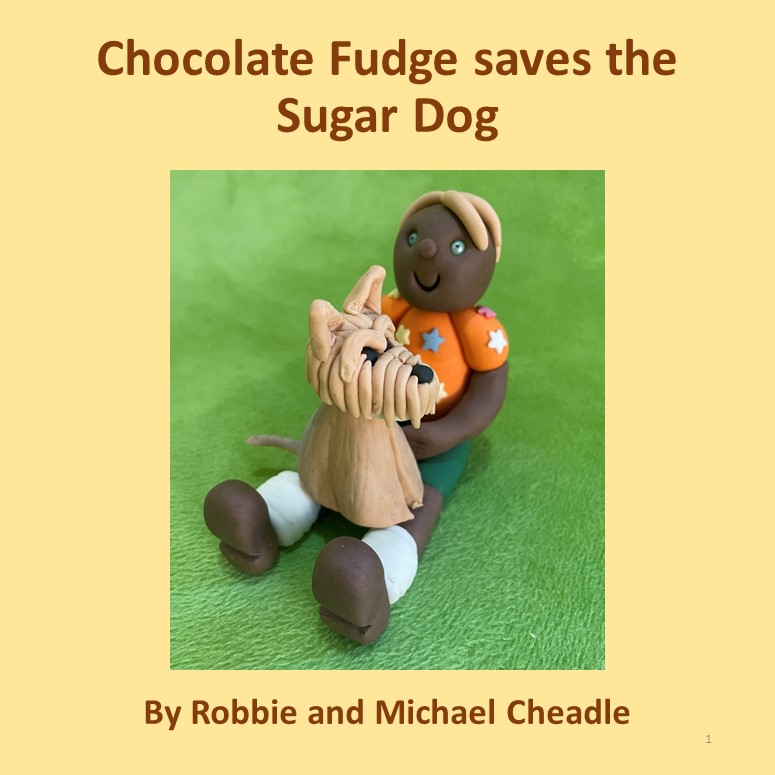
Sir Chocolate and Lady Sweet’s son, Chocolate Fudge, sees one of Lord Humbug’s dogs struggling to stay afloat in the hot chocolate pond.
Can Chocolate Fudge save the sugar dog from drowning?
Includes lovely new recipes.
Purchase links
Paperback: https://tslbooks.uk/product/chocolate-fudge-saves-the-sugar-dog/
Paperback: https://www.amazon.com/Chocolate-Fudge-Saves-Sugar-Dog/dp/1914245547
_______________________________________________________
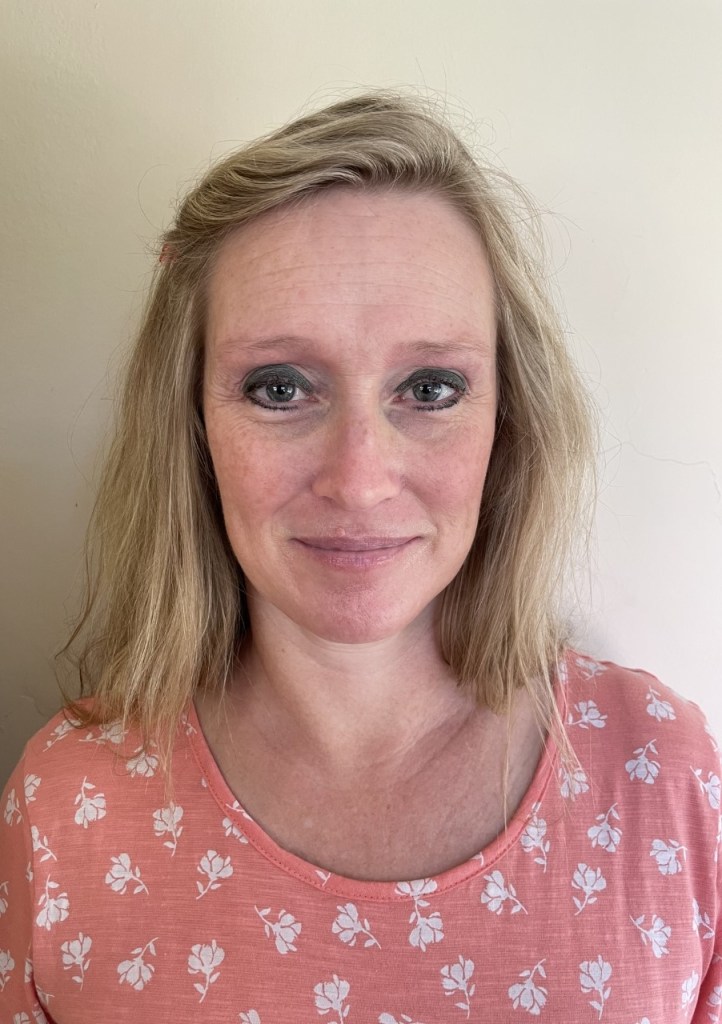
Robbie Cheadle is a South African children’s author and poet with ten children’s books and two poetry books.
The eight Sir Chocolate children’s picture books, co-authored by Robbie and Michael Cheadle, are written in sweet, short rhymes which are easy for young children to follow and are illustrated with pictures of delicious cakes and cake decorations. Each book also includes simple recipes or biscuit art directions which children can make under adult supervision.
Robbie has also published two books for older children which incorporate recipes that are relevant to the storylines.
Robbie has two adult novels in the paranormal historical and supernatural fantasy genres published under the name Roberta Eaton Cheadle. She also has short stories, in the horror and paranormal genre, and poems included in several anthologies.
Robbie writes two monthly posts for https://writingtoberead.com called Growing Bookworms and Treasuring Poetry and one monthly post, under the name of Roberta Eaton Cheadle, called Dark Origins: African Myths and Legends.
Robbie has a blog, https://robbiesinspiration.wordpress.com/ where she shares book reviews, recipes, author interviews, and poetry.
Robbie Cheadle’s books
Sir Chocolate books
Sir Chocolate and the strawberry cream berries story and cookbook
The adventures of Sir Chocolate and Lady Sweet in poetry form. Michael came up with the idea of Sir Chocolate and Lady Sweet and many of the characters contained in the books, when he was ten years old. His ideas were such fun that Robbie decided to turn them into little verse books for his entertainment. The book contains recipes for children to make with adult assistance.
Sir Chocolate and the baby cookie monster story and cookbook
Book 2 of the Sir Chocolate series: Sir Chocolate and Lady Sweet find a lost baby cookie monster. Join them on an adventure to return the baby to its mother and learn how to make some of their delicious recipes at the same time.
Sir Chocolate and the sugar dough bees story and cookbook
A greedy snail damages the flower fields and the fondant bees are in danger of starving. Join Sir Chocolate on an adventure to find the fruit drop fairies who have magic healing powers and discover how to make some of his favourite foods on the way.
Sir Chocolate and the Condensed Milk River story and cookbook
The Condensed Milk River where Sir Chocolate goes fishing has stopped flowing. The water creatures are losing their homes. Can Sir Chocolate and Lady Sweet solve this problem? Five lovely new recipes are also included.
Sir Chocolate and the Sugar Crystal Caves story and cookbook
The Condensed Milk River where Sir Chocolate goes fishing has stopped flowing. The water creatures are losing their homes. Can Sir Chocolate and Lady Sweet solve this problem? Five lovely new recipes are also included.
Sir Chocolate and the Fondant Five Story and Cookbook
Number 6 in the Sir Chocolate series: Five zoo animals go missing and Sir Chocolate needs to find them. Includes five lovely new recipes.
Sir Chocolate and the Ice cream Rainbow Fairies Story and Cookbook
Join Sir Chocolate and Lady Sweet on a fun adventure to discover why the milkshake rain is pale and white.
Silly Willy goes to Cape Town
When the George family go on holiday to Cape Town, Cautious Craig cannot believe what he has to endure at the hands of his naughty and wilful younger brother, Silly Willy. Willy throws tantrums at the most embarrassing and inappropriate times, causes a commotion on the aeroplane and tries to steal a chameleon from Butterfly World. What is a poor older brother expected to do in these situations?
While the Bombs Fell
What was it like for children growing up in rural Suffolk during World War 2?
Elsie and her family live in a small double-storey cottage in Bungay, Suffolk. Every night she lies awake listening anxiously for the sound of the German bomber planes. Often they come and the air raid siren sounds signalling that the family must leave their beds and venture out to the air raid shelter in the garden.
Despite the war raging across the English channel, daily life continues with its highlights, such as Christmas and the traditional Boxing Day fox hunt, and its wary moments when Elsie learns the stories of Jack Frost and the ghostly and terrifying Black Shuck that haunts the coastline and countryside of East Anglia.
Includes some authentic World War 2 recipes.
Open a new door
Open a New Door is a poetic peep into the lives of the poets, Kim Blades and Robbie Cheadle, both of whom live in South Africa.
The book is divided into four categories: God bless Africa, God bless my family and friends, God bless me and God bless corporates and work. Each part is sub-divided into the good, the bad and the ugly of the two poets’ experiences, presented in rhyming verse, free-style, haiku and tanka, in each of these categories and include colourful depictions of their thoughts and emotions.
The purpose of this book of poetry is encapsulated in the following tanka and haiku poems:
What drives me to write?
To share my innermost thoughts
The answer is clear
It’s my personal attempt
To make some sense of this world.
Inspiration blossoms
Like the unfurling petals
Of the Desert Rose
Behind Closed Doors
What goes on behind closed doors: in the boardroom, after death, in the home, during lockdown, and in nature? This collection of poems, ranging from rhyming verse to twisted nursery rhymes, captures the emotions and thoughts people hide behind the masks they present to the world.
What thoughts are hidden
Behind her immobile face
Quite expressionless
Eyes cold and indifferent
Scrutinising me – hawk like
This book includes some of Robbie Cheadle’s spectacular fondant art and cakes.
________________________________________________________________________________
Follow Robbie Cheadle at:
Website
https://www.robbiecheadle.co.za/
Blog
______________________________________________________________________
Thank you for stopping by to help us celebrate the new release of Robbie and Michael Cheadle’s Chocolate Fudge saves the Sugar Dog. Tomorrow’s blog stop will be over on Ziglar’s News, with one last post from Robbie and a review by Victoria Ziglar for a fitting wrap up of the tour. I do hope you will all join us there.
______________________________________________________________________
Book your WordCrafter Book Blog Tour today!
Share this:

Day 2 of the WordCrafter “Chocolate Fudge saves the Sugar Dog” Book Blog Tour – Author Interview & My Review
Posted: March 1, 2022 Filed under: Blog Tour, Books, Children's Books, Fiction, Poetry, Stories | Tags: Children's Books, Chocolate Fudge saves the Sugar Dog, Fondant Illustrations, Michael Cheadle, Robbie Cheadle, Sir Chocolate, Sir Chocolate book series, WordCrafter Book Blog Tours 74 CommentsIt’s day two of the WordCrafter Chocolate Fudge saves the Sugar Dog Book Blog Tour, and today I’m bringing you my review of this wonderful little book. Robbie and her son Michael co-write the Sir Chocolate books, illustrated with lovely fondant scenes and filled with delectable recipes which will make your tummy rumble. Many of us know Robbie and are familiar with her “Growing Bookworms” blog series and the Sir Chocolate books, so today I’d like to bring you and interview with her son and co-author, Michael Cheadle and share my review of Chocolate Fudge saves the Sugar Dog.

Author Interview
Kaye: How old are you, Michael?
Michael: I am 16 years old.
Kaye: How long have you been writing Sir Chocolate books with your mom?
Michael: Mom and I started writing the Sir Chocolate books when I was 7 years old and in Grade 1 at school.
Kaye: Being such a young author is quite an accomplishment. Does it make you a celebrity among your friends?
Michael: No, I have not told my high school friends about my books. It just hasn’t come up.
Kaye: Do you help your mom with the baking for the books, too?
Michael: I used to make a fondant creation for inclusion in the books although I haven’t done that for the most recent two books in the series. I don’t do fondant art anymore. I do enjoy baking with my mom and now I also cook with either mom or dad depending on who is doing the cooking that day.
Kaye: What do you like most about writing the Sir Chocolate books?
Michael: I enjoy thinking up a fun storyline with my mom and deciding on new and interesting characters for inclusion in the stories.
Kaye: What is the most difficult part of being a co-author with your mom for you?
Michael: My mom doesn’t always listen to my ideas and sometimes she changes them which can be annoying for me.
Kaye: Chocolate Fudge saves the Sugar Dog is the eighth book in the Sir Chocolate series. Which one is your favorite and why?
Michael: Sir Chocolate and the Sugar Crystal Cave story and cookbook is my favourite. I liked learning how to make sugar crystals. Mom and my first attempt to make the crystals was a failure because we didn’t let the water cool down enough before we inserted the sugar-coated sticks in the sugar mixture. The sugar on the sticks melted and no crystals formed. We redid the experiment and it worked very well.
Kaye: Do you think you might write books of your own when you are older?
Michael: Yes, I think I might write in the future. I have lots of ideas for stories.
Kaye: What are your aspirations for your future?
Michael: I want to go to university to study a Bachelor of Science: Computer Science like my brother, Gregory. I will write in my spare time like my mom does.
Kaye: What is the most important lesson gained from the collaborative writing experience?
Michael: I learned that if you put your mind to something, then you can achieve success in it. I wanted to write stories about a little man who lived in a world where you can eat everything. With my mom’s help, we have created Chocolate Land and all the creatures that live there and published 8 books in this series.
Kaye: Are you planning more Sir Chocolate books in the future?
Michael: Mom and I have a few books that are already written. My mom does most of the illustrations so it will depend on her and whether she wants to do more fondant and cake art. I think she will and the books will be published.
I want to thank Michael for agreeing to this interview. I think he provided some wonderful answers. It’s great to chat with an aspiring young author, and delightful to learn that Chocolate Fudge saves the Sugar Dog wont be the last in the Sir Chocolate book series.

My Review
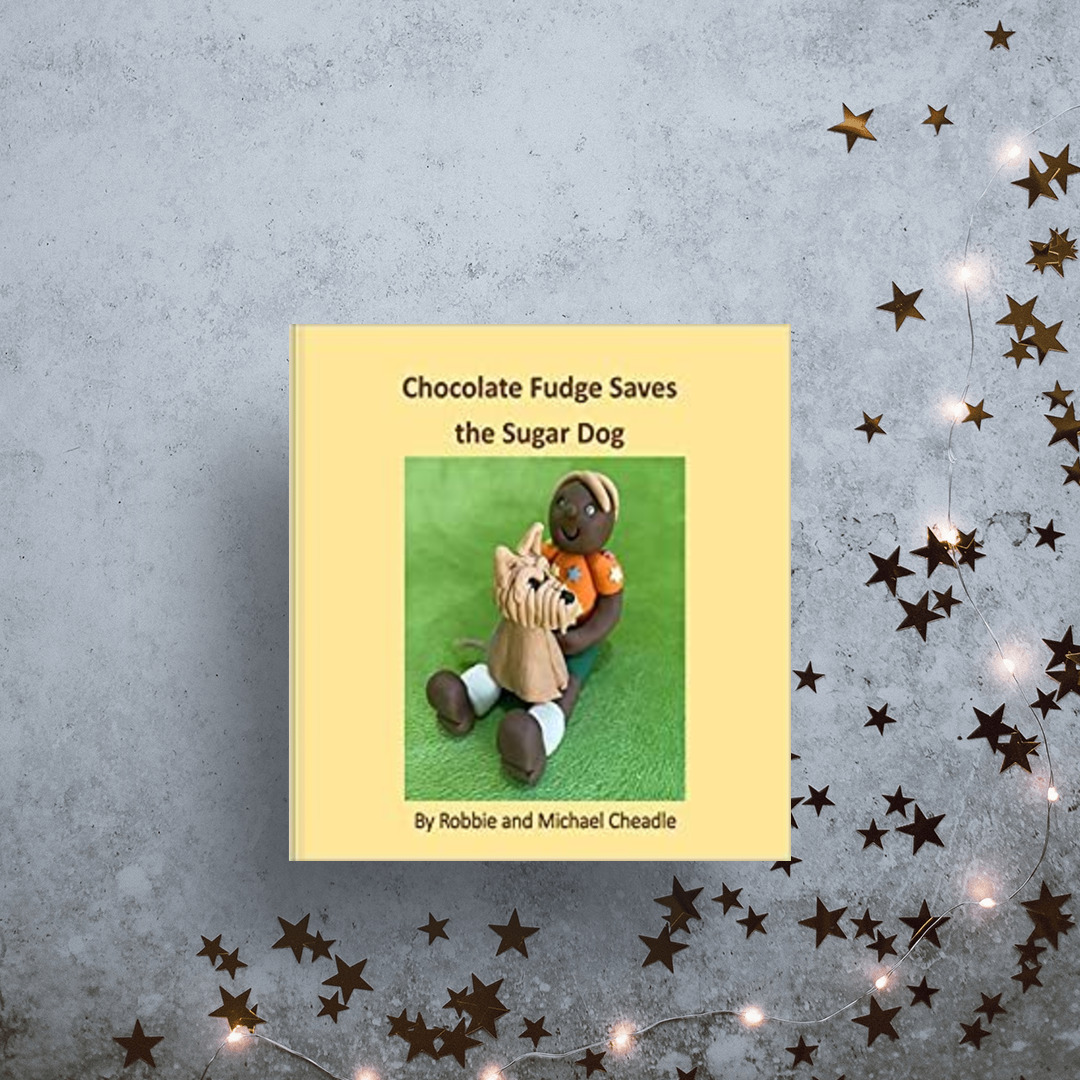
I’m a huge fan of Dr. Suess, and the cadence and ryhming in the verse written by Robbie and Michael Cheadle is reminiscent of that found in the lovely books from Dr. Suess, so of course, I loved Chocolate Fudge saves the Sugar Dog. And then there is the beautiful illustrations created by the talented Robbie with fondant figurines making up the lovely scenes described in the verse, which let the story unfold before your eyes. (They may make you hungry too, because they look deliciously sweet.) One I found especially endearing is the scene for the actual rescue of the Sugar Dog, where Chocalate Fudge is emerged in the hot chocolate pond.
The extra added feature that the Cheadle books include which Dr. Suess never thought to include is the wonderful recipes, and the accompanying photo illustrations for each one are sure to make whet your appetite. Included in Chocolate Fudge saves the Sugar Dog, are recipes for scrumptious peanut butter cookies, delectable Oreo cupcakes, mouth-watering avacado and bacon scones, poured fondant icing, and chocolate chip shortbread dipped in chocolate. Yummy!
Chocolate Fudge saves the Sugar Dog is a delightful children’s book with delicious recipes sure to please both young and old. I give it five quills.

Purchase links
Paperback: https://tslbooks.uk/product/chocolate-fudge-saves-the-sugar-dog/
Paperback: https://www.amazon.com/Chocolate-Fudge-Saves-Sugar-Dog/dp/1914245547
________________________________________________________________
Thanks for dropping by and helping us celebrate the release of Robbie and Michael’s wonderful new book, Chocolate Fudge saves the Sugar Dog. In case you missed the opening day, yesterday on “The Showers of Blessings” with a post by Robbie and a review by blog host, Miriam Hurdle, you can still read it here.
I hope you all will continue to follow the tour, because we’ve got some great things planned for each blog stop. Tomorrow’s stop features an interview with Robbie and we have at least two more reviews coming, too, in addition to Robbie’s wonderful posts on Thursday and Friday. I hope to see you there.
________________________________________________________
Book your WordCrafter Book Blog Tour today!
Share this:

Growing Bookworms: Books to help children cope with change
Posted: January 12, 2022 Filed under: Books, Children's Books, Growing Bookworms, Reading | Tags: Children's Books, Coping Skills, Growing Bookworms, Reading, Teaching Life Skills, Writing to be Read 69 CommentsWelcome to the first post of 2022 in the Growing Bookworms series.
A lot of people and children face change at the beginning of a new calendar year. In the Southern Hemisphere, children change grades and sometimes schools. Parents often change jobs and this can trigger changes to homes, schools, cities, and even countries.
Adults are better equipped to cope with change because they have more experience of life than children. Adults have already transitioned from junior school to high school and then often on to a tertiary education institution. Most adults have looked for, and gained, employment and have moved from their parents home to their own dwelling. Some adults have moved jobs and homes numerous times. As a result of the many life changes most adults have faced, they have learned strategies to help them cope with the anxieties and concerns that arise from major life changes.
Children often have not faced big changes in their lives before and can be frightened and intimidated by anticipated changes to their routines and friendships. Most children thrive on predictability and repetition.
Reading books to children about child characters who have faced and successfully managed big life changes can be reassuring and give some context to change. Books can also be conversation starters for children and enable them to verbalise their worries and anxieties.
The following three books are popular chapter books for children that centre around successful adaption to change.
The Secret Garden by Francis Hodgson Burnett
![The Secret Garden :illustrated Edition by [Frances Hodgson Burnett]](https://m.media-amazon.com/images/I/51e-cGecPaL.jpg)
What Amazon says
When orphaned Mary Lennox comes to live at her uncle’s great house on the Yorkshire Moors, she finds it full of secrets. The mansion has nearly one hundred rooms, and her uncle keeps himself locked up. And at night, she hears the sound of crying down one of the long corridors.
The gardens surrounding the large property are Mary’s only escape. Then, Mary discovers a secret garden, surrounded by walls and locked with a missing key. With the help of two unexpected companions, Mary discovers a way in—and becomes determined to bring the garden back to life.
Purchase link: https://www.amazon.com/Secret-Garden-Frances-Hodgson-Burnett-ebook/dp/B09Q3QQ4NQ
A short extract relevant to change:
“When she opened her eyes in the morning it was because a young housemaid had come into her room to light the fire and was kneeling on the hearth-rug raking out the cinders noisily. Mary lay and watched her for a few moments and then began to look about the room. She had never seen a room at all like it and thought it curious and gloomy. The walls were covered with tapestry with a forest scene embroidered on it. There were fantastically dressed people under the trees and in the distance there was a glimpse of the turrets of a castle. There were hunters and horses and dogs and ladies. Mary felt as if she were in the forest with them. Out of a deep window she could see a great climbing stretch of land which seemed to have no trees on it, and to look rather like an endless, dull, purplish sea.
“What is that?” she said, pointing out of the window.
Martha, the young housemaid, who had just risen to her feet, looked and pointed also. “That there?” she said.
“Yes.”
“That’s th’ moor,” with a good-natured grin. “Does tha’ like it?”
“No,” answered Mary. “I hate it.”
“That’s because tha’rt not used to it,” Martha said, going back to her hearth. “Tha’ thinks it’s too big an’ bare now. But tha’ will like it.”
“Do you?” inquired Mary.
“Aye, that I do,” answered Martha, cheerfully polishing away at the grate. “I just love it. It’s none bare. It’s covered wi’ growin’ things as smells sweet. It’s fair lovely in spring an’ summer when th’ gorse an’ broom an’ heather’s in flower. It smells o’ honey an’ there’s such a lot o’ fresh air—an’ th’ sky looks so high an’ th’ bees an’ skylarks makes such a nice noise hummin’ an’ singin’. Eh! I wouldn’t live away from th’ moor for anythin’.”
Mary listened to her with a grave, puzzled expression. The native servants she had been used to in India were not in the least like this. They were obsequious and servile and did not presume to talk to their masters as if they were their equals. They made salaams and called them “protector of the poor” and names of that sort. Indian servants were commanded to do things, not asked. It was not the custom to say “please” and “thank you” and Mary had always slapped her Ayah in the face when she was angry. She wondered a little what this girl would do if one slapped her in the face. She was a round, rosy, good-natured-looking creature, but she had a sturdy way which made Mistress Mary wonder if she might not even slap back—if the person who slapped her was only a little girl.”
The Railway Children by E. Nesbit
![The Railway Children Illustrated by [E. Nesbit]](https://m.media-amazon.com/images/I/510qoeODteL.jpg)
What Goodreads says
In this much-loved children’s classic first published in 1906, the comfortable lives of three well-mannered siblings are greatly altered when, one evening, two men arrive at the house and take their father away. With the family’s fortunes considerably reduced in his absence, the children and their mother are forced to live in a simple country cottage near a railway station. There the young trio—Roberta, Peter, and young Phyllis—befriend the porter and station master.
The youngsters’ days are filled with adventure and excitement, including their successful attempt to avert a horrible train disaster; but the mysterious disappearance of their father continues to haunt them.
The solution to that painful puzzle and many other details and events of the children’s lives come to vivid life in this perennial favorite, a story that has captivated generations of readers and, more recently, delighted television and movie audiences. In this inexpensive, unabridged edition, it will charm a whole new audience of young readers with its warmth and appeal.
Amazon Purchase link: https://www.amazon.com/dp/B09Q3GZSRF
A short extract relevant to change:
This is a short reading of a paragraph pertinent to change in this delightful children’s book:
Little House on the Prairie by Laura Ingalls Wilder

What Amazon says
The adventures continue for Laura Ingalls and her family as they leave their little house in the Big Woods of Wisconsin and set out for the big skies of the Kansas Territory. They travel for many days in their covered wagon until they find the best spot to build their house. Soon they are planting and plowing, hunting wild ducks and turkeys, and gathering grass for their cows. Just when they begin to feel settled, they are caught in the middle of a dangerous conflict.
The nine Little House books are inspired by Laura’s own childhood and have been cherished by generations of readers as both a unique glimpse into America’s frontier history and as heartwarming, unforgettable stories.
Purchase link: https://www.amazon.com/Little-House-Prairie-Ingalls-Wilder-ebook/dp/B01C2LYEOC
Reading of Chapter 1 of Little House on the Prairie by Jennie
Jennie has been teaching pre-school for over thirty years. You can find her blog here: https://jenniefitzkee.com/2022/01/08/the-morning-after-the-snow-memories-of-a-classic-childrens-book/
About Robbie Cheadle
Robbie Cheadle is a South African children’s author and poet with 9 children’s books and 2 poetry books.
The 7 Sir Chocolate children’s picture books, co-authored by Robbie and Michael Cheadle, are written in sweet, short rhymes which are easy for young children to follow and are illustrated with pictures of delicious cakes and cake decorations. Each book also includes simple recipes or biscuit art directions which children can make under adult supervision.
Robbie has also published 2 books for older children which incorporate recipes that are relevant to the storylines.
Robbie has 2 adult novels in the paranormal historical and supernatural fantasy genres published under the name Roberta Eaton Cheadle. She also has short stories in the horror and paranormal genre and poems included in several anthologies.
Robbie writes a monthly series for https://writingtoberead.com called Growing Bookworms. This series discusses different topics relating to the benefits of reading to children.
Robbie has a blog, https://robbiesinspiration.wordpress.com/ where she shares book reviews, recipes, author interviews, and poetry.
Find Robbie Cheadle
Blog: https://www.robbiecheadle.co.za/
Blog: robbiesinspiration.wordpress.com
Twitter: BakeandWrite
Instagram: Robbie Cheadle – Instagram
Facebook: Sir Chocolate Books
______________________________________________________________________________________________
Want to be sure not to miss any of Robbie’s “Growing Bookworms” segments? Subscribe to Writing to be Read for e-mail notifications whenever new content is posted or follow WtbR on WordPress. If you found it interesting or entertaining, please share.
Share this:

Growing Bookworms – Teaching children about charity
Posted: December 8, 2021 Filed under: Books, Children's Books, Education, Inspirational | Tags: Charity, Giving, Growing Bookworms, Parenting, Robbie Cheadle, Teaching, Writing to be Read 51 Comments
Christmas is just around the corner and many people are gearing up for holidays, family gatherings, presents, and lots of delicious food. Of course, not everyone is in this privileged position and there are millions of people who will not have any of these things.
I thought December would be a good time to write about teaching children about charity.
People who care about earth and the people and animals we share it with want to raise generous children who understand the importance of charity and giving back to society. It is a good idea to raise the concept of charity with our children early on and this can be done in a way that doesn’t scare them or make them fearful.
From a young age, I told my children that while there are many children whose families are wealthier than we are and who have more than we do, there are millions of children who have far less. We discussed children that have lost their parents and who are living in orphanages or as foster children. We spoke about schools that give children a hot meal at lunch time and I explained that for some of those children it is the only meal they get in a 24-hour period.
I tried to involve my boys in my own charity activities which included making up packs of groceries for needy pensioners, donating books to underprivileged schools, and giving used clothing to various charities.
When children are part of activities that help others who are less fortunate than they are, it gives them a sense of perspective about their own good fortune to have a nice home, food to eat, and schooling. As they get older, they will also learn to appreciate a loving and supportive family. Being generous helps children learn to appreciate what they have and be more grateful. It makes them feel useful and fosters empathy.
My children have both grown into caring and empathetic young men who see a need and are willing to put their own money and time behind helping other people.
Quote from Michael: “Children need to learn about charity because people have to work together to create a good environment.”
Every Christmas, my sons and I undertake 10 hours of community service each. Michael is auto-immune so we do their hours from the safety of our own home and, as Michael and I like to bake, our activities often involve these activities.
Last year we, the boys and I, made 150 goodie bags for the elderly residence of a local old age home. My nephews helped with this activity and the four boys baked and iced 80 gingerbread boys. I made 70 slices of shortbread and each bag contained a baked good, some chocolates, and a Christmas joke.


This year, we baked two beer-box cakes for a Christmas party for an underprivileged school. We had fun adding the sprinkles.

We are also making 150 Christmas crackers filled with three delicious chocolates for the old age home. So far we have made 40.

These are all fun activities to do with children, you can invite the kids in the neighbourhood or your nephews and nieces, and they bring a lot of joy to the recipients.
Another way of teaching children about giving and generosity is through reading to them.
I will never forget the scene from Little Women when Marmee asks her four daughters if they will give their Christmas breakfast away to a poor family:
“‘Merry Christmas, little daughters! I’m glad you began at once, and hope you will keep on. But I want to say one word before we sit down. Not far away from here lies a poor woman with a little newborn baby. Six children are huddled into one bed to keep from freezing, for they have no fire. There is nothing to eat over there; and the oldest boy came to tell me they were suffering hunger and cold. My girls, will you give them your breakfast as a Christmas present?’
They were all unusually hungry, having waited nearly an hour, and for a minute no one spoke; only a minute, for Jo exclaimed impetuously,—
‘I’m so glad you came before we began!’
‘May I go and help carry the things to the poor little children?’ asked Beth, eagerly.
‘I shall take the cream and the muffins,’ added Amy, heroically giving up the articles she most liked.”
This is just one of many wonderful books that teach children about sharing, giving and the real meaning of Christmas.
Another, one of my personal favourites, is How the Grinch Stole Christmas by Dr Seuss.
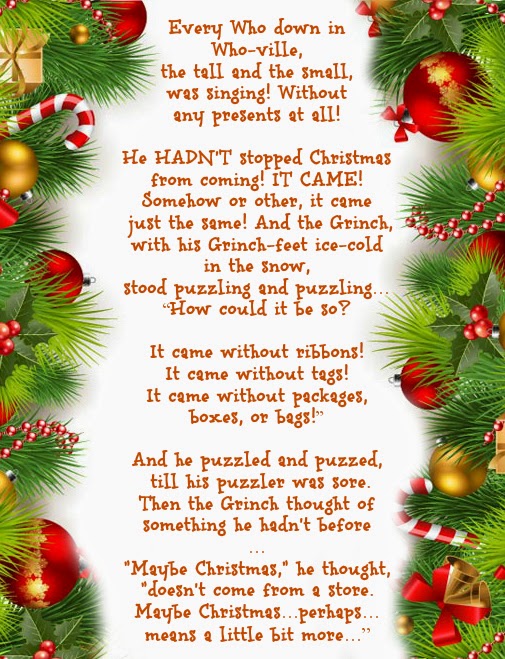
I must admit that every time I read that quote I get goosebumps.
This is the last Growing Bookworms post for 2021. If you celebrate, I wish you and your families a wonderful Christmas and all the best for the New Year. If you don’t celebrate Christmas, have a happy holiday period.
About Robbie Cheadle
Robbie Cheadle is a South African children’s author and poet with 9 children’s books and 2 poetry books.
The 7 Sir Chocolate children’s picture books, co-authored by Robbie and Michael Cheadle, are written in sweet, short rhymes which are easy for young children to follow and are illustrated with pictures of delicious cakes and cake decorations. Each book also includes simple recipes or biscuit art directions which children can make under adult supervision.
Robbie has also published 2 books for older children which incorporate recipes that are relevant to the storylines.
Robbie has 2 adult novels in the paranormal historical and supernatural fantasy genres published under the name Roberta Eaton Cheadle. She also has short stories in the horror and paranormal genre and poems included in several anthologies.
Robbie writes a monthly series for https://writingtoberead.com called Growing Bookworms. This series discusses different topics relating to the benefits of reading to children.
Robbie has a blog, https://robbiesinspiration.wordpress.com/ where she shares book reviews, recipes, author interviews, and poetry.
Find Robbie Cheadle
Blog: https://www.robbiecheadle.co.za/
Blog: robbiesinspiration.wordpress.com
Twitter: BakeandWrite
Instagram: Robbie Cheadle – Instagram
Facebook: Sir Chocolate Books
______________________________________________________________________________________________
Want to be sure not to miss any of Robbie’s “Growing Bookworms” segments? Subscribe to Writing to be Read for e-mail notifications whenever new content is posted or follow WtbR on WordPress. If you found it interesting or entertaining, please share.
Share this:

Growing bookworms: The importance of historical fiction for kids
Posted: May 12, 2021 Filed under: Books, Children's Books, Fiction, Growing Bookworms, Historical Fiction, Reading | Tags: #Reading #Childrensfiction, Growing Bookworms, Historical Fiction, Reading, Robbie Cheadle, Writing to be Read 55 Comments
When I was in high school, history was an unpopular subject. It was so unpopular, in fact, that when the time came for the Grade 9’s to chose their subjects for Grade’s 10 to 12, the school paired history with typing, home economics and business economics so that the girls who chose this less academic combination were compelled to take history. This was how I ended up in a history class with mainly girls who hated the subject. I loved history and I took it through choice. My other subjects were maths, accountancy, and science. In South Africa, English and Afrikaans were compulsory subjects at the time.
I never really understood why my peers didn’t like history as it was a subject always loved. I’ve said it here before, however, that I was a very wide reader from a very young age and I read a lot of books set in the past. Among my favourite books by a South African author, were the collections of short stories by Herman Charles Bosman. This is what Wikipedia has to say about Herman Charles Bosman:
Herman Charles Bosman (5 February 1905 – 14 October 1951) is widely regarded as South Africa’s greatest short-story writer. He studied the works of Edgar Allan Poe and Mark Twain and developed a style emphasizing the use of satire. His English-language works utilize primarily Afrikaner characters and highlight the many contradictions in Afrikaner society during the first half of the twentieth century.
On reflection, I realised that I have acquired a love of history because all the books I had read allowed me to include the facts and dates I learned into the fascinating backdrop I had acquired of life at the time. I could visualise the homes, lives, and loves of the Afrikaner people I learned about during the sections on the Great Trek and the Boers wars though my reading of Charles Bosman’s works. I also read books by South African Boer War veteran, Deneys Reitz.
My learning of international history including the French Revolution, the Industrial Revolution (including the Luddite uprisings), and the Tudor period were coloured by my reading of certain books, in particular, A Tale of Two Cities by Charles Dickens, and Shirley and Jane Eyre by Charlotte Bronte. I found it easy to remember my history because I entwined it with my understanding of life at the times as presented by these great novels.
I was delighted when I discovered that history is a popular subject at the college for boys my sons both attend. Gregory chose to take history to matric (along with IT, maths, advanced maths and science which shows that its mixes well with any subject combination) and Michael looks set to follow in his footsteps.
I am bowled over by their history curriculum and the amazing why they learn about the past through source documents, cartoons, and many other interactive and interesting modes compared to my school days of rote learning. My sons are also taught history from the perspective of how historical events have influenced the present which makes this subject a lot more useful. It helps them to see how people’s actions and reactions have set the path for the future and resulted in both the good and bad in society we see today.
I believe it is vital for kids to understand history in an expansive and wide context so that they can value the freedoms and benefits their forefathers fought and die to leave as their legacy. For example, what young girl would not value her vote if she knew about the suffering and hardships of the suffragettes who paved the way for the achievement of this equality for women.
I wonder how many British children know that compulsory education for children aged 5 to 14 years was only introduced in 1918. How many American children know that compulsory education laws were only passed by 1900 and then only in 32 states, with the other states following by 1930. 1930! That’s less than 100 years ago.
Modern children are so fortunate to have an education and the opportunities for self improvement that come with it. It isn’t equal for all yet, but there are lots of people who believe passionately in educating children and who work really hard to implement change and improvements in education.
Understanding and learning about real people in a historical context makes their passions, sufferings and beliefs so much more compelling. It is difficult to hold on to prejudice if you’ve read novels like I am David by Anne Holm, The Diary of a Young Girl by Anne Frank, and Cry the Beloved Country by Alan Patton.


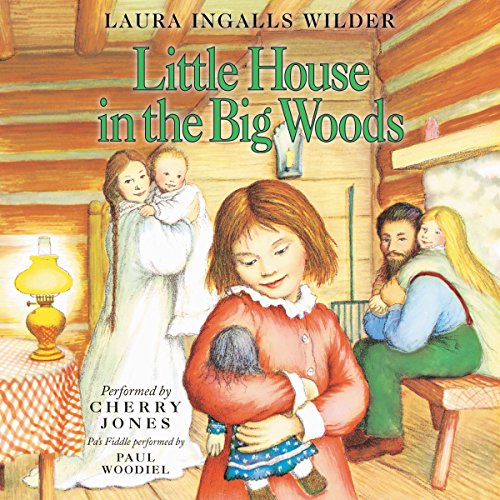
Historical books also teach children interesting information about how people survived in the past. I’ve always remembered the chapter from Little House in the Big Woods by Laura Ingalls Wilder when Pa cleaned his gun and made bullets. There is also a chapter about how Ma made butter and coloured it yellow. Little House on the Prairie has a scene when Ma is helping Pa build their new log cabin and a log falls on her foot. The difficulties and dangers of life on the frontier were illustrated; there was no help to be had for an injury or if the family fell ill.
I learned a lot about the limitations of medical knowledge in the mid to late 1800s through my reading of the What Katy Did series by Susan Coolidge. I will never forget Katy falling out of the swing or Amy contracting, and nearly dying from, Roman fever. Such scenes induce great feelings of empathy and compassion in the reader.

It is for all these compelling reasons that I wrote While the Bombs Fell, a fictionalised biography of my mom’s life as a young girl growing up in a small English town during World War II. I wanted to capture and preserve her memories of life for ordinary people living through this extraordinary time so that others, children in particular, could read it and remember how life was during that time.
What are your thoughts about historical fiction for both children and adults? Do you see value in learning about history in through a good story?
About Robbie Cheadle
Robbie Cheadle is a children’s author and poet.
The Sir Chocolate children’s picture books, co-authored by Robbie and Michael Cheadle, are written in sweet, short rhymes which are easy for young children to follow and are illustrated with pictures of delicious cakes and cake decorations. Each book also includes simple recipes or biscuit art directions which children can make under adult supervision.
Robbie has also published books for older children which incorporate recipes that are relevant to the storylines.
Robbie writes a monthly series for https://writingtoberead.com called Growing Bookworms. This series discusses different topics relating to the benefits of reading to children.
Robbie has a blog, https://robbiesinspiration.wordpress.com/ where she shares book reviews, recipes, author interviews, and poetry.
Find Robbie Cheadle
Blog: https://www.robbiecheadle.co.za/
Blog: robbiesinspiration.wordpress.com
Twitter: BakeandWrite
Instagram: Robbie Cheadle – Instagram
Facebook: Sir Chocolate Books
Want to be sure not to miss any of Robbie’s “Growing Bookworms” segments? Subscribe to Writing to be Read for e-mail notifications whenever new content is posted or follow WtbR on WordPress.