My experience of obtaining a balance with parental approval
Posted: March 11, 2020 Filed under: Children's Books, Growing Bookworms, Parenting, Reading | Tags: Growing Bookworms, Parenting, Reading, Robbie Cheadle, Writing to be Read 60 Comments
Growing Bookworms
I have two sons, both of which are quite different in their abilities and attitudes to life in general.
My oldest, Gregory, is a scholar. At the age of five he could read music and played the piano with some aptitude. At six, I taught him to read as he was frustrated by this inability and the schools in South Africa only teach reading during the year children turn seven. By the end of his second year of schooling, Greg had read all the series of books for young children I could think of, including Horrid Henry, Astrosaurs, the Little Men and Little Miss books, Secret Seven and many more.
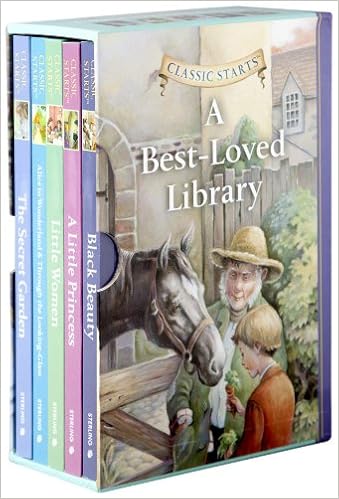
I moved him on to other books, the Classic Starts series for children and during his third year of school, he started delving into some of the original classics. He also read all of the Shakespeare Junior Classics. The school enrolled him in a mathematics extension programme and he finished the entire additional workbook in two afternoons.
From a learning perspective, my oldest son is a dream. He works hard, perseveres and is determined to succeed. He is a lot like me. He shares my failings too. He only applies himself to things he enjoys, gets bored quickly and needs to be continuously challenged and stimulated. These character traits do not always provide for a peaceful co-existence with peers and colleagues, many of whom do not share our obsessive approach to work and areas of interest. My colleagues often ask me how I know so much about a certain topic and I will say: “It’s an interest of mine.” Greg and I are peas in a pod, we have many interests which we are very passionate about. Greg is not interested particularly in sport or socializing and does these things only when it is necessary.
My younger son, Michael, is different. Michael also likes to achieve, but his aims are tempered by a general enjoyment of life and friends and he likes to relax. He also likes to socialize and spend time with friends. School assignments are not a cause for concern until the day before they are due and, even then, they are approached in a slow and steady manner and not with panic. Michael doesn’t aim for distinctions and is very happy to achieve Bs and Cs on his progress report.
Michael is not particularly sporty, but he loves to join in with the whole “rah rah – all mates together” theme of an all-boys school and loves the war cries. He will break into a vibrant rendition of a war cry at the drop of a hat and I will be in stitches of laughter as he belts out the phrases at the top of his loud and currently breaking voice.
In summary, I am trying to bring up a complete overachiever and a happy go lucky Joe and get both through school, college and relationships.
The interesting thing for me is that both my boys have the same number of achievement certificates from their schools. Granted, Michael was at a remedial school until this year, and they do give awards for a greater variety of achievements, but Michael’s were generally in academic categories such as mathematics and Afrikaans.
With two boys as different as mine, it is not always easy to find the correct balance for encouraging and rewarding them, especially verbally. This past week, Gregory came home with 98% for his English examination and 93% for his mathematics examination. Michael came home with 60% for his Afrikaans examination and 75% for his English examination. I gave them both equal congratulations and made an equal fuss of their achievements. Other members of my social circle and family don’t always understand this approach. For me, I judge my boys’ achievements on their individual histories, attitudes and effort.
Gregory works very hard all the time. He has the intellectual ability to achieve very high marks and this, coupled with his work ethic, enable him in achieving excellent academic success. My worry for my older son is that he spends to much time working, gets to obsessed with achievement of his goals and struggles to balance other aspects of his life with work. In that way he is just like me.
Michael has a learning barrier and struggled to learn to read competently. He qualifies for a time concession for examinations and time will tell whether he need this or not. A child that struggles to read and write in his mother tongue, finds a second language extremely difficult. A remedial school focuses on the core subject of English and mathematics and the second language isn’t as much of a focal point. When we knew in 2018 that Michael would mainstream for high school, I got an Afrikaans tutor for him as I knew his abilities in that language were lacking. He has worked hard to get on top of his deficiencies.
When he started high school this year, Michael was one of the only boys, out of 150, that didn’t know anyone. He was the only boy who transitioned to his high school from his primary school. The first week was hard and he felt very tired. One the second day of school, the boys wrote an Afrikaans test to see what their level of proficiency in the language was and Michael failed. As a result, he is now attending extra lessons in this language at the school as well as at home. When he came home with a 60% result, I was ecstatic. This mark is an indication of his perseverance and resilience, and I will be delighted if he can maintain this mark for the next five years.
Obtaining his Afrikaans result on the same day as Gregory’s mathematics result made me reflect on the differences in my two sons and how I perceive their achievements. I my eyes, their achievements are equal as the input was equal.
This reflection on how we need to consider out children separately and not measure them against their siblings and peers inspired this post. Each of our children is special in their own way and each deserves to be measured against his own input and ability levels and not those of others.
About Robbie Cheadle

Hello, my name is Robbie, short for Roberta. I am an author with six published children’s picture books in the Sir Chocolate books series for children aged 2 to 9 years old (co-authored with my son, Michael Cheadle), one published middle grade book in the Silly Willy series and one published preteen/young adult fictionalised biography about my mother’s life as a young girl growing up in an English town in Suffolk during World War II called While the Bombs Fell (co-authored with my mother, Elsie Hancy Eaton). All of my children’s book are written under Robbie Cheadle and are published by TSL Publications.
I have recently branched into adult and young adult horror and supernatural writing and, in order to clearly differential my children’s books from my adult writing, I plan to publish these books under Roberta Eaton Cheadle. My first supernatural book published in that name, Through the Nethergate, is now available.
I have participated in a number of anthologies:
- Two short stories in #1 Amazon bestselling anthology, Dark Visions, a collection of horror stories edited by Dan Alatorre;
- Three short stories in Death Among Us, an anthology of murder mystery stories, edited by Stephen Bentley;
- Three short stories in #1 Amazon bestselling anthology, Nightmareland, a collection of horror stories edited by Dan Alatorre; and
- Two short stories in Whispers of the Past, an anthology of paranormal stories, edited by Kaye Lynne Booth.
I also have a book of poetry called Open a new door, with fellow South African poet, Kim Blades.
Find Robbie Cheadle
Blog: https://www.robbiecheadle.co.za/
Blog: robbiesinspiration.wordpress.com
Goodreads: Robbie Cheadle – Goodreads
Twitter: BakeandWrite
Instagram: Robbie Cheadle – Instagram
Facebook: Sir Chocolate Books
Want to be sure not to miss any of Robbie’s “Growing Bookworms” segments? Subscribe to Writing to be Read for e-mail notifications whenever new content is posted or follow WtbR on WordPress. If you found it interesting or entertaining, please share.
Share this:

Growing Bookworms: Making learning the alphabet fun
Posted: January 7, 2020 Filed under: Growing Bookworms, Reading | Tags: educational games, Growing Bookworms, Reading, Robbie Cheadle, teaching reading, Writing to be Read, young readers 37 Comments
In the Southern hemisphere, January is the time of year when our children start a new school year. This year, my youngest son is starting secondary (high) school which means, new environment, new friends, new teachers – just about new everything. He is anxious about it and I keep reminding him that the groundwork for this transition to high school has been laid over many years of nursery, pre-prep and prep school and he is well equipped to deal with the changes.
Sitting with him over the past few weeks of his holiday (and mine) and ensuring he reads [and understands] his first high school English set work book and his first Afrikaans (second language) reader, I was reminded of when I taught both my boys to read when they were six years old. In South Africa, children only start reading when they are seven, but my boys were keen to read and I saw no reason why I, with two degrees and the equivalent of a masters, couldn’t teach them something so common place. Ha! It proved to be significantly harder than I expected and I take my hat off to pre-prep teachers who teach children to read so effortlessly. For me it was a slog. Of course, it didn’t help that I forgot to start by teaching Gregory the alphabet. I am not sure how I thought he would read words before he could recognise his letters, but somehow, it slipped with me. Despite my only teaching Greg the alphabet after I taught him his first two hundred sight words, he still learned to read quickly and is now an accomplished reader. I can no longer say he is a prolific reader as, at seventeen years old, he is not that keen on reading at the moment. Hopefully it will change down the line when the allure of being the same as everyone else wears off.
Anyhow, these memories led me to thinking how important knowing the alphabet and learning the sounds is for children as they travel the path towards literacy.
My boys and I had a lot of fun learning the alphabet. Michael, aged three, got to sit in on Greg’s (aged six) lessons, and Greg (aged nine) got to help Michael (aged six), when he started his reading journey. One of our favourite past times, when Greg was learning, was singing the alphabet song:
Greg, Michael and I also used our time in the car to learn the alphabet. We played a game called “I spy” and we would each chose an item that started with a certain letter and the others would have to guess what it was. This game was a lot of fun and we played it for a number of years. The boys used to ask for it when we traveled. Now they ask for audio books and we listened to an awful lot of Eva Ibbotson books when we toured Scotland in August 2019.
The third fun activity we played to learn the alphabet was to bake an item that started with a certain letter. It had to be an exact sound match so, we couldn’t for example, make gingerbread for the letter “g”. This game and tasting session was very popular and sometimes we invited friends over to join in the fun. I specifically remember making jelly cakes [have you ever heard of those – if not you will find the recipe in Sir Chocolate and the Condensed Milk River story and cookbook.

Multicoloured jelly cupcakes
The nice thing about baking with children is that it is also a wonderful opportunity to teach them maths concepts like grams and kilograms and millilitres and litres. They also learn to weigh and measure and realise the importance of being exact. I even taught mine about ounces and pints as some of my cook books use English measures.
Do you know any fun games to teach children the alphabet? Let me know in the comments.
About Robbie Cheadle
Hello, my name is Robbie, short for Roberta. I am an author with six published children’s picture books in the Sir Chocolate books series for children aged 2 to 9 years old (co-authored with my son, Michael Cheadle), one published middle grade book in the Silly Willy series and one published preteen/young adult fictionalised biography about my mother’s life as a young girl growing up in an English town in Suffolk during World War II called While the Bombs Fell (co-authored with my mother, Elsie Hancy Eaton). All of my children’s book are written under Robbie Cheadle and are published by TSL Publications.
I have recently branched into adult and young adult horror and supernatural writing and, in order to clearly differential my children’s books from my adult writing, I plan to publish these books under Roberta Eaton Cheadle. My first supernatural book published in that name, Through the Nethergate, is now available.
I have participated in a number of anthologies:
- Two short stories in #1 Amazon bestselling anthology, Dark Visions, a collection of horror stories edited by Dan Alatorre;
- Three short stories in Death Among Us, an anthology of murder mystery stories, edited by Stephen Bentley;
- Three short stories in #1 Amazon bestselling anthology, Nightmareland, a collection of horror stories edited by Dan Alatorre; and
- Two short stories in Whispers of the Past, an anthology of paranormal stories, edited by Kaye Lynne Booth.
I also have a book of poetry called Open a new door, with fellow South African poet, Kim Blades.
Find Robbie Cheadle
Blog: https://www.robbiecheadle.co.za/
Blog: robbiesinspiration.wordpress.com
Goodreads: Robbie Cheadle – Goodreads
Twitter: BakeandWrite
Instagram: Robbie Cheadle – Instagram
Facebook: Sir Chocolate Books
Want to be sure not to miss any of Robbie’s “Growing Bookworms” segments? Subscribe to Writing to be Read for e-mail notifications whenever new content is posted or follow WtbR on WordPress. If you found it interesting or entertaining, please share.
Share this:

Contemporary versus classic books for children
Posted: November 13, 2019 Filed under: Books, Children's Books, Classics, Reading | Tags: Children's Books, Classic Children's Literature, Contemporary Children's Literature, Growing Bookworms, Robbie Cheadle, Writing to be Read 43 Comments
I have read a lot of children’s books. Some I read to myself as a girl and others I read to my sons, nephews and nieces and the children who attended our local Sunday school, over the past sixteen years. Many of the books I have read over the past six teen years are contemporary fiction which is defined as a fictional book (events, settings, characters etc. described are not real) set in contemporary times (modern times).
A few examples of popular contemporary fiction book series for children I can think of are Horrid Henry written by Francesca Simon and illustrated by Tony Ross, Winnie the Witch written by Valerie Thomas and illustrated by Korky Paul and the Percy Jackson, Kane Chronicles and Heroes of Olympus series written by Rick Riordan. All of these books share the common characteristic that they are set in our modern world and the main characters have access to television, email, cell phones and the internet.


Two common traits I have noticed with contemporary fiction books for children are that these books tend to be far more plot driven than classic children’s books and that there is often, but not always, a theme of disregard and even disrespect for authority figures.
The books I have mentioned above are the ones that I think deal with this growing concept of disrespect towards authority figures by youthful characters in books in an acceptable manner. Horrid Henry, for example, is a naughty pre-teen boy. His brother is his complete anti-thesis and many of the stories revolve around the tension and conflict between the two boys. In these stories, however, the parents always come out on top and Henry is always disciplined and made to toe the line.
Books that are more plot driven can be more appropriate for modern children than classic books which focus more on characterisation such as Little Women by Louise May Alcott and What Katy Did. Our children are used to the fast pace of television and computer games so if we want a book of compete with these other choices, it needs to keep their attention. Modern children also have shorter concentration spans due to modern electronic devices and do not want to read long flowery descriptions. I think the same can be said for many modern adult readers too. Short stories and novellas have become more popular due to time constraints and more available choices when it comes to relaxation. Many modern readers do not want to trawl through the lengthily descriptions included in books like Great Expectations by Charles Dickens and The Scarlet Letter by Nathaniel Hawthorne.
Given everything I have said above, are classic books worthwhile for modern children, or even books written post World War II like Enid Blyton’s books?
Let us look at the definition of a classic book: “The classic that keeps on being read is the book whose situations and themes remain relevant over time—that miracle of interpretive openness that makes us feel as though certain stories, poems, and plays are written with us in mind.”
I group classic books in my mind into fairy tales and other classic books. Fairy tales spark the imagination and this is an important aspect of children’s development. In addition, fairy tales help children confront and overcome their fears, which are featured in these enduring stories and also, provide a lot of social messages about how to behave in order to achieve a good life outcome. Fairy tales also introduce children to the idea that life has pitfalls and things don’t always go the way you hope and want them to. They teach children to be resilient and enduring.
Classic books feature humans experiencing life and all it has to offer. The often contain thought-provoking socio-ethical situations such as I am David, which depicts the life of a boy on the run from a concentration camp. Classic books introduce children to history in an interesting and understandable way such as the Little House series of books which depict the pioneer life of Laura Ingalls Wilder and her family. As with fairy tales, classic books contain messages the teach children about perseverance to overcome injustice such as the Count of Monte Cristo. Classic books are also a challenge which stimulate the mind, which can only be a good thing.
What are your thoughts and experiences with contemporary and classic books for children?
About Robbie Cheadle
Hello, my name is Robbie, short for Roberta. I am an author with six published children’s picture books in the Sir Chocolate books series for children aged 2 to 9 years old (co-authored with my son, Michael Cheadle), one published middle grade book in the Silly Willy series and one published preteen/young adult fictionalised biography about my mother’s life as a young girl growing up in an English town in Suffolk during World War II called While the Bombs Fell (co-authored with my mother, Elsie Hancy Eaton). All of my children’s book are written under Robbie Cheadle and are published by TSL Publications.
I have recently branched into adult and young adult horror and supernatural writing and, in order to clearly differential my children’s books from my adult writing, I plan to publish these books under Roberta Eaton Cheadle. My first supernatural book published in that name, Through the Nethergate, is now available.
I have participated in a number of anthologies:
- Two short stories in #1 Amazon bestselling anthology, Dark Visions, a collection of horror stories edited by Dan Alatorre;
- Three short stories in Death Among Us, an anthology of murder mystery stories, edited by Stephen Bentley;
- Three short stories in #1 Amazon bestselling anthology, Nightmareland, a collection of horror stories edited by Dan Alatorre; and
- Two short stories in Whispers of the Past, an anthology of paranormal stories, edited by Kaye Lynne Booth.
I also have a book of poetry called Open a new door, with fellow South African poet, Kim Blades.
Find Robbie Cheadle
Blog: https://www.robbiecheadle.co.za/
Blog: robbiesinspiration.wordpress.com
Goodreads: Robbie Cheadle – Goodreads
Twitter: BakeandWrite
Instagram: Robbie Cheadle – Instagram
Facebook: Sir Chocolate Books
Want to be sure not to miss any of Robbie’s “Growing Bookworms” segments? Subscribe to Writing to be Read for e-mail notifications whenever new content is posted or follow WtbR on WordPress.
Share this:

Should we read the sad and the scary to our children?
Posted: October 9, 2019 Filed under: Books, Children's Books, Fiction, Growing Bookworms, Horror, Reading | Tags: Children's Books, Children's Stories, Growing Bookworms, horror, Robbie Cheadle, Roberta Eaton Cheadle, Scary stories, Writing to be Read 44 Comments
When I was a young girl, I loved to read and so I did. I read and I read, until there were no children’s books left in the children’s section of the library for me to read. South Africa during the 1980’s was a conservative place to live, so the librarians did not allow children to go into the adult section of the library, never mind take out books for it.
Fortunately for me, my mom was a big reader herself. Her taste ran to classic literature, horror / supernatural books and the odd sexy book too. The temptation of her collection was to great for me and I resorted to reading her books behind the couch in the lounge. By the end of my tenth year I had read, possibly without full understanding but with enough for me to enjoy the stories, The Shining, The Stand and Salem’s Lot by Stephen King, Princess Daisy by Judith Krantz, Lace by Shirley Conran and the Lord of the Rings by J.R.R. Tolkien. By the time I was thirteen, I had added all of my mom’s Charles Dicken’s books and her collection of books by Winston Churchill to my list. I read these ones with a dictionary and looked up words I didn’t know, some of which I have never forgotten.
When I had my own children, I didn’t want them to have to lie about the books they read. My motto was “If they can read it, I will let them read it,” I do not believe in sheltering children from life, death and everything in between, within reason. I do not have the same view about visual products like television or video games. The reason I see these differently is that I believe a child can only visualise the things he/she reads to the extent of their personal experience. A visual depiction puts the picture into the child’s mind and that content will be outside of their experience and could be very frightening.
Greg quickly evolved into a big reader and I had trouble feeding his book appetite. He read all the books I read as a child, including the sad and unusual ones like I am David by Anne Holm, Struwwelpeter by HeinrichHoffmann and Fattipuffs and Thinifers by Andre Maurois. Some books I offered to him, but he didn’t fancy their themes such as The Diary of Anne Frank and Helter Skelter: The True Story of the Manson Murders. I had read both of these when I was twelve, but Greg has never read them and probably never will.
Other moms from his school were shocked that I didn’t restrict his reading, but my son had the freedom to choose while their children did not. Some of their sons read books behind their mothers back so they could not discuss their content with their children and demystify it. Greg has grown into a balanced and intelligent young man with strong views on personal freedom. He always support the human rights of the “underdog” and I think he will turn out okay.
These are my thoughts, but what do other people think about this. I did some research on the internet and this is what I found:
- Children need to know that all circumstances in life can’t have a happy ending. Sometimes people and animals we love die and our sense of loss is profound;
- Many sad and scary stories for children come from folklore. Folk stories are good for children as they gain cultural awareness and learn about life among different peoples of the world;
- Know your audience, if your child is highly sensitive or prone to nightmares, or simply doesn’t want to read the book [like my son, Greg], don’t force them. Respect their views;
- We live in a scary world and our children need to be prepared and also learn how to deal with emotions like fear, anger, frustration and jealousy. Scary and sad books help them learn how other people deal with these emotions;
- Scary stories can get children interested in, and exhilarated by, reading; and
- There are life lessons to be learned in scary and sad books such as don’t take sweets from strangers.
As October is Halloween month and I love scary books of all kinds, I read a review a few to include in this post.
The Haunting of Hiram by Eva Ibbotson – Goodreads review
The Great Ghost Rescue by Eva Ibbotson – Goodreads review
The Witchlet by Victoria Zigler – Goodreads review
Dragon Kingdom & the Wishing Stone by StacieEirich – Goodreads review
About Robbie Cheadle
Hello, my name is Robbie, short for Roberta. I am an author with six published children’s picture books in the Sir Chocolate books series for children aged 2 to 9 years old (co-authored with my son, Michael Cheadle), one published middle grade book in the Silly Willy series and one published preteen/young adult fictionalised biography about my mother’s life as a young girl growing up in an English town in Suffolk during World War II called While the Bombs Fell (co-authored with my mother, Elsie Hancy Eaton). All of my children’s book are written under Robbie Cheadle and are published by TSL Publications.
I have recently branched into adult and young adult horror and supernatural writing and, in order to clearly differential my children’s books from my adult writing, I plan to publish these books under Roberta Eaton Cheadle. My first supernatural book published in that name, Through the Nethergate, is now available.
I have two short stories in the horror/supernatural genre included in Dark Visions, a collection of 34 short stories by 27 different authors and edited by award winning author, Dan Alatorre. I also have three short stories in Death Among Us, a collection of short murder mystery stories by 10 different authors and edited by Stephen Bentley. These short stories are all published under Robbie Cheadle.
I have recently published a book of poetry called Open a new door, with fellow South African poet, Kim Blades.
Find Robbie Cheadle
Blog: https://bakeandwrite.co.za/
Blog: robbiesinspiration.wordpress.com
Goodreads: Robbie Cheadle – Goodreads
Twitter: BakeandWrite
Instagram: Robbie Cheadle – Instagram
Facebook: Sir Chocolate Books
***Just a note here, since Robbie is so modest. She has five stories of dark fiction coming out in anthologies this month. “The Siren Witch”, “A Death Without Honour”, and “The Path to Atonement” will appear in Dan Alatorre’s Nightmareland horror anthology, and “Missed Signs” and “The Last of the Lavender” will be featured in the WordCrafter paranormal anthology, Whispers in the Dark.
Want to be sure not to miss any of Robbie’s “Growing Bookworms” segments? Subscribe to Writing to be Read for e-mail notifications whenever new content is posted or follow WtbR on WordPress.
Share this:

Writing for a YA Audience: The Truth about Libraries
Posted: August 21, 2019 Filed under: Books, Fiction, Libraries, Reading, Writing, Writing for a YA Audience, Young Adult | Tags: Jordan Elizabeth, Libraries, Writing for a YA Audience, YA, Young Adult, Young Adult Fiction Leave a comment
“This looks great!” The young woman picked up my book from the table at the craft show. She read the back and took a free bookmark. “I’m going to look for this in the library.”
I let her know which of the local libraries had the book. Smiling, she left for the next table.
Across the aisle, a woman sold beeswax lip balm. She shook her head at me. “That’s a horrible thing for her to say to you. She should have just bought it.”
Was it a horrible thing, though?
I hear from at least one person at every book signing I do that they’ll look for my books in the library. I hear from other authors that it happens to them too. It might sound like a bad thing. The author isn’t getting a sale.
Here’s the truth –borrowing your book from the library isn’t a bad thing. In fact, it’s a great thing. That person is reading your book. That’s what all authors want: someone to read the book. Someone who borrows a book from the library has a limited time to keep that book in their possession, so they’re actually going to read it in a timely fashion. If you buy a book, it might sit on your shelf unread for years. That person who just read your book is hopefully going to leave a review. Bad or a good, a review always brings attention to the book online.

The reader is going to talk about your book in person too. They’re going to tell all of their reader friends. Those friends will hopefully buy or borrow your book. The buzz about your book is growing.
The more people who take your book out from the library, the longer the library will keep your book in circulation. They will also order your other books, because hey, you’re a popular author.
For everyone who says you don’t get a sale when someone borrows your book, keep in mind that the library did order your book originally. Most libraries will be willing to have you autograph their copy and host a book signing. Libraries are an author’s bosom buddy.

Jordan Elizabeth is a young adult fantasy author who is often at her local library participating in workshops or browsing the titles. You can connect with Jordan via her website, JordanElizabethBooks.com.
Want to be sure not to miss any of Jordan’s Writing for a YA Audience segments? Subscribe to Writing to be Read for e-mail notifications whenever new content is posted or follow WtbR on WordPress.
Share this:

A children’s picture book literary tasting
Posted: August 14, 2019 Filed under: Books, Children's Books, Classics, Fiction, Growing Bookworms, Reading, Stories | Tags: Beatrix Potter, Children's Books, Children's Stories, Classic Children's Literature, Dr. Suess, Growing Bookworms, Korky Paul, Richard Scarry, Valerie Thomas, Writing to be Read 41 Comments
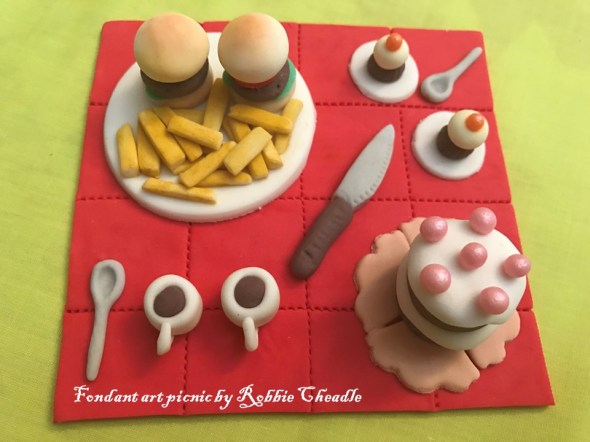
This month on Writing to be Read, I thought it would be fun to do a children’s picture book literary tasting to give readers an opportunity to sample short extracts from some wonderful children’s picture books. Interesting toddlers and small children in books and the written word lays the foundation for future readers and there is nothing like a great picture book to entice them into the book world.
Imagine you are at a picnic and the snippets in this post are delicious and varied food items.
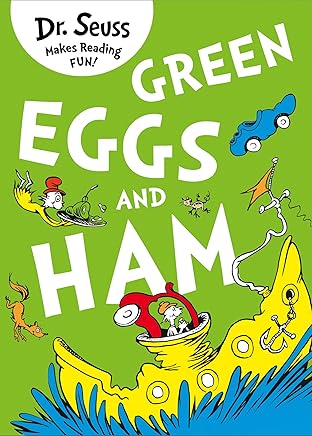
The wonderful Dr Seuss
Dr Seuss’ delightful rhyming verse picture books are the perfect reading material for small children and beginner readers. There is a lot of benefit to the sound and word repetitions in these books which is comforting and confident enhancing to children in this age and learning bracket.
Dr Seuss also includes messages about friendship, environmental friendliness and sharing in his books which can’t go amiss.
I see his books as the hamburgers at the picnic.
“And then I got mad.
I got terribly mad.
I yelled at the Lorax, “Now listen here, Dad!
All you do is yap-yap and say, Bad! Bad! Bad! Bad!
Well, I have my rights, sir, and I’m telling you
I intend to go on doing just what I do!
And, for your information, you Lorax, I’m figgering on biggering
and BIGGERING
and BIGGERING
and BIGGERING,
turning MORE Truffula Trees into Thneeds
which everyone, EVERYONE, EVERYONE needs!“
From The Lorax by Dr. Seuss. You can purchase all of Dr Seuss’ books here: Dr Seuss Amazon US
The creative Richard Scarry
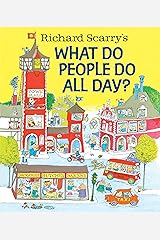
Richard Scarry is an amazing artist and children’s book author. He is know for his brilliant artwork personification where pigs, dogs, hippos and other animals wear clothes and take the roles of humans in his fantasy world. His books are aimed at a variety of age groups from toddlers to young children and teach them about a variety of things such as their ABCs for the youngest age group to What do people do all day?, Cars and trucks and things that co and A day at the airport. My boys loved these books and listened to me read them over and over again.
Richard Scarry books are the French fries at the picnic.
““Ho! Ho! Ho! And who are you?” asks a
great big fellow in red trousers. Mr Frumble
explains that he needs his skipickledoo
repaired so that he can get to the North Pole.
“Ho, ho, but you ARE at the North Pole!
I’m Santa Bear and these are all my helpers.”
Welcome!””
From The Night Before the Night Before Christmas! by Richard Scarry. You can buy all of Richard Scarry’s books here: Richard Scarry Amazon US
The artistic Beatrix Potter
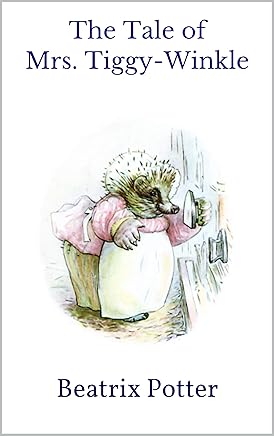
Beatrix Potter wrote beautiful stories about the trails and tribulations of the small animals she had as pets and also studied during holidays to Scotland and the Lake District. The most famous of Beatrix Potter’s books is The Tale of Peter Rabbit. My personal favourites are The Tale of Mrs. Tiggy-Winkle, which features a hedgehog, and The Tale of Two Bad Mice, which features two naughty mice, Tom Thumb and his wife, Hunca Munca.
The Beatrix Potter books are the delicious cake at the picnic.
“Hunca Munca tried every tin spoon in
turn; the fish was glued to the dish.
Then Tom Thumb lost his temper. He put
the ham in the middle of the floor, and hit it
with the tongs and with the shovel – bang, bang,
smash, smash!
The ham flew all into pieces, for underneath the
shiny pain it was made of nothing but plaster!”
From The Tale of Two Bad Mice by Beatrix Potter. You can purchase all of Beatrix Potter’s books here: Beatrix Potter Amazon US
The fun Valerie Thomas and Korky Paul
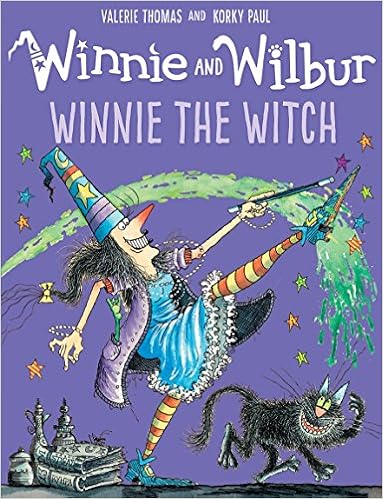
Valerie Thomas and Korky Paul have teamed up to create the Winnie the Witch series of children’s picture books which feature a sweet and unconventional witch called Winnie and her sardonic cat named Wilbur. Winnie likes black and eats funny foods like batburghers, but Winnie has a heart of gold and is always trying to do nice things to impress and entertain the “little ordinaries” who attend the local primary school. Unfortunately, Winnie’s attempts to do conventional things always ends in disaster and Wilbur has to try to bail her out of her debacles. My son, Michael, and my two nephews loved these books and I read them many times to an attentive and fascinated audience. These books are more modern and include references to technology in the form of computers and mobile phones which appeals to modern children.
I see the Winnie the Witch books as the sweet and tempting cupcakes at the picnic.
“Winnie turned around, and there behind her
was a great crowd of people. They were
running along the road towards her house.
***
They crowded into her garden
They took off their coats, their
hats, their boots, their gloves,
and their scarves.
***
They sat in the sunshine
They walked on Winnie’s flowers
They put orange peel on Winnie’s
grass. They paddled in Winnie’s pond.”
From Winnie in Winter by Valerie Thomas and Korky Paul. You can buy all their books here: Valerie Thomas Amazon US
I hope you have enjoyed this literary tasting. See you next month.
About Robbie Cheadle
Hello, my name is Robbie, short for Roberta. I am an author with five published children’s picture books in the Sir Chocolate books series for children aged 2 to 9 years old (co-authored with my son, Michael Cheadle), one published middle grade book in the Silly Willy series and one published preteen/young adult fictionalised biography about my mother’s life as a young girl growing up in an English town in Suffolk during World War II called While the Bombs Fell (co-authored with my mother, Elsie Hancy Eaton). All of my children’s book are written under Robbie Cheadle and are published by TSL Publications.
I have recently branched into adult horror and supernatural writing and, in order to clearly differential my children’s books from my adult writing, I plan to publish these books under Roberta Eaton Cheadle. I have two short stories in the horror/supernatural genre included in Dark Visions, a collection of 34 short stories by 27 different authors and edited by award winning author, Dan Alatorre. These short stories are published under Robbie Cheadle.
I have recently published a book of poetry called Open a new door, with fellow South African poet, Kim Blades.
Find Robbie Cheadle
Blog: https://bakeandwrite.co.za/
Blog: robbiesinspiration.wordpress.com
Goodreads: Robbie Cheadle – Goodreads
Twitter: BakeandWrite
Instagram: Robbie Cheadle – Instagram
Facebook: Sir Chocolate Books
Want to be sure not to miss any of Robbie’s Growing Bookworms segments? Subscribe to Writing to be Read for e-mail notifications whenever new content is posted or follow WtbR on WordPress.
Share this:

The benefits of listening to audio books
Posted: July 10, 2019 Filed under: Audio Books, Books, Children's Books, Fiction, Growing Bookworms, Reading | Tags: Audio Books, Children's Stories, Growing Bookworms, Reading, Robbie Cheadle, Writing to be Read 33 Comments
I love listening to audio books. There is no better way, in my experience, to appreciate a good book than listening to it being read aloud by a skilled reader. I listen to approximately four audio books in a six week period, many of which are classic books.
My love of listening to stories started when I was a little girl, although audio books were few and far between then. I remember listening repeatedly to a cassette with four stories about a family’s adventures in the wild west of America which I was given as a birthday present. My father also bought me a couple of LP’s, including Disney’s Alice in Wonderland and Sleeping Beauty, and I listened to these often.
During our music appreciation lessons at school, our teacher played us the audio books of Peter and the Wolf, a symphonic fairy tale for children, which comprises of a narrator telling a story while an orchestra illustrates it. The intention of this composition is to introduce children to the individual instruments of the orchestra and it did its job well for me, as listening to this story is one of my remembered highlights of my childhood and I have never forgotten the names of the various instruments and the sounds they made. If you are interested in listening to this brilliant story, you can find it here:
I also remember listening to the Sparky books at school. This series comprises of Sparky’s magic piano, Sparky’s magic echo, Sparky’s magic baton and Sparky and the talking train. The magic of these stories is still readily available to me if I sit and conjure up my memories of listening to them as a child. The audio versions of these stories made a huge impact on me as I don’t remember any story that I read myself as vividly.
When my boys were small I searched for, and purchased, all of the Sparky stories and Peter and the wolf as audio books for them. We used to listen to them in the car when we traveled, together with an array of nursery rhyme CD’s. My boys grew to love music and both of them learned to play instruments. Michael still plays the drums and intends to learn the guitar as well.
Audio books are a wonderful way of teaching children to appreciate literature and also grammar. They enable children to learn and understand complex language above their own reading levels and illustrate the benefits in story telling of punctuation, enunciation and emphasis.
Audio books make literature more accessible to children who struggle with reading, giving them an opportunity to enjoy the text without struggle to decipher difficult text. It teaches children new words and phrases, thereby expanding their vocabularies. In addition, in a modern world of shortening concentration spans in children due to television and computer games, audio books teach children to sit and listen.
I used audio books extensively as a tool to help Michael learn to enjoy books and develop a love of reading. When Michael was four years old, I discovered Naxos Audio Books and I bought a significant number of these for Michael. We listened to non-fiction books, including Famous Heroes of the American West, The Vikings and Great Scientists and Their Discoveries, fairy tales, including Grimms’ Fairy Tales and fiction, including The Adventures of Tom Sawyer, New Treasure Seekers, The Phoenix and the Carpet, Five Children and It, The Children of the New Forest and The Coral Island. Amazingly, Michael loved The Children of the New Forest and The Coral Island and listened to them repeatedly during his bouts of illness.
I received Michael’s school report for the first half of the year recently and the teacher remarked on his excellent vocabulary and above average comprehension skills. I attribute his strength in these areas to all the audio books we listened to and all the reading aloud I did to him and his brother.
Did your children listen to audio books? If yes, did you experience these benefits? Let me know in the comments.
About Robbie Cheadle
Hello, my name is Robbie, short for Roberta. I am an author with six published children’s picture books in the Sir Chocolate books series for children aged 2 to 9 years old (co-authored with my son, Michael Cheadle), one published middle grade book in the Silly Willy series and one published preteen/young adult fictionalised biography about my mother’s life as a young girl growing up in an English town in Suffolk during World War II called While the Bombs Fell (co-authored with my mother, Elsie Hancy Eaton). All of my children’s book are written under Robbie Cheadle and are published by TSL Publications.
I have recently branched into adult horror and supernatural writing and, in order to clearly differential my children’s books from my adult writing, I plan to publish these books under Roberta Eaton Cheadle. I have two short stories in the horror/supernatural genre included in Dark Visions, a collection of 34 short stories by 27 different authors and edited by award winning author, Dan Alatorre and three short stories included in Death Among Us, an anthology of murder mystery stories edited by award winning author, Stephen Bentley. These short stories are published under Robbie Cheadle.
I have recently published a book of poetry called Open a new door, with fellow South African poet, Kim Blades.
Find Robbie Cheadle
Blog: https://bakeandwrite.co.za/
Blog: robbiesinspiration.wordpress.com
Goodreads: Robbie Cheadle – Goodreads
Twitter: BakeandWrite
Instagram: Robbie Cheadle – Instagram
Facebook: Sir Chocolate Books
Want to be sure not to miss any of Robbie’s Growing Bookworms segments? Subscribe to Writing to be Read for e-mail notifications whenever new content is posted or follow WtbR on WordPress.
Share this:

Should children read abridged classics?
Posted: June 5, 2019 Filed under: Books, Children's Books, Classics, Growing Bookworms, Reading | Tags: Children's Books, Classic Literature, Growing Bookworms, Reading, Robbie Cheadle, Writing to be Read 50 Comments
There are many wonderful classic books available to people who are interested in reading them. I have recently re-read War of the Worlds and The Time Machine, both by H.G. Wells and also Dracula by Bram Stoker. I read these books in my early teens and, while I did enjoy them, I don’t remember appreciating any of the subtleties of the development of the characters in these books or the psychological and philosophical aspects either. This is because I did not have the life experience at that time to appreciate these concepts and their incredible appropriateness and cleverness.
I have never restricted or limited my children’s reading choices. This is because I believe that children can only experience and visualise the written world in the context of their own life experiences. If a child has never attended a funeral, they cannot visualise the white and haggard faces of the surviving family, smell the heavy and potent aroma of the funeral flowers or understand extreme expressions of grief such as throwing oneself onto a coffin as it is slowly lowered into the ground, in the same way someone who as actually witnessed such events could. They can read and appreciate the words but their ability to picture the detail is limited to their own visual experiences. This is not the case with television which supplies a ready-made visual to put the image into your mind regardless of your own experience. It is for this reason that I think that abridged classics are appropriate, and even ideal, for children.
Abridged classics expose children to the joys of great literature and enable them to appreciate their stories without struggling to understand words and concepts that are beyond their current reading and life abilities. In other words, abridged classics stimulate an interest in the storyline and characters while not burdening the child with all the deep emotion and psychology that is present in many classic books. If the child is excited by the story, there is a high chance he will revisit the book as an adult and read the full, unabridged version with greater understanding and appreciation.
If you are interested in purchasing the Classic Starts books, you can find them on Amazon US here: Classic Starts series
I bought all the Classic Starts books as well as a set of abridged Shakespearean plays and Chaucer’s stories for my son. My older son was mesmerised by certain stories such as The Phantom of the Opera, The Secret Garden and The Red Badge of Courage. I well remember him recalling these books with such fondness that a few years later, when he was about 13 years old, he read the unabridged versions of these books with great enthusiasm. He also went on to read a significant number of other classic books and represent South Africa as part of the St John’s College Prep team at the Kids Lit Quiz in New Zealand in 2016. I remember Gregory laughing aloud over the abridged versions of Canterbury Tales and The Taming of the Shrew. I do think these cultural experiences of English help set him up with a love of reading for life.
Reading abridged classics also allows children to access books that have been written in old English and are difficult for modern children [and adults] to read for that reason. These books allow us all access to humorous, dramatically and other situations from the past and allow us to learn more about our own history and path of evolution and change.
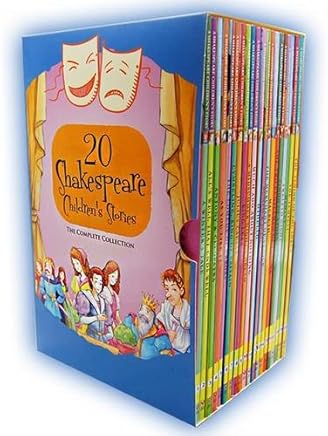
I believe there is a lot of benefit to be had from reading abridged classics to your child and letting them read them on their own. What do you think? Let me know in the comments.
About Robbie Cheadle
Hello, my name is Robbie, short for Roberta. I am an author with five published children’s picture books in the Sir Chocolate books series for children aged 2 to 9 years old (co-authored with my son, Michael Cheadle), one published middle grade book in the Silly Willy series and one published preteen/young adult fictionalised biography about my mother’s life as a young girl growing up in an English town in Suffolk during World War II called While the Bombs Fell (co-authored with my mother, Elsie Hancy Eaton). All of my children’s book are written under Robbie Cheadle and are published by TSL Publications.
I have recently branched into adult horror and supernatural writing and, in order to clearly differential my children’s books from my adult writing, I plan to publish these books under Roberta Eaton Cheadle. I have two short stories in the horror/supernatural genre included in Dark Visions, a collection of 34 short stories by 27 different authors and edited by award winning author, Dan Alatorre. These short stories are published under Robbie Cheadle.
I have recently published a book of poetry called Open a new door, with fellow South African poet, Kim Blades.
Find Robbie Cheadle
Blog: https://bakeandwrite.co.za/
Blog: robbiesinspiration.wordpress.com
Goodreads: Robbie Cheadle – Goodreads
Twitter: BakeandWrite
Instagram: Robbie Cheadle – Instagram
Facebook: Sir Chocolate Books
Want to be sure not to miss any of Robbie’s Growing Bookworms segments? Subscribe to Writing to be Read for e-mail notifications whenever new content is posted or follow WtbR on WordPress.
Share this:

How reading encourages diverse thinking
Posted: April 10, 2019 Filed under: Books, Children's Books, Diversity, Fiction, Growing Bookworms, Reading | Tags: Children's Books, Diversity, Growing Bookworms, Reading, Robbie Cheadle, Writing to be Read 27 Comments
We all want our children to grow up to an environment free from bias and discrimination. We want them to have opportunities to achieve their dreams and to believe they can accomplish anything. We also want our children to feel included and loved in all situations, from school, to home to religious institutions.
The best way to achieve this is to weave diversity into the fabric of our children’s lives. We can do this in many ways, one of which is by providing our children with a selection of multicultural books which allow them to imagine experiencing life in a different way and from a different perspective.
When you read multicultural books you are transported to a different culture and are exposed to new ideas about housing, food, schooling, transport and religion. I always remember when I read the books written by Charlotte, Emily and Anne Brontë as a teenage girl. These books were my first real exposure to the poor treatment of children and women during the Victoria era. I was horrified by the terrible conditions the orphaned girls experienced at Lowood School and the terrible illnesses that ravaged the learners. Later on in my life I read books about the lives of several female Victorian writers and I came to realise just how restricted their lives were. Female’s were not considered to have the intelligence or seriousness necessary to write novels. My own mother experienced discrimination as a young girl when her father refused to buy her a school uniform when she won a scholarship to attend a local grammar school. He didn’t believe in educating girls.
As I have walked my path as a reader, I have read a wide variety of books about life in numerous countries from the great cities of the USA, London and Paris to country towns and rural villages in Africa and Asia. Through reading, I have experienced life in Japan, China and Chile. I have tried to share these experiences with my own children by reading them abridged versions of classic stories like The Story of Doctor Dolittle by Hugh Lofting, a story of an empathetic doctor who travels to Africa and has adventures on this great continent, The Last of the Mohicans by James Fennimore Cooper, set in Upper New York State during the French Indian wars, To Kill a Mockingbird by Harper Lee set in Alabama and Oliver Twist set in Victorian London. They have also read a number of more recent books set in various countries.
Multicultural books teach us about other peoples cultures and religious beliefs and helps to instill positive attitudes about acceptance and tolerance. Some of the books that spring to mind that I read to my pre-teen boys are Fattipuffs & Thinifers by André Maurois which teaches children about segregation in an entertaining and light hearted way, I am David by Anne Holm, the story of a boy who escapes from a Bulgarian communist concentration camp and makes his way to Denmark, and The Diary of a Young Girl written by Anne Frank, that tells of her life as a young Jewish girl growing up in the Netherlands during the Nazi occupation. These sorts of books help teach children that while we all have different religions, celebrations and traditions, we are actually all the same. We all need to eat, drink and sleep. We all aspire to an education, job and happy family life.
While it is good for children to understand history and learn from the mistakes of the past, it is best to select titles that present a variety of points of view so as to prevent stereotyping.
The modern world is becoming more cosmopolitan and diverse due to the ease with which people can travel and communicate. My son plays computer games with friends from all over the world including India, the UK, the USA and Dubai. His school provides a boarding option and caters to boys from all over the world and a variety of different backgrounds, including Chinese, American, British, German, French and a number of African countries. There are Jewish, Muslim, Hindu and Christian boys all attending classes together, doing activities and sports together and enjoying themselves as a group. Diversity is a popular topic with many modern authors and I have recently read three lovely picture books aimed at teaching children about acceptance in a fun and simple way.
Myrtle the Purple Turtle by Cynthia Reyes is about Myrtle, a turtle who is purple and, as a result, she and her family are different from other turtles. You can read my review on Goodreads here: Goodreads review of Myrtle the Purple Turtle.
Kids get it by Sally Huss is a story about self-worth and the equality of all children in the eyes of God. You can read my Goodreads review here: Goodreads review of Kids Get It.
The cover of Who do I see in the Mirror? by Vese Aghoghovbia Aladewolu shares “the important message relayed to children is to love the skin they’re in.”. You can read my Goodreads review here: Goodreads review of Who do I see in the Mirror?
There are also a large selection of non-fiction books for children which describe the cultures and lives of the people of the world.
What do you think about the role of books in promoting diversity? Let me know in the comments.
About Robbie Cheadle
Hello, my name is Robbie, short for Roberta. I am an author with six published children’s picture books in the Sir Chocolate books series for children aged 2 to 9 years old (co-authored with my son, Michael Cheadle), one published middle grade book in the Silly Willy series and one published preteen/young adult fictionalised biography about my mother’s life as a young girl growing up in an English town in Suffolk during World War II called While the Bombs Fell (co-authored with my mother, Elsie Hancy Eaton). All of my children’s book are written under Robbie Cheadle and are published by TSL Publications.
I have recently branched into adult horror and supernatural writing and, in order to clearly differential my children’s books from my adult writing, I plan to publish these books under Roberta Eaton Cheadle. I have two short stories in the horror/supernatural genre included in Dark Visions, a collection of 34 short stories by 27 different authors and edited by award winning author, Dan Alatorre. These short stories are published under Robbie Cheadle.
I have recently published a book of poetry called Open a new door, with fellow South African poet, Kim Blades.
Find Robbie Cheadle
Blog: https://bakeandwrite.co.za/
Blog: robbiesinspiration.wordpress.com
Goodreads: Robbie Cheadle – Goodreads
Twitter: BakeandWrite
Instagram: Robbie Cheadle – Instagram
Facebook: Sir Chocolate Books
Want to be sure not to miss any of Robbie’s Growing Bookworms segments? Subscribe to Writing to be Read for e-mail notifications whenever new content is posted or follow WtbR on WordPress.
Share this:

Developing imagination and creativity through reading
Posted: March 13, 2019 Filed under: Books, Children's Books, Growing Bookworms, Reading | Tags: Children's Books, Creativity, Developing Creativity, Growing Bookworms, Reading, Writing to be Read 33 Comments
“Imagination is more important than knowledge.” Einstein
It takes imagination and creativity to make the leaps of logic, faith and inspiration necessary for new inventions and technological development. As the human race stands on the brink of the digital revolution which is already changing the way we live, work and relate to each other, we need to empower our children with the skills they need to cope with an increasingly faster paced and continuously changing world. The development of critical thinking skills and creative problem solving abilities are essential in order for our children to thrive and excel in the work places of the future.
How do we go about instilling these vital skills in our children?
Creative and imaginative play is an excellent way of developing “out of the box” thinking skills in children. Another important way of developing imagination and creativity is reading.
Reading books and hearing stories stimulate a child’s imagination through the adventure, characters and illustrations. Books introduce children to new ideas, experiences, concepts and behaviours that they may not encounter in their own lives. Encouraging children to read a wide variety of genres of books, including fantasy, non-fiction, comedy, poetry and historical fiction, opens up their minds, allowing them to explore new information, emotions and cultures and lead to greater understanding and empathy.
Reading forces a child to use critical thinking skills and logic to process what is being read and understand the concepts and ideas contained in the book. While you read, you create images, thoughts and opinions in your mind.
Reading is exercise for the brain, the more you read the better your concentration will be and the better you will be able to think in a clear and concise way. Reading completely absorbs the mind as it takes effort to read the words, comprehend what is being said and to analyse the deeper meaning and why the author has written about a particular subject in a specific way.
Reading aloud empowers children with better vocabularies, sentence structure and communication skills, enabling them to share their imaginative and creative ideas better.
It is the ability of human beings to be imaginative and creative, to experience great emotion and passion and to invoke these same feelings in others, that ensures we will never become “robotised”. People who have these characteristics will always be valuable to our society and that is what we all strive for, to raise children that will add value to society and, by doing so, lead happy and fulfilled lives.
About Robbie Cheadle
Hello, my name is Robbie, short for Roberta. I am an author with five published children’s picture books in the Sir Chocolate books series for children aged 2 to 9 years old (co-authored with my son, Michael Cheadle), one published middle grade book in the Silly Willy series and one published preteen/young adult fictionalised biography about my mother’s life as a young girl growing up in an English town in Suffolk during World War II called While the Bombs Fell (co-authored with my mother, Elsie Hancy Eaton). All of my children’s book are written under Robbie Cheadle and are published by TSL Publications.
I have recently branched into adult horror and supernatural writing and, in order to clearly differential my children’s books from my adult writing, I plan to publish these books under Roberta Eaton Cheadle. I have two short stories in the horror/supernatural genre included in Dark Visions, a collection of 34 short stories by 27 different authors and edited by award winning author, Dan Alatorre. These short stories are published under Robbie Cheadle.
I have recently published a book of poetry called Open a new door, with fellow South African poet, Kim Blades.
Find Robbie Cheadle
Blog: https://bakeandwrite.co.za/
Blog: robbiesinspiration.wordpress.com
Goodreads: Robbie Cheadle – Goodreads
Twitter: BakeandWrite
Instagram: Robbie Cheadle – Instagram
Facebook: Sir Chocolate Books
Want to be sure not to miss any of Robbie’s Growing Bookworms segments? Subscribe to Writing to be Read for e-mail notifications whenever new content is posted or follow WtbR on WordPress.