DC Comics vs. Marvel – Rivalry and Inspiration
Posted: May 25, 2020 Filed under: Animation, Comic books, Comic Hero, Super Hero, Super Villains | Tags: Comic Book Heroes, Comic books, DC Comics, Jeff Bowels, Super Heroes, Writing to be Read 4 Comments
Rivalry and Inspiration
by Jeff Bowles
Marvel and DC Comics have been crosspollinating, competing, and succeeding together for decades. What began as an off-brand creation for DC, the birth of superheroes as we know them, eventually spawned a mega-industry convolving print media, film and television, video games, toys, corporate sponsorship, underoos, you name it. Together, the two powerhouse entertainment companies, along with their parent ownership (let’s not forget Warner Bros. and Disney), are responsible for billions of dollars of revenue and international commerce every single year. You see their most popular characters everywhere you go, Superman, Batman, Wonder Woman, Spider-Man, Iron Man, Captain America.
So is it a wonder, then, that when asked to tell the difference between the two comic book universes, most people honestly can’t decipher what makes DC and Marvel unique. The truth is, that crosspollination factor is very much at play. Read a batch of comics from each company week-to-week and you’re likely to find tonal and stylistic identicality. It’s a bit of a brand new urban entertainment legend that DC is always dark and Marvel is always light. Not the case at all. In fact, the two competing companies more or less share the same pool of creative talent, so it’s only natural they do the flip-flop thing often.
But there are differences, right? I mean, there must be. Why, for instance, do so many DC characters wear capes? And why does Marvel tend to have a long tradition of Cold-War-era nuclear-radiation-themed heroes and villains? All of it, really, boils down to the eras in which the two pantheons germinated and hit their stride.
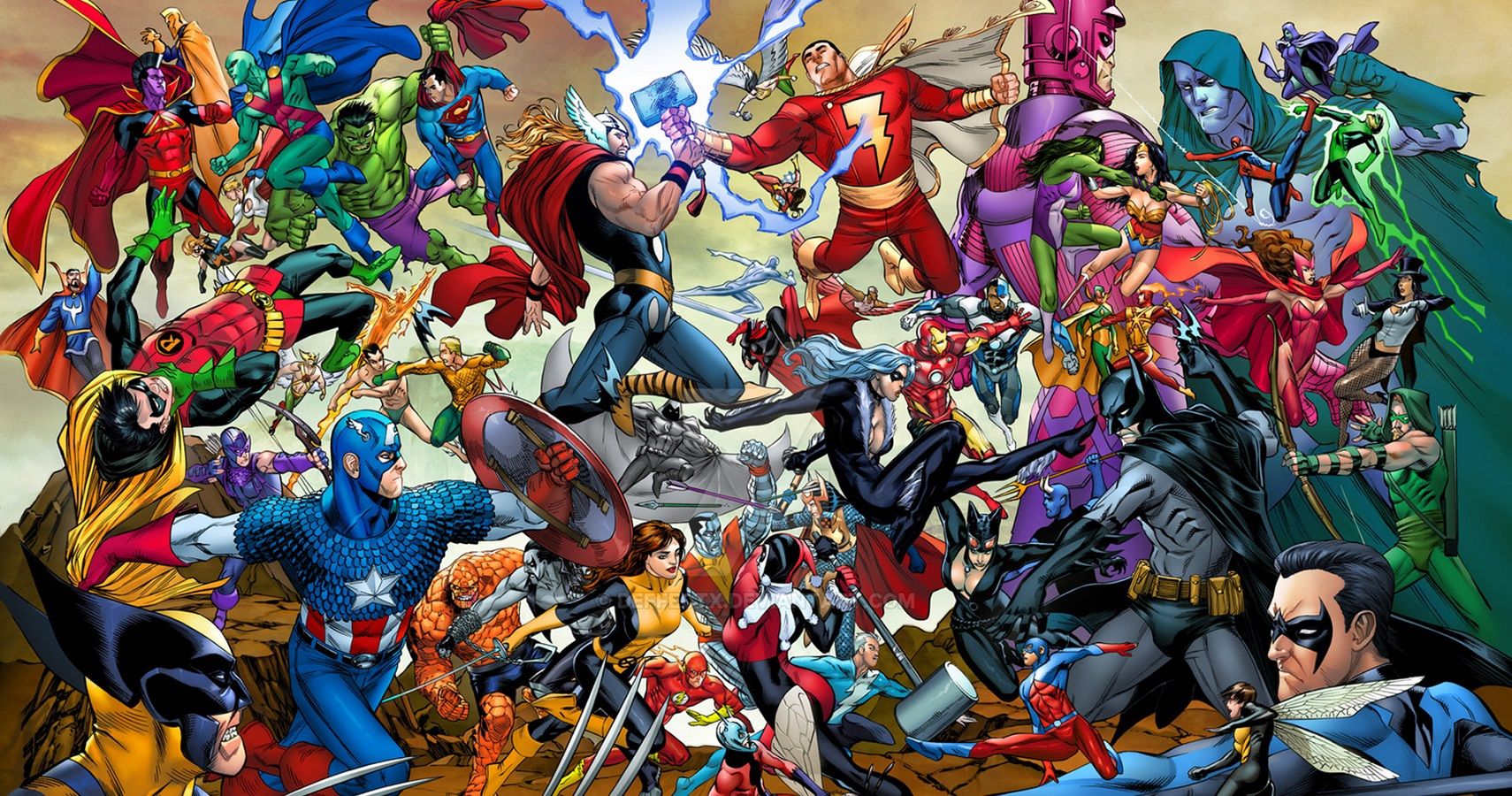
Marvel vs. DC
You see, DC Comics more or less invented the superhero with the publication of Action Comics #1. This was the first appearance of Superman, who was just different enough from other square-jawed comic protagonists of the time to birth an industry unto itself. Most of DC’s core character lineup can be traced to the year 1938, and to the decade or two that followed. Batman, Wonder Woman, The Flash, Green Lantern, Doctor Fate, The Spectre, Captain Marvel (now known as Shazam), all created by or incorporated into the DC Universe in what fans refer to as the Golden Age of comic books. And before you ask, yes, there is a silver age, which is when a company first known as Timely rebranded itself with a new outlook and a new creative modus operandi.
In 1961, the freshly minted Marvel Comics introduced The Fantastic Four, the success of which spawned more creations, like Thor, The Hulk, Black Panther, Doctor Strange, Ant-Man and the Wasp, and The Avengers. The impetus of the changes Marvel instituted came as a direct result of actions taken by—surprise, surprise—DC Comics. When DC revamped their aging golden-age superhero line in the late 1950s, Timely and then Marvel felt the need to pump up the bandwidth, as it were.
Here lies the crux of the matter: whereas most of DC’s heroes and villains had roots in mythology, noir, world war, and light science fiction, areas of entertainment particularly appealing to Americans in the 1940s and 1950s, Marvel took a much more grounded approach, one rooted in the realities of the Cold War circa 1961.
DC was a bit gun-shy about placing their heroes in the real world. They’d been punished for doing so before, by the federal government, no less, with the introduction of the Comic Code Authority. In their universe, the Cold War barely existed, or in the very least, it was handled with kid gloves. But for Marvel, it was essential as an ingredient for a new type of superhero pantheon that exploited a changed American mindset. The difference became even more crucial as the 60s progressed and social issues and politics came to the forefront.

Fantastic Four #1
The Fantastic Four, The Incredible Hulk, The Amazing Spider-Man, The Uncanny X-Men, Daredevil, All of these Marvel characters have roots in the post-nuclear age. Most of them were straight-up irradiated in order to receive their powers. The funny thing is, DC was so overwhelmed by Marvel’s real-world approach on both creative and financial fronts that they were forced to fight dirty and head straight into the storm. This is when Green Arrow’s sidekick became a heroin addict, Batman at last became the grim avenger we all know him as today, and even Superman had questions about authority.
As I said, crosspollination. It’s doubtful the two companies would exist in the forms we recognize today if not for the contributions and competition of the other, and I think the creators and staff at both Marvel and DC would be amongst the first to admit it.
As the years went on, of course, rampant similarity became the norm. Each company has its own distinct history, has made differing business decisions, big-tent pole story events like the Infinity Saga at Marvel or Crises on Infinite Earths at DC, but in the end, the real differences come down to when and where each set of core characters were birthed.
Being much older, DC has felt the need to “reboot” their characters and settings multiple times, which often leads to confusion amongst non-fans, particularly when it comes to origin stories, which can vary widely from one character iteration to another. Even big players like Superman and Wonder Woman have been imagined in so many different ways it’d make your head spin. Marvel has toyed around with this as well, though to a much lighter extent. The truth is, when you’re playing with DC, you never really know which version of any given hero or villain you’re going to get. The distinction is even more evident in light of contributions from Hollywood, which I’ll touch on next.

Avengers: Endgame
As most people on the planet are aware, Marvel is by far the most popular of the two companies in the year 2020. It has nothing, or almost nothing, to do with the comics anymore. Superheroes and supervillains have gone mainstream in a huge way, and Marvel reigns supreme at the box office. However, DC tends to have them beat on television. The CW, for instance, has an entire mini DC Universe with shows like The Flash, Supergirl, Legends of Tomorrow, Arrow, and new entries Batwoman and Stargirl. The Arrowverse, as it’s known, is not as good as some halfway decent mega-budget Hollywood movies, but hey, it works for most fans.
DC also has Marvel beat on the animation front. Marvel doesn’t really bother with this in a serious way, but DC has a long tradition of cartoon versions of their classic stories. They’re also less of a slouch in things like video games, or last they have been historically. Marvel launched a pretty massive Spider-Man game in 2018, and they’re following it up this year with an impressive looking stab at their flagship series, The Avengers. Coming to a home console near you this Fall, kids. Conglomerate synergy at its finest.
Well, that just about wraps it up for Superhero/Supervillain month here on Writing to Be Read. We hope you’ve enjoyed our comic themed articles all month long. Check back in the archives if you’d like to read more. Maybe we’ll do it again next year. 😊
I’d also like to say that no matter which team you prefer, Marvel and DC always have and always will do their level best to entertain the hell out of you. Both companies come from humble roots, and there have been times throughout the years money seemed more important to them than fans, but they usually come around to the right way of thinking. The gift of entertainment, it’s a high calling in my book. So much of what gives my life meaning as a writer is my ability to wow, shock, and please, and I owe a good portion of that ability to the likes of Marvel and DC. Thanks for reading, guys. See you on the flip.

Check out Jeff Bowles Central on YouTube – Music – Video Games – Music – So Much More!
You can keep up with all of Jeff’s posts right here on Writing to be Read. Subscribe to email or follow on WordPress today.
Share this:

Craft and Practice with Jeff Bowles – The Revision Process
Posted: May 20, 2020 Filed under: Craft and Practice, Editing, Fiction, Revision, Writing | Tags: Craft and Practice, Editing, Jeff Bowels, Revision, Writing, Writing to be Read 4 Comments
The third Wednesday of each month, writer Jeff Bowles offers practical tips for improving, sharpening, and selling your writing. Welcome to your monthly discussion on Craft and Practice.
The Revision Process
So I’m in the middle of a fairly lengthy revision process for my latest novel, and it brings to mind a piece of advice a mentor once gave me. When I began writing short stories, I joined an online critique forum that in retrospect helped shape me in some crucial ways. It was a pretty tough, competitive space when it came down to it, and the other writers there didn’t mind (lovingly) tearing stories to shreds if it meant giving enough feedback to fix what wasn’t working.
There was a guy there called Gary, older than most everyone else who frequented the group, and I tended to see him as an authority, a friend, and a bit of a task master. Gary was fond of quick little rules and guidelines, notepad-like pieces of wisdom that could really set a young writer up for growth.
“Expect the revision process for any given story to last two to three times longer than it took to write in the first place.”
In other words, by Gary’s estimation, if you were to write a quick story in an afternoon, you’d expect to spend an additional two to three afternoons revising and sharpening it to an appropriate level. I’m sure I don’t have to explain to you how in-depth the revision process can be. Sometimes it’s pretty easy-going, but for the most part, if you’re not doing some cutting here, expansion there, general tightening of language on all levels, and if you’re not willing to kill your darlings, as the saying goes, odds are you may be doing it wrong.
So what if we’ve written a whole book? Does Gary’s piece of advice still hold up? In my experience, it does. Due to sudden and unforeseen circumstances in my life, my novel took about a year to write. So does that mean it’ll take me two to three years to finish it? Not precisely. I worked on it for a year, but in fact, I only wrote about 300 words a day for a grand total of maybe fifteen hours of actual writing per month. Fifteen hours times twelve months equals 180 hours, and 180 times two is 360. Bare minimum, that is the equivalent of fifteen full twenty-four hour days of revision. Maybe more like a month and a half if I plan on sleeping, eating, or ever seeing my wife ever again.
Now remember, that’s only the initial revision cycle. More work will likely need to be done in order to bring that book up to production quality. Realistically, once you add in the services of an actual editor, you’re looking at several additional weeks or months of back and forth nitpickery. It’s the nitpicks that save us, by the way. Make sure you get plenty of them at breakfast time. They’re like daily bowls of Wheaties. Nitpicks make writer big and strong!
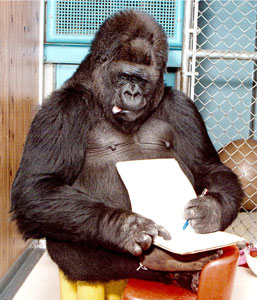
Big and strong writer (due to nitpickery)
It’s part of the overall level of dedication it takes to turn out a good piece of writing, right? And we all expect to have to work a little more after we’ve initially told a story, or at least we should. I’m not big on hard and fast rules. Really, I’m not. I think “rules” in writing can and should be broken now and then. Generally speaking, these kinds of prescriptions are for writers, not for readers. Inside baseball, not meant for actual spectators, you know what I mean?
Even so, there are some commonalities to this process I believe every writer can and should keep an eye on. First of all, get comfortable removing chunks of flesh from your manuscript. Just straight-up cutting large sections that may have had stuff in it you liked. Also, get comfortable rewriting everything you just took out. Only better. Hopefully. If parts of your story slow the narrative down, add unusual or unnecessary complications, or otherwise just don’t fit in with what you’re trying to achieve, that stuff’s dead weight, detritus. It’s got to go. Gird your loins, fellow word-wielder. Things are about to get messy at the slaughterhouse.

A good piece of meat isn’t born precooked, and neither is a good book. You can always resurrect some of that cut material and insert it elsewhere, but the same idea applies: if the words don’t fit, you must acquit.
Man, I’m on a roll today.
Another important thing to consider is if you want to make focused passes or not, keying in on just one element at a time, starting with larger issues like pacing and character development. This is a good idea if you’re new to the process or just like to stay organized, and it’ll probably save you some time in the long run. By making several focused and element-specific passes, you’ve got the opportunity to hone in without distracting yourself with other stuff that may change in the long run. My only suggestion for this type of revision process is to keep notes along the way. Ideas may spring to mind, better concepts for how to handle any given character or scene or larger story element, and you’re going to want to keep track of everything you intend to change for your next pass.
Admittedly so, I’m much too erratic and scatterbrained for this method, which means I tend to just charge in like a bull in a china shop and really tear the place up until its “redecorated” just how I like it. Mine is a messy process in this way, but it’s also just how my mind tends to work. Not everyone has the equivalent of sixteen trained chimpanzees careening around their heads, doing their level best to run the ship. If I don’t feed them at a regular time every day, Bingo—he’s the captain, see—he orders the rest of the chimps on strike, and then I’m in a real chimp ship pickle. Nobody wants that.
Where was I? Ah yes, serious discussion of the revision process.
A lot of what you’re going to be doing is in fact that more minute stuff, especially when you’re really getting down to it and most of your broader strokes have been made. Changing the language of the piece, the flow, tightening your syntax, all of that is important as finishing maneuvers. Just make sure you’re not revising so much you’re only shifting elements around and not necessarily improving anything. That can happen easily, which is why it’s also important during the revision process to take breaks when you need them. And I don’t just mean a break of a few minutes or hours. Sometimes you’ve got to let your manuscript go for days or even weeks just so you can come back at it with fresh eyes. The ability to forget what we’ve written is a great asset, so use it.
The annoyance and pain of all this is temporary. You have to keep that in mind. However, once they’re released to the general public, your words are forever. So now is your opportunity to line them up exactly as you want them. In the end, all you can do as a writer, as a creative individual of any kind, is your honest best. Will all your extra hard work pay off? That’s an eternal question, always in motion, and anyway, what’s your definition of success? I mean really?
I’ll have another Craft and Practice topic for you guys next month. Until then, cut a little, cut a lot, but don’t cut to the quick. The chimps in your brain may not like losing any of the good stuff. See you in June!

Check out Jeff Bowles Central on YouTube – Movies – Video Games – Music – So Much More!
Want to be sure not to miss any of Jeff’s “Craft and Practice” segments? Subscribe to Writing to be Read for e-mail notifications whenever new content is posted or follow WtbR on WordPress. If you found this useful or just entertaining, please share.
Share this:

The History and Evolution of Comic Books
Posted: May 15, 2020 Filed under: Animation, Comic books, Comic Hero, Fiction, Super Hero, Super Villains, Writing | Tags: Comic Book Heroes, Comic Book History, Comic books, DC Comics, Jeff Bowels, Marvel, Marvel Universe, Writing to be Read 1 Comment
Powers in Motion
by Jeff Bowles
As a storytelling medium, comic books have been around longer than anyone living today. Some disagreement exists among historians as to just what the first published example is, but more or less, comics have been with us since the mid-19th century. Certainly, they didn’t explode into absolute pop culture dominance until the advent of superheroes and supervillains, their best-known and most beloved subjects of exploration, but the truth is millions upon millions of comics have sold in all the time since.
It goes without saying that if not for the creation of one very special character, comic books would not exist in the form in which they do today. In 1938, two young men from Cleveland, hard-up for more satisfying and lucrative creative endeavors, concocted a simple yet compelling narrative based on the biblical stories they’d grown up with. An infant savior from another place, sent from on high by his father to protect and guide humankind. Jerry Seigel and Joe Schuster were thinking more Moses than Jesus, but the Judeo-Christian allegory that is Superman tapped into something deep within the psyches of readers everywhere.
When DC Comics published Action Comics #1, the first appearance of the Man of Steel, the company had no earthly concept what they were unleashing on the world. The first appearance of Batman followed a year later, and quick on his heels were characters like The Flash, Green Lantern, and Wonder Woman. Sales were massive for this new kind of storytelling, so full of color and simple, easy-to-understand moral allegory. Until Superman showed up, comics were usually about hard-as-nails detectives and avengers of the night who could neither fly nor leap tall buildings in a single bound. But Supes, he was different.

It was and still is widely accepted that comics are for children, but adults like them, too. In fact, as the Allies went to war in Europe and the Pacific, young servicemen and women brought their recreational reading habits to the front lines. Japan in particular adopted comic books with unrestrained delight. In the year 2020, they remain the top producer of the entire global industry, having created a literary genre unto itself in Manga.
Back in the US, the end of World War II brought with it new social standards, including a certain suspicion of the medium. It became widely believed that comics contributed to childhood delinquency, vandalism, and violence. Senate hearings were held on the matter, not unlike those that plagued the video game industry after the Columbine massacre. In both cases, the federal government imposed rating systems, and at least as far as comics were concerned, the high flying antics of superheroes were dragged a bit closer to earth.
In the 1950s, comics gained a squeaky-clean image, which contributed to their overall decline in sales. It seemed that the original generation of kids who had embraced characters like Superman and Batman had grown up, and they were by no means interested in overtly sanitized farces. Network television had a hit on their hands with the George Reeves Superman show, carried over to some extent by earlier radio productions. But the comic book itself faced its first major hurdle: people just didn’t care anymore.
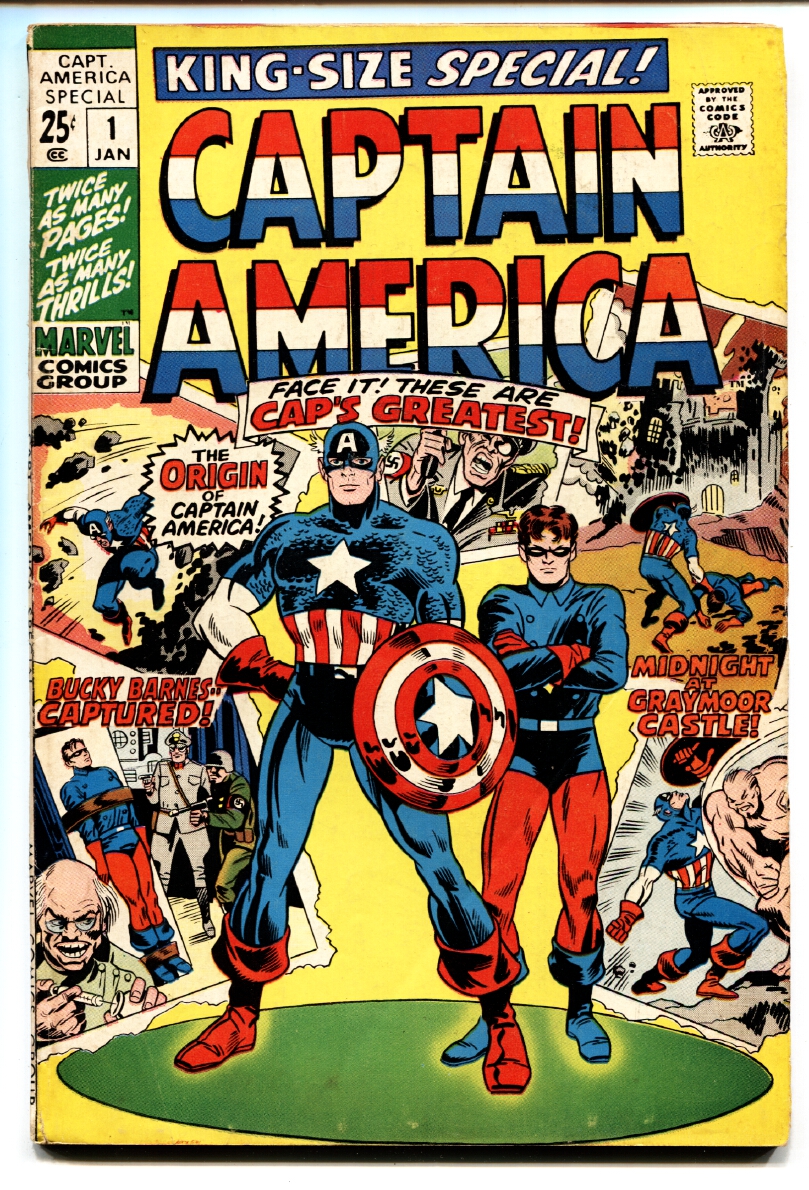
Times change, and so do the kinds of stories we like to tell each other. In 1961, Marvel Comics (formerly, Timely Comics) got into the superhero game in a big way with the introduction of Fantastic Four #1. This single issue began what enthusiasts call the silver age of comic books, and creators Stan Lee, Jack Kirby, and Steve Ditko didn’t stop there. Many other characters emerged from their Manhattan offices: Spider-Man, Iron Man, Thor, The Incredible Hulk, The Uncanny X-Men, Doctor Strange, Ant-Man, Black Panther, all created within the first ten years of the company’s resurgence. They even added an old figure from their distant past to the roster of the newly-minted Marvel Universe. Captain America is almost as old as Superman, but he’d been all but forgotten by fans until Stan Lee decided to pull him from the ice.
The medium exploded in popularity once more, and the 1970s saw advancements that began eschewing the now decades-old Comics Code Authority. DC, for instance, who initially struggled to keep up with Marvel’s perceived hipness, got into all the major social battles of the time, including equal rights, racism, drug addiction, and violence against women. The decade introduced some of the most compelling and sophisticated comic stories told to date, and Marvel and DC became twin powerhouses of an artform many had thought dead and buried.
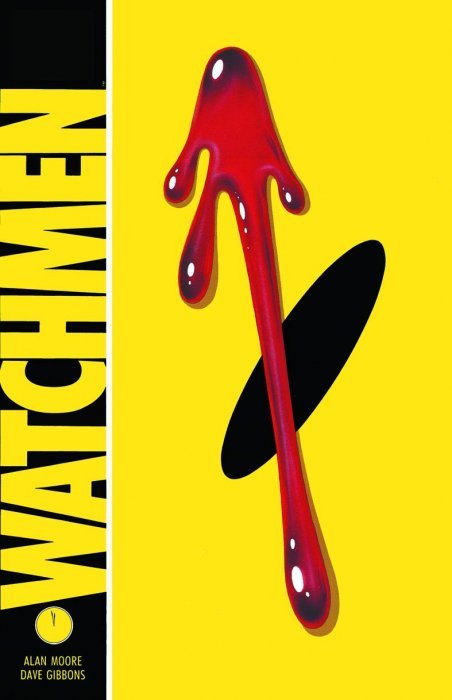
In 1978, Warner Bros. produced what many consider to be the first serious superhero film, Superman: The Movie. Demand for the character and other DC properties climbed to dizzying heights. In the decade that followed, comics continued to mature, became darker and much more adult, featuring storylines and characters that took advantage of the public’s newfound love of antiheroes. Marvel made huge waves with the likes of The Punisher, Venom, and new takes on classic characters like Spider-Man, The X-men, and The Avengers. Over at DC, things got even more experimental, with major new series like Watchmen and Batman: The Killing Joke, not to mention the introduction of their Vertigo imprint, which exclusively publishes adult-only material
 .
.
A new collector’s market formed around special releases and big-stakes stories that reset the board, such as The Death of Superman and the first issue of Marvel’s five-variant-cover X-Men #1. Like so many other markets built on false commodity, however, the bubble eventually ruptured, and comics have seen a slow but steady decline in sales ever since. DC has faired pretty well historically, partially because they were acquired by Warner Bros. in 1969. Marvel, on the other hand, slipped into bankruptcy, and only barely pulled themselves out by the skin of their teeth.
By the late 1990s, the future of comic books was in question. It had become clear that the business of printing colorful heroes and edgy villains was on shaky ground, but the new millennium heralded in a trend few in the industry saw coming.
DC had always had hit-and-miss successes with their film division. Though 1978’s Superman and 1989’s Batman were big for their time and place, superhero movies were still widely considered risky business. In 1998, Marvel Entertainment co-produced a film based on their daywalking, vampire-slaying Blade character. Though the film did average box office, Marvel viewed it as a sign of bigger and better things to come. Two years later, they released an X-Men movie which fared much better, and two years after that, it was Spider-Man’s turn.
Marvel earned one success after another at the box office, creating new film-based iterations of classic characters like The Hulk, The Fantastic Four, and Daredevil. But it wasn’t until 2008 and the release of a little movie called Iron Man that everything changed. At the time, Marvel Entertainment and producer Kevin Feige hatched an idea to do for their movies what Stan Lee had done for their comics back in the early ’60s, namely, they decided to turn them into a working shared universe. Marvel released a few key introduction movies and then bet the farm on 2012’s The Avengers.
The absolute financial and critical dominance of that movie was eclipsed only by its potential for more stories and even bigger box office hauls. Disney bought Marvel in 2009, adding significant distribution and funding prowess to the small company that had almost folded not ten years prior. Though DC and the WB have tried to match the success of the Marvel Cinematic Universe, the decade ending 2019 was completely dominated—in one form or another, it seems—by characters created by Stan Lee and his successors.

But what about comic books themselves? Do people still read them? Do they still sell? More or less, they do, though even fans get the sense the comic divisions of the big publishers only exist to fuel their filmmaking endeavors. Marvel, DC, and others still know how to tell great stories, and they do it every single week, every month, every year. More major contributors to the industry include Darkhorse, Image, IDW, and Valiant. Comics are not now and have never been solely about superheroes, and the indie space in particular proves that this kind of storytelling is open and ready for all.
Regardless of how you feel about the dominance of comic-bookisms in our culture, the slow decline of the publishing industry beneath it, and the ultimate moral ambiguity of “good guys” who beat the crap out of “bad guys”, the fact remains that comics have been a force of societal transformation for over eighty years, longer in fact, when you factor in the storytelling traditions at play, some of which are as ancient as humankind itself. The first comic book, published in the 19th century, whatever it may have been, set a ball rolling that continues to, well, crush the life out of everything in its path.
Only one question needs to be asked at this point: who do you like better, Marvel, DC, or the bold and bombastic characters of some other powerhouse company? Sound off in the comments section below, guys. And continue to stay tuned all May for more superhero/supervillain themed articles and posts right here on Writing to be Read. Excelsior!
Check out Jeff Bowles Central on YouTube – Music – Video Games – Music – So Much More!
You can keep up with all of Jeff’s posts right here on Writing to be Read. Subscribe to email or follow on WordPress today.
Share this:

Jeff’s Movie Reviews – DC Comics Gets Animated
Posted: May 8, 2020 Filed under: Animation, Comic Hero, Fiction, Jeff's Movie Reviews, Movie Review, Movies, Super Hero, Super Villains | Tags: Comic Book Heroes, DC Comics, Jeff's Movie Reviews, Justice League, Marvel, Super Heroes, Super Villains, Superheroes, Supervillains, Writing to be Read 1 Comment
Cartoon Justice
by Jeff Bowles
This month on Writing to be Read, we’re exploring superheroes and supervillains, so for May’s movie review, I thought I’d discuss a lesser known corner of the major comic book film adaptation landscape.
DC Comics and their parent company/distribution overlord, Warner Bros., have gotten a bad rap for producing superhero films that simply don’t meet the bar established by their rival, Marvel Studios. Well allow me to clue you in on one area DC has Marvel beat: animated films. Direct-to-video, barely seen by non-fans, but actually pretty good and by and large, better than their big-screen live action cousins.

Justice League Dark: Apokolips War
Warner’s animation division has a long history of excellent superhero storytelling. Warner Bros. has owned DC since the 1980s. It took Marvel two additional decades to receive studio backing from Disney, probably because Marvel was in bankruptcy until it started making bankable movies like Spider-Man and Iron Man. But back in the early 90s, Warner Bros. and DC created the Emmy-winning Batman the Animated Series, which still holds up as one of the greatest Saturday morning cartoons of all time. All these years later, that same group is still together. They have released over fifty (count them, fifty) feature-length animated films that cover all areas of the DC universe.
Whereas Marvel requires audiences to have prior knowledge of their storylines before going into any given sequel, the DC animated film series rarely contains that much connective tissue, except in their main Justice League storyline, which just wrapped up this week with the release of Justice League Dark: Apokolips War. Now that’s spelled Apokolips rather than apocalypse; we’re talking a fire planet ruled over by Thanos-clone and best-dressed uber-villain of the year, Lord Darkseid. And that’s spelled Darkseid rather than dark side, because, well, he was created in the 1970s, and everyone in the comic industry at that time was on copious amounts of “powdered productivity”.
Justice League Dark: Apokolips War is an excellent animated film, one you may just skip if you’re not a fan. It’s got everything in it faithful DC-heads have come to expect. World-ending cataclysms, fists and superpowers and feats of incredible strength, magic and might, and more major character deaths than you can shake a batarang at.

John Constantine saves the day in Apokolips War
John Constantine (that’s THE John Constantine, once played by Keanu Reeves in his own major film adaptation) is recruited by the Justice League to take down Darkseid for good. When things go terribly wrong, the population of Earth is more or less decimated, and it’s up to Constantine, a depowered Superman, and a small cast of other heroes to set things right.
Whether they do or not isn’t really the point. This small animated movie takes more risks with its characters than any big-screen Marvel romp. Perhaps because they can afford to. When I say there are a ton of unexpected deaths in this thing, I mean it. You never know who’s going to snuff it, which makes it all the more enjoyable.
The DC animated library is of much higher quality than you may expect. Most entries are made for adult fans, which is how you can justify an R-rating for Apokolips War. For crying out loud, these dying superheroes pop like balloons. Like bloody, spandex-clad, hope-to-see-you-in-the-reboot balloons.
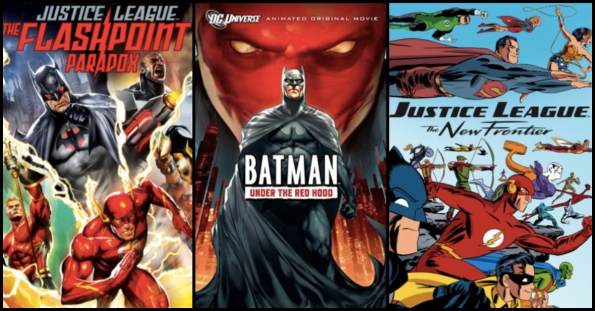
The Full Breadth of the DC Animated Universe
You wouldn’t want to sit your kid in front of Apokolips War, but the point is that over the course of more than fifty releases, the full breadth and scope of the DC universe has been on full display. We’ve gotten to see all corners and permutations, from Gotham City to Metropolis to outer space and DC‘s dark magical underbelly, loaded with lots and lots of characters the general public haven’t even heard of. If you want your DC education without sifting through stacks and stacks of old comics, these movies may be for you.
Marvel has a great reputation for entertaining if underwhelming storytelling, and right or wrong, they’re also perceived as being the light and enjoyable flip side of DC Comics and their brooding nature. To a certain extent, that reputation is in error. Read some comics from both companies in any given week and you’re likely to find tonal and narrative identicality.
So it’s kind of wonderful to have such a huge library of animated films that communicate what DC Comics is all about far better than their live action equivalents have done. Truth be told, I’d rather watch some of these cartoons than the likes of Batman v Superman or even the much-hyped huge disappointment that was Justice League.
You remember the Justice League movie? Yeah, not many people do, it seems.

Do I Have Something on My Face?
But a good Justice League cartoon, now that I can get behind. The ending of Apokolips War is perhaps not as definitive as was advertised. Really, it’s just stage one of a massive retooling, but I’m fine with that. The legacy begun by that legendary Batman cartoon series from the early 90s is still in good hands, and you can pick out any one of these animated films and have a pretty good time with it. Plus, they’re all available for digital download and streaming.
Maybe animation isn’t your thing, and neither are comics or superheroes. But the truth is there is a massive installed fanbase that is ravenous for any new story from Warner Bros. Animation. These releases don’t do well financially in the larger sense, but every one of them takes great pleasure and care extoling the virtues of this kind of storytelling.
Batman, Superman, Wonder Woman, and hundreds of other DC characters have gotten time in the limelight, a feat that will most certainly never be repeated in big-budget live action form. So maybe it’s a little silly to get invested in a bunch of cartoons, but if you have any love or curiosity for the full scope of what DC Comics has to offer, this is a great place to dig in and enjoy.
You weren’t planning on leaving the house anyway, were you? Oh, you were? Then stand six feet away and in that direction, please. I’m not Superman, you know.
Check out Jeff Bowles Central on YouTube – Movies – Video Games – Music – So Much More!
You can keep up on what Jeff’s been watching and catch all of his great movie reviews the third Friday of each month on Writing to be Read. Subscribe to email or follow on WordPress today.
Share this:

Words to Live By – Look, Up in the Sky!
Posted: May 6, 2020 Filed under: Comic Hero, Fiction, Inspirational, Super Hero, Words to Live By, Writing, Writing to be Read | Tags: Comic Book Heroes, Comic books, DC, Marvel, Super Heroes, Words to Live By, Writing to be Read 1 Comment
The first Wednesday of every month, writer Jeff Bowles muses on life, creativity, and our collective destinies as makers of cool stuff. You’re a writer, but have you ever thought about how or why? Here are some words to live by.
Look, Up in the Sky!
This month on Writing to be Read, we’ll be celebrating one of America’s original storytelling mediums, the comic book. In any other given year, one not smitten with the likes of COVID-19, May would see the release of the latest big-budget movies from Marvel and DC, their publishing divisions would be rolling out their next huge crossover events, and Free Comic Book Day would invite fans and newbies alike to visit their local comic shops and sample what’s available these days.
This year isn’t like any other year, of course. Practically everyone on the planet is being asked to make sacrifices to keep themselves and others safe. Superheroes are great at making sacrifices. In fact, you could say it’s their most important superpower. The truth is we don’t have to go out to the movies or visit a comic shop to witness feats of incredible valor and strength. All we have to do is look at the people around us. In fact, all we have to do is look in the mirror.
Now I know what you may be thinking, especially if you’ve never been a fan of the medium or if you’ve got no love for spandex-clad do-gooders on the silver screen. It is a certainty you’ve noticed Hollywood has pledged a good deal of their resources to the production of films and television series based on superheroes and supervillains. I have to tell you, as a longtime fan, it sort of gives me a thrill. When I was growing up, only nerds liked comics, spotty young men and women who argued with each other about who would win in a fight, Batman or Spider-Man, who dwelt in their parents basements and only went into the sun to hiss at it and then stalk around Lon-Chaney-style, searching for more comics.

That stereotype isn’t even close to accurate, but look, up until about fifteen years ago, it was supremely uncool to be into this stuff. Which is why I’m so pleased I inherited an absolute passion for it.
My brother, Chris, is ten years older than me, quite an age difference by the standards of most families with only two children. He started reading and collecting comics around about the time I was born, and when I was old enough to read them, he got me hooked as well. I learned so much about my favorite comic characters from cartoons and movies, but it was really Chris who taught me everything I needed to know, who allowed me to glimpse these worlds as they really are: static on the page, but full of life in your mind.
The sum total value of that knowledge is this: comic books are fun, colorful, dynamic, easy on the eyes, and short. Their stories take place over twenty-two pages, and they’re almost always about doomsday scenarios and strong, noble crusaders who nip them in the bud. I remember going through stacks and stacks of my brother’s collection, marveling at the artwork, the boldness and speed of the actual storytelling. Some of the best memories of my life involve curling up with my own short stack of comics. I looked up to Chris with all my heart. I still do. He’s a personal hero of mine.
Lots of people have analyzed the relationship between comics and myth, the Hero with a Thousand Faces, a modern manifestation of our desire for legends and tall tales. But I honestly think people’s love of superheroes, especially in today’s world, stems from a basic psychological need for good examples, guiding lights. If you venture into the world right now, you’ll see that heroes are everywhere. They’re the doctors and nurses staffing our hospitals, putting their lives on the line so we can be happy and healthy. They’re the people who continue to produce and provide us with food, the butcher at the grocery store, the delivery guy who gets your pizza to you right on time.

Heroes come in all shapes and sizes. Even you, who must battle fear just to run a few weekly errands. And rather than seeing these fictional figures as a breed totally outside our experience, it might be more helpful to analyze their existence in relation to our deepest desires. Maybe we can see ourselves in the likes of Superman and Captain America. It doesn’t take much to look beyond yourself and lend people a helping hand when they need it, and this is the basic nature of the superhero.
Sure, their exploits are silly sometimes, even nonsensical. They wear ridiculous costumes and rattle off cheesy one-liners. You could even argue they set a bad example for young people, because no matter what seems to occur, they almost always solve every problem with their fists. But the truth is the modern world needs them. Realistically speaking, we’ve all got a good guy dwelling in our hearts and minds, and it’s possible, if we really try, to take courage and strength, and at the best of times, to let our inner super shine.
A lot of folks criticize Marvel and DC movies for their overreliance on end-of-the-world scenarios, but it’s all a subconscious thing, isn’t it? We’ve all had our personal doomsdays, have all needed to be strong when fate was against us and luck simply was not on our side. It’s a quaint pastime, reading comic books. There’s nothing magical or mystical about it. Just the enjoyment of disappearing into another world for about twenty minutes, and then reaching over to your brother’s stack and picking out another adventure.

We here at Writing to Be Read believe strongly in literacy and the spread of a better kind of virus, good storytelling. My storytelling mode of choice is often comics, which taught me right and wrong, strength and courage in the face of adversity, and which allowed me to form a connection with my brother that I value and cherish to this day. I’d be remiss if I didn’t mention my Mom and Dad, who bought us all those comics for all those years. As a writer, I learned a great deal of the craft from this medium. As a human being, I learned everything I needed to know about how to treat others with dignity and respect.
If nothing else, comics are clearly a great bonding opportunity, and in their purest expression, they allow us to feel, if only for a little while, like we too can bend steel, soar through the air, and leap tall buildings in a single bound.
Have a wonderful May, everybody, and tune in all month long for more superhero and supervillain themed posts and articles. We’re all in this together, always have been and always will be. You don’t have to wear a cape and save my life to be a hero in my book. All you’ve got to do is turn to your fellow man, decide you can help, and then do everything in your power to make it happen. Look, up in the sky! It’s a bird! It’s a plane!
Up, up and away, everybody.
Check out Jeff Bowles Central on YouTube – Movies – Video Games – Music – So Much More!
Want to be sure not to miss any of Jeff’s “Words to Live By” segments? Subscribe to Writing to be Read for e-mail notifications whenever new content is posted or follow WtbR on WordPress. If you found this useful or just entertaining, please share.
Share this:

The Essence of Writing Good Dialogue
Posted: April 15, 2020 Filed under: Dialogue, Fiction, Writing, Writing Tips | Tags: Dialog, Jeff Bowels, Writing, Writing Tips, Writing to be Read 3 CommentsIt’s not what you say. It’s the way you say it.
by Jeff Bowles
I love good dialogue. In fact, it may be my favorite thing about reading a book or watching a truly excellent film. Many serious writers will tell you that it’s an important tool in the author’s toolkit, but that it is by no means the most essential. I respectfully disagree. I say good dialogue can elevate your writing like nothing else. After all, it’s not what you say. It’s the way you say it.
Looking back, I realize I’ve always been polishing up my ability to generate interesting, gripping, or just plain funny dialogue. I self-studied writers and filmmakers who made it a priority in their storytelling, folks like Douglass Adams, Elmore Leonard, and Quentin Tarantino. I read a lot of Marvel and DC comic books, which as you may or may not know, are almost completely composed of dialogue. I don’t know why it mattered so much to me, but I absolutely lit up whenever characters interacted with each other in snappy and surprising ways. I still light up when I read, see, or hear the good stuff, and maybe I can’t speak for everyone on this, but when was the last time you saw a well-produced Shakespeare production and thought to yourself, Gosh, that guy just couldn’t write people to save his life?
That’s the key. People live in dialogue. Not in long winded descriptions or deep internal navel gazing. Characters come to life in their interactions with each other. You could say it’s the one thing that makes them leap off the page. It’s how people work in real life, too. Which is to say, without conversation, people tend not to work at all. Sit together with someone in an awkward silence long enough and you’ll know exactly what I mean.
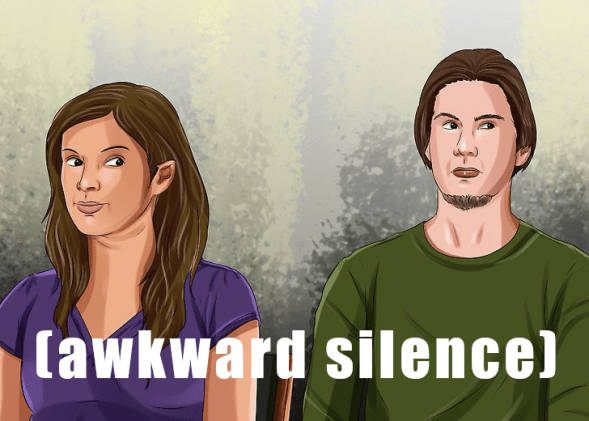
When it comes to short stories and novels, good dialogue is essential. Sure, you’re a master of scene setting and description, but do all your characters seem to communicate like wooden B-movie stereotypes? Or another problem many writers have, have you noticed you’re timid on engaging your readers with dialogue, and so you tend to rely on big blocks of text to get your message across? Scene setting, subtle character development, basic point-to-point plotting, visceral sense engagement and description, and basic personal style may be the rhythm of the music we call fiction, but truly inspiring dialogue is quite essentially the melody.
If you think about it, you don’t even really know characters until they open their mouths. If you struggle with dialogue, or if you’re just looking to brush up on the basics, there are a few exercises you can employ. One, of course, is to go to a public place and listen to people converse in real time. Admittedly, not really a viable option during Coronavirus lockdown, but you can easily work this exercise from the comfort of your own home. Tune into some reality TV, or simply listen to the conversations your family have. Write down every word verbatim, if you can. You’ll notice that people tend to speak in a pretty roundabout way, with lots of umms and starts and stops thrown in the mix.
Good dialogue should contain elements of realistic conversation, but you also need to focus it like a laser beam. If you were to write a scene in which people talk like they do in real life, you’d end up with so many pauses, ellipses, and false starts it’d drive your readers nuts.
“Hi, Jim, how’d work go?”
“Oh, you know, I don’t know … the boss, he’s real … umm … I don’t know, he’s real pushy when it comes to … when it comes to, uh … oh, I don’t know”
Doesn’t really flow all that well, does it? May I present the alternative that what you’re going for with good character interactions isn’t so much realism as pointed randomness. That is to say, make an effort to produce dialogue that cracks like a whip, pops and snaps like lightning. Only make sure also that it’s random enough no one can accuse you of stiffly holding your reader’s hand.
“Hi, Jim, how’d work go?”
“Ah, you know, the boss … ever get the feeling some people’s neckties are on too tight?”
“Uh-oh. I know that tone. He got pushy again, didn’t he?”
“Pushy? I haven’t slept in weeks. Pretty sure I had a waking dream while filing a client’s paperwork today. By the way, if the office calls asking why I’ve suggested one Dana Baker should just hit the clown on the nose and fly away on his trusted dragon, I’m not in.”
Also, don’t be afraid to surprise yourself. If you’re surprised by your writing, you can guarantee your readers will be, too. Zig instead of zag when you approach character interactions. Also, try producing more dialogue on the page than you’re used to. A lot of readers just kind of sift through text blocks anyway. They consider the dialogue the real meaty parts. Sad, but I think it is true. Readers are less interested in what’s happening now than in what happens next. You can fuel that burning need to find out.

Here’s something else you may not have considered. The first true novel written in the English language was likely published sometime in the 16th century, or thereabouts. A couple centuries later in the Victorian era, the novel had exploded in popularity, and that period is still a gold mine as far as writers who produced work we’re reading to this day. In all the time since, our concept of good narrative fiction has gotten lighter, not heavier.
Have you ever been chewing your way through a Victorian novel and thought to yourself, Why’s it taking this lady so long to get out of her house? Well, it’s because back then, the form and function of the novel was to in some fashion reproduce life. Entertainment is its form and function in the year 2020, because these days authors have to compete with film, television, internet memes, video games, just about anything that’s loud, fast, and gets its point across in seconds flat.
Unfortunately, you are therefore also competing with shortened attention spans across the globe. Do yourself a favor, don’t shirk your duty to write super fun, super engaging dialogue. It can save even the dullest story. Well, maybe not the dullest. Need something more specific? Well, for one, make sure all your dialogue tags (or at least most of them) are of the simple, he said, she said variety. Very few of these said-bookisms you’ve heard so much about.
Also, try bouncing back and forth between characters like they’re playing verbal tennis. Keep each line short and snappy; play a game of hot potato. And don’t forget to edit like crazy when you’re done. If you’re not removing bulk between those quote marks, you’re doing it all wrong. Even in my short examples above, I went back in and cut the detritus. Because good dialogue should flow, not lay inert like a dead body on some old science fiction TV show.

Similarly, characters should all sound distinct from one another. Don’t give them so many affectations they no longer sound realistic, but look, not everyone talks the same, do we? We have accents and ticks and odd regional slang we depend on. Try speaking your dialogue aloud as you’re writing it. Kind of helps to clear out the mental cobwebs. If you can hear it from your own mouth, and it sounds pretty good to you, odds are it’ll work well enough on the page.
The truth is, most readers depend on good dialogue to communicate story. You can build or establish character relationships with it, key in on essential plot points, foreshadow upcoming events, or just plain have fun and make people laugh. One more time, dialogue is the melody of this music we call storytelling. So make sure yours is enjoyable to listen to. Speech, language, it’s the engine that drives everything we do. It binds us together, tears us apart, and isn’t that the essence of story?
If you’re struggling with this, the old adage, practice makes perfect, is as always the essential factor. You’ll thank me once you’ve mastered this new superpower, and your readers will thank you. Is it possible to overdo it? Certainly. But wouldn’t you rather read a beautiful mess that sounds like Mozart rather than racoons rattling around in your trash cans late at night?
Heh. That’s a funny line. Maybe I should jot it down and have one of my characters say it someday. Until next time, everybody. Wooden conversation is as wooden conversation does.
Check out Jeff Bowles Central on YouTube – Movies – Video Games – Music – So Much More!
Share this:

Jeff’s Movie Reviews – For Your Homebound Quarantine Enjoyment: Birds of Prey
Posted: April 10, 2020 Filed under: Adult, Comic Hero, Jeff's Movie Reviews, Movie Review, Movies, Super Hero | Tags: Birds of Prey, Comic Book Heroes, Jeff's Movie Reviews, Movie Review, Superheroes, Supervillains, Writing to be Read 3 CommentsI See Your Giant Mallet and Raise You One Pet Hyena
by Jeff Bowles
As it turns out, a super-scary international virus lockdown isn’t all bad. Sure, you’ve got to muscle retirees out of the way at the grocery store to get a cheap four pack of toilet paper and some frozen peas, but on the up side, Hollywood has released some of its biggest Spring movies to enjoy from the safety and comfort of your own home.
New films like The Invisible Man, Onward, Sonic the Hedgehog, Bad Boys for Life, and Bloodshot are all available On Demand for early rental or purchase, but allow me to recommend a movie that released in theaters in February and immediately flopped. Like big time.
It’s no secret I love comics and comic book movies, but truly, Birds of Prey and the Fantabulous Emancipation of One Harley Quinn is a cut above DC and Warner Bros. typically average-to-poor superhero romps. The title is totally silly and useless, and if they thought it’d fit on any movie marquee in the world they were crazier than The Joker himself, but Birds of Prey turns out to be a smart, funny, aggressive comic flick with a unique quality: it was almost exclusively produced by women.
Not to put too fine a point on the matter, but this arena is and always has been a boys’ club. We may never know why Birds of Prey did such dismal business at the box office. Rest assured, it’s got nothing to do with the quality of the film. Is this a matter of nerdy male resentment? Or do the story and characters simply stray too far from the mythos surrounding these dangerous leading ladies of Gotham City? Maybe the title’s too long. Ehem, DC and Warner Bros., I said MAYBE THE TITLE’S TOO LONG.
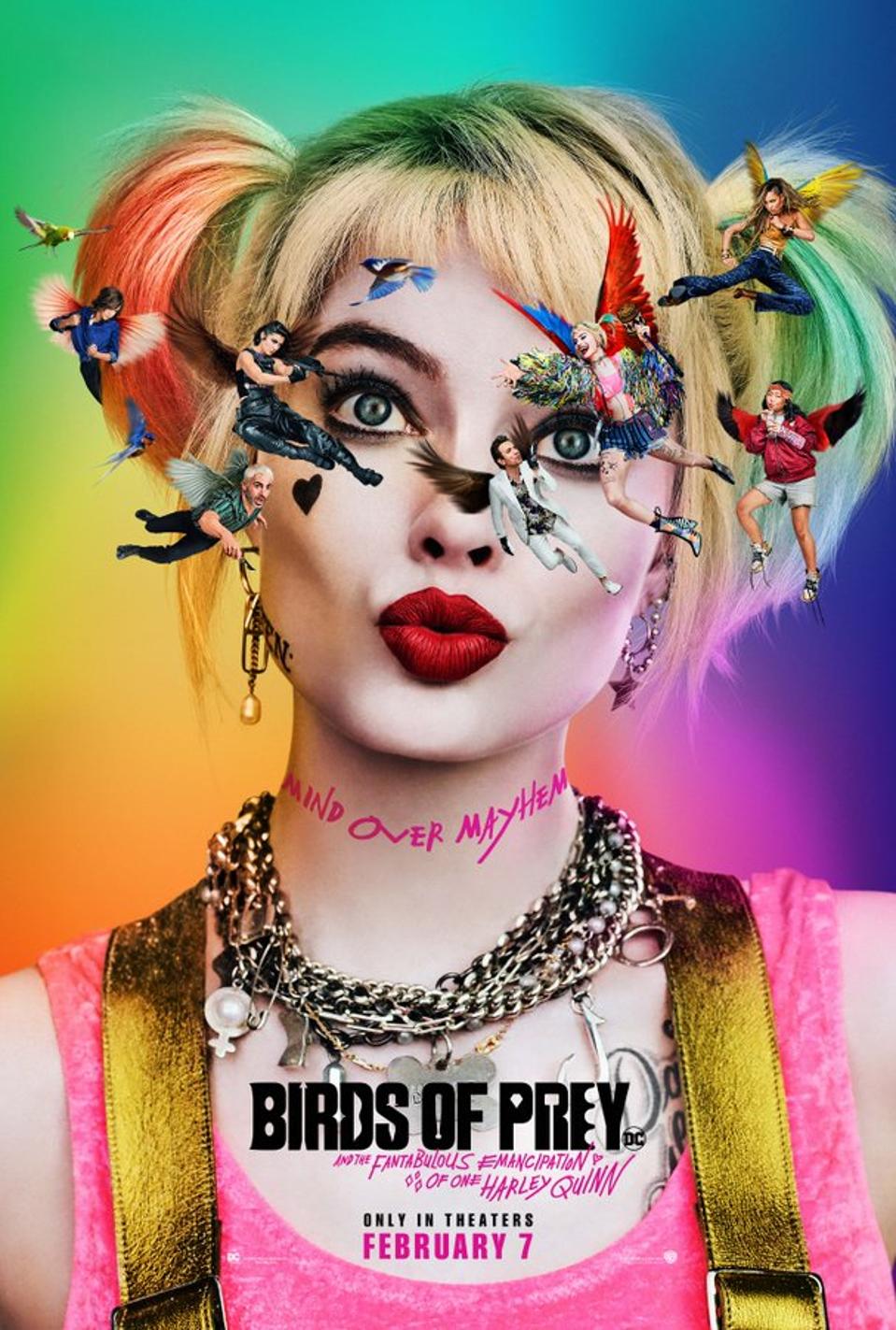
Regardless, Birds of Prey is certainly worthy of your attention if you’re into superhero stuff. Heck, it’s worthy of your attention even if you’re not and you simply have too much free time on your hands. You’re not super busy right now, are you? Yeah, thought not.
Harley Quinn as a character goes back to the early 90s. If you’re not familiar with her, she was created for Batman: The Animated Series as a kind of foil or sidekick for The Joker. She was pretty one-dimensional back then, and in the decades since, she’s more often than not been portrayed as a psychotic sex object Batman has to knock out every once in a while. A good precedent for gender equality in comic books? Not especially, but Margot Robbie, who is a legit Oscar-caliber actor, no joke about that, imbues Ms. Quinn with joy and a surprising amount of complexity.
Harley has had a nasty breakup with her beloved Mr. J. While The Joker never appears in this movie in any substantial fashion, his presence is felt in that same way you stick a picture of your ex on the wall and throw knives at it until the sun comes up. What? You’ve never had that experience? Well Harley has, and the aggressive humor and violence with which she picks apart the legacy of her former paramour is sheer genius. In truth, this is more of a Harley Quinn vehicle than an honest story about the Birds of Prey, a DC Comics staple since the mid-1990s. See, in the comics, Harley isn’t even really part of this team, which means characters like Black Canary and Huntress tend to get sidelined. Fans may have had a legitimate reason in this regard for not showing up when they had the chance.
But they really should have, because Birds of Prey and the Fantabulous Emancipation of One Harley Quinn (do I really have to keep typing the whole thing?) is a lot of fun. Ewen McGregor plays the obligatory supervillain, Roman Sionis, the Black Mask. He’s slick, dangerous, neurotic, and that silver spoon in his mouth seems to have calcified his brain. He fills his apartment with brutal oddities from around the world and says “Eww” before he orders one of his goons to slit your throat.
And Harley, God bless her, is an almost perfectly realized, straight-from-the-comics avatar of mayhem. She prefers giant mallets and baseball bats in a fight, dresses stuffed beavers in pink tutus and names them because she’s bored, and owns an actual pet Hyena called Bruce (you know, like that hunky billionaire Wayne guy from TV). Robbie lends Harley a certain emotional fragility in scenes concerning her big breakup, and though this is an R-rated hijinks movie chock full of color and jokes, you get the sense there’s a beating heart under all that clown makeup.

As for the rest of the team, Mary Elizabeth Winstead plays Huntress, a self-trained crossbow assassin with a slight case of social disfunction, Rosie Perez is rebellious and jaded Gotham City PD detective Renee Montoya, and Jurnee Smollett-Bell plays Dinah Lance, the Black Canary, who’s singing voice is just a skoch more powerful than your average lounge lizard’s. Writer Christina Hodson and director Cathy Yann do their best to flesh out the actual Birds of Prey, but listen, this is Harley’s movie, so no unnecessary character development allowed. Insanity comes in lots of different forms, and for about an hour and forty-five minutes you’ll find yourself in a version of Gotham City that A). exists almost completely in daylight, and B). is more Loony Tunes than Dark Knight.
This is a distinctly feminine superhero movie, and it doesn’t mind making all the bad guys men. I’m sure Warner Bros. and DC questioned whether it’d be lucrative. Turns out, it wasn’t. Still, it’s a much needed shot in the arm to the preexisting DC film universe, which for the most part has grown stale. Birds of Prey doesn’t really break the mold as such. It’s still about solving problems with fists and hamming it up real 1960s Batman TV show style, but Harley Quinn stands on her own two feet and kicks ass. Fans who appreciated the morose and overly serious Joker standalone movie last year might find Birds of Prey silly and quaint, but if you’re like me and Joker rubbed you the wrong way, you could do worse than wasting a couple hours on your sofa, streaming one of the most underrated comic book movies of the last several years.
Coronavirus quarantine kinda sucks, but it doesn’t mean we can’t still have a laugh or three. Dr. Harleen Quinzel is most definitely all about the laughs. It’s just too bad the other leading ladies of Birds of Prey have to take up her sidelined, sidekick, side-character mantel.
Jeff’s Movie Reviews gives Birds of Prey and the Fantabulous Emancipation of One Harley Quinn (one last time. Phew.) a cocaine-snorting, beanbag-gun-toting 8 out of 10.
Being the Clown Prince of Gotham is all well and good, but Joker had better watch his back. Unless of course male comic nerds are threatened by strong leading women. That’s not a thing, is it? Surely not. Preparing sarcasm protocols in three, two, one … engage!
Check out Jeff Bowles Central on YouTube – Movies – Video Games – Music – So Much More!
You can keep up on what Jeff’s been watching and catch all of his great movie reviews the third Friday of each month on Writing to be Read. Subscribe to email or follow on WordPress today.
Share this:

Words to Live By – Fear, Creativity, and that Pesky Pandemic
Posted: April 1, 2020 Filed under: Commentary, Creativity, Opinion, Writing | Tags: Coping, Corona Virus, COVID 19, Creativity, Fear, Stay in Place, Words to Live By, Writing, Writing to be Read 6 CommentsThe first Wednesday of every month, writer Jeff Bowles muses on life, creativity, and our collective destinies as makers of cool stuff. You’re a writer, but have you ever thought about how or why? Here are some words to live by.
Fear, Creativity, and that Pesky Pandemic
It goes without saying the world has changed since I wrote the March edition of Words to Live By. Today is April Fools’ Day. Some joke, right? I woke up last night after turning in early. My phone said it was two minutes to midnight, and I thought, who’s going to be the fool tomorrow?
Fear is a funny thing. I think most people often get buried under the pressures, politics, and pleasures of everyday life and tend to ignore their fears, to in essence ignore their own shadow side. Well, lucky you, now none of us has a choice. I imagine these things as waves sweeping across the world. Maybe one moment you feel fine, completely on top of things, and the next you’re hit by crippling fear. Which is why toilet paper and ground beef are so scarce at the supermarket, why some people have parked themselves in front of the news one terrifying hour after another, why incredible boredom strikes and sometimes you can’t help but take it out on the poor sods stuck indoors with you.
Carl Jung, of course, believed in a great collective unconscious, an ocean of emotional and motivational currents that rage below the surface of our conscious minds, connecting us in the most primal sense to everyone else on the planet. It sort of takes the Eastern theological concept of oneness to a new place. Can we feel what others are feeling halfway across the globe? I have to admit, as someone who suffers from severe mental illness, I’ve spent much of the last few years in fear anyway. In some fashion, it makes this whole thing easier. But it also ratchets up the tension already winding away inside me. Because I know I’m not alone, I don’t mind admitting I’ve had a few freakout moments in the last couple weeks. I imagine I’ll have a few more before this whole thing is through. Anyway, what does “being through” even look like? Won’t COVID-19 be with us in some form or another for years to come? And what about the next pandemic, the next war, the next social upheaval? Folks who throw around the word apocalypse don’t seem to understand. Human history has seen the rise and fall of many such apocalypses, it’s just that no one living today has had the misfortune of witnessing one before.
They also didn’t have Twitter during the Bubonic Plague. Imagine if they had. Does our incredible electronic interconnectedness help or hurt us under these circumstances? General awareness, assuming you’re getting accurate information, has never been higher. But neither has the fear, the fear mongering, the spread of a wholly different, much deadlier virus that has been with humanity since the very beginning.

There are ways I’m learning to cope with my fear. Creativity is chief amongst them. If you’re reading this, you’re most likely a writer or some other type of awesome creative person. I’ve heard stories of folks rediscovering their artistic side while under the constraints of lockdown. That’s a magical thing. Think of everyone having heart-to-hearts, making love with each other for the first time (or maybe the first time in months or years), beginning new creative projects, getting their life and living situations in order, or simply parking their butts in front of Netflix for hours on end instead of working themselves half to death, which is the only thing many of us have come to know.
You want my advice for keeping those pesky quarantine blues at bay? Make something cool. Like real cool. Write if you feel like writing, edit something you cooked up last year, paint a portrait of your cat, engage in this new and burgeoning Age of Aquarius in the proper way. Go outside if you live nearby nature, put your bare feet on the ground and soak up some sun. I mean, it’s early April and it may snow or something, but would you rather feel alive or inert at a time like this?
Fear is not necessarily an evil. When it causes us to lose control and rush down to the store to buy an entire stockroom’s worth of frozen peas, okay fine, then maybe it’s gotten out of hand. But fear can also show us the flaws in our lives, the things we wish could be different. Maybe you didn’t know you absolutely loathed your job until you had to work from home and found out … hey, I’d rather just be at home. A situation like this can change people, will change people, and it’ll change them on a global scale. God forbid you or someone you love suffers health consequences because of Coronavirus, but assuming everything is okay in your world otherwise, you might see this little siesta as an opportunity for personal growth. Read a self-help book, take up meditation or yoga, investigate the mysteries of the universe, snuggle someone nice and warm in bed at night, and then wake up and do it all again.
The point is there’s a lot of win in this win/lose scenario. Especially if you’re the creative type. Nowhere in your official I Survived Coronavirus contract, decoder ring, and commemorative t-shirt did it say you had to engage with a shock and terror obsessed media every waking moment, with bathroom breaks, meal breaks, and shopping trips baked in for added texture. In fact, I’d say if you’re a creative person—and especially a writer—it’s your obligation to make something that reflects your mood and the moods of individuals and collectives all over the world. Maybe just journal your feelings at night. That could go a long way toward making you feel better on a day-to-day basis.
Creativity is catharsis. Always was and always will be. I believe in the power of creation even when the world is comparatively stable. This, in perfect harmony and truth, is the only proof you’ll ever need for the existence of salvation. Faith can be enormously powerful in times such as these, and I believe you can place a little of that faith in your own ability to cope simply by being a bit more creative.
Nobody knows when this rollercoaster ride will come to a halt, and most certainly, no one can see what things will look like afterward. Maybe this will be the hardest collective test we’ll have to face as a living global generation. Perhaps there will be harder. Regardless, it’s very true you may not have much control over what transpires now, then, or far in the future. But you can control your own ability to create, and that’s worth its weight in gold.
Stay safe and aware, everybody. Until next month.
Check out Jeff Bowles Central on YouTube – Movies – Video Games – Music – So Much More!
Want to be sure not to miss any of Jeff’s “Words to Live By” segments? Subscribe to Writing to be Read for e-mail notifications whenever new content is posted or follow WtbR on WordPress. If you found this useful or just entertaining, please share.
Share this:

Jeff’s Movie Reviews – The Invisible Man (2020)
Posted: March 13, 2020 Filed under: Dark Fantasy, Jeff's Movie Reviews, Movie Review, Movies, Opinion | Tags: horror, Jeff Bowles, Jeff's Movie Reviews, Movies, The Invisible Man, Writing to be Read 1 CommentThe Monster You Know
by Jeff Bowles
It goes without saying that the new Universal Studios reboot of the horror classic, The Invisible Man, offers a uniquely compelling movie experience for our hyper-political, hyper-aware post-#metoo era. The year 2020 is a very different time from 1933, the year Universal released its classic Claude Rains iteration. We understand the world in a startlingly different fashion, and complex psychology, trauma, abusive romantic relationships, and violence against women are all very much at play in the stories our culture has begun to tell.
Rest assured, though, The Invisible Man is not an overtly political movie. More like a chilling and subtly “woke” product of its times. Gone are all the old monster movie affectations—silly white mummy bandages covering a mysterious face, wired monocles and burning cigarettes floating in mid-air—replaced by psychological horror, emotional and physical torment, circa 2020 big-budget computer generated special effects, and a pretty nifty concept for a military-grade invisibility suit. Not to spoil too much, which really is a challenge with this movie, but the monster in this Universal monster picture is still very much a science fictional prospect. He’s also slightly reminiscent of a bad guy you might find in any average modern video game, which is how you know you’re in for one hell of a boss fight.

Elisabeth Moss, who is just as excellent here as she is on Hulu’s The Handmaid’s Tale, plays Cecelia Kass, the traumatized victim of a seemingly abusive relationship who is desperate to escape her wealthy tech developer husband. Cecelia gets free of his post-modern rich dude Dracula castle in the opening sequence of the film, only to learn a couple scenes later he’s ended his own life and left her his fortune. Which, you know, is really just a springboard for some invisible-man-ish fun and mayhem.
What kind of tech does her husband, Adrian, develop? Optics, of course, the kind that can turn someone… well, you know. I say Cecelia is the victim of a seemingly abusive relationship because while its clear Adrian (Oliver Jackson-Cohen) has done some truly terrible things to her, we’re never really sure what they were. It’s sort of a narrative issue, a lack of basic context, because as the action and suspense ratchet up, certain story beats become less formidable. Again, spoilers are easy to drop, but how did this guy get this way? He’s not just a monster. His exists solely to watch you realize your most intimate fears. The film insists on hints and allegations, relies too heavily on stereotypes, but only as it applies to Adrian and his brother, Tom (Michael Dorman), who may or may not suffer from some intense form of younger sibling Stockholm Syndrome.
Realistically, if this movie were called The Wolf Man or Frankenstein, I doubt I’d question how insidious the villain is, but we’re dealing with issues of domination, psycho-sexual violence, and truly, more emotional clarity is called for. Not to put too fine a point on it, but simply tossing around terms like narcissism and sociopathy doesn’t really help fill in a backstory. Lot’s of people are sociopathic and narcissistic, and not too many invent invisibility suits and murder-stalk their exes.
The good news for audiences, however, is that none of the above matters much, because The Invisible Man is a focused and frightfully suspenseful film, full of unexpected twists and a finale that is less cliché good guy, bad guy showdown than morally ambiguous coup d’état. At times, the movie is downright ingenious in its concoction of more and more elaborate and devilish scenarios. The supporting cast is excellent, and thankfully, exist as more than simple horror movie cannon fodder. The real unease and dread of The Invisible Man comes down to a basic relatable fear: if I tell them what’s really happening to me, they’ll call me crazy and put me away.

Which isn’t to say the movie readily offers up easy explanations for all it entails. As the credits roll, it becomes clear writer/director Leigh Whannell wants us thinking hard about what we’ve just seen. Sharp-eyed viewers will spot the answer to the penultimate question posed by the film within its first few tense opening moments, but some audiences may leave dissatisfied by the ambiguity of it all.
Ultimately, The Invisible Man is about desperation and bare-knuckled survival in the face of victim-hood and victimization, an unavoidable totem of an age in which the sins of very powerful, very sleezy men have been outed in spectacular public fashion. Truly, the film is an intimate and personal take on the classic Universal Pictures series of old. It both loves and understands the need to update its source material, and though the final product is uniquely contemporary, its essential nature remains the same. Imagine an enemy you can’t see, who’s watching you in all your most intimate and private moments, who’s obsessively calculating new ways to make your life a living hell. It’s still a great concept for a horror story, which H.G. Wells must’ve recognized when he published the original novel in 1897.
The most frightening monster is the one who knows you best. Abuse at the hands of a loved one is a horror unlike any other, and in real life, more and more, the world is waking up to the fact that this phantom, this particular invisible man, has plagued us since the very beginning. Ultimately, the conscious approach filmmaker Leigh Whannell and his excellent cast take toward the subject is timely and clear-eyed. This invisible man is a beast of a human being. He’s been in your home, your bed, and he will do whatever it takes to possess, consume, and destroy you. Now that’s scary. And not a single floating cigarette or mummy bandage in sight.
Jeff’s Movie Reviews gives The Invisible Man an 8 out of 10.
Check out Jeff Bowles Central on YouTube – Movies – Video Games – Music – So Much More!
You can keep up on what Jeff’s been watching and catch all of his great movie reviews the third Friday of each month on Writing to be Read. Subscribe to email or follow on WordPress today.




















Words to Live By – Love in the Time of COVID
Posted: June 3, 2020 | Author: Jeff Bowles | Filed under: Commentary, Editorial, Opinion, Words to Live By, Writing | Tags: COVID, Creativity, Jeff Bowels, Words to Live By, Writing, Writing to be Read | 5 CommentsThe first Wednesday of every month, writer Jeff Bowles muses on life, creativity, and our collective destinies as makers of cool stuff. You’re a writer, but have you ever thought about how or why? Here are some words to live by.
Love in the Time of COVID
It goes without saying, few people living on the planet today have experienced any year quite like 2020. It’s almost a numerical thing, isn’t it? Or maybe just a numerological thing. Like we could see it coming a mile away, 2020, the year of perfect vision. Or of perfect integration of all the things we used to blindly ignore.
There’s a hell of a lot of old neurotic dead weight coming to the surface, both for individuals and for us as a collective. It brings to mind the basic processes involved in psychotherapy. Very often, the goal is to dredge up, edify, and to therefore let go of past hurts. Then we can move forward, better than before, ready to face the world again as new people. At least that’s the idea.
Is it possible that’s all this is? A chance by the cosmic forces that be to enlighten us through just a pinch, just a little skosh of what feels like outright torture? Have you been trapped in your house for three months straight? Were you used to being so homebound? Used to spending excessive amounts of time with the people you love? It strains the credulity of the value of being social creatures, doesn’t it? This is love in overdrive, folks. The rubber hits the road right about now.
Some people think love is a chosen thing, but I learned better long ago. Love is something given to you. You can’t help who you love. I’m not a father and I have no other dependents. I’ve been holed up with my wife, just the two of us, and it’s pushed us around here and there. I don’t mind admitting there’s been a few harmless spats, because I’m sure you can relate. It doesn’t mean there hasn’t been plenty of moments of fun and warmth between the pair of us. We’ve been watching old movies and chatting all day like we used to when we first started dating. That’s been wonderful. I’ve learned more about who my wife is now than I ever bothered to find out in the entirety of last year. People are constantly changing, and one of the secrets of a successful long-term relationship is to allow each other to grow up. Just a little bit. No one wants actual adults floating about. Heaven forbid.
We’re all such busy little bees, buzzing around, accomplish this task, fulfill this obligation, run this or that errand, put out this fire and then drag our attention to the next. When was the last time any of us had to sit down and face-to-face acknowledge all the people in our lives? In today’s modern society, not very often, not like this. Maybe you have no idea what I’m talking about. Or perhaps you know too well.
My wife and I have chosen productivity over boredom. I mean, for crying out loud, how many times can you watch all the Star Wars movies on Disney Plus? For starters, I’ve been working on final edits for my latest novel, so that’s kept me busy. She had this idea for a radio-style animated YouTube show featuring angels, demons, and a fictionalized fantasy world, and for my contribution to her concept, I wanted to play with my old monkey.
Sorry, I should qualify that. Years ago, I wrote a short story I liked very much about a detective robot and his hyper-intelligent gorilla companion. The robot was fun, but Gorilla Todd, as he’s known, is one of my all-time favorite personal creations. So he’s going to be a main character on this show, and I’ll also be writing some companion novels about him, ‘cause Hey, Mack, a gorilla’s gotta eat.
That’s the plan. My wife is the artist and craftsperson, so she’s been drawing up maps and concept images, while I’ve been plotting scripts and outlining in my head where I’d like to take some of these stories. It’s been fun being collaborative with her. Though we’ve been married ten years, and we’ve done and seen everything together, we’ve never actually been creative as a team before. It’s an opportunity we might have otherwise missed. So that’s a blessing right there. Love in the time of COVID, you know what I mean?
But doesn’t that just make me a busy little bee again? Am I avoiding the chaos that seems to be raging in all parts of the globe by choosing a large creative project that will likely take the two of us months to gain any ground on? Quite possibly. Love, you see, needs breathing room. It’s just like fire. Suck all the oxygen out of the room, and the damn thing goes out.
And I’m aware, of course, that there are many people right now who don’t have anyone. I’m aware, for instance, that lots of relationships are currently taking a nosedive. Situations you should’ve ended long ago are ending very abruptly, and then you’ve got no one to synchronize surgical masks with when you’re out buying dog food and driving past your favorite movie theater, staring with jealous resignation at its pristine, empty parking lot.
Be careful with your love right now, folks. That’s the message I hope to impart with this post. Protect it fiercely. And if you are the creative type, head in the direction of new horizons for you and your art. Trust me, a nice afternoon of writing after being glued to the news all morning can be a wonderful salve. And, ehem, let’s not forget to use our bodies. Love can help out there, too. I don’t need to go into detail. Suffice it to say, if you are locked away with your partner, neither of you needs to starve for affection.
Yes, you might be saying, but what about unrequited love or love that’s gone cold? What if you’re in a situation right now that’s broken your heart and made you feel small? I’ve been there, man. We all have. Certainly, you can find a trusted friend to whom you can divulge all your longing and pain. See what I mean about love not being something we should take for granted? It’s everything, permeates all walks of life, yet it can up and vanish on you like a flash storm.
The truth is creativity and love go hand in hand. Just like you couldn’t help falling for your one true immortal beloved, you can’t help falling for a creative project that excites and motivates you. That’s the ticket, quantifiably so. We’ve got to love something if it has any chance of growing up big and strong. Works for people, books, paintings, songs. Works for everything we do and make and choose to be in this life.
Like I said, I have no children, but if I did, I imagine I’d be having an extra challenging time right now. It’s no wonder so many people are ill-tempered, lashing out. Society has been thrashing around on issues of race and inequality, civil rights, gun rights, freedom of speech, freedom of the press, freedom of this, freedom of that, and we’ve been doing it for hundreds of years, so don’t get it twisted. What you’re seeing on the news is by no means some spring chicken phenomenon. It’s led many to pontificate, where’s the love? We’ve come to 2020, that year of perfect vision, and we are being asked to finally open our eyes and see.
To actually see. What a priceless and burdensome gift.
All you need is love, as John Lennon once sang. Don’t forget to kiss the ones who matter most, let them know how you really feel, because none of us is guaranteed one more tomorrow. We tend to neglect this very basic fact. We neglect a lot of things. But the truth is, we’re all in this together, and if you think you know what the future will be, better buckle up, brothers and sister, because the ride gets even bumpier from here.
I’ll have more words to live by next month, folks. Until then, how about a song?
Jeff Bowles is a science fiction and horror writer from the mountains of Colorado. The best of his outrageous and imaginative short stories are collected in Godling and Other Paint Stories, Fear and Loathing in Las Cruces, and Brave New Multiverse. He has published work in magazines and anthologies like PodCastle, Tales from the Canyons of the Damned, the Threepenny Review, Nashville Review, and Dark Moon Digest. Jeff earned his Master of Fine Arts degree in creative writing at Western State Colorado University. He currently lives in the high-altitude Pikes Peak region, where he dreams strange dreams and spends far too much time under the stars. Jeff’s new novel, God’s Body: Book One – The Fall, is available on Amazon now!
Check out Jeff Bowles Central on YouTube – Movies – Video Games – Music – So Much More!
Want to be sure not to miss any of Jeff’s “Words to Live By” segments? Subscribe to Writing to be Read for e-mail notifications whenever new content is posted or follow WtbR on WordPress. If you found this useful or just entertaining, please share.
Share this: