Ah! The Writer’s Life, Right?
Posted: January 16, 2017 Filed under: Books, Screenwriting, Writing | Tags: book marketing, promotion, writer's life, Writing, Writing Process 16 Comments
The life of a writer. It’s what we all aspire to, right? But what do you envision when you think of yourself living the writer’s life? What exactly is it that makes it so appealing to us? And how close is it to the reality of being a working writer?
Many aspiring writers picture working in their pajamas, sleeping in or working late, running a schedule tailored to our own personal needs. Aspiring authors may envision book tours and readings to promote their published books, maybe even autographing copies for our fans, having strangers recognize us from our book covers. Others may see themselves traveling and attending writing events and conferences, meeting others in our field and networking. All of these are beautiful visions to have and they can be a part of what is referred to as a writer’s life. They are all worthy things to aspire to, but we may not be seeing the whole picture.
A writer’s life can be all that and more, but as with anything in life, it’s not all champagne and roses. Writers often spend more time on non-writing activities such as marketing and promotion, or networking than they do on the actual act of writing. Or they are forced to spend their time not on the creative process, but on promotional writing, such as query letters and resumes.
It’s true. Freelancers spend a lot of time promoting themselves in job queries, resumes and CVs. Aspiring authors spend much of their time peddling their completed works to editors, agents and publishers. Aspiring screenwriters peddle their scripts or ideas to agents, producers, directors or anyone else who is buying scripts and is willing to listen. And published authors peddle their books online, as well as at conferences and writing events, and perhaps even, like one author I know, at the local hardware store.
As was discussed in Pros and Cons of Traditional vs. Independent vs. Self-Publishing (Part 10): Conclusion, as well as in the preceding series, in today’s publishing industry, even traditionally published authors are expected to do a lot of the promotion and marketing for their books. Everybody is selling something. Whether it’s your writing or yourself, promotional activities take a lot of time.
Networking is another necessity. It’s really another part of marketing and promotion. We can’t get our work out there to be discovered without networking. In screenwriting, the thought is that you must also live in L.A. to network advantageously. I know at least two aspiring screenwriters who recently moved there in hopes of being discovered, but it’s too soon to tell if they will reap any benefits from it.While we may dream of attending writing events and meeting others of like mind, the reality is that these activities take both time and money, and the time you invest into networking, is time that isn’t spent writing.
Then, with all of these extra-curricular activities, a writer also has clients, editors or publishers, and a screenwriter has agents, producers and directors, breathing down their necks to meet deadlines. Of course, most aspiring writers or screenwriters consider themselves lucky to have deadlines. A deadline means that you have work that involves writing, so that’s a good thing. But it can be very stressful, especially if you’re actually trying to make a living from your writing, and struggling to make ends meet.
The fact is, writing isn’t all glamour and parties. Writing is a tough way to make a living. Especially in today’s market, when everybody wants to be a writer. Self-publishing has provided the means to make that dream come true, although there are no guarantees that your book will be a huge success. And self-published authors must do all of their own promotion and marketing, too.
Writing is a lot of work, starting with the creative process and moving through the motions to promotion and marketing. You might be able to do some of it in your pajamas if you so chose. Most of what writing is, at least for those of us who are still looking for a big break, is being grateful for every writing job that comes your way, searching for that one acceptance in a mountain of rejections, and endeavoring to persevere.
Is it worth it? You bet. There’s nothing like it when you find that one acceptance and know the whole world will be able to read your work, and you may be able to put food on the table for another month, or pay your car payment, or your rent. Writing is truly a labor of love, and this blog is the proof of that. It’s Writing to be Read, and I don’t make a dime off it. My reward is in each comment that is left, each blogger that takes the time to ‘like’ a post, and each new follower or subscriber I get.
Of course, I still search for a publisher for one of my two completed novels and I submit my short fiction and poetry everywhere I can. I still want my work to be discovered, naturally. But it does my heart good to know that my writing id being read, even when it doesn’t put food on the table, even when I have to get an outside job to supplement my income. I don’t have to dream about living a writer’s life, because for better or for worse, I live it.
Share this:

Weekly Writing Memo: All About the Setup
Posted: September 28, 2016 Filed under: Fiction, Screenwriting, Screenwriting, Speculative Fiction, Stories, Thriller, Uncategorized, Weekly Writing Memo, Writing, Writing Tips | Tags: Fiction, Screenwriting, Writing, writing advice, Writing Process Leave a comment One of the most important elements of a story for it to work is for everything to be set up properly. Your plot, your characters, and your resolution all need to be set up in such a way that your audience can believe them. If the audience doesn’t believe it, or “buy in” as it’s often called, then they won’t enjoy your story and may not even continue it. So how do you properly set up everything in your story so it works?
What does your audience need to know?
Think about your plot, your characters, and your world before you start writing. What does your audience need to know about each of these in order for them to understand your story? If needed, make a list. Add to it anything that needs to happen in order for your plot to unfold, and decide in what order those things need to happen.
The things on this list are the things you need to set up in order for your audience to get into your story. Does your character have a mental problem? Then even if you don’t reveal it right away you need to show signs of it, foreshadowing what is to be revealed so when the reveal happens the audience believes it. Does your world involve superhuman mutants? Then again, this is something that needs to be set up in your story so your audience understands the world. Even if you don’t want to reveal the mutants, you need to reveal that there is the possibility of something supernatural going on. Think of all these sorts of elements that will be in your story before you get writing so you have a clear image in mind of what you need to do. You don’t have to make the elements obvious or spell it out blatantly, but do find ways to at least hint at these details so they don’t throw off your audience when they come into play later.
When do they need to know it?
The second part of setting up a story is know WHEN to reveal things. How much do you need to set up right away, and how much can you hold onto and reveal later? You don’t want all these details to come out in a list when you’re writing. They should come out in small doses as necessary. For example, your audience needs to know right away that your character has an enormous scar if it plays into how people react to him/her throughout the story. However, your audience doesn’t need to know right away how your character got the scar. In fact, the audience may never need to know how the character got the scar unless it plays an important part in the story for some reason.
The common mistake I see when people are setting up a story is mainly not mentioning something until it is needed to move the plot forward. For example, if your character needs to know complex mathematics, but your entire story she never once uses math, it’ll seem awfully convenient if the moment she needs it she busts out some calculus. Anything such as this that is key to moving the plot forward, or key to solving a problem, should be established in advance of when the character needs it. If it is something that is constant, then it should be established right from the beginning. If it’s something minor, then it just needs to be established a few scenes or so before it becomes relevant.
How can I show it?
So how do you show these minor things in your story without them coming off as listing or uninteresting? Something like the mathematics example would be boring if the character just said “I’m good at math.” Instead, you could simply have a short moment where your character does some impressive mental math for some reason, or even have something subtle like a math diploma on the wall someplace. These kinds of small details, or small moments, can be a way to establish important elements without taking too much story time.
For anything minor, the quicker you can establish it and move on, usually the better. Anything that is a key element of the story can be established by doing continual small touches throughout the story as it unfolds. For example, if you want to establish someone has anxiety about something, you can have them behave in increasingly anxious ways until their full anxiety is revealed.
Final Notes
Ultimately, there will be three stages of setting up your story. The first is the things you’ll know right off that you need to establish before you even begin writing. The second will be the things you discover as you are writing. When you come across these things in the second stage, it’s important to remember to not just throw them in when they come up. Take a moment to sit back and think about where that detail could naturally fit into the story. If you just put it in where you think of it, will it seem like something that conveniently pops up to solve the story conflict?
The final stage of setting up your story will come after you get feedback. Whoever you use as your beta reader should be able to tell you what doesn’t make sense, and you can use that as a sounding board for what in your story needs more setting up, and what you can do less on. No matter how obvious you think something is, people will always have different viewpoints so if you can find a subtle way to set it up a tad more, it’s probably a good idea to do so.
Robin Conley offers great writing advice most Wednesdays on Writing to be Read. If you just can’t wait until next week to find out more, you can pop into her blog, Author the World, for more tips, or a weekly writing prompt.
Share this:

Weekly Writing Memo: Know Your Theme
Posted: September 22, 2016 Filed under: Fiction, Screenwriting, Stories, Uncategorized, Weekly Writing Memo, Writing, Writing Tips | Tags: Fiction, Screenwriting, Writing, writing advice, Writing Process 2 Comments Every story, whether intentional or not, has a theme within it. A theme is not necessarily a moral or lesson, but rather it is what your story is about at its core. Finding the theme of your story can sometimes take some work, as can making the theme come through in your writing, but it’s not as hard as it might seem.
What is your theme?
To find your story’s theme, ask yourself what your story is about. Maybe you won’t be able to break it down into a neat answer, but as long as you can answer the question you have the first step to finding your theme.
For example, let’s say you’re writing Die Hard. Your story would be about a cop who travels to visit his wife out of town, and ends up having to stop a terrorist plot. So what is the theme of this story? Well, it can be broken down in a lot of ways if you think about what the general terms of the story are: good triumphing over evil (cop vs villains), one man against the world (John vs the terrorists), or even how greed can lead to your downfall (the terrorists refusing to give up even though they’re losing because they’re determined to get the money).
The key to figuring out your story’s theme is to think about the larger concepts and the plot of your story, then try to break them down into simple terms as shown above. These larger ideas are the core of your story, and they help tell your audience what type of story it is. If you’re doing this and you are having trouble deciding what the main theme from your options is, ask yourself which potential theme if removed would completely change the story. The one that can’t be removed, and the one that is the biggest overall concept of the story, is your main theme.
How to show your theme?
Showing your theme throughout your story should not be hard. In Die Hard the theme of good triumphing over evil happens consistently. John is determined to do what’s right and to stop the bad guys, and despite all the trouble and missteps that happen, he ultimately always comes through. Even when he loses, it’s just further motivation for him to come back at the bad guys with even more vehemence so he can win. So for your own story, think of what your theme is and how your main character can represent that theme in some way.
Other ways to show your theme is to use something called mirroring. This is when you show the theme through minor secondary characters throughout the story. Sticking with the Die Hard example, you can see some minor mirroring of the theme “one guy against the world” when you look at the local cop who is stuck outside the building and is trying to help John. This cop is fighting against all the others to get John help and is the lone voice in the crowd. By showing your theme through these small mirroring acts you are also adding another layer of plot to your story.
You don’t always have to have the minor characters experience the same outcome as your protagonist either. You can use minor characters to show what the other possible outcome of your theme could be for your protagonist. For example, if your theme is good triumphing over evil, you could have a minor character lose to the evil to show the consequences if your character fails.
Can you have multiple themes?
As is clear with the Die Hard example, there is always a potential for there to be multiple themes in your story. Of course there should be one main theme that is the core of your story, but there can also be some minor themes that help build up your story as well. Maybe good vs evil is your main theme, but then you have themes involving love or, like in Die Hard, greed. These kinds of minor themes can contribute to your plot, as well as help deepen your characters, and many of them will appear without you having to force them into the story. If you look at your subplots, you should be able to see some of the themes that are present in them and bring them out a bit more so they are stronger.
Final Note
In general, it’s a good idea to know what your theme is before you start your story so you can keep your writing consistent. Sometimes, however, the theme comes out and is discovered as you write the story. Alternatively, you can also start your story thinking the theme is one thing, but as you write you discover it is really something else. This is fine, and happens all the time, but if it happens this way make sure you go back once you’re finished writing and make sure everything is consistent throughout the story. The most important thing about the theme of your story is that you’re consistent, and the clearer the theme is in your mind when you start writing, the easier this will be to do.
Robin Conley offers great writing advice most Wednesdays on Writing to be Read. If you just can’t wait until next week to find out more, you can pop into her blog, Author the World, for more tips, or a weekly writing prompt.
Share this:

Weekly Writing Memo: What’s in a Name
Posted: September 14, 2016 Filed under: Screenwriting, Stories, Uncategorized, Weekly Writing Memo, Writing, Writing Tips | Tags: Creative Fiction, Fiction, Writing, Writing Process 4 Comments Through all my conversations with other writers, I’ve learned that there seems to be two camps of people when it comes to naming characters, places, and things in stories. One group thinks that the names don’t matter, while the other spends hours finding just the right meaning for each name in their world. Personally, I think it depends on the story, as well as whatever it is you are naming. I do believe main characters should have names that mean something, or at the very least, ‘fit’ the character’s story, but I don’t think everything in your story has to have deeper meaning. If you want to give the people, places, and things you name in your story special meaning, there are several ways you can go about it.
Origins
One of the main things I do look at when I am naming something is the origin of the name. What country is the name originally from? What language is it? Is it predominant in a specific religion, or culture? These kinds of details can help you pick names that have more history behind them to help with whatever you are naming. If you have a character that you want to have an Irish background, then a name with a touch of Irish history would be perfect. It doesn’t have to be a historical or cliché name, but it is an option. Another option is to research popular names in Ireland and pick one that way instead. You may end up with a name that isn’t classically Irish, but it will still have a connection to Ireland.
The point of this kind of research for the names you give in your stories is that it creates a built in history for what you are naming. Without telling the reader, you are hinting at where your character might come from and what their family connections are. Now of course people in real life are often given names with no connection to their roots, and you can use this in your story as well if you want, but by making a deliberate choice to either use the name or not you are making every element of your story count. So be deliberate, and if you decide to go against your characters origins, then make that part of the story as well even if it’s a minor part.
Preconceptions
Something else you can use to your advantage when naming a character, place, or thing in a novel are known preconceptions about the name you use. For example, if you use a name from a myth, many people will recognize it and have certain ideas about that character. Zeus is a mighty god with great power, who also happens to be a bit of a player, and a character named Zeus might be suspected of having some of those traits. There are all sorts of fables and legends out there from every different culture and time period, and even if you use one that doesn’t have meaning to the majority of the population it will still help deepen your character. The point is that it is another layer for a reader to find, and the ones that do will love the touch.
Beyond past myths, you can also use names from modern pop culture and such. Big names like Kanye or Justin are well known enough that they also have immediate pre-conceptions to them. Maybe in another 20 years they won’t have the same impact on your readers as pop culture changes, but for modern readers you can use names like those to paint a picture of who your character is. Big public names have personas around them, and if you’re writing a character with a similar attitude you can use those pre-existing ideas to help nudge your reader in a certain direction before they know anything else about your character.
Meanings
One of the final elements you can use when naming things in your stories is symbolism. There are all sorts of names and words that have deeper meaning beyond them besides the word itself. Most names have some alternate meaning to them when you research the original language they came from. These sorts of meanings can be used to speak to the type of person your character is going to be. If you have a surprisingly brave character, then choosing a name that secretly means bravery could be a subtle nod to readers who know that. These are the kind of details that won’t change anything in the story for the most part, but they can add another layer of meaning to your story. It can be especially useful when naming objects in fantasy worlds.
Final Notes
No matter your take on naming in stories, it’s important to consider what the minor details of naming can do for your story. The small touches can often give a story the extra boost to make it something special. As a reader, I know I enjoy the small details that I discover later on about a story, such as deeper meanings in names, and it only makes me enjoy the story more. If you do go the special naming route, however, I find it works best if you don’t go too obvious with the symbolism in the name. You want it to be a small touch, not a neon sign in your audience’s face. Ultimately, if you find a special name is something that will add to your story, then use it, if not, then don’t. It’s your story, so you have to decide what benefits it the most. Trust your instincts and you’ll be fine.
Share this:

Weekly Writing Memo: Networking
Posted: September 7, 2016 Filed under: Promotion, Screenwriting, Uncategorized, Weekly Writing Memo, Writing, Writing Tips | Tags: Fiction, promotion, Publishing, Screenwriting, Writing, writing advice, Writing Process 3 Comments Sorry I have been missing the last few weeks. As you might have seen on Author the World, I unexpectedly moved to Los Angeles and haven’t had a lot of time to do posts. This week’s post is all about networking. Networking is a major element of having a writing career, and it takes some practice to really learn the right and wrong ways to network.
The most important thing to remember when networking is that you shouldn’t be doing it to use people, and you shouldn’t be doing it to be selfish. Good networking is about being genuine. The best way to network is to approach each networking relationship you make with the attitude of how you can help each other, rather than focusing on how they can help you. The best kinds of networking relationships are mutually beneficial, and maintaining this kind of attitude helps these relationships stay healthy and fulfilling.
Building your Network
You can build your network literally anywhere, it’s all about meeting people and learning about them. If you know who people are, what they do, and what kinds of people they know, you can keep them in mind for later if something comes up they can help with. For writing, often times you can make networking connections in writing groups, classes, at conferences, or even in random places like coffee shops and hair salons. The important thing is to keep your eyes open for people you can help, and for people that may be able to help you. Remember, things need to go both ways, and sometimes the act of offering help to someone can lead to unexpected connections. Ultimately, all networking contacts break down into four different types that can each be beneficial in their own way.
The Introducer
The Introducer may not have any work for you, and may not be someone who is going to offer you advice, but they do know people you want to know and they will help you meet them. These kinds of contacts are always useful to maintain because they help broaden your network, and they can help introduce you to other parts of the writing world you may not be familiar with. One of the best way to meet new people is through a middle-man who can introduce you because it can cut out the awkward process of trying to force a meeting with a stranger. If you’re going to be the Introducer for someone else, remember to make sure you give each person’s name, and then try to share what they have in common or why you think they should talk so you can help jump start the conversation.
The Mentor
The mentor is someone who has been where you are and knows a lot about the business. They are the perfect sort of person who can offer you advice, and give you guidance that will make navigating the writing world easier. Maybe they won’t be able to get you a job, or introduce you to new people, but they will help you find answers to the random questions and issues you run into. Just make sure you don’t burden your mentor by asking too much of them, or wasting their time with easy questions that you could have found out anywhere. They may only have so much free time, so make sure to figure out how much help they are willing to give you and to stick within that range. If you are going to be a mentor, be clear up front what you are willing to do for the person you’re helping, but also try to remember what it was like when you were where they are.
The Helper
The Helper is someone who has an opportunity for you that could potentially help your career, whether it’s a job or an interview doesn’t matter, it’s someone that can put you in line for a job or a writing sale. These kinds of connections are incredibly valuable because they are what give your career a boost. The important thing to remember when meeting people who offer you these types of opportunities is to make the most of them, and to make sure you don’t misrepresent yourself to the person setting it up, because if you waste it or lie it could prevent the person from ever offering you another opportunity again.
The Teammate
In some ways, these are the most valuable networking connections you can make. The Teammate is someone who is going through the same stuff you are at the same time. They are someone you can bounce ideas off of, or trade writing with. They are on your side and you are mutually trying to help each other reach your goals. For writing, having people you can talk writing with is incredibly important, as is having people around who understand what you’re going through. If you are a teammate to someone, make sure the help isn’t going one way. If you find yourself asking too much and not doing anything in return, then try to find a balance.
Final Notes
Ultimately, networking is about broadening the connections you have in your industry, and maintaining those connections by trying to keep things mutually beneficial for all involved. Even if you can’t help someone the moment they help you, always try to keep them in mind and return the favor when you can. One of the most important elements of networking is that the people around you see that you are a part of the cycle of helping, and that you aren’t just a vacuum sucking up all the favors you can get without returning anything. People will quickly notice if you only ever seem to receive help, so the more you can be a part of the cycle the better.
Share this:

Why Writing is a Labor of Love
Posted: September 5, 2016 Filed under: Writing | Tags: Kaye Lynne Booth, Writing, Writing Process 1 Comment Labor Day weekend. Many people headed for the mountains or the shore to spend one last long weekend to say goodbye to summer. It’s the last weekend of tourist season. Time to get back to the serious business called life. The kids go back to school and the adults head back to the daily grind of making a living.
Of course, writer’s don’t always get three day weekends or take vacations, because for writers, everything we do is an experience which can be drawn off of and written about.
Every place we visit and everything we do can be written about in some capacity. Every activity can be used in some capacity to fuel our writing habit. It may only be an idea that serves as a seed, which grows into story with so much nurturing. It might be the foundation for a how-to article. It could even be your next travel article.
I started out with gardening how-tos on e-How.com through demand studios. Most writers simply love to write. For me, writing is a way of life, my passion, perhaps even my obsession. When I can’t write, I feel lost, as if I no longer know who I am. This lesson was recently driven home to me when my computer crashed. I was out of a computer for about three weeks before I could get a new one, and in the interim, although I could not get it into a file, I went back to writing long hand. The ideas don’t stop coming just because I have no means to prepare them for publication.
For writers like myself, although life tries to make it about the money when the bills come due, it never really is. For me, writing is a labor of love and I can’t think of a better way to labor right through Labor Day. Can you?
Like this post? Subscribe by email to receive notification each time there is a new post is made. Never miss out on Writing to be Read.
Share this:

Weekly Writing Memo: Overcoming the Blank Page
Posted: August 17, 2016 Filed under: Books, Fiction, Publishing, Stories, Uncategorized, Weekly Writing Memo, Writing | Tags: Creative Fiction, creative process, Fiction, Screenwriting, Writing, writing advice, Writing Process 1 Comment Sometimes when it comes to writing, the hardest thing to overcome is the simplest. One such example of this is to overcome the intimidation of a blank page and to simply get started. Those first moments when you sit down in front of the page and tell yourself you’re going to write can be huge, and overwhelming. All sorts of thoughts can pass through your head that make putting the first words down on the page near impossible. Am I good enough? Do I have anything to say? How do I do this? Will anyone want to read it? Etc. These kinds of thoughts can stop your writing in its tracks before you even begin. Knowing how to overcome the blank page can be vital, and while there isn’t a method that works for everyone, there are several things that I find work well.
Free Write First
One of the easiest ways I find to get into writing is to simply allow myself to free write for a while. Even if I have a specific story idea in mind, I will sometimes think of my character or my setting and just write whatever comes to mind. It doesn’t always flow in a pretty way, or even make sense, but it does allow me to explore the characters or setting without restrictions and it gets me writing. Once I start putting words on the page, focusing them becomes easier. I also find that just getting started on the act of writing makes some of the tension around writing dissipate. So however you do it, get started by freewriting and getting words on the page. Even if you have to start by writing about your day or something, see where the freewriting takes you. Once you no longer have a blank page, it’s easier to focus on creating something cohesive that you can turn into a story.
Copy Someone Else
This is a method that has been around for a while, and was even used in the movie Finding Forrester. When you are just getting started writing and struggling, try grabbing a random book and copying down the first paragraph of it. As you are writing, let your mind wander, and when you’re comfortable, stop copying and start making it your own. Sometimes using someone else’s work to get you started writing can help you transition into your own work. Just remember to go back once you finish and to change the beginning so it is no longer copying the original author’s work. The key to this is that it gets words on the page, and in making what you write your own.
Make A Rough Outline
When I have a specific story idea in mind, but am struggling to get started, I find that writing down 3-5 bullet points of where I want the immediate section of story I’m working on to go helps. Usually I will do this when I start each chapter. I grab a piece of paper and jot down the 3-5 key moments of the chapter that form the arc of it, then when I write I have “goals” to write toward. It’s just enough outlining to keep the story focused while I’m writing, but not so much that people who hate outlining will feel like they’ve over planned anything.
It works for me because I prefer abbreviated outlines, and it allows me to discover how the characters get from one big moment to the next as I write. So take a few moments to create a small arc for what you want to write, and then let yourself write to those points. It’ll help you visualize what you’re planning to write, and it’ll give you points in the story to write toward. Just try not to make your bullet points too broad, or you can end up feeling lost as to where to start again.
Try a Different Medium
One of the last things I try when I’m struggling to write is to switch mediums. Sometimes I find that I just can’t write a certain story at the computer, and instead I end up writing with a notepad and pen. It seems silly, but just switching mediums like that can actually help get you started. Sometimes I think the notepad works better than the computer when I’m struggling because the notepad feels less permanent and professional. I’m just jotting down ideas! Not writing for real! Which isn’t true at all, but it feels that way. So allow yourself to try a different medium and see if it changes anything. At the very least, switching to something like a notepad where you can do things by hand can allow you to doodle and jot ideas to brainstorm while you are working on getting to the real writing. Which can be just as productive.
Final Notes:
The final thing to remember if you are stuck on the white page is that you don’t have to start by writing right away. If writing simply isn’t working, trying outlining or researching or brainstorming for your story. If you do those things, you’ll still be working on your story in some way, and maybe it’ll help you feel more confident so you can get started. Just remember, at some point you have to stop doing these things and get to the writing, so don’t procrastinate too long!
Share this:

Weekly Writing Memo: A Matter of Time
Posted: August 10, 2016 Filed under: Fiction, Screenwriting, Uncategorized, Weekly Writing Memo, Writing, Writing Tips | Tags: Fiction, Writing, Writing Process 1 Comment Something that almost every story deals with is the passing of time. It’s natural, and to be expected. What every writer needs to focus on is how to show the passing of time, and when to skip time in a story. These two things can be a huge pitfall in a story. If you tell too much of the story and don’t skip time when you need to, then the story can feel sluggish and boring. If you skip too much time the audience can feel like they’re missing things, and you can take away from the tension of the action. There’s a careful balance to time in every story, so the key is finding it for yours.
When to Skip Time
In general, you should skip time when nothing is happening in the story. Any time you have huge chunks of time passing with no conflict going on, you need to get the story moving and skip ahead if possible. There should always be some form of conflict going on in your story, so whenever it’s lacking you’ve either missed a plotline, started in the wrong place, or need to find a way to skip ahead. Look at this time period and see what happens in it that you absolutely need to show your reader, then find a way to show it elsewhere or to compress it down.
Sometimes you can also skip time when you are telling a story in a nonlinear way. Some stories work better if you can jump ahead and then go back to a flashback or something, so look at your conflict and see if it is best told linearly, or if skipping around in time can help you create more tension within the story. You want to maximize the tension and conflict, so if you can do this by telling the story in a new way, then you should try.
How to Skip Time
There are endless stories to use as reference for skipping time (Time Traveler’s Wife; Looper; Lord of the Rings). One of the key things to remember when skipping time is that you need to find a way to show that time has passed. In films, this is usually done with visual elements such as scenery changes, characters aging, seasons changing, etc. In fiction, this can be shown through some of those elements as well, but you can also use words that help show this. Mention the time passing, or use cueing phrases that help guide the reader (Ex – Months later; Kiera was 16 when she finally returned to the village…). Whatever you do, always find a way to show the time change unless you have a reason not to.
Sometimes in stories the writer will skip time by using a montage to show the key moments that happen during the transition, ending with the characters at the point in time where the story continues. Other times, the writer will just skip ahead and start the story at the point in the future where they want it to be. The method to use depends on what happens during the time skip. If something vital happens, then try to find a way to show it either in a flashback later, or before skipping time. As long as there is a key story element, then it needs to be shown. So figure out what matters to the story, and where the conflict is, and you’ll know which elements to show and which to skip.
Final Notes
Obviously there are a lot of moments in a story where exciting action isn’t happening that are still important, so don’t think that you need to skip all these. Those moments can still have character development and conflict. Internal conflict is just as important as external conflict, so make sure you aren’t skipping all that. If you find yourself skipping a lot of time in your story, it might also be time to look at if you’re starting in the right place. If you start your story later, can you still show all the information that you’re skipping over in some way? Usually the answer is yes. Whatever you decide, just remember that you can always ask for a second opinion if needed. Overall, just remember to consider the conflict, the character development, and how your story will change if you skip time. If you do those three things, you should be able to figure out what you need to do.
Share this:

Weekly Writing Memo: Writing Truth
Posted: August 3, 2016 Filed under: Screenwriting, Uncategorized, Weekly Writing Memo, Writing, Writing Tips | Tags: Books, Fiction, Screenwriting, Writing, Writing Process Leave a comment One of the things that is distinct about great writing is that it delivers a truth. This doesn’t mean the narrator or characters have to tell the truth, but it does mean that the writing has to be true to the story. Even if your characters or narrators are liars, their actions and their words have to be true to who they are. There are three main ways stories tell the truth:
Truth of Story
For a story to read realistic, it has to stay true to itself unless the writer has a very big reason to write it another way. However the events of your story happen, they have to be the true way they would happen and not forced for the writer’s preference. For example, in the Harry Potter novels, people had to die whether JK Rowling liked it or not. If she let everyone survive through all of the conflict within the novels she would be lying to her audience for the sake of a happy ending. In wars, people die, and without that death the story is a lie.
Whatever type of story you are writing, you have to stay true to the type of story. People die, couples break up, families are torn apart, and bad things happen. You can’t protect your characters and your audience by lying to them. If you do, the story will lose its depth and worth, and the audience will know it.
Truth of Character
Characters in stories have to stay true to who they are. If they behave out of character for the sake of progressing the plot, then the character will often lose the audience. The audience is not dumb and they know when the writer is manipulating a character for the sake of the plot. You can’t force your characters to go where you want them to. Every action has to be justified by your characters motivations. By staying true to your characters, you are strengthening your plot and your story, and your audience will buy into your story more.
Big Truths
Finally, every story has a big truth to it. In Harry Potter the truth was that people die, good has to make sacrifices to defeat evil, and that evil can be an alluring force that turns good people bad. I’m sure there are others, but these are some of the big truths and themes that the Harry Potter stories bring out in their telling. So what are your story’s truths? What is your story saying about the world? Whatever it is, make sure it is truth and not wishful thinking or a fairytale unless you are doing it deliberately.
A lot of children’s stories will have morals that aren’t always true, such as “good always triumphs.” These kinds of stories when given to adult audiences don’t work as well because adults generally know that they aren’t true for how the world works. By telling the truth about the world to your audience, you are creating a story with more depth. Of course, what is true for some is not true for all, but write the truth the best you can.
The purpose of all this is to say that you can’t lie to your audience. Your audience is buying into your story, and if you lie to them they will know and they will almost always be disappointed. You can have characters and narrators that lie, but you the writer cannot lie. Whatever you do, do it with purpose, and with truth, and if you do that, your story will be the better for it.
Robin Conley offers great writing advice most Wednesdays on Writing to be Read. If you just can’t wait until next week to find out more, you can pop into her blog, Author the World, for more tips, or a weekly writing prompt.
Share this:

Know Your Writing Process
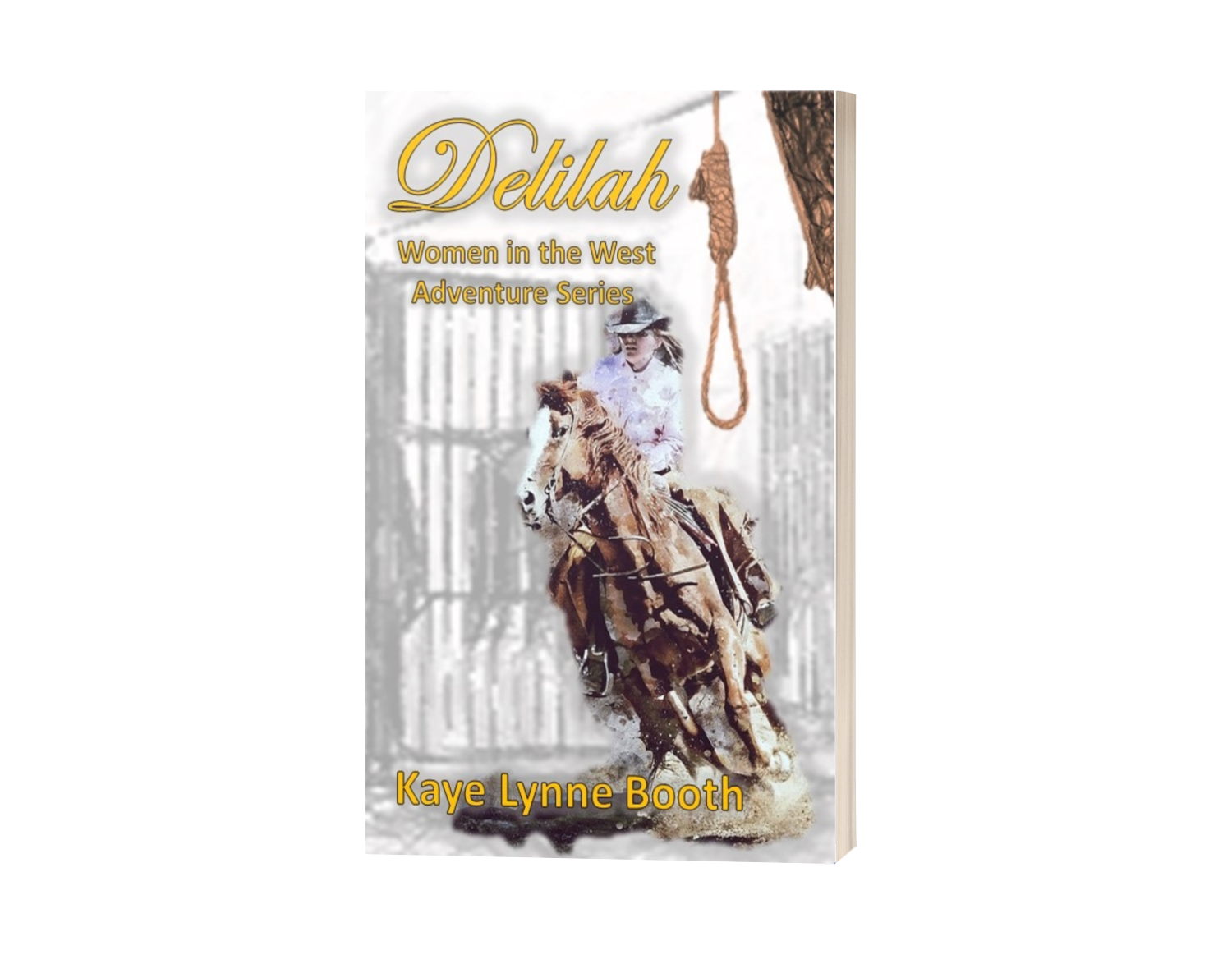
Posted: August 1, 2016 Filed under: Books, Writing | Tags: Delilah, Fiction, Playground for the Gods, Writing, Writing Process Leave a comment
There is no one writing process that’s right. Writers all use different methods to get to the same point – a finished manuscript of a publishable quality. Some writers binge write. I had a professor who writes this way. She locks herself in a room and puts out a do not disturb sign, then writes until she’s given birth to the story. She claims she doesn’t stop to eat, sleep or shower, and when she comes out of the room, she may seem a little crazy, but with full manuscript in hand.
In one of my Facebook groups, members invite one another to join in writing sprints, where they start writing and keep going non-stop for a designated amount of time. The duration that I have seen is mostly about twenty minutes, but this varies depending on which member extends the invitation. This is kind of a nifty way to write, using the encouragement of others to keep you on track writing, but it’s not for me. I work on multiple projects concurrently and I can’t wait for a group sprint, or limit myself by one. As a graduate student, I had a professor who liked to give us timed free-writes, which was okay except that if I wasn’t finished when the time ran out, I didn’t want to stop. I wanted to finish expressing my complete thought or idea. Once I’m on a roll, I want to keep going. I can sprint when I have to, but I think I’m more of a long distance writer.
 In another of my Facebook groups, I saw a post where a writer outlined his very structured writing process. In his outline, he showed how he wrote chapters one through five and then sent them off to his alpha readers, then rewrote those chapters using their feedback before proceeding forward. My comment to him was that even though I liked his structured approach, I just can’t write that way.
Once I start writing, I listen to my characters, and keep writing until the story is told. I’m not as emphatic as my professor, I do take life breaks, but even then, the story is swimming around in my head while I tend to other tasks which life deems necessary. That’s what I mean when I say I’m a long distance writer. Once the idea takes hold, I jump in and just keep going until I’ve expended all of my creative energy. And I write fast. I once wrote the first draft for a thirty thousand word romance story in nine days. It wasn’t perfect. It was a first draft. But the story was all there, waiting for revisions.
But there are drawbacks to this method. Only when the first draft is complete, do I send it off to alpha readers. After receiving their feedback I revise the story, sometimes in its entirety. With Delilah, once I got the initial feedback from my alpha readers, I utilized said feedback to do revisions.
On the next read-through I decided that there just wasn’t enough at stake to make readers care whether Delilah would be successful in her quest. So, I went back and wrote in a teen girl, Sarah, and placed her in Delilah’s care at the beginning of the story. Then I rewrote the scenes that came after that, because everything changed once Sarah was in the picture, and we’re talking major revisions. But they added to Delilah’s quest for revenge, a quest to save Sarah, which raised the stakes, hopefully causing readers to want Delilah to succeed.
I’m also one of those writers who, despite all the warnings from my professors about editing as you write, does it anyway. I correct my typos and misspellings as I go, so after the first few chapters, where the story is set in motion, most of the revisions necessary were mostly minor tweaks, but they were required throughout the story. It necessitated going over it with my editor’s eye and reading it aloud.
Once the second draft was complete, I did a read-through before sending it off for feedback once more. About half-way through, I came to a part where the story was dragging for me. Now when your own writing drags for you, that’s not a good thing. Something needed to happen to keep my readers, (and myself), awake and interested. So, I rewrote the scene and had Delilah run into one of the outlaws she is seeking, resulting in a shoot-out that kills off a character that had previously had a big role later in the story. It solved the boredom problem for that scene, but required a rewrite of the rest of the story, because things could no longer go down that way I had originally written it.
 You can see the drawback to my writing process. Waiting until the first draft is finished can entail some major rewrites. Sending it off for feedback a small chunk at a time, and then revising bit by bit seems like it might be a better process to practice, but I can’t get my mind to shut down once the story starts flowing. It’s all got to come out. That’s just how I do it.
Delilah is an example of my normal writing process. I took that first excerpt and wrote. I’m not a plotter. I get an idea in my head and let the words fly to the page. But in my M.F.A. program, they tried to turn me into a plotter. For my thesis novel, Playground for the Gods: The Great Primordial Battle, I was required to make an outline before I started writing. In truth, I needed to take that approach with my thesis, because my original science fantasy idea is broad enough to encompass four novels, and in fact, my thesis turned into the first novel with plans for three other novels to follow. My original idea will become the third novel in the series. I needed two books worth of backstory to tell my tale. But that much information, that much plot, that much story needs to be outlined. You can’t just blunder along blindly writing whatever comes into your head, because what you write at this point must fit in, not only with this story, but with the other three in the series. There are a lot of writers, and many of my M.F.A. cohorts, who prefer to outline and plot before writing.
With my thesis novel, I did send chunks off for feedback instead of waiting for the whole story. There was just too much story to fill in and I needed to know it was all there and flowed smoothly. It’s a good thing I did, too, because I am still waiting on the feedback from my thesis advisor. Quite frankly, I’ve been considering pulling this one back out and doing some revising, even now.
 I know how my writing process works, but it’s not the only way, or maybe even the best way. It’s a way that works for me.
What is your writing process? Are you a sprinter? A long distance writer? A procrastinator, who puts the writing off until right before deadline and then crams to get it done? A plotter, who outlines and plots the whole story before ever putting down the first word?
Like this post? Subscribe to Writing to be Read for e-mail notifications whenever new content is posted.