Wrapping Up the WordCrafter “Northtown Angelus” Book Blog Tour
Posted: March 14, 2024 Filed under: Book Promotion, Book Review, Books, Crime, Fiction, Giveaways, Hard-Boiled Crime Fiction, Review, WordCrafter Book Blog Tours | Tags: Books, Crime Fiction, Hard-boiled fiction, Northtown Angelus, Raimo Jarvi Investigates, Robert White, WordCrafter Book Blog Tours 8 Comments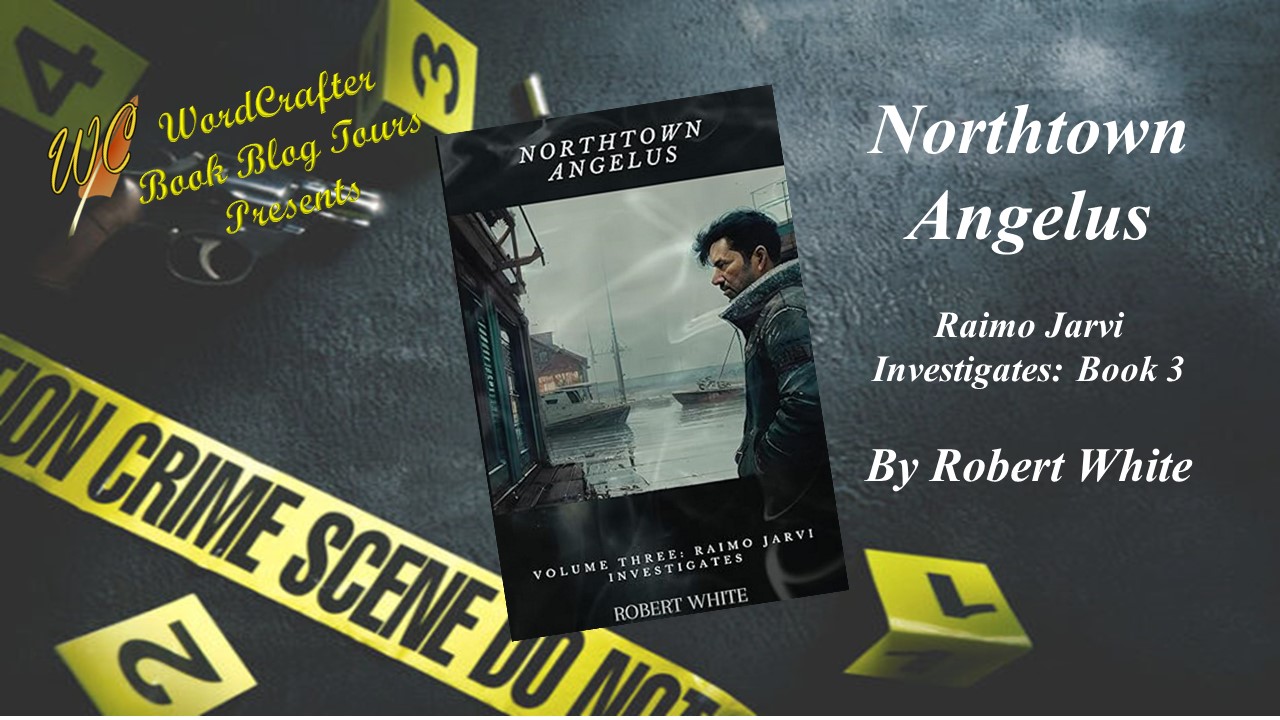
This is the last day of the WordCrafter “Northtown Angelus” Book Blog Tour. To wrap-up we have a double stop today, with my review of the book here, on Writing to be Read, and then on to Undawnted for a final guest post from the author, Robert White. But , let before we get started, let me offer a reminder to be sure and leave comments when you visit a stop to be entered in the giveaway below. You can click on the links in the schedule to go back and visit any stop you may have missed along the way. Undawnted does not accept comments, but you can leave your comments for the second stop on today’s tour here.
Giveaway
Each stop where you leave a a comment,
you get another chance to win one of five digital copies,
and one signed print copy of Northtown Angelus.
Tour Schedule
Mon. March 11 – Writing to be Read – Author Interview
Tues. March 12 – Robbie’s Inspiration – Guest Post
Wed. March 13 – Patty’s Worlds – Author Interview
Thurs. March 14 – Writing to be Read – Review/Undawnted – Guest Post
About Northtown Angelus

Johnny Dillon took his life. His wife Cora wants to know why. The Northtown cops don’t care; they closed the case as a suicide. The M.E. hasn’t got any answers for the discrepancies Ray Jarvi discovered in the autopsy report and from what Johnny’s wife told him about the days leading up to his decision to take his life.
This is the beginning of an investigation for private investigator Ray Jarvi, who follows a twisting path of corruption and vice in his rust-belt town on the shores of Lake Erie to help her find some resolution to the worst day in her life. Like a medieval play between warring devils and angels battling for a soul, he must deal with a variety of Northtowners who play one part or the other on his journey to find those answers. Getting past one obstacle only leads to another—and another. Before long, Jarvi does not know whom to trust. He realizes nothing in his town is what it appears to be and that there are some dangerous people who like it that way.
Purchase Link: https://www.amazon.com/Northtown-Angelus-Raimo-Jarvi-Investigates/dp/B0CRQ66L4Y
About Author Robert White
Robert T. White writes from Northeastern Ohio. He has published several crime, noir, hardboiled novels and genre stories in various magazines and anthologies. He’s been nominated for a Derringer. “Inside Man,” a crime story, was selected for Best American Mystery Stories 2019. His second hardboiled p.i. series (after the Thomas Haftmann mysteries begun in 2011 with Haftmann’s Rules) features Raimo Jarvi in Northtown Eclipse (Fahrenheit Press, 2018) and Northtown Blitz (2020). British website Murder, Mayhem & More cited When You Run with Wolves (rpt. 2018) as a finalist for Top Ten Crime Books of 2018 and Perfect Killer in 2019. “If I Let You Get Me” was selected for the Bouchercon 2019 anthology and The Russian Heist (Moonshine Cove, 2019), another crime thriller, was selected by Thriller Magazine as winner of its Best Novel category. “Out of Breath” and Other Stories is a mixed collection of mainstream and noir fiction (Red Giant Press, 2013).

My Review
Northtown Angelus, by Robert White, is book 3 in the Raimo Jarvi Investigates series. This story reads like a classic hardboiled crime fiction tale, complete with flawed P.I. protagonist and colorful inner city characters and setting. The writing style and lack of dialog tags was a little off-putting at first. It kind of grew on me though, and once I became emmersed in the story, I hardly noticed unless I got confused about who was speaking.
Dealing with less than desirable people and neighborhoods, is bound to give anyone a grim outlook on life. But for Ray Jarvi, a P.I. with an unfortunate history which left him scarred, inside and out, working those neighborhoods throws low lifes, drug dealers, and other criminal types in his path at every turn, has turned his outlook grim indeed. He’s learned not to expect too much from his fellow man. Ray is on a case to find out what really happened to man the cops wrote off as suicide, for the greiving widow, but finds himself in the middle of something even bigger. Ray doesn’t wait for things to happen, he pushes peoples buttons and makes things happen, always on the offensive. But when a friend and employee is brutally beaten while doing survellience for him, we see a softer side of Ray, as someone who really does give a damn, before donning his social armor once more and going back after the villians who are responsible.
Fast moving and hard hitting, Northtown Angelus is all that a hard-boiled crime novel should be. I give it four quills.

_________________________________________________________
Don’t forget to visit the second stop on today’s tour to hear more from author Robert White on Northtown Angelus and his Raimo Jarvis Investigates series. You can visit that stop here: Remember you can come back here to leave a comment for today’s entry in the giveaway.
___________________________________________
That wraps up the WordCrafter Northtown Angelus Book Blog Tour. Thank you all for joining us. Be sure to visit each stop through the schedule at the top of this post for more chances to win a copy of this hardboiled crime fiction novel. I hope you enjoyed meeting Robert White and learning more about Northtown Angelus.
_________________________________________________________
Book your WordCrafter Book Blog Tour today!
Share this:

Day 3 of the WordCrafter “Northtown Angelus” Book Blog Tour
Posted: March 13, 2024 Filed under: Author Interview, Books, Crime, Giveaways, Mystery, Pulp Fiction, WordCrafter Book Blog Tours | Tags: Crime Fiction, Giveaway, Hard-boiled fiction, Northtown Angelus, Robert White, WordCrafter Book Blog Tours 2 CommentsFor Day 3 of the WordCrafter Northtown Angelus Book Blog Tour we’re over at Patty’s Worlds, where Patty Fletcher interviews author Robert White. Join us, and leave a comment for a chance at a free copy of this hardboiled crime fiction novel.
Share this:

Welcome to the WordCrafter “Northtown Angelus” Book Blog Tour
Posted: March 11, 2024 Filed under: Author Interview, Book Promotion, Books, Fiction, Giveaways, Hard-Boiled Crime Fiction, WordCrafter Book Blog Tours | Tags: Crime Fiction, Hard-boiled fiction, Northtown Angelus, Raimo Jarvi Investigates, Robert White, WordCrafter Book Blog Tours 17 CommentsWelcome to the WordCrafter Northtown Angelus Book Blog Tour. We have a great tour planned with a generous giveaway, so let me tell you about that first.
Giveaway
Each stop where you leave a a comment,
you get another chance to win one of five digital copies,
and one signed print copy of Northtown Angelus.
Opening Day
Today is opening day, and we have a special interview with author Robert White, where we talk about what draws him to crime thrillers, and writing in general. Of course, he will also talk about Northtown Angelus, and if you pay attention, he might even reveal a few insider clues about the story.
Interview with author Robert White
Kaye: Please tell us a bit about your author journey and how you got into writing as a profession and a business?
Robert: I taught five sections of freshman composition at a regional branch campus, which meant I was steeped in marathon grading sessions during the week and throughout the weekend in my tiny office circling to/too homonyms. The desire to write was always there but not the time. In the two decades of writing I’ve enjoyed—strictly as hobby—I’ve made a few bucks, but I knew even as a fledgling English major that no one but a lucky or extraordinarily talented few make a living at it.
The immediate impetus was serendipity (not a word to use easily). A student of mine called down from the IT lab where he worked part-time. He said my computer was scheduled for an upgrade and I would lose all my unsaved files. I’d written a Haftmann ms. a decade earlier for fun and forgotten it. He sent it to me, I looked it over, updated it with cell phones and laptops, and sent it out to Grand Mal Press. Ryan Thomas, still the managing editor, published it in 2011. Ryan has since brought out nearly all the Haftmann novels and this last novel in the Northtown trilogy.
Kaye: What’s the most difficult thing about being an author for you?
Robert: Not a thing. I’ve been a stockboy in a grocery store, a factory worker, and a deckhand on the Great Lakes. I remember what hard work is. Sitting in my room, sipping coffee, and mulling over word choices is not it.
Kaye: What is the most rewarding thing about being an author for you?
Robert: Just having my foot in the door. When I was fifteen a girlfriend gave me a copy of William Styron’s Sophie Choice. I’d never read such beautiful prose before. To be a very junior member of that “club” is an honor in itself regardless of the boos I get on Amazon and elsewhere.
Kaye: What part of being an author was unexpected, something that you didn’t realize starting out?
Robert: That note of jaundiced humor that creeps into my narrative voice from time to time. Both my private eyes have it. I might have been influenced by Chandler’s Marlowe more than I realized, but my fictional landscapes veer toward the grim.
Kaye: You’ve received a few awards for your writing. The Russian Heist won Best Novel in Thriller Magazine. Your book, Betray Me Not, was selected by the Independent Alliance as a Truly Best Independent Book, and your story “Inside Man” was selected by Otto Penzler of Houghton Mifflin for Best Mystery Stories of 2019. How important have these awards been in propelling your author career forward?
Robert: Any distinction is a pleasure. I’m not immune to flattery. I do think I have a proper sense of humility about my own talent vis-à-vis the outstanding writers I admire intensely: Martin Cruz Smith, Thomas Harries, and David Lindsey.
Kaye: Regarding Thomas Haftmann, Private Eye: The Short Stories, The Midwest Review said, “Clearly, author Robb White is a master of the noir style mystery genre…”, and many of your works are noir, hardboiled crime fiction. What draws you to this genre?
Robert: I suspect there’s a glitch in my DNA molecule that absorbed something from my mother. She loved paperback mysteries, especially Agatha Christie. It didn’t stick all the way because I quit halfway through one Miss Marple book. Not my cup of tea, as they say.
I’m drawn to the genre because of its ambiguity, the half existence between knowledge and ignorance, truth and lies, good and evil—trite as that sounds. That’s real life, isn’t it? “Peering through a venetian blind,” as metaphor, is wonderfully apt.
Kaye: What other genres, if any do you write?
Robert: I dip my toe into the horror genre from time to time because psychological horror and crime are intricately related and there’s a slender passageway between them, easy to cross. But I’ve never gone beyond short stories.
Kaye: Northtown Angelus is volume 3 in the Raimo Jarvi Investigates series. For readers who may not have read books 1 & 2, please tell us, who is Ray Jarvi? What drives him? How did he end up as a P.I.? What makes him good at his job?
An outstanding critic in U.K. crime fiction is Rowena Hoseason, who said Ray is “broken.” She nailed it. He fights his past as a victim of a boyhood fire that scarred his face and isolated him in society thereafter. He’s driven by his refusal to stay locked away in a brooding isolation despite his physical appearance that keeps people away, although he did have one love affair that ended in tragedy, and he has a boyhood friendship with a deputy. A few minor figures in law enforcement pop up to help Ray out because he’s running on a shoestring budget and doesn’t have access to the best databases.
Kaye: Where did you get the inspiration for the Raimo Jarvi character?
Robert: I created Raimo Jarvi because Thomas Haftmann, my first series investigator, was set in stone. He was cast in the Spade-Marlowe mode and I couldn’t get him to “evolve” without denying the characteristics that made him. His surname is a play on “half-man,” and he wasn’t capable of aging gracefully, as flippant as that might sound. I needed a more self-effacing narrator akin to my own aging temperament.
Kaye: Please tell us a little about the first two books. Should the books for this series be read in order, or do they work as standalones?
Robert: I do think they’re standalones despite the fact a few characters and references follow from book to book. In Northtown Eclipse, Ray investigates a case involving his macho brother and some former classmates involved in a sordid catastrophe involving a female victim in the same sleazy resort town Haftmann has an office in. In Northtown Blitz, Raimo is again drawn back to the past of his painful high-school days. A woman asks him to investigate the death of her sister. The main suspect is her own brother-in-law, a prominent lawyer in Northtown.
Kaye: What is it about Northtown Angelus that would make crime thriller fans want to purchase this book? Tell us a little about the story within.
Robert: I believe fans of mystery aren’t locked into a niche that inhibits, say, a lover of big-city crime fiction from appreciating a small-town mystery about people who hide behind masks of middle-class respectability.
In Northtown Angelus, a recent widow asks Ray to investigate her husband’s death, which the cops have written off as suicide. As Ray peels the onion layers away, he meets a bevy of high and low characters involved. There are dark, ongoing secrets that no one wants exposed to the light.
Kaye: Tell us something about yourself that your readers would never guess.
Robert: I’m a skywatcher, not a real amateur star-gazer, but I drag the telescope out of the garage now and then to check out the celestial skies. What goes on in interstellar space is so remote from the mundane and our puny, temporal existence that it appeals strongly to me.
About Author Robert White
Robert T. White writes from Northeastern Ohio. He has published several crime, noir, hardboiled novels and genre stories in various magazines and anthologies. He’s been nominated for a Derringer. “Inside Man,” a crime story, was selected for Best American Mystery Stories 2019. His second hardboiled p.i. series (after the Thomas Haftmann mysteries begun in 2011 with Haftmann’s Rules) features Raimo Jarvi in Northtown Eclipse (Fahrenheit Press, 2018) and Northtown Blitz (2020). British website Murder, Mayhem & More cited When You Run with Wolves (rpt. 2018) as a finalist for Top Ten Crime Books of 2018 and Perfect Killer in 2019. “If I Let You Get Me” was selected for the Bouchercon 2019 anthology and The Russian Heist (Moonshine Cove, 2019), another crime thriller, was selected by Thriller Magazine as winner of its Best Novel category. “Out of Breath” and Other Stories is a mixed collection of mainstream and noir fiction (Red Giant Press, 2013).
About Northtown Angelus
Johnny Dillon took his life. His wife Cora wants to know why. The Northtown cops don’t care; they closed the case as a suicide. The M.E. hasn’t got any answers for the discrepancies Ray Jarvi discovered in the autopsy report and from what Johnny’s wife told him about the days leading up to his decision to take his life.
This is the beginning of an investigation for private investigator Ray Jarvi, who follows a twisting path of corruption and vice in his rust-belt town on the shores of Lake Erie to help her find some resolution to the worst day in her life. Like a medieval play between warring devils and angels battling for a soul, he must deal with a variety of Northtowners who play one part or the other on his journey to find those answers. Getting past one obstacle only leads to another—and another. Before long, Jarvi does not know whom to trust. He realizes nothing in his town is what it appears to be and that there are some dangerous people who like it that way.
Purchase Link: https://www.amazon.com/Northtown-Angelus-Raimo-Jarvi-Investigates/dp/B0CRQ66L4Y

About the Tour
We have a brief, but great tour planned with guest posts from the author, a second interview on Day 3. So you’ll hear a lot more from author Robert White and learn more about this thriller that takes after the classic hard-boiled crime novels. Day 4 will feature a double stop day with a guest post on Undawnted, and my review of Northtown Angelus.
Visit each day and leave a comment for more chances at one of five digital copies or a signed print copy of the book. You’ll find the tour schedule with links below, but remember the links won’t work until that day’s stop goes live. I hope you all will join us.
Tour Schedule
Day 1: Writing to be Read – Interview
Day 2: Robbie’s Inspiration – Guest Post
Day 3: Patty’s Worlds – Interview
Day 4: Undawnted – Guest Post/ Writing to be Read – Book review
________________________________________________________
Book your WordCrafter Book Blog Tour today!
Share this:

Book Review: The Atonement Murders
Posted: February 16, 2024 Filed under: Book Review, Books, Crime, Fiction, Review, Thriller | Tags: Agent Victoria Heslin Thriller series, Book Review, Crime Fiction, Jenifer Ruff, The Atonement Murders, Thriller, Writing to be Read 1 Comment
About the Book

Four murders. One shocking motive.
When detectives find the same message—THIS IS YOUR ATONEMENT—at the staged scenes of four seemingly unrelated homicides, FBI Special Agent Victoria Heslin must uncover the connection between them to identify the killer.
The crimes are scattered across the East Coast. The victims are in their late twenties: an All-Star NBA player, an investment banker, a dental hygienist, and a bartender.
Who is punishing them? What have they done? And who might be next?
Victoria delves into the victims’ pasts, traveling from Boston to Charlotte to the North Carolina mountains, unraveling the dark mystery that links the crimes. As the killer’s motive becomes clear, Victoria is in a race to the finish that she must not lose.
Purchase Link:
Audible: https://www.amazon.com/Atonement-Murders-Agent-Victoria-Heslin/dp/B0C1T9VXRG/
Chirp: https://www.chirpbooks.com/audiobooks/the-atonement-murders-by-jenifer-ruff
My Review
I listened to the audiobook of The Atonement Muders, book 7 of the Agent Victoria Heslin Thiller series, by Jennifer Ruff and narrated by Kate Hanford. Although I have read several of The Agent Victoria Heslin Thrillers by this author, this was the first one I’ve consumed in audio. I felt Kate Hanford was a good choice of narrator. The narration was smooth, the inflections perfect, and her portrayal of the main character fit neatly with the idea of her which I had formed in my mind from the previous books which I’d read.
In The Atonement Murders, agent Heslin is on the trail of a serial killer, and it’s up to her to discover what the victims have in common and get at least one step ahead of them in order to prevent there being another victim. Four victims; two men, one a famous athelet, and two women, sisters. Victoria Heslin tracks down all leads until she discovers the connection to a summer twelve years earlier, when all four were at the same location with two other youth, but to discover who the killer is, she must uncover what happened that fateful night. The clock is ticking when the last two potential victims both fall off the radar, and she must figure out which one is the killer and prevent another murder.
In The Atonement Murders, Jenifer Ruff does not disappoint. I give it five quills.

Other Books in This Series
You can read my reviews of the other books in this series. All are highly recommended.
The Numbers Killer: https://wp.me/pVw40-3We
Pretty Little Girls & When They Find Us: https://wp.me/pVw40-7FF
The Ones They Buried: https://wp.me/pVw40-86z
____________________________________________________
Kaye Lynne Booth does honest book reviews on Writing to be Read in exchange for ARCs. Have a book you’d like reviewed? You can request a review on the Book Review tab above.
Share this:

Book Review: No Where Left
Posted: December 15, 2023 Filed under: Audio Books, Audiobook Review, Books, Crime, Review, Thriller | Tags: Audio Books, Book Review, Crime Fiction, Kate Bold, No Where Left, Thriller, Writing to be Read 4 CommentsAbout the Book

When bodies appear in the desert, the work of a new serial killer, and connected to an isolated commune, FBI special agent Harley Cole finds herself in the race of her life to enter his mind, decode his unusual signature, and stop him before it’s too late. But Harley is tortured by her own demons, and as secrets from her hometown and her missing sister’s past bubble-up, Harley must keep it together long enough to catch a killer—while also chasing a killer from her past.
Purchase Links:
Amazon/Audible: https://www.amazon.com/Nowhere-Left-Harley-Suspense-Thriller/dp/B0BH9BWQN6/
My Review
I listened to the audiobook, Nowhere Left, Book 2 in the Harley Cole Mystery series, by Kate Bold, and narrated by Reagan. In my review of Book 1: Nowhere Safe, I commented that I felt the female protagonist lead story might be better with a female narrator, and I stand by that. However, after listening to book two, I realize that Reagan’s deep male voice fits better to the crime fiction genre than a female voice would, and I do see why the author would make this choice. As with Book 1, Reagan does an excellent job in his narration and I now feel that it adds to the overall tone of the story quite well.
As for the story itself, Book 2 is a good solid crime thriller like Book 1, a very well written story which kept me engaged. I do think Harley needs to resolve her feelings from the past, which were left unresolved in book 1, because I’d like to see more character growth in this series. Her unresolved feelings around her father surfaced in the first book, as she returns home, and resurface here after his death, but in the end, I don’t feel that they have been fully resolved. I feel like in subsequent books, a different inner struggle might avoid these books all feeling like the same-ol-same-ol, because the crime investigations are all very similar. And I hope that by the end of the series, she will have discovered her sister’s fate so she can move on. That may necessitate a career change, so Bold better wait until the last book for that one.
Young women are being found dead in the desert, victims of a serial killer and everything points to a communal group who stay to themselves and avoid any contact with government or law. Harley Cole has unresolved feelings about returning to her home town, but no time to think about them, when she’s asked to jump in with both feet before she can even unpack. Focusing on the investigation, a single clue is bothering her, although she can’t put her finger on why. But the clock is ticking and Harley needs to put the clues together and reveal the killer before another young woman dies.
A classic crime thriller, I give No Where Left four quills.
________________________________________________
Kaye Lynne Booth does honest book reviews on Writing to be Read in exchange for ARCs. Have a book you’d like reviewed? You can request a review here.
Share this:

Book Reviews: Pretty Little Girls & When They Find Us
Posted: October 13, 2023 Filed under: Book Review, Books, Crime, Fiction, Review, Thriller | Tags: Book Review, Crime Fiction, Jennifer Ruff, Pretty Little Girls, Thriller, When They Find Us, Writing to be Read 7 Comments
The Agent Victoria Hesling series
Pretty Little Girls is Book 2 & When They Find Us is Book 3 of the Agent Victoria Hesling thriller series, by U.S.A. Today bestselling author, Jennifer Ruff. I reviewed book 1 of this series, The Numbers Killer, by Jennifer Ruff back in 2019. (You can read my review of The Numbers Killer here.) All of the Victoria Heslin series can be Read as stand alones, and I also reviewed book 4, Vanished on Vacation recently. (You can read my review of Vanished on Vacation here.) So, when I had the opportunity to pick up books 2 & 3 of this series, I couldn’t resist. Each book in this series can be read as a standalone, the common thread being FBI agent Victoria Heslin.
About Pretty Little Girls

Winner of the 2020 Reader’s Favorite International Book Award in Thriller Fiction
FBI Agent Victoria Heslin is called to Charlotte, NC to investigate alongside local police, but the mysteries only get deeper. Why are the girl’s parents so uncooperative? And why are the local authorities resisting Victoria’s help?
When her efforts uncover a sex trafficking operation, Heslin enlists friend and fellow Agent Dante Rivera to go rogue and try to save the girls, before it’s too late.
Pretty Little Girls is the second book in the popular Agent Victoria Heslin Thriller Series by USA Today Bestselling Author Jenifer Ruff.
Pretty Little Girls Purchase Link: https://www.amazon.com/Pretty-Little-Girls-Victoria-Heslin-ebook/dp/B07V6M12JS
My Review
Pretty Little Girls, by Jennifer Ruff is a crime thriller you won’t want to miss. A sex trafficking ring is on the prowl, peddling underaged girls from other countries – girls who won’t be missed – to rich Americans. But something more is going on when an affluent American girl who doesn’t fit the pattern at all is grabbed, and it’s up to FBI agent Victoria Heslin to fit the pieces together, before the bad guys break and run.
A fast moving tale with characters you want to care about. I give Pretty Little Girls five quills.

About When They Find Us

After breaking up a sex trafficking ring, FBI Agent Victoria Heslin wants nothing more than to visit the rescue shelter she sponsors, a trip that also offers a much-needed European vacation and a chance to figure out her new relationship with Ned. Comfortable in first class, she drifts off—only to be shocked awake when her plane crashes.
Lost in an empty, frozen wasteland, Victoria and a few other survivors battle extreme temperatures, as each day brings more tragedy. One by one, the desperate group is winnowed down. The remaining passengers must decide if they’ll stay with the wreck, waiting to be found, or brave the harsh elements and venture out in search of help.
When Agent Dante Rivera learns of Victoria’s fate, he puts all his energy and expertise into finding her plane, which seems to have vanished from existence. As he unravels a technological mystery and layers of scheming, he fears his worst nightmare will be realized: that he won’t find his coworker and friend alive.
When They Find Us is book 3 in the Agent Victoria Heslin thriller series. It can absolutely be read as a standalone novel.
When They Find Us Purchase Link: https://www.amazon.com/When-They-Agent-Victoria-Heslin-ebook/dp/B08BTMLCTT/
My Review
When They Find Us, by Jennifer Ruff is an outstanding nonstop thriller. When the plane goes down mysteriously, with FBI agent Victoria Heslin on board, no one knows why or where. It could be an equipment malfunction or an act of terrorism. Someone may have targeted Victoria or one of the other passengers.
While agents scramble on the ground to find the missing plane, Victoria and the other surviving passengers must figure out how to survive in the freezing cold on a very snowy mountain top. Strangers trapped in a struggle for life and death, and all motives are suspect, but they must depend on each other.
When They Find Us is a gripping thriller which grabs a hold and won’t let go. I give it five quills.
_________________
Share this:

Book Review: No Where Safe
Posted: July 28, 2023 Filed under: Audio Books, Book Review, Books, Crime, Fiction, Mystery, Travel | Tags: Audio Books, Book Review, Crime Fiction, Kate Bold, mystery, No Where Safe, Reagan Tankersley, Thriller, Writing to be Read 6 CommentsAbout the Book
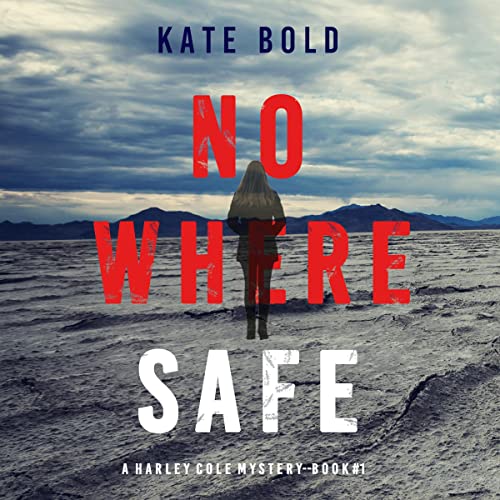
A harrowing crime thriller featuring a brilliant and tortured FBI agent, the Harley Cole series is a riveting mystery, packed with nonstop action, suspense, twists and turns, revelations, and driven by a breakneck pace that will keep you listening late into the night. Fans of Rachel Caine, Teresa Driscoll, and Robert Dugoni are sure to fall in love.
Purchase Links:
Audible: https://www.amazon.com/Nowhere-Safe-Harley-Suspense-Thriller/dp/B0B69KK2Y3/
My Review
I listened to the audiobook of Nowhere Safe, by Kate Bold, and narrated by Reagan Tankersley. Nowhere Safe is book 1 in A Harley Cole Mystery series. Bold has written a true to form crime mystery, but I’m not sure a male narrator was the best choice for this female protagonist’s tale. Although Tankersley’s reading is done quite well, adaquate in every way, but I felt it was harder to relate with the female character when read by a male voice, and Tankerly’s voice is a deep male voice.
FBI agent Harley Cole, denies she’s in crisis when she’s put on leave from her job, her relationship ends abruptly, and she learns that her father is dying and she must return to the home town she’s tried so desperately to escape. At first, helping out the local law enforcement when a series of young girls are found terrorized and murdered is just a diversion, to avoid confronting her dying father, but it stirs memories of her missing sister, and all the reasons that she has stayed away. Can Harley put her personal troubles aside to make amends wirth her father and save the next victim from a terrifying fate in time? No spoilers here. You’ll have to read the book and find out.
A perfectly shaped crime mystery with distinctive characters, brought to life by a skilled and talented narration. I give No Where Safe four quills.

________________________________________________________________________________
Kaye Lynne Booth does honest book reviews on Writing to be Read in exchange for ARCs. Have a book you’d like reviewed? You can request a review here.
Share this:

Book Review: A Hard Ticket Home
Posted: May 19, 2023 Filed under: Audio Books, Audiobook Review, Book Review, Books, Crime, Fiction, Mystery | Tags: A HArd Ticket Home, Audio Books, Book Review, Brent Hinkley, Crime Fiction, David Housewright, mystery, Writing to be Read 2 CommentsAbout the Book
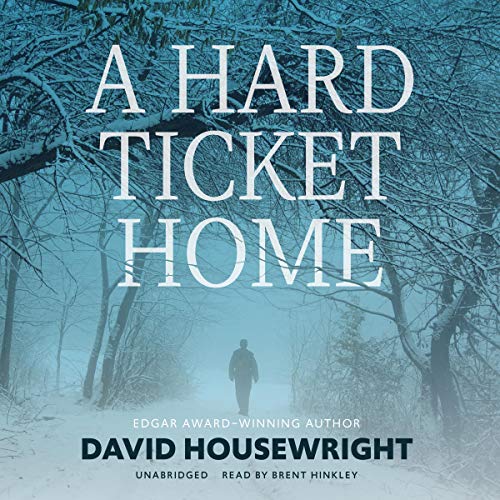
Ex-St. Paul cop Rushmore McKenzie has more time, and more money, than he knows what to do with. In fact, when he’s willing to admit it to himself (and he usually isn’t), Mac is downright bored. Until he decides to do a favor for a friend facing a family tragedy: Nine-year-old Stacy Carlson has been diagnosed with leukemia, and the only one with the matching bone marrow that can save her is her older sister, Jamie. Trouble is, Jamie ran away from home years ago.
Mac begins combing the backstreets of the Twin Cities, tracking down Jamie’s last known associates. He starts with the expected pimps and drug dealers, but the path leads surprisingly to some of the Cities’ most respected businessmen, as well as a few characters far more unsavory than the street hustlers he anticipated. As bullets fly and bodies drop, Mac persists, only to find that what he’s looking for, and why, are not exactly what he’d imagined.
David Housewright’s uncanny ability to turn the Twin Cities into an exotic, brooding backdrop for noir fiction, and his winning, witty hero Rushmore McKenzie, serve as a wicked one-two punch in A Hard Ticket Home, a series debut that reinforces Housewright’s well-earned reputation as one of crime fiction’s stars.
Purchase Links:
Amazon/Audible: https://www.amazon.com/A-Hard-Ticket-Home/dp/B082TLLK5Q/
Chirp: https://www.chirpbooks.com/audiobooks/a-hard-ticket-home-by-david-housewright
My Review
I listened to the audio book A Hard Ticket Home, written by David Housewright and narrated by Brent Hinkley. This book is a cross between your typical detective story and a cozy mystery, with distinctive characters. Hinkley sets the perfect tone, giving it kind of a Mickey Spillane feel, which is perfect for the genre and the story.
Rushmore McKenzie isn’t a cop anymore. He’s a billionaire, but even though he doesn’t need the money, he makes a hobby of playing P.I. When he’s called upon to find the long lost sister, Jamie, of none year old Stacy Carlson, in order to find a possible bone marrow doner and save Stacy’s life, he steps into more than he bargained for. Just as he locates Jamie, she is murdered in hideous fashion, and he finds himself on the middle of a murder mystery as he tries desperately to find Jamie’s missing son, who might be the only one left who could save Stacy’s life. But Mac has drawn attention in his investigation, and now someone is trying to kill him, too.
Filled with twists and turns that keep readers guessing, I give A Hard Ticket Home five quills.
__________________________
Kaye Lynne Booth does honest book reviews on Writing to be Read in exchange for ARCs. Have a book you’d like reviewed? You can request a review here.
Share this:

Book Review: Ghost Walk
Posted: October 28, 2022 Filed under: Book Review, Books, Fiction, Ghost Stories, Mystery, Review | Tags: Book Review, Books, Crime Fiction, Ghost Walk, Melissa Bowersock, Paranormal Mystery, Writing to be Read 4 Comments
Ghost Walk, by Melissa Bowersock is Book 1 in her Lacy Fitzpatrick and Sam Firecloud Mystery series. This paranormal mystery is more of a crime fiction story, than a cozy. An ex-cop turned P.I. and a spirit seeing Indian team up to find the answers, through both paranormal evidence which only Sam can see and forensics and the strong investigative skills of Lacey, to crimes which have eluded the law, bringing justice to both the living and the dead.
This first book in the series covers the story of the developing relationship between the two partners and promises more mysteries to come. They are good. Lacey knows how to track down the clues, and with inside information coming from beyond, she has the pieces to the puzzle that local law enforcement lacks. Sam has learned to keep his gift under wraps, but has an undeniable urge to help the dead who cry out to him, and partnering up with Lacey, might be just what he needs to help him do that.
Purchase Link: https://www.amazon.com/Ghost-Lacey-Fitzpatrick-Firecloud-Mystery-ebook/dp/B01MUCZR5T
This well crafted tale is a quick and entertaining read, which carefully lays out the clues for the detectives and the readers to discover. The two main characters are both down to earth and very relatable. I give Ghost Walk five quills.
______________________________________________________________________
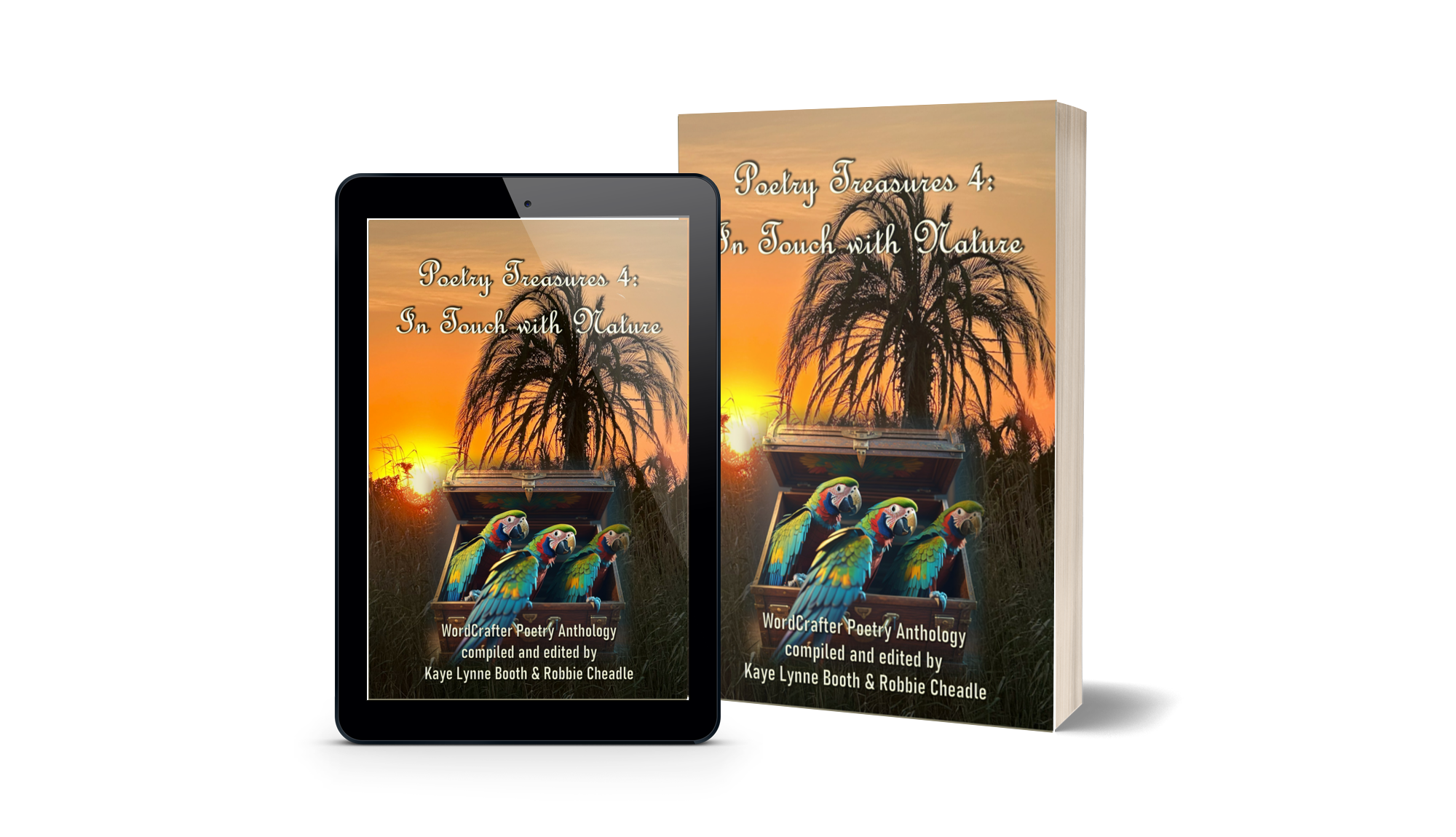
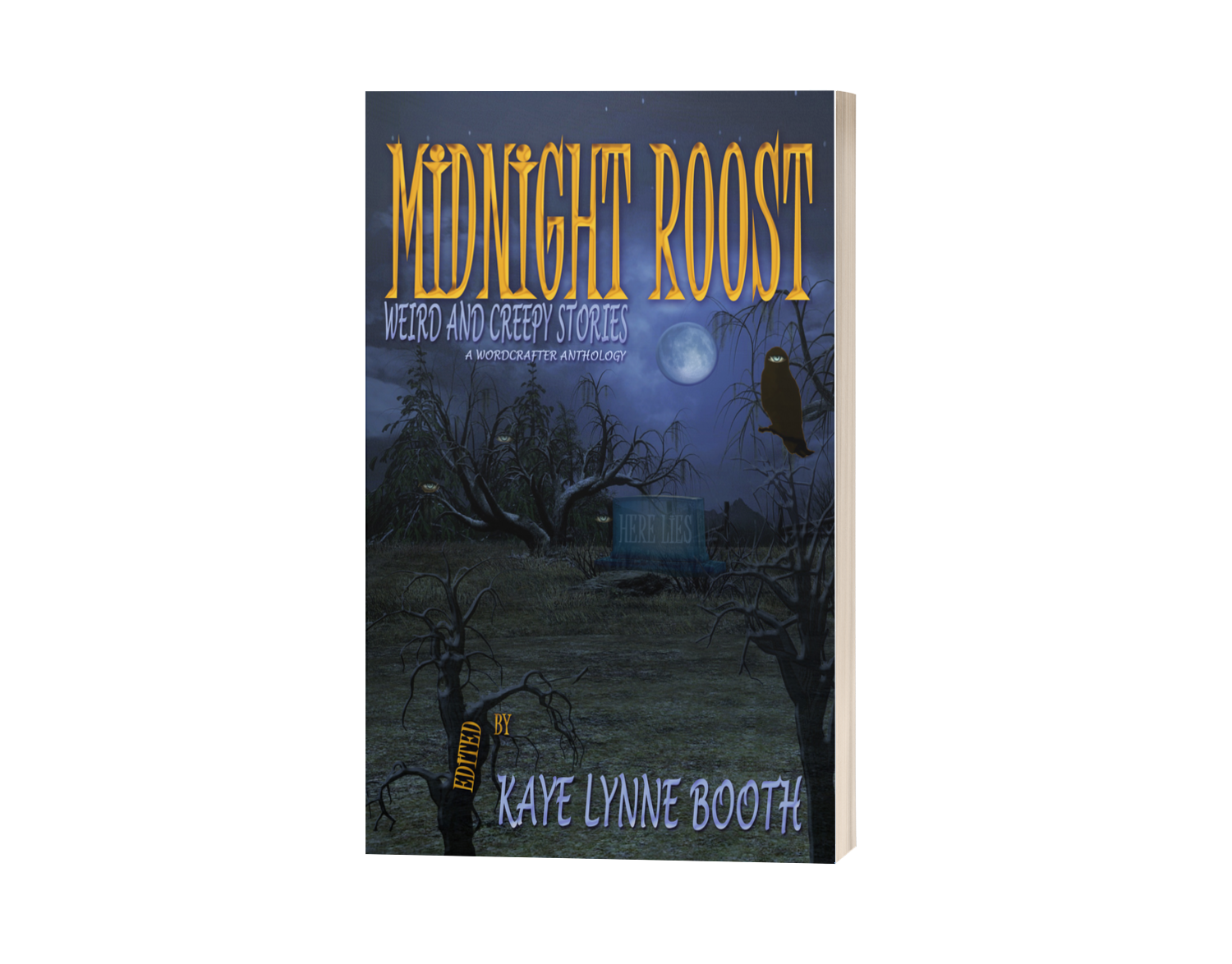
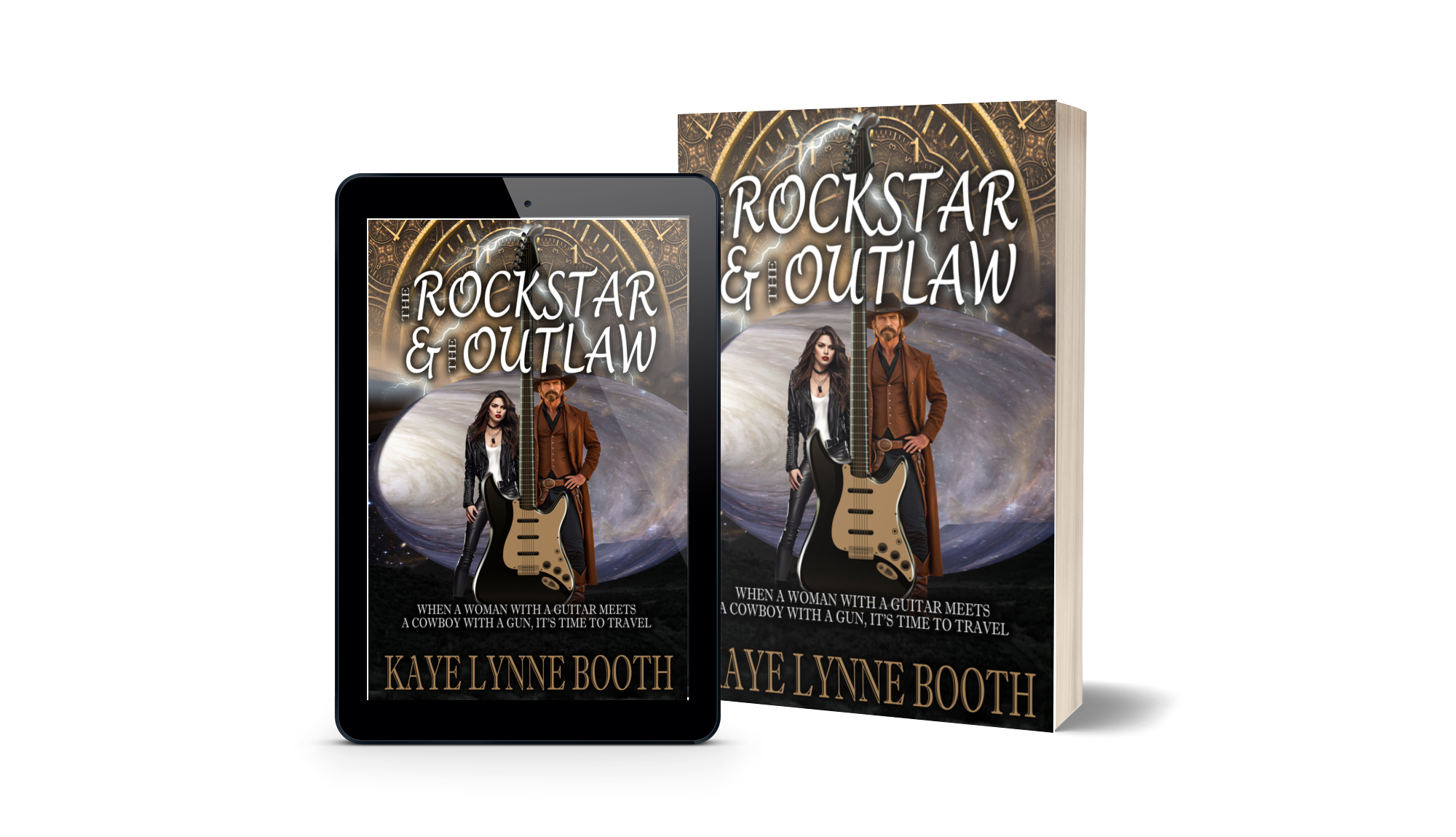
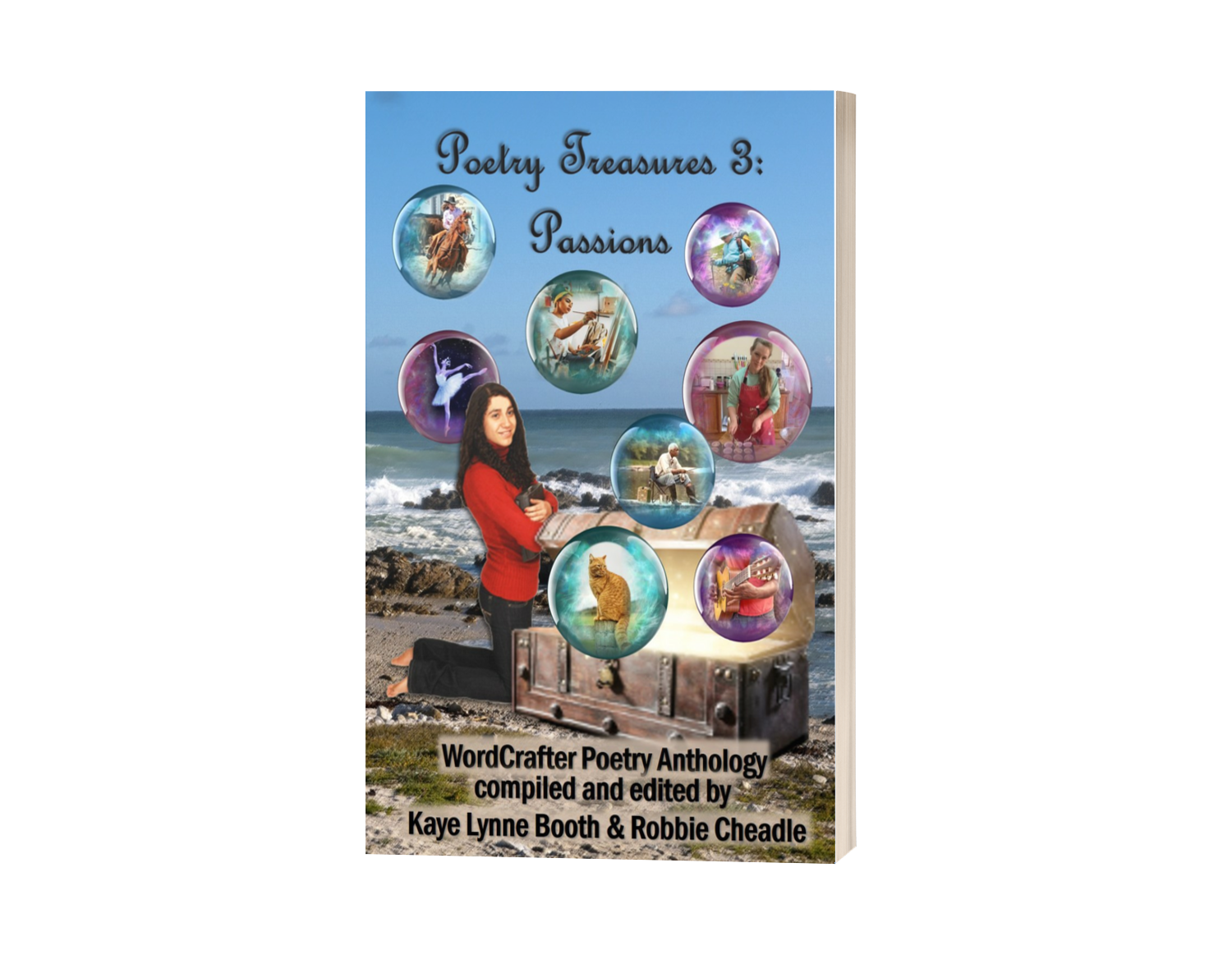
Join Kaye Lynne Booth & WordCrafter Press Readers’ Group for WordCrafter Press book & event news, including the awesome releases of author Kaye Lynne Booth. Get a free digital copy of her short story collection, Last Call and Other Short Fiction, as a sampling of her works just for joining.














Mind Fields: Crime Thrillers And Mystery Media
Posted: May 20, 2022 | Author: artrosch | Filed under: Books, Commentary, Crime, Fiction, Mind Fields, Mystery, Thriller | Tags: Arthur Rosch, Crime Fiction, Henning Mankell, James Lee Burke, Mind Fields, mystery, Suspense/Thriller, Writing to be Read | 3 CommentsI read everything. I read fiction, non fiction, biography, history, psychology. If libraries were edible there would be few surviving libraries. I would have been a Godzilla-like creature with an insatiable appetite for books, “The Monster That Devoured Libraries”. I’ve been reading voraciously since I was eight years old. I started my reading career with historical fiction, then turned to sci-fi and Fantasy. I detoured into crime fiction and mysteries but I put them down in my twenties and never returned until I saw the film “The Girl With The Dragon Tattoo”. That rekindled my lust for good thrillers and I checked out the late Stieg Larsen’s epic trilogy. Then I turned to the somber depths of Henning Mankell, author of the Wallander mystery series.
Mankell is sixty four years old. I find this fact very much in his favor. I like reading authors who’ve got some worldly experience, who are old enough to recognize the body’s fragility and are beginning to be on speaking terms with death.
Henning Mankell spends half of his year living in Maputo, Mozambique. He is director of a drama troupe called Teatro Del Avenida. What, I wonder, could be better food for a writer’s mind than to open himself to a world so utterly alien to his native experience?
Stockholm/Maputo, Stockholm/Maputo… here is a successful writer who is seriously engaged with the world. He’s not hiding in some comfy Swedish estate, churning out formulaic mystery books. His writing is many layers deep.
Mankell’s best-selling character, Chief Inspector Wallander, is a frustrating man. He’s frustrating to his daughter, he’s frustrating to his colleagues; he’s especially frustrating to himself. Somehow he never seems to get to that vulnerable place that allows his feelings to surface. He looks like a man tormented by an itch that he can never scratch. He walks around with three days’ growth of beard on his face, his shirt tails are hanging out, his eyes are bleary.
Somehow he always catches the killer, by thrashing his way through obscure connections, chasing ancient traumas, exposing religious zealotry and the classic motive to many a murder, old fashioned desire for revenge. Wallander’s like a gloomy Colombo. He always has one more question.
Mankell’s prose is austere and controlled. It evokes the Swedish countryside, from its thousands of Baltic islands to its birch forests and vast yellow fields of mustard and flax. Mankell also takes non-Swedish readers into the Swedish mind-set via references to Swedish history and attitudes.
There is a nostalgia for an “old” Sweden. Just as we in the U.S. have pre and post Nine Eleven mind-sets, the Swedes divide their recent history into periods before and after the assassination of their prime minister Olaf Palme in 1986. The crime was never solved and remains a collective national trauma.
Any sensitive reading of Mankell requires this awareness of the Swedish world-view. Americans are not great in being aware of other cultures and other histories. This is an opportunity to absorb Swedish culture from one of its iconic writers.
James Lee Burke
A quote from the novel Swan Peak:
I flat out love James Lee Burke’s writing. He’s another writer with some miles on his old frame. His best selling series characters, Detective Dave Robicheaux and Clete Purcell are two of the most colorful non-heroes in crime fiction. Most of Burke’s novels move in and around New Orleans and the bayou country. The area’s history is like a character in itself. The ghosts of civil war personalities haunt the landscape. Burke’s stories draw on the family feuds and crimes from the past. His plots involves the great great great grandchildren of plantation owners and slaves. James Lee Burke’s writing is an invocation of living memory.
Certain structures appear in Burke’s narratives. There’s always an aristocratic family whose roots go back to ante-bellum times. This family has entanglements within the black community. The family is also “mobbed up”, albeit quietly, with the Giacano people in New Orleans.
People whose grandparents were slaves still work for this family. Some old blues man who plays the local dives witnessed a killing forty years ago. He won’t talk about it; he never talks about the “doings of white folk”. Dave can pry bits of information from the reluctant guitar man when he promises not to reveal his source. All the same, there’s a possibility that the old blues man’s body will float out of the bayou some time down the road.
Dave is a recovering alcoholic. The longing, the nostalgia for a shot of Johnny Walker in a glass of beer, is so authentic that Burke’s nascent alcoholism is clear as an empty decanter.
Burke knows the landscape of longing, of grief for an addiction that provided so much comfort yet brought so much destruction. This is why James Lee Burke is so good as a writer: he’s honest about who he is and his “real” personality bleeds across into his characters with perfect fidelity.
Here they are, the inhabitants of James Lee Burke’s fictional world. Dave Robicheaux, Vietnam vet and PTSD sufferer. Alcoholic. A cop who resents authority. Habitue of AA meetings when the pressure builds. Lover of his wife and his daughter Alafair and his tame three legged raccoon Tripod and his un-neutered warrior cat, Snuggles. Best friend of Clete Purcell, a de-frocked homicide cop who now does skip tracing for bondsmen Nig Rosewater and Wee Willie Bimstine.
Clete is enormous, powerful, aggressive, self indulgent and frequently teeters on the brink of losing his self control. He is described as “an elephant falling down a stairs”. He still drinks and pushes Dave’s patient loyalty to the boundary. A fellow Vietnam vet, fellow PTSD patient, Clete was Dave’s partner in the homicide division of New Orleans Police Department.
In the old days they were called “The Bobbsey Twins.”
Burke mixes up all these characters to create stories with perfect pacing and addictive tension. He describes the color of light in Bayou Teche, the sound of the rain as it blows in from the Gulf. Someone out there creeping around the roots of the drowned trees is leveling a telescopic site onto Dave’s forehead. That someone may be a psychopathic ex-prison guard from Angola Penitentiary, a “gun bull”, a racist of the old stripe who once prodded prison laborers from the saddle of his horse, carrying a shotgun and ready to use it.
Burke’s villains have a whiff of sulfur about them, they aren’t quite human, they have a Satanic indifference to human suffering and a quick toughness that seems invincible.
These are some of the scariest villains in fiction. These are just a few reasons why you should read James Lee Burke.
His heroes are flawed, his villains terrifying, his victims pathetic and mute, his settings historic and laced with the colors of Spanish moss and the distant growl of alligators.
_______________________________________________________________________________
Arthur Rosch is a novelist, musician, photographer and poet. His works are funny, memorable and often compelling. One reviewer said “He’s wicked and feisty, but when he gets you by the guts, he never lets go.” Listeners to his music have compared him to Frank Zappa, Tom Waits, Randy Newman or Mose Allison. These comparisons are flattering but deceptive. Rosch is a stylist, a complete original. His material ranges from sly wit to gripping political commentary.
Arthur was born in the heart of Illinois and grew up in the western suburbs of St. Louis. In his teens he discovered his creative potential while hoping to please a girl. Though she left the scene, Arthur’s creativity stayed behind. In his early twenties he moved to San Francisco and took part in the thriving arts scene. His first literary sale was to Playboy Magazine. The piece went on to receive Playboy’s “Best Story of the Year” award. Arthur also has writing credits in Exquisite Corpse, Shutterbug, eDigital, and Cat Fancy Magazine. He has written five novels, a memoir and a large collection of poetry. His autobiographical novel, Confessions Of An Honest Man won the Honorable Mention award from Writer’s Digest in 2016.
More of his work can be found at www.artrosch.com
Photos at https://500px.com/p/artsdigiphoto?view=photos
_______________________________________________________________
Want to be sure not to miss any of Arthur’s “Mind Fields” segments? Subscribe to Writing to be Read for e-mail notifications whenever new content is posted or follow WtbR on WordPress. If you find it interesting or just entertaining, please share.
Share this: