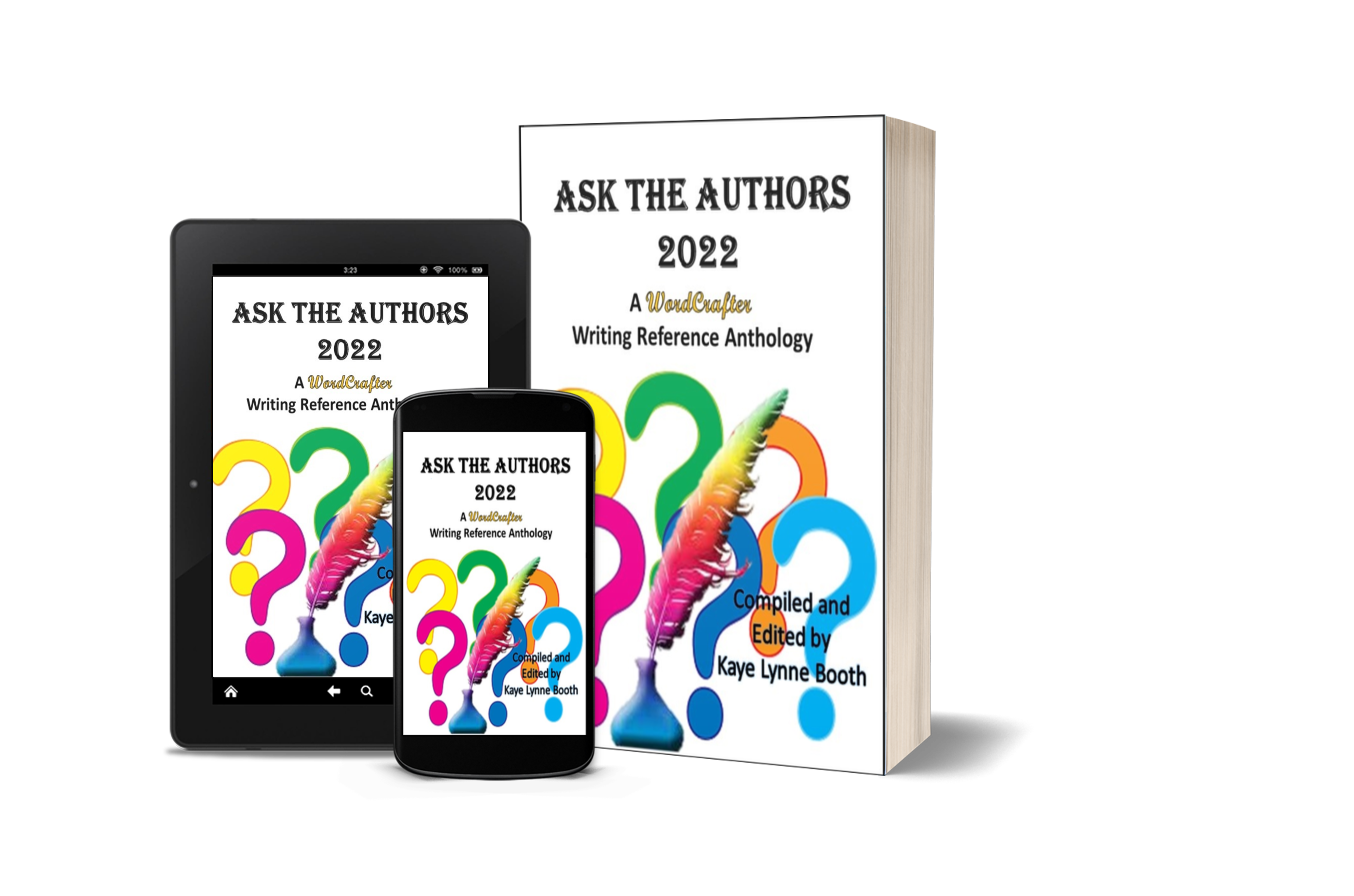
Chatting with the Pros: Todd Fahnestock
Posted: January 11, 2025 Filed under: Book Review, Chatting with the Pros, Fantasy, Fiction, Interview, Review | Tags: Book Review, Book Reviews, Books, Chatting with the Pros, Fantasy, Interview, Todd Fahnestock, Tower of the Four: The Rise of Magic, Writing, Writing to be Read 1 Comment
My guest this month on “Chatting with the Pros” is Todd Fahnestock, a talented epic fantasy author for both adults and teens. I met Todd, kind of, when we both participated in the 2024 Novel Writing Story Bundle. In fact, his nonfiction writer’s resource, Falling to Fly, is the subject of this month’s “Review in Practice”, and you can catch that post this coming Monday.
He is the author of many epic fantasy series and that fascinates me because epic fantasy spans long periods of time, with multiple characters and multiple storylines to follow. As an author, I’ve been playing around with writing in multiples, (see this month’s “Chatting with the Pros” segment), I find it fascinating to learn how other authors handle this aspect of writing. So, let’s get right to the interview.
About Todd Fahnestock
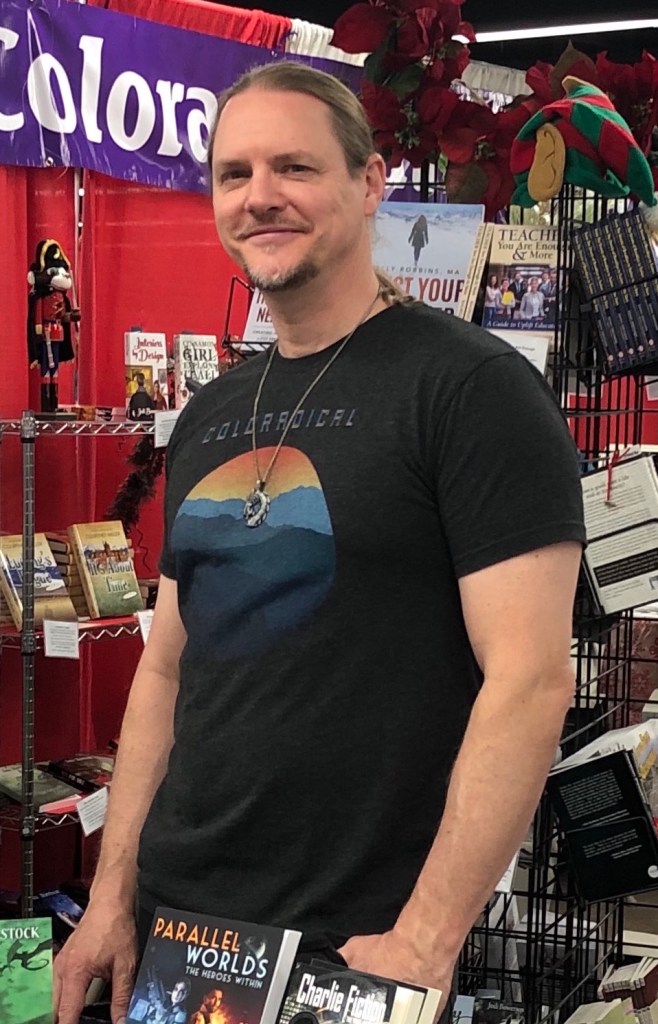
Todd Fahnestock is an award-winning, #1 bestselling author of fantasy for all ages and winner of the New York Public Library’s Books for the Teen Age Award. Threadweavers and The Whisper Prince Trilogy are two of his bestselling epic fantasy series. He is a founder of Eldros Legacy—a multi-author, shared-world mega-epic fantasy series—three-time winner of the Colorado Authors League Award for Writing Excellence, and two-time finalist for the Colorado Book Award for Tower of the Four: The Champions Academy (2021) and Khyven the Unkillable (2022).
His passions are great stories and his quirky, fun-loving family. When he’s not writing, he travels the country meeting fans, fabricates philosophy with his son, plays board games with his wife, dissects movies with his daughter, and plays to the point of bruises with Galahad the Weimaraner.
Visit Todd at toddfahnestock.com.
Interview with Todd Fahnestock
Kaye: Tell us a little about your background or your author’s journey.
Todd: Ha ha! Well, if you want the entire story, I highly recommend reading Falling to Fly, which is a memoir I wrote about this very question. It goes into detail for about 50K words about my writer’s journey, starting with the little beginnings of discovering epic fantasy novels when I was fourteen to speaking in front of a packed-house at Planet Comicon in Kansas City.
I’ll try to do a shorter version here.
So when I was in 8th grade, I was waiting for my brother to pick me up from school, and I wandered over to the public library which was, conveniently, just across the street from Smiley Junior High. After thumbing through the Sports Illustrated Swimsuit editions in the magazine section, I started wandering through the stacks looking for something a bit more mentally stimulating. I stumbled across Lloyd Alexander’s The Book of Three. The cover just captured me; it transported me away to a place that felt foreign and familiar at the same time, so I opened the book and…
Wow. I hadn’t even known what I was looking for, but The Book of Three had a huge, helping of it. I got lost in the epic fantasy trope.
The story is about a young man my age who has no idea about the magical, dangerous world outside his little farm. The highest honor he can imagine is being promoted to assistant pig keeper within the farm, but he gets swept into an epic journey where he will fight alongside kings, battle legendary monsters, and foil supernatural villains.
I was hooked.
In fact, in a very real way, fantasy books saved my life. My parents were going through a divorce at the time, and in my real life I felt clipped free on a tumultuous ocean, drifting in a boat with no rudder. Fantasy books became a safe port for me. Inside a fantasy story, I could feel powerful. I could feel heroic. I could be unafraid. I clung to those stories like a lifeline.
I went on to read Weis & Hickman’s Dragonlance series, Brooks’ Shannara chronicles, and Piers Anthony’s Xanth series. I devoured every fantasy book I could find.
When I got a little older—eighteen years old to be exact—the most amazing thing I could think to do with my life was to write stories like the ones that had captivated me in my junior high days. So I did. I started writing my first novel in an Independent Study class during my senior year.
It was a magical story about a nigh-invincible, acrobatic swordsman named Koric… with absolutely NO possibility of being published. But I thought it was amazing, so I wrote a second, and a third, and… well, here I am now.
Kaye: Why do you write fantasy as opposed to other genres you might write?
Todd: I’ve actually written in a few other genres: memoir, middle grade, time travel. I even have a 1980s road trip, coming-of-age story with a twist of magic (not sure exactly what genre that is), but I always come back to high fantasy.
I think it’s for two reasons. First, fantasy is completely open-ended. I can get as imaginative as I want while doing little to no research. Anything about the world I don’t know, I can simply invent, and that’s my strong suit.
Second, high fantasy is optimistic. It’s hopeful. High fantasy is the very essence of triumph. I drag my characters through hell, but it is with the hope that they will find their way through the dark, that they will prevail in the end. I love that trope. I simply can’t get enough of it.
So that unique combination simply draws me back again and again. If I’m feeling silly, I can create some snark to serve my mood, a crusty little gromnambulan who rides on the character’s shoulder and has a penchant for eating poker chips or something. If I’m feeling angry and vicious, I can pour all of that negative energy into the most vile villain I can create. I can make that pessimism useful to convey the overall optimism I hold by coming up with a way for my heroes to defeat him. And, of course, I love creating heroes most of all, unlikely misfits who find a way to prevail or—I also love this one—destined characters with unbelievable abilities who are going to be put to the utmost test of their strength/brilliance/competency.
Kaye: You write epic fantasy. Is it more difficult to keep the stories going in epic proportions?
Todd: Ha ha! I don’t know that I’d say it’s more difficult. More difficult than what? Than doing research on how strains of a biological weapon breed and multiply so that I can accurately depict a world-threatening event in a thriller? I don’t know. I’ve never written a thriller.
I know I hate doing research and I love imagining things, looking for my own internal logic rather than sticking to the hard facts of the real world. So maybe in my case, it’s easier to keep stories going in epic proportions than doing that. Epic fantasy is what I’ve known for decades. It seems natural to me.
But it’s not easy.
I do struggle often with trying to fit something together over a larger arc, but I’m getting better at it every time I finish a longer series.
I think holding the threads of an epic story takes up a lot of RAM in my head. In the real world, I’ll forget names. I’ll forget dates. My wife often gets frustrated with me because I can’t remember to bring something up from downstairs that she asked me to get literally two minutes ago, but I think a lot of this is because most of my brainpower is subconsciously sorting plot threads so that when I get to the keyboard, things seem to ‘magically’ sort themselves out.
That’s just a theory, but it seems applicable.
Kaye: You are an author of fantasy for all ages. Can you talk about the main differences in writing teen and young adult fantasy, and adult fantasy?
Todd: Sex.
Ha ha! No, not entirely. But that’s a big one. When people come up to my booth and ask me what age range a book is, that’s what they’re mostly asking about. I’ve interacted with many readers at many cons—and I’m mostly talking about parents who are looking for something for their teenage or tween-age readers—and they don’t care that much if Khyven the Unkillable is hacking a sword through a mythical cat beast. They wanna know if there’s any graphic snogging in the book.
I’ll even often have some pretty creepy or frightening descriptions of monsters—bordering on horror—but it doesn’t seem to bother parents or young audiences. I think young readers can handle more than we give them credit for. And a lot of them are hungry for that kind of thing.
Other factors, especially with readers younger than eleven or so, is the vocabulary. Too many big words and you’re gonna lose them. But there are a LOT of precocious eleven- and twelve-year-old readers out there, and the more epic—and complicated—the story, the more they love it. It’s interesting.
For the last three or four years, I’ve been hanging in the PG-13 range (Eldros Legacy). There are a few romantic relationships in that 5-book story, but it’s just a bit of kissing and if it’s something more, it’s only implied. We close the door, put a sock on the handle.
Adults often WANT the spicier side of things. They want a little more description of the snogging, a bit of a heavier emphasis on the snogging. So when I’m writing an adult story, I try to up the sexy quotient. I don’t think I ever get “erotica” graphic, but I dance right up to the edge of it.
Kaye: Which do you enjoy writing most, heroes or villains? Why?
Todd: Heroes. I never get tired of exploring how and why someone becomes a hero, whether it’s to themselves or to the world, whether it’s a badass warrior who’s selfish and needs to learn to put others above himself or a geeky high school kid who needs to find his confidence.
I think we’re all trying to find our inner hero, whatever that hero looks like. Joseph Campbell stipulates in his book The Hero with a Thousand Faces that we have a regular cycle we go through as humans.
- Step 1: We start in our comfort zone (status quo)
- Step 2: We are pushed into the Special World (something NOT the status quo)
- Step 3: We go through trials
- Step 4: We reach a crisis point
- Step 5: We find the wisdom/strength/magic sword to overcome the crisis
- Step 6: We defeat our internal or external demons
- Step 7: We return to the status quo
There are other details he illuminates, but those are the basics. This is the format of the Hero’s Journey, and it is used in hundreds of stories you’ve read or movies you’ve seen. The original Star Wars is a classic example, but you can find it everywhere. This format is used over and over and over again, and the reason is because it resonates so powerfully, so intimately, with us. And the reason it does is because we LIVE this journey almost every day.
- Step 1: We head out to work (status quo)
- Step 2: We come across a frustration (car won’t start).
- Step 3: We go through trials (inspecting the car/Googling the problem/finding the part/installing it ourselves or taking it to a mechanic).
- Step 4: We reach a crisis point (yelling and throwing the wrench/kicking the fender).
- Step 5: We find the “magic sword” (money, time, effort).
- Step 6: We fix the problem.
- Step 7: We get back on the road…
There are a million ways to solve these problems, and there are a million different kinds of heroes to solve these problems. I haven’t yet tired of exploring all the different facets.
As an aside, I do enjoy writing villains, too. I love it. It allows me to dance in my dark side, to imagine the very worst of the worst. It’s… cathartic. And frightening. Thinking of the things that lurk in my dark side sometimes makes me shiver. But bringing those thoughts into the light…
…and then having the heroes bring the smackdown is very satisfying.
There’s a scene in the fifth Eldros Legacy book where one of the characters has been abused and twisted and tormented by one of the villains. She finally gets the chance to bring justice to him in a very personal (and bloody) way. I stand up and cheer when I get to that scene.
Kaye: Would you tell us about your podcast, Fantasy in the Margins?
Todd: Absolutely. This is a new thing I started in November of 2024. Essentially, I release a three-chapter chunk of the audio book Khyven the Unkillable (the first book in the Eldros Legacy: Legacy of Shadows series) each week, and then I do an author’s commentary on the chapters. Sometimes I’ll talk about what I liked the most—or hated the most—about its creation.
Oftentimes I’ll break it down as though I’m teaching a writing class on how to put together a story. I talk a lot about Save the Cat (a writer’s how-to book). It’s a lot of fun.
It’s also a great way to get the audiobook for free.
Kaye: You sell direct on your site. In addition to books, you also sell merchandise related to your books. I took a peek, and there’s some pretty cool stuff there. Does selling direct from your site offer you an advantage as an author?
Todd: It has huge advantages as an author.
My policy is to use all the platforms I can. I’m on Amazon. I’m in bookstores. If someone wants to find me or has a preferred platform they like to buy from, I make it as easy as possible.
But I spend a lot of time meeting readers face to face. I make and build relationships with them, and they buy directly from me at those events and online. Often, they would like to continue buying directly from me, and I want to let them. Thus, the website.
An added benefit is that if I sell directly, I make more money per book.
The merchandise is fun, too. That was started by my assistant, and it’s awesome to think people have Wishing World blankets or Eldros mugs in their houses.
I think it also helps in building my brand. The more stuff with my name and/or my characters on it that is out in the world, the more recognizable my brand becomes.
Kaye: Your work has won or been considered for many awards over the years. Which of these would you say you are the most proud of, and why?
Todd: Oh… That’s a tough one. It was such an honor to have one of my short stories (written with my friend Giles Carwyn) be selected by the New York Public Library’s Books for the Teenage. It was completely unexpected, and we were actually living in New York at the time, so we got to go to the reception.
Getting nominated twice for the Colorado Book Award (for Tower of the Four: The Champions Academy and Khyven the Unkillable) was quite an honor.
But I think my favorite are my wins from the Colorado Authors League. I have three of those now for Tower of the Four: The Champions Academy, Khyven the Unkillable and Ordinary Magic, a memoir about me and my 14-year-old son hiking The Colorado Trail, a 486-mile trek from Denver to Durango.
Kaye: What is the best writing advice you’ve ever received?
Todd: Oh jeesh. You’re going to make me pick ONE?
Sorry. Can’t do it. Gonna give you three.
Margaret Weis, author of the Dragonlance novels, once said to me when I was a wide-eyed fledgling novelist:
“You can’t listen to the bad reviews… but you can’t listen to the good reviews either.”
It was like a Zen Buddhist koan. I totally understood the first part. Don’t let the haters get you down, right? Got that. Old wisdom.
But the second part? I puzzled over that for years. Why NOT listen to the good reviews? Isn’t that the whole point? People who love what you do telling you so?
Yeah, I didn’t get it until I started having success… and then it hit like a hammer.
When Tower of the Four won awards and Khyven the Unkillable was creating a buzz behind-the-scenes in the publishing industry, I was on top of the world. I felt like I was finally hitting my artistic stride. I could do no wrong.
Then I went to work on my next book. The demons in my mind swarmed me: “What if this book isn’t an award winner? What if you’ve lost your mojo?”
I completely locked up. I struggled to get to the midpoint and then gave up with a gasp, thunderstruck and full of fear that I’d lost my ability to write.
I had to set aside that work-in-progress and intentionally write a “crappy novel.” That is to say, write without fear of disappointing anyone, especially myself. To just let myself create whatever came out. That broke the log-jam. I found my stride again, but I will remember that lesson forever.
Another great bit of advice was delivered by Jim Butcher, author of the Harry Dresden Urban Fantasy phenomenon. He said:
“Don’t worry about getting ridiculous in your writing. You are in far greater danger of losing a reader to boredom than from a reader saying, ‘This is too silly. I can’t possibly read more of this because it’s so ridiculous.’”
I carry that with me everywhere. To me it means: be brave when you write. Write the things that scare you, things you’re afraid people will judge. That’s the good stuff. That’s the stuff people identify with. I assure you, you’re not alone in feeling like others might judge you. And the readers that feel those same things will develop a kinship with you, the author who understands them. That’s what makes fans.
Lastly, Dean Wesley Smith once said during his Writing into the Dark class:
“Stay in your creative mind when you write.”
He clarified by saying writers have a “creative mind” and a “critical mind.” My impression was that Dean didn’t have much use for the “critical mind.” Even when editing. He said that the creative mind, when it comes across something that doesn’t work in your writing, will say something like, “Oooo! This gives me the opportunity to create this.” Or “Oh wow. I see what I was trying to do here. I wanna rewrite this so that I can get closer to my vision.”
The critical mind, on the other hand, says things like, “This chapter sucks! What were you thinking?”
In short, the creative mind is excited.4 The creative mind wants to build.
The critical mind wants to criticize. It is not a builder.
As a writer, stay in the creative mind.
Kaye: Thank you for being my guest today, Todd. It’s been a pleasure chatting with you. Before we go, tell us where readers can go to find out more about you and your books.
Todd: Thank you for having me! This has been a treat.
As to finding my books, you can get them from my website: toddfahnestock.com
For ebooks, it’s cheaper for you (and more money for me). And if you’re a hardback or paperback reader, you can get signed copies!
You can also get unsigned books on Amazon or order them from your local bookstore, too. They’re all there.
Thanks again, Kaye. Have a fantastic weekend!
About Tower of the Four: The Rise of Magic

In a world where magic binds fate, trust is the most dangerous spell of all.
Ovalia was once a powerful mage, bound by loyalty to her closest companions. But when betrayal strikes, her friends—four trusted allies—cast her into The Dreaming, a nightmarish dimension where time and reality twist and tear apart. There, a dragon of unimaginable power incinerates her in a burst of fiery wrath.
But death is not the end.
Resurrected by an ancient magic, Ovalia emerges from The Dreaming stronger, fiercer, and driven by a singular purpose: vengeance. With her power growing in ways she cannot yet control, she will stop at nothing to make her former friends pay for their treachery. Yet the deeper she plunges into a world of revenge, the more she discovers the dark secrets of those she once trusted—and the devastating price of her resurrection.
Now, as shadows close in and alliances shift, Ovalia must decide whether she will remain a weapon of destruction… or become something far more dangerous.
My Review of Tower of the Four: The Rise of Magic
I received a digital copy of Tower of the Four: The Rise of Magic, by Todd Fahnesstock, in exchange for an honest review. All opinions stated here are my own.
Tower of Four: Rise of Magic, comprises episodes 7-9 in Todd Fahnestock’s Tower of the Four fantasy series. Even though I have not read episodes 1-6, I found the rules of the world clearly outlined where needed and had no problem following the later episodes in this volume.
The world building is top notch, as Fahnestock does a great job of introducing us to a world of magic, where seemingly nothing is impossible. Or is it? Fahnestock takes us on an adventure, as magic is conception on this world, through several turns of the tables over the centuries, cluing readers in to the rules of magic, and showing us just what it can do.
The characters are well-developed, but unpredictable, which in epic fantasy, can be a good thing. You never know who will be tempted or tricked into switching sides, and of course all good villians have an unsuspected trick up their sleeve. In this epic tale, the villians have more than a few. But, as is often in life, the character’s true inner selves, may be their downfall.The possession of magical powers changes people in unsuspected ways, and those who are at first percieved as heroes, may later be seen as villians in this tale of betrayal and revenge.
A magical adventure that is truly entertaining. I give Tower of the Four: The Rise of Magic five quills.

____________________________________
Did you know you can sponsor your favorite blog series or even a single post with an advertisement for your book? Stop by the WtbR Sponsor Page and let me advertise your book, or you can make a donation to Writing to be Read for as little as a cup of coffee, If you’d like to show your support for this author and WordCrafter Press.
_____________________________________
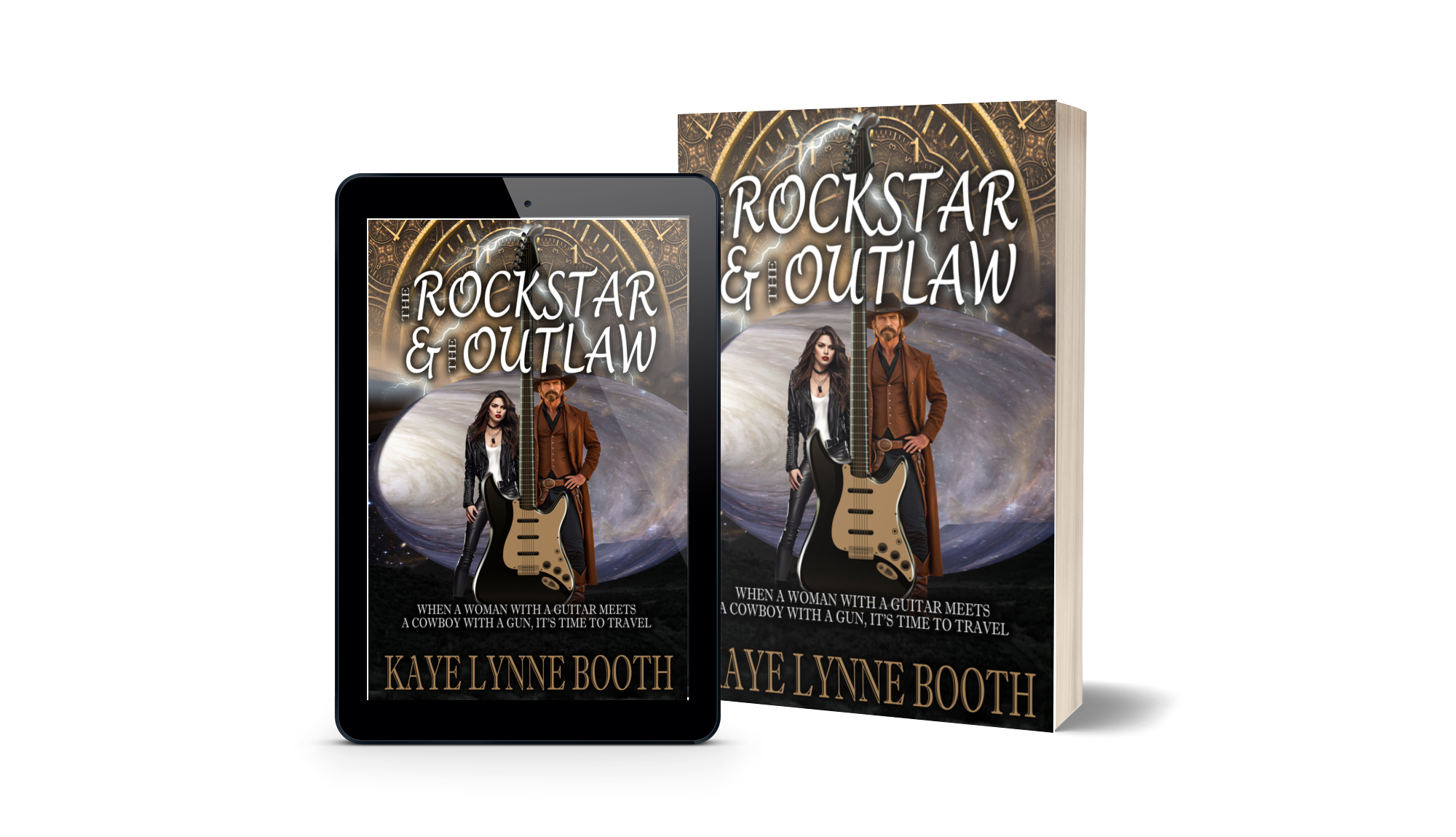
This segment of “Chatting with the Pros” is sponsored by The Rock Star & The Outlaw and WordCrafter Press.

A time-traveler oversteps his boundaries in 1887. Things get out of hand quickly, and he is hanged, setting in motion a series of events from which there’s no turning back.
In 1887, LeRoy McAllister is a reluctant outlaw running from a posse with nowhere to go except to the future.
In 2025, Amaryllis Sanchez is a thrill-seeking rock star on the fast track, who killed her dealing boyfriend to save herself. Now, she’s running from the law and his drug stealing flunkies, and nowhere is safe.
LeRoy falls hard for the rock star, thinking he can save her by taking her back with him. But when they arrive in 1887, things turn crazy fast, and soon they’re running from both the outlaws and the posse, in peril once more.
They can’t go back to the future, so it looks like they’re stuck in the past. But either when, they must face forces that would either lock them up or see them dead.
Purchase Link: https://books2read.com/RockStarOutlaw
Share this:

Book Review: “Stiffs and Stones”
Posted: January 10, 2025 Filed under: Book Review, Books, Dark fiction, Dark Humor, Fiction, Review, Speculative Fiction, Zombie Fiction | Tags: Book Review, Dan Shamble Zombie P.I., Kaye Lynne Booth, Kevin J. Anderson, Stiffs & Stones, Writing to be Read 4 Comments
I’m a big fan of the Dan Shamble, Zombie P.I. series, so when I got a review request for the two latest books in the collection, you know I couldn’t turn it down. All opinions stated here are my own.
Other titles I’ve reviewed in the Dan Shamble, Zombie P.I. Series
- Horn Dogs: https://writingtoberead.com/?p=37841
- Bats in the Belfry & Heart of Clay: https://writingtoberead.com/2023/12/29/book-review-bats-in-the-belfry-heart-of-clay/
- Zomnibus: https://writingtoberead.com/2018/07/27/zomnibus-two-zombie-detective-novels-in-one-book/
- Double Booked & Bump in the Night: https://writingtoberead.com/2022/07/22/book-reviews-double-booked-bump-in-the-night/
About Stiffs and Stones

Dan Shamble, zombie P.I. is back from the dead and back on the case in this new collection of eight wacky adventures with enough plot twists and stomach turns to keep you guessing, and chuckling, until the very end.
My Review of Stiffs and Stones
I requested a digital revew copy of Stiffs & Stones from Kevin J. Anderson’s Reader’s Club. All opinions stated here are my own.
Stiffs & Stones, by Kevin J. Anderson is a collection of eight Dan Shamble, P.I. short stories, some which were published earlier, so I chose to focus my review on the stories I hadn’t read and reviewed previously. This collection of undead stories will keep you laughing until the last page.
- “Hand Job” is the tale of a disembodied hand who has been framed for a robbery it didn’t commit and it’s up to Dan Shamble to prove its innocence. If there’s one thing the zombie P.I. doesn’t need with this case, it’s a hand. (Although these stories are filled with it, that corney humor is my own.)
- “Bull Runs” is the tale of the Meter Maid Minitaur with tummy trouble. It’s up to Dan Shamble to discover the reason the Minituars are all falling ill and stop the debilitating illness before the big charity race.
- “Mystery Meat” is the case of the giant Momma Fly with missing baby maggots. This case takes Dan Shamble into the backstreets of the Unnatural Quarter where he uncovers the source of the new and delicious mystery meat being served while searching for the missing tots.
- “Holy Balls” is the tale of a warlock whose witchy wife is after his (crystal) balls, and it’s up to Dan Shamble to protect them. But the witchy wife is relentless, and Dan Shamble must use the highest security measures he has to protect the warlock’s balls.
- “The Eyeball at the End of the Rainbow” is the tale of an inebriated Leprechaun who has misplaced the eye of the Centuar stoner, leaving him blind and straight until Dan Shamble can solve the case and find the missing eyeball.
Also included are “Bump in the Night”, “Fire in the Hole”, and “Heart of Clay”.
_______________________________________
Kaye Lynne Booth does honest book reviews on Writing to be Read in exchange for ARCs. Have a book you’d like reviewed? You can request a review on the Book Review tab above.
________________________________________
Want exclusive content? Join Kaye Lynne Booth & WordCrafter Press Readers’ Group for WordCrafter Press book & event news, including the awesome releases of author Kaye Lynne Booth. She won’t flood your inbox, she NEVER sells her list, and you might get a freebie occasionally. Get a free digital copy of her short story collection, Last Call and Other Short Fiction, just for joining.
Share this:

Book Review: “Horn Dogs”
Posted: December 27, 2024 Filed under: Book Review, Books, Dark fiction, Dark Humor, Fairy Tales, Fiction, Review, Speculative Fiction, Zombie Fiction | Tags: Book Review, Dan Shamble Zombie P.I., Horn Dogs, Kaye Lynne Booth, Kevin J. Anderson, Writing to be Read 6 CommentsI’m a big fan of the Dan Shamble, Zombie P.I. series, so when I got a review request for the two latest books in the collection, you know I couldn’t turn it down. All opinions stated here are my own. ( You can catch my review of Stiffs & Stones on Friday, January 10th, 2025.)
Other titles I’ve reviewed in the Dan Shamble, Zombie P.I. Series
- Bats in the Belfry & Heart of Clay: https://writingtoberead.com/2023/12/29/book-review-bats-in-the-belfry-heart-of-clay/
- Zomnibus: https://writingtoberead.com/2018/07/27/zomnibus-two-zombie-detective-novels-in-one-book/
- Double Booked & Bump in the Night: https://writingtoberead.com/2022/07/22/book-reviews-double-booked-bump-in-the-night/
About Horn Dogs

Dan Shamble’s most pointed case, with murdered unicorns,frog princes, corporate fairy godmothers, and lagoon creatures, all looking for a fairy-tale ending in the gritty streets of the Unnatural Quarter.
My Review of Horn Dogs
I requested a digital review copy of Horn Dogs, from author Kevin J. Anderson’s Reader’s Group. All opinions stated here are my own.
Everyone wants a happily ever after, and Dan Shamble, Zombie P.I. is determined to make it happen.
The unnatural characters and their crazy antics in the Unnatural Quarter after the Big Uneasy, are what keep me coming back to the Dan Shamble, Zombie P.I. series, and Horn Dogs is no exception. In addition to all my favorite characters, such as Dan Shamble and his ghost girlfriend Shyenne, his human partner Robin, his vampire half-daughter, Alvina, and his best human friend Officer McGoo, this volume brings us frog demons, evil wizards, fairy godmothers, and unicorns and their pet horn dogs spreading magic and warm fuzzies throughout the Unnatural Quarter.
When Prince Dirk is changed into a frog by the evil wizard, Oorgak, he falls in love with a frog demon, RRita, heiress to the successful local pool service in the Unnatural Quarter. But Oorgak had an epiphany after seeing a unicorn, and reversed all of his previous evil deeds, and now the happy couple isn’t happy, especially when their illegitamate tadpoles are held hostage by the swamp monsters who own the new swamp water park.
And when someone dognaps all the unidogs, and unicorns are being murdered, the Secret Society of Horn Brothers and Horn Sisters must come out of hiding to employ Dan Shamble’s services, too. Can this zaney zombie P.I. save the unidogs and tadpoles, and reunite the unhappy couple, giving everyone the happily ever after that they’re looking for? You’ll have to read Horn Dogs to find out.
A fun and silly read, I give Horn Dogs five quills.
_____________________________________
Kaye Lynne Booth does honest book reviews on Writing to be Read in exchange for ARCs. Have a book you’d like reviewed? You can request a review on the Book Review tab above.
___________________________________
This post is sponsored by WordCrafter Press with a reminder that all WordCrafter Press books are currently 50% off in the SmashWords End of Year Ebook Sale, only in the SmashWords store: https://www.smashwords.com/shelves/promos/

Share this:

Chatting with the Pros: Bobby Nash
Posted: December 14, 2024 Filed under: Book Review, Books, Chatting with the Pros, Interview, Review, weird western | Tags: BobbyNash, Book Review, Chatting with the Pros, Dante's Reconing, Dante's Showdown, Dante's Tenth, Interview, Kaye Lynne Booth, The Tales of Dante Series, Writing to be Read 7 CommentsI’m pleased to have award winning author Bobby Nash as my guest today on “Chatting with the Pros”. Bobby writes both novels and short fiction, graphic novels and comic books, and has even written screenplays and worked on the movie sets.
About Bobby Nash
An award-winning author, Bobby Nash writes novels, comic books, short stories, novellas, graphic novels, and the occasional screenplay for a variety of publishers. He is a member of the International Association of Media Tie-in Writers and International Thriller Writers. On occasion, Bobby appears in movies and TV shows, usually standing behind your favorite actor and sometimes they let him act. Recently, he was seen in Creepshow, Joe Stryker, Doom Patrol, The Outsider, Ozark, Lodge 49, Slutty Teenage Bounty Hunters, and more. He also draws from time to time.
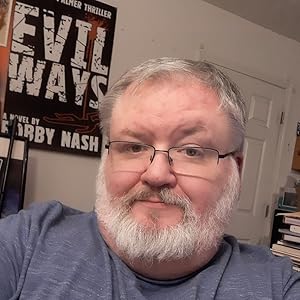
He was named Best Author in the 2013 Pulp Ark Awards. Rick Ruby, a character co-created by Bobby and author Sean Taylor also snagged a Pulp Ark Award for Best New Pulp Character of 2013. Bobby has also been nominated for the 2014 New Pulp Awards and Pulp Factory Awards for his work. Bobby’s novel, Alexandra Holzer’s Ghost Gal: The Wild Hunt won a Paranormal Literary Award in the 2015 Paranormal Awards. The Bobby Nash penned episode of Starship Farragut “Conspiracy of Innocence” won the Silver Award in the 2015 DC Film Festival. Bobby’s story in The Ruby Files Vol. 2 “Takedown” was named Best Short Story in the 2018 Pulp Factory Awards, one of five nominations for The Ruby Files Vol. 2 (created by Bobby Nash & Sean Taylor). Bobby’s digest novel, Snow Drive was nominated for Best Novel in the 2018 Pulp Factory Awards. Bobby was part of Moonstone’s Yours Truly, Johnny Dollar, which won a 2020 Pulp Factory Award for Best Pulp Anthology. Bobby’s novel, Nightveil: Crisis at the Crossroads of Infinity was also named Best Pulp Novel in the 2020 Pulp Factory Awards. In 2020, The Sangria Summit Society awarded the New Pulp Fiction Award to Bobby Nash for his work on Snow Falls and the Snow series.
For more information on Bobby Nash please visit him at http://www.bobbynash.com, http://www.ben-books.com, and across social media.
Interview
Kaye: You’ve been in the writing and publishing business a long time. What is your take on how the publishing industry has changed, and what adaptions have you had to make?
Bobby: There are certainly many more options for getting stories to readers now than when I started back in the pre-internet, pre-self-publishing model we have today. When I was getting started, you wrote a query, synopsis, and three chapters, printed them out, put them in a self-addressed stamped envelope, and mailed them to a publisher in the hopes you might hear back, or at the very least receive a form letter. Self-publishing wasn’t as well regarded as it is today so that wasn’t really an option. No internet limited your reach back then. Things are more open today, but that also means there are more books out there as well, so you have to work even harder to make your book stand out in a crowded field.
Today, being a writer means you’re running a small business. Marketing, promotion, publicist, travel/event planner, etc. That’s all on the writer, whether self-published or traditional.
I had to teach myself how to promote. I had to learn how to handle book production, pre-press, cover design, how to write a press release, things like that. I learned how to speak in public, to do panels and interviews, live podcasts, stage performances, and the like. As an author, you’re not just trying to sell books. You’re selling an experience. You’re part of that experience so you’re selling yourself as well. Branding is important to building an author brand. It is a bit time-consuming, but is important to my career as an author. Writing is just a small part of my job.
Kaye: According to your bio, you’ve written “novels, comic books, short stories, novellas, graphic novels, audio dramas, and the occasional screenplay”. Which form of writing would you say you enjoy most? Why?
Bobby: Not sure if ‘enjoy most’ is the best way to describe it. Each works different creative muscles so they’re not always easily compared. With prose, it’s all me so I see it all as I’m doing it. With comics, audio, and screenplays, I do my part, it goes away, then later comes back to me to do more, then goes away, and on and on until it’s finished. I’m part of a team there so I’m in and out at various stages of the process. Each has its enjoyable parts and the parts I like less. Just the nature of the beast, I suppose. I love them all. I will say that comic books were my first love. All of this desire to create, to tell stories, was born in the pages of comic books.
Kaye: Which type of writing presents the most challenge for you? Why?
Bobby: Novels require more time. As they are all me, I’m responsible for everything in them. That means I have to describe things in detail without it coming across as dull or as an info-dump. I’m painting the picture for the audience with words only. With scripts, most of what I write is direction for the artist or actors. They then interpret those details, adding another layer to the story. In a novel, if we walk into a character’s living room, I describe it so the reader can ‘see’ it. In a comic, I tell the artist it’s a living room. I will say that there are certain things that need to be there if important, but I leave it to the artist to design the living room. It’s a very different mindset. When I write for the artist, it’s not to entertain them, but to let them know what’s going on. The artists and actors aren’t my audience. They’re my partners.
Writing characters that are not mine also presents its own challenges. Doing work-for-hire on publisher-owned titles or media tie-ins means making sure I write the characters correctly. Research and study come in handy there. The characters have to stay in character. If not, the reader will notice something’s not right.
Kaye: You’ve done some work with graphic novels and comic books. How does the writing in these mediums differ from fiction?
Bobby: Comics are collaborative. The artist has input into the storytelling. We’re a creative team. When I write a script, as I mentioned earlier, most of what I write in the script is direction, so the artist knows what I’m thinking in regard to the panel. I also tell them what dialogue I’m planning, though this may change after I see the art. The artist then takes this information and creates the page with art and making that art flow and tell the story. Here’s an example of a script panel.
Panel 1. Bobby sat at the desk in his office, writing. Books and comics are stacked everywhere. Controlled chaos. He’s typing on a laptop, a soda and several action figures on his desk. He appears stumped. His hair is uncombed. Glasses slid down his nose. Deep in thought about his current story.
Caption: MEANWHILE, THE WRITER SITS TUCKED AWAY IN HIS OFFICE, UNAWARE OF THE DANGER HEADED HIS WAY.
WHY CAN’T I MAKE THIS PAGE WORK?
SFX (in the distance): BOOM!
SFX is sound effects. Something like that. The artist would then figure out the best way to draw this panel. It never comes back to me the way I pictured it in my head, which is fine. It almost always comes back better than I imagined. Seeing the art come in is one of the big joys of writing comics. It always makes me smile.
Kaye: How does one get into writing comic books or graphic novels? Is there a secret society one must break into? What’s the secret handshake?
Bobby: This is a harder question to answer than you might think. There’s an old joke that says that anyone who manages to break into comics is expected to brick up that entrance and close it off. Ha! Ha! Getting to work for larger, established comic book publishers is tough. Really tough. Most do not take submissions. Those that do want you to turn in a finished project, story, art, letters, colors, ready to print. Today, you basically have to be a comic book creator to get hired by publishers that create comics.
That said, we live in an age where you can put out your own comics yourself. Self-publishing, comic ebooks, and webstrips are all wonderful ways to show the world your work. If your goal is to work for Marvel, DC, Dark Horse, etc., then showing the editors there your published work is the only way to show these publishers what you can do. If they like what they see, then they may reach out to you about possibly pitching something to them.
If you want to create comics, then create comics. That’s step one.
From there, you keep trying, keep creating, and hope you capture someone’s attention if doing work-for-hire comics is for you. There are smaller publishers that will hire creators to create comics. I write comics on a work-for-hire basis, but it took a long time to get into those publishers. Once they know you and your work, and if they like working with you, it’s easier to get additional comic book opportunities.
Kaye: Do you do your own illustrations for these books?
Bobby: Heavens, no. I leave that to the professionals who are so much better at it than I. I can draw. I doodle. I sketch. I can give the artist a sketch if I have a specific idea on how I would like to see a scene so he or she can see what I was thinking, but otherwise, I leave that to the artists. They’re so much better at it than me.
My dream as a kid was to be a comic book artist. I started writing so I would have stories to draw. Turns out, I was better at writing comics than drawing them. Eventually, I focused on the writing and eventually was hired to write a comic. I never looked back.
Kaye: You are a member of the International Association of Media Tie-Ins. Can you give a brief explanation of what a media tie-in is and tell us a little about how you got into that arena?
Bobby: Media tie-ins are stories based on characters that originated in other mediums. Novels, comics, short stories, etc. based on television shows or movies are media tie-ins. Star Trek, Star Wars, MCU, etc. These characters are usually licensed from the owner of the property and creators are hired by the publisher, often with approval from the rights holder. Stories are also approved by the rights holders as well. Media tie-ins generally come with a lot of rules, a lengthy list of the type of stories you can and cannot do. The owners of Zorro, for example, are there to protect Zorro. They won’t allow you to write a story that hurts the character. One of the biggest misconceptions I hear about media tie-ins are that many readers assume this is fanfiction. It’s not. With fanfic, you basically write what you want with no oversight. With tie-ins, there is oversight. There are rules. The challenge we, as writers, face is how to tell the best story we can within those parameters, which is not really that big a challenge. You just have to know what you can and cannot pitch. Don’t kill any main characters, cut off their arms, get them married or have children, things like that. Big changes to the characters will come from the owners. I’m just borrowing the character and returning it the way I received it.
I like to describe media tie-in writing like an episode of Star Trek. The original series usually opened with the Enterprise flying through space. Everyone is on the bridge, happy, maybe laughing. Then, trouble happens. The crew has to deal with, then solve a problem. At the end of the episode, the Enterprise flying through space. Everyone is on the bridge, happy, maybe laughing. Media tie-in writing generally happens like that. I can bend the characters, but not break them.
My media tie-in journey started with a local access morning kids television series called Roger Rocket. He was an astronaut musician who had puppets on the spaceship with him and they played music videos for kids. I met him at a comic shop and he hired me to write a comic for his show. Though, very little of my work survived him deciding to rewrite it himself, that was my first tie-in experience. Years later, Moonstone invited me to write a Green Hornet short story. From there, I was lucky to be invited to write other characters like Zorro, Kolchak: The Night Stalker, The Lone Ranger, Night Beat, Yours Truly, Johnny Dollar, Box 13, Remo Williams, At The Earth’s Core, and a number of properties owned by various authors and publishers. It’s fun to play in someone else’s sandbox from time to time.
Kaye: How does one get into media tie-ins? Do you go knocking or do they find you? What advice would you give to someone trying to break in to media tie-ins? Is there a secret handshake for that one?
Bobby: Much like comics, they tend to find you. Unlike anthologies or company-owned characters, getting hired for media tie-ins means you have to be approved by the editor and publisher then approved by the owners of the media tie-in property. I was once tapped by an editor for a media tie-in project only to be told no by the owners of the property because they wanted a more well-known writer. That’s their choice, of course. It stung, though.
Usually, media tie-ins are not open calls. The publisher reaches out and invites writers they know to be part of it. There’s a method to writing tie-ins. You have to understand what kind of stories you can tell or not. Because I now have experience, I know what stories not to pitch because they will probably never be greenlit. As I mentioned previously, media tie-in writing is not fanfiction. That’s very important to remember. Writing tie-ins comes with a lot more rules, a lot more do’s and don’ts than other types of writing. You have to write a story that fits the brand you’re writing. The characters have to act and sound right. They have to be in character. Your story should fit seamlessly into the world of the media project that you’re writing.
As with comics, get work out there. Write your own characters and get them out there as your resume, as your writing samples. That will be what tells the publishers if your style fits their licensed characters. Once publishers get to know you, they may invite you to be part of their media tie-in projects.
As with everything in publishing, a lot of it boils down to timing and luck.
Kaye: Your work has won or been considered for many awards over the years. Which of these would you say you are the most proud of, and why?
Bobby: The first one is always special. There are also those that happen without you even knowing. I won best author in the Pulp Ark Awards, which was a huge surprise. Winning the Sangria Summit Society’s Pulp Fiction Award was also a nice surprise. I had no idea I was in the running for either. Awards are nice. It’s a bit of an ego boost. You feel like you’re doing something right, but also that others have noticed. Awards aren’t why I write, but it is a great feeling when it happens.
Kaye: Which do you enjoy writing most, heroes or villains? Why?
Bobby: Villains get the best lines. They get to do the coolest stuff. Villains are fun to write.
Kaye: Every author has those stories which are near and dear to their heart, those that are just special for whatever reason. Which of your works would you say falls into that sweet spot for you? Why?
Bobby: My go to answer for this question is usually Evil Ways. Evil Ways was my first published novel, and the book that launched this career of mine. It wasn’t always fun or easy. My original publisher turned out to be horrible, but I had a book in hand as a resume that allowed me to reach out to other publishers and show them my work. I picked up some writing gigs that kept me working until my contract ran out and I got the rights to Evil Ways back. Then, I published it myself, which was my first foray into self-publishing. So, yeah, I owe a lot to Evil Ways.
Kaye: You have a Patreon, where you market your books. Can you tell us a little about that? How effective do you find Patreon to be compared to other venues for selling your books?
Bobby: Patreon is nice. I have a small following. I post a writing blog there, keeping everyone up do date on work. I also have an ebook club ($5 and up tiers) where most of my ebooks exist. I also run serialized novels and novellas there, posting chapters every week-ish (sometimes I fall behind). Patrons are part beta readers that way. This allows me to be more productive and gets at least two additional novellas out a year more than I would otherwise. Good motivation.
I like Patreon. I don’t really sell many books through there though. My patrons tend to be readers who were probably already getting the books who are there to support me. That support means a lot to me.
Kaye: Which book marketing strategies do you find to be most effective?
Bobby: My most impactful way to sell books is at in-person events. Getting out to conventions, conferences, libraries, bookstores, and other events where I can meet people, talk up the books, just get to know readers. Outside of that, I use social media, I do interviews like this one, go on podcasts and virtual panels, write and send out press releases to news outlets, create and send out a free monthly newsletter (you can sign up at https://www.subscribepage.com/NashNews), and other opportunities as they present themselves to talk about writing and my books. There are many marketing methods out there. Not all of them work the same for every book. A promotion method that works for Evil Ways, for example, might not work for Dante’s Reckoning. You have to be willing to try new promotional paths to see what works and what doesn’t.

Kaye: Your most recent work seems to be your Dante novels. Would you like to talk a little about that series?
Bobby: The Dante books are fun. I wrote a short story for Valhalla Books’ The Devil’s Due prose anthology. The theme was that all deals come with a price. I wrote a story set in the old west, a mining town called Dante. There, a deal had been made years before with an other-dimensional being. It was time to pay up, but there were those in the town who wanted to keep the final settlement from happening. It was a fun little horror/western story. The publisher later came to me and asked what happened next. I told him I didn’t know. I just wrote a short story. I hadn’t planned any further than that. He said, this is a series. So, I got busy writing. Book 3, Dante’s Reckoning just released this Halloween. I am working on book 4, Dante’s Rebirth for 2025. I love it when things work out this way. I’m glad the publisher saw something in the concept that made him want to keep it going.
Kaye: Where can readers who would like to learn more about you and your works find you?
Bobby: I’m all over social media. There’s links at my website, which is www.bobbynash.com. This is the main hub of all things me. Ha! Ha! There are links to everywhere you can find me on the site. My indie press, BEN Books is at www.ben-books.com. These are the titles I publish myself. Please visit me and say hello.
About the A Tale of Dante Series
Welcome to Dante!
Dante, Arizona is not your average mining town.
Many dreamers have come to this barren speck of desert to strike it rich. Gold, silver, and other valuable minerals are there for the taking if you’re brave enough to pay the price, this wealth, power, and influence. Dante turned peasants into millionaires overnight.
Some suggest that these men sold their souls for the find of a lifetime. Did Dante’s founders make a deal with the devil? If so, what was it? More importantly, what will it cost the town? Nothing happens for free. Every deal has its price and there are still deals to be made.
This brings new blood to town as well as old blood. When a young reporter’s assistant becomes enamored of the daughter of a new arrival, he learns the terrifying truth behind the town. A deal was made.
And payday is coming.

Dante’s long nightmare begins here with the short story that started it all and two new tales from Dante. From the pages of The Devil’s Due comes Dante’s Tenth by award-winning author Bobby Nash.
My Review of the A Tale of Dante Series
I remember reviewing my first weird western, before I was even aware that there was such a genre, back in 2020, a book in the western genre with dragons, trolls, dwarves, and other beings from the fantasy domain. Since that time, I’ve read and review several more weird westerns and I’ve grown quite fond of the genre. Naturally, when I saw that Bobby Nash had a weird western series, I offered to review the whole series for this segment of “Chatting with the Pros”. And I’m glad that I did. One never knows what will happen next in the A Tale of Dante series, where vampires lurk in the shadows and werewolves roam the desert landscape surrounding Dante, Arizona. By hiding in plain sight, they manuvuere behind the scenes and interact with the unmidful miners and townfolk.
The town sits central in the hub of a great evil, where deals were struck long ago and now, a debt has become due. At times it is hard to tell the good guys from the bad, but make no mistake that there will be a reckoning. These stories can be read as stand alones, but I recommend reading Dante’s Showdown before Dante’s Reckoning, as the later takes place after the former. Dante’s Tenth is a collection of three short Dante stories which offer insight into three of the characters readers meet in the other two books.
The protagonists are likeable, and the villians deplorable, and lines are drawn between good and evil, if a little blurred at times. Vampires and werewolves abound in the old west town of Dante, and even the good guys carry guns. Bobby Nash brings us a vampiric priest and an army of the undead, a couple of gunfighters and a newspaper reporter who takes her job seriously to champion on the side of goodness and stop the final reckoning from taking place.
An excellent weird western series, I give the Tales of Dante series five quills.

__________________________________
This segment of “Chatting with the Pros” is sponsored by WordCrafter Quality Writing & Author Services.

Whether it’s editing, publishing, or promotion that you need, WordCrafter Quality Writing & Author Services can help at a price you can afford.
Stop by and see what we have to offer today: https://writingtoberead.com/readings-for-writers/wordcrafter-quality-writing-author-services/
Share this:

Book Review: “Unbowed”
Posted: December 13, 2024 Filed under: Book Review, Books, Fiction, Mystery, Review | Tags: Book Review, Book Reviews, Books, Fiction, M.G. da Mota, mystery, Unbowed, Writing to be Read 2 CommentsAbout Unbowed
Only six months. But six tumultuous months.
Months that would have a profound and lasting effect on Alexia Jewel.
A multi-talented musical prodigy, Alexia’s scholarship to London’s prestigious Royal College of Music at the age of 15 came with controversy and difficulty. Girls at that time weren’t welcome in the professional ranks of classical music, let alone one with her sights set on becoming a conductor. But as she approaches her 50th birthday all that has changed. She has overcome all obstacles to become one of the world’s foremost classical music conductors, celebrated for her artistry and talent. Lured back to London from her life in Munich where she is chief conductor of the Bavarian Radio Symphony Orchestra and music director of the Munich Opera House, Alexia is preparing to conduct a series of concerts with the London Symphony Orchestra to mark her birthday. While in London she begins to put her late parents’ estate into order and discovers an antique diamond ring that she learns had belonged to her great-grandmother. Agreeing to appear on the BBC’s Who do you think you are programme Alexia gives them the double mystery of her barely-known great-grandmother and the ring to investigate.

Four men, all who desire her, enter her life in these six months. As does a stalker, who threatens her safety, serenity and life.
My Review of Unbowed
I received a digital copy of Unbowed, by M.G. da Mota to review through Sandra’s Book Club. All opinions stated here are my own.
This book had a slow start, with a lot of backstory and character introductions, and no real action until well into the book. A single figure in the shadows is intended to hold reader interest for too long before the mystery finally begins to unravel. While this story has the potential to be a good mystery, the author takes so long getting into it, that I almost put the book down.
A mystery unfolds as the facts are uncovered about Alexia’s diamond and her great-grandmother’s life, all while a stalker lurks in the shadows. Four different men proclaim their love and need for her, and any one could be the dark man who is terrorizing her. But the mystery of the diamond takes precedence, the only obstacles in the way are the tracks that have been covered by time. But the evidence is all there, conveniently left for those who take time and effort to investigate, while the stalker makes random appearances and doesn’t feel as threatening as it should.
While all the pieces are there, the ones that should count don’t seem to have enough weight to carry the story. I give Unbowed three quills.

____________________________________________
Kaye Lynne Booth does honest book reviews on Writing to be Read in exchange for ARCs. Have a book you’d like reviewed? You can request a review on the Book Review tab above.
_____________________________
This post is sponsored by WordCrafter Press with a reminder that all WordCrafter Press books are currently 50% off in the SmashWords End of Year Ebook Sale, only in the SmashWords store: https://www.smashwords.com/shelves/promos/
Share this:

Time is Running Out to Get the 2024 Novel Writing Story Bundle
Posted: November 24, 2024 Filed under: Book Promotion, Books, Nonfiction, Story Bundle, Writing, Writing Resource | Tags: 2024 Novel Writing Story Bundle, Author, Book Review, Books, Story Bundle, The D.I. Y. Author, WordCrafter Press, Writing, Writing Resorce Leave a comment
If you’re an author who wants to improve your craft, publishing expertise and marketing know how, (and who doesn’t?), this Story Bundle is a must have for you. IT’s only available through the end of November, so don’t wait! Get your 2024 Novel Writing Story Bundle today.
You can get your 2024 Novel Writing Story Bundle here: https://storybundle.com/writing
Why Buy the 2024 Novel Writing Story Bundle?
For StoryBundle, you decide what price you want to pay. For $5 (or more, if you’re feeling generous), you’ll get the basic bundle of four books in .epub format—WORLDWIDE.
- Romance Character Tropes by Tara Grace Ericson and Jessica Barber
- Dollar by Dollar by Kerrie Flanagan (Story Bundle Exclusive)
- Essoe’s Guides to Writing: Mood and Atmosphere by Joshua Essoe
- Booking the Library by Jessica Brawner
If you pay at least the bonus price of just $20, you get all four of the regular books, plus 9 more books, for a total of 13 (with 5 StoryBundle Exclusives), plus a year’s subscription to Indie Author Magazine!
- Super Secrets: Illustrated by Wulf Moon
- Falling to Fly by Todd Fahnestock
- From Page to Platform: How to Succeed as an Author Speaker by Matty Dalrymple and Michael La Ronn
- A Writer’s Guide to Branding for Success by Mark Leslie Lefebvre (StoryBundle Exclusive)
- On Being a Dictator by Kevin J. Anderson (StoryBundle Exclusive)
- Word by Word by Kerrie Flanagan (Story Bundle Exclusive)
- The D.I.Y. Author by Kaye Lynne Booth
- Steps to Self-Editing by Jana S. Brown
- Wit and Wisdom by Craig Martelle (StoryBundle Exclusive)
- Indie Author Magazine: One Year Subscription by Indie Author Magazine
This bundle is available only for a limited time via http://www.storybundle.com. It allows easy reading on computers, smartphones, and tablets as well as Kindle and other ereaders via file transfer, email, and other methods. You get a DRM-free .epub for all books!
More About this great Story Bundle
You can find out more about the books in this Story Bundle at the links below.
Writer’s Corner: Using Story Bundle to Sell Books: https://writingtoberead.com/2024/10/21/writers-corner-using-story-bundle-to-sell-books/
Review in Practice: Dollar by Dollar & Word by Word: https://writingtoberead.com/2024/11/06/review-in-practice-word-by-word-and-dollar-by-dollar/
Review in Practice: Wit & Wisdom, Romance Character Tropes, & Steps to Self-Editing: https://writingtoberead.com/2024/11/18/review-in-practice-wit-wisdom-romance-character-tropes-steps-to-self-editing/
_______________________________________
This post is sponsored by The D.I.Y. Author and WordCrafter Press.
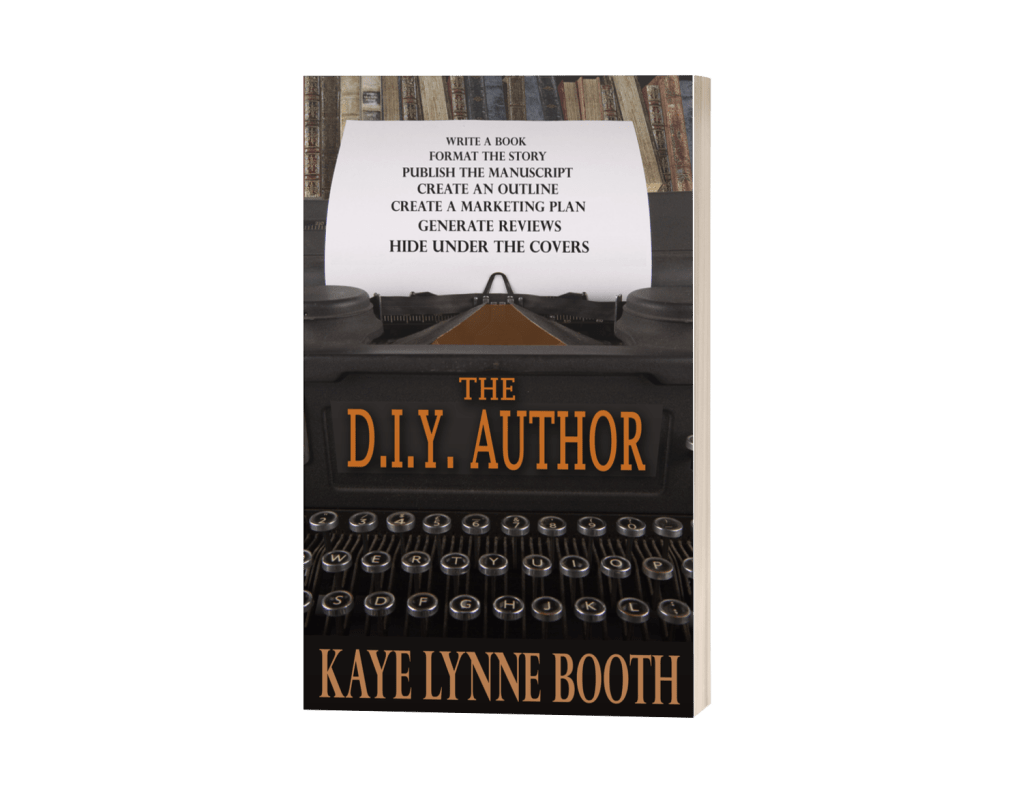
Being an author today is more than just writing the book. Authors in this digital age have more opportunities than ever before. Whether you pursue independent or traditional publishing models, or a combination of the two, being an author involves not only writing, but often, the publishing and marketing of the book.
In this writer’s reference guide, multi-genre author and independent publisher, Kaye Lynne Booth shares her knowledge and experiences and the tools, books, references and sites to help you learn the business of being an author.
Topics Include:
Becoming Prolific
Writing Tools
Outlining
Making Quality a Priority
Publishing Models & Trends
Marketing Your Book
Book Covers & Blurbs
Book Events—In Person & Virtual
And more…
Purchase your copy today: https://books2read.com/The-DIY-Author
Share this:

Reviews Coming in for Midnight Garden
Posted: November 9, 2024 Filed under: Book Review, Books, Dark fiction, Fiction, Horror, Review | Tags: Book Review, Midnight Garden 1 Comment
A great review for Midnight Garden: Where Dark Tales Grow on Carla Reads.
Share this:

Book Review: “The Rebound Effect”
Posted: November 8, 2024 Filed under: Audio Books, Book Review, Books, Fiction, Review, romance | Tags: Audiobook Review, Book Review, Catherine Hein Carter, Linda Griffin, mystery, romance, The Rebound Effect, Writing to be Read 2 CommentsAbout The Rebound Effect
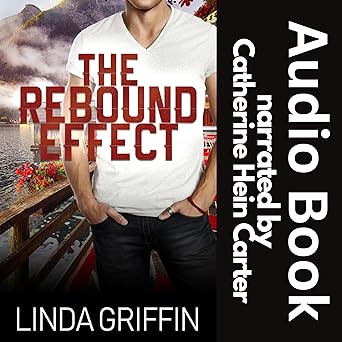
In the small town of Cougar, struggling single mother and veterinary assistant Teresa Lansing is still bruised from a failed relationship when Frank McAllister sweeps her off her feet.
Frank is a big-city SWAT officer who moved to Cougar only four months ago. He’s handsome, charming, forceful, very sexy, and a bit mysterious. He had his eye on Teresa even before they met and is pushing for a serious relationship right away.
Teresa finds his intense courtship flattering, and the sex is fabulous, but she doesn’t want her deaf six-year-old son to be hurt again. Her former fiancé cheated on her when he got drunk after being unjustly fired, but he loves her and her son, and the whirlwind romance is complicated by his efforts to win Teresa back.
And then there’s the matter of the bodies buried at Big Devil Creek…
Purchase Link: https://www.amazon.com/Audible-The-Rebound-Effect/dp/B0DHLWSYRW
My Review
I received a free audiobook of “The Rebound Effect” from author, Linda Griffin, in exchange for an honest review. All opinions stated here are my own.
Narrated by Catherine Hein Carter, I felt the narration was well done, although I could tell she was reading in some places. This story had a female protagonist, so I didn’t have the same reservations about the female narrator as I did in my review of Love, Death, and the Art of Cooking. With The Rebound Effect, I found the narration went much better from the female protagonist, Theresa’s perspective, and Carter was a much better fit in my opinion.
Theresa is a single mom, divorced from her deaf son’s father, and she’s on the rebound from Bret, who wasn’t faithful in the relationship she had with him, which hurt her deeply. She focuses her life on her son, Aiden, and tries to make herself believe that is all she needs. She’s hesitant to enter into yet another relationship with when Frank comes along, intent on sweeping her off her feet.
I found Frank to not be very likeble. I felt that he is pushy and controlling, and I had a hard time rooting for the two characters to get together because he is so arrogant. It made it hard to think that he would be a good match for Theresa. He keeps telling her that they will go as fast or slow as she wants, but then just keeps coming even when she repeatedly tells him to slow down, and ignores when she says his buying an item is too much and buys the item anyway. That doesn’t show the respect for her which he claims he has. Obviously, this really bothered me with this story. But then, I thought I was reading a romance and this turned out to be so much more.
As it turns out, we have more of a love triangle situation, where Theresa is faced with a choice between two men, Frank and her ex-boyfriend, Bret, who won’t give up after his single indescretionary act of infidelity broke Theresa’s heart. I do wish we could have gotten to know Bret a little better. Most of the focus was on Frank, because Theresa has cut Bret out of her life without giving him a chance to redeem himself until well into the story.
This book has a crime fiction subplot, as the bodies of young girls are found in the opening scene and other girls go missing throughout, with these scenarios playing through Theresa’s head throughout the story, adding a sense of mystery to the story. While I thought all along that eventually the mystery would be solved, I didn’t realize what a vital part it would play in the end. (No spoilers.) Even with all the clues we’re given, the real hero was a surprise to me, and in the end, I was quite satisfied as a reader.
Not what I expected, but it held my interest and wrapped things up nicely in the end. I give The Rebound Effect four quills.

_________________________________________________
Kaye Lynne Booth does honest book reviews on Writing to be Read in exchange for ARCs. Have a book you’d like reviewed? You can request a review on the Book Review tab above.
Share this:

Book Review: Wild Blackberries
Posted: October 18, 2024 Filed under: Book Review, Books, Paranormal, Review | Tags: Book Review, Lorrie Unties-Struiff, Wild Blackberries, Writing to be Read Leave a commentMy Review
I purchased a digital copy of Wild Blackberries, by Lorrie Unites- Struiff, on Freebooksie. All opinions stated here are my own.
Wild Blackberries is a short paranormal story about a woman kidnapped by her ex-husband and she survives in an unexpected way. It is very brief. So short, in fact, that I was unable to find it on Amazon for a cover image or description. It was an interesting tale, but it didn’t really grab me. For a short read, while waiting in the doctor’s office or maybe on a break at work, I give it four quills.
_________________________________________
Stop by the WtbR Sponsor Page and let me advertise your book, or you can make a donation to Writing to be Read for as little as a cup of coffee, If you’d like to show your support for this author and WordCrafter.
Share this:

Chatting with the Pros: Jenifer Ruff
Posted: October 12, 2024 Filed under: Book Review, Books, Chatting with the Pros, Fiction, Interview, Review | Tags: Book Review, Chatting with the Pros, Interview, Jenifer Ruff, Kaye Lynne Booth, The Bad Neighbor, The Victoria HEslin Thriller Series, Writing to be Read 8 CommentsMy “Chatting with the Pros” guest for October is crime fiction author Jenifer Ruff. She was a guest back when
I first ran the blog series, and I am delighted to have her back for the renewel of the series. (You can see our original interview here.) I am a big fan of her Agent Victoria Heslin Series and I’ve also read the first book in her FBI & CDC series. (You’ll find the links to those reviews in the interview below.)
About Jenifer Ruff
USA TODAY bestselling author Jenifer Ruff writes dark and twisty thrillers, including the award-winning Agent Victoria Thriller Series. Jenifer lives in North Carolina and the mountains of Virginia with her family and a pack of greyhounds. If she’s not writing, she’s probably devouring books or out exploring trails with her dogs. For more information you can visit her website at Jenruff.com or join her at Facebook at facebook.com/authorjruff/

Interview
Kaye: Your books are published under Greyt Companion Press, which is your independent press. Why did you choose to publish independently? Did you try traditional publishing first?
Jenifer: Honestly, I didn’t know what I was doing at first. I didn’t look for an agent, I just started with a small publisher a friend had used. They were great, and it didn’t cost me a penny, but I soon realized I wanted more control over my books. Over the past few years, working full-time as an author and publisher, my writing opportunities grew to a bit more than I could handle alone. Now I have a literary agent who is helping me with some traditional opportunities, foreign rights, and sub rights.
Kaye: As an independent author, can you tell us about your author journey and how you became a U.S.A. Today bestselling author?
Jenifer: Since my first book was published almost ten years ago, I’ve written and published sixteen more books, learned as much as I could about the craft of writing, publishing, and book marketing. I love all of it, and with the industry and tools constantly changing, it’s impossible to ever get bored.
Kaye: I have to say I love your Victoria Heslin thriller series, and I’ve read and reviewed all but two of them. But that series isn’t the only one you write. You also write the FBI & CDC series, and the Brook Walton series. Can you talk a little about each series, so readers might get an idea of each one?
Jenifer: First, thank you so much for reading and reviewing my books. I’m so grateful! Here is a little about each series. All of my books are dark and twisty, but clean (no sex, no swearing.)
The Agent Victoria Thriller Series – The Numbers Killer, Pretty Little Girls, When They Find Us, Ripple of Doubt, The Groom Went Missing, Vanished on Vacation, The Atonement Murders, The Ones They Buried, The Bad Neighbor
Victoria is an introverted special agent with the FBI. She is also an heiress, which allows her to pursue her passion of rescuing animals. She is smart, determined, selfless, and courageous. Victoria’s investigations include tracking serial killers, spree killers, and several missing person cases. She also survived a plane crash and its harrowing aftermath, an incident that made global headlines as rescuers struggled to find the missing jet.
The Brooke Walton Series – Everett, Rothaker, The Intern
This dark psychological thriller series features Brooke Walton, an Ivy League psychopath, on her journey through college and medical school. Brooke is the most determined woman ever. She won’t let anyone or anything stand in the way of her goals. Her stories give you a chilling look inside her mind. Brooke is my favorite creation. Readers either love her, want to see her locked up for life, or can’t quite decide.
The FBI & CDC Thriller Series – Only Wrong Once, Only One Cure, and Only One Wave: The Tsunami Effect
This series features infectious disease expert Dr. Madeline Hamilton and FBI Anti-Terror Agent Quinn Traynor. They’ve dedicated their lives to preventing epidemics and terrorism. I’ve placed them in terrifying situations, forcing them to risk their own lives again and again to protect the rest of us.
Kaye: Most stories are not non-stop action. What are some tips you can offer rising authors for keeping the tension going and holding readers’ interest?
Jenifer: If you’re bored with what you’ve written, readers probably will be too, so scrap the bits that don’t excite you. Always have a central question that needs answering (Who did it? What is the motive? What is the connection?) to keep readers turning the pages.
Kaye: There is some of you in the character of Victoria Heslin, for sure. For one thing, she has a bunch of greyhounds, and you do, as well. Although I don’t think you have as many as she does. What other aspects of Jenifer Ruff went into the creation of Victoria Heslin?
Jenifer: Besides her love for animals, Victoria is an introvert. She’s not shy, but the act of socializing drains her energy, while quiet activities and alone time fill her up – and that is totally me. In most of the Victoria books she picks up a mystery-thriller to read on her Kindle when she has downtime. That’s something I do every day.
Kaye: A current hot topic in the writing and publishing worlds is the use of generative AI in writing and imagery, and even AI narration for audiobooks. Where do you stand on the use of AI?
Jenifer: I think AI is amazing, and I’d prefer it not get any better at writing or narration for the sake of everyone currently making a living in those occupations! I don’t think it could ever push authors and audio book narrators out of the market completely, since so much of a book’s success is related to marketing efforts, and of course luck. But who knows. It’s exciting and also scary.
Kaye: What is the best advice you have for aspiring authors of Crime Fiction?
Jenifer: Read as much as you can in the genre. If you simply enjoy writing and are happy to see your book in print, there are many stress-free ways to accomplish that goal. If sales are important, you must be on social media promoting your books, constantly making an effort to reach new readers. There’s really no way around that these days, unless you have an amazing publishing team doing it for you.
Kaye: Would you like to tell us about your latest book?
Jenifer: The Bad Neighbor is book 9 in my Victoria series but written as a standalone like the rest of them. I just finished proofing the audiobook—narrator Kate Handford just blew me away with her recording—and it’s fresh in my mind. Writing villains is my absolute favorite, getting into their heads and creating their motives, and this one was especially interesting to me. Here’s a taste of what it’s about.

In the idyllic Mountain Meadows neighborhood, a fresh start can quickly become a fatal ending.
For newcomers Chris and Zoey Hamilton, the affluent community seems like the perfect location to build a life together. Instead, history repeats itself when Zoey vanishes without a trace—just like the previous homeowner five years ago.
The secrets in Mountain Meadows run deep, and the greatest threats aren’t lurking in the shadows…they’re hosting dinner parties, attending parent-teacher conferences, going to yoga, and waving hello from behind their perfectly trimmed hedges. One of those polite, smiling individuals will stop at nothing to keep the past buried.
Kaye: Where can interested readers find out more about you and your books?
Jenifer: All my books and audiobooks are available on Amazon or through my website Jenruff.com. Print and audiobooks can also be ordered from any major retailer. If my books aren’t in your local library, you can always request them. Libraries are usually very accommodating to requests.
Thank you so much for interviewing me and for your thoughtful questions. I really appreciate it!
My Review of The Bad Neighbor
I received a digital copy of The Bad Neighbor in exchange for an honest review. All opinions expressed here are my own.
That being said, and as already stated, I am a big fan of Jenifer Ruff’s Agent Victoria Heslin Thriller series, of which this is book 9. Each book tells of a different case or situation in which our protagonist, Victoria Heslin, finds herself in. Usually, it’s an accounting of a case that she’s working as a government agent, but occassionally, as in When They Find Us, Heslin is off duty and the situation occurs in her personal life.
In The Bad Neighbor, Heslin finds trouble brewing right in her own neighborhood when a new neighbor turns up missing, and Victoria and her lover, Ned, join in the search to find her and uncover hidden secrets about her neighbors which make them all look a little guilty. It seems that everyone has something to hide and one of them is a killer.
As all the other books in this series, The Bad Neighbor is well written, masterfully leading the reader through twists and turns which eventually lead to a solution to the mystery. This book is everything that a crime fiction thriller should be and makes one wonder how much we really know about our neighbors, and how much do we really want to know. I give it five quills.
_______________________________________
Kaye Lynne Booth does honest book reviews on Writing to be Read in exchange for ARCs. Have a book you’d like reviewed? You can request a review on the Book Review tab above.
________________________________________
Stop by the WtbR Sponsor Page and let me advertise your book, or you can make a donation to Writing to be Read for as little as a cup of coffee, If you’d like to show your support for this author and WordCrafter.