I first met Arthur Rosch online. That was back in 2008, when I was just dipping my toes in the as yet uncertain waters of the internet, and although I didn’t have any idea what I was doing, I started my own social network called “Writer’s World”. Art stumbled onto the “Writer’s World” network somehow and he’s been loyal follower and supporter, and over the years I’ve come to respect him and his writing, and also to call him a friend and valued team member for Writing to be Read.
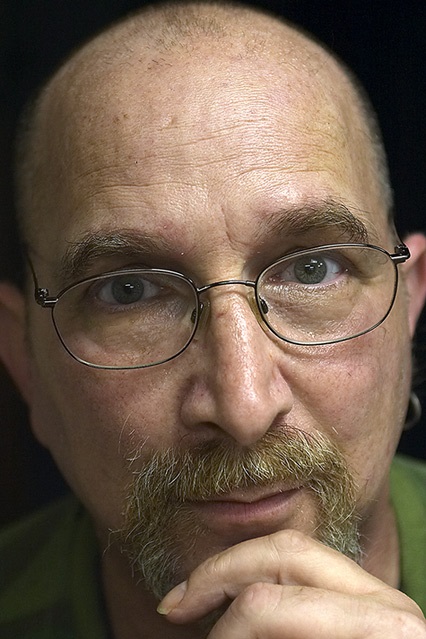
Arthur Rosch Author/Poet
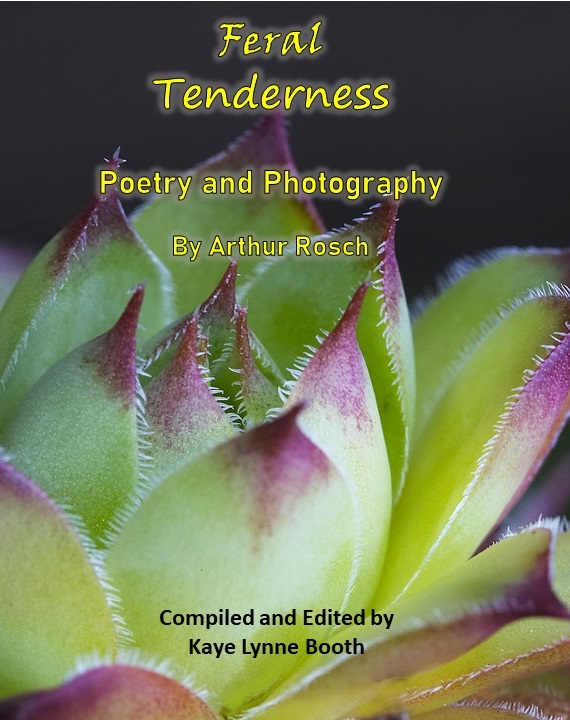
I’m introducing Arthur Rosch here today because he has a great new poetry and photography collection out, Feral Tenderness. I’m excited about it because I had a hand in editing, compiling and publishing Arthur’s book through WordCrafter Press. Art writes poetry that remains down to earth and real, while hanging out with universal truths. It’s true that some of his ideas may be a little wild, but so are the ideas of many writers. Maybe writing is a safe outlet for all of our crazy thoughts and that’s what motivates us to put words to paper, or screen, as the case may be.
His biography, from the back of his wonderful new release reads:
“Arthur Rosch is a mid-westerner, who became a Californian as a young man. A lover of jazz, poetry, painting and photography, and writing, as well as a passion for astronomy, photography, history, psychology and the weird puzzle of human experience. After receiving Playboy Magazine’s Best Short Story Award for a comic view of a planet where there are six genders, he was immersed in circles that could have taken him to the top, but it was short lived. Arthur found himself reeling, struggling with depression and addiction on the streets for almost a decade, and repairing and rediscovering himself was a defining event in his life, nurturing his literary soul…. “
All of the above is true. These are all truths about Arthur Rosch, yet they are surface level truths; truths that the author chose to share with the world at large, in the back of his book. Let me introduce you the Arthur Rosch, the author who I know.
Art is an undiscovered talent, who once was near the threshold of discovery, only to plummet back down into the depths of reality. But he never let go of the dream, although at times it altered its shape and appearance. He is a literary craftsman and wordsmith, whose words can be found on his blog, Write Out of My Head, on my blog, Writing to be Read, in his books, and various other places online.
Stepping into the world of Arthur Rosch can be a surreal experience, as it was for me when I reviewed his science fiction novel, The Gods of the Gift, because he is a talented craftsman of the written word. Quite a different effect was achieved with Confessions of an Honest Man, a tragic tale of familial dysfunctionalism, mental illness, drug addiction and emotional abuse that has the ability to make the reader suspend disbelief and feel for the main character beyond the conclusion of the book. And his humor shines through his words and is sure to leave readers chuckling in his memoir about life in an R.V., The Road Has Eyes.
Feral Tenderness
His poetry has this same ability to evoke desired images and emotions from within the reader. His photography captures views seen with a unique and unusual eye. The cover for Feral Tenderness was created from one of his photographs, and others are interspersed among the poetry throughout the book, making it an extra special treat for readers.
I do hope you’ve enjoyed this introduction enough to make you want to get to know more about Arthur Rosch and his poetry and photography, by following this tour. We’ve got two interviews with Arthur, and a review of the book coming later in the week, plus some author generated content that promises to be interesting. Stay with us and visit each blog stop as the tour progresses, with a closing post on Art’s blog, Write Out Of My Head, on Sunday. Please join us. You can purchase Feral Tenderness in digital and print on Amazon.
Like this post? Let me know in the comments. You can be sure not to miss any of Writing to be Read’s great content by subscribe to e-mail or following on WordPress. If you found this content helpful or entertaining, please share.
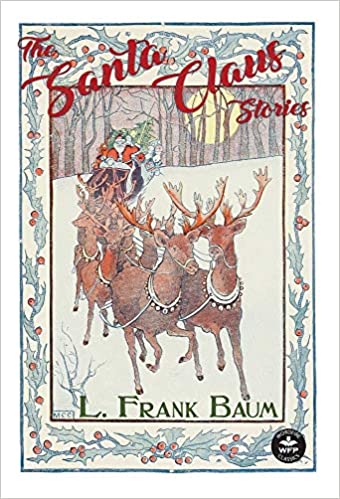
I love reading origin stories, which set the groundwork for all like stories which come after. Although the legend grows and changes down through the years with each retelling. The legend of Santa Claus is one that I hold near and dear to my heart, and I truly enjoyed allowing The Santa Claus Stories of L. Frank Baum take me back to where it all began.
Did you ever wonder where Santa Claus comes from, or how he got to be Santa Claus? Ever wonder how he came to deliver toys to children all around the world? Or why he only delivers one night out of the year? Or why he wears red? Or why he comes down the chimney? Or where his magic comes from? The Santa Claus Stories of L. Frank Baum answer those questions and more. And I’m guessing that not many people today are aware that Santa Claus was in attendance for Princess Ozma’s birthday party in the land of Oz, along with Dorothy and Toto, the scarecrow, the lion man, the tin man, and many other of Baum’s colorful and memorable characters.
The literary value of classic stories such as these is beyond my abilities to describe. Although I feel unqualified to rate classic gems, such as this one, these stories left me with a good feeling inside. Here is born the true spirit of Christmas and you can see the origins of the Santa Claus legend offered here in many contemporary Santa Claus stories. In Baum’s telling, his reindeer don’t fly, but they do wear bells, and magic is in the air, as Santa toils to make all of the toys for the children year round by himself. Over the years things have changed a bit, but I think the magic is still in our hearts, if we look for it.
Kaye Lynne Booth does honest book reviews on Writing to be Read in exchange for ARCs. Have a book you’d like reviewed? Contact Kaye at kayebooth(at)yahoo(dot)com.
Welcome to the first official WordCrafter Book Blog Tour featuring the WordCrafter western paranormal anthology, Spirits of the West. We’ve got a great tour lined up, so let me tell you a little about this unique anthology and the stories featured within. I hope you’ll all follow along with the tour as the week progresses, to learn more about this colorful story collection.
It’s no secret that I love ghost stories, which is why the theme each year for the WordCrafter Short Fiction Contest always seems to lean toward the paranormal genre, although other genres may be involved. It’s also no secret that my first novel was a western and I enjoy writing and reading this genre, so it shouldn’t be surprising that the 2020 theme was western paranormal. I didn’t get a lot of submissions, but the ones I did get were top notch stories, and the resulting anthology, Spirits of the West, contains eight stories with western and paranormal elements, from six very different author’s worlds. The theme for the contest was not a traditional genre mixture, and there’s not much that’s traditional about the anthology.
My story, “Don’t Eat the Pickled Eggs”, is a western paranormal mystery, to confuse the genres even more. It’s a colorful story, about the disappearance of a saloon owner, a ghostly nighttime visit to leave a warning, and a young boy named Stinkweed, who holds the key to the mystery. You’ll be able to learn more about the inspiration behind this tale on Jessica Bakkers.
Roberta Eaton Cheadle contributed two South African western paranormal tales, which help to make this anthology very unique. “The Thirstyland Journey” and “The Ghost in the Mound” tell stories of pioneers, traveling across the South African wilderness – a different type of western, but with just as many ghosts. Both are powerful stories of survival, courage and determination and are welcomed additions to Spirits of the West. Robbie will be telling us more about both of these stories on Roberta Writes and Robbie’s Inspiration.
Jeff Bowles, the author of the winning story in 2019, contributed “Wenekia”, an excellent story of Native American folklore and traditions. When two young boys sneak out to eavesdrop on the tribal council gathering, they learn more than they bargained for when they witness the reality of legend. Sue Vincent’s Daily Echo will have a post for us about Jeff’s story on Saturday.
“The Clouds in the West”
Arthur Rosch contributed a science fiction western paranormal story, “The Clouds in the West”, which takes the cowboy to another world, where the rider may not always control of his mount, and leaves the ending open to reader interpretation.
The winning story in Spirits of the West was submitted by Enid Holden. “High Desert Rose” is a more traditional western tale of revenge, but Holden does it with a heroin, rather than a hero, and the spirits are watching. Patty’s world will feature an interview with Enid on Wednesday and wrap up the tour on Sunday for us.
“Gunsmoke”
Also included in the anthology are two stories that were not contest submissions. Tom Johnson’s story, “Gunsmoke” really doesn’t have a paranormal element, and is included as a tribute to Tom as his only western story in a lifetime of science fiction and pulp titles, as the author is no longer with us. And Enid Holden contributed a second story, “Queen of Spades”, which didn’t make the submission deadline, but is every bit as good as her winning story.
“Queen of Spades”
Time constraints did not allow for posts on some stories, but I hope you’ll join us on the tour this week to learn more about this very special collection of stories and their authors.
Like this post? Let me know in the comments. You can be sure not to miss any of Writing to be Read’s great content by subscribe to e-mail or following on WordPress. If you found this content helpful or entertaining, please share.
2021 is off to a great start and today, I wanted to take a minute to update you on the really cool stuff scheduled on Writing to be Read in the coming months. I’ve talked about some of these new additions previously, but one or two have only come together recently and I can’t wait to share them.
Dark Origins
You’ll find Robbie Cheadle’s new series, “Dark Origins”, posted on the fourth Wednesday of each month, and the first post will be this coming Wednesday, January 27th. Robbie will be delving into the origins of nursery rhymes and fairy tales, which can be very dark indeed, so be sure and watch for it.
Jeff’s Game Reviews
Jeff Bowles already shared the first post in his new video game review series, “Jeff’s Game Reviews”, where shared his thoughts on Hitman 3. This series will post the fourth Friday of each month, and each post includes a link to the video version of the review.
WordCrafter Book Blog Tours
Last but not least, February will see the launch of WordCrafter Book Blog Tours. The first tour will be for the Spirits of the West western paranormal anthology. Later in the month, tours are scheduled for Arthur Rosch’s poetry and photography collection, Feral Tenderness, and Barbara Spencer’s first book in the Children of Zues trilogy, A Click of a Pebble. I do hope you’ll all join us in learning about these wonderful books and their authors. Tours include interviews, book reviews and informative posts by the authors. You’ll find the complete tour schedule, as well as instructions for scheduling your own book blog tour on the WordCrafter Book Blog Tours page.
Where Spirits Linger
I’d also like to remind everyone that there is still time to submit your story in the 2021 WordCrafter Paranormal Short Fiction Contest, and to have it included in the resulting anthology, Where Spirits Linger. See the full submission guidelines for details. There is a $5 entry fee, which you can pay with a button right on the contest post, and the winner receives a $25 Amazon Gift Card and guarenteed inclusion in the anthology. But don’t wait too long. The deadline is April 30th.
2020 was a pretty good year for Writing to be Read and WordCrafter, in spite of the unusual circumstances of the pandemic and the “new normal”, which isn’t normal at all. After all the lock downs and mask mandates and social distancing, I think everyone needs a little makeover, and this blog is no exception. Writing to be Read may be getting a facelift with new types of content which will change it’s appearance a little, but the end result is that the blog will be so much better for them. Jeff’s and Robbie’s new series, the WordCrafter Book Blog Tours, and this year’s contest and anthology, are all welcome improvements, and I for one, can’t wait.
Like this post? Let me know in the comments. You can be sure not to miss any of Writing to be Read’s great content by subscribe to e-mail or following on WordPress. If you found this content helpful or entertaining, please share.
Welcome to the first Treasury Poetry post of 2021.
Today, I am delighted to welcome fantasy author and poet, Diana Peach, who is sharing one of her own poems and discussing poetry.
Which of your own poems is your favourite?
Thanks so much for the invitation to participate in your Treasuring Poetry series, Robbie. I’m honored. I think of myself as a writer of prose and a dabbler otherwise, but I love poetry and believe no creative effort is ever wasted.
This is a super hard question! I have poems that I think are well-crafted, poems that evoke personal feelings or memories, and poems that reflect a particular time in my life. Since “I don’t know” isn’t an acceptable answer, I’ll go with this one:
Flight of faith
When I was a child, I could fly
you and I hopped in dirt-road afternoons
faithful
and the dust-wind flung us over seas of wheat
scuffed shoes skimming the feathered awns
we whipped around the corners of the barn
in a home-sewn world of farm-hewn hands
our secret futures soared
***
In the veins of my hands
the blue brooks of time stream by
Somewhere on the way, I unlearned how to fly
and trod worn paths through autumn’s lea
snapped night’s brittle ice
shards of fractured faith
glinting in my wake
***
Today’s morning purls in plumrose
cast on a withering season’s stark debris
spangled with winter’s gilded rime
a new path of violet ice wends to the horizon
fragile, fissured, a wish yet unbroken
my secret future soars
faithful
and I wonder if I might
fly one last time
What inspired you to write this particular poem?
In my twenties, I used to have flying dreams rather frequently. They were the most vivid dreams of my life. I was truly flying. I could feel the wind on my face as if I was awake and standing outside on a breezy day. The sensory experience was exhilarating.
This poem is based on one of those dreams. In the dream, I was about 10 years old, an unremarkable child of the dusty American plains. Every day, the school bus would drop my friend and me off at the side of the dirt road, and as soon as the bus drove away, we would hop a few steps, then pick up our feet and soar over the fields, our brown shoes skimming the wheat. Despite our ordinary lives and pervasive poverty, we were extraordinary. Life was full of magic and promise, and nothing could hold us down.
Then I stopped having flying dreams and haven’t had one in nearly 35 years. This poem is about that amazing childhood belief that anything is possible, about its loss, and about the yearning to fly again.
Which genre of poetry do you enjoy writing the most and why?
I enjoy Colleen Chesebro’s weekly syllabic poetry challenges. The poetic forms provide structure, and for me, they’re like puzzles as I search for the words that conform to the syllable count, structure, prompts, and personal meaning. But my favorites among the poems I’ve written are all free form. They’re harder
for me to craft, but they feel more organic, untouched by stylistic constraints. They’re pure gut, emotion, and inspiration.
Which genre of poetry do you enjoy reading the most?
Probably free form poetry, though any kind of poetry has the potential to make me gasp at its beauty. I love vivid imagery and poignant emotion, poems that illuminate the human condition in a way that pierces my heart. I like poems that stir something personal, or that draw me in and grab hold so that when I finish reading, I feel like I’ve stepped outside myself into someone else’s experience.
Do you think your poetry compliments your other writing or do you see it as an undertaking that stands alone?
Complements, definitely!
I love poetic prose, and when I’m reading fiction, I’m prone to highlighting passages in books where the word choice, imagery, metaphors, or phrases make me swoon. Poetry emphasizes beautifully crafted language, including its sounds and rhythms. It requires a writer to capture and convey the core essence of a story. I think poetry fosters an underlying sensitivity to those aspects of writing in general, and prose benefits from the same attention.
Thanks again, Robbie, for the invite and for allowing me to share my thoughts and muse over this lovely artform. Happy Writing to all the poets out there.
Thank you, Diana, for being my Treasuring Poetry guest. I really enjoyed your poem and insights into your poetry writing.
Sunwielder: An Epic Time Travel Adventure
What Amazon says
In a land on the brink of war, Gryff Worden discovers his family slaughtered, his farm in ruin.
Mortally wounded, he stumbles upon a timekeeper, an old woman of the northern forests, one who tracks the infinite paths of each life. She offers him a sunwield, a medallion promising to return him to the pivotal choices that swayed his life’s journey. Her only condition—he must wear the bronze charm until the end.
Now his story remakes itself, casting him backward in time to moments of decision and death. His old life gone, he no longer remembers the purpose of the medallion burning his chest. As he uncovers the sunwield’s power, new choices lead him on an epic adventure through war, death, friendship, life, and love.
My review
I do not read a lot of fantasy books, but I make an exception for D. Wallace Peach as her books are extraordinary and unique.
Gryff Worden is an ordinary man who just wants to help his uncle and aunt raise horses on their farm while raising his own family. Gryff adores his wife and two children, but there is bad blood between Gryff and the son of the Earl who rules his area. The hostility is emanates from Brant Loden’s side only, but it changes the course of Gryff’s life.
Gryff’s country is attacked by an aggressive nation who want to enslave his people and he is eventually morally wounded and his family murdered by enemy soldiers. At the time of his death he is visited by an elderly prophet who offers him another chance at life if he accepts the sunwielder, a bronze medallion which allows him to go back in time and revise decisions he made thereby changing his life’s path. I thought this concept was clever and unique. I have read other books where the hero can go back in time, but this particular method and the limited number of life choices offered by the sunwielder was something quite different and fascinating.
Gryff is a wonderful character, he is a good man and tries to do the right thing in all situations but he is human and, therefore, susceptible to various human failings like anger and resentment. It was most interesting to experience his going back in time and having to try an alternative approach when his previous choice failed. As Gryff moved further along his path, his choices improved and his self control and discipline increased allowing him to make better choices earlier and without constant intervention.
There is a love story thread that runs through the book and this is intriguing as the reader doesn’t know how his relationships with his wife and with his lover are going to turn out – his destiny in this regard is unclear for most of the book.
There are a number of characters in this book and it provides great insight into the frailties of men and how arrogance, greed, and hunger for power can destroy individuals and the people around them. Good leadership is a strong theme in this book and the importance of strategy and leadership in war and battles is highlighted.
The author writes the most beautiful and powerful prose and even without the incredible story, this book would have been worth reading just to experience the skillful writing. I highly recommend this book to lovers of fantasy and those who enjoy excellent writing.
Purchase Sunwielder: An Epic Time Travel Adventure
D. Wallace Peach started writing later in life after the kids were grown and a move left her with hours to fill. Years of working in business surrendered to a full-time indulgence in the imaginative world of books, and when she started writing, she was instantly hooked. Diana lives in a log cabin amongst the tall evergreens and emerald moss of Oregon’s rainforest with her husband, two dogs, bats, owls, and the occasional family of coyotes.
Robbie Cheadle has published nine books for children and one poetry book. She has branched into writing for adults and young adults and, in order to clearly separate her children’s books from her adult books, is writing for older readers under the name Roberta Eaton Cheadle.
Robbie Cheadle’s Sir Chocolate children’s picture books are written in sweet, short rhymes which are easy for young children to follow and are illustrated with pictures of delicious cakes and cake decorations. Each book also includes simple recipes or biscuit art directions which children can make under adult supervision. Her books for older children also incorporate recipes that are relevant to the storylines.
Roberta Eaton Cheadle’s supernatural stories combine fabulous paranormal elements with fascinating historical facts.
Children’s picture books – available as a square book and an A5 book (co-authored with Michael Cheadle): Sir Chocolate and the strawberry cream story and cookbook Sir Chocolate and the baby cookie monster story and cookbook Sir Chocolate and the sugar dough bees story and cookbook Sir Chocolate and the Condensed Milk River story and cookbook Sir Chocolate and the Sugar Crystal Caves story and cookbook Sir Chocolate and the Fondant Five story and cookbook Sir Chocolate and the Ice Cream Rainbow Fairies story and cookbook
Middle school books: Silly Willy Goes to Cape Town (includes five fun party cake ideas) While the Bombs Fell (co-authored with Elsie Hancy Eaton)
Poetry book: Open a new door (co-authored with Kim Blades)
Supernatural fantasy YA novel: Through the Nethergate
Horror Anthologies (edited by Dan Alatorre): Spellbound Nightmareland Dark Visions
Paranormal Anthologies (edited by Kaye Lynne Booth): Spirits of the West Whispers of the Past
Murder mystery Anthology (edited by Stephen Bentley) Death Among Us
Want to be sure not to miss any of Robbie’s “Treasuring Poetry” segments? Subscribe to Writing to be Read for e-mail notifications whenever new content is posted or follow WtbR on WordPress.
The classics were written in another era and literature was viewed differently than it is in modern times. The language, although often lavish and eloquent, can also be pretentious and difficult to decifer. There are some sixteenth century words that are just plain confuddling to my twentieth century brain. Over the past year, I’ve tried a few times to read the classic authors. After all, their works survive them over centuries, and set the historical standards of contemporary literature. But I couldn’t get through The Call of Cthulhu by H. P. Lovecraft due to all the pretentious purple prose, and although I finished the first story in The Mysteries of Edgar Allen Poe, I had to put it down or risk dying from sheer boredom. While clearly a predecessor to murder mystries which came later, such as Sherlock Holmes, I found Poe’s style too dry to be considered entertaining.
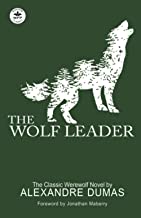
With The Wolf Leader, by Alexandre Dumas, I did not find this to be the case. In spite of a few words which required defining, I had no trouble following the flow of the Dumas’ story. Alfred Allison did a fine job of translating this classic novel and Jonathon Maberry does the literary world a service by bringing it back into print. Dumas’ style is more along the lines of a Don Quixote, silly but entertaining type of story, than the borishness of Poe’s Detective Dupin, or presumptious fluff and verbage of LoveCraft’s ChtulhuMythos.
The Wolf Leader is a Faust meets The Wolfman story. Contempory werewolves have grown well beyond what Dumas envisioned, but in his work, one can see the origins from which they sprang. Thibauld is a peasant shoemaker, angry at the injustices he feels he has suffered under the hands of French burgious land owners, who makes a deal with the devil, or in this case, the black wolf, to have all of his wishes granted, for the price of one hair per wish. Each time he wishes for something, one hair on his head turns fiery red, and his wishes seldom turn out as he intended. Instead of being rich and loved, as he had desired… well, you can see where this is headed.
The reason we can foresee what’s to come in the tale described above is that we are familiar with the story of Faust, so we might read it and think it a bit tropish with the ‘deal with the devil’ thing. There are no silver bullets or full moons in this tale, but Thibauld does eventually take the form of the black wolf and there is a lot of howling, so it may even be the first werewolf story ever penned, as Jonathon Maberry points out in his introduction. As such, it could could be the trope setter for an entire genre.
How many quills do I give to a classic work of literature? I’m not sure I’m qualified to rate this work which has survived the centuries. The very fact that is has survived speaks volumes more than any opinion I could ever give.
Like this post? Let me know in the comments. You can be sure not to miss any of Writing to be Read’s great content by subscribe to e-mail or following on WordPress. If you found this content helpful or entertaining, please share.
2020 has been an difficult year for all of us as Covid 19 turned lives upside-down. Here at Writing to be Read and WordCrafter, we saw some great accomplishments, in spite of the fact that my genre theme schedule fell apart half-way through the year on the blog and content was a little more sporadic. I had to figure out how to adjust to my own “new normal”, which life changes brought my way, but they also led me to remember who I am. Now, I’ve analyzed and regrouped, and I’m ready to head into the new year with new ideas and projects.
WordCrafter’s 2020 Virtual Writing Conference
One of the biggest things for WordCrafter was the 2020 Stay in Place Virtual Writing Conference back in April. We ended up with twenty-two distinguished authors, offering live stream and video lectures, and interactive workshops and discussion panels, with free content for the Facebook event and a Zoom platform for the interactive stuff. We had a good turn-out with only a few glitches, and we’re preparing to do it again in 2021.
WordCrafter Press releases in 2020:
Ask the Authors
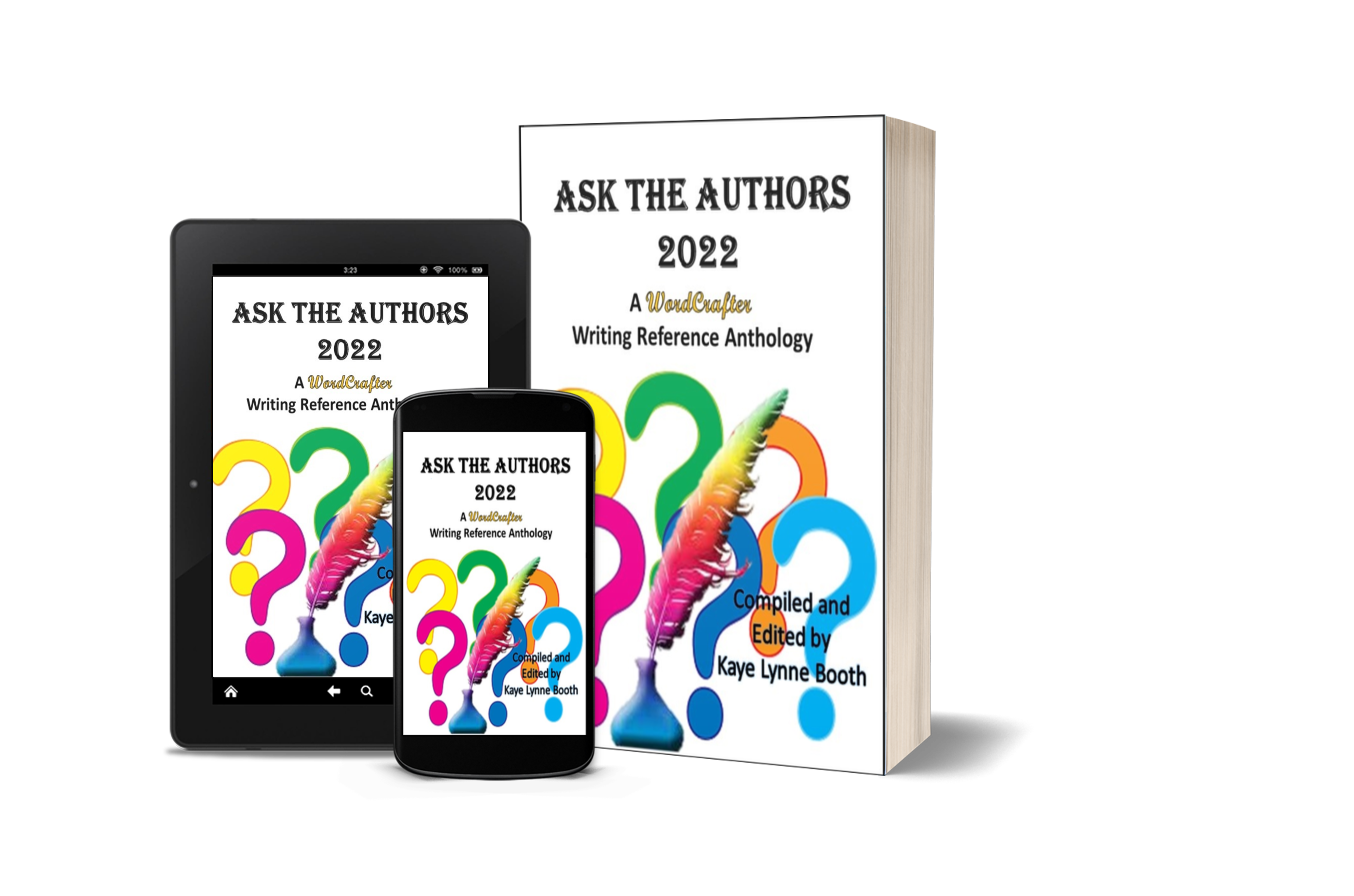
In April, the Ask the Authorswriting anthology was released after two years of compilation. This book is an ultimate writer’s reference with tips and advice from twenty-two authors, and it started right here, from a 2018 blog series of the same name. In November, the print edition of this book, (and all WordCrafter Press books), became available, as well.
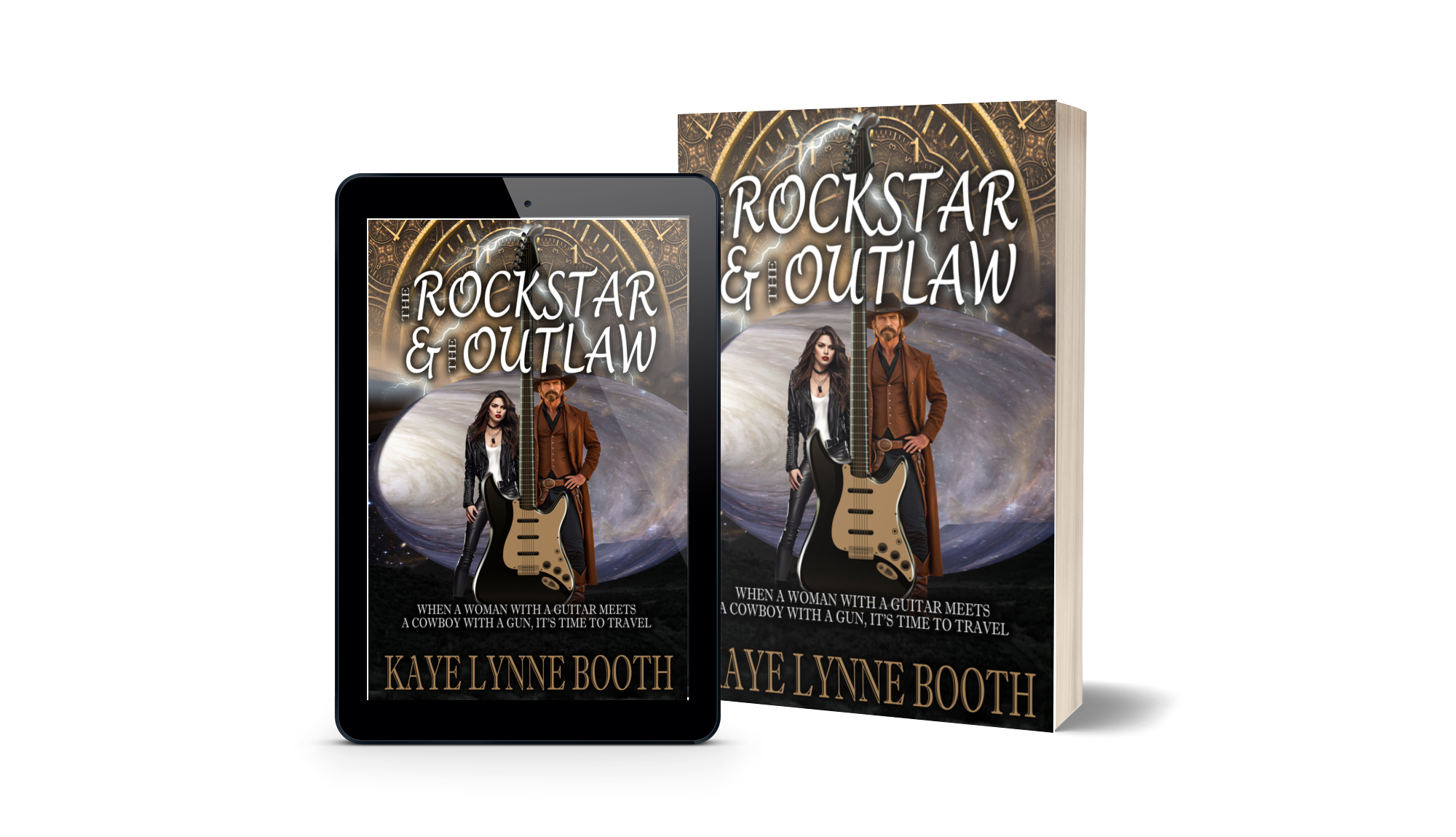
Two of my own books were also released. Last Call and Other Short Fiction is a collection of my short stories, and my paranormal mystery novella, Hidden Secrets, is now available in print on Amazon, but the digital edition can be purchased through other retailers. In the coming year, I will have a story in the Where Spirits Linger anthology, and I’m working on a new book, The Outlaw and the Rockstar which I hope will be ready to release before the end of 2021.
Raise the Tide
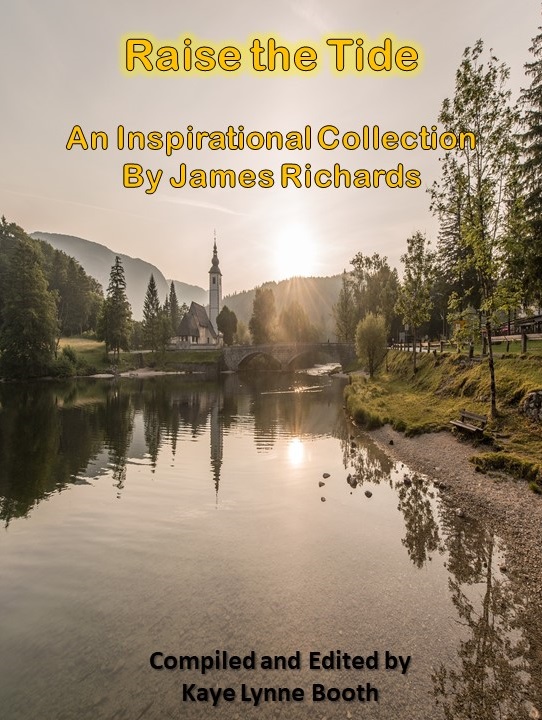
WordCrafter Press‘ first stand alone author’s book was released in December, Raise the Tide, a devotional book by James Richards. We also look forward in anticipation to adding the January release of a massive poetry collection by Arthur Rosch, Feral Tenderness, to this list.
Feral Tenderness
Writing to be Read 2020:
We had some great guests on Writing to be Read. On “Chatting with the Pros”, my author guests featured Diana Raab, Amy Cecil, Cherokee Parks, L. Deni Colter, and Kevin J. Anderson. I’m hoping to transform this blog series into a podcast, which can be accessed through the blog, in the coming year, and I hope you all will join me there. Other authors interviewed in 2020 included Mark & Kym Todd, Jade C. Jamison, and Alan Dean Foster. The most viewed interview was with erotic romance author Nicky F. Grant. Interviews fell by the wayside along with the genre themes, but I’m planning to bring back author interviews for 2021, and I’m working on a new blog segment, “The Authors’ Covid Coffee Clache”, which will address issues of the pandemic specific to authors.
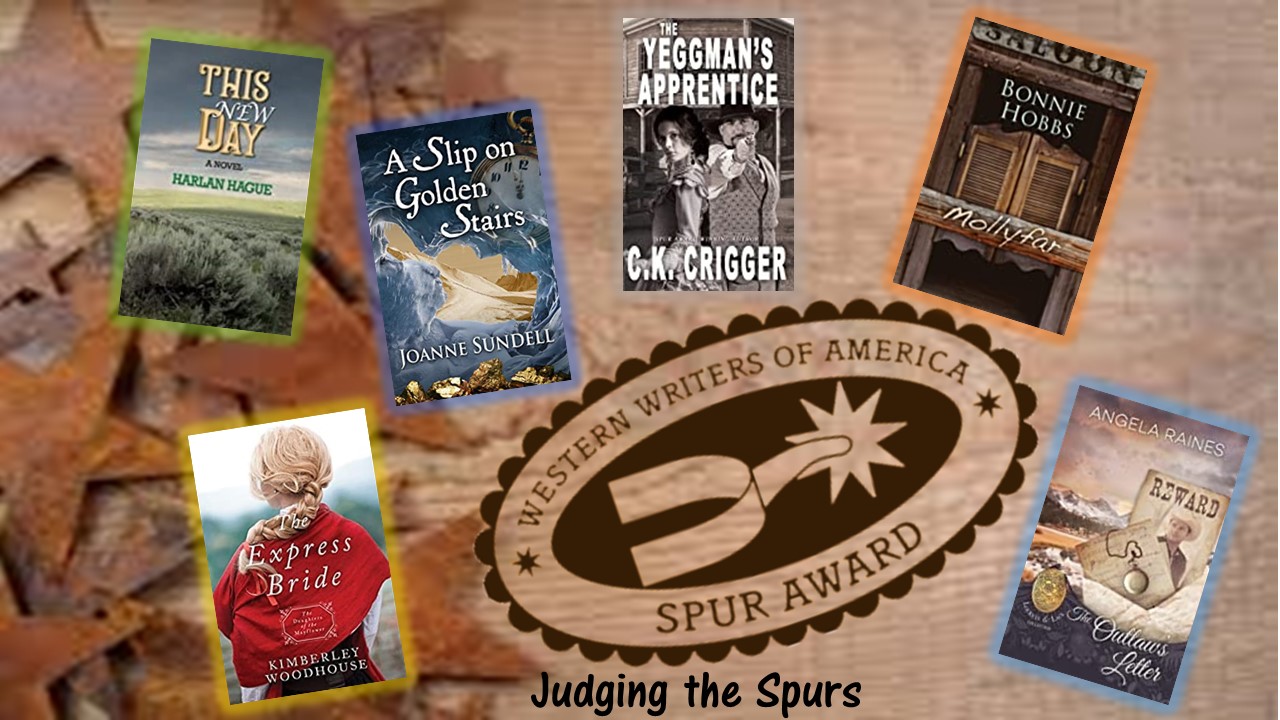
I was also honored to be a judge for the Writers of America’s Spur Awards and I reviewed my top six picks, and the winner of the western romance category, The Yeggman’s Apprentice, by C.K. Crigger. These were the best of the best, and I was honored to be given the opportunity to read and review them.
WordCrafter Book Blog Tours
Also, in 2021 Writing to be Read will be a host for the WordCrafter Book Blog Tours, so we’ll be keeping you up to date on several new releases as they come out. Robbie Cheadle will bring us a new blog series on nursery rhymes and fairytales, “Dark Origins”, and I plan to bring in a new series, “Writer at Work”, which will talk about different issues that writers face. Subscribe to this blog with one of the buttons in the upper right-hand corner to be sure not to miss this great new content or the tried and true content of continuing series on Writing to be Read in the coming year.
Like this post? Let me know in the comments. You can be sure not to miss any of Writing to be Read’s great content by subscribe to e-mail or following on WordPress. If you found this content helpful or entertaining, please share.
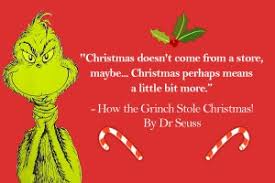
This is my final Treasuring Poetry post for 2020 and I am sharing my favourite Christmas poem, an extract from How the Grinch Stole Christmas by Dr Seuss. I love this piece of his lovely Christmas story because it really illustrates what Christmas is all about. I love how the Grinch was unable to stop Christmas from coming because Christmas is in our hearts and souls and its not about the gifts, the food, the Christmas tree or even our families. It is about us, as individuals, and our own personal relationships, beliefs, and aspirations.
From Dr Seuss Christmas Quotes: The Grinch quotes
…So he paused. And the Grinch put his hand to his ear. And he did hear a sound rising over the snow. It started in low. Then it started to grow. But the sound wasn’t sad! Why, this sound sounded merry! It couldn’t be so! But it WAS merry! VERY! He stared down at Whoville! The Grinch popped his eyes! Then he shook! What he saw was a shocking surprise! Every Who down in Whoville, the tall and the small, Was singing! Without any presents at all! He HADN’T stopped Christmas from coming! IT CAME! Somehow or other, it came just the same! And the Grinch, with his grinch-feet ice-cold in the snow, Stood puzzling and puzzling: “How could it be so?” “It came with out ribbons! It came without tags!” “It came without packages, boxes or bags!” And he puzzled three hours, till his puzzler was sore. Then the Grinch thought of something he hadn’t before! “Maybe Christmas,” he thought, “doesn’t come from a store.” “Maybe Christmas…perhaps…means a little bit more!”…
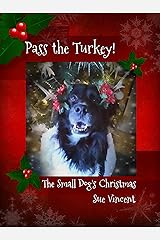
Ani, the small dog, and her two legs, Sue Vincent, know all about Christmas and making the best of it. Ani, with the help of Sue, has written a number of lovely rhyming poetry books, one of which is Pass the Turkey: The Small Dog’s Christmas. This is one of my favourite poems from this book:
Pondering
Dear Santa, I’m a little dog who doesn’t do religion. I’d rather chase a tennis ball or terrorise a pigeon Than argue over who is wrong or maybe who is right… It seems a silly way to me to get into a fight.
I know the Christmas story, ’cause she told me long ago, About Joseph and Mary when they had nowhere to go, And that’s the bit that got to me, ’cause someone found a place, Although they slept with beasts and not with others of their race.
According to the tale we’re told, they slept beneath a star And shepherds brought their lambs to see and kings came from afar. They gathered where the Baby lay, beside the ox and ass, While angels sang above, they knelt in wonder on the grass.
Now, that’s a lovely story that the world will celebrate… And then go back to living in their prejudice and hate. They look askance at strangers if they wear a different skin… I wonder if the Babe returned, if they would let Him in?
You know, I have to wonder, if there’s any point at all, In putting presents on the tree or trimming up the hall Unless they feel the Christmas spirit bringing love and peace And know that it is in their hearts hostilities must cease.
I know, I’m just a small dog and my voice will not be heard, I’m only good for cuddles and to chase a ball or bird. But maybe when you visit you could tell them while they sleep And give them just a bit of your compassion they could keep.
It would be nice to think it could be Christmas every day (Without the preparations and the bills they have to pay) But being gentle with each other, giving Love a place Within their hearts and in the smiles they’d wear upon their face.
My review of Pass the Turkey: The Small Dog’s Christmas
Pass the Turkey: The Small Dog’s Christmas is a delightful book full of Christmas cheer. Ani, the small dog, is reflecting on Christmas’ past, present and future through a combination of letters to Santa and poems. The perplexities of ‘fake’ Santas, the ‘theft’ of a favourite sofa, and gifts of tennis balls and a chicken flavoured biscuit, all require Ani’s consideration. Her naughty secrets are also revealed such as the time she ate all the left over turkey and salmon and fell through the ice in the pond [it was shallow]. The indignities of baths and having to wear reindeer antlers are also shared.
Join Ani and her two legs, Sue Vincent, for a glorious romp through advent and Christmas Day.
A few of my favourite verses: “I’ve tried to help with household chores, I’ve laundered all my balls, I’ve chased the pigeons form the shed And spiders from the walls.” from Request
“She’s like a puppy when it snows We just go out to play… And if she wraps up warm enough We might stay out all day.” from Wishing for the White Stuff
“The windows are all closed at night The keyhole seems to small To wriggle through with turkey And a brand new tennis ball.” from Chimneys.
You can purchase Pass the Turkey: The Small Dog’s Christmas here:
Sue Vincent is a Yorkshire born writer currently living in the south of England, largely due to an unfortunate incident with a map, a pin and a blindfold. Raised in a spiritually eclectic family she has always had an unorthodox view on life, particularly the inner life, which is often reflected in her writing, poetry and paintings.
She maintains a popular blog, https://scvincent.com and is currently owned by Ani, the inimitable Small Dog, who also writes.
Sue lived in France for several years, sharing a Bohemian lifestyle and writing songs before returning to England where the youngest of her two sons was born. She began writing and teaching online several years ago, and was invited to collaborate with Dr G. Michael Vasey on their book, “The Mystical Hexagram: The Seven Inner Stars of Power”.
Since then she has published a number of books, beginning with “Swords of Destiny”, a magical tale set in the ancient landscape of Yorkshire. Her retelling of the Egyptian myths, “The Osiriad”, came shortly afterwards along with her collaboration with Stuart France. Together they have written the Triad of Albion, the Doomsday trilogy and the first books in the Lands of Exiles series.
These books tell a true adventure in a fictional manner. They are at once a journey into the ancient and sacred landscape of Albion and the story of a growing and rather oddball friendship.
The Triad of Albion was followed by the Doomsday trilogy and France and Vincent are now working on the three books in the Lands of Exile series, where the adventures of Don and Wen stray down the paths of fiction.
They have also published a number of graphic works together exploring folklore and legend, as well as writing independently. https://franceandvincent.com/
Sue, along with Steve Tanham and Stuart France, is a Director of the Silent Eye School of Consciousness, an international modern Mystery School that seeks to allow its students to find the inherent magic in living and being. https://thesilenteye.co.uk
About Robbie Cheadle
Robbie Cheadle has published nine books for children and one poetry book. She has branched into writing for adults and young adults and, in order to clearly separate her children’s books from her adult books, is writing for older readers under the name Roberta Eaton Cheadle.
Robbie Cheadle’s Sir Chocolate children’s picture books are written in sweet, short rhymes which are easy for young children to follow and are illustrated with pictures of delicious cakes and cake decorations. Each book also includes simple recipes or biscuit art directions which children can make under adult supervision. Her books for older children also incorporate recipes that are relevant to the storylines.
Roberta Eaton Cheadle’s supernatural stories combine fabulous paranormal elements with fascinating historical facts.
Children’s picture books – available as a square book and an A5 book (co-authored with Michael Cheadle): Sir Chocolate and the strawberry cream story and cookbook Sir Chocolate and the baby cookie monster story and cookbook Sir Chocolate and the sugar dough bees story and cookbook Sir Chocolate and the Condensed Milk River story and cookbook Sir Chocolate and the Sugar Crystal Caves story and cookbook Sir Chocolate and the Fondant Five story and cookbook Sir Chocolate and the Ice Cream Rainbow Fairies story and cookbook
Middle school books: Silly Willy Goes to Cape Town (includes five fun party cake ideas) While the Bombs Fell (co-authored with Elsie Hancy Eaton)
Poetry book: Open a new door (co-authored with Kim Blades)
Supernatural fantasy YA novel: Through the Nethergate
Horror Anthologies (edited by Dan Alatorre): Spellbound Nightmareland Dark Visions
Paranormal Anthologies (edited by Kaye Lynne Booth): Spirits of the West Whispers of the Past
Murder mystery Anthology (edited by Stephen Bentley) Death Among Us
Want to be sure not to miss any of Robbie’s “Treasuring Poetry” segments? Subscribe to Writing to be Read for e-mail notifications whenever new content is posted or follow WtbR on WordPress. If you found it interesting or entertaining, please share.
I want to start by telling you that I have been a very good girl this past year. I’ve done everything I was supposed to. I always wear a mask in public and I try to stay at least six feet away from anyone around me. That’s not always easy to do when you’re in a store with people shopping up and down the aisles, but I have done my best, ordering many things online and only going into public when absoloutly necessary. And I sanitize my hands, my wallet, any cards that I used and anything I purchased, after every place that I go.
I’ve tried to give back, through the2020 WordCrafter Stay in Place Virtual Writing Conference, which WordCrafter hosted in April, when Covid 19 first began to spread and we were all ordered to stay in our homes and we were all still trying to figure out and adjust to the “new normal”. It was a great event, with twenty-two authors offering instruction and advice in live lectures, interactive workshops and panel discussions, and we had a pretty good virtual turn-out, and it provided an opportunity for all of my fellow authors to interact, learn and socialize virtually, as they would have had all in-person events not been cancelled, so I feel like I may have done a good turn for my profession.
Also in April, WordCrafter Press released the Ask the Authors anthology. This anthology is a great writing reference, where authors and potential authors can turn to find writing advice from seventeen different authors, because we don’t all write in the same way. Thank goodness. In October, we had another release, Spirits of the West, which is the anthology resulting from the 2020 WordCrafter Short Fiction Contest. More recently, these anthologies and all WordCrafter Press books are now available in print, which not only helps me, but all the other contributing authors with increased chance of sale.
In addition to publishing my short story collection, Last Call and Other Short Fiction, and my paranormal mystery novella, Hidden Secrets, WordCrafter also aided two new authors to bring their work into fruition. Pastor James Richards of the Christian Cable Ministries television program, Raise the Tide, just released his new devotional collection, Raise the Tide, and author Arthur Rosch will be releasing his massive volume of poetry and photgraphy, Feral Tenderness, in early January. I’ve got some great things cooking for next year, too, like the WordCrafter Book Blog Tours or The 2021 WordCrafter Short Fiction Contest, but I guess it’s too early to count those as good deeds, since I haven’t done them yet.
In years past, I’ve asked you for many things, mostly tools which I can use in my writing. This past year, I’ve been collecting the equipment needed to move into the audio and video realms, and I’m hoping to create a podcast with paid subscriber content, to enhance the Writing to be Read blog, so this year you may be expecting me to ask for a new video camera, or the extra money I need to put the podcast together, but that’s not what I’m going to ask for.
The past year has been a rough one for me, I’ll admit. Due to various life circumstances, I found myself unable to complete my B.S. in Marketing, which would have been completed in the spring of this coming year. But, as I look around me, I see local business owners shutting down their doors, people out of work and homeless, people grieving at the loss of their loved ones, and I realize that this damn virous hasn’t really been kind to anyone. Although I’ve had to make many adaptions to function while governments strive to get it under control, it has effected many others more harshly than it has effected me. I still have my home, my business and my health, and I am thankful for that, but there are so many out there this year who don’t. There are many out there whose needs make my own feel small and trivial. Between the virous and all the wild fires and riots of 2020, there are many out there who have lost everything and are attempting to start to build again.
So, this year, Santa, I’m asking that you deliver to those folks whatever it is they need to fill this Christmas with hope and make things a little easier for them. I know that in the end, I’ll be okay. So, this year, take care of those less fortunate than I. I’m a survivor. I’ve got a plan. 😉
Merry Christmas, Santa!
Your Friend,
Kaye Lynne Booth, M.F.A.
P.S. I will still leave the regular milk and cookies out, if you just want to stop in for a bite on Christmas eve. That sleigh travel can be hungry work. I’ll leave a few ears of corn on the roof for the reindeer, too. 😉
Like this post? Let me know in the comments. You can be sure not to miss any of Writing to be Read’s great content by subscribe to e-mail or following on WordPress. If you found this content helpful or entertaining, please share.
As authors and bloggers, we hear that we need to grow a following, or an author platform, and this is the digital measure of success. So, we write blog posts and posts promos in the hopes that readers will be drawn to our blogs and fall in love with them, and subscribe to them. Then we start counting “like” or other reactions on all of our social media sites, and when they start accruing, we tell ourselves, “Look! It’s working! Lots of people “like” my promos. My following is growing!”
But, I would argue that the number of “likes” we get on social is not a true and accurate measure of success, or even popularity, and it certainly isn’t any indication that we are moving any closer to increasing book sales, or blog visits. Think about it. Just because several people “liked” a promo on social media, doesn’t mean that any of those people clicked through to actually read the blog post or buy the book. In fact, I’d venture that the majority of “likes” on social media do not click through. They may be “liking” the promo, but they aren’t reading your work. They are probably a more accurate measure of promotional success, than they are the size of the reader following.
Of course, this isn’t the case with “likes” that appear on the blog site itself. Watching those numbers increase is a big deal, because they are an indication that people are reading your work. When the number of subscribers increase, that’s when you know that those folks who “liked” your posts, are truly finding your content of interest enough to come back and visit again. This is what bloggers strive for when trying to grow a following. (But alas, many of those followers may have subscribed may become inactive over time, letting email notifications go unopened.) Even with a large following, we are still challenged to keep readers engaged and entertained or informed. Growing a reader following is an unending process and you have to keep at it over time with quality content to maintain it.
So, why do we even bother with “likes” on social media? They may make us feel good, but do they have some other value? Are we all just striving to go viral because that’s the current measure of success on social media? The answer is that they do, indeed, have value, because they are a form of engagement with existing and potential readers. And engagement is the key to growing a solid following, with members who enjoy reading your writing and want to hear what you have to say, or the story that you have to tell.
Engagement is one of the major objectives that social media marketing is aimed at. Readers whom you engage with in some manner are more likely to subscribe to your blog or buy a book. Readers who do have engagement of some sort with a book’s author are also more likely to leave a review for that book. Favorable reviews increase the chances that someone else, previously unfamiliar with you or your work, will also buy your book.
So, as an author, don’t totally dismiss all those “likes” as unimportant, thinking that they don’t mean the ‘liker’ really likes you or your work, but instead make use of them as a chance to engage with the ‘liker’, even it is just to say thanks for “liking” my promo post. Encourage readers to click through and actually read the blog post, or buy the book in the promos, and be thankful for any engagement received.
And for heaven’s sake, be sure to reply back. Even giving a quick emoji is a form of response, and considered engagement, so take the time to reply or reach out to those people who “like” promos, engage with them, even if it’s obvious they haven’t clicked through. They will remember the next time they see one of your promos, so you’ve increased recognition and awareness, and maybe, just maybe they’ll subscribe to your blog or even buy a book.
And as readers and social media hounds, please click through and read the actual blog posts and leave a comment to clue the author in to the fact that you did. If you do buy a book, please take the time to leave a brief review to show support for the author. Being an author and getting our work out there is not easy, especially in the trying times we live in, so let’s lift each other up and support one another. Every author can’t be your favorite, but engagement and reviews are easy ways to support the ones who are.
Like this post? Let me know in the comments. You can be sure not to miss any of Writing to be Read’s content by subscribing to e-mail or following on WordPress. If you found this content helpful or entertaining, please share.






![Sunwielder: An Epic Time Travel Adventure by [D. Wallace Peach]](https://m.media-amazon.com/images/I/51rVMDEjdaL._SY346_.jpg)





















Wow! You Must Really “Like” Me
Posted: December 21, 2020 | Author: kayelynnebooth | Filed under: Blog Content, book marketing, Book Promotion, Branding, Commentary, Promotion, Reader Platform, Social Media Promotion, Writing | Tags: Blog Content, Blog Promotion, Book Promotion, Social Media Promotion, Writing to be Read | 12 CommentsAs authors and bloggers, we hear that we need to grow a following, or an author platform, and this is the digital measure of success. So, we write blog posts and posts promos in the hopes that readers will be drawn to our blogs and fall in love with them, and subscribe to them. Then we start counting “like” or other reactions on all of our social media sites, and when they start accruing, we tell ourselves, “Look! It’s working! Lots of people “like” my promos. My following is growing!”
But, I would argue that the number of “likes” we get on social is not a true and accurate measure of success, or even popularity, and it certainly isn’t any indication that we are moving any closer to increasing book sales, or blog visits. Think about it. Just because several people “liked” a promo on social media, doesn’t mean that any of those people clicked through to actually read the blog post or buy the book. In fact, I’d venture that the majority of “likes” on social media do not click through. They may be “liking” the promo, but they aren’t reading your work. They are probably a more accurate measure of promotional success, than they are the size of the reader following.
Of course, this isn’t the case with “likes” that appear on the blog site itself. Watching those numbers increase is a big deal, because they are an indication that people are reading your work. When the number of subscribers increase, that’s when you know that those folks who “liked” your posts, are truly finding your content of interest enough to come back and visit again. This is what bloggers strive for when trying to grow a following. (But alas, many of those followers may have subscribed may become inactive over time, letting email notifications go unopened.) Even with a large following, we are still challenged to keep readers engaged and entertained or informed. Growing a reader following is an unending process and you have to keep at it over time with quality content to maintain it.
So, why do we even bother with “likes” on social media? They may make us feel good, but do they have some other value? Are we all just striving to go viral because that’s the current measure of success on social media? The answer is that they do, indeed, have value, because they are a form of engagement with existing and potential readers. And engagement is the key to growing a solid following, with members who enjoy reading your writing and want to hear what you have to say, or the story that you have to tell.
Engagement is one of the major objectives that social media marketing is aimed at. Readers whom you engage with in some manner are more likely to subscribe to your blog or buy a book. Readers who do have engagement of some sort with a book’s author are also more likely to leave a review for that book. Favorable reviews increase the chances that someone else, previously unfamiliar with you or your work, will also buy your book.
So, as an author, don’t totally dismiss all those “likes” as unimportant, thinking that they don’t mean the ‘liker’ really likes you or your work, but instead make use of them as a chance to engage with the ‘liker’, even it is just to say thanks for “liking” my promo post. Encourage readers to click through and actually read the blog post, or buy the book in the promos, and be thankful for any engagement received.
And for heaven’s sake, be sure to reply back. Even giving a quick emoji is a form of response, and considered engagement, so take the time to reply or reach out to those people who “like” promos, engage with them, even if it’s obvious they haven’t clicked through. They will remember the next time they see one of your promos, so you’ve increased recognition and awareness, and maybe, just maybe they’ll subscribe to your blog or even buy a book.
And as readers and social media hounds, please click through and read the actual blog posts and leave a comment to clue the author in to the fact that you did. If you do buy a book, please take the time to leave a brief review to show support for the author. Being an author and getting our work out there is not easy, especially in the trying times we live in, so let’s lift each other up and support one another. Every author can’t be your favorite, but engagement and reviews are easy ways to support the ones who are.
_________________________________________________________________________________________________________________
Like this post? Let me know in the comments. You can be sure not to miss any of Writing to be Read’s content by subscribing to e-mail or following on WordPress. If you found this content helpful or entertaining, please share.
Share this: