Dark Origins – African myths and legends: The San (previously Bushmen) Part 2
Posted: February 23, 2022 Filed under: Dark Origins, Mythology and Legend | Tags: African Legend, Dark Origins, Legend and Mythology, Roberta Eaton Cheadle, South Africa history, Writing to be Read 42 Comments
Last month, I introduced you to the San (previously Bushmen) of southern Africa and shared about their rock art. You can read the post here: https://writingtoberead.com/2022/01/26/dark-origins-african-myths-and-legends-the-san-previously-bushmen-part-1/.
Today, I am going to share a poem from the extinct IXam tribe and a little more about the San.
San hunting methods
The San are excellent hunters. They do some trapping of animals but hunting with a bow and arrows is their preferred method. The San arrows are smeared with a deadly poison that kills the animal slowly. As the animal takes a long time to die, the hunters have to track it sometimes for a few days.
The San make their poison from a caterpillar called ka or ngwa or from the larvae of a small beetle. Sometimes they use poison made from plants or snake venom. San poisons are highly toxic. In order to prevent accidental contamination, they reverse their arrow points and keep them inside the reed collar of their arrows. They also smear the arrows with the poison just below the tips.
The San use every part of the animals they hunt. Hides are tanned for blankets and the bones are cracked and the marrow eaten.
Water is scarce in the areas inhabited by the bushmen. During the dry season, moisture is collected by scraping and squeezing roots. They also dig holes in the sand to find water and also carry water in the shells of ostrich eggs.
Myths of the IXam
One of the myths of the IXam is about how the Milky Way was formed. They have a poem/story called The Girl Who Made Stars which tells this story.
You can listen to me reading this story here:
This story demonstrates the San belief that feminine energy is dominant in the creation of the cosmos.
In this story, a girl who is menstruating for the first time throws wood ash and edible roots into the sky. The ashes and roots become stars and light the people’s path as they walk by at night. This myth depicts the creator of the Milky Way and all the stars in the dawning womanhood of a pubescent girl.
The girl in this story is confined to a small hut during this time. She may not eat the young men’s game as her doing so would destroy their abilities as hunters. A look from her can turn a springbok wild. She is a fragile girl but she is powerful and to be feared at this time. She is also kind and benevolent, creating the stars so that people can see at night.
The Bushman Heritage Museum in Nieu Bethesda
During our road trip earlier this year, we were fortunate enough to visit The Bushmen Heritage Museum in Nieu Bethesda and see the beautiful wall hangings that have been created by the descendants of the now extinct IXam tribe to celebrate their mythology and to help remember it.
This short video shares a bit about the creation of this museum and what it stands for. The story of the bushmen is a tragic one and this video will give you gooseflesh.

The picture above is of the restaurant at the museum which also has some wonderful local art made by the descendants of the IXam tribe available for purchase.
If you would like to learn more about the Bushman Heritage Museum, you can do so here: https://bushmanheritagemuseum.org/
Next month, I will share the last post in this short series about the San or Bushmen of southern Africa.
About Roberta Eaton Cheadle

Roberta Eaton Cheadle is a South African writer and poet specialising in historical, paranormal, and horror novels and short stories. She is an avid reader in these genres and her writing has been influenced by famous authors including Bram Stoker, Edgar Allan Poe, Amor Towles, Stephen Crane, Enrich Maria Remarque, George Orwell, Stephen King, and Colleen McCullough.
Roberta has short stories and poems in several anthologies and has 2 published novels, Through the Nethergate, a historical supernatural fantasy, and A Ghost and His Gold, a historical paranormal novel set in South Africa.
Roberta has 9 children’s books published under the name Robbie Cheadle.
Roberta was educated at the University of South Africa where she achieved a Bachelor of Accounting Science in 1996 and a Honours Bachelor of Accounting Science in 1997. She was admitted as a member of The South African Institute of Chartered Accountants in 2000.
Roberta has worked in corporate finance from 2001 until the present date and has written 7 publications relating to investing in Africa. She has won several awards over her 20-year career in the category of Transactional Support Services.
Find Roberta Eaton Cheadle
Blog: https://wordpress.com/view/robertawrites235681907.wordpress.com
Twitter: https://twitter.com/RobertaEaton17
Facebook: https://www.facebook.com/robertawrites
Amazon: https://www.amazon.com/Roberta-Eaton-Cheadle/e/B08RSNJQZ5
_____________________________________________________________________________________________
Want to be sure not to miss any of Robbie’s “Dark Origins” segments? Subscribe to Writing to be Read for e-mail notifications whenever new content is posted or follow WtbR on WordPress. If you found it interesting or entertaining, please share.
Share this:

Dark Origins – African myths and legends: The San (previously Bushmen) Part 1
Posted: January 26, 2022 Filed under: Uncategorized 44 Comments
Introduction
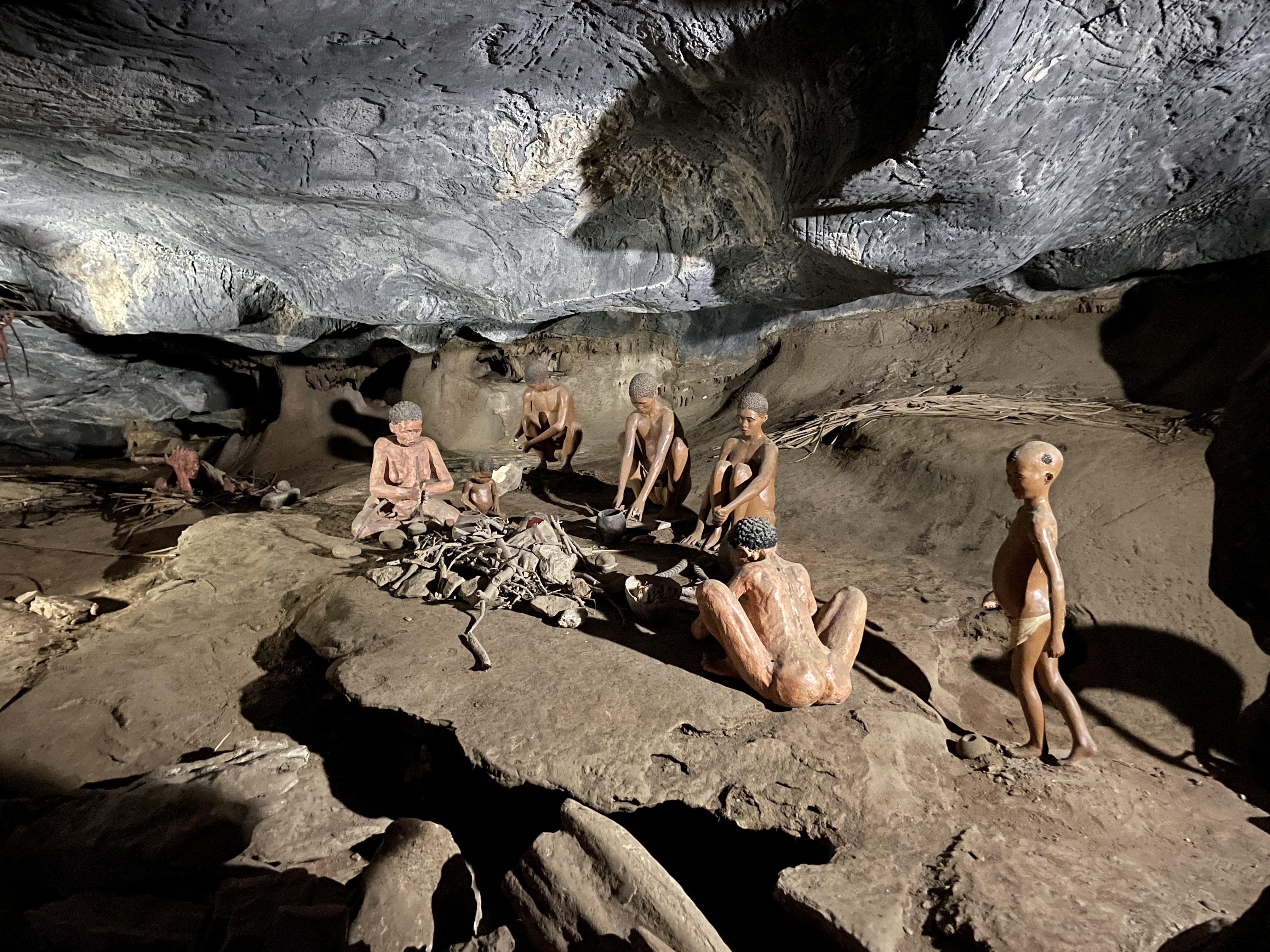
The San peoples, previously know as Bushmen, are members of the various Khoe, Tuu, or Kx’a-speaking indigenous hunter-gather cultures which are also the first cultures of southern Africa. The territories of the San peoples include Botswana, Namibia, Angola, Zambia, Zimbabwe, Lesotho, and South Africa.
The hunter-gatherer San peoples are one of the oldest cultures on Earth and are believed to be descended from the first inhabitants of what is now Botswana and South Africa. The San were traditionally semi-nomadic as they moved seasonally within certain defined areas based on the availability of water, game, and edible plants. The areas occupied by the San were semi-desert or desert areas, including the Kalahari Desert.
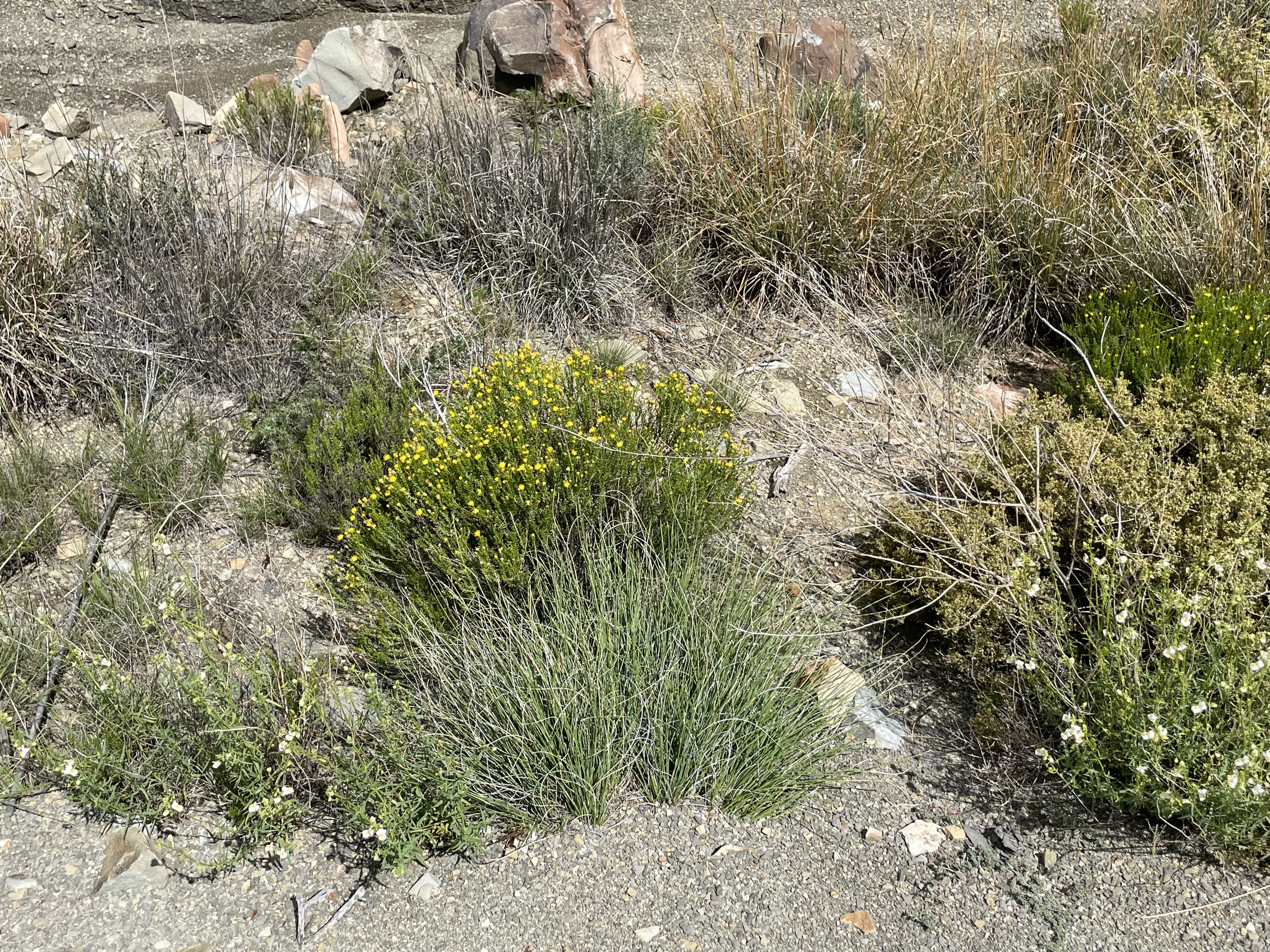
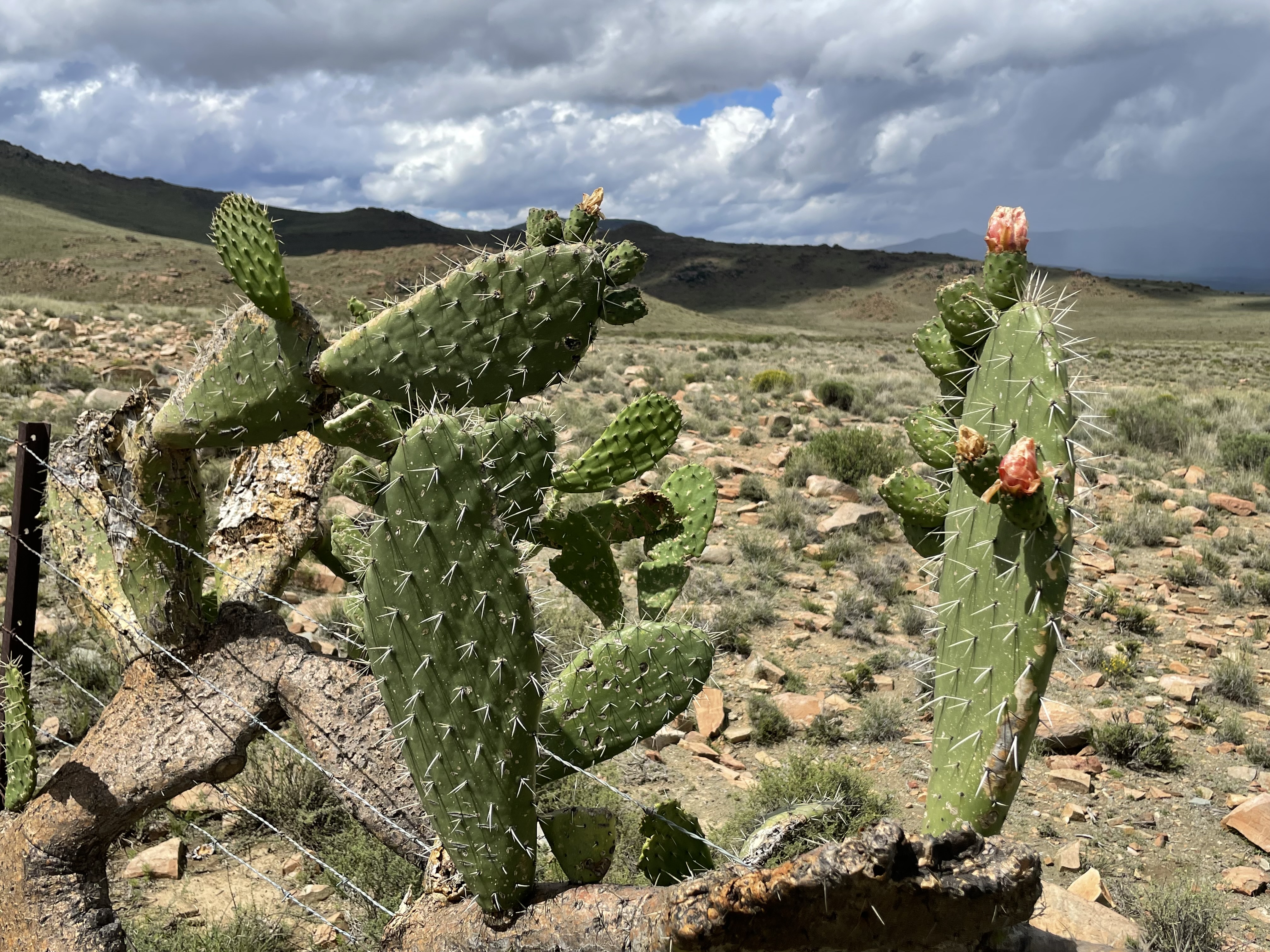
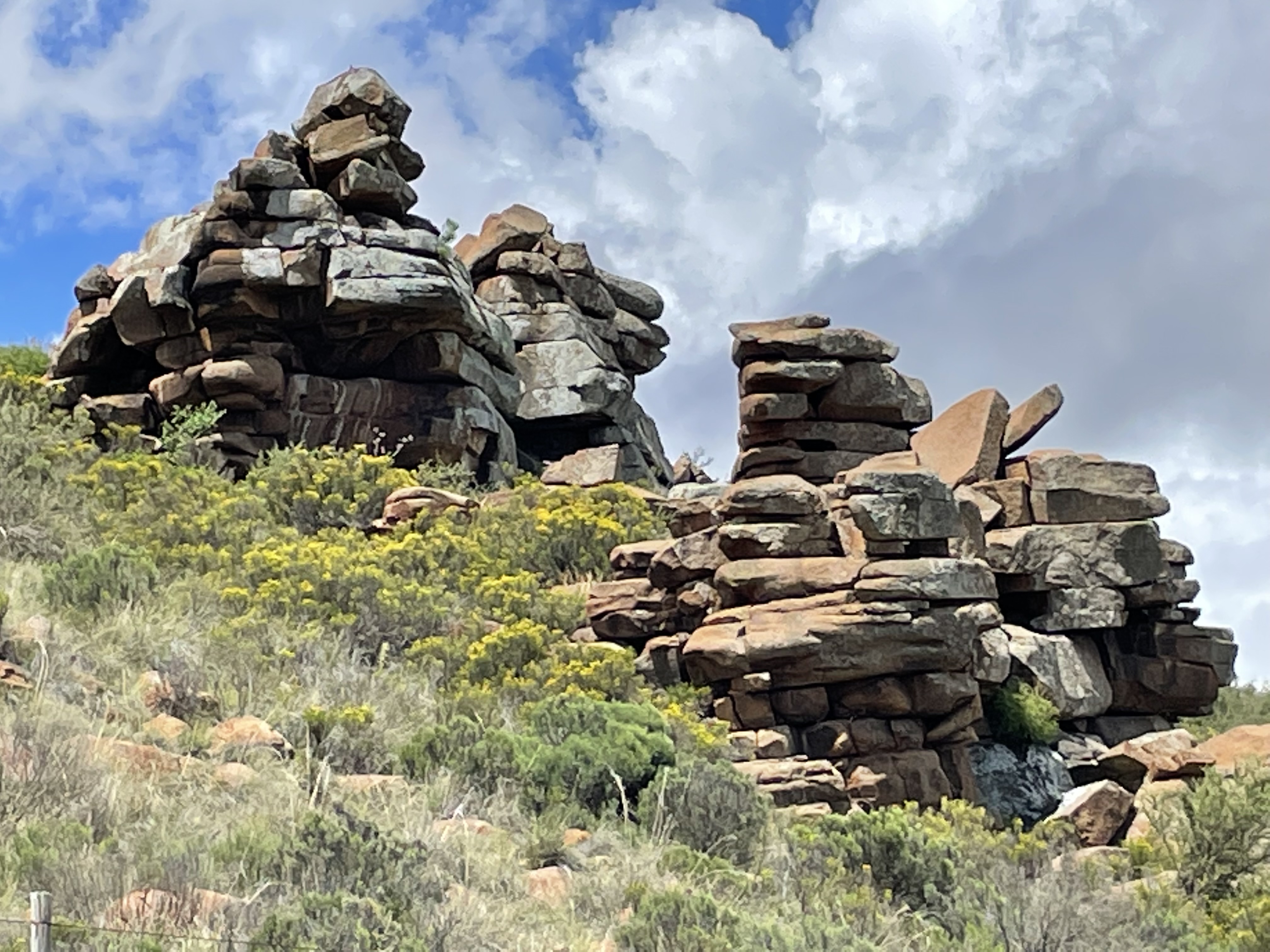
During the colonial period, much of the land occupied by the San peoples was conquered. The pattern of lost land and reduced access by the San to natural resources has continued and is a primary contributor to the current displaced position of the San and the destruction of their ancient traditional lifestyles.
Rock art – human hand
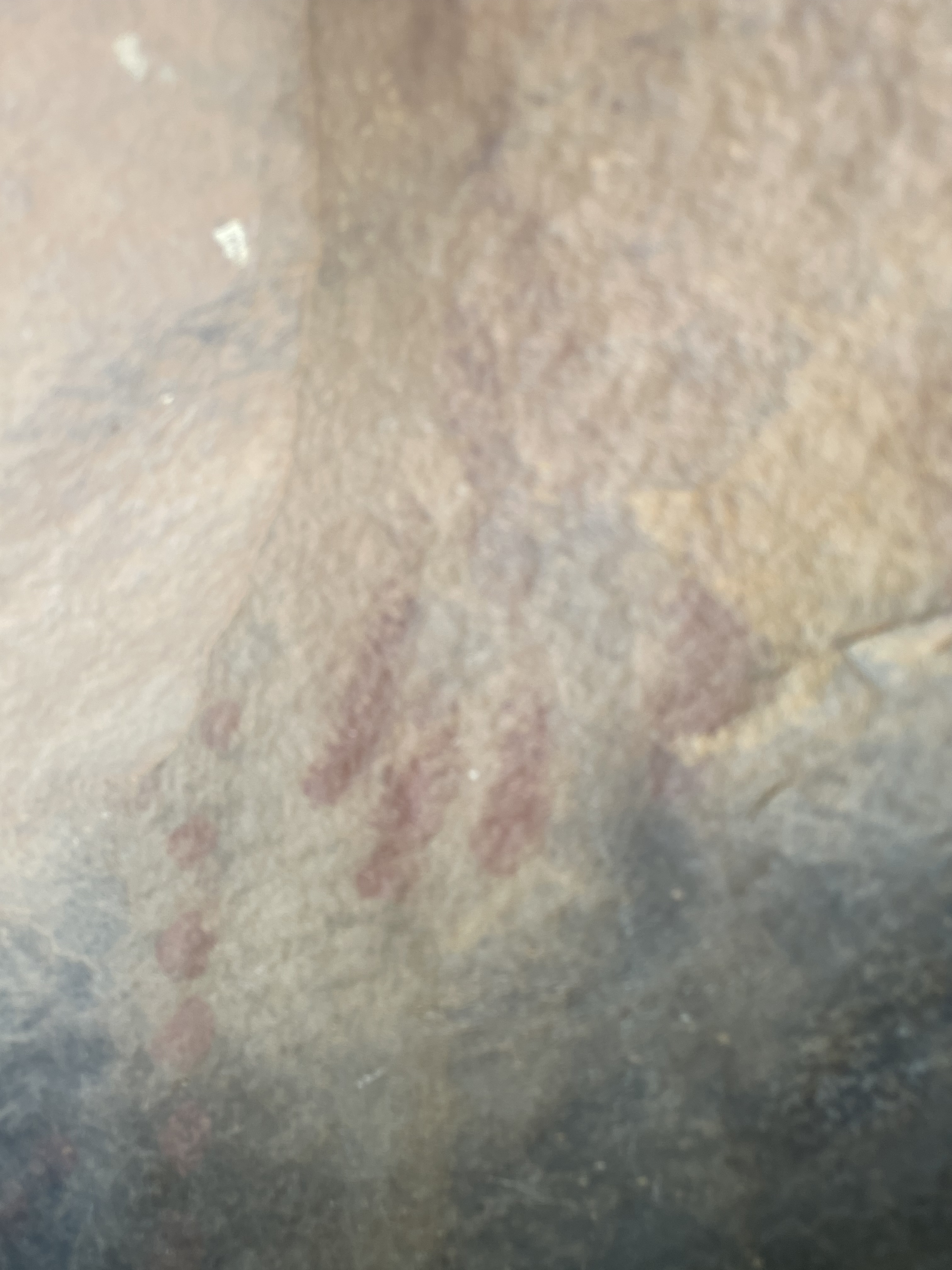
The San are well known for their rock art which is found in caves and rocky overhangs where the San lived. These rock paintings comprise mainly of animals and human figures. On a recent trip to Nieu Bethesda in the Eastern Cape of South Africa, I saw a reddish handprint of a San Shaman. It is believed that the San didn’t view rock as a solid surface and these handprints indicate so-called energy points, where the San believed a person could travel through a cave wall’s illusory solidity.
IXam mythology
IXam, formerly spoken by the IXam-ka peoples of South Africa, is considered an extinct language. Fortunately, some of the IXam stories were recorded by linguists Wilhelm Bleek and Lucy Lloyd in Cape Town in the 19th Century.
This is the IXam story of the sun’s origins:
“The sun was an old man of the Early Race who lived in a hut on earth. The light of the sun shone out of his armpit and only lit up the space around his house. The earth was dark and cold and the mothers couldn’t dry the ant or termite larvae that they collected to eat. Everybody was hungry and cold because there was no warmth from the sun who refused to share his light.
The mothers gathered the children together and told them to pick up the old man and throw him into the sky. They did this and now he sheds light over all the earth.”
I hope you enjoyed this introduction to the San peoples and IXam story. Next month, I’ll be sharing more about the culture and traditions of the San and another traditional story.
About Roberta Eaton Cheadle
Roberta Eaton Cheadle is a South African writer and poet specialising in historical, paranormal, and horror novels and short stories. She is an avid reader in these genres and her writing has been influenced by famous authors including Bram Stoker, Edgar Allan Poe, Amor Towles, Stephen Crane, Enrich Maria Remarque, George Orwell, Stephen King, and Colleen McCullough.
Roberta has short stories and poems in several anthologies and has 2 published novels, Through the Nethergate, a historical supernatural fantasy, and A Ghost and His Gold, a historical paranormal novel set in South Africa.
Roberta has 9 children’s books published under the name Robbie Cheadle.
Roberta was educated at the University of South Africa where she achieved a Bachelor of Accounting Science in 1996 and a Honours Bachelor of Accounting Science in 1997. She was admitted as a member of The South African Institute of Chartered Accountants in 2000.
Roberta has worked in corporate finance from 2001 until the present date and has written 7 publications relating to investing in Africa. She has won several awards over her 20-year career in the category of Transactional Support Services.
Find Roberta Eaton Cheadle
Blog: https://wordpress.com/view/robertawrites235681907.wordpress.com
Twitter: https://twitter.com/RobertaEaton17
Facebook: https://www.facebook.com/robertawrites
Amazon: https://www.amazon.com/Roberta-Eaton-Cheadle/e/B08RSNJQZ5
_____________________________________________________________________________________________
Want to be sure not to miss any of Robbie’s “Dark Origins” segments? Subscribe to Writing to be Read for e-mail notifications whenever new content is posted or follow WtbR on WordPress. If you found it interesting or entertaining, please share.
Share this:

Dark Origins – A Christmas Carol by Charles Dickens
Posted: December 22, 2021 Filed under: Classics, Dark Origins, Fiction, Historical Inspiration | Tags: A Christmas Carol, Charles Dickens, Classic Literature, Dark Origins, Robbie Cheadle, Writing to be Read 35 Comments
In the spring of 1843, Charles Dickens read a government report on child labour in the United Kingdom. The report, compiled by a journalist friend of Charles Dickens, comprised of a series of interviews with working children. It detailed the long hours, crushing work, and poor conditions suffered by these children.
The new and heartless attitude towards child labour was a result of three things:
- an increase in the population by 64% in 30 years;
- workers leaving the countryside and crowding to the cities in search of work; and
- the demise of cottage industries and there replacement with mundane and menial labour in factories.
Employers thought of the workers as commodities whose labour was measured purely on output and productivity.
There was a lot of controversy among the wealthy classes and the clergy as to whether assistance should be extended to the poor. A lot of people were of the opinion that people were poor due to their own laziness and malingering and that giving help would exacerbate these tendencies.
The work houses of the day split up families, provided minimal food, and extracted hard labour from its occupants, including children, in an effort to discourage the poor from seeking help.
I am reminded at this point of the song Food, Glorious Food from the musical Oliver based on the book by Charles Dickens:
Rev. Thomas Malthus advocated letting the poor go hungry to decrease the population. His view was that it was better to let the poor starve to “decrease the surplus population”.
Charles Dickens’ response was to write the novella, A Christmas Carol, which eloquently expressed his views on employer responsibilities towards workers.
If you don’t know the story of A Christmas Carol, this is a very brief overview:
The story opens with Ebenezer Scrooge sitting in his counting house on Christmas Eve. His clerk, Bob Cratchit, is sitting shivering in the anteroom because Scrooge won’t spend any money on heating. He turns down his nephew, Fred’s, invitation to a Christmas party and chases away two men collecting money for charity. At the end of the day, he returns to his cold, dark home.
After Scrooge has retired for the night, he is visited by the ghost of his dead partner, Jacob Marley. Marley is weighed down by heavy chains and is destined to make his way through the afterlife dragging them after him because of his mean-spirited and selfish life.
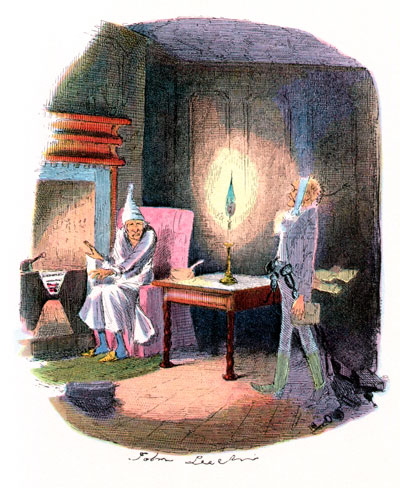
Marley tells Scrooge that he will be visited by three ghosts that night, the ghosts of Christmas Past, Present, and Future. The ghosts show Scrooge where he made mistakes in his past life due to choosing money over love and life, how his clerk and the Cratchit family are suffering because of his present day meanness, and show him a lonely future death. Scrooge is offered, and takes, an opportunity to change his ways and find redemption.
If you are interested in listening to A Christmas Carol beautifully read by Stephen Humphreys, you will find the links on Rebecca Budd’s blog: Clanmother: https://clanmother.com/2021/12/07/stephen-humphreys-reads-a-christmas-carol/
Wishing you all a Merry Christmas if you celebrate or Happy Holidays.
Although I cannot compare my take on Victorian child labour to Charles Dickens’ brilliant works, I have written several times about this and I thought I would share this short extract from my book, Through the Nethergate, about a serving girl in a tavern in Bungay in 1589.
“The rich, amber fluid flowed into the waiting tankard, in striking contrast to the damp, darkness of the barrel filled cellar.
The small, frail girl stood with the tankard in her trembling hand. She was hungry, thirsty and cold. She hadn’t had anything to eat or drink since last night’s frugal supper of leftovers in the Inn’s kitchen. A wave of dizziness washed over her as she contemplated the drink. Its golden depths seemed to entrance her as she lifted it to her lips.
At least the kitchen was warm, she thought, remembering the delicious heat of the enormous, roaring fireplace. The kitchen was a much better place to steal a moment of rest than this freezing cold
cellar, in the bowels of the building.
The strong, rich taste of the ale brought a smile to the girl’s pale face. She greedily drained the tankard, closing her eyes and allowing a feeling of well-being to permeate through her skinny, undernourished body. The girl, called Lizzie, worked as a servant at the pub and she was twelve years old.
She knew she should be grateful for the job, but it was hard to forgive the heavy-handed punishments metered out to her by Will, the owner of the establishment.
A rough hand grasped her shoulder, its thick fingers digging viciously into her flesh.
“What have you done?” the loud, grating voice of Will blasted through her euphoria.
Lizzie jerked with fear and the tankard fell from her fingers, clattering to the stone floor before rolling away.
She looked up into piggy eyes staring out of a fat and well-fed face. Will’s usually florid complexion looked even ruddier and coarser than usual.
“Why, you little thief,” continued Will. “You know what we do with thieves in this Inn.”
A short while later, Lizzie found herself chained to the wall of the cellar. Her pleas and cries for mercy had fallen on deaf ears as Will, filled with righteousness and piety at her ungodly action, attached the manacles to her wrists and ankles.”
__________________________________________________________________________________________________________
Want to be sure not to miss any of Robbie’s “Dark Origins” segments? Subscribe to Writing to be Read for e-mail notifications whenever new content is posted or follow WtbR on WordPress. If you found it interesting or entertaining, please share.
Share this:

Dark Origins – Old Mother Hubbard
Posted: November 24, 2021 Filed under: Dark Origins, Nursery Rhymes, Nursery Rhymes | Tags: Dark Origins, Nursery Rhymes, Old Mother Hubbard, Roberta Eaton Cheadle, Writing to be Read 41 CommentsOld Mother Hubbard is a popular nursery rhyme but the words are not very child friendly. It is rather long so I am only sharing the first three verses here:
Old Mother Hubbard
Went to the cupboard,
To give the poor dog a bone:
When she came there,
The cupboard was bare,
And so the poor dog had none.
She went to the baker’s
To buy him some bread;
When she came back
The dog was dead!
She went to the undertaker’s
To buy him a coffin;
When she came back
The dog was laughing.
As with most nursery rhymes, it is not possible to peg down its exact origins but I am going to share with you two quite different proposed origins, one being much darker than the other.
Old Mother Hubbard is purported to refer to Cardinal Thomas Wolsey and his failure to obtain an annulment from the Pope of King Henry VIII of England’s first marriage to Catherine of Aragon. The cupboard represents the Catholic Church, the dog represents King Henry VIII, and the bone, the coveted annulment.
Thomas Wolsey (1475 to 1530) was a cardinal and a statesman, Henry VIII’s lord chancellor and one of the last clergymen to play a dominant role in English political life.
Henry was desperate for a male heir and Catherine produced a daughter, Mary. He argued that his marriage to Catherine was not lawful and requested that Wolsey use his influence in Rome to get a papal annulment so that he could remarry.
However, Catherine’s nephew, the Holy Roman Emperor Charles V, dominated the Pope at the time and Wolsey failed in his mission. This failure led to him being arrested in November 1530 and accused of treason. He died on 29 November 1530 on his way south to face trial.

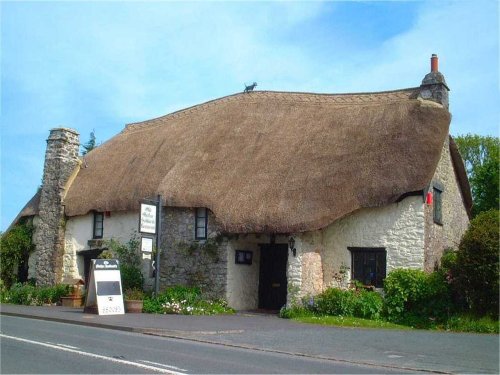
The other popular belief is that Old Mother Hubbard from the nursery rhyme was a retired housekeeper called Miss Sarah Catherine Martin. Miss Martin wrote and illustrated the poem in 1804, but whether or not it was about her own life is unknown. She worked as a housekeeper at Kitley House, the estate of Sir Henry Bastard in Yealmpton, and when she retired she occupied a lovely thatched stone and cob cottage nearby. The area abounds with legends about Sarah and Prince William Henry, a friend of Sir Bastard and a visitor to his estate.
About Roberta Eaton Cheadle
Roberta Eaton Cheadle is a South African writer and poet specialising in historical, paranormal, and horror novels and short stories. She is an avid reader in these genres and her writing has been influenced by famous authors including Bram Stoker, Edgar Allan Poe, Amor Towles, Stephen Crane, Enrich Maria Remarque, George Orwell, Stephen King, and Colleen McCullough.
Roberta has short stories and poems in several anthologies and has 2 published novels, Through the Nethergate, a historical supernatural fantasy, and A Ghost and His Gold, a historical paranormal novel set in South Africa.
Roberta has 9 children’s books published under the name Robbie Cheadle.
Roberta was educated at the University of South Africa where she achieved a Bachelor of Accounting Science in 1996 and a Honours Bachelor of Accounting Science in 1997. She was admitted as a member of The South African Institute of Chartered Accountants in 2000.
Roberta has worked in corporate finance from 2001 until the present date and has written 7 publications relating to investing in Africa. She has won several awards over her 20-year career in the category of Transactional Support Services.
Find Roberta Eaton Cheadle
Blog: https://wordpress.com/view/robertawrites235681907.wordpress.com
Twitter: https://twitter.com/RobertaEaton17
Facebook: https://www.facebook.com/robertawrites
Amazon: https://www.amazon.com/Roberta-Eaton-Cheadle/e/B08RSNJQZ5
_____________________________________________________________________________________________
Want to be sure not to miss any of Robbie’s “Dark Origins” segments? Subscribe to Writing to be Read for e-mail notifications whenever new content is posted or follow WtbR on WordPress. If you found it interesting or entertaining, please share.
Share this:

Some technical issues
Posted: November 13, 2021 Filed under: Uncategorized 4 Comments
Writing to be Read’s wonderful host, Kaye Lynne Booth, is experiencing some technical issues. Please be patient, she will be back on-line soon. In the meantime, posts by guest bloggers will continue as normal.
Have a great day!
Share this:

Dark Origins – The Red Shoes by Hans Christian Anderson
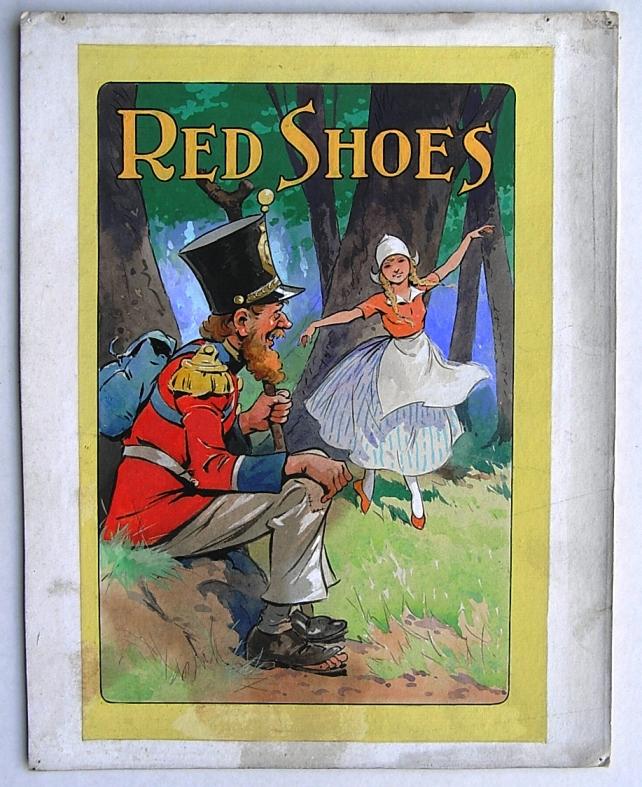
Posted: October 27, 2021 Filed under: Uncategorized 48 CommentsHave you read the story of the red shoes? This is the one fairy tale by Hans Christian Anderson’s that I had a lot of trouble understanding as a young girl.
Overview
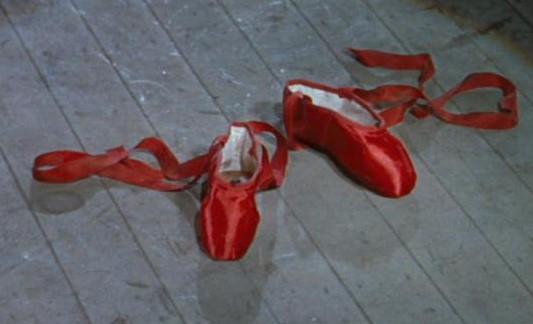
Karen is a little girl whose family is so poor, she has to wear thick wooden shoes during the winter that chaff her feet and make them red and raw. During the summer months, she goes barefooted. A kindly shoemaker makes Karen a pair of shoes from old scraps of red cloth. The first time Karen wears these shoes is on the day of her mother’s burial. An elderly woman driving past sees the little girl walking after the coffin and takes pity on her. She offers to take Karen into her own home and raise her.
Karen believes her good luck is attributable to the red shoes and develops a passion for shoes in this colour. The elderly lady, whose eyesight is failing, takes Karen to buy a new pair of shoes to wear for her confirmation. The shoemaker and Karen collude so that she can acquire a lovely pair of red dancing shoes. The shoes take over Karen’s thoughts and she wears them to her confirmation, dwelling on her beautiful shoes the entire time. When she comes out of the church, still wearing the red shoes that are the talk of the congregation, an old soldier puts a curse on her shoes.
The elderly lady starts to ail and is dying and relies on Karen for her care. One evening Karen abandons her and goes to a ball wearing the red shoes. Once she starts to dance, she cannot stop and on and on she dances for days and days. Eventually, in desperation, she begs the village executioner to cut off her feet. He obliges and makes a pair of wooden feet for her and a pair of crutches. Karen returns to the church but the red shoes appear and bar her from entry.
In the end, Karen dies and goes to Heaven where no-one cares about her red shoes.
My thoughts
This is a strange and scary story. When I was a girl I attended a convent and went to mass every Sunday. This story often used to plague my mind when it came to confession and I confessed all sorts of strange ‘sins’ to the Father because I was so worried that I’d been vain and made to much of my dresses. I was very fond of pretty dresses.
As I grew older, I wondered why Hans Christian Anderson wrote such a condemning story about a young girl who liked pretty shoes. Research has subsequently led me to understand that the author grew up in a stern and conservative society which condemned dancing, drinking, playing cards, and the wearing of bright colours that drew attention to the wearer. Karen’s sin is not just her vanity about the red shoes, it is also her succumbing to the sin and allowing it to undermine her ethics and morality. Karen choses to dance and ignore her responsibilities towards her benefactor thereby overruling her understanding of what is right and wrong. Having given in to sin, there is no turning back and returning to the way things were before, and her only redemption is in death.
Quite a heavy topic for a fairy story, but then most of the fairy stories are based on dark realities.
Origin
The origin of this story is not as dark as the theme of the story itself. Anderson named the little girl after his own half-sister, Karen Marie Anderson, who he despised. His half-sister was the illegitimated daughter of his mother. She was not raised with Hans but boarded out. It is believed that at one point Karen became a prostitute and Anderson feared throughout his life that she would re-appear and embarrass him in his new wealthier position in life.
The story was based on an incident the author witnessed as a young lad. His father, a shoemaker, was sent a piece of red silk by a wealthy woman to make a pair of dancing slippers for her daughter. His father used some of his own valuable red leather along with the red silk to make a lovely pair of shoes. The woman rejected them, saying they were awful and he’d spoiled her silk. Anderson’s father replied “In that case, I may as well spoil my leather too,” and he cut up the shoes in front of her.
About Roberta Eaton Cheadle
Roberta Eaton Cheadle is a South African writer and poet specialising in historical, paranormal, and horror novels and short stories. She is an avid reader in these genres and her writing has been influenced by famous authors including Bram Stoker, Edgar Allan Poe, Amor Towles, Stephen Crane, Enrich Maria Remarque, George Orwell, Stephen King, and Colleen McCullough.
Roberta has short stories and poems in several anthologies and has 2 published novels, Through the Nethergate, a historical supernatural fantasy, and A Ghost and His Gold, a historical paranormal novel set in South Africa.
Roberta has 9 children’s books published under the name Robbie Cheadle.
Roberta was educated at the University of South Africa where she achieved a Bachelor of Accounting Science in 1996 and a Honours Bachelor of Accounting Science in 1997. She was admitted as a member of The South African Institute of Chartered Accountants in 2000.
Roberta has worked in corporate finance from 2001 until the present date and has written 7 publications relating to investing in Africa. She has won several awards over her 20-year career in the category of Transactional Support Services.
Find Roberta Eaton Cheadle
Blog: https://wordpress.com/view/robertawrites235681907.wordpress.com
Twitter: https://twitter.com/RobertaEaton17
Facebook: https://www.facebook.com/robertawrites
Amazon: https://www.amazon.com/Roberta-Eaton-Cheadle/e/B08RSNJQZ5
_____________________________________________________________________________________________
Want to be sure not to miss any of Robbie’s “Dark Origins” segments? Subscribe to Writing to be Read for e-mail notifications whenever new content is posted or follow WtbR on WordPress. If you found it interesting or entertaining, please share.
Share this:

Dark Origins – London Bridge is Falling Down
Posted: September 22, 2021 Filed under: Uncategorized 53 Comments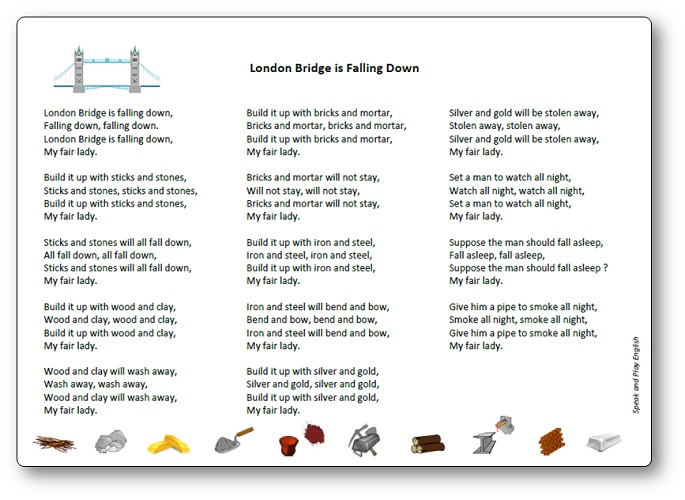
I grew up playing a children’s game to the tune and lyrics of London Bridge is Falling Down. The game I played was similar to the actions for Oranges and Lemons which involves two players holding hands and making an arch with their arms for a single file line of players to walk under. At the end of the song the arch is lowered to ‘catch’ a player.
There are two dark hypothesis for the origins of this nursery rhyme.
The first hypothesis is that the rhyme relates to the supposed destruction of London Bridge in 1014 by the Olaf II Haraldsson, later known as Saint Olaf, who was the King of Norway from 1015 to 1028.
This supposition is derived from the translation of the Norse saga, the Heimskringla, by Samuel Laing in 1844 which includes a verse which is reminiscent of the common version of the London Bridge is Falling Down nursery rhyme as follows:
London Bridge is broken down. —
Gold is won, and bright renown.
Shields resounding,
War-horns sounding,
Hild is shouting in the din!
Arrows singing,
Mail-coats ringing —
Odin makes our Olaf win!
However, this one verse is not corroborated by any other information or accounts.

The second hypothesis relates to the practice of entombing someone within a structure due to the ancient belief that a human blood sacrifice would ensure the stability of the structure. This centuries-old practice is called immurement.
In the context of this nursery rhyme, the immurement is believed to be about starving children who were ‘buried alive’ as the Old London Bridge was built in the 1200s.

A final option, is that the nursery rhyme alludes to the pair of fires that London Bridge suffered in 1633 and 1666. The first fire, significantly damaged the structure and weakened it. The Great Fire of London was different in that the bridge acted more like a fire break and stopped the fire from travelling into the south of London. With its 19 narrow arches, the bridge impeded river traffic and flow and structural changes were undertaken to upgrade it. These changes were not that successful and the bridge needed continuous and expensive repairs. In 1831 the New London Bridge was open and survived until it was replaced in 1972. The bridge was transported and reconstructed in Lake Havasu City, Arizona.
Extract from Through the Nethergate
One of the ghosts in my supernatural fantasy novel, Through the Nethergate, is immured. Katherine ran away from her life as a novice in Bungay Priory in 1376. When she was recaptured, she was immured in the walls of the Abbey of Coldingham. This is the relevant extract:
“What happened to you after you escaped? You must have died badly if you are a ghost?”
“I was caught,” Katharine said simply. She didn’t seem surprised by the question.
“My escape became the subject of a denunciation by the Bishop of Norwich, Henry le Despenser, and a consequent order from King Henry II for my capture. Once caught, I was to be forcibly returned to the priory.”
“That didn’t happen, did it?” said Margaret.
“No, I was caught and, when it was discovered that I was with child, I was immured.”
Margaret didn’t recognise the word “immured” and stared at Katharine blankly.
“A small niche was carved out of the wall in the Abbey of Coldingham, where I had been taken. I was given some food and water and then my grave was sealed.”
“If you died in Coldingham, why is your ghost attached to the ruins of Bungay Priory?”
Katharine’s pretty mouth drooped at the corners and her eyes dimmed as if a veil had descended over them. “At the time of my death, I was visited by a great black dog with fiery red eyes. He encouraged me to turn away from the White Light that was waiting for me and remain here on earth. I didn’t know that by choosing to remain, I would become trapped in the Overworld, between Heaven and the Underworld, for all eternity. My choice to walk the path of promised revenge resulted in my becoming enslaved to the black dog of Bungay. The black dog is excellent at
recruiting ghosts who die elsewhere but have a link to Bungay, and placing them in his power. He likes us all to stay near to his home, Bungay Castle.
“I have told you enough about me,” said Katharine, changing the subject. “This meeting has a purpose other than me telling you my life story. “The priory was founded by Countess Gundreda, in honour of the Blessed Virgin and the Holy Cross, for nuns of the Benedictine order. It was built on land granted to the countess on her marriage to Hugh Bigod, First Earl of Norfolk. After Hugh’s death, the land was confirmed to her, and her second husband, Roger de Glanville,
by King Henry II.”
Here it is. The link between Hugh Bigod and the priory. But what does it matter if his descendants established the priory?
About Roberta Eaton Cheadle
Roberta Eaton Cheadle is a South African writer and poet specialising in historical, paranormal, and horror novels and short stories. She is an avid reader in these genres and her writing has been influenced by famous authors including Bram Stoker, Edgar Allan Poe, Amor Towles, Stephen Crane, Enrich Maria Remarque, George Orwell, Stephen King, and Colleen McCullough.
Roberta has short stories and poems in several anthologies and has 2 published novels, Through the Nethergate, a historical supernatural fantasy, and A Ghost and His Gold, a historical paranormal novel set in South Africa.
Roberta has 9 children’s books published under the name Robbie Cheadle.
Roberta was educated at the University of South Africa where she achieved a Bachelor of Accounting Science in 1996 and a Honours Bachelor of Accounting Science in 1997. She was admitted as a member of The South African Institute of Chartered Accountants in 2000.
Roberta has worked in corporate finance from 2001 until the present date and has written 7 publications relating to investing in Africa. She has won several awards over her 20-year career in the category of Transactional Support Services.
Find Roberta Eaton Cheadle
Blog: https://wordpress.com/view/robertawrites235681907.wordpress.com
Twitter: https://twitter.com/RobertaEaton17
Facebook: https://www.facebook.com/robertawrites
Amazon: https://www.amazon.com/Roberta-Eaton-Cheadle/e/B08RSNJQZ5
_____________________________________________________________________________________________
Want to be sure not to miss any of Robbie’s “Dark Origins” segments? Subscribe to Writing to be Read for e-mail notifications whenever new content is posted or follow WtbR on WordPress. If you found it interesting or entertaining, please share.
Share this:

Dark Origins – Peter Pan, Lost Boys who are murdered and mermaids who are Sirens.
Posted: August 25, 2021 Filed under: Classics, Dark Fantasy, Dark Origins, Pirate Fantasy, Stories, Writing | Tags: Dark Origins, Folklore, Peter Pan, Roberta Eaton Cheadle, Writing to be Read 42 CommentsMost of us know the Disney version of Peter Pan featuring Captain Hook, Mr Smee, Wendy, John, Michael, and the Lost Boys. Oh, and Tinkerbell, of course.
I am not sure how many people have read the original play called Peter Pan or the boy who wouldn’t grow up, written by J.M. Barrie in 1904, but it is a far cry from the innocent tale presented by Walt Disney.
We know from the Disney film that Peter Pan doesn’t want to grow up, but no mention is made of the extreme lengths Peter Pan is prepared to go to fight it.
Consider this extract: “The boys on the island vary, of course, in numbers, according as they get killed and so on; and when they seem to be growing up, which is against the rules, Peter thins them out; but at this time there were six of them, counting the twins as two.“
To put it bluntly, Peter Pan kills the lost boys to keep them from aging. While the film presents the view that Peter Pan is seeking eternal youth, he is, in fact, obsessed with death. This characteristic is believed to come from J.M. Barrie’s own childhood experience of losing his brother, David.
According to an article in The Herald, six-year old Jamie Barrie was hugely impacted by the death of his older brother, David, at the age of fourteen. David was said to have died the day before his birthday when he was accidently knocked over by a friend while skating, and fractured his skull on the ice. The article speculates that the ‘friend’ was in fact, young Jamie and that he was rejected by his mother as a result of the accident. You can read more about it here: https://www.heraldscotland.com/default_content/12469608.tragedy-behind-neverland-jm-barrie-cause-brothers-death/
And then there are the mermaids…
In the original Peter Pan story, the mermaids who inhabit Neverland all live in the lagoon. They enjoy the company of Peter Pan but are malevolent to everyone else. The are extraordinarily beautiful and have amazing singing voices, but they are vain and unfriendly.
The mermaids spend their days playing in the rock pools and ocean around Marooners’ Rock and they retire to their coral cave homes beneath the waves at night and during high tide.
The mermaids change when the moon is out and transform into darker creatures. They utter and wail strange calls in the moonlight. Captain Hook is terrified of the mermaids, calling them the ‘loreleis’ and saying that the lagoon is the most treacherous place in Neverland. A lorelei is a siren of Germanic legend whose singing lures Rhine River boatmen to destruction on a reef.

If you are interested in the true story behind Peter Pan and the life of J.M. Barrie, you can read more here: https://www.refinery29.com/en-us/2014/12/78880/peter-pan-jm-barrie-true-story
About Roberta Eaton Cheadle
Roberta Eaton Cheadle is a South African writer and poet specialising in historical, paranormal, and horror novels and short stories. She is an avid reader in these genres and her writing has been influenced by famous authors including Bram Stoker, Edgar Allan Poe, Amor Towles, Stephen Crane, Enrich Maria Remarque, George Orwell, Stephen King, and Colleen McCullough.
Roberta has short stories and poems in several anthologies and has 2 published novels, Through the Nethergate, a historical supernatural fantasy, and A Ghost and His Gold, a historical paranormal novel set in South Africa.
Roberta has 9 children’s books published under the name Robbie Cheadle.
Roberta was educated at the University of South Africa where she achieved a Bachelor of Accounting Science in 1996 and a Honours Bachelor of Accounting Science in 1997. She was admitted as a member of The South African Institute of Chartered Accountants in 2000.
Roberta has worked in corporate finance from 2001 until the present date and has written 7 publications relating to investing in Africa. She has won several awards over her 20-year career in the category of Transactional Support Services.
Find Roberta Eaton Cheadle
Blog: https://wordpress.com/view/robertawrites235681907.wordpress.com
Twitter: https://twitter.com/RobertaEaton17
Facebook: https://www.facebook.com/robertawrites
Amazon: https://www.amazon.com/Roberta-Eaton-Cheadle/e/B08RSNJQZ5
_____________________________________________________________________________________________
Want to be sure not to miss any of Robbie’s “Dark Origins” segments? Subscribe to Writing to be Read for e-mail notifications whenever new content is posted or follow WtbR on WordPress. If you found it interesting or entertaining, please share.
Share this:

Dark Origins – Bluebeard
Posted: July 28, 2021 Filed under: Dark Origins, Fairy Tales | Tags: Bluebeard, Dark Origins, Roberta Eaton Cheadle, Writing to be Read 48 CommentsThe fairytale of Bluebeard was the most scary one I can recall hearing or reading as a child. This story is featured in Grimm’s Fairy Tale Classics.
It this version of the story, Bluebeard’s bride is a teenage peasant girl named Josephine. She has been raised by her brothers who are woodworkers. In this version, Bluebeard, a wealthy widower with a blue beard, choses Josephine as his wife because she is beautiful, naïve and desires to marry a prince. The character design for Bluebeard strongly resembles that of the English King, Henry VIII, who had six wives, two of whom he beheaded. After the wedding, Bluebeard gives Josephine a key ring with all the keys to all the doors of his castle. He tells her that she must never use the golden key to open one of the doors.
Of course, Josephine’s curiosity gets the better of her and one day when Bluebeard leaves the castle on business, she opens the forbidden door. Behind the door she discovers the blood splattered remains of the former wives of Bluebeard, all of whom he’s murdered. Josephine is saved by her brothers before she can suffer the same fate as Bluebeards previous wives.

There are two possible sources for the story of Bluebeard.
The first theory is that the story of Bluebeard was based on the life of 15th-century convicted Breton serial killer, Gilles de Rais.
Gilles de Rais was a knight and lord from Brittany, Anjou and Poitou. From 1427 to 1435, he was a commander of the French army and fought alongside Joan of Arc against the English and their Burgundian allies during the Hundred Years’ War.
In 1434 or 1435, Gilles retired from military life and became a spendthrift, staging extravagant theatrical productions of his own composition. In June 1435 his family persuaded King Charles VII to proclaim a royal edit preventing him from selling his property and from entering into contracts with any French subject.
In 1438, Gilles became involved in alchemy and demon summoning.
According to his confession at his trial in October 1440, de Rais said he committed his first child assaults in 1432 and 1433. The first murders occurred at de Rais’ castle in Champtocé-sur-Loire. Murders of an unknown number of children took place after de Rais moved to Machecoul. de Rais was believed to have sexually assaulted the children before killing them. The bodies were burned in the fireplace in de Rais’ room. The number of de Rais’ victims is believed to be between 100 and 200 children aged between 6 to 18 years old and predominately male.
He was executed by hanging and burning on Wednesday, 26 October 1440 along with his two accomplices, Poitou and Henriet.

Another possible source for the story of Bluebeard is early Breton king, Conomor the Accursed, who was notorious for his cruelty. According to the biography of St Gildas, a 6th century British monk, Tréphine married Conomor after he threatened to invade her father’s lands and kill his people.
While Conomor was away, Tréphine found a secret room containing relics of his deceased wives. She prayed for their souls and their ghosts appeared and warned her that Conomor will kill her if she becomes pregnant due to a prophecy that states he will be killed by his own son.
According to legend, Tréphine fled when she discovered she was pregnant and gave birth to her son, Trémeur, in the forest. She hides her son but Conomor finds her and beheads her. St Gildas restores her to life and she and her son live lives of saintly retirement until Tréphine dies. After her death, Conomor finds Trémeur and kills him.
Both Tréphine and Trémeur are deemed saints in Brittany and there are many churches dedicated to them.

Based on these two stories, I was quite right to be scared of Bluebeard when I was a child.
About Roberta Eaton Cheadle
Roberta Eaton Cheadle is a South African writer and poet specialising in historical, paranormal, and horror novels and short stories. She is an avid reader in these genres and her writing has been influenced by famous authors including Bram Stoker, Edgar Allan Poe, Amor Towles, Stephen Crane, Enrich Maria Remarque, George Orwell, Stephen King, and Colleen McCullough.
Roberta has short stories and poems in several anthologies and has 2 published novels, Through the Nethergate, a historical supernatural fantasy, and A Ghost and His Gold, a historical paranormal novel set in South Africa.
Roberta has 9 children’s books published under the name Robbie Cheadle.
Roberta was educated at the University of South Africa where she achieved a Bachelor of Accounting Science in 1996 and a Honours Bachelor of Accounting Science in 1997. She was admitted as a member of The South African Institute of Chartered Accountants in 2000.
Roberta has worked in corporate finance from 2001 until the present date and has written 7 publications relating to investing in Africa. She has won several awards over her 20-year career in the category of Transactional Support Services.
Find Roberta Eaton Cheadle
Blog: https://wordpress.com/view/robertawrites235681907.wordpress.com
Twitter: https://twitter.com/RobertaEaton17
Facebook: https://www.facebook.com/robertawrites
Amazon: https://www.amazon.com/Roberta-Eaton-Cheadle/e/B08RSNJQZ5
_____________________________________________________________________________________________
Want to be sure not to miss any of Robbie’s “Dark Origins” segments? Subscribe to Writing to be Read for e-mail notifications whenever new content is posted or follow WtbR on WordPress. If you found it interesting or entertaining, please share.
Share this:

Dark Origins – Here We Go Round the Mulberry Bush
Posted: June 30, 2021 Filed under: Dark Origins, Nursery Rhymes, Nursery Rhymes | Tags: Dark Origins, Here We Go Round the Mulberry Bush, Nursery Rhymes, Roberta Eaton Cheadle, Writing to be Read 79 Comments
Do you know the nursery rhyme Here We Go Round the Mulberry Bush?
I remember it from when I was a girl. The girls used to hold hands and dance in a circle singing the lyrics and doing the actions.
These are the first two stanzas of the most modern version:
Here we go round the mulberry bush,
The mulberry bush,
The mulberry bush.
Here we go round the mulberry bush
On a cold and frosty morning.
This is the way we wash our face,
Wash our face,
Wash our face.
This is the way we wash our face
On a cold and frosty morning.
The rhyme was first recorded by James Orchard Halliwell, an English Shakespearean scholar, antiquarian, and a collection of English nursery rhymes and fairy tales, as an English children’s game in the mid-nineteenth century.
The song and associated game are traditional in England and different versions are found in Scandinavia and the Netherlands.
R.S. Duncan, a prison governor at HM Prison Wakefield in Wakefield, West Yorkshire, England suggested that the nursery rhyme was about female Victorian prisoners exercising in the yard at Wakefield. A mulberry tree grew in the yard and women inmates would dance around the tree with their children and sing the song. The tree died in May 2019.
About the Victorian prison system
The Victorian prison system was created by men for men. Accommodation for women was usually an after thought and the penal system designed for them as generally a modified version of the men’s prison.
Women convicts were considered to need saving twice, firstly from their criminality and secondly from their deviance from expected female behaviour.
To this end, instead of being subjected to hard labour, women progressed through several disciplinary stages intended to put them on the path to reform. The stages were separate confinement for four months (men had to endure nine months of separate confinement), associated labour and, finally, a transfer to a female-only institution.
Prison authorities had to deal with pregnant and postpartum women. Lying-in wards and nurseries had to be created and the regulations relating to exercise, communication, and dietary provision had to be modified for such women.

Another possible interpretation of the rhyme is that it references Britain’s struggle to produce silk. Silkworms eat mulberry leaves and during the eighteenth and nineteenth centuries, Britain tried to emulate the success of the Chinese silk production industry. Britain’s cold winters with frost proved to be to harsh for the mulberry trees to thrive and this hampered the development of a successful silk production industry.
The lyrics: “Here we go round the mulberry bush / On a cold and frosty morning” are thought to be a joke about the difficulties experienced by the industry.
About Roberta Eaton Cheadle
I am a South African writer specialising in historical, paranormal and horror novels and short stories. I am an avid reader in these genres and my writing has been influenced by famous authors including Bram Stoker, the Bronte sisters, Amor Towles, Stephen Crane, Enrich Maria Remarque, George Orwell, Stephen King, and Colleen McCullough.
I was educated at the University of South Africa where I achieved a Bachelor of Accounting Science in 1996 and a Honours Bachelor of Accounting Science in 1997. I was admitted as a member of The South African Institute of Chartered Accountants in 2000.
I have worked in corporate finance from 2001 until the present date and have written seven publications relating to investing in Africa. I have won several awards over my twenty year career in the category of Transactional Support Services.
I have been published a number of anthologies and have two published YA books, While the Bombs Fell and Through the Nethergate. I have recently published my first adult novel called A Ghost and His Gold which is partly set in South Africa during the Second Anglo Boer War.
Find Roberta Eaton Cheadle
Blog: https://wordpress.com/view/robertawrites235681907.wordpress.com
Twitter: https://twitter.com/RobertaEaton17
Facebook: https://www.facebook.com/robertawrites
Amazon: https://www.amazon.com/Roberta-Eaton-Cheadle/e/B08RSNJQZ5
_____________________________________________________________________________________________
Want to be sure not to miss any of Robbie’s “Dark Origins” segments? Subscribe to Writing to be Read for e-mail notifications whenever new content is posted or follow WtbR on WordPress. If you found it interesting or entertaining, please share.




















