Writer’s Corner: What to expect from your Publisher
Posted: November 2, 2026 Filed under: Books, Indie Publishing, Intellectual Property, Publishing, Self-Publishing, Writer's Corner, Writing, Writing Business | Tags: independent publishing, Intellectual Property, Kaye Lynne Booth, Publishing, Publishing Contracts, Publishing Platforms, Traditional Publishing, WordCrafter Press, Writing Business 1 Comment
Traditional vs. Independent Publishing – What you should know
If you follow me, you probably know I don’t have a high opinion of traditional publishing. For decades it was simply the way things were done in the publishing industry. The author would submit their work to different publishers, wait several months to receive a reply, which sometimes never came, but was usually a rejection. Then, on the off-chance that they did receive an acceptance letter, they would be given the option to enter into a contract which was usually stacked in the publisher’s favor and often screwed the author royally. Kevin J. Anderson tells horror stories about authors who got stiffed, literally, because publishers ask for rights they don’t need, and authors sign away rights that they didn’t have to, thus diminishing the authors rights and their ability to manage their own IP, (Intellectual Property).
I can’t produce KJA to explain this all to you, but I did find this YouTube video by a woman calling herself the guerilla publisher. I don’t know anything about her credentials, but I do know that what she says about the publishing industry is true and KJA’s stories were very similar.
As soon as I got a taste of what publishing the traditional way involved, I knew two things: 1- I didn’t have the patience for traditional publishing. I was already in my forties, and I didn’t have the time to sit around waiting for someone to fall in love with my work. I wanted my work to be out there where people could read it. Like this blog, I was writing to be read. And 2- I wanted to keep control over my own assets. Independent publishing seemed like a no-brainer for me. And the move to go back and get the M.A. in publishing so I could learn how to do it right was one of the best moves I ever made.
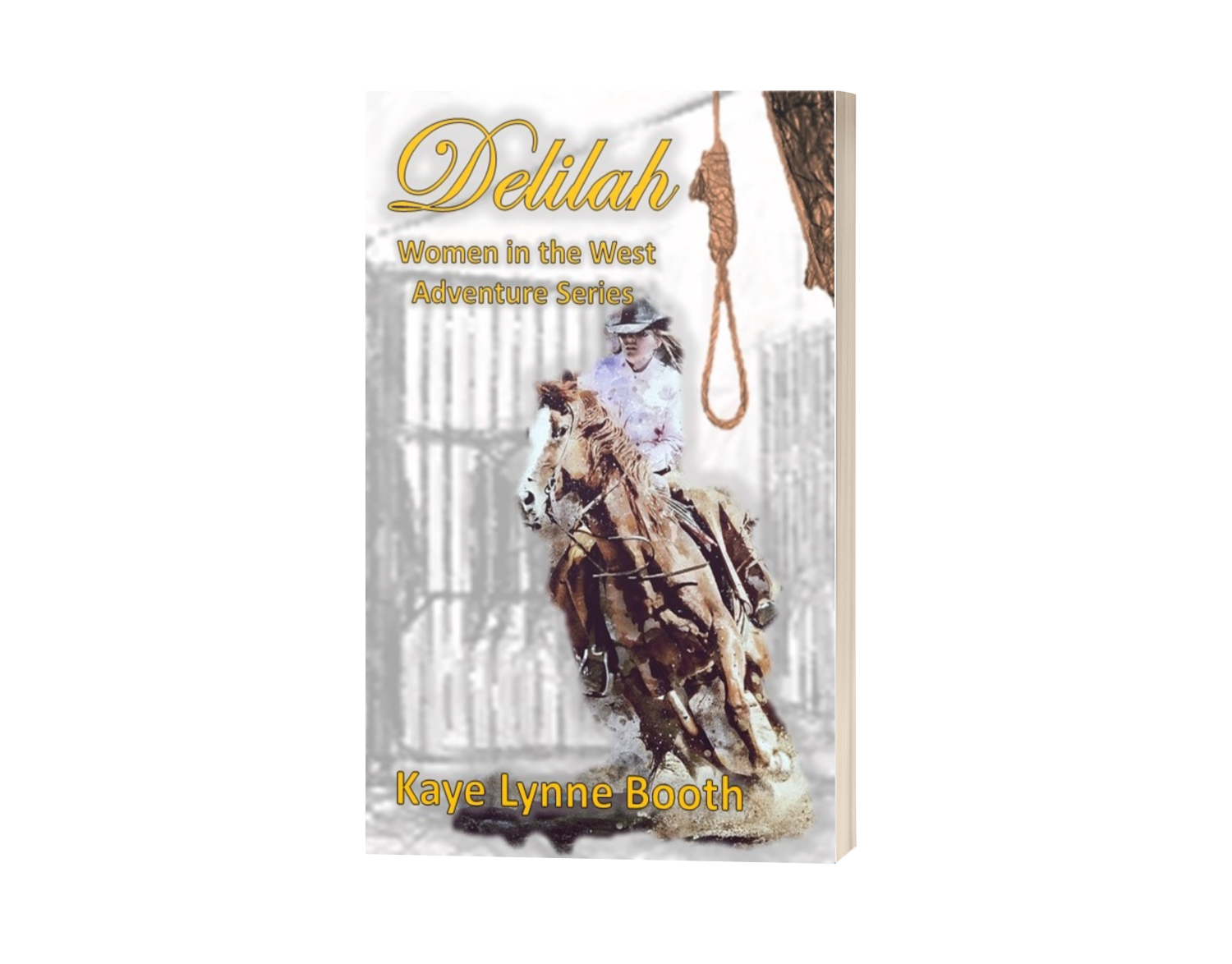
I had actually published the first edition of Delilah through a small independent press. I signed a 5-year contract, which luckily, didn’t have any of the pitfalls mentioned in the video, because I did not know what the hell I was doing. They tried to stick me with a lame cover that wasn’t truly representative of the story within, and although they claimed they were marketing the book, I never saw any of their efforts. At the end of five years, I had earned very little in royalties and most of them came from the books I purchased on Amazon, since the publisher didn’t offer author copies at a discounted price. At this point, I had already published several anthologies, as well as Hidden Secrets and Last Call, on my own through Draft2Digital, and I truly felt I could do a better job of selling Delilah than my publisher had, so I did not renew my contract. I was lucky. Getting out of it was pretty easy.
But, publishing is a lot of work, and isn’t everyone’s cup of tea, and I can see why some authors would want someone else to public their book for them. And today, there are many small independent publishers who will do this, including WordCrafter Press. When I decided to found my own publishing house and publish the works of others, I wanted to do a better job than that small independent press where I published Delilah, so I try to not only publish a quality book through my editing and formatting skills, but I also offer full services of cover design, book trailers and wide availability.
That’s right, wide availability. That means that WordCrafter Press books are available through retailers worldwide, including Amazon, and on subscription services, such as Kobo Plus, and on library lists. And that means, that people can find WordCrafter Press books in all those places, if readers look for them there. I promote WordCrafter Press books through a Universal Book Link (UBL), which takes potential readers to a landing page with links to all the retailers where the book can be distributed, and of course, they can also access retailers directly to find what they are looking for.
Availability vs. Distribution
Follow the link below for a guest post by Tanya Hall on Jane Friedman’s blog, which explains what an author needs to know when publishing through a publisher and how to understand what the data is that they are looking at. It offers a clear explanation of the difference between availability and distribution, which makes a big difference in what the author may or may not expect as far as selling books.
Way to Tell If a Publisher Actually Has Distribution | Friedman
Ms. Hall’s article makes some valid points. Just because your book is available through a specific retailer, or on library and subscription lists, does not mean that it is placed anywhere where readers can find it. Efforts must be made somewhere along the line to give our books visibility, if we expect readers to find and read them. Having your book carried with online retailers may not be enough. That’s where promotional efforts come in. the bigger, the better. Although independent authors can determine to spend as much or as little as they want on these efforts, this is one area, where publishers usually step back and leave it up to the author.
And that’s where, hopefully, WordCrafter Press stands out from the rest, offering book blog tours with every book release, creates trailers and/or shorts for the book and collaborates with authors to create excerpt readings and other promotional materials. The authors can chose to carry it a step further through other avenues of promotion, but I try to at least give each book a good start, and I also promote WordCrafter’s backlist regularly, so they don’t just fall by the wayside.
Publishers and aggregators, (middlemen between authors and retailers, like D2D), may make a book available, but do little or nothing to let readers know that it’s there. Even traditional publishers are doing less and less to gain visibility, leaving it up to the authors to get their books in front of readers, (and advances are becoming smaller, or even non-existent in recent times). But with WordCrafter Press, it is a joint effort. Every book I publish for another author, or anthology that I compile, is a collaboration with the authors involved.
Some authors bring their own covers to the table, while others may prefer to have me provide one, or we might collaborate on that, too. I use book blog tours with every release, and that requires guest posts, or readings, from the authors to provide the tour content. Promotional efforts are a collaboration, too. When you combine two or more author platforms, you are bound to reach more readers. Since WordCrafter Press authors are really partners in the endeavor of publishing and selling the book, instead of offering large advances or paying a set price for individual stories, which I couldn’t afford to do, authors are offered a royalty split for each project.
Many independent publishers don’t have the ability and resources to get books placed in brick & mortar stores and library lists. WordCrafter Press can get them there through D2D, but sadly, that part is still up to the authors, because it involves engaging people and building relationships. Book store and library lists are long, with hundreds of books available, and librarians and bookstore owners need to be aware that a book exists before they can purchase it, or carry it on their shelves. The best reference I know that explains how this all works, and how to build those relationships, is Mark Leslie Lefebrve’s, An Author’s Guide to Working with Bookstores & Libraries. I’ve talked about getting your books into libraries and bookstores, previously, and reviewed Mark’s book. You can see that post here.
In Conclusion
The landscape of the publishing world is rapidly changing. Today’s authors are not set in the traditional publishing path or not at all. They are faced with many choices as to the methods used to get their books in front of potential readers. While you may still choose to publish through traditional routes, with long wait times between submission and publication, shrinking advances and smaller royalties, contracts which favor the publisher rather than the author, and less promotional efforts on the publisher’s part, I’m finding difficult imagine why anyone would want to.
Success comes for today’s author through hard work and determination. And for those who don’t want to do it all, or don’t have the time due to other life commitments, finding a good independent publisher may be the solution. Whatever you choose, learn to do it properly, and protect your rights and your IP. And if you’re considering publishing with WordCrafter Press… well hey, you know where to find me. (KLBWordCrafter@gmail.com).
About Kaye Lynne Booth
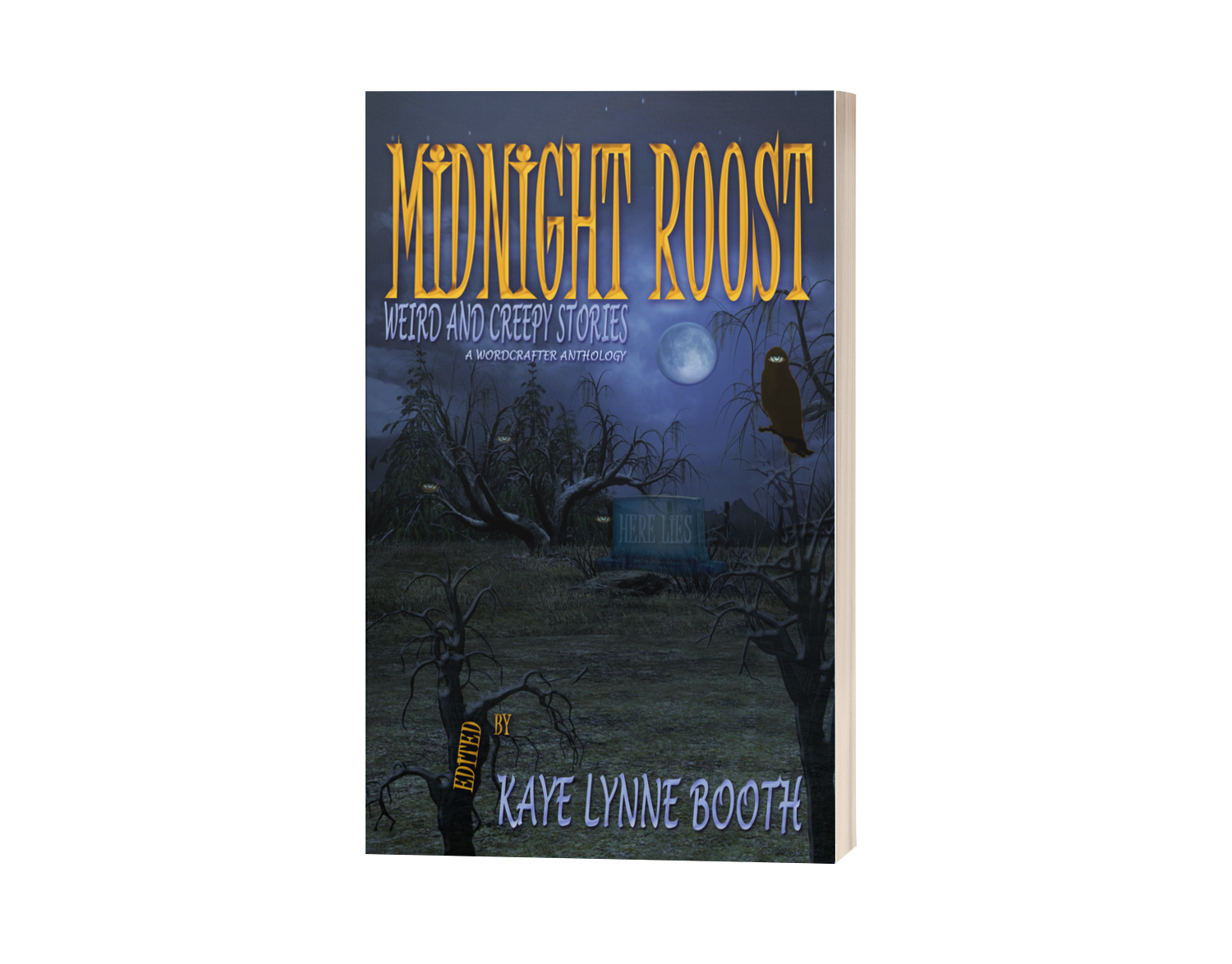
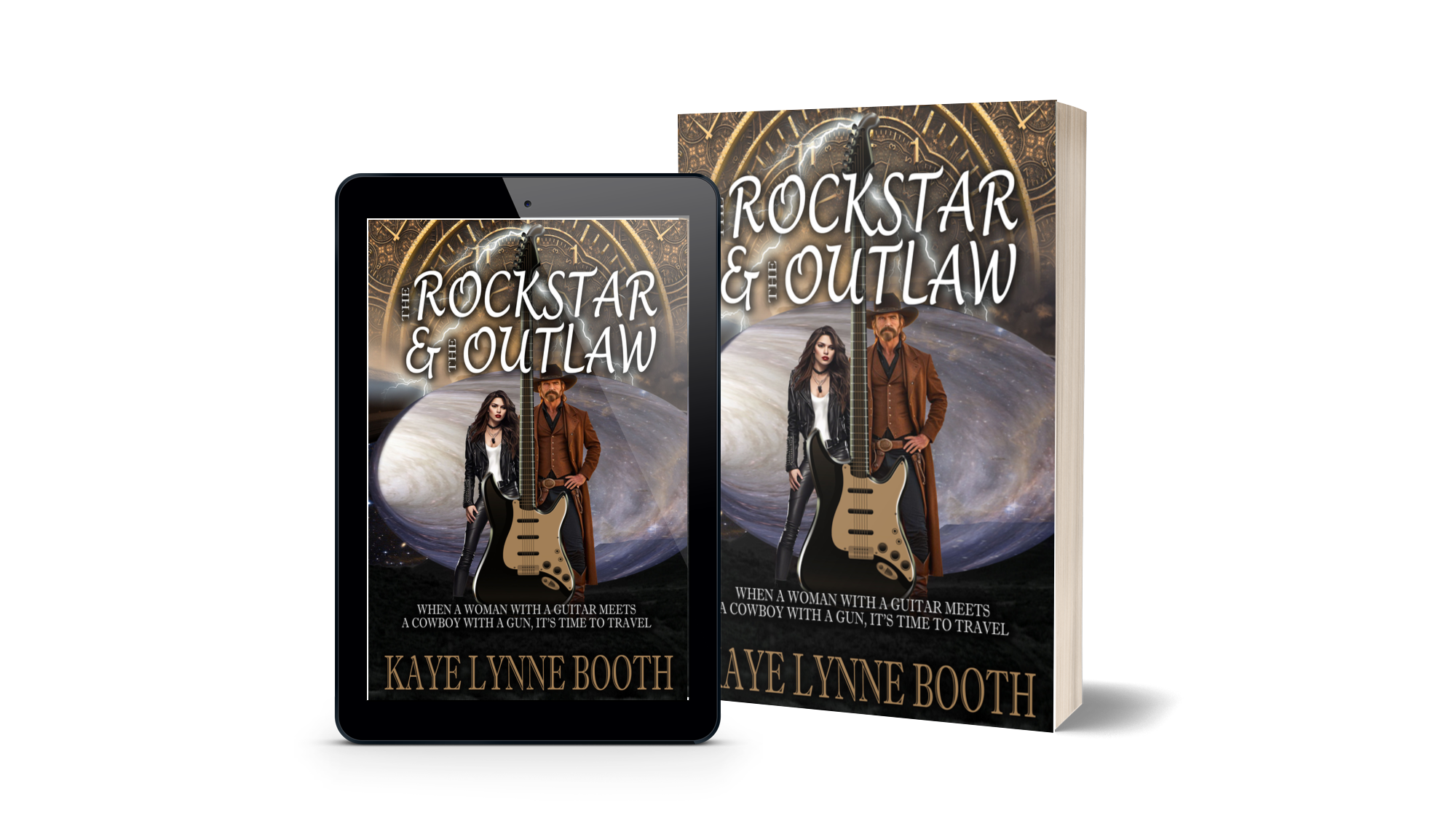
For Kaye Lynne Booth, writing is a passion. Kaye Lynne is an author with published short fiction and poetry, both online and in print, including her short story collection, Last Call and Other Short Fiction; and her paranormal mystery novella, Hidden Secrets; Books 1 & 2 of her Women in the West adventure series, Delilah and Sarah, and Book 1 in her Time-Travel Adventure series, The Rock Star & The Outlaw, as well as her poetry collection, Small Wonders.
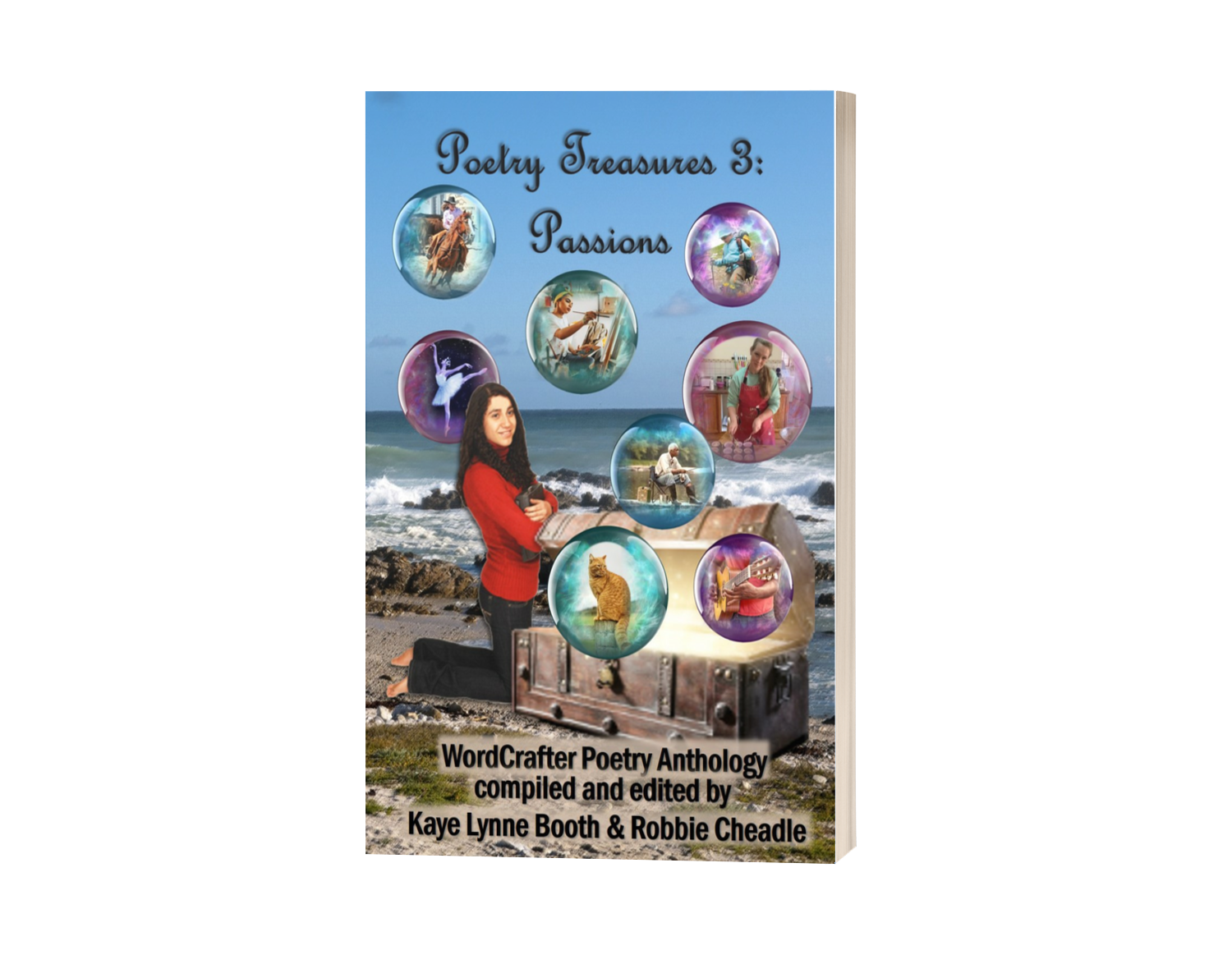
Kaye holds a dual M.F.A. degree in Creative Writing with emphasis in genre fiction and screenwriting, and an M.A. in publishing. Kaye Lynne is the founder of WordCrafter Quality Writing & Author Services and WordCrafter Press, where she edits and publishes two short fiction anthologies and one poetry anthology every year amidst her many writing projects. She also maintains an authors’ blog and website, Writing to be Read, where she publishes content of interest in the literary world.
___________________________________________
Did you know you can sponsor your favorite blog series or even a single post with an advertisement for your book? Stop by the WtbR Sponsor Page and let me advertise your book, or you can make a donation to Writing to be Read for as little as a cup of coffee, If you’d like to show your support for this author and WordCrafter Press.
_____________________________________________
This segment of “Writer’s Corner” is sponsored by Shadowblade, by Chris Barili, and WordCrafter Press.
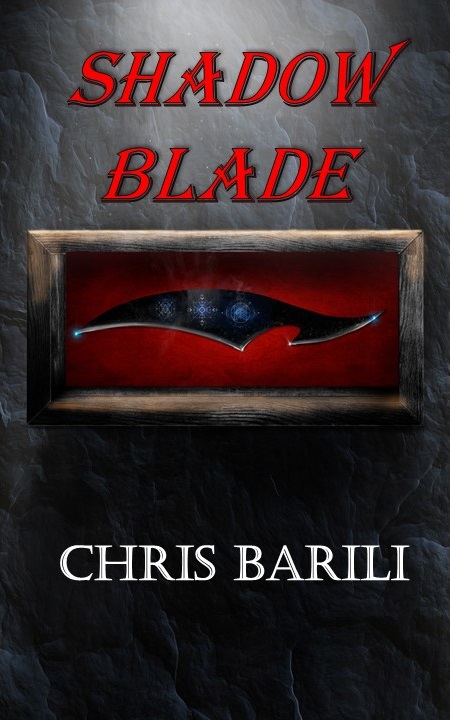
The Denari Lai: An order of religious zealots who control their assassins through an addiction to magic.They haven’t failed in over one hundred years. Ashai Larish: An unstoppable Denari Lai assassin sent covertly to kill the Pushtani king and his daughter. But he falls in love with the princess and finds himself, despite struggling withdrawal symptoms from his magic, as they flee from a second assassin and the King’s guard. Makari: A beautiful and unconventional princess seeking to change the laws of her father’s kingdom when she learns Ashai’s true identity. Pachat: A Pushtani slave who unknowingly sparks a slave rebellion all along the border between their nations. Will Pachat gain the revenge he so lustily seeks? Can Ashai kill the second assassin, win back Makari’s love and return her to the throne that is rightfully hers?
Purchase Link: https://books2read.com/ShadowBladeDenariLai
Discover more from Writing to be Read
Subscribe to get the latest posts sent to your email.










Hi Kaye, an interesting read.
LikeLike