Writer’s Corner: Independent Author (Key Word – Independent)
Posted: August 4, 2025 Filed under: Book Covers, Indie Publishing, Publishing, Self-Publishing, Writer's Corner, Writing | Tags: Author, Books, independent publishing, Publishing, Self-Publishing, Writer's Corner, Writing, Writing to be Read 6 Comments
Author’s Note: This was mistakenly published last Monday, along with the “WordCrafter News” post, so you may have already seen it. I’m re-publishing it on its scheduled day for those who may not have caught it on the earlier date. I’m not sure what happened, but please forgive the misposting.
I studied the craft of writing in the master’s program at Western State Colorado University from 2012-2016. At that time, the term ‘independent author’ left a bad taste in most author’s mouth. Times were rapidly changing in the publishing industry as independent publishing grew in popularity among authors who were tired of waiting to be discovered, which often took many years, and sometimes, not at all. But at that time, the term was associated with poorly written and cheaply manufactured books which were flooding the market by authors who not only wanted to bypass the gatekeepers of traditional publishing but also wanted to use independent publishing as a short cut, skipping over editing, as well, which in most cases, was badly needed.
As I said, things were rapidly changing in the publishing industry, and today, we’ve seen the ‘Big Five’ traditional publishers, dwindle down to the ‘Big Three’, as they struggle to try and keep up with those changes as independent authors take advantage of new technology which make it possible to publish themselves both cheaper and easier. With digital eBooks and aggregates like Draft2Digital, which use P.O.D. (Publish On Demand) for print books, there are no up-front costs to publish your work, and once everything is ready to publish, the whole process can be done in just a few hours. The rise of independent authors has forced traditional publishers to change and adapt, or become extinct.
The key word in ‘Independent Author’ is Independent. Independent authors don’t need to wait for someone to take interest in their work, but we must remember that this also makes us a business and we’re the boss, and we are solely responsible for the quality of the product we put out. Independent publishing should not be used as a short cut to avoid having your book edited, because in most cases, it’s pretty obvious.
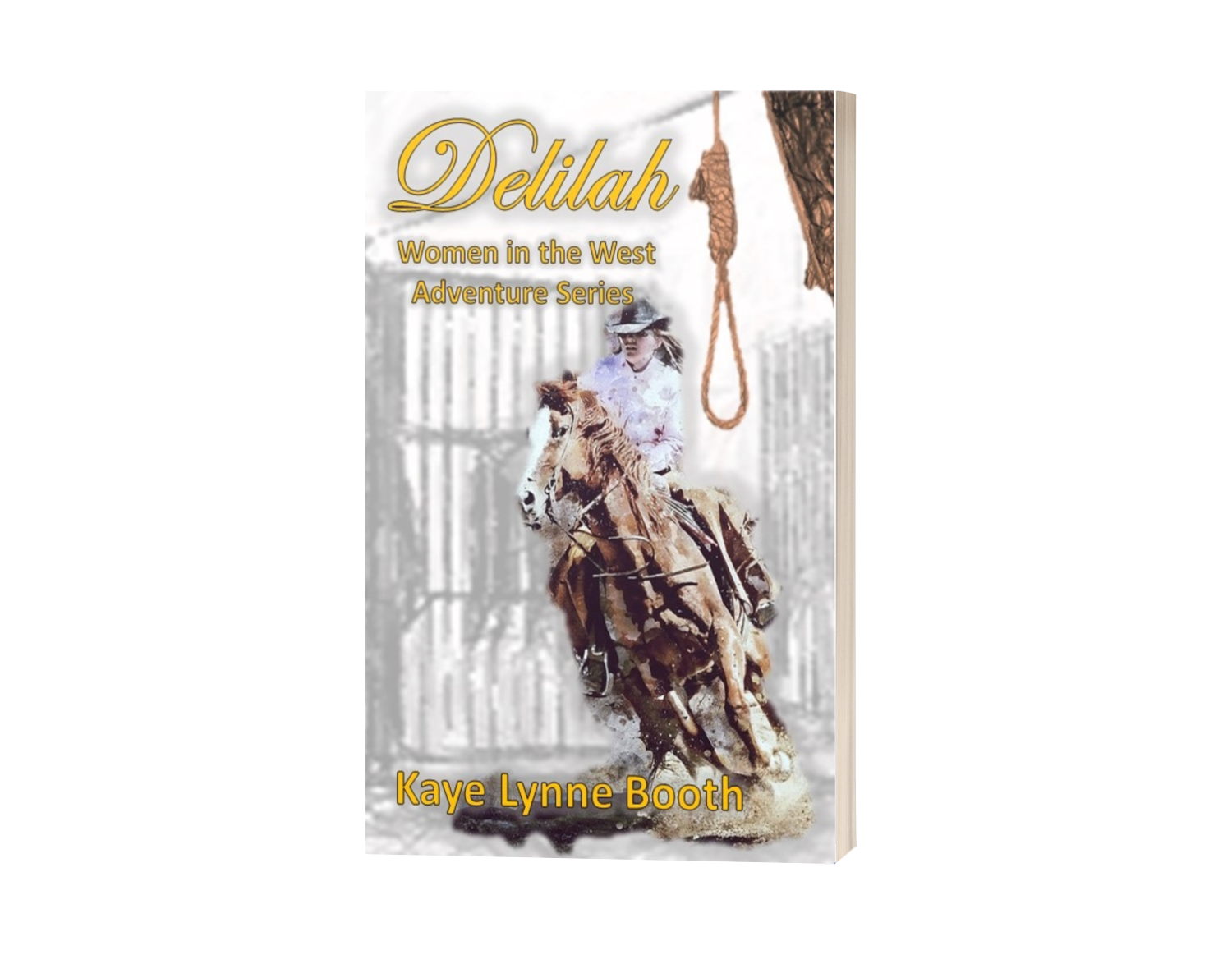
That being said, many authors today chose independent publishing because of the control it gives them. Like I said, we are our own bosses. That means we can control the quality of our work, and everything else: title, cover, price, production, and promotion. Certainly, this was one of the main reasons that I chose to become an independent author after gaining a five-year contract for my first novel and finding that having a publisher wasn’t giving me any advantage in selling Delilah. The cover they had given me was not representative of the character or the story, and as far as I could tell, they provided little or no promotion. I began WordCrafter Press and started publishing collaborative projects long before that contract ran out, and when it did, I revised Delilah to be the first in my Women in the West series. I had to learn new skills to provide my own covers, and find people willing to edit my work in an exchange of services due to my limited budget, but when the book was re-released, I sold more copies a month than my publisher had in five years.
With my recent computer issues, I was glad that I had control of my work and the decision-making process. Because I had limited computer time and was writing in longhand and doing most of my publishing and promotional tasks on my phone, I wasn’t able to keep up with my promotion schedule and had to push back the publishing dates on my own work in order to keep my collaborative projects on schedule and as the boss and decision maker, I was able to do that. It was a tough decision. I have the second book in my Time Travel series near ready to publish, and although I’ve outlined the third book in the Women in the West Adventure series, I’ve not yet begun to write it. Both of these books may need to be pushed back so far as to be added to next year’s production schedule, but I’m thankful for the freedom to do so. Had I been working with traditional publishers, my deadlines would have been set in stone, and I would not have been able to make them.
Just as the child who can’t wait to grow up soon learns that growing up means taking responsibility for one’s self, so the independent author is also responsible for creating and presenting their own work to the world. Hopefully, we all want that to be the best work that it can possibly be, and we will take the proper steps to ensure that it is, making the best decisions possible for our work. With freedom, comes responsibility, so use both wisely in your author journey.
Until next month,
Happy Writing!
About Kaye Lynne Booth

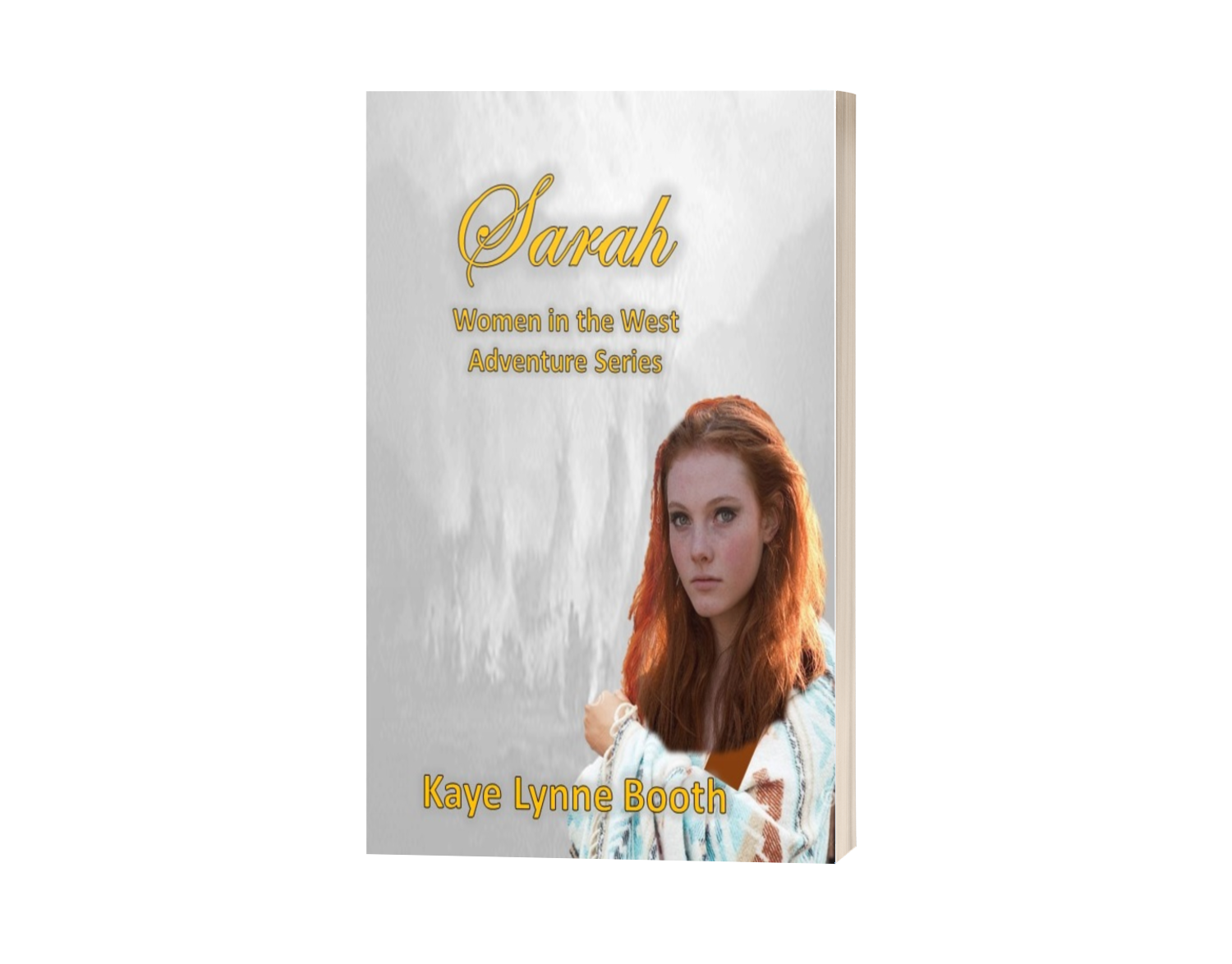
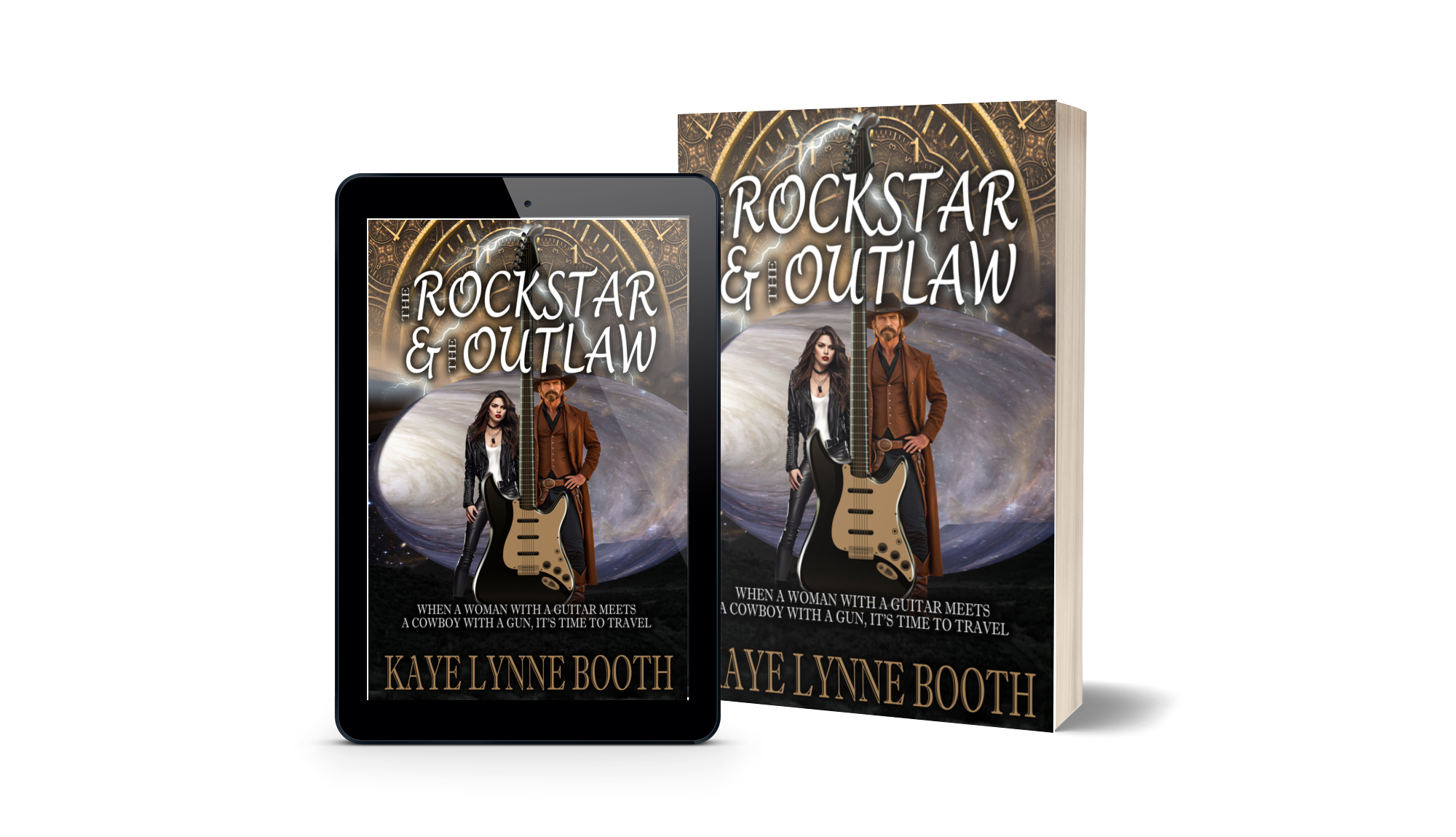
For Kaye Lynne Booth, writing is a passion. Kaye Lynne is an author with published short fiction and poetry, both online and in print, including her short story collection, Last Call and Other Short Fiction; and her paranormal mystery novella, Hidden Secrets; Books 1 & 2 of her Women in the West adventure series, Delilah and Sarah, and her Time-Travel Adventure novel, The Rock Star & The Outlaw,as well as her poetry collection, Small Wonders and The D.I.Y. Author writing resource.
Kaye holds a dual M.F.A. degree in Creative Writing with emphasis in genre fiction and screenwriting, and an M.A. in publishing. Kaye Lynne is the founder of WordCrafter Quality Writing & Author Services and WordCrafter Press. She also maintains an authors’ blog and website, Writing to be Read, where she publishes content of interest in the literary world.
_______________________________________
Did you know you can sponsor your favorite blog series or even a single post with an advertisement for your book? Stop by the WtbR Sponsor Page and let me advertise your book, or you can make a donation to Writing to be Read for as little as a cup of coffee, If you’d like to show your support for this author and WordCrafter Press.
_____________________________________
This segment of “Writer’s Corner” is sponsored by the Robbie’s Inspiration blog site, where you can find ideas on writing and baking with hostess, Robbie Cheadle.
Share this:

Time is Running Out to Get the 2024 Novel Writing Story Bundle
Posted: November 24, 2024 Filed under: Book Promotion, Books, Nonfiction, Story Bundle, Writing, Writing Resource | Tags: 2024 Novel Writing Story Bundle, Author, Book Review, Books, Story Bundle, The D.I. Y. Author, WordCrafter Press, Writing, Writing Resorce Leave a comment
If you’re an author who wants to improve your craft, publishing expertise and marketing know how, (and who doesn’t?), this Story Bundle is a must have for you. IT’s only available through the end of November, so don’t wait! Get your 2024 Novel Writing Story Bundle today.
You can get your 2024 Novel Writing Story Bundle here: https://storybundle.com/writing
Why Buy the 2024 Novel Writing Story Bundle?
For StoryBundle, you decide what price you want to pay. For $5 (or more, if you’re feeling generous), you’ll get the basic bundle of four books in .epub format—WORLDWIDE.
- Romance Character Tropes by Tara Grace Ericson and Jessica Barber
- Dollar by Dollar by Kerrie Flanagan (Story Bundle Exclusive)
- Essoe’s Guides to Writing: Mood and Atmosphere by Joshua Essoe
- Booking the Library by Jessica Brawner
If you pay at least the bonus price of just $20, you get all four of the regular books, plus 9 more books, for a total of 13 (with 5 StoryBundle Exclusives), plus a year’s subscription to Indie Author Magazine!
- Super Secrets: Illustrated by Wulf Moon
- Falling to Fly by Todd Fahnestock
- From Page to Platform: How to Succeed as an Author Speaker by Matty Dalrymple and Michael La Ronn
- A Writer’s Guide to Branding for Success by Mark Leslie Lefebvre (StoryBundle Exclusive)
- On Being a Dictator by Kevin J. Anderson (StoryBundle Exclusive)
- Word by Word by Kerrie Flanagan (Story Bundle Exclusive)
- The D.I.Y. Author by Kaye Lynne Booth
- Steps to Self-Editing by Jana S. Brown
- Wit and Wisdom by Craig Martelle (StoryBundle Exclusive)
- Indie Author Magazine: One Year Subscription by Indie Author Magazine
This bundle is available only for a limited time via http://www.storybundle.com. It allows easy reading on computers, smartphones, and tablets as well as Kindle and other ereaders via file transfer, email, and other methods. You get a DRM-free .epub for all books!
More About this great Story Bundle
You can find out more about the books in this Story Bundle at the links below.
Writer’s Corner: Using Story Bundle to Sell Books: https://writingtoberead.com/2024/10/21/writers-corner-using-story-bundle-to-sell-books/
Review in Practice: Dollar by Dollar & Word by Word: https://writingtoberead.com/2024/11/06/review-in-practice-word-by-word-and-dollar-by-dollar/
Review in Practice: Wit & Wisdom, Romance Character Tropes, & Steps to Self-Editing: https://writingtoberead.com/2024/11/18/review-in-practice-wit-wisdom-romance-character-tropes-steps-to-self-editing/
_______________________________________
This post is sponsored by The D.I.Y. Author and WordCrafter Press.
Being an author today is more than just writing the book. Authors in this digital age have more opportunities than ever before. Whether you pursue independent or traditional publishing models, or a combination of the two, being an author involves not only writing, but often, the publishing and marketing of the book.
In this writer’s reference guide, multi-genre author and independent publisher, Kaye Lynne Booth shares her knowledge and experiences and the tools, books, references and sites to help you learn the business of being an author.
Topics Include:
Becoming Prolific
Writing Tools
Outlining
Making Quality a Priority
Publishing Models & Trends
Marketing Your Book
Book Covers & Blurbs
Book Events—In Person & Virtual
And more…
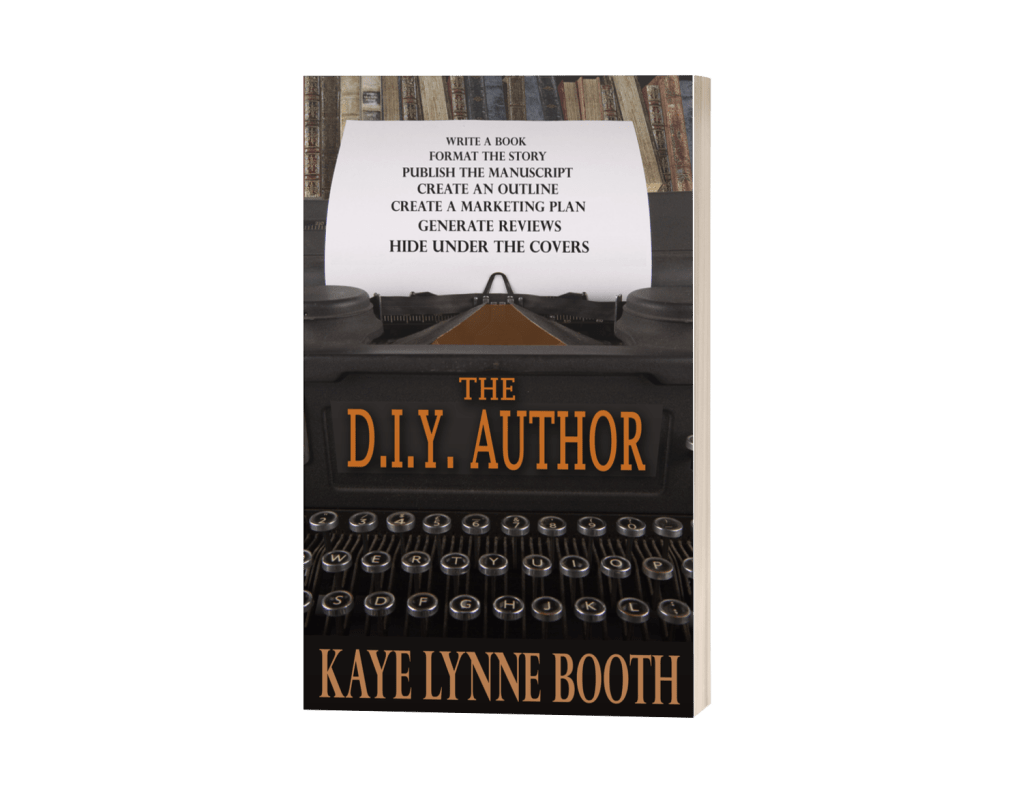
Purchase your copy today: https://books2read.com/The-DIY-Author
Share this:

Writer’s Corner: Being Prolific
Posted: July 9, 2024 Filed under: Books, WordCrafter Press, Writer's Corner, Writing, Writing Life, Writing Resource | Tags: Author, Becoming Prolific, Books, Kaye Lynne Booth, Publishing, The D.I.Y. Author, WordCrafter Press, Writing 2 CommentsWhen I hear the word prolific, I think of Kevin J.Anderson, who puts out between 7-9 books per year. He’s one of the most prolific writers that I know of, although veteran bestselling authors, Dean Wesley Smith and Kathryn Christine Rusch, may rival, or even surpass him. But we cannot all be that prolific. But we can learn from authors like these, who have spent their lifetimes writing professionally, and making a decent living at it.
For many years, I did not know how to be prolific. Delilah took me three years to write, and then I worked almost another year revising it to re-release as the first book in the Women in the West Adventure Series. I even wrote a post in about accepting the fact that “We Can’t All be Prolific” because of how not-prolific I was back in 2022. It was something which I didn’t know could be changed or how to go about changing it.
Since then, I’ve learned a few things that have helped me to become more prolific, and I’m now publishing between 5 – 8 books per year. That’s why the first section of The D.I.Y. Author is dedicated to the methods I’ve used to increase my productivity and become a more prolific author; because I wanted to share some of the methods I’ve used to increase my writing productivity. By becoming prolific, I’ve been able to get my name out there where it can be recognized and having more products, in this case, books, to sell. When you publish 5 books per year, that’s 5 different chances to reach new readers, but its also five chances to remind current readers that you’re still around and active.
The following, are tips that I’ve accumulated, from The D.I.Y. Author.
Becoming Prolific
- Outlining: Creating at least a working outline to help guide the direction of your story. If you have an idea of where you are going before you start, you can get words on the page faster.
- Doubling Down on Research and Promotional Materials: Research is something that needs to be done for every book, regardless of genre. If you can find other uses for this same research, you can essentially make it do double duty. For example, during the historic research I did for the Women in the West Adventure Series, I uncovered many interesting facts that may or may not have been used in the story, and could also be used to make interesting blog posts for the tours for their releases, thus becoming a marketing tool, as well as a good story inspiration. Or you can use the same inspiration for a second story in some cases.
- Write the Damned Book: Just sit down and write. It’s a simple piece of advice, but one many authors, or would-be authors, fail to recognize. In The D.I.Y. Author, I offer a couple of methods of achieving the desired results, including Binge Writing, which isn’t always for everyone, and Persistant Determination, which is plugging away at it every chance you get.
- NaNoWriMo: The principle is to set aside the month of November to work exclusively on your novel at every opportunity and setting a daily wordcount which will allow you to reach a goal of 50,000 words within that timeframe. But you don’t need to wait until Novemeber to do this. Just set aside a 30 day period and dedicate to writing your story. I use NANoWriMo to get a start on one of the two novel length works I write and publish each year. In the book, I offer a couple of strategies for making the most of your time, including Time Blocking, and Tracking Your Word Count.
- Dictation: This is a strategy for becoming prolific that isn’t right for everyone, but works well for those who are comfortable with it.
- Networking and Collaborations: It takes longer to write a novel length work than it does to write a short story or two to include in an anthology, and it’s a great way to add more titles to your author pages. Through WordCrafter Press, I publish at least two anthologies per year, and sometimes more.
- Maximizing Your IP: Intellectual Property are the rights to your creative endeavors, or copyright, and an author needs to understand their copyrights, and take care not to sign away more than absolutely necessary when entering into a contract with a publisher. It is also important to understand when your rights will be returned, because when you hold the copyright, you can use that work in any way which you deem fit, allowing your writings to do double, or even triple duty.
- Optimizing Your Backlist: Many authors don’t put a lot into their backlist, but there are things you can do to keep your backlist items in front of readers’ eyes and on their minds, such as creating multiple formats, special editions, and price promotions.
- Taking Care of Mind, Body & Spirit: Keeping yourself healthy is also condusive to being prolific, as we all write better when our minds are sharp and alert, out bodies are well rested and healthy, and we have a place of our own, dedicated to writing.
- Outsourcing: When there is too much for one person to do it all, and believe me there will be, outsourcing certain tasks can be of great advantage, even to the D.I.Y. author.
Why Become Prolific?
To put it simply, the more prolific you are, the more books you have to sell. The bigger your library of books, the more opportunities for readers to discover you and your writing.
I’ve offered a basic list of the methods I’ve used to become more prolific. Some have worked better than others for me and I talk about them in more depth in The D.I.Y. Author. To learn more, you can get your copy from your favorite retailer here: https://books2read.com/The-DIY-Author.
____________________________________
About Kaye Lynne Booth

For Kaye Lynne Booth, writing is a passion. Kaye Lynne is an author with published short fiction and poetry, both online and in print, including her short story collection, Last Call and Other Short Fiction; and her paranormal mystery novella, Hidden Secrets; Books 1 & 2 of her Women in the West adventure series, Delilah and Sarah, and her Time-Travel Adventure novel, The Rock Star & The Outlaw. Kaye holds a dual M.F.A. degree in Creative Writing with emphasis in genre fiction and screenwriting, and an M.A. in publishing. Kaye Lynne is the founder of WordCrafter Quality Writing & Author Services and WordCrafter Press. She also maintains an authors’ blog and website, Writing to be Read, where she publishes content of interest in the literary world.
____________________
This post is sponsored by The D.I.Y. Author and WordCrafter Press.
Being an author today is more than just writing the book. Authors in this digital age have more opportunities than ever before. Whether you pursue independent or traditional publishing models, or a combination of the two, being an author involves not only writing, but often, the publishing and marketing of the book.
In this writer’s reference guide, multi-genre author and independent publisher, Kaye Lynne Booth shares her knowledge and experiences and the tools, books, references and sites to help you learn the business of being an author.

Topics Include:
And more…
Becoming Prolific
Writing Tools
Outlining
Making Quality a Priority
Publishing Models & Trends
Marketing Your Book
Book Covers & Blurbs
Book Events—In Person & Virtual
Purchase your copy today: https://books2read.com/The-DIY-Author
Share this:

Interview with author DeAnna Knippling
Posted: April 17, 2017 Filed under: Author Profile, Books, Fantasy, Fiction, Horror, Publishing, Science Fiction, Self-Publishing, Speculative Fiction, Writing | Tags: Author, DeAnna Knippling, Interview, Profile, Publishing, Self-Publishing, Writing 1 Comment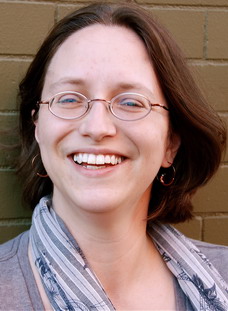
This week, I’m interviewing Colorado freelance writer, editor, author and book designer, DeAnna Knippling. I first met DeAnna through the Pike’s Peak Writers when I was still serving as the Southern Colorado Literature Examiner. What struck me about her was her enthusiasm and willingness to help where ever she can. She treats her writing as a business and goes at it with a high degree of professionalism, yet she is personable and willing to share what she’s learned from her own writing experiences.
DeAnna Knippling writes science fiction, fantasy, horror, crime, and mystery for adults under her own name; adventurous and weird fiction for middle-grade (8-12 year old) kids under the pseudonym De Kenyon; and various thriller and suspense fiction for her ghostwriting clients under various and non-disclosable names. Her latest book, Alice’s Adventures in Underland: The Queen of Stilled Hearts, combines two of her favorite topics–zombies and Lewis Carroll. It’s the story of a tame zombie who told a little girl named Alice a story that got them both in more trouble than they could handle. Her short fiction has appeared in Black Static, Penumbra, Crossed Genres, Three-Lobed Burning Eye, and more.
Kaye: You created Wonderland Press to get your books out there. What all is involved in creating a press for your work and what are the advantages of doing so? I mean, why would an author do this rather than just throwing their book out on Amazon or Smashwords?
DeAnna: This isn’t one of the fun answers. It’s stupid easy to make a “press.” It involves no special equipment. You look online, make sure nobody else has one of that name in your state, register a business name with your state or county (look up, “How to register a business name in [name of state]”), and Bob’s your uncle. You might want to get more complex with an LLC or something–but I recommend leaving that for later, unless you already have experience doing that. I am, of course not a lawyer and can’t give legal advice. When you want to start looking at an LLC or corporation, I believe, is when you start having to worry about taxes and tax brackets.
DeAnna: Just keep working. Everybody’s in a hurry to succeed. Success! Millions! Riches! Fame! But, in the end, it comes back to the basics. Did you read? Did you write? Did you learn something? Did you talk to other people in the writing community?
Like this post? Subscribe to Writing to be Read for e-mail notifications whenever new content is posted.