Interview with Independent Author Chele Pedersen Smith
Posted: June 4, 2018 Filed under: Action/Adventure, Author Profile, Books, Fiction, Inspirational, Interview, romance, Writing | Tags: Author Interview, Behind Frenemy Lines, Chele Pedersen Smith, Inspirational, Spy Romance, The Pearly Gates Phone Company 1 Comment
Our guest today on Writing to be Read is a newly blossoming independent author of two very different books; the first a spy romance and the second a collection of inspirational stories, Chele Pedersen Smith. I recently met Chele through a Facebook book event in which I was lucky enough to win a free copy of her spy romance, Behind Frenemy Lines. After chatting with her, I see many ways in which she and I are kindred spirits, including that she also put off pursuing her passion until our later years, and also in her enthusiasm for the craft and the many creative ideas she has for getting her works into readers’ hands. I’ve enjoyed interviewing her and I hope my readers will enjoy it to as I share it with you.
Kaye: In On Writing, Stephen King talks about how he started his writing career with his brother, printing news on an old printing press, using grape jelly for ink. You have a similar start. Would you share the story of your author’s journey?
Chele: Sure! I’ve been writing since the bicentennial, which sounds really ancient and colonial. Ha-ha. In sixth grade when my best friend Debby and I won the school’s first annual hobby contest with our collaborated mystery booklets. We were totally shocked because a classmate entered her motorcycle and we thought for sure Annette would win. It just goes to show that sometimes the best things are simple and come in small packages!
In junior high, I wrote a teen mystery series my friends loved to read, sometimes before the ink dried on a chapter. I’d fold bunch of unlined white paper and staple it. The plots revolved around protagonist Sherri Whitman and her friend Anna Daine. Anna was more like me, the ordinary girl with ironic luck and Sherri was my alter ego— pretty, more daring and often accomplished what she set out to do. There are 17 books in this series, mostly short booklets until high school when I switched to writing on notebook paper fastened in folders. A bridging symbol between the booklets and the note books is book nine written in a blank journal. Now, that felt like a real book and I think it was the beginning of a serious dream.
With more room to write in the folders and a little maturity, the stories morphed into multiple, more complicated plots. In high school, I took all the writing electives and was on the school paper senior year as well as my first semester of college where I started to major in communications.
One day watching Romancing the Stone, Kathleen Turner’s character was a writer and I noticed she typed her books on a typewriter off the top of her head. I thought, “That is what real writers do!” so I started writing that way too. It was hard to think that way at first, and typewriters did not have the ease computers have today when it came to errors. Now it is second nature to write this way. I still use journals to jot down ideas and I have a separate document on each book called, “Notes for Behind Frenemy Lines,” etc. That way I can cut and paste dialogue if I want to save it for another place, or remind myself what I want to include in the story.
At 21, I tried my first stab at getting published. It was a Sherri manuscript about an amazing mystery that happened to me during my first semester of college. I sent it to a publishing house for young adults and got my first rejection! I was bummed but proceeded to send it to several young adult publishers who said it was too short. So I added other mysteries and back stories from previous Sherri books, but it still got rejected. Only Scholastic gave me detailed criticism and sent me two paperbacks to use as examples. By then I was a newlywed and put it aside to figure out later. I was focused on writing short stories and sending them to Redbook because they use to have contests. I never won but I still have those and other short stories from the 80s, as well as most of the Sherri series.

After years of hiatus, I got back into fiction writing the summer of 2013. An idea for a story kept circling my head like a vulture. It would not go away. Characters formed, names were tried on for size. The perfect first hook crafted itself. Finally one morning, I made coffee, opened a Word doc and then typed out that sentence. And just like that I was writing again! The story is called Confessions of a Goody-Goody and is a bit of a struggle at times because it is based on real life juicy events. I thought Goody-Goody would be my first book, but I got stuck halfway through. It got too personal and I didn’t know how to proceed.
In the meantime, I enrolled in college so I set aside. I took creative writing courses and the writing prompts helped me take Goody-Goody to a higher level. Plus I am adding in a lot of fiction, so I do plan to finish it! In fact, a chapter excerpt appears in our latest literary magazine to set my goal in ink!
Kaye: You gave up a promising career in the health care field to become an author. How do you justify that? Any regrets?
Chele: I had quitter’s remorse at first. I rarely give up on something, but after bailing after just one week in the dental hygiene program, I cried hysterically. What had I done? I felt lost. Did I just make the biggest mistake of my life wasting all that hard work, all those sciences, maintaining A’s to get in?( It wasn’t really a waste because exercised brain power and I made a great group of friends my age and we rocked!)
After waffling on other majors, I ended up in communication because it was the closest thing to a writing degree available. (It’s funny, coming full circle from my youth.) The electives included two creative writing classes, which I loved, and two journalism levels. I lucked out because the spring J2 involved a trip to NYC media writing conference and that was a blast. The good news is, just this the fall, the school branched communications into concentrations and voila–professional writing materialized! It was like the movie Field of Dreams: take writing classes and the degree will come! So now, I’m there with just four classes left.
At this point, I’m mainly getting the degree to complement my novel writing. I’ve recently received fantastic validation through the English department via several professors and have just won two awards for my writing! So I definitely feel I made the right choice. But as for making moolah, if a job in the field isn’t feasible, I will probably fall back on my pharmacy technician training and write novels in my free time. I’ve kept up with my pharmacy certification just in case.
Kaye: What is the biggest challenge of being a writer for you?
Chele: The writing is the fun part, compared to formatting paperbacks and self-promoting. But I’d have to say it is a toss-up between finding time to write and my husband giving me a hard time about it. Since he went to the awards night with me, he seems more impressed and realizes it is more than just a hobby.
I mostly write during semester breaks which isn’t very long, unless it is summer. (Although most summers I’ve taken classes, too.) I have all these book ideas and half-finished projects. I’m afraid I’ll lose steam or the muse will leave me before I get them done. And I’m a revision queen so even after I do finish a book, it takes time to patch plot holes, paint in more details, and weed out never-ending typos.
Kaye: What’s something most readers would never guess about you?
Chele: I’m corny and get excited over little things. I never lost my childhood wonder. I love word play so much, maybe I should’ve gone into advertising. The corniness may not come as a surprise to anyonewho reads Behind Frenemy Lines. Lee has some punny lines.
Maybe a more of a shock is that in the 80s, I wanted to be a radio DJ. 1984 was so “outrageous” as Lionel Richie exclaimed at the music awards that year and I remember thinking music would never be as good it was then! We had Michael Jackson at his peak, Kool and the Gang and Madonna, and the British bands! (Little did I know a guy named Adam Levine would arrive on the scene and swoon me in the 21st century.)
In my late teens, I’d play DJ in my room with my little brother, practice queuing up and spinning records and timing announcements with my stereo. Well, it paid off, because the first year at the college, they had an opening for DJ at the school radio station and I had a stint for about a month. It was fun to live out a brief dream, even though I’m not sure anyone actually listened.
Kaye: You have plans for a sequel to Behind Frenemy Lines, and several other writing projects for 2018. Would you like to tell us a little about what’s in store?
Chele: I’m working on a romantic comedy novella. I don’t want to give the premise away or the title just yet because it is a unique way to meet a date. When I needed character names, I turned to classic Hollywood starlets so that was fun. I hope to finish it this summer. I already have the cover made to inspire me! By the way, my covers are made by graphic designer Steven Novak. He has the knack of turning my visions into fabulous covers! I also have two other romance novellas started. Maybe I’ll offer them as a tri-pack.
As for the BFL sequel, Galaxy’s heritage has Russian connections and it falls nicely into current events. But I have some comedic moments and surprises up my sleeve too. And of course it will follow the trysts and trusts issue like the first book.
I write off the cuff, so I don’t know what will happen exactly in each work. In that novella, will Viv’s stalking of her crush win him over? Or will it make him mad? I have no idea yet. Maybe the characters will take over and surprise me. I also plan to revamp and publish the Sherri Whitman series, maybe as a whole unless I lengthen each mystery, and the one that got rejections—Will the Real Green Phantom Please Stand Up— is on my list too! Currently I am compiling the 80s short-stories into a speculative fiction book. So the muse needs to stick around.
Kaye: How did your blog start and what’s it about?
Chele: I have a blog on Goodreads. I’m still experimenting with to get it just right. I try to keep it about topics related to my books and writing, mainly romance, but have also ventured off into pop culture ponderings. It may just become the life of a writer.
Kaye: What time of day do you prefer to do your writing? Why?
Chele: I like the solitude of morning home alone with a cup of coffee and my favorite songs blasting. No one interrupting me except Penny, the golden. I love the night too; it is mysterious and brings out the muse, but it is not usually practical to write then. Except for an odd summer night last year I was not sleepy at all, so I got up to write in the living room. I sat in the dark by the glow of the laptop with a happy golden retriever curled by my side until 4 am! That was when I wrote the last scene of Behind Frenemy Lines—the prologue!
Kaye: If writing suddenly made you rich and famous, what would you do?
Chele: I’d jump for joy and thank God. He gave me this talent and being able to make a living on it would be a pinch- me moment! Then I’d hire a housekeeper because I hate cleaning and clutter. It would be amazing to go a book tour and be a guest on Ellen. Being in the spotlight would feel awkward though. Being a writer, it would be nice to have my name known. But I don’t want to be famous exactly; I’d love for my characters to be. When I got my first review from a Goodreads giveaway and the reader fell in love with Lee, I was ecstatic! It was what I hoped would happen. When reviewers mention Galaxy, I’m thrilled. I made these guys up and now people are getting to know them.
Kaye: In a story we are often asked to create images for the reader that we may not have experienced ourselves. When have you had to do that?
Chele: I write what I know, but I also Google a lot! There is a scene in Behind Frenemy Lines where Lee and Galaxy go to the White House to interview Anita, the communications director, about the threats made. I’ve seen the outside of the White House from a park gate, but have never been inside. So, I scoured virtual tours online and described it from there. After the meeting, the spies go rogue exploring the place, so I had to look up different rooms and recreate the experience the best I could.
I’ve also researched Russian Heirloom furniture, so I could describe some antique pieces in Galaxy’s apartment. Soon after, I received a brochure in the mail about Russian art and heirlooms. I couldn’t believe it!
Kaye: You’re a mom as well as being an author. What are your secrets for juggling writing with family?
Chele: My kids are grown now—my son is 27 and daughter is 19 — but they were still young when I was writing the spiritual stories. I only wrote sporadically then, mostly holiday newsletters, and I would craft those when they were in bed. When I got back into writing four years ago, my daughter was about to graduate from 8th grade. So it was easier then. I write while she sleeps in. As for writing around a husband, I like my free time during the week when he’s at work.
Kaye: What is the one thing you hope to have taught your children?
Chele: I hope they see I’m accomplishing my life’s dream, and dreams don’t happen by themselves. You have to put the effort in and seek out the opportunities and avenues to get you there. My daughter is an amazing artist and she is going to school for an art degree. I don’t tell her she has to be a doctor or lawyer. Art is good therapy for her. My son is great at math and has a business degree with a math minor. He’s still trying to find his degree job, but in the meantime is advancing in a job he’s had for 10 years. He likes to do creative writing as a tension reliever after work and my daughter just got public praise from her English professor for a creative angle in her final essay. As a writer and mother, that makes me both proud and relieved. I love that they have writing skills but mostly they are doing what they love.
Kaye: What is the strangest inspiration for a story you’ve ever had?
Chele: At a Disney resort three years ago, the maintenance crew knocked on the door and were swapping out tree plants. I hadn’t noticed ours and it looked fine when they carted it away, leaving a fresher one in its place. I thought, “how strange.” It seemed suspicious to me, but we were busy and I didn’t think much more about it until we got home. I knew I wanted to work it into a story someday. It happened to fit a scene in BFL, so in it went. What happens in the book is much more exciting than in real life. Also that summer, we received an automated call from our electric company about a 3 am power outage planned to replace transformers. I thought, wouldn’t that be a perfect cover-up to commit a crime? So it found its way there, too.
Every day events make me suspicious now.
Kaye: Your two published works are very different genres. How do you get from inspirational nonfiction to a romantic thriller? What other genres might be in store for your readers?
Chele: Behind Frenemy Lines, is a tasteful spy romance, and was my first published book in January 2017. Almost a year after I started writing fiction again, my husband was going to Germany for business and I thought it would be fun to test my writing out on him I decided to write a spy scene, since that was what he liked to read— Jack Reacher, Jack Ryan, and all that. I hid it in his suitcase, so well in fact, after two days I had to inquire about it and give hints. He really liked it. I added back stories and a serious case to solve. The challenge was adding politics. I joke that I have political amnesia because I don’t understand it very well and I find it boring. I also wanted something unique since that is the genre he reads, he probably has heard every plot out there. So I came up with a unique premise, but it does veer off in other directions too.
Since he traveled often that year in 2014, I kept writing other suitcase chapters, just for kicks with no intention of publishing. About two-thirds done I knew I wanted it to be my first book. And the more I developed secret agent Lee Clancy, the more I fell in love with him. He’s a gallant gentleman, has confidence but is not arrogant, knows how to romance, but he isn’t perfect. He’s a real guy, flaws and all. He woos his spy partner, Galaxy O’Jordan, but isn’t sure if he wants to kiss her or wring her neck. The feeling is mutual.
Gal is complicated, beautiful, has body image issues and is klutzy like me, which adds light comedy. She is ruthless but vulnerable and has questionable connections with a shady past. I originally made her up in 11th grade journalism class in 1981 for the conclusion to a T.V script, but I added her multi-faceted personality in 2014. I’m not sure where her name came from. I wanted something exotic for her honey-trapping role, but maybe I was influenced by Star Wars or the space shuttle hoopla back then. I still love her name today!
When White House threats dredge up an old presidential cover up, the case careens a crazy corner into la-la land and it’s up to NSA’s Link agency to figure it out. Enter Galaxy O’Jordan, feminist crusader with a shady past. An agent harboring secrets, she’s sworn off love while mending a broken heart. It’s just her luck when she’s paired with chivalrous hunk Lee Clancy, surveillance specialist! It’s not long before they’re smitten, despite their best efforts to play it cool.
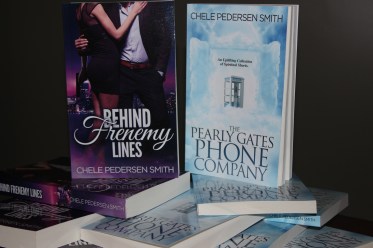
The Pearly Gates Phone Company was published in October 2017 and is an uplifting collection of mini-miracles that happened in my life as well as my family and friends. Remember those spiritual shorts I kept submitting to a Christian magazine? I realized I had quite a few stacking up. From there I wrote a bunch more. There are 33 anecdotal snippets to inspire hope, comfort and give a few chuckles. The title is from the main story in the book, about my dad calling a month after he died. This was 2002 but if it happened today, I think we would have a better explanation about technology. Still, it was a goosebumps moment that was so remarkable, I had to write about it soon after it happened. The original was too long and complicated, but it’s had a few revisions since then, 2014 being the most recent. That is when just the right title popped into my head. I knew it would make the perfect title for the book too.
Have you ever been wowed by the wonders of God? Or enchanted by an extraordinary event? This is a book of coincidental moments, those instances that stop you in your tracks, and you know deep inside it could only be explained by heavenly evidence.
Kaye: You have two very unique titles for your books. How do you decide the titles for your books? Where does the title come in the writing process for you?
Chele: Thank you! I love whimsy titles. Sometimes the perfect one just comes to me, even before I start the story, like the novella and Confessions of a Goody-Goody. But for the two books out now, the names did not immediately click until halfway through. Behind Frenemy Lines had the working title Spy Story as I chiseled away on each traveling chapter. Especially since I threw it together a day or two before my husband’s trip. It was just a place holder, really. Then my daughter was having trouble with a friend and we were not sure if this girl was a friend or enemy so I referred to her as a frenemy. With that word in my head, I suddenly had a title—a play on the movie, “Behind Enemy Lines.” And it was perfect since we don’t know which side Galaxy is on.
As for The Pearly Gates Phone Company, during the original writing, I had the title, “A Call from Heaven” and then with a rewrite, other titles like, “Hello from Hippie Heaven” or “A Heavenly Hello” materialized, but did not feel right. I knew I wanted something more fun. Finally, during the last revision, it popped in!
Kaye: What’s your favorite social media site for promotion? Why?
Chele: Facebook seems to be the easiest and I like Instagram. Twitter seems mysterious to me. I’ve tweeted and try to use hashtags, but not sure how effective it is. The self-promoting concept is one of the most challenging parts of being an author.
Kaye: How would you describe yourself in three words?
Chele: Goofy, Creative, Lifetime learner
Kaye: What makes you laugh or cry?
Chele: I’d rather laugh than cry, so I enjoy comedies. There is no shame in crying, but for me personally, it is easier to laugh. Maybe because I “ugly-cry.” There isn’t anything lady-like about it. Everyday moments crack me up. I always say, “Life’s a sitcom.” And that usually refers to mishaps happening to me.
At orientation a few years ago, they played a little cartoon emphasizing students asking for help to do all they can to pass, rather than use excuses and blame the professor. The cartoon was drawn simply and used computerized, monotone voices, which sounded so funny. I was trying so hard not to burst into a fit and almost left the auditorium, but luckily I was able to keep it under wraps. Good thing, because no one else was laughing. I am easily amused and find if we don’t take life too seriously, we can have a good time.
Sometimes my laughter rolls into crying, especially if I am tired or needed a good cry and brushed it off. An episode of The Goldbergs had me laughing so hard, I was in tears. My daughter came home and I couldn’t even talk to explain what was going on. I could only point to the TV. In the ep, Barry was trying to make sculptures of his girlfriend, copying a cue from Lionel Richie in his video “Hello.” His attempts were hideous, and each one was funnier than the last. I just lost it.
As for crying, I am soft-hearted when it comes to children and animals, so I avoid movies with disturbing themes, but sometimes they sneak in a “feel good movie of the year.” I hate that!
I had big crying jags moving here and experiencing my first partially empty nest when my son stayed behind to move in with his dad to finish college. It felt so unnatural. Another big tears moment was a month later. Losing our old golden retriever, Buster was one of the saddest days I can remember, aside from losing my parents.
I’ve also cried out of sheer happiness, like when my daughter said she wrote about my mom as her favorite relative. I knew she would love to know that! Or when I was trying to track down a friend and finally got a letter from his mother. That was in the 80s, before internet and Facebook, so it felt like a true miracle.
Thank you for asking me all these wonderful questions.
Thank you Chele, for joining us and sharing today on Writing to be Read. It obvious that you really opened yourself up and spoke from the heart. It has been great to interview you. I hope all my readers will thank you as well, and remember to watch for my review in the near future of Behind Frenemy Lines. You can find ouot more about Chele and her books here:
Facebook Author Page: https://www.facebook.com/chele.pedersensmith.5?lst=1570686027%3A100021726966363%3A1528131001
Facebook group: Chele’s Galaxy
Twitter: https://twitter.com/cpsmithbooks
Amazon Author Page: amazon.com/author/chelepedersensmith
Goodreads Author Page: https://www.goodreads.com/author/show/16337551.Chele_Pedersen_Smith
Like this post? Subscribe to Writing to be Read for e-mail notifications whenever new content is posted or follow WtbR on WordPress.
Share this:

Interview with Author Mark Shaw
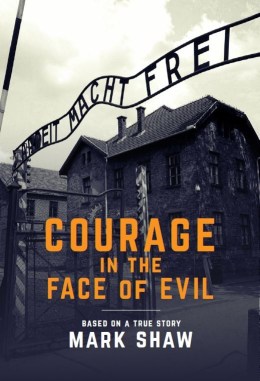
Posted: April 30, 2018 Filed under: Author Profile, Biography, Book Review, Books, Inspirational, Interview, Nonfiction, Writing | Tags: Author Interview, Biographies, Courage in the Face of Evil, Mark Shaw, Nonfiction, The Repoorter Who Knew Too Much Leave a comment

Like this post? Subscribe to Writing to be Read for e-mail notifications whenever new content is posted or follow WtbR on WordPress.
Share this:

Interview with author Margareth Stewart
Posted: January 29, 2018 Filed under: Author Profile, Books, Fiction, Inspirational, Interview, Literary, Writing | Tags: Book Review, Literary, Margareth Stewart, Open/Pierre's journey after the war Leave a comment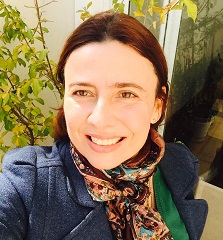
Today I have the good fortune to interview the debute author of a new release, Open/Pierre´s journey after war, which is now available at web-e-books.com. Margareth Stewart joins us today on Writing to be Read to share a little about herself and her book. This interview is my introduction to Margareth, as well, so I’m excited to get to know her, too.
Kaye: Welcome Margareth. We’d love it if you’d introduce yourself to my readers. Tell us a little about yourself.
Margareth: My real name is Mônica Mastrantonio and Margareth Stewart is my pen name, but I like it so much that you can call me Margareth.
I´m a PhD professor in Social Psychology, and had been following an academic career if I had not fell totally in love with the writing life.
Kaye: Why did you choose to use a pen name and how did you chose yours?
Margareth: I have a life of academicals papers, thesis and articles under my real name Monica Mastrantonio, so I thought the same name would just confuse the audience. I had no other choice, but to pick up an English pen name for my fiction work which is all in English. I brainstormed quite a few, used app devices to find a suitable one, but only got more confused (lol). The name Margareth came to me as it also starts with the letter M – and the surname seems to match it. That’s how Margareth Stewart was born.
Kaye: To craft your works, do you have to travel? Before or during the process?
Margareth: Yes, for sure. I´m a divorced mom of three kids, so my writing depends on having a break, getting to Writers Residencies somewhere far and isolated. I´ve written Open at Maelor Studio in Corris – Wales; Mademoiselle-sur-Seine at Camac – France and now comes the time to go to Greywood Arts in Cork, Ireland – so glad about it.
Kaye: What are your secrets for juggling writing with family?
Margareth: Hard. I have three kids. The oldest one is Valentina, she is 16, then comes Chloe who is 10, and Vittorio who is 7. So, I never ever rest – that never happens. I’m also divorced, so it’s – “paying the bills, cleaning the house, getting piles of work done, teaching and tutoring my students from university, working for a social project book donation, and so on” – every single day. I think the secret is living, not only being alive: working hard and having fun – both are essential.
Kaye: What is the one thing you hope to teach your children?
Margareth: To follow their dreams and be passionate about whatever they choose to do. I know this may sound a bit too romantic in a very competitive world, but that seems to be the only solution for so many problems we face nowadays. On top of that, I always say that being a happy Mom is the best legacy I can ever leave them. At least, I feel like half of the work has already been done if we are happy people.
Kaye: What’s one thing most readers would never guess about you?
Margareth: Oh, basically two, where I come from and my age. I was born in Brazil, in a Southern city called Londrina – that stands for Little London – colonized by the British in the 20’s. But I also have Italian citizenship because my grandparents immigrated from Italy, so I say I’m like pizza: half Brazilian-half Italian. Now I live in Sao Paolo, few months in Miami and at writer´s residencies, too.
Second, my age. I’m 49, and as I dress casual and informal, people tend to think I’m younger.
Kaye: When and why did you begin writing?
Margareth: I´ve always written, as Academics – mostly scientific papers and articles, though lately felt an urge to start writing fiction. It´s not something I´ve planned, much to the opposite, I even tried avoiding it.
Kaye: When did you first consider yourself to be a writer?
Margareth: When I published my first novel Open/Pierre´s journey after war – at the end of 2017, so I´ve just began (lol). I had also compiled, edited and published anthologies, short stories, articles before, but I did not regard myself so. Then, when Open was accepted and published by web-e-books.com, it felt like the real thing was coming to life.
Kaye: What time of day do you prefer to do your writing? Why?
Margareth: Midnight is the perfect hour for me, that’s when all the lights go down, kids are in bed, and silence reigns. My neighbors may think I’m very weird, staying up for long hours at night, but those are my precious working hours, when words flow – I won’t be giving up on them.
Kaye: What inspired you to write your first book?
Margareth: Can you believe it was a Facebook group? Awesome, I know. It was November – Nano writing month and this group ran a contest for the person who would reach 100.000 word count first. Obviously, I´ve missed both the month and the word count. But it somehow gave me courage to book a writer´s residency in January in Wales and accomplish my target there. That was how my novel came to life. Then, it took me two years to have it published. So, my advice is never ever give it up. Champagne takes two full years to have the bubbles in it, so good things do take time. 
Kaye: How did you come up with the title – Open/Pierre´s journey after war?
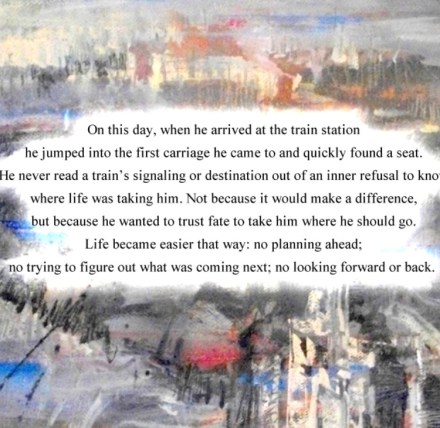
Margareth: The title is a reference to a scene from the book, the only romantic scene in it – when the main character falls in love. They were in a village stepping on the grapes to make wine, the weather changes and rain is about to fall heavily, the owner of the land was holding a bottle ready to be opened in his hand as a tradition to the new harvest, everyone surrounding him started shouting “Open open, open”. It was the first time Pierre held Claire’s hand.
Kaye: Is there anything about your style or genre that you find particularly challenging?
Margareth: Because of my background in Social Psychology, I mainly focus in the human beings, their relationships and their inner selves more than anything else.
Kaye: Open/Pierre´s journey after war is the story of one man’s reaction after losing his family to the atrocities of war. How much of the story is realistic and are experiences based on someone you know, or events in your own life?
Margareth: It’s a mix of everything. There is no such a thing as a blank page, everything we ever lived influences us, what we read, hear, see, the people we´ve met, etc. Writing is putting all that in order.
Kaye: Who designed your cover?
Margareth: The Publisher, but I did some changes and suggested the main colour which is orange.
Kaye: Is there a message in your novel that you want readers to grasp?
Margareth: Yes, indeed. A message about last wishes. Pierre the main character lives for his last wish which is revenge. People do not pay attention to things they need to accomplish in life, so when old age comes, they become very bitter and frustrated.
Kaye: Are there any new authors that have grasped your interest? Who is your favourite writer, and what is it about their work that really strikes you?
Margareth: Oh, so many influencers. I´m an avid reader since a small kid. I read everything I can ever get my eyes upon, and I love libraries and Book Shops – to a point that I could spend days inside one. So from Tchekov, to Dante, Gabriel Garcia Marquez, Sidney Sheldon, Yeats, Kafka, Steinbeck, Wilde to Agatha Christie, Cervantes and Mills and Boon to name a few. I´ve learned so much from them all.
Kaye: Outside of family members, name one entity that supported your commitment to become a published author.
Margareth: Facebook groups can play a great motivational role to new writers, feed-back from beta-readers, and artist residencies.
 Kaye: Do you see writing as a career?
Margareth: Yes, it’s a career like any other. I wake up, get some tea, sit down and type until bleeding – as Nietzsche would say.
Kaye: If you had to do it all over again, would you change anything in your book?
Margareth: No, nothing, really, I´m very happy with the book, its edition, and so thankful to everyone that helped me along this way.
Kaye: Did you learn anything during the writing of Open/Pierre´s journey after war?
Margareth: Yes, so much with Pierre, and also about the way I can produce more and write better for next time.
Kaye: If your book was made into a film, who would you like to play the lead?
Margareth: Oh, love this question, wish they read this interview, buy the book and decide to film it: Clint Eastwood or Jeremy Irons.
Kaye: What advice do you have for aspiring authors?
Margareth: Keep writing – keep walking, and “Cheering” accordingly.
Kaye: What book are you reading now?
Margareth: Cyrano de Bergerac – I want to learn more about dialogues, spoken language, you know.
Kaye: Do you remember the first book you ever read?
Margareth: A series of adventure books for a contest at school, I just remembered I won, and read loads for weeks.
Kaye: What makes you laugh or cry?
Margareth: Good talk & nice people, I get emotional when I meet people who are passionate about what they do.
Kaye: Which author, dead or alive, would you love to have lunch with?
Margareth: Professor, Historian and Writer from Oxford University: Sir Theodore Zeldin. He has an extraordinary capacity to link major historical events to people’s daily lives – to understand people from a larger point of view. A truly Historical Social Psychologist. I would love to spend some weeks as apprentice in his Department, who knows?
Kaye: What do you like to do when you’re not writing?
Margareth: Jogging, cooking, dancing, and reading (lol).
Kaye: What TV shows or films do you enjoy watching?
Margareth: Can you believe I watch no TV? Zero. That´s me, I´m keen on films, but “zero” TV, not missing much is the feed-back I have from people watching it.
Kaye: What are your favourite foods, colours, music?
Margareth: Homemade Pasta made by me (my Italian side) and all sorts of music from Jazz, to folk, rock, samba, bossa, and classical.
Kaye: How would you describe yourself in three words?
Margareth: Passionate. Determined. Brave.
Kaye: Imagine a future where you no longer write. What would you do?
Margareth: I can´t imagine it any longer…there are some paths that there is no turning around – writing is one of them.
Kaye: What is the one thing in your writing career that is the most unusual or unique thing you’ve done so far?
Margareth: Doing some of the things my characters do. For instance, Pierre the main character of Open, he drinks hot burning coffee and I tried that once, just got my lips and tongue all burnt for a week. Another unusual thing is taking notes all the time. I carry a small notebook with me – there are times that I have to pull the car off the road not to miss an idea.
Kaye: Is there anything specific you’d like to tell your readers?
Margareth: Just read it.
Kaye: Do you have a blog or website readers can visit for updates, events and special offers?
Margareth: Yes, please follow my Facebook Page where I post offers and new book releases. For 2018, we have Mademoiselle-sur-Seine (erotica) much hotter than 50 Shades of Grey.

Kaye: Thank you Margareth, for joining us today. It’s been great to get to know a little about you and to learn a little about Open/Pierre´s journey after war.
Margareth: Thank you so much for putting these together for all of us; it´s an immense pleasure being here, and looking forward to next book interview.
Like this post? Subscribe to Writing to be Read for e-mail notifications whenever new content is posted or follow WtbR on WordPress.
Share this:

The Pep Talk – I Think We Need a Break
Posted: July 5, 2017 Filed under: Inspirational, Pep Talk, Publishing, Writing Tips Leave a comment
Every month in this space, author Jeff Bowles offers advice for young and struggling writers. No one ever said becoming a first-rate storyteller is easy. This is the Pep Talk.
So let’s assume you’re a dedicated writer. Or at least you want to be, which is why you’ve decided to come back to your craft after months or even years of not writing a single word. Perhaps life got in the way. Maybe you got married, had kids, made the choice to focus on your family and career first. There’s nothing wrong with that, right? We all have the ability to pursue our dreams whole-heartedly or to lay them aside when more important things come along.
The truth is you’re not alone. Almost by definition, writing is a solitary and thankless job. Becoming motivated and staying that way can be tough, and if you’ve got other responsibilities and obligations in your life—and all of us have—setting aside time for yourself and your work can be a huge chore.
Several years ago, I was feeling the crunch in just this way. I’d gotten married, had bought a new home, and I was working a job that was financially stable but not personally gratifying in any way, shape or form. Many days I’d pick at one of my short stories over my cafeteria lunch, praying for the day I could dedicate myself to my writing and leave the confines of corporate America for good.
It’s often been noted that many great authors throughout history have had to suffer dead-end jobs on their way to literary nirvana. Writing is a for-passion proposition for the vast majority of us. We do it because we are compelled.
But what happens when you aren’t feeling compelled? What happens when all your desire dries up and the thought of putting words on the page fills you with dread? Further, what happens after you’ve already taken a long break? Is it possible to pick up where you left off?
Of course it is. Momentum is momentum, and when people pursue their dreams with everything they’ve got, the universe conspires to bring their stars into alignment. There’s nothing wrong with admitting you’re tired. Most writers I know have come to that place at least once or twice in their careers. When I was just starting to learn the craft, it seemed to happen to me at least once a week.
“I’m never writing another word! These people don’t appreciate my talent, and anyway, I’d much rather pursue things that aren’t so damn frustrating!”
So maybe you grumble and walk away from your computer and promise yourself you’ll never tell another story as long as you live. Your intentions here don’t actually matter that much, because like smoking or eating premium New York-style pizza, writing has a way of getting under your skin.
In truth, when we come to the point of extreme frustration, of no forward momentum, often the best thing we can do for ourselves is offer a little humility and compassion and allow the work to falter. This might not be a popular perspective, but from a holistic standpoint, it’s the correct one. Frustration in a creative field signals burnout, which is most often caused by internal factors like unrealistic expectations and uncontrolled anxiety. When you add publishing contracts and money into the mix—as all of us one day desire to do—it can make matters worse.
The good news is that the human animal is ever changing. No really, that’s the good news. We are not static beings. You never know who you’re going to be from one day to the next, let alone one month, year, or decade to the next. Imagine your surprise when after a long hiatus you discover you still like writing. What’s more, you’re not the same person now, and your work seems to reflect this new maturity. Hell, sometimes we just run out of ideas and need some distance in order recharge the batteries, right?
Some will tell you stopping is the worst thing you can do. A rolling stone gathers no moss. I might have done so myself a few years ago when I was stuck at that crappy job. I’d have been wrong, though. The intellect and creative mind are not eternal well-springs. They do not flow on command at all times, and they can run dry when pushed too hard.
Here’s a little test for you. Tell me the last piece of fiction, nonfiction, or poetry you wrote to completion. Was it difficult to finish? I mean, more so than usual (let’s be honest, writing is seldom easy—if it were, everyone would do it). Did you find thoughts and ideas hard to come by? Did the notion of hauling yourself to the computer one more damn time make a compelling case for alcoholism?
See, we come to these brick walls precisely because the act of creating meaning and order from abstract symbols (or writing, in the common tongue) is not a natural fit for our freeform, emotional minds. Given the choice, we’d spend our lives daydreaming—many of us do anyway. We come to this craft with the highest of hopes, our expectations completely untempered, like a piece of nascent steel. Time separates the tourists from the devout. Disappointment is the rule rather than the exception. Is it any wonder we need to hit the brakes sometimes?
Here’s what I’d like you to do the rest of the day. Don’t write, even if you were expecting to. Rather, choose an activity that’s bound to depress you. Count up all your rejection letters, read something you wrote five years ago, look up your publishing stats, and yes my friends, read them and weep. Stop telling yourself you’ve almost made it, just one more story, just one lucky break. This is a trust experiment, gut-check time. Have you chosen this craft because it will make you famous? Are you more interested in seeing your name in print than in revising a single piece of fiction until your fingers bleed?
You are more interested in that? Well you’re the strange one, aren’t you? Everybody knows writing is never thankless, is always a laugh riot, and makes you feel good every single day of your otherwise bleak life.
Writing sucks sometimes, people! It just does. We all know it, and if we’re ever going to get anywhere, we need to make peace with it sooner or later. You need to realize this is a long game. I mean a looooooong game. You will get burned out, probably more than once. You will feel the need to quit, and you might even hate yourself because you gave up better opportunities along the way.
Be kind to yourself, please. You aren’t alone. You’re a writer because you can’t quit. It isn’t in your DNA. You should be more trusting; have some damn faith. And I think it’s a beautiful thing, admitting you’re helpless in the face of your need to tell stories. Taking a break is not giving up, it’s just taking a break. You may notice when at last you return that your skills have atrophied somewhat, that you’re a bit rustier than you’d like. That’s okay. You had to start somewhere way back when, and really, nobody forgets how to write.
Jump start that mind, warm up with some finger exercises, write a piece of flash fiction to get the ball rolling, but know that your choice to rest up was made in service to yourself. Let’s just call it an act of love. After all, you know yourself best. You’re not a machine, as much as you’d like to be.
It’s a mind game sometimes. It’s a battle of will. But one does not cease to be a writer just because one ceases writing. We are who we are, enjoy what we enjoy, are passionate about that which nourishes our souls and allows us to feel free.
Far from feeling free, do you feel like your writing has become a prison? Then take some time off, dudes and dudettes! That’s an order! Sheesh!
Until next time, folks.
Interested in my writing? Check out my latest short story collection, Fear and Loathing in Las Cruces — https://www.amazon.com/Fear-Loathing-Las-Cruces-Stories-ebook/dp/B06XH2774F
Twitter: @JeffBowlesLives
Facebook: http://www.facebook.com/jeffryanbowles
YouTube’s Jeff Bowles Central: https://www.youtube.com/channel/UC6uMxedp3VxxUCS4zn3ulgQ
Amazon Author Page: https://www.amazon.com/Jeff-Bowles/e/B01L7GXCU0/ref=sr_ntt_srch_lnk_1?qid=14794534940
Share this:

“Once” May Not Be Enough for This Love Story
Posted: December 30, 2016 Filed under: Book Review, Books, Fiction, Inspirational | Tags: Book Review, Books, Inspiration, Inspirational Fiction, Mian Mohsin Zia, Novel, Once, Opinion, Review, Reviews Leave a comment
Once – Ask Me Anything, Not Love by Mian Mohsin Zia, is a inspirational tale of the struggle for love by one man, Morkel, whose brand is “M–, No Time for Love”. But love strikes when it is least expected and who you would least expect to fall under it’s spell. Although it is a love story, it’s no romance and there are no HEAs in this tale.
I can’t deny that this is a cute story, but I had a hard time suspending disbelief, due partially to the fact that the characters weren’t deep enough for me to be able to care, and also because the dialog did not feel real to me. People just don’t talk that way in my experience. The characters are idealistic and I felt they acted in ways that were very unrealistic, as well. Morkel, the protagonist, comes off as being full of himself and he claims that as a novelist, he can read people, yet when love walks up and stares him in the eye, he doesn’t see it.
That being said, it is a well structured story with a clear character arc. Morkel changes as he realizes his own need for and ability to love. I found it very entertaining, but the ending was disappointing for me. I guess I’ve come to expect a HEA when I think of a love story, and I felt the promise of the premise was not fulfilled.
I will admit that Mian Mohsin Zia puts out a quality eBook, with very few typos. Obviously, he spends the money to have it edited and promote it right, as well. I suspect this may account for his amazing popularity as an author. In self-publishing, it seems, you really do get what you pay for.
Once – Ask Me Anything, Not Love is a love story from the male perspective, a unique and entertaining tale, but not a romance. I give it three quills.














The Pep Talk
Posted: April 5, 2017 | Author: Jeff Bowles | Filed under: Commentary, Inspirational, Opinion, Pep Talk, Writing, Writing Tips | 3 CommentsEvery month in this space, author Jeff Bowles offers advice for young and struggling writers. No one ever said becoming a world-famous storyteller is easy. This is the Pep Talk.
Everyone needs a pep talk now and then. I could use one at least once a week. I know a lot of damn fine writers who’re having challenging times right now. Maybe it’s just the year 2017, a surge of new energy which has left us feeling stifled and worn down. I think drive comes in waves. Easy to manifest when you’re young and hungry, also easy when you’re working for paychecks. An unexamined life is not worth living. What makes you tick, my friends? Why do you feel the need to work hard for your dream?
For me, a famous song lyric says it all: “Time inspires me like a dog inspires a rabbit.”
There’s a certain creative disposition that fuels productivity by way of dread for the brevity of life. I am of that disposition. When I get into a writing slump, I wake up in the middle of the night feeling unfulfilled and guilty. I’ve got so much to say, so many stories to tell. Maybe it’s more important to create as if nothing can harm us, as if the whole universe is waiting for our next works of art. It can feel like that sometimes, can’t it? Thank God.
Do you have big dreams for your writing career? I certainly do. There’s kind of a junction between what we want and what reality is willing to give us. What keeps us writing even when no publishers are interested in our work and readers are few and far between?
I think the answer is more universal than people realize. If you’ve been doing this long enough, no doubt you know a few people who’ve climbed further faster than you. Now this can be a really painful experience, and I think it’s okay to admit it. Is it petty to resent those who’ve accumulated more success than us? It is, but to a large extent it’s also unavoidable.
It’d take a very balanced personality indeed to shrug off adversity 100% of the time. There’s something within us, perhaps culled from our hunter-gatherer days, that endows us with an astonishing capacity for jealousy.
“How’d he publish that book? Mine is so much better!”
“And she won an award for it? Meanwhile I’m sitting here in obscurity, twiddling my thumbs.”
Comments like these are a sure sign of a bad attitude, but tell me you’ve never thought something similar. It’s normal, right? Even if we don’t want it to be. But I’d also like to remind you it’s corrosive to the mind and spirit.
Publishing is a tricky business because we’re all vying for limited resources. Only so many pub spots, book deals, and readers worldwide. Add to it the fact readership across the globe is on the decline, and holy cow! The competition is on. Some people are fueled by competition. In a perfect world we’d all hold hands and celebrate each other’s work and tell ourselves we can be happy, healthy and sane no matter how many copies of our latest masterworks we sell (or fail to sell).
In the end, jealousy tends to destroy people who cling to it. I do believe jealousy also serves a higher function. You can watch everyone around you meet with success and learn a great deal from it. Watch the successful ones, pay attention to their habits and practices. Are they better writers than you? Doubtful. Perhaps they’re just more keyed in to what sells. I have to admit I’m not very good at this. I have to do everything the hard way. Don’t be like me. Many people will tell you success is a game of luck. I’m not so sure I believe in luck anymore.…
That which we define as luck, I think, can be greatly enhanced by focus and productivity. You can beat the odds by maintaining a steady workflow and making sure you’re constantly revising, submitting, rewriting, doing the dance. Belief is more important than luck. I think you’ve got to take charge of who you perceive yourself to be.
Quit telling yourself you’re a failure nobody wants to read. Stop it! Do your best to boost your ego. Nothing flawed or vain about it. Isn’t there enough in this world that tears us down? So build yourself up. Focus on the end goal, the dream day, a fresh contract, your pen set to the signature line. A few months later, another dream day, signing fresh copies of your latest best seller, a huge line piled up at your table, running out the bookstore (I always imagine a nice cozy Barns & Noble).
Everyone needs friends and allies, too. People who appreciate what you do. Now I’ve got to admit that if you’re just starting out or are not yet as successful as you’d like to be, finding individuals to believe in you might be a challenge. Who knows why people behave this way, but there’s something about a nascent writing dream that drives the skeptics crazy. I’ve met a million of them, and I know you have, too. Just keep working, focus on where you want to be rather than where you are in this present moment.
I’ll just go ahead and say it. I think it pays to be delusional. You’ve got to be the emperor with no clothes on. When people tell you, “Yeah but you aren’t this. I’ve known you for years. What you really are is this.” You’ve got to show them your fine purple robes, assure them they’re more than thin air, and then parade around like you aren’t naked.
Someone someday will clothe you in something more real. Better yet, you’ll manage to get hold of some nice clothes yourself. But you can’t be a victim of other people’s circumstances. You’ll feel what you’ll feel, but don’t let envy control your world. Because it will try, again and again. We’re not monks on high mountains practicing infinite patience and unbridled universal centeredness. We are at best creative people willing to bleed for our work. And what are you going to do as a result? Quit? Ha! You’re no quitter. You are everything literature and great minds have praised for eons. To write and succeed is a blessing. To endure even as we struggle, that is divine. See you next time, everyone!
Interested in Jeff’s writing? Check out his latest short story collection, Fear and Loathing in Las Cruces: https://www.amazon.com/Fear-Loathing-Las-Cruces-Stories-ebook/dp/B06XH2774F
Twitter: @JeffBowlesLives
Facebook: http://www.facebook.com/jeffryanbowles
Amazon Author Page: https://www.amazon.com/JeffBowles/e/B01L7GXCU0/ref=sr_ntt_srch_lnk_1?qid=1479453494
YouTube’s Jeff Bowles Central: https://www.youtube.com/channel/UC6uMxedp3VxxUCS4zn3ulgQ
Share this: