Dark Origins – African Myths and Legends: Castle of Good Hope in the Western Cape
Posted: September 28, 2022 Filed under: Dark Origins, Mythology and Legend | Tags: African Legend, Castle of Good Hope, Dark Origins, Roberta Eaton Cheadle, South African History, Writing to be Read 34 Comments
The Castle of Good Hope in Cape Town, South Africa, was built in 1665 and became the scene of many bloody and tragic events. The Castle came about as the result of a ship wreck, a common occurrence at the southern most tip of Africa where the Atlantic and the Indian Oceans meet.
On the 25th of March 1647, a Dutch ship called De Nieuwe Haerlem ran aground near present day Milnerton, as it journeyed from Holland to the East Indies. The ship sank and a junior merchant named Leendert Janszen was requested to stay near the site of the wreck, with about 60 crew members, to look after the cargo while the rest of the ship wrecked men boarded other ships and continued to Holland.
While he waited to be relieved of his responsibilities and return home, Janszen and his men grew vegetables, caught fish and bartered fresh fish from the indigenous people in the area. When he returned to Holland, he was requested to compile a report recommending the suitability of the Cape to serve as a refreshment station for the Dutch East India Company’s ships travelling to India and back. Janszen was in favour of the idea and so was Jan Van Riebeeck, a member of the crew of the ship that picked up Janszen and his men.
In 1651, Van Riebeeck, accompanied by 79 men and 8 women, set sail for the Cape to establish a refreshment station. Van Riebeeck built the original clay and timber fort, called the Fort de Goede Hoop, which was replaced by a new fort made of stone between 1666 and 1679. The new building which still survives and is the oldest Colonial building in South Africa, has five bastions named after the main titles of William III of Orange-Nassau: Leerdam to the west, the Buuren, Katzenellenbogen, Nassau, and Oranje clockwise from it.

Legends of The Castle
The Castle was used as a prison and numerous prisoners were incarcerated for their sins (real or manufactured) in the ‘Donker Gat’ [Dark Hole]. This windowless dungeon was used as a torture chamber and it sometimes flooded during the winter, drowning any prisoners it contained.
The Castle is, of course, haunted and workers and visitors have reported hearing voices and footsteps in the Donker Gat and in The Castles narrow corridors. The bell in the bell tower sometimes rings of its own accord, despite having been bricked up centuries ago. It is believed that the ghost of a soldier who hung himself by the bell-rope rings the bell.
A vicious black dog is reported to haunt the castles grounds. It lunges and visitors and then disappears.
The most interesting of the ghosts, in my opinion, is that of Governor Pieter Gijsbert van Noodt. He had a reputation for mistreating his servants and the soldiers during his tenure. On the 23rd of April 1728, Governor van Noodt sentenced 7 men to hang for desertion. He was cursed by one of the men while he hung from the gallows and, that very same day, he was found dead in his office. Workers and visitors have seen him prowling the gloomy corridors of The Castle and heard him carousing and cursing in the upstairs rooms.
Do you know of any haunted castles? Share your story in the comments below.
An interesting historical connection
The Zulu King Cetshwayo also spent time as a prisoner at The Castle. This was after he was captured in the Ngome Forest after the defeat of the Zulu Nation by the British at Ulundi in 1879.
Subsequent to the defeat at Ulundi which dealt a death blow of the Zulu Kingdom, King Cetshwayo achieved the greatest victory against the British forces ever achieved by an indigenous army at the Battle of Isandlwana.

I have recently written two short stories about this battle, and this is a short extract from my story, written from the perspective of the Zulus, called “Hell Hath No Fury Like an Army Scorned.”
“22 January 1879
The narrow bottom of the gorge was filled with men, women, and boys. The grim, motionless ranks of over twenty thousand squatting warriors set the tone, ensuring that the several thousand uDibi boys, of which I was one, and the women conducted themselves soundlessly. The silence hung heavily, like early morning mist.
In accordance with the orders of King Cetshwayo, the Zulu army had marched the 62 miles from Ulundi at a slow pace. It was to “attack at dawn and eat up the red soldiers.”
Now, the men were resting and waiting for the ‘day of the dead moon’ to pass. Unless it was unavoidable, the army would not fight on this spiritual day.
“White men are coming!” The young herders appeared at the entrance to the ravine, driving the cattle before them. Their cries of warning echoed off the encircling rockfaces.
Looking up, I saw several white men on horseback starring down at our camp from the top of the overlooking ridge.
CRACK! CRACK! CRACK!
The observers fired down on us, before turning their animals and galloping away.
The dust from their horses’ hooves still hung in a thick cloud over the ridge when the great UNduna sprang into action.
“Prepare for battle, men,” Ntshingwayo kaMahole Khoza ordered. “We must attack now or lose the element of surprise.”
My belly roiled with fear.
The army’s not supposed to fight today. It’s bad khama, I thought.
“I hope the evil spirits in the air won’t bring bad luck,” my mother’s whispered words rang in my head as I set off with the other uDibi boys to prepare for battle.”
About Roberta Eaton Cheadle

Roberta Eaton Cheadle is a South African writer and poet specialising in historical, paranormal, and horror novels and short stories. She is an avid reader in these genres and her writing has been influenced by famous authors including Bram Stoker, Edgar Allan Poe, Amor Towles, Stephen Crane, Enrich Maria Remarque, George Orwell, Stephen King, and Colleen McCullough.
Roberta has short stories and poems in several anthologies and has 2 published novels, Through the Nethergate, a historical supernatural fantasy, and A Ghost and His Gold, a historical paranormal novel set in South Africa.
Roberta has 11 children’s books published under the name Robbie Cheadle.
Roberta was educated at the University of South Africa where she achieved a Bachelor of Accounting Science in 1996 and a Honours Bachelor of Accounting Science in 1997. She was admitted as a member of The South African Institute of Chartered Accountants in 2000.
Roberta has worked in corporate finance from 2001 until the present date and has written 7 publications relating to investing in Africa. She has won several awards over her 20-year career in the category of Transactional Support Services.
Find Roberta Eaton Cheadle
Blog: https://wordpress.com/view/robertawrites235681907.wordpress.com
Twitter: https://twitter.com/RobertaEaton17
Facebook: https://www.facebook.com/robertawrites
Amazon: https://www.amazon.com/Roberta-Eaton-Cheadle/e/B08RSNJQZ5
_____________________________________________________________________________________________
Want to be sure not to miss any of Robbie’s “Dark Origins” segments? Subscribe to Writing to be Read for e-mail notifications whenever new content is posted or follow WtbR on WordPress. If you found it interesting or entertaining, please share.
Share this:

Dark Origins, AFrican Myths and Legends: The Spectral Hitchhiker #Ghoststories #Uniondaleghost #southernafricanlegends
Posted: August 24, 2022 Filed under: Uncategorized 25 CommentsUniondale is a klein dorpie (small town) in the Little Karoo, Western Cape Province of South Africa. The town was formed in 1856 by the joining of two towns, Hopedale and Lyons. There is nothing remarkable about this agricultural town except its famous ghost story.
On the national road, not far from Uniondale, there is a turn-off that leads to Barendas. It is here that a young women hitchhiker is seen around Easter time. She is dressed in dark slacks and a shirt and has accepted many a lift from unsuspecting motorists. She travels with them for about 17 kilometres until the next turn-off to Barendas, and then she disappears.
The ghost is said to be Maria Charlotte Roux, an administrative clerk, who was travelling with her fiance, Giel Pretorius (some of the articles refer to him as Giel Oberholzer), an army corporal, from Pretoria to Riversdale. The couple were planning to visit Maria’s parents and discuss the wedding.
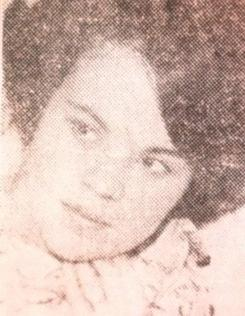
Maria is said to have fallen asleep at the first turn-off to Barendas. At the second turn-off to Barendas, her fiance lost control of the Volkswagen Beetle he was driving and the car overturned. Maria was flung out of the car and was killed instantly.
When my family passed through Uniondale during our road trip in January this year, we were given the story to read at the local cafe where we enjoyed lunch.
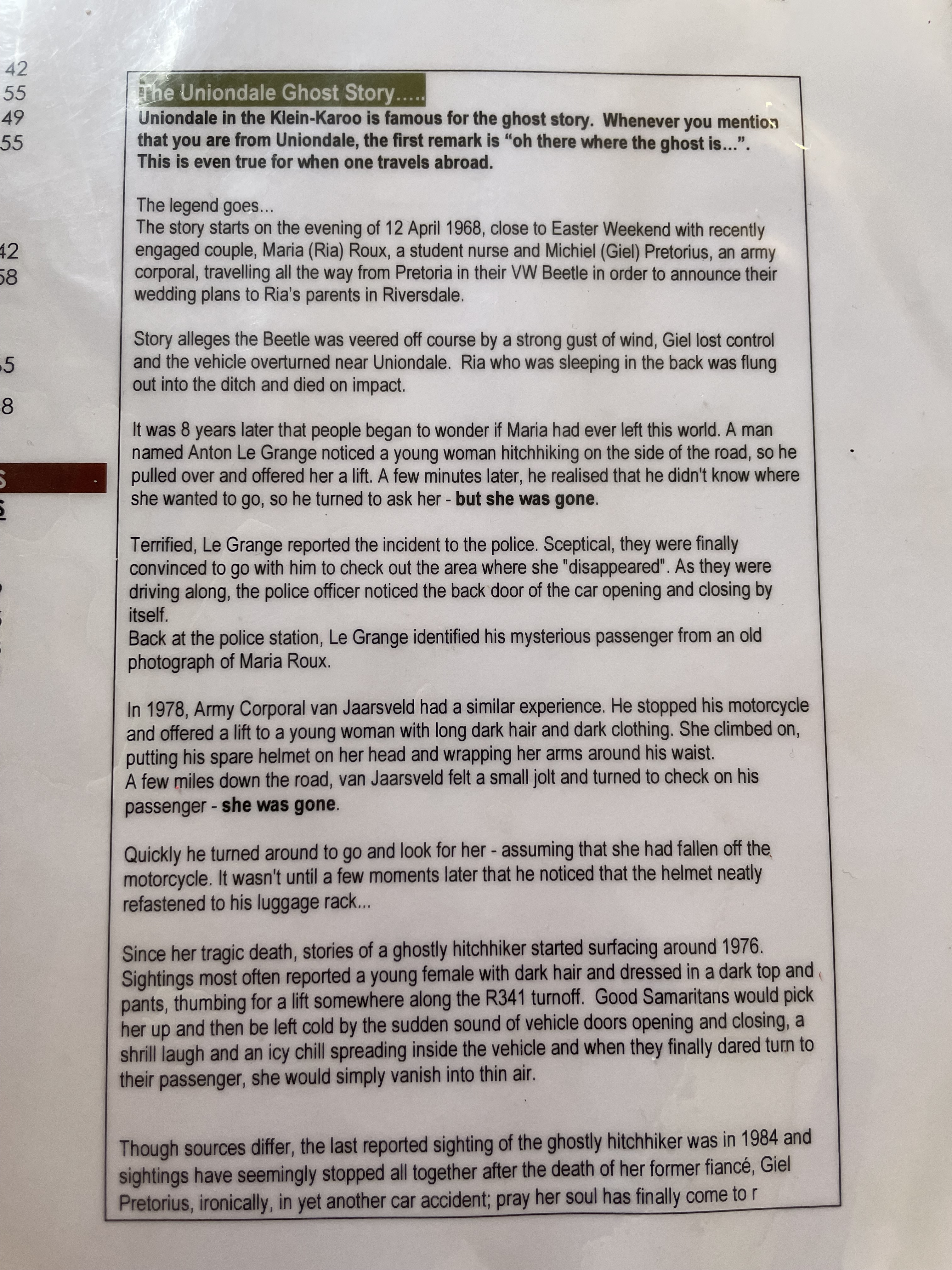
If you would like to listen to the story, this YouTube video is quite good.
The ghost of Uniondale made her way into my book, Through the Nethergate.
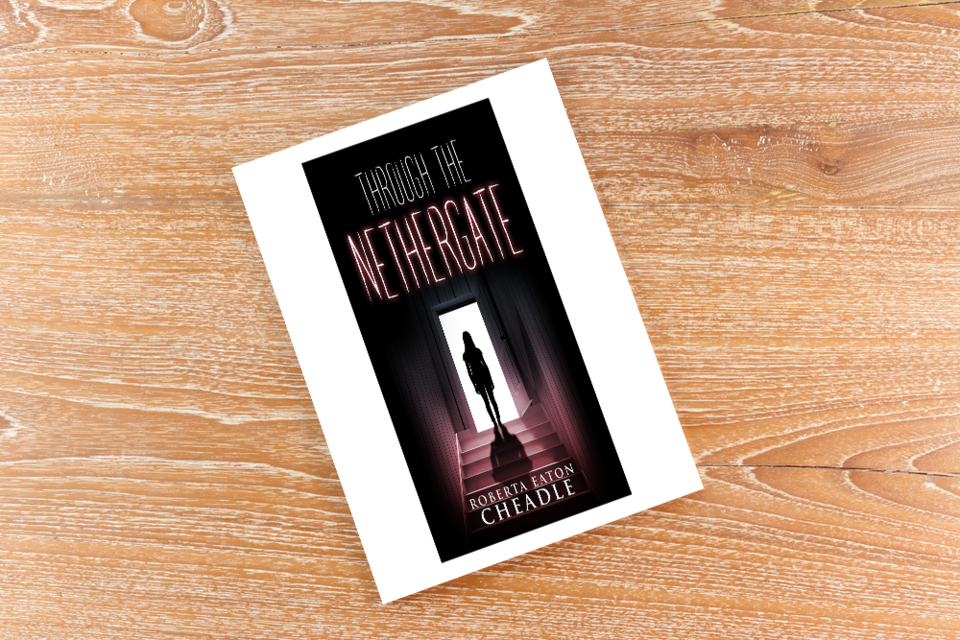
This is the relevant extract:
“The road between Burnley and Nelson was completely deserted at that time of night and he was alone in his small car.
As he drove along a stretch of the road lined on both sides by tall trees, he happened to glance into his rear-view mirror. In the moonlight he saw a teenage girl sitting in the back of his car.
He assumed she was the daughter of one of the Catholic families who had attended the service and his initial reaction was one of irritation. Why had she stowed away in his car? Was she running away from home?
He swung around to look at the teenager over his shoulder, but there was no one there.
A few seconds later, he looked in the rear-view mirror again and the girl was back. Her skin shone whitely although he couldn’t see her face clearly in the dim light. He swung around for a second time and his annoyance intensified when he saw she was gone again. Why was she ducking down behind the seat when he turned to look at her? It was such a childish thing to do.
He slammed on the brakes and climbed out of the driver’s seat of the car. Marching around to the back door he flung it open, intending to give the girl a good telling off, but there was no one there. The car was completely empty. She couldn’t possibly have jumped out of the car and run away;
he would have seen her.
He shut the back door and walked back to the driver’s door.
Taking his seat, he again peered into the rear-view mirror. The girl was back. She was sitting serenely in the back seat, hands folded neatly on her lap.
He drove off, heart hammering in his chest. When he checked the rear-view mirror again, about a mile further down the road, the girl was gone.
A few days later he learned that there had been an accident on that stretch of the road a few days earlier. A teenage girl, who had been asleep in the back seat of the car, had been killed on impact, together with the driver of the car.
The idea of mythical creatures and ghosts was not new to Father Merton. His mother was from Norway and he had grown up on a diet of Norse mythology and Scandinavian folklore. It was not difficult for him to accept the idea that he had seen a ghost. This acceptance, and his own keen interest in the topic, paved the way for his new career as an exorcist within the structure of the Catholic Church.”
About Roberta Eaton Cheadle
Roberta Eaton Cheadle is a South African writer and poet specialising in historical, paranormal, and horror novels and short stories. She is an avid reader in these genres and her writing has been influenced by famous authors including Bram Stoker, Edgar Allan Poe, Amor Towles, Stephen Crane, Enrich Maria Remarque, George Orwell, Stephen King, and Colleen McCullough.
Roberta has short stories and poems in several anthologies and has two published novels:
* Through the Nethergate, a historical supernatural fantasy; and
* A Ghost and His Gold, a historical paranormal novel set in South Africa.
Roberta has ten children’s books published under the name Robbie Cheadle.
Roberta was educated at the University of South Africa where she achieved a Bachelor of Accounting Science in 1996 and a Honours Bachelor of Accounting Science in 1997. She was admitted as a member of The South African Institute of Chartered Accountants in 2000.
Roberta has worked in corporate finance from 2001 until the present date and has written seven publications relating to investing in Africa. She has won several awards over her 20-year career in the category of Transactional Support Services.
Find Roberta Eaton Cheadle
Blog: https://wordpress.com/view/robertawrites235681907.wordpress.com
Twitter: https://twitter.com/RobertaEaton17
Facebook: https://www.facebook.com/robertawrites
Amazon: https://www.amazon.com/Roberta-Eaton-Cheadle/e/B08RSNJQZ5
_____________________________________________________________________________________________
Want to be sure not to miss any of Robbie’s “Dark Origins” segments? Subscribe to Writing to be Read for e-mail notifications whenever new content is posted or follow WtbR on WordPress. If you found it interesting or entertaining, please share.
Share this:

Dark Origins, African Myths and Legends: Stories of the Western Cape – The Flying Dutchman #Ghoststories #FlyingDutchman #TableMountain
Posted: July 27, 2022 Filed under: Dark Origins, Ghost Stories, Mythology and Legend | Tags: African Legend, Dark Origins, Roberta Eaton Cheadle, Writing to be Read 42 Comments
In the late Middle Ages, the spice trade from India and the so called Silk Road from China were of economic importance to Europe. After Constantinople fell to the Ottoman Empire in 1453 the European overland trade routes were disrupted and they needed to find a sea route to India and China.
Christopher Columbus attempted to find a sea route to India by travelling westwards. He discovered the Americas.
Portuguese explorer, Diogo Cão, explored the African coast south to present-day Namibia, and, in 1488, Portuguese explorer, Bartolomeu Dias, discovered the Cape of Good Hope. In 1498, Vasco da Gama headed an expedition which led to the Portuguese discovery of a sea route to India. This route around the Cape of Good Hope (current day Cape Town) came into use by the European East India Companies.
The Cape of Good Hope was also known as the Cape of Storms because of the treacherous winter storms that resulted in a total of 26 shipwrecks at Cape Point alone.
Legend has it that when Bartholomew Dias rounded this Cape of Storms and saw Table Mountain, he thought he was seeing a gigantic titan of the deep with it’s head veiled in white clouds. He imagined that the tides that foamed around the foot of the great mountain were the titan’s roar. The moment of Dias’ first sighting of this titan was described in the poem, Lusiadas, by Portuguese poet, Camoes. Camoes called the monster Titan Adamastor and depicted him as condemned to dwell imprisoned forever in the ‘furtherest confines of the south’ – the Cape of Storms. According to the poem, this sentence was passed by Jupiter when the Titans were vanquished following a war between these deities that lasted ten years. Adamastor and his brothers were imprisoned in various huge mountains around the world. Adamastor was filled with bitterness at his imprisonment and at losing the love of the queen of the sea, Thetis, and he swore eternal vengeance on all who should approach him and disturb his solitude. He shouted his rage and warnings of doom at Dias when he rounded the Cape.
In 1500, Dias returned to the Cape of Storms on his way to Sofala. As his fleet rounded the Cape it encountered a violent storm. Four of the ships, including the one captained by Dias, disappeared and Adamastor’s warning was fulfilled. From this unfortunate maritime disaster, the legend of the Flying Dutchman came into being.
The Flying Dutchman is a legendary ghost ship which is said to have never been able to make port and is doomed to sail the oceans forever.
According to Wikipedia: “According to the legend, if hailed by another ship, the crew of the Flying Dutchman was said to try to send messages to land, or to people long dead. Reported sightings in the 19th and 20th centuries claimed that the ship glowed with a ghostly light. In ocean lore, the sight of this phantom ship is a portent of doom.” You can read more here: https://en.wikipedia.org/wiki/Flying_Dutchman

This is my reading on YT of the story of The Flying Dutchman from Myths and Legends of Southern Africa by Penny Mills:


About Roberta Eaton Cheadle
Roberta Eaton Cheadle is a South African writer and poet specialising in historical, paranormal, and horror novels and short stories. She is an avid reader in these genres and her writing has been influenced by famous authors including Bram Stoker, Edgar Allan Poe, Amor Towles, Stephen Crane, Enrich Maria Remarque, George Orwell, Stephen King, and Colleen McCullough.
Roberta has short stories and poems in several anthologies and has two published novels:
* Through the Nethergate, a historical supernatural fantasy; and
* A Ghost and His Gold, a historical paranormal novel set in South Africa.
Roberta has ten children’s books published under the name Robbie Cheadle.
Roberta was educated at the University of South Africa where she achieved a Bachelor of Accounting Science in 1996 and a Honours Bachelor of Accounting Science in 1997. She was admitted as a member of The South African Institute of Chartered Accountants in 2000.
Roberta has worked in corporate finance from 2001 until the present date and has written seven publications relating to investing in Africa. She has won several awards over her 20-year career in the category of Transactional Support Services.
Find Roberta Eaton Cheadle
Blog: https://wordpress.com/view/robertawrites235681907.wordpress.com
Twitter: https://twitter.com/RobertaEaton17
Facebook: https://www.facebook.com/robertawrites
Amazon: https://www.amazon.com/Roberta-Eaton-Cheadle/e/B08RSNJQZ5
_____________________________________________________________________________________________
Want to be sure not to miss any of Robbie’s “Dark Origins” segments? Subscribe to Writing to be Read for e-mail notifications whenever new content is posted or follow WtbR on WordPress. If you found it interesting or entertaining, please share.
Share this:

Dark Origins: African myths and legends – The Zulus Part 3 #Zulucreationmyth #sausagetree
Posted: June 22, 2022 Filed under: Dark Origins, Historical Inspiration, Mythology and Legend | Tags: African Legend, Dark Origins, Roberta Eaton Cheadle, South African History, Spirits of the West, Writing to be Read 38 CommentsThe Zulu Creation Myth
The Zulu myth on the creation of mankind and the world is as follows:
The Ancient One, known as Unkulunkulu, came from the reeds and from them he created the people and the cattle. Unkulunkula created the mountains, streams, and all creatures, both wild and domesticated.
He taught the Zulu’s how to hunt, how to make fire, and how to grow food.
You can listen to me read the Zulu myth: The Story of Creation here:
The Sausage Tree and Zulu mythology
When I visited Ghost Mountain in Kwa-Zulu Natal in March 2021, I learned about the iconic Sausage Tree which grows in this area.

This tree’s incredible sausage-shaped fruit weighs between 5 and 10 kilograms and can get to 3 feet in length. The unripe fruit is poisonous, especially to humans, but the skin is ground to a pulp and used externally for medicine. It is used to cure skin ailments especially skin cancers. The fruit is also burned to ashes and pounded using a mortar with oil and water to make a paste to apply to the skin. The rind of the fruit is also used to aid the fermentation of local brews.
The sausage tree has beautiful blood-red to maroon flowers with an unpleasant (to humans) smell. It’s scent attracts its main pollinator, the Dwarf Epauletted Fruitbat.
Many animals feed on the flowers when they drop, including impala, duiker, bush pigs, and lovebirds.
Zulu myth about the sausage tree
During our stay at Ghost Mountain Lodge, we went on a game drive to a nearby private game park. The ranger told us that the sausage tree is the subject of an age-old myth that it has the power to enhance libido and sexual prowess in both humans and animals. The sausage tree is also believed to hold the answer to impotence. These ‘cures’ are prepared by traditional doctors and are shrouded in mystery.


Did you know?
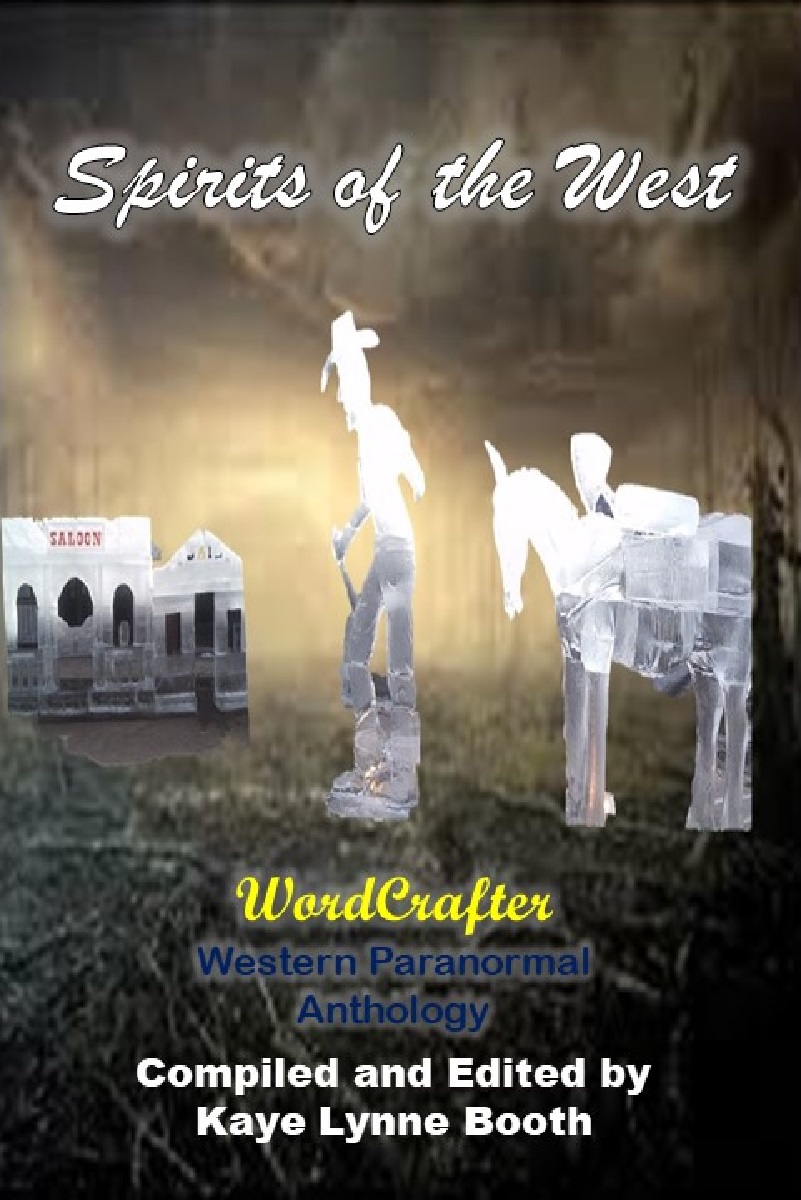
Did you know that I have two short stories in the WordCrafter Press anthology, Spirits of the West, that are based on South African history?
If you would like to read and review a copy, please email me at sirchoc[at]outlook[dot]com.
Here is a short extract from my story, The Ghost in the Mound:
“Grasping the baby tightly, Sara clambers out from under the wagon and sits back on her heels next to the wheel. After passing her the baby, Susanna crawls out, followed by Clara. They both kneel beside her.
In front of them, through the smoky haze, the blurred and agitated forms of the adults move frantically; fire, reload, fire, reload. The noise is immense.
Pointing to the huge baobab tree which stands directly in front of them, Sara whispers to the two younger girls.
“You need to run straight past Mama and get behind that tree. Run as fast as you can, I’ll be right behind you. Are you ready? One, two, go!”
The three girls lunge forward and begin to run, their faces drawn and tight with stress and their eyes fixed on the prominent tree. Their swiftly moving feet are accompanied by the crashing of the guns and the shrieks and yells of the enemy.
As the tree draws closer, Sara can see the detail of every leaf and the smooth shininess of its bottle-shaped trunk. The threesome circle behind the great trunk, gasping for breath. Sara drops to her knees;
Kobus is heavy and her chest throbs.
The tree’s heavy, white flowers are already starting to fade, and a few have already turned brown and fallen to the ground. Their sweet fragrance has a cloying smell of decay. Sara looks around, considering their options.
Where can we hide?
Her eyes settle on the termite mound, standing proud and tall, surrounded by veld. The yellowy green grass between their position under the tree and the mound is tall and thick, offering protection from
searching eyes.”
About Roberta Eaton Cheadle
Roberta Eaton Cheadle is a South African writer and poet specialising in historical, paranormal, and horror novels and short stories. She is an avid reader in these genres and her writing has been influenced by famous authors including Bram Stoker, Edgar Allan Poe, Amor Towles, Stephen Crane, Enrich Maria Remarque, George Orwell, Stephen King, and Colleen McCullough.
Roberta has short stories and poems in several anthologies and has two published novels:
* Through the Nethergate, a historical supernatural fantasy; and
* A Ghost and His Gold, a historical paranormal novel set in South Africa.
Roberta has ten children’s books published under the name Robbie Cheadle.
Roberta was educated at the University of South Africa where she achieved a Bachelor of Accounting Science in 1996 and a Honours Bachelor of Accounting Science in 1997. She was admitted as a member of The South African Institute of Chartered Accountants in 2000.
Roberta has worked in corporate finance from 2001 until the present date and has written seven publications relating to investing in Africa. She has won several awards over her 20-year career in the category of Transactional Support Services.
Find Roberta Eaton Cheadle
Blog: https://wordpress.com/view/robertawrites235681907.wordpress.com
Twitter: https://twitter.com/RobertaEaton17
Facebook: https://www.facebook.com/robertawrites
Amazon: https://www.amazon.com/Roberta-Eaton-Cheadle/e/B08RSNJQZ5
_____________________________________________________________________________________________
Want to be sure not to miss any of Robbie’s “Dark Origins” segments? Subscribe to Writing to be Read for e-mail notifications whenever new content is posted or follow WtbR on WordPress. If you found it interesting or entertaining, please share.
Share this:

Dark Origins: African Myths and Legends – The Zulus Part 2 #Beadwork #Traditionalstory
Posted: May 25, 2022 Filed under: Dark Origins, Mythology and Legend | Tags: Dark Origins, Myths and Legends, Roberta Eaton Cheadle, South Africa history, South African History, Writing to be Read, Zulu Tribes 44 CommentsLast month for Dark Origins, African Myths and Legends, I shared an introduction to the Zulu people of South Africa, the Great Zulu King Shaka and the legend of the Buffalo Thorn tree. If you missed it, you can read it here: https://writingtoberead.com/2022/04/27/dark-origins-african-myths-and-legends-the-zulus-part-1/
This month, I will be sharing information about Zulu beadwork and the messages contained therein as well as a traditional story.
Zulu beadwork
The Zulu people of South Africa have a rich tradition of beadwork. Originally, bone, small horns, shells and small pieces of polished wood and stone were pierced to make beads that were strung together as necklaces and belts.
When the Zulus started trading with the Europeans at the end of the 18th century, glass and ceramic beads were introduced into their beadwork.
Traditionally, both men and women wore beaded belts called umutsha to which a piece of cloth was attached to cover the pubic area. The belts have conical brass buttons that fasten the belt at both ends.
The colours and designs incorporated into Zulu beadwork hold specific meanings. Red beads, for example, signifies intense and jealous passion or eyes that are red from watching for a loved one to return. Yellow signifies contentment, pink or green for poverty or coolness, white for faithfulness and purity and black to indicate a desire to be married.
The main shape used in traditional Zulu beadwork is the triangle where the three corners represent Father, Mother, and Child. The triangle is also used to indicate gender and marital status, for example, if the tip points upwards it represents an unmarried girl. If the tip points downwards, it means an unmarried boy.
Zulu beadwork is used to make traditional dolls and jewelry as well as beaded ostrich eggs and bead coasters.
In summary, beads are an integral part of African history and culture. The serve as a form of money, indicate wealth, are spiritual talismans and form coded messages for the recipient.
Traditional Zulu music:
The South African pre-battle Haka:
Reading of a traditional Zulu story
My reading of The Chief’s Daughter and the Cannibal, a traditional Zulu story from Myths and Legends of Southern Africa by Penny Miller:
About Roberta Eaton Cheadle
Roberta Eaton Cheadle is a South African writer and poet specialising in historical, paranormal, and horror novels and short stories. She is an avid reader in these genres and her writing has been influenced by famous authors including Bram Stoker, Edgar Allan Poe, Amor Towles, Stephen Crane, Enrich Maria Remarque, George Orwell, Stephen King, and Colleen McCullough.
Roberta has short stories and poems in several anthologies and has 2 published novels, Through the Nethergate, a historical supernatural fantasy, and A Ghost and His Gold, a historical paranormal novel set in South Africa.
Roberta has 9 children’s books published under the name Robbie Cheadle.
Roberta was educated at the University of South Africa where she achieved a Bachelor of Accounting Science in 1996 and a Honours Bachelor of Accounting Science in 1997. She was admitted as a member of The South African Institute of Chartered Accountants in 2000.
Roberta has worked in corporate finance from 2001 until the present date and has written 7 publications relating to investing in Africa. She has won several awards over her 20-year career in the category of Transactional Support Services.
Find Roberta Eaton Cheadle
Blog: https://wordpress.com/view/robertawrites235681907.wordpress.com
Twitter: https://twitter.com/RobertaEaton17
Facebook: https://www.facebook.com/robertawrites
Amazon: https://www.amazon.com/Roberta-Eaton-Cheadle/e/B08RSNJQZ5
_____________________________________________________________________________________________
Want to be sure not to miss any of Robbie’s “Dark Origins” segments? Subscribe to Writing to be Read for e-mail notifications whenever new content is posted or follow WtbR on WordPress. If you found it interesting or entertaining, please share.
Share this:

Dark Origins: African myths and legends, The Zulus – Part 1
Posted: April 27, 2022 Filed under: Dark Origins, Mythology and Legend | Tags: African Legend, BuffaloThorn Bush, Dark Origins, Roberta Eaton Cheadle, Writing to be Read, Zulu 40 CommentsThe Zulu are the largest ethnic group in South Africa, with a population of between 10 and 12 million people living mainly in the province of KwaZulu-Natal. The Zulu tribe originated from the Ngunis who inhabited central and eastern Africa. They migrated to Southern Africa as part of the ‘Bantu Migration’ which occurred centuries ago.
One of the most famous Zulu chief was Shaka (1816 to 1828) who founded the Zulu empire. He is credited with uniting more than one hundred independent Nguni chiefdoms into a formidable fighting force. Shaka armed his warriors with short-handled stabbing spears for close-contact fighting and trained them to move up to their opponents in close formation with the body-length cowhide shields forming an almost impenetrable barrier to long-handled assegai thrown by enemy forces.
This is the theme song from the Shaka Zulu TV show called We are Growing:
The first interesting Zulu cultural belief I want to share is about the Buffalo Thorn tree.
Like many other cultures, the Zulu people believe that a person’s life continues in the spirit world after death. Every person who dies within the Zulu tribe must be buried traditionally or the deceased may become a wandering spirit. An animal is slaughtered as a ritual and the deceased person’s personal belongings are buried with them to help them on their next journey.
Ancestors, known as amadlozi and abaphansi, are believed to live in the spirit world, unKulunkulu, and are regarded as intermediaries between the spirit world and the world of the living. Ancestors make their presence known through dreams, sickness, and snakes. At opportune times like birth, puberty, marriage, and death, the ancestors are asked for blessings, good luck, fortune, guidance and other assistance. Sacrifices of animals are made to appease the ancestors and offerings of home-made beer and other things are given as offerings.
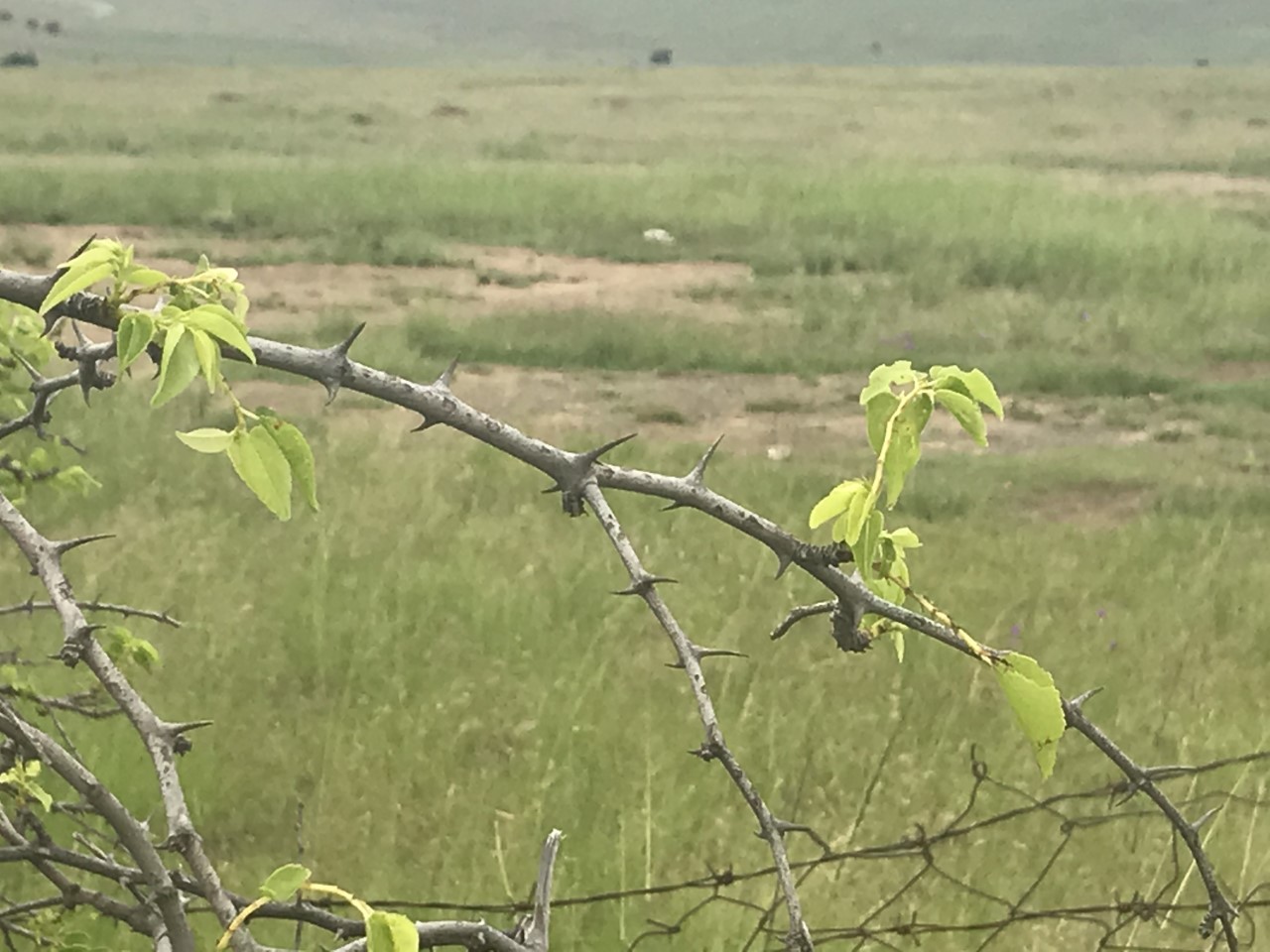
The buffalo thorn blooms in southern Africa from October to Zulu. It is a deciduous tree and sheds its silvery-grey leaves annually. It is unusual in that its thorns grow in pairs with one thorn being straight and the other hooked. This makes this tree an effective perimeter barrier.
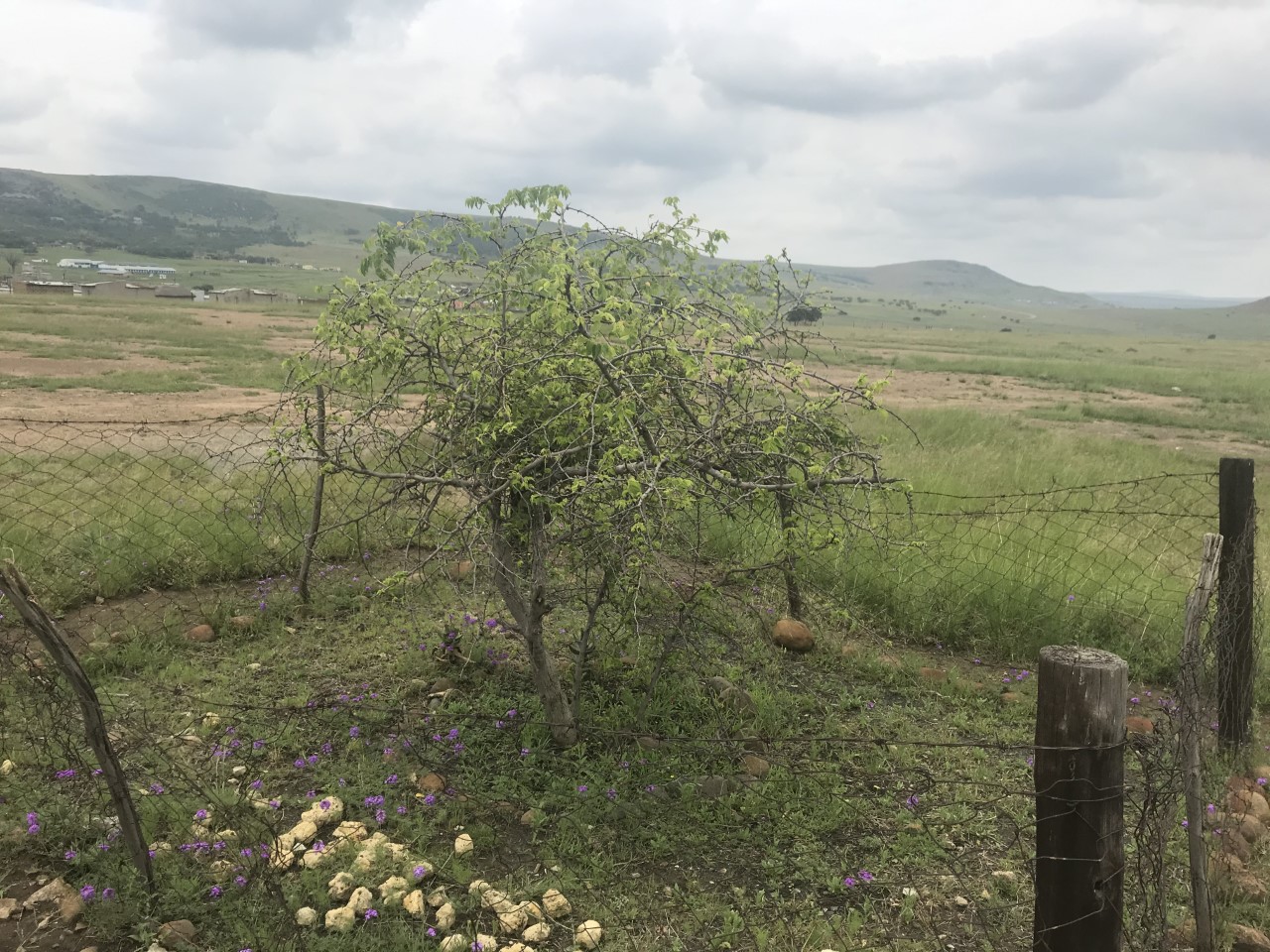
In Zulu culture, a twig from the Buffalo Thorn is used to collect the spirit of a deceased person from their place of death, and taken to their final resting place. If the transporter of the spirit travels, the branch will have its own seat in the vehicle.
In a traditional Zulu kraal, the beehive hut on the highest point, furthest from the entrance, is occupied by the chief’s mother and is also home to the family’s ancestors. Modern Zulu settlements all have a beehive shaped traditional spirit hut.

It is also common for the Zulu people to plant a Buffalo Thorn tree at the site of a graveyard or mass burial site.

About Roberta Eaton Cheadle
Roberta Eaton Cheadle is a South African writer and poet specialising in historical, paranormal, and horror novels and short stories. She is an avid reader in these genres and her writing has been influenced by famous authors including Bram Stoker, Edgar Allan Poe, Amor Towles, Stephen Crane, Enrich Maria Remarque, George Orwell, Stephen King, and Colleen McCullough.
Roberta has short stories and poems in several anthologies and has 2 published novels, Through the Nethergate, a historical supernatural fantasy, and A Ghost and His Gold, a historical paranormal novel set in South Africa.
Roberta has 9 children’s books published under the name Robbie Cheadle.
Roberta was educated at the University of South Africa where she achieved a Bachelor of Accounting Science in 1996 and a Honours Bachelor of Accounting Science in 1997. She was admitted as a member of The South African Institute of Chartered Accountants in 2000.
Roberta has worked in corporate finance from 2001 until the present date and has written 7 publications relating to investing in Africa. She has won several awards over her 20-year career in the category of Transactional Support Services.
Find Roberta Eaton Cheadle
Blog: https://wordpress.com/view/robertawrites235681907.wordpress.com
Twitter: https://twitter.com/RobertaEaton17
Facebook: https://www.facebook.com/robertawrites
Amazon: https://www.amazon.com/Roberta-Eaton-Cheadle/e/B08RSNJQZ5
_____________________________________________________________________________________________
Want to be sure not to miss any of Robbie’s “Dark Origins” segments? Subscribe to Writing to be Read for e-mail notifications whenever new content is posted or follow WtbR on WordPress. If you found it interesting or entertaining, please share.
Share this:

Dark Origins – African myths and legends: The San (previously Bushmen) Part 3
Posted: March 23, 2022 Filed under: Dark Origins, Mythology and Legend, Story Telling Methods | Tags: African Legend, Dark Origins, Legend and Mythology, South African History, Writing to be Read 44 CommentsIn January and February, I introduced you to the San or Bushmen of Southern African and shared some of their cultural ways and traditional stories.
Part 1 provided an introduction to the San and some information about a specific rock art form of the human hand. You can read it here: https://writingtoberead.com/2022/01/26/dark-origins-african-myths-and-legends-the-san-previously-bushmen-part-1/
Part 2 provided an overview of the San hunting methods and I shared another traditional story. I also introduced you to the Bushman Heritage Museum in Nieu Bethesda. You can read it here: https://writingtoberead.com/2022/02/23/dark-origins-african-myths-and-legends-the-san-previously-bushmen-part-2/
Today, I am sharing a bit about the traditional religious beliefs of the San.
God and the afterlife
The bushmen traditionally believe in a greater and a lesser Supreme Being or God.
The greater God first created himself and then the land and the food it produces, the air and water. He is generally a positive power and protects, wards off disease and teaches skills to people. When angered, however, he can send bad fortune.
The lesser god is seen to be bad or evil, a destroyer rather than builder, and a bearer of bad luck and disease. The bushmen believed that bad luck and disease was caused by the spirits of the dead, because they want to bring the living to the same place they are.
Cagn is the name the bushmen gave their god. They attributed human characteristics to him as well as many charms and magical powers.
The bushmen believed in the afterlife and a dead man’s weapons were buried with him. They turned the face of the dead towards the rising sun, as they believed that if he was faced to the west the sun would take longer to rise the next day.
Witchcraft
The bushmen heritage includes a deep belief in witchcraft and charms. They have a dread of violating them and bringing bad luck upon themselves. The hunters believe that if their shadows fall on dying game it will bring disaster upon them. No matter how thirsty a bushman is, he will not dig a hole in the bed of a dried-up stream until he has made an offering to appease the spirit of the stream. The spirit is thought to take the form of an enormous man with either red or green skin and white hair. The spirit can make himself visible or invisible at will.
San rock art
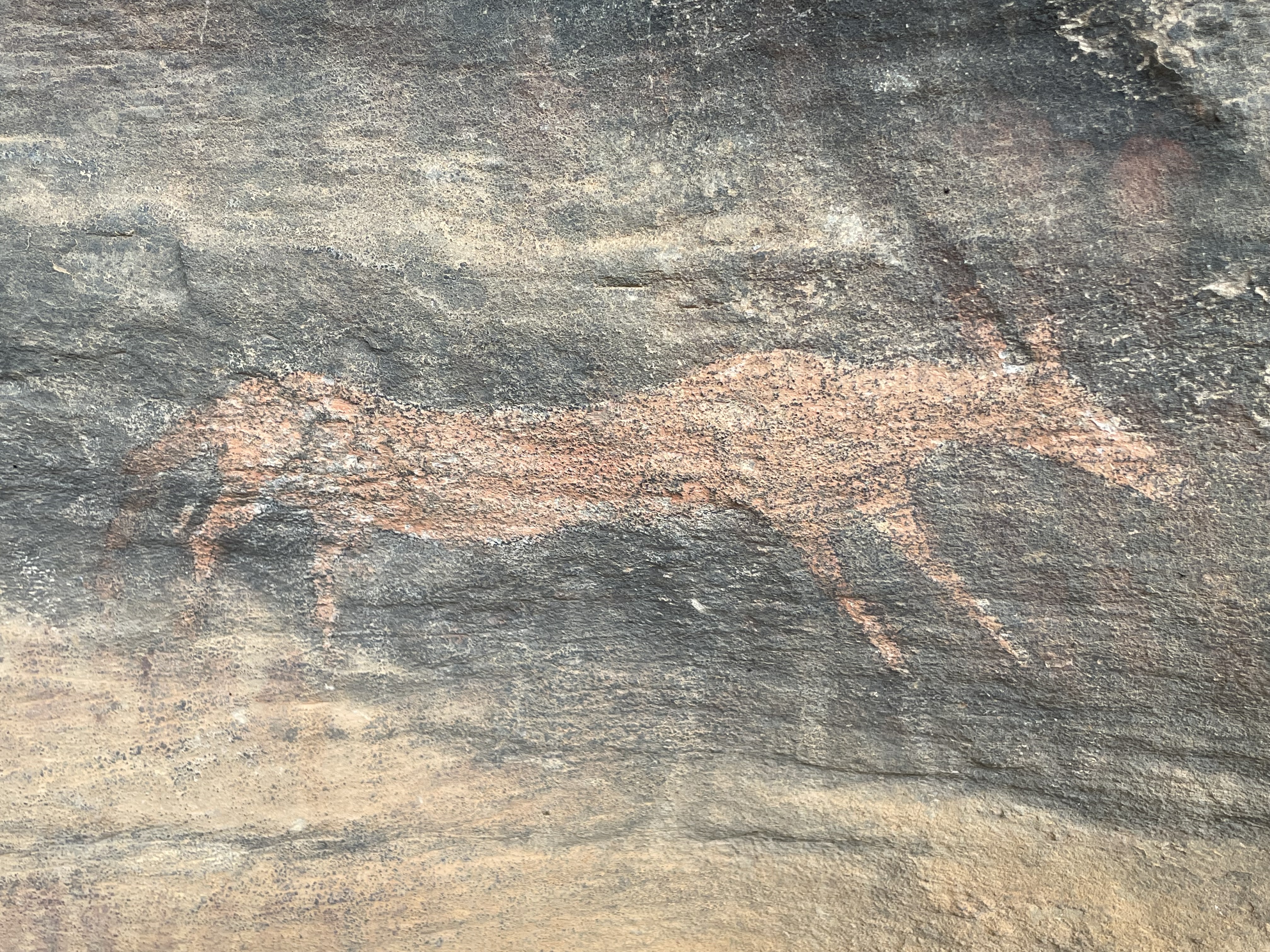
San rock art found in Namibia date back at least 25,000 years. The Bushmen continued with their rock art painting right up until the time of the European settlers. We know this because some of their more recent artworks depict wagons. Archaeologists believe that the San artworks were a way for the entire community to share mental images while in a group trance state.
The San artwork depicts non-human beings, hunters, and half-human half-animal hybrids. The half-human hybrids are believed to be medicine men or healers who performed healing dances.
Here are a few examples of San rock art we saw on our recent road trip to Nieu Bethesda:



San Bushman Moon Dance in the Kalahari Desert
About Roberta Eaton Cheadle
Roberta Eaton Cheadle is a South African writer and poet specialising in historical, paranormal, and horror novels and short stories. She is an avid reader in these genres and her writing has been influenced by famous authors including Bram Stoker, Edgar Allan Poe, Amor Towles, Stephen Crane, Enrich Maria Remarque, George Orwell, Stephen King, and Colleen McCullough.
Roberta has short stories and poems in several anthologies and has 2 published novels, Through the Nethergate, a historical supernatural fantasy, and A Ghost and His Gold, a historical paranormal novel set in South Africa.
Roberta has 9 children’s books published under the name Robbie Cheadle.
Roberta was educated at the University of South Africa where she achieved a Bachelor of Accounting Science in 1996 and a Honours Bachelor of Accounting Science in 1997. She was admitted as a member of The South African Institute of Chartered Accountants in 2000.
Roberta has worked in corporate finance from 2001 until the present date and has written 7 publications relating to investing in Africa. She has won several awards over her 20-year career in the category of Transactional Support Services.
Find Roberta Eaton Cheadle
Blog: https://wordpress.com/view/robertawrites235681907.wordpress.com
Twitter: https://twitter.com/RobertaEaton17
Facebook: https://www.facebook.com/robertawrites
Amazon: https://www.amazon.com/Roberta-Eaton-Cheadle/e/B08RSNJQZ5
_____________________________________________________________________________________________
Want to be sure not to miss any of Robbie’s “Dark Origins” segments? Subscribe to Writing to be Read for e-mail notifications whenever new content is posted or follow WtbR on WordPress. If you found it interesting or entertaining, please share.
Share this:

Dark Origins – African myths and legends: The San (previously Bushmen) Part 2
Posted: February 23, 2022 Filed under: Dark Origins, Mythology and Legend | Tags: African Legend, Dark Origins, Legend and Mythology, Roberta Eaton Cheadle, South Africa history, Writing to be Read 42 CommentsLast month, I introduced you to the San (previously Bushmen) of southern Africa and shared about their rock art. You can read the post here: https://writingtoberead.com/2022/01/26/dark-origins-african-myths-and-legends-the-san-previously-bushmen-part-1/.
Today, I am going to share a poem from the extinct IXam tribe and a little more about the San.
San hunting methods
The San are excellent hunters. They do some trapping of animals but hunting with a bow and arrows is their preferred method. The San arrows are smeared with a deadly poison that kills the animal slowly. As the animal takes a long time to die, the hunters have to track it sometimes for a few days.
The San make their poison from a caterpillar called ka or ngwa or from the larvae of a small beetle. Sometimes they use poison made from plants or snake venom. San poisons are highly toxic. In order to prevent accidental contamination, they reverse their arrow points and keep them inside the reed collar of their arrows. They also smear the arrows with the poison just below the tips.
The San use every part of the animals they hunt. Hides are tanned for blankets and the bones are cracked and the marrow eaten.
Water is scarce in the areas inhabited by the bushmen. During the dry season, moisture is collected by scraping and squeezing roots. They also dig holes in the sand to find water and also carry water in the shells of ostrich eggs.
Myths of the IXam
One of the myths of the IXam is about how the Milky Way was formed. They have a poem/story called The Girl Who Made Stars which tells this story.
You can listen to me reading this story here:
This story demonstrates the San belief that feminine energy is dominant in the creation of the cosmos.
In this story, a girl who is menstruating for the first time throws wood ash and edible roots into the sky. The ashes and roots become stars and light the people’s path as they walk by at night. This myth depicts the creator of the Milky Way and all the stars in the dawning womanhood of a pubescent girl.
The girl in this story is confined to a small hut during this time. She may not eat the young men’s game as her doing so would destroy their abilities as hunters. A look from her can turn a springbok wild. She is a fragile girl but she is powerful and to be feared at this time. She is also kind and benevolent, creating the stars so that people can see at night.
The Bushman Heritage Museum in Nieu Bethesda
During our road trip earlier this year, we were fortunate enough to visit The Bushmen Heritage Museum in Nieu Bethesda and see the beautiful wall hangings that have been created by the descendants of the now extinct IXam tribe to celebrate their mythology and to help remember it.
This short video shares a bit about the creation of this museum and what it stands for. The story of the bushmen is a tragic one and this video will give you gooseflesh.

The picture above is of the restaurant at the museum which also has some wonderful local art made by the descendants of the IXam tribe available for purchase.
If you would like to learn more about the Bushman Heritage Museum, you can do so here: https://bushmanheritagemuseum.org/
Next month, I will share the last post in this short series about the San or Bushmen of southern Africa.
About Roberta Eaton Cheadle
Roberta Eaton Cheadle is a South African writer and poet specialising in historical, paranormal, and horror novels and short stories. She is an avid reader in these genres and her writing has been influenced by famous authors including Bram Stoker, Edgar Allan Poe, Amor Towles, Stephen Crane, Enrich Maria Remarque, George Orwell, Stephen King, and Colleen McCullough.
Roberta has short stories and poems in several anthologies and has 2 published novels, Through the Nethergate, a historical supernatural fantasy, and A Ghost and His Gold, a historical paranormal novel set in South Africa.
Roberta has 9 children’s books published under the name Robbie Cheadle.
Roberta was educated at the University of South Africa where she achieved a Bachelor of Accounting Science in 1996 and a Honours Bachelor of Accounting Science in 1997. She was admitted as a member of The South African Institute of Chartered Accountants in 2000.
Roberta has worked in corporate finance from 2001 until the present date and has written 7 publications relating to investing in Africa. She has won several awards over her 20-year career in the category of Transactional Support Services.
Find Roberta Eaton Cheadle
Blog: https://wordpress.com/view/robertawrites235681907.wordpress.com
Twitter: https://twitter.com/RobertaEaton17
Facebook: https://www.facebook.com/robertawrites
Amazon: https://www.amazon.com/Roberta-Eaton-Cheadle/e/B08RSNJQZ5
_____________________________________________________________________________________________
Want to be sure not to miss any of Robbie’s “Dark Origins” segments? Subscribe to Writing to be Read for e-mail notifications whenever new content is posted or follow WtbR on WordPress. If you found it interesting or entertaining, please share.
Share this:

Dark Origins – African myths and legends: The San (previously Bushmen) Part 1
Posted: January 26, 2022 Filed under: Uncategorized 44 CommentsIntroduction
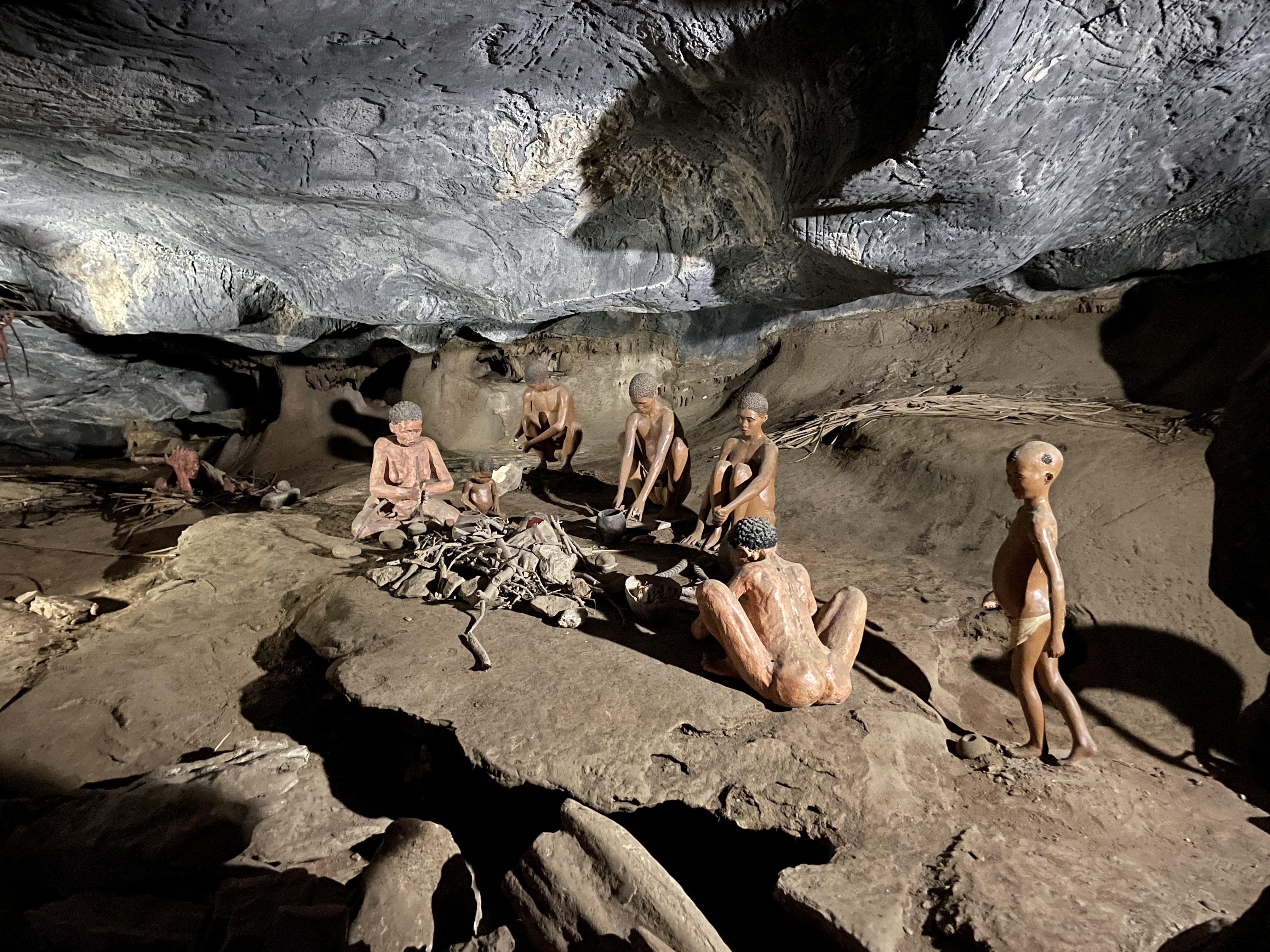
The San peoples, previously know as Bushmen, are members of the various Khoe, Tuu, or Kx’a-speaking indigenous hunter-gather cultures which are also the first cultures of southern Africa. The territories of the San peoples include Botswana, Namibia, Angola, Zambia, Zimbabwe, Lesotho, and South Africa.
The hunter-gatherer San peoples are one of the oldest cultures on Earth and are believed to be descended from the first inhabitants of what is now Botswana and South Africa. The San were traditionally semi-nomadic as they moved seasonally within certain defined areas based on the availability of water, game, and edible plants. The areas occupied by the San were semi-desert or desert areas, including the Kalahari Desert.
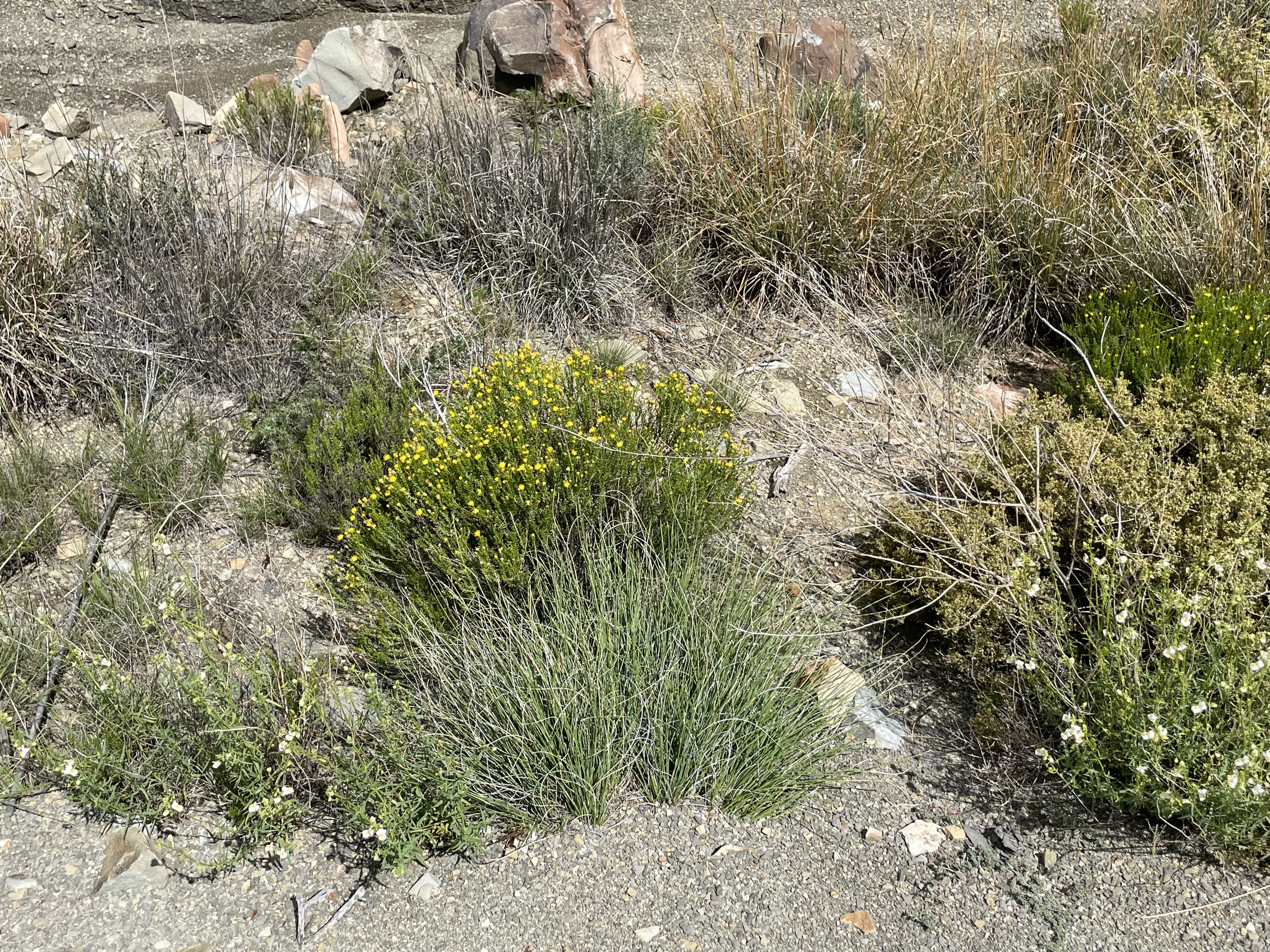
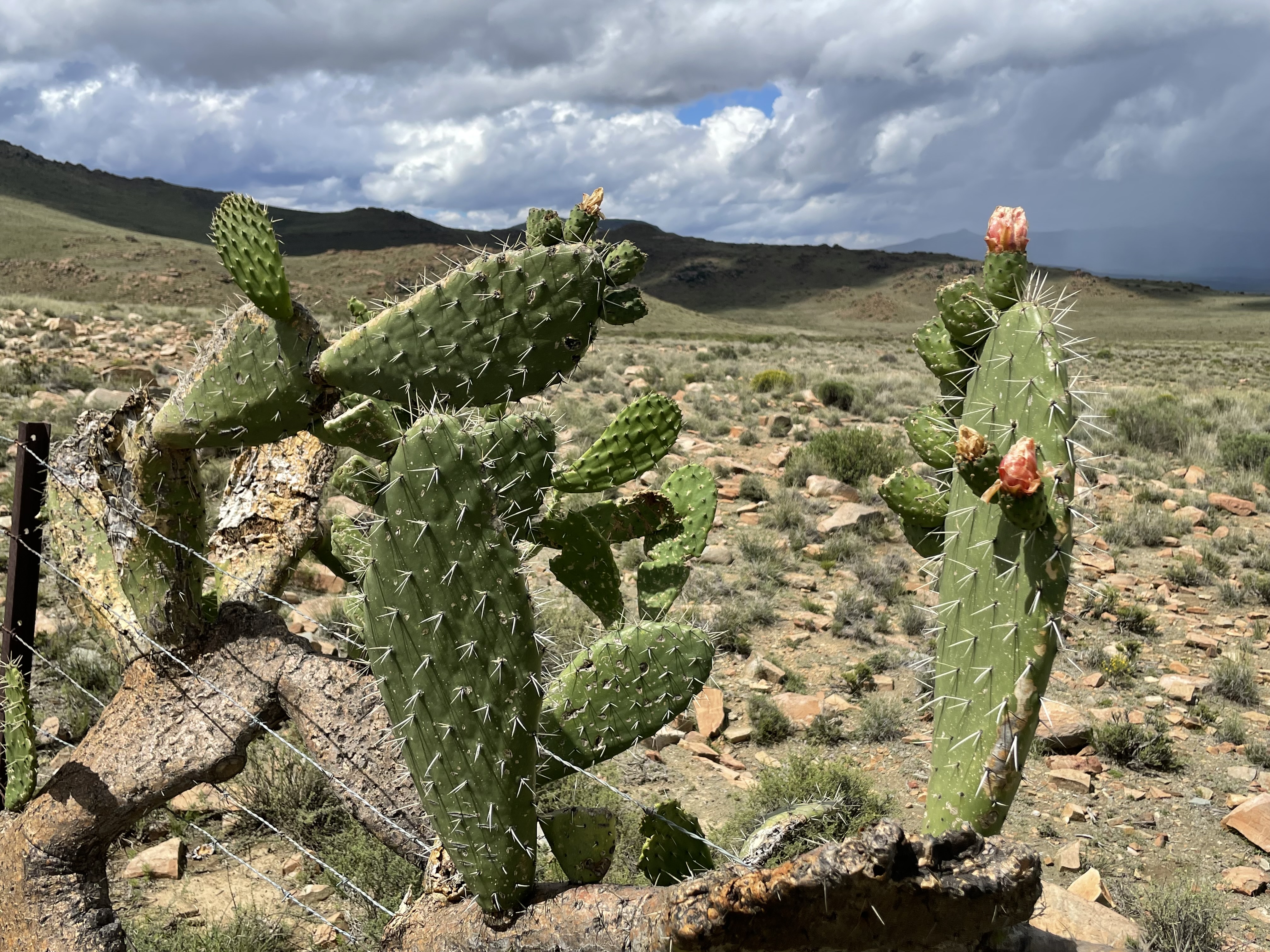
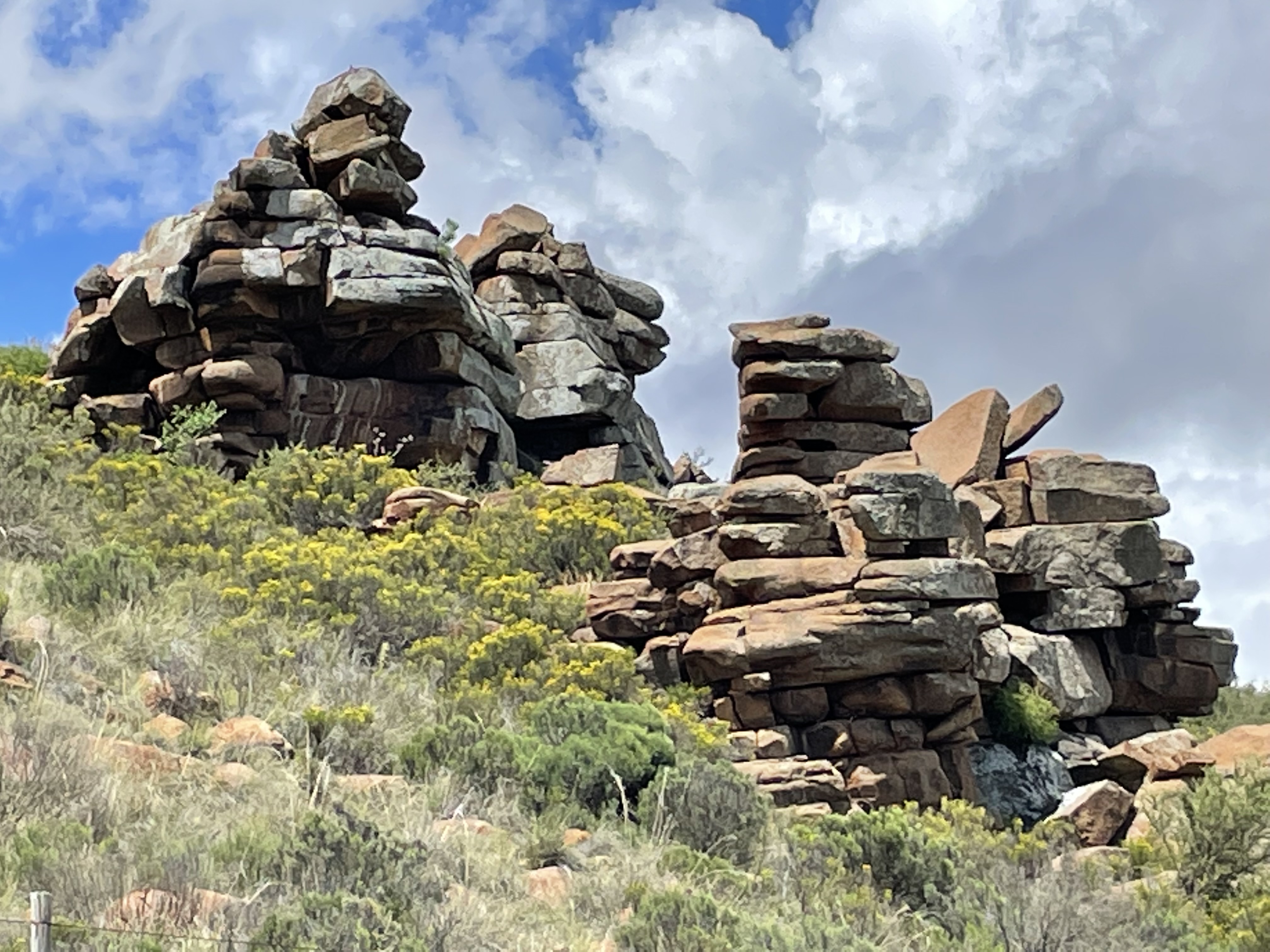
During the colonial period, much of the land occupied by the San peoples was conquered. The pattern of lost land and reduced access by the San to natural resources has continued and is a primary contributor to the current displaced position of the San and the destruction of their ancient traditional lifestyles.
Rock art – human hand
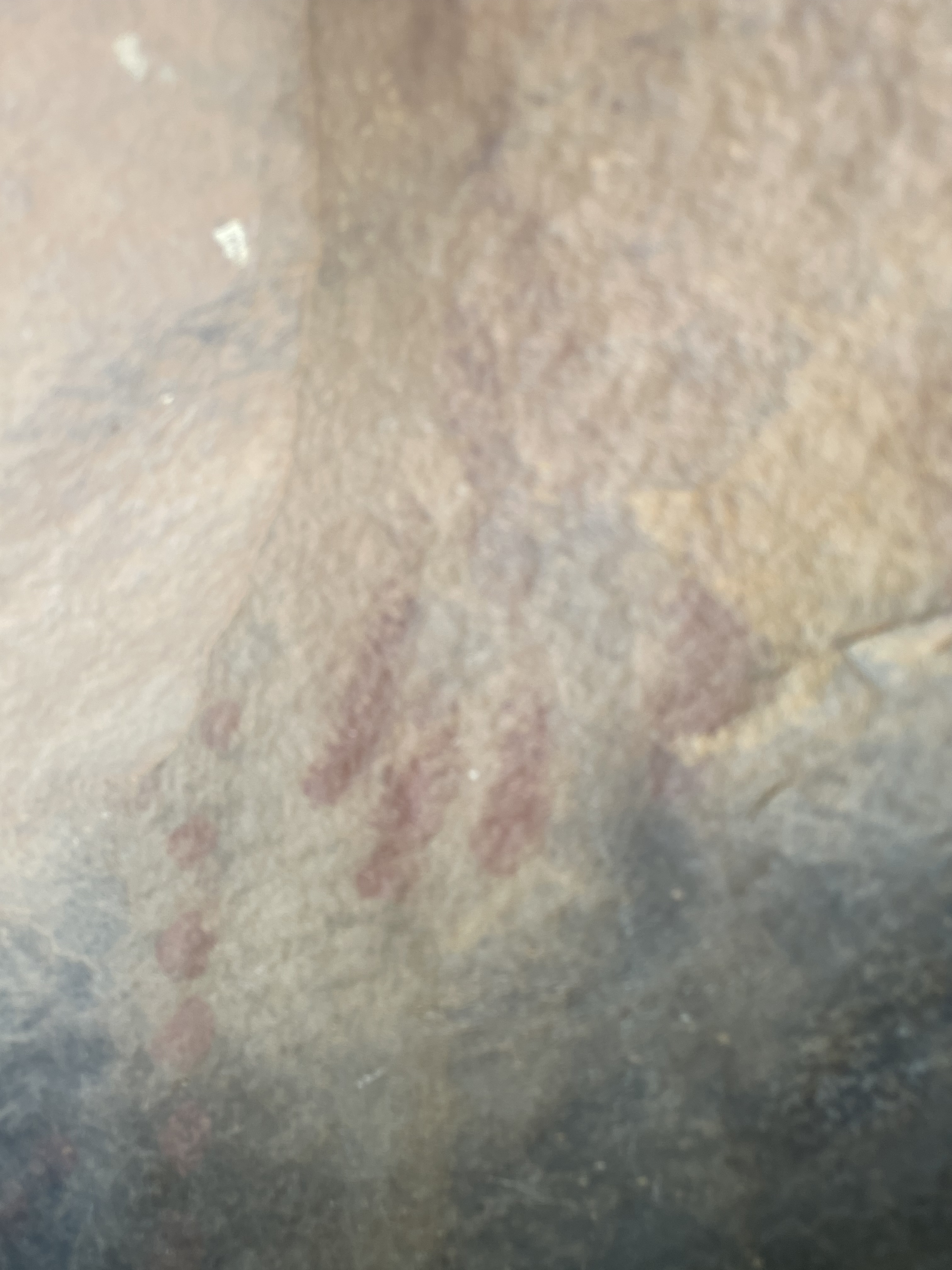
The San are well known for their rock art which is found in caves and rocky overhangs where the San lived. These rock paintings comprise mainly of animals and human figures. On a recent trip to Nieu Bethesda in the Eastern Cape of South Africa, I saw a reddish handprint of a San Shaman. It is believed that the San didn’t view rock as a solid surface and these handprints indicate so-called energy points, where the San believed a person could travel through a cave wall’s illusory solidity.
IXam mythology
IXam, formerly spoken by the IXam-ka peoples of South Africa, is considered an extinct language. Fortunately, some of the IXam stories were recorded by linguists Wilhelm Bleek and Lucy Lloyd in Cape Town in the 19th Century.
This is the IXam story of the sun’s origins:
“The sun was an old man of the Early Race who lived in a hut on earth. The light of the sun shone out of his armpit and only lit up the space around his house. The earth was dark and cold and the mothers couldn’t dry the ant or termite larvae that they collected to eat. Everybody was hungry and cold because there was no warmth from the sun who refused to share his light.
The mothers gathered the children together and told them to pick up the old man and throw him into the sky. They did this and now he sheds light over all the earth.”
I hope you enjoyed this introduction to the San peoples and IXam story. Next month, I’ll be sharing more about the culture and traditions of the San and another traditional story.
About Roberta Eaton Cheadle
Roberta Eaton Cheadle is a South African writer and poet specialising in historical, paranormal, and horror novels and short stories. She is an avid reader in these genres and her writing has been influenced by famous authors including Bram Stoker, Edgar Allan Poe, Amor Towles, Stephen Crane, Enrich Maria Remarque, George Orwell, Stephen King, and Colleen McCullough.
Roberta has short stories and poems in several anthologies and has 2 published novels, Through the Nethergate, a historical supernatural fantasy, and A Ghost and His Gold, a historical paranormal novel set in South Africa.
Roberta has 9 children’s books published under the name Robbie Cheadle.
Roberta was educated at the University of South Africa where she achieved a Bachelor of Accounting Science in 1996 and a Honours Bachelor of Accounting Science in 1997. She was admitted as a member of The South African Institute of Chartered Accountants in 2000.
Roberta has worked in corporate finance from 2001 until the present date and has written 7 publications relating to investing in Africa. She has won several awards over her 20-year career in the category of Transactional Support Services.
Find Roberta Eaton Cheadle
Blog: https://wordpress.com/view/robertawrites235681907.wordpress.com
Twitter: https://twitter.com/RobertaEaton17
Facebook: https://www.facebook.com/robertawrites
Amazon: https://www.amazon.com/Roberta-Eaton-Cheadle/e/B08RSNJQZ5
_____________________________________________________________________________________________
Want to be sure not to miss any of Robbie’s “Dark Origins” segments? Subscribe to Writing to be Read for e-mail notifications whenever new content is posted or follow WtbR on WordPress. If you found it interesting or entertaining, please share.
Share this:

Dark Origins – A Christmas Carol by Charles Dickens
Posted: December 22, 2021 Filed under: Classics, Dark Origins, Fiction, Historical Inspiration | Tags: A Christmas Carol, Charles Dickens, Classic Literature, Dark Origins, Robbie Cheadle, Writing to be Read 35 Comments
In the spring of 1843, Charles Dickens read a government report on child labour in the United Kingdom. The report, compiled by a journalist friend of Charles Dickens, comprised of a series of interviews with working children. It detailed the long hours, crushing work, and poor conditions suffered by these children.
The new and heartless attitude towards child labour was a result of three things:
- an increase in the population by 64% in 30 years;
- workers leaving the countryside and crowding to the cities in search of work; and
- the demise of cottage industries and there replacement with mundane and menial labour in factories.
Employers thought of the workers as commodities whose labour was measured purely on output and productivity.
There was a lot of controversy among the wealthy classes and the clergy as to whether assistance should be extended to the poor. A lot of people were of the opinion that people were poor due to their own laziness and malingering and that giving help would exacerbate these tendencies.
The work houses of the day split up families, provided minimal food, and extracted hard labour from its occupants, including children, in an effort to discourage the poor from seeking help.
I am reminded at this point of the song Food, Glorious Food from the musical Oliver based on the book by Charles Dickens:
Rev. Thomas Malthus advocated letting the poor go hungry to decrease the population. His view was that it was better to let the poor starve to “decrease the surplus population”.
Charles Dickens’ response was to write the novella, A Christmas Carol, which eloquently expressed his views on employer responsibilities towards workers.
If you don’t know the story of A Christmas Carol, this is a very brief overview:
The story opens with Ebenezer Scrooge sitting in his counting house on Christmas Eve. His clerk, Bob Cratchit, is sitting shivering in the anteroom because Scrooge won’t spend any money on heating. He turns down his nephew, Fred’s, invitation to a Christmas party and chases away two men collecting money for charity. At the end of the day, he returns to his cold, dark home.
After Scrooge has retired for the night, he is visited by the ghost of his dead partner, Jacob Marley. Marley is weighed down by heavy chains and is destined to make his way through the afterlife dragging them after him because of his mean-spirited and selfish life.
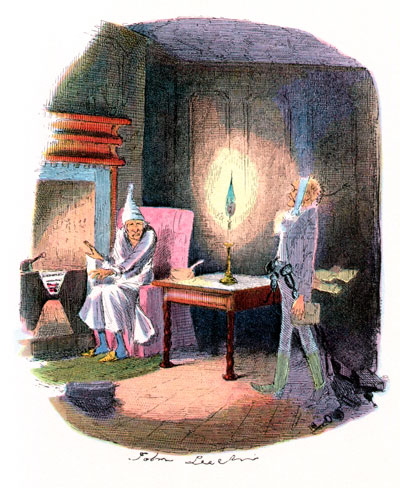
Marley tells Scrooge that he will be visited by three ghosts that night, the ghosts of Christmas Past, Present, and Future. The ghosts show Scrooge where he made mistakes in his past life due to choosing money over love and life, how his clerk and the Cratchit family are suffering because of his present day meanness, and show him a lonely future death. Scrooge is offered, and takes, an opportunity to change his ways and find redemption.
If you are interested in listening to A Christmas Carol beautifully read by Stephen Humphreys, you will find the links on Rebecca Budd’s blog: Clanmother: https://clanmother.com/2021/12/07/stephen-humphreys-reads-a-christmas-carol/
Wishing you all a Merry Christmas if you celebrate or Happy Holidays.
Although I cannot compare my take on Victorian child labour to Charles Dickens’ brilliant works, I have written several times about this and I thought I would share this short extract from my book, Through the Nethergate, about a serving girl in a tavern in Bungay in 1589.
“The rich, amber fluid flowed into the waiting tankard, in striking contrast to the damp, darkness of the barrel filled cellar.
The small, frail girl stood with the tankard in her trembling hand. She was hungry, thirsty and cold. She hadn’t had anything to eat or drink since last night’s frugal supper of leftovers in the Inn’s kitchen. A wave of dizziness washed over her as she contemplated the drink. Its golden depths seemed to entrance her as she lifted it to her lips.
At least the kitchen was warm, she thought, remembering the delicious heat of the enormous, roaring fireplace. The kitchen was a much better place to steal a moment of rest than this freezing cold
cellar, in the bowels of the building.
The strong, rich taste of the ale brought a smile to the girl’s pale face. She greedily drained the tankard, closing her eyes and allowing a feeling of well-being to permeate through her skinny, undernourished body. The girl, called Lizzie, worked as a servant at the pub and she was twelve years old.
She knew she should be grateful for the job, but it was hard to forgive the heavy-handed punishments metered out to her by Will, the owner of the establishment.
A rough hand grasped her shoulder, its thick fingers digging viciously into her flesh.
“What have you done?” the loud, grating voice of Will blasted through her euphoria.
Lizzie jerked with fear and the tankard fell from her fingers, clattering to the stone floor before rolling away.
She looked up into piggy eyes staring out of a fat and well-fed face. Will’s usually florid complexion looked even ruddier and coarser than usual.
“Why, you little thief,” continued Will. “You know what we do with thieves in this Inn.”
A short while later, Lizzie found herself chained to the wall of the cellar. Her pleas and cries for mercy had fallen on deaf ears as Will, filled with righteousness and piety at her ungodly action, attached the manacles to her wrists and ankles.”
__________________________________________________________________________________________________________
Want to be sure not to miss any of Robbie’s “Dark Origins” segments? Subscribe to Writing to be Read for e-mail notifications whenever new content is posted or follow WtbR on WordPress. If you found it interesting or entertaining, please share.