Weekly Writing Memo: Networking
Posted: September 7, 2016 Filed under: Promotion, Screenwriting, Uncategorized, Weekly Writing Memo, Writing, Writing Tips | Tags: Fiction, promotion, Publishing, Screenwriting, Writing, writing advice, Writing Process 3 Comments Sorry I have been missing the last few weeks. As you might have seen on Author the World, I unexpectedly moved to Los Angeles and haven’t had a lot of time to do posts. This week’s post is all about networking. Networking is a major element of having a writing career, and it takes some practice to really learn the right and wrong ways to network.
The most important thing to remember when networking is that you shouldn’t be doing it to use people, and you shouldn’t be doing it to be selfish. Good networking is about being genuine. The best way to network is to approach each networking relationship you make with the attitude of how you can help each other, rather than focusing on how they can help you. The best kinds of networking relationships are mutually beneficial, and maintaining this kind of attitude helps these relationships stay healthy and fulfilling.
Building your Network
You can build your network literally anywhere, it’s all about meeting people and learning about them. If you know who people are, what they do, and what kinds of people they know, you can keep them in mind for later if something comes up they can help with. For writing, often times you can make networking connections in writing groups, classes, at conferences, or even in random places like coffee shops and hair salons. The important thing is to keep your eyes open for people you can help, and for people that may be able to help you. Remember, things need to go both ways, and sometimes the act of offering help to someone can lead to unexpected connections. Ultimately, all networking contacts break down into four different types that can each be beneficial in their own way.
The Introducer
The Introducer may not have any work for you, and may not be someone who is going to offer you advice, but they do know people you want to know and they will help you meet them. These kinds of contacts are always useful to maintain because they help broaden your network, and they can help introduce you to other parts of the writing world you may not be familiar with. One of the best way to meet new people is through a middle-man who can introduce you because it can cut out the awkward process of trying to force a meeting with a stranger. If you’re going to be the Introducer for someone else, remember to make sure you give each person’s name, and then try to share what they have in common or why you think they should talk so you can help jump start the conversation.
The Mentor
The mentor is someone who has been where you are and knows a lot about the business. They are the perfect sort of person who can offer you advice, and give you guidance that will make navigating the writing world easier. Maybe they won’t be able to get you a job, or introduce you to new people, but they will help you find answers to the random questions and issues you run into. Just make sure you don’t burden your mentor by asking too much of them, or wasting their time with easy questions that you could have found out anywhere. They may only have so much free time, so make sure to figure out how much help they are willing to give you and to stick within that range. If you are going to be a mentor, be clear up front what you are willing to do for the person you’re helping, but also try to remember what it was like when you were where they are.
The Helper
The Helper is someone who has an opportunity for you that could potentially help your career, whether it’s a job or an interview doesn’t matter, it’s someone that can put you in line for a job or a writing sale. These kinds of connections are incredibly valuable because they are what give your career a boost. The important thing to remember when meeting people who offer you these types of opportunities is to make the most of them, and to make sure you don’t misrepresent yourself to the person setting it up, because if you waste it or lie it could prevent the person from ever offering you another opportunity again.
The Teammate
In some ways, these are the most valuable networking connections you can make. The Teammate is someone who is going through the same stuff you are at the same time. They are someone you can bounce ideas off of, or trade writing with. They are on your side and you are mutually trying to help each other reach your goals. For writing, having people you can talk writing with is incredibly important, as is having people around who understand what you’re going through. If you are a teammate to someone, make sure the help isn’t going one way. If you find yourself asking too much and not doing anything in return, then try to find a balance.
Final Notes
Ultimately, networking is about broadening the connections you have in your industry, and maintaining those connections by trying to keep things mutually beneficial for all involved. Even if you can’t help someone the moment they help you, always try to keep them in mind and return the favor when you can. One of the most important elements of networking is that the people around you see that you are a part of the cycle of helping, and that you aren’t just a vacuum sucking up all the favors you can get without returning anything. People will quickly notice if you only ever seem to receive help, so the more you can be a part of the cycle the better.
Share this:

Comments are a Girl’s Best Friend
Posted: August 30, 2010 Filed under: Writing | Tags: Networking, promotion, Writing 2 CommentsOh, I know that it’s supposed to be diamonds, but as a writer, in today’s self-promoting market, comments are my diamonds. Every writer has heard the advice given to write for your readers, but how do we do that without knowing who are readers are? As writers, we need feedback to determine if what we have said has value to our readers, or if we have totally missed the mark. Reader comments serve as that feedback, and let us know that what we have written is actually being read. It is a wonderful feeling to know that someone has taken the time to read what we have worked so hard to produce, even if the feedback is negative. Of course, there are other ways to express appreciation when you read something that you like, such as the “Like” buttons on Facebook and LinkedIn, or by “sharing” on any of the social networks, or “Tweeting” it on Twitter, but the author doesn’t always get to know about these gestures. That doesn’t mean they are not appreciated by the writer, but we get to see comments and reply, when appropriate.
Every site that I publish on has a place for comments, but for some reason, I get relatively few. I don’t know if no one is reading my work, or if I’m just boring my readers to death! When this blog was on Today.com, I received comments that let me know if I should publish similar types of posts or take the blog in a different direction. Since I moved the blog to WordPress, I haven’t experienced such good fortune. However, it isn’t just here on this site. Readers of my Southern Colorado Literature Examiner page and on Hubpages have remained silent lately, as have the readers of the articles, stories and poetry that I have published through Triond, which have individual URLs. On the Examiner site, comments serve another purpose, as well. Examiner uses comments as one of the criteria to determine how much I get paid per viewing of my page, along with the number of subscribers and the quality of my readers, (which I am not sure how they determine).
I am aware of the value of comments, so I try to read blogs that I particularly like as often as possible, and I comment frequently. Many of my author friends can tell you that this is true, because some of them have some really great writing blogs, which I also subscribe to, including: Earth, Air, Fire and Ink – by Buena Vista memoirist, Maria Weber; A Writer Afoot – by Colorado Springs author, Barbara O’Neal; Walking Nature Home – by Salida author, Susan J. Tweit; Beth Groundwater’s blogspot – by Colorado Springs mystery author, Beth Groundwater; Blog of Fascination – by a very unique author, Art Rosch; The Writing Bug – by Northern Colorado Writers members, Kerrie Flanagan, Trai Cartwright, Jennifer Carter, Jenny Sunstedt, and Brooke Favero; The Urban Muse – by freelance writer, Susan Johnston; and Writer Unboxed – a blog about the business and craft of writing genre fiction that has made the Writer’s Digest “101 Best Websites for Writers” for four years running.
So, readers, while you are here, ( or when visiting any of my other sites), please take the time to post a comment to let me know if my writing has interested you, moved you or put you t o sleep. Note that both this site and my Examiner site have the option of subscribing to email, so that you are notified by email each time that I publish. It doesn’t cost anything, and is a small gesture that will let me know that you like what I write. Comments and/or subscriptions at any of my sites will be greatly appreciated. They will help me determine what types of writing I should publish in the future and it’s a lot cheaper than diamonds.
Share this:

The Basics of Marketing Your Book (Part 1)
Posted: July 8, 2010 Filed under: Promotion, Writing | Tags: marketing, promotion, Writing Leave a commentAs I said in my last post, The Changing World of Publishing, the world of publishing is rapidly transforming with the entrance of digital technology entering the scene. The debut of digital media has increased opportunities for writers, to be sure, but it has also changed the way things are done in the publishing industry, taking control for marketing our writing out of publishers hands, and placing squarely on the author’s shoulders. This gives authors more control over their books, even if they are not self-publishing, (which more and more authors are these days), traditional publishers may be more motivated to work with authors, that know how to promote their work to give it maximum exposure. I’ve invited my friend and fellow writer, Chris Keys, to do a guest blog for us. Chris is a fledgling author, making an impressive first flight, but he has a lifetime of experiences behind him, including extensive sales and marketing experience. I’ve asked that he draw on his marketing knowledge, as it applies to digital media, and to share some of the ideas that he has for self-promotion and marketing your writing. Chris has graciously come up with a blog post packed with so much good information, that we decided that it should be split into two posts. Today’s post will be the first of the two installments of:
The Basics of Marketing Your Book (Part 1)
by Chris Keys-Author of The Fishing Trip-A Ghost Story and Reprisal! The Eagle Rises!
I’d like to thank Angel1 for subjecting you…er, rather allowing me this opportunity share with you my limited expertise in the field of book marketing. However, I do have over twenty five years of experience in the field of self promotion, and marketing of small businesses on less than shoe string budgets. My latest opportunity to practice my skills in self promotion and small business marketing is with my own writing career.
What? Did I just say, “Self promotion and small business marketing in the same sentence as writing career?” What? This is usually followed by the standard line of, “I’m not in business, I’m a writer!”
I’ve heard that line only a few hundred dozen times and I’ve only been blogging about the subject about six months. What many would be writers don’t realize is that writing is a business. A small business with potential of being a very big profit maker, but few of us go into writing worrying about how much money we’ll make writing our poems, short stories or even novels. We go into writing because we believe we have something to say or we can help people or we just have great story to tell. But the house hold names from the literary field, Grisham, Clancy, King, Roberts, Cussler, and several dozen more, did go into it realizing up front they wanted top make a living writing books and they approached it that way.
As a non household name, you need to stop and first of all, decide where you see your writing going. Do you see it as just a hobby or would you really like to have it make so much money you could quit your day job and write full time. For simplicity, we’ll assume that you want to be a household name. You want to be read in mass by the public and you want to be showered with acclaim as the next great literary genius. You just know you can stand on top of Hemingway and crush him…sorry. I get carried away when I start thinking about how my new novel due out this summer titled “Reprisal! The Eagle Rises!” could be the next great American novel.
But let’s get back on track here. You want to be more than just someone who hides in the spare room, yelling at the kids now and then to be quiet, with a shelf full of manuscripts that need dusting. This is where self promotion and marketing come in.
Sending off your manuscript to a publisher for their consideration is self promotion. It is also marketing. You’re getting your name out in front of the publishing company’s gate keeper, the person who does a cursory review of your manuscript and decides if it gets a closer look by someone else higher up the food chain. It is also marketing, in the most minimal of ways because your asking them to buy to your book. Maybe they will, but in the current market place, they probably won’t. The market is just too packed with good and or great stories and the only ones given serious consideration without the author providing proof of a following, by way of a career in the writing field in non fiction, such as reporting or commentary are celebrities. The Paris Hilton’s of the world or rock stars, former politicians and movie stars. If your not one of those people it doesn’t mean you can’t grow that following, create that buzz about your book or you can’t make money from your book. It just means you have to get serious, about self promotion and marketing.
Three paragraphs back, I joked about my desire to be a household name and of standing on top of Hemingway to get there, you of course groaned, but I got the name of my upcoming book in front of you. Quick what’s it called? Made you look. That’s a marketing ploy for getting the title of your work known. The New York ad men don’t usually use that style of plug when they do their multimillion dollar budget ads but then I’m on half a shoe string and even that maybe more than my budget can stand. The whole idea is to get exposure for you as a writer and for what you have written.
Everything you do, from this moment forward needs to be directed at developing a following for you, and here is a very basic plan for doing that. I can expand upon the different ideas here later, after you’ve enjoyed some minor success following the plan and have tuned your mind to the required setting to be able to shamelessly plug your book without making too many people barf and run away. That’s the real trick, doing it in a way that no one realizes it’s happened. I hereby claim the coinage of the name, “Stealth Marketing” But that’s only part of the plan.
Things you’ll need in order to be serious about marketing yourself and your book start with joining social networking sites. It’s easy and painless so just jump right in and start posting your opinions. Be sure to join a few of the sites to start with and then change sites, add some, lose some as you grow in confidence that you can write well enough to get your point across. That’s what the sites are for. Writing practice! So practice.
Then you want to get yourself set up with a blog. I was very hesitant to start blogging, myself. I knew it was a good way to get people to know about my work but I had no idea what I would write about. I knew I had a good story and I thought I had a publisher, so I wasn’t in any big hurry to blog.
Then my publishers announced that they wanted me blogging. They didn’t care where I did it, just that I did it. It was one of the ways they wanted me to get exposure and it was hoped that after a while, I’d develop a following. It was part of their marketing plan for any books they published. So get blogging. I’m currently blogging on Blogspot. Writerchriskeys.blogspot.com, check me out and become a follower. It’s a very easy site to set up your blog on. You can also get paid to blog and there are several sites where you can do that. A couple of pay per blog sites are, Today.com, Fanbox.com, and Hubpages.com. They will all pay depending upon the number of hits your blog receives.
One of the biggest social websites is Face Book. You’ll want to be setup there, for sure. Once you’ve opened your Face Book page you’ll want to start seeking as many friends as you can get. One of the ways I’ve been able to develop friends on Face Book is to ask friends that I already have to recommend friends that I can ask to be friends. On Face Book, you’ll post your excerpts, blogs, info about you and your writings. Don’t get too personal but do try to provide some insight into the inner workings of your creativity.
Then you’ll want to open a twitter account. I have to confess, I’m struggling with twitter. I’m unsure what to talk about and how to limit my word usage to 140 characters. After all I was politician and I am trained to expound upon a subject until at least fifty percent of the audience falls a sleep. I have trouble being brief, but I’m a reformed politician. Really I am. Honest you can trust me. To get a good handle on twitter, I’d suggest you check out a web friend of mine, Tony Eldridge, author of, “The Samson Effect” soon to be a major motion picture. He has a website dealing with marketing for authors, titled “Marketing tips for Authors”. I whole heartily recommend you sign up for his news letter, lots of great marketing tips.










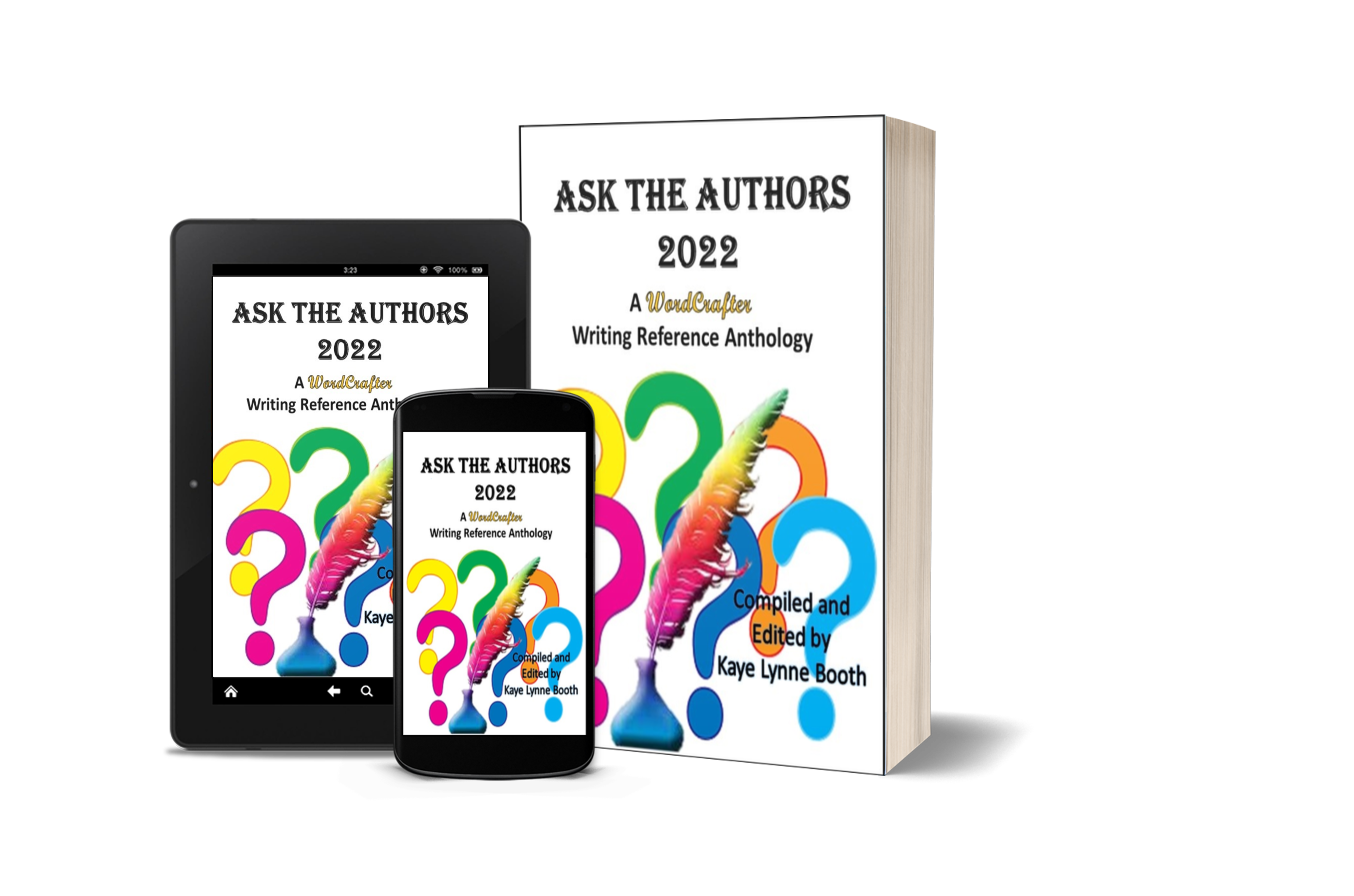


How You Can Help to Build a Writer’s Platform
Posted: March 3, 2016 | Author: kayelynnebooth | Filed under: Commentary, Promotion | Tags: Book Review, Children's Books, Creative Fiction, F, Fiction, promotion, Southern Colorado Literature Examiner, Western State College, Writing, Writing Process | 1 CommentPainting by Mitch Barrett, Poetry by Kaye Lynne Booth
Everything I’ve ever done in life, I’ve done my own way, usually depending on myself and no one else. One thing anyone who knows me can tell you is I’m persistent. When I set out to achieve something, I don’t stop until I do. It has been no different with writing. But I’m discovering that I need a little help with this endeavor.
I had an unpleasant experience with a student teacher in the English department as an undergrad, so just when I was beginning to learn that I liked writing and maybe English should be my major, I was soured on the whole idea by the feeling that the field was too subjective for me, and I chose to major in psychology instead.
But after I’d been out of college for a few years, I discovered not only that I had a love for the written word, but also that I had some talent for it. I started out writing poetry, which I’ve since learned, is not my strong suit, but even there, I don’t do too bad. I sold my first poem to Dusk & Dawn Magazine in 1996 for $5. Problem was, that didn’t even cover all the postage I had spent submitting, and I couldn’t afford to play the starving artist. I had a family to help support. There were others to consider. So, writing went onto a back burner, just simmering for about twelve years.
Then, I discovered the Internet and rediscovered my abilities for writing as new opportunities presented themselves. The rise of the Web actually changed the entire publishing industry over time, opening up all kinds of new opportunities for writers, including, but not limited to, self-publishing, marketing via social media, vanity presses, and content mills. As blogs and websites grew in number, more content was needed than ever before. Problem was, I’m technologically challenged. Slowly, over time, I have learned to use social media to my advantage a little, and I’ve learned to use many of the writing sites and content mills to make minimal amounts of money.
One of the coolest things happened in my writing endeavors didn’t involve any money at all. I had one of my poems featured in a painting by artist Mitch Barrett and displayed and sold at the Kaleidoscope Gallery in Battlesea Park, London. (There’s a lengthy story behind how this came about, which I may relate in a future blog post. Anyone who knows me is surely tired of hearing it.
As a freelancer, I became the Southern Colorado Literature Examiner for Examiner.com, which didn’t really pay, but offered opportunity to meet other writers, get free books for review and obtain credits for my portfolio. I also cranked out articles for other content mills which did pay, at least a little, which added to my skill set, diversifying my writing talents, and I was published in Freeman, which was a bit more profitable.
I thought I was quite fortunate when I was able to obtain a publisher for one of my children’s stories. After seven wasted years, it turned out I was not so fortunate, since my book still wasn’t published. But we learn from experience.
Still struggling to launch my writing career, I discovered the low residency MFA program for Creative Writing offered by Western State and I applied. Maybe I couldn’t do it on my own, but I would learn what I needed to know, one way or another. And I have learned a lot. I’ve learned about my own writing process. When I started at Western, I’d never even thought about it. I’m not even sure I was aware I had a process, but I did and still do. Now I’m just more aware of it. I learned how to craft my words to be pleasing to the ear. I learned how to read aloud in front of an audience, and I’ve learned that I do it well.
Last summer, I completed my emphasis in genre fiction and read from my thesis novel, Playground for the Gods: Book 1: The Great Primordial Battle. I’ve learned how to treat my writing as a business, at least in theory, although I’m still trying to get it off the ground. And I’ve learned how advances and royalties work, and that you have to sell a lot of books before you will ever receive royalties.
And I learned that screenwriting is where the big money is. When I took genre screenwriting for my out of concentration class, I also learned that it was fun, it came pretty easy to me and I was fairly good at it. So, instead of graduating, I stayed in school for another year to get a second emphasis in screenwriting. What I’m learning this year, is that there’s a lot of competition on screenwriting and it’s tough to get a break. You practically have to live in L.A. to get anywhere. Yet, I am determined to make all the money I now owe for my schooling pay off. I haven’t given up yet, and I don’t intend to now.
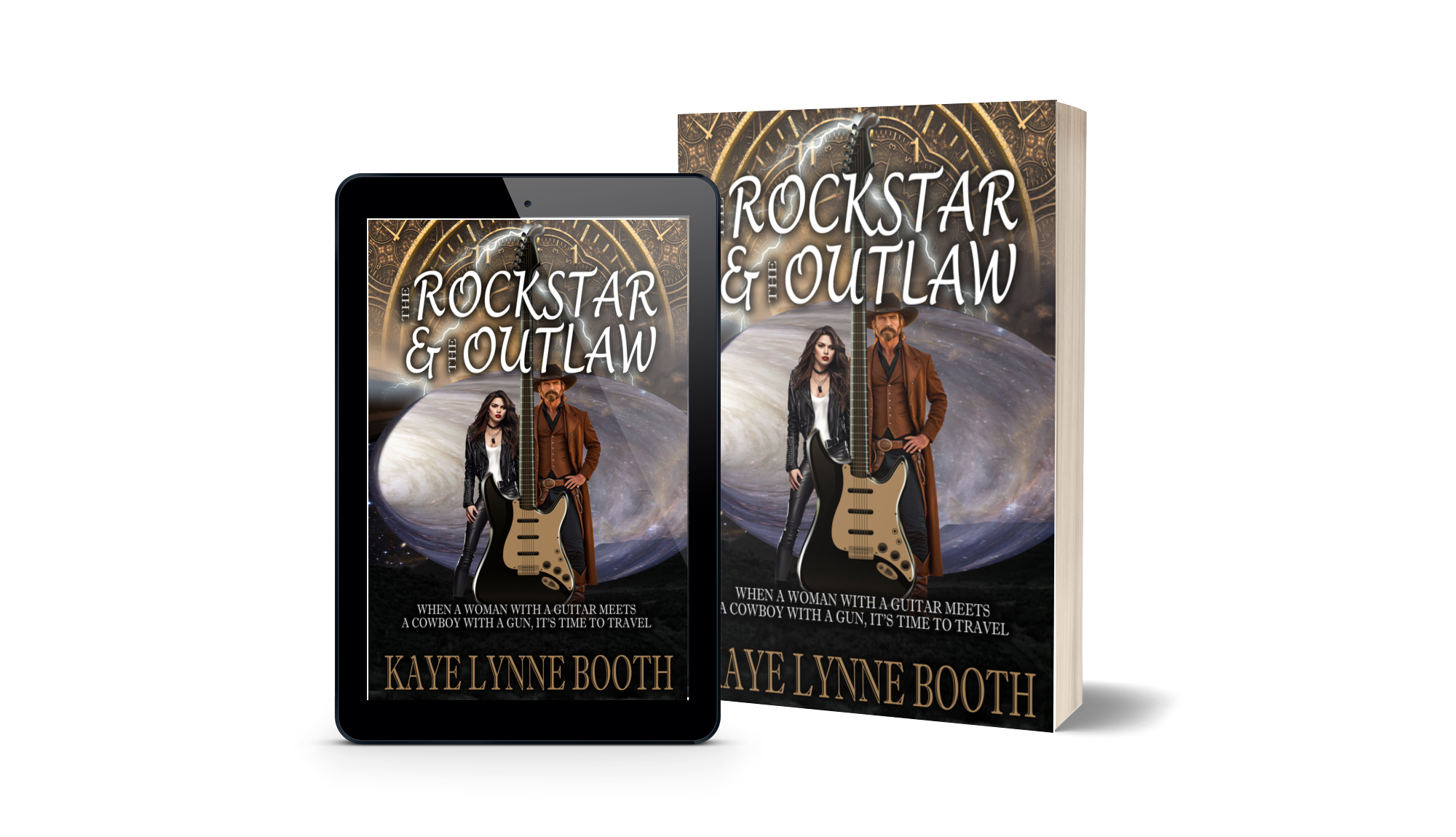
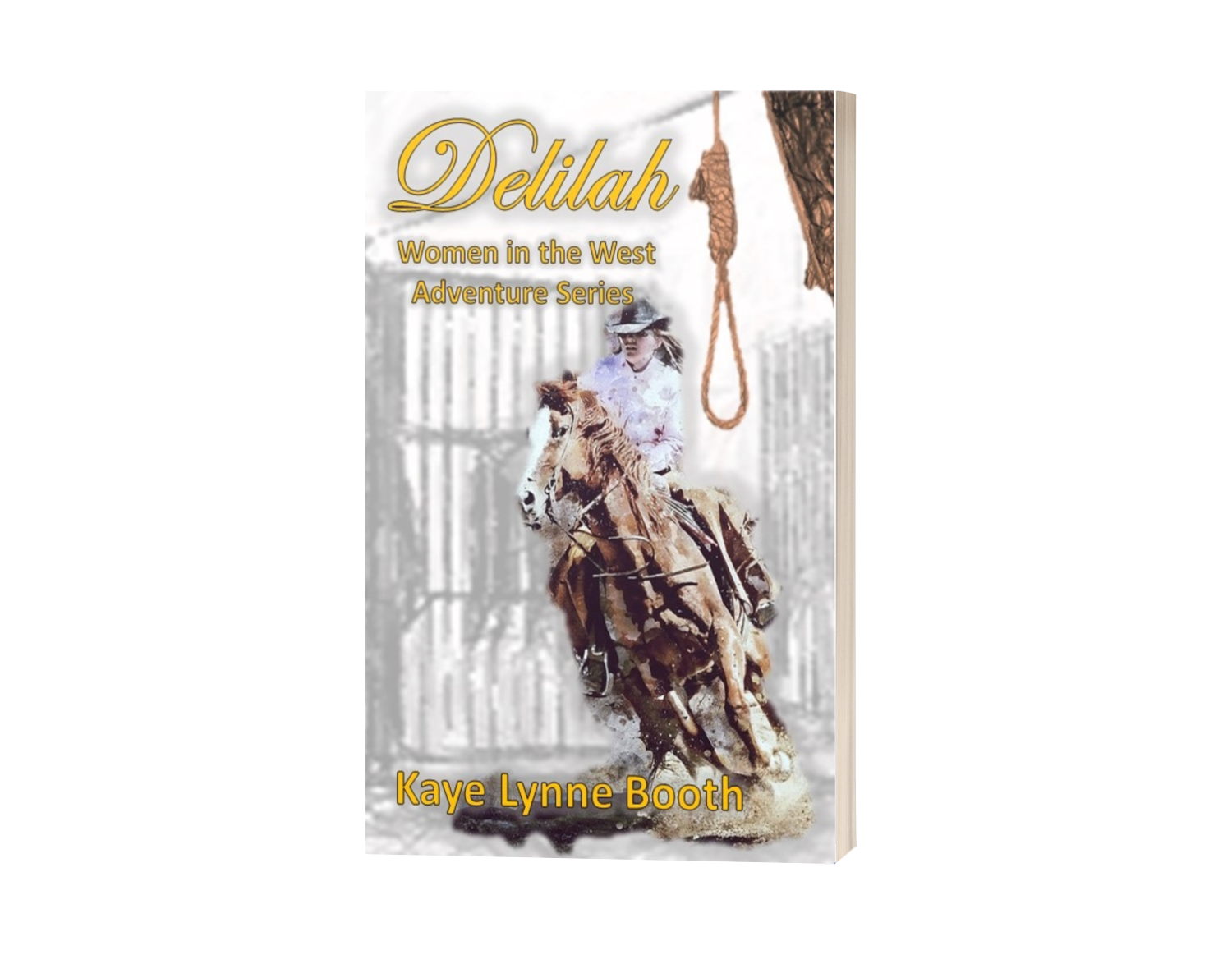
I’m currently shopping my thesis novel and two of my children’s stories, five short stories, and various poems. I’m also very close to finishing my western novel, Delilah. At Western, thanks to my instructor, Russell Davis drawing us out of our comfort zones, (and maintaining as much discomfort for us as possible), I discovered that I enjoy writing in the western genre, and although it is not one of the bestselling markets, I do it well. And I’m working hard, through this blog and social media, to build a writer’s platform and gain a following to make myself look more appealing to agents and publishers.
Here’s where you, my readers come in, because you can help. Without my readers, my writing just sits there on the page, not doing much of anything. You are my writer’s platform. You are my following.
Many people don’t realize that liking a link on Facebook, while cool, doesn’t really help the author grow their platform unless they actually read the post and subscribe by email. What does help, is if you’ll take the time to read the post here, on my Writing to be Read site, and subscribe to the blog. That’s what shows how large my reader following is, and it does my heart good to watch as it grows.
You can also like the post below it, with all the “share” buttons, but you must have a WordPress account. If you don’t have one, you can sign up for one, but then, of course, you will have a blog to maintain, so be sure you know what you’re getting into. I’m guessing that many people just like the link on Facebook to show their support, but they don’t actually click on the link and read the post. But, if you leave a comment, I’ll be able to tell that you read it, and if you subscribe, it will show you liked what you read. You’ll make my day.
If you’d like to show even more support, you can buy my short science fiction story, Last Call. If you like it, write a review on Amazon. And, you can follow me on Facebook, Twitter, LinkedIn, or Pintrest. Help an old writer get a break.
Your support is always appreciated. Thank you for being a reader of my work. After all, for me, it’s not really about money. It’s about Writing to be Read.
Share this: