In Touch With Nature – Common Buzzard
Posted: February 24, 2026 Filed under: Animals, Bird Watching, Birds, In Touch With Nature, Nature, Photography, Poetry, Wildlife | Tags: African Wildlife, Animals, Common Buzzard, In Touch With Nature, Nature, Robbie Cheadle, Writing to be Read 54 Comments
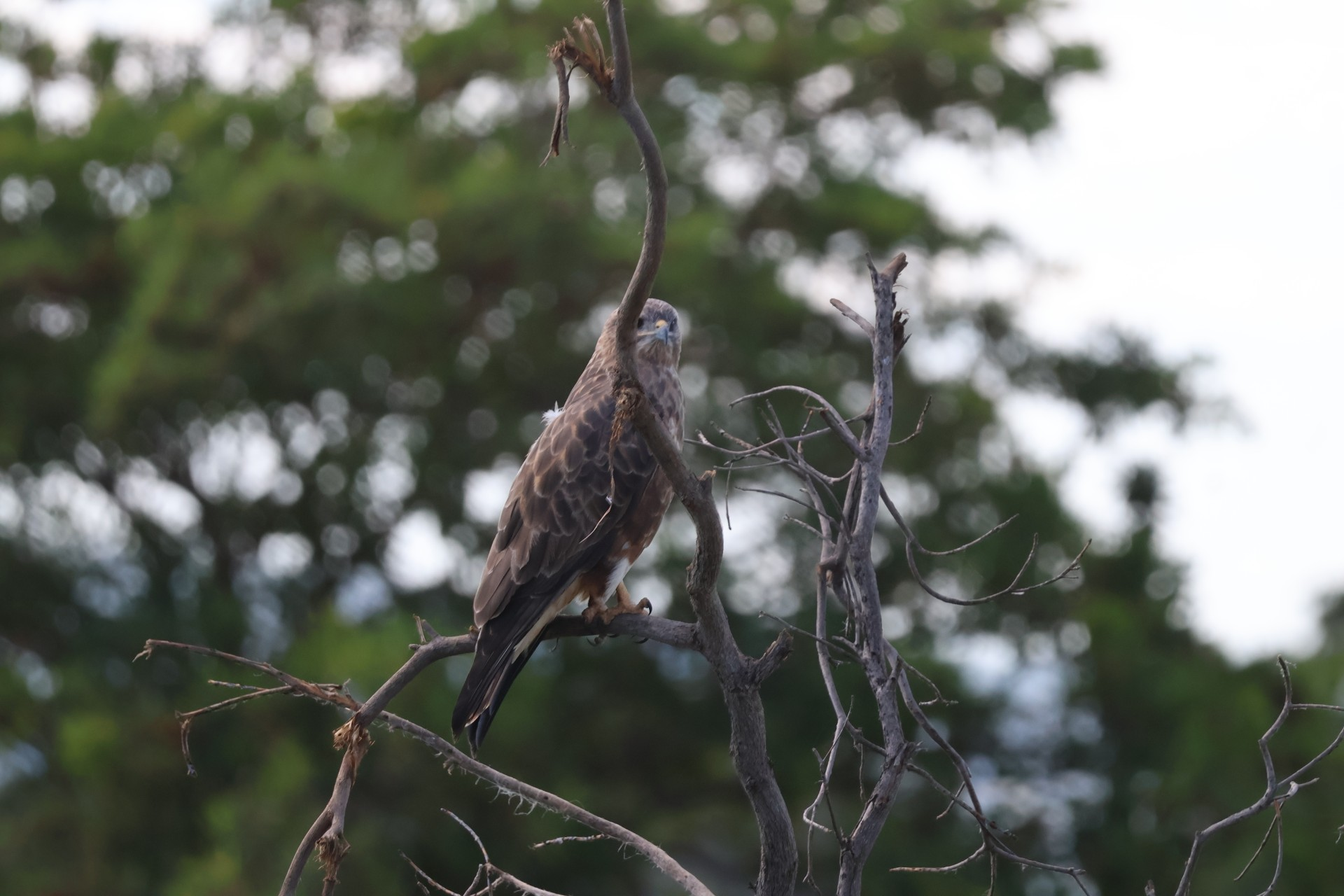
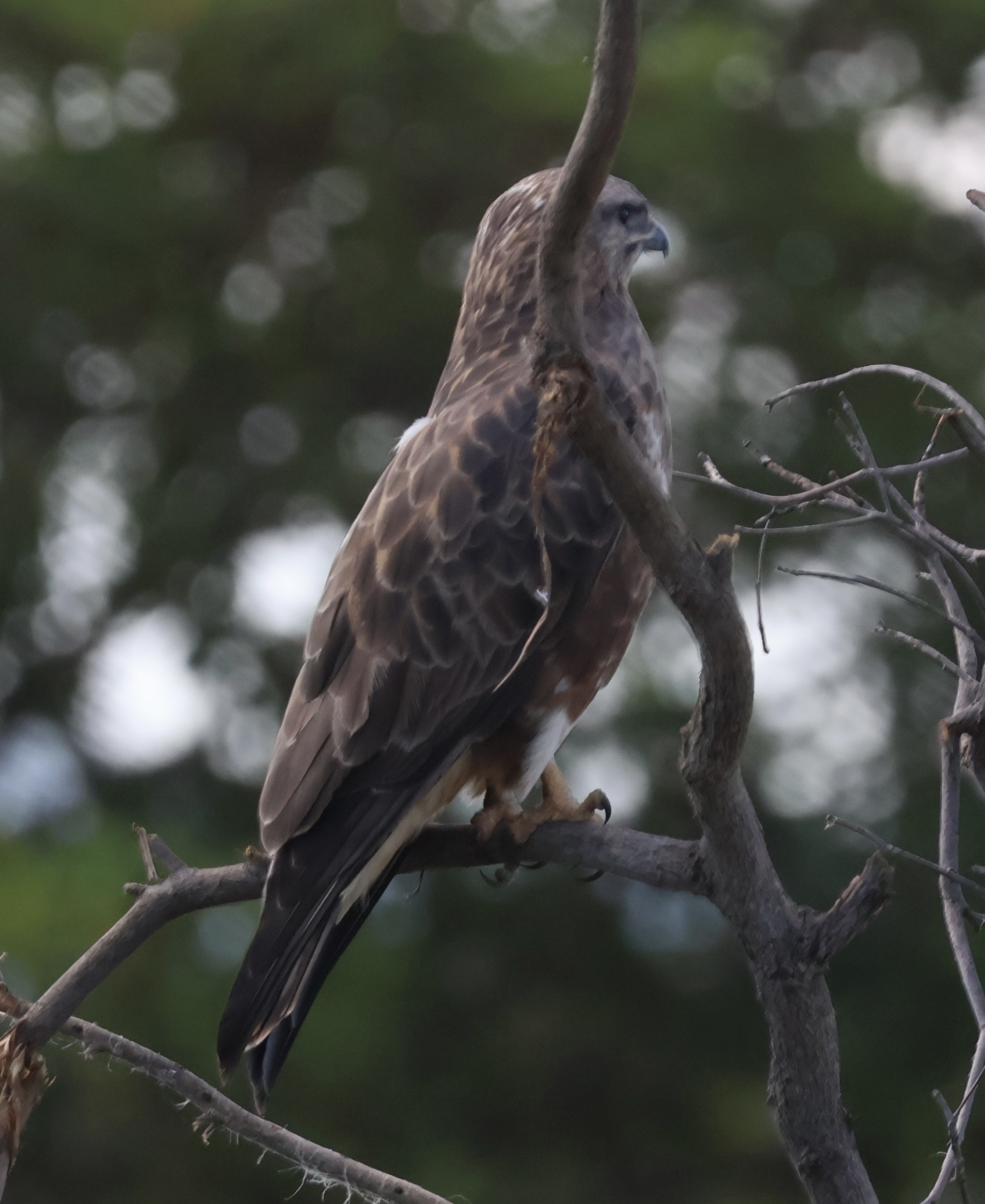
Nothing common about this buzzard
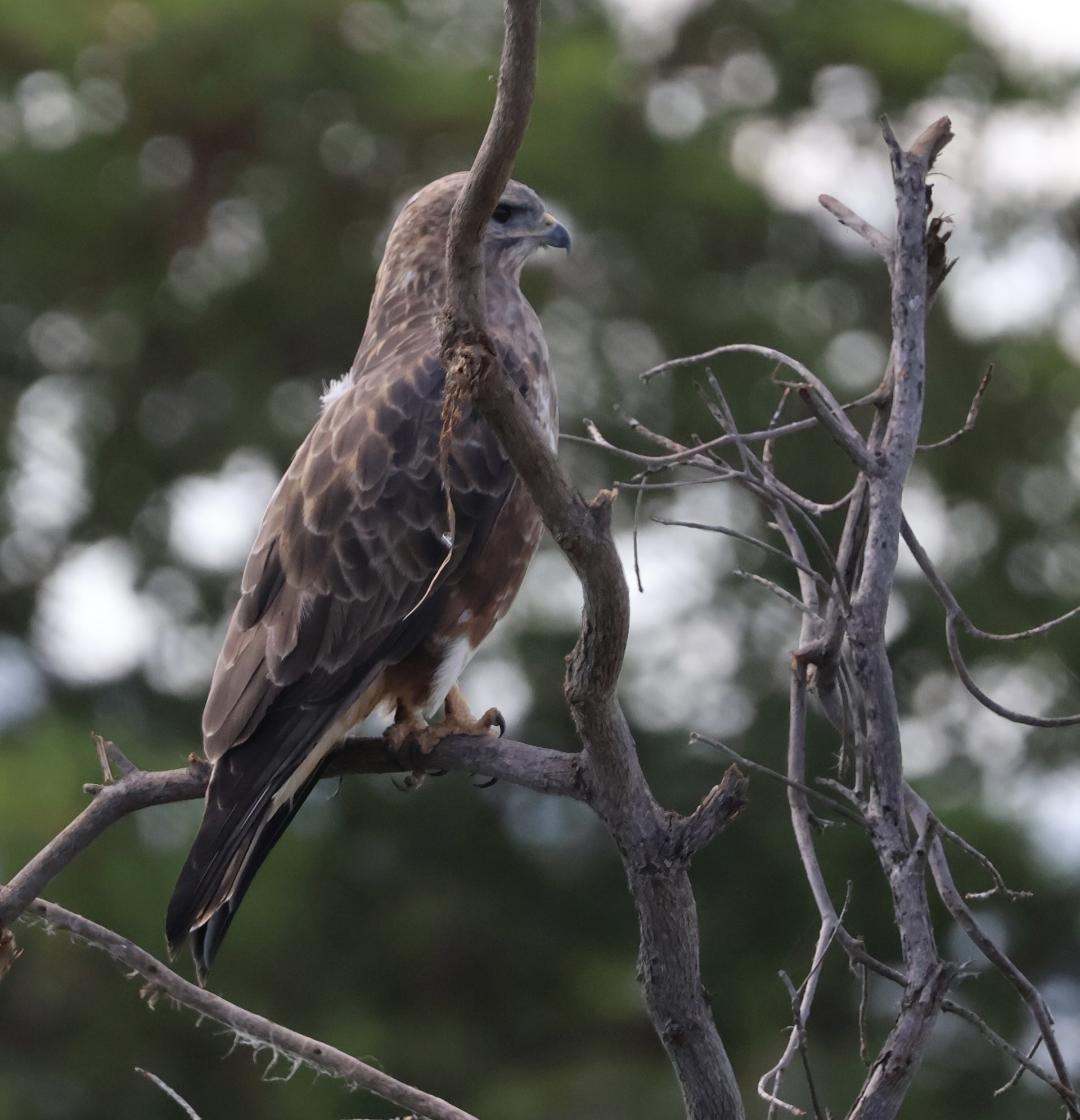
What a thrill to see you perched atop a tree
scanning the area; you have exceptional vision
head rotating, your eyes pass lightly over me
irrelevant in the context of your meal decision
I watch you staring at the mound filled earth
seeking signs of movement, either mouse or mole
your wings gracefully spreading once prey is found
the effort rewarded; of rodents there is no dearth
their silhouettes outlined as they emerge from a hole
in stealthy pursuit you soar gracefully to the ground
seizing your unsuspecting prey with grasping talons
tearing it apart with your sharp, hooked beak
one creature must die in order for another to live
one of nature’s most effective mammal assassins
your quarry succumbs without so much as a squeak
you, the victorious combatant, your prey unresistive
***
Tourist bird, I enjoy your annual visits to these shores
in migrating flocks of up to twenty of your comrades
gliding effortlessly over large expanses without pause
with a predetermined flightpath, you aren’t nomads
though your arrival may be met with strong resistance
from smaller birds who view you as a potential threat
mobbing you repeatedly until you relent and fly away
not much of a welcome after covering such distance
your feathery bulk the cause of much upset
an illusion to disguise how little you really weigh
a monogamous creature, you usually mate for life
your partner smaller, and suited to hunting prey
while for three weeks your chicks you brood
working as a team, you experience little strife
knowing he’ll deliver small morsels without delay
until they fledge and you join the search for food
About Roberta Eaton Cheadle

Roberta Eaton Cheadle, is a South African writer and poet specialising in historical, paranormal, and horror novels and short stories. She is an avid reader in these genres and her writing has been influenced by famous authors including Bram Stoker, Edgar Allan Poe, Amor Towles, Stephen Crane, Enrich Maria Remarque, George Orwell, Stephen King, and Colleen McCullough.
Roberta has two published novels and a collection of short stories and has horror, paranormal, and fantasy short stories included in several anthologies. She is also a contributor to the Ask the Authors 2022 (WordCrafter Writing Reference series).
Roberta is also the author and illustrator of seventeen children’s books, illustrator to a further three children’s books, and the author and illustrator of four poetry books published under the name of Robbie Cheadle, and has poems and short stories featured in several anthologies under this name.
Roberta’s blog features discussions about classic books, book reviews, poetry, and photography. https://roberta-writes.com/.
Find Roberta Eaton Cheadle
Blog: https://wordpress.com/view/robertawrites235681907.wordpress.com
Bluesky: https://bsky.app/profile/robbiecheadle.bsky.social
Facebook: https://www.facebook.com/robertawrites
Amazon: https://www.amazon.com/Roberta-Eaton-Cheadle/e/B08RSNJQZ5
___________________________________________
Like this post? Are you a fan of this blog series? Did you know you can sponsor your favorite blog series or even a single post with an advertisement for your book? Stop by the WtbR Sponsor Page and let me advertise your book, or you can make a donation to Writing to be Read for as little as a cup of coffee, If you’d like to show your support for this author and WordCrafter Press.
__________________________________________
This segment of “In Touch with Nature” is sponsored by the Midnight Anthology Series and WordCrafter Press.

Midnight Roost: Weird and Creepy Stories: 20 authors bring your nightmares to life in 23 stories of ghosts, paranormal phenomenon and the horror from the dark crevasses of their minds. Stories of stalkers, both human and supernatural, possession and occult rituals, alien visitations of the strange kind, and ghostly tales that will give you goosebumps. These are the tales that will make you fear the dark. Read them at the Midnight Roost… if you dare. https://www.amazon.com/Midnight-Roost-Kaye-Lynne-Booth-ebook/dp/B0CL6FPLVJ
Midnight Garden: Where Dark Tales Grow: 17 authors bring you 21 magnificent dark tales. Stories of magic, monsters and mayhem. Tales of murder and madness which will make your skin crawl. These are the tales that explore your darkest fears. Read them in the Midnight Garden… if you dare. https://www.amazon.com/Midnight-Garden-Where-Tales-Anthology-ebook/dp/B0DJNDQJD3
Midnight Oil: Stories to Fuel Your Nightmares: 14 authors bring you 16 dark tales that explore your deepest fears. These are the stories which nightmares are made of. Tales of monsters, mayhem, and madness which will make you shiver in the dark. Read them while you burn the Midnight Oil… if you dare. https://books2read.com/Midnight-Oil
Share this:

Birdwatching: My Best Bird Photos
Posted: February 16, 2026 Filed under: Bird Watching, Birds, Nature, Photography, Wildlife | Tags: Birds, Birdwatching, Kaye Lynne Booth, Nature Photography, Writing to be Read 5 Comments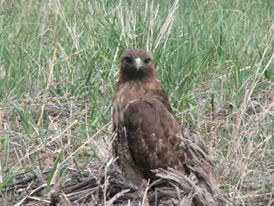
For many years I have been a birdwatcher, mostly due to the fact that there are so many different kinds of beautiful and fascinating birds that visit my yard and make the surrounding forest their home. But one thing about my flighty little friends is that many are skittish and don’t willingly do photo ops. But, every once in a while, the perfect opportunity arises and I get a really good picture. The rest of the time, the photos I get may be barely passable, if at all.
The good ones, like the one above of a red-tailed hawk, each have a story behind them, or at least the birds featured in them do. The story behind the photo above is a sad one. The only reason I was able to get close enough to get that photo was that the hawk had run into some power lines and electrocuted itself, disabling it from taking flight. I took several photos while waiting for the rescue workers from a local bird sanctuary to arrive. Unfortunately, they were unable to save him. He was a beautiful and majestic bird.
The young flicker in the photo below was another rescue that I made one spring day. The baby bird somehow ended up in my water garden pool, which is only has a small amount of water in the winter. In the photo, you can see its wet feathers, which were preventing him from flying back out, so it huddles by the drainpipe, cold, wet and afraid. I donned a pair of gloves and removed him gently, setting him on the ground to dry.

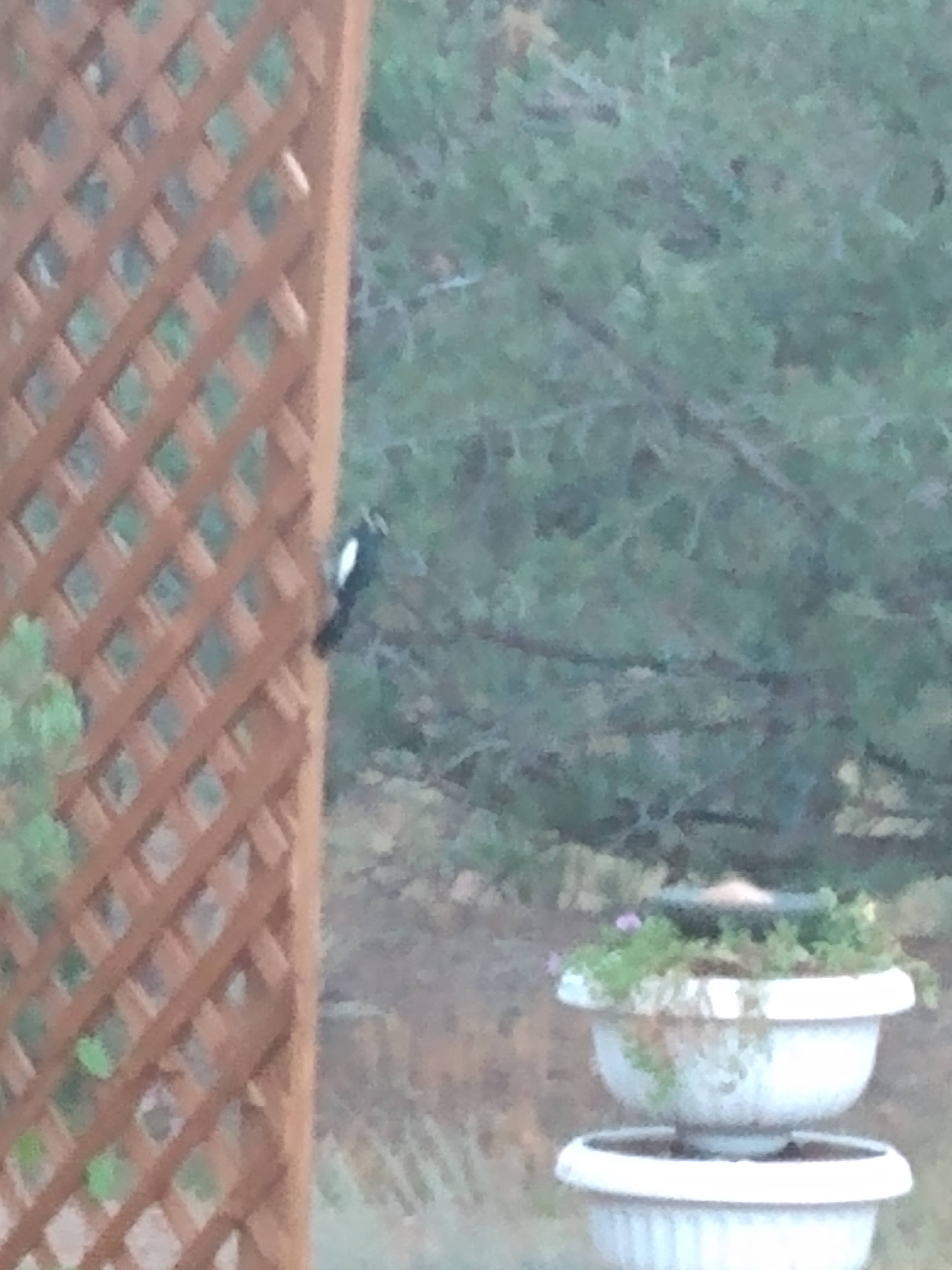
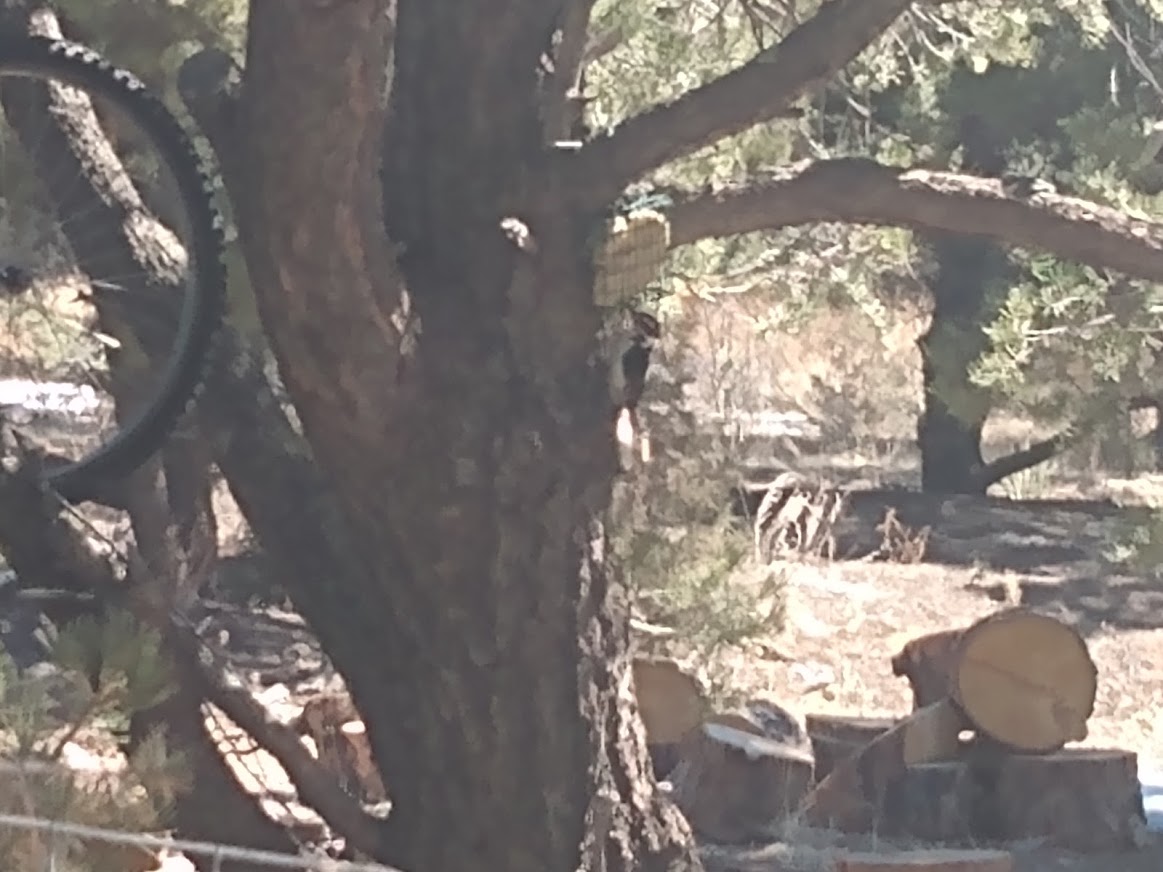
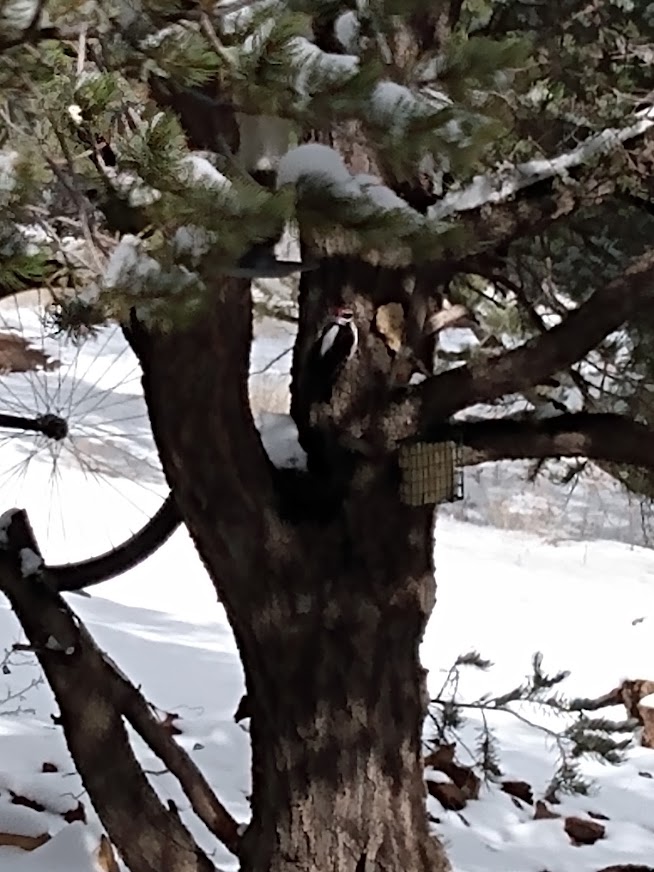
Not all my photo opportunities result from rescues and not all result in good photos. Flickers are in the woodpecker/sap sucker family of birds. Other birds in that family visit my mountain home, such as the downy woodpeckers, shown in the photos below. These guys just stop by from time to time for a bite to eat from my suet cakes. The one on my trellis must have been during mating season as he was flying from spot to spot on the trellis making strange clicking sounds to attract a mate.
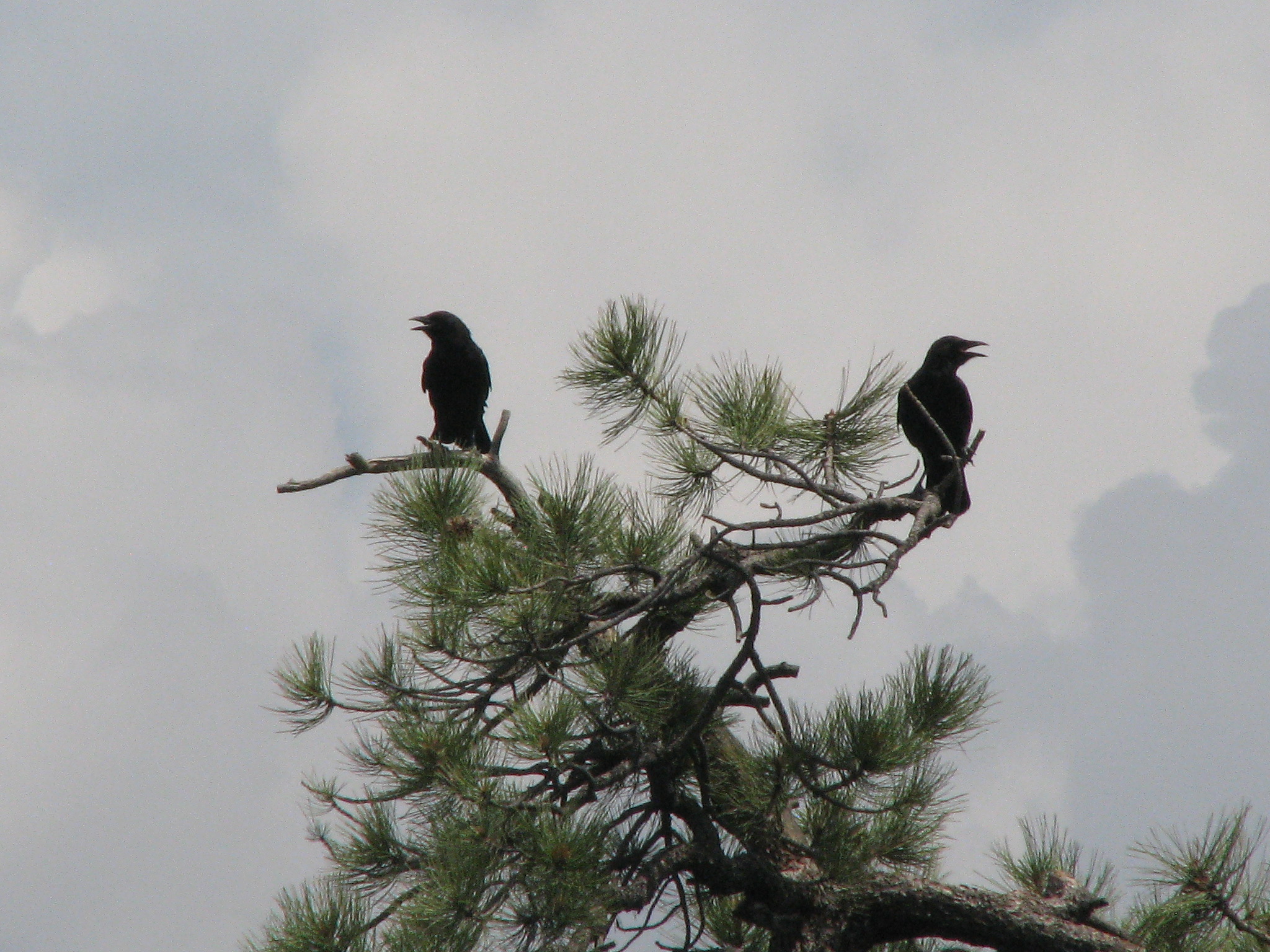
Then we have my resident ravens, who are very camera shy, but I manage to snap one every once in a while. The ravens are characters. They fly by and yell at you, “Caw! Caw!” and I’m just crazy enough to caw back at them. They watch the activity around my yard, often fly by real low to tease the dog, and steal things that you leave lying about, especially if it is shiny. One watches from the trees when I walk the dog, and wait until we are right below, then screams out a caw and flies away, thinking it a pretty good joke he played.
They are social birds. They frequently gather in large groups in neighboring horse fields, sometimes with their crow cousins, and jump up and down, cawing and acting silly. I call these little bird parties Raven Raves. Ravens mate for life, and at first, I had four resident birds, but a neighbor kid shot one down with a bb gun one summer. Those ravens flew madly, cawing and cawing for days afterward. They were in mourning. 😦
Most of the photos I get of the ravens are in flight, and they appear as small specks of black against a sky of blue and white. They don’t sit still often when they know you are watching. But I did get one nice photo of a pair perched in my tree, and a carefully placed game camera near my feeders caught a single raven swooping in to steal a bite.
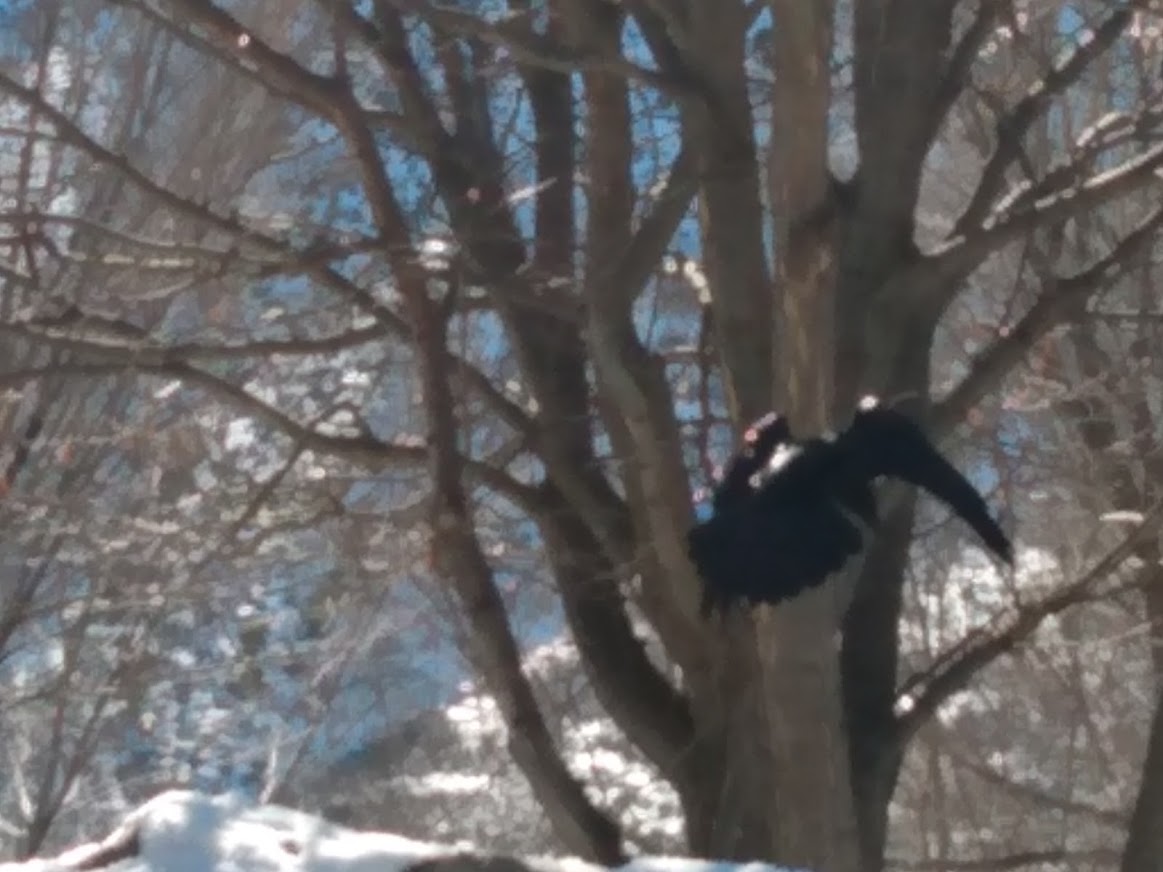
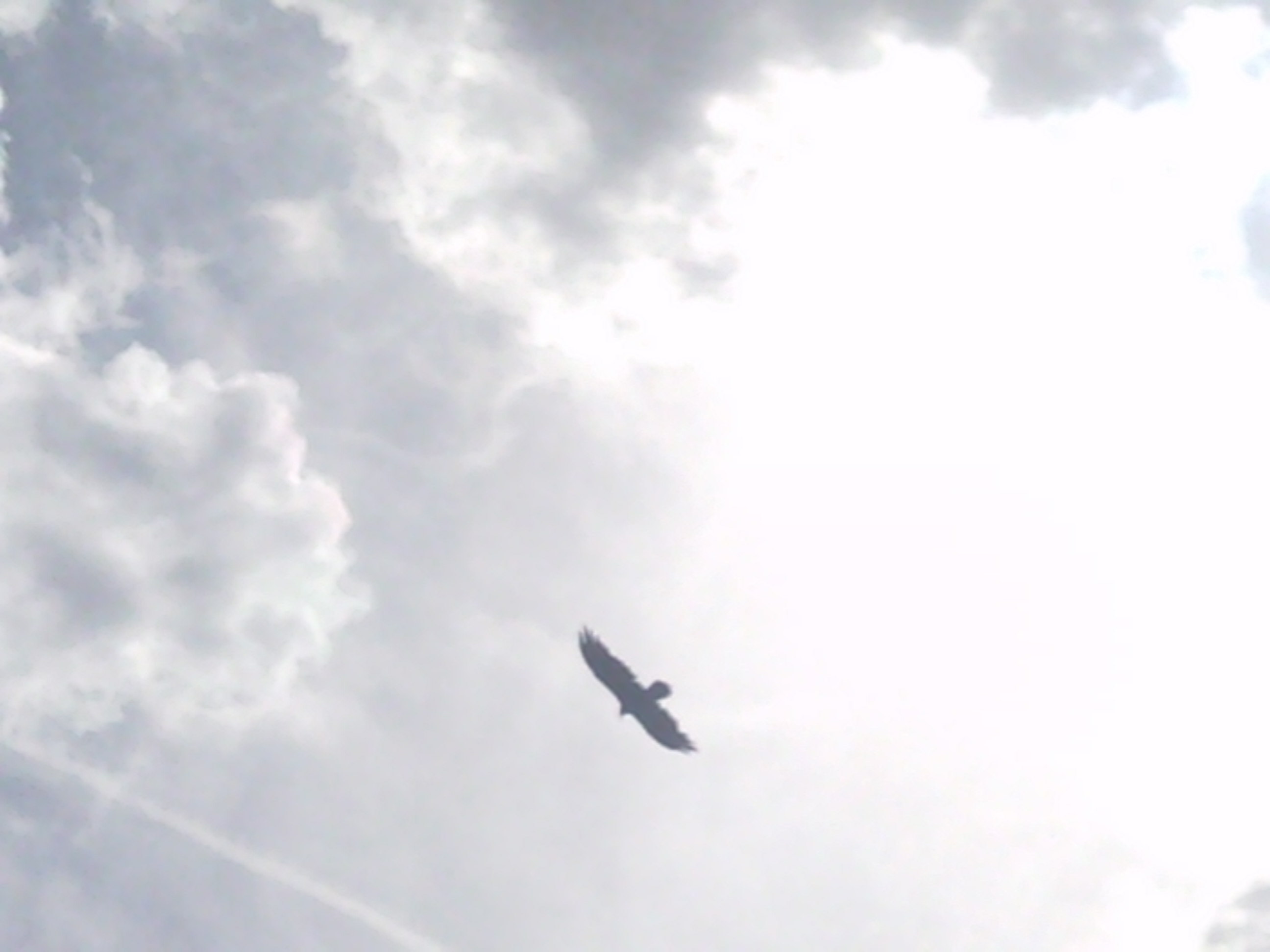
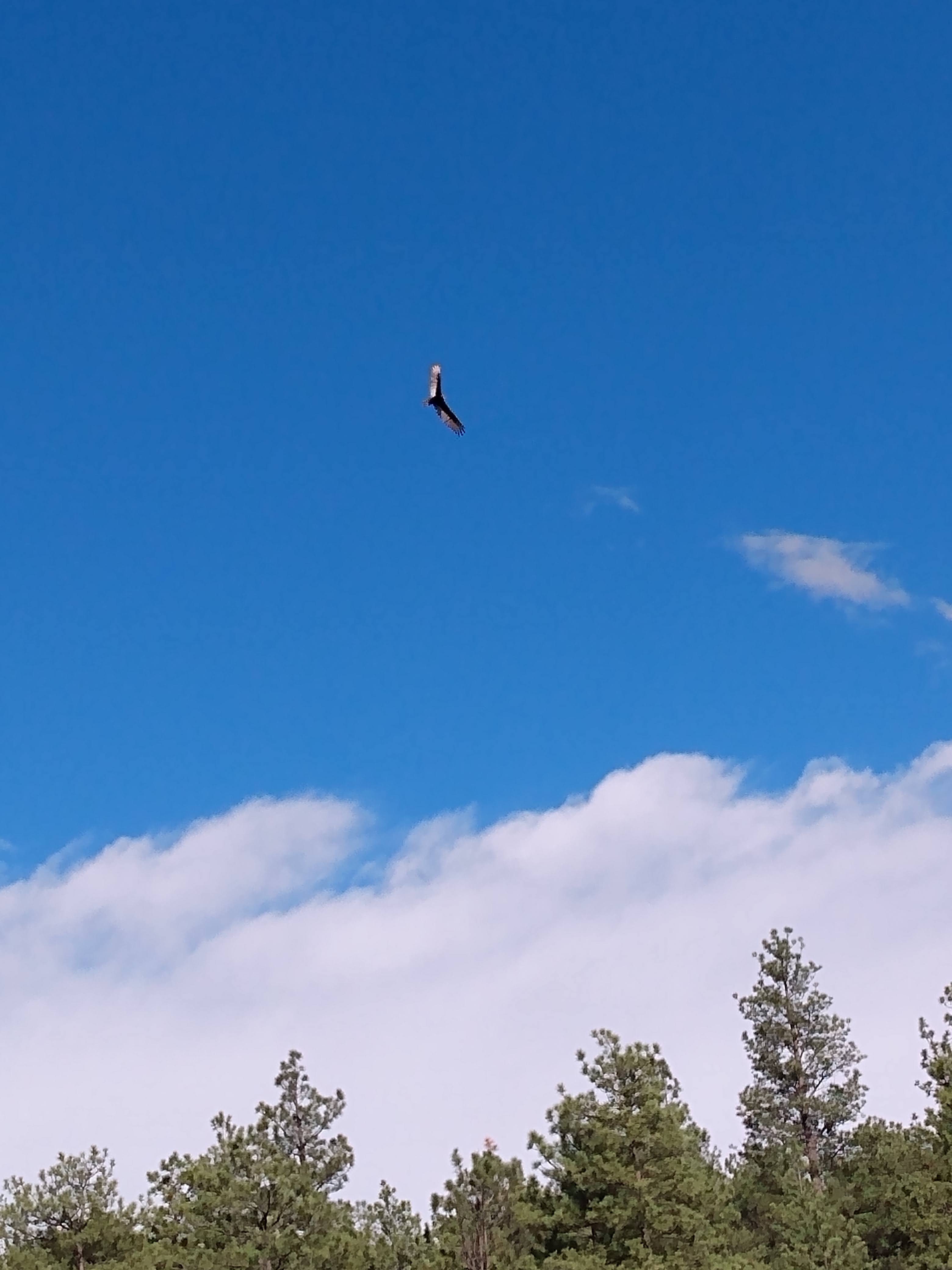
Another bird rarely caught on camera except in flight are turkey vultures. As carrion eaters, turkey vultures have gotten kind of a bad rep. Their role in nature isn’t pretty, and neither are they, with their bald red heads, which actually serves a purpose of cleanliness for the birds. Just think how bad they would be if their bloody meals stuck to the feathers on their heads. They are commonly seen riding the wind currents on blustery days. I am not a fan of wind, but they truly enjoy the weather that makes me want to stay inside.
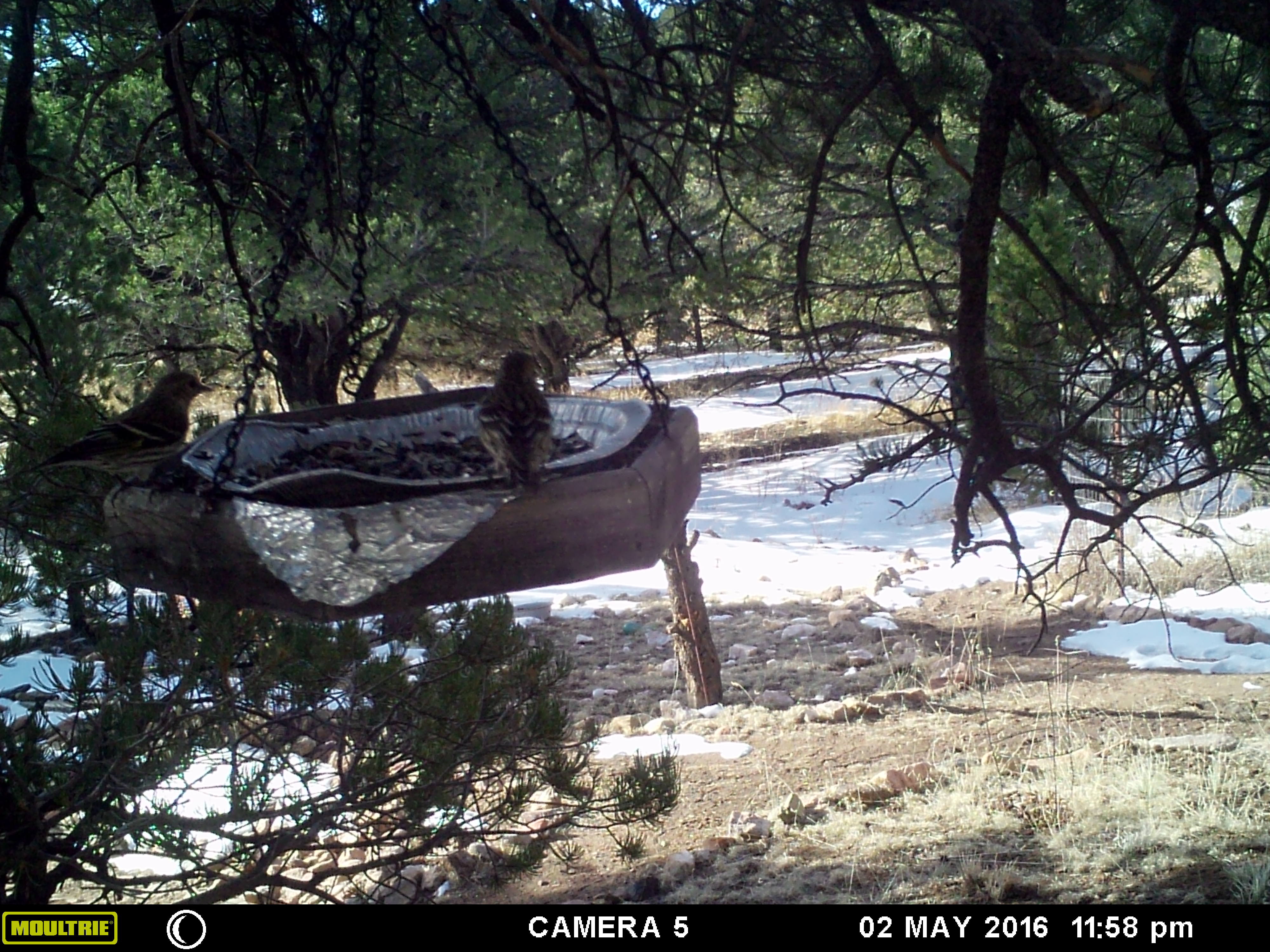
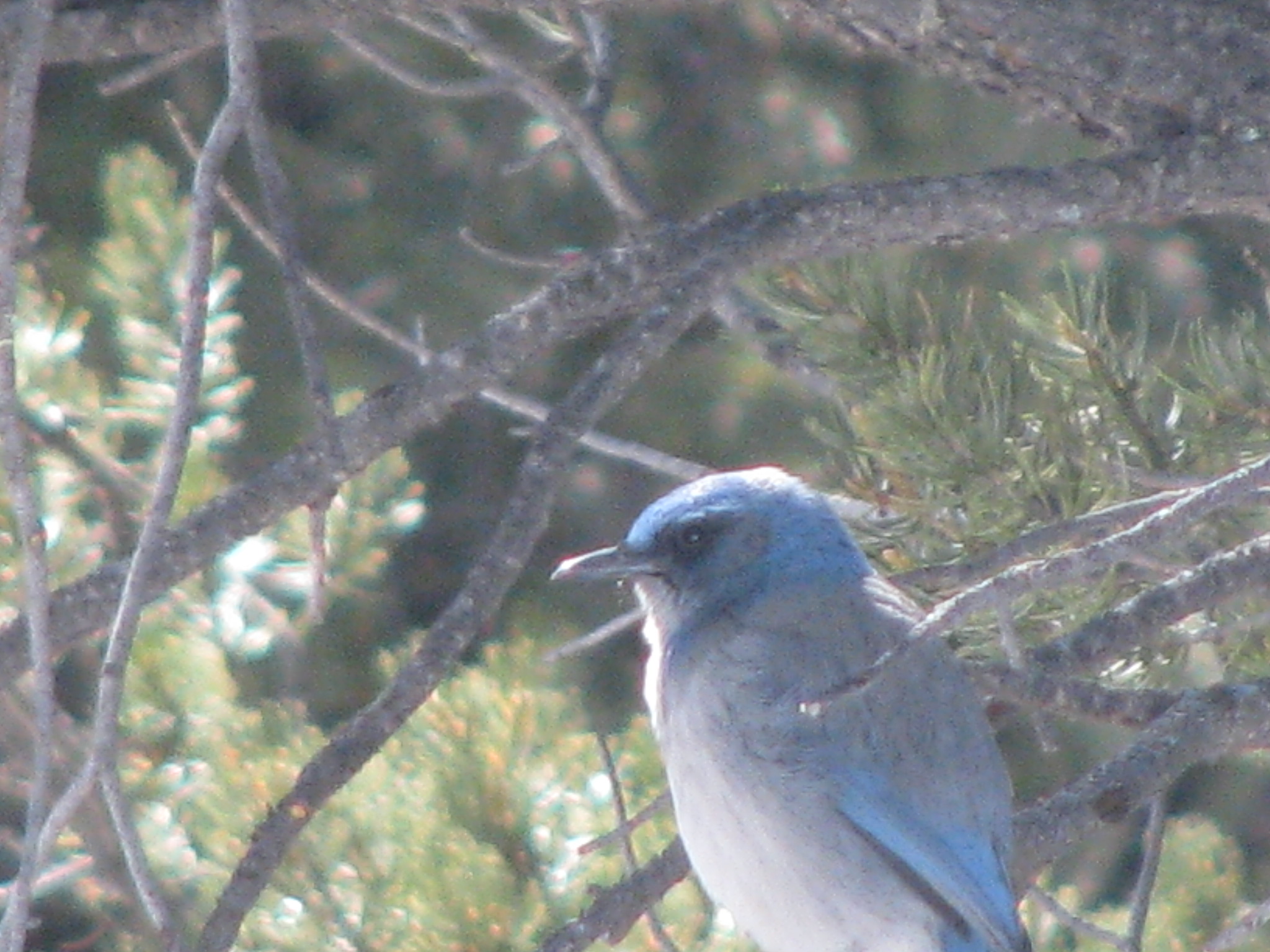
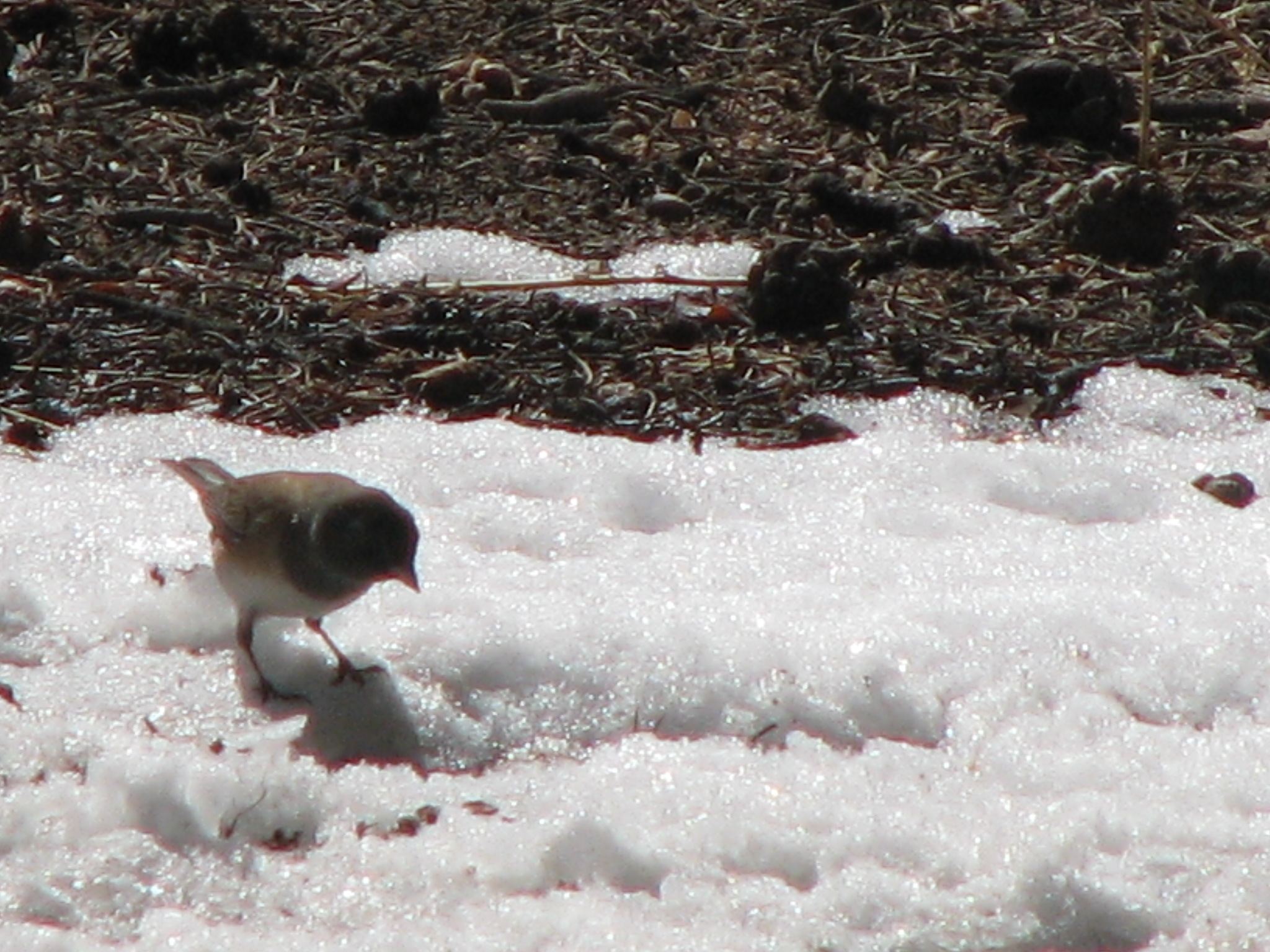
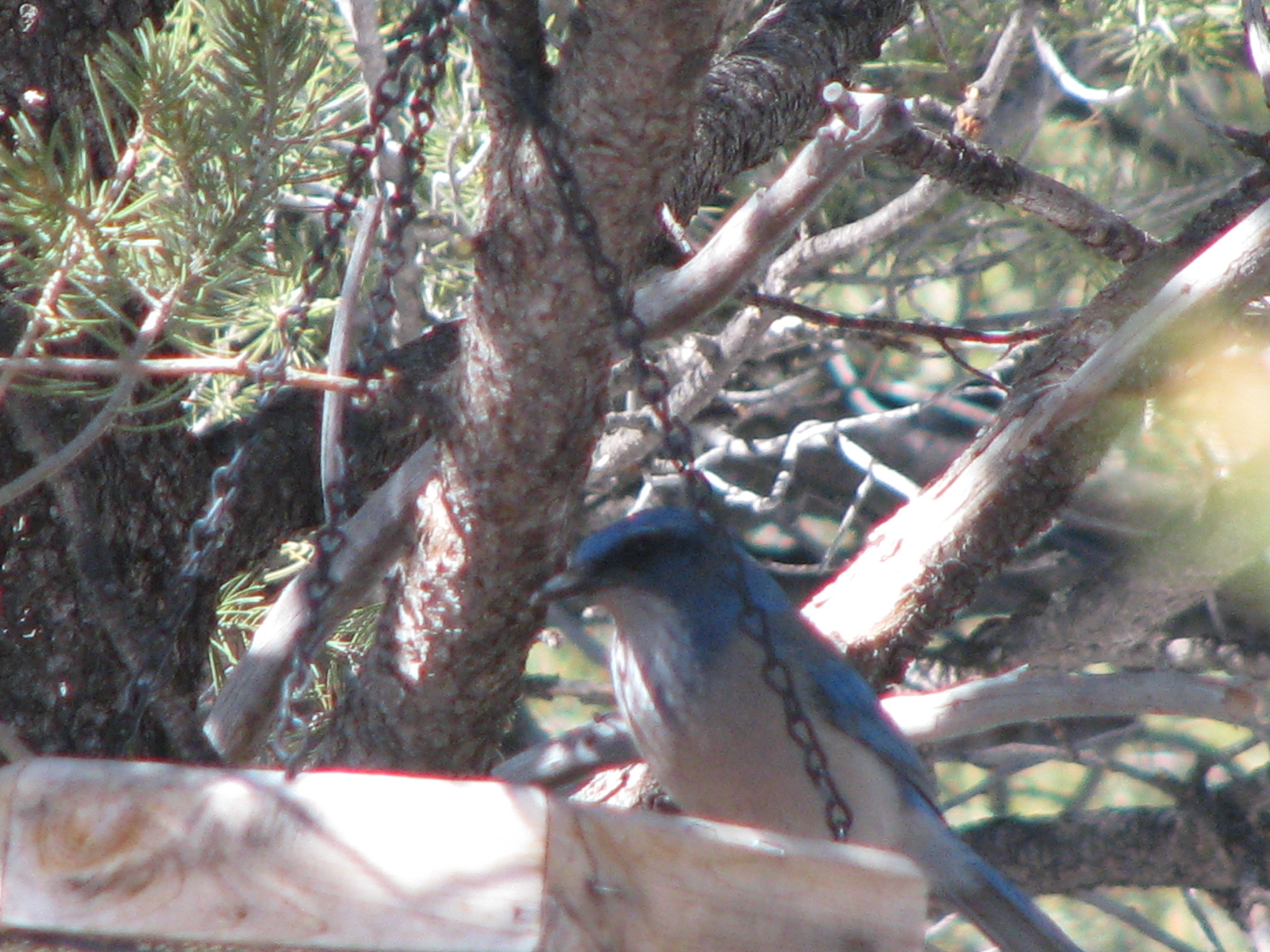
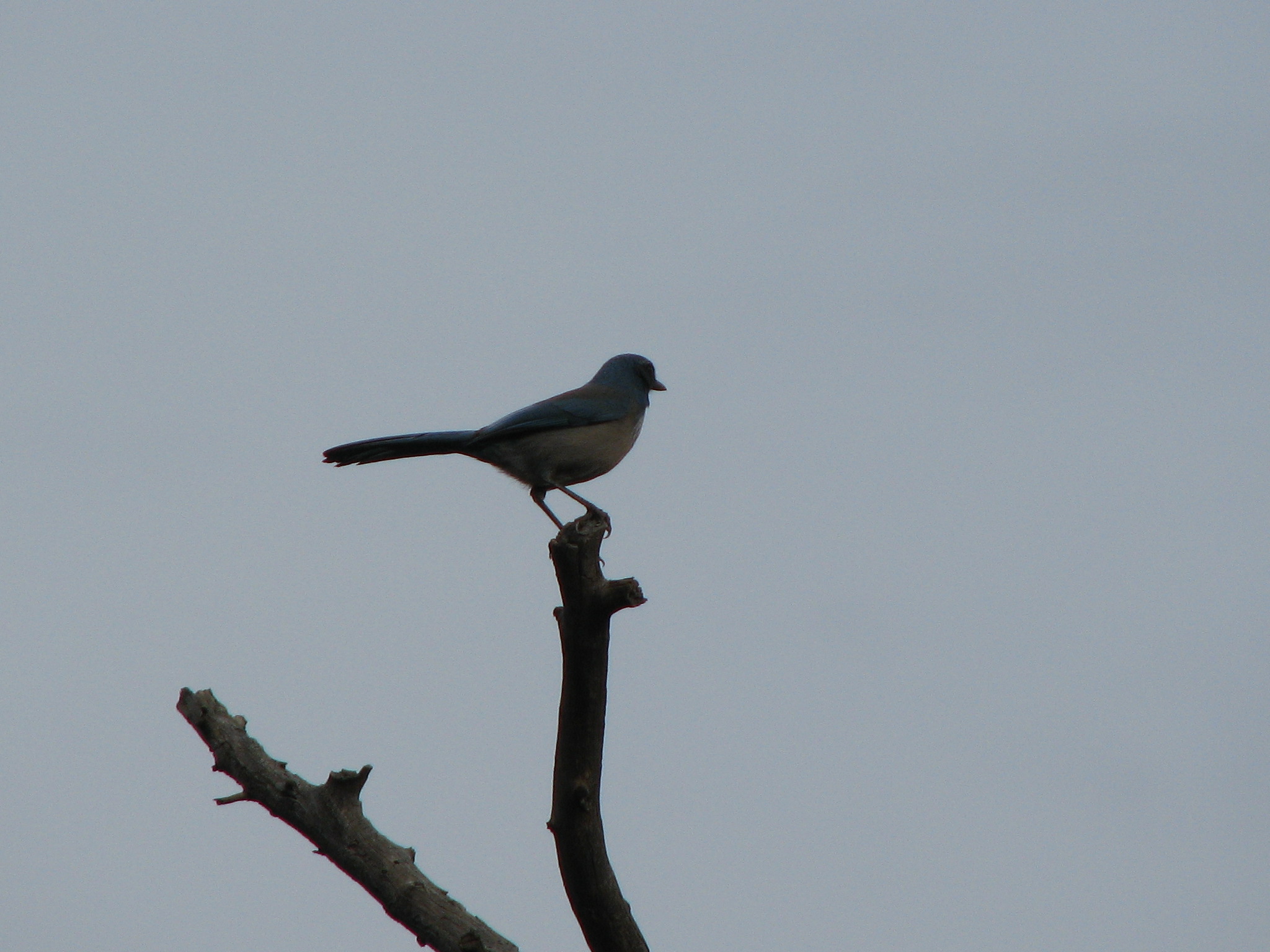
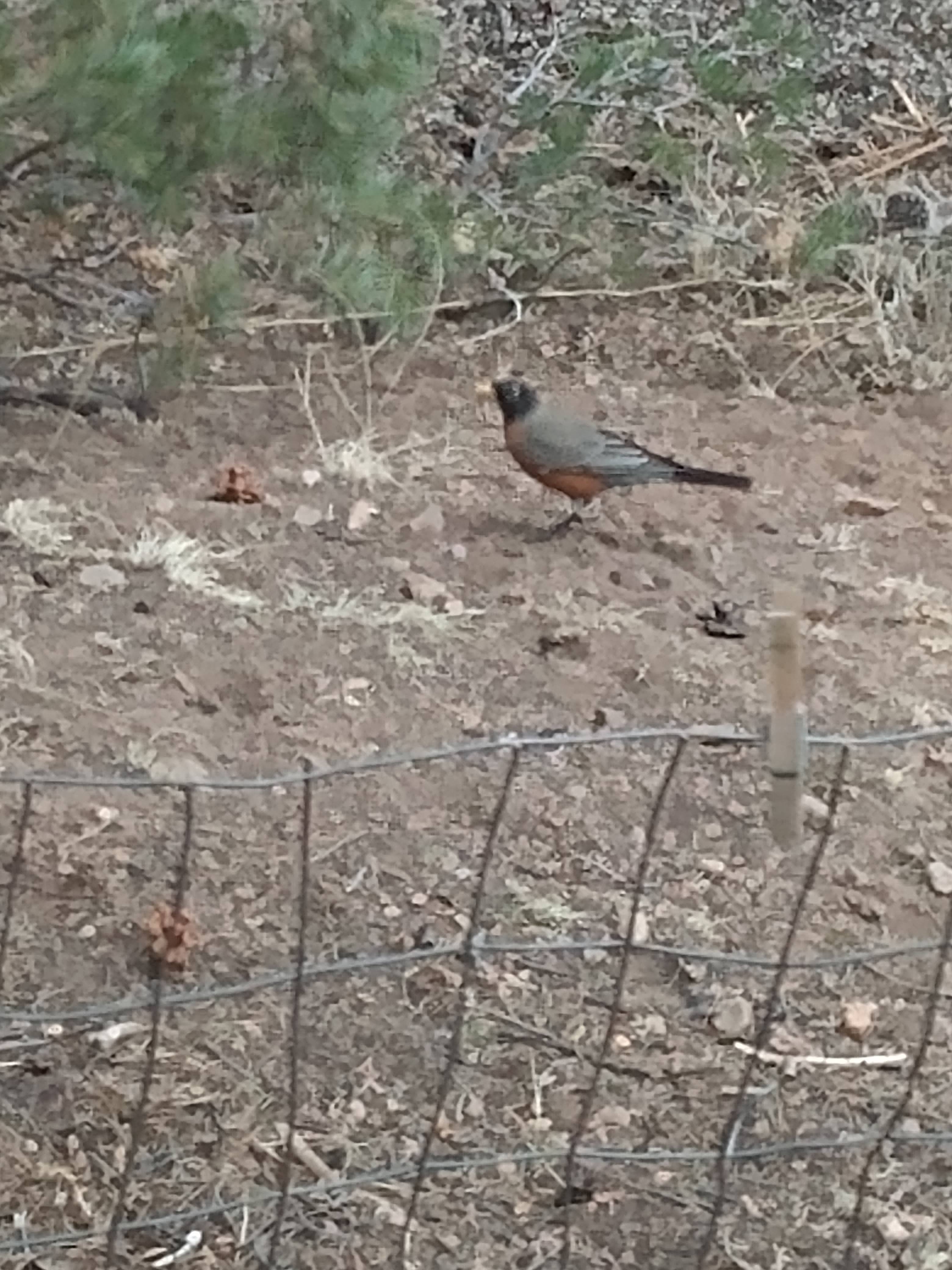
Other resident avians include juncos, chickadees, nuthatches and blue jays, which are her year round, and robins make their appearance each spring. Visiting birds include evening grossbeaks, colorful western tanagers, rock doves, and western bluebirds.
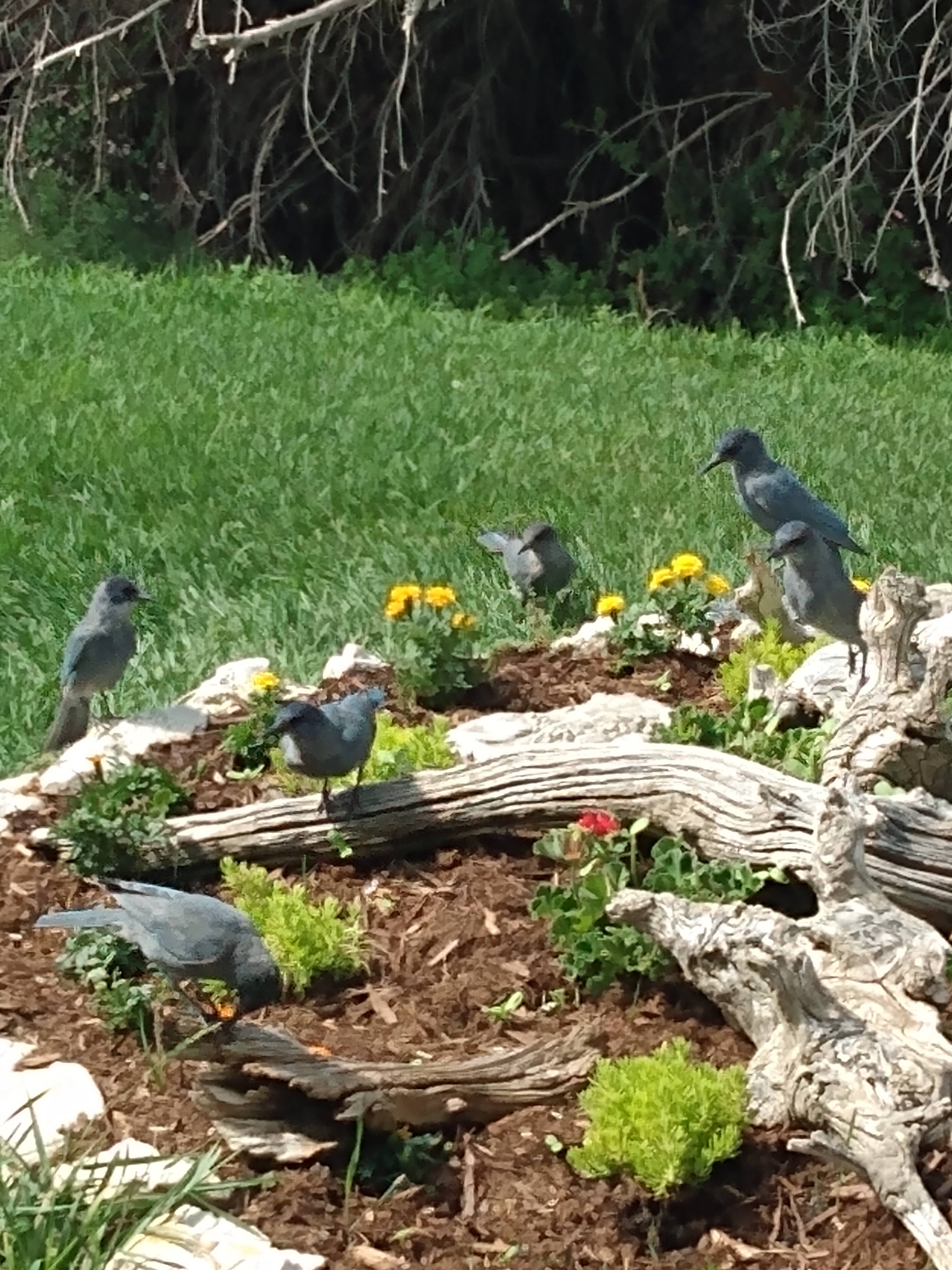
The blue jays are the neighborhood bullies. They fly in in flocks and take over the trees, chasing the littler birds such as juncos and chickadees away while they devour all the food I put out. They are a noisy bunch. That’s for sure.
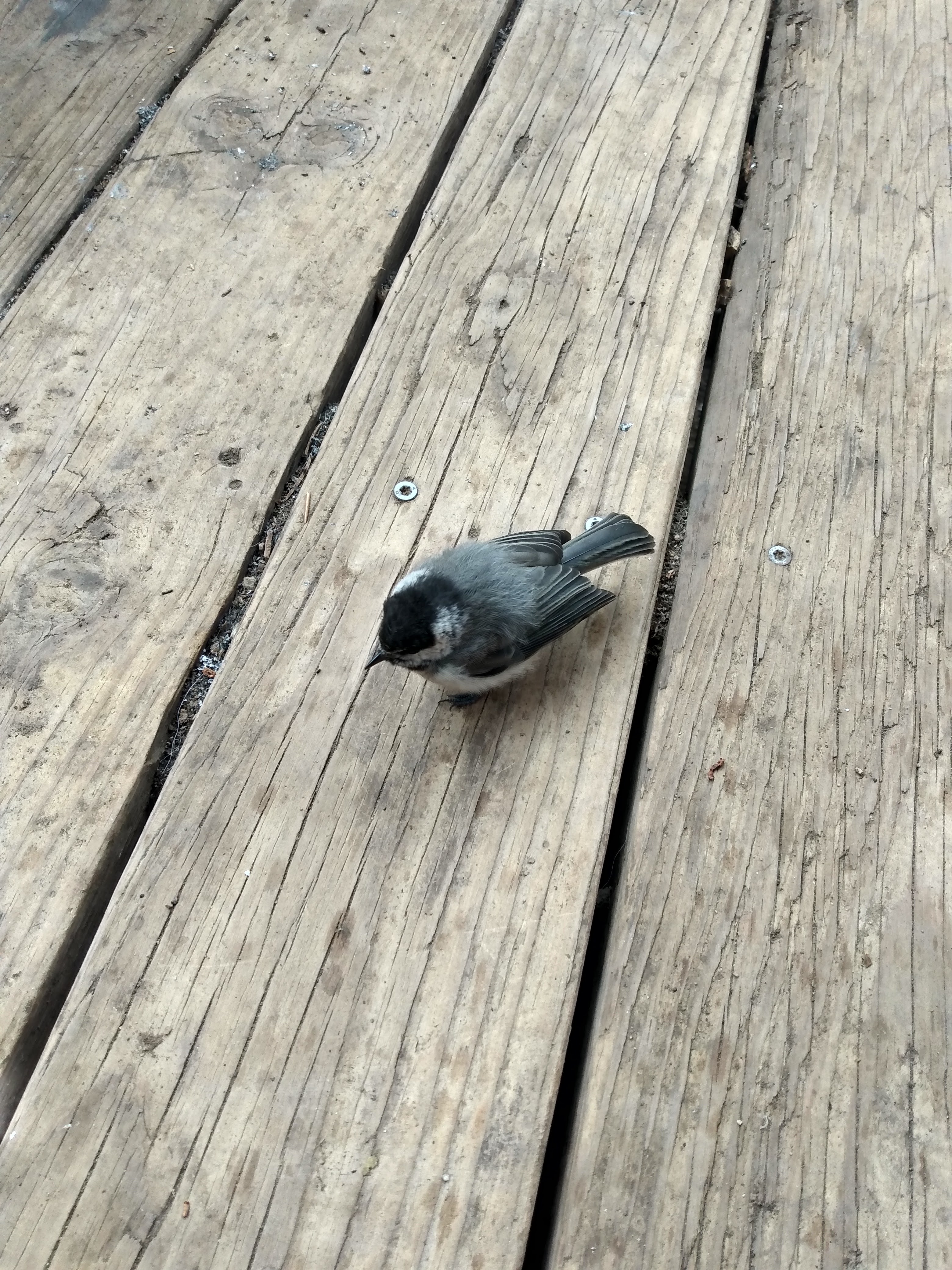
The chickadees are what I call my little forest bandits, with their little black masks around their eyes. They are bold little birds, as the picture of the chickadee on the deck shows. That little guy was about an inch away from my foot. I have had them land on my hand and one summer, I sat and read in a sombrero with birdseed in the brim and the chickadees came and landed on the hat. They are real characters, and the inspiration for my children’s book, Charlie Chickadee Gets a New Home.
Nuthatches are my little acrobats, able to go down the tree trunk headfirst or even navigate branches completely upside down. Their black and white coloring reminds me of formal dinnerware. They are so cute. They are the inspiration for the character Nicholas Nuthatch in the above-mentioned book.
Juncos are mostly winter birds, although I see one or two occasionally in the summer. In the winter they flock in, feeding mostly on the ground rather than hitting the feeders in the trees, although they certainly are able.
I feel like I have raised several generations of robins. I watch the babies grow up each spring, then I see them return and have their own brood the following spring. I know because I get to know their markings.
But my favorite seasonal residents are the hummingbirds that stop by on their tract up from South America. These tiny birds are really amazing when you think about the massive distances they travel. I have two different kinds of hummingbirds that visit my mountain home. First arrivals in the spring are the rufus hummingbirds. Then, mid-summer we see the Allen’s come in, which are louder and more aggressive than the rufus, and the skies around my home become an ariel warzone as the Allen’s guard all the feeders. Apparently, they don’t like to share, but their arial antics never cease to amaze me. And of course, they are the inspiration for my children’s book, Heather Hummingbird Makes a New Friend.
Hummingbirds mate twice a year, so I get to welcome in two sets of new generation youngsters, and twice a year I get to enjoy their amazing courting dance as the males dive and swoop in their arial courting dance. They build their nests of grass and bark, and they are very well camouflaged. In fact, even with hummingbirds by the dozens every year, I’ve only once been able to spot a nest.
One fall we had a really early snow which caught us all by surprise, including the hummingbirds, which were huddled on snow cover branches, stuck and unable to fly in the storm. I placed a feeder under my porch so they could get to nourishment in a sheltered area and boy was it a big hit, as you can see in the video below.
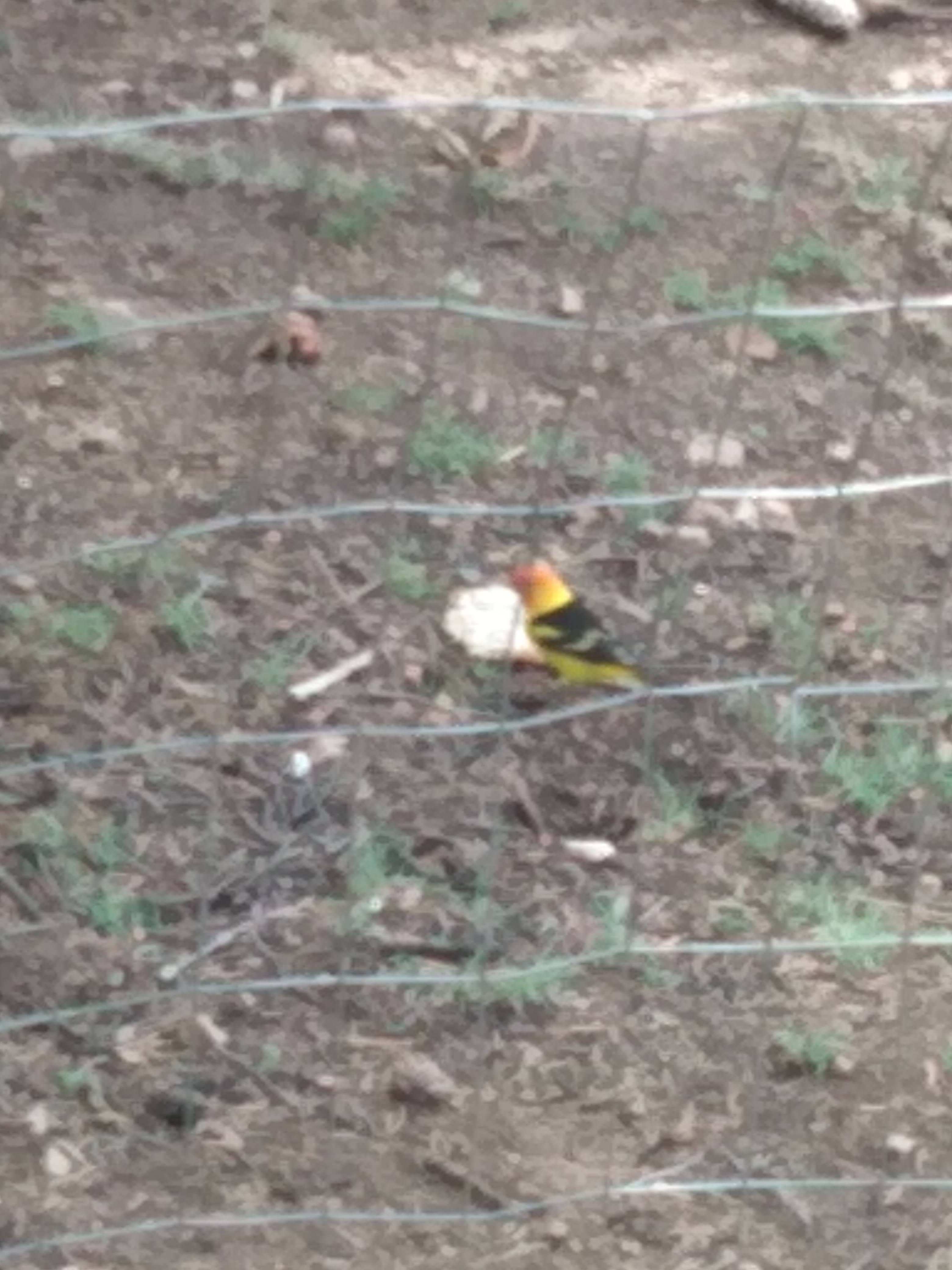
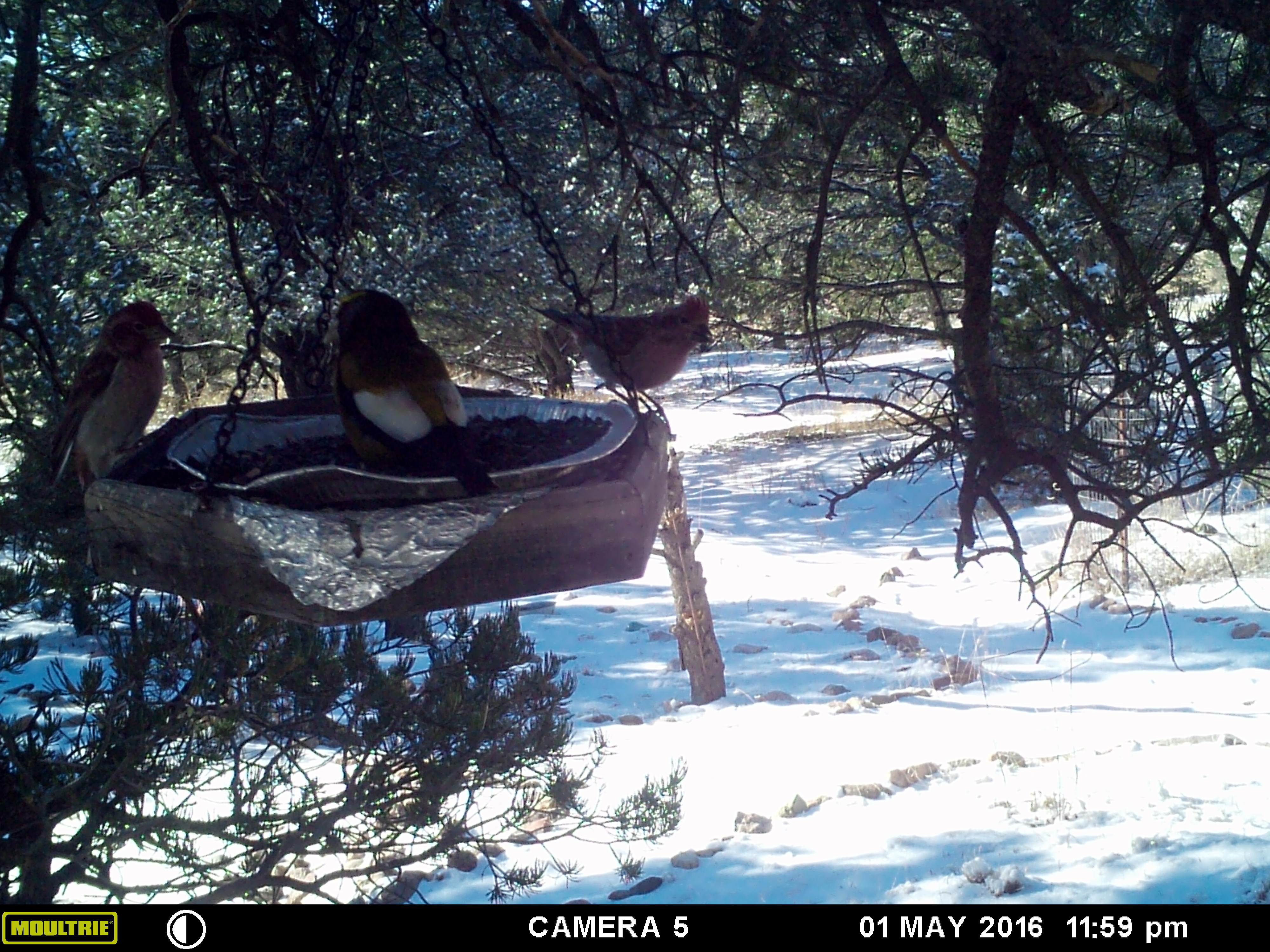
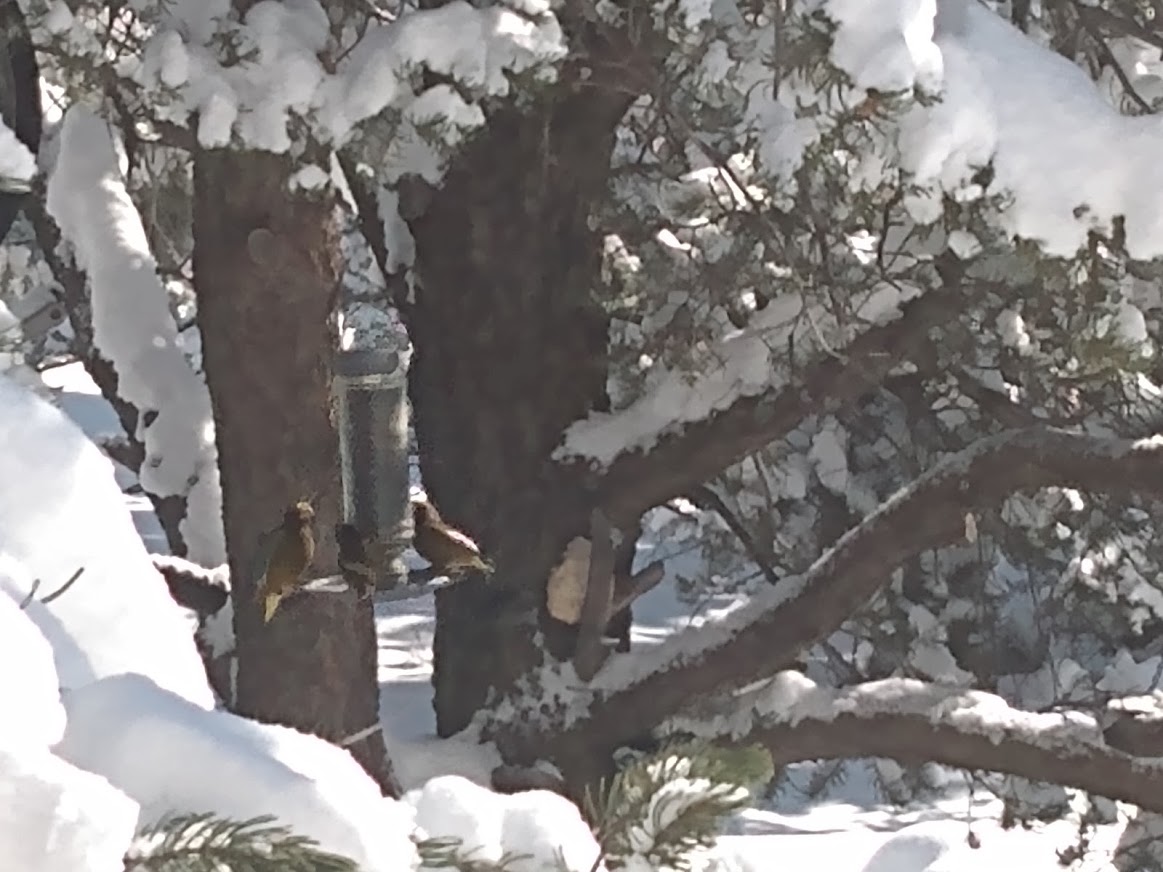
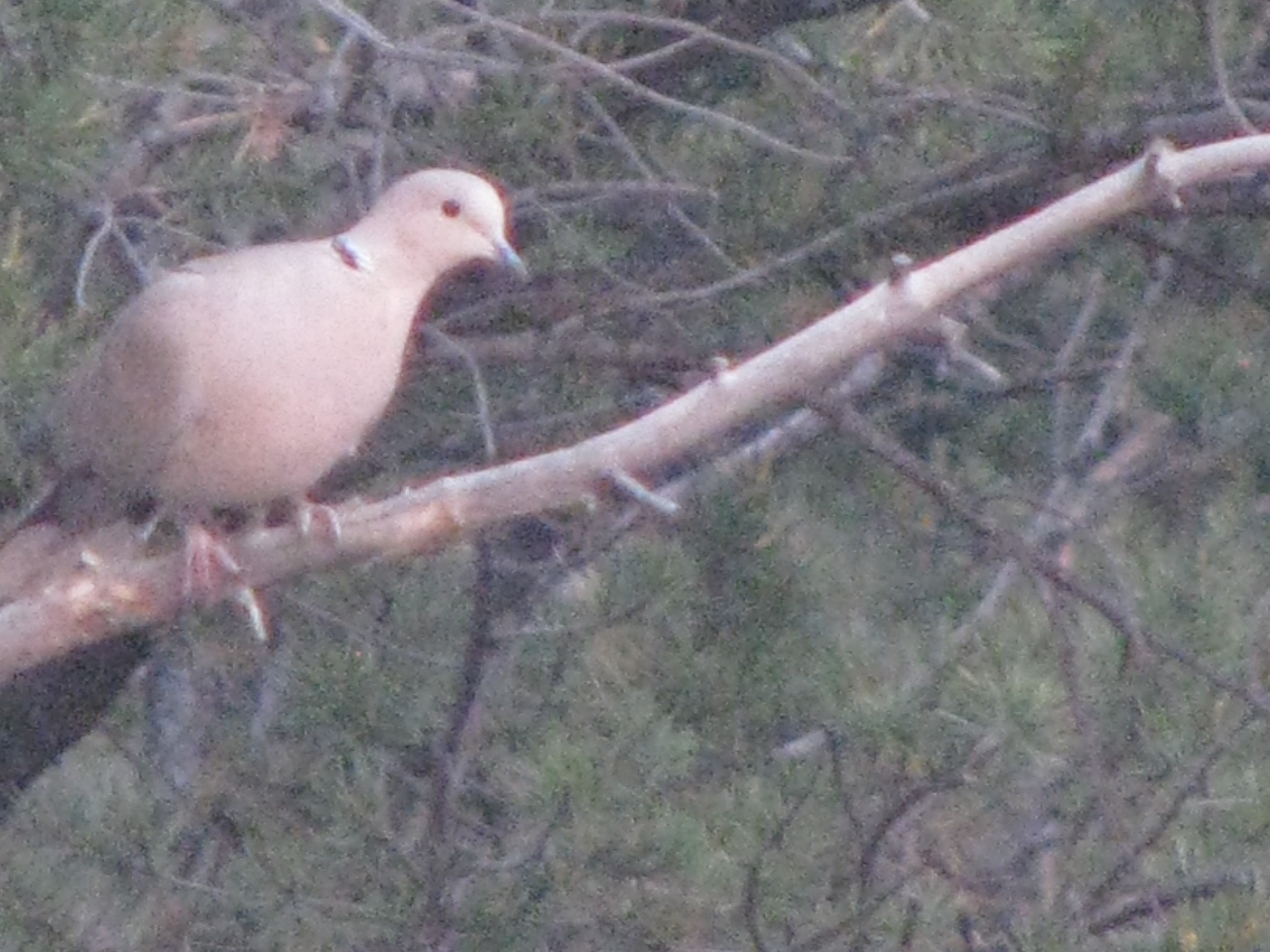
Then there are the birds which just drop by occasionally to say hi and partake in the seed and suet cuisine at my bird sanctuary. Frequent visitors include Rock Doves, Bluebirds (which are much smaller than Blue Jays), Western Tanagers, and Sparrows.
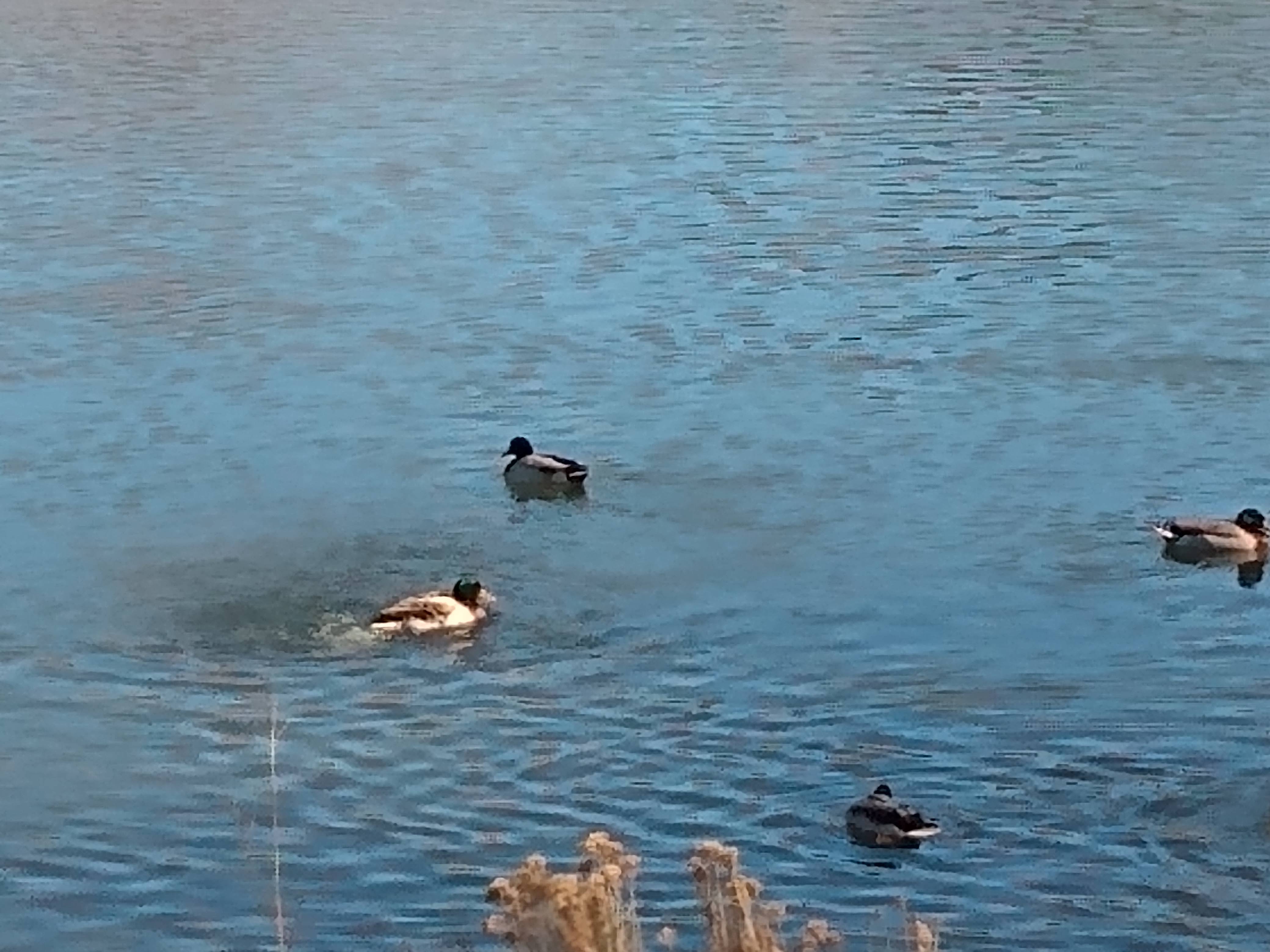
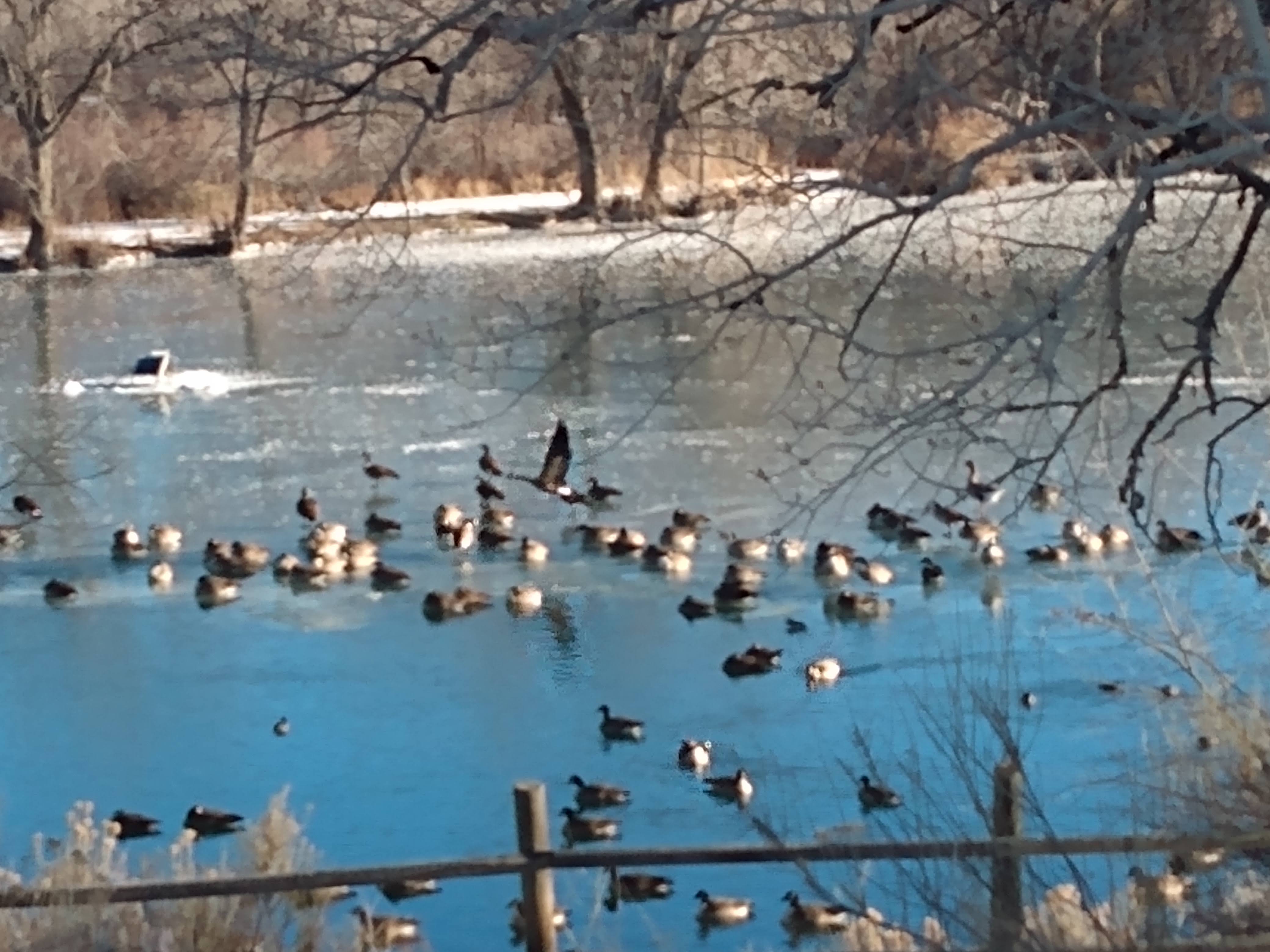
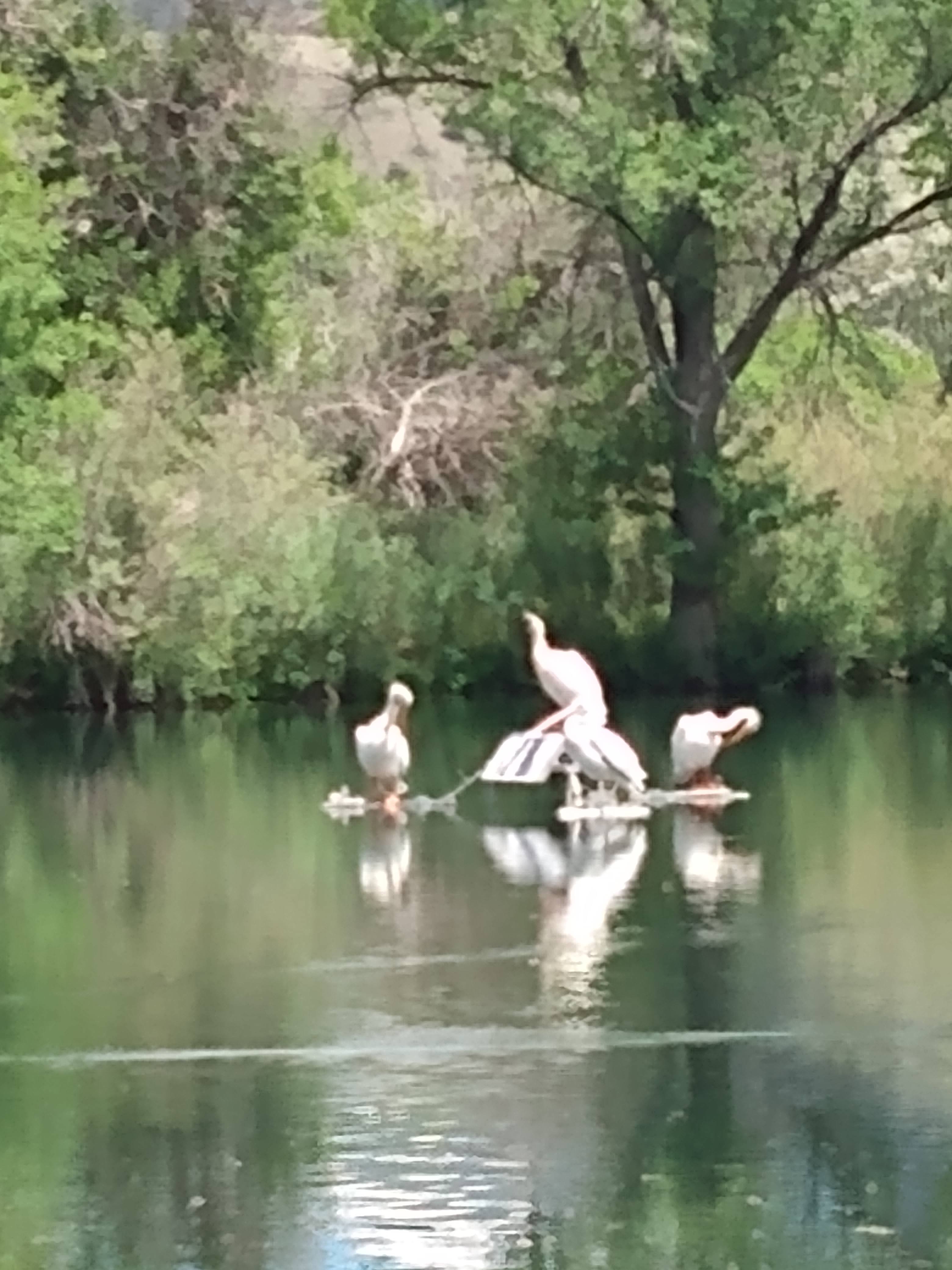
Although they do not appear in my yard, the waterfowl in the area is pretty amazing, too. Below, are photos from my many trips to nearby Lake DeWeese, Canon City’s Centennial Park, or Salida’s Sand Lake.
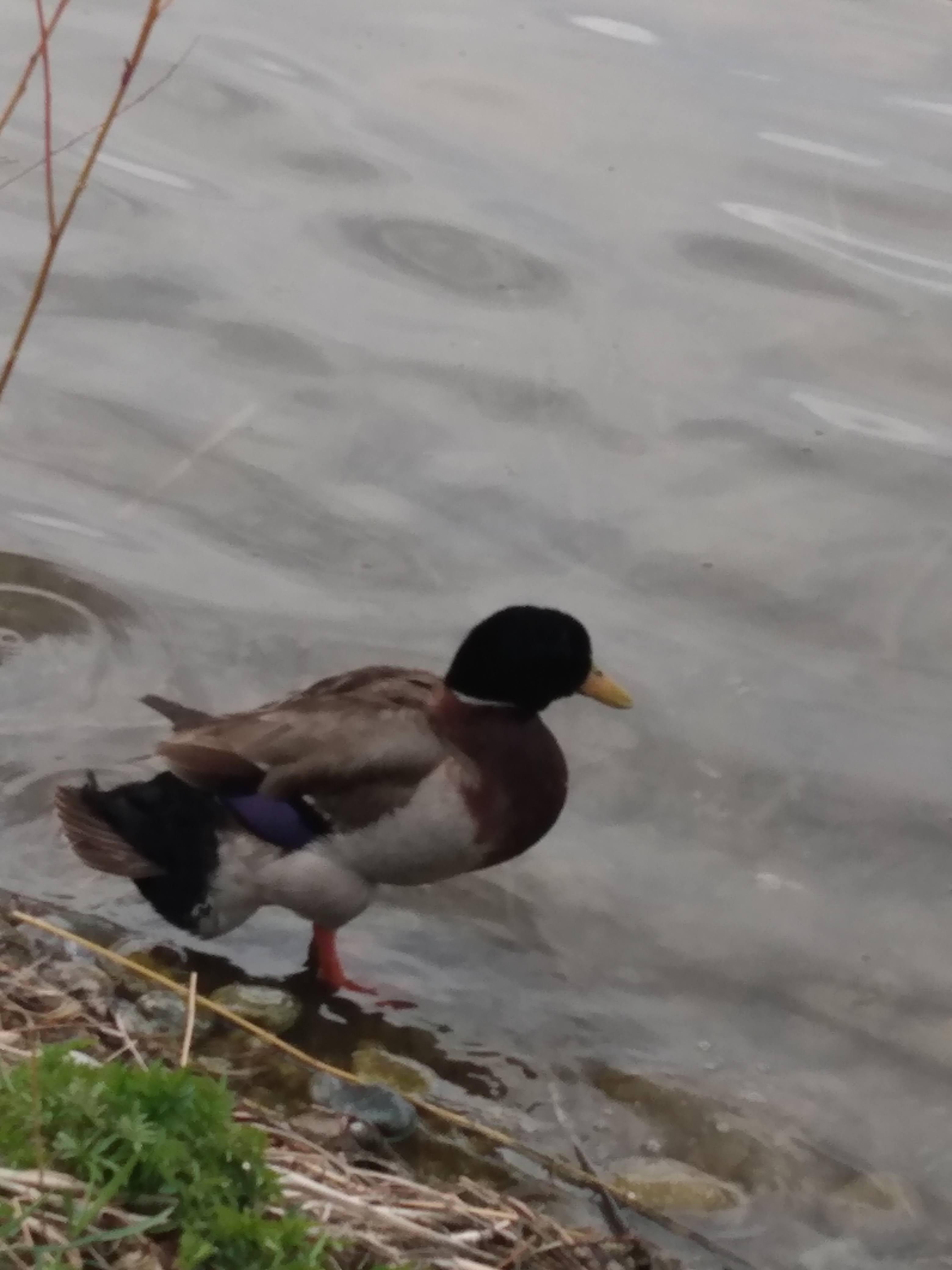
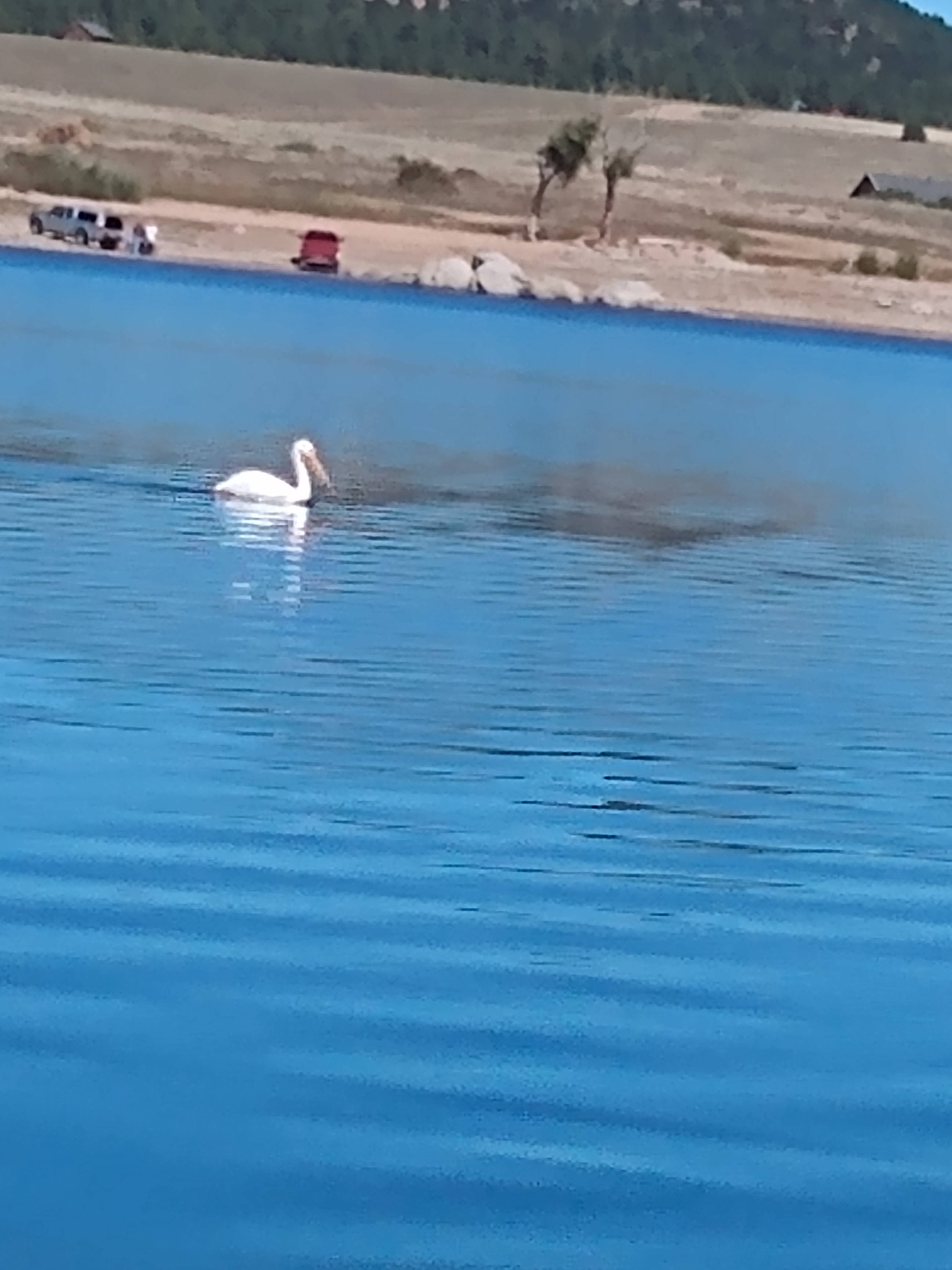
I also see wild turkeys in the area, and they have wondered onto my property on occasion. They travel in flocks and roost in the treetops.
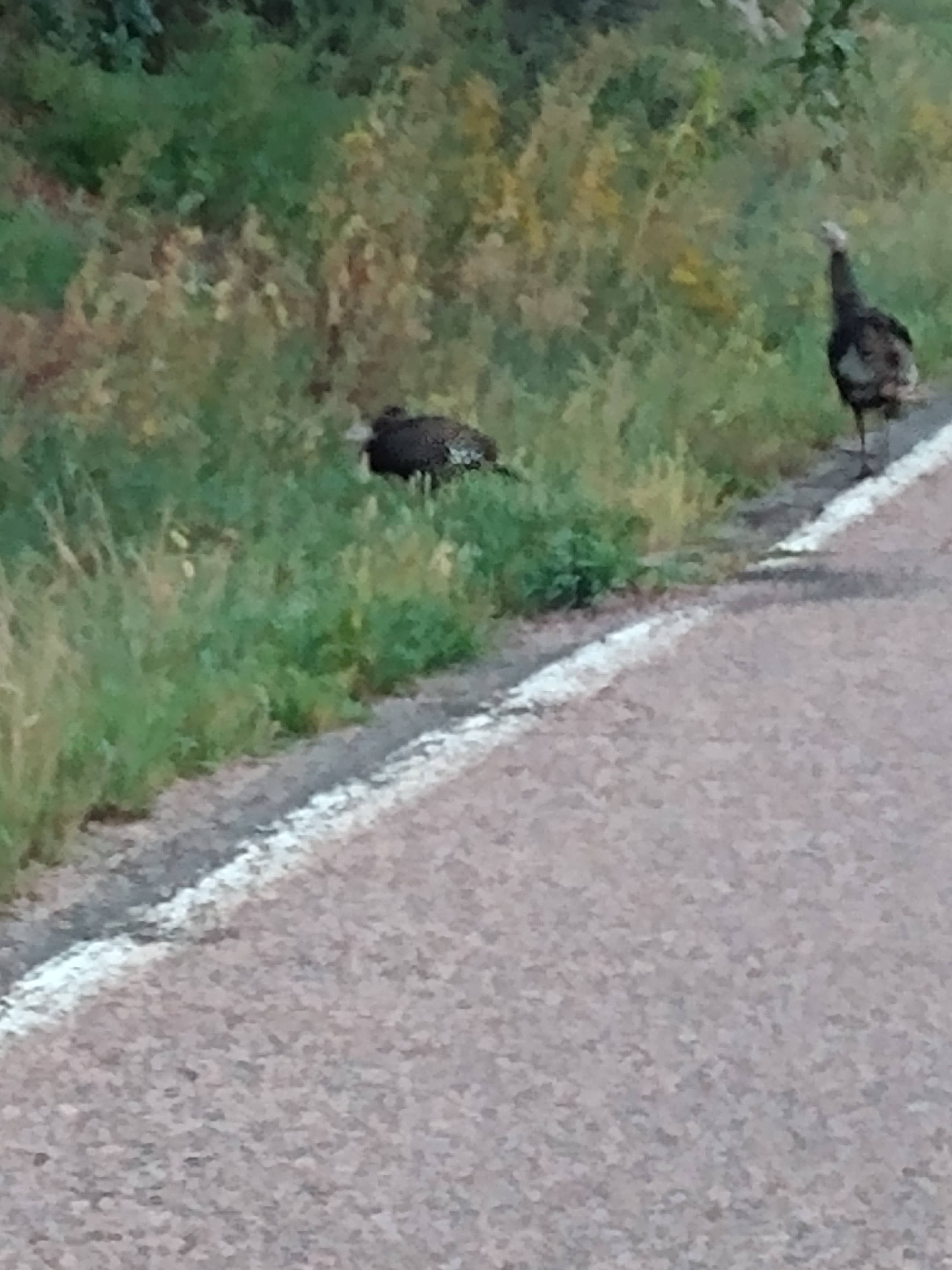
That’s what I have to share for this month. Are any of you at there birdwatchers? Tell me about the birds in your area.
Until next time…
About Kaye Lynne Booth

For Kaye Lynne Booth, writing is a passion. Kaye Lynne is an author with published short fiction and poetry, both online and in print, including her short story collection, Last Call and Other Short Fiction; and her paranormal mystery novella, Hidden Secrets; Books 1 & 2 of her Women in the West adventure series, Delilah and Sarah, and book 1 in her Time-Travel Adventure series, The Rock Star & The Outlaw, as well as her poetry collection, Small Wonders and The D.I.Y. Author writing resource.
Kaye holds a dual M.F.A. degree in Creative Writing with emphasis in genre fiction and screenwriting, and an M.A. in publishing. Kaye Lynne is the founder of WordCrafter Quality Writing & Author Services and WordCrafter Press, where she edits and publishes two short fiction anthologies and one poetry anthology every year amidst her many writing projects. She also maintains an authors’ blog and website, Writing to be Read, where she publishes content of interest in the literary world.
_______________________________
This post is sponsored by the My Backyard Friends Kid’s Book Series and WordCrafter Press.
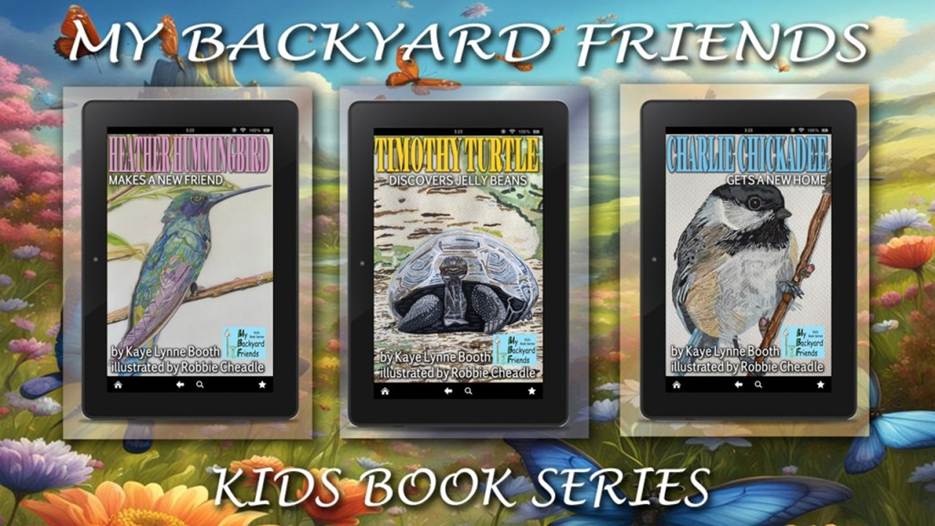
The My Backyard Friends kid’s book series is inspired by the birds and animals that visit the author Kaye Lynne Booth’s mountain home. Beautiful illustrations by children’s author, poet, and illustrator, Robbie Cheadle, bring the unique voices of the animal characters to life.
Get Your Copy Now.
Heather Hummingbird Makes a New Friend (Ages 3-5): https://books2read.com/MBF-HeatherHummingbird
Timothy Turtle Discovers Jellybeans (Ages 3-5): https://books2read.com/MBF-TimothyTurtle
Charlie Chickadee Gets a New Home (Ages 6-8): https://books2read.com/MBF-CharlieChickadee
Share this:

In Touch With Nature – African’s most unusual bird of prey – Ode to a Secretary Bird #southernafricanwildlife #birds #poetry
Posted: January 22, 2025 Filed under: Africa, Birds, In Touch With Nature, Nature, Poetry, Writing to be Read | Tags: African Wildlife, Birds, In Touch With Nature, Photography, Poetry, Roberta Eaton Cheadle, Secretary Bird, Video, Writing to be Read 68 Comments
During our recent trip of Babanango Game Reserve in KwaZulu-Natal, we had a good sighting of a secretary bird roosting in a tree. That sighting prompted the creation of this poem which tells you all about this fascinating bird.
Ode to a Secretary Bird
My mouth smiles, a grin spreading from ear to ear
When I spy the Secretary Bird perched in a tree
It looks around, hoping its favourite food will appear
A slithering snake its equivalent of scones and tea
An eagle type body perched atop legs like a crane
Giving it a height of up to 1.3 meters; tall for a bird
Crazy feather spikes surround its face – a bad hair day
Or does it think it’s a lion with a shaggy black mane
During a courting ritual, its frog-like call is heard
The rest of the year, a calm silence holds sway

***
Breeding usually takes place once in a year
During spring and summer when food is plentiful
The male helps to incubate the eggs, he’s quite a dear
Mating with one female for life, he’s also faithful
Preferring to stay grounded, it will fly if it must
Legs sticking out behind it in a ridiculous way
Outside of mating or nesting, it does its thing alone
When it needs to run, you only see a cloud of dust
With a wingspan of two metres, it creates a great display
Living out its life within a fifty square kilometre zone

***
Grey tailcoat and dark knee-length pants its claim
To male secretary status – it even has goose-quill pens
Carried behind its ears, the combined cause of its name
Also called ‘Devil’s horse’ by its traditional African friends
In honour of the great speed at which it hunts its prey
Including reptiles, amphibians, and mammals like rats
And venomous snakes which it beats to death on the ground
Popular due to their diet, people encourage them to stay
At keeping land free of vermin, they’re better than cats
Once they were numerous, but they no longer abound

***
This bird’s endangered classification mankind’s great shame
Along with its relatives, buzzards, vultures, and harriers
The fault of human greed and selfishness, nothing else to blame
I’m grateful some are protected behind fences and barriers
An important feature in the South African coat of arms
It’s chest a protea, also endangered or vulnerable to extinction
Powerful legs formed by a crossed knobkierie and long spear
Symbolism as the protector of the nation one of its many charms
You’d expect its status to afford it a measure of distinction
The loss of this messenger of the heavens not something people fear
A fascinating YT video featuring a secretary bird (not my video):
About Roberta Eaton Cheadle

Roberta Eaton Cheadle, is a South African writer and poet specialising in historical, paranormal, and horror novels and short stories. She is an avid reader in these genres and her writing has been influenced by famous authors including Bram Stoker, Edgar Allan Poe, Amor Towles, Stephen Crane, Enrich Maria Remarque, George Orwell, Stephen King, and Colleen McCullough.
Roberta has two published novels and a collection of short stories and has horror, paranormal, and fantasy short stories included in several anthologies. She is also a contributor to the Ask the Authors 2022 (WordCrafter Writing Reference series).
Roberta is also the author and illustrator of sixteen children’s books, illustrator to a further three children’s books, and the author and illustrator of three poetry books published under the name of Robbie Cheadle, and has poems and short stories featured in several anthologies under this name.
Roberta’s blog features discussions about classic books, book reviews, poetry, and photography. https://roberta-writes.com/.
Find Roberta Eaton Cheadle
Blog: https://wordpress.com/view/robertawrites235681907.wordpress.com
Bluesky: https://bsky.app/profile/robbiecheadle.bsky.social
Facebook: https://www.facebook.com/robertawrites
Amazon: https://www.amazon.com/Roberta-Eaton-Cheadle/e/B08RSNJQZ5
___________________________________________
Like this post? Are you a fan of this blog series? Did you know you can sponsor your favorite blog series or even a single post with an advertisement for your book? Stop by the WtbR Sponsor Page and let me advertise your book, or you can make a donation to Writing to be Read for as little as a cup of coffee, If you’d like to show your support for this author and WordCrafter Press.
__________________________________________
This segment of “In Touch with Nature” is sponsored by the Midnight Anthology Series and WordCrafter Press.

Midnight Roost: Weird and Creepy Stories: 20 authors bring your nightmares to life in 23 stories of ghosts, paranormal phenomenon and the horror from the dark crevasses of their minds. Stories of stalkers, both human and supernatural, possession and occult rituals, alien visitations of the strange kind, and ghostly tales that will give you goosebumps. These are the tales that will make you fear the dark. Read them at the Midnight Roost… if you dare. https://www.amazon.com/Midnight-Roost-Kaye-Lynne-Booth-ebook/dp/B0CL6FPLVJ
Midnight Garden: Where Dark Tales Grow: 17 authors bring you 21 magnificent dark tales. Stories of magic, monsters and mayhem. Tales of murder and madness which will make your skin crawl. These are the tales that explore your darkest fears. Read them in the Midnight Garden… if you dare. https://www.amazon.com/Midnight-Garden-Where-Tales-Anthology-ebook/dp/B0DJNDQJD3
Share this:

Growing Bookworms – illustrating children’s books #childrensfiction #growingbookworms #readingcommunity
Posted: July 10, 2024 Filed under: Animals, Birds, Books, Children's Books, Fiction, Growing Bookworms, Illustrations, Writing | Tags: Children's Books, Growing Bookworms, Illustrations, Kid's Series, My Backyard Friends series, Robbie Cheadle, WordCrafter Press, Writing to be Read 47 Comments
I have always loved reading. I started reading at the age of four years old and have never stopped. I consume books like dinners. When I was a little girl, I used to read books from the library. I didn’t own many books myself. I loved books with bold and bright illustrations and I always think of Richard Scarry’s books first.

Richard Scarry used personification for the animals in his books. They all walk and talk like humans and they wear clothes. They are delightful, but they are not representative of the world of nature and the reality of nature. When I was little, I knew about animals. I was exposed to them and I knew that milk came from cows, eggs came from chickens, and other things about meat that I’ve always tried not to think about to much. As I grew older, I read other books that included the personification of animals. One of my favourite books in this genre is Wind in the Willows by Kenneth Grahame.
Last year, when I discovered an aptitude for drawing and painting, I thought I would turn my hand to creating pictures of the animals and birds I love so much. I have now created several animal pictures which you can see on my art page here:
In June 2023, Kaye Lynne asked me if I would like to illustrate her My Backyard Friends books. I thought about it and decided to give it a go, even though I hadn’t ever tried to do drawn/painted illustrations before. I was busy at the time with creating the illustrations and story for my latest children’s book, Neema the Misfit Giraffe.
Before embarking on illustrating books for children, I reflected for some time on what the best type of illustration would be for modern children. Children who grow up in cities now don’t have much interaction with animals. They don’t know that milk comes from cows and eggs come from chickens. I decided it was necessary for them to see the reality of the animal world and not a fantasy, personified versions. Especially given the Sixth Mass Extinction our planet is currently facing with the endangerment of many of our animal species world wide. If believed it was better for children to be exposed to wildlife in a true and natural way. I hoped it would help to stimulate interest and passion for our animals. Afterall, our children are the next generation and will have to carry the torch for the salvation of what is left of the animal kingdom.
It is for these reasons that my drawings and paintings of wildlife and birds in my own children’s books and in Kaye Lynne’s children’s books are based off real photographs and are not personified or animated in any way. I am happy with how the illustrations have worked out and I hope that they will make a small difference towards saving our limited supply of remaining animals and birds.


About Robbie Cheadle
Award-winning, bestselling author, Robbie Cheadle, has published fifteen children’s book and three poetry books. Her work has also appeared in poetry and short story anthologies.
Robbie also has two novels published under the name of Roberta Eaton Cheadle and has horror, paranormal, and fantasy short stories featured in several anthologies under this name.
The eleven Sir Chocolate children’s picture books, co-authored by Robbie and Michael Cheadle, are written in sweet, short rhymes which are easy for young children to follow and are illustrated with pictures of delicious cakes and cake decorations. Each book also includes simple recipes or biscuit art directions which children can make under adult supervision.
Robbie and Michael’s new Southern African Safari Adventures series is aimed at teaching young children about Southern African wildlife in a fun and entertaining way. Each book contains a rhyming verse story about a particular animal, as well as illustrations by Robbie Cheadle, photographs and links to video footage about that animal.
Robbie’s blog includes recipes, fondant and cake artwork, poetry, and book reviews. https://robbiesinspiration.wordpress.com/
_____________________________________________
Want to be sure not to miss any of Robbie’s “Growing Bookworms” segments? Subscribe to Writing to be Read for e-mail notifications whenever new content is posted or follow WtbR on WordPress. If you found it interesting or entertaining, please share.
________________________________________________
This segment of “Growing Bookworms” is sponsored by the My Backyard Friends Kid’s Book Series and WordCrafter Press.

The My Backyard Friends kid’s book series is inspired by the birds and animals that visit the author Kaye Lynne Booth’s mountain home. Beautiful illustrations by children’s author, poet, and illustrator, Robbie Cheadle, bring the unique voices of the animal characters to life.
Pre-Oder Your Copy Now.
Heather Hummingbird Makes a New Friend (Ages 3-5): https://books2read.com/MBF-HeatherHummingbird
Timothy Turtle Discovers Jellybeans (Ages 3-5): https://books2read.com/MBF-TimothyTurtle
Charlie Chickadee Gets a New Home (Ages 6-8): https://books2read.com/MBF-CharlieChickadee
Share this:

Tales From the Bird Sanctuary: Summer fun
Posted: August 21, 2023 Filed under: Bird Watching, Birds, Tales from the Bird Sanctuary, Uncategorized | Tags: Bird Watching, Birds, Kaye Lynne Booth, Tales from the Bird Sanctuary, Writing to be Read 9 Comments
It was a busy summer in the bird sanctuary, with many, many visitors, some the old reliables I’ve I’ve seen before, but also some new faces and today, i’d like to share some of them with you.
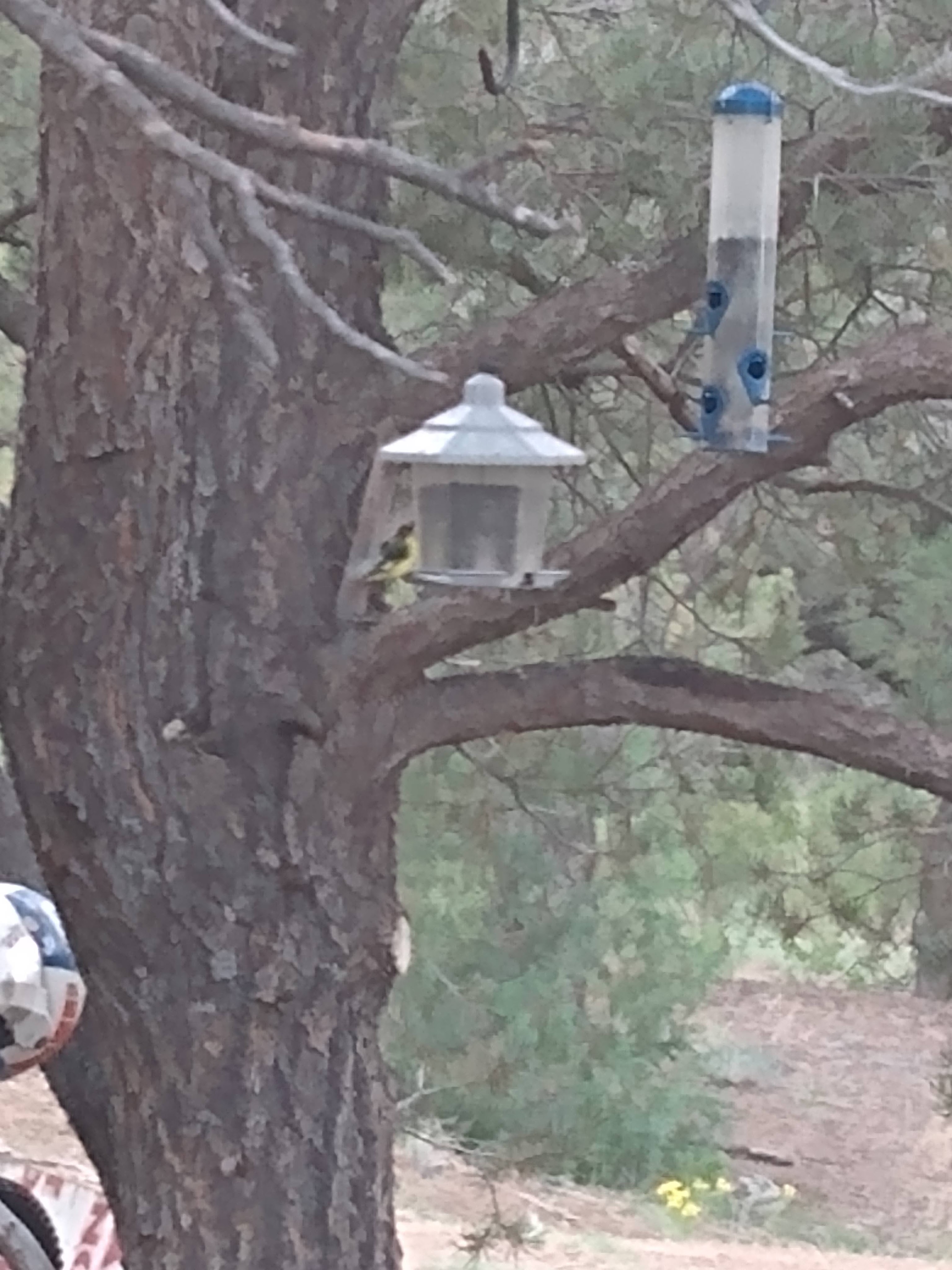



- I’ve had the little yellow-bellied warblers in the first photo this year for the first time. I think they are warblers, but have been unable to identify the type as yet.
- White Nuthatches are year round residents. The one in the photo is a juvenille. I always talk about seeing babies, but in truth, I never see the babies. If they are old enough to be where I can see them, they are juvenilles, but they are still awfully cute and I enjoy watching them.
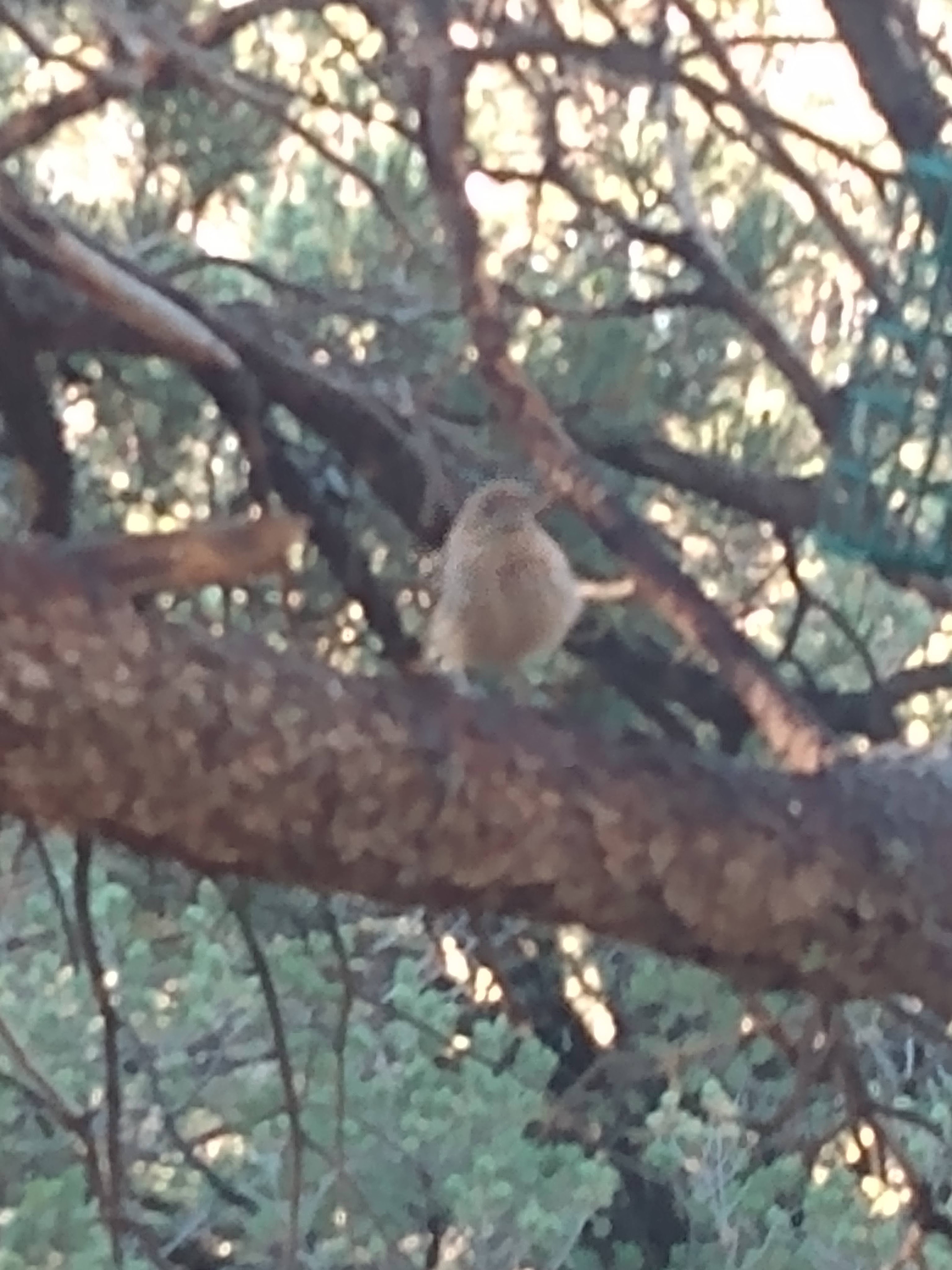
- The third photo is an unidentified baby or juvenille. I would guess it to be some type of wren. You can tell it is a young one because of the ruffled appearance caused by the fine baby feathers which haven’t all been shed.
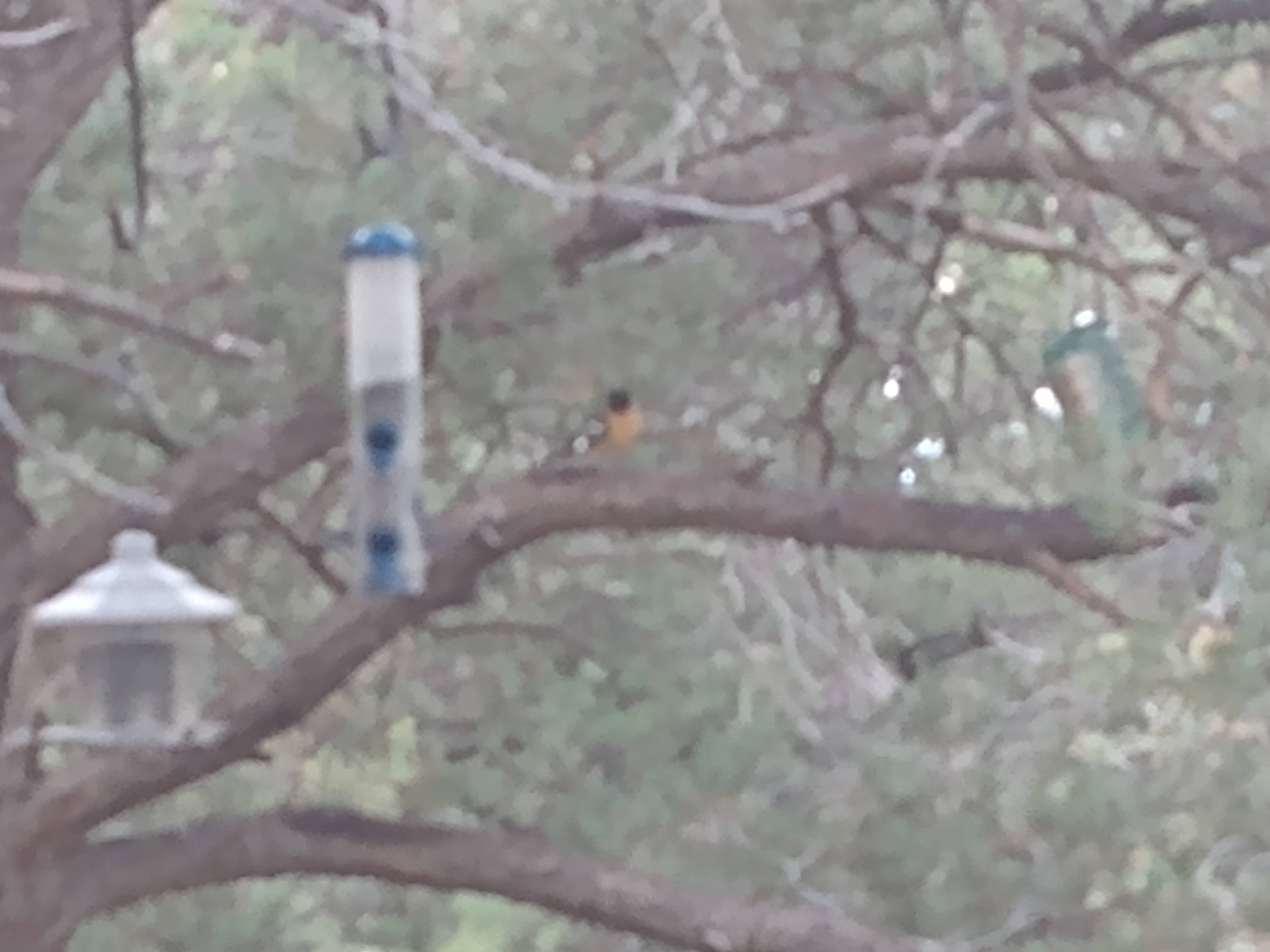
- Black-Headed Grossbeaks are summer residents and I’ve seen several youngsters raised each summer. They are gluttons who like to clean out my feeders. The one in the photo sat there eating for a long time, hogging up the whole feeder.
- I watch for the American Robins to return as a sure sign that spring has arrived. They have babies twice a year, so I’ve watched several Robin families grow up, and although I can’t be sure, I think the babies return as adults to raise their own families the next year.
- The Western Tanager is one of the most colorful birds I’ve ever seen in the wild. Although I have seen them in years past occassionally, this year, I had them in droves. I believe I mentioned this in my last post from the sanctuary, when talking of my colorful trees.
- Woodpeckers are frequent visitors, and some years they nest in the sanctuary. The one in the seventh photo is either a Strickland’s or a Nutall’s Woodpecker. I’m not sure which.
- Hummingbird’s and welcome visitors every year. The green-backed Rufus Hummingbirds arrive in the spring, even earlier than the Robins. In July, I get the Allen’s Humminbirds, which are orange and more aggressive. When they arrive the skies become a flyzone as the Hummingbird wars begin. The one in the eighth photo is a Rufus Humminbird who stopped to perch atop a Mullien plant and say good morning.
- The Turkey Vulture was a surprise visitor which I had only seen one other time. They are birds, but not the kind I put out food for, so they usually don’t pay the santuary much mind. But this guy dropped in unexpectedly and hung out a few minutes, long enough for me to snap some photos. When he flew away, his wingspan was huge. They are ugly, but majestic birds, bigger than hawks, but perhaps about the size of eagles.
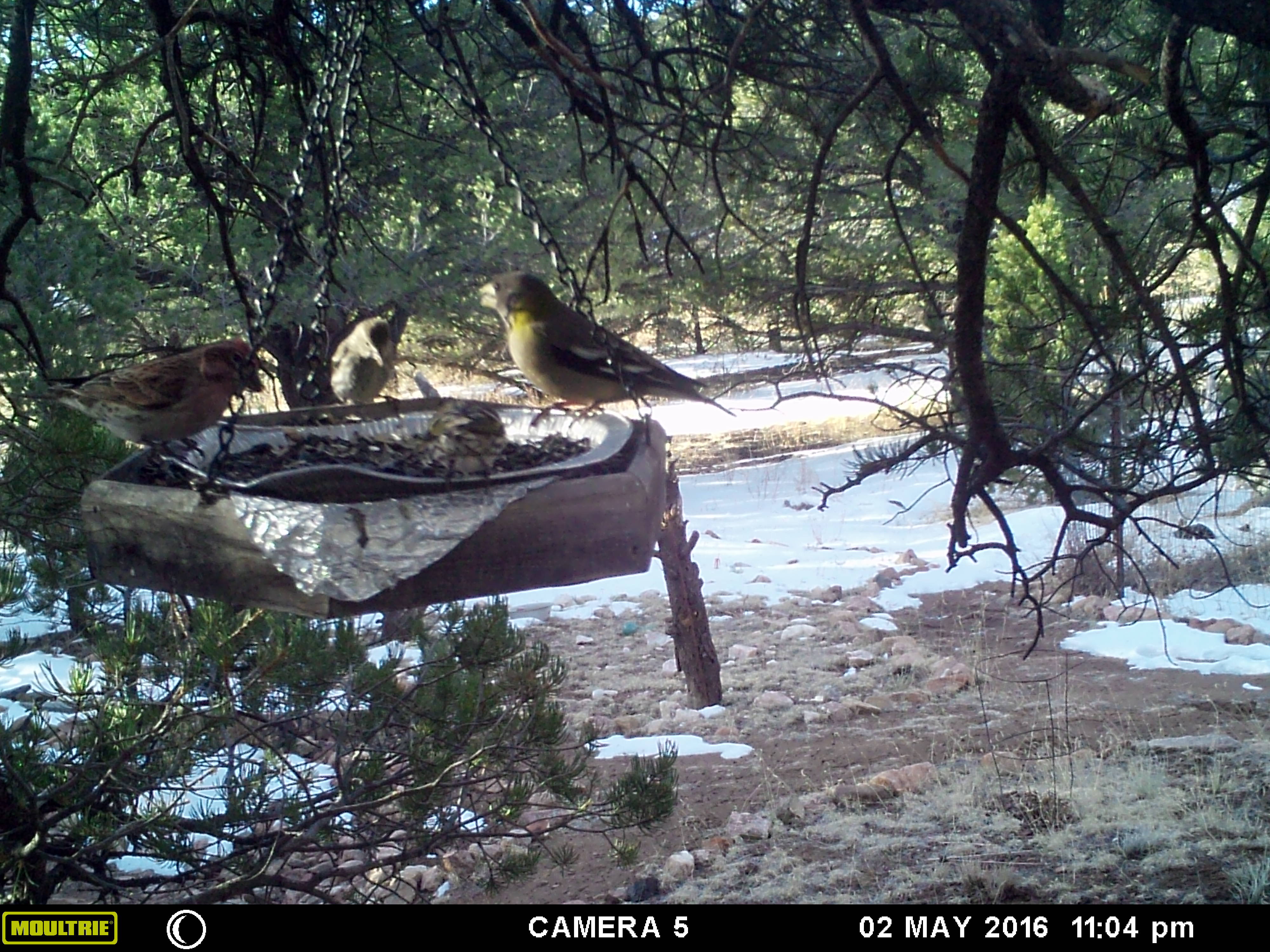
- In the first picture below you see both a woodpecker and a Cassin’s Finch. Woodpeckers often hang on the bottom of the feeder as their size makes perching difficult. They also hang from the hummingbird feeders, not for the nectar, but for the ants that it attracts. The Cassin’s Finch always look to me like someone splashed red paint over their heads, a glimpse of bright red or pink in a sea of green pine boughs.
- On the ground in the second picture below is a juvenille mourning dove from the second batch of babies I’ve seen this year.

___________________________________________

For Kaye Lynne Booth, writing is a passion. Kaye Lynne is an author with published short fiction and poetry, both online and in print, including her short story collection, Last Call and Other Short Fiction; and her paranormal mystery novella, Hidden Secrets; and book 1 of her Women in the West adventure series, Delilah. Kaye holds a dual M.F.A. degree in Creative Writing with emphasis in genre fiction and screenwriting, and an M.A. in publishing. Kaye Lynne is the founder of WordCrafter Quality Writing & Author Services and WordCrafter Press. She also maintains an authors’ blog and website, Writing to be Read, where she publishes content of interest in the literary world.
_____________________________________
Want exclusive content? Join Kaye Lynne Booth & WordCrafter Press Readers’ Group for WordCrafter Press book & event news, including the awesome releases of author Kaye Lynne Booth. She won’t flood your inbox, she NEVER sells her list, and you might get a freebie occasionally. Get a free digital copy of her short story collection, Last Call and Other Short Fiction, just for joining.
Share this:

Tales from the Bird Sanctuary: Look at all the colors!
Posted: July 24, 2023 Filed under: Birds, Inspirational, Tales from the Bird Sanctuary, Writing to be Read 6 Comments
This spring and summer have been exceptional for the bird sanctuary, in that I have had a variety large variety of birds, including several which have not visited in years past. I always love spotting new birds, and trying to identify them with the help of my Field Guide to Birds: Western Region, put out by the National Audobon Society. Over the years, I’ve had several editions of this book because it can be very helpful in figuring out who my avian guests are.
What is different about this year is the variety of colorful birds that adorn my yard. I’ve got red-breasted Robins, orange and black Evening Grosbeaks, black and white of Nutall’s Ladderback Woodpeckers with splashes of red, pink-splashed Cassin’s Finches, and Rufus-sided Towhees, and Blue Jays of varying shades.


At the time of this writing, I’m trying to identify a black and white bird with a huge patchof red on it’s chest, which might well be a Painted Redstart, and of course I always get the brilliant luminescent colors of my Rufus and Allen’s Hummingbirds. And, this year, I have an abundance of the brighest, most colorful bird I have ever seen in the wild, the Western Tananger – a bright yellow and black bird with a vividly bright orange head. I have had an onslaught of these birds this spring, when, in previous years, they have been scarce and I was lucky to have maybe one or two sightings.