In February, Writing to be Read is taking at look at nonfiction authors and their works. I’m pleased to say that my guest on Chatting with the Pros this month is nonfiction author Mark Shaw. Mark has been a traditionally published author for many years, following a successful career in journalism. He’s written biographies on sports greats, priests, accused criminals in high profile cases, as well as books about golf and pilots, and writing instruction. Today, he champions those for whom justice has not been served, his most recent book being Denial of Justice, which outlines the events surrounding the and deaths of J.F.K., Lee Harvey Oswald, Jack Ruby and Dorothy Kilgallen, which is a sequel to The Reporter Who Knew Too Much, which is Kilgallen’s story, and both books have been optioned for visual media and a script is currently being developed. Let’s welcome him and see what he has to say.
Kaye:Could you share a brief history of your author’s journey for those who are not familiar with you or your work? How did you get to where you are today?
Mark: It’s difficult for me to even believe that Denial of Justice was my 27th book. I never had any experience with writing, no classes, no workshops, etc. when I first wrote a book about Mike Tyson’s rape trial in 1992. What I fell in love with was the research, the writing process, and the chance to make people stop and think about important historical issues. That’s what keeps me going, looking for subjects now that deal with justice and injustice.
Kaye: In your books, you use your investigative reporting skills to dig deep and reveal little or unknown facts until you can tell the whole tale. Many of your books have brought some surprising details to the public eye. How do you choose the subjects for your books?
Mark: I like to say the book ideas come to me. Most of the time, I get an idea for a book at 3 a.m. and quickly write down a thought about it on some note cards I keep by my bed. All of my book titles have come that way as well. Writers need to keep their eyes open, many book ideas float right in front of us if we pay attention.
Kaye: After the story of Dorothy Kilgallen, The Reporter Who Knew Too Much, had a great reception and is now being prepared to be told through visual media. Was any of this a surprise to you, or did you think this story might be a best seller as you were writing it?
Mark: I had no idea Dorothy’s name was still magic, that a book about her would touch so many reader’s emotions and become a bestseller. I’ve heard from people around the world about the book, still do today, two-plus years after the book was published. It’s been amazing experience for sure.
Kaye:You recently released Denial of Justice, which digs even deeper into Dorothy’s story. How did you know there was more to be found regarding her story?
Mark: Those readers I mention sent me tips about new information about Dorothy’s life and times and her death and a file I kept just kept getting thicker until I realized there was a second book for those who read the first one and did not. Now I feel as if I have told the complete story about her although some new information still comes my way.
Kaye: As mentioned above, the Dorothy Kilgallen story in The Reporter Who Knew Too Much is going to be portrayed on the screen. Are there plans to include Denial of Justice to be portrayed visually or perhaps be included in the screen version already planned?
Mark: Both books were optioned for the big or little screen.
Kaye: How is that going so far?
Mark: There is no filming yet of The Reporter Who Knew Too Much. It is still in the development phase with a script being completed. I am quite excited about Dorothy’s story being on the big or small screen since if that happens, more and more people will know about this remarkable woman. I like to say a book is like a written megaphone to the world but a film or TV series reaches even more people.
Kaye: In addition to several books which revolve around J.F.K. and his circles, you’ve also written about sports icons such as Larry Bird, Jack Nicklaus, Pete Dye and Don Larson. You’ve told the tales of suffering and discrimination during the holocaust, and you’ve written the biography of a priest, books on golfing and a how-to book on writing. What motivates you to write the stories that you write?
Mark: Again, the chance to make people stop and think, although some books have been more for entertainment purposes. Regardless, my books have a controversial slant to them, and that is important, something aspiring authors should seek to achieve. In my book about the publishing process that I use when aspiring authors hire me as a consultant, How to Become a Published Author: Idea to Publication, this is the type of practical advice I provide based on all of my
experience.
Kaye: Have you ever written a book of fiction?
Mark: Yes, Courage in the Face of Evil is based on a true story, a Holocaust diary that is both disturbing and inspirational in nature, but I had to add certain elements that cause it to enter the world of fiction. I have also created a crime series called Vicker Punch: Lawyer on the Brink that is fiction, but based on my years as a criminal defense lawyer handling murder cases, and a book that is a sequel to a famous work of fiction.
Kaye: How do you see writing nonfiction differing from fiction in the publishing arena?
Mark: Fiction is much more fun, let the imagination loose without worrying about footnotes, etc. Just let it go and let the characters tell whatever the story is they want to tell. This said, for a first time author, getting fiction published these days is much more difficult that non-fiction since with fiction the star of the book is the author while with non-fiction the star of the book is the story.
Kaye:What is the biggest challenge in writing nonfiction for you?
Mark: How to tell the story once I have done all of my research.
Kaye:Tell me a little about Road to a Miracle? The book is listed on Amazon for $57.73. I have to wonder what type of book rates a price like that?
Mark: That’s nuts, and there are other editions of the book at a much less cost. The book is my road through the amazing life I have been blessed to live to the point of finding a daughter and two grandchildren I never knew existed a few years ago. Truly a miracle.
Kaye: I believe your stories are successful because they all hit emotional chords in your readers. How do you portray the emotional elements of your story so that they will touch your readers?
Mark: I tell writers I work with to be certain, whether fiction or non-fiction, to show the reader what’s happening, not tell them. That’s how the emotion comes through, how the reader connects with the story. Remember, a book is like a conversation with the reader but the author is not there so the emotion must be shown not told.
Kaye: In How to Become a Published Author, you talk about the importance of titles and subtitles. How do you come up with titles and subtitles for your books? How important are subtitles?
Mark: The book ideas come to me and the titles in the middle of the night when whatever spirit it is that is guiding my life, whispers in my ear. I quickly write down the idea on note cards I keep by my bed.
Many good books and movies have never seen the light of day due to bad titles. They need to be catchy, like TRWKTM, Denial of Justice, Miscarriage of Justice, The Poison Patriarch, etc. Don’t have too much experience with books based on true stories or fiction but Courage in the Face of Evil is striking as is Victor Punch: Lawyer on the Brink.
Re subtitles, not as important as titles but add to the description of the book. Again, I’m quite proud of the subtitles for my books. They certainly add to the allure of the story.
Kaye: Many of your books are collaborations. Is it difficult to write a book with someone else? Why collaborate? What are the pros and cons?
Mark: No, during the early part of my getting some footing as a writer, I had collaborations, but no more. This said, working with someone famous to tell their story is a good way to show writing skill and the ability to tell a good story. That’s key to establishing a reputation, as is writing biographies if a writer wants to enter the world of non-fiction.
Kaye: You were a criminal defense attorney and legal analyst for the news media covering the Mike Tyson, O.J. Simpson and Kobe Bryant cases, and you have a book about Tyson, Falsely Accused. Are there books about O.J. and Koby in the future? If not, what separates Tyson out from the others?
Mark: Injustice is the key word for the Tyson book since he did not get a fair trial. That thread has been woven through almost every book I’ve written in the last ten years or so, Miscarriage of Justice, Beneath the Mask of Holiness, Melvin Belli: King of the Courtroom, The Poison Patriarch, TRWKTM and now Denial of Justice, which relates actually to four people, JFK, Oswald, Jack Ruby and Dorothy Kilgallen. All were denied justice.
Kaye: What’s in the future for Mark Shaw?
Mark: Only the good Lord knows but I am truly the most blessed man on the face of the earth and for sure, I want to help as many writers as possible become published, to realize their publishing dreams.
I want to thank Mark for sharing with us today. He’s given us some insight into the world of a nonfiction author. You can learn more about Mark or his books at the links below.
You can catch the monthly segment “Chatting with the Pros” on the third Monday of every month in 2019, or you can be sure not to any of the great content on Writing to be Read by signing up by email or following on WordPress.
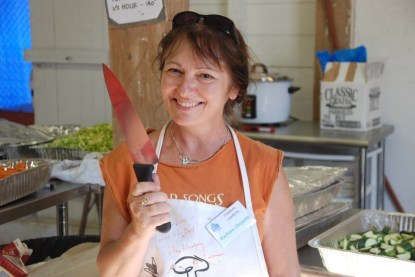
In January, Writing to be Read is celebrating women’s fiction and female authors. You may have caught my Interview with Loretta Miles Tollefson two weeks ago, or my post about the history of female authorship last week. In continuation of this monthly theme, I’m pleased to welcome a woman who authors science fiction and women’s fiction as my first guest for this new monthly series, Chatting with the Pros. Barabara Chepaitis is a traditionally published author of both science fiction and women’s fiction, and she’s very familiar with the issues that surround being a woman author in today’s publishing industry. Let’s see what she has to say.
Kaye: What defines women’s fiction? Is it the subject matter, female protagonists, or the manner in which women are portrayed?
Barbara: In my experience, women’s fiction is defined by the publisher, who wants to have a specific place to put a book in a bookstore. For me, the difference between my science fiction and my ‘women’s fiction’ was what name they used. When I write science fiction, they want me to use my initials to hide that I’m a girl. When I write women’s fiction, they want to use my name, to prove I’m a girl.
Since I’ve never written a novel that doesn’t have a female protagonist, it’s clear to me that this isn’t the defining aspect. Other than that, I think the definition is kind of the way Dr. Who describes time – wibbly wobbly.
Kaye: What draws you to women’s fiction?
Barbara: I don’t know that I am drawn to women’s fiction. I’m a feminist, for sure, but I never set out to write any particular genre. I just get an idea for a character and story, then tell it. If they happen to be female, that’s because I’ve known some fascinating women, with very complex lives.
Kaye: Do you think it is tougher female authors today, or has digital and self-publishing evened the playing field for women in the publishing industry?
Barbara: It’s always been more difficult for women, in every field of endeavor we have in our culture. There’s so many many ways to block women. First, you can just not hire (or publish, or pay) them. Second, you can let them do the work, but not acknowledge the work they’ve done, attributing it to others. Only time will tell if digital and independent publishing will change that kind of move. Being cynical, I guess that women will have to continue to fight for their place. But that’s just me, being cynical.
Kaye: Romance usually has female protags. Why is it not considered as women’s fiction?
Barbara: The quick answer – because the narrative arc primarily follows a trajectory of romance. I know that when I’ve written material that has a strong romance (as in The Amber) but has something else as it’s narrative arc (coming of age, self-discovery, overcoming demons, etc.) then it isn’t seen as romance. For instance, there’s some pretty strong romantic properties to the whole Jaguar series, but she’s primarily dealing with criminals and crime.
Kaye: What makes a good story?
Barbara: The answer to that varies pretty wildly, depending on who you ask. For my husband, a good story is often one of a hero who makes the ultimate sacrifice for a cause. He loves Spartacus, Saving Private Ryan, and so on. For me, a story of a hero who overcomes incredible obstacles to reach a goal that serves others, or creates a new understanding of life, is always entrancing. I’m guessing that for romance readers, the tale of finding true love is what winds their clocks. So the question to ask, really, is what makes a good story for you?
Kaye: Your Fear series has a futuristic setting, an action adventure storyline and a strong female protagonist, Jaguar Addams. It’s really women’s genre fiction. What genre or genres do you put it in?
Barbara: I wrote the Fear series as a detective/mystery series. It just happened to be set in the future. When I was seeking a publisher, there was no such thing as ‘cross-genre’, and the mystery/detective market wanted nothing to do with it. Thus it landed in science fiction, which was more open, and they called it cyberpunk suspense – which made me wonder if I had to do something different with my hair, you know?
You can say Jaguar is ‘women’s fiction’ in that it has a powerful female protagonist and is written by a woman, but there’s plenty of men hanging around as well, and they all have their own obstacles to overcome, sacrifices to make, stuff to learn. Most of my work crosses literary lines in some way. I’m bitextual, and trangenre, I guess. And proud of it.
Kaye: Would you like to tell us a little about the series?
Barbara: Jaguar Addams and Alex Dzarny work on Prison Planetoid 3, which was established after a time of massive domestic violence known as The Killing Times. Now the worst criminals are sent to the Planetoid Prisons, where they’re run through programs that make them face the fears which drove their horrid crimes, based on the theory that all crime grows out of fear. Jaguar and Alex are both practitioners of the Empathic arts, and have some maxxed out psi capacities, which they use in their work.
Jaguar and Alex are alike in their dedication to the job, but they approach it differently. Jaguar runs with scissors, and colors way outside the lines. If Alex runs with scissors, he points them down. Both characters have close and complicated friendships with others who work on the Planetoids, and Jaguar has a ‘family’ in a Native American community in the Southwest. She’s an offshoot of a Mayan nation by heritage.
Each book is its own case, as in a detective series, but there is a larger arc along the way, which deals with Jaguar’s need to develop trust in intimacy, and Alex’s need to get a little more wild.
Kaye: Would you talk a little about the books that are published under Barbara Chepaitis, the ones that annnounce that you’re a girl and would probably most be classified as ‘women’s fiction’?
Barbara: I’ve got 3 under the ‘Barbara’ name:
Feeding Christine: “It was the season of Miracles in Teresa’s kitchen, and while none of the women particularly believed in miracles, neither did they think they’d be needing one. They were wrong.”
TERESA DI ROSA, owner of the thriving catering business Bread and Roses, makes the feeding of bodies and souls her life work. Now, with her niece CHRISTINE and her friends DELIA and AMBERLIN, she’s gearing up for the big event of the year – the annual Christmas open house. But as the party gets organized, her life is spinning out of control.
Her divorce is barely final, her son is spending Christmas with his father, and Christine seems to be losing her grip on sanity as she grieves the death of her mother, Teresa’s sister. The radical steps Teresa takes to rescue Christine shock everyone, but with her friends, Teresa feeds Christine a healthy dose of courage, wisdom and love.
These Dreams: Cricket Thompson’s routine life of husband, home, and family becomes a land of nightmare when an act of random violence leaves her daughter critically wounded. The crisis destroys her family, exposes her illusions and defies her belief in dreams. She seeks solace at the bird sanctuary where she volunteers, and learns that healing is a miracle of choice rather than chance.
Something Unpredictable: Just FYI – SOMETHING UNPREDICTABLE is based on a house that me and my husband actually tried to buy. There really is a circus house.
Delilah is 31, has no career to speak of, and is living at home with her hippie parents, and hanging on to a boyfriend who likes to photograph her naked in tubs of blue jello. Clearly, Delilah needs a plan.
Her sister is living the perfect life with the perfect husband, her father continues to make money off the stock market, and her mother continues to spend it on the latest social cause. Delilah would love to save the world as well if only it weren’t such an overwhelming task. She longs for inspiration. But she’s about to encounter some things she never predicted – a long-lost grandmother, Carla, who used to tame tigers with the circus; a 260 year old house with septic problems; an ex-fiancee; and a man named Jack – all of which will change her life forever.
Kaye: Food plays a central role in much of your women’s fiction. In fact, you might consider it a core theme for your books. Can you explain why this is, and why it’s important?
Barbara: Mmm. Foood. I’m a real foodie, and love to cook and play with my food. Perhaps because my mother’s family is Italian, I also understood from an early age that food is a language all its own, something we consume to learn about the land and its people and our relationship to all that. To me, cooking is similar to writing, and eating and reading are the way we enrich ourselves, body and soul.
Kaye: Why does symbolism play such a big role in your work?
Barbara: Symbolism? Actually, none of it is symbolism. It’s all experience and reflection on experience. If I write about a family violin that’s been lost and must be found, it’s because I know that music connects us across time with our ancestry. If I write about food, it’s because food speaks to us all the time.
Kaye: Children of the Land (Songs of the Mothers Book 1): This title screams women’s fantasy. I imagine a fantasy world laden with legends of yore. Would you like to tell me a little about this book?
Barbara: Children of the Land is actually the last novel in a series that I wrote which attempted to move across genres through each novel. It started with Children of the Gods, historical fiction with a contemporary twist, retelling the ancient history of the Haudonosaunee. Next was a near future novel titled Children of the World, which featured the descendants of the first novel as they approached the historical moment when biological immortality became possible. After that was Children of the Land, where the next round of descendants dealt with the political and world ramifications of that possibility in a fantasy novel.
When I talked to publishers about the series, they looked at me with something akin to terror. I swear their hair stood on end. It’s really the ultimate in transgenre, and couldn’t be handled by this market. Ultimately, I decided to go ahead with Children of the Land, which is indeed a fantasy novel, and worry about the others later. I have to say it was one of my favorite writing experiences ever. It really appealed to my love of language, and my love of the Heroine’s journey. It also allowed me to play with a lot of gods and goddesses from a variety of cultures, because part of the idea is that it’s time for them to return, and establish a closer relationship with humans, who are indeed the children of the land.
Here’s the synopsis:
Lord Aroc rules all, giving the gift of immortality only to his citizens. The balance between City and village has been preserved for a long age, but a change is at hand, signaled by the dancing of the Northern Lights. Now, a young woman’s choice to plant a small seed will determine world dominion, and the return of the gods.
That woman is Vareka, a Citizen working for Lord Aroc as Watcher for the villagers of Eryahsa. Such villagers live apart from the City, and are ultimately absorbed to feed the City’s energy. As heavy solar flares disrupt the City’s technology, the northern lights cause villagers to recall ancient stories of the Dreamers – spirit beings who would someday return. Then, an old man in Eryahsa tells Vareka she is inheritor of a task only she, daughter of a Dreamer and a Human, can complete.
She bears a locket handed down from mother to daughter for ages uncounted, and the seed it holds must be planted if the Dream is to continue.
She must choose her path, with no guarantee of success. Either she will take her friends on a perilous journey to find the place and time of planting, or she will accept Aroc’s rule, allowing him to remake the world, in his own image.
Kaye: Your fiction features strong female characters, and their strengths give them power. Where do you draw your characters from?
Barbara: For me, characters make themselves known in a very visceral way, speaking up inside me to tell me it’s time to tell their stories. Jaguar popped up when I was on the highway, and I had to pull over and make notes. I can still see her, sitting on the arm of her couch, in her apartment with its skulls and hanging herbs. She was smoking a cigarette, swinging her leg back and forth, and she said, “What you’ll do next is write me.”
Characters and their world, how they arise, where they come from, is a bit of a mystery to me, but I have noted that the best thing I can do is maintain an attitude of openness to their arrival. In fact, an attitude of openness in general. A kind of “Okay. I’m ready. Whaddya got?”
I’m sure that this attitude is assisted by the fact that I grew up with a horde of powerful and complicated women, but I can’t say that any one of them has become a particular character. Perhaps it’s just the flavor of their lives that gets put in the mix.
Kaye: So, would you say your stories are character driven?
Barbara: Yes, my stories are character driven. Characters, with all their complexities and eccentricities, create plot. They have something to say, and are blocked from saying it. Or they have something to hide and it’s revealed. Or they have something to BE, and are meeting obstacles in being that. Characters – human and animal – are at the heart of all plots, the heart of all interest, the heart of our hearts.
Kaye: They say the pen is mightier than the sword. What causes have you used your status as a writer to champion?
Barbara: I once helped a Navy SEAL and Army Ranger rescue a war-wounded eagle from Afghanistan, and that came about only because I’m a writer. I’ve also used my writing in any way I can to promote environmental causes. In fact, I’d love to do more of that.
You can get the full story on the war-wounded eagle in her book, Saving Eagle Mitch: One Good Deed in a Wicked World. Thank you for sharing with us today Barbara. You can learn more about Barbara Chepaitis and her works at the following links:
This is the time of year when I like to take a look back over the year to see what worked and what didn’t for Writing to be Read, but there are exciting changes coming as well. So let’s move forward in the logical order and talk about the old first. Let’s take a look at the past year on Writing to be Read. For me, there were several surprises and if you are following, they may surprise you, too.
I feel like we had a really great year in 2018, featuring two rounds of Ask the Authors, with two wonderful and diverse author panels sharing writing tips and advice in many aspects of writing with almost seven thousand views. Now that may not seem like a lot to some, but when you consider that it’s over three thousand more views than in 2017, that’s not too bad.
For those who don’t know Ask the Authors is a twelve week blog series, where an author panel responds to questions on the many aspects of writing. Panel members in the original series of Ask the Authors, which ran from February through April, included author and ghostwriter DeAnna Knippling, dark fantasy author Cynthia Vespia, Y.A. author Jordan Elizabeth, literary author Margareth Stewart, action novelist Tim Baker, action and speculative fiction author Chris DiBella, women’s fiction author Janet Garbor, multi-genre author Chris Barili, and Y.A. author Carol Riggs. Round 2 ran from October through mid- December with the first four authors from the previous list as returning panel members and seven new panel members, including multi-genre author Dan Alatorre, nonfiction author Mark Shaw, pulp fiction author Tom Johnson, thiller author Ashley Fontainne, romance author Amy Cecil, multi-genre author Art Rosch, and speculative fiction author R.A. Winter. I’d like to thank them all once again for taking time out to share with us here.
We also were blessed with three new Wednesday blog series with three new team members. The team member from the 2018 Wednesday line-up with the most views was Jeff Bowles with Jeff’s Pep Talk, but Jordan Elizabeth and Art Rosch brought in their fair share with Writing for a Y.A. Audience and the Many Faces of Poetry, respectively.
To my surprise, the team member with the mosts post views over 2018 was Robin Conley, who is currently not an active team member, but readers continue to seek out her writing advice in her writing Weekly and Monthly Writing Memos from 2017; the most popular was her Weekly Writing Memo: Word Choice is verything, which had the second most views of all blog posts this past year. Right up there with that is her review of Pride and Predjudice and Zombies, with over one hundred post views.
I was also surprised to learn the most viewed interview was tied between children’s author Nancy Oswald from the 2016 series Pros and Cons of Traditional vs. Independent vs. Self-Publishing and action novelist Tim Baker from the 2017 series Book Marketing; What Works. But those interviews were focused more towards information on publishing and marketing, respectively, so I don’t really count them in the same category as author interviews, because readers may view the series posts for different reasons than they would author interviews.
My author interviews provide a focus on the author, so in this category the most post views came from my interview in 2018 with screenwriter J.S. Mayank. My interview with author Alexandra Forry was next in line, and my interview with performance poet Rosemerry Wahtola Trommer recieved the third most post views.
In 2018, the top book review was Dan Alatorre’s dark fiction anthology, Dark Visions. Another surprise – the second and third most post views in the review category are both from 2016, with my review of Simplified Writing 101 by Erin Brown Conroy coming in second, and Wild West Ghosts by Mark Todd and Kym O’Connell Todd coming in third.
The other review that I feel is worthy of mention is my review of Mark Shaw’s new release, Denial of Justice. I did the review in December, so it hasn’t been available long enough to acrue a great number of views to rank in the yearly statistics, but it is a tale that deserves telling and Mark did a smash-up job of telling it. I’ve no doubt this book will be as popular or more so than the original tale, The Reporter Who Knew Too Much, because we all love mystery and intrigue, and the story of Dorothy Kilgallen is a true life tale filled with both. I am privilaged to have been allowed to review both of these books.
Along the lines of other content, again my 2016 post Why is Fact Better than Fiction recieved the most viewed, and surprisingly, a post from 2011, The Process Takes Time close on it’s heels, with my 2016 post, A Writer’s Life in No Bowl of Cherriesfollowing not far behind them. Not one of my top three posts was from this past year. My post from 2018 which recieved the most views was Join Me in My Protest Against Facebook, a rant I did about Facebook and their changing policies after I got blocked from posting in groups, including my own group, for a twenty-four hour period. I think this post was my cry in the dark from the frustration I felt as a busy author who promotes her own work and limited time. It makes me laugh to think it was my most popular post published last year.
Views outnumber visitors, so I’m thinking that the increased views of all the older posts comes from new viewers who popped in to read a newer post and decided to browse the site, which is great. If I gained some new followers due to this, I certainly won’t complain.
Overall, it was a great year and my following has steadily grown, as well as post likes and comments. I have to extend thanks to my readers, my followers, my team members and my guests on Writing to be Read for helping me make it happen. I couldn’t have made such strides without all of you.
2019 promises to be an even better year for both Writing to be Read and for me, and I’m excited to share my plans with you here. To start, this site will be getting a facelift: a new theme which will coincide with my new WordCrafter website and a new logo. The WordCrafter site will be the new home of Write it Right Editing Services and WordCrafter Copywriting, now housed here, as well as WordCrafter Press and WordCrafter Online Courses in the near future. Writing to be Read, although remaining here, will operate under the WordCrafter trademark. I was hoping to launch it tonight to start the New Year off right, but time constraints have not favored me. The launch of my WordCrafter and new image and logo for Writing to be Read will happen sometime in January. That’s the revised goal.
On Writing to be Read, look forward to some great new content beginning in January. To start the year off right I already have scheduled reviews for Freedom’s Mercy, by A.K. Lawrence and Fanya in the Underworld, by Jordan Elizabeth, and an interview with western author Loretta Miles Tollefson.
Let’s not forget the new addition to the Wednesday line-up. Starting in January, children’s author Robbie Cheadle will be joining us with her blog series, Growing Bookworms. You can learn more about Robbie and her exciting and creative new series in my introduction and welcome post last Monday.
I also have an exciting new monthly blog series planned for the third Monday of each month, called Chatting with the Pros. Starting in January, I will interview a successful professional author in a different genre, who will graciously allow me to pick their brains for tips and tidbits of writing wisdom from authors who are making it work. I can’t reveal the guest line-up yet, but it shows promise of holding some well known names. And I’m thinking about doing a writing contest, with entrants recieving an invitation for inclusion in an anthology and other cool prizes.
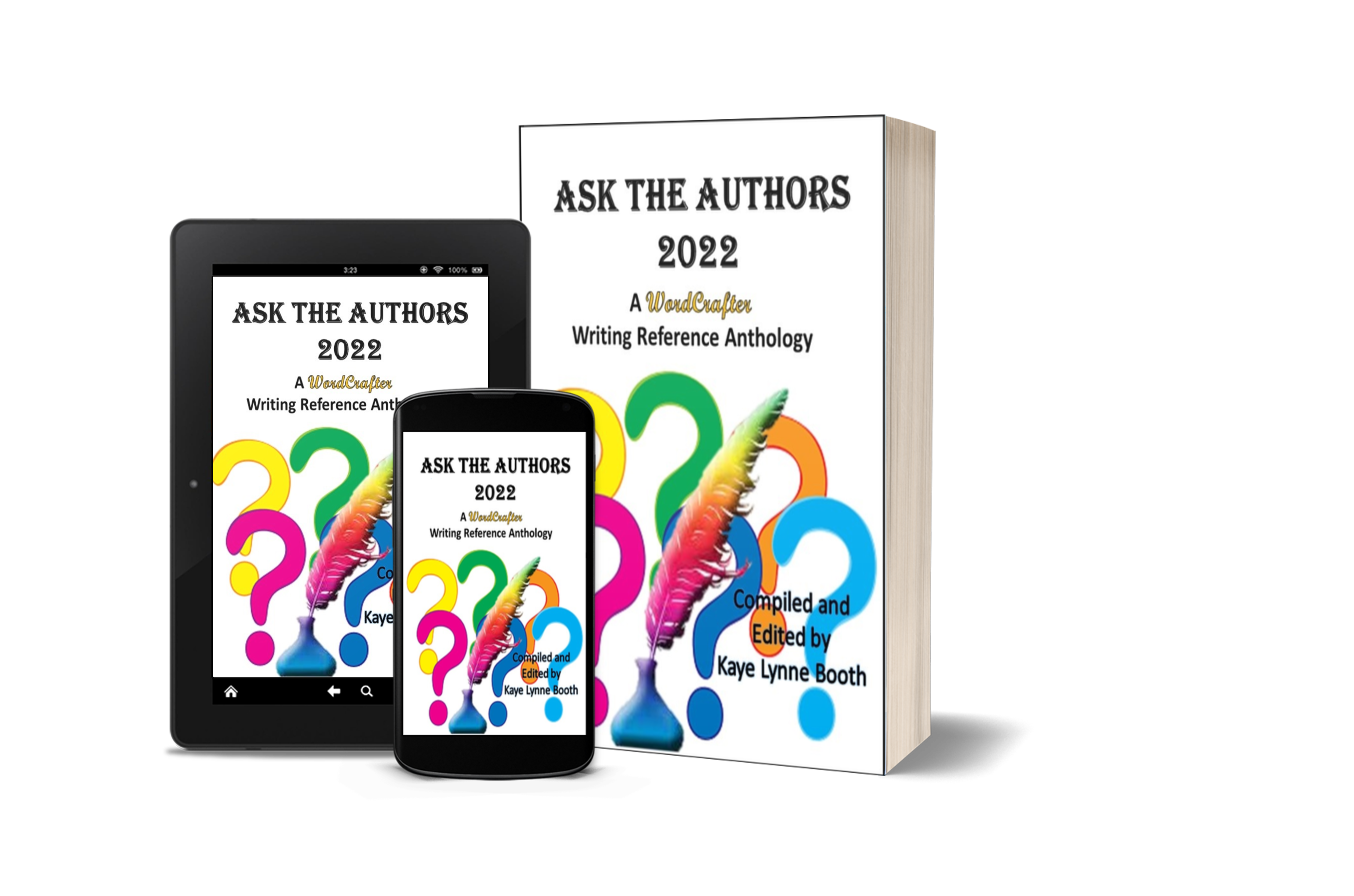
A third round of Ask the Authors is also in the making for this coming summer and I’m planning an Ask the Authors book to follow, which will include material from all three segments. I already have a cover for the book, created by D.L. Mullen of Sonoran Dawn Studios. I hope to have it out by the end of the year.
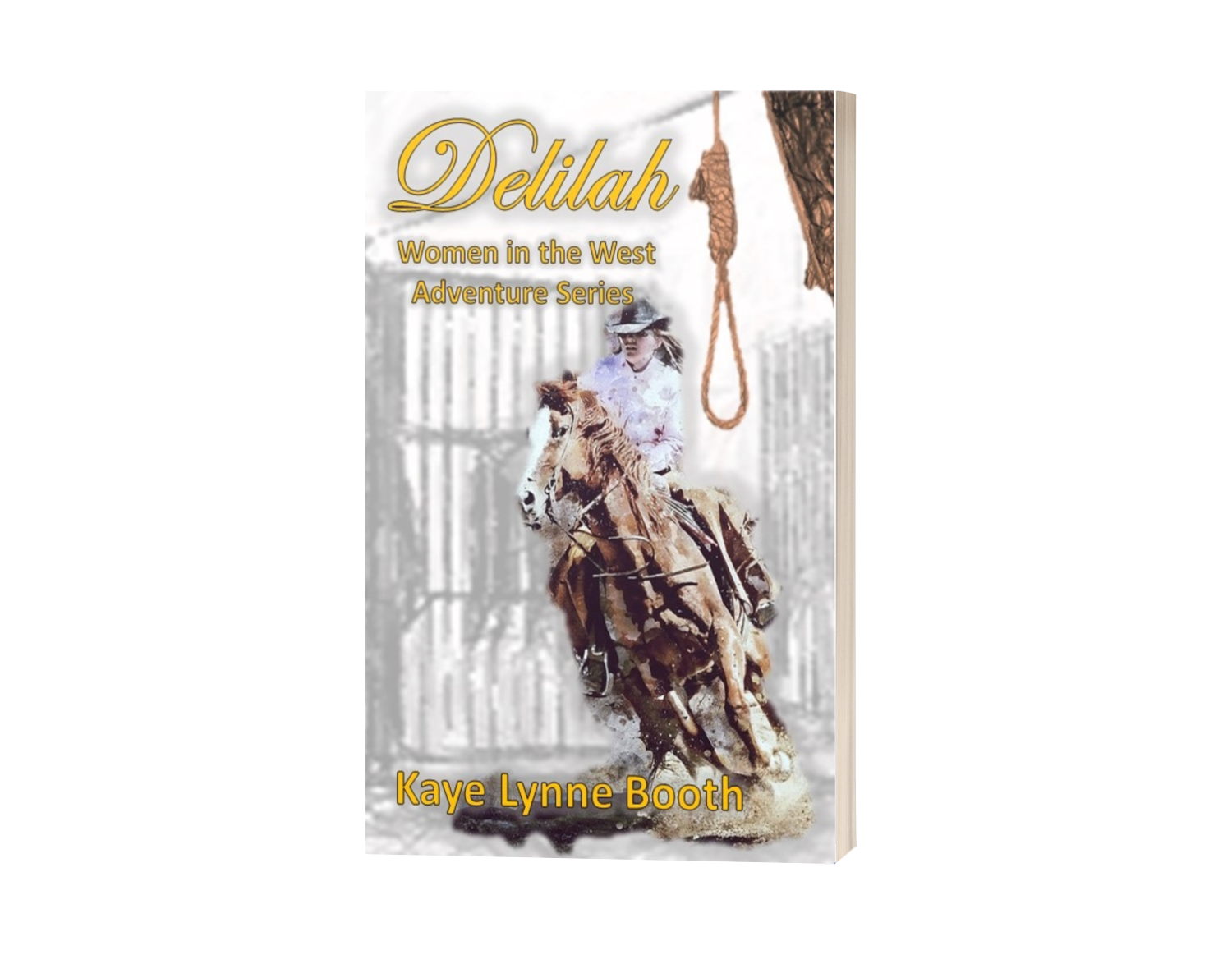
And of course, you’ll be able to get updates on my other works in progress: The Great Primordial Battle, book one of my science fantasy series, Playground for the Gods; The Homecoming, book two of my western series, Delilah; and my memoir about losing my son to teen suicide, His Name Was Michael. I hope you will all join me in the coming year.
With that, I’ll just say see you next year.
Until then, happy writing!
Don’t miss a single post in the coming year. Subscribe to Writing to be Read for e-mail notifications whenever new content is posted or follow WtbR on WordPress.


 Mark: Again, the chance to make people stop and think, although some books have been more for entertainment purposes. Regardless, my books have a controversial slant to them, and that is important, something aspiring authors should seek to achieve. In my book about the publishing process that I use when aspiring authors hire me as a consultant, How to Become a Published Author: Idea to Publication, this is the type of practical advice I provide based on all of my
  Mark: Yes, Courage in the Face of Evil is based on a true story, a Holocaust diary that is both disturbing and inspirational in nature, but I had to add certain elements that cause it to enter the world of fiction. I have also created a crime series called Vicker Punch: Lawyer on the Brink that is fiction, but based on my years as a criminal defense lawyer handling murder cases, and a book that is a sequel to a famous work of fiction.
 Kaye:
Kaye: 


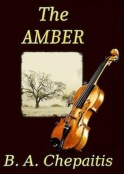 Barbara: The quick answer – because the narrative arc primarily follows a trajectory of romance. I know that when I’ve written material that has a strong romance (as in The Amber) but has something else as it’s narrative arc (coming of age, self-discovery, overcoming demons, etc.) then it isn’t seen as romance. For instance, there’s some pretty strong romantic properties to the whole Jaguar series, but she’s primarily dealing with criminals and crime.
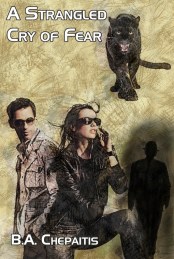 Barbara: I wrote the Fear series as a detective/mystery series. It just happened to be set in the future. When I was seeking a publisher, there was no such thing as ‘cross-genre’, and the mystery/detective market wanted nothing to do with it. Thus it landed in science fiction, which was more open, and they called it cyberpunk suspense – which made me wonder if I had to do something different with my hair, you know?
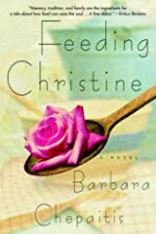 TERESA DI ROSA, owner of the thriving catering business Bread and Roses, makes the feeding of bodies and souls her life work. Now, with her niece CHRISTINE and her friends DELIA and AMBERLIN, she’s gearing up for the big event of the year – the annual Christmas open house. But as the party gets organized, her life is spinning out of control.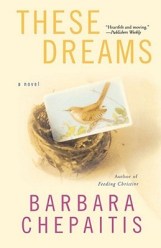
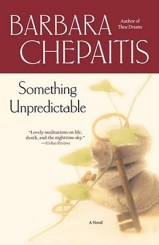 Delilah is 31, has no career to speak of, and is living at home with her hippie parents, and hanging on to a boyfriend who likes to photograph her naked in tubs of blue jello. Clearly, Delilah needs a plan.
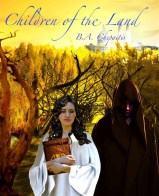 Barbara: Children of the Land is actually the last novel in a series that I wrote which attempted to move across genres through each novel. It started with Children of the Gods, historical fiction with a contemporary twist, retelling the ancient history of the Haudonosaunee. Next was a near future novel titled Children of the World, which featured the descendants of the first novel as they approached the historical moment when biological immortality became possible. After that was Children of the Land, where the next round of descendants dealt with the political and world ramifications of that possibility in a fantasy novel.


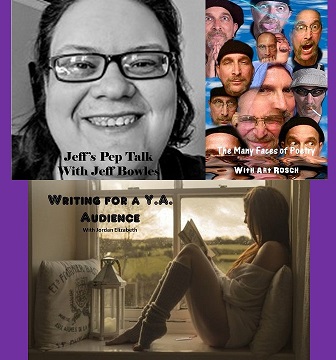 We also were blessed with three new Wednesday blog series with three new team members. The team member from the 2018 Wednesday line-up with the most views was Jeff Bowles with Jeff’s Pep Talk, but Jordan Elizabeth and Art Rosch brought in their fair share with Writing for a Y.A. Audience and the Many Faces of Poetry, respectively.

 2019 promises to be an even better year for both Writing to be Read and for me, and I’m excited to share my plans with you here. To start, this site will be getting a facelift: a new theme which will coincide with my new WordCrafter website and a new logo. The WordCrafter site will be the new home of Write it Right Editing Services and WordCrafter Copywriting, now housed here, as well as WordCrafter Press and WordCrafter Online Courses in the near future. Writing to be Read, although remaining here, will operate under the WordCrafter trademark. I was hoping to launch it tonight to start the New Year off right, but time constraints have not favored me. The launch of my WordCrafter and new image and logo for Writing to be Read will happen sometime in January. That’s the revised goal.
 Let’s not forget the new addition to the Wednesday line-up. Starting in January, children’s author Robbie Cheadle will be joining us with her blog series, Growing Bookworms. You can learn more about Robbie and her exciting and creative new series in my introduction and welcome post last Monday.