Writer’s Corner: Writing Short Fiction
Posted: September 2, 2024 Filed under: Anthology, Books, Short Fiction, Stories, WordCrafter, WordCrafter Press, Writer's Corner, Writing | Tags: Anthologies, Kaye Lynne Booth, Short Fiction, Writer's Corner, Writing Tips, Writing to be Read Leave a comment
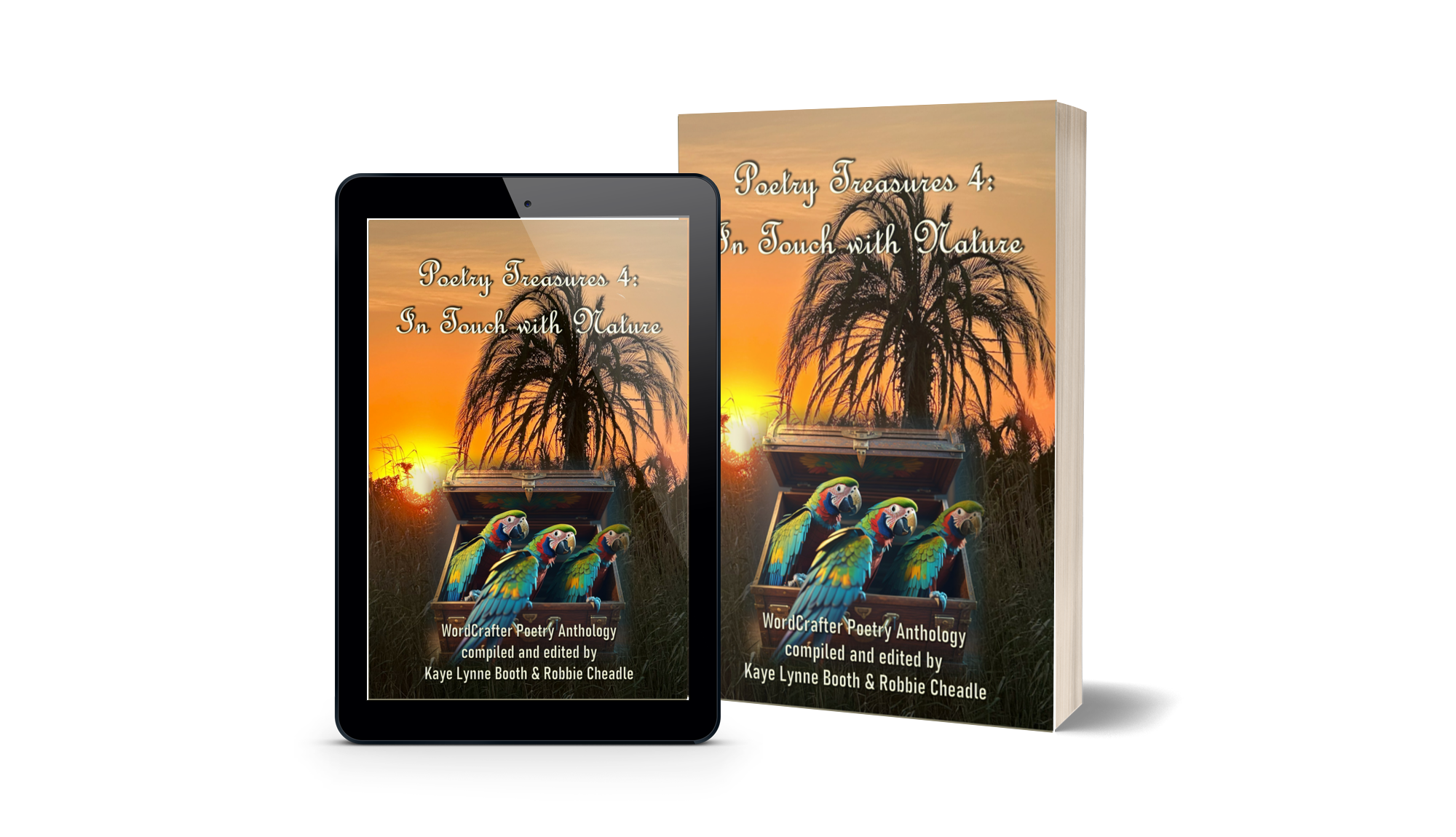
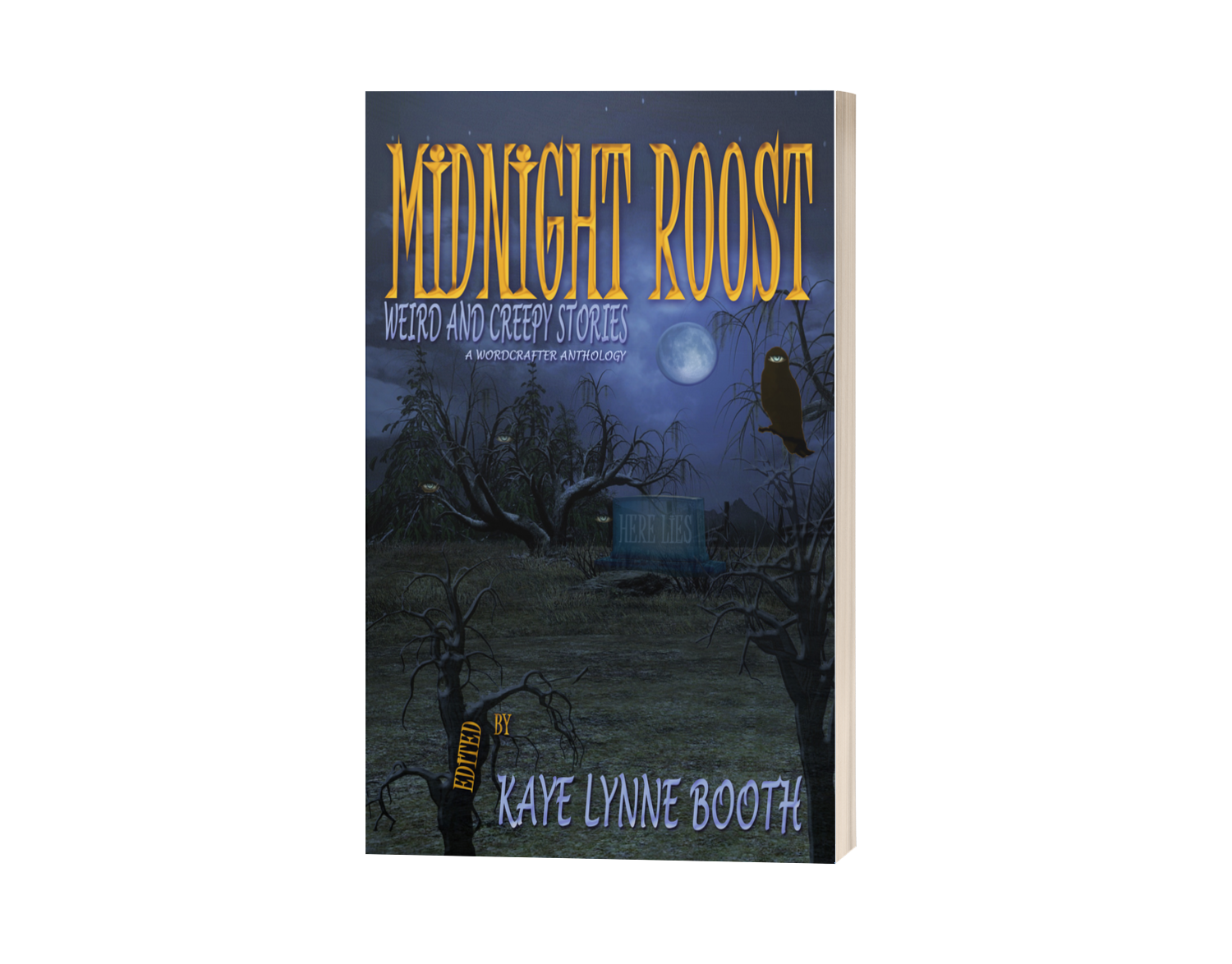
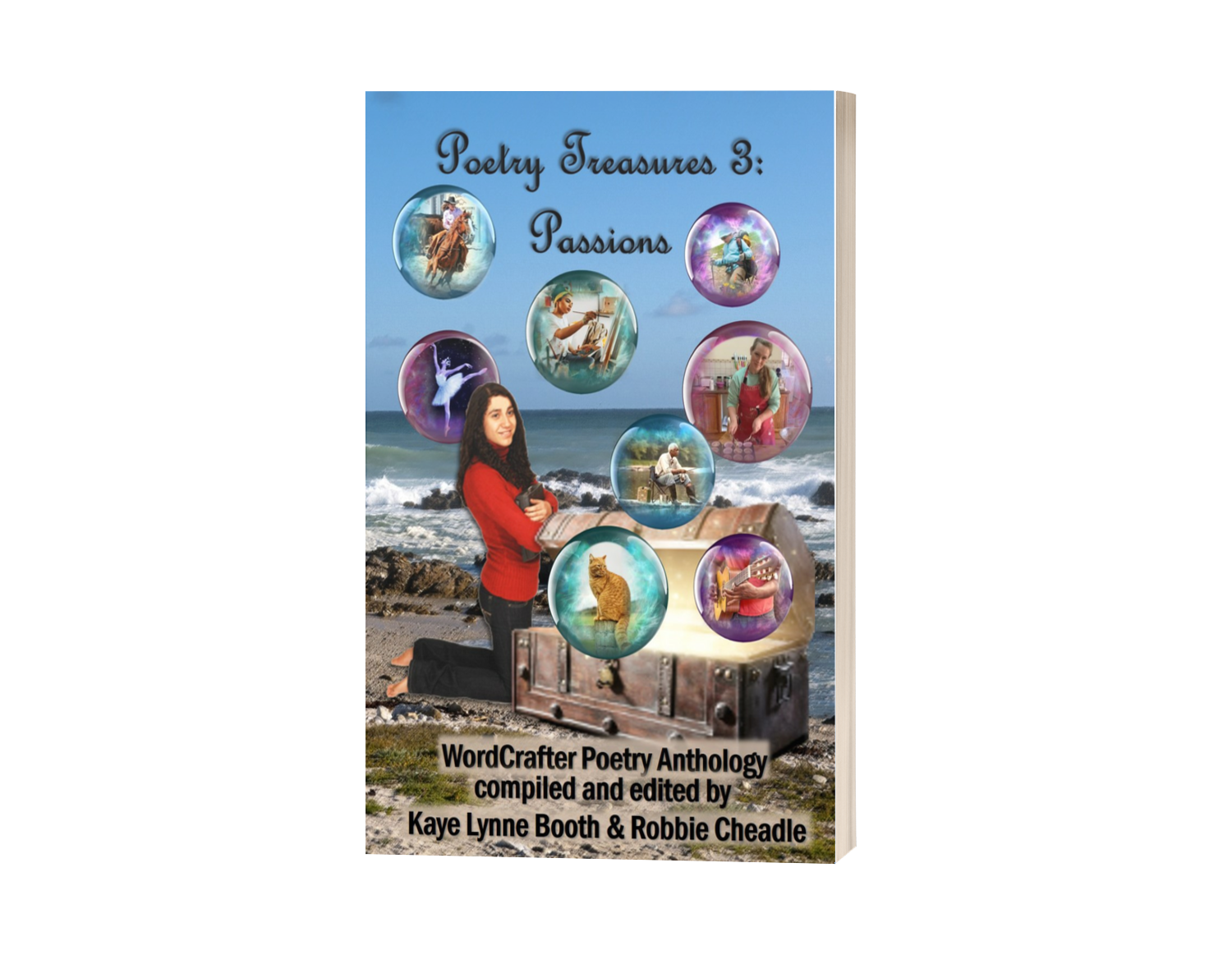
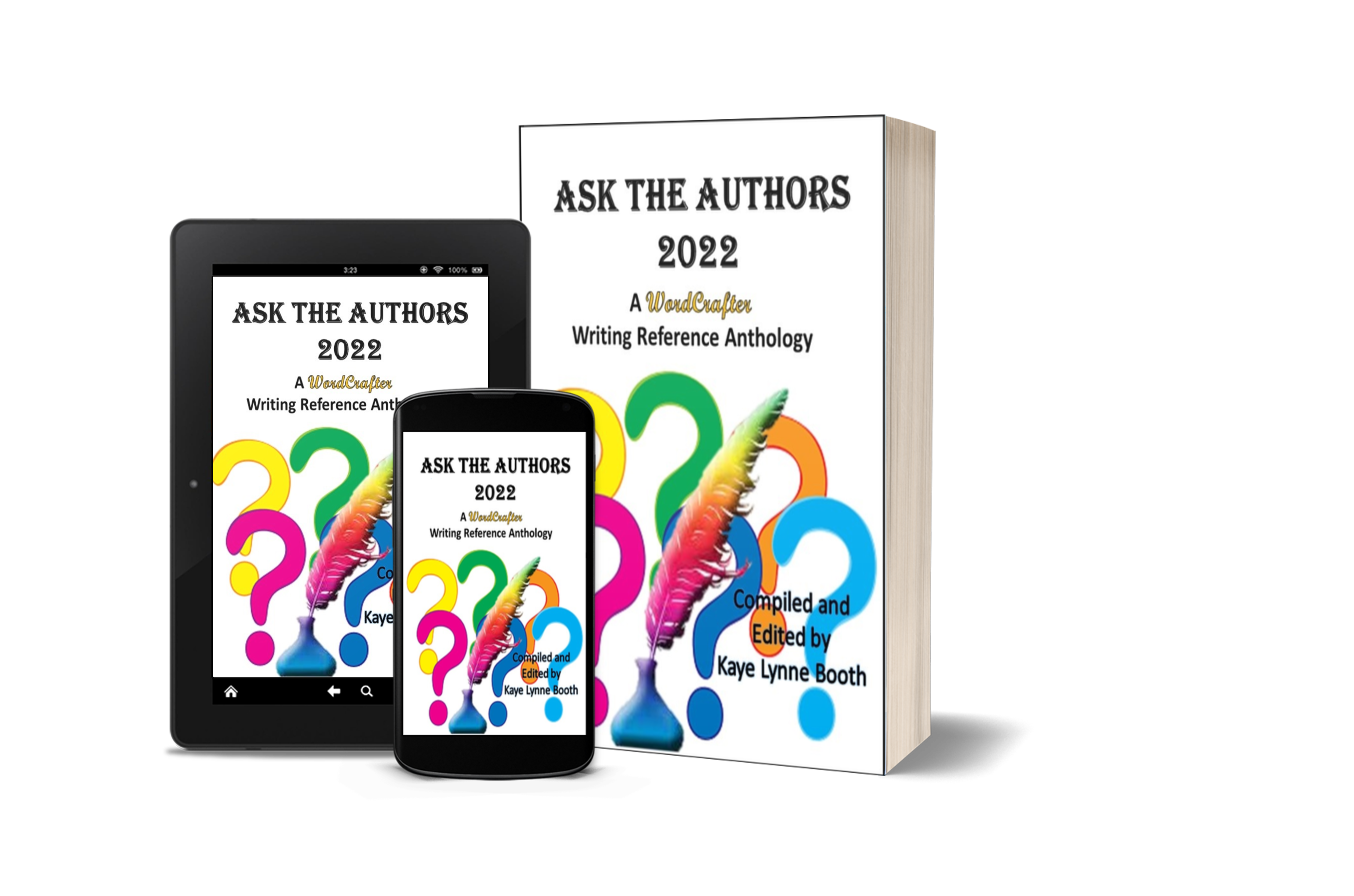
WordCrafter Press runs an annual short fiction contest and publishes a resulting anthology. It began back in 2019, with a short fiction contest which resulted in the Whispers of the Past paranormal anthology. That anthology ended up with nine stories, by seven different authors for a total of 107 pages. Last year’s (2023) dark fiction anthology, Midnight Roost: Weird and Creepy Stories, was a combination of contest entries and submissions by invitation, included twenty-three stories, by twenty different authors for a total of 403 pages. So, the annual anthology has grown in both scope and quality over the years.
To date, WordCrafter Press has a paranormal and a multi-genre (fantasy, science fiction, paranormal,and horror) anthology trilogy, (which is made up of both contest entries and submissions by invitation), and I’m currently building a dark fiction triology, as well.


This year’s dark fiction anthology, Midnight Gardens, will be spectacular as Book 2 of the WordCrafter Midnight Anthology Series, partnering up with last year’s Midnight Roost.


Writing short fiction is different than writing novel length works in many ways. Although short stories still require most of the same story elements as longer tales do, writers of short fiction must deal with them in a condensed format. There is no room for wasted or unnecessary words.
Likenesses with Short and Long Fiction
Like longer fiction, many of the story elements are still required to make a good story. Both formats need:
- A good hook to draw the reader into the story: For longer fiction, this can be accomplished in the first few paragraphs, or maybe even the first page, but for short fiction, it must be accomplished quickly, within the first paragraph, or even with the first sentence.
- An inciting incident: The inciting incident occurs at the beginning of the story and usually involves the main character making a choice which propells him into the tale and gets things moving. This is usually what makes the reader care about the character and what will happen next, making them keep reading.
- Well developed and interesting characters: With short fiction, this can be tricky because you don’t have a lot of time in which to build character. I make my short fiction characters dynamic and colorful to make them stand out from the page and bring them to life for my readers quickly. No matter the length of the work, the author should always know way more about the character than they will ever use in the story. A character which is alive in the author’s mind first and foremost, making it easier to bring them to life for the reader. (I discuss several methods of character development in my “Writer’s Corner” post from September 2023, “Developing Characters with Depth”.)
- Meaningful dialog: In short fiction, every word must count, so there is no room for everyday chit-chat. Every piece of dialog must serve a purpose. It is possible to let the reader see every nuance of your characters through the dialog consisting of both outer and inner dialog, as well as subtext, or unspoken body language, which can be used to emphasize or contradict spoken dialog. (I talk more about the use of subtext in my April 2024 “Writer’s Corner” post, “Visceral Character Portrayal”.)
- Descriptive details: Use one or more senses to describe the setting and set the scene for readers, allowing them to experience the setting or location through the character’s eyes, ears, nose, mouth and skin.
- Conflict and tension: Conflict can be either internal or external, or ideally, both, but it must force the character to make a choice and take action. Tension is created by events which involve opposing forces within the character (internal), between the character and opposing characters or forces beyond the character’s control (external). Obstacles are often placed in the way of resolving the conflict, making it even harder and increasing the tension even more.
- A satisfying resolution: All conflicts should be resolved at the end of the story in a manner that will satisfy readers and not leave them feeling cheated. This can happen in any number of ways, but the conflicts that we’ve spent the last few pages building up to must be resolved in a manner that is logical and believable for the reader. Things don’t have to be all fixed, but we at least need an inkling that things have changed and are now headed in the right direction.
Differences with Short and Long Fiction
- The right point of view and tense for the story: Many longer tales are told in the third person, past tense, which serves them well. Because we want to move through a short story rather quickly, we may need the story to move along at a faster clip. Often, this can be accomplished in short fiction by using a first person, present tense, giving the tale an intensified sense of immediacy, making short fiction better suited to this approach than for longer fiction.
- Quick build up to climax or turning point in the story: This is what the reader has been waiting for, the climatic moment that will change everything from this point out. It could be an epiphany where the character realizes what must be done, or maybe he knew it all along and this is the moment when he decides to do it, but it should bring about some sort of resolution. In short fiction, you don’t have the luxury of a slow build, making it necessary to ratchet up the tension quickly and get to this point directly.
- Descriptive dialog tags: For longer fiction, I was taught to stick to basic dialog tags, such as “said”, “asked”, “replied”, and maybe, “cried”, and then, use descriptors to illustrate the mood and tone, and raise emotion in and connect with readers. However, I have found that more descriptive dialog tags such as “smirked”, or “bellowed” are quite acceptable and even preferable for setting the scene with a minimal amount of words. I’m also beginning to see the value in leaving out the dialog tags all together where it is clear who the speaker is, to help keep the word count down by cutting out unnecessary words.
My Tips for Writing Short Fiction
- Begin close to the end. The beginning of the story illustrates what was and the ending illustrates how things have changed or at least, the direction in which they are now headed. A trick used in screenwriting is to mirror the ending at the beginning, and then go back in time to show how we got to that point. So the first and last scenes act like bookends to your story. By mirroring your first and last paragraphs, this technique can also work well with short fiction, where there is limited space in which to tell your tale.
- Each character should get their own paragraph containing dialog and subtext to show how the dialog is being delivered and making it clear to readers who is saying and doing what. When you switch characters, you switch to a new paragraph, (but not to a new point of view).
- Include enough setting description to let readers get a visual image in their minds, but only include those details that will add to the story or help progress the plot, moving the story forward.
- Choose a single point of view and stick with it. In short fiction, there isn’t enough room to develop multiple characters, so put us into one character’s head and leave us there.
- From an editor’s perspective, (one who reads through and edits a lot of short fiction), please format your manuscript in standard manuscript format, with title and author name centered at the top of page, in a legible 12 pt. font, double spaced. And most importantly, follow submission guidelines!
Advantages of Anthologies
So, why do I go to all the trouble of reading through all these submissions, compiling and editing, formatting and publishing all these anthologies?
I’ll tell you. It takes a lot less time to write a short story than it does a novel, so publishing two or more per year allows me to get my name out there on more books each year. And it’s mutually beneficial to all contributors, as they are able to claim the book for their own author pages, so they are getting more books out there, too. It’s a win-win.
Plus, if all the contributors help with promotion, broadcasting to their readers about the book, you get the results of a much wider reach with your marketing, which means we sell more books. WordCrafter antholgies pay out with a royalty split, so the more books we sell, the more we all make. Again, win-win.
If you’d like to get a story into a WordCrafter anthology, watch for the call for submissions for next year’s contest in October, after the release of Midnight Garden on October 8. I’m putting it out early this year, (I usually do it right at the beginning of each year), and may be changing the submission deadline, so even if you have submitted to past contests, be sure to keep an eye out for the call. I will also be announcing the title for next year’ s anthology and cover reveal. (For now, I can tell you that it will be the third volume in the Midnight Anthology Trilogy, so it will be more dark fiction).
About Kaye Lynne Booth
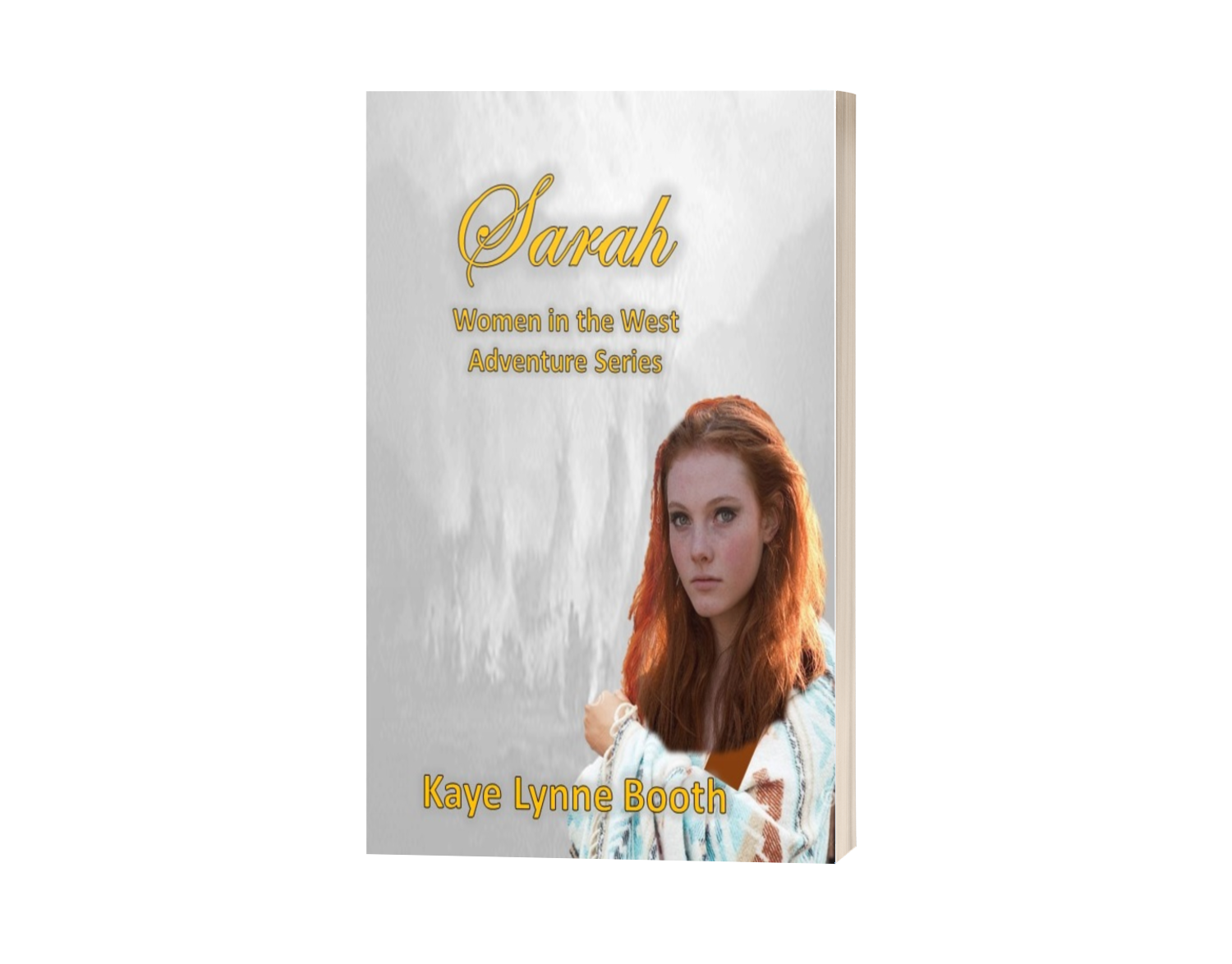
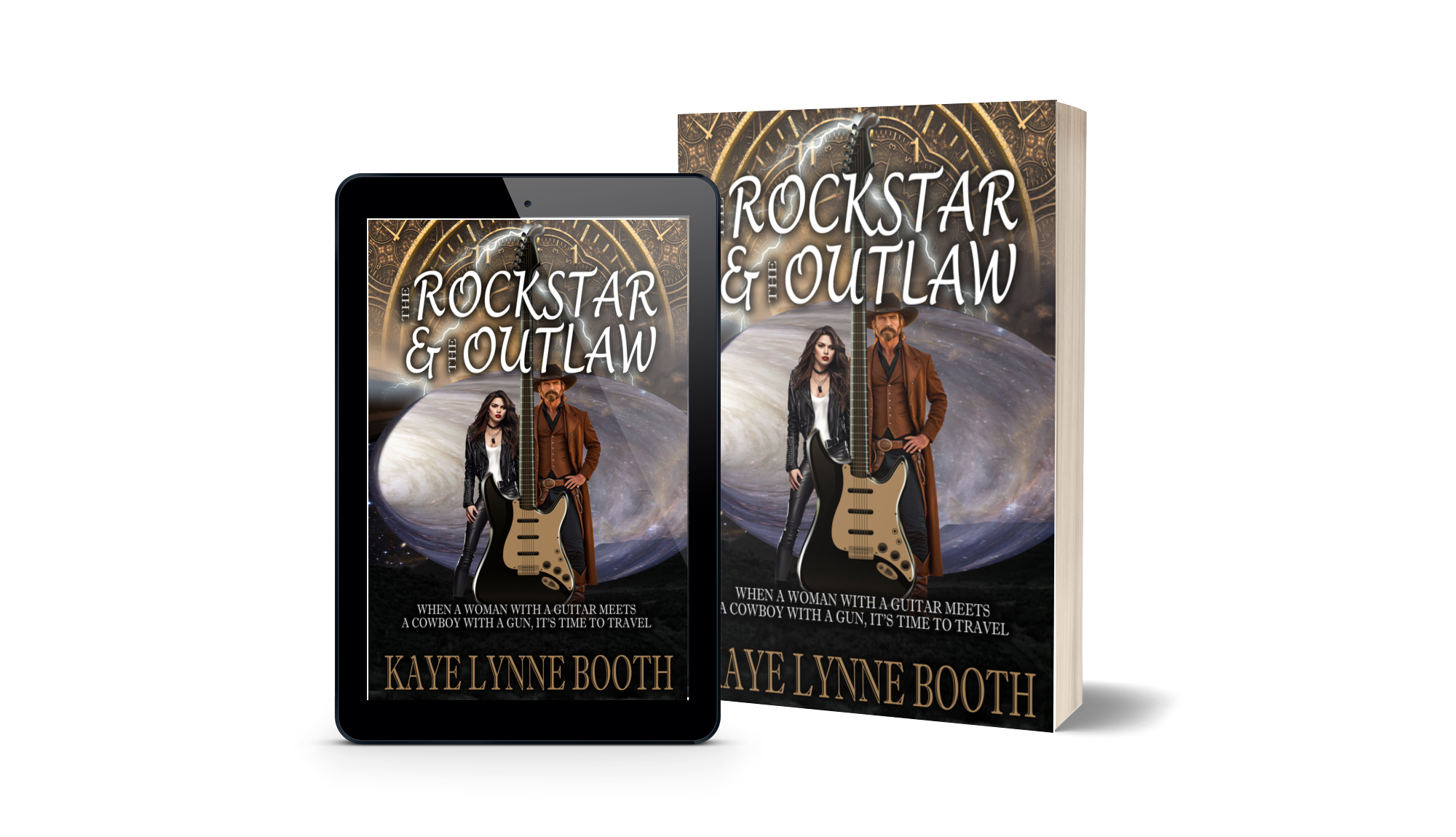
For Kaye Lynne Booth, writing is a passion. Kaye Lynne is an author with published short fiction and poetry, both online and in print, including her short story collection, Last Call and Other Short Fiction; and her paranormal mystery novella, Hidden Secrets; Books 1 & 2 of her Women in the West adventure series, Delilah and Sarah, and her Time-Travel Adventure novel, The Rock Star & The Outlaw. Kaye holds a dual M.F.A. degree in Creative Writing with emphasis in genre fiction and screenwriting, and an M.A. in publishing. Kaye Lynne is the founder of WordCrafter Quality Writing & Author Services and WordCrafter Press. She also maintains an authors’ blog and website, Writing to be Read, where she publishes content of interest in the literary world.

________________________________
Want to be sure not to miss any of Kaye’s “Writer’s Corner” segments? Subscribe to Writing to be Read for e-mail notifications whenever new content is posted or follow WtbR on WordPress. If you find it useful, interesting, or just entertaining, please share.
________________________________
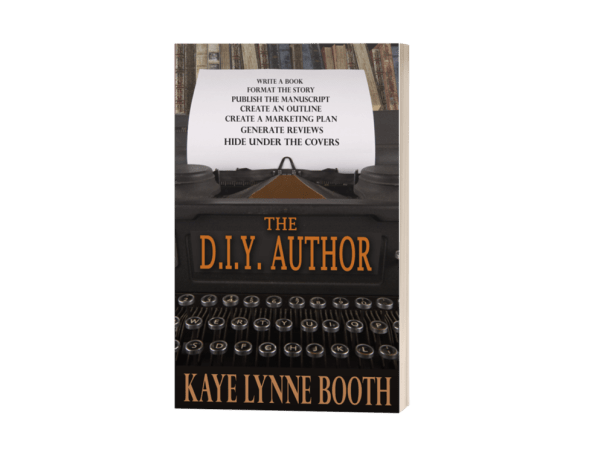
This post is sponsored by The D.I.Y. Author and WordCrafter Press.
Being an author today is more than just writing the book. Authors in this digital age have more opportunities than ever before. Whether you pursue independent or traditional publishing models, or a combination of the two, being an author involves not only writing, but often, the publishing and marketing of the book.
In this writer’s reference guide, multi-genre author and independent publisher, Kaye Lynne Booth shares her knowledge and experiences and the tools, books, references and sites to help you learn the business of being an author.
Topics Include:
Becoming Prolific
Writing Tools
Outlining
Making Quality a Priority
Publishing Models & Trends
Marketing Your Book
Book Covers & Blurbs
Book Events—In Person & Virtual
And more…
Purchase your copy today: https://books2read.com/The-DIY-Author
Discover more from Writing to be Read
Subscribe to get the latest posts sent to your email.