Writer’s Corner: Word Choices
Posted: July 1, 2024 Filed under: AI Technology, Books, Character Development, Dialogue, Fiction, Setting, The Human Condition, Time travel, Voice, Western, WordCrafter Press | Tags: AI Technology, Dialogue, Editing, Speech, Voice, Word Choices, Writer's Corner, Writing to be Read 17 Comments
I don’t need MS Word to tell me that my language might be offensive. That’s me. I use offensive language, usually on purpose, for effect because I want to be offensive, or just because it is what my character would say. Of course, I’m not writing for a YA or younger audience. I would want curse words to be pointed out and questioned, if that were the case.
I cuss. Most of the people I know cuss. Even religious folk have been known to issue a curse or two. If I feel the reaction to a situation would be an issued expletive, then my character will issue it. That doesn’t mean that all my characters are potty mouths, but when a curse is in order, they throw it out there, and I believe it is appropriate in certain situations, and also more realistic.
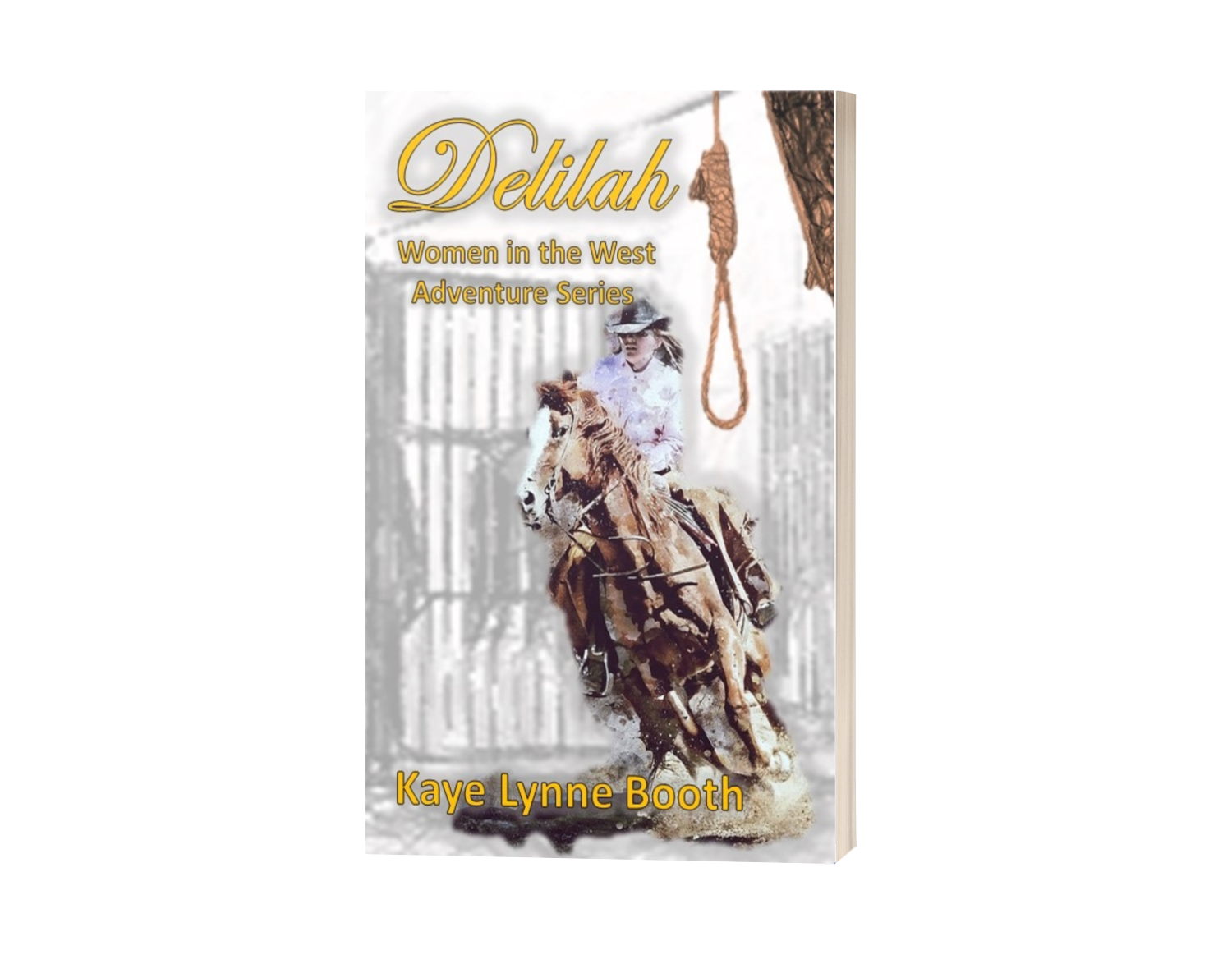
Even if my protagonist isn’t a curser, like Delilah, who uses expletives such as dagnabbit, the people around her do, so my books do contain some cursing. I don’t feel like a story set on the western frontier, would be true to the period or the frontier culture.
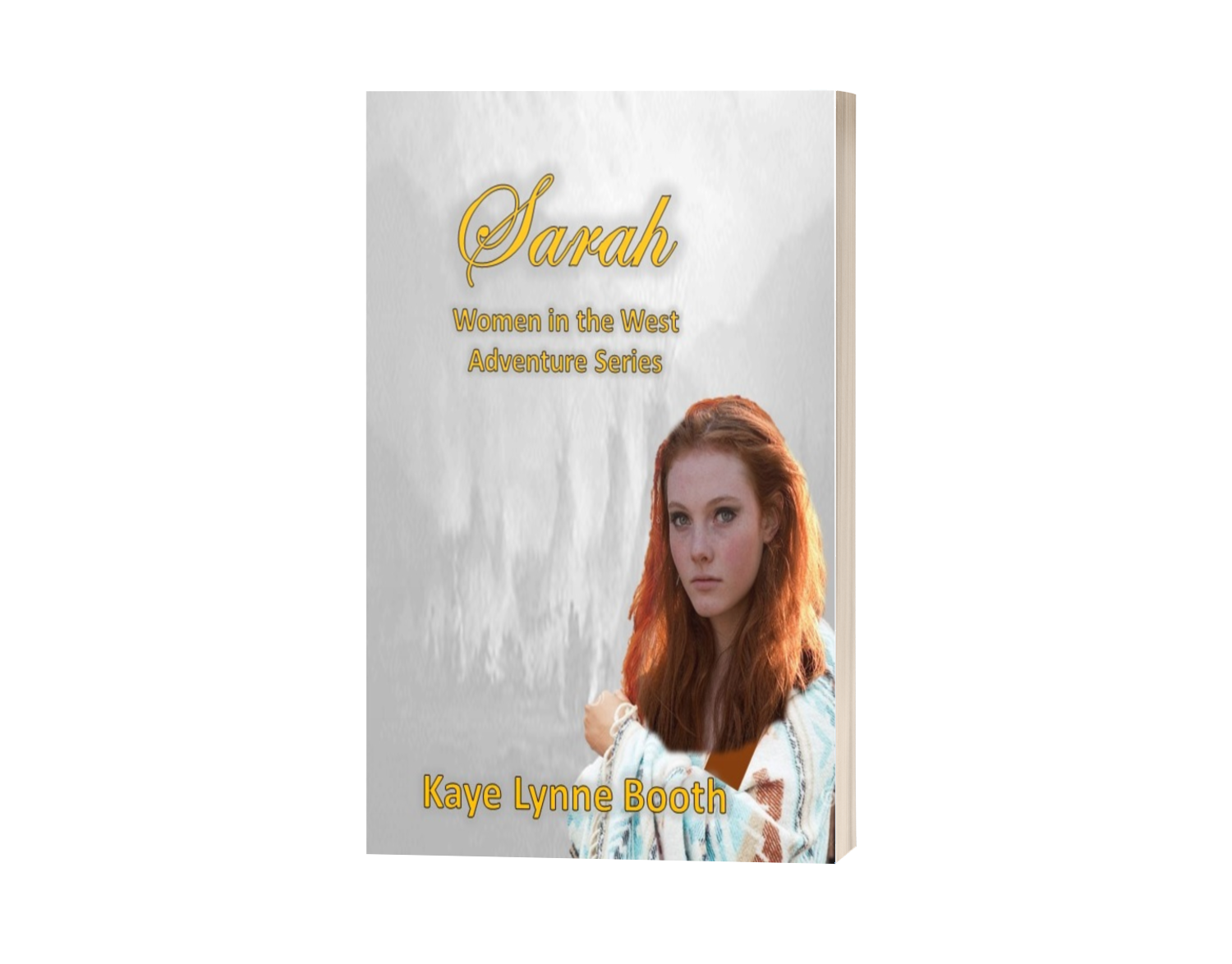
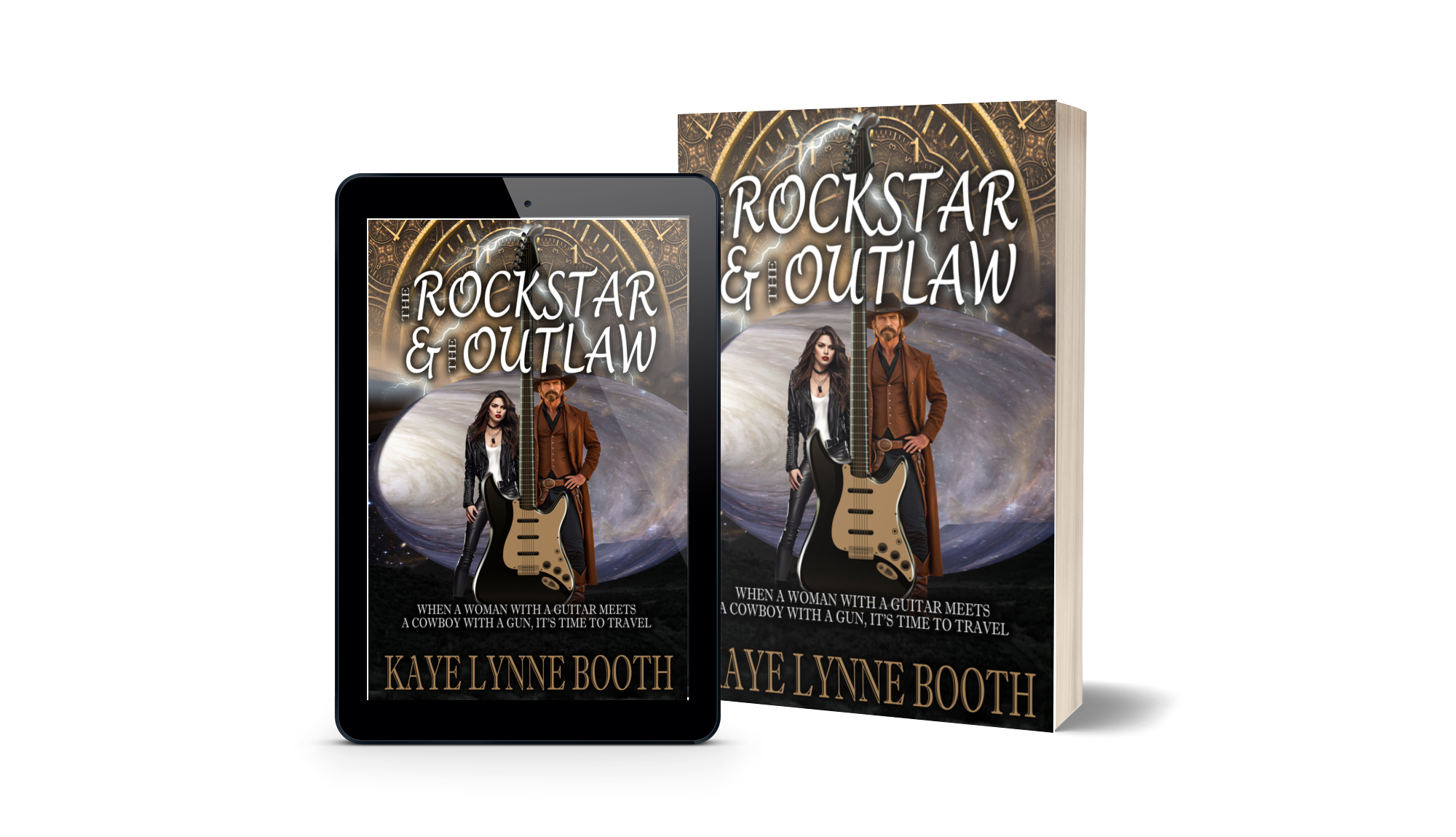
Likewise, the modern day Las Vegas culture in the music circles involves drugs, sex, and rock-and-roll, so naturally my character, Amaryllis, in The Rock Star & The Outlaw is involved in all of that and more, and her language often isn’t ladylike. Even so, I try not to let her get carried away with the curse words. And Sarah deals with the issues of prejudice and sexism, and the language in the story reflects the prejudices of the times, whether the AI editor in MS Word likes it or not.
But my villains often have mouths so dirty even their own mothers wouldn’t kiss them. Respect for women or lack thereof is often indicated in the way a man refers to women. If a character lacks respect for women, which many male villians do, then their language when referring to them may be less than flattering. After all, the way a character speaks is one of the things readers use to clue them in to what a character is like, and then decide if they are a character they should like, or not.
Another speech trait which I use often is the improper use of the English language. In the old west, many people were not educated and used words such as ‘ain’t’ or they cut off the ‘g’ in ‘ing’ words. In Delilah, one of things she strived for was to speak more properly after meeting the Mormon woman, Marta, who was a natural born school teacher and corrected Delilah’s speech automatically out of habit. Many of the less savory characters in the Women in the West adventure series, clue readers into their ignorance by the way they speak. I reckon that’s what I do it fer. These are purposeful misspellin’s that drive my AI spell-check crazy.
Many of my western characters are representitive of the many immigrants who made the U.S. into the melting pot that it is known to be. They speak in different dialects to differentiate them from other characters, which gives them colorful speech that is recogizable without adding dialog tags. In Sarah, Lillian Alura Bennett is one such character, who happens to be an Irish madam at a bordello in Glenwood Springs. And in The Rock Star & The Outlaw, the Mexican dialect of Juan Montoya leaves no question when he is speaking.
In Delilah, I had the opposite problem as the character of Dancing Falcon was a young Indian boy, who had been taught to speak English at the Indian agency with a strict teacher, so his speech is almost too proper, which made his speech sound very formal in places. One of the comments from a beta reader was that no one talks like that, so I went back when revising and added in a place where he talks about his time on the reservation and his schooling experience, to explain why he spoke that way to readers. The point being that a characters speech should reveal something about them, as well as making them identifiable.
It was really fun to create the characters in the My Backyard Friends kid’s book series, which is based on the birds and animals which visit my yard in the Colorado mountains. Katy Cat is a bit of a diva, kind of stuck up, and thinks she’s better than everyone else. She’s willing to help out Timothy Turtle as long as it doesn’t inconvenience her too much. I relayed this information in the way she swishes her tail, (body language), and in the way she talks with a bit of attitude. Heather Hummingbird has a lot of energy, so she talks really fast and rarely perches for more than a few seconds at a time. Charlie Chickadee is a young bird on his own for the first time, so I made him a bit niave. The things he says reveals this more than the way that he says it.
Other reasons an author might make the character’s or even the narrator’s voice a bit quirky is because it is the author’s voice coming through. (You know the voice English teachers are telling you to find? Yep. That one.) To an extent, this is true for me. My own speech is usually rather blunt and to the point, and so are my characters’. I don’t use a lot of colorful purple prose, instead calling it like I see it. Many of my protagonists are the same way. Delilah says what’s on her mind and she doesn’t beat around the bush. Sarah, too, tends to speak before she considers the way her words will be taken.
AI editors don’t understand this, and so variants in speech are often marked as needing correction, when in fact, they are purposeful. This is why, just running through your story with an AI editor is never enough. But there are times when human editors don’t get it either. Kevin J. Anderson tells a story about submitting a book to a traditional publisher who turned it over to a novice editor who corrected all the little quirks that revealed his voice and marked his manuscript up until it looked like nothing but red scribbles. That’s when you know that an editor isn’t a good match for you. Kevin politely refused to work with that editor and they assigned him another one. That’s why it’s important to have an editor that gets you and your voice, and understands the nuances of your character’s dialog.
Finding the right editor isn’t always easy, especially if funds are tight. Many editors will offer a free edit of the first ten pages, or even the first chapter so you can fell them out and find out if they are right for you and your story. I wouldn’t go with any editor who doesn’t offer this, and of course, I offer it through Write it Right Quality Editing Services. Any editor worth their salt will understand that they must be able to differentiate between mistakes and purposful word choices.
___________________________________________
About Kaye Lynne Booth

For Kaye Lynne Booth, writing is a passion. Kaye Lynne is an author with published short fiction and poetry, both online and in print, including her short story collection, Last Call and Other Short Fiction; and her paranormal mystery novella, Hidden Secrets; Books 1 & 2 of her Women in the West adventure series, Delilah and Sarah, and her Time-Travel Adventure novel, The Rock Star & The Outlaw. Kaye holds a dual M.F.A. degree in Creative Writing with emphasis in genre fiction and screenwriting, and an M.A. in publishing. Kaye Lynne is the founder of WordCrafter Quality Writing & Author Services and WordCrafter Press. She also maintains an authors’ blog and website, Writing to be Read, where she publishes content of interest in the literary world.
____________________
This segment of “Writer’s Corner” is sponsored by The D.I.Y. Author and WordCrafter Press.
Being an author today is more than just writing the book. Authors in this digital age have more opportunities than ever before. Whether you pursue independent or traditional publishing models, or a combination of the two, being an author involves not only writing, but often, the publishing and marketing of the book.
In this writer’s reference guide, multi-genre author and independent publisher, Kaye Lynne Booth shares her knowledge and experiences and the tools, books, references and sites to help you learn the business of being an author.
Topics Include:
Becoming Prolific
Writing Tools
Outlining
Making Quality a Priority
Publishing Models & Trends
Marketing Your Book
Book Covers & Blurbs
Book Events—In Person & Virtual
And more…

Pre-Order your copy today: https://books2read.com/The-DIY-Author
Discover more from Writing to be Read
Subscribe to get the latest posts sent to your email.










As an experiment, I decided to accept all of Grammarly’s suggestions for a section of my manuscript. The result? Horrendous.
What about other word choices? AI will often flag non contractions. Even one of my reviews stated that I did not use contractions in my writing (see what I did there?) and I was using the misguided advice from the past, stating: ” someone really took to heart the ‘real writers don’t use contractions’ assertion that was so popular in the late ’80s in schools”.
I puzzled on this and went back through the book to find a larger percentage of contractions than not. I often choose not to use a contraction because it creates a more pointed statement. There is a big different between saying “I don’t do that” and “I do not do that.”
Are editors infallible? Nope. Are they indispensable? I believe so.
LikeLiked by 1 person
Absolutely Leon. Human editors are a necessity as AI editors are not infallible, and often incorrect. Most recently, mine doesn’t like that my dialog tags aren’t the same tense as my actions. Ie… “she said, wiping away a tear.” For me, this is a purposeful thing which makes a story told in the past tense more active, but the AI doesn’t get it. Thanks for your comment. ☺️
LikeLiked by 1 person
I also think that traditional rules can be ignored at times, because writing has to evolve and certain ways of crafting prose is necessary to keep things up to date.
LikeLiked by 1 person
I deed. We break all sorts of rules for the sake of craft. You can’t teach that to AI.
LikeLiked by 1 person
I agree AI editors lack real human intelligence. Even though you can use an AI editor as a tool it is not a good editor to rely on. Like you say a western frontier book goes well with a different language including curse words, and it does not bother me. I loved Sarah. I loved that it was so fast-paced and intense and it seemed so well researched. BTW I am one of the winners in the raffle you had for Sarah. I wrote a five star Amazon review yesterday that showed up and last night I also made a blog post on my Leonberger blog, in case you are curious. Again thank you so much for the reading experience.
LikeLiked by 1 person
Wow! Thank you so much, Thomas. If you have a link to the blog review, I’d love to visit. ☺️
LikeLiked by 1 person
Yes sure. Here it is :
https://leonbergerlife.com/
LikeLiked by 1 person
Thanks. I’ll pop over now. 🙂
LikeLiked by 1 person
Cool
LikeLiked by 1 person
🙂
LikeLiked by 1 person
Well said.
LikeLiked by 1 person
Thanks for reading, Jennie. Glad you agree. 🙂
LikeLiked by 1 person
😀
LikeLiked by 1 person
Hi Kaye. An informative post. I rarely use swear words in my writing. Including them might well be better for authenticity, but I still rarely have them. They are a bit of an afterthought for me.
LikeLiked by 1 person
I try to make my characters speak they way they would have at the time. The American West was an untamed frontier and many of the towns, especially mining towns were mostly men. They didn’t have a school or a church, but saloons and brothels were plentiful. In that type of environment, people cursed and drank, and often let things get out of hand, Delilah learned to curse in prison, but speaking properly and appropriately was one of the things about herself that she worked to improve, especially when the Mormon schoolteacher, Marta, befriended her. I was hesitant to add ample cursing from the villains and townfolk, so I threw in enough to give readers the idea, but tried not to use so much as to be offensive to readers.
I find the same dilemma when writing about the prejudices the were prevalent back then, but are completely unacceptable now. There’s quite a bit of bigoted dialog in Sarah that I had to be careful with in current social and political times.
I’m sure there are other things which you’ve been hesitant to write and had to put a lot of thought into. You and I write quite differently, but there are always some things you might debate including, or how much to use.
I do this with dialects and speech patterns as well. Including too much of an accent or dialect can make dialog almost indeciferable. For this I consider how it reads aloud. If I’m stumbling over it, it’s probably too much, but if I can’t tell who is speaking, it might be too little.
LikeLiked by 1 person
It is a fine line writing period books. I face these same issues with my writing.
LikeLiked by 1 person
It is. ☺️
LikeLiked by 1 person