Growing Bookworms – War in Children’s Literature: yes or no? #GrowingBookworms #childrensliterature #warbooks
Posted: November 8, 2023 Filed under: Books, Children's Books, Classics, Fiction, Growing Bookworms, Historical Fiction | Tags: Children's Books, Growing Bookworms, Historical Fiction, Robbie Cheadle, War and children, Writing to be Read 68 Comments
The world is full of conflict currently, and this has been the case throughout the reign of ‘civilized man’ on this beautiful planet of ours.
According to save the children US, a total of 93,236 children have been killed or maimed in conflicts in the last ten years (this figure is from November 19, 2020 before the two recent conflicts centering around Ukraine and Israel), which equates to 25 children (an averaged size school classroom) of children every day.
These children were mainly victims of airstrikes, shelling, landmines, and other explosive weapons used in populated areas.
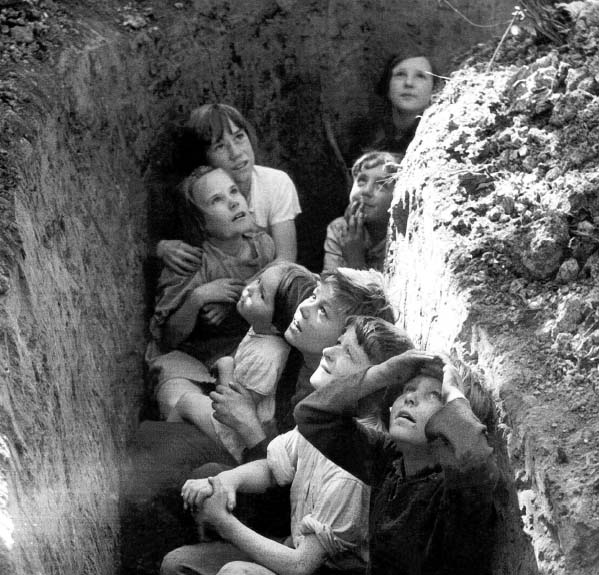
War and conflict is a very real factor of human society. Wars displace people and create refugees; people who are unable to continue living in their homes and carrying on with their daily lives because of violence. Refugees are a huge concern and area of focus in Western society.

With these thoughts and figures in mind, I ask, should children read books about war?
My answer is yes. Books and stories are a way of teaching empathy, understanding, and raising awareness.
Jennifer Armstrong is quoted as saying: “if we don’t encounter war in the safe way, by experiencing it through literature and art, how will we be moved to avoid the real thing? Reading about was doesn’t imply an endorsement of it: it’s a way of acknowledging part of the human experience that has been with us since the days of the Trojan War and long before. If you really want to teach young readers about peace, give them books about war.”
Jennifer Armstrong is the author of over 50 books for children from kindergarten through to high school. She is best known for writing historical fiction. You can read more about Jennifer Armstrong here: https://en.wikipedia.org/wiki/Jennifer_Armstrong
To:You
Mon 2023/11/06 09:29
Isaac Bashevis Singer wrote: “Children think about and ponder such matters as justice, the purpose of life, the why of suffering. They often find it difficult to make peace with the idea that animals are slaughtered so that man can eat them. They are bewildered and frightened by death. They cannot accept the fact that the strong should rule the weak.” You can read more about Isaac Bashevis Singer here: https://www.encyclopedia.com/people/literature-and-arts/hebrew-literature-biographies/isaac-bashevis-singer
I’ve always been fascinated by war and have been reading about children and adults in war situations since I was a young girl. These are a few of the books about war and conflict situations I was given by Sister Agatha when I was a young student (10, 11 and 12 years old) at Holy Cross Convent in George in the Western Cape of South Africa:
The Diary of a Young Girl by Anne Frank
Discovered in the attic where she spnt the last years of her life, Anne Frank’s remarkable diary has become a world classic—a powerful reminder of the horrors of war and an eloquent testament to the human spirit.
In 1942, as Nazis occupied Holland, a thirteen-year-old Jewish girl and her family fled their home in Amsterdam and went into hiding. For the next two years, until their whereabouts were betrayed to the Gestapo, they and another family lived cloistered in the secret upstairs rooms of an old office building. Cut off from the outside world, they faced hunger, boredom, the constant cruelties of living in confined quarters, and the ever-present threat of discovery and death.
In her diary Anne Frank recorded vivid impressions of her experiences during this period. By turns thoughtful, moving, and amusing, Anne’s account offers a fascinating commentary on human courage and frailty and a compelling self-portrait of a sensitive and spirited young woman whose promise was tragically cut short.
I am David by Anne Holm
David escapes from the concentration camp where he has spent his entire life and flees across Europe. He is utterly alone – who can he trust? What will await him? And all the while, how can he be sure that they won’t catch up with him…David learns that his polite manner, his haunted eyes and his thin features are strange to other people. He must learn to fend for himself in this strange new world.
When Hitler Stole Pink Rabbit by Judith Kerr
This semi-autobiographical classic, written by the beloved Judith Kerr, tells the story of a Jewish family escaping Germany in the days before the Second World War.
This beautiful new edition celebrates the fifty year anniversary of an adventure that Michael Morpurgo called “The most life-enhancing book you could ever wish to read.”
Suppose your country began to change. Suppose that without your noticing, it became dangerous for some people to live in it any longer, and you found, to your surprise, that your own father was one of those people. This is what happened to Anna in 1933.
Anna is too busy with her schoolwork and tobogganing to listen to the talk of Hitler. But one day she and her brother Max are rushed out of Germany in alarming secrecy, away from everything they know. Their father is wanted by the Nazis. This is the start of a huge adventure, sometimes frightening, very often funny and always exciting.
Judith Kerr wrote When Hitler Stole Pink Rabbit fifty years ago, based on her own journey, so that her own children would know where she came from and the lengths to which her parents went to keep her and her brother safe. It has gone on to become a beloved classic that is required reading for many children all over the world and is an unforgettable introduction to the real-life impact of the Second World War.
Number the Stars by Lois Lowry
A powerful story set in Nazi occupied Denmark in 1943. Ten-year-old Annemarie Johansen is called upon for a selfless act of bravery to help save her best-friend, Ellen – a Jew.
It is 1943 and for ten-year-old Annemarie Johansen life is still fun – school, family, sharing fairy stories with her little sister. But there are dangers and worries too – the Nazis have occupied Copenhagen and there are food shortages, curfews and the constant threat of being stopped by soldiers. And for Annemarie the dangers become even greater… her best-friend Ellen is a Jew. When Ellen’s parents are taken away to be ‘relocated’ by the Nazis, Ellen is taken in by Annemarie’s parents and suddenly Annemarie’s family are under threat too.
Annemarie has to call upon all her resources for courage and bravery as she helps her friend make a daring escape.
A Newbery Medal winner by an acclaimed author *For readers from 8 to 12 *
I still enjoy reading children’s books about war, and have written one, While the Bombs Fell, myself. These are few I’ve enjoyed.
War Horse by Michael Morpurgo
Michael Morpurgo has a number of children’s books that centre around war and conflict situations. This blurb is for War Horse.
An unforgettable tale of war, redemption, and a hero’s journey. It is 1914, and Joey, a farm horse, is sold to the army and thrust into the midst of World War I on the Western Front. When Joey is dragged away, his heart aches for Albert, the farmer’s son he is forced to leave behind. In the army the beautiful red-bay horse is trained to charge the enemy, drag heavy artillery, and carry wounded soldiers not much older than Albert off the battlefields. Amongst the clamoring of guns, and while plodding through the cold mud, Joey wonders if the war will ever end. And if it does, will he ever find Albert again? War Horse joins the Scholastic Gold line, which features award-winning and beloved novels. Includes exclusive bonus content!
Elizabeth’s War by DL Finn
It’s April of 1917, and World War I has reached Elizabeth’s family on their wheat farm in North Dakota. Although the battles are being fought overseas, the war has affected her in ways she couldn’t have imagined. Elizabeth is thrust into a new role after her brother and father leave the farm to do their part in the war. And she’s only eleven years old! Having almost died as a toddler, Elizabeth has been babied most of her life. Now she must learn to help out around the farm; cooking, cleaning, and tending to the garden and livestock. No longer can she run from her responsibilities, as she did when her horse Rosie was giving birth. There were complications during the delivery, and Elizabeth panicked and froze. The foal didn’t make it. Elizabeth faces her biggest challenge yet as a huge Christmas Eve snowstorm rages outside, cutting her family off from any help; and her mother is about to have a baby! Her brother and sister are laid up with chicken pox. Does Elizabeth face her fears or run from them? Can she help her family, who need her more now than ever? Or will she retreat like she did when Rosie needed her?
You can find out more about DL Finn’s latest book here: https://dlfinnauthor.com/2023/10/30/new-release-the-destination-harbor-pointe-series-book-3-dlfinnauthor-harborpointeseries-storyempire-writingcommunity-whattoread/
My Gentle War: Memoir of an Essex Girl by Joy Lennick
The affection Joy Lennick nee Mansfield felt and feels for Wales is immediately evident in this charming memoir.
Separated in World War 11 from her parents – with her father serving in the Royal Air Force abroad and her mother working in munitions – she finds herself living on a mountain with her two brothers. It is a world away from the cosy environment of her home in Dagenham, Essex.
You can read one of Joy Lennick’s blog posts here: https://joylennick.wordpress.com/2017/12/21/a-labyrinth-of-meanings/
While the Bombs Fell by Robbie Cheadle and Elsie Hancy Eaton
What was it like for children growing up in rural Suffolk during World War 2? Elsie and her family live in a small double-storey cottage in Bungay, Suffolk. Every night she lies awake listening anxiously for the sound of the German bomber planes. Often they come and the air raid siren sounds signalling that the family must leave their beds and venture out to the air raid shelter in the garden. Despite the war raging across the English channel, daily life continues with its highlights, such as Christmas and the traditional Boxing Day fox hunt, and its wary moments when Elsie learns the stories of Jack Frost and the ghostly and terrifying Black Shuck that haunts the coastline and countryside of East Anglia. Includes some authentic World War 2 recipes.
The ebook of While the Bombs Fell is available from Lulu.com here: https://www.lulu.com/shop/robbie-cheadle-and-elsie-hancy-eaton/while-the-bombs-fell/ebook/product-23768958.html?page=1&pageSize=4

You can find out more about the South African concentration camps in my book, A Ghost and His Gold. IT IS NOT FOR CHILDREN. https://tslbooks.uk/product/a-ghost-and-his-gold-roberta-eaton-cheadle/
About Robbie Cheadle
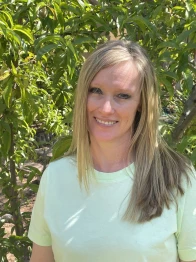
Award-winning, bestselling author, Robbie Cheadle, has published fifteen children’s book and two poetry books. Her work has also appeared in poetry and short story anthologies.
Robbie also has two novels published under the name of Roberta Eaton Cheadle and has horror, paranormal, and fantasy short stories featured in several anthologies under this name.
The eleven Sir Chocolate children’s picture books, co-authored by Robbie and Michael Cheadle, are written in sweet, short rhymes which are easy for young children to follow and are illustrated with pictures of delicious cakes and cake decorations. Each book also includes simple recipes or biscuit art directions which children can make under adult supervision.
Robbie and Michael’s new Southern African Safari Adventures series is aimed at teaching young children about Southern African wildlife in a fun and entertaining way. Each book contains a rhyming verse story about a particular animal, as well as illustrations by Robbie Cheadle, photographs and links to video footage about that animal.
Robbie’s blog includes recipes, fondant and cake artwork, poetry, and book reviews. https://robbiesinspiration.wordpress.com/
Discover more from Writing to be Read
Subscribe to get the latest posts sent to your email.










I remember learning about World War II in schools, thinking that seemed a weighty subject for my sheltered life. What if my life were suddenly unsheltered, though? What of those poor children, as you mentioned, who have no choice but to be IN war?
I am so glad you’ve provided a list and will look over it in more detail later.
LikeLiked by 2 people
Hi Chel, sadly, we never know what lies ahead in life. The bombing of Pearl Harbour was a huge shock to Americans who had also experienced hardship and shortages during WW1. It pulled America into another world war with thousands of young lives lost. ❤️🔥
LikeLiked by 2 people
I so agree. You have included a great list of books perfect for children to learn about war. I would add the books by Marsha Skryuch. Making Bombs For Hitler is very good as are her other books about war. https://www.goodreads.com/author/show/66391.Marsha_Forchuk_Skrypuch
LikeLiked by 2 people
Hi Darlene, thank you for adding your thoughts and another great recommendation.
LikeLiked by 2 people
Such an important post worthy of being repeated whenever the madness is.
LikeLike
Last evening I met up with a missionary to Ukraine who has an ongoing ministry to children and families. Thanks to her influence, some children have enjoyed a respite from war in Massachusetts with their counselors. In another initiative, Mountain Shelter, a young Ukrainian man (with staff) also provides help. Children are marked by war and these initiatives help alleviate some of the pain.
LikeLiked by 2 people
Hi Marian, I completely agree and am glad to hear of these initiatives. My mothers generation, the so called silent generation, were hugely influenced by their war experiences.
LikeLiked by 2 people
Thank you Robbie, for this list of books. Sometimes it is very difficult to find the right words to discuss difficult issues and a good book makes the conversation a little easier.
LikeLiked by 2 people
Hi Bernadette, that is very true. I always like to discuss books with my sons and hear their impressions and opinions.
LikeLiked by 2 people
Thanks very much for this post Robbie and very relevant today as we see children on the frontline and so vulnerable yet again. One can only hope that children who read the books such as the ones you share, form a different approach to conflict in their personal lives and in the wider concept.. also we do have a choice in who we vote for and perhaps that too might be influenced by their reading. ♥
LikeLiked by 2 people
Hi Sally, thank you. Your point about voting is quite true. Sadly, a lot of young people don’t appreciate the privilege of having a vote. They don’t know what first ordinary men and then women, had to go through to earn it.
LikeLiked by 2 people
Robbie, you make a great point with: “Books and stories are a way of teaching empathy, understanding, and raising awareness.”
When children hear about wars from the news, parents, or teachers, the wars could seem distant. Books like the ones mentioned in your blog post can bring readers into the world of the conflict. Readers can get a sense of life under conditions of war. And that can be much deeper than a news article.
LikeLiked by 2 people
Hi Dave, thank you. That is exactly my point with this article and the books recommended. I’m glad you enjoyed it.
LikeLiked by 2 people
This is a powerful and timely post. You have included excellent books, Robbie. Thank you!
LikeLiked by 2 people
Hi Jennie, it is my pleasure and I’m glad you enjoyed this post.
LikeLiked by 2 people
😀
LikeLiked by 2 people
Hi Marian, I completely agree and am glad to hear of these initiatives. My mothers generation, the so called silent generation, were hugely influenced by their war experiences.
LikeLike
I also think it is important for children to read about war, to learn from it, not glorify it. I have read most of the books mentioned, but not all. Thanks for those recommendations, Robbie.
LikeLiked by 2 people
Hi Carla, thank you for adding your view. These books are all good and I’m sure there are many more.
LikeLiked by 2 people
Great post and point, Robbie. War is a part of life and unfortunately it effects the children the most. I have read many of these books including yours and have been touched by them. I am honored you included Elizabeth’s War here.
LikeLiked by 2 people
Hi Denise, I enjoyed Elizabeth’s war very much and I learned a lot about the impact of this war on civilians in the USA. Thank you for adding your thoughts.
LikeLiked by 2 people
Great post, Robbie! My overall view is in line with yours. I especially agree with your point about empathy. I think it’s better to tackle issues with kids head-on than to shelter them from it. Of course, that means doing it sensitively. It’s always better to be educated. I’ve always liked the George Santayana quote, “Those who do not learn history are doomed to repeat it.” Number the Stars by Lois Lowry is one of my favorite books.
LikeLiked by 2 people
Hi Pete, I am pleased that you, as an educator, see the value in children reading appropriate books about war. Obviously, they should not be undue let scared or frightened.
LikeLiked by 2 people
The riots in Detroit, Michigan took place in 1967, when I was ten going on eleven. While we were miles away from the “action” we watched as snipers were shot out of trees on our street only to then view their bleeding bodies being dragged down the alley to the ambulances. The National Guard with rounds of ammunition strapped across their chests and rifles at the ready patrolled the streets night and day. We lived under curfews and no unauthorized gatherings from the last two weeks of July through the end of September.
LikeLiked by 2 people
Hi Andre, my goodness, that must have had a big impact on you. Very frightening. Thanks for sharing about it here 🤗🩵
LikeLiked by 2 people
Excellent post and an excellent look at several books, Robbie! I agree that children should be exposed to war — and various other difficult topics — in what they read.
LikeLiked by 2 people
Hi Dave, I am glad you enjoyed this post. There are some superb books available to introduce the subject of war to youngsters.
LikeLiked by 2 people
This post seems to be forever relevant, Robbie, and it makes me sad that children must pay the price for the adults of this world who can’t seem to find a way to live respectfully and peacefully together. The quotes are profound and full of wisdom. I’ve read your book, Denise’s, and Joy’s, and Anne Frank’s. All valuable reads. Thanks for the other recommendations as well. And thanks for Kaye Lynne for hosting. ❤
LikeLiked by 2 people
💜
LikeLiked by 2 people
Hi Diana, you always say such lovely things 😊. War is a fact of human life and children need to be exposed to its impact on civilian populations so they can make educated assessments about it when their time to make decisions comes.
LikeLiked by 2 people
I agree, Robbie. Knowledge increases wisdom and choices. While the Bombs Fell is one of my favorite books of yours. 😀
LikeLiked by 2 people
Hi Diana, that is lovely to know 🌹
LikeLiked by 2 people
A fantastic list of books, Robbie! I’ve read several of these and highly recommend them!
LikeLiked by 2 people
Hi Jan, that is great to hear. Thank you 😊
LikeLiked by 2 people
Very important post, Robbie. So sad.
LikeLiked by 2 people
Thank you, Luanne. War is a reality of human kind so our children have to learn about it in order to formulate thoughts and views on it.
LikeLiked by 2 people
I think more kids and adults need to learn a lot more about a lot of things today as I am finding the ignorance horrifying. 😦
LikeLiked by 2 people
That is sad to hear. I live in a developing country so a high level of ignorance is a known problem. I always expect better of first world countries.
LikeLiked by 2 people
Ignorance has just exploded. 😿😿😿😿😿
LikeLiked by 2 people
I’ve only read two of the books on your list, yours and The Diary of Anne Frank. If memory serves, my parents sheltered me from war until I was around ten. I don’t think parents have that luxury now, sadly.
LikeLiked by 2 people
Hi Liz, it is interesting that your parents sheltered you from war. My parents my have tried to but I could read the newspaper headlines from a young age and I always asked many questions.
LikeLiked by 2 people
I’m grateful to them for giving me an innocent childhood, however short-lived it was.
LikeLiked by 2 people
🩵🦋
LikeLiked by 2 people
I agree that children should read about war, Robbie. It’s part of our history and sadly, part of our present. You’ve listed some wonderful books for them.
LikeLiked by 2 people
Hi Teri, thank you. We never seem to escape war, mankind’s leaders sadly remain power hungry and greedy individuals with their own agendas unrelated to the well being of their populations.
LikeLiked by 2 people
[…] https://writingtoberead.com/2023/11/08/raising-bookworms-war-in-childrens-literature-yes-or-no-growi… […]
LikeLiked by 1 person
Hi,
Yes, I believe children must read books about war. If they don’t, man’s inhumanity against mankind will never stop because the generations that are behind us will never understand that breathing is a luxury that no one has the right to snuff out. They will never learn how brutal war is.
Shalom shalom
LikeLiked by 2 people
Hi Pat, beautifully said, thank you. Huge hugs 🤗
LikeLiked by 2 people
It’s hard to explain the world anymore without an understanding of war. There are age-appropriate ways to explain war. Your lists of books are a good start.
LikeLiked by 2 people
Hi Jacqui, I can’t think of a time when war or possible war hasn’t stalked humanity. I grew up with bomb scares and getting under our school desks while sniffer dogs checked the school.
LikeLiked by 2 people
It’s been a long time since I was a child, and not having any, my ideas may be biased. I grew up during the Vietnam era. War was on television every night. My thinking is yes, children need to know and not be so “sheltered.” Parents want to protect their children, and rightly so, but there has to be a healthy dose of reality.
LikeLiked by 2 people
Hi Joan, thank you for adding your thoughts. Children need to be prepared for life as the unplanned and unexpected often lurks around the corner.
LikeLiked by 2 people
Amazing post and books Robbie, most of which I’ve read. And absolutely children need to be educated with books and truth – of course modified. 🙂 x
LikeLiked by 2 people
Hi Debby, yes, none of these books are front line graphic detail books. They are about the impact of war on civilians.
LikeLiked by 2 people
Well done Robbie! x
LikeLiked by 1 person
This post changed my mind about children reading about war. I have difficulty reading about it as an adult but understand that we all need to realize how insane and futile war is in solving problems. I didn’t edit what they read and often read what they read if I was uncertain of the story but we talked a great deal about it. These books all look like they would be very helpful. Thanks.
LikeLiked by 2 people
I am glad to know that this post has given you food for thought about war literature for children. Most of these books are about the impact of war on civilians, including children, growing up in countries that are at war. They are all very insightful and moving.
LikeLiked by 2 people
This is an excellent post, Robbie. It is tragic that history continues to repeat itself. I think it’s great that children can learn from literature, and it’s beyond heartbreaking when they are put on the front lines because of adults who choose violence and hate over acceptance and respect. Thanks to Kaye for hosting and to you for your compassion, and book recommendations also of which I’ve read a few. ❤️
LikeLiked by 1 person
Hi Lauren, thank you for your lovely comment. I am so glad you agree and see the value to war literature for children.
LikeLiked by 1 person
❤️❤️
LikeLike
💜 It’s my pleasure, Lauren. Robbie always comes up with such interesting posts. I am always pleased to host her. 😊
LikeLiked by 2 people
I also agree about Robbie, Kaye. 🩷
LikeLiked by 1 person
😊
LikeLiked by 2 people
Thank you, Kaye 😊
LikeLiked by 1 person
Powerful post, Robbie. This is a fantastic list of books. I grew up with Walter Cronkite bringing Vietnam onto our TV every evening. I’m for educating kids rather than sheltering them. But age should be considered.
LikeLiked by 2 people
Hi Beem, yes, the books must be age appropriate. The intention is to educate not to scare. I’ve read a bit on the Vietnam war for the soldiers and American civilians and it was a horrible time all around 💖
LikeLiked by 2 people
I agree with you, Robbie. I have read some of the books you mention, but not others. I was wondering about books about the Spanish Civil war and children, and I can’t remember many when I was growing up, but some have appeared since. There are some movies as well… Perhaps Pan’s Labyrinth is the best one that comes to mind… Great post on a topic which I know holds a very personal connection for you.
LikeLiked by 2 people
Hi Olga, thank you. Your comment is interesting. I don’t know any children’s books about the Spanish civil war but I’ve read three adults books about it. I learned a great deal from those books.
LikeLiked by 1 person