Down the Rabbit Hole: Mining in the Cripple Creek Mining District
Posted: September 16, 2026 Filed under: Down the Rabbit Hole, history, Western, Writing, Writing to be Read | Tags: Cripple Creek, Down the Rabbit Hole, history, Kaye Lynne Booth, Mining towns, Writing to be Read 5 Comments
Research and sometimes, just life, find me delving into all sorts of unlikely, but quite interesting things. And who among us hasn’t found themselves following the information trail down a rabbit hole which leads to all kinds of unexpected factoids. Some of those factoids get used in stories, and some just get filed away for later. And that’s what this blog series is all about. The unexpected factoids which I’ve filed away and now wish to share with you.
I hope you’ll choose to tune in here and join me. You never know what the next segment will be about. But hopefully you will find things that interest and entertain you, even if it is a subject you’ve never given a thought about.
Won’t you join me in my plunge down the rabbit hole once more?
History of Robert Womack & the Origins of Cripple Creek
In the 1880s, the area around what is now Cripple Creek, Colorado was mostly ranch and farmland. It was toward the end of the big gold rush, “Pike’s Peak or Bust”, when most Colorado mining towns had already been established, that Robert Miller “Bob” Womack discovered gold in Poverty Gulch. When word got out, the last major Colorado gold rush was underway, and in 1891-92, the Cripple Creek Mining District was created and the town of Cripple Creek was established.
In 1878, a rancher named Robert Womack found a sizeable chunk of gold in Poverty Gulch, but no one believed his drunken bragging when he boasted of it. He established a claim in 1890 to the El Dorado Load, (which would later become the Gold King Mine).
Eventually, the Gold King Mine became a single shaft, underground mine, reaching a 1,083 feet depth, with veins up to 39 feet long and 6 feet wide, and it produced over five million dollars’ worth of gold. But, Robert Womack sold his claim for a paltry amount, (from $300 -$500, and a bottle of liquor), when he was down on his luck, and he died in poverty, in Colorado Springs in 1908.
His memory was honored in Cripple Creek with Womack’s Casino and a statue of his image in Cripple Creek City Park. No longer in operation, the building still exists and Womack’s Casino is now the Century Casino.
The Last Colorado Gold Rush: Pike’s Peak or Bust
The last Colorado gold rush was started by Womack’s discovery of gold in Poverty Gulch, and was accelerated by the discovery of a rich vein at the Independence Mine by Winfield Scott Stratton, bringing thousands of prospectors and entrepreneurs flocking to Cripple Creek by the droves. Cripple Creek was frequented by at least thirty millionaires, who made their fortunes there. And the famous bordello, run by Madame Pearl DeVere, required a credit check to verify millionaire status before receiving an appointment. (To visit another of my rabbit holes, and learn more about prostitution in Cripple Creek, and the old west in general, see my post on the WordCrafter Sarah Book Blog Tour, “The Soiled Doves of the American West”.)
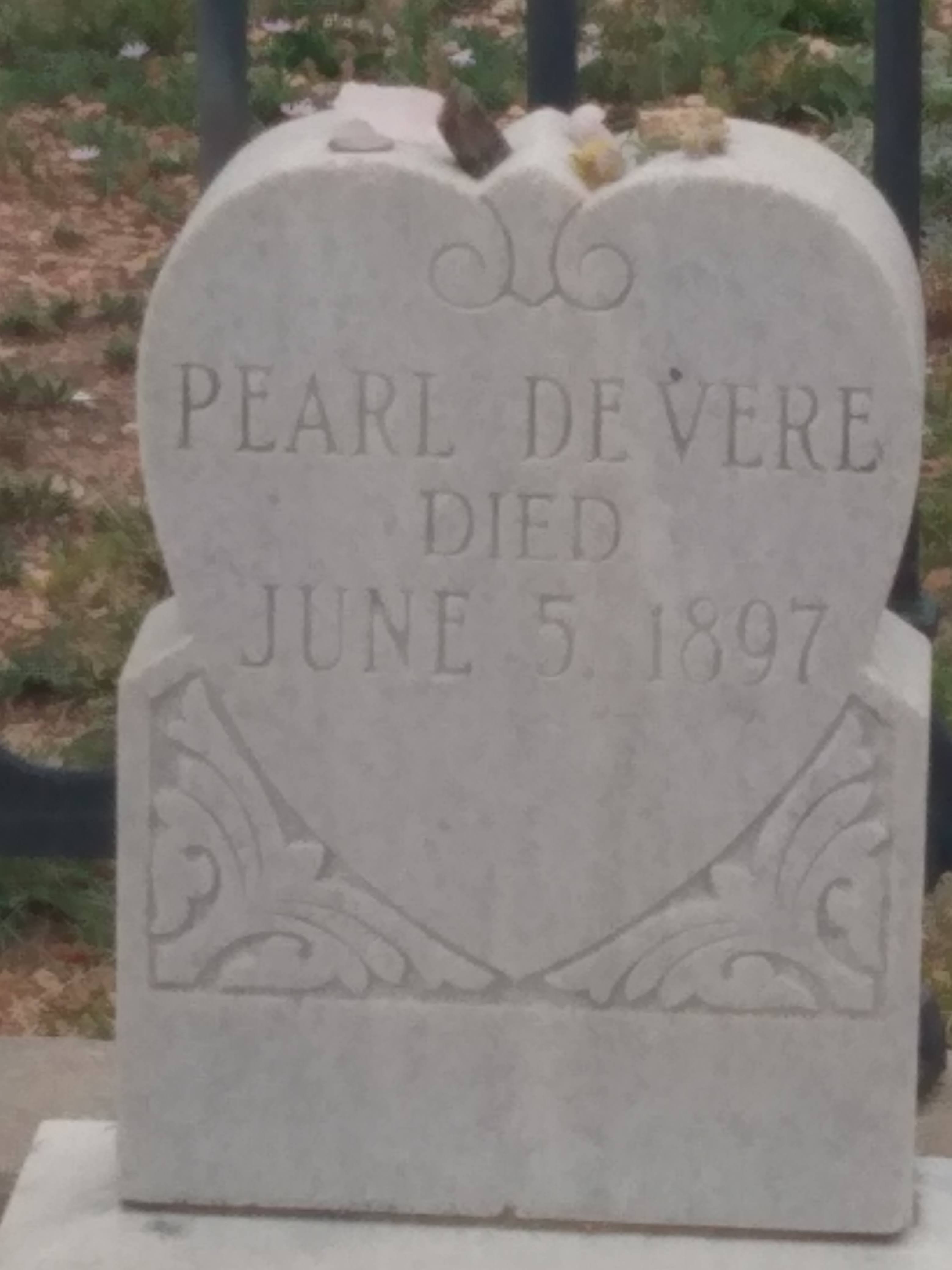
Officially named the Cripple Creek Mining District in 1894, it encompassed the town of Cripple Creek, as well as the surrounding towns of Victor, Goldfield, Anaconda and Independence. By 1910, the district had produced 22 million Troy ounces of gold, worth over $340 million dollars; making it one of the richest gold camps in North America, surpassing the California and Alaska gold rushes combined.
Cripple Creek Mining District Today
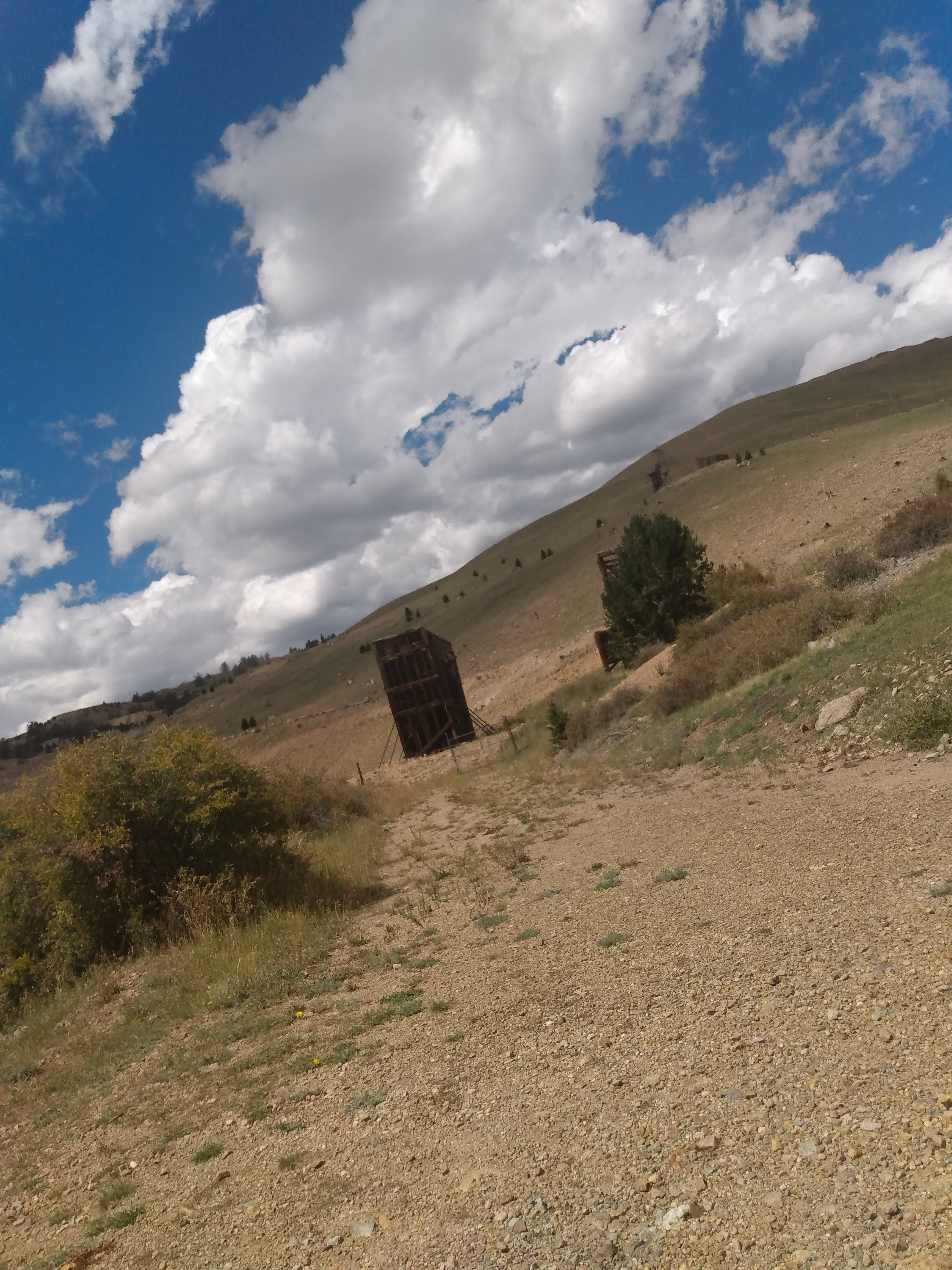
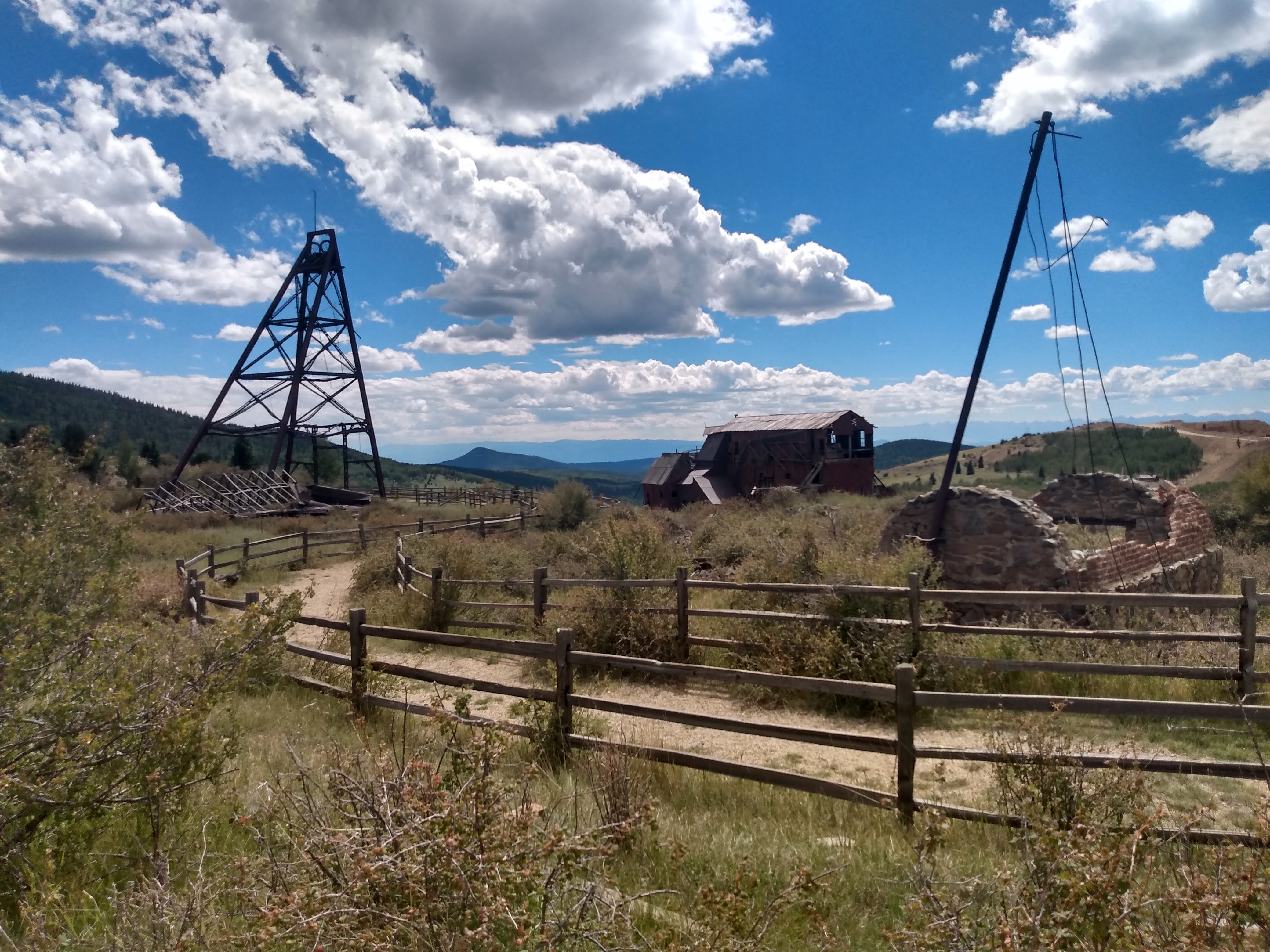
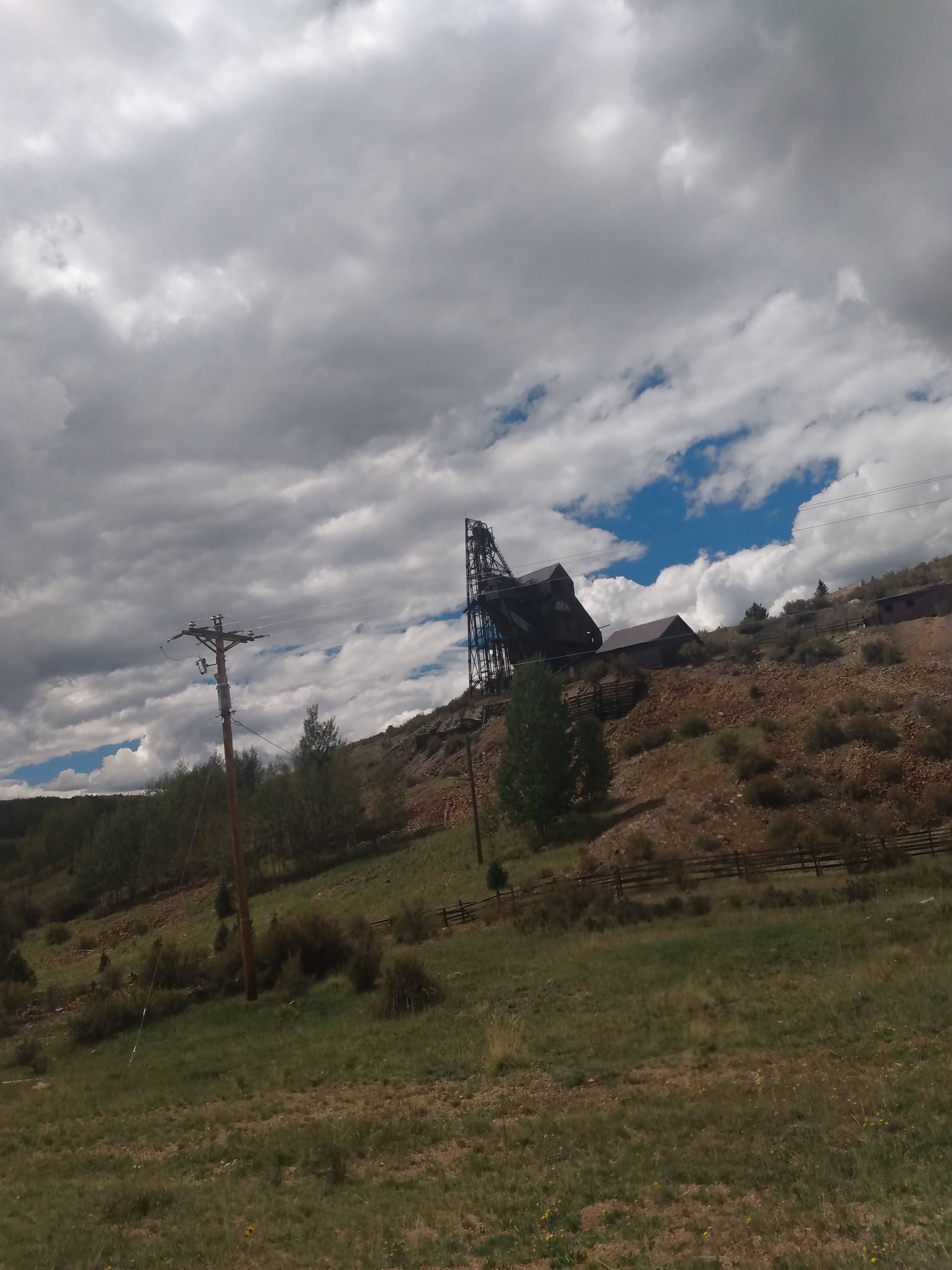
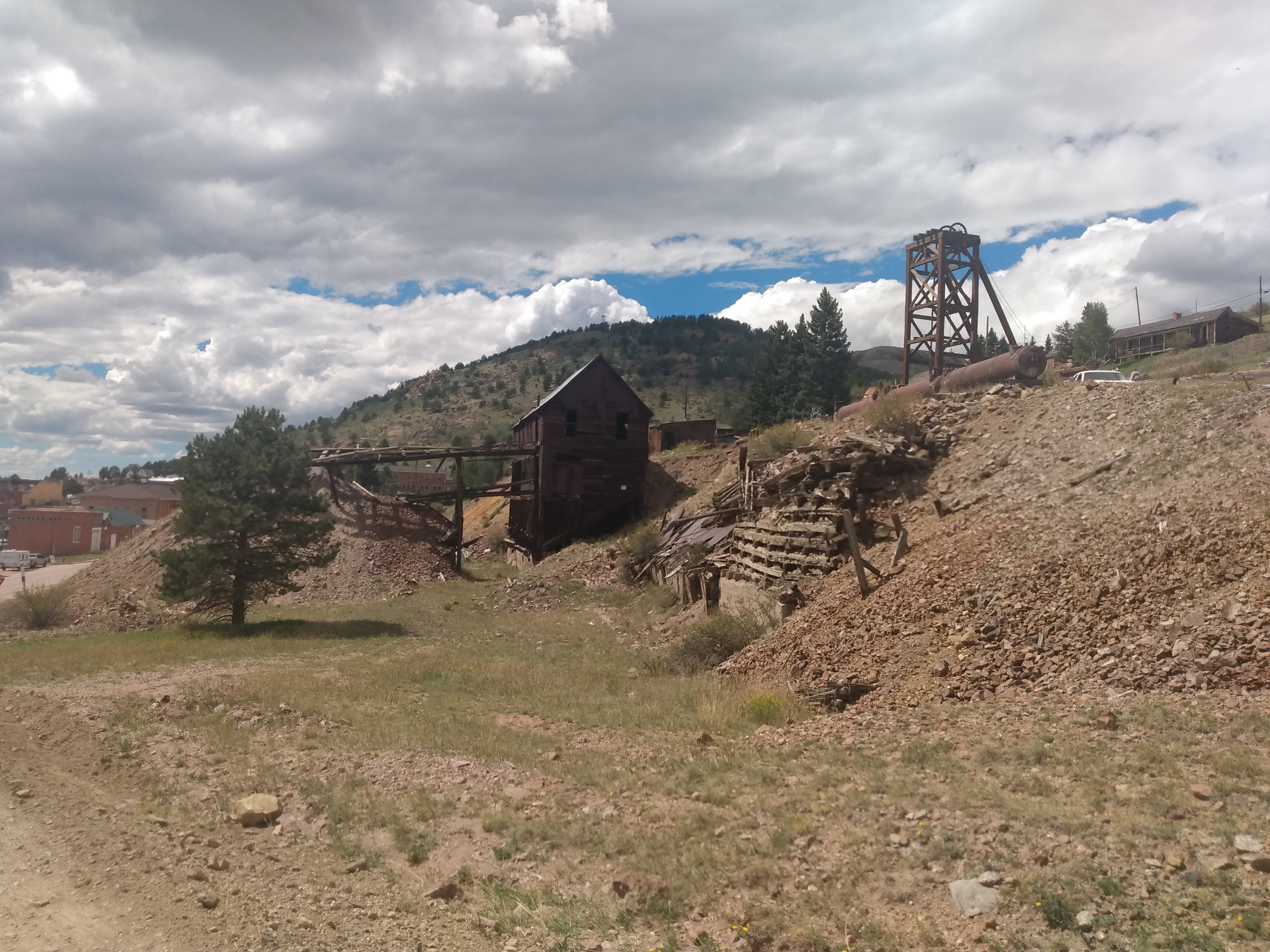
Today, modern mining operations continue on Battle Mountain, using specialized extraction methods, such as chlorination and cyanide leaching (heap leaching), and open pit methods at the Cripple Creek and Victor Gold mine, (CC&V), formerly the historical Cresson Mine; the richest gold mine in Colorado history. In 2025, it reported the production of 2.7 million troy ounces in Proven and Probable Reserves, which is a decline from 2019, when the reported Proven and Probable Reserves was 3.4 million ounces. It’s planned to continue production until 2037 with projected average production of 141,000 ounces of gold annually.
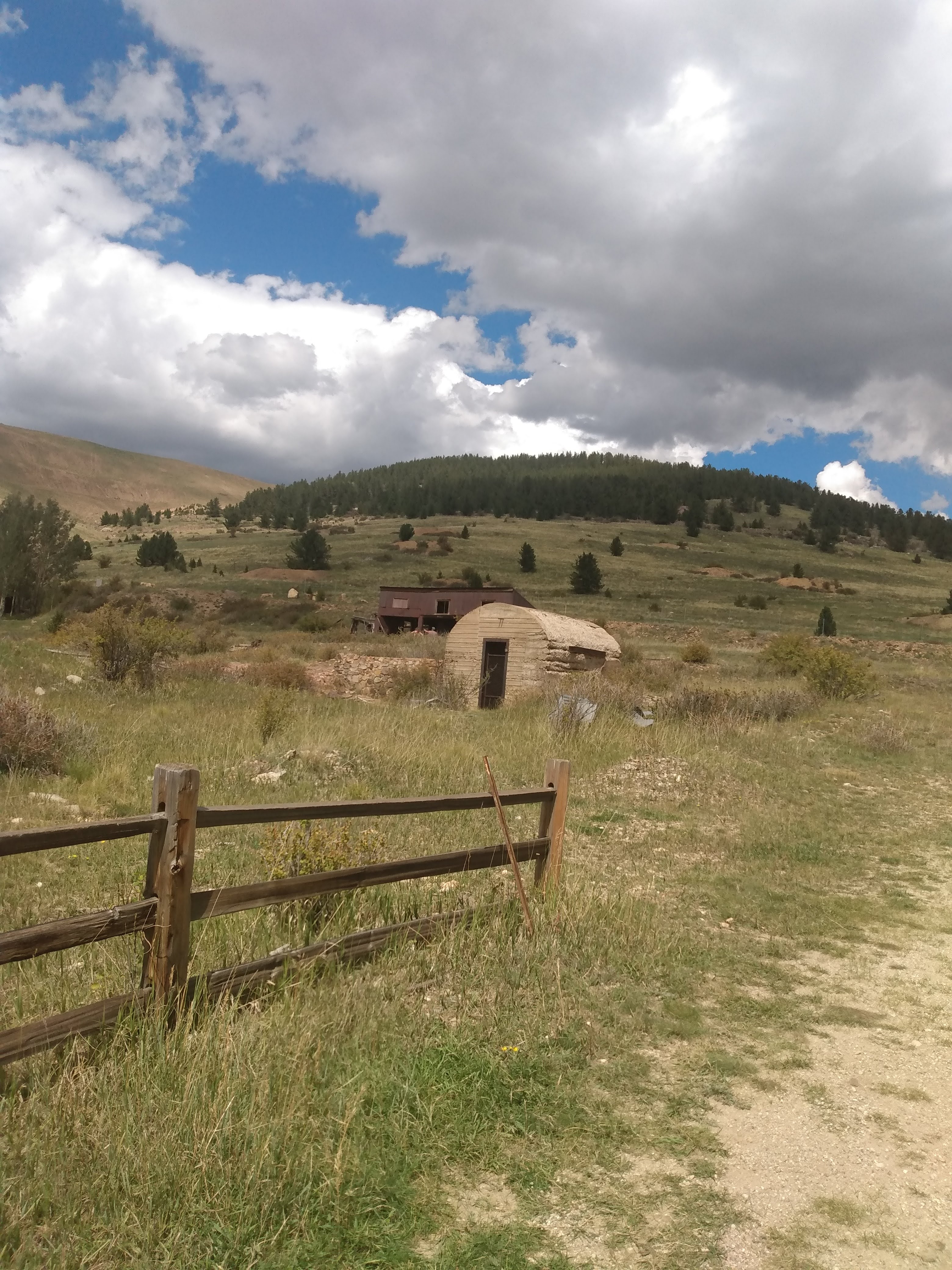
The vast open pit operation consumes the entire peak of Battle Mountain, covering over 12,000 acres. But, some of this area is unavailable to mining operations, because it sits in the middle of the Cripple Creek Historic District, and Cripple Creek and Victor take their heritage seriously. Many homes sit empty on mining property around the Victor and Goldfield area with their doors and windows removed to let the elements do as they will. My theory is, that it isn’t legal to tear the houses down so they can mine the land, even though they own it, because of the location in the historic district, so they leave the houses and let the elements destroy them naturally. It takes longer, but eventually, they will be able to legally mine those areas.
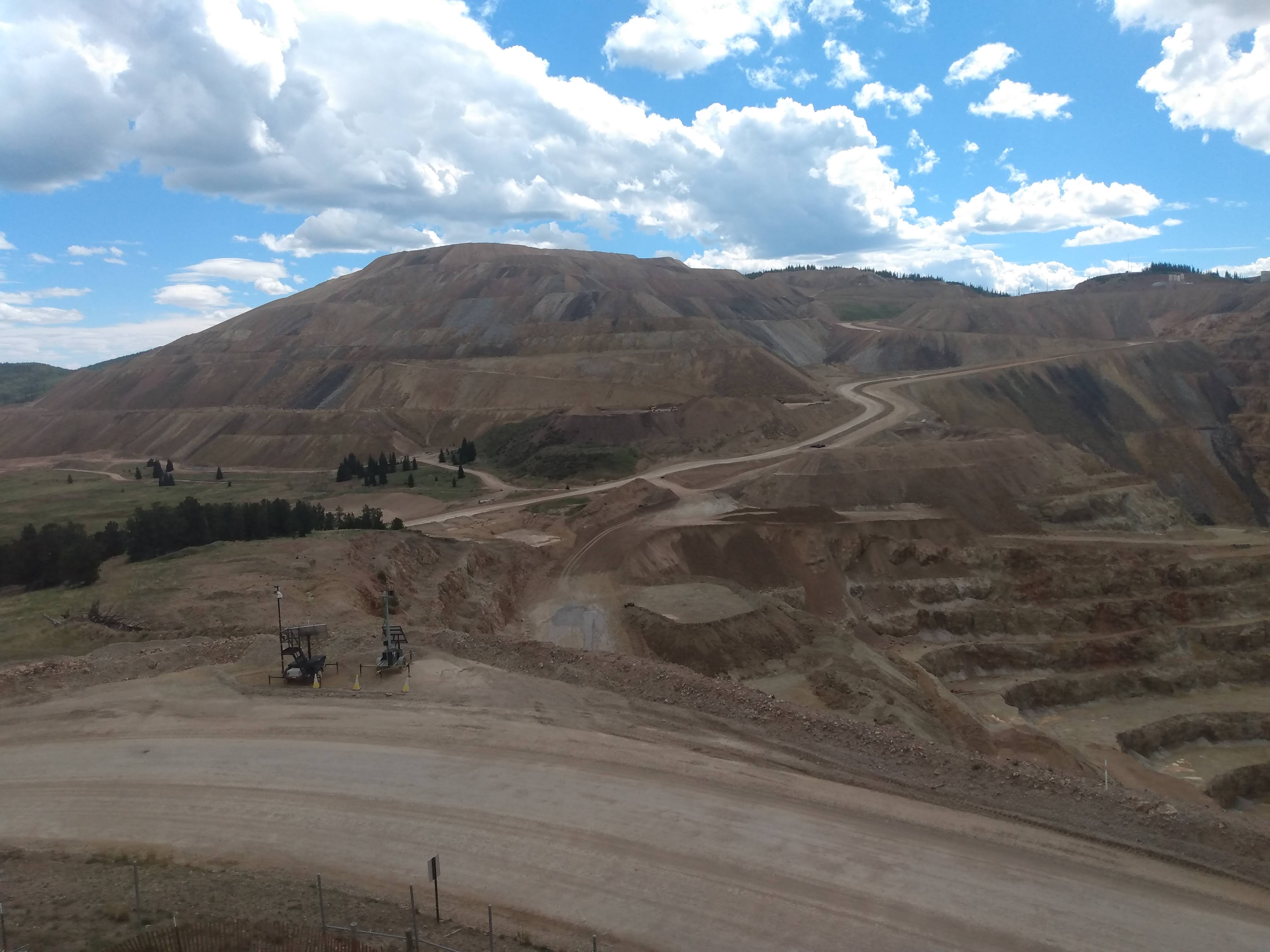
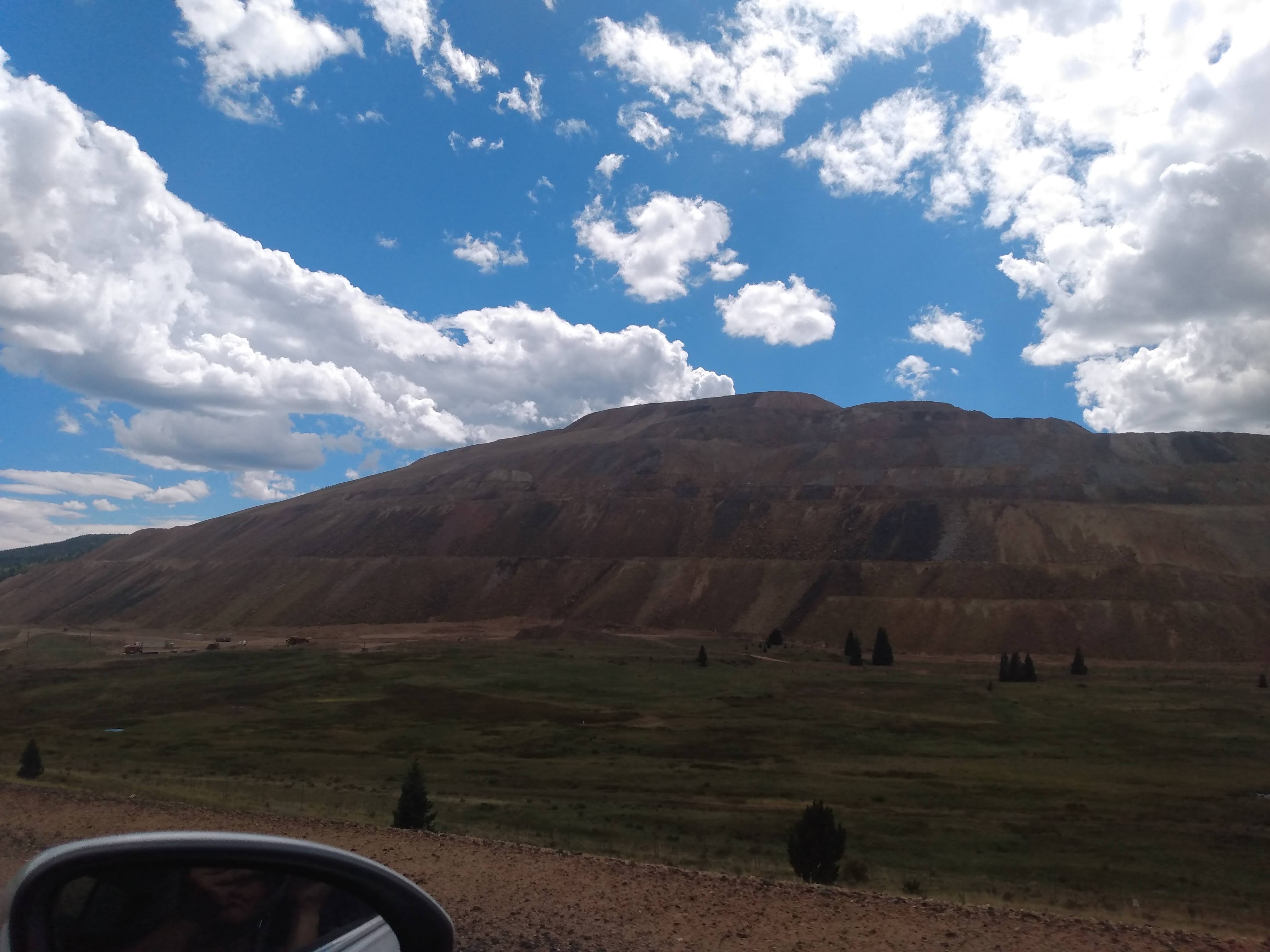
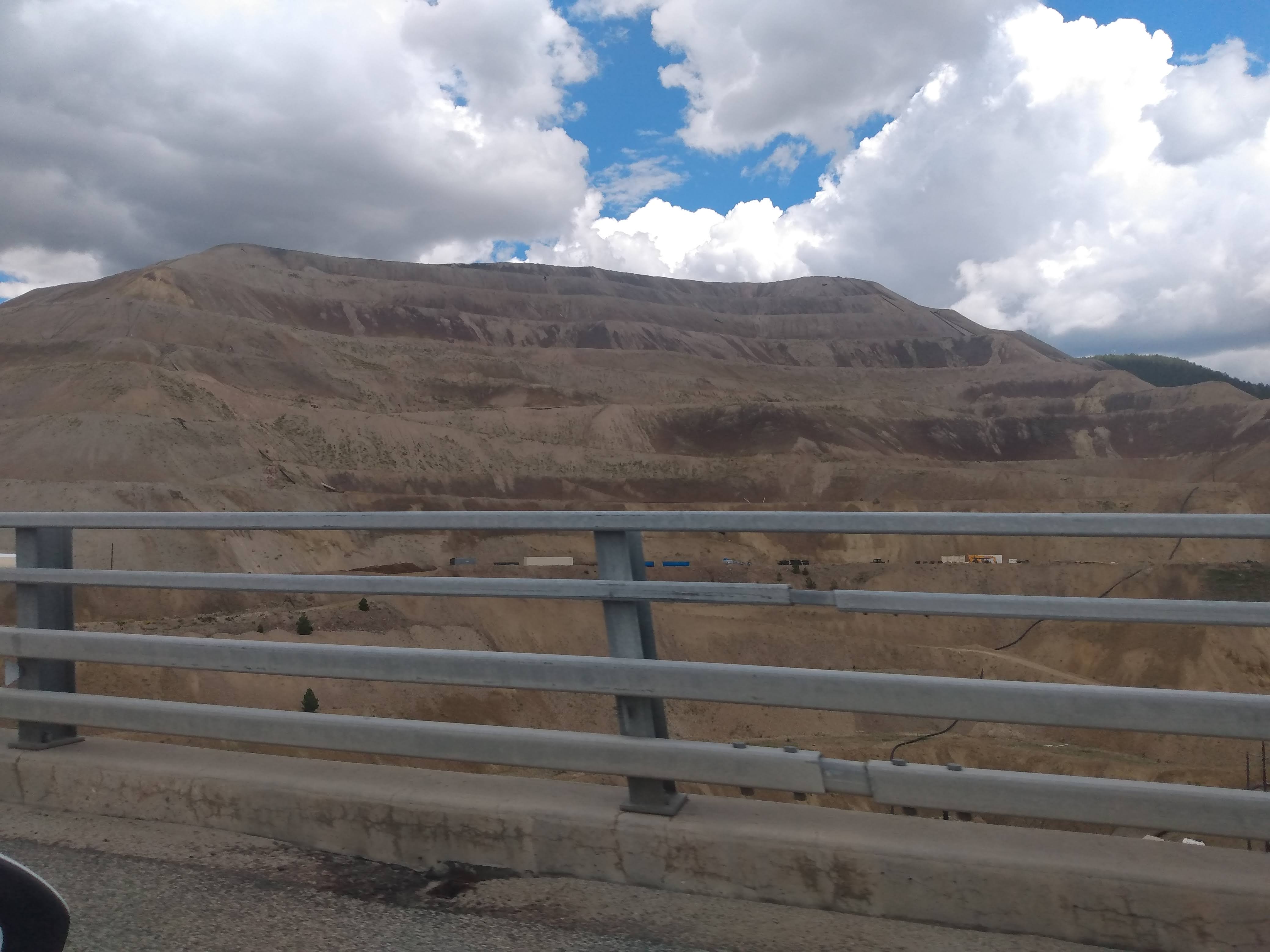
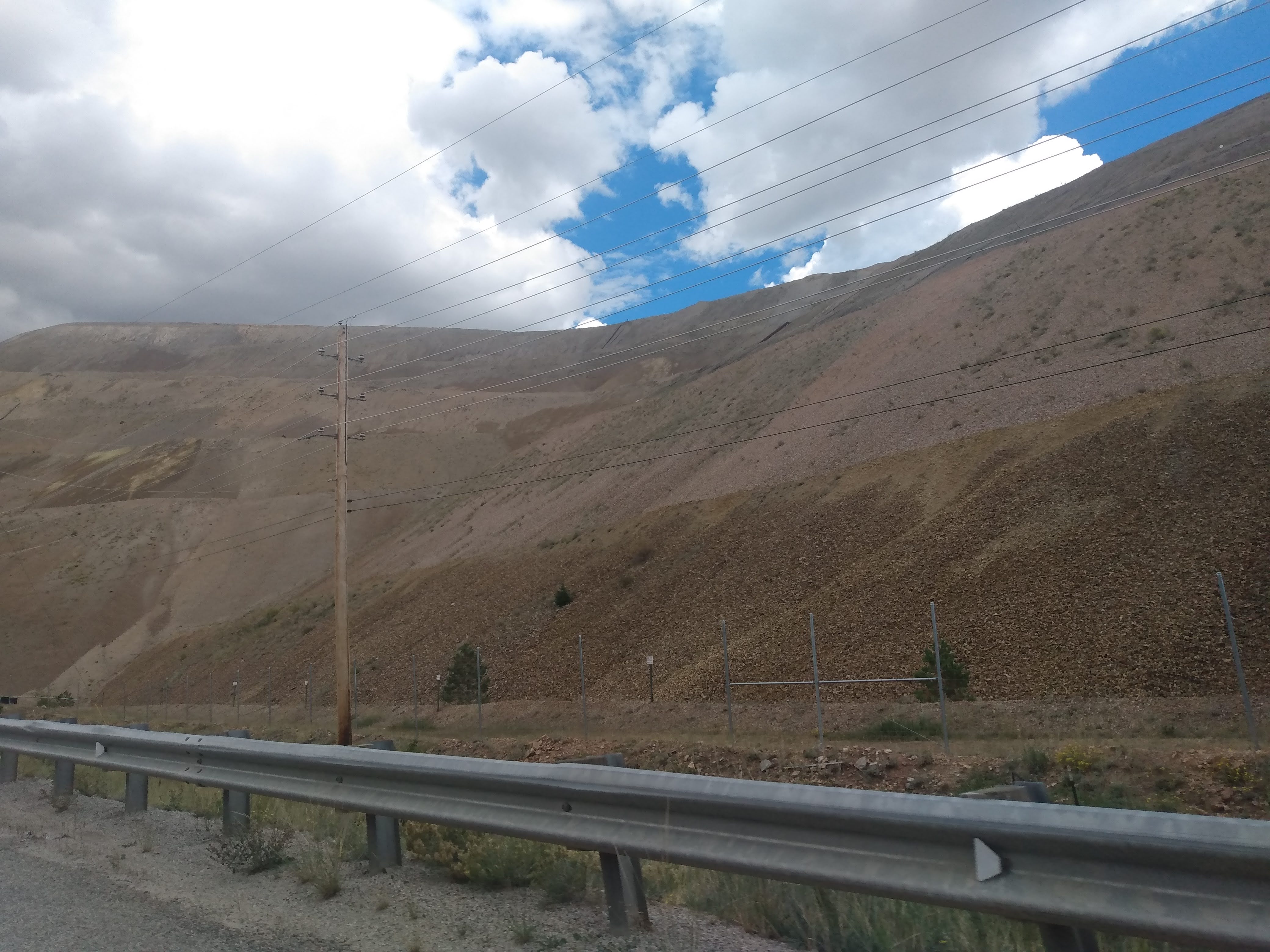
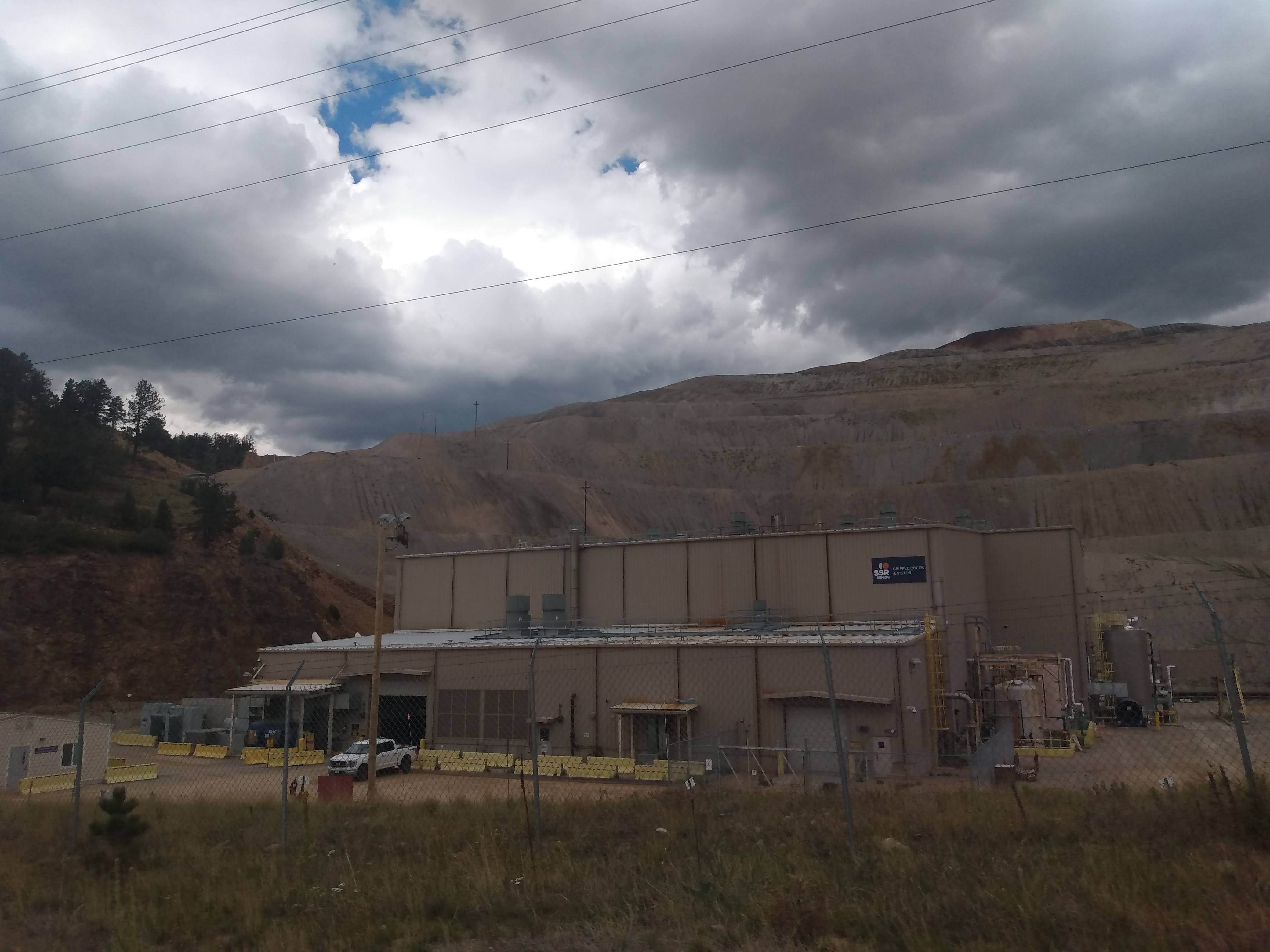
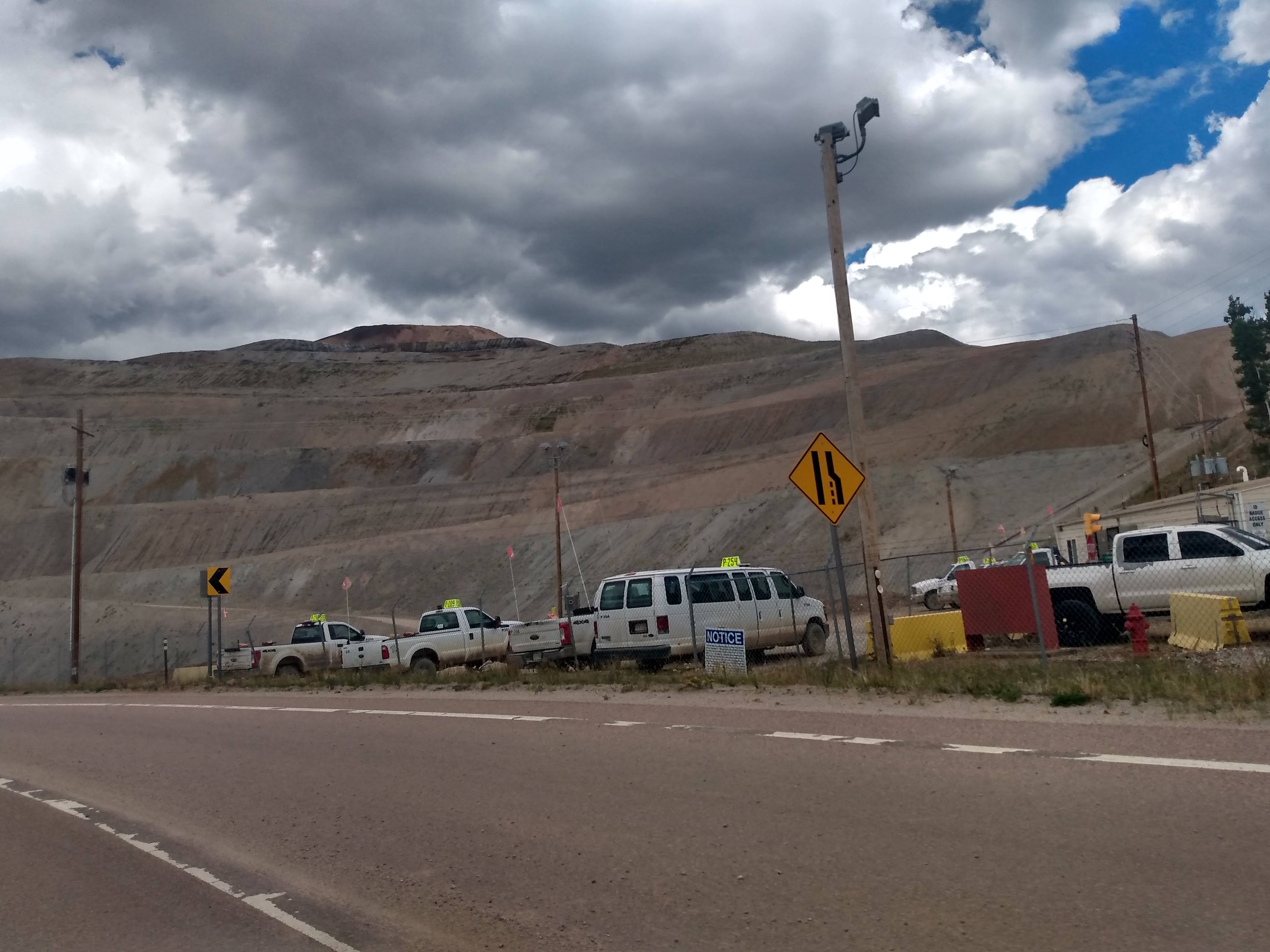
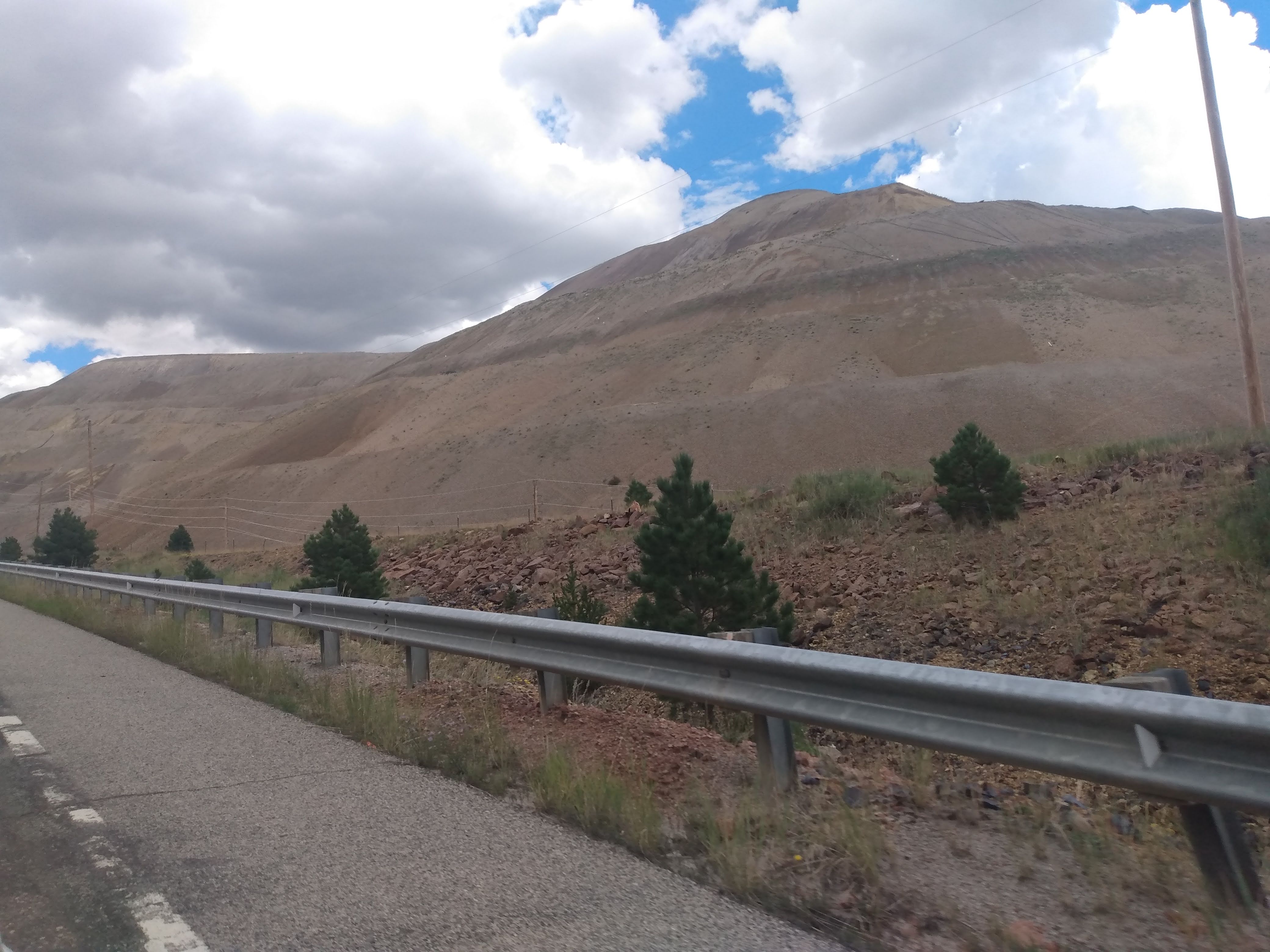
Much of the 2 1/2 miles between Cripple Creek and Victor drives across one big tailings pile, although measures of restoration can be seen. The mine operates 24 hours a day, seven days a week, with trucks making the trip down into the pit to load up and carry it back out in an endless circuit.
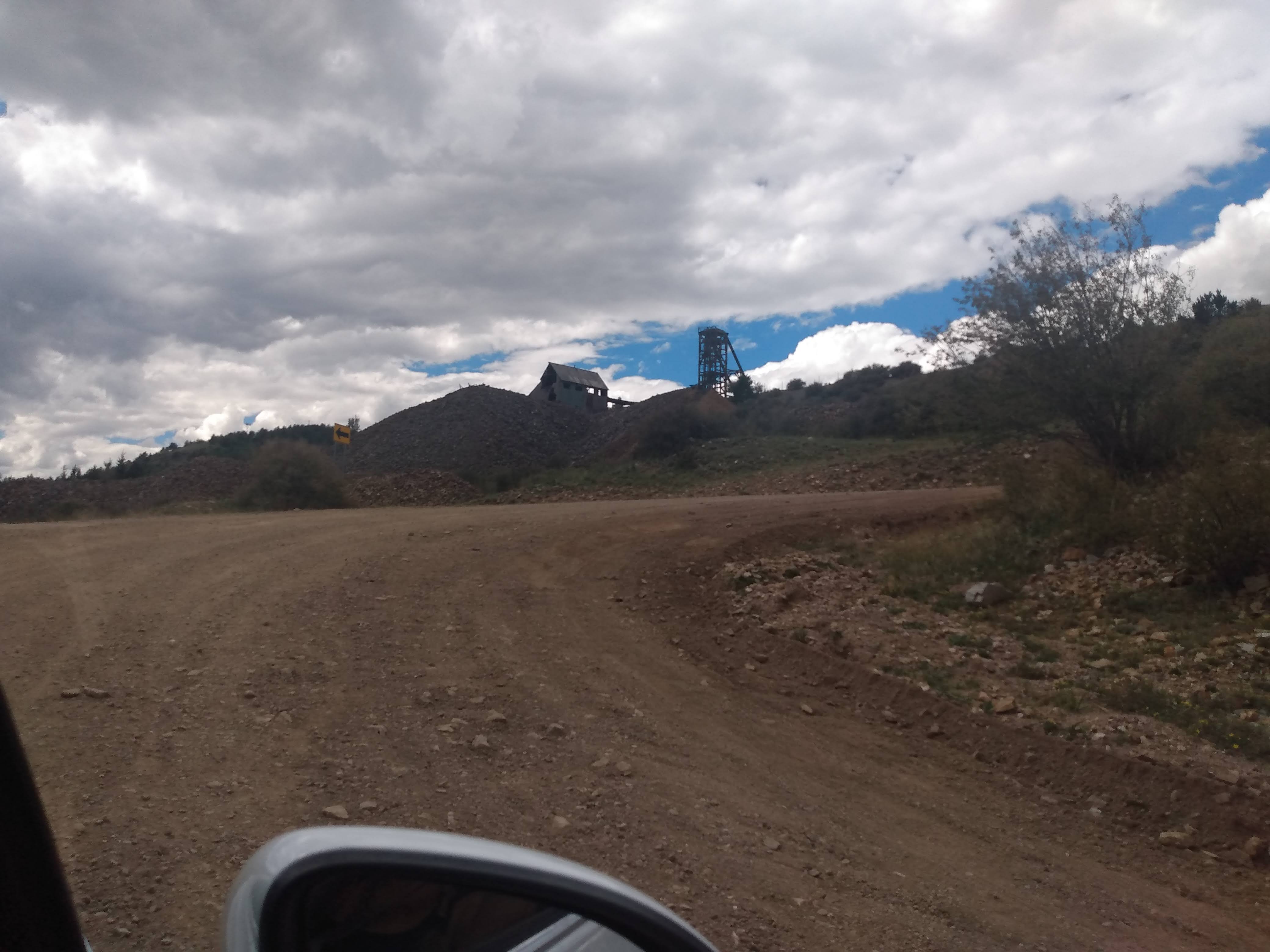
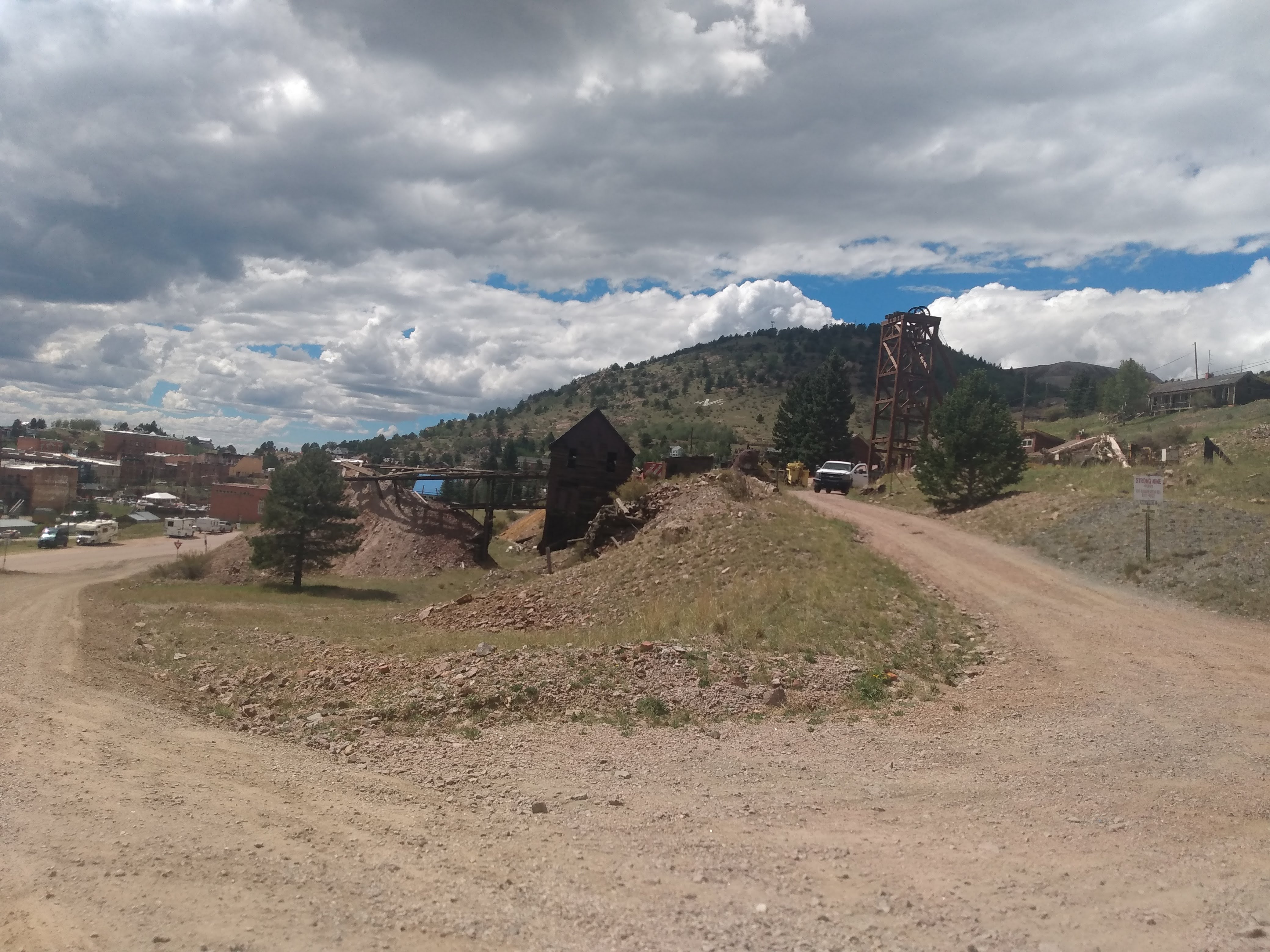
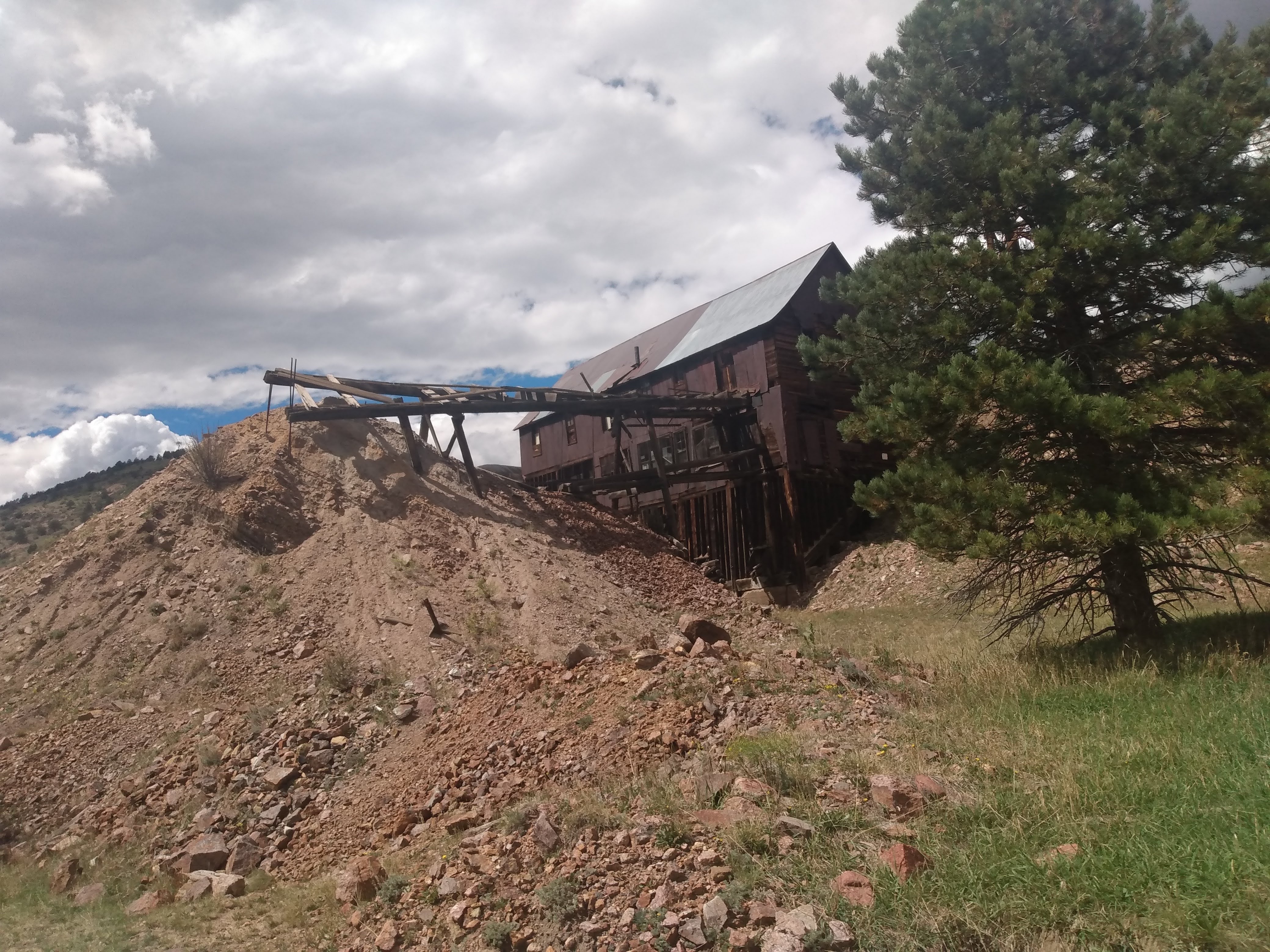
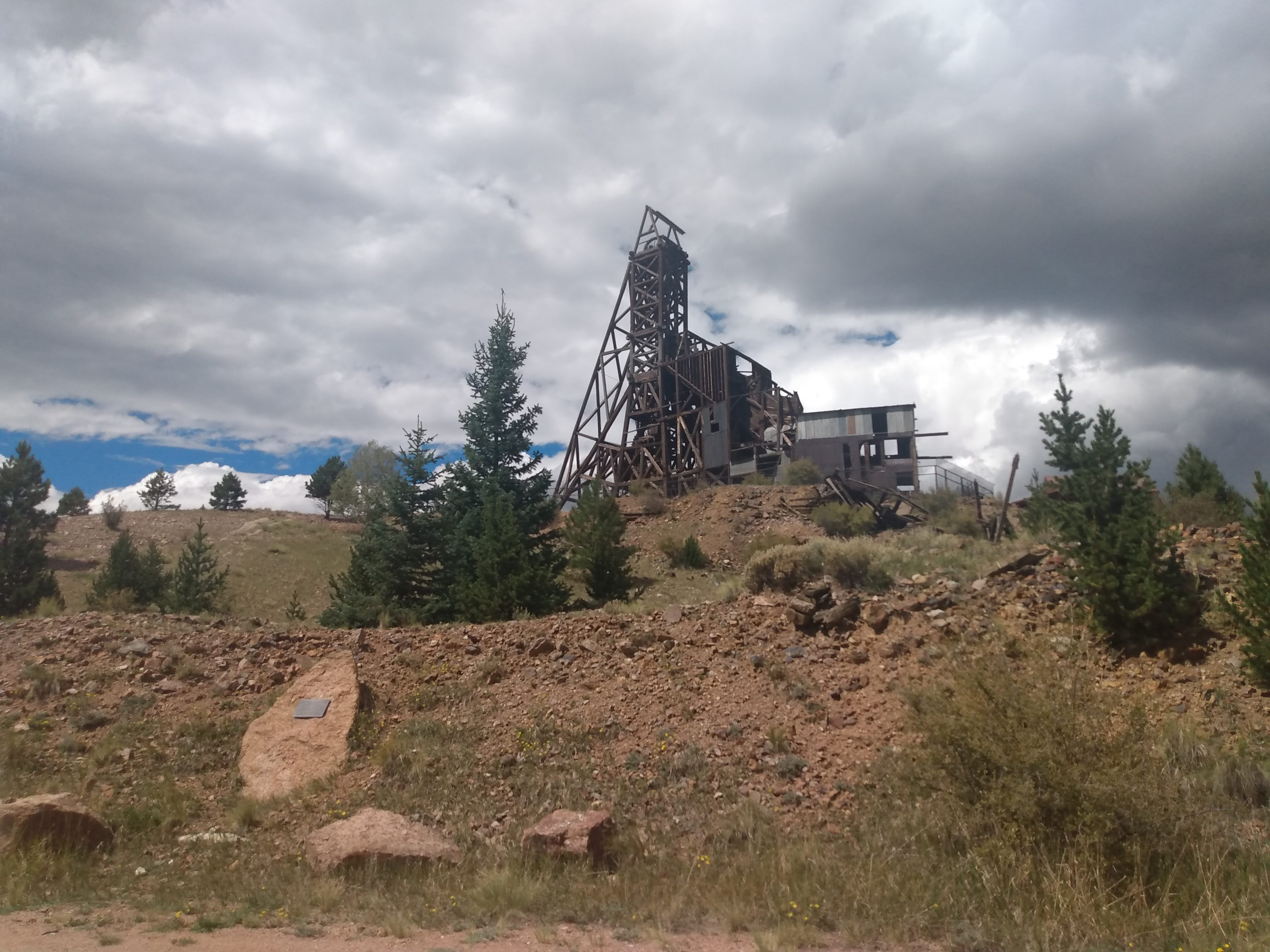
But, the drive also provides plenty of historic mining equipment to be seen along the way. (There’s that historic district stuff again.) And the mining company has provided an area near Victor and Goldfield for public access to walking trails through their historic mining leftovers.
Modern Day Cripple Creek
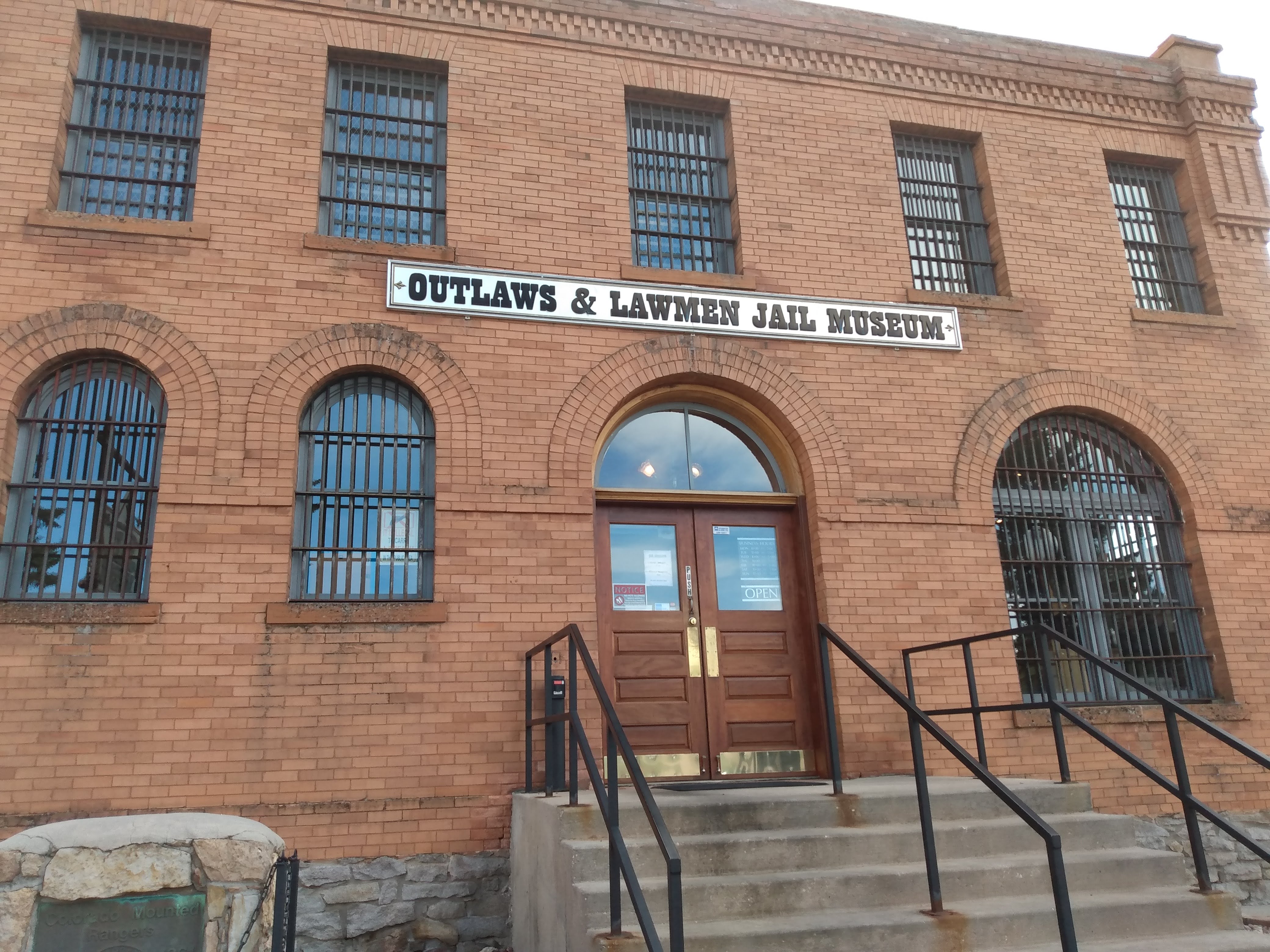
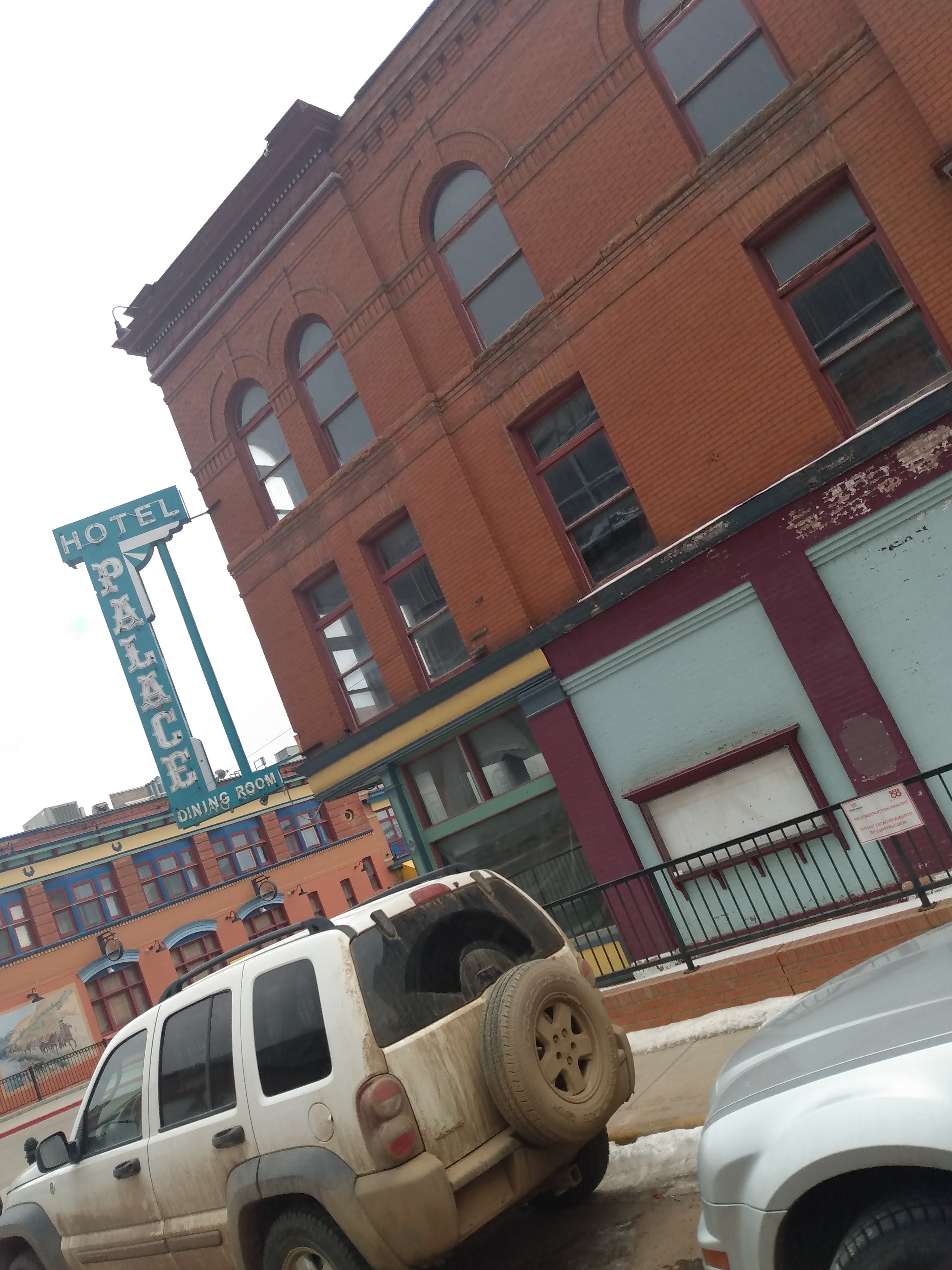
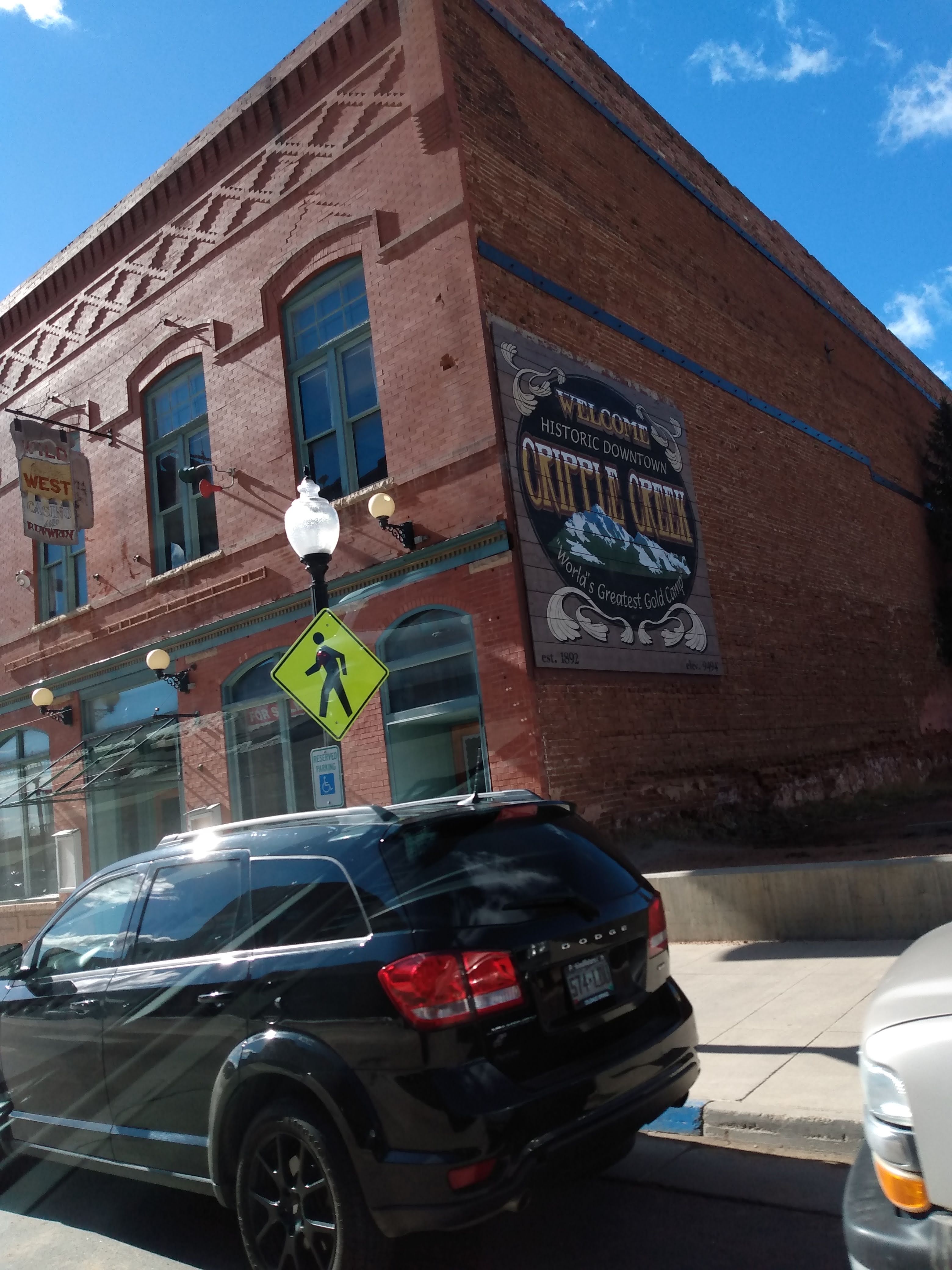
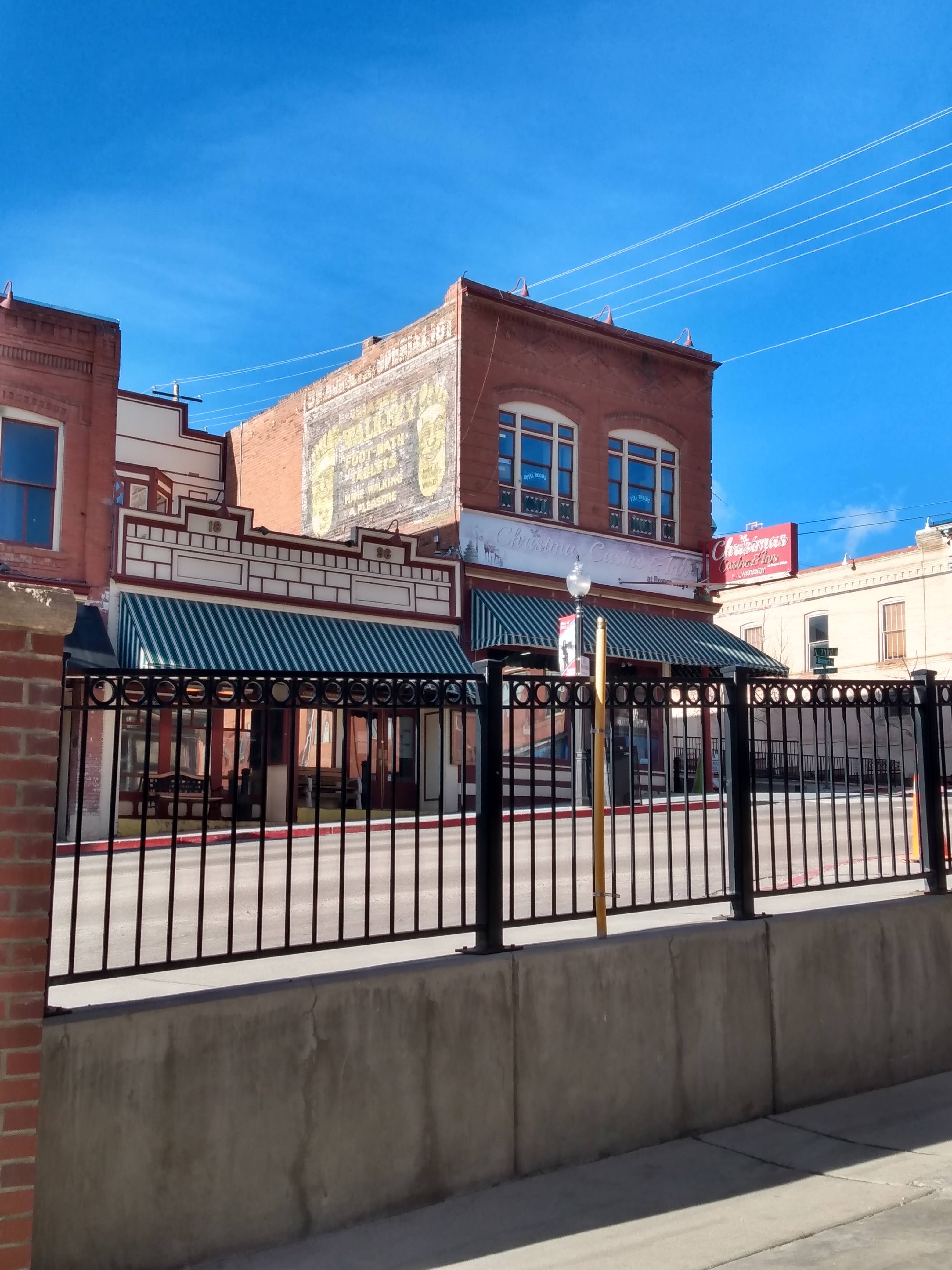
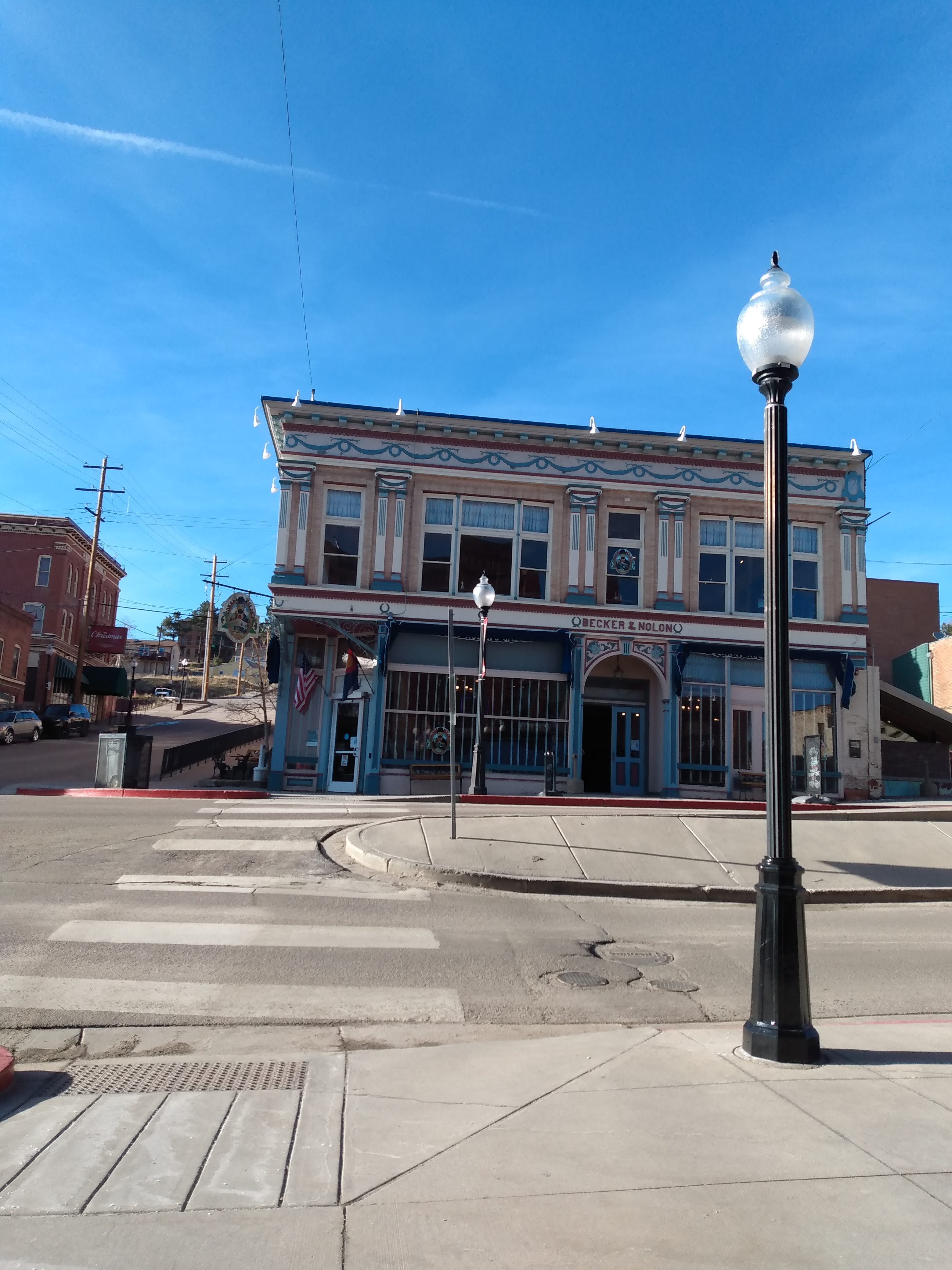
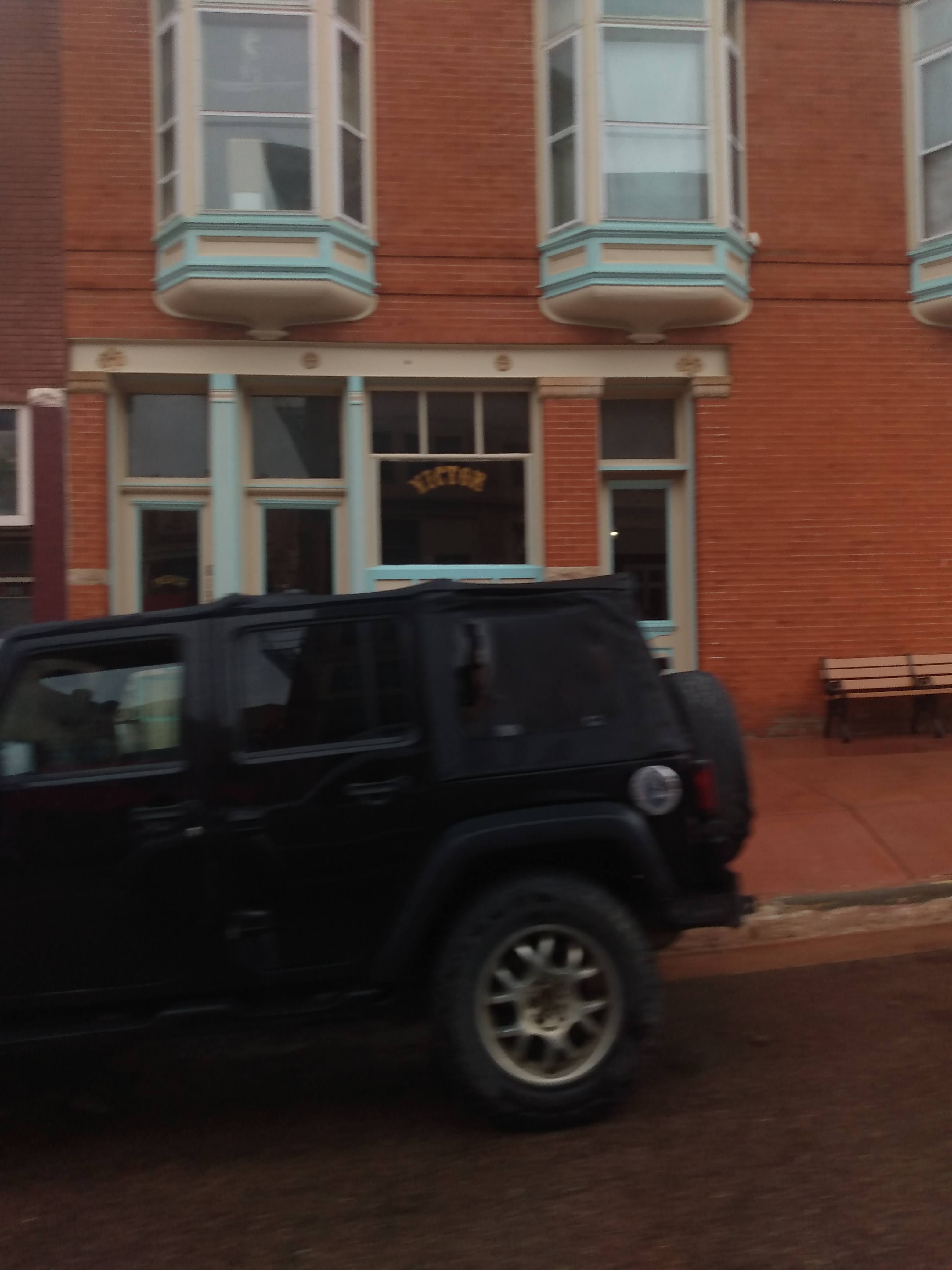
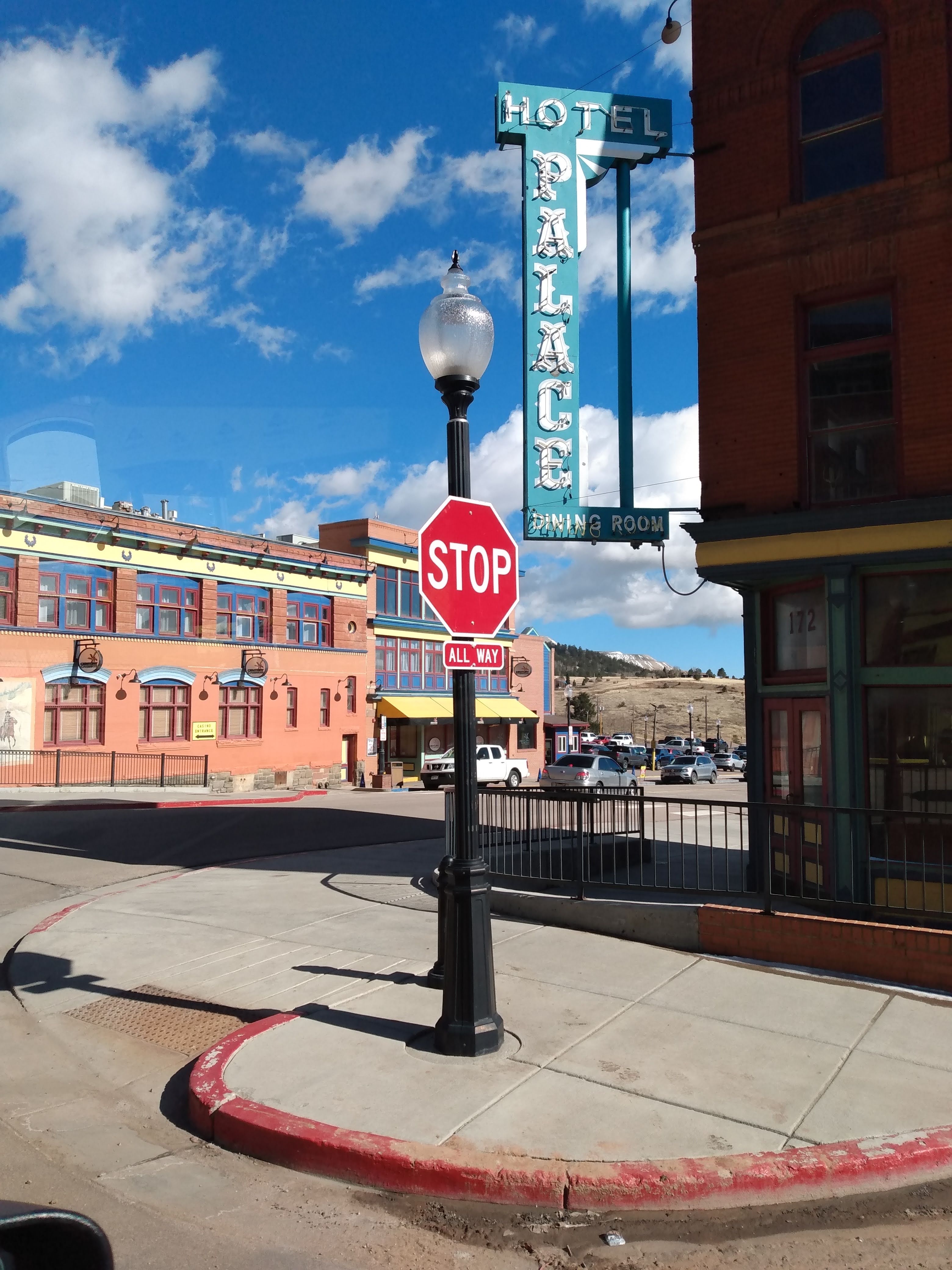
Cripple Creek began as a ranch and farming community and has gone from boom town, to ghost town, to quaint historic tourist town, to historic gambling mecca. Although, legalized gambling came to Cripple Creek in 1991, the Historic Preservation Committee requires the historic buildings be preserved, and the original alleys and brick lined streets still maintain the historic mining atmosphere and Victorian charm. This makes it a very different from the bright lights and gaudy buildings of Las Vegas, or even the closer, Central City/Blackhawk gambling district, which was also built in the two historic mining towns, without the historic preservation.
One of my fondest family memories when I was a little girl of 8 or 9 years old, and my parents took me to Cripple Creek to visit a dinner theater, where we saw a melodrama while we dined. As a nine-year-old, the audience participation was great fun and I booed and hissed with the best of them. Afterwards, we took an evening stroll up Bennett Avenue, which is the main thoroughfare in Cripple Creek, and I can remember walking over the original brick sidewalks.
You see, in 1896, Cripple Creek suffered two devastating fires within a week’s time. The first started in the Central Dance Hall on Meyers Avenue and spread quickly through the central business district, killing two people. Just as they began the cleanup and started rebuilding what was lost, a second fire broke out in the Portland Hotel on Second Street, even more devastating than the first, destroying most of the buildings that hadn’t been destroyed in the first fire. As a result, it was decided that all further construction in the town would be required to be in brick, including roads and sidewalks.
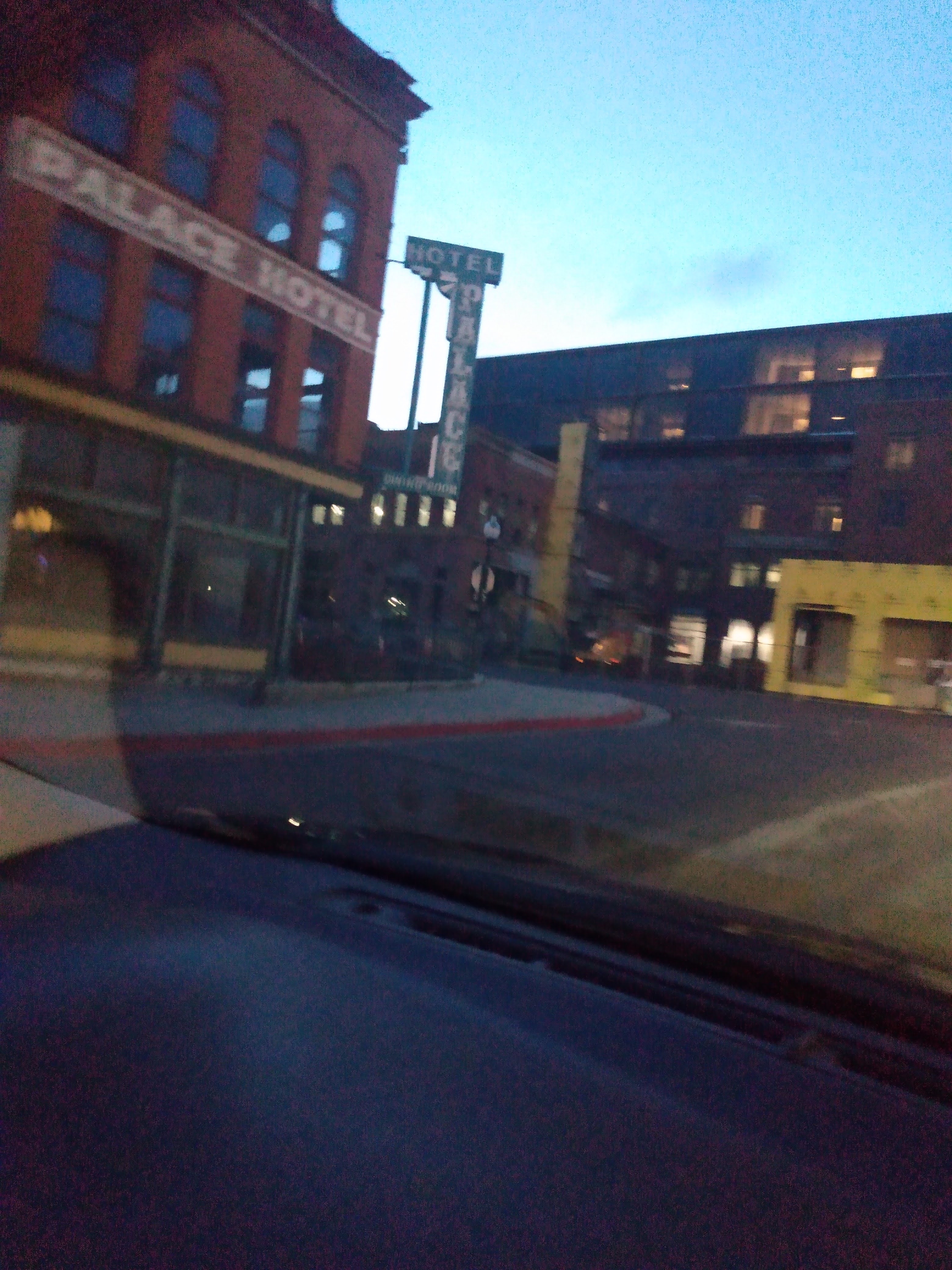
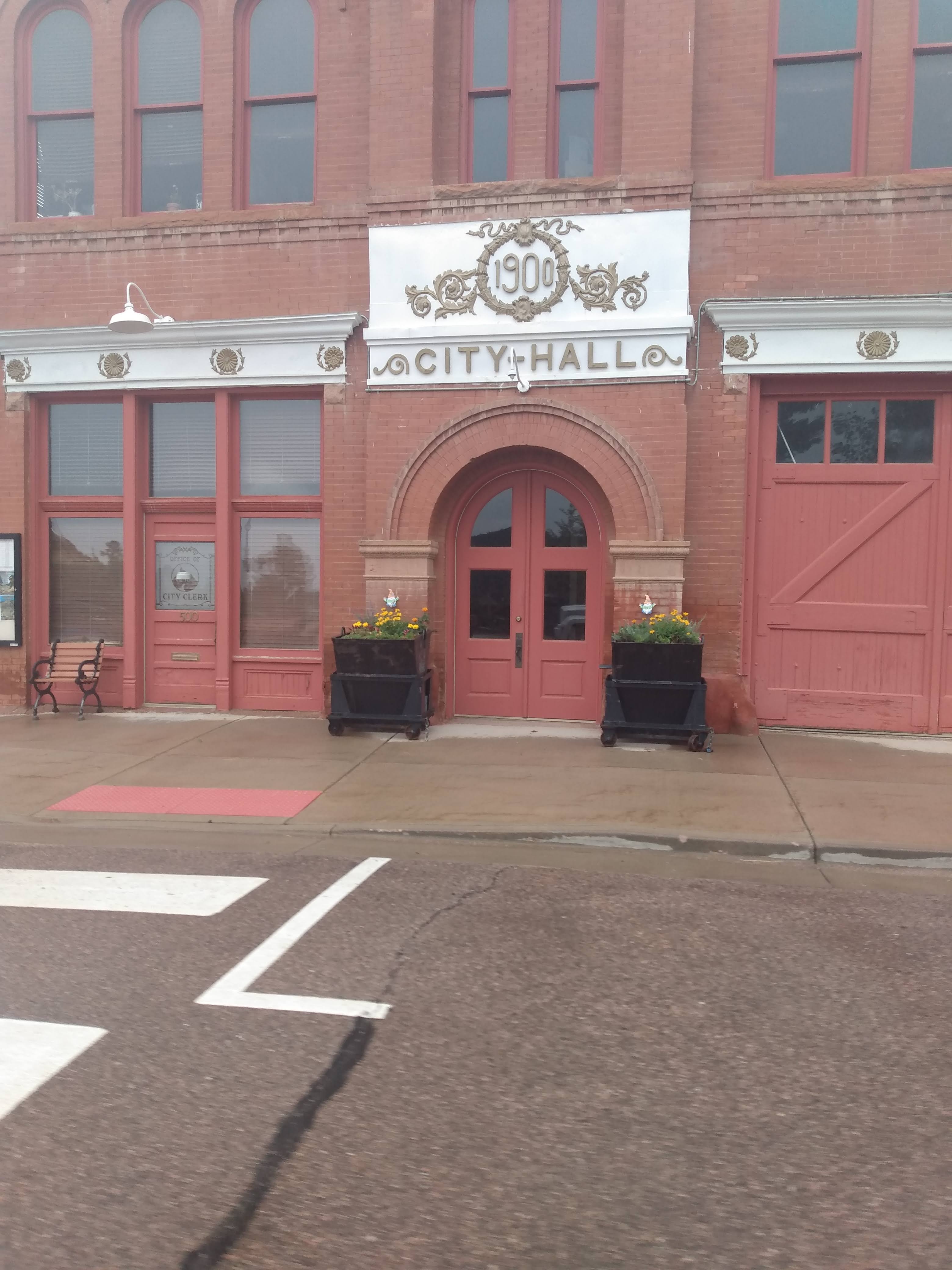
Today, many of the roads and sidewalks have been replaced, but the original facades and upper floors of the historic buildings remain intact and have been preserved. Even the newer structures like the huge hotel, casino and parking garage built onto what used to be Bronco Billy’s, by the Chamonix Casino was required to be designed to blend into the historic atmosphere.
About Kaye Lynne Booth
For Kaye Lynne Booth, writing is a passion. Kaye Lynne is an author with published short fiction and poetry, both online and in print, including her short story collection, Last Call and Other Short Fiction; and her paranormal mystery novella, Hidden Secrets; as well as her poetry collection, Small Wonders. Her novels include Books 1 & 2 of her Women in the West adventure series, Delilah and Sarah, and Books 1 & 2 in her Time-Travel Adventure series, The Rock Star & The Outlaw, and Double Visions.
Kaye holds a dual M.F.A. degree in Creative Writing with emphasis in genre fiction and screenwriting, and an M.A. in publishing. Kaye Lynne is the founder of WordCrafter Quality Writing & Author Services and WordCrafter Press, where she edits and publishes two short fiction anthologies and one poetry anthology every year amidst her many writing projects. She also maintains an authors’ blog and website, Writing to be Read, where she publishes content of interest in the literary world.
______________________________________
Did you know you can sponsor your favorite blog series or even a single post with an advertisement for your book? Stop by the WtbR Sponsor Page and let me advertise your book, or you can make a donation to Writing to be Read for as little as a cup of coffee, If you’d like to show your support for this author and WordCrafter Press.
_________________________________________
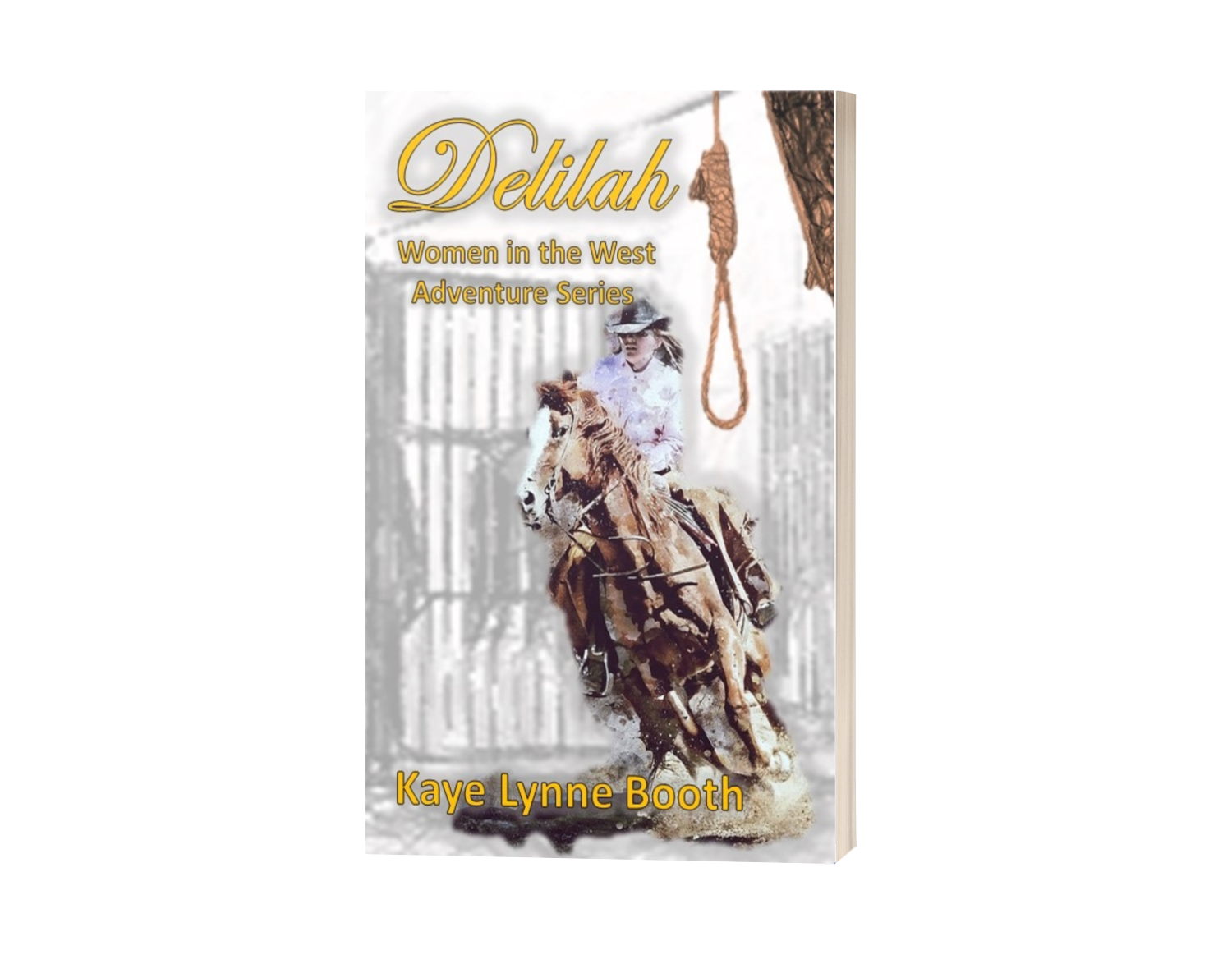
This segment of “Down the Rabbit Hole” with Kaye Lynne Booth is sponsored by The Women in the West Adventure Series and WordCrafter Press.

Historical Women’s Fiction
Get Your Copy Today!
Delilah: https://books2read.com/DelilahWiW1
Sarah: https://books2read.com/Sarah-Women-in-the-West
Marta: Coming in March, 2027
Discover more from Writing to be Read
Subscribe to get the latest posts sent to your email.















[…] https://writingtoberead.com/2026/09/16/down-the-rabbit-hole-mining-in-the-cripple-creek-mining-distr… […]
LikeLiked by 1 person
💜
LikeLike
Fascinating information. Thanks. I always loved the song Up On Cripple Creek by The Band. I wonder if this is what they were singing about.
LikeLiked by 1 person
Hi Darlene. I’m glad you found the post interesting Haven’t heard the one by the band. I’ll have to look it up. It think of Cripple Creek Ferry by Neil Young, but definitely not what that song is about. I just like it. 😊
LikeLiked by 1 person
And I hadn’t heard the Neil Young song. So I listened to it. A catchy tune. Here’s the Band. A classic. https://www.youtube.com/watch?v=EisXJSsULGM
LikeLike