LINDSEY’S WRITING PRACTICE REVIEW: The Rock Star & The Outlaw 2
Posted: July 1, 2026 Filed under: Book Review, Books, Fiction, Lindsey's Writing Practice, Review, Science Fiction, Time travel | Tags: Book Review, Kaye Lynne Booth, Lindsay Martin-Bowen, Lindsey's Writing Practice, The Rock Star & The Outlaw 2 Double Visions, WordCrafer Press, Writing to be Read 4 Comments
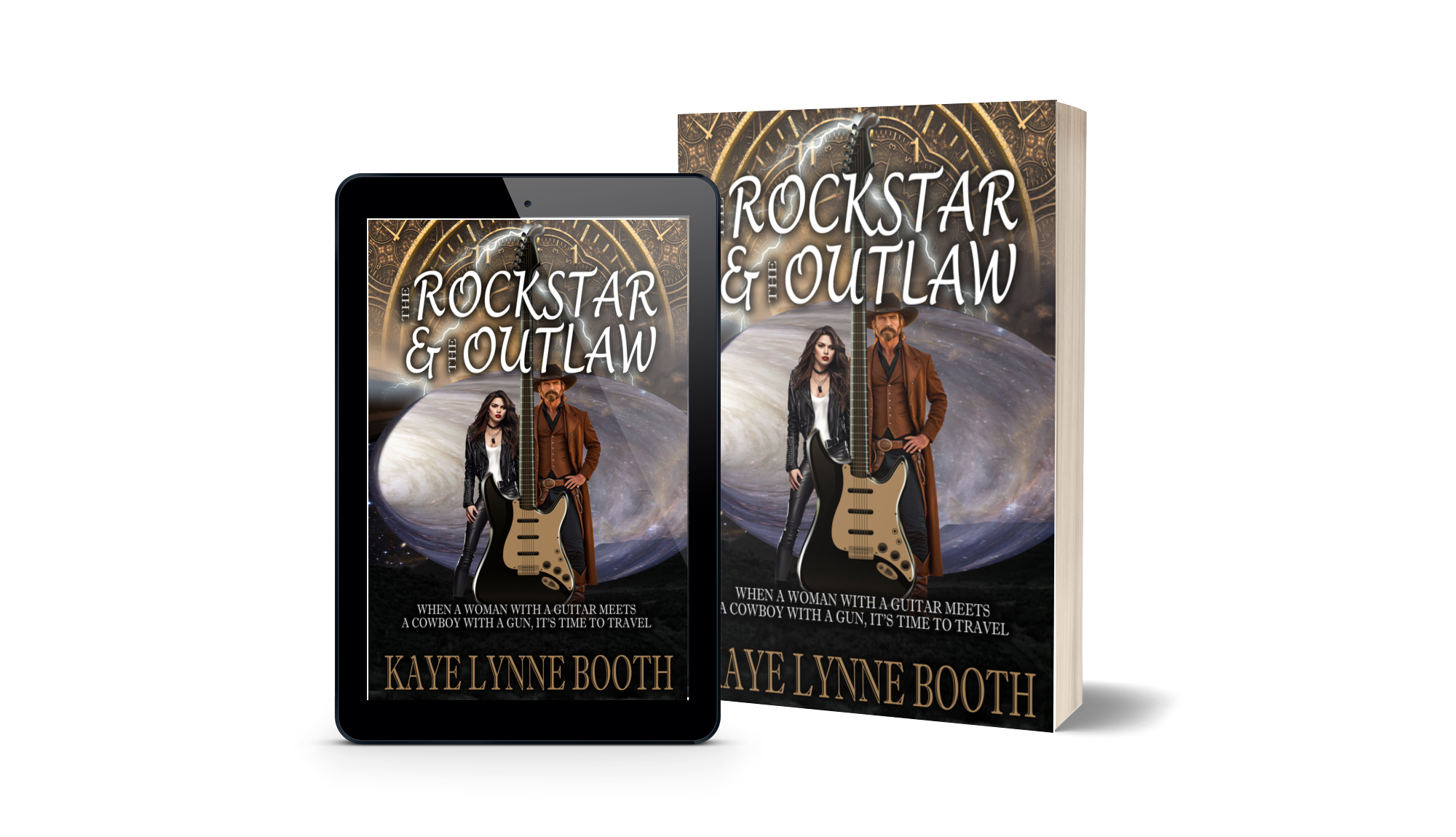
Review: The Rock Star & The Outlaw 2: Double Visions by Kaye Lynne Booth
Learning that Kaye Lynne Booth wrote a sequel to The Rock Star and The Outlaw delighted me, not only because the first novel left the romantic couple separated in two different time zones, but also because both novels symbolize how our minds travel through time—how certain images, songs, even smells, send us back into the past to relive an event—sometimes a joyful one, other times a fearful or sad one—and then our minds return to our spaces in the present. (Of course, we humans also dream about future events, too.)
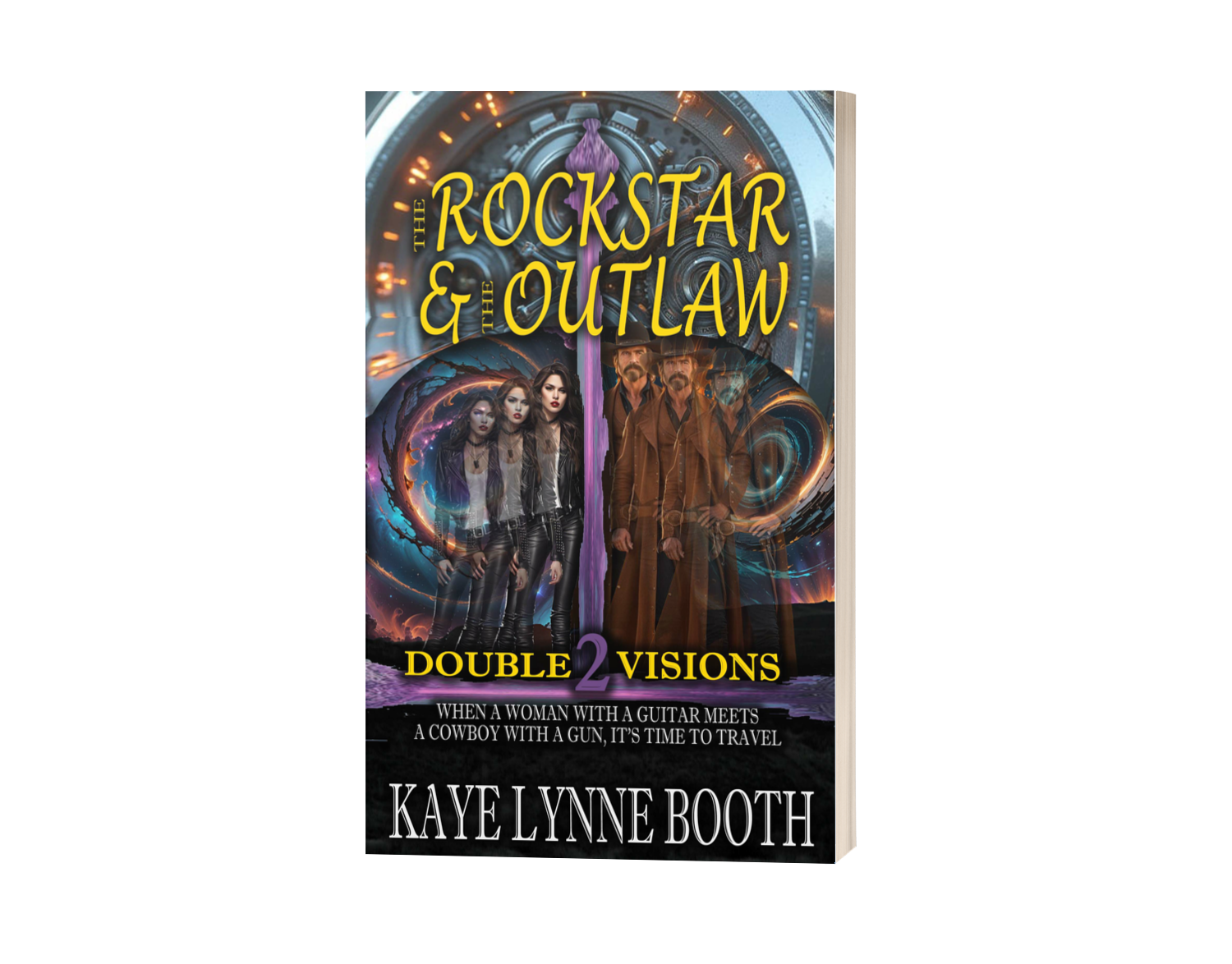
Thus, in lieu of being solely a space-age adventure piece, this work may also be interpreted as a psychological novel, exploring realities that are more than fantasies. Yes, time travel is a reality in the world of the mind—not only in fiction, but in the world most humans view as “reality.” Likewise, in fiction, some characters have the opportunity to change past events to create variant outcomes. Indeed, these two time-travelers attempt to change outcomes, and the outcomes remain sometimes successful, sometimes not.
Wisely, Booth uses separate names for the younger Rock Star and the current one. In this time-travel tale, the older (or more current) Rock Star, Amaryllis Maria Sanchez, uses her given name, whereas Booth refers to the heroine of the first novel as “Rock Star,” which helps the reader follow the story-lines more easily. Likewise, in this sequel, LeRoy is Amaryllis’ mate—and “Cowboy” refers to the version of him in the past.
In a similar vein, Amaryllis’s colleague and confidant in the first novel, Monique appears as merely a version of the “Shaman Woman” from volume one. Yet, throughout most of this novel, Monique holds no memory of her past Shaman Woman persona. And through this supporting character, Booth illustrates psychiatric theories of “finding the self,” which adds one more dimension to this story than many time-travel episodes lack.
Further, such time gaps create new problems that Amaryllis and LeRoy must resolve. For example, when Amaryllis leaps into the future (2030) to escape an impending disaster in 1888 she learns that she has no future identity because she was “never born.” Thus, along with returning to the Old West to save LeRoy from prison—or a hanging, she must locate her grandmother and resolve the situation causing that grandparent to die before she married—and thus, unable to give birth to Amaryllis’s mother, who must exist to birth Amaryllis.
This sequel also displays the character growth from Rock Star to Amaryllis. In the first series, Rock Star performs gigs nightly, and like a multitude of rock musicians, fortifies herself with alcohol and drugs. She lives in what has become for many talented musicians, the dark side of their profession: live fast and die young. In fact, that nearly happened to tough chick Rock Star in the first novel.
Yet in this serial,Rock Star has indeed matured into Amaryllis, who exhibits more “depth” and empathy for others. In fact, one of the main reasons she sets her time machine (more akin to a watch or cell phone than to a Doctor Who British phone booth) is to rescue LeRoy from being hanged.
Similarly, although neither the characters nor the author overtly discus the subject, this story serves somewhat as a model for genetic (DNA) codes with its illustrations of characters viewing themselves as their grandparents or grandchildren—as many of us do in the “real” world.
Along with the zany , complex plots in this time-travel novel, Booth reveals one of her most delightful talents, which not only mesmerizes the reader, but helps tie together the past landscapes to the future: her vivid and rhythmic descriptions of western landscapes.
For example, halfway through the novel, after Amaryllis has landed back in 1888 and mounted the horse, Demon, Booth lures the reader into that world with descriptive words resounding with fine poetry:
“She brought Demon to a halt at the top of the ridge leading up to the rocks above the hideout. It had been slow going over the rugged rocks which created the canyon walls. The afternoon sun cast a golden flow over the sprawling Nevada desert, illuminating the rugged terrain of the box canyon below. Steep, rocky walls rose high above the camp, nestled within this natural amphitheater at the boxed end, making it seem almost like a hidden gem, cradled in the arid embrace of the earth.” (151).
Likewise, when Rock Star and Cowboy are about to head out onto a trail, Booth describes the night with these beautiful lines:
“The moon had just come over the horizon, illuminating the arid desert landscape in its ethereal glow. The silvery light cast long shadows across the undulating dunes, accentuating their curves and ridges. Grains of sand shimmered like tiny diamonds, reflecting the moon’s brilliance, mirroring the twinkle of the stars above. In the quiet solitude, the desert felt alive with the presence of nocturnal creatures barely perceptible in the stillness.” (163).
Moreover, I urge readers to finish reading the first volume of this time-traveling, romantic western (The Rock Star and The Outlaw, released two years ago). Not only will it help make reading the latter novel more lucid, it will add dimensions to the characters and illustrate their inner growth from how they acted and viewed the world in the initial novel.
—Lindsey Martin-Bowen
CASHING CHECKS with Jim Morrison
The DARK HORSE WAITS in BOULDER
About Lindsey Martin-Bowen
On Halloween 2023, redbat books released Lindsey Martin-Bowen’s 7th poetry collection, CASHING CHECKS with Jim Morrison. Her 4th collection, Where Water Meets the Rock, was nominated for a Pulitzer; her 3rd, CROSSING KANSAS with Jim Morrison was a finalist in the QuillsEdge Press 2015-2016 Contest. In 2017, it won the Kansas Writers Assn award, “Looks Like a Million.” Writer’s Digest gave her “Vegetable Linguistics” an Honorable Mention in its 85th Annual (2017) Contest. Her Inside Virgil’s Garage (Chatter House Press 2013) was a runner-up in the 2015 Nelson Poetry Book Award. McClatchy Newspapers named her Standing on the Edge of the World (Woodley Press/Washburn University) was one of the Ten Top Poetry Books of 2008. It was nominated for a Pen Award.

__________________________
Did you know you can sponsor your favorite blog series or even a single post with an advertisement for your book? Stop by the WtbR Sponsor Page and let me advertise your book, or you can make a donation to Writing to be Read for as little as a cup of coffee, If you’d like to show your support for this author and WordCrafter Press.
___________________________
This segment of Lindsey’s Writing Practice is sponsored by Un dawn ted.
Un dawn ted lets imagination become unpredictable, insatiable, and undeniably… unleashed.
Discover more from Writing to be Read
Subscribe to get the latest posts sent to your email.






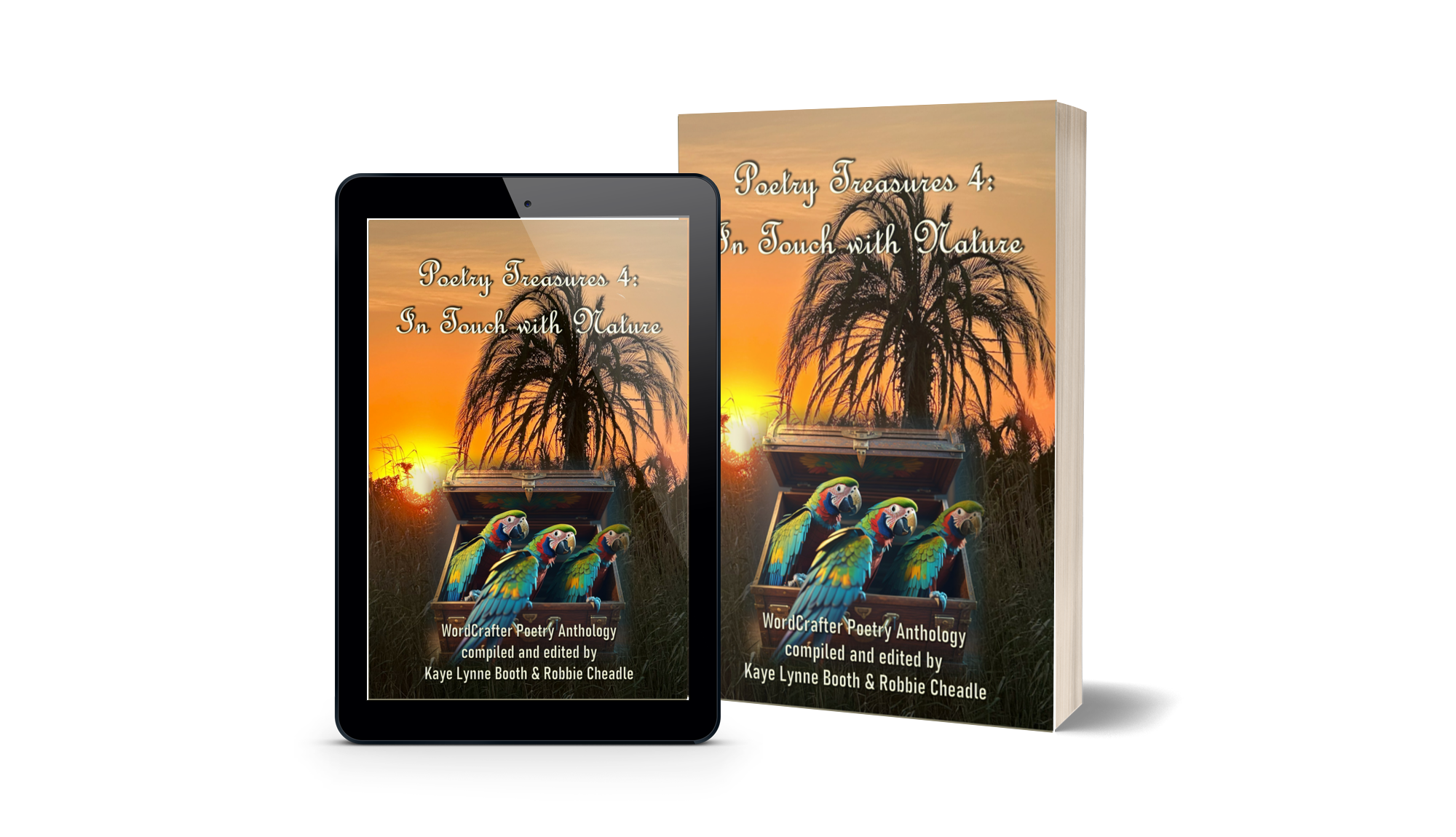





Hi Lindsey, a lovely review of Kaye’s ‘Rock Star’ books. I have yet to read the second.
LikeLiked by 1 person
💜😊
LikeLiked by 1 person
Thank you, Robbie. Although I enjoyed the initial novel very much, I found the second even more engaging.
Best,
Dr. Lindsey Martin-Bowen, JD Poet and Novelist Ret. Professor, Writing & Literature, Criminal Law, Procedural Law American Ct. Systems, Blue Mountain College & UMKC
[cid:f84f2fed-0f37-4787-ac61-61a7eb0d3bf4] https://www.amazon.com/CASHING-Morrison-Pacific-Northwest-Writers/dp/1946970093/ref=sr_1_7?crid=3UHV9EL4PZBBL&keywords=Lindsey+Martin-Bowen&qid=1699629101&s=books&sprefix=lindsey+martin-bowen%2Cstripbooks%2C175&sr=1-7
redbat books https://www.redbatbooks.com/checks.htmlhttps://www.redbatbooks.com/checks.html?fbclid=IwAR0m_KlcMiOmJmp7HCV3b1UVOXDYK618KAjXbXmW4lfWNl3mPcRyWQqtzzA ________________________________
LikeLiked by 2 people
That’s good to know.
LikeLiked by 1 person