Writer’s Corner: My Self-Editing Processes
Posted: February 3, 2025 Filed under: Editing, Writer's Corner, Writing, Writing Tips | Tags: Editing, Kaye Lynne Booth, Writer's Corner, Writing to be Read 6 Comments
Editors can be expensive. WordCrafter offers editing services at low prices, but even then, the words add up and I wouldn’t say it’s cheap. As an independent author, it’s not always easy to come up with the money to hire an editor, but it is imperative to have another set of eyes go over every word of my manuscript, so I can publish a quality product. As The D.I.Y. Author, I’ve come up with a few methods of accomplishing this without straining my pocketbook too much.
Novel Length Works
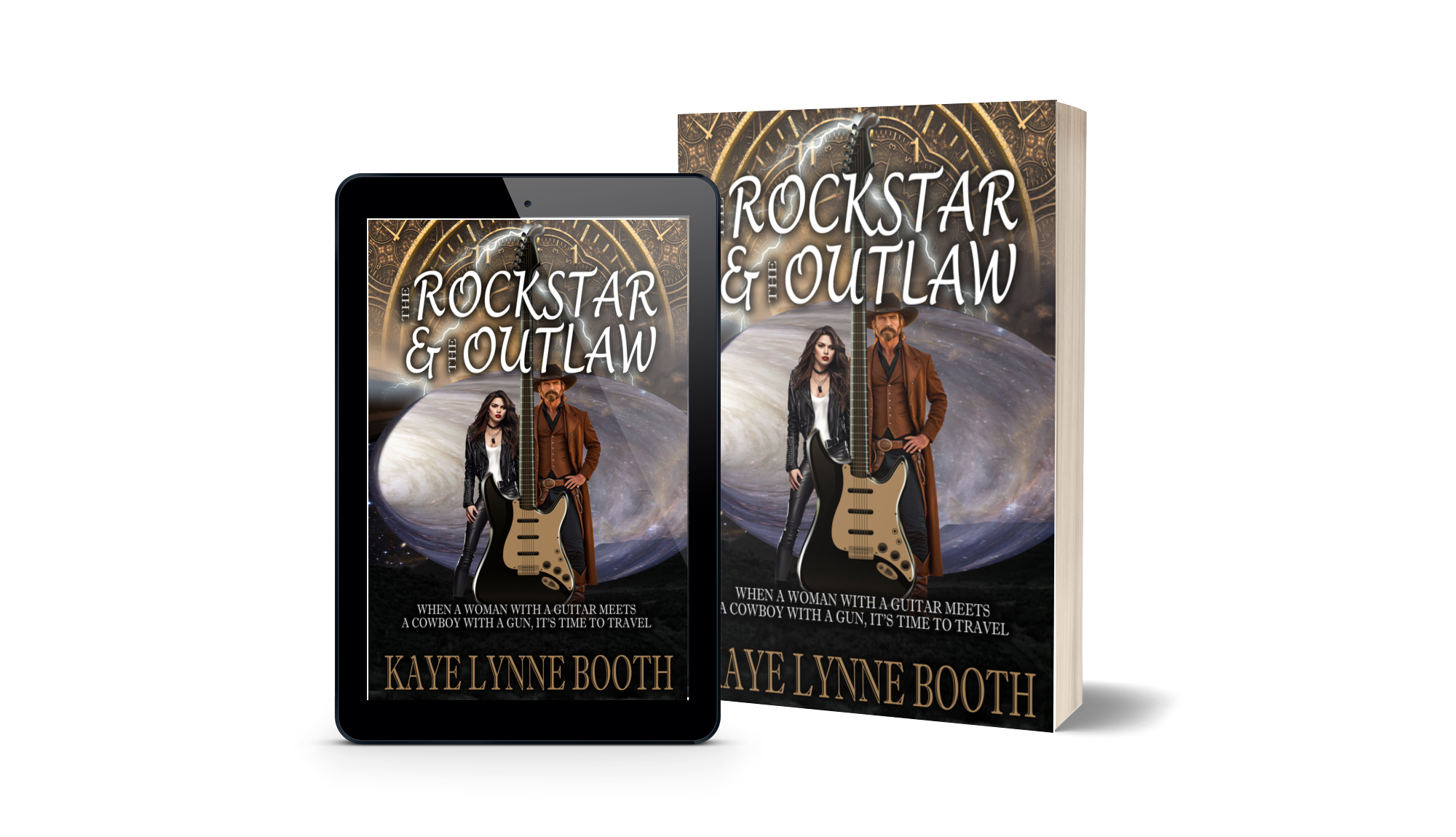
For novel length works, once I finish the first draft, I do one pass over of self-editing when the manuscript has sat for a day or two. I’ve heard that it’s important to let it sit for a while, so I do, but I limit the time it sits, keeping the story fresh in my mind. This is where I find the weak spots which need enhancing, embellishing my descriptions and extending or cutting dialog. In The Rock Star & The Outlaw 2: Seeing Doubles, I also used this opportunity to plant little easter eggs which connect back to the first book, for those who have read it.
When that is done, and the necessary edits have been made, I do another run through, reading it aloud. When you read aloud, you catch errors that a silent reader might skim over. Sometimes I can find a beta-listener to help me with this. This is where I do my developmental edit, looking at things like if the storyline flows smoothly, and if my characters are staying true to who they are. My beta-listener doesn’t have to be versed in the craft of writing, because their job is to offer an opinion from the listener’s, or reader’s, perspective.
Only when this is completed is the manuscript ready for a second set of eyes. Editing is a difficult job, and I think it’s important to send your editor or beta-reader as clean a manuscriptas possible. It saves making major changes at the end, too. If I can’t afford to pay an editor, I seek out a beta-reader to do the job. I have a few other authors who I exchange services with who can be called upon for this task.
To finalize, I do a final proof read before I publish, making sure all the ‘t’s are crossed and ‘i’s dotted. During this part of the process I use the editing tool which come with MS Word and ProWriting Aid Everywhere, which are both free and help me spot places which could be worded better and possible misspellings. Both of editing programs are AI powered, but they don’t always agree on corrections, or agree on things which should be changed. And they don’t have the final say. I still reserve the privilage of acceptance or rejection of all AI suggestions.
This system is not fullproof, and I use a professional editor whenever I can. When writing The Rock Star & The Outlaw 2: Seeing Doubles, I referred back to the first book a lot, and found many errors that all of these processes had missed. I’m now in the process of revising and correcting those errors, so I can republish the first book, before releasing the second.
Short Fiction
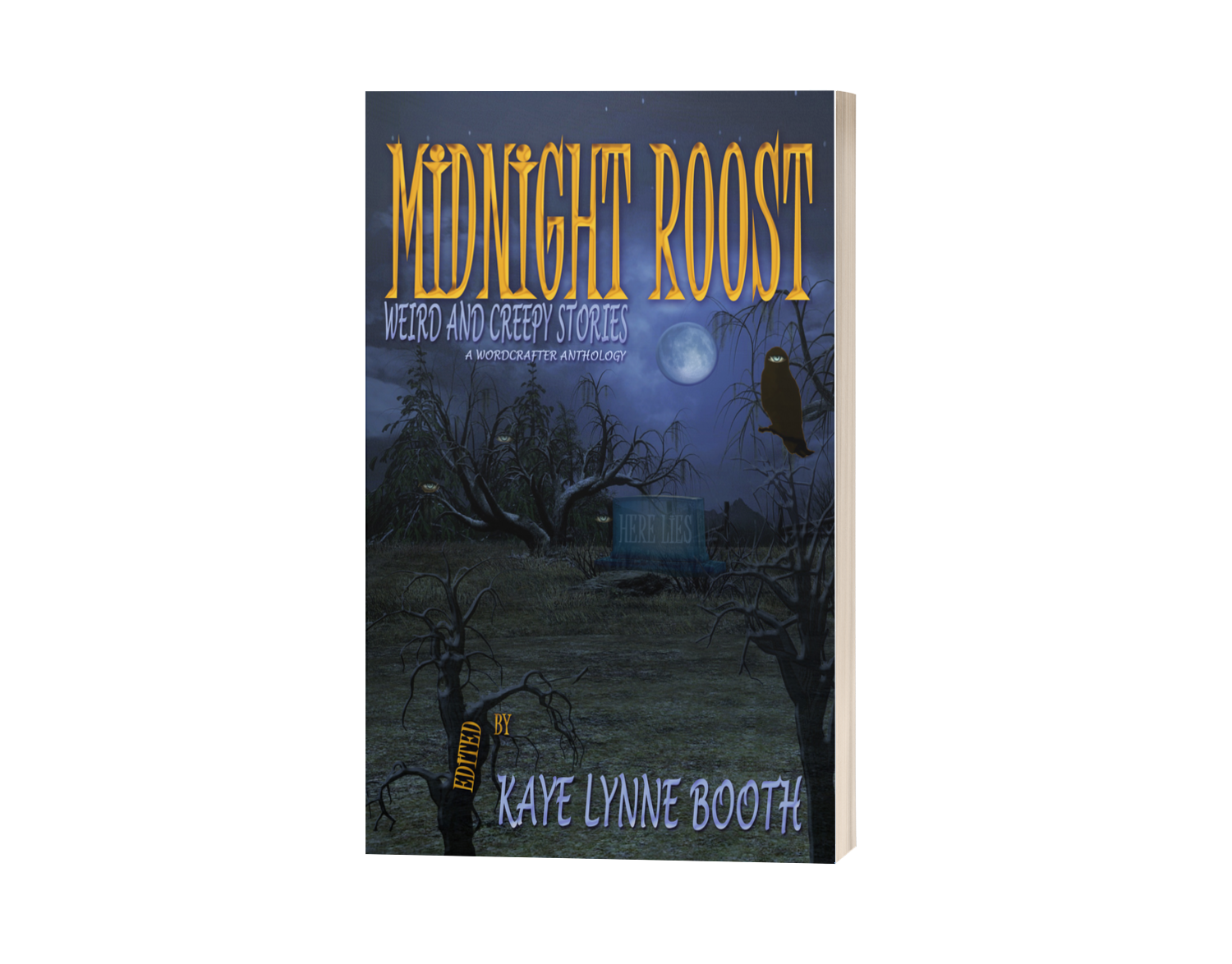
For short fiction, I follow the same basic processes as novel length works, but because they are collaborative works, it is much easier to get a second, and sometimes even a third set of eyes on each story. When putting together an anthology, I read story individually and request the desired edits from the authors. For my own stories, I recruit a beta-reader to go over it while I’m editing everyone elses. (This is after I’ve read it through twice; once aloud.)
After I receive the revised stories, I put the manuscript together, and give it yet, another read through, checking for any errors which may have been missed. Once it is formatted and ready to publish, I send the entire manuscript out to each of the authors, requesting that they proof read their story and one or two others, so that each story has at least two or three sets of eyes, other than my own, scrutinizing it. This collaborative form of editing ensures a quality product and it doesn’t cost me or any of the contributors anything but our time and keen eyes.
Author’s Note: You can find these editing tips and more writing tips for writing and publishing yourself in The D.I.Y. Author.
_________________________________

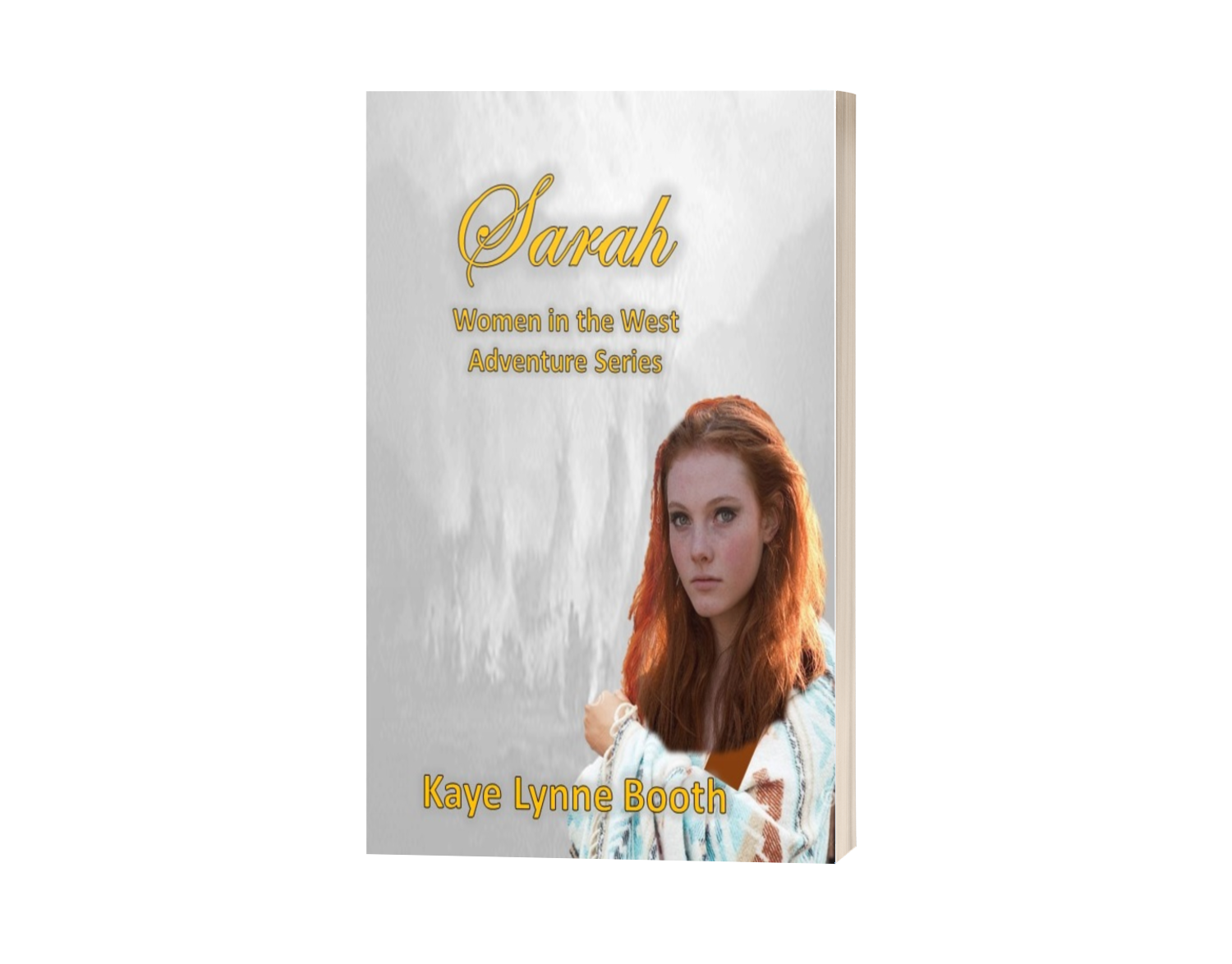
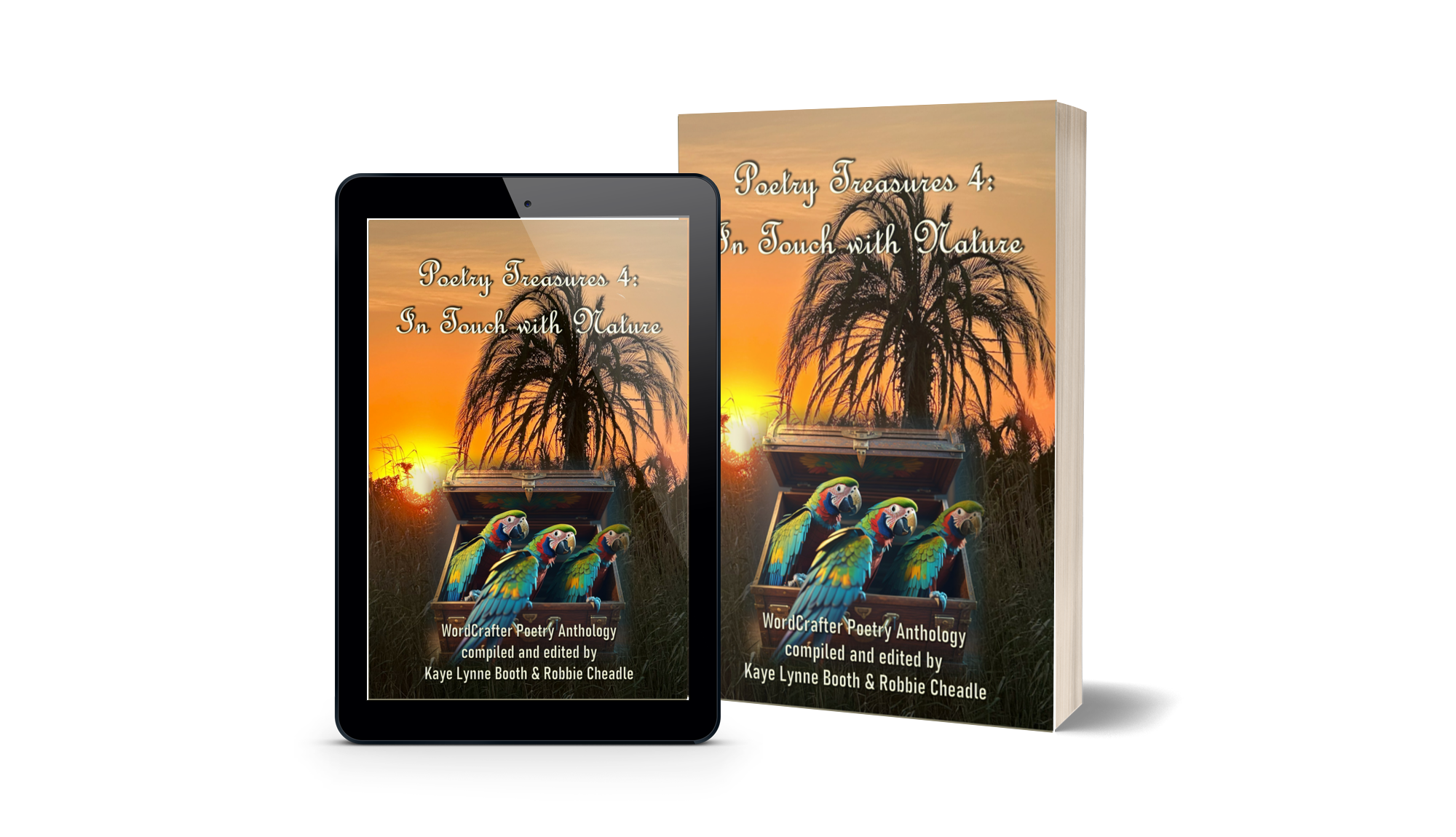
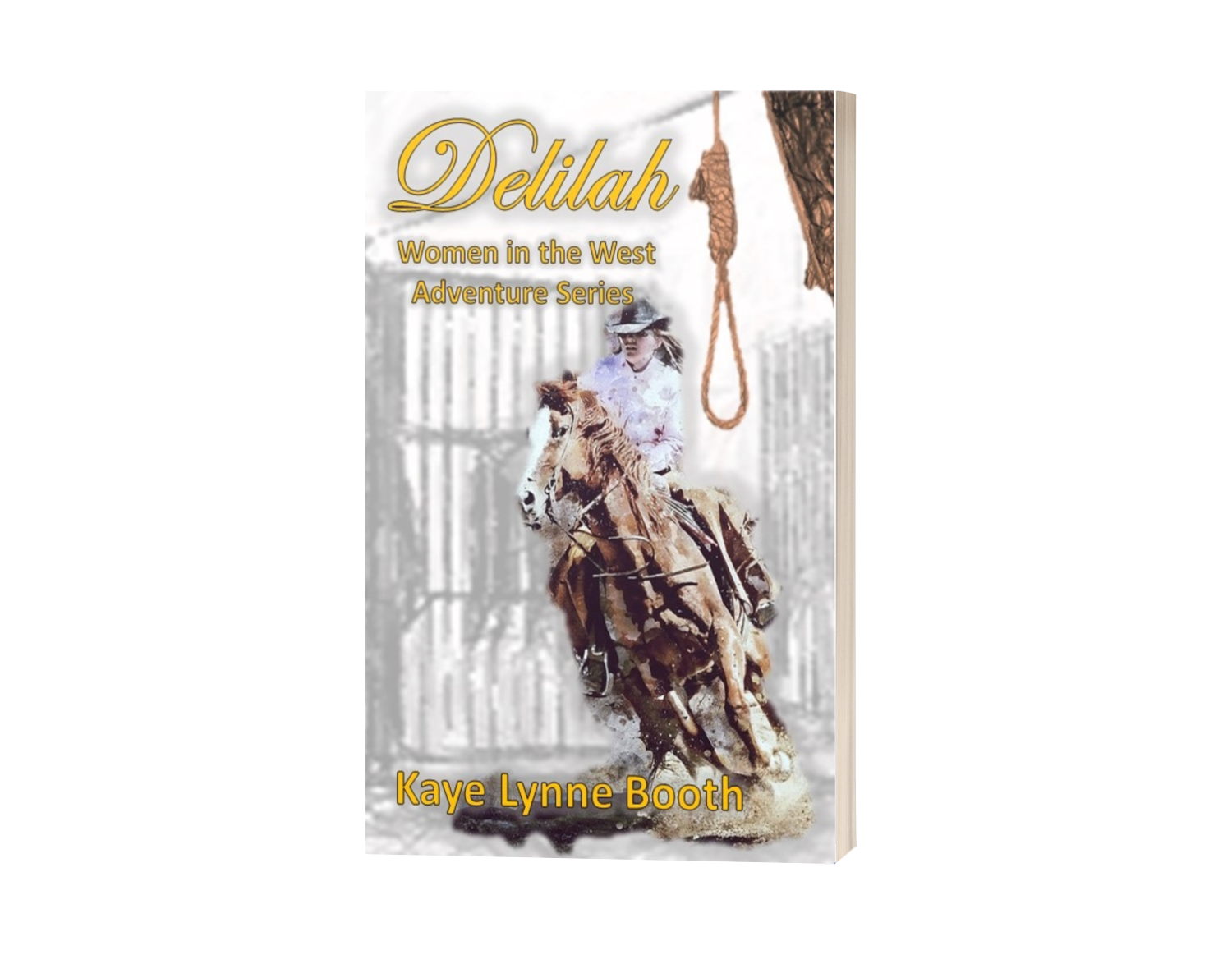
For Kaye Lynne Booth, writing is a passion. Kaye Lynne is an author with published short fiction and poetry, both online and in print, including her short story collection, Last Call and Other Short Fiction; and her paranormal mystery novella, Hidden Secrets; Books 1 & 2 of her Women in the West adventure series, Delilah and Sarah, and her Time-Travel Adventure novel, The Rock Star & The Outlaw, her the first three books in her kid’s book series, My Backyard Friends, her poetry collection, Small Wonders, and her writer’s resource, The D.I.Y. Author. Kaye holds a dual M.F.A. degree in Creative Writing with emphasis in genre fiction and screenwriting, and an M.A. in publishing. Kaye Lynne is the founder of WordCrafter Quality Writing & Author Services and WordCrafter Press. She also maintains an authors’ blog and website, Writing to be Read, where she publishes content of interest in the literary world.
________________________________
Did you know you can sponsor your favorite blog series or even a single post with an advertisement for your book? Stop by the WtbR Sponsor Page and let me advertise your book, or you can make a donation to Writing to be Read for as little as a cup of coffee, If you’d like to show your support for this author and WordCrafter Press.
________________________________
This segment of “Writer’s Corner” is sponsored by The D.I.Y. Author and WordCrafter Press.
Being an author today is more than just writing the book. Authors in this digital age have more opportunities than ever before. Whether you pursue independent or traditional publishing models, or a combination of the two, being an author involves not only writing, but often, the publishing and marketing of the book.
In this writer’s reference guide, multi-genre author and independent publisher, Kaye Lynne Booth shares her knowledge and experiences and the tools, books, references and sites to help you learn the business of being an author.
Topics Include:
Becoming Prolific
Writing Tools
Outlining
Making Quality a Priority
Publishing Models & Trends
Marketing Your Book
Book Covers & Blurbs
Book Events—In Person & Virtual
And more…

Purchase your copy today: https://books2read.com/The-DIY-Author
Discover more from Writing to be Read
Subscribe to get the latest posts sent to your email.










Editing is important as we miss things when we self edit. Your suggestions are great, Kaye 🦋🩵
LikeLiked by 1 person
Thanks Robbie. I hope they prove helpful. ☺️
LikeLike
I like your suggestion about planting “Easter eggs” in a story! This can really connect the story’s plot!
You wrote: “In The Rock Star & The Outlaw 2: Seeing Doubles, I also used this opportunity to plant little easter eggs which connect back to the first book, for those who have read it.”
This is excellent advice, especially when writing a series and you need to keep the plots all connected.
❤️✍❤️
LikeLiked by 1 person
I think it makes the writing more fun, too. Makes me feel clever. Thanks for reading. ☺️
LikeLiked by 1 person
It sure isn’t ‘fullproof’. Good one. There is always some pesky little thing hiding out.
LikeLiked by 1 person
Always, Cherime. Thanks for reading. So glad to see you here. 🙂
LikeLike