The Many Faces of Poetry: November Poems
Posted: November 26, 2021 Filed under: Poetry, The Many Faces of Poetry | Tags: Arthur Rosch, Poetry, The Many Faces of Poetry, Words, Writing to be Read 1 Comment
Volcano
October 2021
If words can be so beautiful that they
whoosh you from your body
into a place celestial
a paradise that’s not a myth
but a living world inside which
we dwell as though we have forgotten our own
eyes and our stomachs rumble
waiting for a meal that nurtures souls
by the trillions,
by the trillions, and what we call souls or spirits
can be called ghosts or intelligences
or French fries
no telling what they’re calling them ten billion light years from here.
It’s the same damned thing
so bright that it lights the stars
as if from the eternal birthday candle
or the scattering of cinders from a cooling volcano
filling a lake bed with red light and heat light
and heat
sustenance light. That’s how beautiful
words can be.
Late Stage Capitalism
Oct 20, 2021
Is this late stage capitalism?
People watching endless commercials disguised
as content, watching hypnotized
as the reasons to stay home multiply Covid
the madhouse of freedom, that’s America
where Freedom is ridiculous
and everyone’s opinion
matters, such a big deal, (your opinion)
I can give you a break, (I can I can), I can let you
go on about nothing, walk the streets with a sign
saying nothing, late stage capitalism
manipulated and focused greed,
through the screens, on the devices
helpless to disengage (what am I doing?)
late stage
helpless to engage (I’m doing this is what I’m doing)
capitalism, schism, minimism, monism
monetism, hypnotism, religionism
late stage catechism
I’ve run out of ism, run out of my ism, don’t even say it
cuz I’m old and getting older at the same speed as
everyone else.
This is late stage capitalism.
_____________________________________________________________________________________________

Arthur Rosch is a novelist, musician, photographer and poet. His works are funny, memorable and often compelling. One reviewer said “He’s wicked and feisty, but when he gets you by the guts, he never lets go.” Listeners to his music have compared him to Frank Zappa, Tom Waits, Randy Newman or Mose Allison. These comparisons are flattering but deceptive. Rosch is a stylist, a complete original. His material ranges from sly wit to gripping political commentary.
Arthur was born in the heart of Illinois and grew up in the western suburbs of St. Louis. In his teens he discovered his creative potential while hoping to please a girl. Though she left the scene, Arthur’s creativity stayed behind. In his early twenties he moved to San Francisco and took part in the thriving arts scene. His first literary sale was to Playboy Magazine. The piece went on to receive Playboy’s “Best Story of the Year” award. Arthur also has writing credits in Exquisite Corpse, Shutterbug, eDigital, and Cat Fancy Magazine. He has written five novels, a memoir and a large collection of poetry. His autobiographical novel, Confessions Of An Honest Man won the Honorable Mention award from Writer’s Digest in 2016.
More of his work can be found at www.artrosch.com
Photos at https://500px.com/p/artsdigiphoto?view=photos
_________________________________________________________________________________________________________
Want to be sure not to miss any of Arthur’s “The Many Faces of Poetry” segments? Subscribe to Writing to be Read for e-mail notifications whenever new content is posted or follow WtbR on WordPress. If you find it interesting or just entertaining, please share.
Share this:

The Power of Words
Posted: August 12, 2012 Filed under: Stories, Writing | Tags: Stories, Words, Writers, Writing Leave a comment Recently, I was told, “it’s all about the story”. If you believe that – and I do – that makes the writer’s job a very important one. It is the job of the writer to get the story out. More importantly, it is the writer’s job to tell the story the way that it wants to be told, and that is no small task. Without the right words, we don’t stand a chance.
English teachers and editors can tell you the rules. They can make sure that you have proper sentence structure and syntax; that your grammar and punctuation are correct in every way. But, writers know that the real trick is in knowing when the rules apply, and when it might be better to overlook them.
Writers are challenged with word choices every day, and it is a challenge to have to select just the right words. Writers must choose words that will state what we want to say in a clear or concise manner, while at the same time drawing readers in and compelling them to read on. Above and beyond that though, we are charged with the task of putting words to page that will stir emotion within readers – touching, inspiring, shocking, or tantalizing.
We are challenged to not only find the words, but also to put them in an order that will set the right tone and pace, and present a clear picture for the reader. The words we choose portray our characters and settings in a manner that allows readers to form a mental picture of what we are describing, thus bringing the reader into the story with us. Our words and the way we put them to the page also set the tone and mood, intensifying reader experience. The point is, that as writers we make choices every day that affect the shape of the story, as well as the outcome, and a gazillion events that occur as the plot unfolds. Without words, there is no story, and the writers are the ones that choose the words.
It is all about the story and often, stories just don’t care about the rules. For instance, to write realistic dialog that will be believable for the reader, you may not always have complete sentences. When we talk, we do not always use complete sentences, and dialog that is written in complete sentences may come out sounding very stiff and formal. Unless your characters are members of nobility during the seventeenth century, the dialog may not seem natural. Your dialog needs to fit your character.
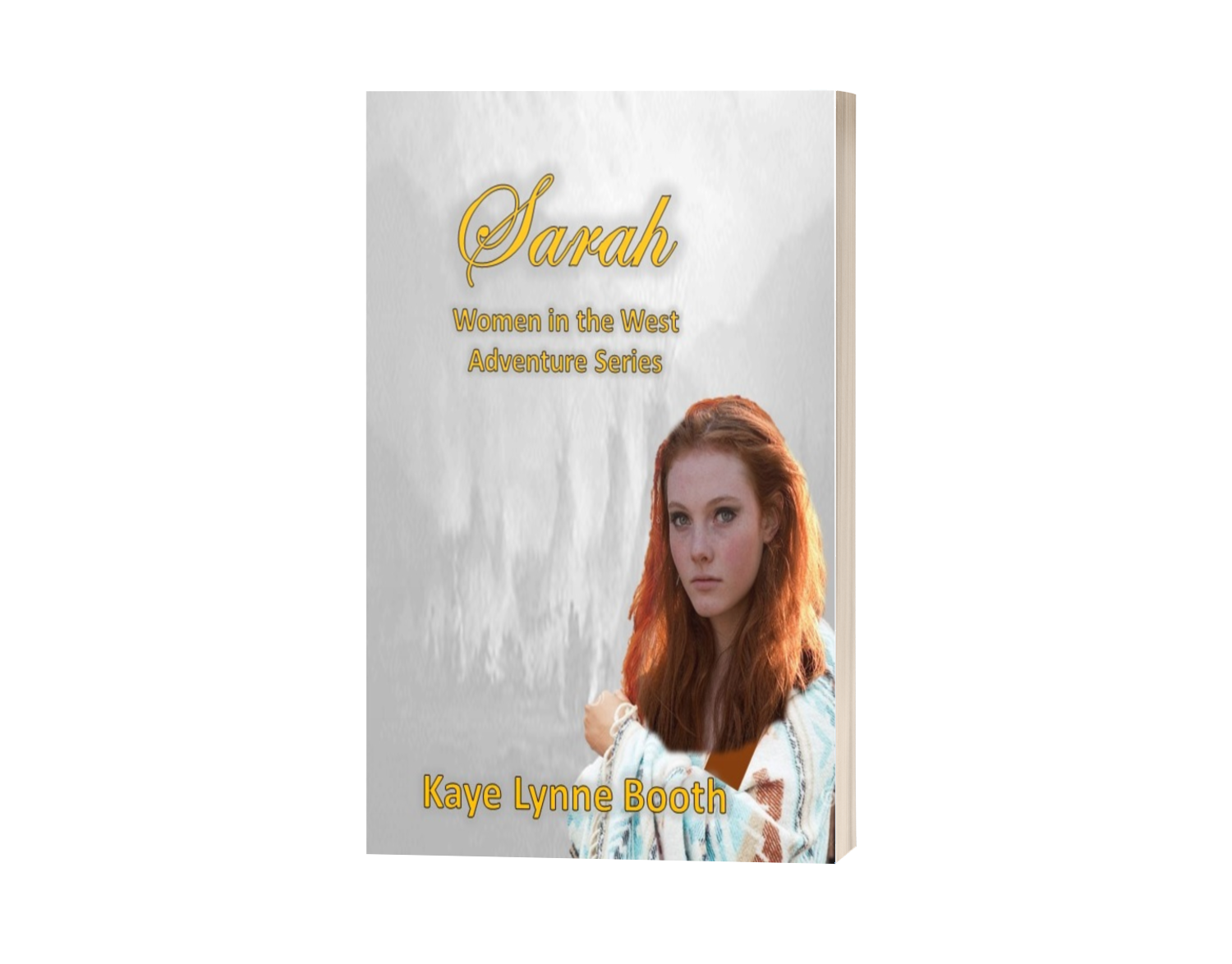
I recently discovered what it’s like to have one of my characters speak to me, something I had heard of, but didn’t really understand. Now I do, and let me tell you, my character, a woman of the old west, did not speak in complete sentences. In fact, she did not even pronounce some of her words properly. Because her background and upbringing, that is the way she talks, and to portray her on the page in any other way, would be dishonest to my readers, and disrespectful of my character’s essence.
In addition to choosing the right words for our characters, we must choose words that our readers will comprehend and relate to; words that are right for the setting of the story; words that express the true character of our characters. We must sequence them so that the story moves at a pace that is fast enough to keep the reader’s attention, but not so fast that we leave them behind.
It is obvious that words are powerful. As it happens, words are the tools of the writer’s trade. Words are what gives us power. Just as the way a ruler welds his power determines whether he is loved or despised by his people, the way we weld ours determines whether we are good writers or bad, and whether anyone actually wants to read our writing. So, choose your words carefully and weld your power wisely.