In Touch With Nature – Common Buzzard
Posted: February 24, 2026 Filed under: Animals, Bird Watching, Birds, In Touch With Nature, Nature, Photography, Poetry, Wildlife | Tags: African Wildlife, Animals, Common Buzzard, In Touch With Nature, Nature, Robbie Cheadle, Writing to be Read 54 Comments
Nothing common about this buzzard
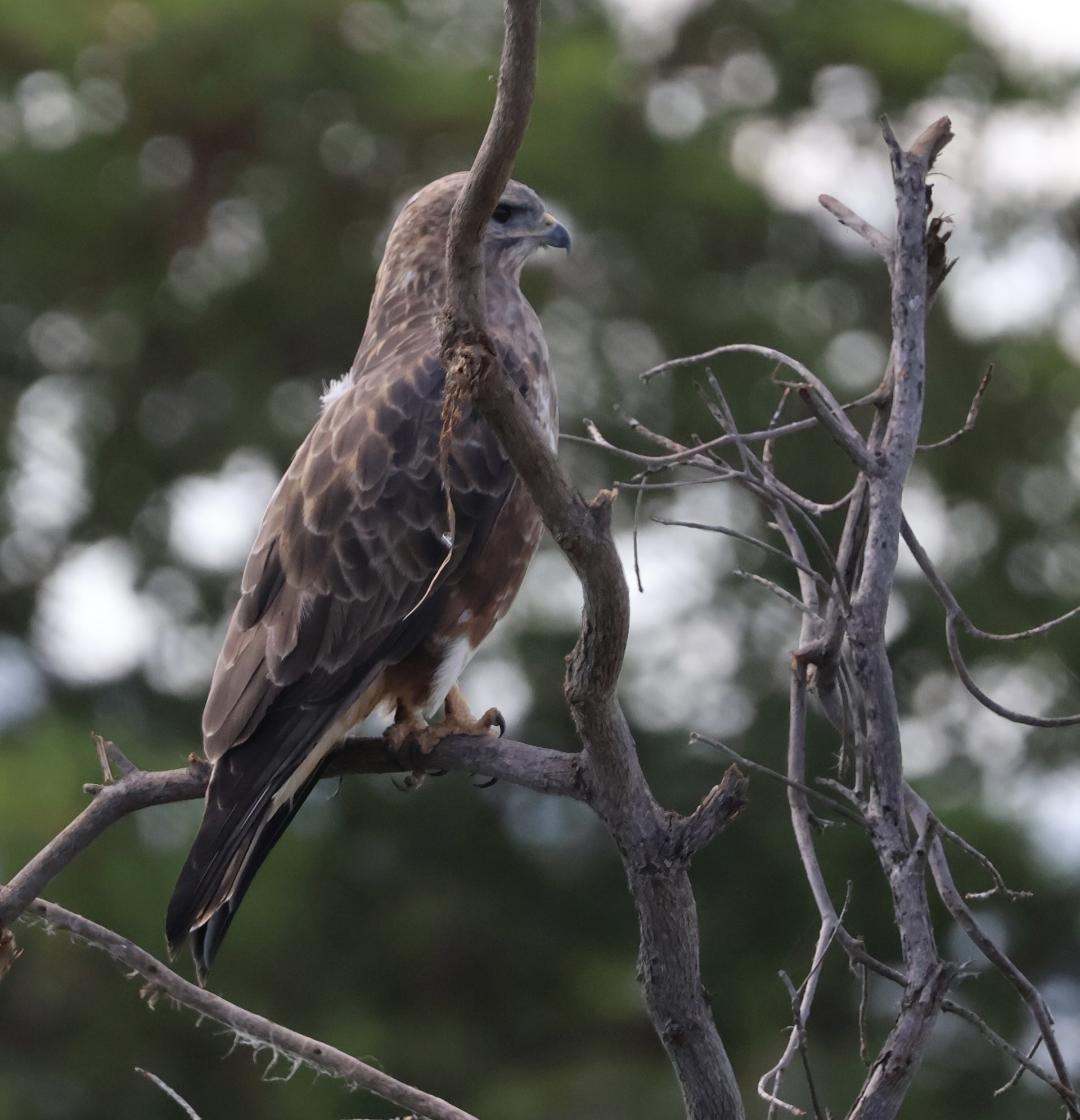
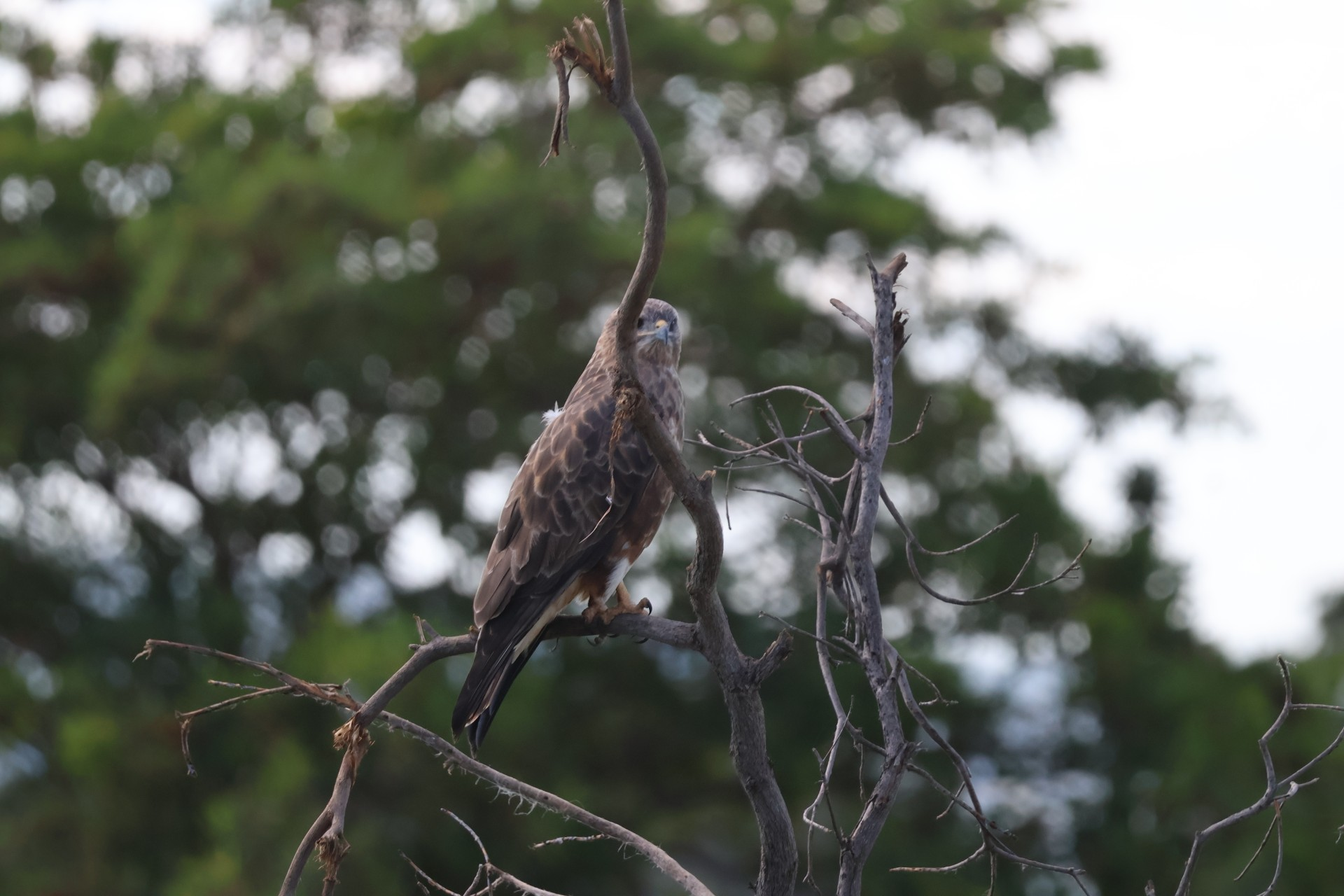
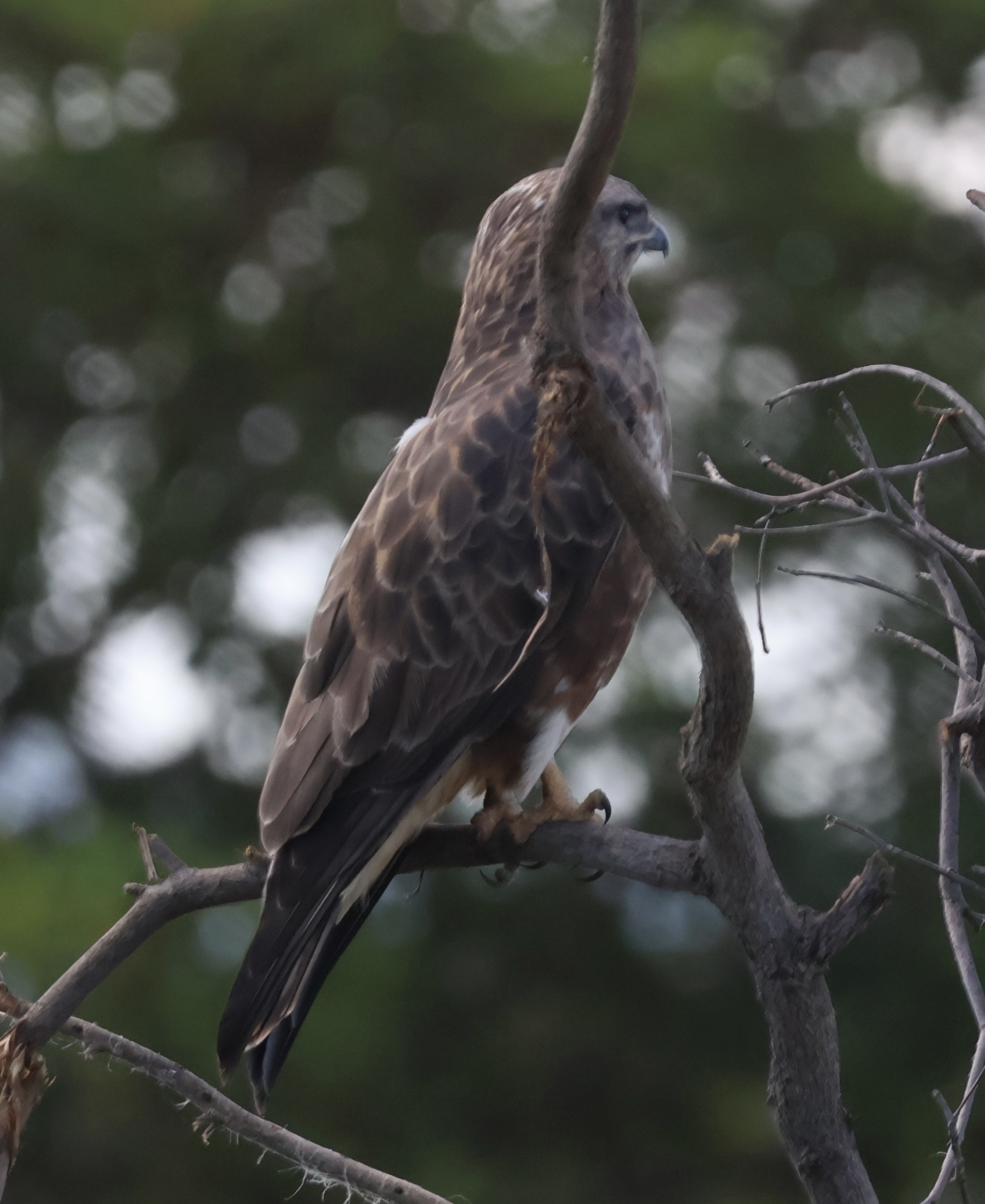
What a thrill to see you perched atop a tree
scanning the area; you have exceptional vision
head rotating, your eyes pass lightly over me
irrelevant in the context of your meal decision
I watch you staring at the mound filled earth
seeking signs of movement, either mouse or mole
your wings gracefully spreading once prey is found
the effort rewarded; of rodents there is no dearth
their silhouettes outlined as they emerge from a hole
in stealthy pursuit you soar gracefully to the ground
seizing your unsuspecting prey with grasping talons
tearing it apart with your sharp, hooked beak
one creature must die in order for another to live
one of nature’s most effective mammal assassins
your quarry succumbs without so much as a squeak
you, the victorious combatant, your prey unresistive
***
Tourist bird, I enjoy your annual visits to these shores
in migrating flocks of up to twenty of your comrades
gliding effortlessly over large expanses without pause
with a predetermined flightpath, you aren’t nomads
though your arrival may be met with strong resistance
from smaller birds who view you as a potential threat
mobbing you repeatedly until you relent and fly away
not much of a welcome after covering such distance
your feathery bulk the cause of much upset
an illusion to disguise how little you really weigh
a monogamous creature, you usually mate for life
your partner smaller, and suited to hunting prey
while for three weeks your chicks you brood
working as a team, you experience little strife
knowing he’ll deliver small morsels without delay
until they fledge and you join the search for food
About Roberta Eaton Cheadle

Roberta Eaton Cheadle, is a South African writer and poet specialising in historical, paranormal, and horror novels and short stories. She is an avid reader in these genres and her writing has been influenced by famous authors including Bram Stoker, Edgar Allan Poe, Amor Towles, Stephen Crane, Enrich Maria Remarque, George Orwell, Stephen King, and Colleen McCullough.
Roberta has two published novels and a collection of short stories and has horror, paranormal, and fantasy short stories included in several anthologies. She is also a contributor to the Ask the Authors 2022 (WordCrafter Writing Reference series).
Roberta is also the author and illustrator of seventeen children’s books, illustrator to a further three children’s books, and the author and illustrator of four poetry books published under the name of Robbie Cheadle, and has poems and short stories featured in several anthologies under this name.
Roberta’s blog features discussions about classic books, book reviews, poetry, and photography. https://roberta-writes.com/.
Find Roberta Eaton Cheadle
Blog: https://wordpress.com/view/robertawrites235681907.wordpress.com
Bluesky: https://bsky.app/profile/robbiecheadle.bsky.social
Facebook: https://www.facebook.com/robertawrites
Amazon: https://www.amazon.com/Roberta-Eaton-Cheadle/e/B08RSNJQZ5
___________________________________________
Like this post? Are you a fan of this blog series? Did you know you can sponsor your favorite blog series or even a single post with an advertisement for your book? Stop by the WtbR Sponsor Page and let me advertise your book, or you can make a donation to Writing to be Read for as little as a cup of coffee, If you’d like to show your support for this author and WordCrafter Press.
__________________________________________
This segment of “In Touch with Nature” is sponsored by the Midnight Anthology Series and WordCrafter Press.

Midnight Roost: Weird and Creepy Stories: 20 authors bring your nightmares to life in 23 stories of ghosts, paranormal phenomenon and the horror from the dark crevasses of their minds. Stories of stalkers, both human and supernatural, possession and occult rituals, alien visitations of the strange kind, and ghostly tales that will give you goosebumps. These are the tales that will make you fear the dark. Read them at the Midnight Roost… if you dare. https://www.amazon.com/Midnight-Roost-Kaye-Lynne-Booth-ebook/dp/B0CL6FPLVJ
Midnight Garden: Where Dark Tales Grow: 17 authors bring you 21 magnificent dark tales. Stories of magic, monsters and mayhem. Tales of murder and madness which will make your skin crawl. These are the tales that explore your darkest fears. Read them in the Midnight Garden… if you dare. https://www.amazon.com/Midnight-Garden-Where-Tales-Anthology-ebook/dp/B0DJNDQJD3
Midnight Oil: Stories to Fuel Your Nightmares: 14 authors bring you 16 dark tales that explore your deepest fears. These are the stories which nightmares are made of. Tales of monsters, mayhem, and madness which will make you shiver in the dark. Read them while you burn the Midnight Oil… if you dare. https://books2read.com/Midnight-Oil
Share this:

In Touch With Nature – Marbled Reed Frog
Posted: January 28, 2026 Filed under: Animals, In Touch With Nature, Nature, Wildlife | Tags: #InTouchWithNature, #RobbieCheadle, Nature, South Africa, Wildlife 55 Comments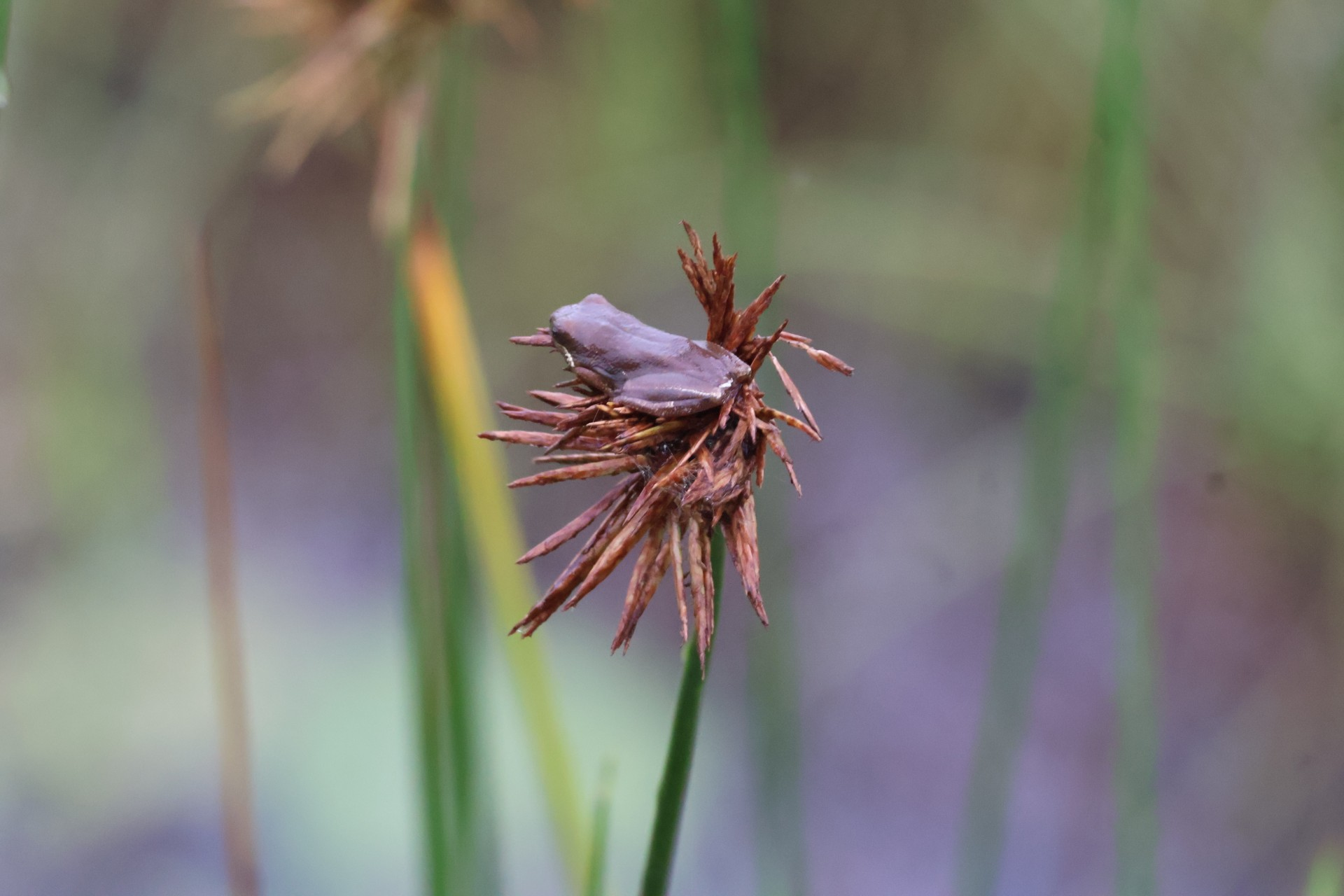
This frog is important!
Tiny little creatures
only 2.5 to 3.5 centimetres long
but so very pretty
their skins marbled
in gorgeous patterns
of green, brown, and white
that change as day
shifts into dark night
slender, with large eyes
on either side of its head
females are bigger than males
but males have a yellow throat patch
used for vocalisation
to advertise their presence
and reproductive readiness
the distinctive evening call
of the marble reed frog
signals approaching rainfall
and seasonal change
they are sensitive
to environmental change
so declines in their numbers
indicate deteriorating habitat conditions
they are also important
in controlling insect population
especially the annoying mosquito
These frogs must be protected
from habitat encroachment
and the global chytrid fungus
a pathogen affecting amphibian populations
This frog is important!
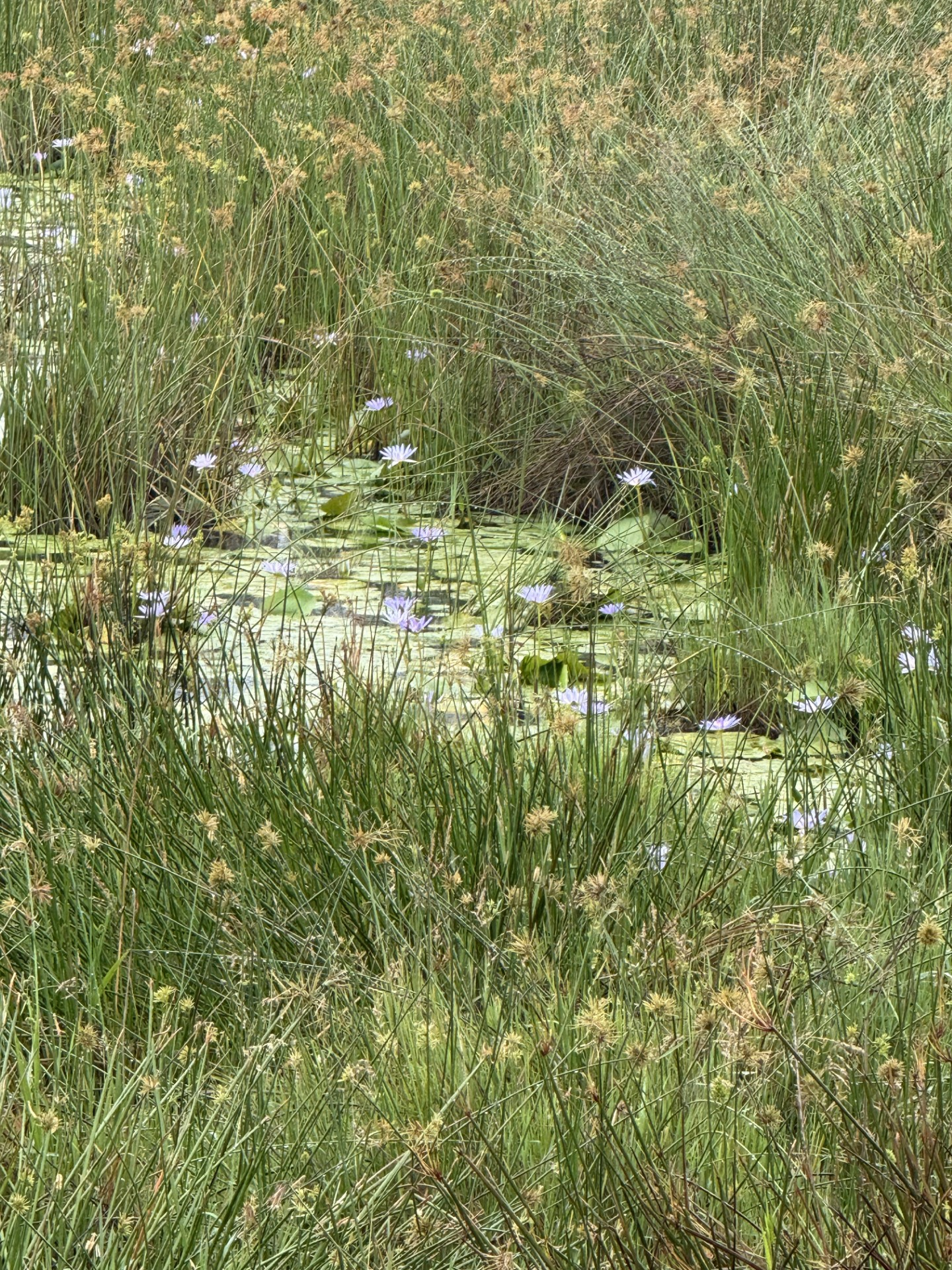
The gallery below shows three different marbled reed frogs we saw in the Isimangaliso Wetlands during our January 2026 trip to St Lucia, South Africa.
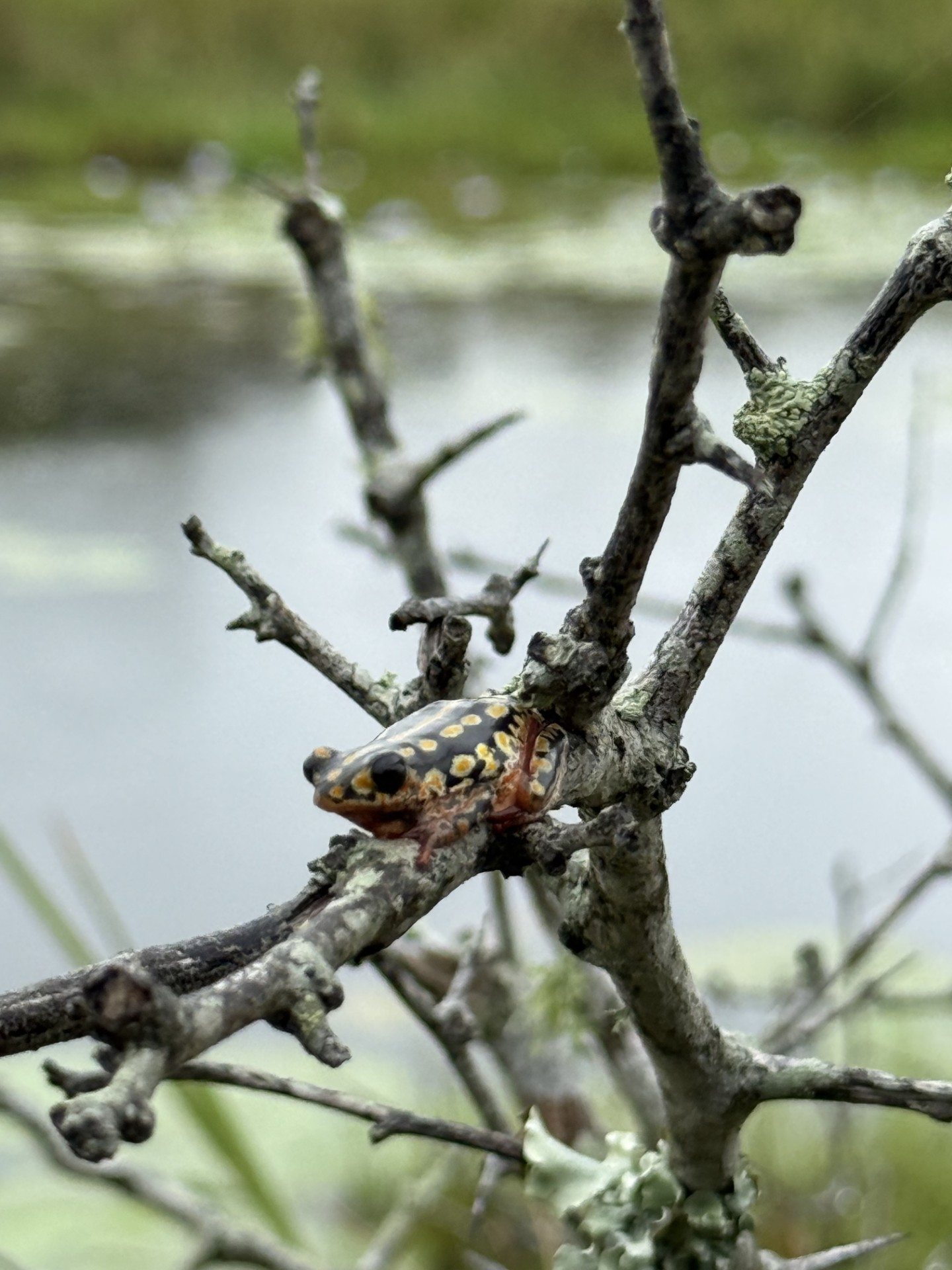
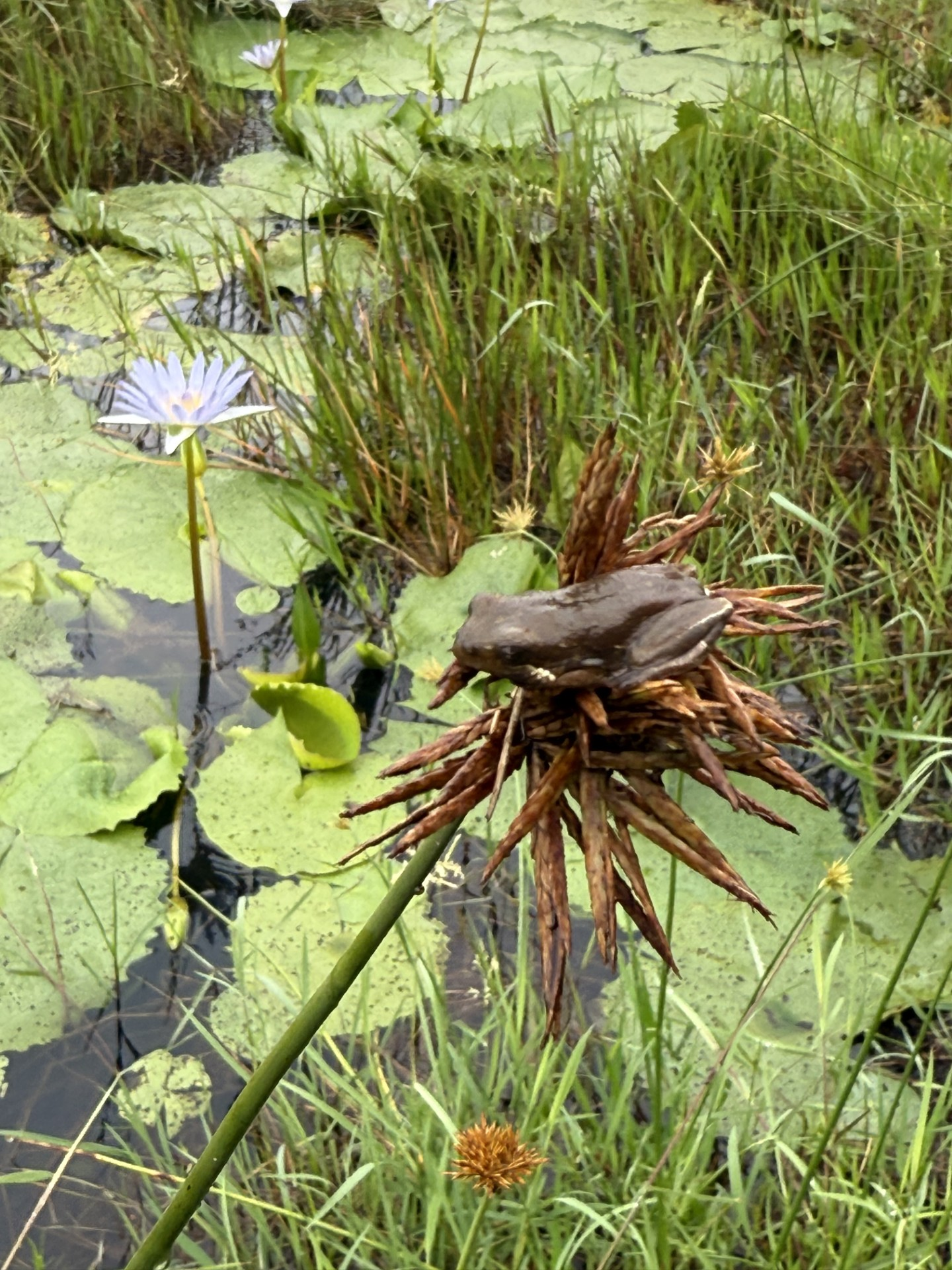
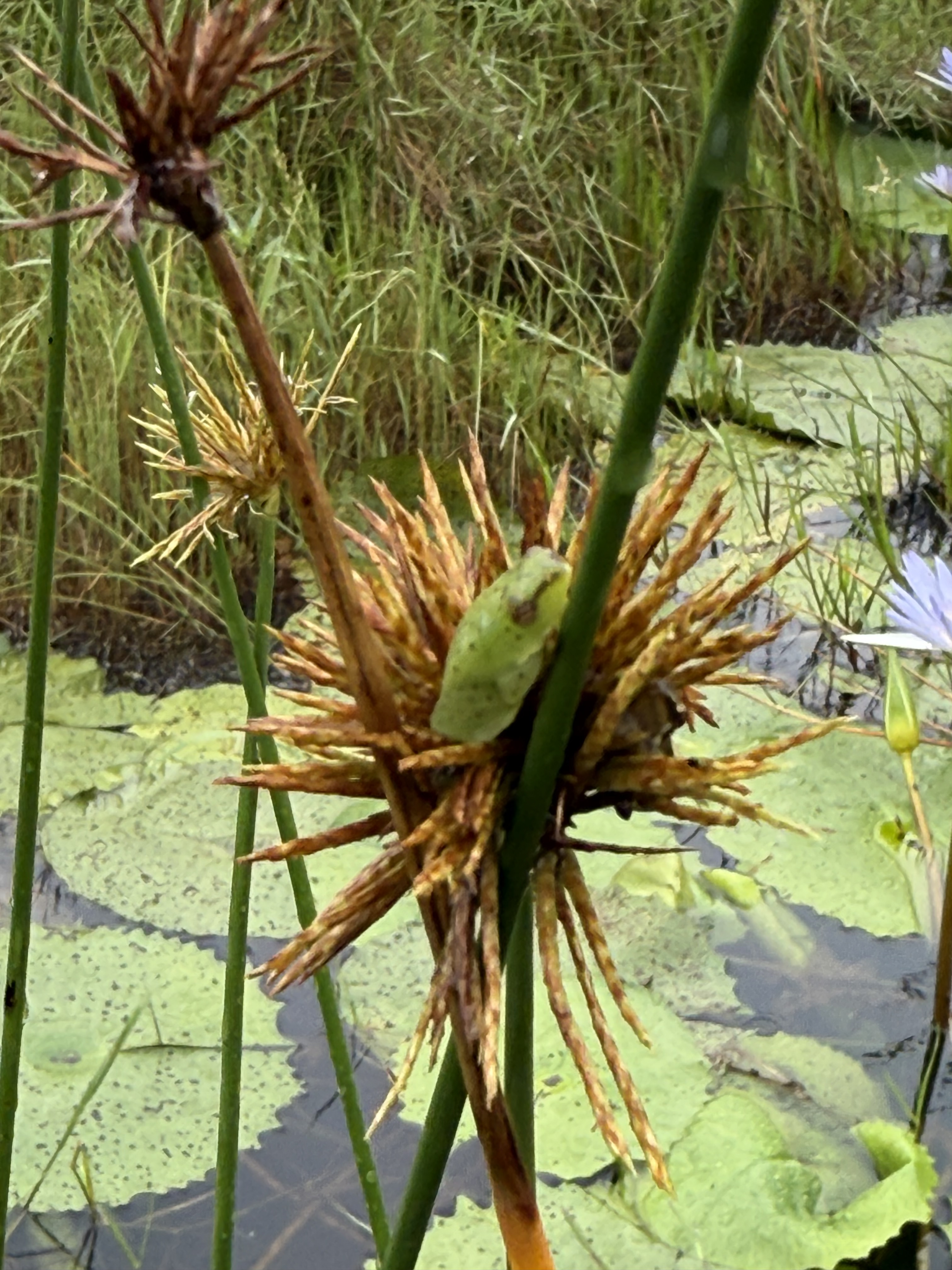
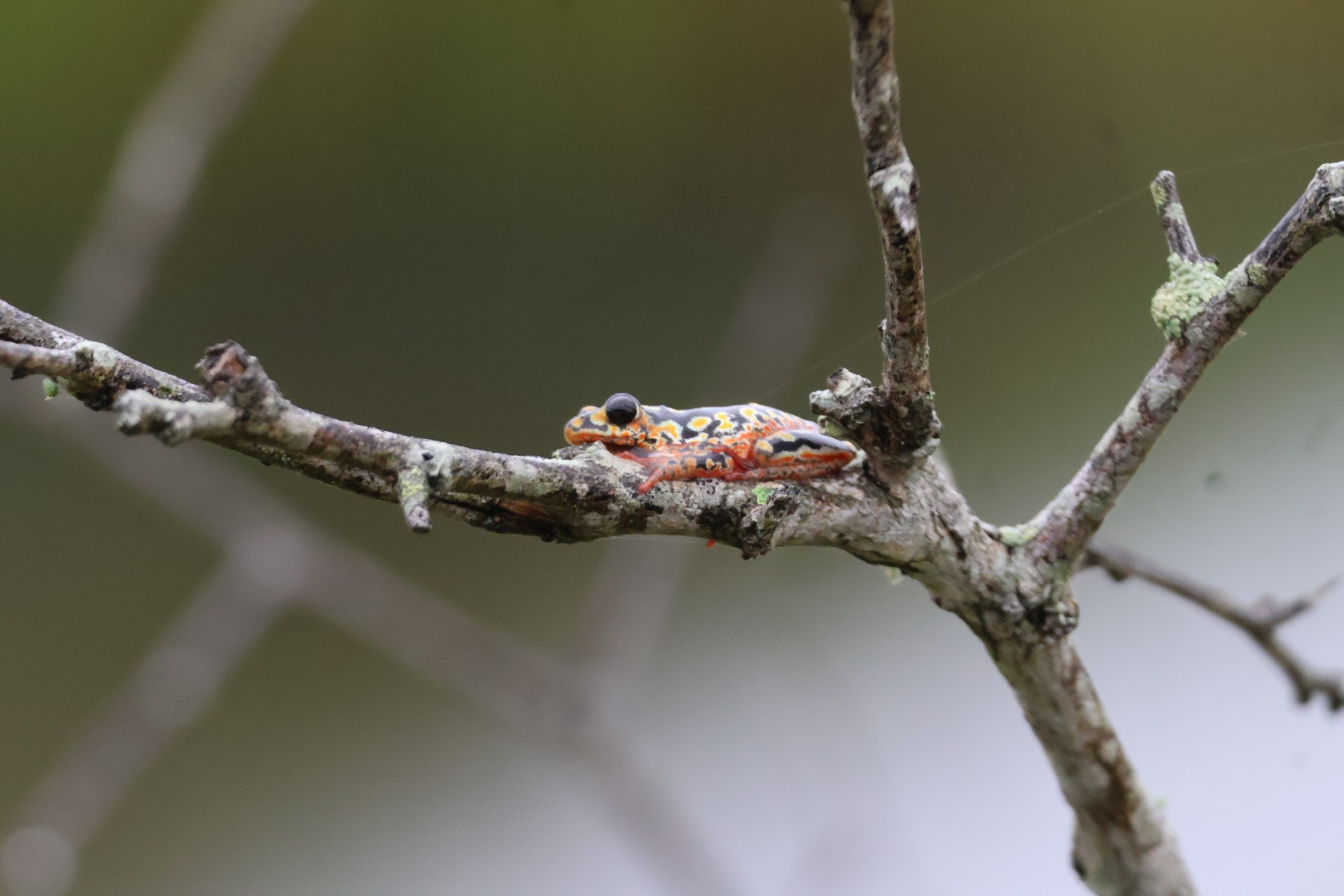
You see these frogs in unusual places:
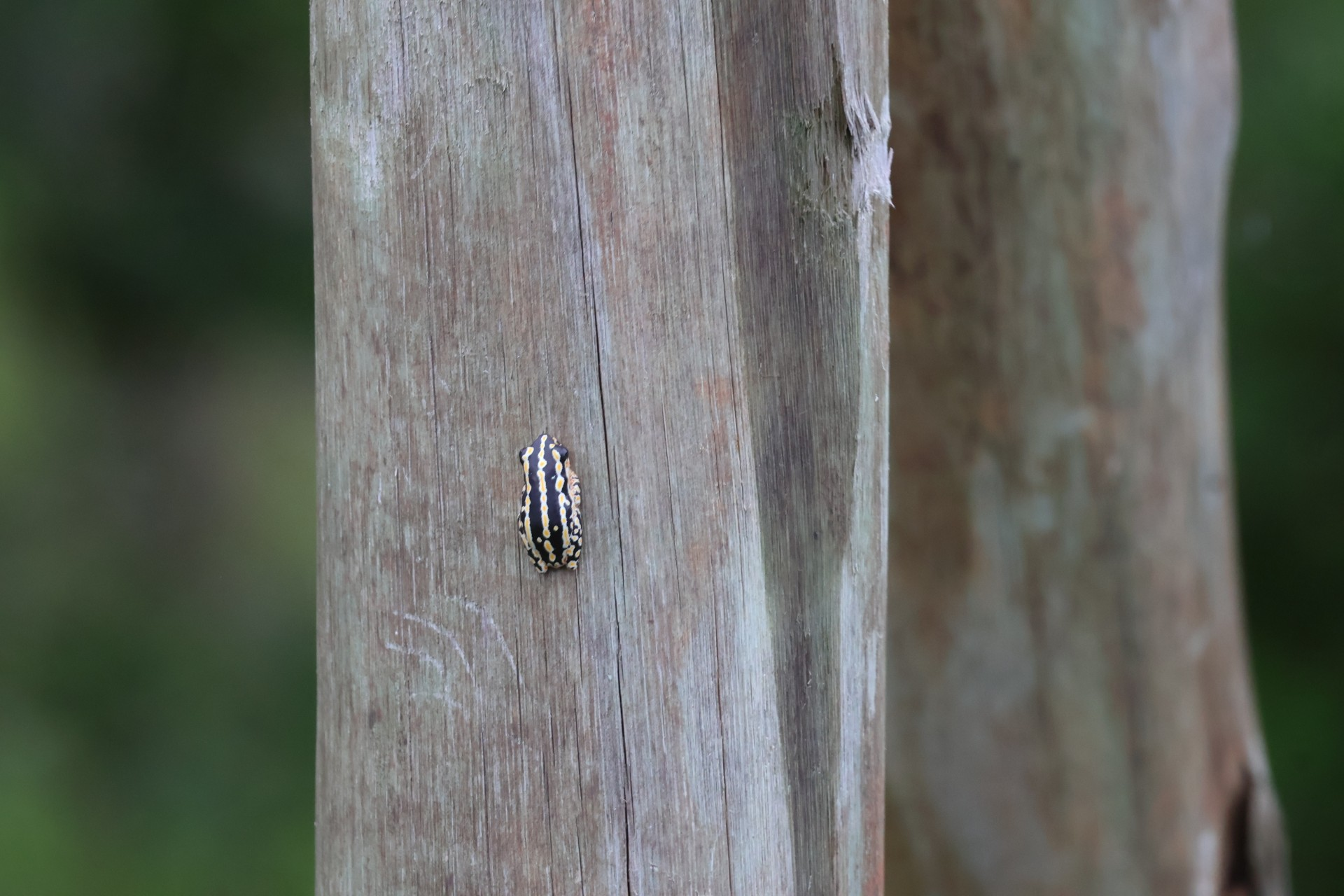
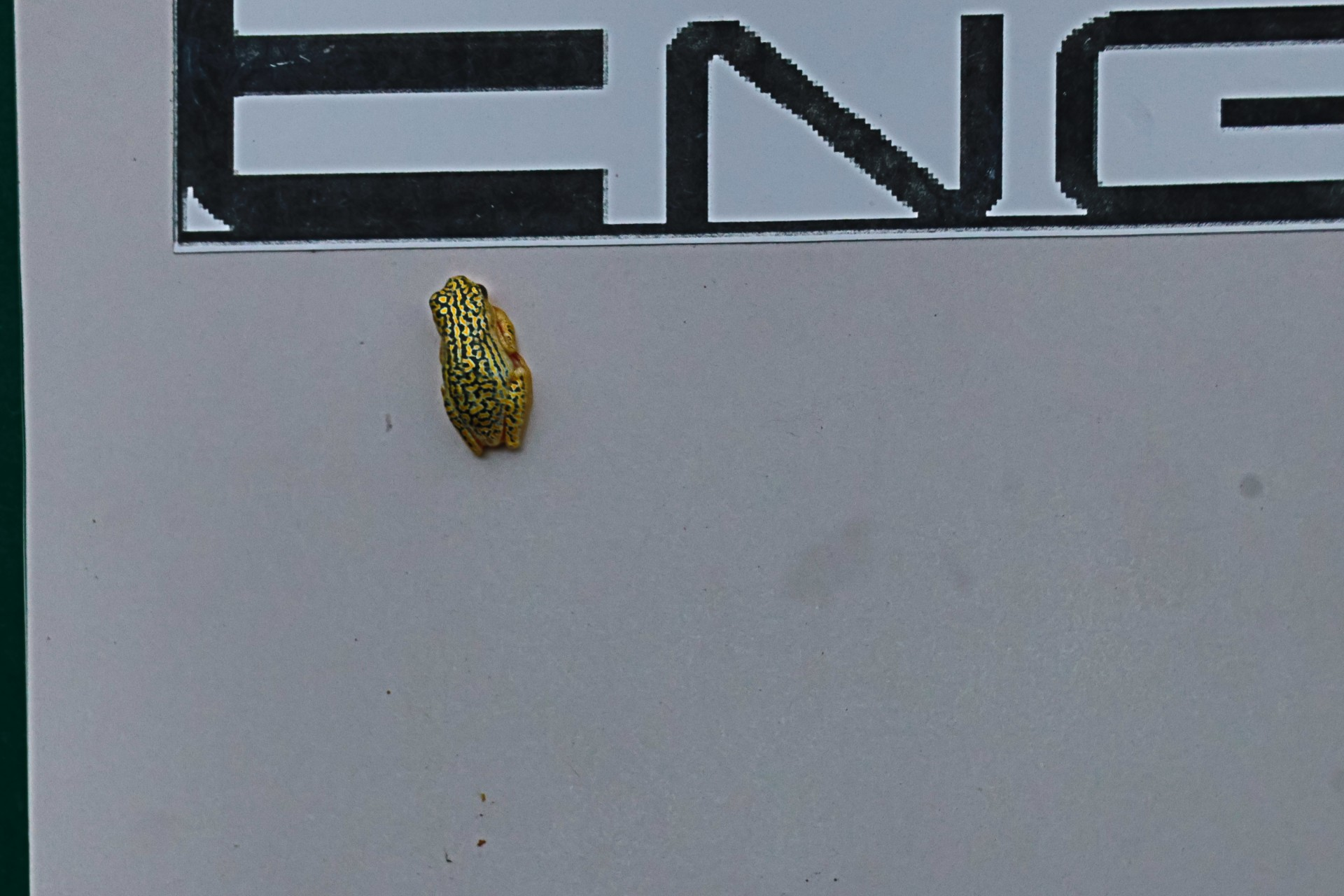
About Roberta Eaton Cheadle
Roberta Eaton Cheadle, is a South African writer and poet specialising in historical, paranormal, and horror novels and short stories. She is an avid reader in these genres and her writing has been influenced by famous authors including Bram Stoker, Edgar Allan Poe, Amor Towles, Stephen Crane, Enrich Maria Remarque, George Orwell, Stephen King, and Colleen McCullough.
Roberta has two published novels and a collection of short stories and has horror, paranormal, and fantasy short stories included in several anthologies. She is also a contributor to the Ask the Authors 2022 (WordCrafter Writing Reference series).
Roberta is also the author and illustrator of seventeen children’s books, illustrator to a further three children’s books, and the author and illustrator of four poetry books published under the name of Robbie Cheadle, and has poems and short stories featured in several anthologies under this name.
Roberta’s blog features discussions about classic books, book reviews, poetry, and photography. https://roberta-writes.com/.
Find Roberta Eaton Cheadle
Blog: https://wordpress.com/view/robertawrites235681907.wordpress.com
Bluesky: https://bsky.app/profile/robbiecheadle.bsky.social
Facebook: https://www.facebook.com/robertawrites
Amazon: https://www.amazon.com/Roberta-Eaton-Cheadle/e/B08RSNJQZ5
___________________________________________
Like this post? Are you a fan of this blog series? Did you know you can sponsor your favorite blog series or even a single post with an advertisement for your book? Stop by the WtbR Sponsor Page and let me advertise your book, or you can make a donation to Writing to be Read for as little as a cup of coffee, If you’d like to show your support for this author and WordCrafter Press.
__________________________________________
This segment of “In Touch with Nature” is sponsored by the Midnight Anthology Series and WordCrafter Press.
Midnight Roost: Weird and Creepy Stories: 20 authors bring your nightmares to life in 23 stories of ghosts, paranormal phenomenon and the horror from the dark crevasses of their minds. Stories of stalkers, both human and supernatural, possession and occult rituals, alien visitations of the strange kind, and ghostly tales that will give you goosebumps. These are the tales that will make you fear the dark. Read them at the Midnight Roost… if you dare. https://www.amazon.com/Midnight-Roost-Kaye-Lynne-Booth-ebook/dp/B0CL6FPLVJ
Midnight Garden: Where Dark Tales Grow: 17 authors bring you 21 magnificent dark tales. Stories of magic, monsters and mayhem. Tales of murder and madness which will make your skin crawl. These are the tales that explore your darkest fears. Read them in the Midnight Garden… if you dare. https://www.amazon.com/Midnight-Garden-Where-Tales-Anthology-ebook/dp/B0DJNDQJD3
Midnight Oil: Stories to Fuel Your Nightmares: 14 authors bring you 16 dark tales that explore your deepest fears. These are the stories which nightmares are made of. Tales of monsters, mayhem, and madness which will make you shiver in the dark. Read them while you burn the Midnight Oil… if you dare. https://books2read.com/Midnight-Oil
Share this:

In Touch With Nature – 12 Days of Christmas in Southern Africa
Posted: December 24, 2025 Filed under: Holidays, In Touch With Nature, Photography, Poetry, Wildlife | Tags: #InTouchWithNature, #RobbieCheadle, In Touch With Nature, Nature Photography, Robbie Cheadle, South Africa, Wildlife, Writing to be Read 50 CommentsI am ending my “In Touch With Nature” year with a Southern Africanised version of 12 Days of Christmas.
12 Days of Christmas in Southern Africa
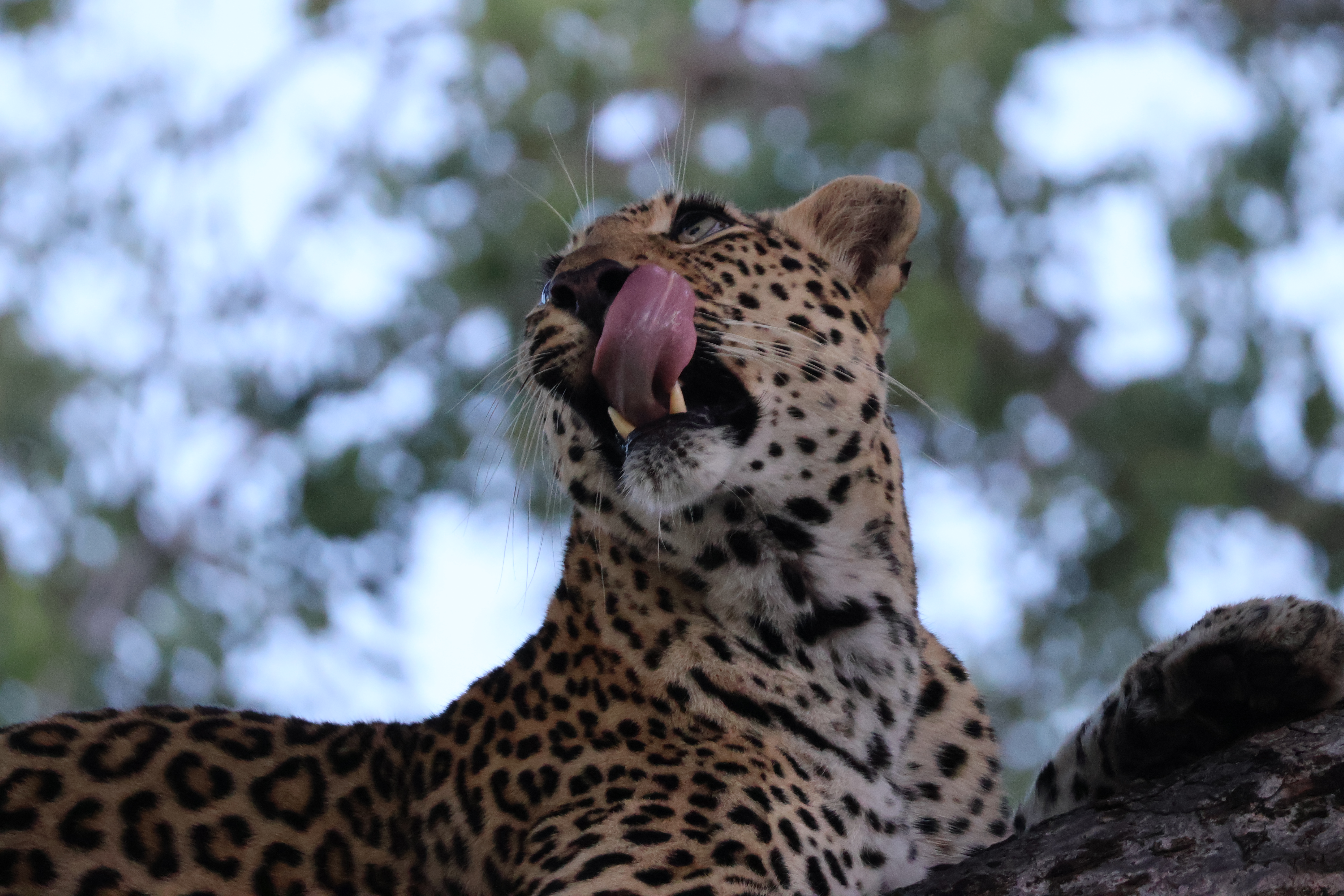
On the first day of Christmas
My true love sent to me:
A leopard in a great tree
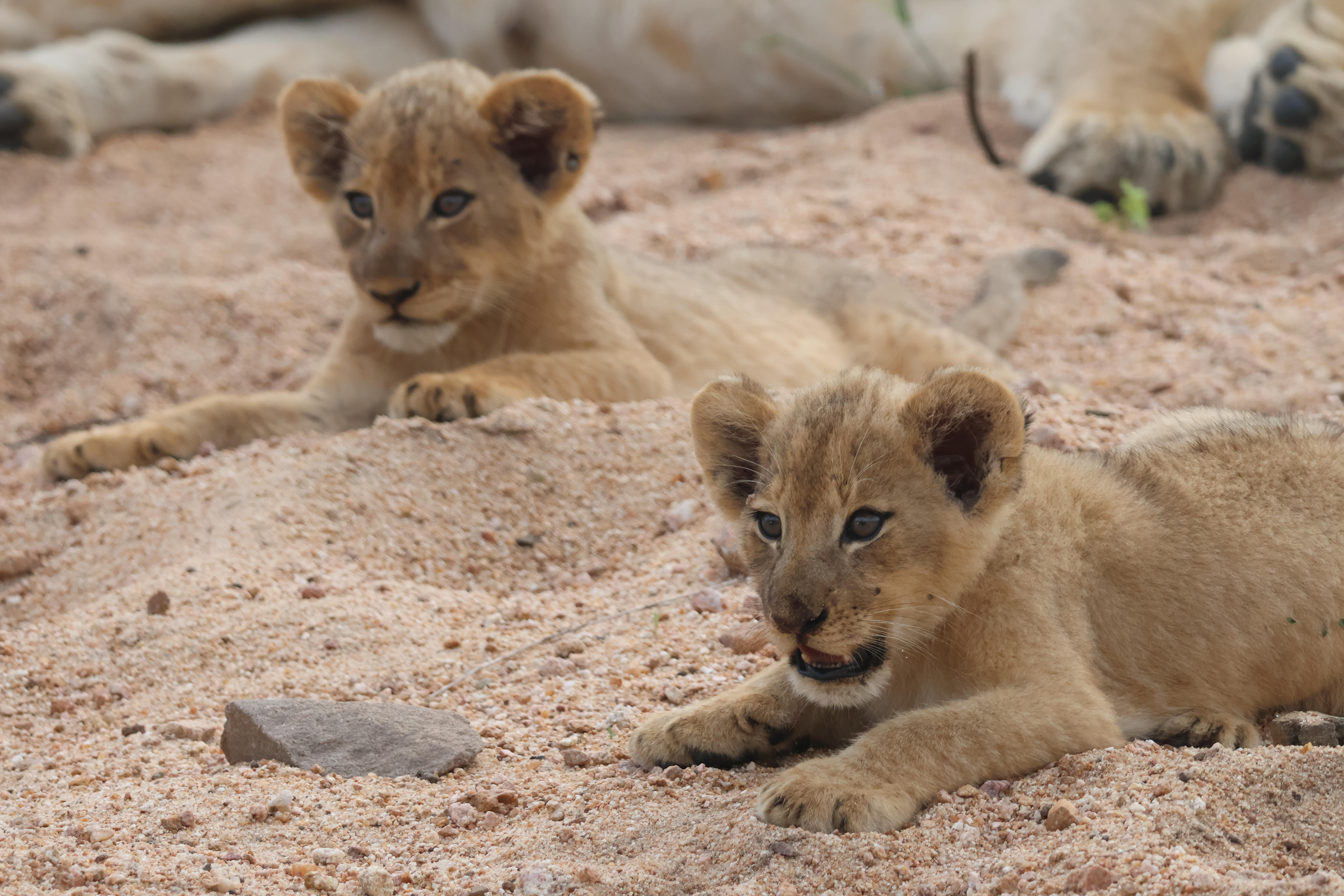
On the second day of Christmas
My true love sent to me:
Two lion cubs and
A leopard in a great tree
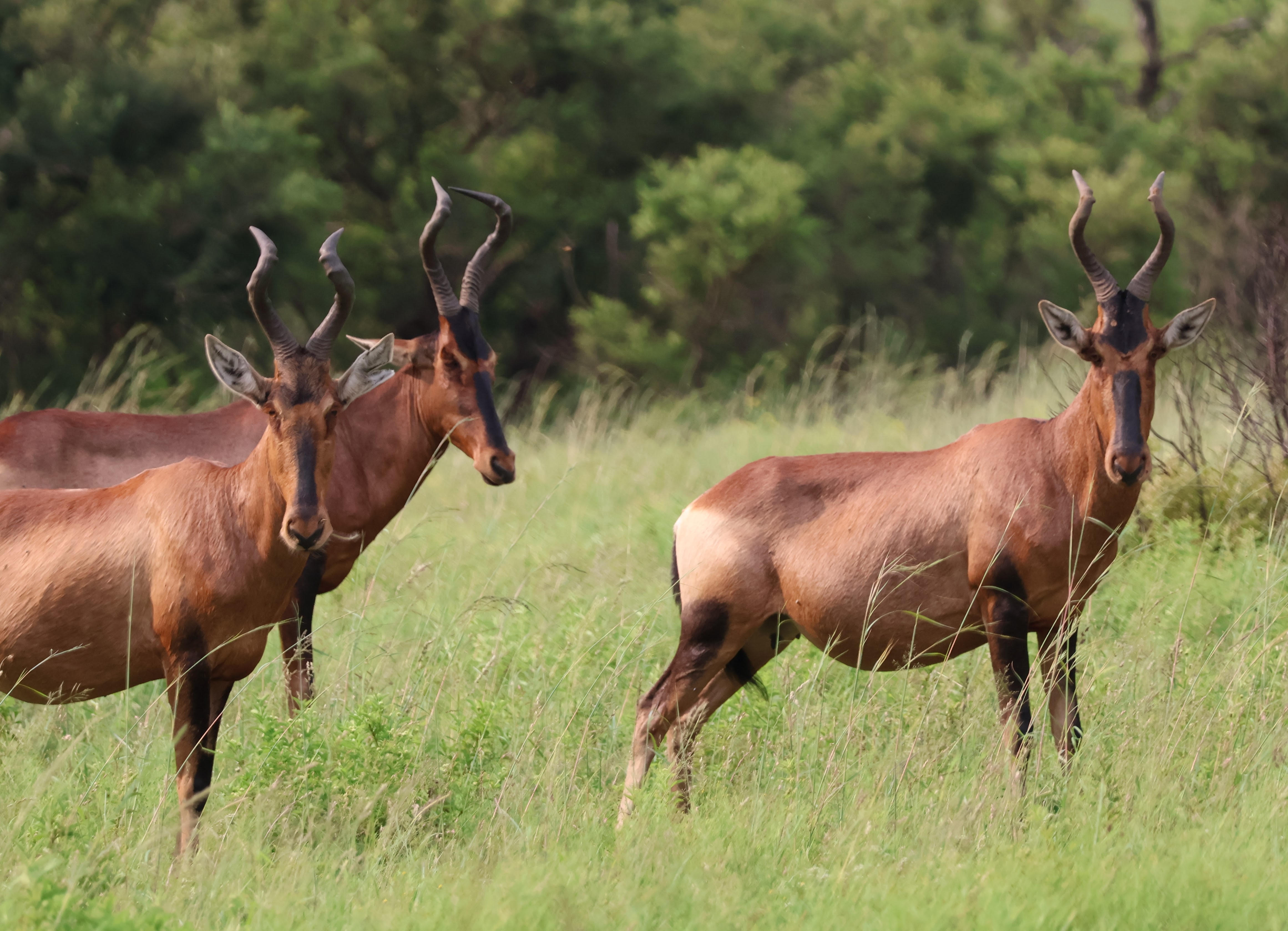
On the third day of Christmas
My true love sent to me:
Three hartebeest
Two lion cubs and
A leopard in a great tree
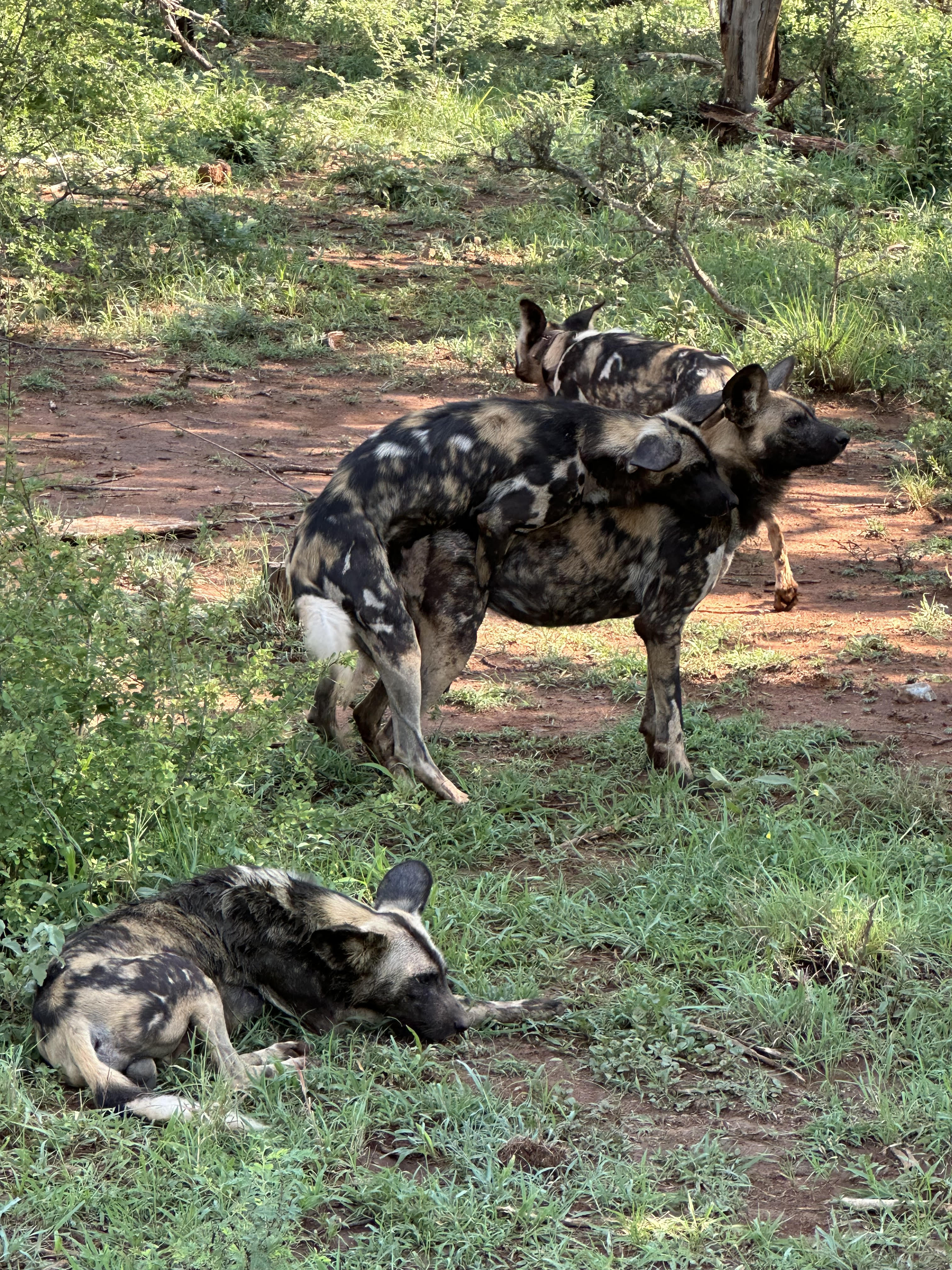
On the fourth day of Christmas
My true love sent to me:
Four playing wild dogs
Three hartebeest
Two lion cubs and
A leopard in a great tree
On the fifth day of Christmas
My true love sent to me:
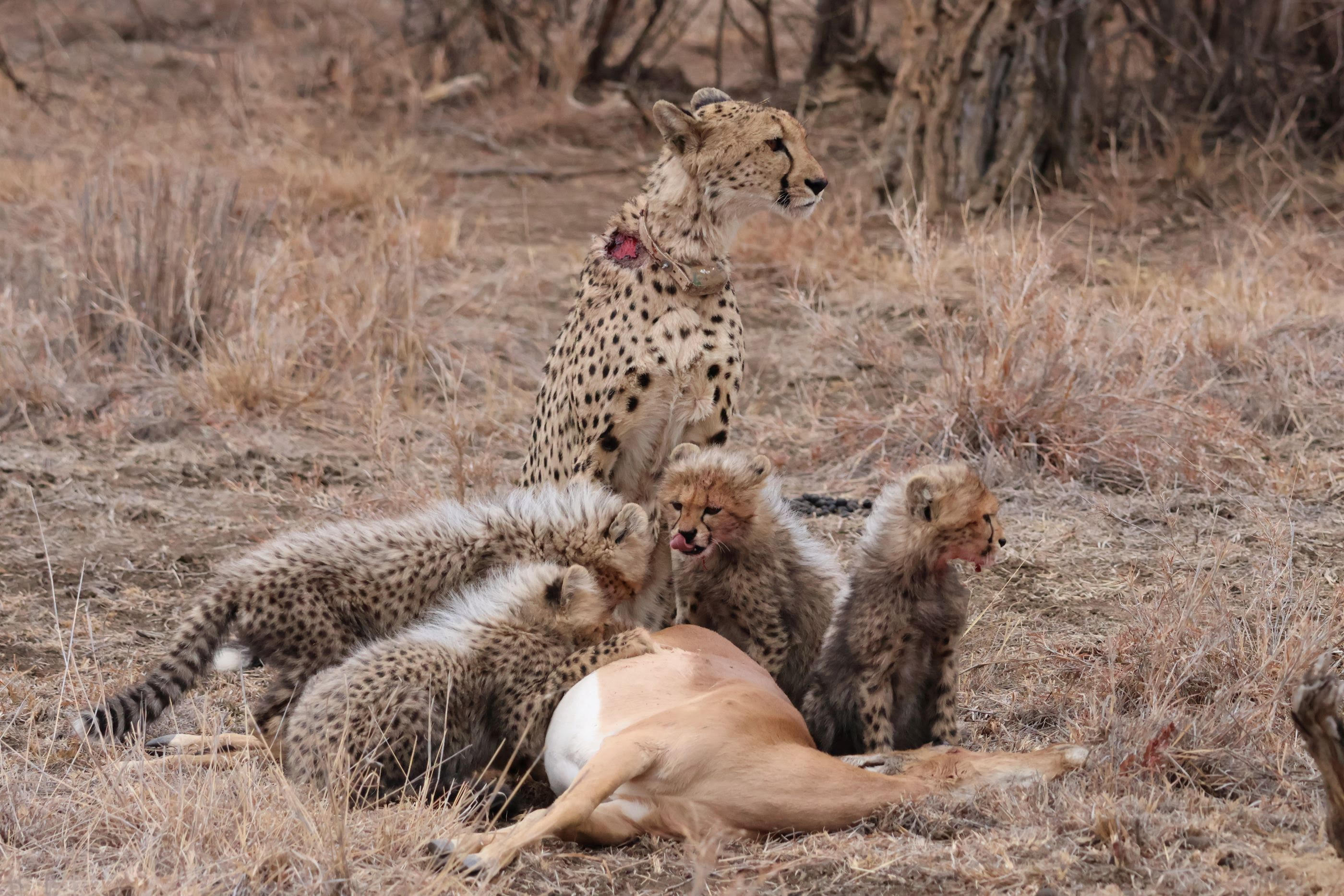
Five feeding cheetahs
Four playing wild dogs
Three hartebeest
Two lion cubs and
A leopard in a great tree
On the sixth day of Christmas
My true love sent to me:
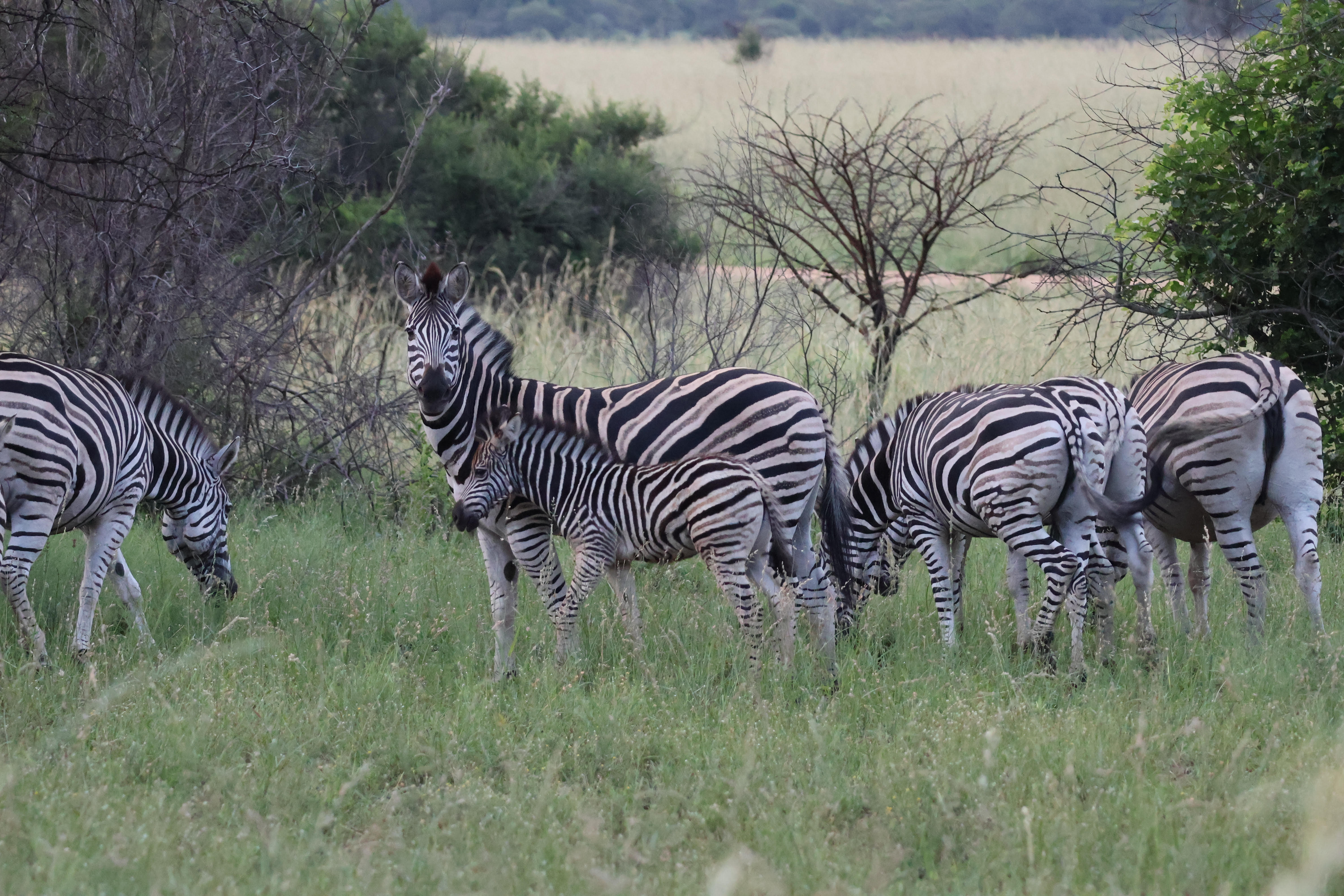
Six grazing zebras
Five feeding cheetahs
Four playing wild dogs
Three hartebeest
Two lion cubs and
A leopard in a great tree
On the seventh day of Christmas
My true love sent to me:
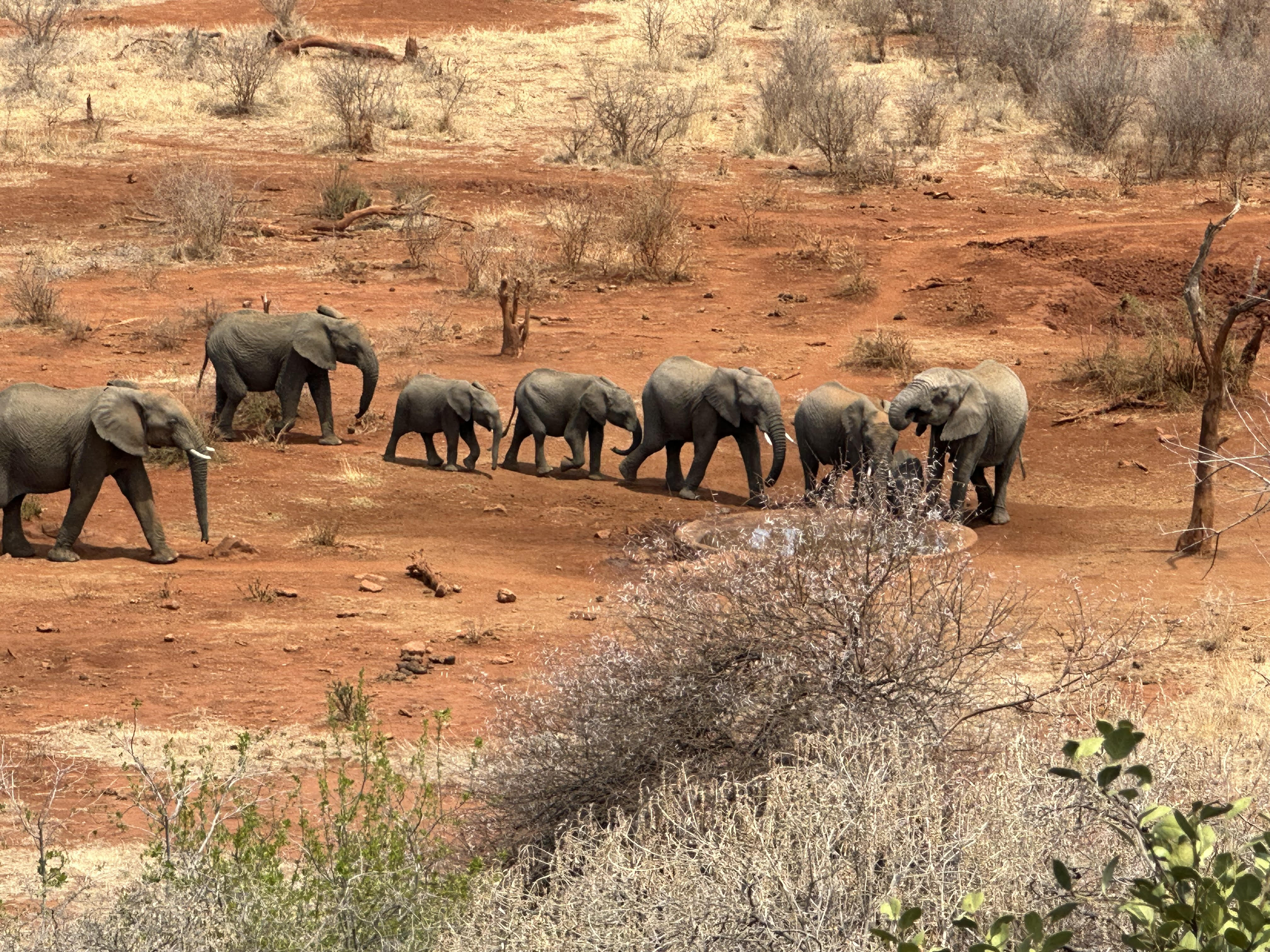
Seven marching elephants
Six grazing zebras
Five feeding cheetahs
Four playing wild dogs
Three hartebeest
Two lion cubs and
A leopard in a great tree
On the eighth day of Christmas
My true love sent to me:
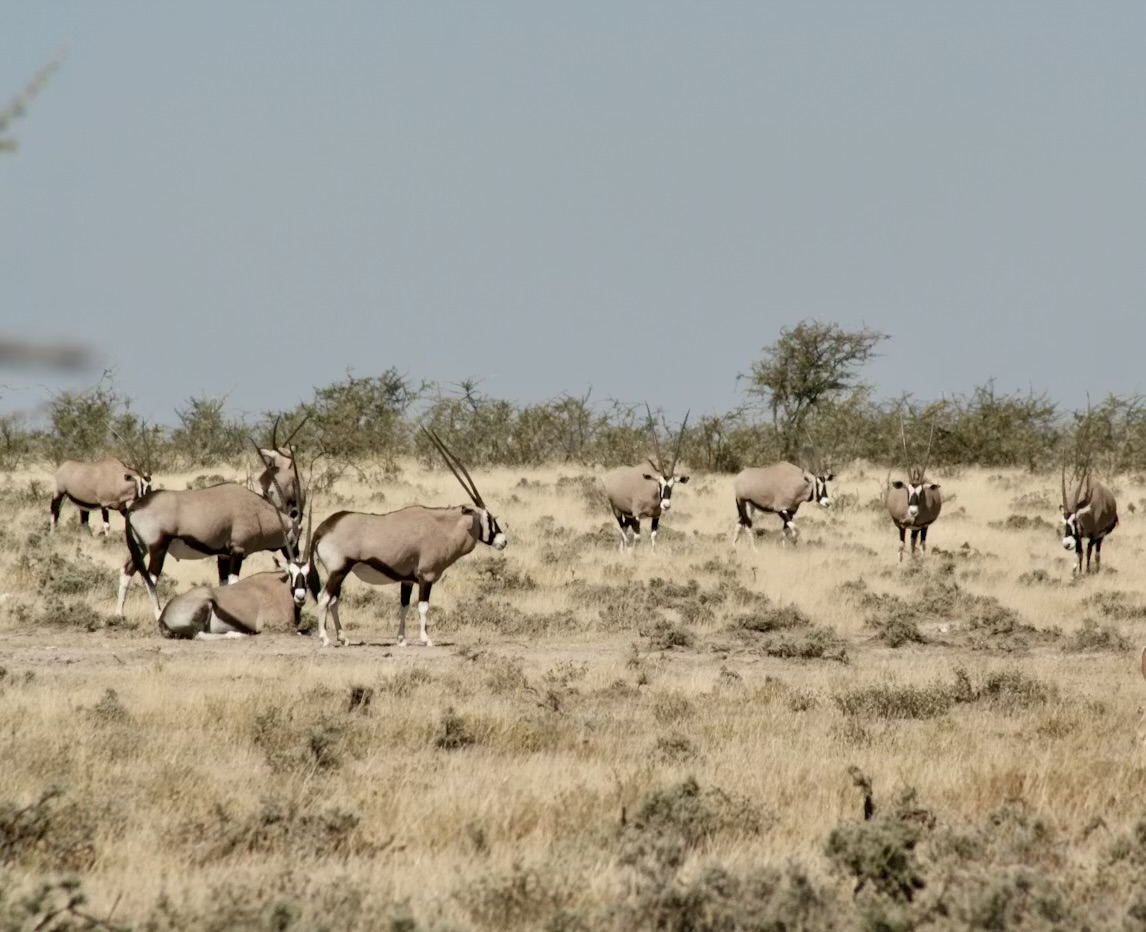
Eight gemsbok a-resting
Seven marching elephants
Six grazing zebras
Five feeding cheetahs
Four playing wild dogs
Three hartebeest
Two lion cubs and
A leopard in a great tree
On the ninth day of Christmas
My true love sent to me:
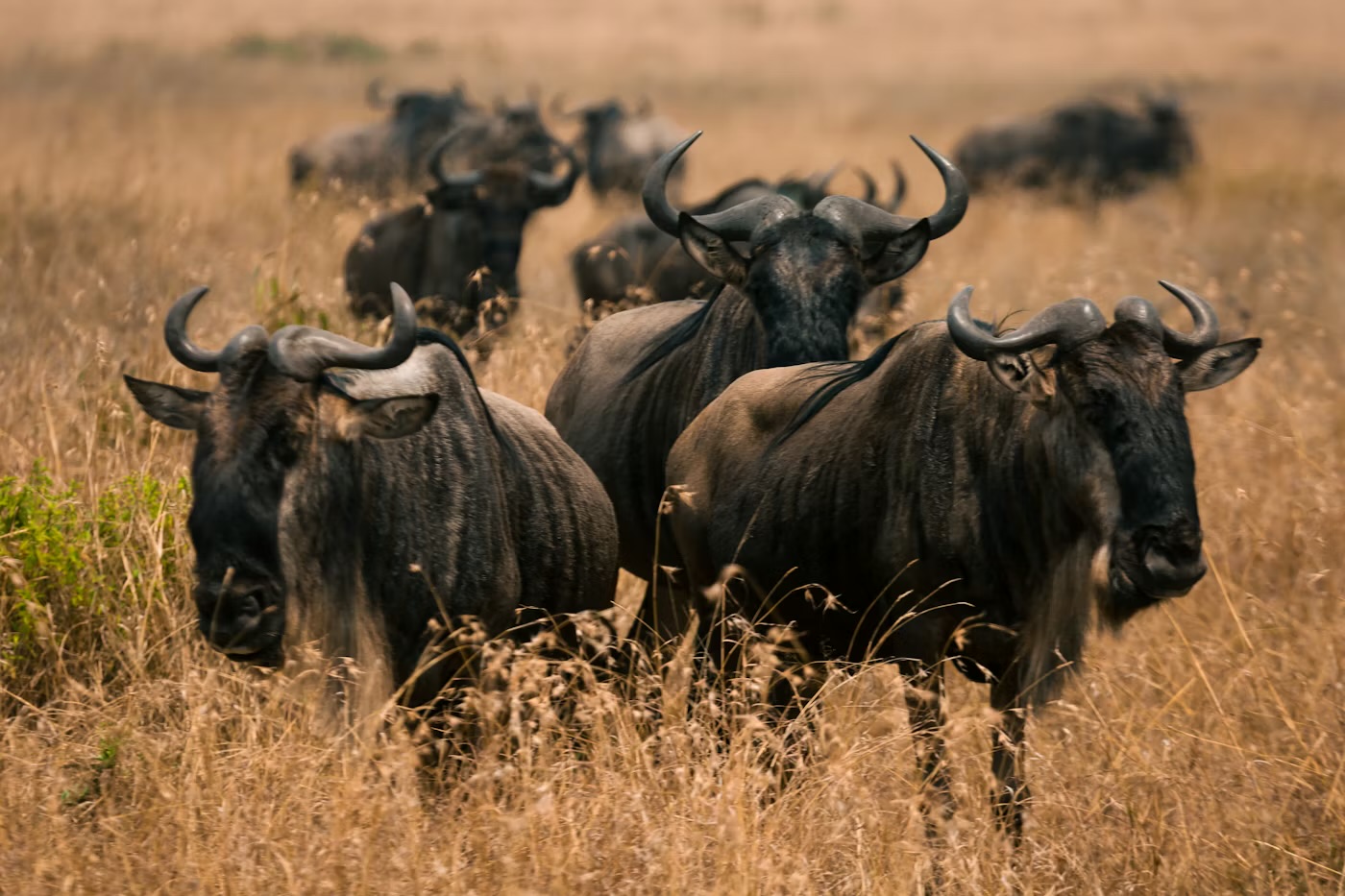
Nine wildebeest prancing
Eight gemsbok a-resting
Seven marching elephants
Six grazing zebras
Five feeding cheetahs
Four playing wild dogs
Three hartebeest
Two lion cubs and
A leopard in a great tree
On the tenth day of Christmas
My true love sent to me:
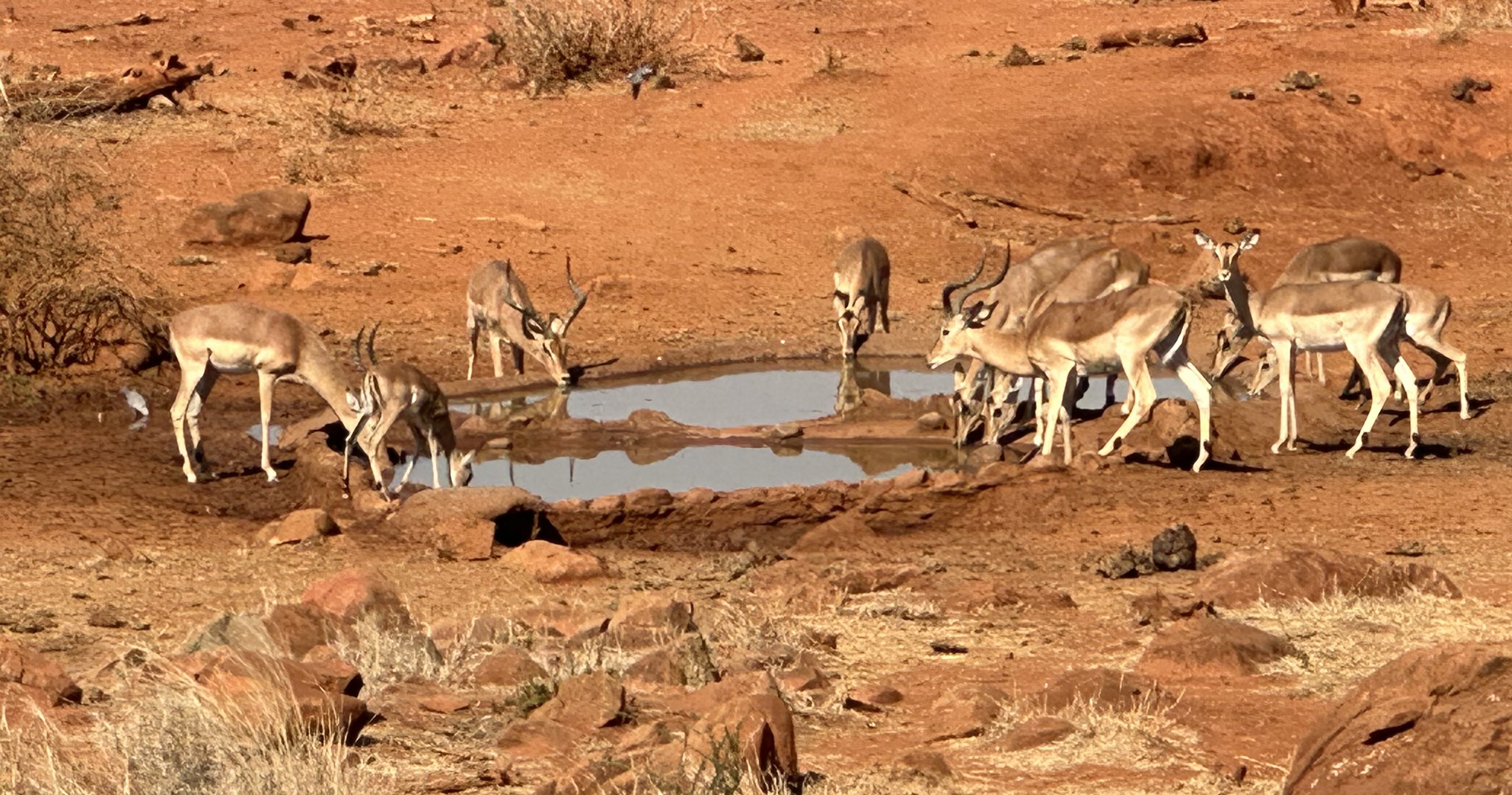
Ten impala a-watering
Nine wildebeest prancing
Eight gemsbok a-resting
Seven marching elephants
Six grazing zebras
Five feeding cheetahs
Four playing wild dogs
Three hartebeest
Two lion cubs and
A leopard in a great tree
On the eleventh day of Christmas
My true love sent to me:
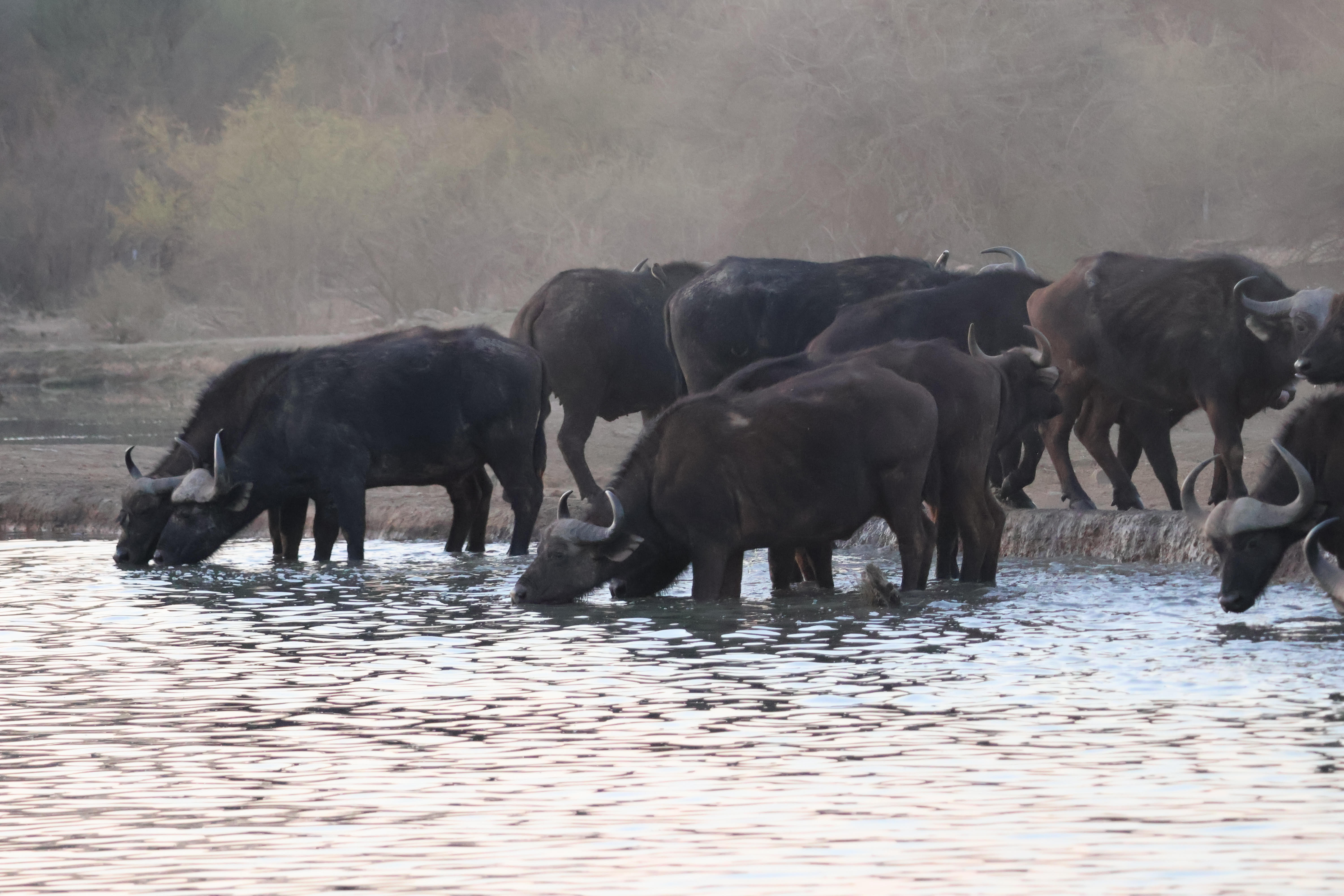
Eleven buffalos drinking
Ten impala a-watering
Nine wildebeest prancing
Eight gemsbok a-resting
Seven marching elephants
Six grazing zebras
Five feeding cheetahs
Four playing wild dogs
Three hartebeest
Two lion cubs and
A leopard in a great tree
On the twelfth day of Christmas
My true love sent to me:
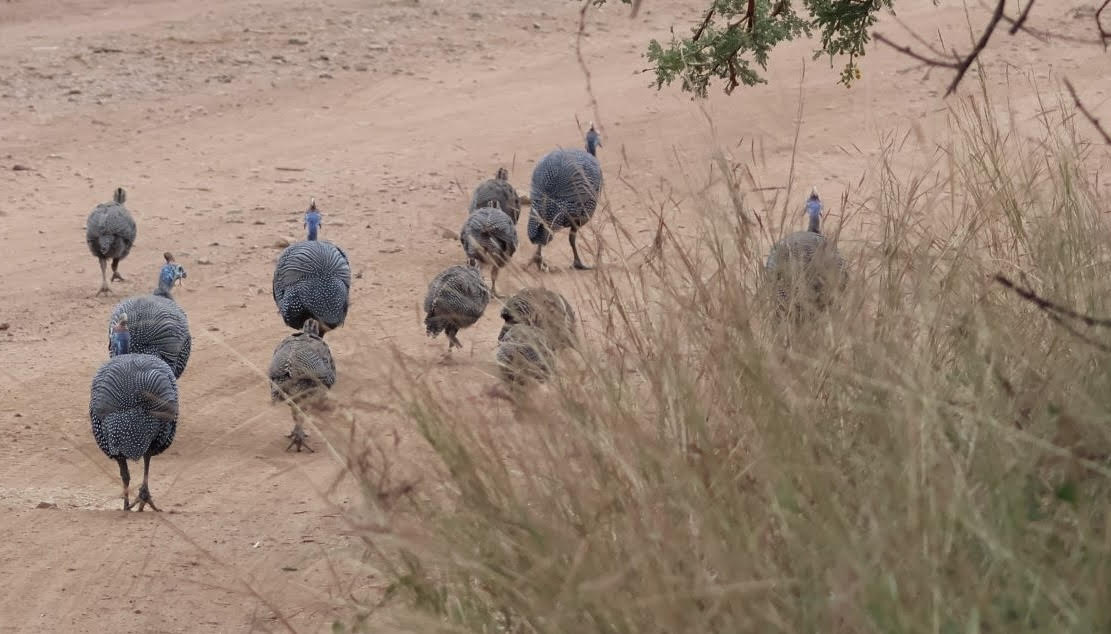
Twelve guinea fowl running
Eleven buffalos drinking
Ten impala a-watering
Nine wildebeest prancing
Eight gemsbok a-resting
Seven marching elephants
Six grazing zebras
Five feeding cheetahs
Four playing wild dogs
Three hartebeest
Two lion cubs and
A leopard in a great tree
Happy Holidays!
Share this:

In Touch With Nature – Wildebeeste, the Clown of the Veld
Posted: November 26, 2025 Filed under: Africa, In Touch With Nature, Nature, Wildlife | Tags: #InTouchWithNature, #poetry, #RobbieCheadle, #Wildebeest, #wildlife, Nature, South Africa, Wildlife 47 CommentsLast month I wrote about warthogs, one of the Ugly Five animals of Southern Africa. This month I have written about another Ugly Five animal, the wildebeest. I have written a poem using the format and rhyming scheme of another very famous poem. Can you guess which poem it is?

Wildebeest, Clown of the Veld
In the game park we’d just arrived, after a long and difficult drive
Despite being fatigued, my eyes were quick and eager to see
The animals I love, anything and everything from lion to dove
I happened to see a mom and calf, running along wild and free
“Look,” I cried, “a baby wildebeest, running along wild and free”
The calf sighting filled me with glee
***
It was early summer, and the temperatures couldn’t be hotter
When we had this chance encounter with the “clown of the veld”
Also known as gnu, these ones were black not East African blue
Such a funny looking creature, not sophisticated and svelte
Even its erratic and playful behaviour was far from svelte
The joker of the veld
***
A joy to watch, they looked like they’d had a go at the scotch
As the vehicle approached, they pranced, leaping up and down
Kicking their heels into the air, an entertaining dancing pair
Running in circles for no reason, the world was their playground
Suddenly stopping, looking back, over their world and playground
Amusing and fun veld clowns
***
Wildebeest, the name, means wild beast, although on grass they feast
Unlike their blue Eastern relatives, black wildebeest don’t migrate
They have a long, horse-like tail, and the darker ones are always male
These creatures must drink water daily or they’ll quickly dehydrate
As a result you’ll find them near waterways so they don’t dehydrate
During droughts, death their fate
***
Driving further down the road, several more gnu became exposed
Many more adults and calves grazing with zebra in a mixed herd
My camera was quickly snapping, so fast my pictures overlapping
On their backs and heavy forequarters feasted the ox-pecker bird
Wildebeest have a symbiotic relationship with the ox-pecker bird
Although this pairing looks absurd
***
Often a gnu’s life depends, on hanging around with its zebra friends
This relationship heightens their awareness of any potential carnivores
In the bush the cats must also eat, the only escape being quick and fleet
This is the way of life in the wild and animals comply with the bush laws
One creature must die to give another life in terms of the bush laws
Part of experiencing the great outdoors


You can see my Youtube videos of wildebeest here:
About Roberta Eaton Cheadle
Roberta Eaton Cheadle, is a South African writer and poet specialising in historical, paranormal, and horror novels and short stories. She is an avid reader in these genres and her writing has been influenced by famous authors including Bram Stoker, Edgar Allan Poe, Amor Towles, Stephen Crane, Enrich Maria Remarque, George Orwell, Stephen King, and Colleen McCullough.
Roberta has two published novels and a collection of short stories and has horror, paranormal, and fantasy short stories included in several anthologies. She is also a contributor to the Ask the Authors 2022 (WordCrafter Writing Reference series).
Roberta is also the author and illustrator of seventeen children’s books, illustrator to a further three children’s books, and the author and illustrator of four poetry books published under the name of Robbie Cheadle, and has poems and short stories featured in several anthologies under this name.
Roberta’s blog features discussions about classic books, book reviews, poetry, and photography. https://roberta-writes.com/.
Find Roberta Eaton Cheadle
Blog: https://wordpress.com/view/robertawrites235681907.wordpress.com
Bluesky: https://bsky.app/profile/robbiecheadle.bsky.social
Facebook: https://www.facebook.com/robertawrites
Amazon: https://www.amazon.com/Roberta-Eaton-Cheadle/e/B08RSNJQZ5
___________________________________________
Like this post? Are you a fan of this blog series? Did you know you can sponsor your favorite blog series or even a single post with an advertisement for your book? Stop by the WtbR Sponsor Page and let me advertise your book, or you can make a donation to Writing to be Read for as little as a cup of coffee, If you’d like to show your support for this author and WordCrafter Press.
__________________________________________
This segment of “In Touch with Nature” is sponsored by the Midnight Anthology Series and WordCrafter Press.
Midnight Roost: Weird and Creepy Stories: 20 authors bring your nightmares to life in 23 stories of ghosts, paranormal phenomenon and the horror from the dark crevasses of their minds. Stories of stalkers, both human and supernatural, possession and occult rituals, alien visitations of the strange kind, and ghostly tales that will give you goosebumps. These are the tales that will make you fear the dark. Read them at the Midnight Roost… if you dare. https://www.amazon.com/Midnight-Roost-Kaye-Lynne-Booth-ebook/dp/B0CL6FPLVJ
Midnight Garden: Where Dark Tales Grow: 17 authors bring you 21 magnificent dark tales. Stories of magic, monsters and mayhem. Tales of murder and madness which will make your skin crawl. These are the tales that explore your darkest fears. Read them in the Midnight Garden… if you dare. https://www.amazon.com/Midnight-Garden-Where-Tales-Anthology-ebook/dp/B0DJNDQJD3
Midnight Oil: Stories to Fuel Your Nightmares: 14 authors bring you 16 dark tales that explore your deepest fears. These are the stories which nightmares are made of. Tales of monsters, mayhem, and madness which will make you shiver in the dark. Read them while you burn the Midnight Oil… if you dare. https://books2read.com/Midnight-Oil
Share this:

In Touch With Nature – Meet Pumbaa the Warthog and a treat #southernafricanwildlife #intouchwithnature
Posted: October 22, 2025 Filed under: Africa, Animals, In Touch With Nature, Nature, Nature writing, Poetry, Wildlife | Tags: In Touch With Nature, Photography, Poetry, Robbie Cheadle, South Africa, Warthogs, White Giraffe, Wildlife, Writing to be Read 40 Comments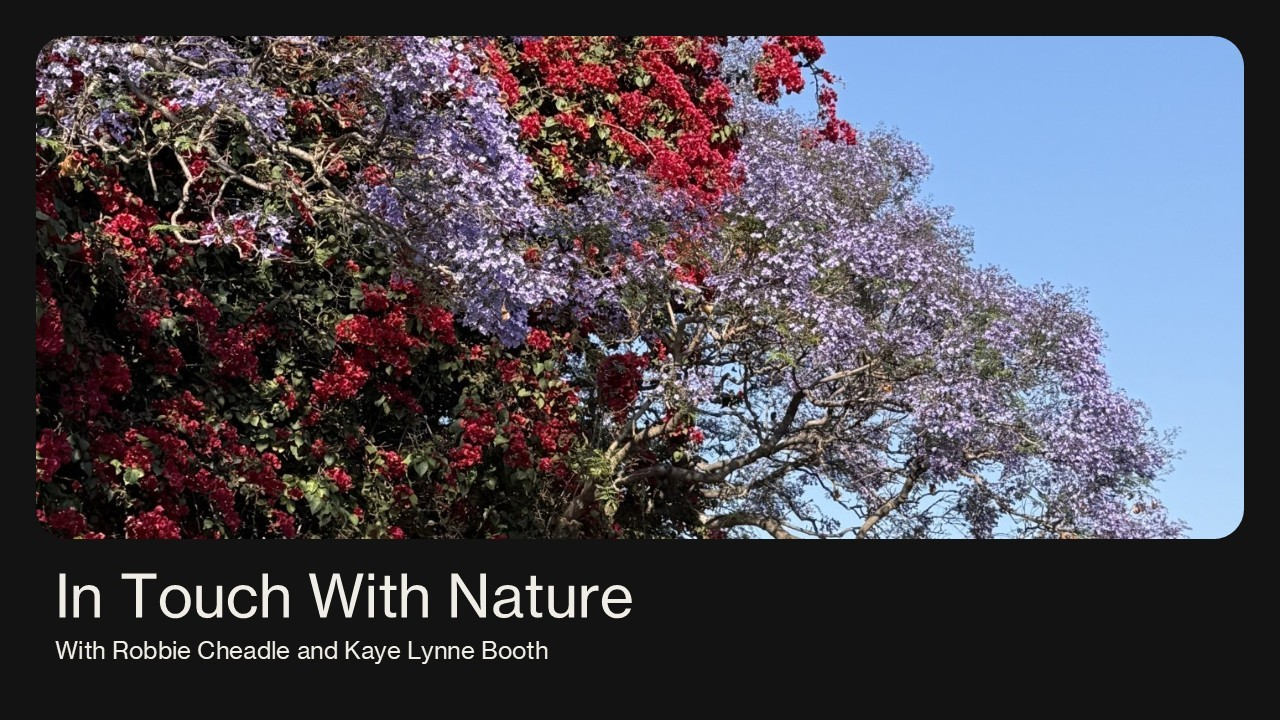
Disney was as kind to warthog’s as it was unkind to hyenas in its movie, The Lion King. Pumbaa the Warthog is a well-known Southern African cartoon figure among many people, young and old. This is intriguing to me as warthogs, together with poor unloved hyenas, are both part of the Southern African ‘Ugly Five’ group of animals.
I always laugh when I see warthogs running about in the veld. I immediately think of ‘pigs in blankets’ and they are definitely ‘bush snacks’ for many carnivores. So, let’s learn a bit more about these funny looking creatures.
Warthogs are day animals and spend most of their time foraging for food. Socially, they are found in three groups: solitary boars, bachelor groups, and matriarchal groups which consist of adult sows with their young and yearlings. Outside of mating, the boars seldom associate with the sows and play no role in rearing the piglets. Did I mention that warthogs are a member of the pig family? Warthogs are the only pigs that have adapted to living and grazing in savannah like habitats.
A few interesting features of warthogs are that they kneel on their front knees while feeding and foraging and they shelter in (frequently borrowed) burrows at night which they enter tails first. Although they like more dry surroundings, warthogs enjoy wallowing in muddy water every day. This wallowing process is how they stay cool on hot days in the same manner as elephants and buffalo.

Warthogs tend to breed and give birth at the beginning of the rainy season in regions where the seasons are defined. In other environments, warthogs can breed all year around. Warthogs generally have two to three piglets in a litter.

Although I said these creatures are bush snacks for lions, leopards, cheetahs, hyenas and painted dogs, they have longer legs than most pigs and can run very quickly. They are difficult to catch and also difficult to photograph.
Interesting warthog facts
- Warthogs have two pairs of tusks
- Warthogs trot with their tails in the air
- Warthogs can run up to 55 kilometres per hour (35 miles per hour)
- Warthogs fight in a ritualistic way and use their heads and tusks to try to push their opponent over.
- Warthogs have warts on their faces which act as a cushion for blows from their adversaries. Large warts also help protect their eyes during fights.
- A group of female warthogs with young is called a sounder
- Mama warthogs like orderly behaviour and the piglets always run in a fixed order in a line and not in a disorderly group.
- Warthogs are attentive mothers; they leave the sounder when about to give birth and find their own burrow or hole. Mama remains in this hole with her young for the first six to seven weeks after birth, only leaving for short periods to graze.
- Warthogs are hunted for their tusks which are carved for the tourist trade in eastern and southern Africa (don’t buy these!)
- Warthogs communicate using a variety of different noises including loud grunts, growling and squeals. Clacking noises are used by males to entice females.


My Youtube video of a sounder having breakfast:
Poem about warthogs
This poem is extracted from my favourite of my own books, Lion Scream.
Home Thief
I am not beautiful
My head is too big
My face is covered in wartlike protrusions
To protect it during fights
I have four large tusks
***
I prefer to trespass
On ready-built homes
It’s easier if aardvark does the digging
Creating a safe hole
And I just move in
***
My babies enter first
I have up to four
Backing in leaves me prepared to protect them
From many predators
Who view us as snacks
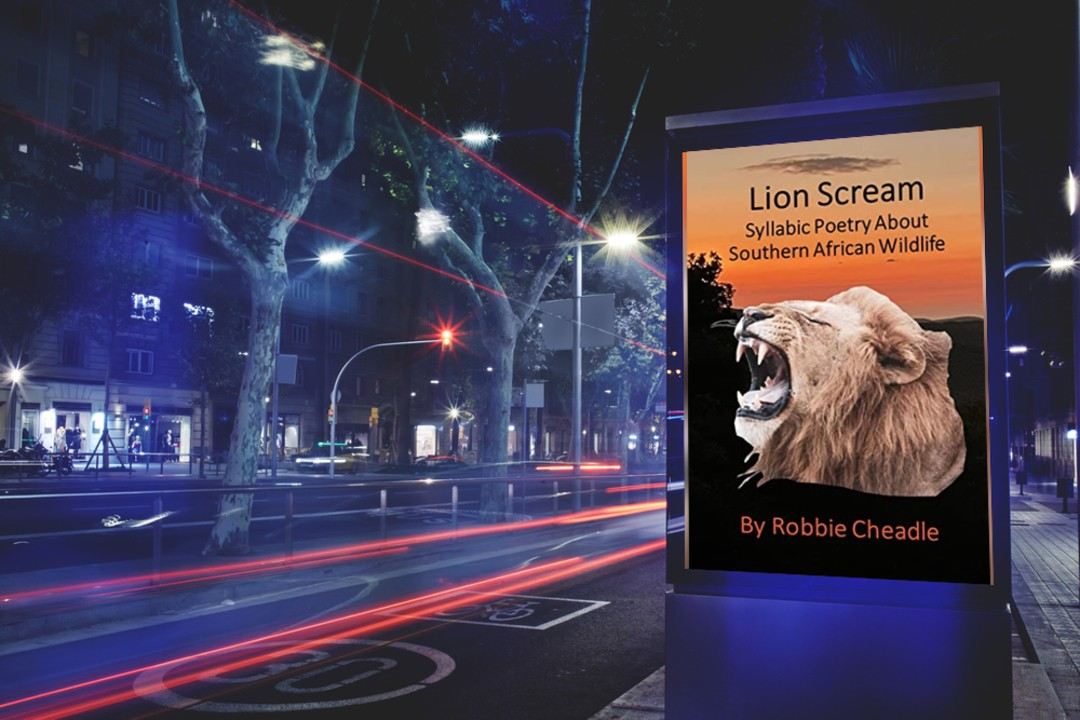
Lion Scream is available from Amazon here: https://www.amazon.com/Lion-Scream-Syllabic-Southern-Wildlife-ebook/dp/B0BXP5N766
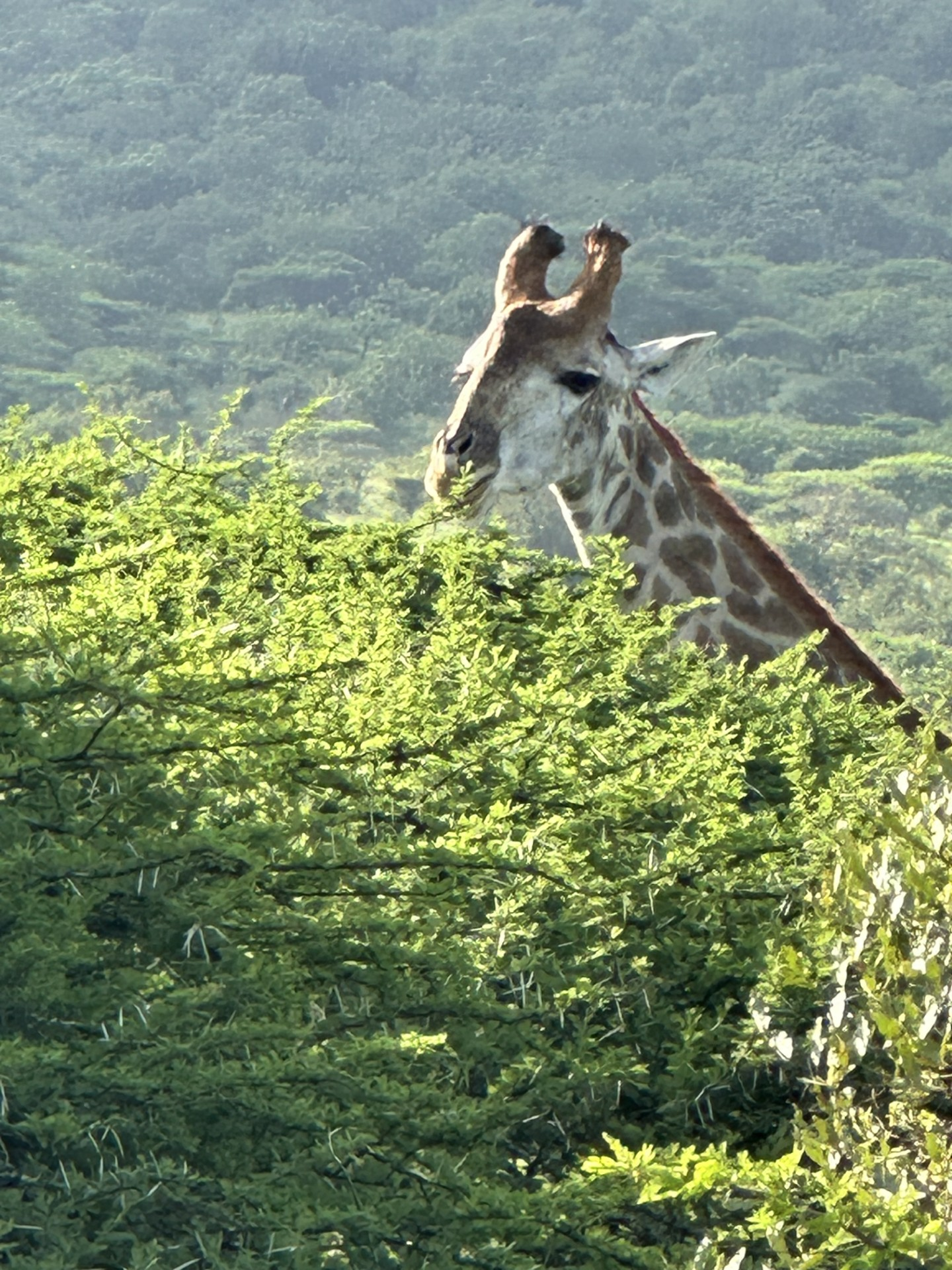
White headed giraffe – a special sighting
During a trip to Babanango Private Game Reserve we had the good fortune to come across this giraffe with large white patches on its face. Very unusual. The guide was very patient and waited for me to get my shots.


About Roberta Eaton Cheadle
Roberta Eaton Cheadle, is a South African writer and poet specialising in historical, paranormal, and horror novels and short stories. She is an avid reader in these genres and her writing has been influenced by famous authors including Bram Stoker, Edgar Allan Poe, Amor Towles, Stephen Crane, Enrich Maria Remarque, George Orwell, Stephen King, and Colleen McCullough.
Roberta has two published novels and a collection of short stories and has horror, paranormal, and fantasy short stories included in several anthologies. She is also a contributor to the Ask the Authors 2022 (WordCrafter Writing Reference series).
Roberta is also the author and illustrator of seventeen children’s books, illustrator to a further three children’s books, and the author and illustrator of four poetry books published under the name of Robbie Cheadle, and has poems and short stories featured in several anthologies under this name.
Roberta’s blog features discussions about classic books, book reviews, poetry, and photography. https://roberta-writes.com/.
Find Roberta Eaton Cheadle
Blog: https://wordpress.com/view/robertawrites235681907.wordpress.com
Bluesky: https://bsky.app/profile/robbiecheadle.bsky.social
Facebook: https://www.facebook.com/robertawrites
Amazon: https://www.amazon.com/Roberta-Eaton-Cheadle/e/B08RSNJQZ5
___________________________________________
Like this post? Are you a fan of this blog series? Did you know you can sponsor your favorite blog series or even a single post with an advertisement for your book? Stop by the WtbR Sponsor Page and let me advertise your book, or you can make a donation to Writing to be Read for as little as a cup of coffee, If you’d like to show your support for this author and WordCrafter Press.
__________________________________________
This segment of “In Touch with Nature” is sponsored by the Midnight Anthology Series and WordCrafter Press.
Midnight Roost: Weird and Creepy Stories: 20 authors bring your nightmares to life in 23 stories of ghosts, paranormal phenomenon and the horror from the dark crevasses of their minds. Stories of stalkers, both human and supernatural, possession and occult rituals, alien visitations of the strange kind, and ghostly tales that will give you goosebumps. These are the tales that will make you fear the dark. Read them at the Midnight Roost… if you dare. https://www.amazon.com/Midnight-Roost-Kaye-Lynne-Booth-ebook/dp/B0CL6FPLVJ
Midnight Garden: Where Dark Tales Grow: 17 authors bring you 21 magnificent dark tales. Stories of magic, monsters and mayhem. Tales of murder and madness which will make your skin crawl. These are the tales that explore your darkest fears. Read them in the Midnight Garden… if you dare. https://www.amazon.com/Midnight-Garden-Where-Tales-Anthology-ebook/dp/B0DJNDQJD3
Midnight Oil: Stories to Fuel Your Nightmares: 14 authors bring you 16 dark tales that explore your deepest fears. These are the stories which nightmares are made of. Tales of monsters, mayhem, and madness which will make you shiver in the dark. Read them while you burn the Midnight Oil… if you dare. https://books2read.com/Midnight-Oil
Share this:

In Touch With Nature – Leopard Tortoise, one of the Small Five #Africanwildlife #leopardtortoise
Posted: September 24, 2025 Filed under: Africa, Animals, In Touch With Nature, Nature, Poetry, Wildlife | Tags: In Touch With Nature, Leopard Tortoise, Robbie Cheadle, South Africa, Wildlife, Writing to be Read 23 Comments
This month, I am featuring the leopard tortoises. One of the small five African animals, along with the elephant shrew, ant lion, rhinoceros beetle, and buffalo weaver.

Leopard Tortoise
One of the ‘small five’
whose names relate to the big five
the leopard tortoise
with its distinctive patterned shell
is a signature animal
of the African savannah.
Lacking a nuchal shield
this tortoise is the only member of its family
that can raise its head
and is thus, the only tortoise
that can swim. It can also stay under water
for up to ten minutes.
It’s sex is determined by
the temperature at which
the egg is incubated. Amazing!
And, this incredible creature
can climb. It uses its strong toenails
to manoeuvre over rocky terrain.
Living up to one hundred years
you can tell its age by counting
the scutes or ridges on its shell
just like counting rings on a tree.
If you find one in South Africa
you may not keep it without a permit
as they are a protected species.
Should you manage to get a permit
do not hibernate it in the refrigerator
as leopard tortoises do not hibernate
but rather enter a state of reduced activity
called brumation which is similar
to deep sleep. They require supplemental
heating during the winter months
as they are not adapted to cold.

my video of a leopard tortoise that came into the lodge grounds.
About Roberta Eaton Cheadle
Roberta Eaton Cheadle, is a South African writer and poet specialising in historical, paranormal, and horror novels and short stories. She is an avid reader in these genres and her writing has been influenced by famous authors including Bram Stoker, Edgar Allan Poe, Amor Towles, Stephen Crane, Enrich Maria Remarque, George Orwell, Stephen King, and Colleen McCullough.
Roberta has two published novels and a collection of short stories and has horror, paranormal, and fantasy short stories included in several anthologies. She is also a contributor to the Ask the Authors 2022 (WordCrafter Writing Reference series).
Roberta is also the author and illustrator of seventeen children’s books, illustrator to a further three children’s books, and the author and illustrator of four poetry books published under the name of Robbie Cheadle, and has poems and short stories featured in several anthologies under this name.
Roberta’s blog features discussions about classic books, book reviews, poetry, and photography. https://roberta-writes.com/.
Find Roberta Eaton Cheadle
Blog: https://wordpress.com/view/robertawrites235681907.wordpress.com
Bluesky: https://bsky.app/profile/robbiecheadle.bsky.social
Facebook: https://www.facebook.com/robertawrites
Amazon: https://www.amazon.com/Roberta-Eaton-Cheadle/e/B08RSNJQZ5
___________________________________________
Like this post? Are you a fan of this blog series? Did you know you can sponsor your favorite blog series or even a single post with an advertisement for your book? Stop by the WtbR Sponsor Page and let me advertise your book, or you can make a donation to Writing to be Read for as little as a cup of coffee, If you’d like to show your support for this author and WordCrafter Press.
__________________________________________
This segment of “In Touch with Nature” is sponsored by the Midnight Anthology Series and WordCrafter Press.

Midnight Roost: Weird and Creepy Stories: 20 authors bring your nightmares to life in 23 stories of ghosts, paranormal phenomenon and the horror from the dark crevasses of their minds. Stories of stalkers, both human and supernatural, possession and occult rituals, alien visitations of the strange kind, and ghostly tales that will give you goosebumps. These are the tales that will make you fear the dark. Read them at the Midnight Roost… if you dare. https://www.amazon.com/Midnight-Roost-Kaye-Lynne-Booth-ebook/dp/B0CL6FPLVJ
Midnight Garden: Where Dark Tales Grow: 17 authors bring you 21 magnificent dark tales. Stories of magic, monsters and mayhem. Tales of murder and madness which will make your skin crawl. These are the tales that explore your darkest fears. Read them in the Midnight Garden… if you dare. https://www.amazon.com/Midnight-Garden-Where-Tales-Anthology-ebook/dp/B0DJNDQJD3
Share this:

In Touch With Nature – Golden Orb Spiders #spiders #southafrica #wildlife
Posted: August 27, 2025 Filed under: Uncategorized 51 Comments
Spiders get a lot of negative press everywhere. Recently, there have been a number of poems about spiders on WordPress and all of them paint spiders as scary creatures which do much harm to humans. I decided to write this post as a tribute to spiders which actually do a lot of good in this world. There are some venomous spiders, but these are in the minority. Thousands of spiders die at the hand of humans due to ignorance and unfounded fear.
The spider I am focusing on for this post is the South African Golden Orb Spider. From March to May, the Golden Orb Spider is an outstanding feature of the NorthWest province in South Africa. Hundreds of these large spiders can be seen everywhere, spinning and guarding their webs, and doing what spiders do which is catching and consuming prey, usually insects, and reproducing.
The female of this species is 1,000 times bigger than the male. The female spins the web and allows several males to cohabitat on the web. The males are usually found at the top of the web while the female sits at the hub, facing downwards, and waiting for insects to become trapped in the web. She then wraps the insect in web to immobilise it, kills it with one bite, and moves it to the centre of the web for immediate consumption or to store in her ‘larder’. I know you are thinking this is cruel but think about the contents of your own freezer. I often think that if the Martians from War of the Worlds arrived on Earth now, they would have had no conscience about eating people after peeping into the average freezer which is stuffed full of meat.

These are some great facts about Golden Orb Spiders:
- they are active during the day and largely sedentary due to being web bound;
- they rarely dismantle their webs and their webs can last for years;
- their venom is harmless to humans;
- Golden Orb Spiders spin the largest and strongest web of all spiders. It’s name is derived from the golden colour of its silk;
- the web is strong enough to trap a small bird. The spider cannot eat a bird and such entrapment damages the web. The spider tries to warn birds of the presence of the web by leaving a visible line of insect husks on the web.
- the small males steal food from the female without her noticing;
- the males mate with the female without her noticing. Usually when she is distracted by eating;
- the eggs are buried in the ground;
- the spiderlings are not fully developed when they hatch but once they have developed, they move away from their siblings to avoid cannibalism;
- there are 11 African species in the genus; and
- the web is used by humans to make fishing lures, traps, nets, bird snares, and as a bandage to stop bleeding.
The web of this spider is beautiful. Its yellow threads shine like gold in the sunlight to attract insects, especially bees, and blends with the background foliage in shady spots, thereby camouflaging the web. The spider is able to adjust the pigment intensity to match with background light levels and colour. This spider is a real artist.


These are two of my YouTube videos of Golden Orb Spiders:
Poem about Spiders from Lion Scream

The Spider Ball
Behind a rotting board
A misshapen ball
Pulsating with life; dark silhouettes wriggling
Protected by soft web
The mother’s life work
***
In the dimness they grow
Increasing in strength
Those with greater confidence start to explore
Running along the threads
Pushing boundaries
***
Ready for life alone
They prepare to leave
Climbing up high they release several strands
And float gently away
Life’s an adventure
Purchase Lion Scream here: https://www.amazon.com/Lion-Scream-Syllabic-Southern-Wildlife-ebook/dp/B0BXP5N766
About Roberta Eaton Cheadle
Roberta Eaton Cheadle, is a South African writer and poet specialising in historical, paranormal, and horror novels and short stories. She is an avid reader in these genres and her writing has been influenced by famous authors including Bram Stoker, Edgar Allan Poe, Amor Towles, Stephen Crane, Enrich Maria Remarque, George Orwell, Stephen King, and Colleen McCullough.
Roberta has two published novels and a collection of short stories and has horror, paranormal, and fantasy short stories included in several anthologies. She is also a contributor to the Ask the Authors 2022 (WordCrafter Writing Reference series).
Roberta is also the author and illustrator of seventeen children’s books, illustrator to a further three children’s books, and the author and illustrator of four poetry books published under the name of Robbie Cheadle, and has poems and short stories featured in several anthologies under this name.
Roberta’s blog features discussions about classic books, book reviews, poetry, and photography. https://roberta-writes.com/.
Find Roberta Eaton Cheadle
Blog: https://wordpress.com/view/robertawrites235681907.wordpress.com
Bluesky: https://bsky.app/profile/robbiecheadle.bsky.social
Facebook: https://www.facebook.com/robertawrites
Amazon: https://www.amazon.com/Roberta-Eaton-Cheadle/e/B08RSNJQZ5
___________________________________________
Like this post? Are you a fan of this blog series? Did you know you can sponsor your favorite blog series or even a single post with an advertisement for your book? Stop by the WtbR Sponsor Page and let me advertise your book, or you can make a donation to Writing to be Read for as little as a cup of coffee, If you’d like to show your support for this author and WordCrafter Press.
__________________________________________
This segment of “In Touch with Nature” is sponsored by the Midnight Anthology Series and WordCrafter Press.
Midnight Roost: Weird and Creepy Stories: 20 authors bring your nightmares to life in 23 stories of ghosts, paranormal phenomenon and the horror from the dark crevasses of their minds. Stories of stalkers, both human and supernatural, possession and occult rituals, alien visitations of the strange kind, and ghostly tales that will give you goosebumps. These are the tales that will make you fear the dark. Read them at the Midnight Roost… if you dare. https://www.amazon.com/Midnight-Roost-Kaye-Lynne-Booth-ebook/dp/B0CL6FPLVJ
Midnight Garden: Where Dark Tales Grow: 17 authors bring you 21 magnificent dark tales. Stories of magic, monsters and mayhem. Tales of murder and madness which will make your skin crawl. These are the tales that explore your darkest fears. Read them in the Midnight Garden… if you dare. https://www.amazon.com/Midnight-Garden-Where-Tales-Anthology-ebook/dp/B0DJNDQJD3
Share this:

In Touch With Nature – The near threatened southern white rhinoceros and the poaching crisis #whiterhino #InTouchWithNature
Posted: July 23, 2025 Filed under: Uncategorized 76 CommentsThe white rhinoceros or square-lipped rhino is the largest of the five living rhino species. It is also one of the largest land animals with only elephants being bigger. A male white rhino weighs up to 2,300 kilograms and a cow between 1,600 and 1,700 kilograms. The white rhinos most well-known feature is the two horn-like structures on its snout. The horns line up, one behind the other, and are comprised of densely compacted keratin fibers and not bone.
Unfortunately, it is the rhino’s beautiful horn that has led to these creatures being poached to near extinction. Rhino horns are in high demand in certain Asian countries, in particular China and Vietnam, due to a false belief in the medicinal value of the horns. Despite confirmation by the scientific world that these beliefs are not true, the demand continues. In some cultures, rhino horn is viewed as a status symbol and represents wealth and success. The demand for rhino horn as gifts fuels the poaching crisis. In addition, rhinos are still hunted for sport with hunters displaying their horns as trophies.

The white rhino population is estimated to be around 17,464 individuals with the majority being found in South Africa. Currently a near threatened species, the white rhino populations are declining with approximately 420 being poached every year. The latest white rhino poaching statistics for the three months ended 31 March 2025, are 103 averaging 34.33 white rhinos per month.
The fight against rhino poaching is on-going and multifaceted. Game reserves are protected by anti-poaching patrols which include drones and aircraft. I often see the anti-poaching units when I am in the bush, and I have even seen them practicing maneuvers. I am very supportive of these brave men who risk their own lives to save our rhinos from poachers. South Africa has introduced stricter wildlife protection laws and international organisations like the Internation Fund for Animal Welfare work ceaselessly to combat the online trade of illegal wildlife products.
One of the steps taken to reduce poach is dehorning. A landmark international study published on Thursday, 5 June 2025 has revealed that dehorning significantly reduces the risk of poaching. The study, led by the University of Cape Town found that “Dehorning rhinos to reduce incentives for poaching … was found to achieve a 78% reduction in poaching using just 1.2% of the overall rhino protection budget.” You can read more about this study here: https://www.news.uct.ac.za/article/-2025-06-05-uct-led-study-finds-dehorning-rhinos-reduces-poaching. I always feel sad when I see a dehorned rhino in the bush, but better dehorned rhinos than none at all.

The impact of the extinction of any animal species extends far beyond the specific animals and species itself. Rhinos, for example, play a critical role in maintaining balanced ecosystems in their natural environment. Rhinos are herbivores and their grazing patterns shape landscapes, support plant biodiversity and influence food chains. The extinction of the white rhino would have a significant impact on the decline of other species dependent on the environmental balance rhinos help to maintain.

A cute poem from Lion Scream by Robbie Cheadle
Listen to me, Mom
“Mom, what’s that box on wheels?
Why is it stopping?
Listen to me, Mom, I’m asking you something.
Stop ignoring me, Mom
I’ve got a question”

“If you don’t answer me
I’ll back into you
Can you feel it, Mom, I’m bumping into you?
I’m not going to stop
Until you answer”

“Fine, be mean if you like
I know what to do
I’ll just lie down and have a short siesta
Let me know when it’s gone
And we can move on”

A few of my white rhino wildlife YouTube videos
About Roberta Eaton Cheadle
Roberta Eaton Cheadle, is a South African writer and poet specialising in historical, paranormal, and horror novels and short stories. She is an avid reader in these genres and her writing has been influenced by famous authors including Bram Stoker, Edgar Allan Poe, Amor Towles, Stephen Crane, Enrich Maria Remarque, George Orwell, Stephen King, and Colleen McCullough.
Roberta has two published novels and a collection of short stories and has horror, paranormal, and fantasy short stories included in several anthologies. She is also a contributor to the Ask the Authors 2022 (WordCrafter Writing Reference series).
Roberta is also the author and illustrator of seventeen children’s books, illustrator to a further three children’s books, and the author and illustrator of four poetry books published under the name of Robbie Cheadle, and has poems and short stories featured in several anthologies under this name.
Roberta’s blog features discussions about classic books, book reviews, poetry, and photography. https://roberta-writes.com/.
Find Roberta Eaton Cheadle
Blog: https://wordpress.com/view/robertawrites235681907.wordpress.com
Bluesky: https://bsky.app/profile/robbiecheadle.bsky.social
Facebook: https://www.facebook.com/robertawrites
Amazon: https://www.amazon.com/Roberta-Eaton-Cheadle/e/B08RSNJQZ5
___________________________________________
Like this post? Are you a fan of this blog series? Did you know you can sponsor your favorite blog series or even a single post with an advertisement for your book? Stop by the WtbR Sponsor Page and let me advertise your book, or you can make a donation to Writing to be Read for as little as a cup of coffee, If you’d like to show your support for this author and WordCrafter Press.
__________________________________________
This segment of “In Touch with Nature” is sponsored by the Midnight Anthology Series and WordCrafter Press.
Midnight Roost: Weird and Creepy Stories: 20 authors bring your nightmares to life in 23 stories of ghosts, paranormal phenomenon and the horror from the dark crevasses of their minds. Stories of stalkers, both human and supernatural, possession and occult rituals, alien visitations of the strange kind, and ghostly tales that will give you goosebumps. These are the tales that will make you fear the dark. Read them at the Midnight Roost… if you dare. https://www.amazon.com/Midnight-Roost-Kaye-Lynne-Booth-ebook/dp/B0CL6FPLVJ
Midnight Garden: Where Dark Tales Grow: 17 authors bring you 21 magnificent dark tales. Stories of magic, monsters and mayhem. Tales of murder and madness which will make your skin crawl. These are the tales that explore your darkest fears. Read them in the Midnight Garden… if you dare. https://www.amazon.com/Midnight-Garden-Where-Tales-Anthology-ebook/dp/B0DJNDQJD3
Share this:

In Touch With Nature – Southern yellow billed hornbill #nature #wildlife #birds
Posted: June 24, 2025 Filed under: Uncategorized 53 CommentsDuring a recent trip to Pilanesberg Game Reserve, I was lucky enough to have a great sighting of a Southern yellow billed hornbill.

Southern yellow billed hornbill
A good-looking chap, I have a long yellow
and downward curved beak. My beak is huge
in comparison with my body. At approximately
90 millimetres long, it accounts for up to
one sixth of my body length. I have a casque,
like all my fellow hornbills, but mine is small.
My beak is so big, it intrudes on my frontal
vision and my first two neck vertebrae are
fused together. I have a long tail, long eyelashes,
and stubby legs and toes. My front three toes
are fused together near the base. My eyes are
usually a lovely yellow surrounded by pink skin.
***
My meals are interesting and varied. I like to enjoy
a selection of termites, beetles, larvae, grasshoppers,
and caterpillars. Delicious! A dessert of berries, fruits,
nuts, and other birds’ eggs is always welcome.
If possible, I supplement my diet with small mammals.
Mealtimes are when my useful beak comes into play.
I use it like a pair of forceps, grasping my food between
its tips and tossing it back into my throat. My stubby
tongue helps me to swallow my food efficiently.
***
I am a loner, preferring my own company,
except during breeding season. At that time,
you will find me in a couple or small group.
Once I have mated, I am loyal to my partner,
staying with her and establishing a territory,
which I defend. We build our home together –
a nest in a natural cavity in a tree, cliff or
earth bank, between one and twelve metres
above the ground. I bring bark, leaves, and grass
to make a lining for our home. My wife seals
herself inside the nest, blocking the entry with
a wall made from her droppings and remains
of meals. I help by bringing mud for her to
build with. When she is finished, only a vertical
slit remains, running from the top to the bottom.
My family rely on me to feed them. I pass food
through this slit with my large beak. The nest
has good air circulation through convection.
My wife keeps it clean by forcibly expelling her
own and our babies’ droppings through the slit.
My babies, numbering between two and six,
are born naked, with beautiful pink skins. We
do our best to feed them and keep them safe.
In the event of an attack by a predator, my wife
and children make use of the long escape tunnel
built into the nest, to escape. Once our children
are half-grown, my wife breaks out of the nest.
She helps me feed them. The babies are clever,
rebuilding the wall on their own. My wife and I
continue to feed them through the slit until
they are grown. Then they break out and fly
away. Ready to take on the world on their own.
A few more photographs of the Southern yellow billed hornbill we saw.


A short Youtube video (not mine) of the call of the Southern yellow billed hornbill:
About Roberta Eaton Cheadle
Roberta Eaton Cheadle, is a South African writer and poet specialising in historical, paranormal, and horror novels and short stories. She is an avid reader in these genres and her writing has been influenced by famous authors including Bram Stoker, Edgar Allan Poe, Amor Towles, Stephen Crane, Enrich Maria Remarque, George Orwell, Stephen King, and Colleen McCullough.
Roberta has two published novels and a collection of short stories and has horror, paranormal, and fantasy short stories included in several anthologies. She is also a contributor to the Ask the Authors 2022 (WordCrafter Writing Reference series).
Roberta is also the author and illustrator of seventeen children’s books, illustrator to a further three children’s books, and the author and illustrator of four poetry books published under the name of Robbie Cheadle, and has poems and short stories featured in several anthologies under this name.
Roberta’s blog features discussions about classic books, book reviews, poetry, and photography. https://roberta-writes.com/.
Find Roberta Eaton Cheadle
Blog: https://wordpress.com/view/robertawrites235681907.wordpress.com
Bluesky: https://bsky.app/profile/robbiecheadle.bsky.social
Facebook: https://www.facebook.com/robertawrites
Amazon: https://www.amazon.com/Roberta-Eaton-Cheadle/e/B08RSNJQZ5
___________________________________________
Like this post? Are you a fan of this blog series? Did you know you can sponsor your favorite blog series or even a single post with an advertisement for your book? Stop by the WtbR Sponsor Page and let me advertise your book, or you can make a donation to Writing to be Read for as little as a cup of coffee, If you’d like to show your support for this author and WordCrafter Press.
__________________________________________
This segment of “In Touch with Nature” is sponsored by the Midnight Anthology Series and WordCrafter Press.
Midnight Roost: Weird and Creepy Stories: 20 authors bring your nightmares to life in 23 stories of ghosts, paranormal phenomenon and the horror from the dark crevasses of their minds. Stories of stalkers, both human and supernatural, possession and occult rituals, alien visitations of the strange kind, and ghostly tales that will give you goosebumps. These are the tales that will make you fear the dark. Read them at the Midnight Roost… if you dare. https://www.amazon.com/Midnight-Roost-Kaye-Lynne-Booth-ebook/dp/B0CL6FPLVJ
Midnight Garden: Where Dark Tales Grow: 17 authors bring you 21 magnificent dark tales. Stories of magic, monsters and mayhem. Tales of murder and madness which will make your skin crawl. These are the tales that explore your darkest fears. Read them in the Midnight Garden… if you dare. https://www.amazon.com/Midnight-Garden-Where-Tales-Anthology-ebook/dp/B0DJNDQJD3
Share this:

In Touch With Nature – Cheetah cubs and the numerous challenges they face #Cheetahs #cubs #photographs
Posted: May 28, 2025 Filed under: Uncategorized 61 CommentsCheetah cubs are known for their adorable, fluffy appearance but, sadly, they face a high mortality rate in the wild. Only 10% of cheetah cubs survive to adulthood in the bushveld due to various factors including predators and environmental changes.


Cheetahs do not form lasting pair bonds so once mating occurs, a relatively brief process of no longer than one hour, the male departs. Female cheetahs assume full responsibility for the pregnancy and care of the cubs. The pregnancy lasts between ninety and ninety-five days and during this time the female continues to hunt and see to her nutritional needs and those of her developing cubs. As the birth approaches, the female seeks isolation and a suitable birthing location. This period of solitude is necessary as cheetahs do not share cub-rearing responsibilities.

Cheetahs usually have litters of three to six cubs which are born blind and weighing between two hundred and three hundred grams. Cheetah cubs have a thick silvery-grey mantle down their back which helps camouflage the babies by imitating the look of the aggressive honey badger. This deception is aimed at deterring predators such as lions, hyenas, leopards, and eagles who all kill cheetah cubs. A day or so after the birth, the mother has to leave the cubs in order to hunt for herself so she can continue to feed and care for the cubs. This is a dangerous time for the cubs as they are left unprotected. For the first six weeks of their lives the cubs remain behind while their mother hunts. She moves them from one secluded hiding place to another in order to avoid detection by predators.

At about six weeks, the cubs begin following their mother as she travels around looking for prey. During the first few months, the mother and cubs can’t move far or fast, so they are at their most vulnerable. This is the period when cub fatalities are highest. This is the time when the cubs learn life skills for their survival.
At approximately three months old, the cubs lose their ‘honey badger’ mantle and by one year they are hunting with their mother. At about eighteen months old, the cubs leave their mother. The cubs usually stay together for a few months while they hone and perfect their hunting skills. When the adolescent females start maturing, dominant males will chase their brothers away.


This video is of a cheetah kill. Don’t watch it if you are squeamish.
Tiny cheetah cubs enjoying a kill:
This poem, Around the Bend, is from my latest poetry collection, Burning Butterflies: Poetry About Southern African Flora and Fauna, available from Amazon here: https://www.amazon.com/Burning-Butterflies-Poetry-Southern-African-ebook/dp/B0F2SDF2GW
Around the Bend
The dirt road stretches
Towards the distant horizon
What marvel lies beyond
The bend; long white fur
Catches the sunlight
Is it a honey badger?
No, its cheetah cubs
Their silvery-grey mantle
Effective camouflage
They’re enjoying breakfast
An impala kill by mama
Cheetah feast
Note: Cheetah cubs mimic honey badgers in appearance. They have a thick silvery-grey mantle running down their backs that gives them the appearance of a honey badger. This is a form of camouflage and makes the cubs look like an animal known for its fierce and fearless nature. Cheetah cubs are at risk of being eaten by most other predators so this honey badger disguise acts as a deterrent to potential predators giving them a better chance at survival.

About Roberta Eaton Cheadle
Roberta Eaton Cheadle, is a South African writer and poet specialising in historical, paranormal, and horror novels and short stories. She is an avid reader in these genres and her writing has been influenced by famous authors including Bram Stoker, Edgar Allan Poe, Amor Towles, Stephen Crane, Enrich Maria Remarque, George Orwell, Stephen King, and Colleen McCullough.
Roberta has two published novels and a collection of short stories and has horror, paranormal, and fantasy short stories included in several anthologies. She is also a contributor to the Ask the Authors 2022 (WordCrafter Writing Reference series).
Roberta is also the author and illustrator of seventeen children’s books, illustrator to a further three children’s books, and the author and illustrator of four poetry books published under the name of Robbie Cheadle, and has poems and short stories featured in several anthologies under this name.
Roberta’s blog features discussions about classic books, book reviews, poetry, and photography. https://roberta-writes.com/.
Find Roberta Eaton Cheadle
Blog: https://wordpress.com/view/robertawrites235681907.wordpress.com
Bluesky: https://bsky.app/profile/robbiecheadle.bsky.social
Facebook: https://www.facebook.com/robertawrites
Amazon: https://www.amazon.com/Roberta-Eaton-Cheadle/e/B08RSNJQZ5
___________________________________________
Like this post? Are you a fan of this blog series? Did you know you can sponsor your favorite blog series or even a single post with an advertisement for your book? Stop by the WtbR Sponsor Page and let me advertise your book, or you can make a donation to Writing to be Read for as little as a cup of coffee, If you’d like to show your support for this author and WordCrafter Press.
__________________________________________
This segment of “In Touch with Nature” is sponsored by the Midnight Anthology Series and WordCrafter Press.
Midnight Roost: Weird and Creepy Stories: 20 authors bring your nightmares to life in 23 stories of ghosts, paranormal phenomenon and the horror from the dark crevasses of their minds. Stories of stalkers, both human and supernatural, possession and occult rituals, alien visitations of the strange kind, and ghostly tales that will give you goosebumps. These are the tales that will make you fear the dark. Read them at the Midnight Roost… if you dare. https://www.amazon.com/Midnight-Roost-Kaye-Lynne-Booth-ebook/dp/B0CL6FPLVJ
Midnight Garden: Where Dark Tales Grow: 17 authors bring you 21 magnificent dark tales. Stories of magic, monsters and mayhem. Tales of murder and madness which will make your skin crawl. These are the tales that explore your darkest fears. Read them in the Midnight Garden… if you dare. https://www.amazon.com/Midnight-Garden-Where-Tales-Anthology-ebook/dp/B0DJNDQJD3




















