Day 4 of the WordCrafter “Sarah” Book Blog Tour
Posted: May 9, 2024 Filed under: Blog Tour, Book Promotion, Book Release, Books, Fiction, Giveaways, Historical Fiction, Western, Women in History, Women's Fiction, WordCrafter Book Blog Tours, WordCrafter Press 16 Comments
It’s Day 4 of the WordCrafter Sarah Book Blog Tour and I’m pleased to welcome you all back to Writing to be Read for my post on ‘Modern Medicine’ & Women’s Suffrage in the American West, and how they played a part in the book. But first, I have something special to offer today. A special thank you for dropping in and following the tour, not available anywhere else. The offer is only available through Sunday and then the PayPal button will be gone, so get your copy now.
‘Modern Medicine’ & Women’s Suffrage in the American West
As Hair of Fire, Sarah had been the acolyte of the Ute Medicine Woman. She earns her keep in Glenwood Springs by using these healing skills, which are gladly accepted by the women of the community, who are tired of being but not so well received by most of the men. They rejected her primitive heathen ways in favor of methods of ‘modern medicine’ practiced by the overpriced and overrated doctor. When I looked at what these “modern” practices consisted of, I had to wonder if the primitive methods were much more inferior.
Female Hysteria

Many of the values in the west had been handed down from the Victorian era, and women were expected to don any number of binding and uncomfortable undergarments to appear prim and proper. Respectable women and soiled doves of the higher classes were forced to wear tight-laced corsets, layers of petticoats and bustles – the former, by their husbands, and the later by their employers. It was house rules at the Old Homestead House brothel in Cripple Creek, Colorado, that ladies weren’t allowed into the parlor and entertainment areas of the house without proper corseted attire.
Corsets were binding, especially when crossed-laced and pulled tight to give the women the hourglass figure that was the trend at the time, cutting off breath, and sometimes even fracturing ribs. Most homes and brothels were furnished with at least one fainting couch, as light-headedness and fainting were common experiences for women of the day.
Men of the day attributed fainting spells and any other female behaviors they didn’t deem appropriate to female hysteria, one of the most common diagnosed illnesses for women through the 18th and 19th centuries. Fainting, headaches, backaches, anxiety, depression, infertility, and even a fondness of writing might be attributed to the ‘disorder’ of female hysteria.
There were a variety of treatments which might be prescribed for this malady, which didn’t seem to affect persons of the male gender, but was specific to the fairer sex, including rest and isolation, dietary changes, ‘hysteric hypnosis’, hydrotherapy, pelvic massage, and ‘vibratory massage’.
- The ‘rest cures’ often involved lying immobilized for extended periods of time, isolating the afflicted away from societal view indefinitely.
- The use of ‘hysteric hypnosis’ involved women being placed under hypnosis in search of past traumas as the root of the affliction.
- Cold showers, warm baths, and localized water sprays were utilized in hydrotherapy to reduce nervousness and anxiety, and restore equilibrium.
- ‘Vibratory Massage’ and Pelvic massage were the most common treatments prescribed for the treatment of hysteria. They involved manual or mechanical manipulation of the female pelvic regions, the goal being to relax the subject and release tension. Treatments were performed by male doctors on female patients, so it is not surprising that these were the most commonly prescribed. Perhaps the women probably weren’t complaining about these treatments. They may have been quite pleasant to undergo. But, when their symptoms didn’t seem to decrease with repeated treatments, you would think the men might have had second thoughts.
The Women’s Suffrage Movement

In 1887, the women’s suffrage movement was a ripple which would eventually become a huge wave across the nation, earning women the right to vote and giving them voices that demanded to be heard over time. Most women in the American West at this time were wives and mothers, or lived in their parents’ or relatives’ homes, although there were some, like my characters Lillian and her girls, or Big Nose Kate, who found themselves alone in the world after husbands or parents passed on, or chose to strike out on their own, independent of a man. With few options to make a living, many of these women were prostitutes or madams.
In the story of Sarah, it doesn’t take long for a young girl used to living among the Utes, where the women wore comfortable clothing to necessitate free movement to carry out the day-to-day tasks of tribal living to put ideas in the heads of the women of Glenwood Springs and stir them into action. To find out what happens though, you’ve got to read the book. 😉
References
“Treating Hysteria in the 19th Century: Methods and Controversies”. 19th Century Events and Developments. https://19thcentury.us/hysteria-treatment-19th-century/
“The Classification of Hysteria and Related Disorders: Historical and Phenomenal Considerations”. The National Library of Medicine. https://www.ncbi.nlm.nih.gov/pmc/articles/PMC4695775/
Baloh, Robert W. 1 December 2020. “The Golden Age of Histeria”. Spring Link. https://link.springer.com/chapter/10.1007/978-3-030-59181-6_3
“Overview: Medicine 1800-1899”. Encyclopedia.com. https://www.encyclopedia.com/science/encyclopedias-almanacs-transcripts-and-maps/overview-medicine-1800-1899 Cohut, Maria PhD. 13 October 2020. “The Controversy of ‘Female Hysteria’”. Medical News Today. https://www.medicalnewstoday.com/articles/the-controversy-of-female-hysteria
______________________________________________
About the Book
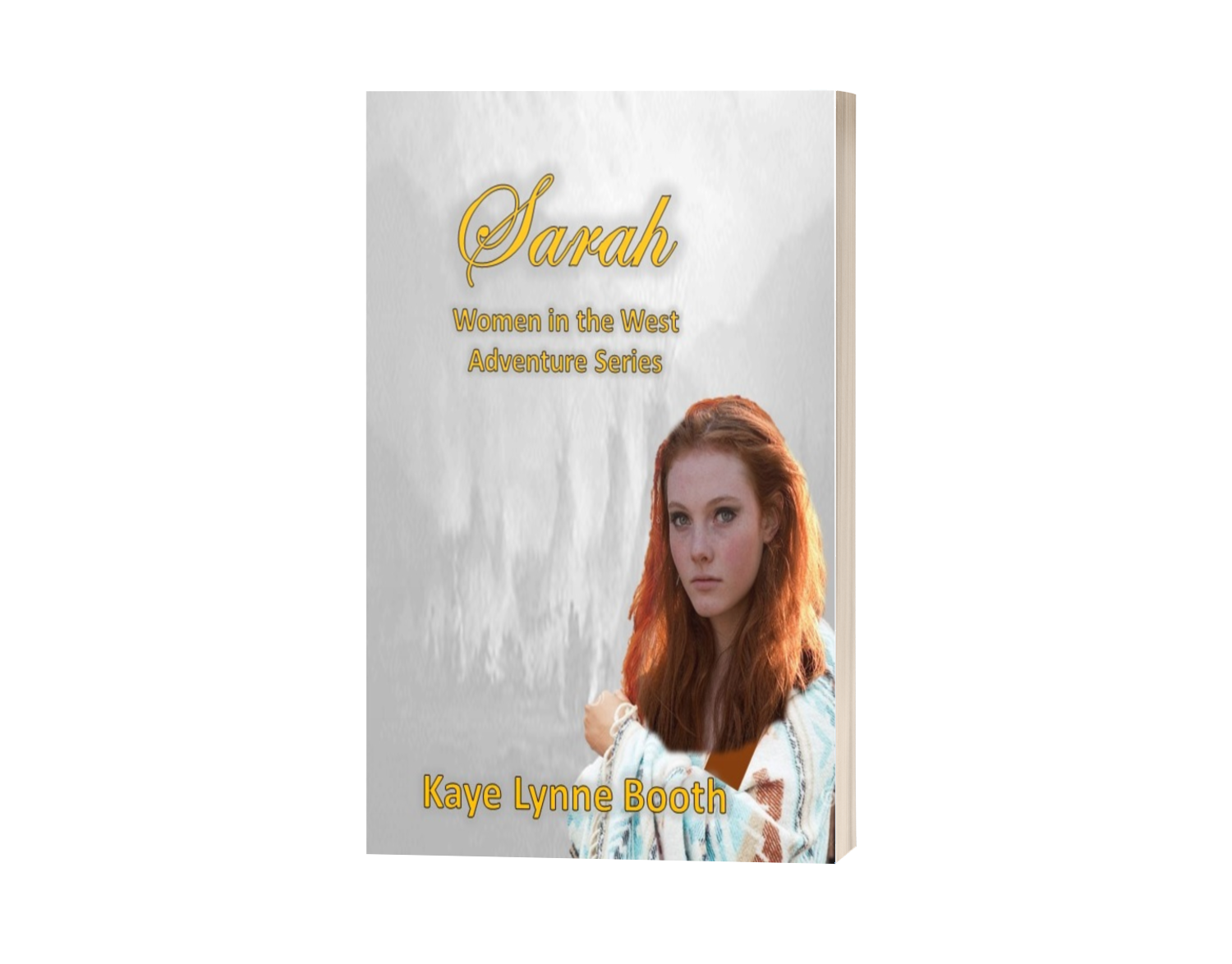
Sarah is a young girl trying to make a place for herself in the world.
Sarah is not the young girl stolen away from Delilah anymore. Now she is Hair of Fire, mate of Three Hawks, even as she blossoms into a young woman and tries to make a place for herself among the Ute tribe.

When she is stolen away from the life she’s made, she struggles to survive in the heart of the Rocky Mountains. A streak of stubbornness and determination take this tough, feisty heroine up against wild beasts of the forest and the rugged mountain landscape to Glenwood Springs, Colorado, where she receives a less than welcoming reception by some.
Will this young woman find her way back to the Ute tribe, which she’s come to think of as family, or will she discover a place among the colorful inhabitants of the Colorado hot springs and mining town?
Follow along on her journey to learn who she truly is and where she belongs in this rough, and often hostile frontier.
If you like strong and capable female protagonists, you’ll love Sarah.
Purchase Link: https://books2read.com/Sarah-Women-in-the-West
About the Author
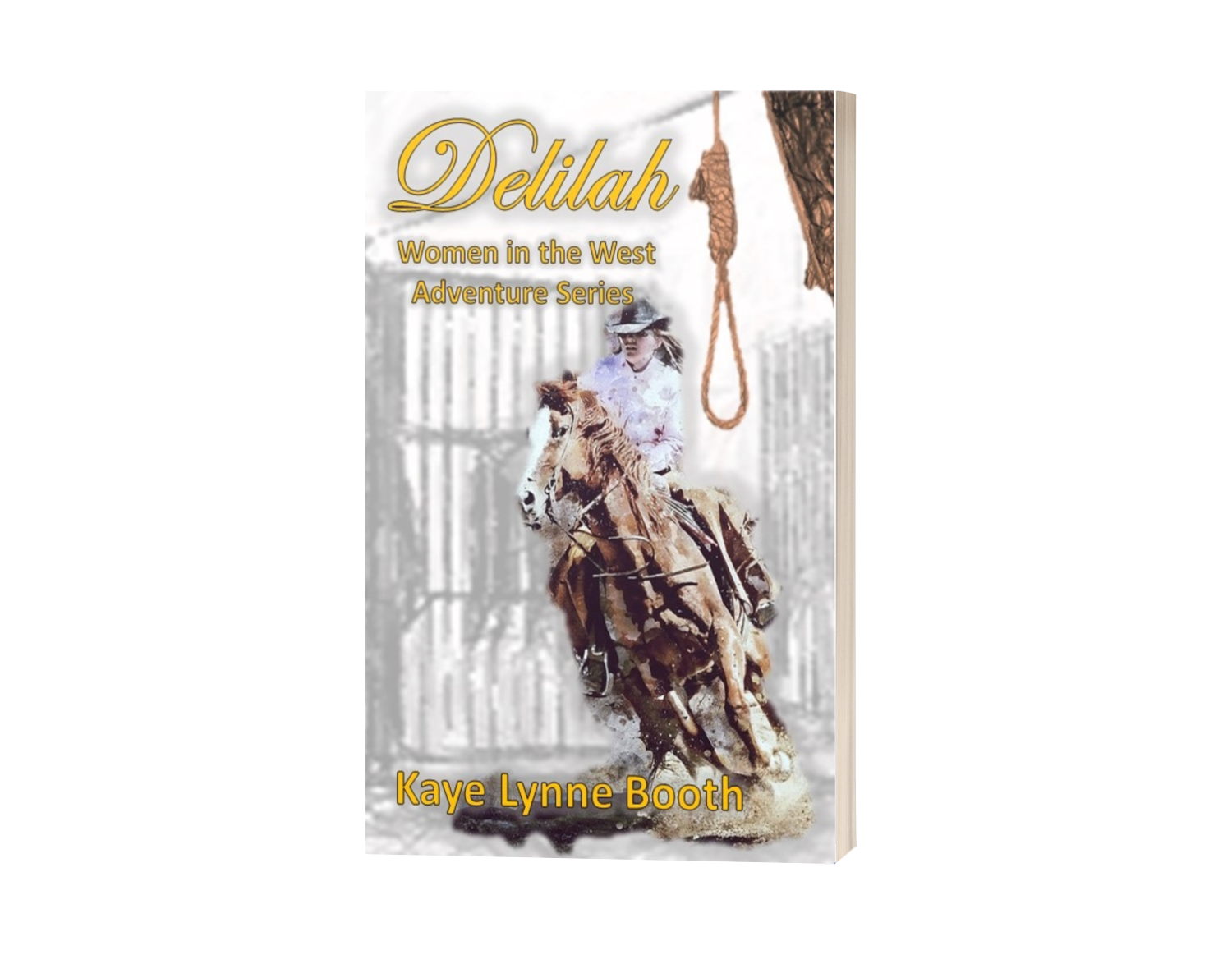
For Kaye Lynne Booth, writing is a passion. Kaye Lynne is an author with published short fiction and poetry, both online and in print, including her short story collection, Last Call and Other Short Fiction; and her paranormal mystery novella, Hidden Secrets; Books 1 & 2 of her Women in the West adventure series, Delilah and Sarah, and her Time-Travel Adventure novel, The Rock Star & The Outlaw. Kaye holds a dual M.F.A. degree in Creative Writing with emphasis in genre fiction and screenwriting, and an M.A. in publishing. Kaye Lynne is the founder of WordCrafter Quality Writing & Author Services and WordCrafter Press. She also maintains an authors’ blog and website, Writing to be Read, where she publishes content of interest in the literary world.

_______________________________________________
That wraps up today’s stop on the WordCrafter Sarah Book Blog Tour. I hope that you enjoyed learning about American frontier life in the 1880s. Join us tomorrow over on Patty’s Worlds, where Patty interviews me and reviews the book.
Don’t forget to leave a comment for an entry in the giveaway and a chance to win a free digital copy of Sarah. You can comment and enter at each stop. If you missed a stop, you can access them all from the links in the Schedule below.
Schedule
Mon. May 6 – “The Soiled Doves of the American West” – Writing to be Read
Tues. May 7 – “Utes in Glenwood Springs & the Legend of Chapita” – Roberta Writes
Wed. May 8 – Interview & Reading – Book Places
Thurs. May 9 – “‘Modern Medicine’ in the American West” – Writing to be Read
Fri. May 10 – Interview & Review – Patty’s Worlds
_______________________________________
Book your WordCrafter Book Blog Tour today!
Discover more from Writing to be Read
Subscribe to get the latest posts sent to your email.












[…] Thurs. May 9 – “‘Modern Medicine’ in the American West” – Writing to be Read […]
LikeLike
[…] Thurs. May 9 – “‘Modern Medicine’ in the American West” – Writing to be Read […]
LikeLike
Hi Kaye, I did know about the corsets and also the ‘female hysterics’ thing. It is very nicely addressed in The Yellow Wallpaper, by Charlotte Perkins Gilman. Your usage of this information in your story makes it even more appealing.
LikeLiked by 1 person
Yes, Robbie. I was aghast to learn that they laced them up so tight as to actually crack ribs. And then the women walked around like that, barely able to breathe. Then they wondered why they fainted all the time, chalk it up to hysteria and send her for a pelvic massage. Lol.
I read The Yellow Wallpaper many years ago. It is a story that sticks in the mind. And yes, it addresses the hysteria issue as well.
Thanks for your comment, ☺️
LikeLike
My pleasure. I remember descriptions of the corsets being done up in LIttle House in the Big Woods by Laura Ingalls Wilder. I hate tight things around my middle and I’m long waisted so I would not have fared well.
LikeLiked by 1 person
No. Nor would I. Most of the time I lounge around in sweats because they’re loose and comfortable. I only wear a bra on special occasions. They drive me nuts. I tried to wear a girdle for a short time to look better, but soon decided to let my waist overflow. 😉
LikeLike
I never knew those couches were called fainting couches. No wonder women fainted with corsets and tight underclothes. I saw a movie where a woman had to wear a wood hoop under her dress and she refused. She was a rich young woman of course. Her maid didn’t have to wear one. Her husband sent her to a mental institution because he said she was immoral for rebelling against the hoop skirt..
I like your post, Kaye.
LikeLiked by 1 person
Oh, how the Goddess doth tremble with anger at the mistreatment of women now, and then.
Reading about such ridiculousness boils my blood and makes me want to borrow Kayeâs hanging tree and put a few of those evil doers on it. â¹
Patty L. Fletcher
Bridging the great chasm which separates the disAbled from the non-disAbled
LikeLiked by 1 person
You’ll get a kick out of the trouble Sarah stirs up without even trying in the story, Patty.
LikeLike
I did get a kick out of it. I relate to that girl.
Patty L. Fletcher
Bridging the great chasm which separates the disAbled from the non-disAbled
LikeLiked by 1 person
It was common practice. They wore so much restrictive clothing that they couldn’t bend and had to sit on the edge of their chairs or remain standing. It seems ludicrous to us now, but it was expected then, and deviation from the norm was viewed as illness that needed to be cured. Sarah doesn’t get it, since her Utes wear loose fitting clothing and the women have daily labors they are expected to perform which requires free movement. ☺️
LikeLiked by 1 person
[…] Get your copy of Sarah here. […]
LikeLiked by 1 person
Sounds like a wonderful book about a strong woman. It on my reading list.
LikeLiked by 1 person
I’m sure you will enjoy it, Brenda. Thank you for your support. 🙂
LikeLiked by 1 person
[…] Day 4 of the WordCrafter “Sarah” Book Blog Tour […]
LikeLiked by 1 person
Thanks so much for sharing. 🙂
LikeLike