In Touch With Nature – The near threatened southern white rhinoceros and the poaching crisis #whiterhino #InTouchWithNature
Posted: July 23, 2025 Filed under: Uncategorized 76 Comments
The white rhinoceros or square-lipped rhino is the largest of the five living rhino species. It is also one of the largest land animals with only elephants being bigger. A male white rhino weighs up to 2,300 kilograms and a cow between 1,600 and 1,700 kilograms. The white rhinos most well-known feature is the two horn-like structures on its snout. The horns line up, one behind the other, and are comprised of densely compacted keratin fibers and not bone.
Unfortunately, it is the rhino’s beautiful horn that has led to these creatures being poached to near extinction. Rhino horns are in high demand in certain Asian countries, in particular China and Vietnam, due to a false belief in the medicinal value of the horns. Despite confirmation by the scientific world that these beliefs are not true, the demand continues. In some cultures, rhino horn is viewed as a status symbol and represents wealth and success. The demand for rhino horn as gifts fuels the poaching crisis. In addition, rhinos are still hunted for sport with hunters displaying their horns as trophies.

The white rhino population is estimated to be around 17,464 individuals with the majority being found in South Africa. Currently a near threatened species, the white rhino populations are declining with approximately 420 being poached every year. The latest white rhino poaching statistics for the three months ended 31 March 2025, are 103 averaging 34.33 white rhinos per month.
The fight against rhino poaching is on-going and multifaceted. Game reserves are protected by anti-poaching patrols which include drones and aircraft. I often see the anti-poaching units when I am in the bush, and I have even seen them practicing maneuvers. I am very supportive of these brave men who risk their own lives to save our rhinos from poachers. South Africa has introduced stricter wildlife protection laws and international organisations like the Internation Fund for Animal Welfare work ceaselessly to combat the online trade of illegal wildlife products.
One of the steps taken to reduce poach is dehorning. A landmark international study published on Thursday, 5 June 2025 has revealed that dehorning significantly reduces the risk of poaching. The study, led by the University of Cape Town found that “Dehorning rhinos to reduce incentives for poaching … was found to achieve a 78% reduction in poaching using just 1.2% of the overall rhino protection budget.” You can read more about this study here: https://www.news.uct.ac.za/article/-2025-06-05-uct-led-study-finds-dehorning-rhinos-reduces-poaching. I always feel sad when I see a dehorned rhino in the bush, but better dehorned rhinos than none at all.

The impact of the extinction of any animal species extends far beyond the specific animals and species itself. Rhinos, for example, play a critical role in maintaining balanced ecosystems in their natural environment. Rhinos are herbivores and their grazing patterns shape landscapes, support plant biodiversity and influence food chains. The extinction of the white rhino would have a significant impact on the decline of other species dependent on the environmental balance rhinos help to maintain.

A cute poem from Lion Scream by Robbie Cheadle
Listen to me, Mom
“Mom, what’s that box on wheels?
Why is it stopping?
Listen to me, Mom, I’m asking you something.
Stop ignoring me, Mom
I’ve got a question”

“If you don’t answer me
I’ll back into you
Can you feel it, Mom, I’m bumping into you?
I’m not going to stop
Until you answer”

“Fine, be mean if you like
I know what to do
I’ll just lie down and have a short siesta
Let me know when it’s gone
And we can move on”

A few of my white rhino wildlife YouTube videos
About Roberta Eaton Cheadle

Roberta Eaton Cheadle, is a South African writer and poet specialising in historical, paranormal, and horror novels and short stories. She is an avid reader in these genres and her writing has been influenced by famous authors including Bram Stoker, Edgar Allan Poe, Amor Towles, Stephen Crane, Enrich Maria Remarque, George Orwell, Stephen King, and Colleen McCullough.
Roberta has two published novels and a collection of short stories and has horror, paranormal, and fantasy short stories included in several anthologies. She is also a contributor to the Ask the Authors 2022 (WordCrafter Writing Reference series).
Roberta is also the author and illustrator of seventeen children’s books, illustrator to a further three children’s books, and the author and illustrator of four poetry books published under the name of Robbie Cheadle, and has poems and short stories featured in several anthologies under this name.
Roberta’s blog features discussions about classic books, book reviews, poetry, and photography. https://roberta-writes.com/.
Find Roberta Eaton Cheadle
Blog: https://wordpress.com/view/robertawrites235681907.wordpress.com
Bluesky: https://bsky.app/profile/robbiecheadle.bsky.social
Facebook: https://www.facebook.com/robertawrites
Amazon: https://www.amazon.com/Roberta-Eaton-Cheadle/e/B08RSNJQZ5
___________________________________________
Like this post? Are you a fan of this blog series? Did you know you can sponsor your favorite blog series or even a single post with an advertisement for your book? Stop by the WtbR Sponsor Page and let me advertise your book, or you can make a donation to Writing to be Read for as little as a cup of coffee, If you’d like to show your support for this author and WordCrafter Press.
__________________________________________
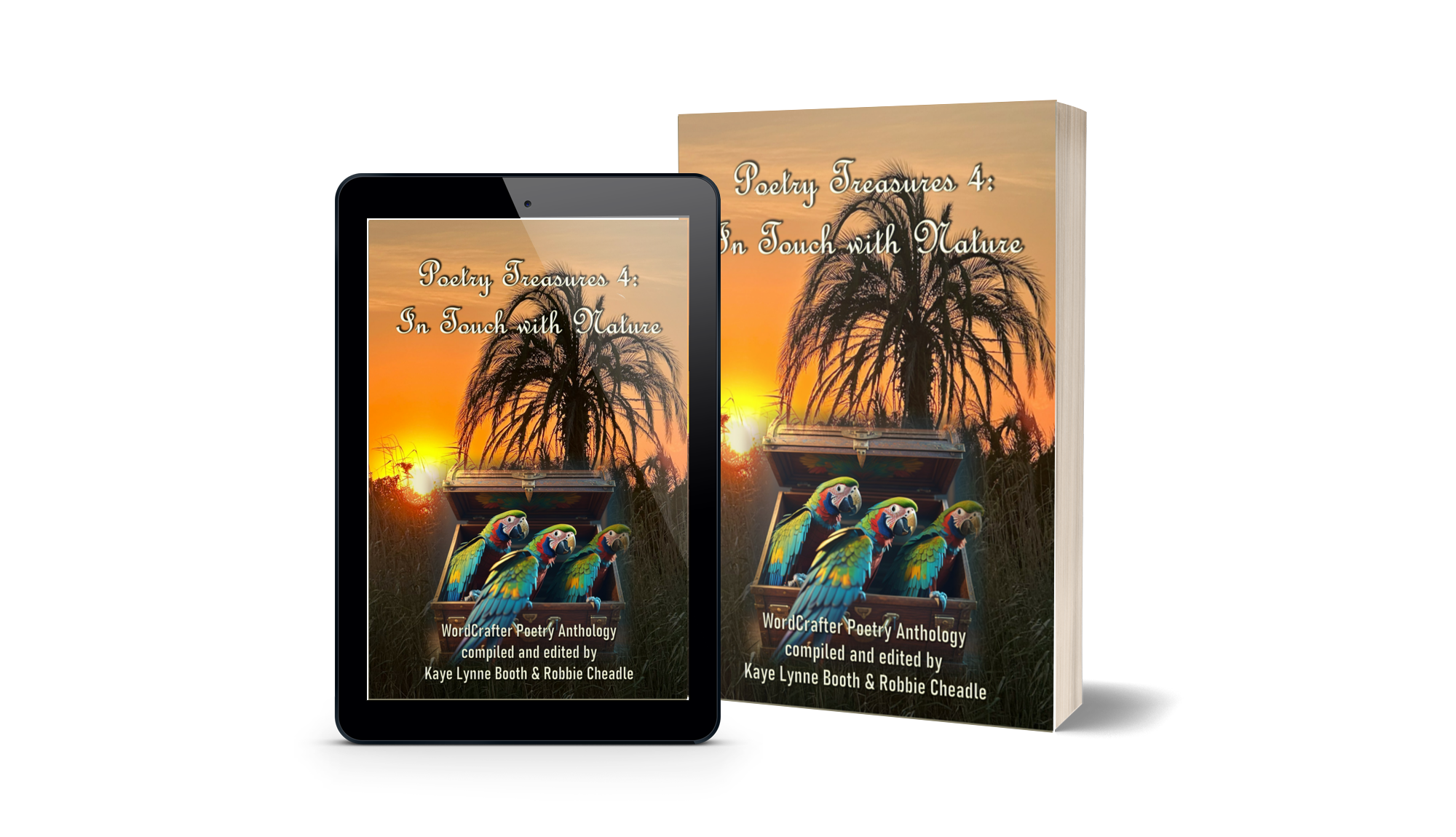
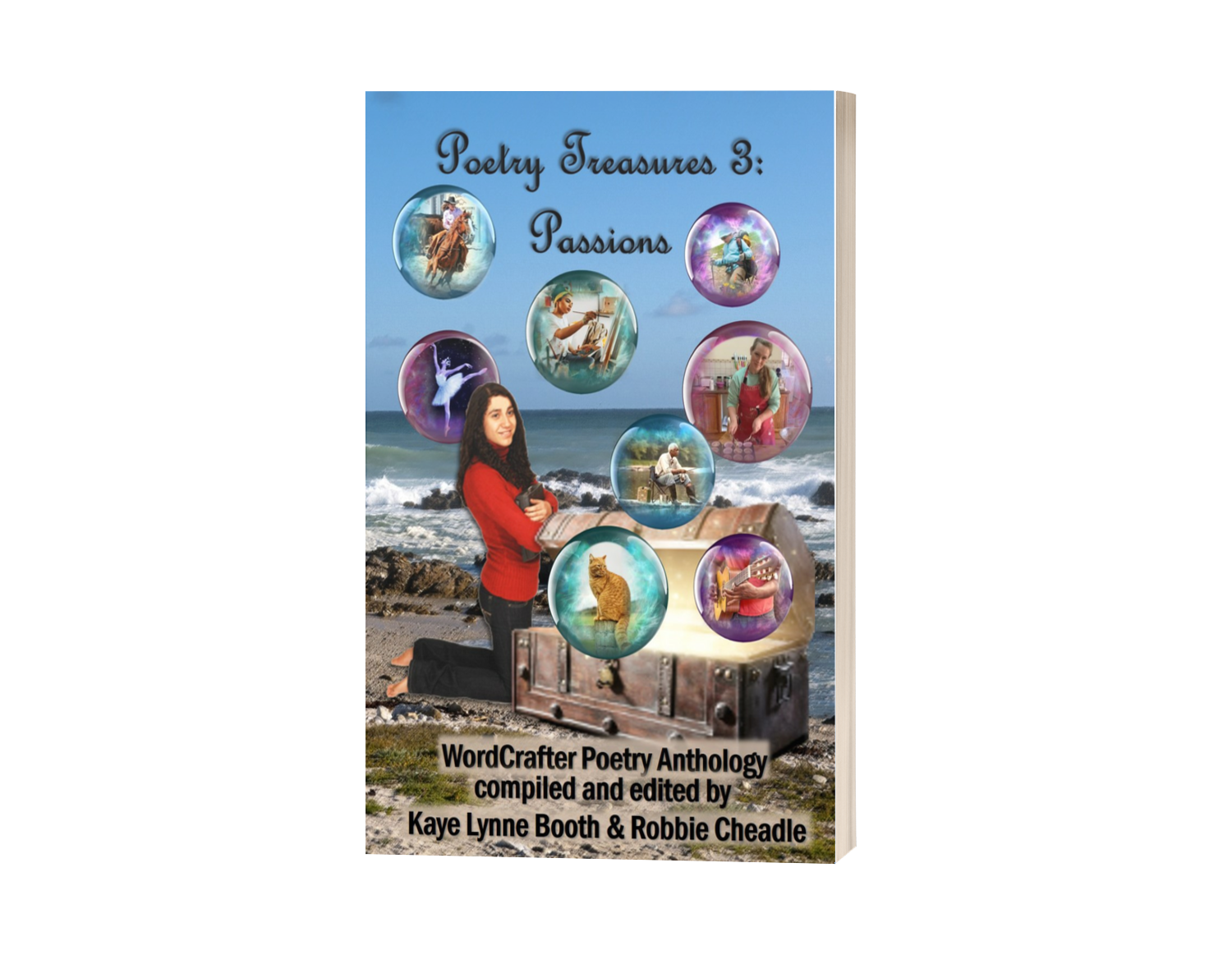
This segment of “In Touch with Nature” is sponsored by the Midnight Anthology Series and WordCrafter Press.

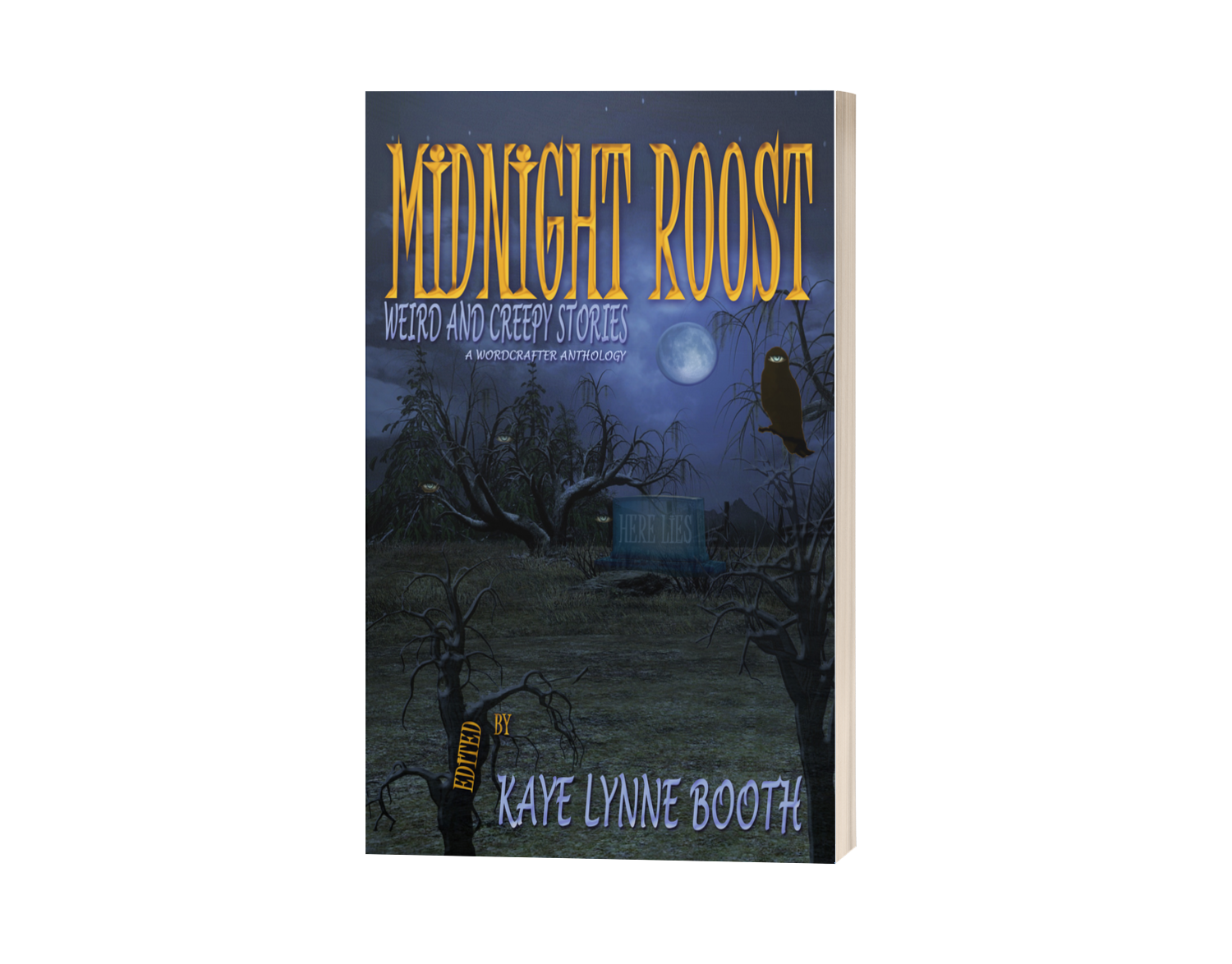
Midnight Roost: Weird and Creepy Stories: 20 authors bring your nightmares to life in 23 stories of ghosts, paranormal phenomenon and the horror from the dark crevasses of their minds. Stories of stalkers, both human and supernatural, possession and occult rituals, alien visitations of the strange kind, and ghostly tales that will give you goosebumps. These are the tales that will make you fear the dark. Read them at the Midnight Roost… if you dare. https://www.amazon.com/Midnight-Roost-Kaye-Lynne-Booth-ebook/dp/B0CL6FPLVJ
Midnight Garden: Where Dark Tales Grow: 17 authors bring you 21 magnificent dark tales. Stories of magic, monsters and mayhem. Tales of murder and madness which will make your skin crawl. These are the tales that explore your darkest fears. Read them in the Midnight Garden… if you dare. https://www.amazon.com/Midnight-Garden-Where-Tales-Anthology-ebook/dp/B0DJNDQJD3
Discover more from Writing to be Read
Subscribe to get the latest posts sent to your email.













[…] In Touch With Nature – The near threatened southern white rhinoceros and the poaching crisis #… […]
LikeLiked by 1 person
Rhinos are beautiful animals. It’s so tragic that they’re under threat. Thank you you for this wonderful post, fabulous pics and poem💗
LikeLiked by 1 person
HI Esther, thank you for your comment. I have avoided writing about rhinos for some time. It is hard telling the world about our failures to protect them for various reasons one of which is wide-spread corruption.
LikeLiked by 2 people
Thank you for sharing this post Robbie.
It is tragic that these animals are now at near extinction.😪 like so many others.
Dehorning may only be a temporary fix, but I hope not.
Loved your poem and the photographs too.🤗
LikeLiked by 1 person
Hi Maggie, I hope a better solution will be found and there are still rhinos for future generations to enjoy.
LikeLiked by 2 people
Hi Robbie
I hope so too🙏
LikeLiked by 1 person
💕
LikeLiked by 2 people
[…] https://writingtoberead.com/2025/07/23/in-touch-with-nature-the-near-threatened-southern-white-rhino… […]
LikeLiked by 1 person
Thank you Patty. 🙂
LikeLike
I heard about the dehorning study while listening to NPR. Probably it was just after the study was released. It’s very sad that it has come to that to protect the rhinos. The baby rhinos are very cute. 😊
Many people don’t realize how an ecosystem works. Sigh.
LikeLike
I know, Merril. People often amaze me with how little they know about the world around them. I suppose its upbringing and city life but its dreadfully sad.
LikeLiked by 2 people
Here in the US there is incredible ignorance about everything.
LikeLiked by 1 person
That is universal and not only people in the US.
LikeLiked by 2 people
I suppose so. It’s the celebration of ignorance that really bothers me.
LikeLiked by 1 person
Yes, me too. It bothers me alot, the promotion of mediocracy and just trying being enough. It’s all part of the dumbing down of society.
LikeLiked by 2 people
😔
LikeLiked by 1 person
What beautiful animals the Rhinos are. Lovely photographs and a wonderful post.
LikeLiked by 1 person
HI Danny, I am pleased you liked this post. I carefully selected an upbeat poem because I remember your sadness at some of the more emotive and evocative poems in this book. Hugs.
LikeLiked by 1 person
Thank you for this beautiful and informative post Robbie… Having now seen these beautiful creatures while on a safari I can understand more of what you are saying.
How sad that ignorance and false beliefs are driving these magnificent creatures bro extinction. 💜💜
LikeLiked by 1 person
Hi Willow, I am thrilled you can relate to this post and the beauty of rhinos in their natural habitat. I hope my posts reach a few and increases their understanding of the value of our natural world.
LikeLiked by 2 people
I have every faith that who ever reads your posts cannot fail to be touched 💜😊😊
LikeLiked by 1 person
I hope so, Willow
LikeLiked by 2 people
So do I 💜💜💜
LikeLiked by 1 person
💙
LikeLiked by 2 people
thank you for sharing this information with us –
LikeLiked by 1 person
Thank you for reading and appreciating it, Beth.
LikeLiked by 2 people
I’m glad to know people are doing something. We can only hope the demand is also being addressed through education.
LikeLiked by 1 person
HI Craig, I read an article that said the use of rhino horn is reducing in Chinese traditional medicine and alternatives are being used. I live in perpetual hope.
LikeLiked by 2 people
Excellent post, Robbie. Much of humankind’s cruelty to animals is heartbreaking. (One reason why I’m vegan.)
LikeLiked by 1 person
Hi Dave, I agree. Humans are cruel to each other though so its not really surprising. I didn’t know you are a vegan. I was vegetarian for years but now I eat a little meat as my health wasn’t as good as it needed to be as a mother.
LikeLiked by 2 people
Robbie thank you for this, a feast of learning, Thank you for the link to the study and for the delightful videos. I love the gently humorous poem, and I appreciate your desire to share and dare I say – teach.
LikeLiked by 1 person
HI Paul, I suppose I do desire to teach people about animals. I think knowing more about them makes people more interested in them and their welfare.
LikeLiked by 1 person
That dehorned rhino. Oh that hurt…
LikeLiked by 1 person
I find it very disturbing to see dehorned rhinos. It interfers with their natural behaviour patterns but what can you do.
LikeLiked by 2 people
Such an important post to share. They are so beautiful and need help by raising awareness for protection. Sweet poem and wonderful photos, Robbie!!🩷
LikeLiked by 1 person
Thank you, Cindy. I really appreciate your interest and comment.
LikeLiked by 2 people
You’re so welcome, Robbie! Thank you!
🙏
LikeLiked by 1 person
🌞💛
LikeLiked by 1 person
This post is wonderful! What is said is knowledgeable, the pictures and videos are marvelous.
LikeLiked by 1 person
Thank you, Tim. I appreciate your comment and support.
LikeLiked by 2 people
😊
LikeLiked by 1 person
Is it known if their horns are actually important, for clearing their way through undergrowth or do the males fight?
LikeLiked by 1 person
Hi Janet, yes, the horns are important for their survival in the wild. Rhinos use their horns for defense and foraging as well as for determining social dominance among males. Dehorning is a far from perfect solution but better than extinction.
LikeLiked by 2 people
I presume the horns have a purpose, Robbie? It seems so sad to have to do that to preserve their lives xx
LikeLiked by 3 people
I have the same question about the horns having a natural purpose for the animal.
LikeLiked by 3 people
Yes, the horns are very important as they are used for defense, foraging and play a significant role in the mating and social behaviours of these animals. Dehorning is a doubled edged sword.
LikeLiked by 2 people
I thought there must have been a reason for the horns. The dehorning picture was difficult to look at.
LikeLiked by 2 people
Yes, it is horrible but better than the killed pictures.
LikeLiked by 2 people
I’m sure you’re right. Is there a reason the poachers don’t just dehorn the animal without killing it?
LikeLiked by 1 person
The animals have to be tranquilised before they can be dehorned. They are very sensitive to the drugs so it is a risky process even when done by the appropriate people. The poachers don’t care about the animal, they just want to chop out the horn for the money. Sometimes they don’t kill it, they live it to die in agony (sorry, but you did ask). Poachers are not nice people and have no conscience about the destruction they bring about. I wrote a poem about this but I didn’t include it in this post. I felt it was hard hitting enough without my poem.
LikeLiked by 2 people
Thank you for answering my questions, Robbie. The white rhinos have a worthy champion in you.
LikeLiked by 1 person
My pleasure, Liz 🤗💞
LikeLiked by 2 people
Are poachers arrested and charged crimnally, or the the emphasis on prevention rather than punishment?
LikeLiked by 2 people
As I mentioned to Pete and Jennie, there is a huge amount of corruption in South Africa and this impacts rhino poaching as well as everything else. There has been more successful prosecution of poachers over the past few years but the corruption makes it harder to get justice. In addition, the game parks are huge areas, the Kruger National Park is as bit as Belgium. These are incredible large areas to patrol and because they are wild, the animals can’t easily be seen and neither can the poachers. Lots of treed areas and scrub as well as long veld grass.
LikeLiked by 3 people
It certainly seems the cards are stacked against the white rhinos.
LikeLiked by 1 person
🙏💞
LikeLiked by 2 people
I have mixed emotions about dehorning. I understand that it limits poaching, but it seems awful for the rhino.
LikeLiked by 1 person
It is awful for the animal and interferes with their natural behaviour. Unfortunately, there is a lot of corruption in South Africa and our wildlife programmes are not spared. Dehorning is the only way to keep our rhinos safe currently.
LikeLiked by 2 people
So sad!
LikeLiked by 1 person
💙
LikeLiked by 2 people
It’s disheartening that one of the solutions to protecting rhinos is to dehorn them. I understand it is designed to protect them ultimately, but since the animal uses their horns for defense, foraging, and other necessities, it seems cruel. Why not stiffer fines against poachers?
LikeLiked by 2 people
South Africa is a very mixed up country and there is a significant amount of corruption here. Some politically connected people are involved with the poaching and illegal horn trade. As a result there is a failure of the judicial system to protect wildlife and the criminals often get off. In such a society, dehorning is really the only way.
LikeLiked by 2 people
Beautiful creatures those rhinos! They are doing a little better now, but there is much to do, we know.
LikeLiked by 1 person
I think the failure of the judicial system to successfully prosecute poachers (due to corruption) plays a role. This appears to have improved over the past few years and there have been more convictions of individuals and gangs. Also, the game parks are just to big to patrol with effectiveness even with drones and airplanes. Removing the demand and thus financial gain is really the only way.
LikeLiked by 2 people
Life, the most precious gift on earth
LikeLiked by 1 person
It is, thanks, Annette 🌞💛
LikeLiked by 2 people
I will never accept the barbaric practice of “hunting for sport.” Thank you for caring about these awesome animals. Thank you, also for including Robbie’s sweet poem and interesting videos!
LikeLiked by 1 person
Hi JoAnna, I also dislike hunting although it is still popular. Hunting of endangered animals is especially awful for me. Thank you for visiting.
LikeLiked by 2 people
Human ignorance will wipe us all, humans and animals, out.
Sad, but I agree, no horns are better than no rhinos.
Your poem is a beauty, and the videos are precious. Thank you, Robbie!
Thank you for hosting this valuable series, Kaye Lynne!
LikeLiked by 1 person
Hi Resa, it’s always nice to see your supportive and enthusiastic comments. There are no other options to save the rhino. A horrible truth 🤗💗🌈
LikeLiked by 2 people
SIGH! xoxo
LikeLiked by 1 person
🤗💗
LikeLiked by 2 people
😊💜
LikeLiked by 1 person
😊💜
LikeLiked by 1 person
It’s a shame that rhinos have to lose their horns because of poachers. What do the authorities do with the horns once they’re de-horned? And how do they protect themselves without their horns?
LikeLiked by 1 person
Hi Dawn, it is a great shame that humans are so ignorant and selfish. I understand the horns are stored in vaults.
LikeLiked by 1 person