In Touch With Nature – Nyala antelope #southernAfricanwildlife
Posted: March 26, 2025 Filed under: Africa, Animals, In Touch With Nature, Nature, Wildlife | Tags: In Touch With Nature, Nyala Antelope, Robbie Cheadle, South Africa, Writing to be Read 88 Comments
The Nyala is a spiral horned antelope native to southern Africa. It is the antelope with the highest sexual dimorphism (differences between male and female of the species). This is easy to see in the photographs and videos I’ve shared in this post so look out for the rusty or rufous brown coats of the females and juveniles and the dark brown or slate grey coat of adult males. Females and juveniles also have ten or more white vertical stripes on their sides which the stripes are greatly reduced or completely absent in the adult males. The males are significantly larger than the females.


The Nyala is a shy animal and is usually seen in the early morning and the late afternoon when it browses, feeding on foliage, fruits, and grasses. They live in thickets within dense and dry savannah woodlands and are usually found in single-sex or mixed family groups of up to ten animals. These antelope are not fast runners, and their camouflage is their main defense against predators.
The main predators of the Nyala are lions, leopards, African wild dogs, and humans. The males are highly prized as game animals, and they are often victims of poaching. Human settlement is also encroaching on their habitat resulting in a declining population although they are classified as Least Concern by the International Union for Conservation of Nature (IUCN).
Nyalas have a special relationship with the baboons and vervet monkeys with whom they share the woodlands. They eat any fruit dropped by these primates and also react to any alarm calls made by primates from their advantageous viewing points in the trees. The baboons and monkeys also benefit from the relationship as Nyala have exceptional hearing, smell, and sight. When a Nyala spots danger, it gives off a striking alarm call sounding a bit like a barking dog. This warning also serves the primates and other creatures sharing their habitat.
Interestingly, Nyalas are not territorial. They wander about in groups and do not try to protect any areas from other creatures.
Nyala buck have an aggressive way of breeding. Firstly, the males fight for dominance, crashing into each other with their sharp horns acting like swords. The horns often draw blood. The bulls fight until one backs down by walking away as a sign of submission. These battles can be fatal if the wounds become infected or if the bull is concussed. The winning bull then slowly dances within the group of females, using strange, stuttering movements and raising its head to show off its white underfur.
When a female is on heat, the male follows her on foot, pushing his nose between her legs. He gets excited and buts her hindquarters right off the ground. If the female is interested, she stops walking. The male then walks around her and presses her head down before he mounts her. Gestation is 220 days and ewes can conceive from the age of 14 months.


YouTube video of Nyala herd comprising of young males and females:
Male Nyala licking his legs YT video:
YT video of a Nyala male feeding:
The Fire Part 1
Flamboyant performer
Sun takes final bow
Pitch black curtains descend; concealing the stage
Campers assemble fire
Restraining darkness
***
Wood ignites, flames crackle
Illuminating
Nocturnal animals materialise
Skulking in deep shadow
Bright eyes glittering
***
Feeding ravenous blaze
An essential task
Stopping potential diners from helping themselves
To a convenient
Snack of arms or legs
The Fire Part 2
Dawn makes her grand entrance
Painting the sky red
Men prepare to depart, water smothers fire
Murky vapour billows
Dark ashes sodden
***
Everything orderly
The campers move on
Single flickering coal smolders unnoticed
Mutely clinging to life
Nurtured by the breeze
***
Dry leaves fall stealthily
Embracing ember
Sustenance provided; leaves burst into flame
Cunningly building strength
Destruction ensured
These poem duo is from my book, Lion Scream, Syllabic Poetry About Southern African Wildlife, available from Amazon here: https://www.amazon.com/Lion-Scream-Syllabic-Southern-Wildlife-ebook/dp/B0BXP5N766

About Roberta Eaton Cheadle

Roberta Eaton Cheadle, is a South African writer and poet specialising in historical, paranormal, and horror novels and short stories. She is an avid reader in these genres and her writing has been influenced by famous authors including Bram Stoker, Edgar Allan Poe, Amor Towles, Stephen Crane, Enrich Maria Remarque, George Orwell, Stephen King, and Colleen McCullough.
Roberta has two published novels and a collection of short stories and has horror, paranormal, and fantasy short stories included in several anthologies. She is also a contributor to the Ask the Authors 2022 (WordCrafter Writing Reference series).
Roberta is also the author and illustrator of sixteen children’s books, illustrator to a further three children’s books, and the author and illustrator of three poetry books published under the name of Robbie Cheadle, and has poems and short stories featured in several anthologies under this name.
Roberta’s blog features discussions about classic books, book reviews, poetry, and photography. https://roberta-writes.com/.
Find Roberta Eaton Cheadle
Blog: https://wordpress.com/view/robertawrites235681907.wordpress.com
Bluesky: https://bsky.app/profile/robbiecheadle.bsky.social
Facebook: https://www.facebook.com/robertawrites
Amazon: https://www.amazon.com/Roberta-Eaton-Cheadle/e/B08RSNJQZ5
___________________________________________
Like this post? Are you a fan of this blog series? Did you know you can sponsor your favorite blog series or even a single post with an advertisement for your book? Stop by the WtbR Sponsor Page and let me advertise your book, or you can make a donation to Writing to be Read for as little as a cup of coffee, If you’d like to show your support for this author and WordCrafter Press.
__________________________________________
This segment of “In Touch with Nature” is sponsored by the Midnight Anthology Series and WordCrafter Press.

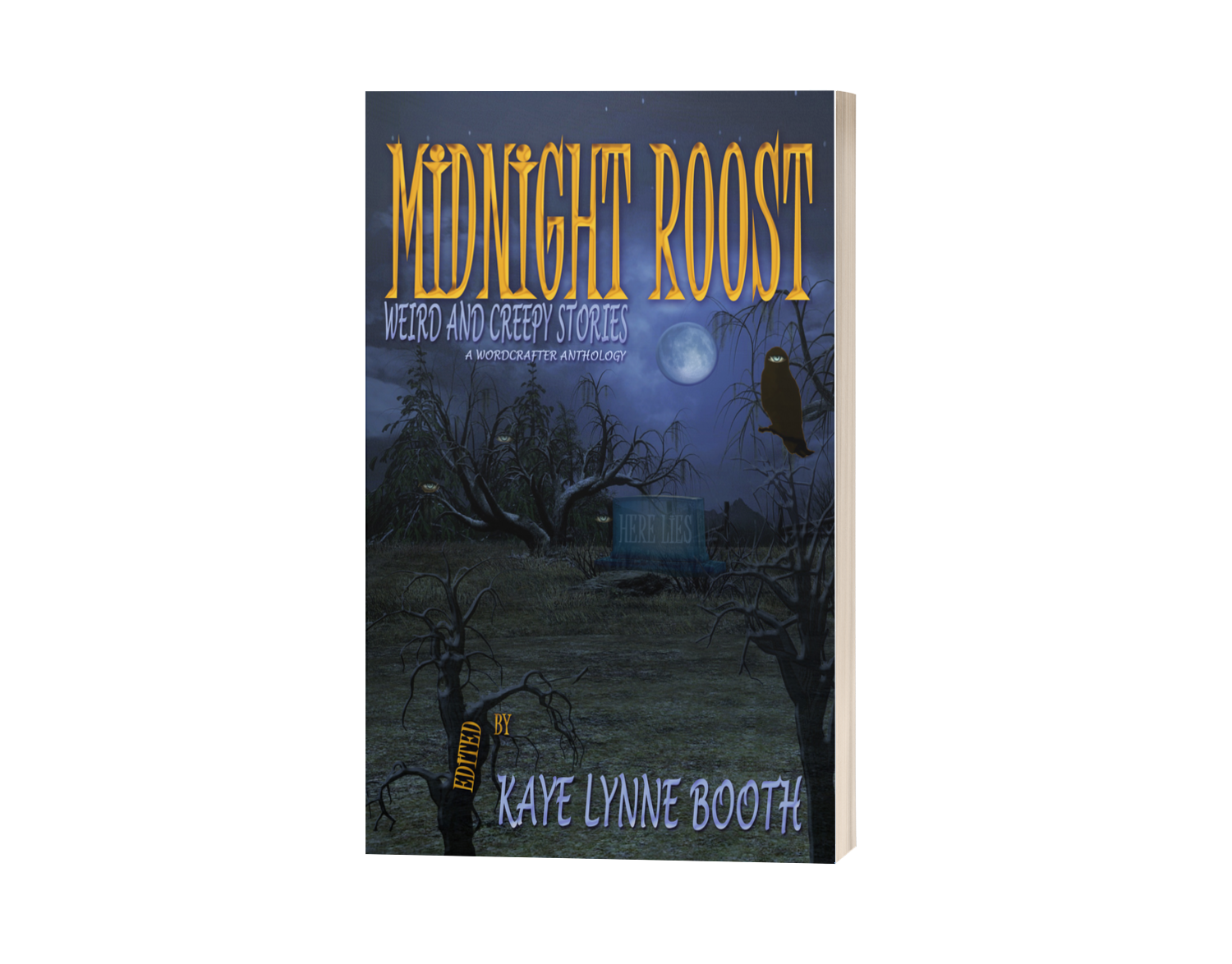
Midnight Roost: Weird and Creepy Stories: 20 authors bring your nightmares to life in 23 stories of ghosts, paranormal phenomenon and the horror from the dark crevasses of their minds. Stories of stalkers, both human and supernatural, possession and occult rituals, alien visitations of the strange kind, and ghostly tales that will give you goosebumps. These are the tales that will make you fear the dark. Read them at the Midnight Roost… if you dare. https://www.amazon.com/Midnight-Roost-Kaye-Lynne-Booth-ebook/dp/B0CL6FPLVJ
Midnight Garden: Where Dark Tales Grow: 17 authors bring you 21 magnificent dark tales. Stories of magic, monsters and mayhem. Tales of murder and madness which will make your skin crawl. These are the tales that explore your darkest fears. Read them in the Midnight Garden… if you dare. https://www.amazon.com/Midnight-Garden-Where-Tales-Anthology-ebook/dp/B0DJNDQJD3
Discover more from Writing to be Read
Subscribe to get the latest posts sent to your email.











Wow Robbie what a wonderful post.
As always wirh so much information.
Those stripes look like someone has drizzled icing sugar on them.
Loved your poems and the videos too.
Thanks so much for sharing my birth country with me.
LikeLiked by 1 person
HI Maggie, I am so pleased you enjoy learning about southern African wildlife. Thank you
LikeLiked by 2 people
Hi Robbie
I do, very much.
Thank you my friend.
LikeLiked by 1 person
🪻💜
LikeLiked by 2 people
I wonder what Nature saw in the stripes. They almost look like dry stalks of grass. I was looking for striped animals to explain the stripes on my Neanderthals. Too bad Nyala are native to Africa.
LikeLiked by 1 person
The nyala live in wooded areas so the stripes work.
LikeLike
Amazing animals. I suppose the stripes are used as camouflage. Thanks for the information.
LikeLiked by 1 person
Thanks, Darlene. The stripes are camouflage among the trees.
LikeLiked by 1 person
Nature is so amazing!!
LikeLike
Yes!
LikeLiked by 2 people
Great photos and interesting information about these Nyala antelopes. Thanks Robbie.
LikeLiked by 1 person
Hi Brad, they are amazing creatures. Thanks for visiting.
LikeLiked by 1 person
Fascinating antelope-ian information and photos, Robbie!
LikeLiked by 1 person
Thank you, Dave 🤗
LikeLiked by 2 people
As always a brilliant post Robbie and thank you for the wonderful photos and the descriptions. Fabulous and thanks Kaye Lynne for hosting.
LikeLiked by 1 person
This is my favorite series of Robbieâs.
LikeLiked by 2 people
It is brilliant Patty hugs
LikeLiked by 1 person
Thank you, Pattty
LikeLiked by 2 people
Thank you, Sally
LikeLiked by 2 people
I wish Robbie were here, she could do a piece on these geese and maybe be quick enough to capture them in a photo.
Right this minute there are, according to a friend of mine about 25 of them outside our window.
I love nature and Robbie has made it possible for me to learn so much.
LikeLiked by 2 people
At least geese keep others away from the house Patty, noisy but great guard dogs… and Robbie has taught all of us much about wildlife and Africa.. hugsx
LikeLiked by 1 person
Oh, not to take away from Robbieâs post, but I love observing the geese and ducks here.
LikeLiked by 2 people
We are not as exotic as Robbie either Patty and our starlings and other birds give us great pleasure too. hugs
LikeLiked by 2 people
Hi Sally, I enjoy our garden birds too. I have several that have lived in my garden for generations now. The hadedas have bred here for 15 years.
LikeLiked by 2 people
That is wonderful Robbie, your hadedas are wonderful…♥
LikeLiked by 1 person
They are noisy. 😉
LikeLiked by 2 people
Hi Patty, I am pleased you enjoy these posts. I took a video of a goose once. He was so cute doing a little goose dance down the road.
LikeLiked by 1 person
Thanks for visiting and commenting, Sally. ☺️💜
LikeLiked by 1 person
Hi Sally, I am so pleased you enjoyed the Nyasaland. They are so beautiful.
LikeLiked by 2 people
[…] https://writingtoberead.com/2025/03/26/in-touch-with-nature-nyala-antelope-southernafricanwildlife/ […]
LikeLiked by 1 person
Thank you, Patty. 💜
LikeLike
🌷🩷
LikeLiked by 1 person
You could have been a zoologist, what with your enjoyment of sharing nature’s beasts with us. I am always enthralled with how you present the information, and grateful. This post is no exception. Thank you, Robbie!
LikeLiked by 1 person
Hi Annette, I never knew about such exotic careers. If I had known, I may have chosen differently.
LikeLiked by 2 people
This was fascinating, Robbie. I didn’t know anything about them, they are beautiful creatures. Xo
LikeLiked by 1 person
Hi Denise, I think they are gorgeous. I do like antelope. Thanks for visiting.
LikeLiked by 1 person
A wonderful poem, information and photos. Well done, Robbie, and great to see her on here 🥰
LikeLiked by 1 person
Hi Esther, I so pleased you enjoyed these beautiful antelope.
LikeLiked by 2 people
As always, with these posts, I learned something, Robbie. Fascinating creatures. Love both poems showing opposites. Well done!
LikeLiked by 1 person
I’m glad you enjoyed these lovely antelope, Jan, and the poems. 🌸
LikeLiked by 2 people
I haven’t heard of Nyalas, maybe they will crop up in a crossword clue. I love the yellow socks. Good news that they cooperate with other animals.
LikeLiked by 1 person
Hi Janet, they are beautiful antelope and who knows, they may crop up in a crossword. I haven’t done one of those for years.
LikeLiked by 2 people
What a beautiful antelope, Robbie. I always enjoy learning about the animals in your neck of the woods. Your “Fire” poems are stunning!
LikeLike
Hi Colleen, thank you, I’m so pleased you enjoyed this post 💜🪻
LikeLiked by 1 person
Such an interesting post. They are fascinating creatures. The females’ white stripes look like icing to me. 😊
LikeLike
Hi Merril, your comment about the stripes made me smile. They are like the dough crosses I put on Easter buns. These are lovely antelope.
LikeLiked by 2 people
😊
LikeLiked by 1 person
Such beautiful animals. And such a shame that we are not taking better care to ensure their survival. Thanks for all the information, as always. (K)
LikeLike
My pleasure, Kerfe. I love sharing about southern African animals. I hope my posts, poems and paintings help raise awareness of their plight.
LikeLiked by 2 people
They seem like such beautiful and gentle animals. Love your videos, Robbie.
LikeLike
HI CArla, I am delighted ot know that. Thank you.
LikeLiked by 2 people
Fascinating information! I loved the photos and videos. Let your poem serve as a warning to careless campers! It doesn’t take much to spark a wildfire.
LikeLike
Hi Liz, it really doesn’t especially when it is hot and dry with a light wind. Thank you for your support and comment.
LikeLiked by 2 people
You’re welcome, Robbie.
LikeLiked by 1 person
Fabulous post!
What a beautiful creature this is. “Least concern”? That sounds like a precarious definition.
Love this series. Thank you so much, Robbie & Kaye Lynne!
LikeLike
Hi Resa, my intention with my rewrite of Dante’s Inferno is to explore and explain each of these categories by the IUCN. There just happen to be nine which worked well for me. Least concern means that it’s not as badly off as some other creatures like the black rhino which is on the red list. There are also creatures that are already extinct.
LikeLiked by 2 people
So interesting.You go!
Robbie’s Inferno
LikeLiked by 1 person
Gaia’s Redemption is my working title now.
LikeLiked by 2 people
Very Cool!
LikeLiked by 1 person
😁💗
LikeLiked by 2 people
The Nyala antelope is a gorgeous creature. I always look forward to Robbie’s nature posts. Love the poems too! 🙂
LikeLike
Hi Kay, it’s lovely to see you. I am pleased you like the Nyala. I think they are very beautiful animals.
LikeLiked by 1 person
You’re welcome Robbie.
LikeLiked by 1 person
They are beautiful animals. I admire their horns. (But they look much better on the nyala than someone’s wall!)
I love the two poems, too.
LikeLiked by 1 person
Wow, Nyalas are such fascinating animals! I had no idea about their unique relationships with baboons and monkeys or how dramatic their mating rituals are—horn fights and dance moves? Wild. This was such an interesting read, especially while I’m stuck waiting for the carpet cleaners to finish. Learned something new while being productive(ish)!
LikeLiked by 1 person
Wonderful photos and information Robbie, And the Ewes I suppose need to conceive early in their years to enable them to keep surviving.
All your poems are wonderful…
Have a lovely weekend Robbie xx ❤
LikeLiked by 1 person
HI Sue, I am delighted to know you enjoyed this post and the accompanying poems. Thank you.
LikeLiked by 2 people
😍🥰😍
LikeLiked by 1 person
🙏🦋🩵
LikeLiked by 2 people
Great photos!
LikeLiked by 1 person
Thank you, Chris
LikeLiked by 2 people
Fascinating information and excellent post in every way, Robbie and Kaye Lynne! Loved the photos and wonderful poems too! Nature is so amazing!
LikeLiked by 1 person
Thanks for visiting, Lauren. It is good to see you here. Robbie always makes it well worth coming by with her beautiful and informative posts. 🙂
LikeLike
🥰🌷
LikeLiked by 1 person
Hi Lauren, nature is amazing and I’m delighted you enjoyed this post.
LikeLiked by 2 people
[…] In Touch With Nature – Nyala antelope #southernAfricanwildlife […]
LikeLiked by 1 person
Robbie, what a wonderful post. I love your poetry.
LikeLiked by 1 person
Thank you, Brenda 🧡
LikeLiked by 2 people
Thanks for this amazing share about about these unique animals. Beautiful pictures and accompanying poetry Robbie. ❤
LikeLiked by 1 person
My pleasure, Debbie
LikeLiked by 2 people
Thanks for sharing all your knowledge, the videos, and the poems. You have so many wonderful interests and talents, Robbie! Enjoy the coming week!
LikeLiked by 1 person
HI Olga, I’m glad you enjoyed the Nyala. I hope your new week is also a good once.
LikeLiked by 1 person
I enjoyed learning about the Nyala antelope, Robbie. That’s so interesting how they and the baboons and vervet monkeys have a cooperative relationship. And I’m sorry to hear that these animals are killed for no reason other than human ego. Ugh. Excellent poems about wildfires and how easily they begin when humans are careless. Thanks for sharing and thanks to Kaye Lynne for hosting.
LikeLiked by 1 person
❤
LikeLiked by 1 person
HI Diana, I am always delighted when readers enjoy this particular series. Our animals are so amazing.
LikeLiked by 2 people
I would love to travel one day to see them in person. It would be a highlight of my life.
LikeLiked by 1 person
That would be wonderful.
LikeLiked by 2 people
I love the poetry and the photos!
LikeLiked by 1 person